Retail News CRM

Tag: McDonalds

  • McDonald’s challenging US market mitigated by international sales

    McDonald’s challenging US market mitigated by international sales

    Strong international sales ensured respectable McDonald’s results in the latest quarter as the fast-food giant encountered challenges in its core US market. Global sales slipped 3 per cent in the three months to December, to US$5.16 billion, although this was largely due to currency translations, without which sales would have been flat. While the company did not break out Asian performance, it said international same-store revenue rose 5.2 per cent.

    Same-store sales in the US rose 2.3 per cent, primarily due to increased prices, given foot traffic in stores fell by 2.2 per cent. Global visitor numbers crept up by a mere 0.2 per cent.

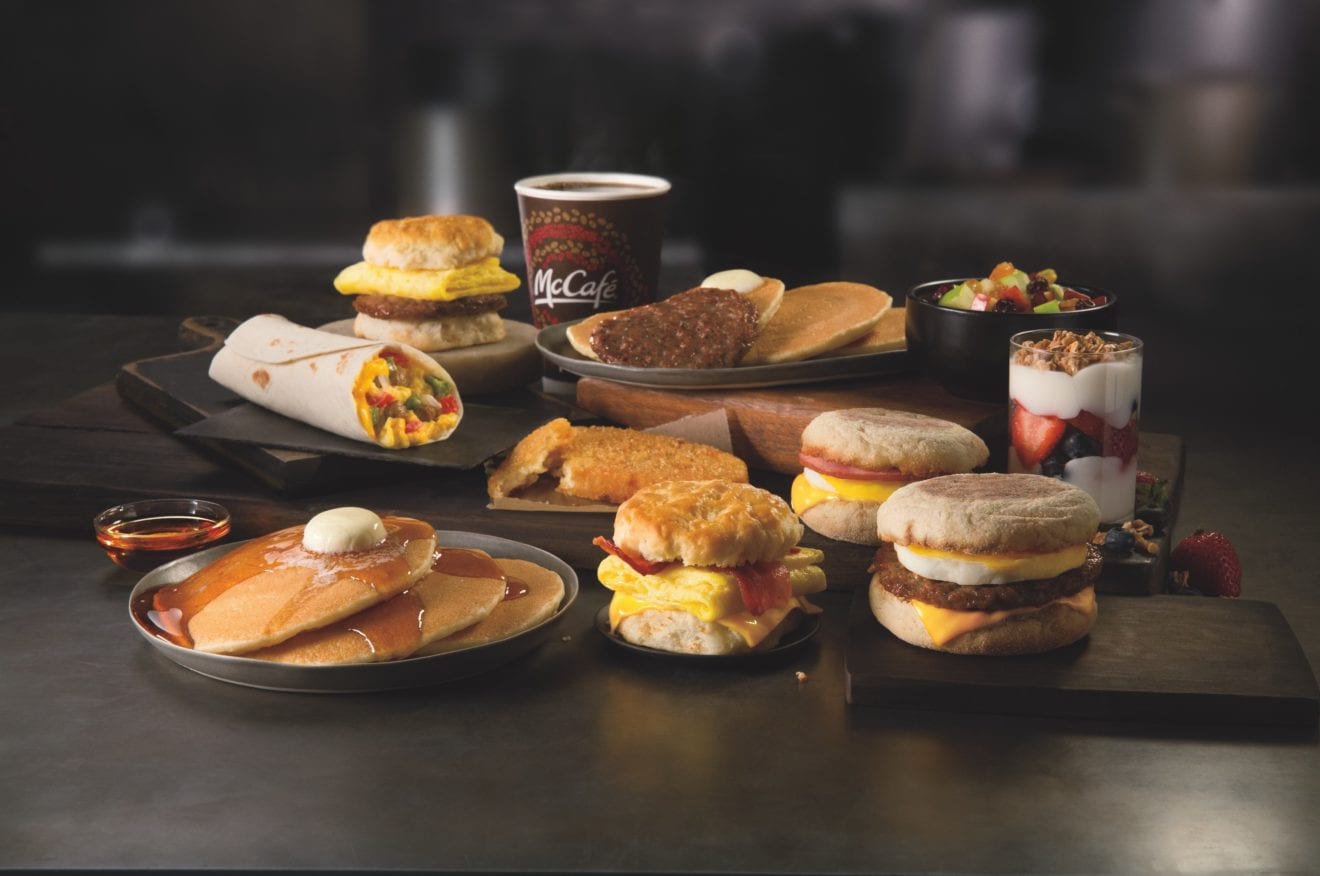
    Breakfast remains its most challenging category, with the chain struggling to attract diners in the mornings. While that mealtime accounts for about a quarter of its total sales, the breakfast market is experiencing fierce competition among rival chains.

    “We’re doing well with average check growth but we really want the customer to come back and more often,” CEO Steve Easterbrook said in an investor presentation about the McDonald’s results.

    He said McDonald’s is trying to recover breakfast customers by trialling different price promotions, launching localised advertising campaigns and improving the drive-through service.

    More stores, more kiosks

    Globally, McDonald’s plans to open a net 750 new stores this year. It will also speed up the rollout of its digital touchscreen ordering systems. Easterbrook says stores with self-ordering kiosks were achieving higher sales than those without.

    Commenting on the McDonald’s results, Neil Saunders, MD of GlobalData Retail, said the kiosks and order-by-app services need to be rolled out faster.

    “This isn’t just a case of installing and implementing the technology, it is about getting customers to actually use it. Consumers need to be given more incentives to use the new ways of ordering, especially mobile, as many still shun the technology,” said Saunders.

    “Longer term, more automation in the kitchen is also critical – something that will be particularly beneficial now McDonald’s menu options are more varied and complex.”

    Saunders described the latest McDonald’s results as “reasonable”. But he said a 6.7 per cent decline in operating income suggests that McDonald’s is having to work harder for much slimmer rewards.

    “In our view, this does not sit well with the increasing complexity and higher levels of capital expenditure the company is introducing into the business.”

    Saunders believes McDonald’s is on the right track. “However, this year will be a more challenging year than last and it will be a balancing act between keeping both customers and franchisees happy.”
  • Vietnam’s startup potential lures international students, overseas Vietnamese

    Vietnam’s startup potential lures international students, overseas Vietnamese

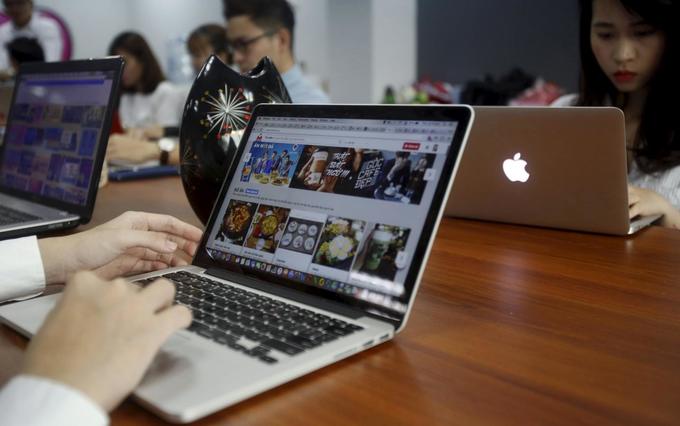
    Founders of Wisepass, Base.vn and WeFit are educated overseas, drawn back to Vietnam by its startup potential. Lam Tran, 34, is a French overseas Vietnamese with over 10 years’ experience in marketing at Google Europe. He returned to Vietnam and founded Wisepass, a lifestyle app that connects users to a wide range of dining, leisure and entertainment services through paid membership packages.

    In 2018, Lam made WisePass available in Thailand and the Phillipines. “I believe to succeed businesses must lead their home market first, before thinking of expanding overseas,” said Lam.

    Having set up the business in HCMC and then expanded to Hanoi, Lam regularly flew to the capital city to attend events and promote his products. After selling 10 memberships in a day, Lam was able to show employees the direction and potential of WisePass.

    “Global expansion may sound intimidating, but after all, founders must start from the smallest things: talk to customers, selling products,” Lam said. There is no need to wait for big events, he added, “all you need to do is show up and market your product at appropriate places.”

    WisePass currently operates in three countries, with 300 partners and over 1,000 monthly active users.

    The founder of Base.vn, Pham Kim Hung, is well-known  in Vietnamese math circles. He won Gold and Silver medals at the International Mathematical Olympiad and is the author of a math textbook published in four languages. Graduating in computer science from Stanford University, Hung did not stay on to work in Silicon Valley but decided to return to Vietnam.

    In 2016, he launched Base.vn, a business management software under the Software-as-a-Service (SaaS) model, where software is leased under a subscription instead of installed. The app is built to unify corporate governance processes, from administration to human resources, task management, financial management to sales marketing.

    Base.vn currently serves over 500 enterprises, including many large organisations like VIB, VPBank, ACB, The Coffee House, McDonald’s and VinCommerce.

    Base.vn currently has the highest investment in all business-to-business startups in Vietnam.

    “After Indonesia, Singapore and Malaysia, we believe that Vietnam can become the next major technology powerhouse in the region,” Chandra Tjan, co-founder and partner of Indonesian fund Alpha JWC Venture said.

    In addition to Base.vn and WisePass, in the past few years, the Vietnamese startup community has received many other innovations: WeFit (fitness), Elsa (language learning), Logivan (van hiring), GotIt (gift delivery), and Uiza (video streaming). Most of these entrepreneurial efforts have been successful at carving their own niche in the Vietnamese startup ecosystem.

    Experts have said that with over 100 million people, Vietnam has great potential for socio-economic development, and with a rapidly growing middle class combined with quick adaption of digital developments, the ground is fertile for new ventures, especially startups.

    Apart from the economic potential, young people returning to Vietnam also have a sense of duty and obligation to their homeland, as also a realization that their efforts here can have greater positive impact on society as a whole, according to experts.

    Investment in Vietnamese startups rose to $889 million in 2018, three times that of 2017, according to a report recently released by Topica Founder Institute (TFI), a startup accelerator program in Vietnam and Thailand run by Hanoi-headquartered multinational educational technology company Topica.

  • Richemont joins Alibaba’s IP alliance on brand protection

    Richemont joins Alibaba’s IP alliance on brand protection

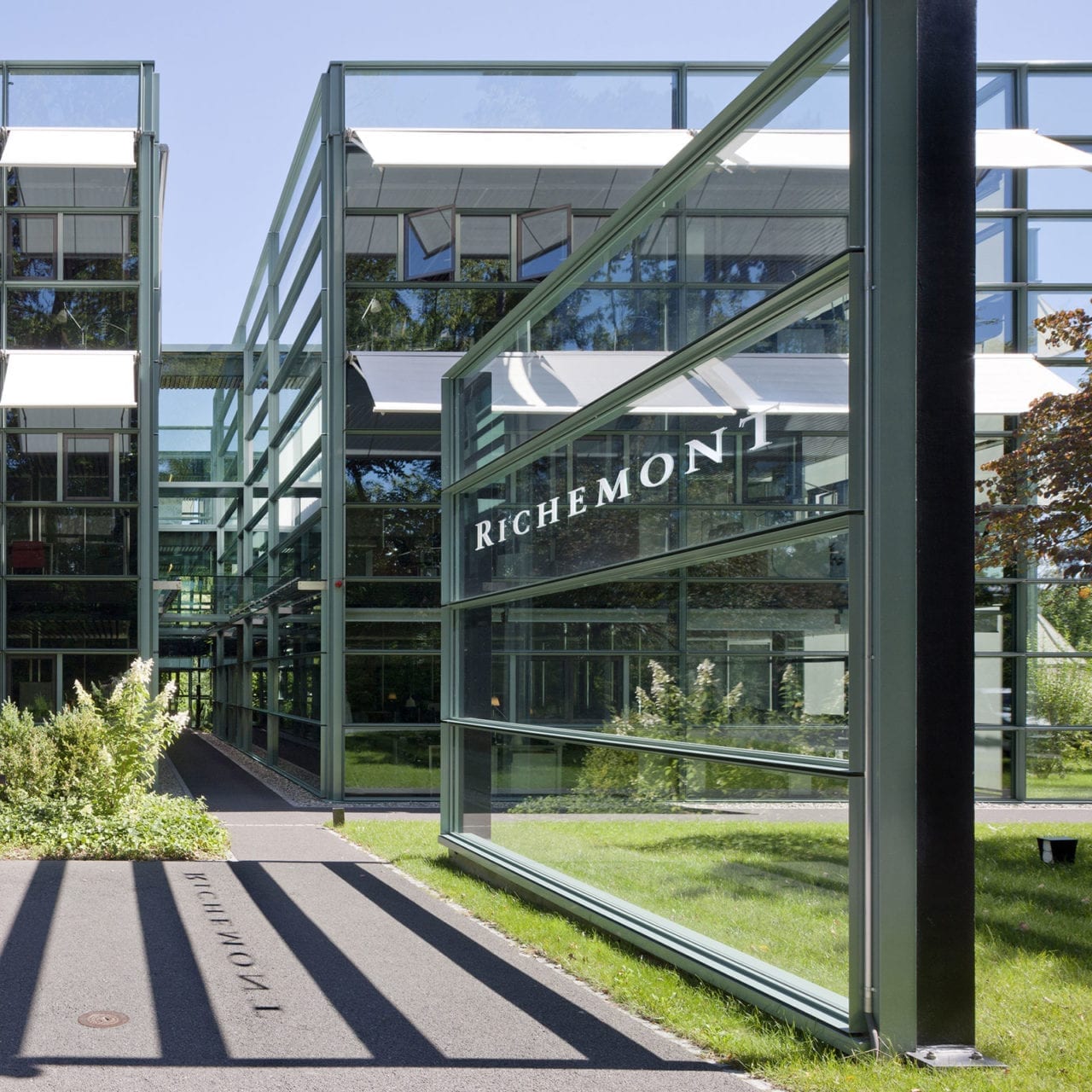
    Global luxury group Richemont has joined the Alibaba Anti-Counterfeiting Alliance, a partnership between the e-commerce giant and brands that works to protect intellectual property rights on Alibaba’s platforms. Geneva, Switzerland-based Richemont is now among the 115 members from 16 countries and regions that are a part of the IP alliance, as well as the latest from the luxury sector to partner with the e-commerce giant on brand protection. Richemont said it would share its technology, expertise and other information to support the Alliance’s efforts.

    Richemont owns 17 luxury brands, including Cartier, Montblanc, Piaget, Van Cleef & Arpels, Watchfinder & Co and Chloe, in addition to Yoox Net-A-Porter Group, the online retail platform. YNAP runs four different websites — Net-A-Porter, Mr Porter, lifestyle-goods destination YOOX and affordable-fashion seller The Outnet — as well as online flagship stores for leading fashion brands, such as Armani, Moncler and Valentino.

    The announcement comes a month after Alibaba and YNAP partnered to bring the site’s high-end goods to Chinese consumers. A joint venture between Alibaba and YNAP will launch a mobile app for the Net-A-Porter platform and menswear site Mr Porter, in addition to opening flagship stores for Net-A-Porter and Mr Porter on Tmall Luxury Pavilion, a channel that connects premier brands with China’s digital-first consumers.

    Richemont, along with New Balance, General Motors and McDonald’s, were the latest global brands to join the AACA. The alliance’s membership has more than tripled from the original 30 founding brands at its launch last year, and now includes  names, such as Bose, Canada Goose, Honda, Samsung, Mars, Adobe, Danone, Hasbro and L’Oreal, in 12 industry categories. They work with Alibaba in six key areas — proactive online monitoring and protection, a product test-buy program, offline investigations and enforcement actions, industry-law enforcement workshops, litigation tactics and public awareness campaigns — in the fight against IP infringement.

    In September last year, the AACA established an advisory board so that brands could provide feedback to Alibaba in areas related to IP enforcement. Alibaba has since upgraded its Intellectual Property Protection Portal as well, delivering faster navigation and a better user experience on the site, where rights holders report suspected infringing listing and share information with Alibaba. In addition, Alibaba’s Good Faith program, which is open to brands with a track record of accurate notice and takedown filings, has streamlined the reporting process.

    The IP alliance does not restrict its brand-protection efforts to the online space. Alibaba and its brand partners also work to find and eliminate fakes at their source. In the luxury sector, Alibaba and Louis Vuitton – one of the first members of AACA – conducted an offline investigation that resulted in the seizure in May of approximately RMB 100 million ($14.4 million) worth of counterfeit goods.

    “The protection of intellectual property rights requires all stakeholders to work closely together and share their expertise. The AACA will continue its efforts to establish industry best practices for IP protection by creating effective collaboration among brands, platforms and law enforcement,” said Michael Yao, Alibaba’s senior VP and head of Brand Protection and Cooperation.

  • McDonald’s makes big change in store face

    McDonald’s makes big change in store face

    McDonald’s newest restaurant is making a bold statement about the future of the chain.

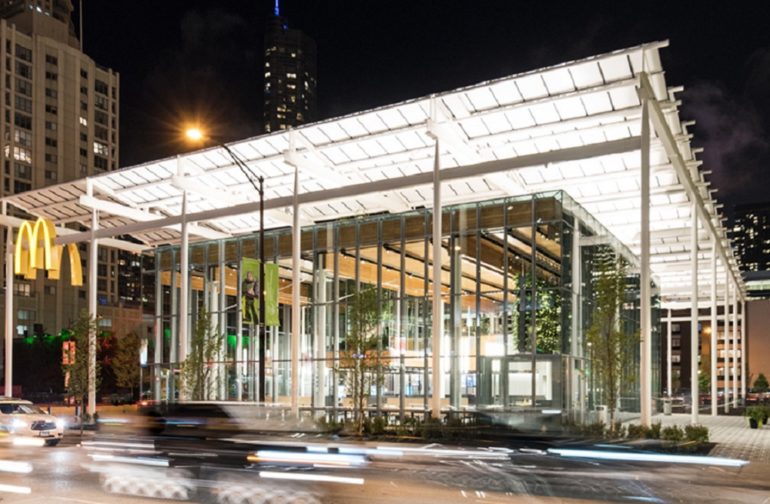
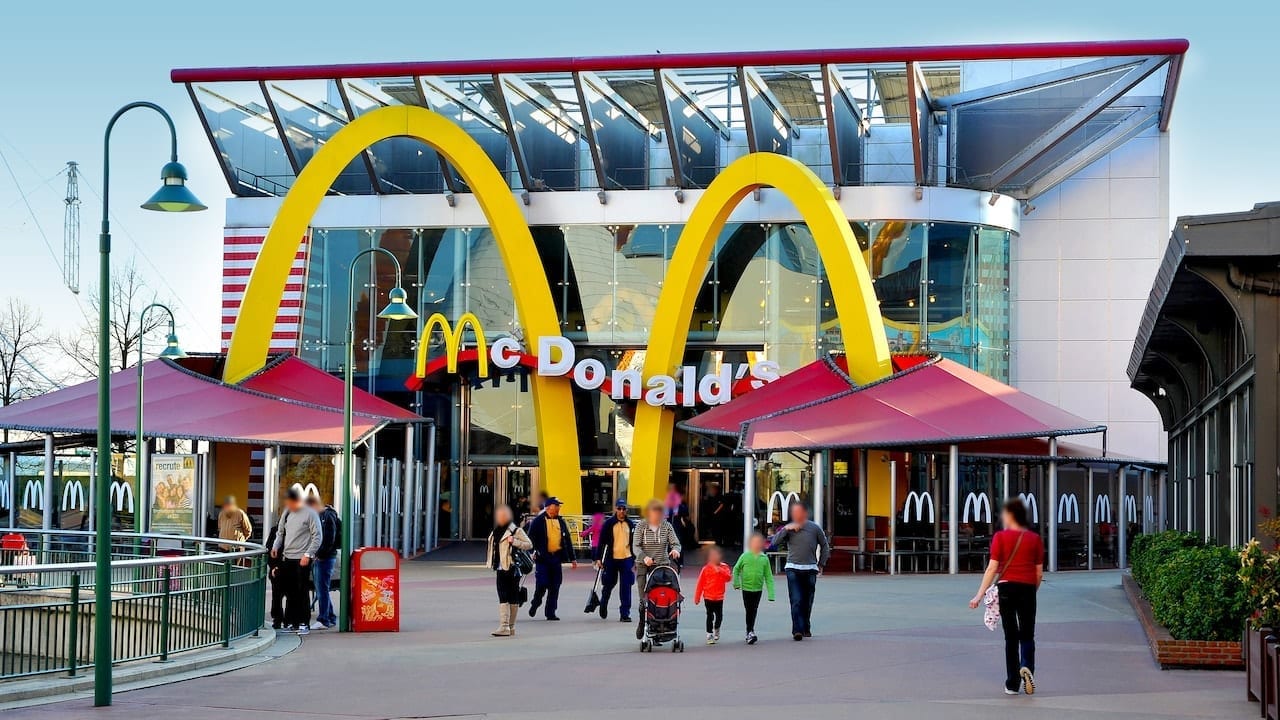
    McDonald’s has just opened a new flagship restaurant in Chicago. It is a glassy, 19,000-square-foot building that looks more like an Apple Store than a fast-food restaurant — and that is exactly what the company intended.

    “We are proud to open the doors to this flagship restaurant, which symbolizes how we are building a better McDonald’s for our customers and the communities where they live,” McDonald’s President and CEO Steve Easterbrook said in a statement.

    While the structure may be different, the Golden Arches are still present at the restaurant, which will be open 24 hours a day, seven days a week.

    The restaurant features self-order kiosks, table service, mobile order and pay, and delivery — services that are becoming increasingly mainstream at McDonald’s locations across the US. Table service and increased digital ordering options are part of McDonald’s “Experience of the Future” revamp.

    Currently, roughly 5,000 restaurants fit the qualifications, and McDonald’s plans to transform almost all restaurants by 2020. The restaurant also highlights something else McDonald’s is pushing in an effort to remake its image: sustainability. It has more than 70 trees at the ground level, as well as on-site solar panels.

    The restaurant was designed by the Chicago-based firm Ross Barney Architects. While not every McDonald’s is going to look quite so classy and glassy, the combination of more tech, table service, and an emphasis on sustainability provides a blueprint of what the fast-food giant wants to roll out across America.

  • McDonald’s China opens its 300th store

    McDonald’s China opens its 300th store

    McDonald’s China has opened 300 new stores during the last year, pressing ahead with an expansion strategy tied to deals with property developers.

    The company has signed contracts with Country Garden and Evergrande Group, giving it access to more locations in new retail centres.

    And the company has also invested in digital technology with more than 75 per cent of its stores now offering kiosk ordering and payment facilities for customers. Using touchscreens, customers can select their purchases and pay by electronic means before collecting their food from a counter.

    McDonald’s China is also eyeing further expansion into tier 3 and 4 cities. By 2020, about 45 per cent of its anticipated 4500 outlets will be lower-tier locations.

  • 50th Anniversary Of Big Mac Marked With Coin Currency

    50th Anniversary Of Big Mac Marked With Coin Currency

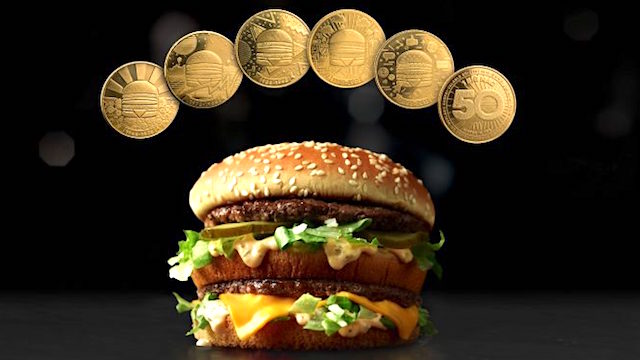
    McDonald’s has minted a coin in more than 50 countries to mark the 50th birthday of the Big Mac.

    Called the MacCoin, it will be released tomorrow, August 2, and while it has no real value, it can be exchanged at restaurants for a Big Mac until the end of this year. Many are likely to be retained by collectors.

    The fast-food company has had 6.2 million MacCoins pressed, in five designs each reflecting a decade in the life of the Big Mac:

    • The 1970s, showcasing the decade’s flower power.
    • The 1980s alluding to pop art.
    • The 1990s defined with bold, abstract shapes.
    • The early 2000s specifically focusing on the technology that was at the forefront of the turn of the century.
    • The 2010s MacCoin calling attention to the evolution of communication.

    The seven languages featured on the front-side of the MacCoin – Arabic, English, Indonesian, Mandarin, Portuguese, French and Spanish – represent many of the countries participating.

    Coins can be earned by entering contests via social media channel Twitter and other means depending on the market – they’re not being distributed from restaurants or used as change in stores.

    The MacCoin was inspired by The Economist’s Big Mac Index, which is the publishing house’s measure of global spending power (comparing, each year, the price of a Big Mac in many international markets, converting them to a common base currency).

    “As one of the most well-known and iconic McDonald’s menu items – and business driver – around the globe, the Big Mac deserves the celebration that the coin evokes,” says Jeff McLean, CFO at McDonald’s Canada. “The fact that in 50 years, the Big Mac has become so universally recognised it’s used to measure the purchasing power of international currencies is pretty remarkable.”

    Nick Delligatti, fourth-generation McDonald’s owner-operator and great-grandson of Jim Delligatti, the inventor of the Big Mac, said, “When my great-grandfather Jim Delligatti invented the Big Mac at his grill in Uniontown, Pennsylvania, he just wanted to make his local customers happy. August 2 would have been my great-grandfather’s 100th birthday, and I believe he would be very proud knowing his humble sandwich has made such a lasting impression that people all around the world can enjoy it wherever they find a McDonald’s.”

    Originally sold for just 45 cents, the Big Mac is now available in more than 100 countries.

  • McDonald’s growth in second quarter is not “satisfying”

    McDonald’s growth in second quarter is not “satisfying”

    McDonald’s Corporation has announced results for its second quarter, seeing consolidated revenues decrease by 12 per cent, pinned on the impact of the company’s strategic refranchising initiative.

    Little mention was made of McDonald’s Asian performance for the quarter, other than an acknowledgement of undefined “continued challenges” in South Korea.

    The fast-food giant found system wide sales increased by 5 per cent, while global comparable sales increased by 4 per cent, reflecting positive comparable sales in all segments.

    “We’re seeing good performance across our business as our customers tell us that they value and appreciate the moves we’re making to elevate the McDonald’s experience,” said McDonald’s president and CEO Steve Easterbrook.

    “We’ve now marked 12 consecutive quarters of positive comparable sales, and we are confident that we’re executing the right strategy to achieve long-term, profitable growth.”

    Comparable sales for the International Lead segment segment increased 4.9 per cent for the quarter, while operating income increased 15 per cent, primarily driven by progress in the UK and France, while comparable sales in the US increased 2.6 per cent.

    Neil Saunders, managing director of GlobalData Retail, notes that although revenue growth has softened over the past year this quarters results represent a positive outcome for the restaurant company; suggesting growth in the US and beyond.

    “Part of McDonald’s success comes from the fact it is attracting a wider mix of customers into its restaurants,” said Saunders.

    “This is, in large part, a consequence of the modernization program the company has been undertaking. With around 1,000 restaurants refurbished each quarter, there has been a positive step change in customer perception, especially among older consumer segments.

    According to Saunders, these changes have been cemented by initiatives to improve quality, such as the use of fresh rather than frozen beef; leading McDonald’s to become a destination more diners are prepared to visit and linger in.

    “McDonald’s will come up against some tough prior year comparatives,” notes Saunders, “[which] means growth continues to soften. However, so long as menu innovation continues, we believe the chain will continue to be a winner in the fast food space.”

    Not all is well at the restaurant chain, however, with a pair of McDonald’s workers taking it upon themselves to restrain, and attack, a customer who attempted to fill a water cup with soda, and then provoked the employees when they turned off the machine to prevent it.

    A video of the altercation was posted to social media, with many fearing for the employee’s jobs after the way they reacted to the customer’s provocations.

    The company has yet to release a statement regarding the incident.

  • Pret A Manger sold to Krispy Kreme owner for £1.5bn

    Pret A Manger sold to Krispy Kreme owner for £1.5bn

    Pret A Manger’s global business, including Hong Kong and Singapore, has been sold to global investment firm JAB.

    Flush with cash from the sale of Jimmy Choo and a controlling interest in Bally, JAB is refocusing its core business investments on consumer goods and cafes. The company, majority owned by Germany’s secretive Reimann family – has controlling stakes in US coffee brand Keurig Green Mountain, European coffee supplier Jacobs Douwe Egberts, cafe chains Panera Bread, Peet’s Coffee & Tea, Caribou Coffee Company, US bagel chain Einstein Noah Restaurant Group, Krispy Kreme Doughnuts, and Espresso House, Scandinavia’s largest branded coffee shop chain. It also owns shares in makeup giant Coty and consumer goods company Reckitt Benckiser.

    UK-headquartered Pret A Manger, which has 530 stores globally, including 26 in Hong Kong, one in Singapore and two in Mainland China, serves 300,000 customers daily with global revenues of £879 million (US$1.166 billion).

    JAB will pay nearly $2 billion for the business (including taking over debt) to private equity investor Bridgepoint and an assortment of minority shareholders. According to BBC News, all 12,000 staff globally will receive a bonus of about US$1200. Bridgepoint bought the business in 2008, including a 33 per cent stake then held by fast-food operator McDonald’s Corporation, paying €500 million for the business, or US$584 million at today’s exchange rate.

    Pret A Manger CEO Clive Schlee described the sale announcement as “a day of celebration at Pret”.

    “This agreement recognises the hard work of all our amazing teams around the world. Bridgepoint has been a wonderful owner of the business for more than a decade. All of us at Pret believe JAB will be excellent long-term strategic owners.”

    He said JAB supported Pret’s growth plans, suggesting further expansion in Asia is on the cards as the company refines its offers in Singapore and China.

    “I am really looking forward to this next chapter of Pret’s story.”

    The deal follows a ninth successive year of like-for-like sales growth for Pret A Manger.

    “The brand continues to thrive around the world thanks to our simple recipe of freshly prepared food, served by genuinely engaged teams,” said Schlee.

    JAB partner and CEO Olivier Goudet said his company plans to continue Pret’s “extraordinary growth story”.

    “Management’s proven track record and commitment to customer service, investment in innovation and approach to freshly prepared food position Pret well as it capitalises on evolving consumer taste and lifestyle preferences. We look forward to working with Clive Schlee and his management team, while promoting the Pret brand and supporting Pret’s impressive culture for the next phase in the company’s growth with JAB.”

    Last year, Philippines fast-food operator Jollibee was linked to a bid for Pret A Manger at a value exceeding $1 billion and Bridgepoint was also reportedly considering an IPO for the business.

    It would appear from the published reactions of Pret A Manger management private ownership is a more comfortable fit with the business.

  • Gourmet burgers drive McDonald’s results

    Gourmet burgers drive McDonald’s results

    McDonald’s reported first quarter results that topped analysts’ forecast on Monday, helped by strength in international markets and U.S. consumers opting for more expensive burgers over value meals.

    Shares of the world’s biggest chain by revenue rose 4.2 percent to US$165.10 in premarket trading as global same-restaurant sales topped Wall Street forecasts, pulling profit higher.

    A multiyear turnaround plan launched by Chief Executive Steve Easterbrook three years ago, has brought menu changes, new technology to stores and restaurant upgrades to drive more traffic.

    High-margin “gourmet” burgers which offer fresh and more expensive ingredients, costing US$6 or US$7 a time compared to the chain’s US$1 to US$3 value options, raised the overall average U.S. check value.

    Global sales at stores open at least 13 months rose 5.5 percent, easily topping an average estimate of 3.94 percent and reflecting a 7.8 percent surge in the company’s more mature international markets – Australia, Canada, France, Germany and the United Kingdom.

    “This shows the power of the brand … globally the numbers were outstanding,” Peter Saleh, an analyst with brokerage BTIG, said. “The results were very impressive, actually more impressive than we initially had anticipated.”

    Excluding items, the company earned US$1.79 per share, beating the estimate of US$1.67. Revenue overall fell 9 percent as a result of refranchising – a cost-cutting move where the company sells McDonalds-owned outlets to a franchisee investor and receives only a cut of sales.

    The shape of the results also ran contrary to recent quarters, when McDonalds and other fast food chains have focused on battling each other with dollar menus, discounts on beverages and limited-time menu items as consumer spending cools.

    “It is clear that diners now see the value options as a permanent fixture and are no longer as excited or stimulated by them,” said Neil Saunders, Managing Director of market research house GlobalData Retail.

  • McDonald’s and private taxis in Thailand now accept Alipay

    McDonald’s and private taxis in Thailand now accept Alipay

    Alipay, the world’s largest mobile, online payment and lifestyle platform operated by Ant Financial Services Group, announced today that the payment platform will be available in all McDonald’s restaurants in Thailand by April 2018. This makes Thailand the first destination outside Greater China to accept Alipay at McDonald’s.

    Commenting on the development, Cherry Huang, General Manager, Cross-border Business for South and Southeast Asia, Alipay, said: “Thailand ranks #4 on the list of Top 10 Most Popular Destinations Outside Chinese Mainland for Chinese Tourists; to better facilitate the travel experience of Chinese visitors, our mission is to enable their smart lifestyle through our continuous efforts in expanding the merchant network and providing more value-added services. McDonald’s as one of the most popular fast food brands is an exciting addition to our merchant network in Thailand to bring greater convenience to Chinese visitors.”

    To date, Alipay has established a broad network of merchants in Thailand across shopping, F&B, entertainment, hotel and attractions, including duty-free brand King Power, convenience store 7-ELEVEN, shopping malls and night markets such as Asiatique and JJ Green.

    “Alipay has seen one of the highest penetration rates in Thailand. The average on-location spending of Chinese visitors in Thailand has surpassed USD2,000 per person per trip, which reflects a great business opportunity for local merchants,” added Cherry Huang, “Duty-free shops and convenience stores are the top two locations where Chinese visitors spend. Increasingly, we have also seen taxis becoming the transportation of choice in Thailand among Chinese visitors.”

    Currently, Alipay is available in hundreds of private taxis in Bangkok, which will further expand in 2018.


  • McDonald’s Philippines to open more stores

    McDonald’s Philippines to open more stores

    Golden Arches Development Corp (GADC) is planning to invest up to PHP2 billion (US$38.4 million) so McDonald’s Philippines can open at least 40 new stores this year.

    Majority owned by chairman/founder Dr George Yang and his family, GADC is the master franchise holder of McDonald’s in the Philippines and has been a wholly owned Filipino company since 2005.

    The firm says McDonald’s is committed to growing its foothold in the Philippine market through store expansion and digital innovation. The brand last year opened 52 stores across the country and reached new territories.

    Apart from store openings, menu innovations and marketing activities helped McDonald’s Philippines reach PHP42.6 billion system-wide sales last year, up 14 per cent on 2016.

    McDonald’s Philippines president Kenneth Yang says services such as McDelivery have helped the group further expand its market share and post the fastest growth in the quick-service restaurant (QSR) industry.

  • Disney toys return to McDonald’s Happy Meals

    Disney toys return to McDonald’s Happy Meals

    McDonald’s USA and the Walt Disney on Tuesday announced their first Happy Meal promotion partnership since ending a previous relationship in 2006, after the fast-food chain slimmed down its menu for kids.

    Their last exclusive, 10-year cross-promotional deal was reportedly worth US$1 billion to Disney, according to the Los Angeles Times. McDonald’s Corp paid US$100 million in royalties and conducted 11 promotions a year for Disney movies and television shows and opened restaurants inside its theme parks, the Times reported.

    The new multi-year, non-exclusive agreement will begin in June with promotions, including Disney movie-themed Happy Meal toys, for “Incredibles 2,” followed in the autumn by “Ralph Breaks the Internet: Wreck-It Ralph 2.”

    Executives from both companies declined to disclose the duration or value of the new deal.

    A McDonald’s spokeswoman said the new pact does not include any agreement on restaurants in parks but added: “We will continue to explore ways to bring this alliance to life.”

    Disney introduced voluntary guidelines in 2006 that prohibited licensing of Mickey Mouse and other Disney characters for foods that fail to meet minimum nutrition requirements.

    That same year, an Institute of Medicine report said junk food marketing contributed to childhood obesity.

    McDonald’s since 2006 has taken numerous steps to make Happy Meals more nutritious and less fattening. Changes included adding fruit side options, cutting french fry portions and using menus to encourage consumers to order water rather than sugary soda.

    In June 2018, all Happy Meals offered on McDonald’s U.S. menu boards in the United States will contain 600 calories or less, 10 percent of calories from saturated fat and 10 percent of calories from added sugar. More than three-quarters will have 650 mg of sodium or less.

    Consultants and franchisees say Happy Meals account for roughly 15 percent of McDonald’s U.S. sales. The company does not break out product sales, but said family trips represent 30 percent of all visits to McDonald’s around the world.

  • McDonald’s Hong Kong Celebrates Chinese New Year with song

    McDonald’s Hong Kong Celebrates Chinese New Year with song

    Of the abundance of Chinese New Year campaigns by brands this year, McDonald’s Hong Kong has released a touching campaign that tugs at the heartstrings with the help of a classic by Sir Elton John.

    Cantopop star and actor Eason Chan (who once performed, sort of, with Madonna) sings Elton John’s Your Song in a campaign called #LittleBigMoments, which shows McDonald’s fans of all ages enjoying sharing French fries, a burger, ice cream and more, while emotions run the gamut from sadness to joy, tears to laughter, by babies and elderly women and all ages in between.

    Released on Feb. 15th, it has received more than 2 million views across digital channels, including almost 1.5 million views just on YouTube.

    “As a brand, we understand that life is not just one big thing, but the accumulation of a million little things, a million little moments. And in the end, it is these little moments that make life big,” said Randy Lai, CEO of McDonald’s Hong Kong. “It’s been a real privilege to work with Eason Chan, and with the blessing of Sir Elton John, to create a campaign that is a love song dedicated to our customers.”

    “Nothing stirs the heart like a great piece of music, and this is something our industry often forgets,” added Andreas Krasser, Head of Strategy & Innovation at DDB Group Hong Kong.

    “In this campaign we made the music the hero, with Eason Chan lending a homegrown twist to one of the world’s most beloved songs. Since launching on the 15th February, the brand spot has already garnered more than 2 million views across multiple digital channels, successfully reaching around one-third of Hong Kong people,” he added.

    The #LittleBigMoments campaign led with a 60-second brand spot, followed on February 20th by three 15-second stories (below), each focusing on some of the moments portrayed in the brand piece, but also on some of Hong Kong’s most popular McDonald’s menu items:

    Egg & Beef Burger (imported from Japan):

    Grilled Chicken Burger:

    Chicken Nuggets:

  • Japan’s fast food rivalry heating up

    Japan’s fast food rivalry heating up

    McDonald’s Japan plans to open more stores this year, its first expansion in a decade.

    At the same time, rival Burger King is working on tripling its Japanese locations to 300 by 2022 at a cost of ¥5 billion (US$45.5 million).

    With a 4.5-fold increase in group net profit last year, McDonald’s Holdings logged a record ¥24 billion. It aims to open 150 to 200 locations in the next three years. With closures taken into account, it expects a net increase of about 100.

    “Over the past several years we were focusing on optimising our store portfolio,” says president Sarah Casanova. “Now it is time to look to opportunities to grow with new restaurants.”

    Following a peak in 2002, the number of McDonald’s locations in Japan has been declining. The chain now has 2900 outlets, a drop of about 1000.

    The turnaround for the burger market is mainly because of record numbers of tourists in Japan, 28.6 million last year.

    Burger King Japan plans to open most of its 200 new restaurants in cities like Tokyo, Osaka and Nagoya. Target locations include shopping-centre food courts and suburban sites with room for a drive-through. A home-delivery service will be offered to counter the move last year by McDonald’s Japan to partner with Uber Eats.

    After a slump, Burger King left Japan in 2001, returning in 2007. Its current expansion drive follows a Hong Kong investment fund acquiring the Japan rights from Burger King. It is also revamping its product lineup.

  • McDonald’s to open 1,000 new restaurants, speed up tech upgrades

    McDonald’s to open 1,000 new restaurants, speed up tech upgrades

    Burger chain McDonald’s announced it will open about 1,000 new McDonald’s restaurants starting 2018 after posting strong sales and earnings for the fourth quarter ending December 31, 2017 fueled by strong interest in its value promotions and new menu items.

    Kevin Ozan, McDonald’s chief financial officer, said it is part of their development plans for 2018 to open about 1,000 new McDonald’s restaurants, 75 per cent of which will be funded by their expanded network of developmental licensees and affiliates around the world.

    Ozan added they also plan to continue making meaningful investments in technology to modernise the company’s customer experience and redefine convenience.

    “I’m confident that now is the opportune time to strategically invest in our business and our restaurants to drive profitable growth and become an even better McDonald’s,” he said.

    McDonald’s posted a 5.5 per cent increase in global same-store sales for the quarter, it’s fastest pace in six years. Systemwide sales increased eight per cent in constant currencies.

    In the US, fourth quarter comparable sales increased 4.5 per cent as a result of strong performance of core menu items featured under the McPick2 platform and beverage value, as well as strong consumer response to the new Buttermilk Crispy Tenders and delivery. Operating income for the quarter increased four per cent, reflecting higher franchised margin dollars and G&A savings, partly offset by lower company-operated margin dollars.

    Comparable sales for the international lead segment increased 6.0 per cent for the quarter, led by continued momentum in the UK and Canada, as well as positive results across all other markets. The segment’s operating income increased 14 per cent (seven per cent in constant currencies), fueled by sales-driven improvements in franchised margin dollars.

    Due to the impact of the company’s strategic refranchising initiative, McDonald’s stated its consolidated revenues decreased 11 per cent.

    Steve Easterbrook, McDonald’s president and CEO, said 2017 was a strong year for McDonald’s.

    “Customers responded to the many ways we are making their experience more convenient and enjoyable,” Easterbrook said. “We served more customers more often, achieved our best comparable sales performance in six years, gained share in markets around the world and made tremendous progress with growth platforms such as delivery, mobile order and pay and Experience of the Future.”

    On January 25, 2018, the company’s Board of Directors declared a quarterly cash dividend of $1.01 per share of common stock payable on March 15, 2018.