Tag: Mercedes

  • Mercedes-Benz India Delivers Over 200 Cars On Dussehra & Navratri

    Mercedes-Benz India Delivers Over 200 Cars On Dussehra & Navratri

    Mercedes-Benz India delivered a record 200+ cars to customers on the occasion of Dussehra and Navratri this festive season. The German automaker’s deliveries for the festive season surpassed those of last year with a concentrated customer base from Mumbai and the Gujarat state. The highest deliveries of over 125 vehicles were registered in Mumbai itself, while  74 car deliveries were registered in Gujarat, according to the carmaker. The customer profile comprised doctors, chartered accountants, lawyers and business professionals, said the company.

    Speaking on the occasion, Martin Schwenk, MD & CEO, Mercedes-Benz India said, “The overwhelming customer response resulting in deliveries of 200+ Stars in Mumbai and Gujarat and some other markets during Dussehra and Navratri, underlines the unmatched popularity of a Mercedes-Benz vehicle for the luxury car customers in these important markets. Today’s deliveries also signify that we have a similar level of excitement and fascination from customers, which we witnessed in 2018; and that is a positive development for us. Our customers are the reason behind our success in India and we thank them for their continued patronage and brand loyalty. We have introduced multiple customer-focused initiatives that will keep our customers excited with the product and service offerings associated with Mercedes-Benz.”

    Elaborating further, Mercedes-Benz India said that it was the C-Class and the E-Class that remained top choices for customers in Mumbai, followed by the GLC and the GLE SUVs. In Gujarat, the brand’s entry-level luxury offerings – CLA, GLA and the C-Class continue to be popular choices. The automaker has one of the densest networks in the Indian luxury vehicle space and operates out of 94 outlets spread in 47 cities. With its ‘Go to Customer’ strategy, Mercedes is pursuing a curated network expansion strategy with the objective of moving closer to the customers.

    The record deliveries also point towards recovering for Mercedes-Benz and a positive fourth quarter. Luxury carmakers too saw a dip in volumes, much like the ailing auto sector over the past months, and the festive season favored by the tax cuts is expected to bring a much-needed respite to automakers. Mainstream automakers too reported a month-to-month growth in September 2019, despite registering an overall decline in volumes.
  • 2021 Mercedes-Benz GLE Coupe Breaks Cover

    2021 Mercedes-Benz GLE Coupe Breaks Cover

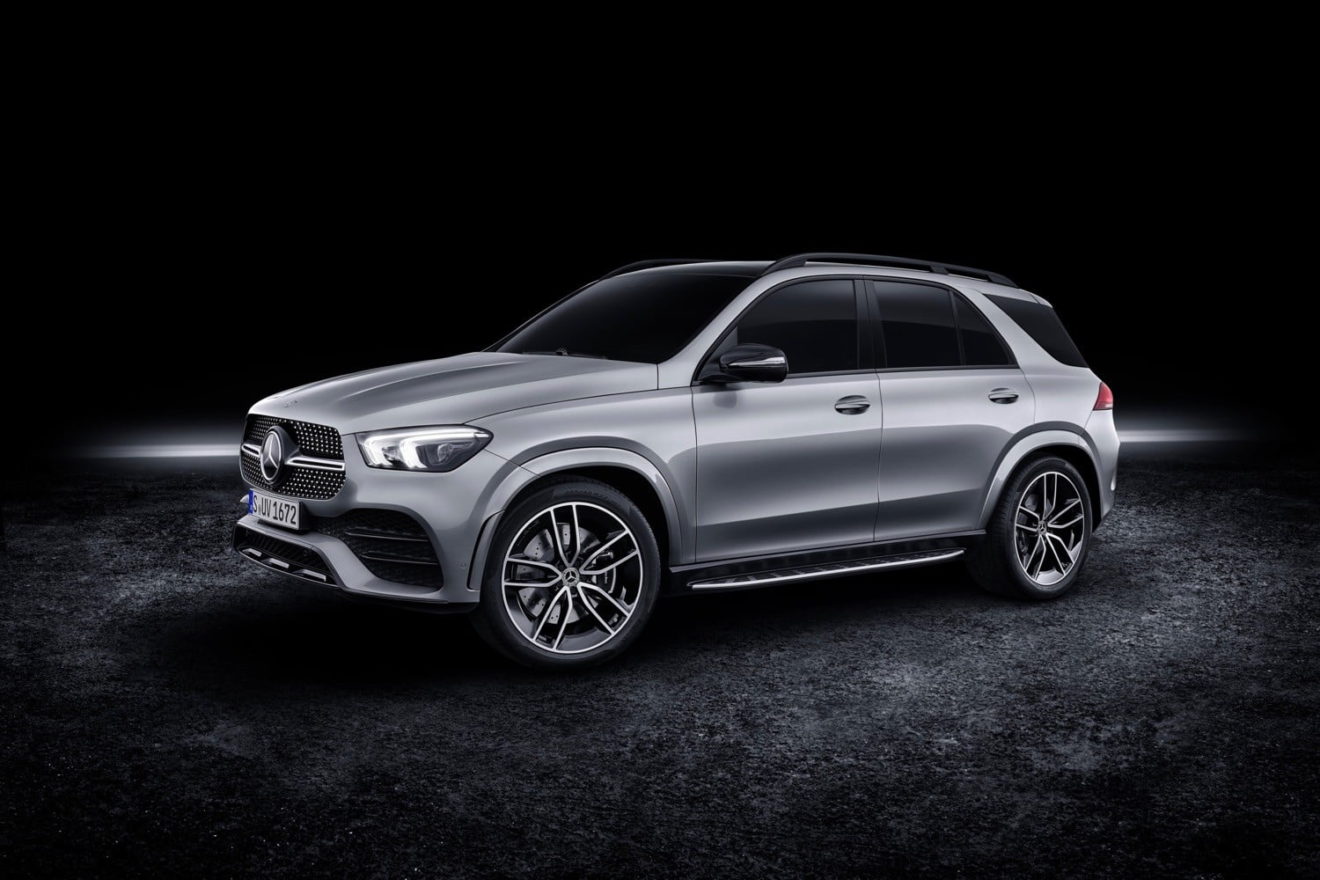
    Mercedes-Benz has revealed the 2021 GLE Coupe and the car will be built in Tuscaloosa, Alabama. The new GLE Coupe is longer, wider and has grown in terms of wheelbase too. The new GLE Coupe is 4939 mm long and 2010 mm wide (39 mm longer and 7 mm wider than its predecessor). The wheelbase has grown by 20 mm compared with the predecessor but remains 60 mm shorter than that of the GLE. The front sees the diamond radiator grille is replaced with the single horizontal louver. The openings in the louver, high-gloss chrome-plated underguard in the front apron all bring out a premium image. With the AMG Line the grille widens downwards in an A shape, and the pins in the diamond radiator grille are portrayed in chrome. The flatter-angled windscreen makes the car look more dynamic and the rear-sloping roofline makes it look elegant.

    Move to the rear of the new Mercedes-Benz GLE Coupe and you can see that beneath the C-pillar there’s a broad muscle which protrudes from the surface of the vehicle side, starting in the rear side door and encompassing the rear lamps. The tail lamps are slim and elongated and look good too.

    The cabin is similar to other premium SUV models from the company’s line-up. The cockpit sees two 12.3-inch screens, one forms the instrument panel while the other acts as the infotainment system. the strikingly shaped instrument panel, horizontally divided by a trim element tier, and seamlessly flowing into the door trim, appear familiar. The upper surface is covered in Artico man-made leather upholstery as standard in the GLE Coupe. The 2021 GLE Coupe gets 655 liters of boot space which can be increased to 1790 liters with the rear seats down.

    Under the hood of the GLE Coupe 350d is a OM 656, 6 cylinder engine which churns out 268 bhp and 600 Nm of torque. There’s also a 400d 4Matic which puts out 326 bhp and 700 Nm. Because all variants of the new GLE Coupe; have a transfer case with an electronically controlled multi-plate clutch as standard behind the 9G-TRONIC automatic transmission. This allows a variable transfer of drive torque from 0-100 percent between the axles. During cornering it can influence the yaw torque in a targeted manner towards over- and understeering of the vehicle and together with the shorter wheelbase it increases the agility of the new GLE Coupe. The AMG gets a 3-liter six-cylinder engine putting out 425 bhp and it comes with 48-volt technology, fully variable AMG Performance 4MATIC+ all-wheel drive, AMG SPEEDSHIFT TCT 9-speed automatic transmission.

    As standard, the new GLE Coupe is given the steel suspension chassis with sportier and tauter tuning. Compared with the preceding generation it benefits from firmer attachment points and improved geometry and offers even more precise wheel location and better shielding from vibrations caused by unevenness in the road surface. The enhanced air suspension system AIRMATIC is available with sporty tuning as an option. Its adaptive adjustable damping uses highly complex sensor systems and algorithms to adapt the damping characteristics to the road condition and the driving situation in real-time. Irrespective of the load the air suspension also keeps the vehicle at the same level and can also adjust the ground clearance – automatically or at the press of a button depending on the driving speed and situation.

  • BMW CEO Urges Staff To Narrow Sales Gap With Mercedes

    BMW CEO Urges Staff To Narrow Sales Gap With Mercedes

    BMW’s new chief executive urged employees to embrace change and to find innovative ways to help the Bavarian carmaker overtake rival Mercedes at a time when demand for luxury cars is waning. Oliver Zipse addressed staff in an internal email a day after his predecessor Harald Krueger stepped down. BMW has lost ground to Mercedes-Benz producer Daimler in the past five years and seen rivals such as Tesla jump ahead in electric car sales.

    “Instead of blaming the current situation, conditions, political landscape or particular individuals, a positive spirit will enable us to seize the opportunities available to us. Such a positive spirit will be reflected in our culture: the harder the job, the more innovative our solution,” Zipse said.

    “We don’t always have to be first, but we most certainly have to be far better than our competitors in everything that we do. This applies not only to our products and services but also to our processes and structures, as well as our costs,” he said.

    BMW has already narrowed the sales gap between BMW and Mercedes and is preparing to launch more models, Zipse said.

    BMW’s flexible production methods, which allow the carmaker to build electric and combustion-engined cars on the same production line, provide a major competitive advantage because it will allow the carmaker to scale up or slow down the production of electric cars in line with demand, Zipse said.

  • Mercedes-Benz GLB To Be Launched Globally Before the End of the Year

    Mercedes-Benz GLB To Be Launched Globally Before the End of the Year

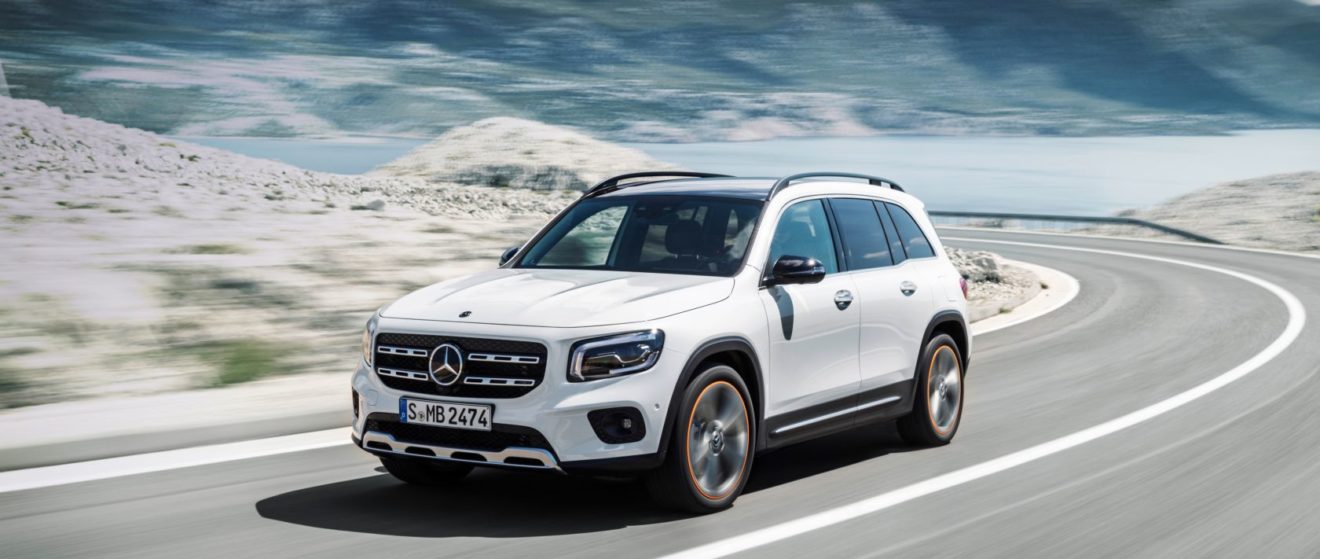
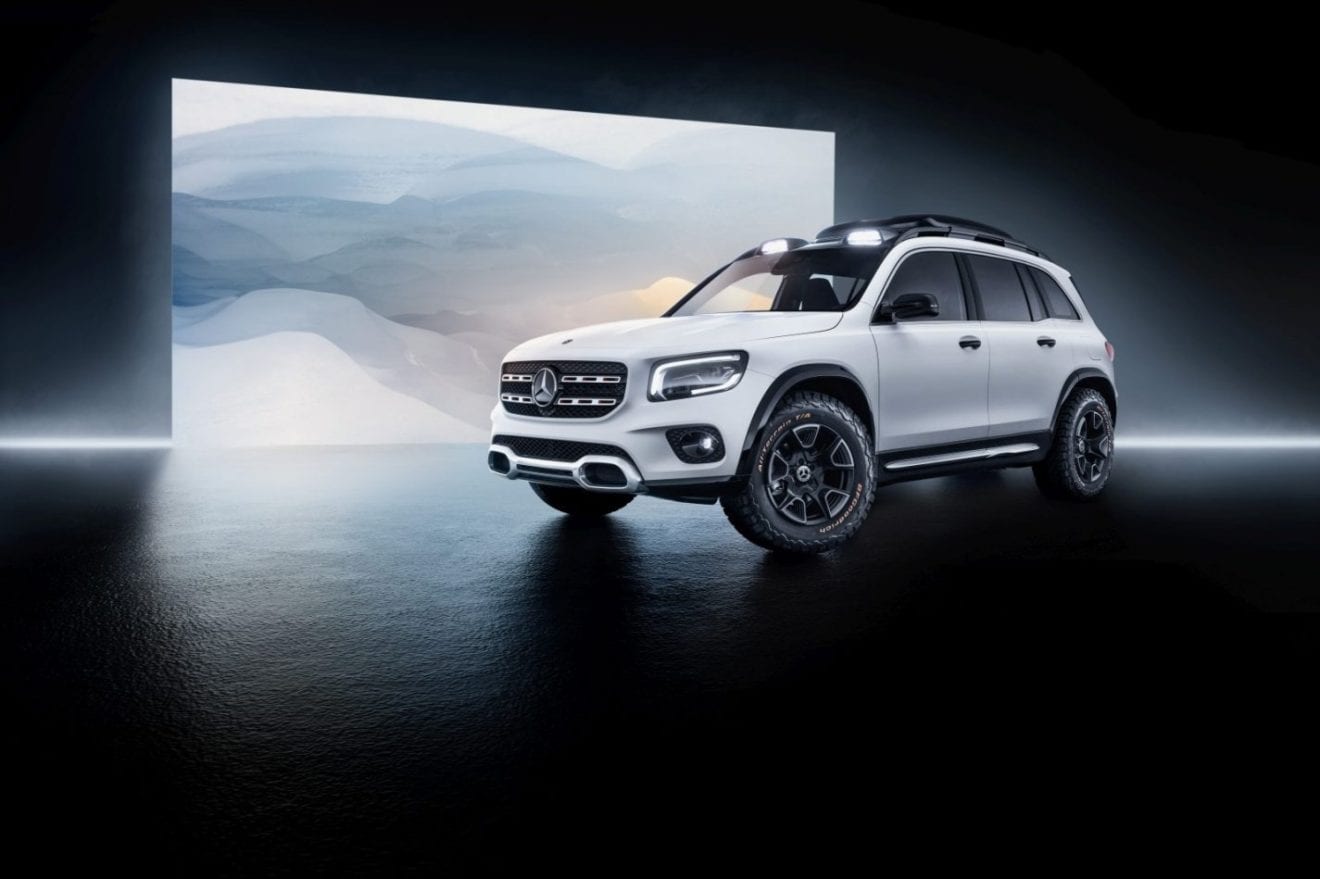
    Mercedes-Benz has officially said that its upcoming compact SUV will hit showrooms by the end of this year. The GLB will be the first compact luxury SUV to get three-row seating and could occupy seven passengers. The entry-level five-seater variant in Europe will be priced at € 37,746.80 (approximately ₹ 30.20 lakh in Indian currency) while the third row individual retractable seats will cost € 1309 (approximately ₹ 1.07 lakh) more.

    The new GLB gets a range of Mercedes’ latest features and equipment including the new MBUX infotainment system and the comfort control functionality. Under the hood, it gets the OM 654q 2-litre, four-cylinder engine which already complies with the 2 RDE (Real Drive Emission) requirements coming into force in Europe in 2020. This also entails that the model is future proof for the Indian market and meets the upcoming BS6 emission norms as well. The 2-liter engine in the GLB belts out 218 bhp and 350 Nm of peak torque and is mated to an eight-speed automatic transmission.

    At the Frankfurt Motor Show this year, the Stuttgart based automaker will also unveil the hotter AMG version of the SUV. The Mercedes-AMG GLB will use the same 2.0-liter, Four-Cylinder, Turbocharged engine but we are still not sure if it will be tuned for the 35 nomenclature or for the even more powerful AMG 45 badge. The engine will churn out 298 bhp in the AMG 35 iteration while the power output will be upgraded to over 400 bhp in the AMG 45 iteration.

  • Mercedes-Benz Offers Subsidies To Retrofit Older Diesel Cars In Germany

    Mercedes-Benz Offers Subsidies To Retrofit Older Diesel Cars In Germany

    Daimler said on Tuesday Mercedes-Benz customers in Germany could apply for a 3,000 euro ($3,350) subsidy to upgrade the exhaust filters of older, polluting diesel vehicles, the latest effort among German carmakers to avoid inner-city bans.

    Carmakers have been forced to consider upgrading exhaust treatment systems on older cars after German cities started banning heavily polluting diesel vehicles to cut fine particulate matter and toxic nitrogen oxides.

    Daimler launched a website this week to process applications for financial support, as German motor authority KBA seeks to approve an after-market kit to upgrade the exhaust systems on various Mercedes diesel passenger vehicles.

    The company has offered the subsidy to customers in German regions that face potential driving bans, the carmaker said. For a factbox about possible diesel bans, click:.

    The first retrofit kit for Mercedes cars with “Euro 5” diesel engines, including the best-selling E220 and E250 models, has been developed by Dr Pley SCR Technology, a Bavaria-based, family-owned business.

    German carmakers initially offered software updates and shied away from endorsing hardware retrofits, instead of lobbying for customers to buy new cars with cleaner engines.

    But consumer groups pressured carmakers to endorse retrofits as a more cost-effective measure.

    “We have known right from the start that retrofits are feasible and have now proved this to the carmakers,” said Thomas Steinbrueckner, head of development at Dr Pley SCR Technology.

  • Mercedes-Benz India To Hike Car Prices By 3% From August

    Mercedes-Benz India To Hike Car Prices By 3% From August

    Mercedes-Benz India has announced an increase in prices for select model range in India. With effect from August 2019, select Mercedes-Benz cars will see an upward revision in prices, up to 3 percent across the model range. While the company hasn’t shared the list of models that will see the price hike next month, the carmaker does mention that the current increase in customs duty on automotive parts and additional cess and excise duty on fuel has led to the price hike.

    Martin Schwenk, Managing Director & CEO, Mercedes-Benz India said, “As the leading luxury automobile maker in India, we have been relentlessly working on offering the best of products and industry benchmark customer service and ownership experience. However, a hike in customs duty on automotive parts, compounded by an increase in excise duty, and cess on fuel have had a significant impact on our bottom line. We were left with fewer options, but to make some necessary price adjustments to our product range at the moment to offset the impact of the rising input costs.”

    Last time the carmaker announced a price hike in India was back in September 2018, along with several other carmakers, after the value of the Indian Rupee reaches almost 73 compared to the US dollar.

    Recently, Mercedes-Benz India also reported a sales decline of 18.60 percent in the Indian market in the first half of the calendar year 2019. The company has sold 6561 units in the January-June period this year against 8061 units which were sold in the same period a year ago.

  • Mercedes-Benz Introduces Offers Across SUV Range

    Mercedes-Benz Introduces Offers Across SUV Range

    German auto giant Mercedes-Benz completes 25 years in India this year, and as part of its 25th year celebration, the car maker is has announced a number of offers for customers. The manufacturer has introduced offers across its SUV range bringing 25 per cent of additional benefits to the vehicles. The offers are available on the Mercedes-Benz GLC, GLE and the range-topping GLS SUVs, while the entry-level GLA and the sedans have been given a miss for now. The promotional scheme includes 25 per cent more value on interest rates, insurance, service packages, extended warranty and accessories.

    Earlier this year, Mercedes-Benz had organised the 2019 summer camp, offering 25 per cent rebate on select parts for periodic maintenance, applicable for customers who have owned a Mercedes for over five years. The company intended to reach out to 7000 customers this year as part of the service camp. Going forward, it is likely that the company will introduce more offers throughout its vehicle range.There is not discount on the entry-level Mercedes-Benz GLA SUV.

    Mercedes-Benz entered the Indian market in 1994 and was one of the first luxury car makers to establish presence in recent times. The company is headquartered in Chakan, near Pune, where it has an assembly facility as well with the cars being brought via the Completely Knocked Down (CKD) route. The company has invested over ₹ 1000 crore in its operations in India over the years. Over 100,000 cars have been produced at the Chakan plant.

    Mercedes-Benz currently dominates the luxury car market in the country for the fourth consecutive year in terms of volumes. The company is aiming to retain the position and has consistently introduced new products soon after their global launch. The brand is now being spearheaded by Martin Schwenk, Managing Director and CEO, who replaced Roland Folger in the second half of 2018. Earlier this year, Santosh Iyer took the role of Vice President, Sales & Marketing at Mercedes-Benz India, and took charge from July 1, 2019, aiming to grow the luxury brand even further. The automaker has 10 car launches planned for this year, which was kicked off with the V-Class MPV in January.

  • Mercedes-AMG A45 4Matic+ Revealed

    Mercedes-AMG A45 4Matic+ Revealed

    The completely new 2.0-litre engine is the world’s most powerful turbocharged four-cylinder manufactured for series production. The engine is paired to an 8-speed AMG Speedshift gearbox The A45 can do the 0-100 kmph run in four seconds flat while the A45 S does it in 3.9 seconds. The A45 and the A45 S have an electronically limited top speed of 250 kmph and 270 kmph respectively. With the AMG driver’s package, the A45’s top speed can be bumped up to 270 kmph as well. The specific output of the cars is 208 bhp/litre, which is downright mental. Plus, the car also has a ‘Drift’ mode which can be activated by putting the transmission into manual and switching off the ESP and car being in the race mode. There are six driving modes on offer, which are slippery, comfort, sport, sport+, individual and race.

    The A45 gets 18-inch alloys as standard while the ‘S’ variant gets 19-inchers. The 18-inch alloys get a 10-spoke design while the 19-inch alloys have a 5 twin-spoke design. Plus, the standard model gets grey brake callipers with white AMG lettering while the ‘S’ model gets bigger 6-piston, red brake callipers with black AMG lettering. Apart from the driving modes, the A45 and the A45 S also get AMG Dynamics which is basically integrated vehicle dynamics control which can be used to alter the ESP settings, all-wheel control and steering characteristics. It is highly unlikely that Mercedes-Benz will launch the A45 in India given that the new-generation A-Class isn’t on sale as well. But, never say never!

  • Mercedes-Benz GLB All Set To Make Its World Debut

    Mercedes-Benz GLB All Set To Make Its World Debut

    Mercedes-Benz has dropped a teaser of its upcoming GLB and it’s all set to make it’s world debut on June 10, 2019. The GLB, as the name suggests is based on the B-Class and is built on the MFA2 platform, which underpins the latter. It will be positioned between the GLA and the GLC models. Spy shots of the car give us a peek into what the GLB will look like and the teaser confirms much of these details. The size shows that the GLB is likely to be a 7 seater model and it’s a far cry from being a baby G-Class as it was rumoured to be. The long hood, short overhangs, and the boxy rear end all point out to a GLB being a bigger SUV.

    The upcoming Mercedes-Benz GLB is expected to be a family car like the B-Class so expect a spacious five-seater cabin with a large boot space, possibly above 500 litres. It’s said that Mercedes might even consider offering an optional third row in certain markets. In terms of design and styling for the cabin, we expect the GLB to take inspiration from the new-gen A-Class’ cabin, which was revealed last year.

    Engine options are still not confirmed but, we expect the Mercedes-Benz GLB to get the same engine options as the new A-Class. It could also get the new engines that have been developed in partnership with the Renault-Nissan alliance. The GLB is also expected to get a new electronically controlled four-wheel drive system, but can only confirm that when the SUV make its official debut.

  • Mercedes-Benz’s Heated Seatbelts Encouraging Customers To Put Them On

    Mercedes-Benz’s Heated Seatbelts Encouraging Customers To Put Them On

    Seatbelt is the first safety feature in a vehicle which plays a crucial role in saving the life of the occupants in case of a collision. It keeps the body static and prevents it from coming into contact with the surface which can leave the passengers wounded. Over the time, we have seen technological developments in this area like the active pretensioners which grip the body even when you drive beyond a certain speed and obviously while sensing a collision situation.

    However, it goes without saying that all of it will come into play only when it’s hooked and the latest development aims exactly at improving the practice of putting on the seatbelt. Mercedes-Benz is testing heated seatbelts in its prototype and interestingly it looks very much like an usual seatbelt. It has heated tubes inserted in the fabric to keep it warm. It operates in conjunction at same temperature level as the heated seats and armrests we have seen in Mercedes-Benz top of the line Models.

    The Stuttgart based carmaker says that this would encourage its customers to fasten the seatbelts as they would love to be in a soothing temperature. The technology is even more relevant for cold regions where low temperature is actually an issue. Even in central, Eastern and Northern parts of India where temperature hits extreme low in winters, such technology will go in favour of adopting the practice of putting on the seatbelts. In India, where wearing seatbelt is a rarity and people in metro cities only do because of the law enforcement, such technology could actually help in making the practice more common.

  • Daimler CEO Says His Successor Will Have A Tough Job

    Daimler CEO Says His Successor Will Have A Tough Job

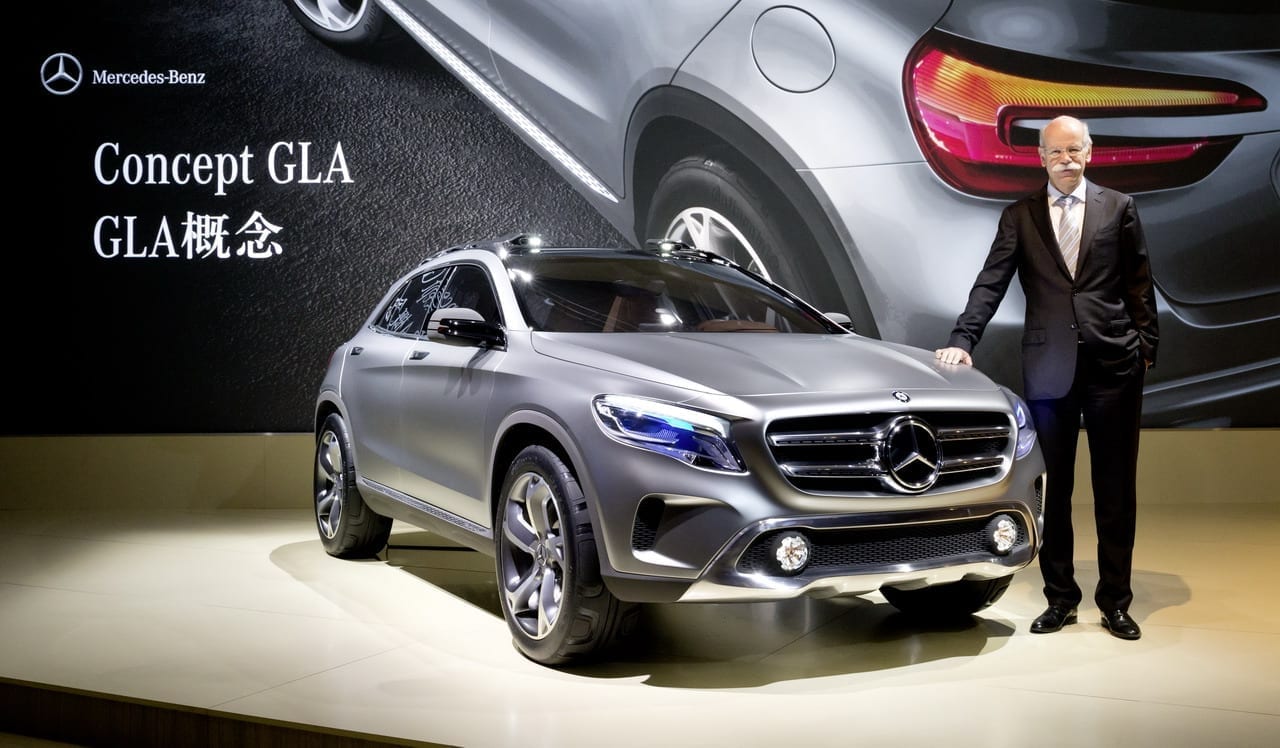
    Daimler’s next chief executive will have a tough job to restore margins at Mercedes-Benz, current boss Dieter Zetsche told Reuters on Wednesday, as Mercedes-Benz launched a new luxury electric car to rival Tesla.

    Zetsche, who bows out as CEO on May 22, said the German luxury carmaker needed to find a way to rebuild margins after research and development (R&D) costs at Mercedes-Benz ballooned.

    “There are many challenges ahead. We are in a situation of an economic slowdown. It is not going to be easier going forward,” he said on the sidelines of the launch event near Oslo.

    Pressure to develop electric and autonomous cars has led R&D costs at Mercedes-Benz passenger cars to rise to 14 billion euros ($15.7 billion) from around 8 billion euros four years ago, Zetsche said.

    At the same time, China, the world’s largest car market, has seen sales momentum slowing for nine months in a row, with a 5.2 percent fall in sales in March.

    Mercedes-Benz’s large electric car will hit showrooms this summer, years after Tesla launched its Model S in 2012.

    Daimler has been cautious about embracing mass production of electric vehicles at Mercedes-Benz amid concerns about operating range and customer acceptance.

    The company took a 9.1 percent stake in Tesla for around $50 million in May 2009 to learn about battery technology but sold its stake for a $780 million profit in 2014.

    Daimler launched an electric car under the smart brand in 2010, but waited until 2014 to build an electric Mercedes-Benz B-Class.

    Daimler, like other manufacturers, has struggled to make electric cars profitable, although the cost of battery packs is expected to fall as they invest in ramping up battery cell production.

    ING analysts say the total cost of ownership, including fuel prices, could reach parity between electric and combustion engined vehicles by 2025.

    In an effort to make a profit with electric cars, Daimler has opted to manufacture the Mercedes EQC in a way that enables it to be built on the same production line as a combustion engined car, retooling existing plants.

    Daimler is investing more than 10 billion euros to expand the electric EQ model range and is building battery cell production facilities.

    The Mercedes EQC will have an operating range of 445-471 kms, with a base version costing below 60,000 euros to make it eligible for Germany’s electric car environmental bonus.

    Asked whether Daimler was too late to the electric vehicle trend, Zetsche said: “For the past 40 years I have heard that German manufacturers have missed all the important trends. But apparently, customers still like cars from manufacturers that have missed the boat.”

    Zetsche took over as CEO of DaimlerChrysler in 2006 and took the decision to sell Chrysler, returning Mercedes to the top-selling luxury brand globally in 2016 and defending the title ever since.

    Zetsche said Daimler’s future hinged on making electric cars profitably.

  • Daimler Will Pull Smart Mini-Cars Out Of United States, Canada

    Daimler Will Pull Smart Mini-Cars Out Of United States, Canada

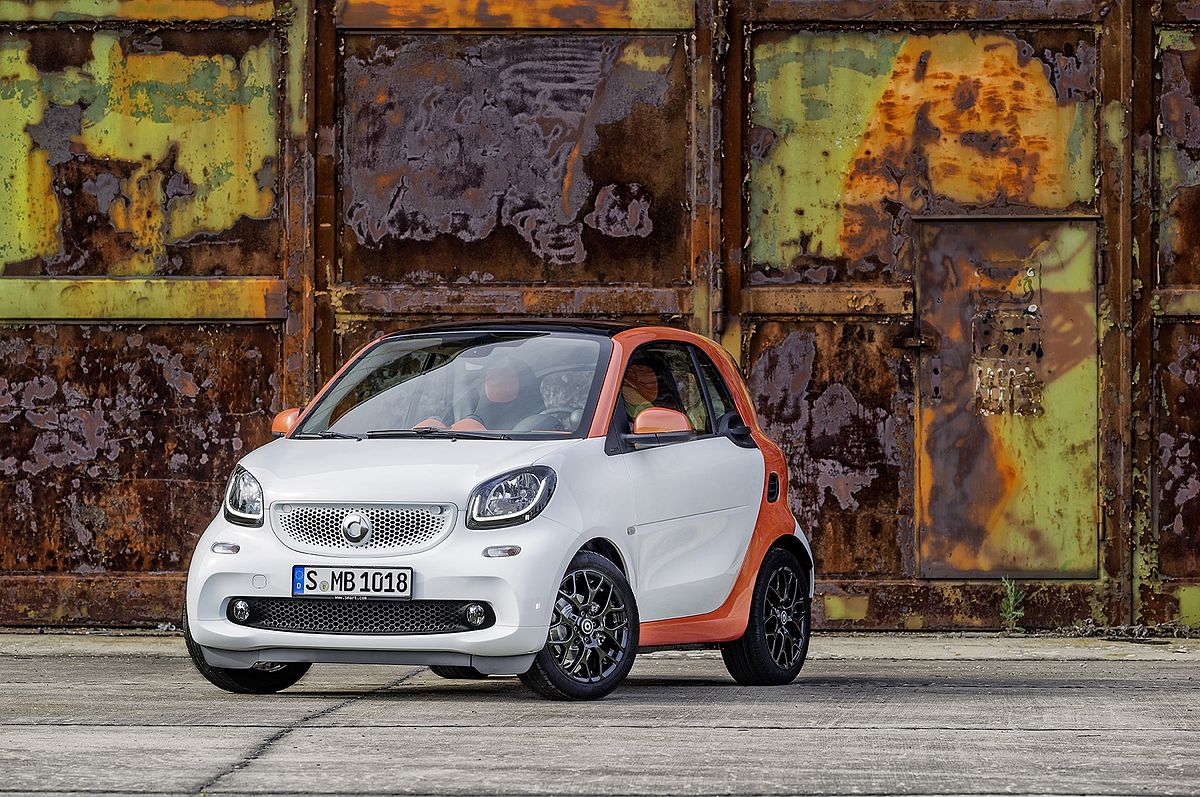
    The tiny, two-person Smart cars once pitched as the next big thing in urban mobility will be discontinued in the United States and Canada at the end of the current model year, German automaker Daimler AG said on Monday. Smart cars, with their unique styling and ability to fit in half a parking space, found an audience in densely populated U.S. and Canadian cities. But that audience was small and rapidly declining. Smart reported just 90 cars sold in the United States during March, down 18 percent from the year before.

    U.S. sales of a wide range of small cars have collapsed over the past several years as relatively cheap gasoline and a strong economy have encouraged consumers to buy larger trucks and sport utility vehicles.

    The Smart brand’s electric cars offered just 58 miles (93 km) of driving range. Competing models such as the “mid-range” Tesla Model 3, with an estimated range of 264 miles, offered more range and more room for passengers and cargo. The range figures are from the U.S. Environmental Protection Agency.

    Daimler’s Mercedes-Benz brand, in a statement, cited “a number of factors” for the decision to end Smart’s run in the United States and Canada, “including a declining micro-car market in the U.S. and Canada, combined with high homologation costs for a low volume model.” Homologation refers to the changes required to bring the European-designed Smart in line with U.S. regulations. Daimler ended sales of gasoline-fueled Smart cars in 2017.

    Mercedes plans to bring new, larger electric vehicles to the United States, starting with the launch of the EQC sport utility next year. Those vehicles will help Mercedes meet zero emission vehicle quotas in California and other states. Mercedes dealers will still offer parts and repairs for Smart cars, the company said.

  • Next Generation Mercedes-Benz S-Class Interior Leaked

    Next Generation Mercedes-Benz S-Class Interior Leaked

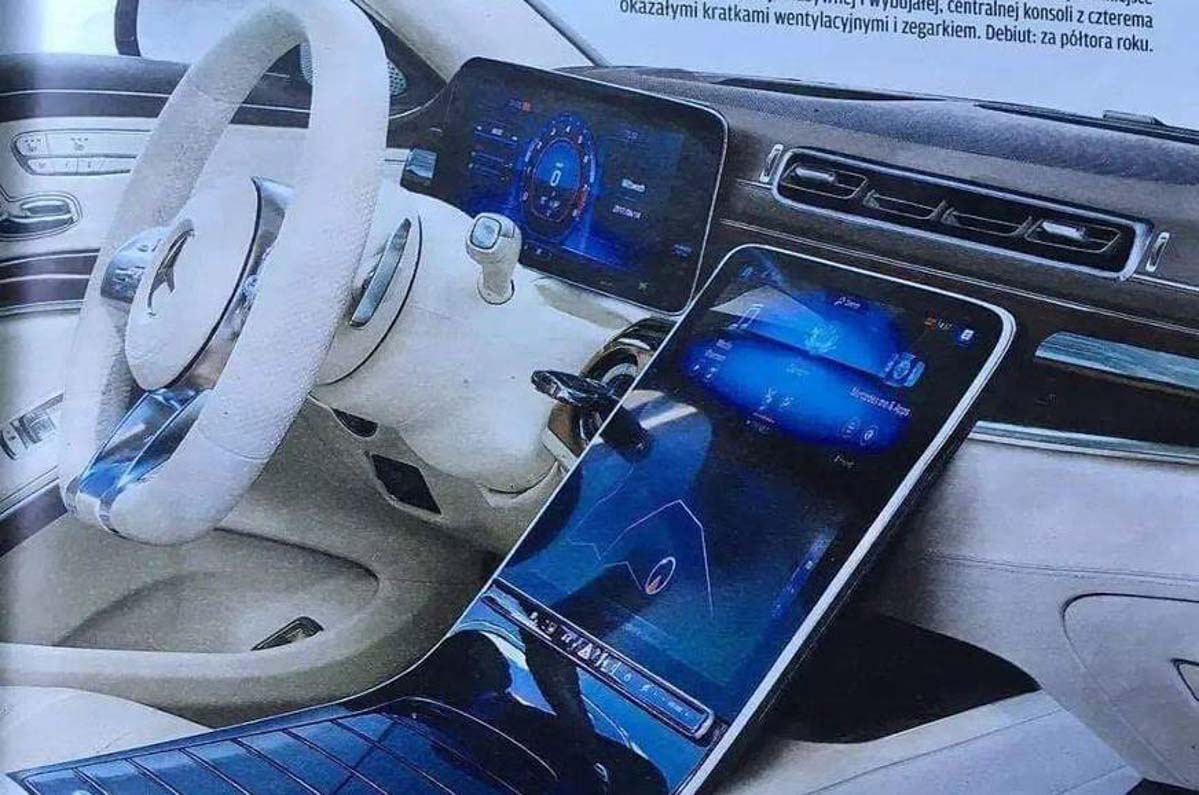
    Mercedes-Benz is readying the next generation of its flagship S-Class sedan and while we’ve seen test mules in the past, a leaked image of the interior have now made its online. The next generation Mercedes-Benz S-Class due to make its debut sometime in 2020 and going by the leaked image, the car appears future ready. Confirmed by earlier spy shots, the W223 S-Class replaced the dual infotainment screen with single unit for the instrument console and a massive vertically-stacked display for all other controls. The Tesla like touchscreen system replaces a tonne of switches on dashboard that gets a clutter-free appearance with sleek looking air-con vents and a new steering wheel. The leaked image also reveals the dual-tone treatment to the cabin in pristine while and black shades.

    The new generation Mercedes-Benz S-Class will be based on the automaker’s MRA platform and will come with a range of six and eight cylinder petrol and diesel engines. There will also be an electrified version called – the EQ S – and will be based on the company’s new Modular Electric Architecture (MEA). The new electrified version is expected to sport a range of 500 km on a single charge, as the automaker’s new top-of-the-line electric saloon. Not to forget, there will be the Affalterbach versions too with the AMG-tuned S-Class drawing power from the 4.0-litre V8 bi-turbo motor that is likely to go hybrid.

    In addition, the new Mercedes-Benz S-Class is expected to be offered in only the long-wheelbase guise globally. That said, do expect the Pullman and Maybach versions to follow suit packing in tech and comfort over the current W222 S-Class. It needs to be seen if Mercedes will continue with the Coupe and Convertible versions on the next generation. With respect to new tech, expect improved autonomous driving capability possibly up to Level 3; a new and updated version of the Airmatic suspension and more segment-first creature comforts on the offering.

    In terms of design, the new S-Class is likely to get an evolutionary styling along lines of the new A-Class, CLS and the likes. The current version is one of the most gorgeous looking saloons out there, which really sets the benchmark for the new version. It is also likely to serve as the design inspiration for the next C-Class and E-Class models, when its time for their respective new life cycles.

    More details on the new S-Class will be available in the months to come. A global debut will happen next year while sales globally should commence by 2021 or 2022, depending on the market. The W222 S-Class is assembled in India, and given the sheer demand for the flagship Mercedes, expect the new model to be locally assembled as well.

  • Mercedes-AMG Cars Will Be Electrified From 2021

    Mercedes-AMG Cars Will Be Electrified From 2021

    Electric performance car is not an alien concept anymore. In fact, prominent carmakers like Automobili Pininfarina and Rimac are into the business of making only electric supercars. Electric Mobility is also believed to be the future of automobiles and this stands true even when we talk about performance cars. Mercedes is also thinking in this direction and has said that all its AMG cars will be electrified 2021 onwards.

    According to news reports, Tobias Moers, Head – Mercedes-AMG said that Mercedes-AMG models will be using an electrified V8 drivetrain in the future. The 4.0-litre V8 engine which powers a range of Mercedes-AMG cars will be coupled with a 48-volt electric motor which has been developed indigenously by the team. Initially, Mercedes was planning to use the new powertrain in the 63 engine only in the GLE and GLS SUVs. However, it will play a major role in the future as from 2021 all AMG cars will be launched with an electrified powertrain. Mercedes also believes that the share of electrified powertrains will be higher in the performance segments in 2025.

    We already know that AMG is also working on a high-performance hybrid system for its upcoming hypercar. The Mercedes-AMG One hypercar will use an electric motor driving its front wheels just like the AMG GT four-door concept. Moers also said that the setup will be offered in the 65 series AMG models and will replace the 6.0-litre V12 engine. However, the 2.0-litre, four-cylinder, turbocharged AMG engine won’t be converted into a hybrid system.

  • German Motor Authority Probes More Mercedes Emissions Software

    German Motor Authority Probes More Mercedes Emissions Software

    Germany’s motor vehicle authority KBA is investigating Daimler on suspicion that 60,000 Mercedes cars were fitted with software aimed at tricking emissions tests, the Bild am Sonntag newspaper reported on Sunday. A spokesman for Daimler, owner of Mercedes-Benz, said the carmaker was reviewing the facts and fully cooperating with the KBA. Bild am Sonntag said the KBA was looking into suspicious software in Mercedes-Benz GLK 220 CDI cars produced between 2012 and 2015, after tests showed they only meet emissions limits when a certain function is activated.

    Since rival Volkswagen admitted in 2015 to cheating U.S. emissions tests, the scandal has spread to other carmakers. Daimler has ordered the recall of 3 million vehicles to fix excess emissions coming from their diesel engines.

    Bild am Sonntag said the KBA found that the function it had discovered had been removed during software updates carried out by Daimler.

    The Daimler spokesman said the company had complied with a process agreed upon with the KBA and German Transport Ministry when updating software for the 3 million recalled vehicles.

    “The allegation that we wanted to hide something with the voluntary service measure is incorrect,” he said.

    This month European Union antitrust regulators charged BMW, Daimler and Volkswagen with colluding to block the rollout of emissions-cleaning technology.