Tag: Mercedes

  • Mercedes-AMG CLA 35 4MATIC Teased Ahead Of Official Debut

    Mercedes-AMG CLA 35 4MATIC Teased Ahead Of Official Debut

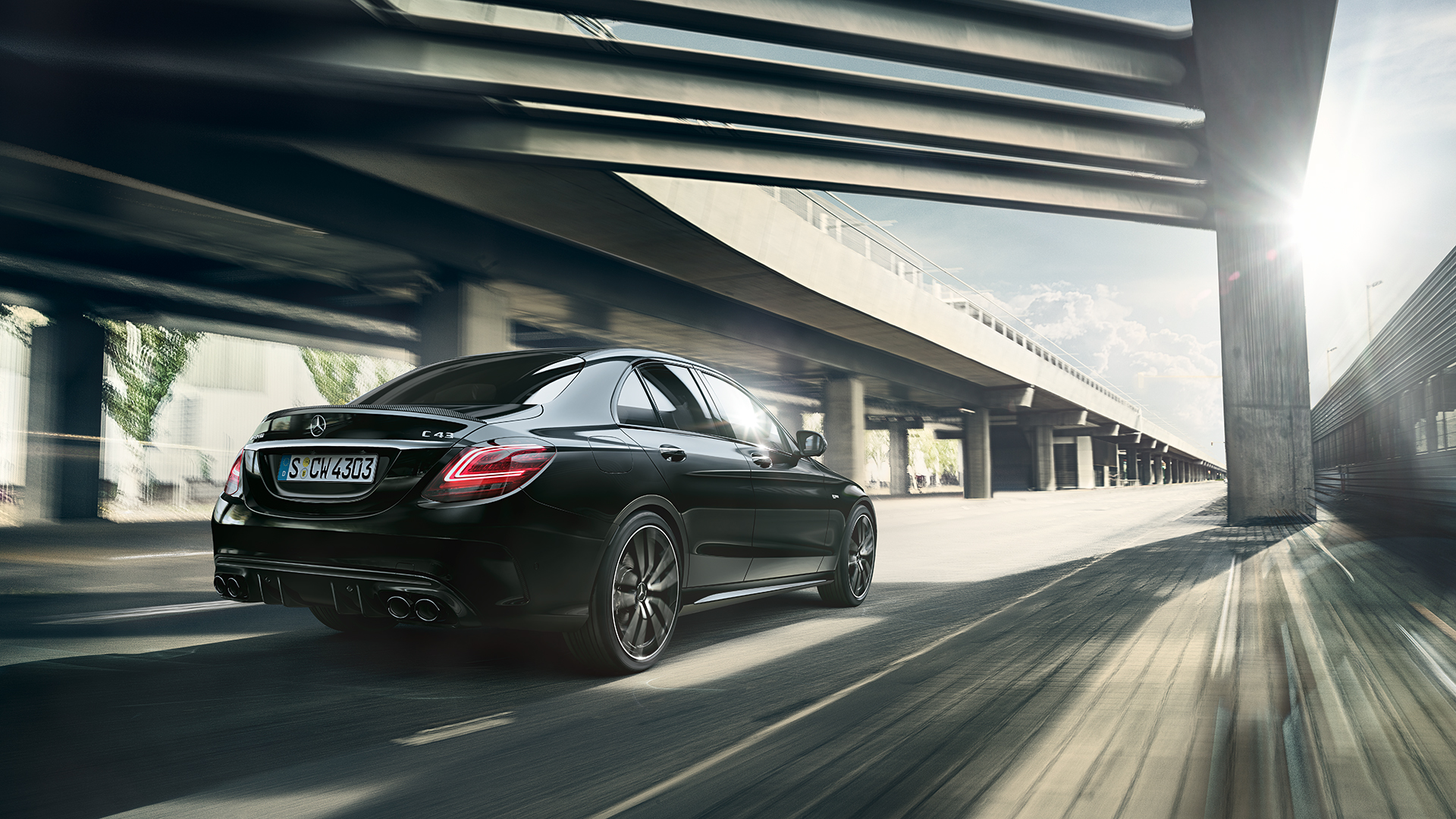
    Mercedes-Benz has recently put out a new teaser announcing the imminent arrival of the Mercedes-AMG CLA 35. The new teaser photo released by the German automaker on social media gives us a glimpse of the car’s rear section, mainly just the new LED taillamp along with the ‘CLA 35’ badging, and a partially visible boot-mounted rear spoiler. And knowing Mercedes, the Stuttgart-based carmaker will be coming out with several more teaser images before revealing the actual car. While the carmaker has already unveiled the new 2020 Mercedes-Benz CLA, the next obvious choice had to be the AMG model, by the looks of it we won’t have to wait very long. In fact, it’s possibly the car will be showcased at the upcoming New York Auto Show 2019.

    The upcoming Mercedes-AMG CLA 35 4MATIC will come powered by a 2.0-litre turbocharged four-cylinder engine. The motor is tuned to churn out 302 bhp and develops 400 Nm of peak torque. The engine comes mated to a seven-speed dual-clutch automatic gearbox along with the company’s 4Matic all-wheel-drive system. This will make the AMG CLA 35 the most powerful CLA model yet, of course, that is until the new CLA 45 is launched.

    Based on the spy photos we have seen so far, the upcoming Mercedes-AMG CLA 35 appears to be very similar to the regular new-gen CLA sedan and is likely to feature a single slat grille with the large three-pointed star at the centre. The test mule also came with LED headlamps, black alloys, a black roof, black ORVMs, LED taillamps and a dual exhaust system.

  • Daimler Opens Mercedes-Benz Plant In Moscow Area

    Daimler Opens Mercedes-Benz Plant In Moscow Area

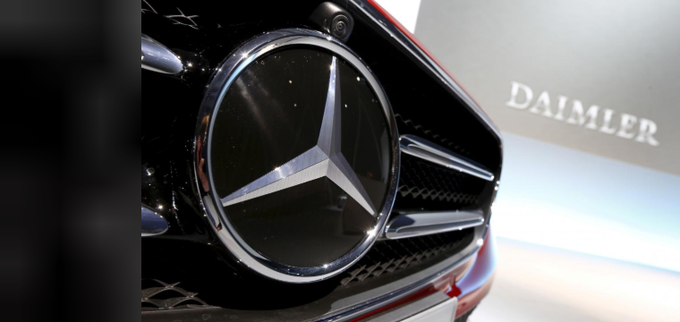
    German automaker Daimler officially opened a Mercedes-Benz factory near Moscow on Wednesday at a ceremony attended by President Vladimir Putin, marking a rare foreign investment into Russia’s car industry. The plant in the town of Esipovo 40 kilometers north west of Moscow is the first in years to be opened by a foreign carmaker in Russia where investment into the once burgeoning auto industry dried up amid western sanctions and a stagnant economy.

    Speaking at the inaugural ceremony, Putin said the plant would produce 25,000 cars a year and that investment in the project had totaled 19 billion roubles ($291 million).

    Putin said the factory, built after Daimler signed a deal with Russia’s authorities in early 2017, would employ almost 1,000 people.

    Most global automakers opened plants in Russia in the first half of the 2000s, but after peaking in 2012 car sales slumped to a ten-year low of 1.42 million in 2016. The market is picking up again, and a total of 1.8 million cars were sold last year.

  • 2020 Mercedes-AMG A35 Sedan Breaks Cover

    2020 Mercedes-AMG A35 Sedan Breaks Cover

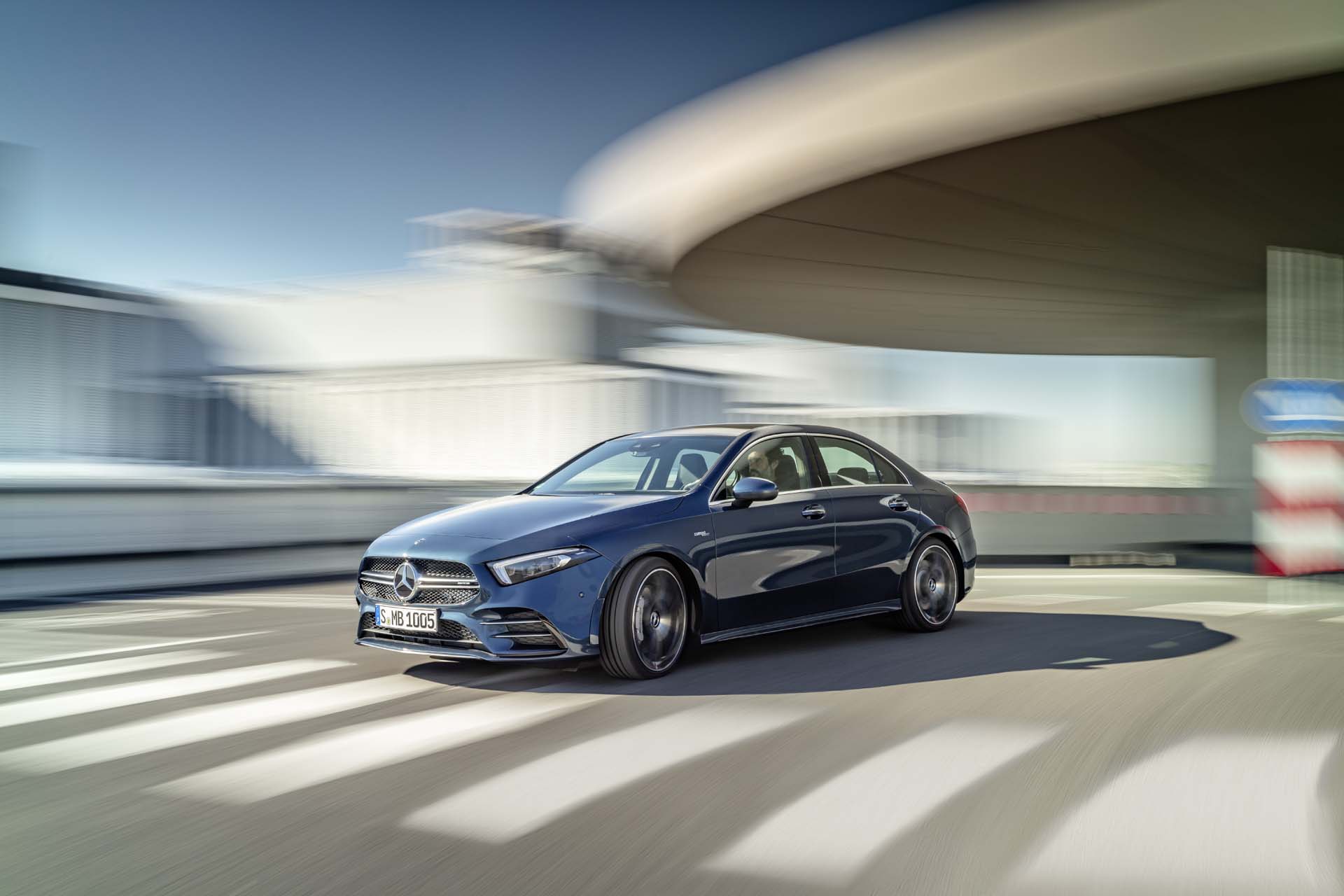
    Mercedes-Benz dropped the curtains on the Mercedes-AMG A35 performance sedan ahead of its public debut at the Paris Motor Show in October this year. The sprightly luxury compact sedan gets the Affalterbach treatment sharing its underpinnings and powertrain with the A35 AMG hatchback, albeit now gets that small boot, making it slightly more practical. The good bit is that the A35 AMG sedan retains the performance of the hatchback churning out an identical 301 bhp from the same motor.

    Visually, the Mercedes-AMG A35 sedan looks similar to the hatch, complete with the bold grille with the massive logo up front, and the sweptback LED headlamps. The wheelbase too remains the same at 2727 mm, while the extended boot is met with a coupe-like roofline that adds to the striking appeal of the model. The rear sports twin exhaust and a lip spoiler integrated into the boot, while the wraparound LED taillights are distinctive and light up the boot’s appearance, quite literally.

    The cabin too is a direct lift from the A35 AMG hatchback. The sedan comes with the AMG flat-bottom, multi-function steering wheel and the extended digital cockpit with the split screen setup for the infotainment system that also uses the MBUX system. The A35 AMG comes with five driving modes, which changes the colour scheme inside the cabin according to the mode you select.

    With respect to performance, the Mercedes-AMG A35 uses 2.0-litre four-cylinder turbocharged engine that churns out 301 bhp on offer. The motor is paired with a 7-speed dual-clutch automatic transmission, while there are wheel-mounted paddle shifters for manual shifts. The A35 also comes with 4MATIC All-Wheel Drive system that sends power to the front wheels but can distribute power to the back as well for a 50:50 split. Furthermore, the A35 comes with individual braking for each wheel, while the suspension is adjustable and can be tuned for comfort on the streets or for attacking corners on a race track.  The performance sedan can do the 0-100 kmph sprint in 4.7 seconds, which is the same as the hatchback.

    The Mercedes-AMG A35 is slated to hit a number of markets by the end of this year including the US. However, it’s not clear if Mercedes-Benz will be bringing the performance sedan to India.

  • Mercedes-Benz Is Evaluating Electric Vehicles In India

    Mercedes-Benz Is Evaluating Electric Vehicles In India

    The FAME 2 scheme has brought cheers to the automakers in India. The Union Cabinet on February 28 allocated ₹ 10,000 crore to speed-up the development of the EV infrastructure in the country a major chunk of which will be channelised to set up fast-charging stations on a large scale. Many carmakers had already announced launching or at least evaluating the viability of electric vehicles in India beforehand. For instance, Audi has already decided to launch the e-Tron in our market and Porsche will be bringing the Taycan. While Mercedes-Benz was uncertain of EVs prospects in our country, FAME 2 has come as a silver lining for the company.

    The German carmaker is finally doing a feasibility study for the EQ range in India and is looking at it as a potential product in the future. “We do the feasibility studies because we have to think of the future. The feasibility study is done for our entire portfolio. And the same happens now for the battery electric vehicles and plug-in hybrids, we look into which models could be appealing to the customers, we look into where we think is the momentum developing and based on that we also start assessing our options. So it’s not that we wait and see, we look into the options by evaluating and that’s happening right now,” Martin Schwenk, Managing Director & CEO, Mercedes-Benz India told carandbike.

    Schwenk agrees that the FAME 2 scheme is a step taken in the right direction but Mercedes cannot completely rely on the infrastructure and be late to the party. “Looking into the infrastructure, we cannot fully wait for the infrastructure because if we do that, it will take quite some time,” Schwenk said. That said, the newly appointed India head also feels that the FAME 2 scheme completely misses out on the plug-in hybrid models which have immense market potential given the fact that it brings the best of both the powertrains. “Electric infrastructure has sometime in India to develop which leads me to the question that should it be electric or plug-in? I would say that the plug-in has some opportunities here because you can do your daily commute basically by charging the car at home and then if you want to go on longer drives, you’re not limited by any infrastructure,” Schwenk added.

    Mercedes-Benz has also been working extensively on plug-in hybrids as the company finds electrified models more flexible to own and run. The German carmaker has already expanded the electric range in its hybrid models to up to 70 km and is intending to take it over 100 km which should be sufficient for intra-city commutes. It doesn’t mean that the company has diverted its focus from electric vehicles and will have 10 electric models in its portfolio by 2022 including an electric iteration of the recently launched V-Class MPV.

  • Daimler To Develop Smart Brand Together With Geely

    Daimler To Develop Smart Brand Together With Geely

    Daimler on Thursday said it will develop its next generation of Smart electric vehicles in China through a joint venture with rival Geely, deepening an alliance between the two carmakers.

    Daimler said it will build next generation Smart vehicles at a purpose built factory in China, and share its expertise in manufacturing, engineering and design with Geely.

  • 2019 Mercedes-AMG C43 Launch Details Out

    2019 Mercedes-AMG C43 Launch Details Out

    Mercedes-Benz kick started 2019 with the launch of the V-Class and back then it promised us that this year will be the year of a whole bunch of launches. Come March, we’ll see the company launch the AMG C43 Coupe and what a beautiful car it is. It was more than 2 years ago that the company launched the AMG C43 in India and it was in March 2018, that the company revealed the facelift of the car. Finally it’s all set to make its mark in the country and it’s a welcome addition to the AMG portfolio.

    In terms of design, the exterior of C43 4Matic is more expressive than some of its siblings in the C-Class range. New distinguishing features include the AMG radiator grille with twin louvre in matt iridium silver and the front apron. The side air curtains in the front apron, attachment on the cross fins plus the trim element on the front splitter are finished in silver chrome. At the rear, the two round twin tailpipe trim elements in high-gloss chrome gives a sporty look. The spoiler lip on the boot lid is painted in the vehicle color. The optional AMG styling package has a more expressive front splitter, with the standard-fit spoiler lip, broader side skirt inserts and flics in the rear bumper are finished in high-gloss black.

    On the inside, the upholstery is in Artico man-made leather or Dinamica microfibre in black with red top stitching. Matching the seat design, the door centre panels and dashboard are finished in Artico man-made leather with red top stitching. Aluminium sports pedals with black studs, trim elements in black piano lacquer with light longitudinal-grain aluminium, the black roof liner and the red seat belts create further sporty highlights. The fully digital instrument cluster with 12.3-inch screen diagonal comes with three AMG-specific display styles of ‘Classic’, ‘Sport’ and ‘Supersport’.

    The Mercedes-AMG C43 Coupe is powered by a 3.0-litre V6 engine that now delivers 385 bhp, about 23 bhp more than before. The AMG-tuned motor offers a peak torque of 520 Nm. The top speed is electronically limited to 250 kmph. The motor is mated to an AMG Speedshift TCT 9G transmission and is assisted by a rear-biased AMG Performance 4MATIC all-wheel drive.

    The Mercedes-AMG C43 Coupe will be priced at around ₹ 75 to ₹ 80 lakh and it’ll go up against the likes of the Audi S5 Coupe as it does not have a direct rival in the country yet.

  • Porsche to hike Taycan output

    Porsche to hike Taycan output

    Porsche AG will increase production of the Taycan after more than 20,000 potential buyers registered to purchase the brand’s first electric car, matching the entire annual output initially earmarked for the four-door sedan.

    “The overwhelming interest in the Taycan shows us that our customers and fans are just as excited about the first Porsche electric athlete as we are,” Porsche sales chief Detlev von Platen said Friday in a statement. “We’ve therefore increased our production capacities.”

    The Taycan will be unveiled in September with a price range between the 74,800-euro ($83,866) Cayenne SUV and the 97,800-euro Panamera coupe to compete with Tesla Inc.’s Model S. The car is part of a wave of new models from Jaguar, Mercedes-Benz and Audi that’ll challenge Tesla’s electric-car leadership.

    Porsche is parent Volkswagen AG’s most profitable brand and its success is vital for the group to pull off the industry’s most aggressive push into electric vehicles. VW has allocated some 40 billion euros for electric and connected cars and targets 50 battery-powered models by 2025. To help drive uptake, Porsche is installing fast chargers at its dealerships in the U.S. and Europe that’ll get the Taycan’s battery up to 100 kilometers (62 miles) in four minutes. The car’s overall range on a single charge stands at 500 kilometers.

    The model’s planned production of 20,000 vehicles per year is based on a two-shift system at Porsche’s main site in Stuttgart, Germany, and can be expanded if needed, production chief Albrecht Reimold told reporters last year. Porsche also confirmed recently it will offer a fully-electric version of its best-selling Macan SUV.

    Interested Taycan buyers are required to make a down payment of 2,500 euros in Europe to register.

  • Mercedes back in No. 4 spot on E-class sales in Korea

    Mercedes back in No. 4 spot on E-class sales in Korea

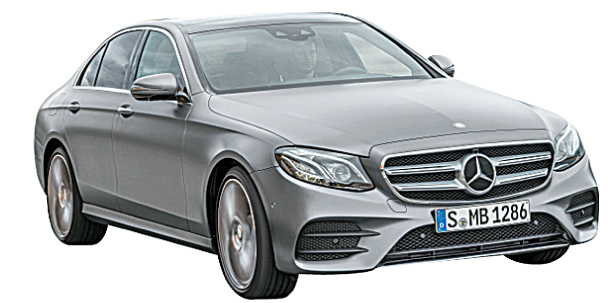
    Mercedes-Benz outsold local carmakers in Korea to finish fourth in domestic sales in January, industry data showed Monday. The Korean unit of the German automaker sold 5,796 vehicles last month, equal to 4 percent of the total 114,632 vehicles. The sum places it fourth after Hyundai Motor (31.2 percent), Kia Motors (22.8 percent) and SsangYong Motor (6.1 percent).

    January sales for Mercedes-Benz Korea shrank 22.8 percent compared with the month before, but they were still higher than the monthly sales by Renault Samsung Motors (3.5 percent) and GM Korea (3.1 percent).

    The last time that the German brand reached No. 4 in monthly sales was back in April last year, a ranking that followed the closure of a local assembly plant by GM Korea two months earlier. Mercedes-Benz defended the ranking for three months before slipping to No. 6 in May last year.

    In yearly sales, Mercedes-Benz Korea sold 70,798 units for a market share of 4.5 percent last year, behind Renault Samsung (5.7 percent) and GM Korea (5.5 percent).

    Industry watchers attribute the sales increase to the success of the E-Class. January sales of the lineup were the 12th highest at 3,392 units, a number meaning that one E-Class vehicle was sold for every three Grandeur autos from Hyundai Motor purchased.

    The E-Class cars outsold Genesis, an independent brand launched by Hyundai that is pitted as its domestic rival, last year.

    The “diesel-gate” scandal that pounded German brands also helped promote the E-Class, which are mostly gasoline cars,

    “This year, BMW and Audi are scheduled to release new sedans, and a full-change Genesis G80 is also due soon,” one source noted. “This will likely affect the sales of the E-Class.”

  • Some of Amazon’s brand-new Mercedes delivery vans are facing mechanical failures

    Some of Amazon’s brand-new Mercedes delivery vans are facing mechanical failures

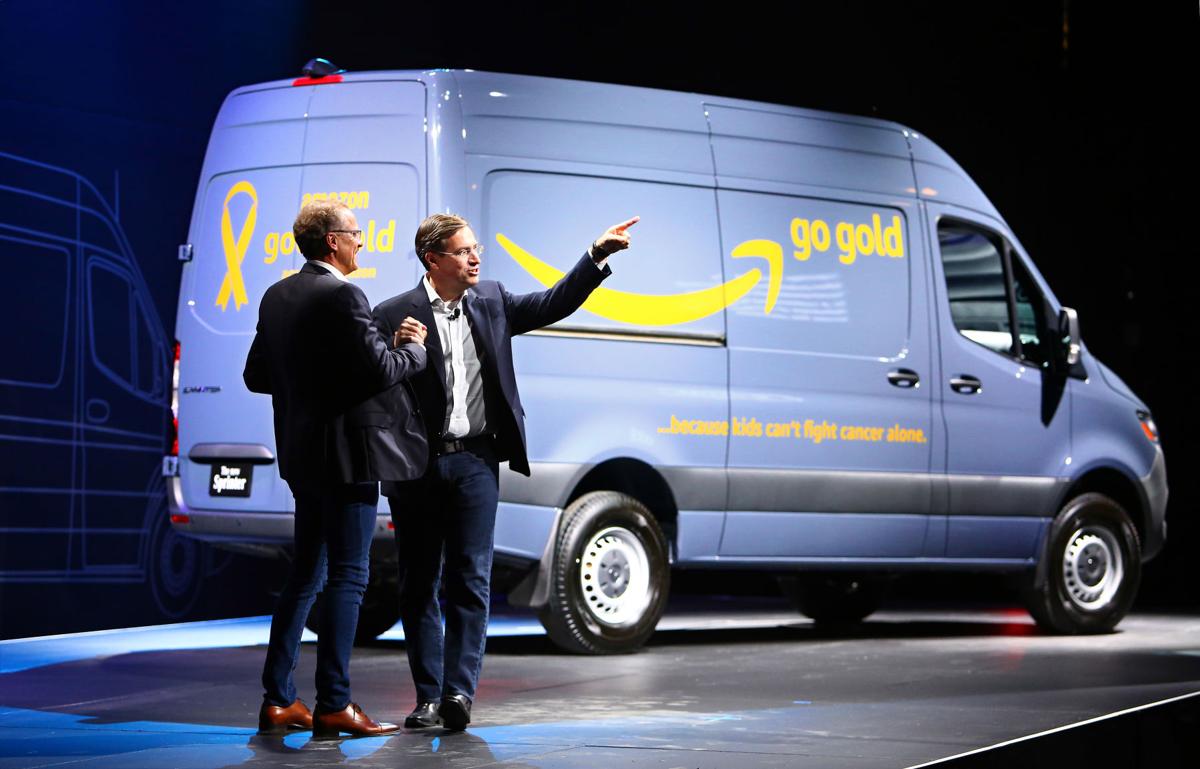
    Mercedes-Benz has identified a power-steering problem plaguing its highly touted Sprinter vans. The cause of the problem is a fluid leak that can make it difficult to turn the wheel of the vehicle, a Mercedes-Benz spokeswoman, Catherine Gebhardt. It has affected Amazon, which recently became Daimler AG’s biggest buyer of Mercedes-Benz Sprinter vans with an order of 20,000 vehicles — up from a previous order of 5,000 — for its growing last-mile-delivery program. The program enables courier companies to lease the vans, which are emblazoned with the Prime logo, for Amazon package deliveries.

    One Amazon delivery service provider has encountered the power-steering problem in about a quarter of the 40 Mercedes-Benz vans that the company received at a delivery station in early September, according to an employee of the company, who asked to remain anonymous. This person said Mercedes-Benz had since repaired the affected vehicles.

    Mercedes-Benz notified Amazon’s delivery service partners of the issue on September 18 and asked them to schedule an on-site inspection of the power-steering system with their local Mercedes-Benz dealer, Gebhardt said.

    “This is being done as a proactive measure to minimize downtime,” she said, adding that the vehicles can still be driven safely in the event of a leak.

    “If there is a leak in the power-steering system, the power assist (especially at a standstill) may be greatly reduced,” Gebhardt said. “When driving at slow speeds it will require some additional steering effort, but again, the van can still be controlled.”

    It’s likely that other Mercedes-Benz Sprinter customers in addition to Amazon have been affected by the issue. Mercedes-Benz declined to comment on other customers and on how many vehicles have been impaired by the power-steering issue overall.

    Amazon announced its bulk order of the Prime-branded vans at a joint press conference with Mercedes-Benz in September celebrating the opening of the automaker’s new factory in North Charleston, South Carolina, which specializes in making Sprinter vans.

    The vans can be leased to Amazon’s existing delivery service partners, some of which have worked for Amazon since 2015, as well as partners that have been recruited through the new program.

  • BMW, Mercedes win with diesels in Korea

    BMW, Mercedes win with diesels in Korea

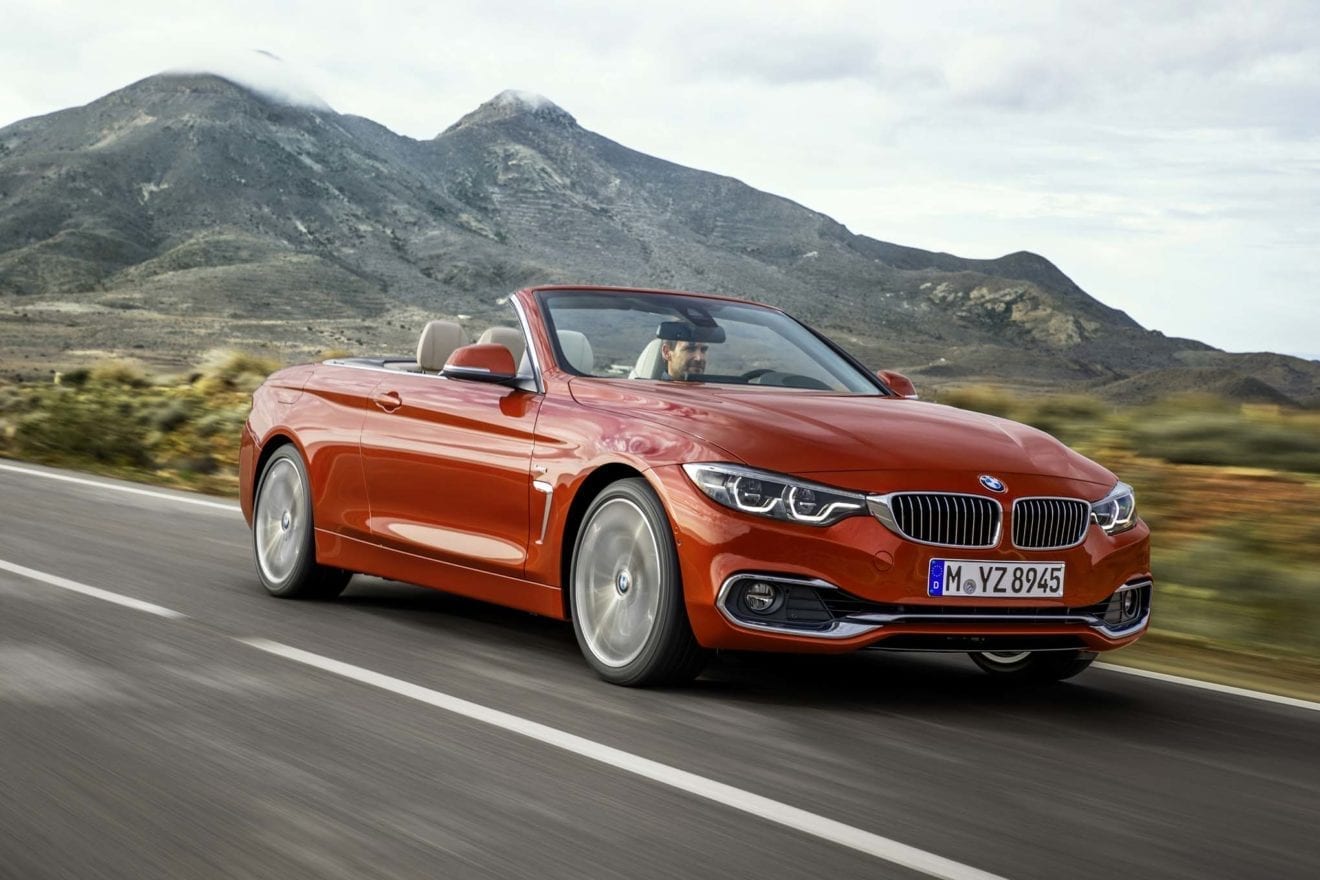
    It’s only been a couple of weeks since the 2018 Winter Olympics in Pyeongchang concluded, but for two of Germany’s major premium brands the hunt for gold in South Korea continues. BMW’s and Mercedes-Benz’s sales are booming and, unlike Europe, diesels have been a major driver of the success.

    Models such as the BMW 520d or Mercedes-Benz E 220d routinely rank as the best-selling imports.

    Typically, when experts talk about strategically important car markets, the Korean peninsula doesn’t come up. Instead the focus lies mainly on the BRIC countries: Brazil, Russia, India and China.

    While China has become the single-biggest market for Mercedes, BMW and Audi, the other three have failed to live up to their potential. Instead, a market of only 1.53 million light vehicles has stepped into the vacuum. Sales of Mercedes cars in South Korea increased by 20 percent last year. Remarkably, that represents a slowdown over 2016, when volumes surged by a third.

    Some of the growth can be attributed to a 2011 free trade agreement with South Korea that first reduced the 8 percent tariff on cars imported from the EU before eventually eliminating it entirely. Executives say what is even more important has been a change in attitude. A rising number of consumers are eschewing brands controlled by large family-owned conglomerates known as the chaebol, including Hyundai, in favor of foreign makes.

    Several such groups have become embroiled in scandals where the government helped keep chaebol executives found guilty of bribery and corruption out of jail. Now it’s no longer considered your patriotic duty to help the domestic brands, especially if you can afford better.

    “There’s a new spending paradigm called YOLO: You Only Live Once,” said IHS Markit senior analyst Andy Bae. “Thanks to supportive financial and promotion programs, YOLO consumers do not hesitate to purchase premium cars from Mercedes and BMW.”

    Mercedes now counts South Korea as its sixth-largest market worldwide, only narrowly trailing France with nearly 69,000 cars sold last year. BMW wasn’t far behind with a little less than 60,000. South Korea even eclipsed Japan last year as BMW brand’s second-biggest market in Asia.

    “There’s a strong relationship between South Korea and Germany, and they are attracted by German products, so we could utilize that,” Mercedes global sales boss Britta Seeger told journalists in Los Angeles last November.

    Seeger might be the best example of the growing importance of understanding South Korea. Prior to her promotion to the board of Mercedes parent Daimler, her first major assignment was running the automaker’s national sales company in South Korea from 2013 to 2015. Her unique experience there is also influencing what decisions she makes now. As part of her goal to open up the brand to new audiences, not just customers, Seeger decided that Mercedes should sponsor eSports competitive video gaming. “It may not be considered a mainstream sport, but it’s the fastest growing sport in the world,” said Seeger, who was attracted by sold-out stadiums around the globe and almost 500 million streaming hours watched per month. “I lived in South Korea. There it’s very normal — like soccer.”

    So, it’s that much more painful that smaller premium brand Audi has effectively been frozen out of this lucrative market after regulators decertified thousands of its diesels and imposed a ban on new registrations in August 2016 because of parent Volkswagen Group’s emissions-cheating scandal. This caused volumes to plummet from a peak of 32,538 in 2015 to less than 1,000 in 2017, crippling its dealer network.

    “Korean customers migrated from Audi to BMW and Mercedes during the sales ban,” IHS Markit’s Bae explained. “VW (Group) is preparing to start sales again.” Perhaps Audi will be able to benefit from what remains of the Olympic spirit.

  • Mercedes-Benz retains No. 1 foreign car brand in Korea for 4 straight month

    Mercedes-Benz retains No. 1 foreign car brand in Korea for 4 straight month

    Mercedes-Benz has successfully defended its dominance as the largest foreign car seller in the Korean imported car market for four straight months in September 2017.

    But, the BMW 520d has held the lead as the best-selling model for two consecutive months after it snatched the crown from Mercedes-Benz’s E-Class sedan in August 2017.

    According to the Korea Automobile Importers and Distributors Association (KAIDA) on Oct 13, a total of 20,234 imported vehicles were sold in September, up 20.6 percent from a year ago and 15.3 percent from a month ago.

    By brand, Mercedes-Benz ranked first after selling 5,606 units. It was followed by BMW (5,299 units), Land Rover (1,323 units), Lexus (1,128 units), Honda (1,022 units), MINI (933 units), Ford (832 units), Chrysler (767 units), Toyota (755 units), Nissan (541 units), Volvo (466 units) Jaguar (414 units) and Peugeot (306 units), according to KAIDA data.

    Land Rover was the most noticeable among them as it has moved up four notches to the third largest seller only in a month thanks to the Discovery Sport TD4 that sold 600 units.

    The best-selling model in September 2017 was BMW 520d, delivering 1,382 units, followed by BMW 520d xDrive with 886 units and Mercedes-Benz’s E200 with 854 units.

    Six out of 10 imported vehicles sold in Korea last month were from Germany, the statement said, and seven out of 10 imported vehicles sold during the first nine months of the year were from Europe.

    The share of imported vehicles in the Korean passenger car market rose to 15.1 percent in the first nine months of the year from 14.6 percent during the same period last year, an association spokeswoman said.

  • Daimler recalls over 1 million vehicles worldwide for air bag fix

    Daimler recalls over 1 million vehicles worldwide for air bag fix

    Daimler is recalling more than 1 million Mercedes-Benz cars and sport utility vehicles worldwide to address potential unintended air bag deployments, the German automaker said on Monday.

    The safety recall covers 495,000 vehicles in the United States, 400,000 in Britain, 76,000 in Canada and a few hundred thousand in Germany, company officials said. The German automaker did not immediately have a complete worldwide total.

    An electrostatic discharge, coupled with a broken clock spring and insufficient grounding of steering components, can lead to inadvertent deployment of the driver side front air bag in vehicles subject to the recall, the company said.

    As part of the fix, it said dealers would add new grounding to the steering components.

    A Mercedes-Benz spokeswoman in the United States said there had been “a handful of instances where drivers suffered minor abrasions or bruises” due to the air bag problem.

    No deaths have been reported and the issue is not related to the massive recall of Takata air bag inflators worldwide.

    The recalls covers some 2012-2018 model year A, B, C, and E-Class models and CLA, GLA and GLC vehicles.

  • Mercedes-Benz Opening ‘Mercedes me’ Store In Melbourne

    Mercedes-Benz Opening ‘Mercedes me’ Store In Melbourne

    The most liveable city in the world is soon to become home of Australia’s first Mercedes me Stores. This will be the seventh Mercedes me location worldwide, joining cities including Hamburg, Munich and Hong Kong.

    Set-up as an inner-city concept, Mercedes me Melbourne will allow you to soak up the atmosphere of Mercedes-Benz in a space synonymous with the foundations of Melbourne lifestyle – Food, Sport, Art, Design, Fashion, Innovation and Coffee.

    Reside in cutting-edge architecture whilst enjoying world-class food and coffee from Melbourne’s famous ST. ALi. Learn more about Mercedes in an open, casual environment with our interactive facilities and welcoming specialists.

    During the evenings, Mercedes me Melbourne’s unique venue will transform, offering an eclectic mix of events and entertainment. Whether it be an exclusive preview of the latest products, bespoke fashion show, movie screening or live music, Mercedes meMelbourne will be the place to be.

    Prepare yourself for a space of versatility. Whether you’re a vehicle enthusiast or an avid coffee drinker, you will fit right in. As this journey progresses, we are becoming increasingly excited to share this new experience with you.

    Stay tuned and ensure you keep up to date by registering your details.

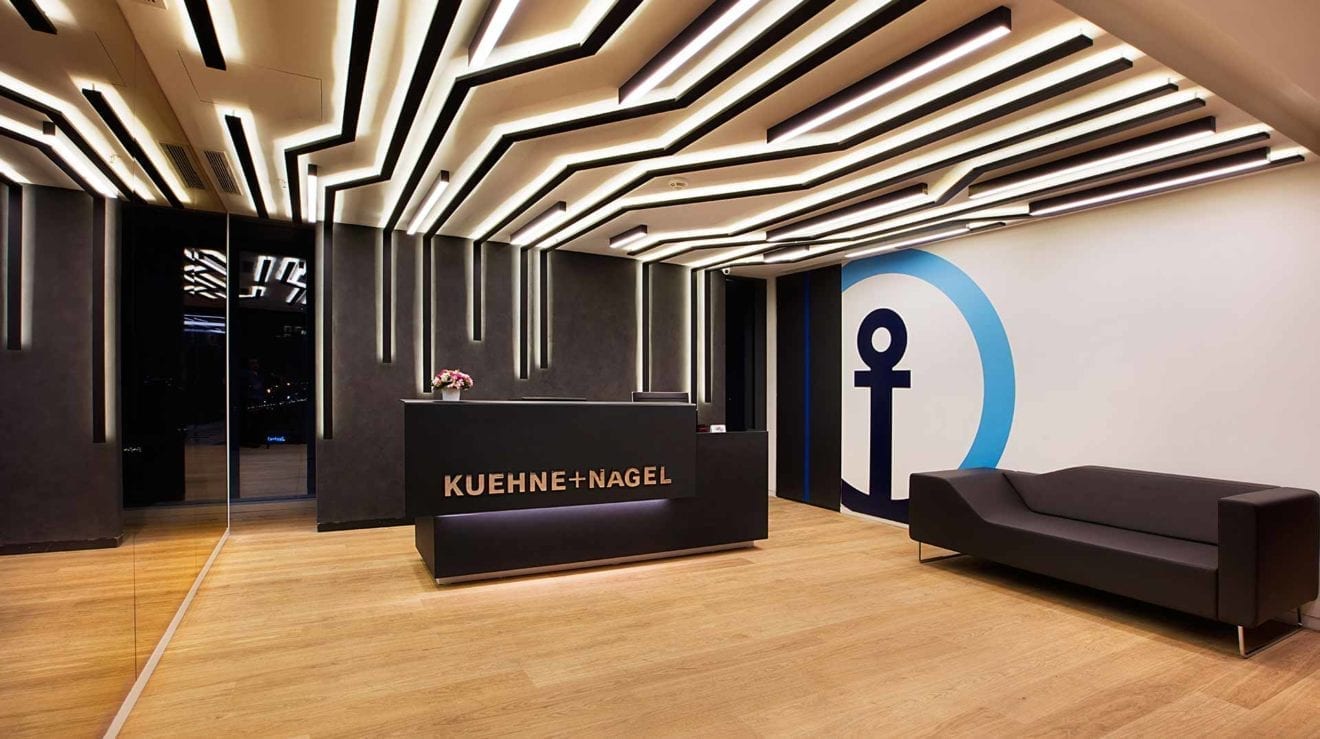
  • Kuehne + Nagel to provide production logistics to Mercedes-Benz

    Kuehne + Nagel to provide production logistics to Mercedes-Benz

    Kuehne + Nagel announced a new multi-year contract with Mercedes-Benz Vans, LLC, part of the Daimler AG Group, to implement a production logistics solution for its new assembly line and production facility in Charleston, South Carolina. The solution will provide flexible and efficient materials management as well as just-in-time deliveries for the assembly process.

    Kuehne + Nagel’s contract logistics team engineered a multi-year innovative production logistics operations plan utilizing a modern logistics center that will include vision picking smart glasses and automated guided vehicles (AGVs). Comprehensive services will include goods receiving, inventory management and just-in-time picking and sequencing for delivery to the car makers’ assembly line and production facility.

    For the implementation, Kuehne + Nagel is utilizing its successful customer transition and integration model, which includes multiple disciplinary project management and dedicated resources from the logistics provider’s national, regional and corporate organizations. In order to ensure reduce inventory, increase quality, and reduce total costs for each unit built, Kuehne + Nagel will use its KN Production System (KNPS), an in-house developed structured methodology based on lean supply chain principles.

    “We are delighted to expand our 15-year global relationship with Daimler AG and Mercedes-Benz,” said Bob Mihok, president and CEO, Kuehne + Nagel North America. “Our supply chain services in the new Charleston, South Carolina Sprinter van plant will improve assembly line productivity and enhance vehicle production. We look forward to adding value to our customer’s supply chain for many years to come.”

  • Mercedes cars to face more emissions tests in Germany

    Mercedes cars to face more emissions tests in Germany

    Germany has found no signs so far that Mercedes-Benz used illegal software to manipulate diesel emissions but a new round of tests is being conducted, the transport ministry said on Friday.

    The Transport Ministry summoned officials from Daimler, which owns the Mercedes-Benz brand, to a meeting on Thursday to explain why some vehicles showed high levels of emissions under certain driving conditions.

    Engine management systems and software have come under scrutiny ever since Volkswagen admitted in Sept. 2015 that it had installed programs which cheat diesel emissions tests.

    “It was agreed that Mercedes vehicles will be tested by the KBA,” a ministry spokesman said on Friday, adding that Daimler had been cooperative and had reiterated its vehicles conform with emissions regulations.

    German magazine Der Spiegel on Friday said, without citing sources, that officials from the KBA, Germany’s vehicle certification authority, believe Mercedes-Benz may have diesel cars equipped with illegal cheating software.

    Upon being asked about the report in Der Spiegel, Daimler said that based on the information it had at its disposal, it would fight allegations about using an illegal software defeat device with all legal means.

    Upon being asked about whether KBA had found a defeat device in Mercedes cars, a KBA spokesman on Friday said, “We need to wait for the results of investigation to be published.”

    KBA reports to Germany’s transport ministry.

    Der Spiegel said that Germany’s Transport Ministry had threatened Mercedes with recalling vehicles equipped with OM642 and OM651 engines. Daimler said it could not comment on the contents of the meeting but denied there had been a threat of a forced recall.

    Germany’s Transport Ministry also said KBA had not threatened Daimler with a recall.

    In April last year, German Transport Minister Alexander Dobrindt said carmakers including Mercedes would voluntarily recall 630,000 diesel vehicles to change engine and emissions management software.

    At the time, Dobrindt said regulators on the lookout for illegal emissions cheating software had found carmakers exploited a legal loophole to reduce emissions filtering systems.

    Under certain circumstances carmakers are allowed to throttle back emissions management systems to protect the engine. Cars which start up when it is very cold outside run the risk of having condensation build up in their catalytic converters and engines causing rust.