Retail News CRM

Tag: Metro

  • Singapore’s Metro Redefines Retail, Plans Closure of Two Major Stores for Smaller Multi-Concept Outlets

    Singapore’s Metro Redefines Retail, Plans Closure of Two Major Stores for Smaller Multi-Concept Outlets

    Metro, a well-known retailer based in Singapore, has announced plans to shutter its department stores located at Paragon on Orchard Road and Causeway Point. This decision comes in line with the company’s strategic pivot away from traditional large-format department store models, as their leases approach expiration.

    Embracing a New Retail Model

    Metro’s future plans revolve around introducing a flexible retail model that focuses on smaller-format and multi-concept stores. The company is currently exploring potential locations and liaising with landlords to advance the rollout of these innovative multi-concept stores.

    To ensure the financial viability and success of its new retail approach, Metro is considering several key factors. These include the location, rental terms, and implementation timelines of these proposed stores. This strategic move is aimed at meeting the fundamentally different consumer expectations of today’s market, while allowing more flexibility for the introduction of new concepts, brands, and partnerships.

    Commenting on the new direction, Yip Hoong Mun, Group CEO and Executive Director of Metro, said that the company’s refreshed retail strategy is designed to tackle the challenging operating environment and align with customers’ evolving expectations.

    Transforming the Retail Landscape

    Tan Soo Khoon, the chairman of Metro, further highlighted that this repositioning would pave the way for a more agile retail platform. This transformation is expected to support the company’s long-term growth ambitions. “As the retail landscape continues to transform, it is vital for us to evolve alongside it,” Tan noted.

    In the past year, Metro has been revamping its offerings through various partnerships and experiential concepts. However, despite its initiatives, the company reported a net loss of US$8.8 million for the fiscal year ending March 31, attributing the downturn to lower revenue, weaker margins, and impairment charges.

    Meanwhile, potential plans are being reviewed to optimise and selectively reconfigure parts of the Orchard Road mall, which presently houses Metro.

    Questions & Answers

    What is the new retail model that Metro is adopting?
    Metro is shifting towards a flexible retail model centred on smaller-format and multi-concept stores.

    Why is Metro shifting away from traditional department stores?
    Metro’s shift is prompted by changing consumer expectations and a desire for greater flexibility to introduce new concepts, brands, and partnerships.

    Will Metro continue to operate in the Orchard Road Mall?
    Metro has expressed interest in remaining at the Paragon on Orchard Road under its new retail concept, and discussions are ongoing.
  • Thriving Metro Retail Surpasses $662M Revenue Mark, Propelled by Store Expansion and Steady Sales Growth

    Thriving Metro Retail Surpasses $662M Revenue Mark, Propelled by Store Expansion and Steady Sales Growth

    Metro Retail Stores Group (MRSGI) has achieved remarkable revenue growth in FY25, exceeding the PhP40-billion (approximately US$662.8 million) milestone. This growth was fueled by consistent sales growth, margin expansion, and ongoing network development.

    Income and Sales Data

    MRSGI reported a net income of PhP682.64 million (US$12.2 million), marking a 12 per cent increase from the previous year. This substantial increase was driven by improved operational efficiency and the contributions derived from new store launches.

    The company’s total sales for the year amounted to PhP41.56 billion (around US$742 million), representing a 4.9 per cent increase compared to 2024 figures. The same-store sales growth was 0.6 per cent, indicating steady underlying demand despite the challenging operating conditions.

    Strategic Execution and Growth

    “Last year marked a period of disciplined strategy implementation and tangible impact for MRSGI,” stated Joselito G Orense, the company’s president and COO.

    “Through our strategic expansion towards regions of high growth and the introduction of innovative store designs, our market presence was significantly enhanced. We witnessed increased sales and margins and improved cash earnings. These outcomes illustrate the commitment and dedication of our nationwide teams and our commitment to providing customers with modern retail experiences while pursuing sustainable, long-term growth.”

    Network Expansion and Sustainability

    MRSGI broadened its presence with the introduction of 10 new stores in Luzon and the Visayas during the past year. This expansion included additional Metro Value Mart outlets and a new Metro Supermarket and Department Store in Bais, Negros Oriental.

    The company also continued to develop its Metro Corner format. The inauguration of its Mandani Bay store signified a move into the elite urban retail sector.

    MRSGI also advanced its sustainability initiatives, implementing solar photovoltaic systems in up to 19 stores to aid in energy cost management. By the end of FY25, MRSGI was operating 81 stores across the nation in its primary retail formats.

    Questions & Answers

    What drove the increase in MRSGI’s net income in FY25?
    The increase in net income was driven by improved operational efficiency and the contributions from new store openings.

    How has MRSGI expanded its network?
    The company opened 10 new stores across Luzon and the Visayas, including additional Metro Value Mart branches and a new Metro Supermarket and Department Store in Bais, Negros Oriental.

    What sustainability initiatives has MRSGI undertaken?
    The company has implemented solar photovoltaic systems in up to 19 of its stores to manage energy costs more efficiently.

  • Revival on the Horizon: Metro Manila Retail Vacancy Rate Expected to Bounce Back to Pre-Pandemic Figures

    Revival on the Horizon: Metro Manila Retail Vacancy Rate Expected to Bounce Back to Pre-Pandemic Figures

    The retail vacancy rate in Metro Manila is projected to return to pre-pandemic levels by 2022, according to a recent study by Colliers Philippines. The rate of empty retail spaces in Metro Manila eased to 11.4% as of September 30, 2021. By the close of next year, forecasts indicate a reduction to 9.5%, almost matching the 9.3% recorded in the third quarter of 2019.

    Long-Term Forecasts

    The report also offers long-term projections, with a predicted rate of 8.2% by the end of 2027. This figure is notably lower than the pre-pandemic benchmarks, signaling a positive recovery trend for the retail sector in the region.

    The study attributes the anticipated improvement to two main factors. The first is the continuous entry of international retail brands into the Filipino market. The second is the rapid expansion of existing brands.

    The Role of Foreign Brands

    According to Joey Bondoc, Research Director at Colliers, foreign brands play a crucial role in this trend. He noted that many of these brands have previously exited the market but are now making a significant comeback.

    Bondoc further highlighted the attractive refurbishment strategies of major developers in the region, which are drawing in these companies. These refurbishments are focusing more on experiential retail, adding another layer of attraction for both brands and consumers.

    Industries Occupying Retail Spaces

    The report also shed light on the dominant industries in retail space occupancy. The food and beverage sector, fast fashion, and general retail were listed as the primary occupiers of retail spaces. Their continued presence and growth contribute to the overall decreasing trend of retail vacancies.

    Questions & Answers

    What is the anticipated retail vacancy rate in Metro Manila by the end of 2022?
    The retail vacancy rate is expected to decrease to 9.5% by the end of 2022.

    What factors are contributing to the decrease in retail vacancies?
    The entry of foreign retail brands into the Philippines market and the accelerated expansion of existing brands are primarily driving this improvement.

    Which industries are the biggest occupiers of retail space in Metro Manila?
    The food and beverage sector, fast fashion, and general retail industries are the main occupiers of retail spaces.

  • Shinsegae And Metro Unveil Unique Korean Fashion Collaboration In Singapore

    Shinsegae And Metro Unveil Unique Korean Fashion Collaboration In Singapore

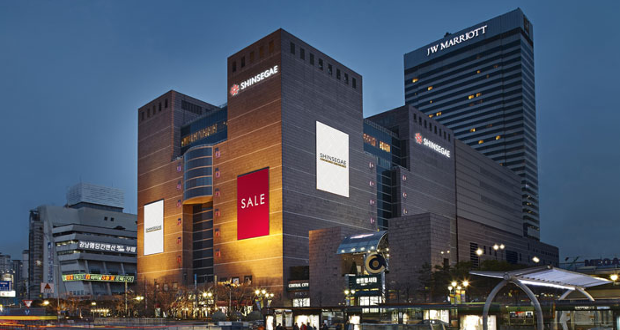
    South Korean fashion giant, Shinsegae, is set to make its entrance into the Singaporean market through a unique collaboration with Metro. This partnership will entail the launch of a pop-up store at Paragon, scheduled to run from September 25 until October 5.

    Introducing Six Korean Brands

    The pop-up shop aims to unveil six Korean lifestyle and fashion brands to Singapore’s fashion-forward audience. The brands include Studio Tomboy, Man on the Boon, Jaju, Voice of Voices, Rawrow, and Vidivici. Following the pop-up, these collections will continue to be available at Metro Paragon until the end of October. In this way, shoppers will have ample time to explore and shop from Shinsegae’s expertly curated portfolio.

    Collaborative Design Partnership

    The collaboration will also bring forth a unique amalgamation of design elements from both Singapore and Korea. This will be achieved through a design partnership between Singapore’s Phunk Studio and Korea’s Studio Tomboy. The design inspiration will borrow heavily from Peranakan florals, Korea’s hibiscus, the durian fruit, and the yin-yang symbol.

    Transition to a Fashion-centric Retail Model

    According to Erwin Wuysang-Oei, the CEO of Metro Singapore, this partnership signifies Metro’s strategic transformation from a traditional department store to a more fashion-focused retail model. He expressed that this collaboration with Shinsegae International marks a critical milestone in Metro’s evolution and brings a new model for international retail collaboration. The partnership not only brings Korean fashion to Singapore but also celebrates both cultures while setting new benchmarks for fashion retail in Southeast Asia.

    Questions & Answers

    What is the timeline of Shinsegae’s pop-up in Singapore?
    The pop-up is scheduled to run from September 25 until October 5.

    Which Korean brands will be introduced by Shinsegae in Singapore?
    The brands include Studio Tomboy, Man on the Boon, Jaju, Voice of Voices, Rawrow, and Vidivici.

    What does this partnership signify for Metro?
    According to the CEO of Metro Singapore, this partnership signifies a shift from being a traditional department store to adopting a more fashion-focused retail model.

  • Manila’s Hotel Scene Set to Expand with 3,000 New Rooms Coming in Late 2025

    Manila’s Hotel Scene Set to Expand with 3,000 New Rooms Coming in Late 2025

    The hospitality landscape in Metro Manila is brimming with potential as the market anticipates the addition of approximately 3,000 new hotel rooms by the end of 2025. According to a recent report from JLL, hotel occupancy rates are currently strong, yet this incoming wave of accommodations may briefly impact occupancy levels.

    Sturdy Foundations in Metro Manila’s Hotel Sector

    Despite the expected influx of new inventory, Metro Manila’s hotel market shows remarkable resilience, with RevPAR reflecting a positive year-over-year trend. This statistic is a clear signal of robust demand and an upsurge in traveler confidence, suggesting that visitors are keen on experiencing the vibrant hospitality options the area offers.

    In the second quarter of 2025, hotel occupancy hit 78.3%, marking an impressive year-over-year increase of 143.4 basis points. The luxury and upscale segments are leading the charge, demonstrating their enduring allure. What’s more, average room rates have edged up just slightly, from PHP 7,916 in Q2 2024 to PHP 7,917 in Q2 2025—a testament to the market’s stability amid expansion.

    Preparing for Growth Amid New Challenges

    As the holiday season draws near, optimism fills the air in the Philippine tourism sector. The VAT refund program is gaining traction, and combined with strategic tourism marketing efforts, authorities are aiming to reach an annual target of 7.7 million visitors. Even with the new hotel openings, which may disrupt occupancy rates in the short term, the solid fundamentals of tourism and increasing international interest are expected to bolster demand for hotel stays.

    With Manila positioning itself as a compelling destination, it seems the real excitement lies not just in the influx of these new hotel rooms—but also in how they will redefine the competitive landscape for hospitality in the region. After all, having options is never a bad thing, right?

    Questions & Answers

    What is the expected impact of the new hotel inventory on occupancy rates?
    While the addition of approximately 3,000 new hotel rooms could create temporary pressure on occupancy rates, the stable demand driven by tourism fundamentals and market interest is expected to alleviate this shortly.

    How is the hotel market currently performing in Metro Manila?
    The hotel market is performing well, with an occupancy rate of 78.3% in Q2 2025, reflecting a significant year-over-year growth and positive trends in RevPAR, indicating strong demand and visitor confidence.

    What initiatives are anticipated to support tourism growth in Metro Manila?
    Key initiatives include the VAT refund program and targeted tourism marketing efforts, which aim to boost visitor arrivals and help meet the annual target of 7.7 million tourists.

  • VinSpeed Plans Ambitious 350 kph Metro System for HCMC: A Bold Leap in Urban Transit!

    VinSpeed Plans Ambitious 350 kph Metro System for HCMC: A Bold Leap in Urban Transit!

    In a significant stride towards enhancing urban mobility, VinSpeed has announced a groundbreaking VND76 trillion (US$2.93 billion) project aimed at revolutionizing the transportation landscape in Ho Chi Minh City. The financing structure reveals that 15% of the capital will come from its own resources, while a substantial 85% will be sourced through loans, as discussed in a recent conference focused on green transportation.

    Land Preparation with State Support

    To pave the way for this ambitious endeavor, land clearance costs, estimated at over VND7.6 trillion (approximately $288 million), will be borne by government funds. It’s perhaps the ultimate local government investment: an invitation for residents to wave goodbye to gridlock!

    A Speedy Solution

    The proposed rapid transit line is designed to operate at speeds three times faster than the current Ben Thanh – Suoi Tien metro service. “Choosing a high-speed option from the outset simplifies the process,” noted Nguyen Anh Tuan, CEO of VinSpeed. He further explained that the actual operational pace might be adjusted based on passenger needs, allowing for flexibility in service design.

    Construction Timeline and Ambitions

    Construction is slated to kick off in the last quarter of this year, with the aim of completing it by early 2028. “This timeline is ambitious, setting a record for a metro line, but we are fully confident in our ability to meet it,” Tuan remarked, setting the stage for what could be a transformative shift in public transport.

    Learning from Experience

    Given Vietnam’s relatively nascent experience with such large-scale projects, VinSpeed has embraced a strategic approach—studying international models and conducting comprehensive geological and topographical assessments along the proposed route. Experts attending the seminar lauded the project’s ambition, suggesting it could redefine metro and railway development standards in Vietnam.

    Balancing Speed with Scenic Appreciation

    Not all feedback was unreservedly positive; experts voiced concerns regarding the high operational speed of 350 kph. Truong Tien Trien, deputy head of HCMC’s Urban Development Management Board, cautioned that such speed might prevent passengers from savoring Can Gio’s stunning natural vistas. “We must be cautious,” he urged.

    Environmental Considerations

    Adding another layer to the discussion, Tran Du Lich, head of HCMC’s metro network development advisory group, underscored the need for environmental protection, particularly concerning the Can Gio International Biosphere Reserve. “Even if the route is curved, it should avoid impacting this unique ecosystem,” he asserted.

    Expert Recommendations

    Phan Huu Duy Quoc, chairman of Construction Corporation No. 1, which previously contributed to the Ben Thanh – Suoi Tien metro, suggested optimizing service roads and construction sites to minimize environmental footprints. On the river-crossing segment, he proposed exploring an underground tunnel instead of constructing a new bridge, drawing on lessons learned from the existing metro line.

    Can Gio: A Natural Haven

    Can Gio, located approximately 50 km from central Ho Chi Minh City, spans over 71,300 hectares, with a remarkable 70% of its area consisting of mangrove forests and intricate waterways. The burgeoning metro network in HCMC, with a grand plan featuring 11 lines and a target of completing seven lines totaling 355 km by 2035, is poised to reshape how residents navigate their city. Notably, Metro Line 2 (Ben Thanh – Tham Luong) is also set to begin construction this year, heralding a new era for public transport in the area.

    Questions & Answers

    What is the overall budget for the Can Gio metro project?
    The project is projected to cost VND76 trillion (approximately US$2.93 billion), primarily funded through loans.

    When is the construction of the metro expected to start and be completed?
    Construction is set to begin in the last quarter of this year, with completion aimed for early 2028.

    What are the environmental concerns related to the proposal?
    Experts highlighted the importance of avoiding impacts on the Can Gio International Biosphere Reserve, emphasizing the need for careful planning and evaluation of environmental effects as the project develops.

  • Hanoi Metro Reports Impressive Threefold Profit Surge in First Half of Year

    Hanoi Metro Reports Impressive Threefold Profit Surge in First Half of Year

    Hanoi Metro’s post-tax profits surged to VND10 billion (approximately US$381,400) in the first half of 2025, a remarkable threefold increase compared to the same period last year.

    With revenues climbing by 50% to VND393 billion, the state-owned company operates two key metro lines: Cat Linh – Ha Dong and Nhon – Hanoi Railway Station. This impressive growth reflects a strong rebound in urban transport, and even the typically stately metro system seems to have caught a case of ‘fast lane fever’.

    This year, Hanoi Metro aims to carry 19.3 million passengers while targeting profits exceeding VND20.7 billion on revenues of VND878.4 billion. In the first half, the company achieved 48% of its profit goal and 45% of its revenue target, signaling a solid trajectory toward meeting its year-end aspirations.

    Strategies for Growth

    To further enhance passenger convenience and revenue generation, the company is actively seeking innovative initiatives that will lessen its reliance on government subsidies. The vision for the future is bold; by 2030, Hanoi plans to expand its metro network to 10 routes covering an impressive 417 kilometers. However, construction of the remaining eight lines remains in the planning stage, prompting the city’s People’s Committee to recently instruct relevant agencies to expedite the commencement of work on two of these lines by the end of this year.

    Metro lines in the fast lane

    As Hanoi strives to modernize its public transport, the success of Hanoi Metro shines a light on the potential of urban transit systems across Asia. With the city moving forward, the next few years will be critical in determining whether these ambitious plans can be transformed from blueprints into reality.

    Questions & Answers

    How much did Hanoi Metro profit in the first half of 2025?
    Hanoi Metro reported a post-tax profit of VND10 billion (around US$381,400), tripling its earnings from the same period the previous year.

    What are the revenue goals for Hanoi Metro in 2025?
    The company targets revenues of VND878.4 billion this year, aiming to achieve over VND20.7 billion in profits.

    What are the future plans for Hanoi’s metro system?
    By 2030, Hanoi hopes to expand its metro network to 10 routes covering 417 kilometers. However, the construction of many planned lines has yet to begin.

  • Chagee: Chinese Tea Giant Set To Brew Success In The Philippine Market

    Chagee: Chinese Tea Giant Set To Brew Success In The Philippine Market

    Chagee: The Chinese Tea Brand Poised to Enter Philippine Market

    Chagee, a renowned Chinese tea brand, is poised to infiltrate the Philippine market. This expansion is earmarked for August, with three branches slated for unveiling in Metro Manila.

    The fresh outlets will be strategically located at notable locales such as SM North EDSA, Robinsons Galleria, and Venice Grand Canal Mall.

    A Modern Take on Traditional Tea

    Chagee has carved a niche for itself as a contemporary tea bar that fuses traditional Chinese tea-making techniques with an emphasis on natural ingredients.

    The brand’s signature concoctions are milk-based tea beverages, expertly brewed using whole tea leaves from a variety of plants including green, black, and oolong. These teas are free from artificial sweeteners or flavorings, underscoring the brand’s commitment to all-natural products.

    Chagee’s Global Footprint

    With its roots in Yunnan, China, Chagee has successfully extended its reach across Asia and beyond. The company presently boasts of over 6000 stores worldwide. Its international presence can be felt in a number of markets such as Malaysia, Thailand, Singapore, and the United States among others.

    Questions & Answers

    What is Chagee?
    Chagee is a Chinese tea brand that is recognized for infusing modern flavors with traditional Chinese tea-making methods.

    Where are the new Chagee outlets in the Philippines going to be located?
    The new Chagee outlets in the Philippines are planned to be located at SM North EDSA, Robinsons Galleria, and Venice Grand Canal Mall.

    What distinguishes Chagee’s tea beverages?
    Chagee’s signature tea beverages are milk-based and are brewed using whole tea leaves from a variety of plants such as green, black, and oolong. These teas are free from artificial sweeteners or flavorings.

  • Big Corporations Set Sights on HCMC’s Ambitious Metro Line Projects

    Big Corporations Set Sights on HCMC’s Ambitious Metro Line Projects

    The Dai Dung Corporation, Construction Corporation No. 1 Joint Stock Company (CC1), and Hoa Phat Group have joined forces to form a partnership known as DCH, seeking the approval of the HCM City People’s Committee to participate in local urban railway projects as the general contractor for engineering, procurement, and construction (EPC).

    Three Railway Lines on the Horizon

    DCH aims to invest in three significant railway lines: Metro Line No. 2 (Ben Thanh – Tham Luong), the Thu Thiem – Long Thanh railway line, and the Binh Duong New City – Suoi Tien line. This ambitious initiative is poised to transform the landscape of urban transportation in Ho Chi Minh City.

    Vingroup’s Bold Proposal

    In a parallel move, Vingroup has set the stage for innovation by proposing a metro line that would connect the city center to Can Gio island district. This ambitious project, estimated at VND102.37 trillion (around US$4.09 billion), boasts a staggering 48.5 km route designed for speeds reaching 250 km/h—twice the speed of current undertakings—and aims for completion in just two years!

    Fast-Tracking Urban Railways

    The city’s Department of Construction reports that Vingroup’s investment model is a public-private partnership (PPP). After gaining municipal approval, the company is hastening the completion of investment documentation and conducting a pre-feasibility study. If everything aligns perfectly, construction could kick off in early 2026, making way for the first urban railway line fully funded by a private entity by 2028.

    More Players Enter the Game

    Chairman of the municipal People’s Committee, Nguyen Van Duoc, has disclosed that besides Vingroup, Gamuda Group and Vietjet are also eager to jump into the urban rail market, with plans for additional routes connecting the city center to the airport and other key locations.

    Metro Ambitions for the Future

    According to HCM City’s master plan for the period of 2021–2030, with eyes set on 2050, the metropolis is looking to develop 12 metro lines stretching over 600 km, linking Tan Son Nhat airport to urban areas and neighboring provinces. By 2035, the goal is to have seven lines operational, covering approximately 355 km with an estimated investment of US$40.2 billion.

    Private Interest on the Rise

    Prof. Dr. Vo Xuan Vinh, Director of the Institute of Business Research at the University of Economics Ho Chi Minh City, notes that following the issuance of Resolution 68 by the Politburo, private enterprises are becoming increasingly engaged in large-scale projects, ready to embrace the associated risks. This shift promises to revolutionize the pace of urban railway development in both HCM City and Hanoi, traditionally reliant on official development assistance (ODA).

    New Mechanisms for Investment

    Dr. Nguyen Quoc Hien, deputy head of the HCMC Management Authority for Urban Railways, emphasized the importance of developing specific legal frameworks to facilitate private investment in urban rail projects. He observed that successful PPP projects in places like Hong Kong, China, and South Korea often follow investment forms like Build-Transfer-Operate (BTO), Build-Transfer-Lease (BTL), or Build-Lease-Transfer (BLT). The absence of these models in existing resolutions suggests a need for innovative thinking in legal frameworks if we want to see a rapid transformation in the urban rail sector in Vietnam.

    Questions & Answers

    What is the purpose of the partnership between Dai Dung Corporation and others?
    The partnership aims to work on urban railway projects in Ho Chi Minh City as the EPC general contractor.

    What is Vingroup’s proposed metro line’s key feature?
    Vingroup’s proposed line will connect the city center to Can Gio island with a remarkable speed of 250 km/h, expected to be completed in two years.

    How many metro lines does HCM City plan to build by 2030?
    The city plans to establish 12 metro lines, covering over 600 km, with seven lines targeted for completion by 2035.

  • Vingroup Plans $4B HCMC Metro Line to Boost Retail and Consumer Demand

    Vingroup Plans $4B HCMC Metro Line to Boost Retail and Consumer Demand

    Vingroup, Vietnam’s largest private enterprise, has unveiled plans for an ambitious high-speed metro line that will connect downtown Ho Chi Minh City (HCMC) to the coastal district of Can Gio. This transformative project is set to cost $4 billion and promises to significantly boost local transportation and economic activity.

    A Vision for Urban Development

    The proposal, revealed through discussions with city authorities, highlights Vingroup’s intention to undertake the full financial responsibility for the project. Headed by Pham Nhat Vuong, Vietnam’s wealthiest individual, the company aims to finance the construction through a public-private partnership model. In return, Vingroup seeks operational permits for the metro line.

    “Vingroup has a solid history of executing large-scale infrastructure projects,” a company representative stated. This latest initiative aims to provide a seamless transit experience for HCMC residents, significantly enhancing urban mobility.

    Metro Line Details and Projections

    The proposed metro line will span 48.5 kilometers, stretching from Nguyen Van Linh Avenue in District 7 to Can Gio. This coastal district is not only noted for its stunning mangrove forests but also presents substantial tourism potential. Vingroup envisions the metro trains achieving speeds of up to 250 kilometers per hour, thereby elevating business connectivity and commuter convenience across the region.

    Currently, Can Gio is an area of significant development for Vingroup, which is working on an extensive urban project covering nearly 2,900 hectares. This development is expected to accommodate around 230,000 residents with an investment of $9 billion.

    City Approval and Future Plans

    For the metro line proposal to move forward, it requires approval from HCMC authorities. Prime Minister Pham Minh Chinh has previously endorsed Vingroup’s initiative, urging the city to collaborate with private sector firms on major projects to stimulate economic growth.

    In addition, HCMC has set forth an ambitious plan to expand its metro network. By 2035, six new routes are slated for development, alongside three additional lines by 2045, with an overall investment reaching an estimated $67 billion.

    Impact on the Retail Sector

    As Vingroup spearheads this groundbreaking infrastructure project, the potential implications for the retail sector in HCMC are substantial. Enhanced transportation options are likely to increase foot traffic in commercial districts, benefiting local businesses and attracting new investments. This aligns with emerging consumer trends that favor accessible and efficient urban mobility solutions, setting the stage for a vibrant economic landscape in Vietnam’s largest city.

  • Hanoi Metro posts first profit

    Hanoi Metro posts first profit

    Hanoi Metro, the operator of the capital’s first metro line, posted its first profit last year at nearly VND97 billion ($4.14 million).

    The profit was a turnaround from the VND37 billion loss recorded in 2021.

    The company saw revenues surge sevenfold to VND483 billion.

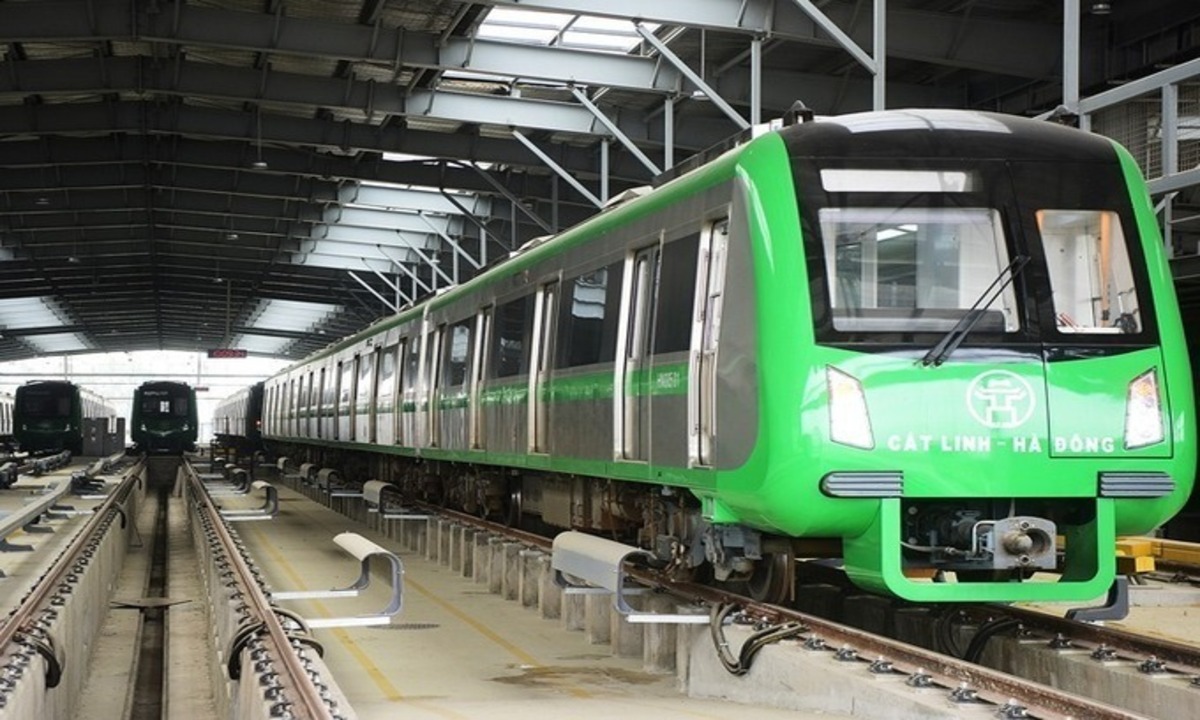
    The Cat Linh – Ha Dong Metro Line began commercial operation in June 2021.

    By the end of last year, it posted an accumulated loss of nearly VND37 billion, one-fifth of the losses in 2021.

    Hanoi Metro also received city subsidies in ticket sales last year, which it said would help improve its financial report.

    The company sells a ticket for VND8,000-15,000 depending on the trip length. A monthly ticket costs VND200,000, with students and industrial workers paying half.

    It now has nine trains operating, with a train running every six minutes during peak hours.

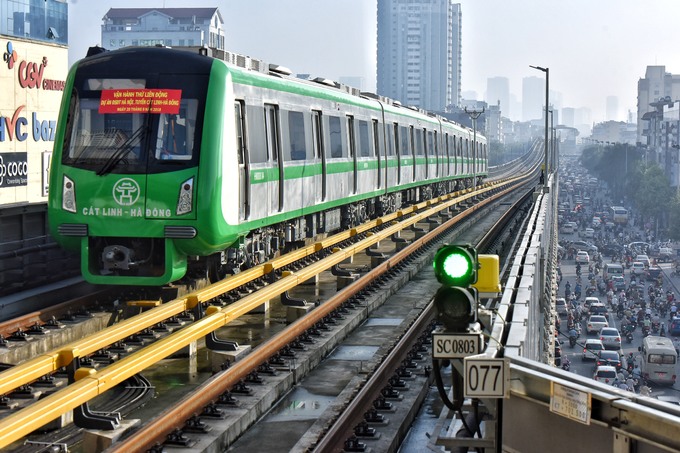
    The Cat Linh – Ha Dong Metro Line, which took 10 years to complete, runs 13 kilometers on elevated tracks through 12 stations.

    Each train can carry a maximum of 960 passengers. A complete trip takes 23 minutes.

    Hanoi Metro plans to serve over 10.6 million passengers this year.

  • Hanoi’s first metro line gets $38M capital hike

    Hanoi’s first metro line gets $38M capital hike

    The Cat Linh – Ha Dong Metro Line in Hanoi has received an additional VND911 billion ($38.6 million) capital increase.

    The money will come from state coffers, with 24.4% of it from domestic funds and the rest foreign funds, according to a decision signed by Deputy Prime Minister Le Minh Khai.

    The Ministry of Planning and Investment and the Ministry of Finance are responsible for reporting the disbursement of this capital to the Prime Minister’s Office.

    The 13-kilometer Cat Linh – Ha Dong Metro Line earlier saw its cost increase from VND8.77 trillion in 2008 to VND18 trillion in 2017.

    It is one of five metro lines nationwide that has seen cost increases.

    The Cat Linh – Ha Dong Metro Line started operating commercially at the end of last year and so far it has served 7.3 million passengers, among them 10,000 monthly subscribers.

    The line has recorded a revenue of around $53 billion so far with a monthly growth of 20%.

  • Germany’s Metro chain withdrawing from Japan

    Germany’s Metro chain withdrawing from Japan

    Metro aims to cease the operative business by the end of October 2021, whereby all 10 stores and the delivery business will be closed. The company has thoroughly analysed alternative options but sees no path to profitable growth and a leading wholesale position in the Japanese market. The exit of METRO Japan business will lead to one-off costs in Q4 2020/21 and one-time free cash flow gains through asset sales over the next 2 years. The recurring annual impact is positive on both P&L and cash flow. METRO Japan will make every effort to assist its employees through the transition in a fair manner and act fully in line with employer practice standards.

    “In each market it is operating in, METRO aims to achieve a leading market position as food wholesaler. METRO Japan has been under pressure for quite some time. We finally made the decision that we do not see the opportunity to achieve the necessary scale in Japan and thus to reach our profitability targets and sustainable growth in sales. Hence, we have concluded that METRO Japan is not a strategic fit for the company’s long-term objectives,” explains Dr Steffen Greubel, CEO of METRO AG. “On behalf of our Management Board I want to extend my sincere appreciation to our Japanese colleagues for their diligent work, enduring passion and commitment in serving our customer over the past 20 years.”

    With 10 wholesale stores all situated in the Greater Tokyo area, METRO Japan has been serving predominantly professional customers in the hospitality sector for the last 20 years. However, an unfavorable market position coupled with increasingly competitive landscape limited the company’s growth potential and weighted on profitability. METRO Japan has undertaken numerous attempts such as adjusting store formats, improving the assortment and expanding the delivery business to reposition the business. These attempts didn’t show reasonable results due to lack of scale and highly competitive market characteristics.

    METRO Japan will cease its business operations by October 2021, while the real estate portfolio in Japan will be sold. The portfolio includes 6 owned land plots with stores and 3 locations with long-term leases. As the result of this transaction, METRO expects a recurring uplift of approx. €15 million in FCF1 and up to €5 million in EBITDA. The company expects a negative one-off impact of between €30 million and €50 million on EBITDA in Q4 FY20/21. Overall, the proceeds from selling the real estate are expected to clearly surpass the one-off cash-outs for the wind-down, making the transaction cash-positive.

    The Japanese operations of Classic Fine Foods (CFF), the foodservice distribution specialist of METRO, are not affected by this decision, CFF will continue to operate in Japan.

  • Hanoi metro tickets to cost $0.35-0.65

    Hanoi metro tickets to cost $0.35-0.65

    Fares on Hanoi’s first metro will range from VND8,000-15,000 ($0.35-0.65).

    City authorities have also decided that a day pass on the Cat Linh – Ha Dong metro line for unlimited trips will cost VND30,000.

    A monthly pass will cost VND200,000 and half that for students and workers at industrial parks.

    For businesses buying the monthly pass for its employees, the rate will be VND140,000.

    Travel will be free for seniors, children under six, people with disabilities, and people designated by the government as poor.

    Fares are subsidized to boost the use of public transport, city authorities said.

    People using non-cash payment methods will get a discount of VND500 per trip.

    Travel will be free for the first 15 days after the metro begins operation, though the start date has not been announced yet.

    The full trip from Cat Linh to the south-western district of Ha Dong through 12 stations will take 25 minutes.

    A train can carry 960 passengers.

    Trains will run from 5 a.m. to 11 p.m every day.

  • Hanoi to take over metro operation in May

    Hanoi to take over metro operation in May

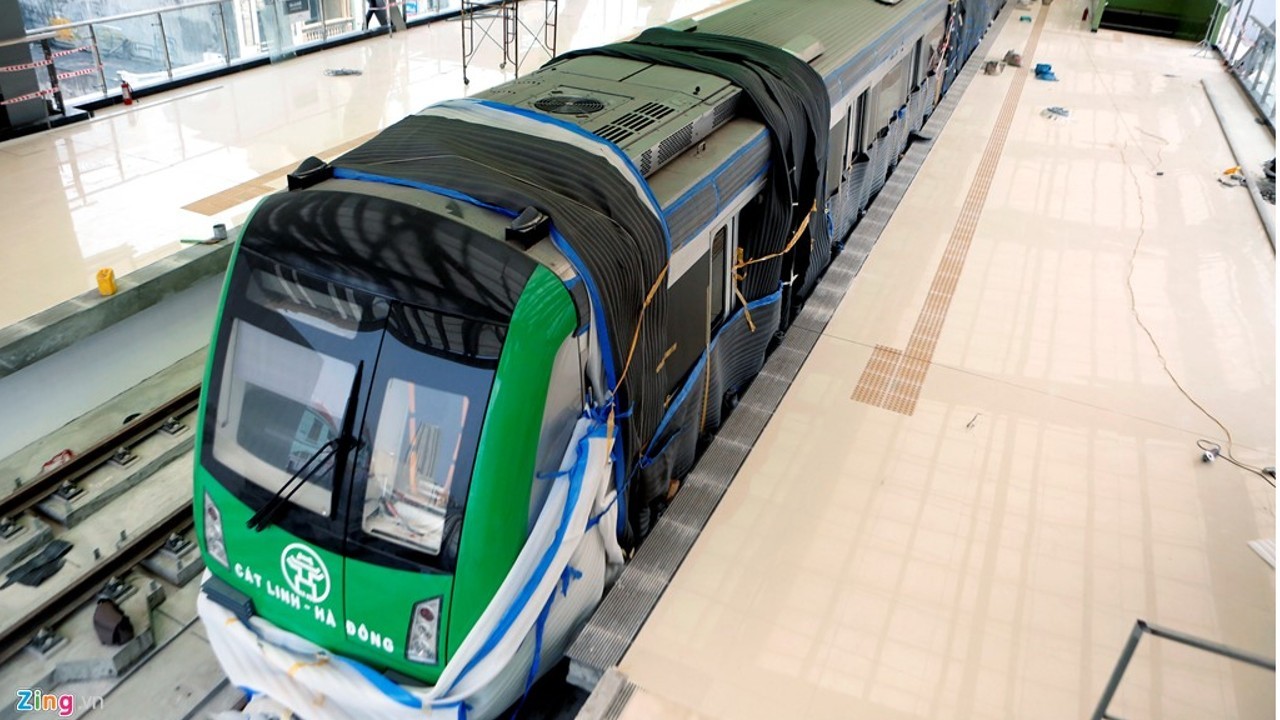
    Hanoi’s first metro line Cat Linh – Ha Dong is set to be handed over to city authorities in May for commercial operation.

    The company that built it, China Railway Sixth Group Co Ltd., on Wednesday began the process of handing over the Cat Linh – Ha Dong Metro Line to local authorities.

    The handover will take three to four weeks.

    Deputy Transport Minister Nguyen Ngoc Dong told reporters Wednesday that since January, Hanoi authorities have been working to finish the last details of the project, like setting up signs for disabled passengers, installing a device to prevent the conductor from falling asleep and adding more staff at each station to supervise and assist passengers embark and disembark.

    Each train on the route will be capable of carrying 960 passengers. A one-way trip will take 23 minutes, including a 30-second stop at each station.

    There will be a train every 10-15 minutes in the initial period, with higher frequency during rush hours.

    The Cat Linh – Ha Dong Metro Section is set to be the first such project to operate in Vietnam. It runs 13 kilometers on elevated tracks through 12 stations from downtown Dong Da District to Yen Nghia in Ha Dong District in the southwestern part of the city.

    The project has been delayed for years and missed several commercial operation deadlines with the Ministry of Transport blaming the Chinese contractor for its inexperience.

    Last year, its safety evaluation was delayed several times because the Chinese and French experts who had returned home late January and were unable to return to Vietnam since international flights were grounded due to the Covid-19 pandemic.

    The section, one of eight lines planned in the city of 8.3 million, is expected to partly resolve chronic traffic congestion and motivate more residents to use public transportation.