Tag: Metro

  • Foreign retailers in Vietnam under attack

    Foreign retailers in Vietnam under attack

    Complaints by Ho Chi Minh City businesses about foreign retailers in Vietnam have sparked the prime minister to order an investigation.

    Members of the Ho Chi Minh City Union of Business Associations (HUBA) say the growing number of foreign retailers in Vietnam have a loose rein to expand at a pace that will eventually hurt local companies.

    HUBA has sent at least two letters to the government raising questions about the legality of some business activities by foreign retailers, reports Thanh Nien News.

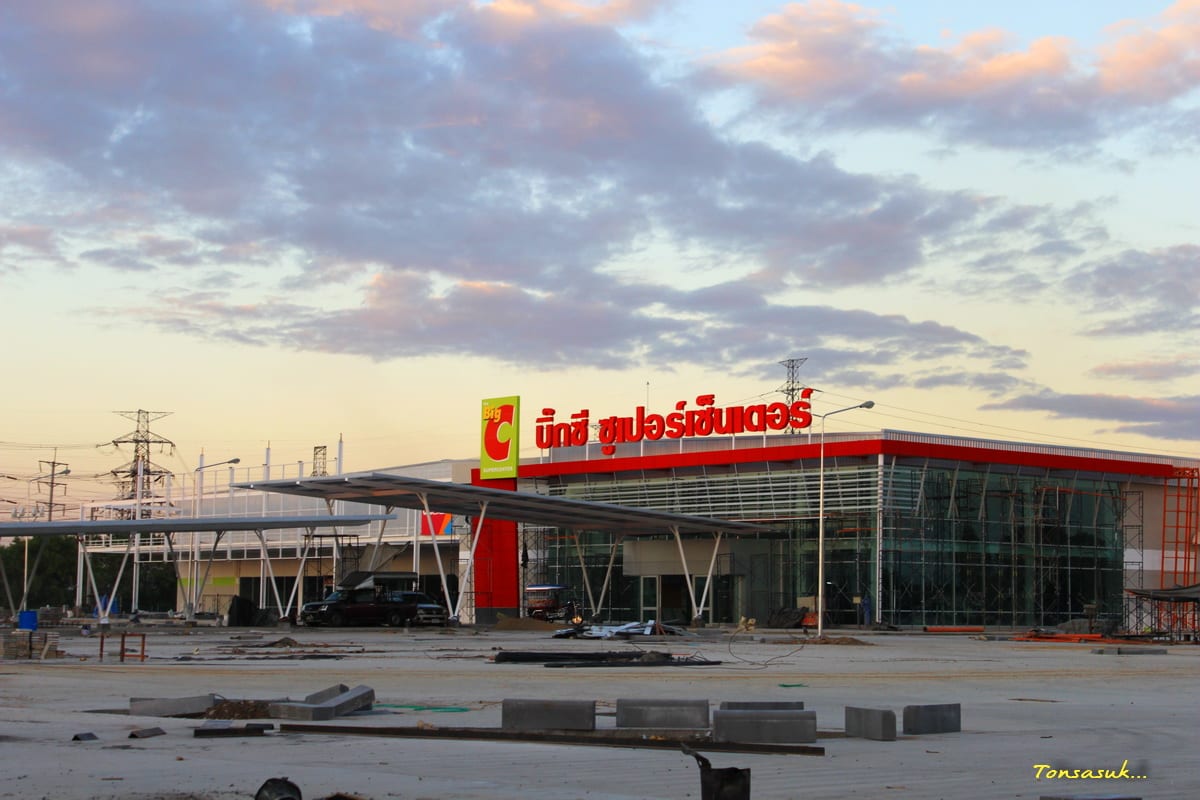
    Vietnam laws forbid foreign businesses to distribute products such as rice, cane sugar and cigarettes, but these items are still available at the supermarkets and convenience stores of most foreign retailers, including South Korea’s Lotte and Big C, Tuoi Tre reports.

    Following the complaints, Prime Minister Nguyen Xuan Phuc has ordered relevant agencies to check into foreign retailers, including mergers and acquisitions.

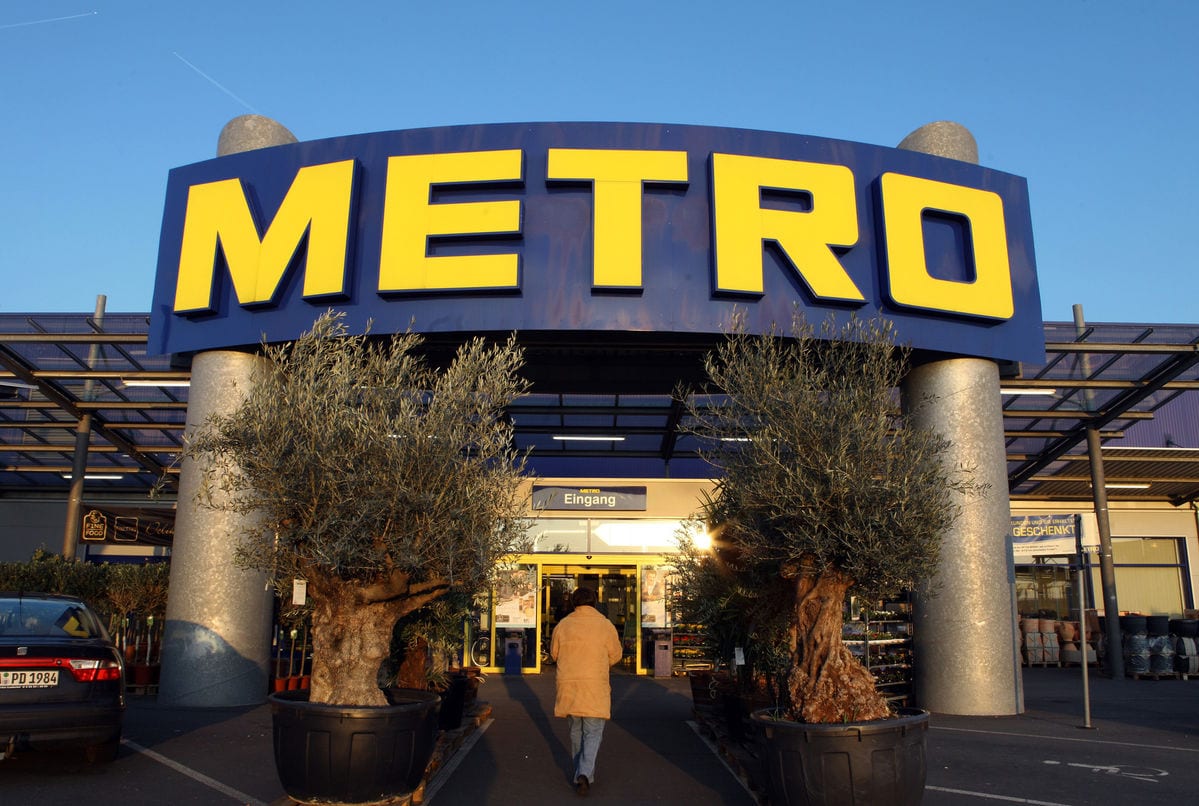
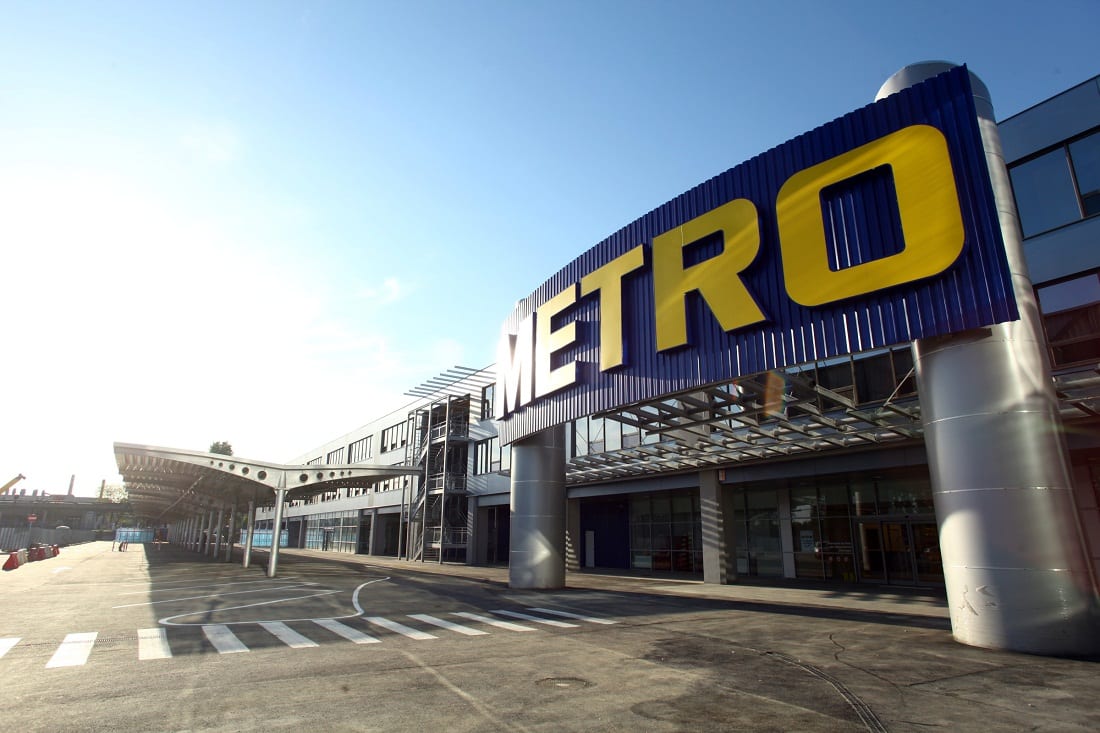
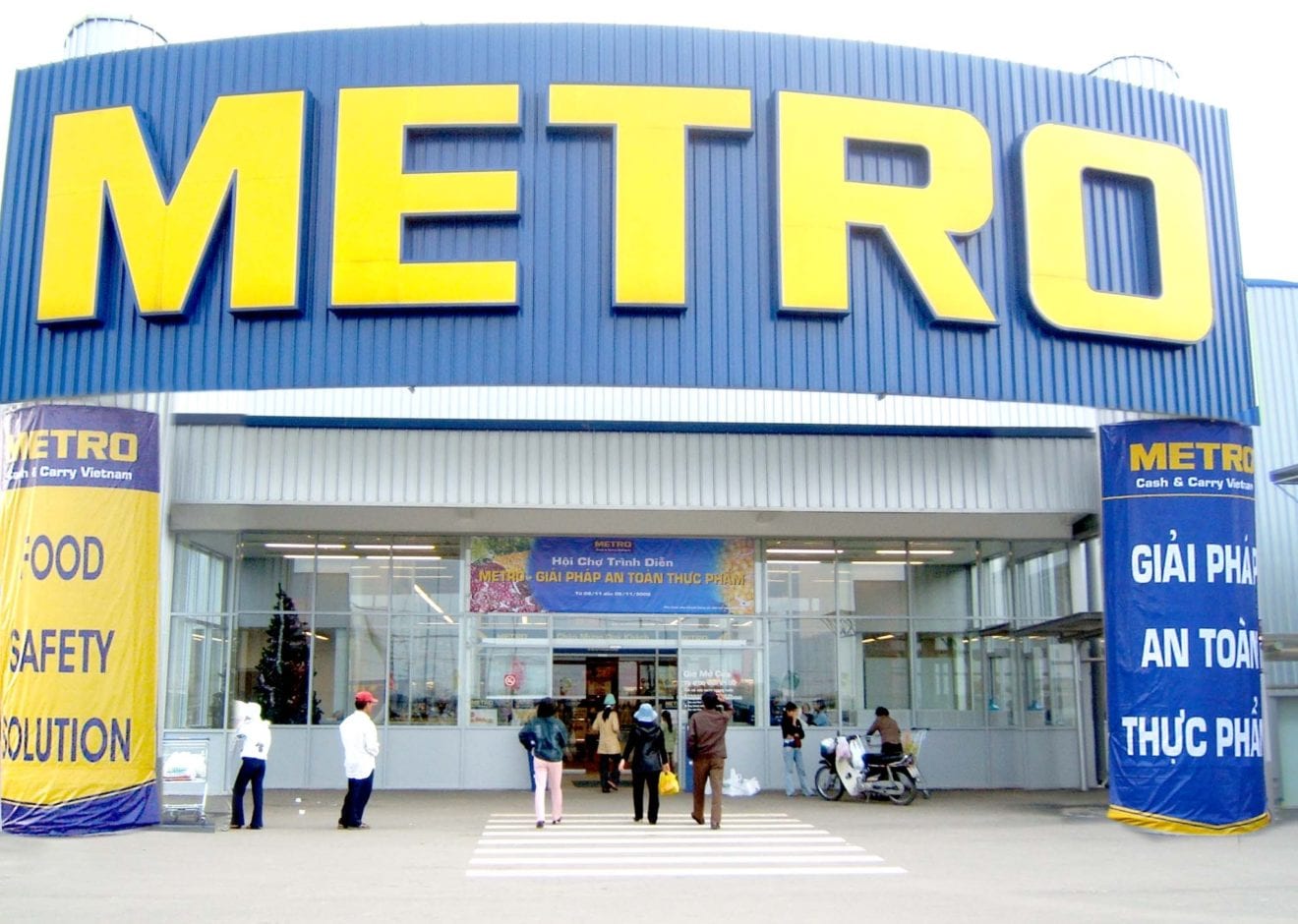
    Media reports say Mega Market Vietnam, which owns Metro wholesale stores, is expected to be first to face the scrutiny. The stores were originally run by Germany’s Metro before being acquired by Thailand consumer group TCC this year.

    Statistics show that Vietnam is home to more than 700 supermarkets and 132 shopping malls, mostly in the main centres of Hanoi and Ho Chi Minh City.

    Meanwhile, Hanoi Association of Supermarkets chairman Vu Vinh Phu says a supermarket in the northern city of Hai Phong had its revenue fall 30 per cent six months after a foreign superstore opened.

    Foreign companies now control more than half of Vietnam’s retail market, says the association, and many producers complain they are struggling to have their products in foreign supermarkets mainly because the retailers ask for high discounts, says HUBA vice-chairman Pham Ngoc Hung.
    Meanwhile, products from countries such as Japan, Malaysia, South Korea and Thailand are becoming more and more popular.

    Vietnam’s retail sales rose 10.6 per cent from 2014 to VND2469 trillion (US$109.4 billion) last year, official figures show.

  • Metro Retail earnings jump 69% in Q1

    Metro Retail earnings jump 69% in Q1

    Metro Retail Stores Group Inc. of the Gaisano family saw its net income surge by more than two-thirds in the first three months of the year on strong consumer spending. Net earnings reached P52.8 million, up 69.2 percent from P31.2 million.

    Metro Retail posted a 9.7-percent jump in all-store sales driven by strong same-store sales growth of 7.4 percent.

    “Building on our robust growth last year, our strong start for 2016 demonstrates our continued commitment to deliver more value to our customers and shareholders,” Metro Retail chairman and CEO Frank Gaisano said.

    Gaisano said the company continues to expand both its store network and its logistics and supply chain facilities.

    The retailer recently opened a hypermarket in Calbayog City in Eastern Visayas, as well as two department stores in UP Town Center and Fairview Terraces in Quezon City to bring its store network to 49. Of its 49 stores, 24 are supermarkets, 13 are hypermarkets, and 12 are department stores.

    Metro Retail had previously acquired department store assets from SIAL Specialty Retailers Inc., a joint venture between Ayala Land Inc. (ALI) and Store Specialists Inc.  It is set to open another department store in Fairview Terraces Mall in Quezon City.

    The company has also entered into a partnership with ALI for the establishment of its stores in four new Ayala commercial developments in Bacolod, Iloilo, Cebu, and Pasig.

    “The dynamic Philippine retail industry continues to present a lot of opportunities for growth, and we are currently ahead of schedule in doubling our footprint by 2020 with 40 percent of this target already secured today,” Gaisano said.

    Metro Retail stores are currently present in key cities in Central, Western and Eastern Visayas, as well as in Central Luzon, Metro Manila, and South Luzon.

    According to Euromonitor, Metro Retail is the Visayas’ largest department store and hypermarket operator, and second-largest supermarket operator in 2014 in terms of retail sales value.

    The firm was also Cebu’s largest retailer across all its three store formats in terms of retail value in the same year.

  • Central Group wins Big C Vietnam auction

    Central Group wins Big C Vietnam auction

    Thai retail conglomerate Central Group has won the bidding battle for Groupe Casino’s Big C Vietnam business.

    Groupe Casino has confirmed Central paid €1 billion (US$1.14 billion), which will be used to pay down debt.

    That price is as much as $300 million more than the French retailer reportedly expected to get for the business whose value was earlier publicised at around US$800 million.

    One of the rival bidders – Lotte Group of Korea – is believed to have withdrawn from the process when it became clear the price would exceed $1 billion.

    Casino says it will net €920 million after sale costs.

    Central Group is already building a substantial collection of assets in Vietnam, rolling out Robins department stores in main centres and acquiring a controlling interest in the country’s largest electronics retail chain Nguyen Kim. Outside Vietnam it owns department stores in Italy, Germany and Indonesia, amongst other markets. Worldwide it boasts 4400 stores under various brands.

    In an odd twist, Central was a minority shareholder in the Big C Thailand operation which Groupe Casino sold a majority 58.6 per cent stake to rival Thai retailer Berli Jucker last month. Berli Jucker is controlled by tycoon Charoen Sirivadhanabhakdi, who last year paid €3.1 billion for German owned Metro Group’s hypermarket business in Vietnam. Berli Jucker is believed to have bid for Big C Vietnam but lost out to Central.

    The Big C Vietnam operation comprises 43 stores and 30 shopping malls. It turned over  €586 million in 2015.

  • German retail giant Metro to split businesses into two listed entities

    German retail giant Metro to split businesses into two listed entities

    German retail giant Metro said last week it will spin off its businesses into two separately listed units, sending its shares sharply higher.

    “The management board of Metro is preparing the creation of two independent and sector-focused companies through a demerger of the group,” Metro said in a statement.

    Metro shares were the strongest performer on the mid-cap MDAX index of the Frankfurt stock exchange on Wednesday, shooting up 7.73 per cent to €26.47 in a generally firmer market.

    A wholesale and food specialist group would be created comprising the group’s Metro, Makro and Real brands, as well as a consumer electronics products and services group centred around its Media and Saturn retail chains.

    Since there is little operational overlap between the two businesses and limited synergy effects, management felt “very strongly that a split into two independent and focused businesses would be in the best interest of all stakeholders, as it would facilitate a significant opportunity for faster and more profitable growth,” said supervisory board chief Juergen Steinemann.

    “Both entities would become individually stock-listed, with their own distinct profile, management and supervisory boards,” Metro said.

    The aim would be to give each of the companies and their respective management full control over their corporate strategies.

    “This will further increase customer focus, accelerate growth of the businesses, simplify structures and improve time-to-market and operational excellence,” it argued.

    Moreover, both entities would be able to independently pursue acquisition and partnership strategies, enabling them to define their own expansion strategies.

    Metro said its management and supervisory boards “will make a decision on the contemplated demerger of Metro group after a period of intensive consultation and review.”

    Should the boards and shareholders be in favour, “implementation of the demerger is aimed for mid-2017,” Metro said.

    “Over the past years, we have successfully revitalized our core businesses while significantly strengthening our group balance sheet,” said chief executive Olaf Koch.

    “Both our wholesale and food specialist business as well as our consumer electronics business have continued to commercially improve, are on a steady successful path and are best-equipped for an independent future,” Koch said.

    “Our shareholders would effectively own two well positioned market leaders, both of whom are increasingly focusing on their respective business areas and are generating more value for customers, employees and business partners.”

  • End of year launching for Metro Myanmar

    End of year launching for Metro Myanmar

    Metro Myanmar is looking to launch by the end of 2016 as the German hypermarket operator gives Southeast Asia another shot.

    The move will surprise observers given Metro Group’s disastrous previous experience in Southeast Asia – where it chalked up millions in losses and got into an expensive dispute with local taxation authorities before off loading the company to Thai interests in late 2015.

    At the time the company stressed it was still pursuing opportunities in Asia.

    “Asia will remain an important growth region for Metro Group, and we will continue to invest there in the further development of the Metro Cash & Carry business,” said group chairman Olaf Koch in a media statement.

    “Myanmar is benefiting from opening up politically and has a high growth potential,” Koch said on Friday.

    The company is also planning to launch in Iran, newly freed from western trading sanctions.

    “We’ll decide by the end of the year which way our journey is headed,” said Koch.

    Metro Cash and Carry operates in 25 countries across Europe and Asia with 750 stores.

  • Thailand’s TCC buys Metro supermarket

    Thailand’s TCC buys Metro supermarket

    Metro said TCC Land International Pte, Ltd, a subsidiary of TCC Holding Company Ltd, has acquired its complete operations in Vietnam for 655 million euros (US$706 million).

    In a press release, it said: “This results in a cash inflow of around 400 million euros [$432 million]. The payment has been already made.”

    Metro Cash and Carry Vietnam told Viet Nam News that under the new ownership the wholesaler would operate under the old name and management and continue to serve over a million professional customers with the same products and services.

    Metro came to Vietnam in 2002 and now has 19 stores around country with more than 3,300 employees.

    Over the years it has invested in the local trade infrastructure and food hygiene and safety, and trained more than 20,000 Vietnamese farmers and fishermen, helping them increase their yields and product safety.

    In August 2014 Metro announced it had agreed to sell to Berli Jucker (BJC).

    But last February BJC’s majority shareholder TCC replaced BJC as the buyer.

    BJC, a conglomerate with interests in multiple sectors including retail, will run Metro for TCC.

  • Metro Retail starts expansion

    Metro Retail starts expansion

    Newly listed Visayan retailing giant Metro Retail Stores Group Inc. (MRSGI) is riding on the buoyant consumer spending in the country by expanding its delivery fleet and distribution infrastructure.

    “We aim to be a leader in retail supply chain management and meet our customers’ demand for world-class services,” MRSGI chair and chief executive officer Frank Gaisano said in a recent statement.

    Gaisano recently led the turnover of 37 new delivery trucks from Isuzu Philippines Corp. and 30 new delivery trucks from Hino Philippines to MRSGI’s logistics facility in Silangan, Laguna.

    In line with MRSGI’s objective to improve logistic capabilities, the company teamed up with Isuzu Philippines for the acquisition of 13 units of Isuzu FVM 10-wheeler trucks with aluminum wing van, 12 units of NKR71 with refrigerated van body and 12 units of NKR71 with aluminum body.

    The company also teamed up with Hino Philippines for the acquisition of 16 units of SH1E tractor head and 14 units of WU342L 6-wheeler truck with aluminum van body.

    The new fleet will be deployed to MRSGI’s 46-store network that serves over 250,000 customers daily, the company said.

    To ensure timely delivery of goods and improve overall cost efficiency, MRSGI plans to equip all its in-house delivery trucks with tracking devices that will enable real-time monitoring from the company’s control center. “Employing the latest technology is a key innovation that will drive our business forward,” said Gaisano, highlighting the company’s commitment to continuously upgrade its infrastructure.

    Alongside its investments in technology and equipment, MRSGI also plans to hire 130 personnel to join its team of engineers, mechanics, customer service representatives, traffic controllers, and cost and transport specialists who support the company’s growing logistics and supply chain network.

    MRSGI has also committed to train its drivers on safety, driving efficiency, and customer service delivery in line with its thrust to provide friendly and responsive service to its customers. “We have a comprehensive approach to improving service delivery,” said Gaisano, who explained that “good customer service does not stop with store associates, but is reflected in every aspect of the company’s operations, including supply chain management and back-end services.”

    Armed with fresh capital for expansion, MRSGI—which listed back in November—planned to open 50 to 70 new stores to double its nationwide retailing footprint in the next five years.  The group currently has around 400,000 square meters of gross floor area across its 46 stores, making it the largest retailer in Visayas and the fourth largest nationwide.

  • Metro surges ahead

    Metro surges ahead

    Last week amid cheers and the beat of drums, Cebuano retailer Frank S. Gaisano – with his siblings Margaret, Jack and Edward by his side – rang the opening bell at the Philippine Stock Exchange (PSE) in Makati.

    The traditional ceremony marked the market debut of Metro Retail Stores Group, Inc., the first for a Gaisano —  an iconic name in Cebu’s retail industry —  and for a Cebu-based company in almost a decade.

    Gaisano said going public, which raised about P3.6 billion for Metro’s expansion, will also enable Metro to “improve margins and operating efficiency, protect our market share, and consequently create value for our investors.”

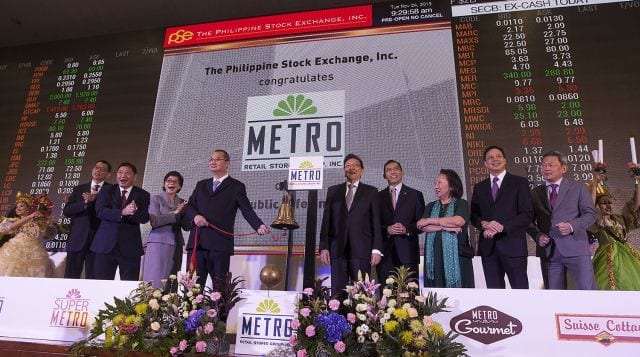
    Frank Gaisano (4th from left), chairman and CEO, leadS the bell-ringing ceremony to mark the listing of Metro Retail Stores Group Inc. on the Philippine Stock Exchange. Joining him on stage are his siblings Jack Gaisano director, Edward Gaisano, chairman and CEO of Vicsal, and Margaret Gaisano-Ang, director. PSE executives witness the milestone led by chairman Jose Pardo, president and CEO Hans Sicat, and directors Vivian Yuchingco, Emmanuel Bautista and Alejandro Yu. (CDN PHOTO/TONEE DESPOJO)

    “We are ready to compete with other industry players in serving our value-conscious market and be a leading and well-admired retailer,” Gaisano said in a statement issued after the ceremony.

    Metro, retail arm of Vicsal Development Corp., is the fourth largest retailer in the country, after SM, Puregold and Robinsons. It is the largest department store and hypermarket operator in the Visayas.

    The company is embarking on an aggressive expansion program that will see 50 to 70 new stores in the next five years, bringing the company’s network to more than 100 stores.

    This will double Metro’s footprint from the current 400,000-square meters for 46 stores, said Metro President and Chief Operating Officer Arthur Emmanuel.

    “About 100,000-square meters have been secured, including stores that will open in partnership with Megaworld and Ayala. These should open in the next two years,” said Joseph Conrad M. Balatbat, investor relations head of Metro, in a press conference after the bell-ringing ceremony.

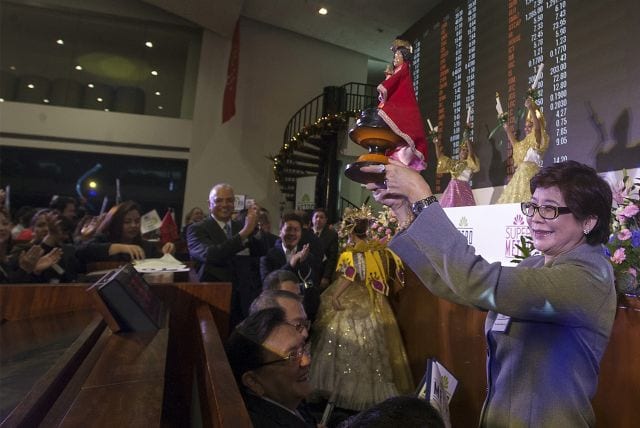
    Margaret Gsaisano-Ang holds up the image of Sto. Nino, Cebu's patron, at the Philippine Stock Exchange in Makati as Sinulog dancers perform a dance offering on stage for a touch of Cebuano culture. (CDN PHOTO/TONEE DESPOJO)

    At least seven stores are slated to open next year, including one in northern Cebu and another in the south. Four other stores will serve as anchor stores of Ayala developments while one will rise at the Megaworld mixed-use complex in Iloilo.

    About half of the 50 to 70 new stores that will open in the next five years will be in the Visayas while the rest will be in Luzon and Mindanao, where Metro has yet to establish its presence.

    “The Visayas is our priority. We see the Visayas growing much faster than Luzon. Based on Euromonitor, retail penetration in the Philippines is only 28 percent. It’s much lower in the Visayas,” Balatbat said.

    The bulk or 67 percent of the IPO proceeds will fund this aggressive expansion. The rest will be used for mergers and acquisitions.

    Balatbat said they were in talks for the acquisition of more neighborhood stores that will be rebranded as Metro Fresh N Easy.

    FIRST TRADING DAY

    The Metro stock, with trading symbol MRSGI, opened strong at P4.30 and closed at P4.13, about 3.5 percent higher than the IPO price of P3.99.

    The listing followed an initial public offering (IPO) that issued 905.4 million common shares and raised about P3.6 billion.

    This milestone occurred 33 years after the first store — then called Metro Gaisano — was opened in Colon Street in  Cebu City in 1982.

    Before the bell-ringing ceremony, Sinulog dancers in colorful costumes performed on the trading floor and on  stage as company representatives waved Metro flaglets.

    Metro Retail is run by siblings Margaret, Jack, Edward and Frank. Their parents Victor and Sally, from whose names Vicsal was coined, started Metro with a store in Colon Street that had to compete with seven others in 1982.

    There are currently 46 Metro stores across three retail formats — department store, supermarket and hypermarket (Super Metro) — in the Visayas and Luzon. Twenty-six of these stores are in Cebu and the Visayas.

    With its listing on the PSE, Metro joined three other Cebu-based companies that have tapped the capital market: Cebu Property Ventures and Development Corp. in 1992; and Cebu Holdings, Inc. and Vivant Corp., both in 1994. Aboitiz Equity Ventures and Aboitiz Power Corp. were still based in Cebu when they went public in 1994 and 2007, respectively. Both are now based in Manila.

    “This reflects our confidence in the capital markets. We believe the Philippine economy is one of the least vulnerable among the emerging economies. We continue to leverage on this positive sentiment on our economy,” Gaisano said during the press conference.
     

  • Metro Retail Stores Philippines IPO approved

    Metro Retail Stores Philippines IPO approved

    The Philippines Securities and Exchange Commission has approved Metro Retail Stores Philippines’ initial public offering, with the retail chain expected to raise P6.17bn (US$135m) next month.

    Run by the Gaisano family, Metro Retail Stores operates hypermarkets and supermarkets across the country, and plans to use the proceeds from the float to expand its network of stores, and construct a new distribution centre.

    Metro Retail Stores plans to sell up to 1.01bn shares at P6.1 (US$0.13) each, with the price to be finalised on 28 October head of an expected 12 November listing.

  • Metro opens on Tmall

    Metro opens on Tmall

    German hypermarket retailer Metro has opened a flagship store on Alibaba’s Tmall.com, reports Inside Retail Asia.

    Metro Group has entered into a strategic alliance with Alibaba Group’s Tmall.com platform to offer German goods to Chinese consumers, according to the report.

    The firms said they are committed to exploring further collaboration opportunities in sourcing and supply chain, Inside Retail Asia said.

    Metro said its new cross-border e-shop platform will further tap the potential of the Chinese consumer market, where it already operates more than 80 stores.

    “The online storefront will sell products of Metro Group’s sales divisions’ private labels as well as supplier brands from Germany. In the first phase, over 100 products in the categories of dairy, canned foods, coffee, and chocolate from Metro Cash & Carry Germany, as well as cosmetics goods from Real are to be offered online,” Metro said in a statement.

  • Germany’s Metro, China’s Alibaba in e-commerce tie-up

    Germany’s Metro, China’s Alibaba in e-commerce tie-up

    German retail giant Metro said today it is teaming up with Chinese online retailer Alibaba to tap the potential of the booming e-commerce market in China.

    Metro, which operates more than 80 Cash and Carry wholesale stores in China “is now expanding its channels” by opening an online shop in China offering Metro’s own brands, as well as supplier brands from Germany, it said in a statement.

    “In the first phase, over 100 products in the categories of dairy, canned foods, coffee, and chocolate from Metro Cash & Carry Germany as well as cosmetics goods from Real are to be offered online,” the statement said.

    The product assortment would subsequently be expanded to include more food items from Metro Cash & Carry and non-food from its Real supermarket brand.

    “E-commerce is one of our strategic growth drivers in China,” said chief executive Olaf Koch.

    “Opening the flagship store again shows our clear confidence in the Chinese market. This platform enables us to deliver more quality imported goods and German brands to the Chinese customers,” he said.

    Metro and Alibaba said they would also explore possible cooperation in other areas, such as supply chain and market data.

  • Metro China expands in Hunan

    Metro China expands in Hunan

    Metro China has opened its second retailer in Changsha, probably the most economically aggressive cities in midwest China, that includes the brand new era Money & Carry idea.

    “With a booming tourism business and transformation to a brand new industrial construction, Changsha has seen a gentle progress of financial system in recent times,” stated Jeroen de Groot, Metro China president.

    “We see nice potential within the native market, and are assured about increasing our enterprise right here by opening the second retailer within the metropolis.”

    Metro stepped into the Hunan market in 2001 with the opening of its first wholesale retailer in Kaifu District in Changsha. In 2014, Metro opened the Zhuzhou retailer. The brand new retailer in Yuelu District of Changsha is the chain’s third retailer in Hunan province and this yr the corporate will even modernise the Changsha Kaifu Retailer to reinforce buyer expertise.

    Changsha is the political, financial and cultural middle of Hunan Province. This yr, the State Council issued an approval for establishing Xiangjiang New Space in Hunan, which would be the first nationwide new space established in central China. With its new retailer, Metro believes it has seized the chance to proceed its enlargement, whereas rising along with the financial system of central China.

    Metro has constructed shut relationships with Hunan native suppliers. Jinhao Teaseed Oil, Shengxiang Rice and Liuyanghe Liquor from Hunan are in style with the retailer’s clients nationwide. In the meantime, native greens and fruits akin to Yaoshan Pear, Yongxing Orange, Xiangxi Kiwifruit and Yanling Yellow Peaches are bought in Metro Hunan shops for native clients’ choice.

    Situated in Yuelu enterprise middle, Metro’s new retailer covers a gross sales space of over 5300 sqm, providing almost 20,000 gadgets.

    A definite function of the Metro Changsha Yuelu retailer is the coldness in meals associated show areas, as chilly chain is essential to meals freshness and top quality. The shop has multi-temperature areas to satisfy the demand of various merchandise, akin to zero°C – four°C for recent meat, 5°C-7°C for dairy merchandise, and so on. If clients need to stroll into the chilly storage areas to pick merchandise, they could borrow clear cotton-padded jackets, ready by the shop.

    The brand new Money & Carry idea Metro is rolling out in China consists of options comparable to an onsite cafe, Welfare & Gifting Showroom, Categorical Supply and complimentary Wi-Fi protection.

  • Singapore Metro revenue dives

    Singapore Metro revenue dives

    Singapore’s Metro Holdings has reported an 82.7 per cent fall in its internet revenue to S$7.6 million within the fourth quarter.

    Full yr earnings, nevertheless, rose 33.7 per cent to $142.9 million on income up four.78 per cent to $145.eight million.

    The property improvement group stated revenues within the final quarter rose 19.2 per cent on account of greater turnover in its retail operations following the opening of its new retailer at Metro Centrepoint within the third quarter.

    The corporate blamed the quarterly earnings decline on greater operational prices and overheads within the retail division, largely from the brand new retailer. The corporate additionally booked a writedown within the worth of plant and gear at Metro Centrepoint.

    Metro operates a sequence of department shops and specialty shops in Singapore and Indonesia.

    In Singapore, it has 4 department shops, 9 Monsoon Decorate and one M2 specialty shops. Metro Paragon, its flagship retailer situated on Orchard Rd is positioned on the excessive finish of the market, whereas Metro Woodlands and Metro Sengkang within the suburbs and Metro Metropolis Sq. on the town fringe are positioned as ‘family-friendly shops’.

  • Thailand’s Berli Jucker to acquire consumer-goods producer for $30m

    Thailand’s Berli Jucker to acquire consumer-goods producer for $30m

    Thailand’s listed retail and trading firm Berli Jucker PCL (BJC) expects to close one acquisition deal valued at 1 billion baht ($30 million approximately), in Thailand by the third quarter of this year. It is also negotiating to acquire a few companies both in the country and abroad.

    BJC’s investor relation officer Nuthathai Thanachaihirun said that the target company was the manufacturer of consumer products, however, she declined to give more information about the deal at the moment.

    Earlier, BJC had planned to buy Metro Cash & Carry Vietnam, but the shareholders rejected the proposed deal twice as they were concerned about the impact of such acquisition on the company’s financial.

    TCC Holding, the parent company of BJC, will continue the negotiation and expects to finalise the deal with Metro Vietnam within this year. “The Metro Vietnam’s deal has continued. The latest value of the deal we proposed to the shareholders was 655 million Euro. If we consider the deal at the current foreign exchange, it will decrease from 30 billion baht to 24 billion baht due to the weaker Euro currency,” she said.

    The company would like to get Metro Vietnam because it has a strong distribution network, including the warehouses and logistics, in Vietnam.

    BJC allocated the budget of 4 billion baht for investments this year. Of the total, it will spend around 500-600 million baht on boosting its production capacity of lids from 2 billion pieces to 3 billion pieces a year. About 500 million baht will be spent on expanding the capacity at its glass-manufacturing plant and the can-production plant in Vietnam, and the rest for acquiring attractive businesses.

    Nuthathai said that the revenue in 2015 should grow by 10 per cent from 44.1 billion baht in 2014 and the net profit should be higher than 1.67 billion baht in 2014, mainly due to the cost-reduction plan.

    “Although there is no sign of economic recovery in the first half of this year, we believe that business will pick up in the second half due mainly to the government’s policies to stimulate domestic consumption and investment,” she cited.

    The revenue in this quarter will not be much different from 10.6 billion baht in the first quarter, as the domestic spending power has not recovered yet. However, the net profit is expected to increase from 529.08 million baht in last quarter because of better cost management.

  • Metro China builds eCommerce reach

    Metro China builds eCommerce reach

    Metro China has upgraded its eCommerce platform metromall.cn, which it says integrates online, offline and mobile channels for “a seamless customer experience”.

    “eCommerce is one of our strategic channels to drive for growth in China market,” said Jeroen de Groot, president of Metro China at a launch function.

    “We are determined to enhance customer experience and further expand business through leveraging the power of e-commerce.

    “Our Metromall not only integrates online-to-offline, but also incorporates an innovative mobile function. We are confident this platform will enable us to provide more exciting solutions and seamless purchasing experience to our core target professional customers, helping them to be more successful in the market.”

    With an optimised user interface and location-based services, Metromall synchronises with the wholesaler’s offline stores, covering over 20,000 products. Metro delivers all online orders directly from local wholesale stores, shortening delivery time and ensuring product quality. The platform offers customers convenient and efficient choices of goods receiving, such as home delivery or in-store pick-up.

    When it first entered China back in 1996, Metro adopted a membership system, and has since collected data from over 4 million shoppers in order to offer them customised solutions and services. Today, by tapping into this rich database, the upgraded e-commerce platform will further strengthen Metro’s customer relationship management.

    The Metro eCommerce platform currently covers 39 stores in 21 cities in China, and will unroll across all Metro stores in China by the end of 2015.

    Taking advantage of the rapid development of mobile communications and popularity of smartphones, Metromall also features an accompanying mobile app. Customers can use the app to scan barcodes and identify product features, build shopping carts, place orders, and check-out. The app’s database includes product barcodes of all articles in offline stores except for fresh and ultra-fresh products. Customers can also follow Metro’s WeChat to obtain promotional information of Metromall and place orders on their cell phones.

    Leveraging its global procurement network, Metro Group is set to enter the free-trade zone this year, partnering with China’s renowned cross-border e-commerce platforms, to provide consumers with an even broader range of high-quality imported goods.

    Metro China is committed to providing safe and high-quality products, and is the only wholesaler inChina with all stores to operate in accordance with HACCP (Hazard Analysis and Critical Control Points) standards to ensure that the processes of receiving, processing, storing and selling goods are hazard-free.

    Metro has also developed a complex traceability system, which records all processes from farm to market. Simply by scanning product barcodes, customers can view the entire product lifecycle, including where it was grown, how it was certified, and the logistics involved.

    The newly-upgraded eCommerce platform has enabled Metro to create a closed, online-to-offline loop for safe and traceable food, making Metro truly a multi-channel specialist.

    Metro Cash & Carry operates in 26 countries with over 750 self-service wholesale stores. Metro China has 80 outlets in 56 cities.