Tag: Metro

  • Hanoi plans to offer 15-day free travel on first metro line

    Hanoi plans to offer 15-day free travel on first metro line

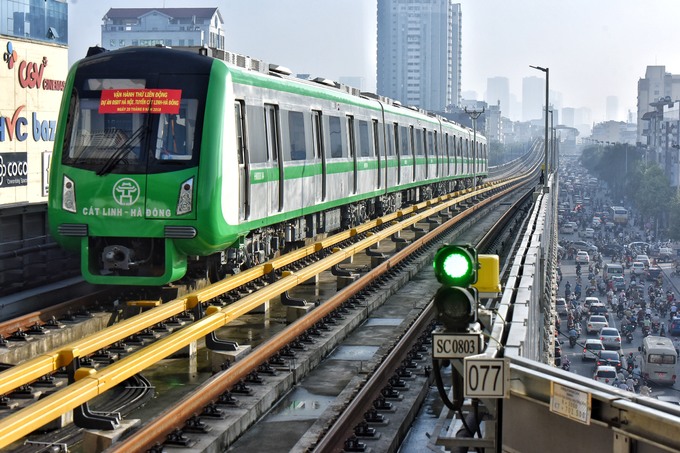
    The Hanoi People’s Council has proposed 15 days of free travel after the first metro line opens. The proposal, released for public comment Friday, will apply once the Line 2A: Cat Linh-Ha Dong elevated railway starts operating commercially.

    The city also plans to subsidize 50 percent of the monthly fare for students, workers from industrial parks, and senior citizens. Officials and employees working outside industrial zones would get a discount of 30 percent if they buy group monthly tickets.

    Individual passengers can buy monthly season tickets for VND200,000 ($8.61) or daily tickets for VND30,000 ($1.29), both allowing unlimited trips. Single trips will cost from VND7,000-15,000 ($0.3-0.65) per person depending on the distance travelled.

    Tickets can be paid for with cards or cash. Card payments will get discount of VND500 (2.2 cents) per single trip. Although the price is higher than a bus ticket, the train runs twice as fast. From one end of the 13km Cat Linh – Ha Dong route to the other, the journey takes just 22 minutes, he said.

    The route runs from Cat Linh Station in downtown Dong Da District to the Yen Nghia Station in the south-west Ha Dong District. The Chinese contractor of the metro, China Railway Sixth Group Co., Ltd, plans to finish trial runs this month, and begin commercial operations in April.

    However, according to a recent inspection by the Ministry of Transport, installation of devices and machinery on the metro line is only 90 percent complete.

    Vu Hong Phuong, deputy director of the metro project, said several parts of the project, including sanitation, air conditioning, water supply system and drainage system in stations along the line have not been completed.

    Hanoi, a city of more than 7.5 million people, has 5.2 million motorbikes and around 550,000 cars, besides some 1.2 million vehicles brought by non-residents, according to police figures.

  • Metro China For Sale

    Metro China For Sale

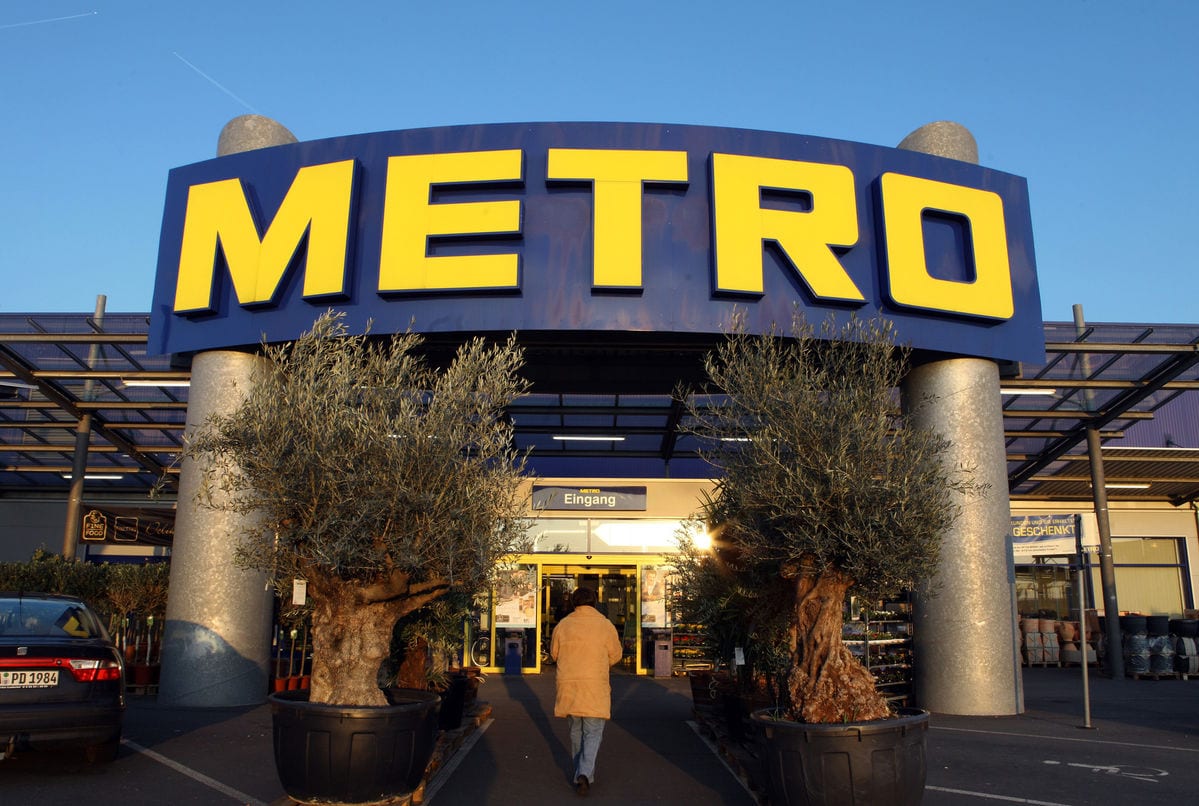
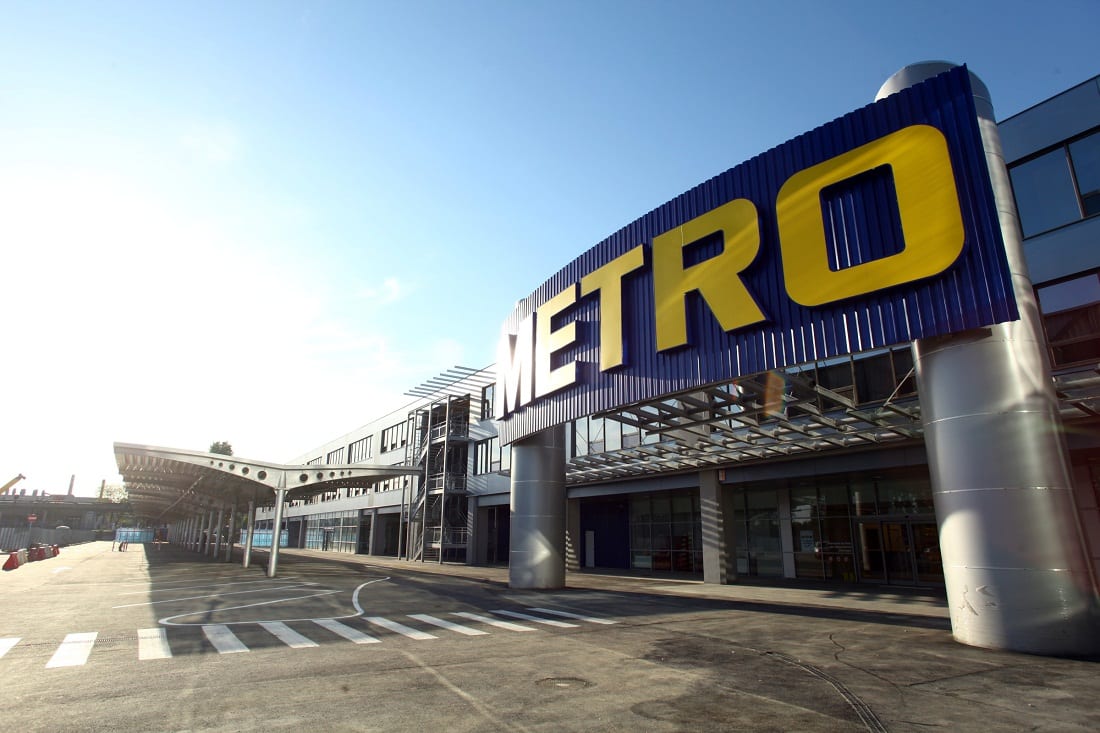
    German wholesaler Metro has called for bids for its China operations.

    The firm was reported last September to be considering exiting its Metro China retail business as part of a plan to focus on wholesaling activities worldwide. The sale is partially in response to the emerging strength of e-commerce in China.

    According to industry insiders, Metro is seeking a deal in a deal that would value the business from US$1.5–2 billion, covering 95 stores in the territory as well as real estate assets in several major cities. Some observers have estimated the Metro China business to be worth up to $3 billion.

    Several local retail chains and private equity firms are expected to be among potential bidders, although none of the named firms responded to requests for comment for a report. E-commerce giant Alibaba has previously held talks with Metro over a possible stakeholding in the business and tencent has been linked to a bid.

    First-round bids should emerge next month.

    In related news, the firm announced the opening of a new warehouse in Yangon last week, aiming to serve local professional customers in the fast-growing hospitality and tourism sectors in the region. Metro Myanmar will not run wholesale stores but provide a virtual shopping experience for customers through its e-commerce and delivery systems.

  • Metro Myanmar launches with brand new warehouse

    Metro Myanmar launches with brand new warehouse

    The launch of Metro Myanmar business marks the German wholesaler’s 36th international market.

    The company has announced a warehouse in Yangon, aiming to serve local professional customers in the fast-growing hospitality and tourism sectors.

    “The food wholesale industry in Myanmar offers big potentials for Metro,” said the firm’s COO and management board member Philippe Palazzi, “and we believe our engagement in the trade sector will contribute to the local economic growth including the agriculture, tourism and hospitality sectors, and help upgrade the food wholesale infrastructure sustainably for the local community.”

    As distinct from its operations in other countries, Metro Myanmar will not run wholesale stores but provide a virtual shopping experience for customers through its e-commerce and delivery systems.

    Central to the wholesale operations in Myanmar is the 5800sqm warehouse situated in Thilawa Special Economic Zone outside Yangon. It is a modern logistics facility where incoming goods are received, stored, processed and packed in compliance with stringent quality and food safety standards for delivery to customers.

    Now right at the start of its operations, Metro Myanmar is already serving about 300 customers across the country that can now select from an assortment of more than 2000 food and non-food products. Customers place orders digitally through Metro’s website and mobile app, and the delivery is carried out with a fleet of modern temperature-controlled trucks.

    With local sourcing and food safety improvement a top priority for the country, the firm has been making continuous efforts to build up strong partnerships with local producers. These engagements include training as well as knowledge and expertise transfer for food suppliers and farmers across different regions and states in Myanmar. Over 90 per cent of the current workforce at Metro Myanmar, which is about 150 employees, is staffed by local talent.

  • Hanoi metro fares initially capped at 65 US cents

    Hanoi metro fares initially capped at 65 US cents

    The maximum fare on Hanoi’s first metro line will be VND15,000 (65 cents), city authorities said in a draft proposal. The minimum will be VND8,000 (34 cents).

    Passengers can also buy monthly season tickets for VND200,000 ($8.61) or daily tickets for VND30,000 ($1.29), both allowing unlimited trips.

    The proposal, meant to collect public opinion, said the fares would only apply initially when the commercial run begins next month, and would be increased later.

    Work on the Cat Linh-Ha Dong elevated railway began in 2011 and was originally scheduled for completion in 2013. But several hurdles, including loan disbursement issues with China that were only resolved in December 2017, stalled it for years.

    The original estimated cost of $552.86 million also ballooned to more than $868 million, including $670 million in loans from China.

    The metro eventually entered the testing phase with all 13 cars carrying out trial runs on both lines. The ministry wanted commercial operations to begin before the Lunar New Year in early February, but this deadline too was missed.

    The Chinese contractor of the metro, China Railway Sixth Group Co., Ltd, plans to finish trial run this month. It has been carrying them out since last September.

    Hanoi, a city of more than 7.5 million people, has 5.2 million motorbikes and around 550,000 cars, besides some 1.2 million vehicles brought by non-residents, according to police figures.

  • Metro Department Store is opening at Ayala Malls Feliz

    Metro Department Store is opening at Ayala Malls Feliz

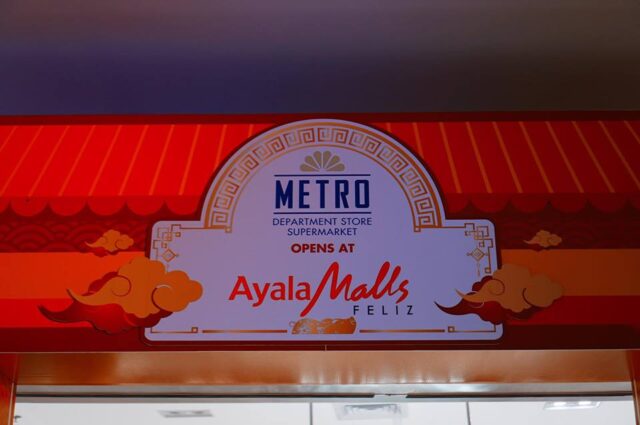
    The 53rd Metro Department Store has opened its doors at the Ayala Malls Feliz in Pasig City. Covering a floor area of 21,200sqm, the store includes a 6600sqm supermarket. “Customers can look forward to an enjoyable and convenient shopping experience as we consistently strive to deliver world-class customer service as well as a wide assortment of premium quality merchandise at affordable prices,” said Frank S Gaisano, Metro Stores Retail Group chairman and CEO.

    The firm aims to open five more stores this year. An investment of P10 billion (US$191.9 million) has been allocated to store expansion over five years.

    Metro Stores Retail Group has shops in Metro Manila, Central Luzon and South Luzon, as well as in Central, Western, and Eastern Visayas through department store, supermarket, and hypermarket formats.

    For the first nine months of 2018, the group’s net income fell by 17 per cent to P454.93 million (US$8.7 million).

  • Alibaba’s Ant Financial buys WorldFirst for $700m

    Alibaba’s Ant Financial buys WorldFirst for $700m

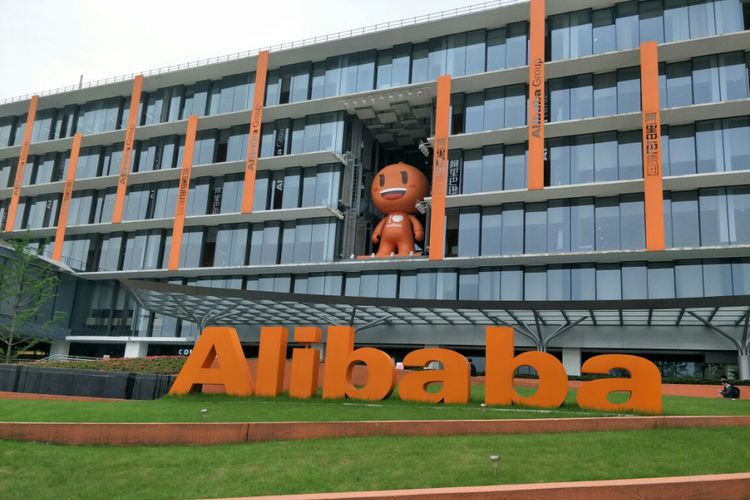
    Alibaba subsidiary Ant Financial says it plans to buy UK-headquartered money-transfer company WorldFirst. And in separate news, the Chinese e-commerce behemoth is in discussions over investing in the Metro China wholesale retail business.

    The WorldFirst deal will allow Ant Financial to gain market share in Europe’s fintech and payments industries and will give it an established retail network of currency-exchange stores covering cities including Sydney, Australia; London and Amsterdam, as well as throughout Asia. It has 600 employees in seven international offices and claims to have exchanged more than US$67 billion for 130,000 customers since its launch in 2004.

    The company also had outlets in the US but has reportedly closed these to avoid potential regulatory hurdles with the sale to a Chinese-owned business.

    Ant Financial last year unsuccessfully tried to acquire US-based money-transfer company MoneyGram, largely due to opposition from US lawmakers.

    Metro move

    Meanwhile, Alibaba is in talks to buy a share of German wholesaler Metro AG’s Chinese business.

    Neither company has confirmed or denied the talks are underway and they are at an early stage and may break down.

    Metro China operates 95 stores and struggled to achieve profitability in the market until recently. Metro sales in Asia rose 7 per cent to US$1.17 billion in the December quarter.  Most of the Metro China stores are in tier 1 cities, including Beijing and Shanghai.

    Metro is holding talks with other parties as well ahead of an official sale process.

    Olaf Koch, Metro’s CEO, confirmed this week that the company was considering potential partnerships with Chinese companies. Metro and Alibaba have already cooperated online.

    “We are growing continually and we are profitable [in China],” Koch said at the time Metro released its first-quarter results.

  • Vietnam’s four major transport projects on track for completion next year

    Vietnam’s four major transport projects on track for completion next year

    Vietnam is set to complete four infrastructure projects next year, some of them after long delays lasting several years.

    Hanoi’s first metro line 

    The 13-kilometer Cat Linh – Ha Dong metro line is expected to open commercial operations before the Tet Lunar New Year holiday starting February 2, 2019.

    All 13 trains on the route are being trial run every day now, running from Cat Linh Station in downtown Dong Da District to the Yen Nghia Station in the south-west Ha Dong District.The 13-kilometer Cat Linh – Ha Dong metro line is expected to open commercial operations before the Tet Lunar New Year holiday starting February 2, 2019.

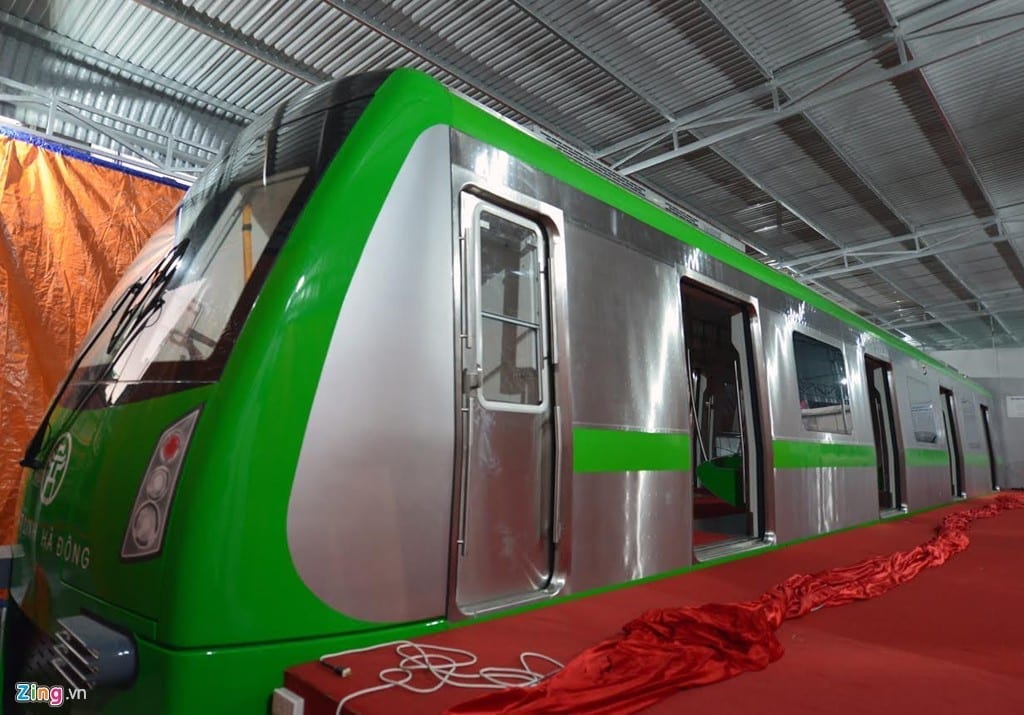
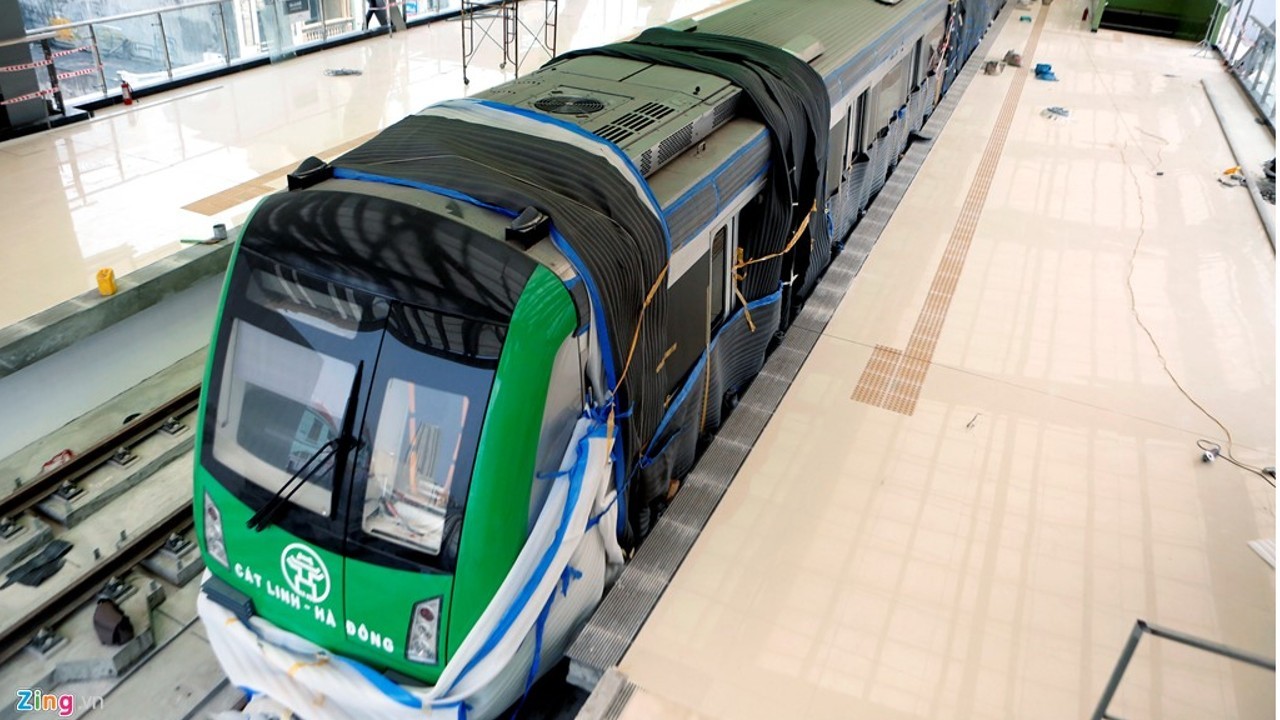
    Each train has four coaches, with a total capacity of 1,000 passengers. The stainless steel coaches are approximately 19 meters long. The trains now run at 30-35 kilometers an hour, even though they are designed to reach speeds of 65 kilometers an hour. A complete trip takes about 30 minutes.

    Work on the project is 96 percent complete, officials say, adding that the terminals and depots are “83 percent equipped.”

    Construction of the Cat Linh-Ha Dong elevated railway started in October 2011 and was originally scheduled for completion in 2013. But several hurdles, including loan disbursement issues with China that were only resolved last December, have been stalling the project for years.

    The original cost estimate of $552.86 million has also ballooned to more than $868 million, including $670 million in loans from China.

    Bac Giang – Lang Son expressway

    The expressway connecting Bac Giang Province north-east of Hanoi to the northern Lang Son Province bordering China is expected to be completed next December.

    The four-lane expressway runs 64 kilometers. A 110-kilometer stretch of the existing National Route 1A connecting the two provinces will also be upgraded to be part of the expressway.

    The total project cost has been estimated at VND12.19 trillion ($523.67 million).

    Most of the expressway has been completed. Next year, operators will finish laying asphalt and installing road signs and lights.

    Work on the expressway started in October 2015 and was scheduled for completion last year. However, the  Ministry of Transport had to select a new investor for the project after the original one was found wanting.

    The Bac Giang – Lang Son expressway is part of the Hanoi – Lang Son expressway, connecting the capital with the Huu Nghi International Border Gate in Lang Son Province.

    Cu Mong Tunnels 

    The Cu Mong Pass, lies mostly in Binh Dinh and partly in Phu Yen, is one of the most dangerous passes in Vietnam. The new tunnels are expected to reduce the number of dangerous traffic accidents that the pass has become infamous for. They would also reduce travel time between the two provinces.The Cu Mong tunnels, connecting the southern provinces of Binh Dinh and Phu Yen, are expected to open on January 21, allowing all vehicles to go through free of charge during the February 2-10 Tet holiday.

    The two tunnels are 2.6 kilometers long and 30 meters apart and have a 4-kilometer lead-in road. The tunnels allow a maximum speed of 80 kilometers an hour. For an unspecified first period, only one tunnel will be operated. For now, the second one will be reserved for use in emergencies.

    The tunnels have a total capital of almost VND4 trillion ($171.82 million). Construction started in September 2015.

    Vam Cong Bridge in the Mekong Delta Region

    This is the second bridge over the Hau River after the Can Tho Bridge, which is 48 kilometers away. It is part of the route connecting Can Tho with An Giang Province, built to boost the socio-economic development of the Mekong Delta region.The bridge, which connects the southern province of Dong Thap with Can Tho City, is expected to be operational by next July.

    The bridge was supposed to be completed by November 2017, but authorities found out that a horizonal beam had a crack four centimeters wide and two meters long.

    The Ministry of Transport ordered repairs, and so far 26 out of 38 steps for this process has been completed.

    The bridge’s budget of $270 million was sourced through official development assistance from South Korea and Vietnam’s counterpart funds.
  • Globe gets nod to roll out small cells in Metro Manila

    Globe gets nod to roll out small cells in Metro Manila

    The Philippines’ Globe Telecom has arranged special dispensation from the authorities in Metro Manila to allow it to expedite the deployment of over 120 cell sites to improve coverage of the major thoroughfares of Metro Manila.

    The operator has entered a groundbreaking agreement with the Metro Manila Development Authority (MMDA) that will allow it to install small cell antennas along the thoroughfares without needing to secure individual construction permits.

    The regular approval process involves an average of 25 permits from local government units and takes around eight months to complete, according to Globe CEO Ernest Cu.

    “Securing various permits for the construction of telco infrastructure such as cell sites has long been a major challenge of the industry,” he said.

    “We want to thank MMDA for sharing our vision of a connected Philippines by allowing us to deploy sites faster, thus improving mobile experience at the heart of Metro Manila.”

    As part of the agreement, Globe has also agreed to provide logistical support for the MMDA’s critical traffic management operations. The operator deployed wireless infrastructure at the MMDA’s flood control facilities in 2016, and that year also started providing free Wi-Fi service at MRT stations in the city.

  • Metro Cash & Carry India to open smaller stores to expand quickly

    Metro Cash & Carry India to open smaller stores to expand quickly

    The German discount wholesaler is about to open its 27th store in the market which will be just 40,000sqft in size, far smaller than the 75,000-100,000sqft format of most existing stores.

    The new compact store in Ghaziabad follows another of similar size in Nasik.

    Arvind Mediratta, CEO and MD of Metro Cash and Carry India, says going forward new stores will be between 40,000sqft  and 50,000 sqft. “We are doing away with bigger stores in the range of 75,000-100,000sqft,” he said.

    The smaller footprint has also been necessitated by a lack of development sites: a 100,000sqft store requires about eight acres of land, an area not easy to find in cities.

    “The store format of 40,000sqft is easy to scale up,” Mediratta said in an interview. “A lot of people think more space means more sales. Customers don’t come to you more often because you have a bigger store.”

    Metro Cash and Carry India is targeting 50 stores by 2020, but given the move to smaller outlets, that number may be surpassed, said Mediratta.

    “[But] we don’t want to get into reckless expansion. In our business, to make money the cost of real estate has to be right. It is not just about the availability of the real estate but it has also to be at the right price,” he said.

  • Fosun International eyes up food distributor and retailer Metro

    Fosun International eyes up food distributor and retailer Metro

    Chinese international conglomerate and investment firm Fosun International is negotiating a US$500 million holding in German wholesaler Metro, according to a report.

    The unconfirmed news about an acquisition that would see Fosun taking a 9 per cent holding in Metro has already boosted the firm’s share prices and may generate interest from other players, setting off a bidding war with other recent and potential investors in the firm.

    While current and prospective stakeholders in Metro may be preparing to face off, Fosun remains committed to its global acquisitions strategy that has seen it review an average of 25 possible investments per day – more than 9000 in total – over the last year.

    Fosun International currently owns 10 per cent in accessories retailer Folli Follie, resort Club Med, Canada’s Cirque du Soleil and the Malaysian-founded Secret Recipe cafe chain.

  • Metro Singapore retail sales decline

    Metro Singapore retail sales decline

    Metro Holdings’ Singapore retail business posted a 7.6 per cent decline in sales during the first quarter of this year amidst “difficult trading conditions”.

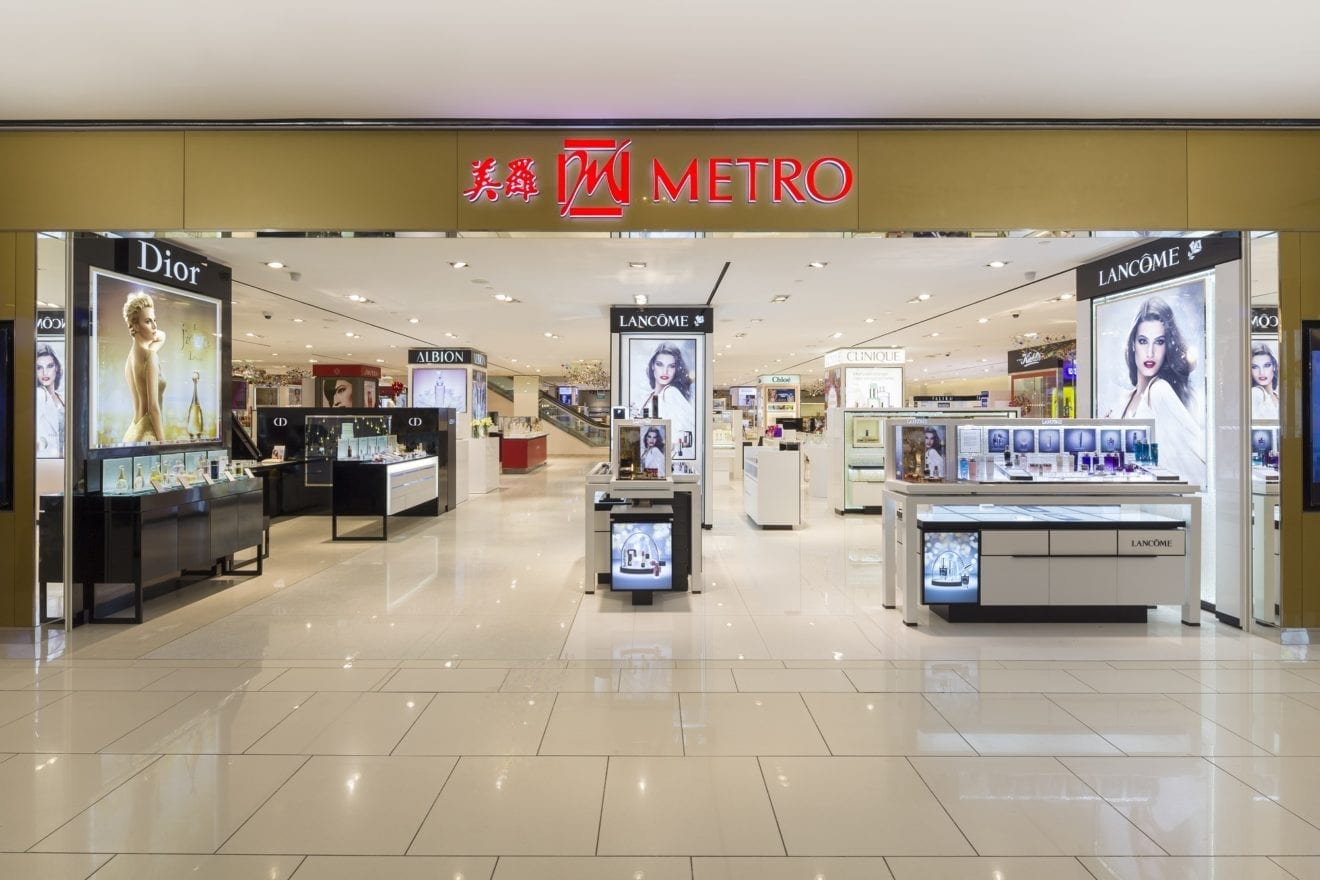
    Metro has three Metro-branded department stores in the city and another 10 department stores in Indonesia.

    The company said the retail business as a whole posted a decline in profit due to lower Singapore sales. Its Indonesian stores achieved “marginal growth”, the company said in its results filing.

    Overall, Metro Holdings, whose primary business is property development in China, Singapore, Indonesia and the UK, achieved a net post-tax profit of S$20.3 million (US$14.7 million) for the quarter, down nearly 20 per cent in the same period last year, when it earned $25 million. However, this was largely due to the absence of a significant $8.3 million gain on asset disposals in the comparable quarter.

    CEO Lawrence Chiang Kok Sung said the group will remain “disciplined and focused” in its investment approach to seek out potential investment opportunities in the region to drive sustainable growth.

  • Who’s who of retail CEOs at Consumer Goods Forum

    Who’s who of retail CEOs at Consumer Goods Forum

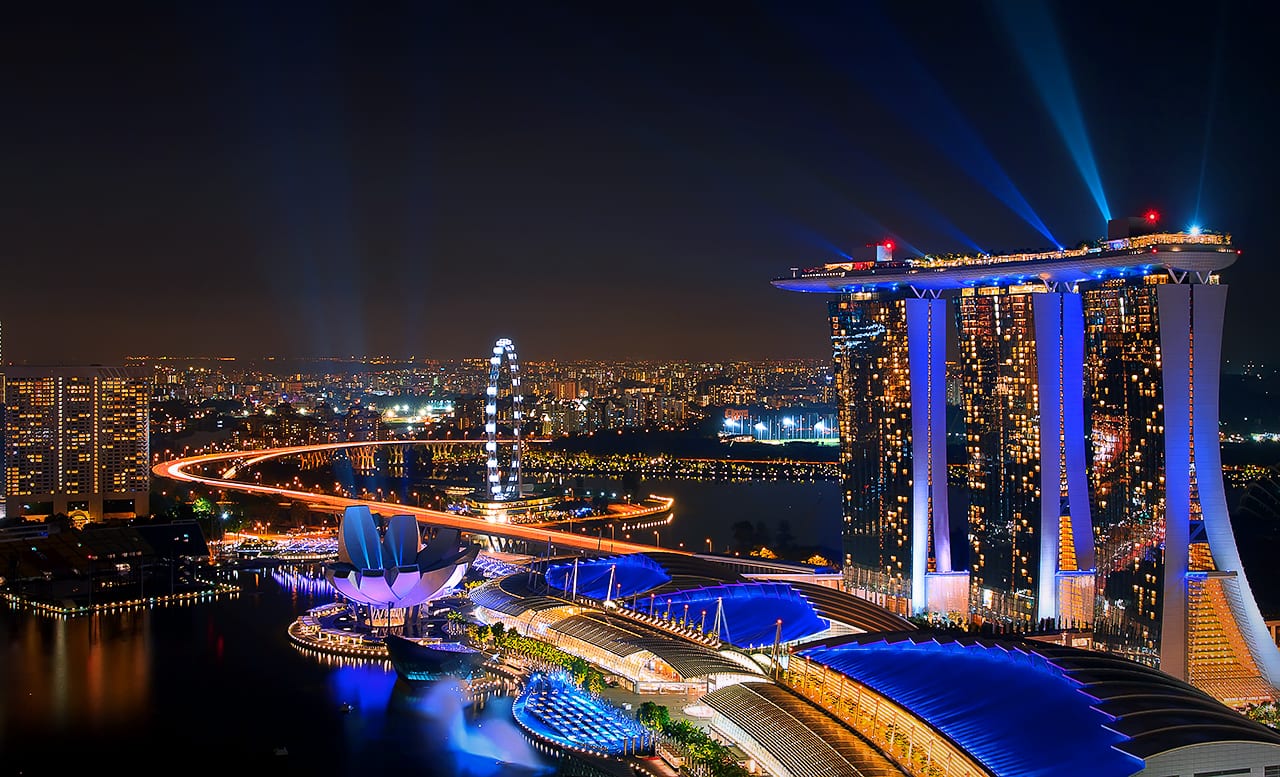
    Next month’s Consumer Goods Forum to be held at the Marina Bay Sands will feature a ‘who’s who’ of international retail leaders.

    This year marks the first time in a decade the event is being held in Asia. Running from June 12-15, it is themed Consumer Centricity in a Data-Driven World.

    Industry leaders including Alibaba CEO Daniel Zhang, Dairy Farm International CEO Ian McLeod, Coca-Cola Company CEO James Quincey, Majid Al Futtaim Holding CEO Alain Bejjani, Ahold Delhaize CEO Dick Boer, JD international president Winston Cheng, Central Retail CEO Nicolo Galante, Carrefour China president and CEO Thierry Garnier and Metro AG CEO and chairman Olaf Koch are all on the speaking roster.

    Former US Secretary of State Madeleine Albright will deliver a keynote address.

    Consumer Goods Forum MD Peter Freedman says the summit is often described as the most important leadership event on the consumer goods industry’s calendar.

    “The key focus of this year’s conference will be on how to ensure that we continue to keep consumers at the centre of the digital transformation in our industry. In that context we will also be discussing how we can accelerate our work on global positive change, which millennials and younger consumers are so concerned to see. We are delighted to be holding the event in Singapore, one of the world’s leading smart cities, with some of the most digitally sophisticated consumers, and geographically close to so many Asian digital innovations.”

    More than 1000 delegates, from more than 400 leading retailers and consumer goods companies will engage with this year’s theme through sessions focused on stories such as:

    • Investing in the age of disruption;
    • Evolving retail for the smart consumer;
    • The future of work: people & technology;
    • Positive change in action: driving a circular economy;
    • New Retail: creating new value for consumers;
    • Global millennials: the data-driven facts;
    • Executing a digital and omni-channel growth strategy; and
    • Transforming customer experiences through big data.
  • Non-retail business dents Metro Holdings

    Non-retail business dents Metro Holdings

    Despite a rugged first half, property development and investment group Metro Holdings has still managed positive results and has formed strategic partnerships in Indonesia.

    It had a net profit after tax of S$4.6 million (US$3.3 million) despite a net loss after tax of $13.6 million as the result of events not related to its retail developments.

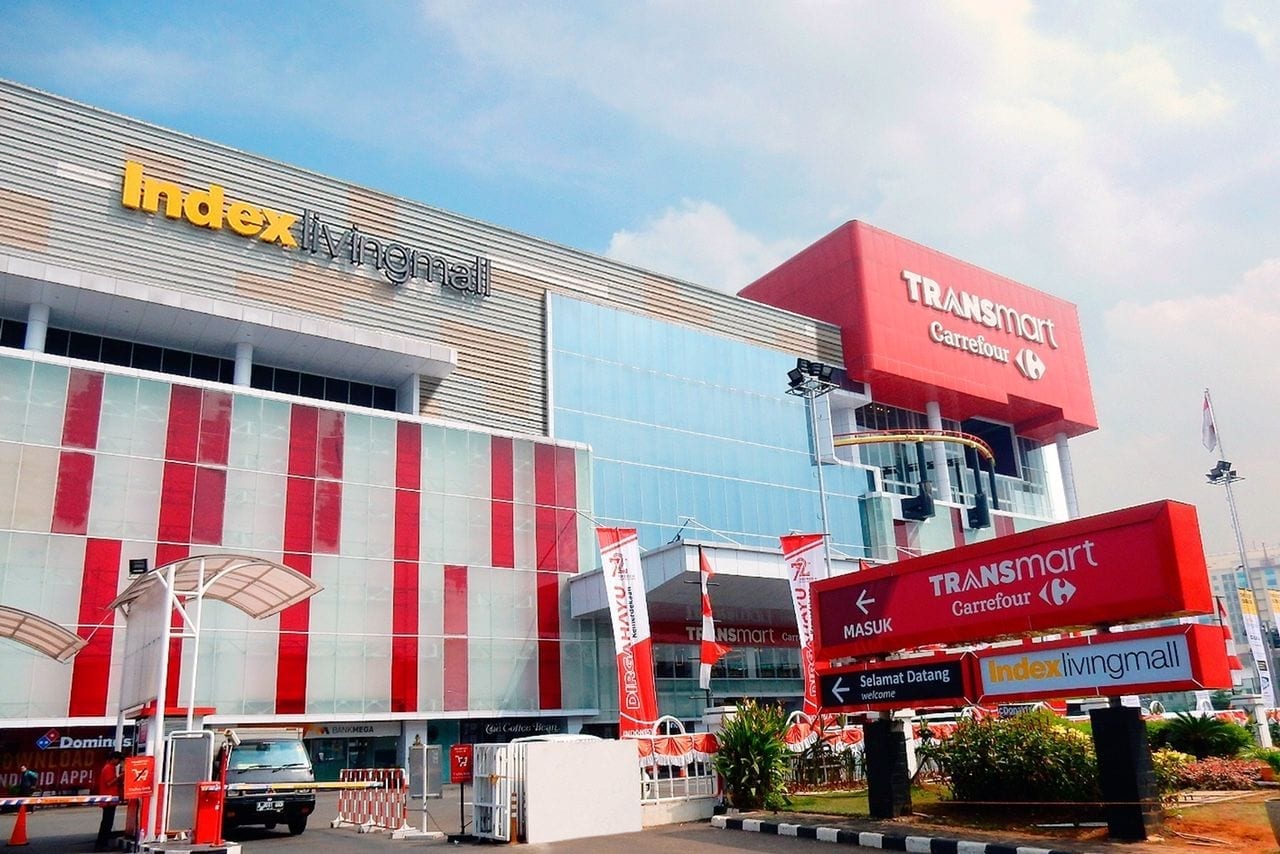
    Meanwhile, it is moving ahead with a IDR1.99 trillion (US$147.2 million) mixed project in Bekasi, Jakarta. For the retail component it is partnering with Trans Corp, while Lee Kim Tah Group will handle the residential side.

    Trans Corp will develop its trademark Transmart mall with a gross floor area of about 30,485sqm, including department stores, supermarkets and cinemas, as well as a theme park in conjunction with Kidcity and Snow Town.

    Metro chairman Winston Choo says the group has worked with Trans Corp since it took an initial stake in Metro Indonesia in 2008 to run Metro’s retail department store business.

    Metro’s retail arm runs three Metro department stores in Singapore and another nine in Indonesia.

  • Metro Retail Stores not hurrying with e-commerce

    Metro Retail Stores not hurrying with e-commerce

    Metro Retail Stores Group in the Philippines is planning to open more stores while it continues to mull e-commerce.

    Saying brick-and-mortar stores are still more profitable than online counterparts, chairman/CEO Frank Gaisano reveals that the company plans to open two more stores this year with up to eight more next year.

    He says the department stores and hypermarkets company is seeking to build a synergy between its physical stores and a future foray into e-commerce, citing US e-commerce giant Amazon as also betting on physical retail with its acquisition of Whole Foods.

    “It’s a good mix to have, online at the same time as a physical store. That’s what we are doing right now,” he says. “We’re still getting ready at this point. We’re not there yet.”

    Metro Retail ensures its stores are stocked based on the demands of the location. While Luzon and Visayas stores may both sell jeans, the brands may be different brands, says Gaisano.

    “Millennials want a ‘curated’ selection with not too many choices,” he says.

  • Bigg’s Diner plans expansion to Metro Manila

    Bigg’s Diner plans expansion to Metro Manila

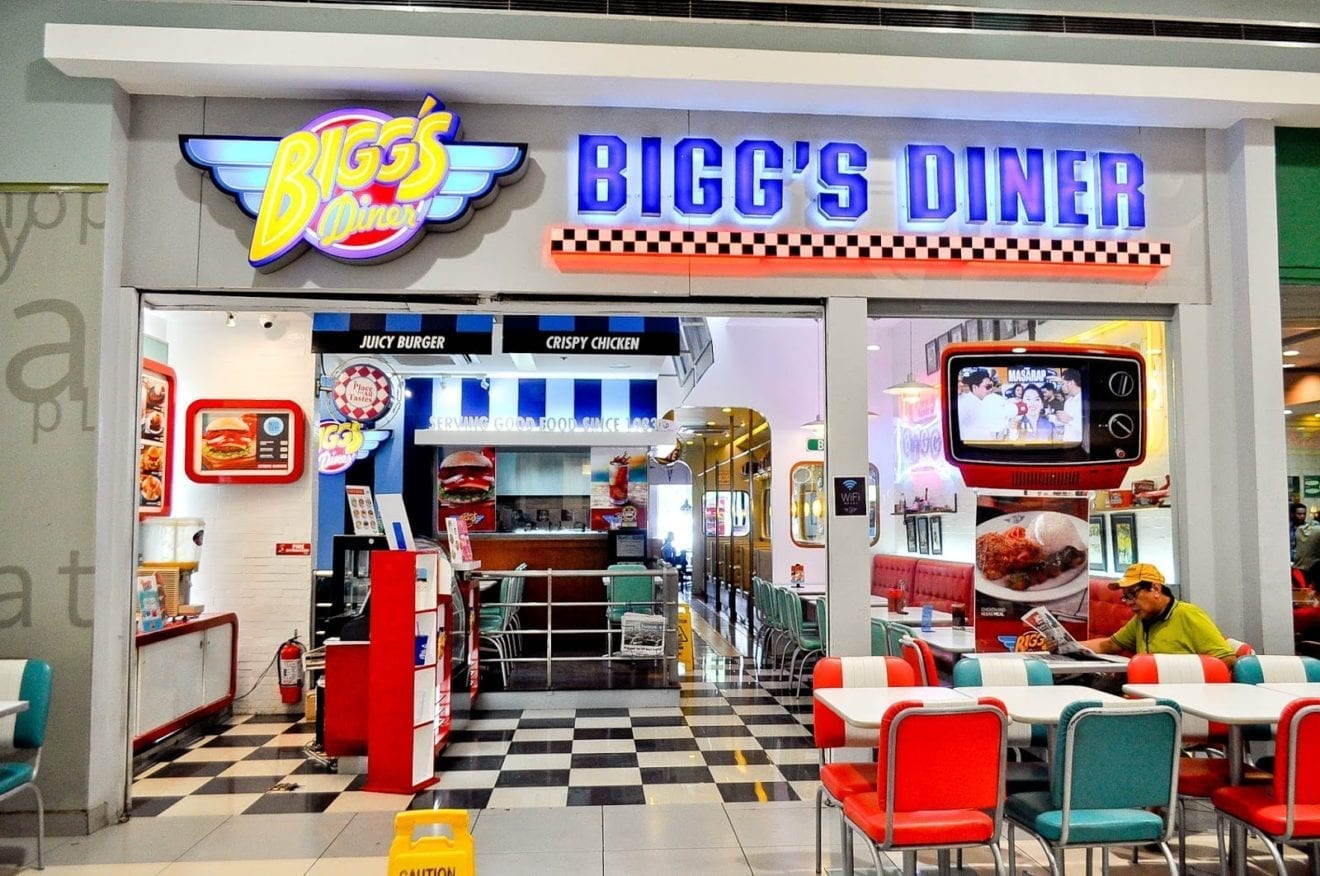
    Bigg’s Diner, known for serving burgers and Filipino rice meals in Naga and the Bicol region since 1983, plans to open in Metro Manila next year.

    Business development head Ronaldo Linao says the restaurant group is already looking at three possible sites – one is in Mindanao Avenue, Quezon City, another in Megamall and the third in Robinsons, either Ermita or Galleria.

    “There is actually a market study right now to see how viable it would be in Manila. The competition there is very fierce,” says Linao.

    Bigg’s Diner has 17 outlets in the Bicol region, including seven franchises and a branch in Batangas. It started out as a donut shop and has had two name changes – from Mang Donald’s to Carl’s Diner, then to Bigg’s Diner – to avoid confusion with multinational brands.