Retail News CRM

Tag: michael kors

  • Capri prospects ‘ugly’ as Michael Kors, Jimmy Choo underperform

    Capri prospects ‘ugly’ as Michael Kors, Jimmy Choo underperform

    US luxury group Capri has ended its fiscal year on an unsurprisingly gloomy note, largely due to the negative impact of the coronavirus.

    While the slip of 11.3 percent in total revenue does not look too bad compared to some other retailers, this is mostly because Capri’s quarter ends on March 28 and, therefore, does not include the massive disruption of April and May when the US and many other countries went into lockdown.

    These numbers are something of a prelude to a significantly uglier set of first-quarter results – indeed, Capri expects revenue for that period to be down by around 70 percent.

    On a brand basis, Jimmy Choo posted the worst performance with revenue down by 23 percent. On the bottom line, the division made an operating loss of US$23 million. While performance has been improving over the past couple of quarters, mainly thanks to enhanced collections of active footwear and accessories, the disruption of the pandemic badly affected the sale of more formal and fashionable footwear styles as consumers started to work from home and restricted socializing.

    Unfortunately, this is a trend that will continue for at least the next two quarters and it is hard to see Jimmy Choo regaining much momentum. That said, the year-old decision to transform Jimmy Choo into a more balanced luxury brand that sells high-end footwear for leisure, some fashionable sneakers for active occasions, and a wider range of accessories, now seems extremely prescient.

    This will not completely offset the challenges in other parts of the market but does give Jimmy Choo a lifeline that will stop it from completely sinking.

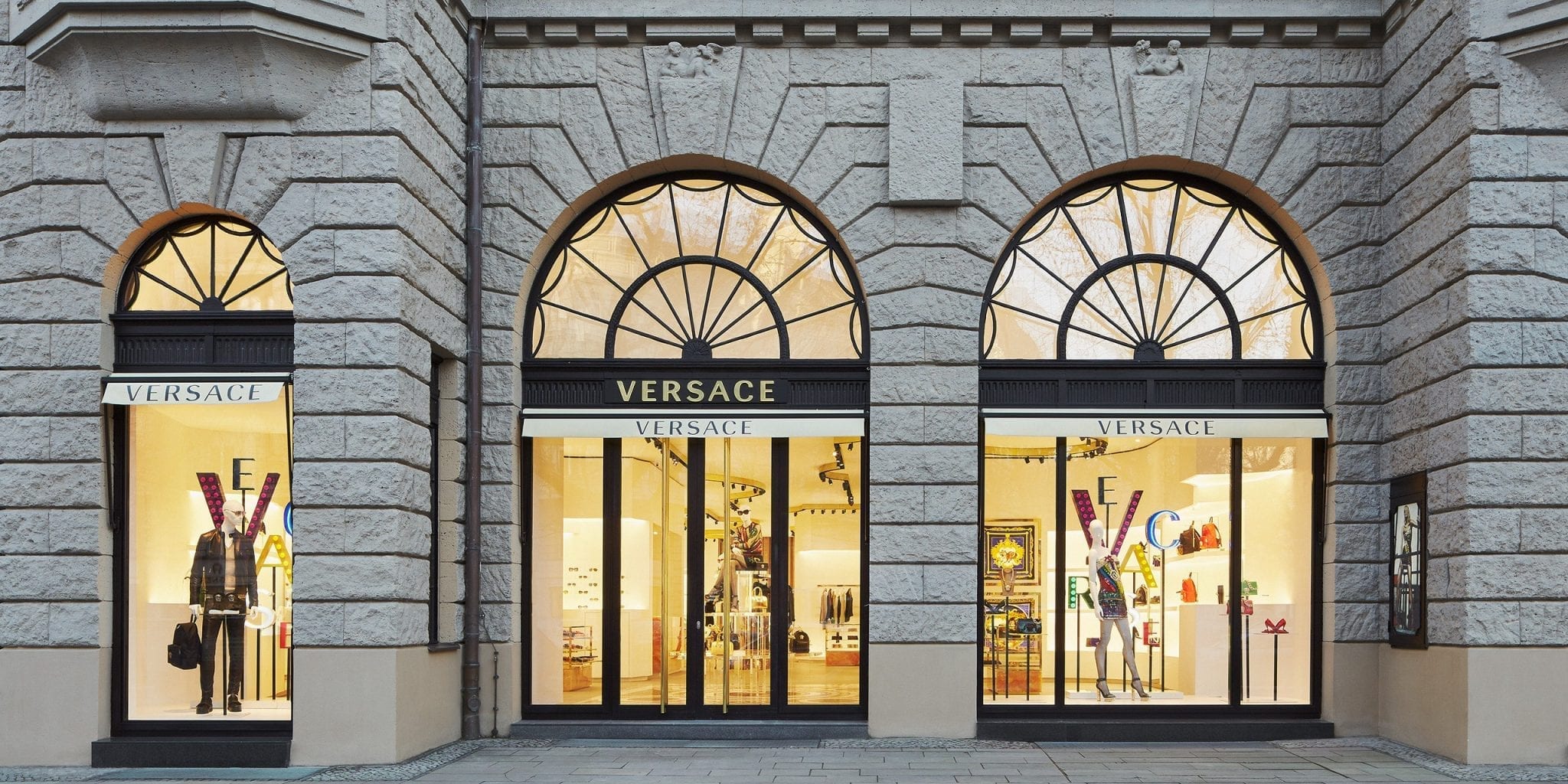
    Versace bucked the general trend with a 55.5-per-cent increase in sales. Some of this is due to softer comparatives from the prior year, when Capri had only just taken control of the business.

    However, the company also deserves credit for the various improvements it has made to the brand, particularly in terms of collections. A renewed focus on accessories, driven by a new Virtus range supported by strong marketing, has helped to boost sales. As GlobalData noted prior to the acquisition, the Versace brand was, admittedly by design, rather gaudy and off-putting for many consumers. Working with Donatella, Capri has begun to change this by creating a more understated, but still flamboyant, selection which has successfully improved both customer engagement and brought new shoppers to the brand.

    While there is no doubt that Versace will be disrupted by the pandemic in the near term, the brand appears to have a renewed sense of purpose which will help it to deliver next year and beyond. While Versace thrived, the Michael Kors division remains in distress. Revenue was down by 18.4 percent off the back of a very modest decline in the prior year. This caps a year when sales have fallen in every single quarter.

    Although some parts of the assortment, such as sneakers and accessories, have performed well, the rest of the business is lackluster. Michael Kors still suffers from an identity crisis: the brand spans far too many different styles, products, and price tiers. As a result, it lacks integrity and is unable to build a business or aesthetic around a clear, core customer. In a highly competitive marketplace of luxury brands, this position simply isn’t good enough to drive sustainable growth.

    Unfortunately, these trends are not new and have been in play for at least two years. Now that Versace and Jimmy Choo appear to have more sound underlying strategies our hope is that management will turn its attention to untangling the Gordian knot of Michael Kors’ brand image.

    Overall, like other retailers, Capri is in for a rough ride over the next six months. It has the liquidity to survive the storm. But it must work on making its core brand seaworthy for the calmer waters ahead.
  • Michael Kors launches design-your-own-bag service MK My Way

    Michael Kors launches design-your-own-bag service MK My Way

    US fashion label Michael Kors has unveiled a new customization service for its handbag range.

    The MK My Way service is making its debut on Alibaba’s e-commerce site Tmall today with a digital pop-up experience for Chinese consumers before a global rollout later this year – in place of its original launch plans, which were foiled by the coronavirus outbreak.

    Through the MK My Way pop-up, users can take a personality quiz and receive a message and product recommendation from the brand’s namesake founder and the designer himself. It then offers consumers the option of making hand-painted customizations on the brand’s bags.

    “I love meeting my customers, helping them find the perfect pieces for their lifestyle and talking to them about how they can express their personal style,” said Michael Kors. “The Tmall app allows me to style a wide range of people instantly. It’s like a trunk show for modern times.”

    As part of the MK My Way program, Tmall customers can also paint over their accessories using a co-branded selection of brushes and colours, created by Michael Kors and Californian leather-paint company Angelus Paints.

    The fashion house is also launching its first Super Brand Day, a smaller version of the company’s annual 11.11 mega-sale for a single brand. To warm-up for the event, the brand released a series of Livestream sessions and short videos featuring its customizable handbags carried by trendsetting celebrities. Chinese singer-songwriter Bibi Zhou also produced and performed an original song as part of the campaign.

    “Michael Kors is forging new, innovative ways to engage with Chinese consumers with activations on its Tmall Super Brand Day,” said Alibaba Group VP and GM of Tmall and Taobao marketing and operations Liu Bo.

    “Tmall has been at the forefront of working with brands to build elevated engagements for young Chinese consumers, and we look forward to continuing to partner with Michael Kors as they accelerate their momentum and growth.”

  • Michael Kors launches on Tmall Luxury Pavilion

    Michael Kors launches on Tmall Luxury Pavilion

    US fashion brand Michael Kors is to launch a digital flagship store on Alibaba’s Tmall and the Tmall Luxury Pavilion.

    The launch marks Michael Kors’ first e-commerce channel in China, apart from its own site, offering consumers the full line of clothing sold offline, as well as a selection of handbags and footwear. The brand said Tmall would be its main destination for debuting products in China, including new items that will be exclusive to the platform – not sold anywhere else in the world.

    John D Idol, chairman and CEO of Capri Holdings, the parent of Michael Kors, Versace and Jimmy Choo, said consumers are becoming more digitally engaged with luxury shopping in China and Tmall Luxury Pavilion is the perfect venue for the Michael Kors brand to communicate its vision.”

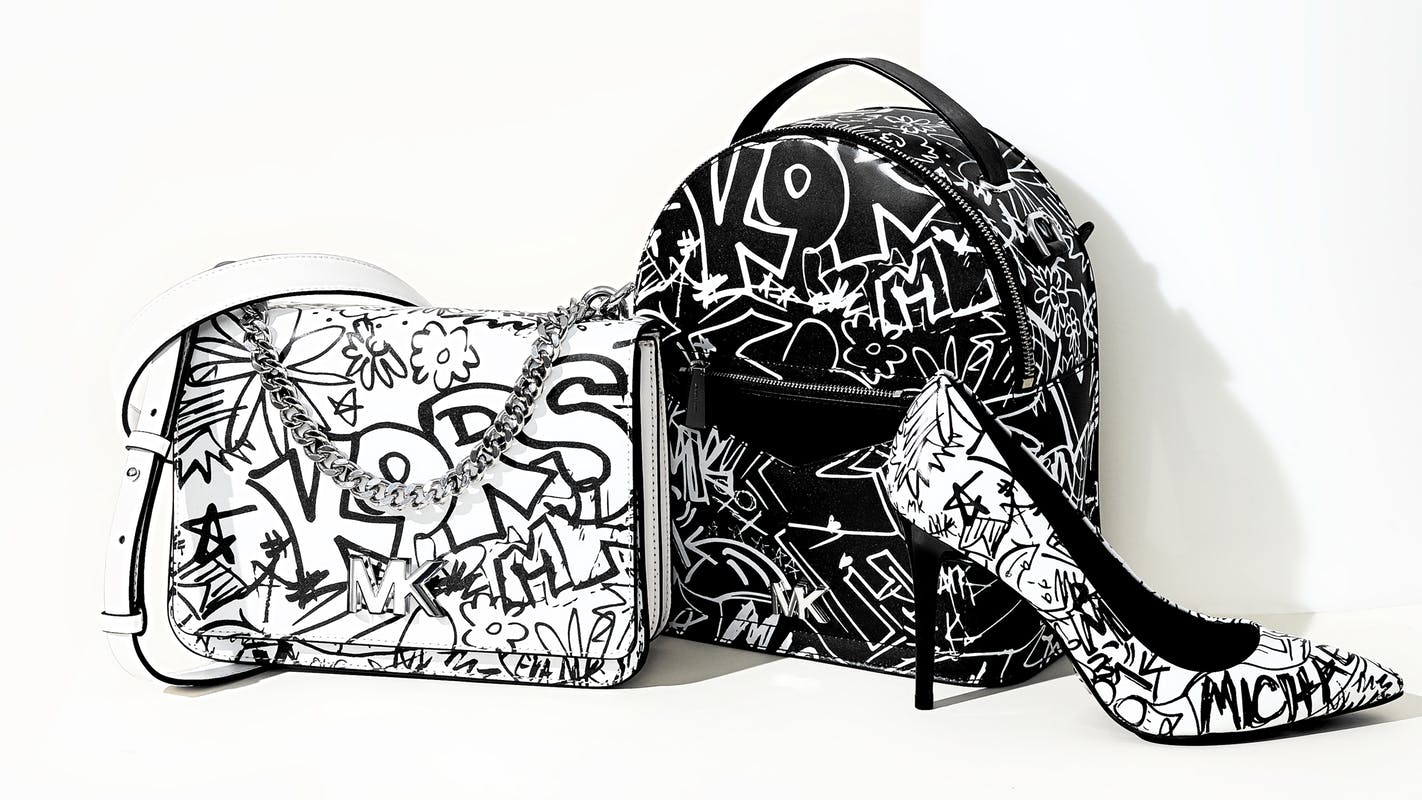
    The label will hold a series of events in the coming months, including during New York Fashion Week in September, to celebrate the flagship’s grand opening. On Chinese Valentine’s Day, on August 7, Michael Kors will launch a capsule collection featuring graffiti-inspired clothing, handbags, footwear, jewellery and wristwatches, samples of which are pictured below

    “Michael Kors is an iconic, beloved brand and we are delighted to partner with it as it looks to accelerate its momentum in the Chinese market. This collaboration will bring both exciting products and elevated shopping experiences to the more than 700 million Chinese consumers on our platforms,” said Jiang Fan, president of Taobao and Tmall.

    Launched in 2017, Tmall Luxury Pavilion now offers more than 115 brands, ranging from apparel and beauty items to watches and luxury cars, including Chanel, Bottega Veneta, Valentino, Burberry, Tod’s, Versace, Stella McCartney, Moschino, Gentle Monster, Giuseppe Zanotti, MCM, Maserati, and LVMH-owned Rimowa, Guerlain, Givenchy, Tag Heuer and Zenith.

    Tmall wants to double that number by the end of next March.

  • Michael Kors launches improved Sofie Heart Rate smartwatch

    Michael Kors launches improved Sofie Heart Rate smartwatch

    Michael Kors is expanding its smartwatch offering with an improved version of Sofie, a wearable device that was launched two years ago. The new model, weirdly named Sofie Heart Rate, packs a few new features that the original model lacked, but keeps a similar price.

    The Sofie Heart Rate is available in five colors – Pave Rose Gold, Rose Gold, Silver, Pave Two-Tone, and Gold, for as low as $325. Officially unveiled early this year, Michael Kors’ new smartwatch runs Wear OS and is fully compatible with iPhone and Android phones.

    Unlike the original model, the new Sofie Heart Rate features built-in GPS, NFC (Near Field Communication) payment technology, heart rate tracking, and swimproof technology (water resistant up to 30m). Also, it comes with an AMOLED display, 4GB internal storage, and a 300 mAh battery.

    Design-wise, the smartwatch is made of stainless steel and features interchangeable straps. According to Michael Kors, in addition to the three classic stainless steel platings and the two-tone glitz version models, the Sofie Heart Rate will also be offered in alligator-stamped silicone. Moreover, brown and plum stainless steel platings, along with grey silicone, will be made available this fall.

  • New Michael Kors to increase focus on Asia

    New Michael Kors to increase focus on Asia

    With the completion of its acquisition of Versace, global fashion group Michael Kors Holding has successfully transitioned into its new identity as Capri Holdings Limited. The group, which now owns Michael Kors, Jimmy Choo and Versace, hopes to leverage its brands to grow group revenue to US$8 billion, while increasing its exposure to the Asia pacific region from 11 per cent to 19 per cent.

    The group also notes an effort to reduce its exposure to the American market, from 66 per cent to 57 per cent, in the long term.

    “We have now created one of the leading global fashion luxury groups in the world,” Capri chairman John D. Idol said.

    However, considering the past performance of these brands, one cannot be certain whether this merged entity can turn them around says IBISWorld senior industry analyst Kim Do, though “Capri Holdings seem confident in their ability to do so.”

    “While many are concerned about the company diffusing its newly acquired brands, similar to that of its own, this is unlikely as, similar to Jimmy Choo’s agreement with Kors Holdings, Donatella Versace will continue to remain the creative director [of] her namesake brand, leading the brand’s creative vision,” Do said.

    “However, while it is likely that Versace will be pushed into new avenues of revenue (such as a stronger focus on Asian markets) it will likely not include mass-retailers – which is how Michael Kors expanded previously.”

    According to Do, IBISWorld expects Capri to hold off on further acquisitions for the time being, and will most likely focus on growing the three brands it now hold in its portfolio.

    In November 2018, the group saw total group revenue decline 32 per cent to $189.76 million (US$137.6 million), from $279.81 million (US$202.9 million) the year prior, which GlobalData Retail managing director Neil Saunders called “disappointing”.

    “Although overall revenue growth looks robust, it continues to be flattered by the acquisition of Jimmy Choo, which has yet to annualise out,” Saunders said.

    “In short, after slowly climbing the steep hill of recovery, Michael Kors now appears to be rolling back down in reverse.”

    Saunders also said the acquisition of Versace could prove to be a distraction that limits the group’s abilities to fix the core problems within it’s main brand.

    In November 2018, the group saw total group revenue decline 32 per cent to US$137.6 million, from US$202.9 million the year prior, which GlobalData Retail MD Neil Saunders called “disappointing”.

    “Given Michael Kors’ relative lack of success with its own label, we do not see the group being able to [easily] undertake the retooling required to generate superior results.”

  • Trussardi Acquired by Quattro R

    Trussardi Acquired by Quattro R

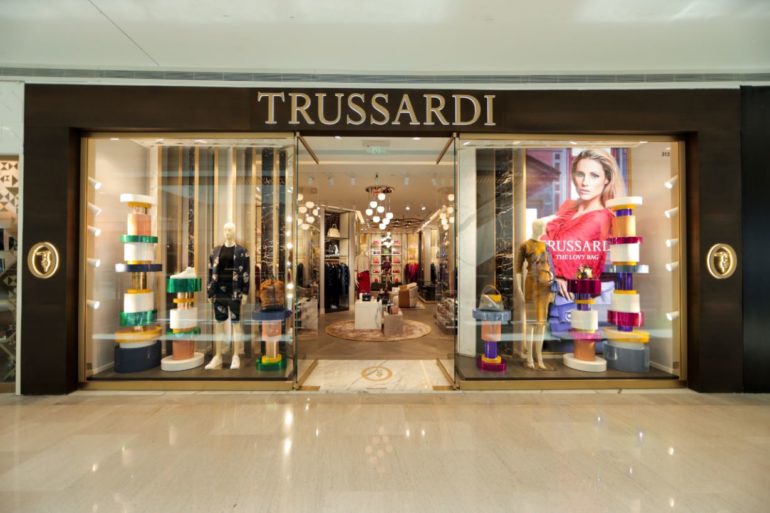
    Trussardi, the family-owned Italian luxury brand specialising in leather goods, has been acquired by private equity firm Quattro R, local media reports. BoF has not yet been able to independently confirm the report. According to Italian news site Pambianco, Quattro R will take an 80 percent stake in Trussardi for at least 50 million euros (around $57.1 million). Trussardi has not responded to BoF’s request for comment, and Quattro R has declined to comment on the matter.

    The deal will see ownership of Trussardi pass from its founding family — who has controlled it for four generations — for the first time in 107 years. Quattro R, which was established in 2015, specialises in turning around Italian companies in financial difficulty, and is backed by the likes of Italy’s state lender Cassa Depositi e Prestiti (CDP) and pension fund Cassa Forense.

    If Quattro R has indeed sealed the deal, it will mark the fund’s first investment in the fashion sector, though its chairman Andrea Morante — being the chairman of Italian shoemaker Sergio Rossi — is no stranger to the industry.

    According to Pambianco, Trussardi’s chief executive Tomaso Trussardi will hold the remaining 20 percent stake in the company. Tomaso’s sister Gaia Trussardi will no longer be a shareholder of the company, while shares belonging to Tomaso’s mother Maria Luisa Gavazzeni will be diluted. Meanwhile, managing director Massimo Dell’Acqua will be leaving his post, and the new management team will be announced when the deal closes in March.

    The brand has been experiencing difficulties for years, with acquisition rumours not far behind. In 2015, Trussardi received a 51.5 million euros (around $58.8 million) loan from six local banks and stipulated a capital increase of 5 million euros (around $5.7 million), soon followed by the shuttering of the house’s diffusion line Tru Trussardi. In April, Trussardi was hit by the unexpected resignation of Gaia Trussardi from her role as creative director.

    Trussardi operates 177 boutiques and over 1,500 points of sale in 47 countries worldwide. If the reports of a sale are confirmed, Trussardi will diverge from the surge of Italian heritage brands passing to foreign hands in recent months — from American Michael Kors’ acquisition of Versace in September, to the Hong Kong-based Sitoy Group’s taking the reins at A. Testoni in November.

  • More brands join anti-fur movement

    More brands join anti-fur movement

    Among the investors who snapped up shares in luxury e-commerce marketplace Farfetch after its September IPO was one buyer with little interest in operating profits or projected revenue. People for the Ethical Treatment of Animals pounced on shares in the newly public company so it could make its case directly to ban fur sales on the platform. They needn’t have bothered.

    Farfetch quietly committed to going fur free in May, inserting a promise in the terms and conditions section of its website to stop selling items made with fur by the end of next year.

    Farfetch joins a growing list of luxury brands and retailers turning their backs on animal fur.

    Within the past 18 months, Yoox Net-a-Porter, GucciMichael Kors, Versace, Furla, Burberry and DVF have all announced anti-fur policies, while this year’s September London Fashion Week became the first of the major fashion weeks not to show any fur on the catwalk.

    Within the luxury space, the balance has tilted against fur.

    In the 1980s, fur was synonymous with luxury, representing a status symbol for many women.

    The global fur trade is valued at $40 billion, but today fur is central to the image — and revenue — of only a handful of major brands.

    Meanwhile, anti-fur messaging is being amplified by social media and a millennial customer base that is paying closer attention to the values represented by the products they buy.

    For brands like Gucci, the goodwill generated by banning fur outweighs the sacrifice of a few million dollars in sales of fur-trimmed loafers.

    “[It’s about] being more modern in our thinking and our approach to business and how we talk and engage with our consumer and our community of women,” Sandra Campos, chief executive at DVF, said of the decision earlier this month to stop using fur, exotic skins, mohair and angora in upcoming collections.

    “No one really wanted to associate the brand with [fur]. We don’t need real fur to have a status symbol anymore.”

    The anti-fur movement has ebbed and flowed for decades.

    Calvin Klein stopped using fur in 1994, the same year Peta ran a campaign featuring supermodels including Naomi Campbell and Christy Turlington, who claimed they would “rather go naked than wear fur.”

    Ralph LaurenTommy Hilfiger and Selfridges barred fur in the mid-2000s.

    More recently, Hugo Boss joined the no-fur list in 2015, followed by Armani the following year.

    Gucci kicked off the latest wave of brands announcing fur bans in October 2017.

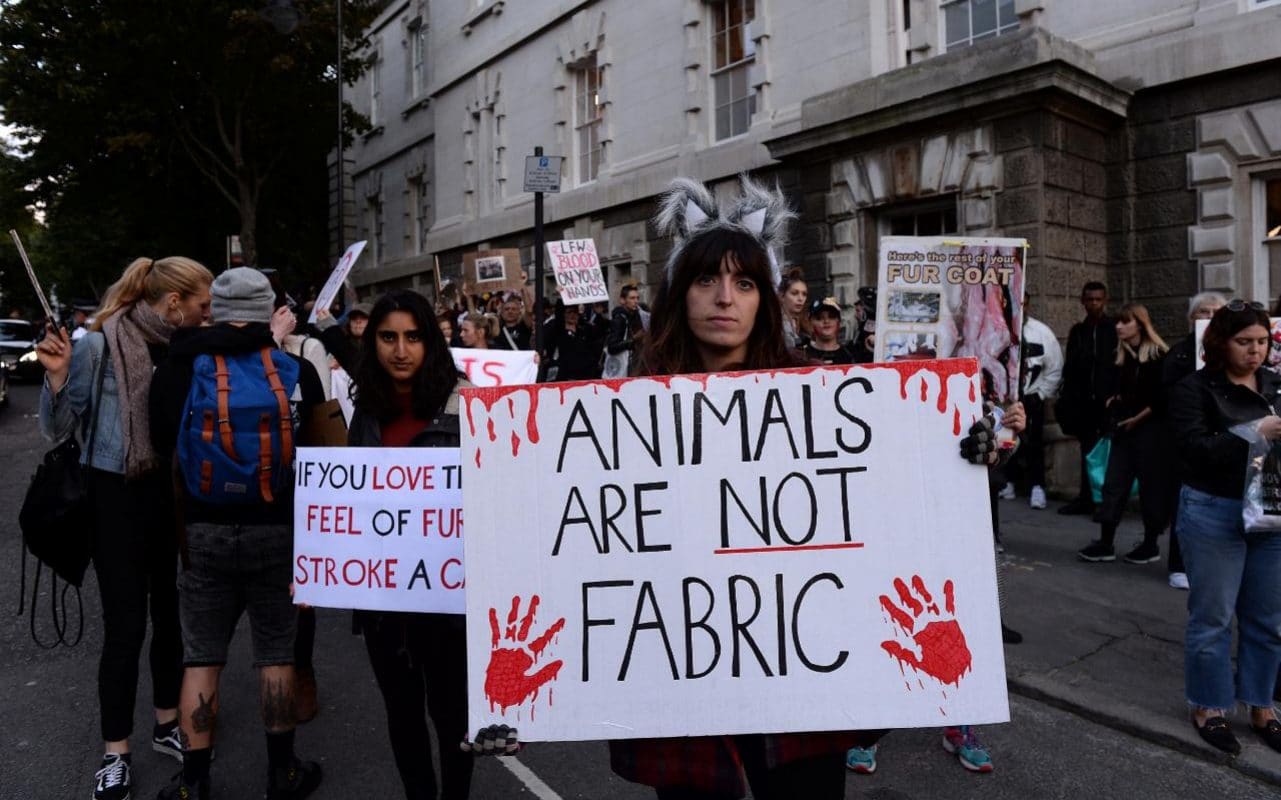
    Winning over luxury’s hottest brand was a coup for animal-rights activists who had been targeting specific companies for almost a decade via a mix of behind-the-scenes talk and public protest.

    In July 2017, more than 20 animal rights activists heckled Michael Kors during a speech, while in September 2017, Burberry’s London Fashion Week show was disrupted by about 250 anti-fur protesters.

    Michael Kors agreed to ban fur in December, Burberry last month.

    The rise of social media has provided the general public with a direct line of communication to companies and a platform for opinions and protest, making it harder for brands to ignore targeted activism.

    It’s also given animal rights organisations a platform for mobilising consumers into action.

    The global fur industry is fighting back, launching its own campaign making the case for fur as a natural, sustainable product that is better for the environment than alternatives, which are often made from plastic.

    One recent campaign featured Fendi and Oscar de la Renta, among other brands.

    “Brands are under huge pressure to respond to social media and avoid any controversy,” says Mark Oaten, chief executive of the IFF.

    “Even in a five year period that has changed … the fear of reputational damage is increased at the moment.”

    Studies show activism is impacting purchasing decisions.

    Prior to announcing its fur-free policy last June, Yoox Net-a-Porter surveyed 24,000 customers: 72 percent said social or environmental considerations drove their purchasing decisions at least some of the time, while 58 percent said having more information about the ethics and sustainability of a product would influence their shopping choices.

    Indeed, the idea of what luxury means to consumers today has evolved.

    “It’s become synonymous with social responsibility and innovation,” said PJ Smith, fashion director at the Humane Society US.

    “Companies that want to position themselves as corporate social responsibility leaders are seeing the marketing potential of going fur free, especially with new luxury consumers.”

    For a brand like Michael Kors or Burberry, going fur free won’t have much impact on the bottom line, while providing a marketing boost.

    For DVF, fur was “a very minimal percentage” of the overall business, said Campos.

    “It wasn’t something we relied on heavily at all,” she said. “It made sense for us to walk away from it in total.”

    Similarly, Gucci’s decision to bet on animal rights activism wasn’t much of a trade-off, as the brand sold only €10 million ($12 million) in fur products last year, less than 0.2 percent of revenue.

    Gucci’s Instagram post announcing the news was among the brand’s top performing posts at the time of the announcement, amassing 179,524 likes.

    Even brands that still use fur are acknowledging shifting attitudes.

    Fendi, which started as a furrier in 1925, rebranded its Couture Week show this past July as haute couture, rather than the haute fourrure description it used in recent seasons.

    And while fur was still present in the label’s Spring 2019 collection, it was less prominent than in past seasons.

    Prada, too, has been decreasing its use of fur.

    Recently the brand has come under pressure as a result of a targeted campaign spearheaded by the Fur Free Alliance, a coalition of 40 animal rights groups.

    According to the company, thousands of e-mails demanding it bans animal fur have been sent to the Prada Group and personal addresses of employees.

    However, the company has not announced plans to stop using fur.

    “We believe it is important to stress that all the advertising campaigns of the Group’s brands, together with the fashion shows and displays in the shop windows, have not been presenting these products for some time, in order to discourage demand from consumers,” the Italian house said in a statement.

  • DFS in exclusive launch of latest Michael Kors capsule collection

    DFS in exclusive launch of latest Michael Kors capsule collection

    DFS Group, the world’s leading luxury travel retailer, is excited to announce the launch of an exclusive Michael Kors capsule collection available only in DFS and T Galleria by DFS stores this October. Inspired by the jet-set lifestyle and designer Michael Kor’s take on luxury, the exclusive DFS x Michael Kors collection features thirteen handbags, three wallets, a watch with three straps and a pair of chic sunglasses.

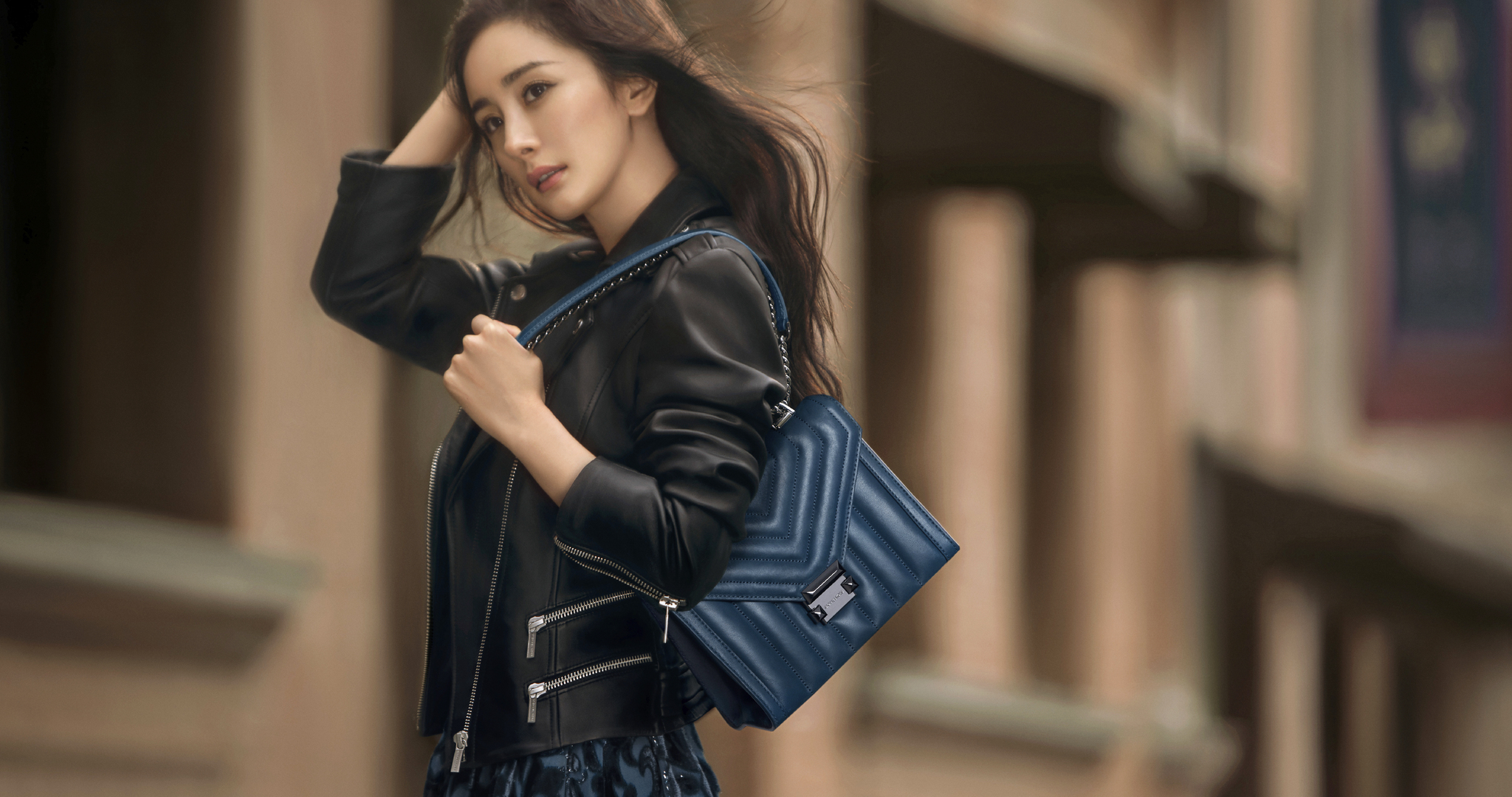
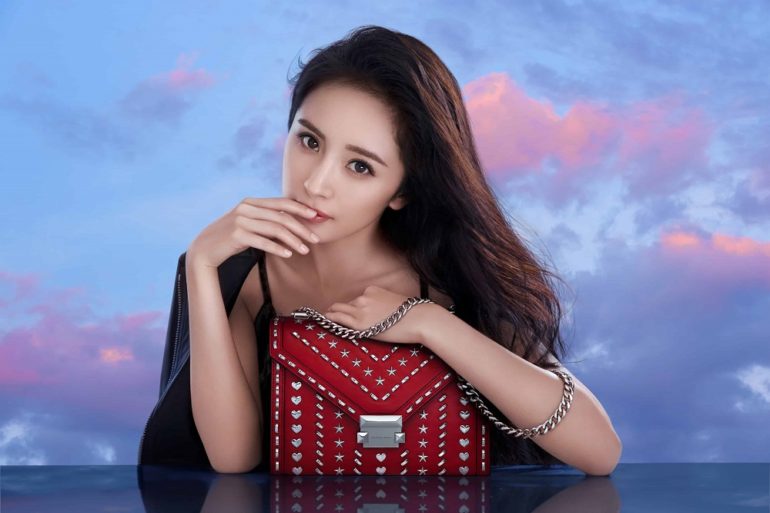
    Building upon a history of successful collaborations, this capsule marks the third exclusive collection Michael Kors has launched with DFS Group. Starring influential Chinese actress Yang Mi and photographed by renowned Chinese photographer Chen Man, the campaign spotlights the actress and fashion icon showcasing the limited-edition styles on the chic streets of Shanghai.

    The DFS x Michael Kors collection includes the Whitney Large Shoulder Bag with quilted stitching and a detachable crossbody strap, the Whitney Medium Backback with sleek push-lock gunmetal hardware and chain-trimmed shoulder straps, the Benning Medium Messenger Satchel in two toned leather with polished hardware, as well as the Lauryn Three-Hand Watch Set with a pearlescent dial and two additional straps and classic rounded Aviator Sunglasses. The DFS x Michael Kors collection is available in an array of smooth and metallic jewel tones and prices range from USD$88 – USD$378.

    The exclusive DFS x Michael Kors collection will be available in 19 DFS and T Galleria stores across 13 counties beginning October 1 and offered while supplies last.

  • Michael Kors is now Capri Holdings

    Michael Kors is now Capri Holdings

    Michael Kors is just the latest company to announce its intention to change its name, following a precedent set by a number of the country’s most famous brands. Most frequently, a name change reflects a shift in strategy.

    Michael Kors said it will change its name to Capri Holdings, inspired by an “iconic, glamorous and luxury destination” island.

    The move comes as the company announced plans to buy the Gianni Versace fashion house for $2.1 billion.

    The new name reflects the company’s efforts to move further into luxury and away from the more affordable handbags for which it has long been known.

    The company, which will keep the Michael Kors brand, made its first step in this direction when it bought shoe brand Jimmy Choo for $1.2 billion last year. But the Versace deal provides it with a launching pad to a more exclusive European luxury market.

  • Michael Kors-Versace deal confirmed

    Michael Kors-Versace deal confirmed

    Michael Kors Holdings LTD confirmed earlier reports that it would buy all outstanding shares from Versace for around $2.1 billion.

    It also announced the group will officially be called Capri Holdings Limited, named after the island of Capri, which the company referred to as an iconic, glamorous destination.

    The renaming of the group was expected, given that keeping its name would perhaps confuse many customers who wouldn’t be able to separate the brand from the holding company, much like Coach Inc. did when the group renamed itself as Tapestry. Donatella Versace will stay on as creative director of the house, and will also be a shareholder in the new group, along with her brother Santo and daughter Allegra. “This demonstrates our belief in the long-term success of Versace and commitment to this new global fashion luxury group,” Donatella said in a statement. Versace CEO Jonathan Akeroyd will also remain with the company.

    John D. Idol, chairman and CEO of Capri Holdings Limited, also put out a statement acknowledging the Italian brand’s history and future prospects. “We are excited to have Versace as part of our family of luxury brands, and we are committed to investing in its growth. With the full resources of our group, we believe that Versace will grow to over US$2.0 billion in revenues,” he said.

    In a move that would give Michael Kors Holdings LTD a stronger foothold in the luxury fashion space, the company, which already owns Jimmy Choo, is reportedly inking a deal to buy Gianni Versace SpA that values the Italian company at $2.35 billion. Both parties are set to announce the deal as early as this week, according to sources.

    For Kors, best known for his affordable luxury handbags and his appearance as a judge on the hit design competition show Project Runway, this buyout is a significant step towards building a larger, more efficient holding business that would rival that of French heavyweight conglomerates LVMH (who owns Louis Vuitton, Fendi and Givenchy) and Kering (Gucci, Balenciaga and Saint Laurent). While there hasn’t been a similar American conglomerate that compares in terms of scale and resources, this could perhaps be the start of a new power-playing entity stateside.

    There have even been guessing games as to what Michael Kors would rename his holding company, should he choose to do so. While Coach owner Tapestry has made moves to adopt a similar model (it has acquired Kate Spade and Stuart Weitzman in recent years), owning a European luxury fashion brand like Versace would give considerable clout and star power to an American fashion portfolio.

  • Runway-inspired Michael Kors store opened in Malaysia

    Runway-inspired Michael Kors store opened in Malaysia

    Michael Kors Malaysia is opening a runway-inspired store at Suria KLCC.

    The launch is part of the US fashion label’s Runway 2020 strategy intended to modernise its business, which also includes the introduction of e-commerce and wearable technologies to the label. Designer Michael Kors’ strategy was announced last year and will involve an overhaul of stores worldwide.

    Michael Kors GM Kelly Lee said the store is designed to make customers feel like they are part of a fashion show – “our shoppers will feel like they are stepping onto a runway when they walk in”.

    To achieve the effect, store mannequins are positioned in line facing the store entrance as if on a catwalk, allowing shoppers to wander amongst them as they browse.

    The store will also be the first Michael Kors in Malaysia to sell menswear.

  • Michael Kors taps Yang Mi for Whitney bag line

    Michael Kors taps Yang Mi for Whitney bag line

    Luxury fashion brand Michael Kors has recruited Chinese actor Yang Mi for the design and promotion of a limited-edition take on the US accessories maker’s classic Whitney bag.

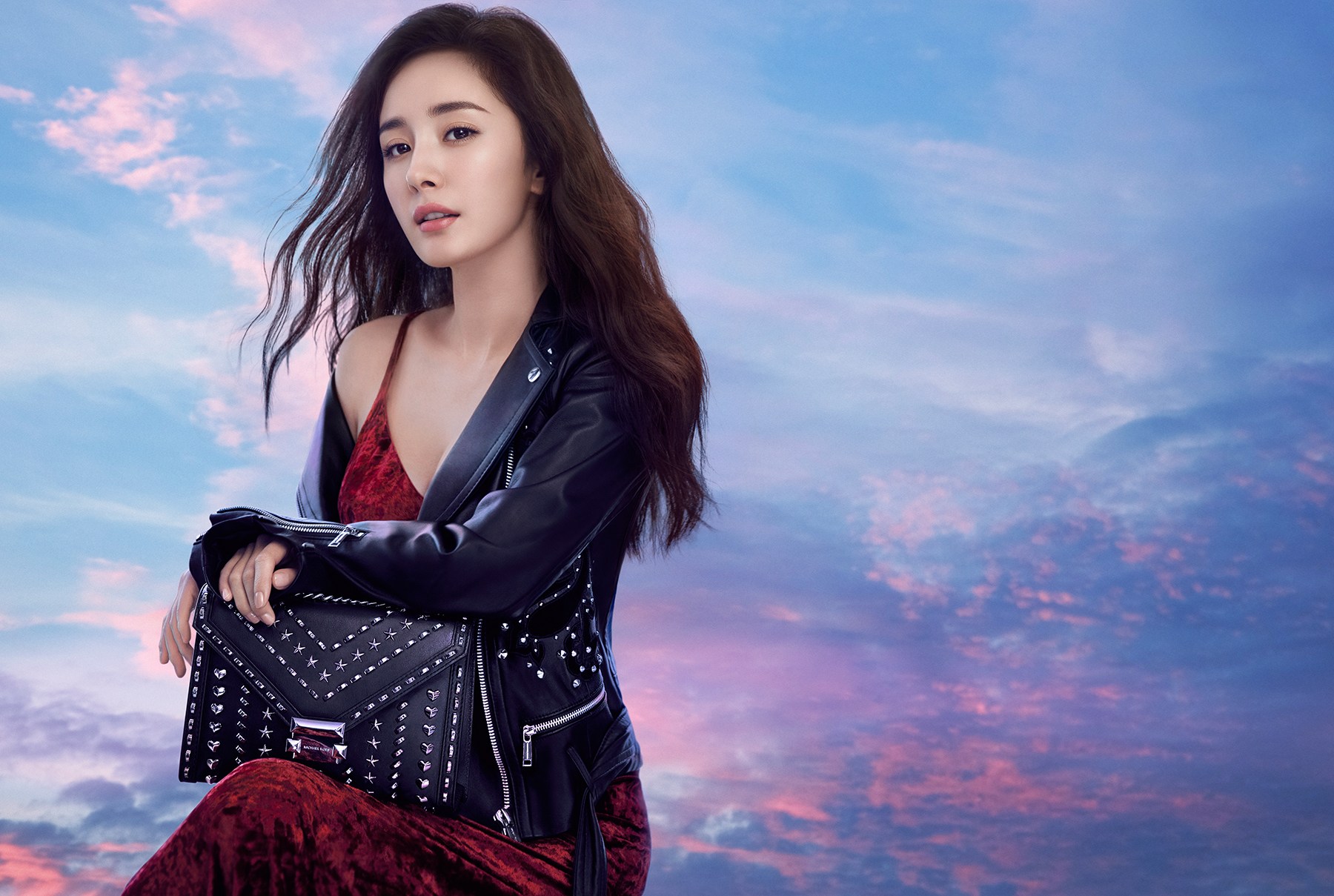
    Designed to celebrate Qixi, the Chinese equivalent to Valentine’s Day, the Whitney Qixi bags feature heart and star-shaped silver-tone hardware in a nod to the romance of the ancient Chinese day of love.

    The bags are available in both bright red and black leather, which Mi chose to reflect her personality and personal style, confirmed the actress in a press release.

    “Studs are always a part of my style, so I knew I wanted to use them in these designs. The heart shapes were perfect for symbolizing love this Qixi, while the star shapes were all about adding a little personality and attitude,” said the Michael Kors’ ambassador.

    The Qixi Whitney bags officially launched August 1, at a special event in Shanghai also attended by Mi, before becoming available worldwide.

    The collection and launch event coincided with the unveiling of the Michael Kors x Yang Mi pop-up concept, which runs in Shanghai from 1 August to 19, before heading to Chengdu from 25 August to 2 September.

    As part of Kors’ efforts to further tap the local market, the Qixi bag is also available via its new WeChat Mini application, which allows customers to purchase all Kors products directly from the social media messaging platform.

    Finally, to mark the release, Michael Kors launched a fresh campaign featuring Mi, which was shot by Chinese photographer Chen Man. The global campaign will be distributed via print, outdoor advertising, digital advertising and social media, and an accompanying video will also be released.

    Michael Kors named Yang Mi as a global ambassador last September. It operates 135 stores in Greater China.

  • Michael Kors Holdings Limited Announces Strong First Quarter

    Michael Kors Holdings Limited Announces Strong First Quarter

    Luxury fashion group Michael Kors delivered better than anticipated revenue, operating margin, and earnings per share growth in its Q1 FY19 results, with total revenue increasing 26.3 per cent to US$1.2 billion.

    Total operating margin reached 17.9 per cent, up from last years 15.7 per cent for the period, while earnings per diluted share were US$1.22 on a reported basis, an increase of 52.5 per cent compared to the prior year.

    The Jimmy Choo brand exceeded expectations due to strong performance in footwear.

    “Our fashion leadership remains strong, which drove consumers to respond favourably to both new fashion introductions and core products,” said chairman and CEO John D. Idol.

    “Our global fashion luxury group continues to see the benefits of our long term growth strategy which is driven by both the Michael Kors and Jimmy Choo brands. Looking ahead we remain optimistic about our business for the remainder of fiscal 2019 and beyond.”

    These strong results must be seen in the context of lackluster results in the prior year, according to analyst, which saw revenues drop by a “disastrous” 8.2 per cent in the US.

    “Admittedly, the 26 per cent uplift in total revenue continues to be flattered by the addition of Jimmy Choo, but even when this is excluded, revenue still rose by a solid 8.1 per cent,” said Saunders.

    “One of the vehicles helping create a better impression on consumers are stores. Here, Michael Kors has invested a significant amount in renovating older outlets to create a more luxurious experience.

    “Early results are encouraging with a much better revenue performance coming from the refurbished shops than the rest of the chain.”

    Due to the positive result, the company raised full year adjusted earnings per share guidance from US$4.90 to US$5, and expects full year total revenue to reach US$5.125 billion.

    Michael Kors also revealed it expects second quarter to bring total revenue of approximately US$1.26 billion, with retail revenue to grow by low-single digits.

  • Citygate’s Outlets Hong Kong is ready

    Citygate’s Outlets Hong Kong is ready

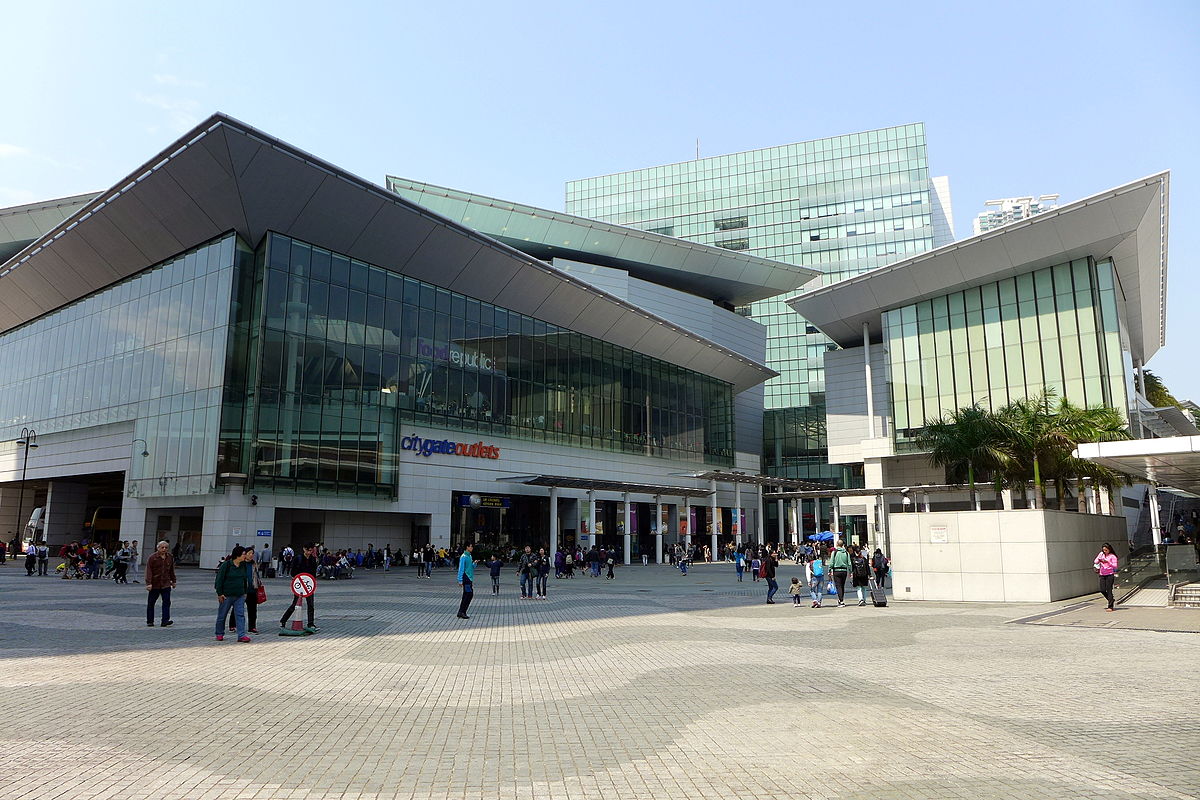
    Citygate Outlets is ready for the summer.

    With over 80 international brands offering 30% to 70% discounts, the mall has collaborated with brands to bring its customers unique Summer Pop-ups, memorable experiences with special performances and rewards for its most loyal customers.

    Direction New-York for this Summer’s Pop-ups.

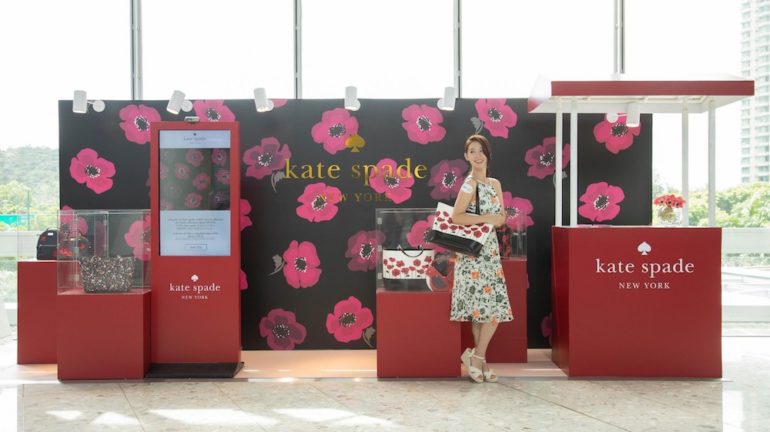
    Starting with a fresh breeze of air to break the summer heat, Citygate Outlet is showcasing Kate Spade New York’s Poppy Floral Collection in a Insta-worthy pop-up area. Following Kate Spade and its free popsicles comes Travel Destiny-themed Michael Kors’ pop-up. Popsicles will still be on the menu along with exclusive shopping privileges, heart-shaped balloons and a limited-edition gift, free with any in-store purchase.

    Malls are also engaging in customer experience.

    Citygate Outlets is bringing performers from around the world for a series of lively musical performances. From African master drummers Mamadou and Drum Jam to Japanese percussionist Kumi Masunaga or collaborations with the Ukulele Federation and Hula Association the mall is creating unforgettable instants for its customers. Shoppers will have the opportunity to give a try to playing drums and ukulele with performers and truly feel and live the beats and Hawaiian vibes.

    All the summer essentials are offered at the mall with limited discounts. Customers can get ready from head to toe with Havaianas’ flip-flops up to 40% off, Arena’s and Speedo’s pop-ups featuring swimsuits up to 65% off and all the essential summer accessories with sales promotions on Brands such as luxury watchmaker Breitling or designer sunglasses Optical 88.

    More surprises awaits the mall’s visitors. Indeed, as their shopping session comes to an end, consumers having reached a pre-defined amount of spending on the same day using their credit card or EPS during the promotion period will be eligible to redeem fashionable and practical travel gifts.

    The icing on the cake to end a memorable day.

  • Michael Kors Launches Graffiti Capsule

    Michael Kors Launches Graffiti Capsule

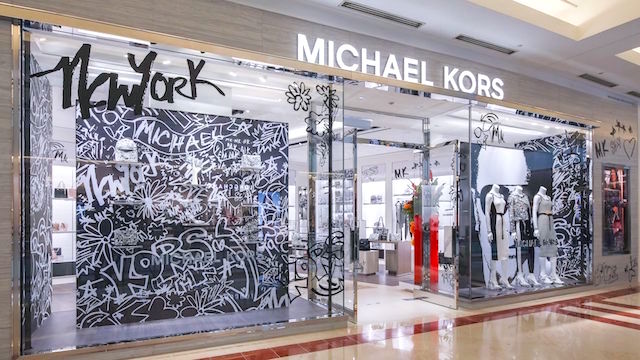
    Accessories and apparel designer Michael Kors has released a new limited-edition graffiti capsule of jackets, shoes and bags, taking inspiration from the street art of Eighties-era New York City.

    The Michael Kors graffiti collection launch has been marked by an elaborate window display installation created by two fashion professionals who lived in New York during the period. The displays will appear in the Michael Kors stores at Mandarin Gallery in Singapore, the Jing’An Kerry Centre in Shanghai, and in Ginza, Japan following exhibitions in New York, London and Milan.

    The displays are the result of a collaboration between Candy Pratts Price and hair stylist Christiaan, both iconic figures of their generation. They feature a floor-to-ceiling screen print of Kors in his aviators, as well as rotating mannequins in selfie-snapping poses wearing the graffiti merchandise and sculptural wigs.