Retail News CRM

Tag: michael kors

  • Michael Kors Japan sales soar

    Michael Kors Japan sales soar

    Michael Kors Japan sales continue to soar as rising US fashion player expands its global success.

    Revenue in Japan for the last quarter rose 60.7 per cent on a constant currency basis.

    While that figure was carved back to 36.1 per cent after the exchange rate was taken into account, it shows stellar growth in the Asian nation, which is now Michael Kors’ second largest market behind the US.

    Globally, although still in positive territory, sales growth at Michael Kors continues to slow. Total revenue was up by 6.9 per cent during the quarter, a sequential worsening of the 7.3 per cent growth posted during the first quarter, and a long way down on the double digit increases recorded across the prior fiscal year.

    But while some of this is due to currency fluctuations, according to Conlumino CEO Neil Saunders, this does not explain away all of the decline.

    “Of particular concern are the same store sales numbers which were down by a sharp 8.5 per cent over the same period last year. While this represents a slight improvement on the 9.5 per cent dip recorded last quarter, it is still a dismal outcome and one which has diminished productivity and profitability. At total level retail sales remained in positive territory, saved only by the addition of some 116 new stores over the past year,” he said.

    “All that said, while Michael Kors is now feeling some pressure on the bottom line, with net income falling by 6.8 per cent over last year, it remains in a much better financial position than a number of its luxury rivals. Indeed, its return on invested capital is over 10 percentage points higher than Coach and some 20 percentage points higher than Ralph Lauren,” noted Saunders.

    “Margins, while having weakened due to both exchange rates and discounting, remain comparatively robust. As such, Michael Kors’ capacity to weather the slowdown in demand for its products is, in our view, reasonable.”

    But demonstrating it is capable of dealing with slowing demand does not mean Michael Kors wants to be in such a position, said Saunders.

    “One of the current issues for the company is that its brand simply does not have the cachet that it once did and is, to some extent, suffering from over-exposure. Nowhere is this truer than in the North American market where the proliferation of the brand over recent years has diluted its value.

    “Steps have been taken to remedy this, including lessening the reliance on traditional products like handbags by introducing more contemporary accessories like oversized wallets and cross body satchels. However, while these are helpful additions which balance out the range, they do not necessarily address the problem of ubiquity that the brand faces.”

    While Michael Kors can look to overseas for growth, as it is successfully demonstrating in Japan, the problem is that with unfavorable exchange rates this translates into a less helpful boost than it once did.

    “Europe is a case in point: here sales on a local currency basis rose by a fairly good 20.6 per cent. However, when exchange rates are factored in this growth is reduced to a paltry 2.3 per cent.

    “Given these dynamics, it is difficult to see how Michael Kors can return to strong growth in the near future,” concluded Saunders.
  • Asia luxury retail revival ahead

    Asia luxury retail revival ahead

    While Asia Pacific may be experiencing a slowdown in luxury retailing right now, three key trends will fuel a renaissance in coming years.

    That’s the core finding of a research report by property specialist CBRE, The Future of Luxury Retail in Asia Pacific: New Demand Drivers and Shifting Occupier Requirements, which promises property owners can expect “a solid new stimulus for demand” in the coming years.

    Most major luxury retailers are now well established in Asia Pacific – their with China and Hong Kong penetrations already at 89 per cent and 81 per cent, respectively. And after several years of rapid expansion, these markets are approaching saturation point.

    “Accounting for one-third of personal luxury goods sales globally in 2014, Asia Pacific is a key region for international luxury brands with key markets including China, Hong Kong, Japan, Singapore, South Korea and Taiwan. However, the high growth period for luxury retailers in the region is gradually coming to an end,” commented Dr Henry Chin, head of research, CBRE Asia Pacific.

    ”Over-saturation, surging operational costs and weaker retail sales – especially in Hong Kong due to the slowing mainland China economy – have prompted retailers to consolidate their existing store networks and slow their rate of entry into new markets focusing on operational efficiency,” said Chin.

    But here is where there is hope: CBRE has identified three emerging trends which will partially offset some of the negative effects arising from the slowdown and compensate for the loss of demand.

    • The Emergence of Affordable Luxury

    Often referred to as bridge brands, affordable luxury retailers – for example Michael Kors – provide high quality branded goods at a lower price tag than top-tier luxury retailers. Several top-tier luxury brands are already so well established in the region that they are at risk of overexposure, a trend which is prompting many consumers to look for differentiation.

    • Inclusion of F&B

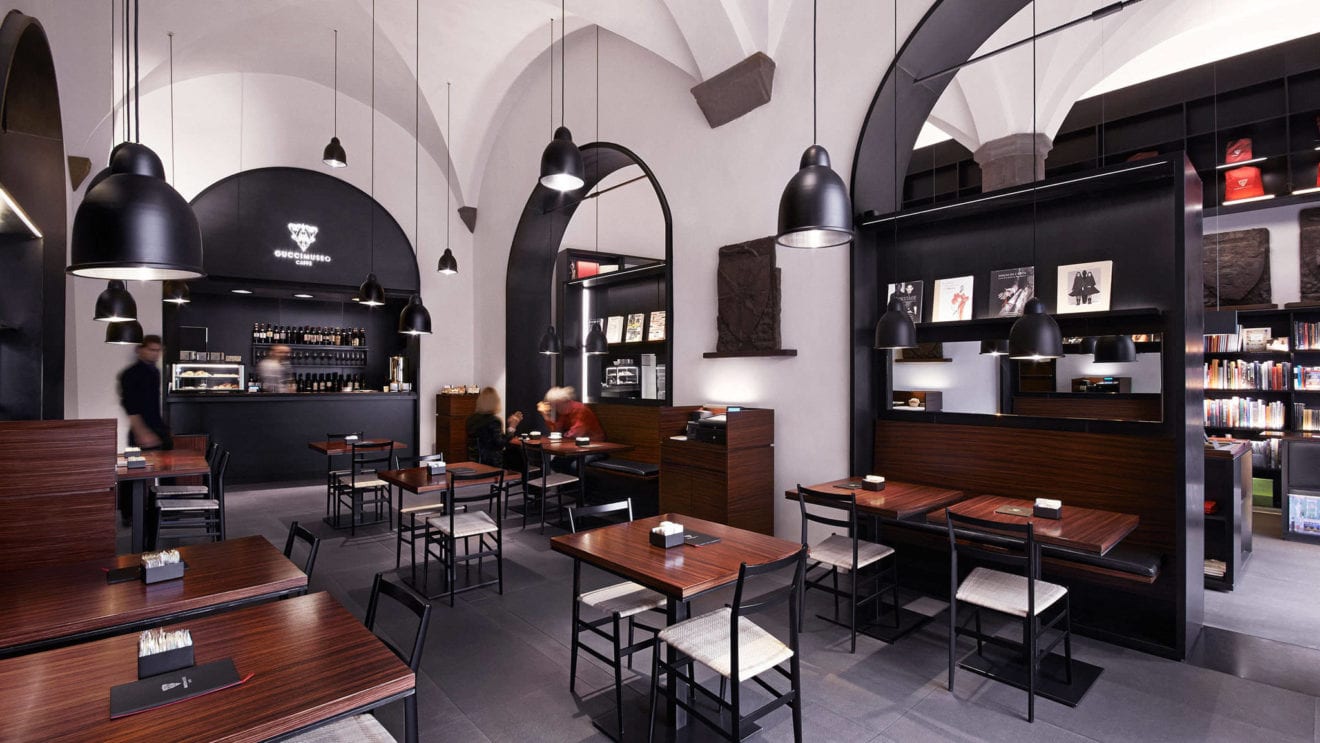
    Recent years have seen luxury brands begin to expand beyond their core fashion businesses into the F&B sector – examples include 1921 Gucci in Shanghai iAPM and Cafe Dior by Pierre Hermé on the top floor of Christian Dior’s flagship store in Seoul – transitioning their brand from being totally fashion-oriented to more lifestyle-driven. Including an F&B component in stores enables luxury retailers to provide their consumers with a more complete experience in which they can shop, relax and socialise.

    • Growth of Luxury Childrenswear

    As of 2014, Asia Pacific was home to 807 million people aged below 14, representing more than 20 per cent of the total population, offering an enormous opportunity for growth in this segment. The emergence of luxury childrenswear brands has been welcomed by landlords as many of them are looking to expand their offering into toys, bookstores and playrooms in order to attract and retain foot traffic amid competition from online retail.

    “With the momentum behind these trends, this will account for a bigger slice of leasing demand for prime retail space,” says Joel Stephen, senior director, head of retailer representation, CBRE Asia.

    “Retailers and landlords can benefit from the projected growth in these market segments.”

    Changes in Luxury Retailers’ Real Estate Requirements

    The emerging retail trends – combined with changing tourism patterns and the ongoing slowdown of the region’s luxury retail sector – are already impacting luxury retailers’ real estate requirements, resulting in new, and in some cases, weaker demand for different types of retail property.

    “The change in shopping behavior among mainland Chinese tourists – who are demonstrating a stronger preference for shopping in Europe and Japan – has prompted luxury brands to review their expansion and rationalise their real estate portfolios, strategies and requirements. Since most luxury retailers remain cautious towards expansion, especially in China, retailers are now focusing on consolidating their footprint into a solid network of stores in high quality locations, as opposed to expanding rapidly and opening many smaller stores, in order to extract the highest value from their sales network,” says Chin.

    Some of the key trends that CBRE have identified include:

    • Weaker interest in department stores despite continued interest in prime locations;
    • Stronger focus on flagship stores, displaying more product lines, thus making a stronger statement in the market;
    • Increased popularity in short-term opportunities for brands to set up exhibitions, pop-up and concept stores, and workshops, to generate greater consumer awareness;
    • Affordable luxury brands continuing to drive demand, encouraging more shopping center landlords to offer them anchor tenant space; and
    • More interest in upper floor retail space, but limited to top-tier malls and driven by F&B and childrenswear segments.

    Says Stephen: “Driven by the emergence of affluent consumers and the rise of the number of millionaires in the region, Asia Pacific will remain a hugely important market for international luxury brands with new names entering the region.

    “Even though leasing demand will slow to a more sustainable level, prime space in core areas will continue to be keenly sought after.”

    Penetration of luxury retailers into Asia-Pacific.

  • Sports fashion demand drives Stella sales

    Sports fashion demand drives Stella sales

    Shoe marketer Stella International has reported increased sales in the second quarter on the back of growing demand for sports fashion footwear.

    In the three months to September 30, consolidated revenue from its China retail business and its manufacturing operations amounted to US$569 million, up 4.3 per cent year on year. For the nine months to September 30, revenues totalled US$1.366 billion, an increase of 7.9 per cent.

    “Looking forward, the group expects orders for the group’s footwear products will pick up further towards the end of this year and the beginning of 2016, as its customers continue to expand their global presence and as demand for sports fashion footwear continues to grow,” the company said in a stock exchange filing.

    “Order levels will also be supported by greater efficiency and improved utilisation at the group’s production facilities in inland China and Southeast Asia.

    “The group cautiously expects shipment volumes to reach 58 million pairs by the end of 2015.”

    Stella produces shoes for brands including Clarks, Deckers, Ecco, Rockport, Timberland, Wolverine, Cole Haan, Guess, Jones Group, Kenneth Cole and Michael Kors. It also designs, develops and manufactures footwear for high-fashion brands including Alejandro Ingelmo, Alexander Wang, Armani, Bally, Balmain, Brian Atwood, Givenchy, Kenzo, Marc by Marc Jacobs, Marciano, Miu Miu, Paul Smith, Prada, Sigerson Morrison, Via Spiga and Y3.

    And taking advantage of its manufacturing expertise, the wide acceptance of Stella’s products by brand customers, the company has successfully expanded into the Chinese and global footwear retail market through its own brands Stella Luna, What For, JKJY by Stella and joint-venture brand, Pierre Balmain.

    Stella says it will continue to implement strict cost controls and efficiency improvement measures to preserve its profitability. This includes placing a renewed focus on leveraging its competitive strengths to pursue new promising product segments, such as sports fashion footwear.

    “The group also remains committed to building the long-term competitiveness of its retail business with the opening of new standalone stores and shops-in-shops in quality locations. It will also continue to boost its branding efforts in Europe to further grow the value of its brands among Chinese consumers.”

  • Marina Bay Sands Shoppes expands children’s collection

    Marina Bay Sands Shoppes expands children’s collection

    The Shoppes at Marina Bay Sands has added luxury label Dolce & Gabbana Junior to its growing line-up of luxury childrenswear retailers.

    The high end Singapore shopping centre which relaunched with a luxury focus in April, had already attracted Fendi Kids and Baby Dior to its retail store portfolio, part of a plan to build on its Children’s Collection to present more stylish options for “little adults”.

    Dolce & Gabbana Junior is the Italian designer label’s first Junior store in Southeast Asia.  Spanning more than 1400 sqft, the new boutique is painted with a pearl finish and furnished with lacquered wood furniture frames to create a shopping ambience that is soothing and refined. The Dolce & Gabbana Junior collection includes ready-to-wear for girls, boys, and newborn from ages up to 8.

    And more brands are yet to arrive.

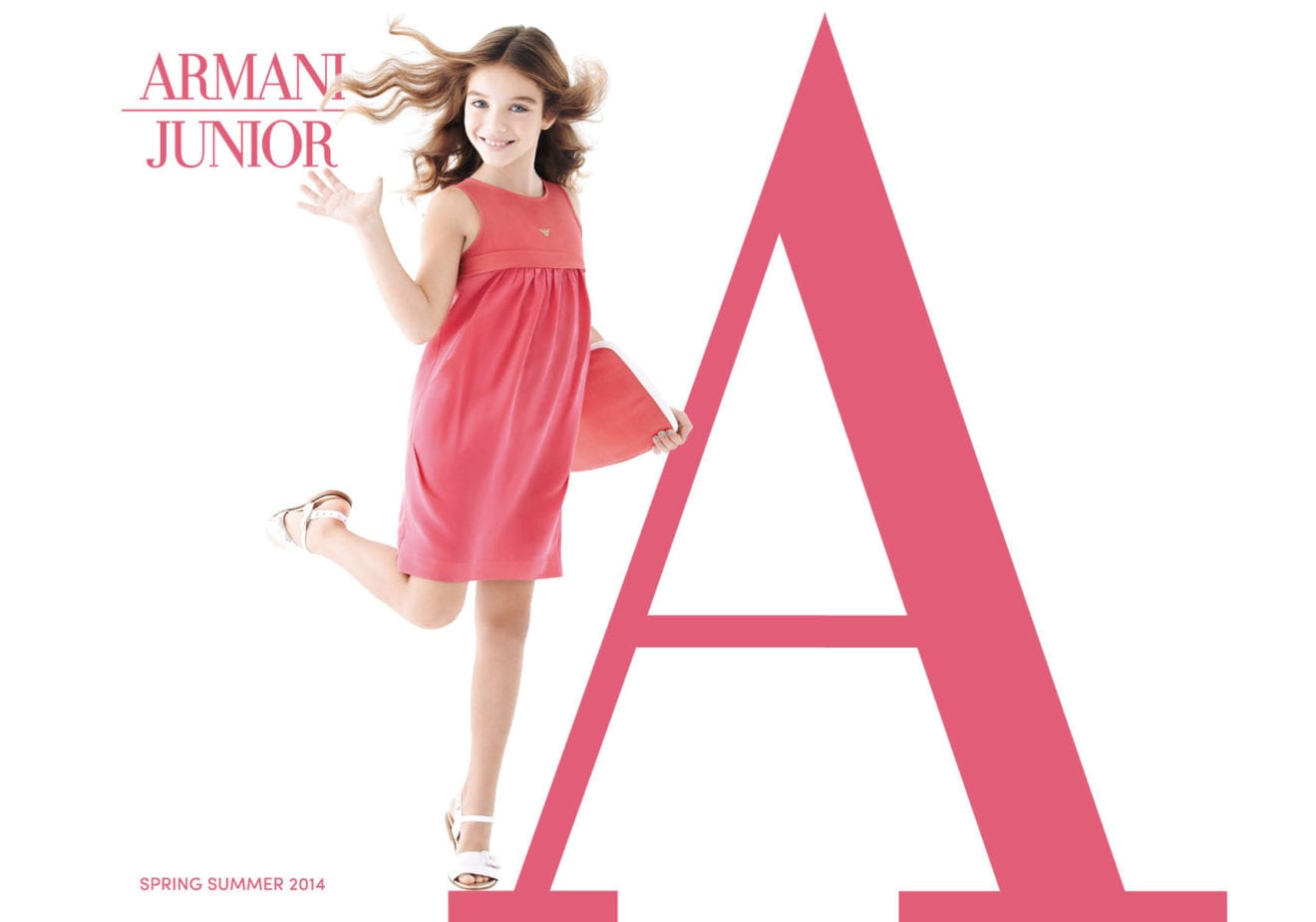
    Come December, Armani Junior and Bonpoint will also be joining the The Shoppes’ Children’s Collection. Set to be its largest store in Singapore, the Armani Junior store will be showcased as a sleek and modernised concept for stylish juniors. It completes the family of Armani collections at The Shoppes – namely Armani/Marina Bay, the first and only duplex in Southeast Asia to house both Giorgio Armani and Emporio Armani, as well as Armani Collezioni.

    Armani Junior will open with its soon-to-launch Spring Summer 2016 collection featuring colorful and fun prints, while Bonpoint will unveil a selection of Shoppes-exclusive pieces from its Christmas 2015 collection and Cruise 2016 collection. Unique to the store is a special corner dedicated to its YAM collection which caters for young ladies and mothers, allowing for perfect mini-me looks that could be worn with their sisters or daughters. Bonpoint will also carry its full hypoallergenic skincare and signature perfume range in-store.

    The launch of Armani Junior and Bonpoint brings along a plethora of trendy ready-to-wear for newborns and children up to the ages of 16.

    Aside from the Children’s Collection, other boutiques that are opening at The Shoppes in the fourth quarter of 2015 include Ted Baker, the only Loro Piana store in Singapore, as well as the largest Michael Kors and Valentino stores in Singapore to date, spanning 3200 sqft and 3500 sqft respectively. More recently, the mall celebrated the opening of Furla’s Singapore flagship store and the biggest in Southeast Asia at 1600 sqft.

  • Studio City retail tenants revealed

    Studio City retail tenants revealed

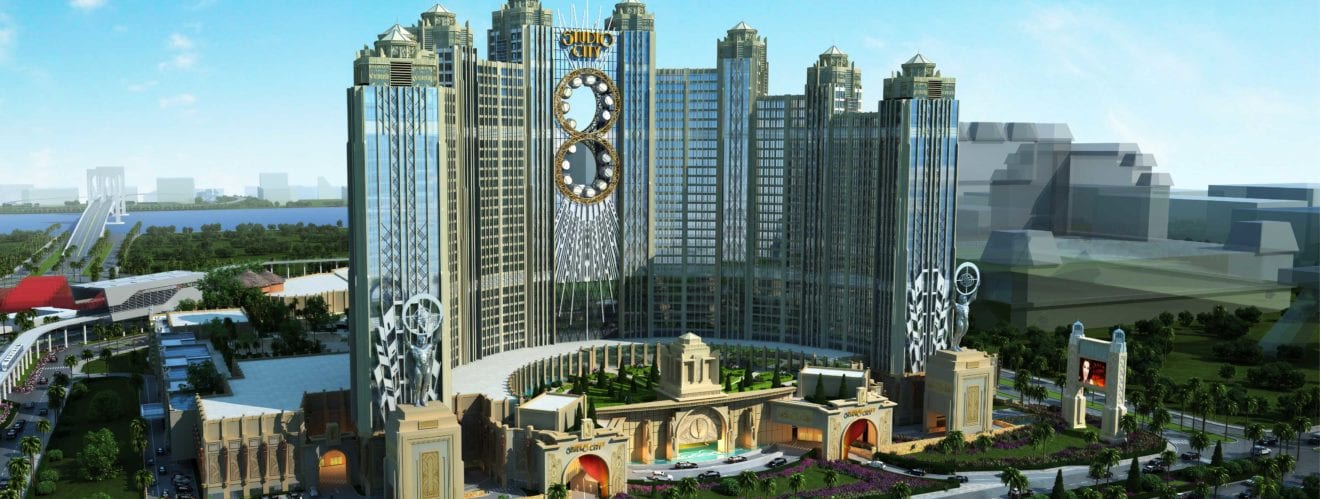
    Studio City and Taubman Asia, have revealed the lineup of fashion brands that will open inside The Boulevard at Studio City.

    A mix of fashion-forward labels and internationally-renowned luxury brands include Macau’s first Balmain, Macau’s first Belstaff, and Tom Ford’s largest store in Asia, amongst many others. The selection was assembled by Taubman Asia and Melco Crown Entertainment’s combined team of retail specialists to meet Chinese consumers’ increasing desire to express their individuality through high quality, expertly crafted clothing and accessories. Bespoke and personal services will be offered to ensure our shoppers take center stage.

    Taubman says The Boulevard at Studio City will bring “an unparalleled shopping experience” to Studio City.

    “Unlike any retail offering to be found in Asia, the unique 35,000 sqm ‘immersive’ retail entertainment environment brings shopping to life by ‘transporting’ visitors to high-energy street-scapes and entertaining them at every turn with featured streets and squares inspired by iconic shopping and entertainment locations, including New York’s Times Square and Hollywood’s Beverly Hills,” Taubman said in a statement.

    “At the futuristic Times Square Macau, inside The Boulevard at Studio City, a variety of entertainment from ‘virtual’ musicians to film stars will be shown through holographic projections.

    “Leveraging our global expertise increating extraordinary retail environments, and our exceptional relationships with the world’s leading brands, our talented team in Asia has brought together an exciting mix of brands for The Boulevard at Studio City,” said René Tremblay, president of Taubman Asia.

    “Our merchandising and management services are the industry standard for performance and excellence. We are thrilled to welcome these brands to our latest project and are committed to supporting them for the long term.”

    List of brands:

    Aeronautica Militare
    Balmain
    Bank of China
    Belstaff
    Boss
    Bottega Veneta
    Bulgari
    Cigar Emporium
    Coach
    Cosmos Food Station
    Din Tai Fung
    Dunhill
    Emporio Armani
    Fendi
    Girard-Perregaux
    Givenchy
    Glashutte Original
    Graff
    Gucci
    Hide Yamamoto
    Hublot
    ICBC
    Trattoria Il Mulino
    Image Digital
    IWC Schaffhausen
    Jaeger-LeCoultre
    Jaquet Droz
    kate spade new york
    Kenzo
    Longines
    McCafe
    McDonald’s
    MCM
    Michael Kors
    Montblanc
    Philipp Plein
    Piaget
    Prada
    Rainbow
    Rimowa
    Roberto Cavalli
    Saint Laurent Paris
    Shiki Hot Pot Restaurant
    Starbucks
    Tag Heuer
    T Galleria Beauty by DFS
    Tiffany & Co.
    Tom Ford
    UM
    Vacheron Constantin
    Valentino
    Van Cleef & Arpels
    Versace Collection
    Ermenegildo Zegna
    Zenith

  • Michael Kors Names Hanjoon Kim President of Korea

    Michael Kors Names Hanjoon Kim President of Korea

    Michael Kors, a global luxury lifestyle brand, is pleased to announce that Hanjoon (Michael) Kim has been named President of Korea, a newly created position. He will report to Stephane Lafay, the Company’s President of Asia.

    Kim’s appointment, effective on 13 April 2015, follows the company’s recent assumption of direct control of the Michael Kors business in South Korea. In his new role, Kim will focus on building the infrastructure for this region and developing an expansion strategy for South Korea to position the business for long-term growth. “We believe that Korea represents a tremendous opportunity for Michael Kors,” says John D. Idol,

    Chairman and Chief Executive Officer of Michael Kors. “Michael’s appointment is an important step in building the brand’s success in the Korean market.”

  • Michael Kors to join wearable tech movement

    Michael Kors to join wearable tech movement

    Fashion-savvy fans of wearable tech will need to keep their eyes peeled over the next few months.

    On Michael Kors’ fiscal third-quarter earnings call on Thursday, CEO John Idol told analysts and investors that the affordable luxury brand “will be in wearables,” and expects to deliver announcements on that front in coming months.

    “That is coming from Michael Kors,” Idol said, adding that the brand is not interested in being first to the market. Instead, he wants to take the time to develop a product that’s viable for shoppers’ everyday lives.

  • Michael Kors to open Ginza monster

    Michael Kors to open Ginza monster

    Michael Kors will open its largest Japanese flagship store this fall, on Chuo St in Tokyo’s Ginza district.

    The store will be the first in the world to carry every category offered by the global luxury lifestyle brand.

    “Japan is a key market for our continued development in Asia,” said Michael Kors.

    “This is a very exciting opening. Ginza is one of the world’s great shopping neighborhoods, in one of the greatest fashion cities, so it’s both exciting and appropriate that we’re debuting this very special store in Tokyo.

    “I look forward to welcoming our customers to the new store, and sharing with them the mix of sophistication, glamour and ease that defines everything we design.”

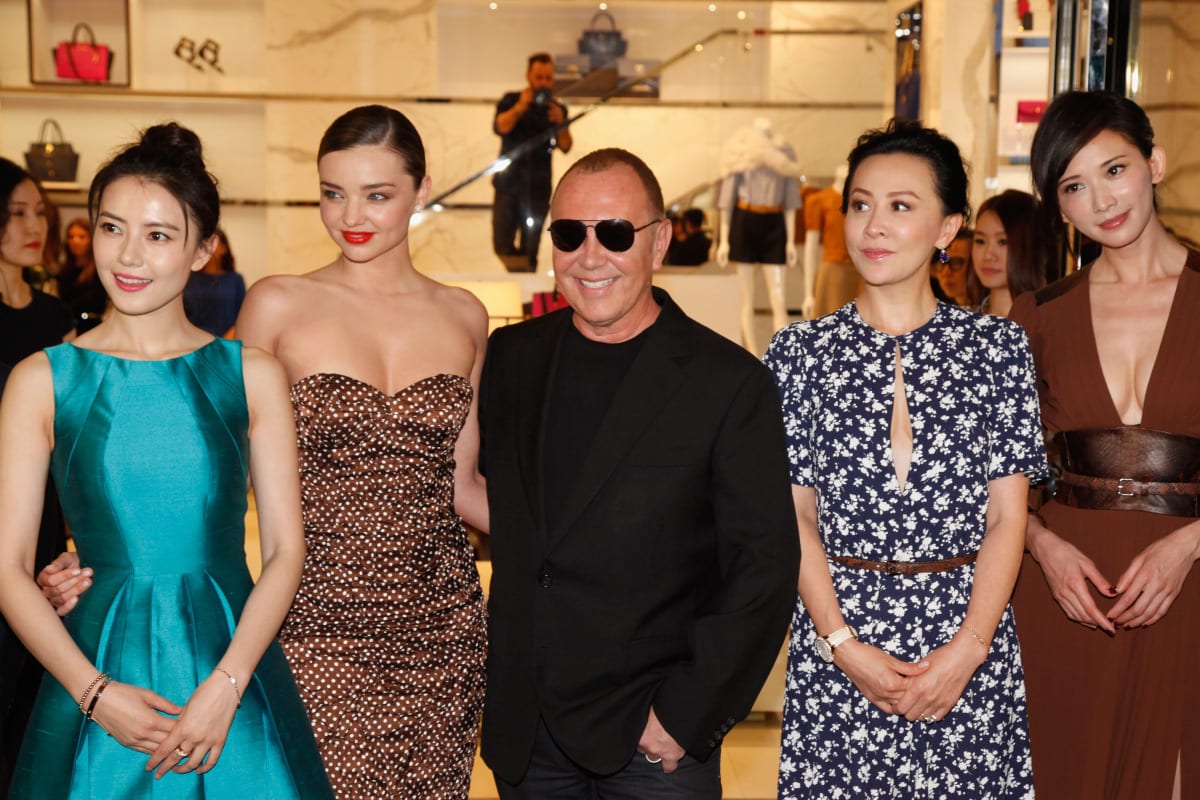
    The store, which measures approximately 7800 sqft, will reflect the new design concept unveiled last year at the Jing’An Kerry Centre in Shanghai, (pictured above), including the shimmering exterior facade inspired by Michael Kors’ signature use of metallics and texture. The facade, designed by Michael Kors’ in-house design team, consists of luminous screens made of unique, light-reflective facets set within a grid of internally lit recesses.

    Michael Kors, the business, describes the effect is elegant and kinetic, “evoking the light-catching allure of a sequined gown”.

    A large-scale video screen will cover the balance of the second- and third-story facade, while the ground floor features large storefront windows framed in Bianco Dolomiti marble.

    The interior of the store will reflect the signature jet set glamour of the Michael Kors brand, with polished stainless steel fixtures, white marble flooring, Macassar wood and zebra-skin accents used to create a luxurious and inviting atmosphere.

    Women’s ready-to-wear will occupy the upper floor, housed in a sophisticated, exclusive environment designed to complement both the Michael Kors Collection and ‘Michael’ Michael Kors labels. Here shoppers can browse, try on clothes and consult with the store’s personal stylists in an ambience of calm and complete indulgence. This floor will also showcase a grand shoe salon.

    On the ground floor, handbags from Michael Kors Collection and ‘Michael’ Michael Kors will be showcased in a variety of dramatic displays, along with curated presentations of accessories, watches, jewelry and eyewear. The lower level will be dedicated to menswear and men’s accessories, making the Ginza flagship the first freestanding Michael Kors store in Japan to offer menswear.

    “Japan is a key market for our continued development in Asia,” said John Idol, chairman and CEO of Michael Kors.

    “The importance of Tokyo to luxury and fashion retailing makes this the right place and time to open our first store showcasing every facet of the Michael Kors brand. We look forward to offering the full breadth of our product assortment, presented with our signature glamour, chic and superlative service, to our Japanese customers and tourists traveling to Tokyo.”

    Michael Kors, established in 1981, produces a range of products through his Michael Kors and ‘Michael’ Michael Kors labels, including accessories, footwear, watches, jewelry, men’s and women’s ready-to-wear, and a full line of fragrance products. Michael Kors stores are operated, either directly or through licensing partners, in global cities including New York, Beverly Hills, Chicago, London, Milan, Paris, Munich, Istanbul, Dubai, Seoul, Tokyo and Hong Kong.