Retail News CRM

Tag: michael kors

  • How to grow for Luxury brands

    How to grow for Luxury brands

    Luxury brands need to use new technologies and offer experiences for their customers, the second Luxury Society keynote event in Shanghai has been told.

    UCO Cosmetics CEO Arthur Zhang told the event that the early-stage eCommerce model of simply providing a platform for selling products online is dead.

    He said key technologies being experimented and improved upon in China include augmented reality, virtual reality and live-streaming.

    “The millennial generation in China, which already numbers about 300 million people, seeks experiences and emotional connection – they are not just bystanders,” DLG China partner/MD Pablo Mauron told the audience of more than 150 luxury-industry brand executives. “As a result, live-streaming has become a medium for them to express themselves.”

    He told how brands such as Maybelline, Montblanc and Swarovski are taking advantage of these new opportunities.

    Underlining the key message of the event that eCommerce is changing, CEO Thibault Villet of luxury fashion eCommerce platform Mei.com told how a live-streamed show in collaboration with TMall resulted in 65 per cent of the products featured quickly selling out.

    Meaningful data

    Social customer-relationship management (CRM) makes highly targeted messaging and engagement possible, the event was told by Four Seasons Hotels Asia Pacific director of marketing communications John Hamilton. He said the luxury hotel chain has been gaining meaningful data about its customers, which in turn has driven growth. In the past year, through trial-and-error and optimisation, the group has defined a CRM-led content strategy on WeChat.

    Celebrity and key-opinion-leader partnerships can make a big impact in China, said East Entertainment commercial director Qing Dai, who spoke of her experience of partnering luxury brands with appropriate celebrities. One of Easy Entertainment’s most successful was in linking up Cartier with singer/actor Lu Han.

    Baidu GM for East China Wan (Grace) Zhang said Cartier was the most-searched luxury watch brand among the generation born between 1990 and 2000, linked to Cartier’s collaboration with Lu Han.

    Other speakers at the event included Four Seasons Hotel Pudong (Shanghai) GM Arthur Ho, writer Casey Hall of Women’s Wear Daily, Digital Luxury Group founder/CEO David Sadigh and MD for China Pablo Mauron, Baidu senior project manager Di Fu and Sephora China digital manager Vanessa Qian.

    Attendees included representatives of Alexandre de Paris, Baume & Mercier, Bottega Veneta, Bulgari, Cartier, Chanel, Chaumet, Conde Nast, De Beers, Dior, Hublot, Loewe, LVMH, Marc Jacobs, Massimo Dutti, Michael Kors, Montblanc, Nars, Net-a-Porter, Nike, Sephora, Shiseido, Swarovski, TAG Heuer, Tiffany & Co and Vacheron Constantin.

    Luxury Society, published by Digital Luxury Group, is an online destination for luxury-brand executives covering digital and technology matters and with more than 40,000 members across 150 countries.
  • Michael Kors Celebrates Singapore Flagship with Kate Hudson

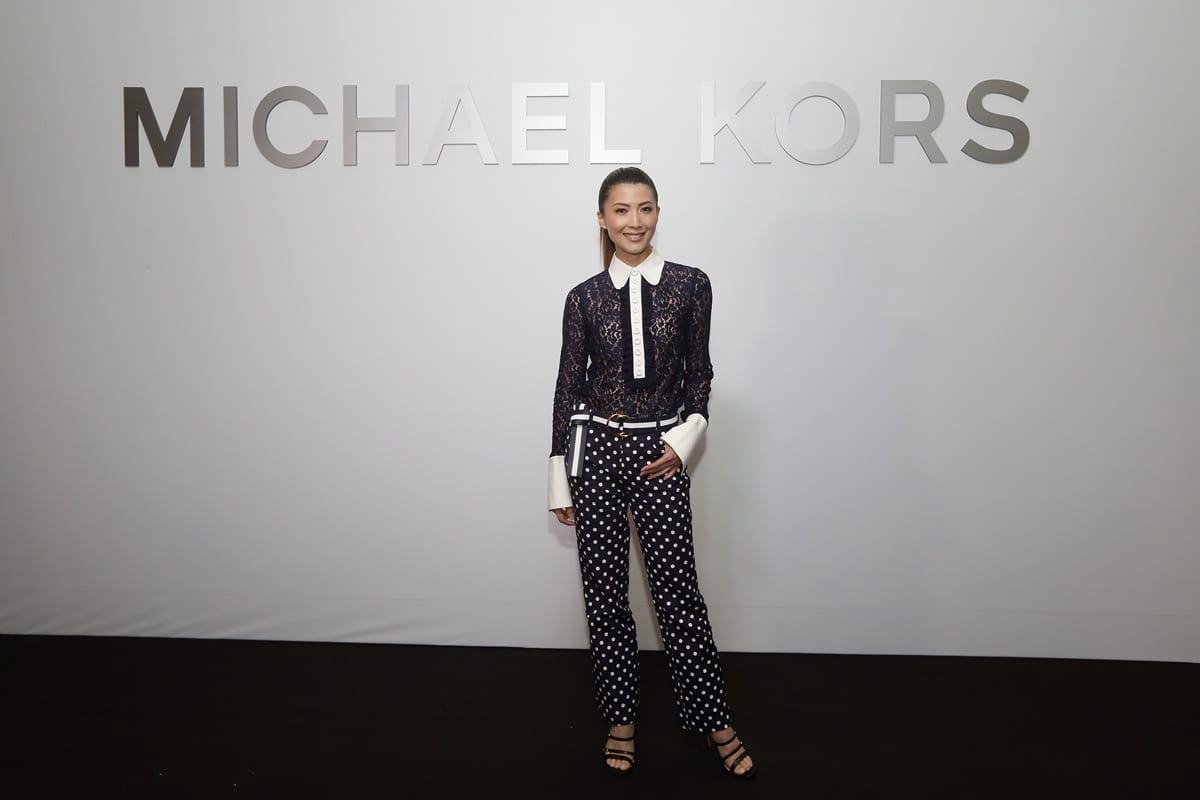
    Michael Kors Celebrates Singapore Flagship with Kate Hudson

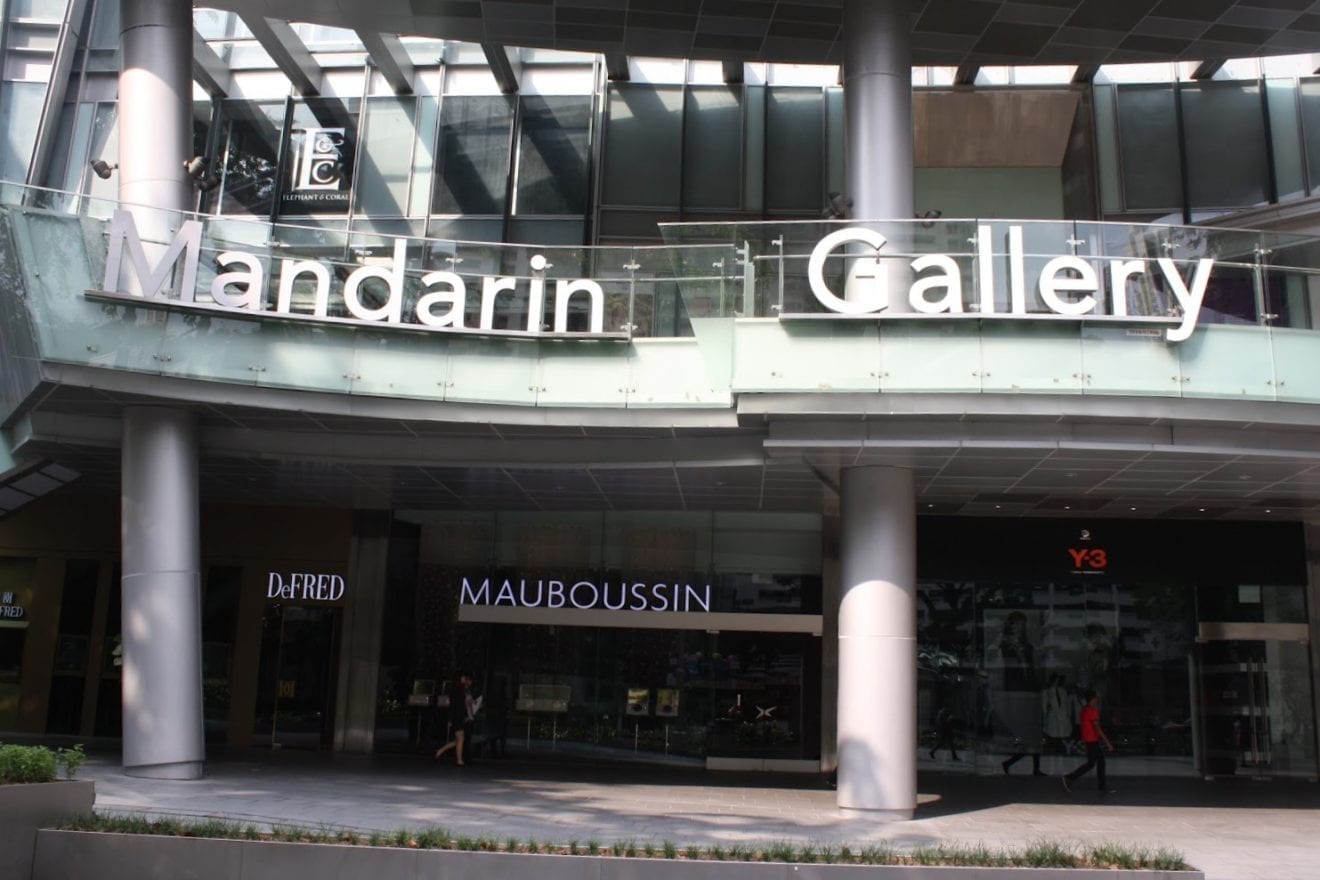
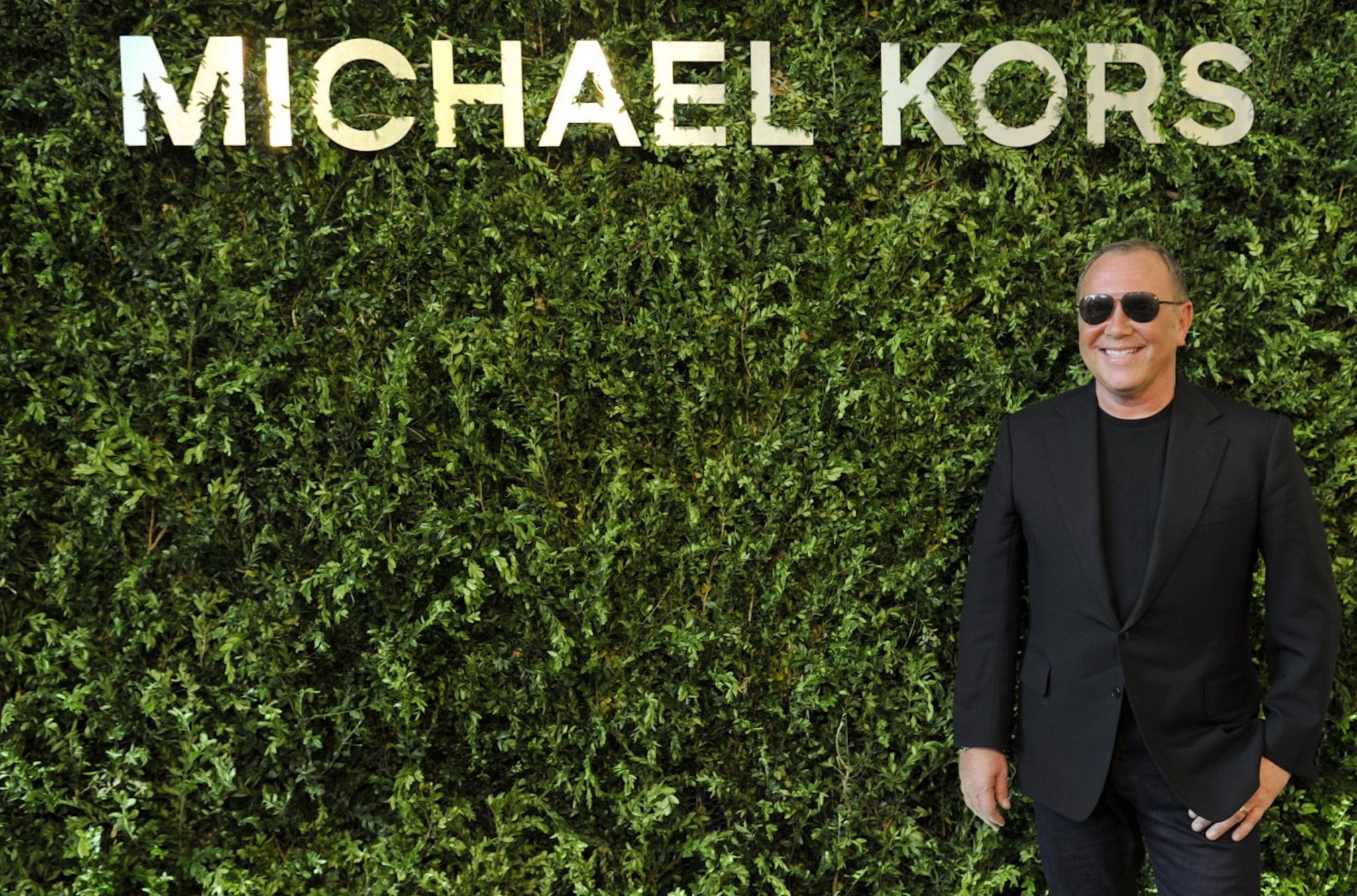
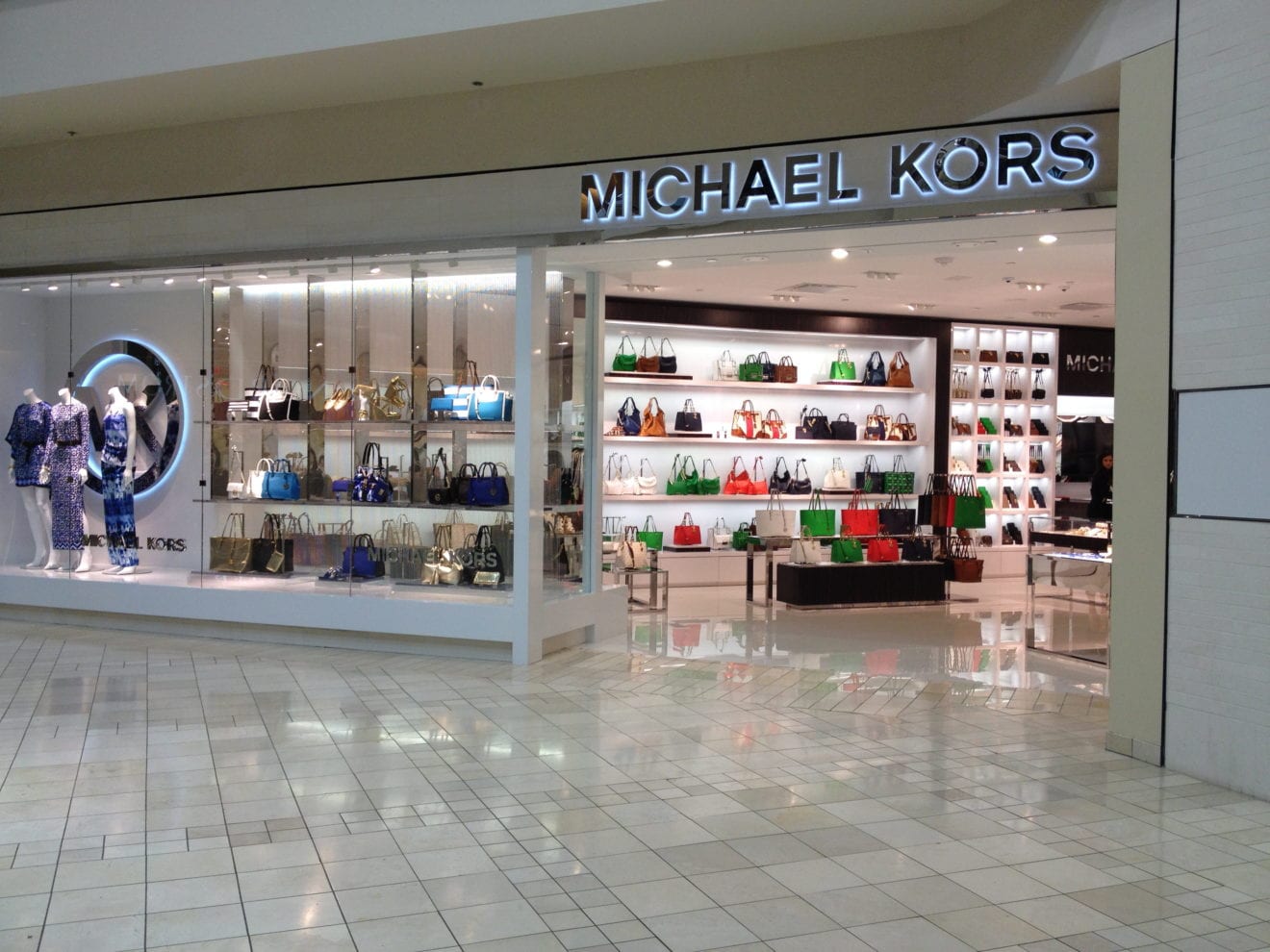
    What’s Michael Kors up to these days? The designer has been visiting Asia, where he celebrated the opening of his Singapore Mandarin Gallery flagship store. While there, he was presented a dendobrium orchid genus from Kirk Wagner, US Ambassador to the Republic of Singapore, and Serene Tan, Singapore Tourism Board member, a unique honor.

    Past recipients include Elton John and The Duke and Duchess of Cambridge. The next day, he hosted a cocktail party to kick off the store opening, where guests like Kate Hudson, Marion Caunter, and Debra Henry joined, followed by a private dinner.

  • Baroque Japan opens two shops in NYC

    Baroque Japan opens two shops in NYC

    Baroque Japan, which has a retail portfolio of young women’s fashion apparel and accessories, has arrived in New York City.

    It has opening an Enfold fashion brand shop in the West Village and a Moussy outlet in SoHo.

    Enfold New York

    Launched in 2012, Enfold has a strong presence in Europe. Its West Village store stands at 850 sqft (78.9 sqm) and its neighbours include the Marc Jacobs and Michael Kors brands.

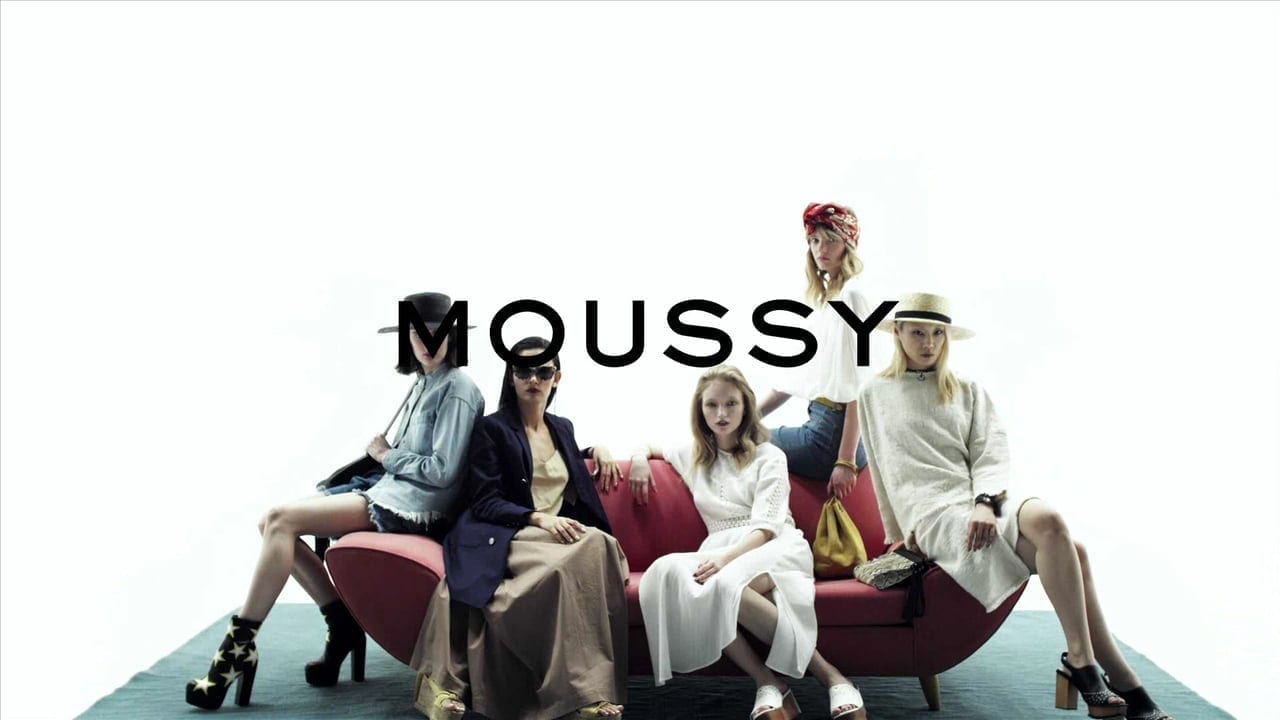
    Moussy NY

    Covering 1776 sqft, the Moussy SoHo store focusses on its denim made in Japan. Shoppers buying the brand’s jeans will receive an original, limited-edition paulownia wooden storage box. A Baroque brand since 2000, Moussy has 43 stores in Japan and 81 in China and Hong Kong.

    Founded in 2000, the company has 356 stores in Japan, 165 stores in China and Hong Kong, and 15 brands. It launched Baroque USA Limited in April with an eye to establishing itself in the American market.

  • CDFG opened 3000sqm Duty Free in Phnom Penh

    CDFG opened 3000sqm Duty Free in Phnom Penh

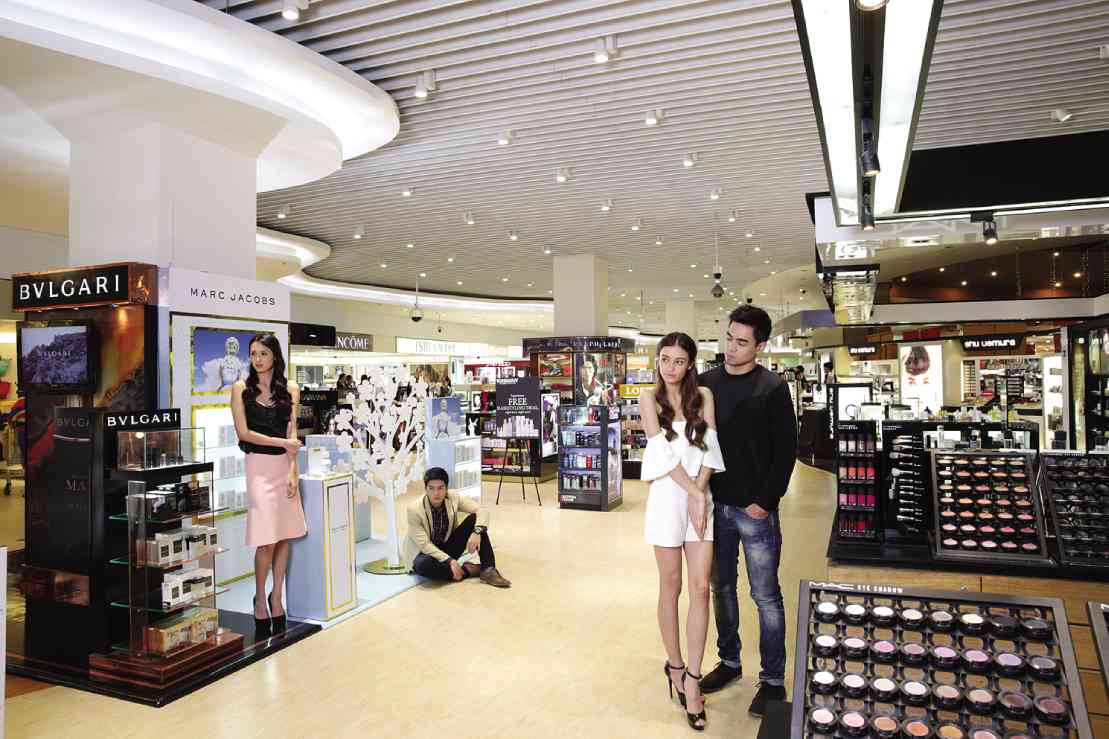
    Phnom Penh Duty Free is located inside the integrated entertainment destination of Naga City at Naga City Walk which connects Naga World to ‘Naga 2’. It offers approximately 4,000sq m of retail space with all the main DF&TR and luxury categories available: cosmetics, perfume, jewellery, sunglasses, watches, fashion, beverages, tobacco, travel goods and confectionery as well as “famous local products”.

    The end of September will see the arrival of a slew of further brands: Estée Lauder, Kiehl’s, La Mer, SK-II, Lancôme, MK, Rimowa, and Tumi.

    CDFG Phnom Penh beauty cambodia

    The beauty area in the new store.

    State-owned CDFG, which operates a brand company in Cambodia, comments: “We are the top luxury retail store in Phnom Penh providing a high-end shopping destination to tourists and business travellers. Customers can choose from more than 200 brands from around the world.”

    On opening, branded boutiques will include Longines, Tissot, Swarovski, Samsonite and Prada, with further boutiques from Armani, Coach and Furla to be unveiled at the end of this year.

    SILK ROAD TARGET

    The Phnom Penh development is part of an international expansion policy targeting the so-called ‘Silk Road Economic Belt’ to which CDFG parent, China Travel Group, is committed.

    Cambodia is a key market within the plan: CDFG has already opened its Angkor duty free store in December 2014 (where it competes with DFS), followed a year later by the Shihanoukville duty free store in December 2015. CDFG says it has “the full support at all levels of government in Cambodia”.

    CDFG – which claims to be China’s largest retailer of luxury merchandise – says that with its three stores in place it “will write a new chapter in the tourism industry in Cambodia”.

    To celebrate today’s soft opening, promotions are in place with a 15% discount on all shopping; a chance to experiencing the VIP shopping service; and a gift on purchases over $100. Scanning the company’s official WeChat account, or clicking ‘like’ on the company’s official Facebook, also qualifies for a surprise gift.

  • Michael Kors Asia outperforms US

    Michael Kors Asia outperforms US

    Michael Kors Asia sales are showing healthy growth – at the same time as same-store figures are falling heavily in its US home market.

    Michael Kors has kicked off its new financial year with a weak set of numbers this week.

    Total revenue was virtually flat, just 0.2 per cent higher than during the same period last year., and driven by the opening of new stores which helped push overall retail sales up by 7.6 per cent. That offset a dismal comparable sales decline of 7.4 per cent.

    Michael Kors Asia has been a growth spot, with revenues rising by 74.5 per cent – although this is flattered by the acquisition of the company’s Greater China licensee.

    However, even on an underlying basis, the region is in positive territory, again thanks to the more favorable brand perception from consumers.

    In the US, one of the key issues is that interest in the brand appears to have peaked. This is evident from Conlumino’s brand tracking, which shows that while Michael Kors is not viewed unfavorably by consumers, it is not enjoying the resurgence that Coach has managed to engineer. This domestic woe is evident in the North American numbers which tumbled by 5 per cent, a sequentially worse performance than the previous quarter.

    The worsening of North American results is partly attributable to the stronger dollar which has likely weakened tourist sales at key flagships in the US, and Michael Kors is affected more than Coach in this respect, as it relies more on tourist spend at its larger stores. Nevertheless, given the investment being put into the new digital flagships – such as the one at 520 Broadway in New York – such an outcome is disappointing.

    The numbers from Europe were somewhat better with a 3.3 per cent increase in revenue over last year. Here, the MK brand is less ubiquitous and the company’s new stores, such as the one recently opened on London’s Regent St, are generating good trade in a way that the stores in North America are failing to do. Given that the company has several further European digital flagship stores in the pipeline for this fall, it looks likely that Europe will continue to deliver respectable sales growth across this fiscal year.

    Wholesale decline

    In the continuation of a theme we have seen across many luxury brands, wholesale revenue has decreased – falling by 7 per cent. Some of this is down to the company’s own actions to reduce exposure to channels that do not reflect its brand image, and some is down to the generally weaker traffic to malls across North America which has affected a number of outlets and stores that sell Michael Kors product.

    Looking ahead, while international sales will grow this year, the increase will be offset by continued pressures in North America. As such, revenues will likely be flat which will create pressure on the bottom line given all of the investments the brand is making.

  • Singapore retail rent decline worsens

    Singapore retail rent decline worsens

    The Singapore retail rent decline gathered pace in the last quarter according to data from Edmund Tie & Company.

    In the second quarter, retail rents across the board fell by 3.9 per cent quarter-quarter.  That was double the 1.9 per cent decline of the preceding quarter.

    Amid weaker demand, occupancy levels also dipped, falling by 0.5 percentage points quarter-on-quarter to 92.2 per cent.

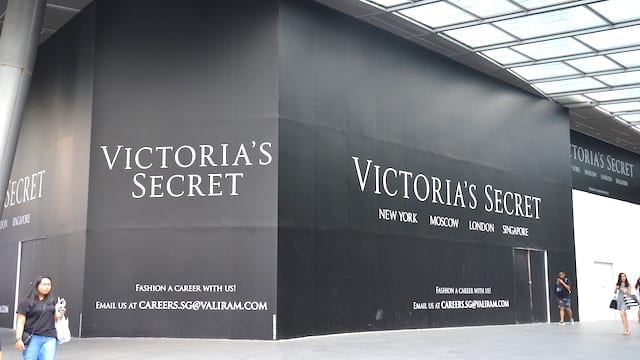
    “In light of declining rents, several established retailers have taken – or are taking – advantage of the lower rents to reinforce their brand presence in Singapore through flagship stores,” the company’s quarterly review said.

    These include:

    • Choo Yilin at Mandarin Gallery.
    • HP at Marina Square.
    • Christian Dada at 268 Orchard.
    • Victoria’s Secret at Mandarin Gallery.
    • Uniqlo at Orchard Central.
    • Michael Kors at Mandarin Gallery.

    victoria secret

    “As the sector undergoes bouts of restructuring, retailers are also constantly reinventing themselves to reach out to the rising number of technological-savvy consumers. This includes the recent launch of digital wallets (eg: Apple Pay, Samsung Pay, Android Pay) which a string of established retailers have adopted, including Starbucks, Uniqlo, NTUC FairPrice and Cold Storage.”

    Headquartered in Singapore and supported by offices in Kuala Lumpur and Bangkok, Edmund Tie & Company is an established real-estate consulting firm that operates across Malaysia, Thailand and other countries in Southeast Asia.

  • Michael Kors acquires Greater China licensee

    Michael Kors acquires Greater China licensee

    Michael Kors is pleased to announce that the Company has completed the acquisition of Michael Kors (HK) Limited, the exclusive licensee of the Company in China and certain other jurisdictions in Asia, on May 31, 2016, for $500 million in cash, subject to certain adjustments.

    The acquisition was approved by the independent members of the Company’s board of directors, upon recommendation of a Special Committee, comprised of solely independent directors, which was responsible for evaluating the terms of the acquisition. The Special Committee retained independent legal and financial advisors to assist in evaluating and negotiating the terms of the acquisition and the Purchase Agreement. The Greater China business generated total revenue of $197 million for the year ended March 31, 2016, and had a network of 91 company operated retail stores and six travel retail locations, across China, Hong Kong, Macau and Taiwan. For fiscal year 2017, the Greater China business is expected to contribute approximately $200 million to retail net sales, reflecting sales for the ten month period following the closing of the acquisition. The acquisition is expected to be neutral to earnings per share on a GAAP basis, and accretive to earnings per share on a non-GAAP basis, excluding $15 million of one-time acquisition costs. The acquisition is expected to be accretive to earnings per share in fiscal 2018 and thereafter.

    “We are very excited about the acquisition of our Greater China licensee,” says John D. Idol, Chairman and Chief Executive Officer. “As you know, we have worked diligently over the past several years, with our licensed partner in this region, to build the infrastructure, establish the brand, and grow acceptance of Michael Kors in the Chinese market. We believe that our brand is gaining strong momentum in Greater China, making it the ideal time for us to integrate this territory into our business and capitalize on the enormous growth potential in this region.”

    USE OF NON-GAAP FINANCIAL MEASURES

    This release includes certain non-GAAP financial measures relating to certain one-time costs associated with the acquisition of the Greater China licensee. The Company uses non-GAAP financial measures, among other things, to evaluate its operating performance and in order to represent the manner in which the Company conducts and views its business. The Company believes that excluding non-recurring items helps its management and investors compare operating performance based on its ongoing operations. While the Company considers the non-GAAP measures to be useful supplemental measures in analyzing its results, they are not intended to replace, nor act as a substitute for, any amounts presented in its consolidated financial statements prepared in conformity with U.S. GAAP and may be different from non-GAAP measures reported by other companies.

  • Michael Kors result ‘disappointing’

    Michael Kors result ‘disappointing’

    At headline level Michael Kors has ended its fiscal year on a strong note with total revenue up by 10.9 per cent, underpinned by a robust increase of 22 per cent in retail sales.

    However, most of the uplift is thanks to the fact the company opened some 142 new stores over the past year and has also expanded its online operations. When these are factored out, underlying growth is anemic – rising just 0.3 per cent over the prior year.

    Such a soft comparable number is disappointing, especially as it comes off the back of a very weak comparative in the prior year when same-store sales dropped by 5.8 per cent. Licensing revenue also shrank, down by 13.6 per cent on a year-on-year basis. That growth only came from expansionary activities rather than from underlying productivity gains shows on the bottom line where net income fell by 3.5 per cent.

    Michael Kors’ numbers are also something of a mixed bag on a regional basis. In North America, which remains the company’s biggest market, revenue rose by a respectable, but fairly modest, 4.6 per cent. Europe came in slightly stronger with a 15.6 per cent increase, but Asia was the star of the show with a 216.4 per cent increase over the prior year. This variance is no coincidence and reflects the differences in maturity of the Michael Kors brand in terms of both physical coverage and saturation levels with consumers. That said, even with the variances, Michael Kors is showing a much better growth story than many rival brands, including Coach.

    While North America remains in growth Michael Kors will struggle to boost its sales in the US over the next few years, mainly because consumer interest in the brand seems to have peaked. It is notable that Nordstrom has started to cut back on Michael Kors inventory, while a number of other department stores are offering heavy discounts on its product. This underlines the continued issues of saturation and ubiquity in the home market.

    This dynamic means it is fortunate that Michael Kors has other regions to turn to for growth, with Asia having the most potential. Here we are encouraged that Michael Kors has acquired Michael Kors (Hong Kong), which was previously a separate operation licensed to sell into China and a number of other Asian countries. This will, allow the business to ramp up the pace of expansion in the region and, over the medium term, boost earnings potential. That said, in the short term investments in new openings and marketing are likely to act as a brake on bottom line growth, as indeed will the continued impact of the strong dollar.

    Given that it will take time to ramp up growth in Asia, and that pressures at home continue, the start of the new fiscal year is likely to see a slight dip in comparable sales accompanied by a deterioration in profit.

    Longer term, the outlook is more positive as Michael Kors reaps the benefits of its growth program.

  • Major Asia investment for Michael Kors

    Major Asia investment for Michael Kors

    Michael Kors has paid $500 million in cash to acquire Michael Kors HK, the exclusive licensee of the company in China and certain other jurisdictions in Asia.

    Approved by independent members of the company’s board of directors, the acquisition is subject to adjustment.

    The greater China business generated total revenue of $197 million for the year ended March 31, with a network of 91 company-run retail stores and six travel retail locations across China, Hong Kong, Macau and Taiwan.

    This fiscal year, the greater China business is expected to contribute about $200 million to retail net sales, reflecting sales for the 10-month period following the closing of the acquisition.

    Michael Kors chairman/CEO John Idol says the company is excited about acquiring its greater China licensee. “We have worked diligently over the past several years with our licensed partner in this region to build the infrastructure, establish the brand and grow acceptance of Michael Kors in the Chinese market.

    “We believe our brand is gaining strong momentum in greater China, making it the ideal time for us to integrate this territory into our business and capitalise on the enormous growth potential in this region.”
    CEO Neil Saunders of retail research agency Conlumino says the acquisition will allow the business to ramp up its pace of expansion in the region and, over the medium term, boost earnings potential.

    “It is fortunate Michael Kors has other regions to turn to for growth, with Asia having the most potential.”

    An award-winning designer of luxury accessories and ready-to-wear fashion, Michael Kors established his namesake company in 1981. Michael Kors stores can be found in Seoul and Tokyo.

  • Alibaba suspended from counterfeit-fighting group

    Alibaba suspended from counterfeit-fighting group

    After Alibaba had its IACC membership suspended, founder Jack Ma has cancelled his keynote address to the counterfeit-fighting group’s conference.

    Ma was to have been a drawcard speaker at this week’s two-day annual spring conference of the International AntiCounterfeiting Coalition (IACC) in Orlando, Florida, an event that attracts more than 500 leaders from business, law, security and government.

    His move also follows Alibaba Group and the coalition creating the IACC MarketSafe Expansion Program last week. The original program was created by Alibaba and the IACC in 2013 in recognition of the counterfeiting problem being too pervasive and complex for any single company or industry to fight alone.

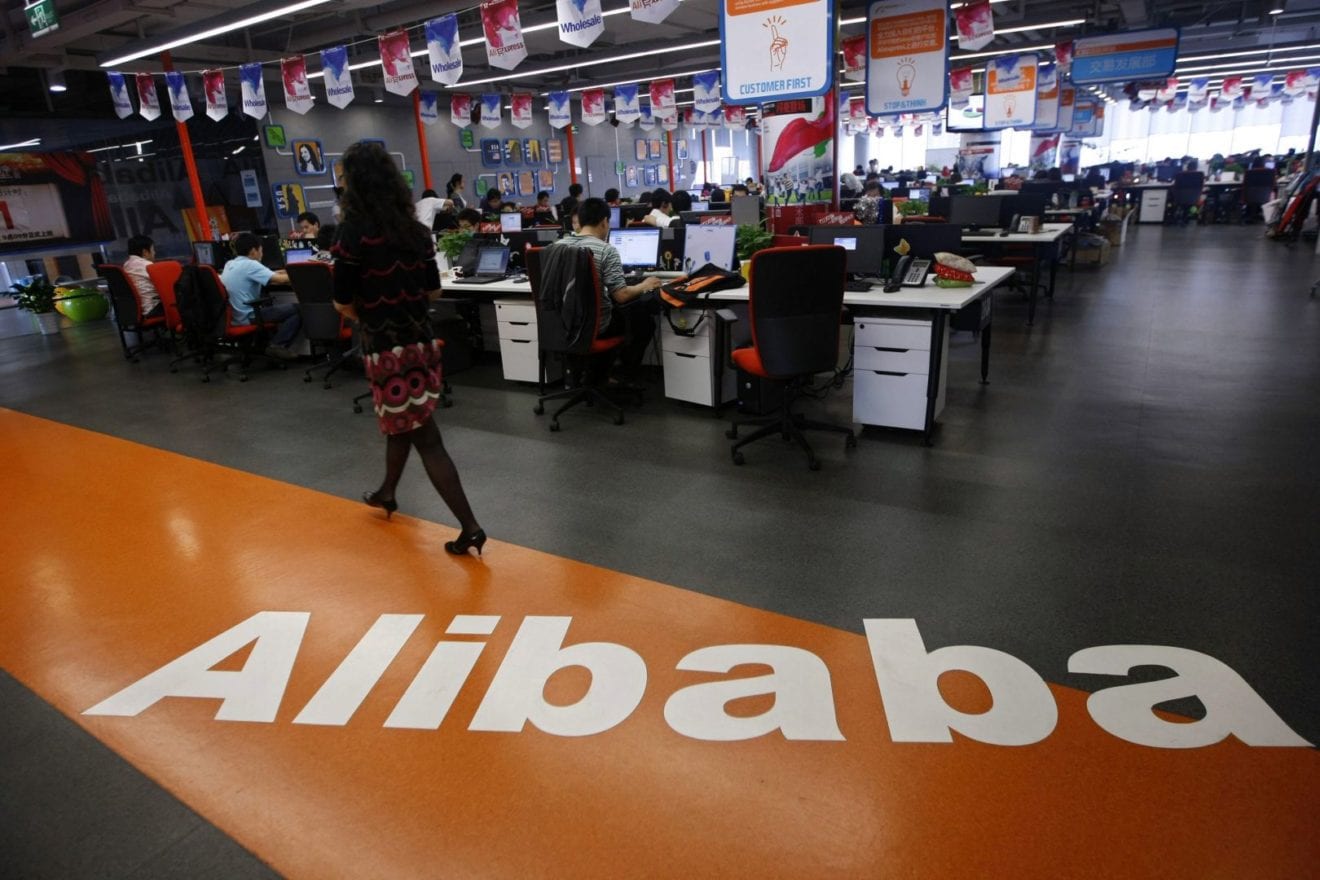
    Alibaba last month became the world’s first eCommerce company to join the IACC, the largest non-profit organisation dedicated to combating product counterfeiting and piracy. At least three members of the Washington-based coalition, including board member Tiffany & Co, quit the group in protest and others threatened to leave after Alibaba was admitted as a member. The IACC suspended the new category in which Alibaba had been admitted, effectively terminating its membership.

    Alibaba Group president Michael Evans has stepped in to speak at the conference instead.  Alibaba international corporate communications head Jennifer Kuperman repeated that the company is “firmly committed to the protection of ­intel­lectual property rights and combating counterfeits”.

    On the same day Ma cancelled his conference appearance, he had lunch with US President Barack Obama at the White House, telling reporters afterward that the meeting had been “very good”.

    Among the brands that quit the IACC in protest was Michael Kors, which blasted the organisation for providing “cover to our most dangerous and damaging adversary”.

    Michael Kors was followed out by Gucci.

    Alibaba has meanwhile hired an army of employees to weed out fake brands from its website. It has also called for comprehensive changes at the IACC so it can counter trends and new technology in counterfeiting “instead of being held captive by some members’ interests”.

  • Alibaba fake fight targets Taobao vendors

    Alibaba fake fight targets Taobao vendors

    Alibaba is tightening the rules for traders selling luxury goods on its popular online platform Taobao.

    It’s one of several measures in the ramping up of the Alibaba fake fight, which is being conducted in conjunction with Washington, DC-based International AntiCounterfeiting Coalition (IACC).

    From May 20, vendors selling luxury products on taobao will have to upload an invoice or authorisation letter from the luxury brands, for examination by Taobao, as proof it has the rights to sell the products. Otherwise the goods will be removed from the website and Alibaba says payments received for such goods can be frozen.

    “To create a healthy shopping environment with a high level of integrity and to protect the legal interests of consumers and brand owners, Taobao is gearing up to regulate sales of luxury brands’ products,” the company said in a letter to traders on May 4.

    The letter coincides with reports that Chinese government agencies plan to clean up the eCommerce market, targeting counterfeit goods and trademark violations. A campaign will run from May through November with stiff penalties for offenders caught.

    Meanwhile, the IACC MarketSafe Program, an initiative started in 2013, is being opened up so that more brands and companies can participate. The MarketSafe program provides companies with an expedited process for working with Alibaba to target and take down online listings for counterfeit goods, reports Alibaba news site Alizila.

    Set to debut later this year, the expanded MarketSafe program will be free of charge to IACC members and non-members, according to Alibaba and the IACC. In addition, brands will no longer be required to provide evidence to support intellectual-property infringement complaints. The changes “will enable a greater number and diversity of rights holders to benefit from a fair, simple, and effective IP enforcement platform,” Alibaba said in a statement.

    Accused by some Western companies of not doing enough to keep listings for counterfeit products off its shopping websites, Alibaba has been trying to enlist greater industry support, arguing the problem is too pervasive and complex for any single company to fight on its own. The Chinese eCommerce giant has for several years been working with the IACC, which has members from a wide range of industries and includes brands such as Burberry, 21st Century Fox and Apple.

    Alibaba last month became the first e-commerce company to join the IACC as an official member. Its admission to membership prompted the walkout of Michael Kors and Kering-owned Gucci.

    IACC President Bob Barchiesi said the expansion of the MarketSafe program is the result of “significant contribution and commitment from both parties.”

    “Collaboration across industries is key to addressing the issue of counterfeiting at a broader level, and this is one of the first steps towards the IACC’s goal of creating a holistic model for tackling online counterfeiting around the world,” Barchiesi said.

    Since the MarketSafe program’s launch, nearly 5000 sellers’ storefronts have been closed and banned from Alibaba’s marketplaces, and more than 180,000 infringing product listings have been removed, even through a “limited number” of brands have been participating, according to Alibaba.

    “This program exemplifies the tangible and mutual success that can be achieved when brands, trade associations, governments and intermediaries work together to combat counterfeiting,” said Matthew Bassiur, VP and head of global IP enforcement at Alibaba Group, in a statement.

    “Alibaba and the IACC, together with the rest of industry, have a shared interest in building a safe and trusted internet environment and marketplace for consumers, rights holders, and sellers,” he added.

  • Gucci America follows Michael Kors out of IACC

    Gucci America follows Michael Kors out of IACC

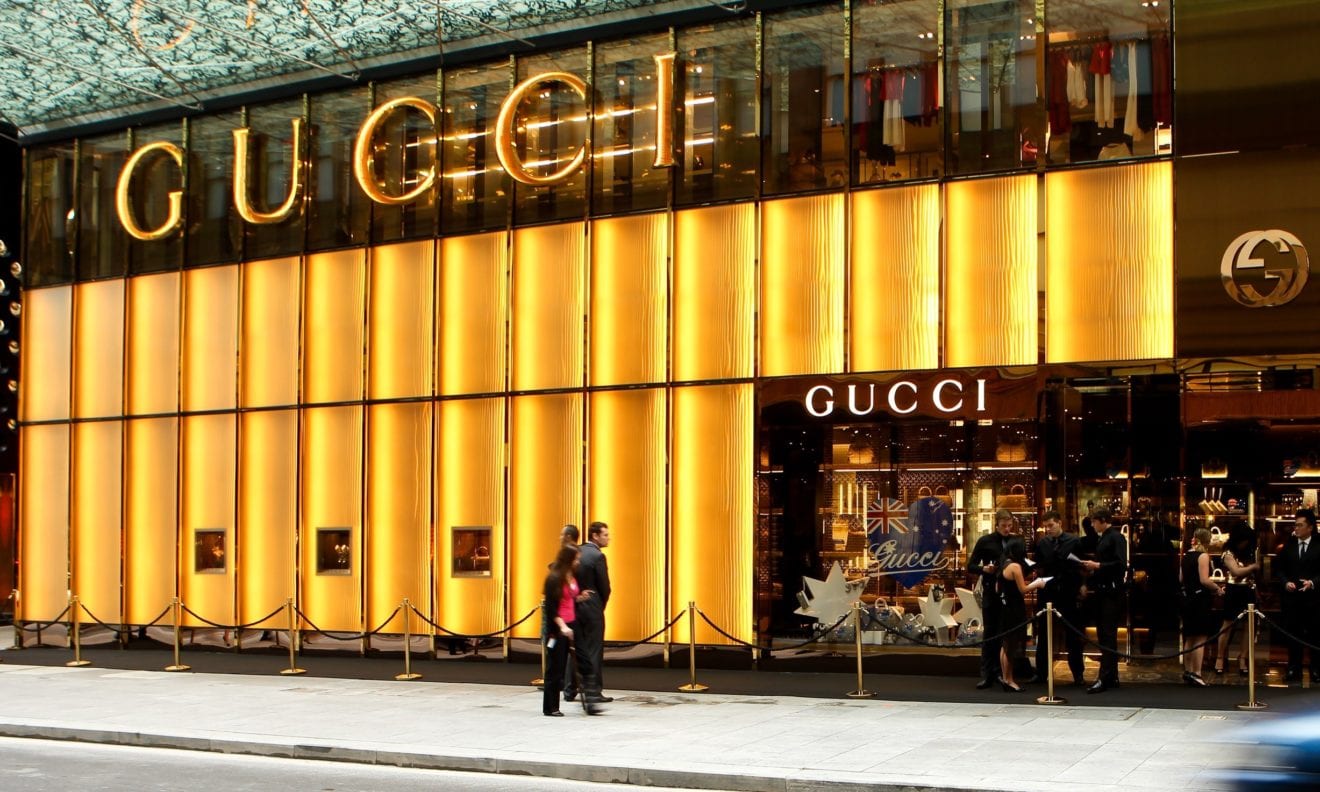
    Gucci America has become the second brand to quit the International Anti-Counterfeiting Coalition(IACC) since the US-based group allowed Chinese eCommerce giant Alibaba to become a member last month.

    Describing Alibaba as “our most dangerous and damaging adversary”, Michael Kors left the IACC just after the Washington, DC group let Alibaba on board.

    Gucci, along with other Kering Group brands like Balenciaga, is suing Alibaba in New York, accusing it of knowingly encouraging and profiting from the sale of counterfeit goods on its eCommerce platforms. Alibaba has dismissed the suit as “wasteful litigation”.

    “The IACC stands by its decision and is committed to lean into the future and lead a coalition of the willing,” IACC president Robert Barchiesi says. “Whether it’s payment processors or online marketplaces, the choice is clear, they must be an integral part of the solution.”

    Alibaba’s membership is in a special category without voting rights, originally created when eBay asked to join the coalition, which it has not done as yet.

    Alibaba says its membership will allow it to work more closely and effectively with brands to enforce intellectual property rights.
    There are more than 250 members of the IACC including Apple, Chanel and Cisco Systems.

    Meanwhile, Alibaba Group boss Jack Ma has been confirmed as the IACC’s spring conference speaker.

  • Fossil wearables teams with major fashion labels

    Fossil wearables teams with major fashion labels

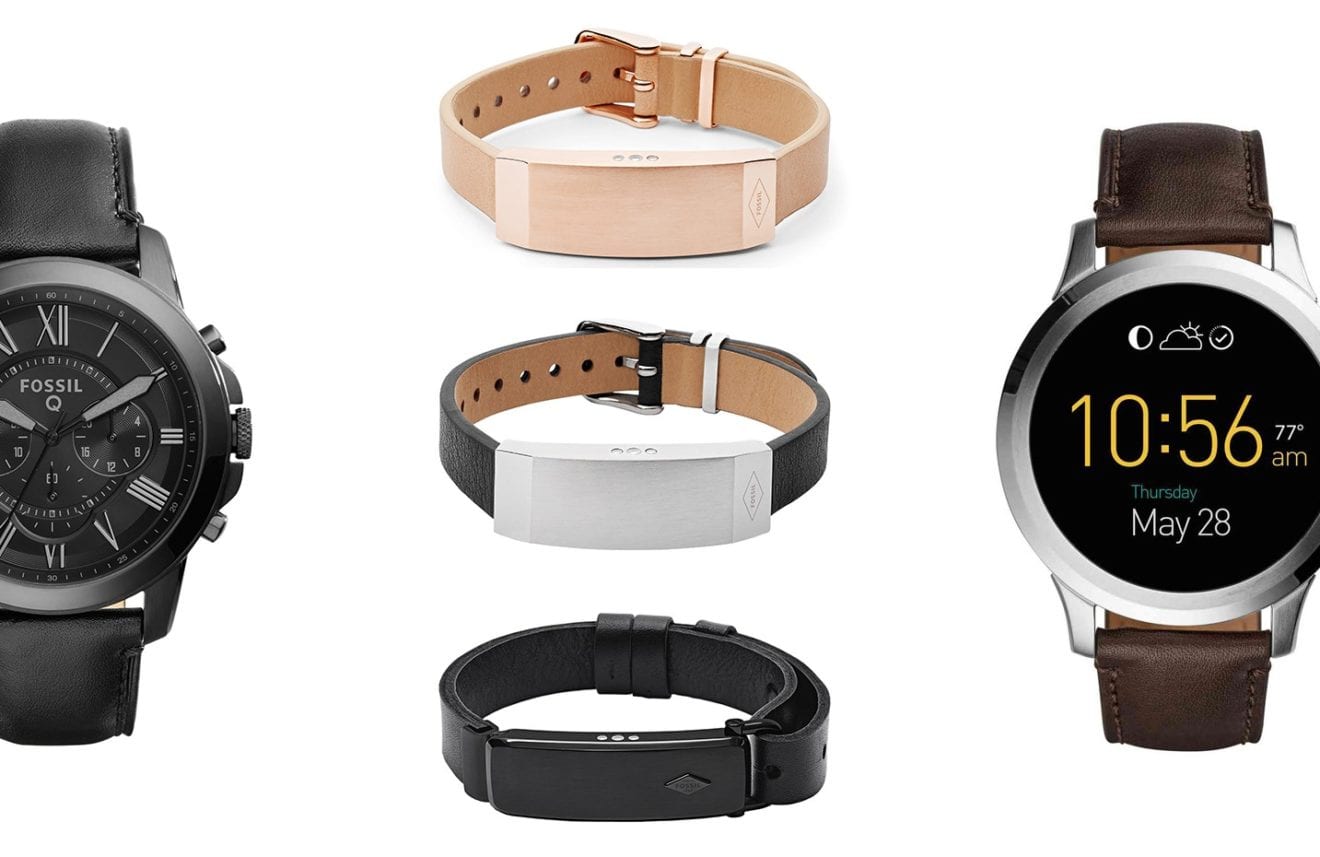
    Fossil wearables has teamed with major fashion brands Chaps, Diesel, Emporio Armani, Fossil, Kate Spade New York, Michael Kors, Misfit and Skagen to launch in 40 countries in 2016.

    Fossil Group says it plans more than 100 wearables products – which include display- and non-display watches and trackers – will be available in 40 countries and more than 20 languages later this year. The category of wearables offered will vary by brand.

    Fossil Group will support the wearables with unique and branded apps across all brands, three product categories, and two operating systems. The 2016 launches are part of the company’s efforts to bring a fashion-first focus, innovation and an increased variety of products to the wearables industry.

    “One of the distinct advantages of a fashion company over traditional consumer electronics manufacturers is our product cycle,” said Greg McKelvey, chief strategy and digital officer with Fossil Group.

    “We demonstrate remarkable speed to market, from development to launch, in order to meet the retail industry’s seasonal new product deadlines.

    “The industry has been slow to adapt to growing consumer desires for new styles and options for wearables. With the diversity of major fashion brands we offer, customers will be delighted with the sheer volume of styles and options available when shopping for a wearable that fits their personal style.”

    With the look, feel and fashion appeal of traditional watches, Fossil Group’s digital display watches and non-display watches leverage the company’s core competency in making beautiful, quality watches.

    Since acquiring Misfit in November 2015, Fossil Group has increased capabilities for the development and production of the technology supporting its wearables products. The company’s wearable technology platform includes proprietary power management technology that enables coin cell battery-powered non-display watches and trackers to be deployed across the entire Fossil Group brand portfolio.

    Without the need for daily, weekly or even monthly charging, the new devices function much more like traditional watches and lifestyle accessories than as typical consumer electronic products that require daily maintenance.

    Concurrent with the advancement of Fossil Group’s owned technology and research and development capabilities, the company continues its strong partnerships with third-party technology partners, including Google and their Android Wear platform, to deliver on the company’s short- and long-term wearables strategy.

    Fossil Group this week displayed Fall products – including wearables, watches, jewellery, leather goods and other accessories – to business partners and media in its new European headquarters in Basel, Switzerland, during the annual Baselworld marketplace show for the world’s watch and jewellery industry.

    The new, 108,000 sqft, seven-floor Basel facility was constructed with modern geometric architecture. Three floors of brand showrooms present brand-immersive experiences for each of the company’s 17 owned and licensed brands, and a large auditorium and event space.

  • Global duty free retailing to hit US$98 billion

    Global duty free retailing to hit US$98 billion

    Global duty-free retailing is expected to reach nearly US$98 billion in revenue by 2019, according to a new study by global technology research and advisory company Technavio.

    With the expansion of low-cost airlines, many middle-class travellers are taking inexpensive holidays, a trend that has helped the Asia Pacific and Middle East emerge as the fastest-growing regions for duty-free retail marketing, says Technavio analyst Vijay Sarathi.

    He says China, India, Indonesia, South Korea and Sri Lanka were among some of the most-desired inexpensive destinations in 2014.

    “During the same period, it is estimated that international tourist inflow in APAC increased to almost 263 million travellers, and it has largely helped the market grow until 2019.”

    Just released in London, Technavio’s report, Global Duty-Free Retailing Market 2015-2019, provides an in-depth analysis of market growth in terms of revenue and emerging market trends.

    By products, the global duty-free retailing market for 2014 comprised fashion accessories and hard luxury (32.1 per cent), perfume and cosmetics (29.21 per cent), wines and spirits (16.02 per cent), tobacco (12.43 cent), and confectionery and fine food (10.25 per cent), says the report.
    It says the fashion, accessories and hard luxury segment was valued at close to $20.81 billion, with the most in-demand products including precious jewellery, briefcases, handbags and shoes. The more popular brands include Armani, Burberry, Fossil, Gucci and Michael Kors.
    Technavio researchers say Chinese travellers emerged as the largest consumers of luxury brands last year, contributing nearly 25 per cent of global revenue.
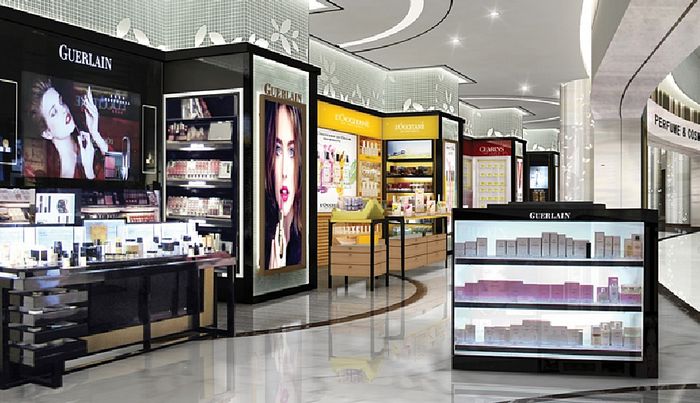
    The perfumes and cosmetics segment is one of the fastest-growing categories in the global duty-free retailing market. APAC and the Middle East are the key regions for this category, with some of the top-selling brands including Chanel, Christian Dior, Estee Lauder and Guerlain.

    With close to 21.5 per cent of revenue share in the category, L’Oreal created a division especially for duty-free stores in 2013, describing the division as “the sixth continent”. In 2014, L’Oréal launched theVichy and Kerastase brands in the duty-free retail segment in Asia, and also launched the Three-Minute Beauty program to engage with potential luxury product buyers at airports.
    The liquor category is expected to grow to $13.47 billion in 2019. In 2014, Diageo opened two Johnnie Walker Houses in duty-free shops in India and Taiwan.

  • Genesis Luxury takes on Coach India

    Genesis Luxury takes on Coach India

    Indian fashion conglomerate Genesis Luxury Fashion has formed an exclusive partnership to New York design house Coach to introduce it to the Indian market.

    The first Coach India store will open to coincide with the brand’s 74th anniversary this year.

    “We are confident the brand’s commitment to heritage and innovative design will be warmly embraced by the growing number of Indian luxury consumers, who are innately drawn to craftsmanship, ” says Genesis Luxury MD Sanjay Kapoor.

    “Coach has tremendous potential in our market, and with our shared vision and well-defined strategies, we are focussed on accelerating its retail presence and visibility across key cities in India over the next few years. ”

    Coach international group president Ian Bickley says the company is confident its luxury store environment featuring designer Stuart Vevers will be “embraced and coveted” by fashionable Indian buyers.

    Established in New York City in 1941, Coach is known for its leather goods.

    After consolidating the Indian fashion market with such designer labels as Bwitch and Satya Paul, Genesis Colors (established in 2001) moved into marketing and distributing global luxury brands through its subsidiary Genesis Luxury Fashion in 2008. Its portfolio includes Burberry, Bottega Veneta,Canali, Giorgio Armani, Emporio Armani, G-Star Raw, Hugo Boss, Jimmy Choo, Michael Kors, Paul Smith, Tumi and Villeroy & Boch.