Retail News CRM

Tag: milk

  • A2 Milk Triumphs in Trademark Tussle: Historic Australian Court Victory Over Care A2 Plus

    A2 Milk Triumphs in Trademark Tussle: Historic Australian Court Victory Over Care A2 Plus

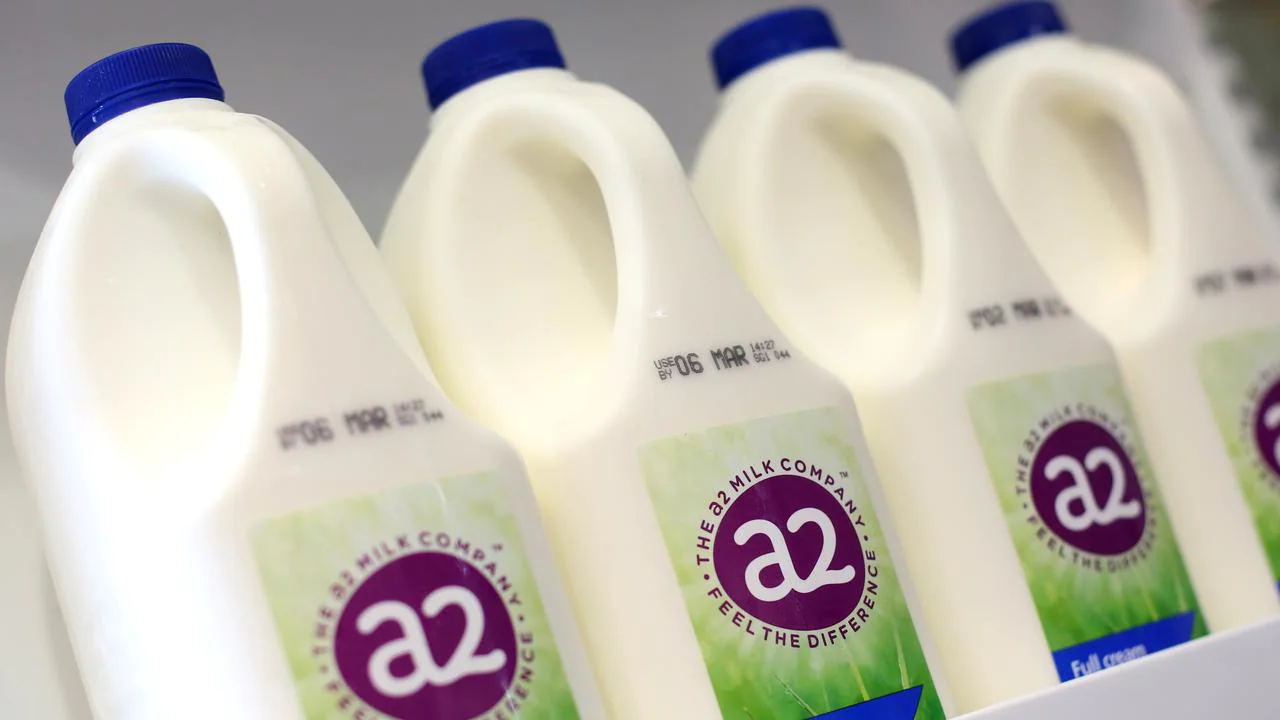
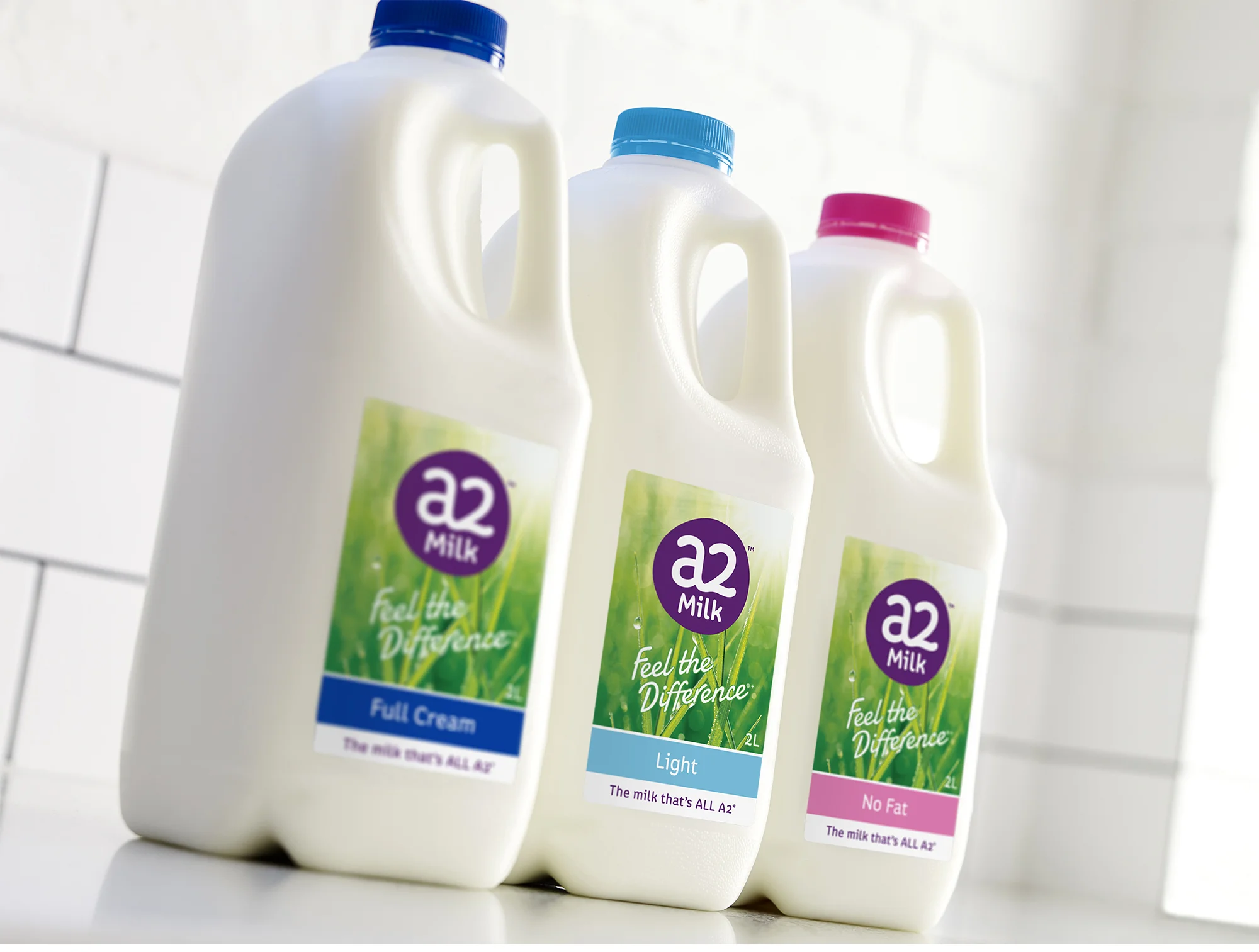
    The Federal Court of Australia has ruled in favor of The A2 Milk Company in a trademark lawsuit against its competitor, Care A2 Plus. The A2 Milk Company, a dairy company based in New Zealand, has several registered trademarks in Australia, including ‘A2 Milk’ and ‘A2’, that encompass a variety of products such as milk and infant formula.

    Care A2 Plus’s Alleged Infringement

    Care A2 Plus, another infant and toddler formula producer, markets its products in Australia under the branding ‘Care A2+’. The lawsuit was initially filed by A2 Milk against Care A2 Plus in 2023. The plaintiff accused Care A2 Plus of violating its trademark rights in contravention of the Australian Consumer Law.

    The A2 Milk Company asserted that Care A2 Plus consciously used the similar ‘A2/A2+’ branding even after requests to cease. The plaintiff also claimed that Care A2 Plus indulged in litigation strategies that escalated costs, and subsequently sought either damages or an account of profits.

    Court’s Stance on the Dispute

    At a hearing that took place this past Thursday, the court backed The A2 Milk Company. However, the court mandated both parties to present further submissions before it pronounces the final verdict concerning relief, including damages and costs.

    Despite Care A2 Plus’s claims that its packing was entirely distinctive, the court maintained that the conspicuous ‘A2/A2+’ branding could potentially indicate a connection to The A2 Milk Company.

    The court justified its ruling by stating that an average consumer encountering Care A2 Plus’s products for the first time would likely presume a connection with The A2 Milk Company. The consumer might even think that these products are part of The A2 Milk Company’s range or endorsed by the company.

    Questions & Answers

    What was the dispute between The A2 Milk Company and Care A2 Plus about?
    The dispute was about Care A2 Plus allegedly infringing on The A2 Milk Company’s registered trademarks by using a similar ‘A2/A2+’ branding.

    What did The A2 Milk Company seek from the lawsuit?
    The A2 Milk Company sought either damages or an account of profits from Care A2 Plus for using a similar branding and escalating litigation costs.

    What was the court’s ruling in the trademark dispute?
    The court ruled in favor of The A2 Milk Company, stating that Care A2 Plus’s ‘A2/A2+’ branding might lead consumers to believe that there is a connection between the two companies.
  • Milk Tea Giant Mixue Trims Overseas Presence, Closes 428 Stores – Pursues Optimized Operations in Indonesia and Vietnam

    Milk Tea Giant Mixue Trims Overseas Presence, Closes 428 Stores – Pursues Optimized Operations in Indonesia and Vietnam

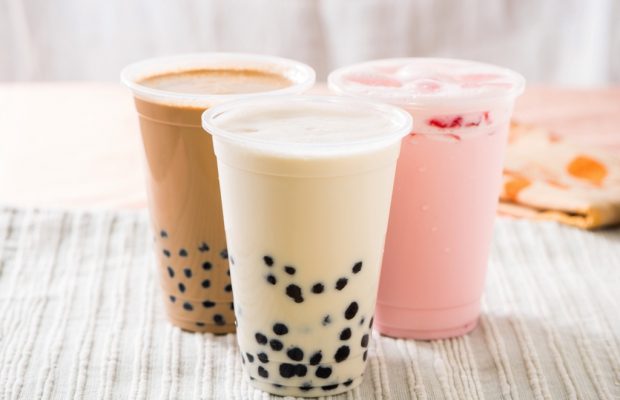
    The world’s largest food and beverage chain, China’s Mixue, experienced a decrease in its international outlets in 2021. A significant number of these closures occurred in Indonesia and Vietnam, as the company strived to enhance its operations and efficiency.

    Strategic Store Closures

    While the exact number of closed outlets in Indonesia and Vietnam were not made public by Mixue, the company emphasised in its most recent financial statement a strategy to enhance the performance of their existing stores, to facilitate long-term, sustainable, and stable operations.

    Expansion in Other Territories

    Concurrently, Mixue expanded its reach in other countries including the United States and Kazakhstan, and launched its maiden stores in Malaysia and Thailand under a different brand, Lucky Cup.

    As of the end of last year, Mixue had a global presence with 59,823 outlets, the majority of which, 55,356, were located in mainland China. Indonesia and Vietnam are its two largest overseas markets. As of September 2024, Mixue had 1,304 outlets in Vietnam according to documents filed for its Hong Kong Initial Public Offering (IPO) in early 2025.

    Shifting Retail Strategy

    Mixue is in the process of transitioning from a traditional small-store format to larger outlets in Vietnam. The new locations will feature expanded preparation counters, street-facing storefronts, and more expansive floor areas than their predecessors. The company is also giving preference to prime locations for its outlets.

    The company made its debut in Vietnam in 2018, with an initial focus on Hanoi and the northern provinces. Since then, it has expanded its footprint nationwide. Some of its core offerings include lemonade, ice cream, milk tea, and fruit tea, all priced within an affordable range of VND10,000–30,000.

    Mixue credits its ability to maintain low prices to its control over the supply chain, which extends from raw material production and logistics to research and development and quality control.

    In a 2024 report, it was noted that Mixue has been instrumental in reshaping Vietnam’s milk tea market. The company has played a significant role in growing the affordable beverage segment and pursues an aggressive franchising strategy.

    Future Plans and Financial Performance

    Mixue has expressed plans to continue expanding its presence in Southeast Asia by further enhancing its franchisee network in the region.

    In terms of financial performance, Mixue saw a significant increase in its revenues and net profits last year. Revenues shot up by 35% to RMB33.56 billion (US$4.9 billion), and net profits rose by 33% to RMB5.93 billion.

    Questions & Answers

    What is Mixue’s current strategy in Vietnam?
    Mixue is transitioning from a traditional small-store format to larger outlets, with prime locations, expanded preparation counters, and larger floor areas.

    What are some of Mixue’s key products in Vietnam?
    Mixue’s core offerings in Vietnam include lemonade, ice cream, milk tea, and fruit tea.

    How has Mixue’s financial performance been in recent years?
    In the previous year, Mixue’s revenues increased by 35% to RMB33.56 billion (US$4.9 billion), and net profits rose by 33% to RMB5.93 billion.

  • Chinese Milk Tea Titans Embark on Global Conquest: Expanding Across US and South Korea Amid Southeast Asia Saturation

    Chinese Milk Tea Titans Embark on Global Conquest: Expanding Across US and South Korea Amid Southeast Asia Saturation

    Chinese milk tea brands are broadening their horizons and expanding into new markets in Asia and the West. These brands have traditionally focused on Southeast Asia as their primary area for foreign expansion. However, with the market becoming overcrowded, they are now setting their sights on other regions. This comes as the tea market grows increasingly saturated, prompting a shift in emphasis from rapid expansion to improving store performance and streamlining operations.

    Over 60 Chinese milk tea brands had established more than 6,100 outlets throughout Asia by the end of 2024, most notably led by major chains such as Mixue and Chagee. Mixue, the largest food and beverage chain globally in terms of store count, has begun adjusting its operations in Indonesia and Vietnam. Despite a decrease in store numbers in these markets, the company maintains its focus on the region while pushing into emerging markets, including its first location in Kazakhstan.

    Expansion and Competition

    Chagee, another renowned milk tea brand, has plans to venture into the South Korean market with three upcoming outlets in Seoul. It joins a growing number of its peers already established in the market, including Heytea, Mixue, ChaPanda, and Auntea Jenny. Chagee has further signaled its intent to spread its reach into Japan.

    Understandably, the homefront competition for these Chinese brands is fierce, with the milk tea boom of the last decade leading to around 420,000 outlets. To attract customers, some brands resort to pricing their products at less than a dollar or offering free online orders.

    Moving Westward

    Besides nearby Asian markets, several brands are also extending their presence to the United States. The country has become a significant focus for the sector, with the number of fresh tea retailers rising by 18.2% annually to 7,845 in 2025. It is projected that the U.S. market for freshly made tea drinks will be worth $2.9 billion by 2029.

    However, penetrating the U.S. market brings its challenges. Amanda Wang, co-founder of beverage chain Ningji Lemon Tea, highlights the need to adapt to local tastes, noting American consumers’ preference for sweeter drinks. She also cites differences in the business landscape.

    Despite these hurdles, various Chinese brands, including Mixue, Chagee, Chahalo, Molly Tea, and Auntea Jenny, have successfully launched U.S. stores or announced expansions in recent years. For instance, Mixue’s recently opened New York store, twice as large as its typical outlet in China, has managed to maintain the brand’s familiar look and affordable prices.

    Competitive Edge and Consumer Response

    Nevertheless, competitive pricing is not the only strength of Chinese tea brands. HeyTea, with its drinks averaging around $10, has enjoyed robust demand. Its Times Square store sold over 3,500 cups on its opening day and has since averaged over 2,000 cups daily. Other brands, such as Chagee and Auntea Jenny, have also experienced strong debuts in the U.S. market.

    Consumers appreciate the diverse flavors offered by Chinese brands, distinguishing them from established chains like Starbucks. Consumers’ preference for different flavors and affordable prices are significant factors driving their patronage of Chinese tea brands.

    Questions & Answers

    Why are Chinese milk tea brands expanding into new markets?
    Chinese milk tea brands are expanding into new markets as their traditional focus area, Southeast Asia, becomes overcrowded, and the tea market becomes increasingly saturated. This has led to a shift from rapid expansion to improving store performance and operations.

    How are Chinese brands faring in the U.S. market?
    Despite facing challenges such as adapting to local tastes and a different business environment, several Chinese brands have successfully launched stores or announced expansions in the U.S. They have garnered a positive response from consumers who appreciate the diverse flavors and competitive prices they offer.

    What distinguishes Chinese tea brands from established chains like Starbucks?
    Chinese tea brands stand out from established chains like Starbucks due to their unique flavors and affordability. They offer a variety of flavors not typically found in Western chains, boosting their appeal among consumers.

  • A2 Milk Faces Financial Downgrade Amid Middle East Supply Chain Hurdles and Stricter Chinese Regulations

    A2 Milk Faces Financial Downgrade Amid Middle East Supply Chain Hurdles and Stricter Chinese Regulations

    The A2 Milk Company has acknowledged a number of issues currently affecting its supply chain, leading to a downgrade in its financial outlook.

    Strong Demand versus Supply Chain Challenges

    While experiencing robust demand, especially for their infant milk formula products in China, The A2 Milk Company is facing supply chain difficulties. The company noted that the cost and availability of extra air freight to expedite product shipments to China has been indirectly influenced by the ongoing conflict in the Middle East. It also reported that inventory levels have been low due to issues at its manufacturer, Synlait Milk.

    Synlait Milk responded by stating its continued efforts to mitigate the impacts on the supply chain linked to its recently enhanced testing protocol for infant milk products.

    Influence of Stricter Regulations

    This new testing protocol was implemented in response to China’s tighter regulations for such products. The A2 Milk Company noted that this change is also leading to longer export clearance times at customs.

    The A2 Milk Company stated that these factors have developed quickly, and are still subject to uncertainty. This is especially true in relation to the unpredictability in freight and clearance assumptions, as well as potential additional indirect impacts that may flow from the Middle East conflict.

    Financial Outlook

    In the lead-up to its full-year results for fiscal 2026, following guidance released on February 16, the company now anticipates lower infant formula sales, increased supply chain costs, and a delay in fourth-quarter cash receipts into fiscal 2027. The company’s projected revenue, EBITDA, and net profit after tax (NPAT) are all expected to be less than previously forecasted.

    Questions & Answers

    What challenges is the A2 Milk Company currently experiencing?
    The A2 Milk Company is facing supply chain issues like the cost and availability of extra air freight required to expedite product shipments to China, which is being indirectly affected by the Middle East conflict. It’s also dealing with low inventory levels due to issues at its manufacturer, Synlait Milk.

    What changes have been implemented by Synlait Milk?
    Synlait Milk has introduced enhanced testing protocols for its infant milk products in an effort to comply with China’s stricter regulations for these products.

    What is the current financial outlook for the A2 Milk Company?
    The A2 Milk Company is expecting lower infant formula sales, increased supply chain costs, and a delay in fourth-quarter cash receipts into fiscal 2027. Predictions for revenue, EBITDA, and net profit after tax (NPAT) are all expected to be less than previously forecasted.

  • A2 Milk Settles Shareholder Dispute for $62M, Affirms No Impact on FY26 Earnings

    A2 Milk Settles Shareholder Dispute for $62M, Affirms No Impact on FY26 Earnings

    The A2 Milk Company has come to a preliminary agreement to conclude the prolonged shareholder class actions regarding its purportedly deceptive financial predictions.

    Settlement Details

    The globally traded dairy firm announced that the settlement amount is $62 million, encompassing interest and costs. This total amount will be covered by the available insurance proceeds and it will not affect the company’s fiscal 2026 earnings. In reaching this settlement, the company underlined that it does not acknowledge any wrongdoing. The resolution will undergo finalization and execution of a settlement deed, followed by the approval of the Supreme Court of Victoria.

    Class Action Proceedings

    Two separate class action proceedings were initiated against A2 Milk in October and November of 2021. These actions were brought forward on behalf of shareholders who held an interest in fully paid ordinary shares from August 19, 2020, to May 9, 2021. These actions pertained to the company’s disclosures and guidance for fiscal year 2021.

    In 2022, these separate class actions were merged into a single action.

    Allegations

    The claimants alleged that A2 Milk made misleading representations and failed to comply with its ongoing disclosure responsibilities as a public company, contravening Australian and New Zealand regulations.

    The preliminary agreement was hailed as a significant step in the proceedings. If approved, over 70% of the settlement sum will be distributed among group members. It was noted that the settlement represents a fair resolution and mitigates the delay and uncertainty of a protracted court trial.

    Questions & Answers

    What is the settlement amount that the A2 Milk Company has agreed to?
    The A2 Milk Company has agreed to a settlement amount of $62 million, which includes interest and costs.

    Who initiated the class action proceedings against the A2 Milk Company?
    The class action proceedings were initiated on behalf of shareholders who held an interest in fully paid ordinary shares of the company from August 19, 2020, to May 9, 2021.

    What were the allegations against the A2 Milk Company?
    The company was alleged to have made misleading representations and failed to comply with its ongoing disclosure obligations as a public company, in violation of Australian and New Zealand laws.

  • Sunshine Bakeries Unveils Limited Edition Musang King Durian Milk Bun: A Taste of Premium Durian Season in Every Bite!

    Sunshine Bakeries Unveils Limited Edition Musang King Durian Milk Bun: A Taste of Premium Durian Season in Every Bite!

    Sunshine Bakeries, a renowned bread manufacturer from Singapore, is gearing up to introduce its Musang King durian milk buns to the market on March 20, just before the onset of the durian season. The new delicacy will be available across leading supermarkets and convenience stores in Singapore, promising a unique flavor fusion for food connoisseurs.

    Features of the New Snack

    The Musang King durian milk bun boasts of authentic Musang King durian filing, derived from the scarce early-March harvest. The durian filing is beautifully complemented by Sunshine Bakeries’ famed Hokkaido Milk bun, offering a blend that is expected to win the hearts of durian lovers.

    The company has priced the bun at SGD2.50 (US$1.97). However, it’s important to note that the product will be available in limited quantities each day, considering the restricted availability of early-season yields.

    A Taste of the Season’s First Harvest

    Michelle Ang, chief marketing officer at Sunshine Bakeries, expressed her excitement about the product launch. She said, “Durian fans have a year-long desire for the fruit. By introducing the Musang King Durian Milk Bun, we aim to offer them a sneak peek into the first harvest of the season.”

    According to the company, the bun promises the highest standard of durian indulgence that is rich, custard-like, and aromatic.

    About Musang King Durian

    Musang King is a top-tier variety of durian, predominantly cultivated in Malaysia. It has gained considerable recognition this year, having been included in the list of the 25 best-rated fruits in Southeast Asia. The selection was made based on votes cast by readers of an international food magazine in February.

    Questions & Answers

    When will Sunshine Bakeries start selling the Musang King durian milk buns?
    The Musang King durian milk buns will be available from March 20.

    Where can customers purchase the Musang King durian milk buns in Singapore?
    The new snack will be available across leading supermarkets and convenience stores in Singapore.

    What is special about the Musang King durian milk bun?
    The bun features authentic Musang King durian filling derived from the early-March harvest, paired with Sunshine Bakeries’ signature Hokkaido Milk bun. The company promises a rich, custard-like, and aromatic indulgence with this new product.

  • Perth Welcomes Australia’s First Buffalo Milk Ice Cream: A Delectable Quindanning Buffalo and Mica Creamery Collaboration

    Perth Welcomes Australia’s First Buffalo Milk Ice Cream: A Delectable Quindanning Buffalo and Mica Creamery Collaboration

    Western Australia is about to get its first taste of buffalo milk ice cream, thanks to a new collaboration between Quindanning Buffalo and Mica Creamery.

    The limited-edition dessert is set to hit Mica Creamery stores across Perth from March 13. The product is produced in small quantities, using buffalo milk sourced locally. Ice cream enthusiasts can look forward to two tantalising flavours, Classic Vanilla and Rich Hazelnut Chocolate.

    Buffalo Milk: A Creamier Alternative

    Buffalo milk is renowned for its natural creaminess, a characteristic that lends itself well to the creation of exceptional dairy products. Its higher fat content compared to cow’s milk results in a denser and creamier texture, enhancing the overall taste and experience.

    Speaking on the collaboration, Graeme Carthy, owner of Quindanning Buffalo, expressed his enthusiasm about the partnership with Mica. He stated that Mica shared Quindanning Buffalo’s commitment to quality and artisanal products, making them an ideal partner to bring this unique ice cream to the residents of Perth.

    This joint venture is more than just the creation of a new ice cream flavour. It represents an opportunity for buffalo milk, a less common ingredient in Australia, to be introduced to a wider retail audience.

    Questions & Answers

    What is unique about the new ice cream product?
    The new ice cream is unique as it is the first in Western Australia to be made from buffalo milk, which is known for its natural creaminess and higher fat content.

    Where and when will the buffalo milk ice cream be available?
    The buffalo milk ice cream will be available at Mica Creamery stores across Perth from March 13.

    Why did Quindanning Buffalo choose to partner with Mica Creamery for this product?
    Quindanning Buffalo chose to partner with Mica Creamery as they share a passion for quality and artisanal products. The collaboration aims to introduce buffalo milk to a wider retail audience through this unique ice cream product.

  • Chagee Brews Up Asia-Pacific Expansion: Chinese Milk Tea Giant to Debut in Seoul

    Chagee Brews Up Asia-Pacific Expansion: Chinese Milk Tea Giant to Debut in Seoul

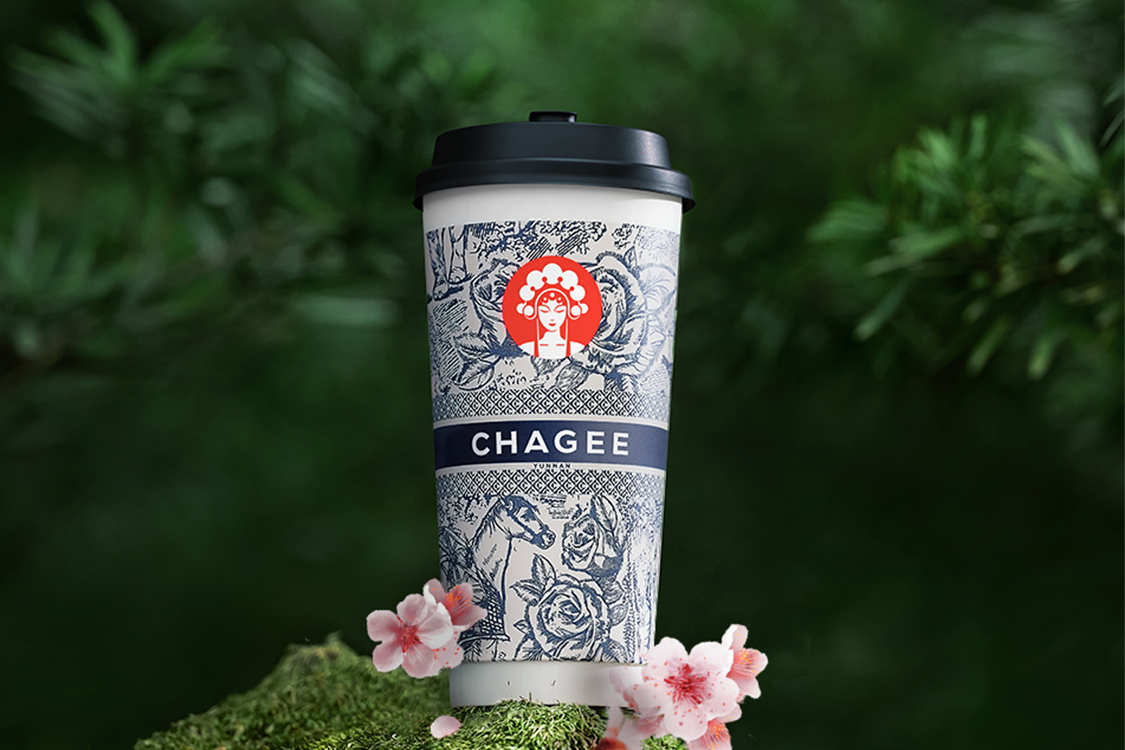
    The popular Chinese milk tea franchise, Chagee, will be making its first appearance in South Korea during this quarter. Three branches of the chain will be opened concurrently in the districts of Gangnam, Yongsan, and Sinchon in Seoul. This move is part of Chagee’s overarching strategy to increase its presence in the Asia-Pacific market.

    Chagee has reported a surge in interest from South Korean consumers ahead of the opening. The company is confident that it will introduce a unique, premium tea experience that is fresh and exciting.

    The Gangnam location will serve as the flagship store for Chagee. The store’s exterior is planned to feature arched greenery against a semi-transparent glass façade. In the center of this design, there will be an oversized, signature cup. Chagee’s design aims to create an illusion of walking into an urban forest, embodying its ‘Modern Tea House’ concept.

    The Yongsan and Sinchon branches will also leave their mark with graphic displays that are customized to their specific locations.

    As a way to engage customers before the official opening, Chagee is launching a QR code-based campaign. Customers who visit the store, scan the QR code displayed on the exterior, and successfully complete a short quiz will be rewarded with a 50% discount coupon.

    Questions & Answers

    What is the overall expansion strategy of Chagee?
    Chagee is looking to increase its presence in the Asia-Pacific market, starting with the opening of three stores in Seoul, South Korea.

    What unique feature will the Gangnam store have?
    The Gangnam store, serving as the flagship location, will have an exterior design featuring arch-shaped greenery against a semi-transparent glass façade, with a giant signature cup in the center. This design is meant to represent the company’s ‘Modern Tea House’ concept.

    How is Chagee engaging customers ahead of its store openings in South Korea?
    Chagee is encouraging customer engagement through a QR code-based campaign. Visitors who scan the QR code on the store’s exterior display and complete a short quiz will receive a 50% discount coupon.

  • A2 Milk Company Rides High on Double-digit Growth in China, US Markets: A Peek Inside the Success Story

    A2 Milk Company Rides High on Double-digit Growth in China, US Markets: A Peek Inside the Success Story

    The A2 Milk Company has announced robust sales growth in the double digits for the first half of the fiscal year. This growth has been driven largely by the company’s strong performance in both the China and US markets.

    Revenue for the six-month period ending December 31 grew by 18.8% to reach NZ$993.5 million ($845 million). This growth spanned all segments and product categories.

    Strong Market Performance in Asia and the US

    In the “China & other Asia” segment, sales saw an increase of 20.3%, spurred primarily by the growth of English label Infant Milk Formula (IMF) and other nutritional products. Meanwhile, the US segment experienced a considerable surge, with growth registering at 29.1%, thanks largely to the success of its core and Grassfed liquid milk products.

    The ANZ region also experienced an increase, albeit a more modest one, with a growth rate of 8.8%. This was mainly driven by the growth of Australian liquid milk. Daigou channel sales within this region appear to have stabilized.

    Growth across Various Product Categories

    When considering sales by category, total IMF sales experienced a growth of 13.6%. This has been attributed to the strong health of the brand and effective sales execution. English label revenue saw a sizeable growth of 20.9%, driven by the company’s performance within the CBEC and O2O channels.

    Sales of China-label products also saw a rise, with a growth rate of 6.5%. In addition, liquid milk sales grew by 18.5%. Other nutritional products saw a significant surge of 42.9%. This increase was largely due to growing contributions from children’s and seniors’ fortified milk powder products.

    In terms of earnings, EBITDA increased by 18.4% to reach NZ$155.0 million, while the EBITDA margin remained steady at 15.6%. NPAT from continuing operations saw an increase of 9.4% to reach NZ$112.1 million.

    Recent Transactions and Partnerships

    In August, the company made the announcement that it had acquired a fully integrated nutritional manufacturing facility in Pokeno. Additionally, it disclosed the divestment of MVM in an effort to optimize its asset footprint and financial performance. Both transactions were carried out during the half.

    The company also signed a long-term agreement with Fonterra for the supply of A1 protein-free milk from the North Island in New Zealand.

    A2 Milk has revised its outlook for the full year, anticipating revenue growth in the mid double digits and an EBITDA margin of approximately 15.5-16%.

    Questions & Answers

    What drove the growth of A2 Milk Company in the first half of the fiscal year?
    The growth was driven by a strong performance in the China and US markets across all segments and product categories.

    Which product categories experienced the most significant growth?
    Other nutritional products saw the most significant surge of 42.9%, with growing contributions from children’s and seniors’ fortified milk powder products.

    What does A2 Milk anticipate for its full-year outlook?
    The company expects mid double-digit revenue growth and an EBITDA margin of approximately 15.5-16%.

  • Major Shake-Up at A2 Milk: ANZ MD Steps Down, Sparks Leadership Reshuffle

    Major Shake-Up at A2 Milk: ANZ MD Steps Down, Sparks Leadership Reshuffle

    The A2 Milk Company has recently confirmed a sequence of significant leadership transitions, following the resignation of Eleanor Khor, the Managing Director (MD) for Australia and New Zealand (ANZ). Her tenure is set to conclude at the end of March.

    Leadership Change

    Jaron McVicar, currently serving as the Chief Legal and Sustainability Officer, will assume leadership of the ANZ business. The company expressed its gratitude towards Khor for her significant contributions during her service.

    Eleanor Khor has been an essential member of the company’s executive leadership team. Her significant contributions to the company’s growth and success over the past seven years were acknowledged by David Bortolussi, the MD and CEO of the company. Khor had been at the helm of the ANZ business unit since 2023 and was instrumental in enhancing brand health, fostering employee and customer engagement, and boosting sales and earnings. The company extends its best wishes to Khor for her future endeavors.

    Promotions and New Responsibilities

    Kate Tidbury, currently the head of legal in the group, is set to join the executive leadership team (ELT) in the capacity of Chief Legal Officer and Company Secretary.

    In Khor’s absence, the company’s Chief Financial Officer (CFO), David Muscat, will spearhead the corporate strategy. Furthermore, the Strategy and Analytics team in China will now report directly to Xiao Li, the regional CEO.

    Bortolussi has applauded Kate’s promotion to the ELT, citing her notable leadership and technical skills. He also commended Jaron, David, and Xiao for their new areas of responsibility, stating that these changes align well with the company’s carefully crafted internal succession plans.

    Questions & Answers

    Who is taking over the ANZ business of the A2 Milk Company following Eleanor Khor’s resignation?
    Jaron McVicar, the Chief Legal and Sustainability Officer, will take over the ANZ business following Eleanor Khor’s resignation.

    Who will head the corporate strategy in Eleanor Khor’s absence?
    In Eleanor Khor’s absence, the company’s Chief Financial Officer, David Muscat, will head the corporate strategy.

    Who will the Strategy and Analytics team in China report to in the future?
    The Strategy and Analytics team in China will now report directly to Xiao Li, the regional CEO.

  • Facing Tough Tides: Synlait Milk Anticipates Half-Year Loss Amid Manufacturing Hurdles

    Facing Tough Tides: Synlait Milk Anticipates Half-Year Loss Amid Manufacturing Hurdles

    Synlait Milk, a company based in New Zealand and listed on the Australian Securities Exchange (ASX), anticipates reporting a loss for the six months ending on January 31. The company has attributed this forecast to manufacturing challenges at its Dunsandel facility. Synlait owns Dairyworks, a supplier of cheese, butter, and ice cream to Australian supermarkets.

    Financial Projections

    Synlait anticipates an underlying net loss after tax of NZ$33 million to $38 million, as well as a reported net loss after tax of $77 million to $82 million for the six-month period. This is a significant drop from the previous year, which saw an underlying net profit after tax (NPAT) of $8.7 million and a reported NPAT of $4.8 million.

    The company expects its underlying earnings before interest, taxes, depreciation, and amortization (EBITDA) for the half year to range from breakeven to $5 million, with a projected reported EBITDA loss of $28 million to $33 million.

    Manufacturing Challenges and Cost Impacts

    While Synlait has primarily resolved the manufacturing issues at the Dunsandel site, it is still grappling with related cost and operational effects. The necessity to rebuild inventory across product segments entailed substantial adjustments to Synlait’s manufacturing plans for the current dairy season. To facilitate these adjustments, the company increased its raw milk sales, which negatively affected margins and operating costs.

    Low returns from the commodities portfolio also adversely impacted Synlait’s half-year performance. Furthermore, the company took a cautious approach, choosing not to recognize additional deferred tax assets stemming from unused tax losses beyond those recorded at the end of July.

    Effects on the Company’s Future

    Synlait’s CEO, Richard Wyeth, expressed disappointment with the results and the subsequent slowdown in the company’s recovery. Nevertheless, he affirmed that progress has been made in operations, including the establishment of a revitalized executive leadership team (ELT) in Canterbury and the forthcoming sale of Synlait’s North Island assets.

    This sale, slated for completion on April 1, is expected to substantially reinforce Synlait’s financial position, with the proceeds being used to reduce debt. The sale will also allow Synlait to concentrate its primary operations in Canterbury, with an emphasis on continual operational excellence and customer diversification to bolster long-term profitability.

    However, both Wyeth and Synlait acknowledge that the company’s recovery will take time, with a minimum of 12 months projected. Further details will be provided when Synlait releases its half-year results on March 23.

    Questions & Answers

    What contributed to Synlait’s projected financial loss?
    Manufacturing challenges at its Dunsandel facility, the need to rebuild inventory, increased raw milk sales, and low returns from the commodities portfolio all contributed to Synlait’s projected losses.

    What is the company’s current strategy for recovery and long-term profitability?
    Synlait’s recovery strategy includes the sale of its North Island assets to reduce debt, focusing its core operations on Canterbury, pursuing operational excellence, and diversifying its customer base.

    When does Synlait expect to see a recovery?
    The company anticipates that the recovery will take at least 12 months.

  • A2 Milk Shares Suffer as China’s Plummeting Birth Rate Impacts Infant Formula Sales

    A2 Milk Shares Suffer as China’s Plummeting Birth Rate Impacts Infant Formula Sales

    New Zealand-based A2 Milk Company has reported a drop in its share price due to the decline in Chinese birth rates, which has reached a record low.

    On the Australian Securities Exchange (ASX), A2 shares plunged by 11.2 percent upon closing on Monday, January 19, shortly after the distressing news was announced in China. In response to a price query on the ASX, the company stated that it wasn’t privy to any information related to its current situation that hasn’t been disclosed to the market. This information, if known by certain market participants, might potentially explain the recent trading dynamics of its securities.

    A2’s Trading Performance Explanation

    When asked to provide an additional reason for its recent trading performance, A2 pointed to an announcement made by the China National Bureau of Statistics on January 19. The announcement revealed that the number of newborns in China last year had decreased by 17 percent to 7.92 million.

    The infant milk formula, one of A2’s greatest sources of income, is exported to China. In the fiscal year 2025, it recorded a revenue of NZ$1.2 billion (A$1.04 billion) from infant formula sales in China and Asia.

    Questions & Answers

    What caused the drop in A2 Milk Company’s share price?
    The decline in Chinese birth rates, which have reached a record low, was reported as the cause for the fall in A2’s share price.

    What was the percentage decrease in A2’s share price?
    A2’s share price dropped by 11.2 percent on the Australian Securities Exchange.

    What is one of A2’s largest sources of income?
    One of A2’s largest revenue streams is its infant milk formula, which is exported to China.

  • Sweet Fusion: Mondelez Unveils New Cadbury Dairy Milk Biscoff Blend, Takes Australia By Storm

    Sweet Fusion: Mondelez Unveils New Cadbury Dairy Milk Biscoff Blend, Takes Australia By Storm

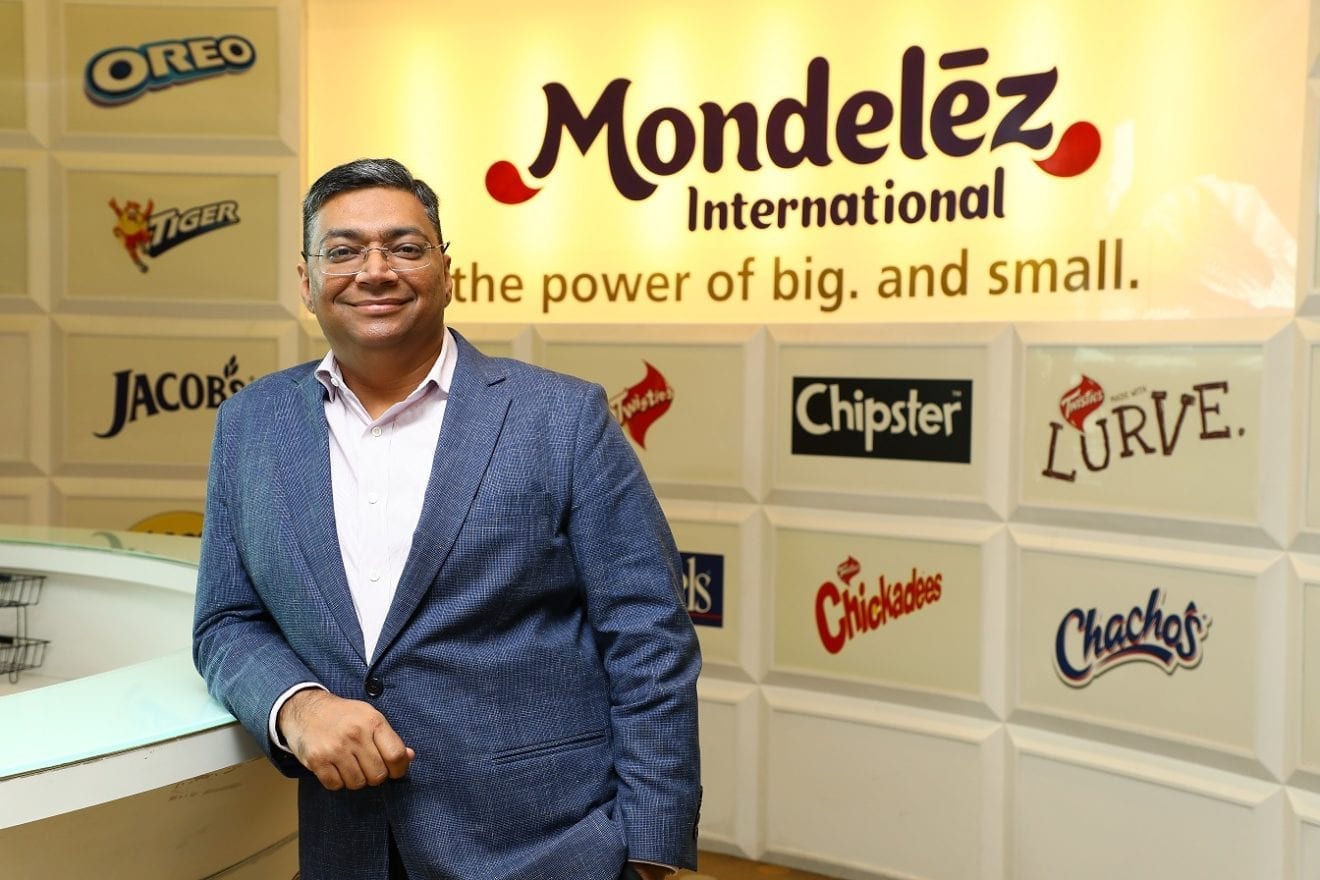
    Mondelez International has recently unveiled its latest offering, Cadbury Dairy Milk Biscoff, in a collaborative endeavour with Lotus Bakeries. This unique product presents a delightful blend of Cadbury Dairy Milk’s creaminess and the distinct crunchiness of Lotus Biscoff’s caramelised biscuit.

    Early Success

    The novel fusion of the two popular treats has generated significant consumer interest. Indeed, the much-anticipated product’s early success has seen the shelves of stores nationwide quickly clearing of the tasty chocolate blocks. Katrina Watson, a representative from Mondelez International, attests to the impressive reception of Cadbury Dairy Milk Biscoff.

    Local Production

    Mondelez International is proud to produce this unique chocolate variety right in Tasmania. The company further supports local Australian businesses by sourcing the sugar used in the chocolate bars from growers in Queensland. This commitment to local suppliers underscores Mondelez’s dedication to supporting and uplifting local communities.

    Where to Buy Cadbury Dairy Milk Biscoff

    Fans of Cadbury and Biscoff can find the Cadbury Dairy Milk Biscoff block, weighing 170g, in major retail outlets. If you’re looking for a smaller indulgence, a 70g bar is also available in convenience stores across Australia.

    Questions & Answers

    What is Cadbury Dairy Milk Biscoff?
    Cadbury Dairy Milk Biscoff is a new product launched by Mondelez International. It is a mixture of Cadbury Dairy Milk chocolate and Lotus Biscoff caramelised biscuit.

    Where is Cadbury Dairy Milk Biscoff produced?
    Cadbury Dairy Milk Biscoff is produced in Tasmania, Australia. The sugar used in its production is sourced from Queensland growers.

    Where can I buy Cadbury Dairy Milk Biscoff?
    The Cadbury Dairy Milk Biscoff block can be found in major retail stores, while a smaller 70g bar is available in convenience stores across Australia.

  • A2 Milk Amplifies China Connection: Targets Growth in English-Label Infant Formula Sales

    A2 Milk Amplifies China Connection: Targets Growth in English-Label Infant Formula Sales

    A2 Milk, a renowned dairy company, has expanded its enduring alliance with China State Farm Agribusiness Holding Shanghai Co (CSFA), with the inclusion of English-label (EL) infant formula within the cross-border e-commerce realm.

    Introducing A2 Genesis Product

    The initial focus of the rollout will be on the A2 Genesis product, a premium item in their line-up. Subsequently, other EL formulas, like A2 Platinum, will also be introduced to the market.

    New Agreement Enhances Distribution and Confidence

    In the newly ratified agreement, CSFA will now function as the sole import agent and principal distributor for EL products. This strategic move will allow A2 Milk to improve logistics, strengthen its retail footprint, and utilize the reputation of the state-owned enterprise to reinforce consumer confidence.

    Targeting the HMO Segment

    A2 Genesis was launched in the latter half of this year. This new product targets the rapidly expanding human-milk-oligosaccharide (HMO) sector, with a specific focus on gut health and immunity.

    David Bortolussi, CEO of A2 Milk, described this development as a pivotal component in the company’s China strategy. Meanwhile, Zhang Lei, Chairman of CSFA, portrayed this arrangement as a benchmark of successful collaboration in the dairy nutrition field.

    Expanded Agreement and Recent Acquisition

    The augmented agreement was officially established at the China International Import Expo in Shanghai, after a year of diligent preparation.

    Additionally, in September, A2 Milk successfully concluded its purchase of Yashili New Zealand’s Pokeno nutritional manufacturing facility for $282 million from China’s Mengniu Dairy Group.

    Questions & Answers

    What is the primary focus of A2 Milk’s initial rollout with CSFA?
    The primary focus of the initial rollout will be the premium A2 Genesis product, which targets the rapidly growing HMO sector, with an emphasis on gut health and immunity.

    What is the role of CSFA under the new agreement with A2 Milk?
    Under the new agreement, CSFA will function as the exclusive import agent and principal distributor for EL products, which will help A2 Milk streamline logistics, expand its retail presence, and build consumer confidence.

    What significant acquisition did A2 Milk make recently?
    In September, A2 Milk completed the acquisition of Yashili New Zealand’s Pokeno nutritional manufacturing facility for $282 million from China’s Mengniu Dairy Group.

  • Fonterra Farmer Shareholders Green-Light $4.22 Billion Consumer Division Sale to Lactalis

    Fonterra Farmer Shareholders Green-Light $4.22 Billion Consumer Division Sale to Lactalis

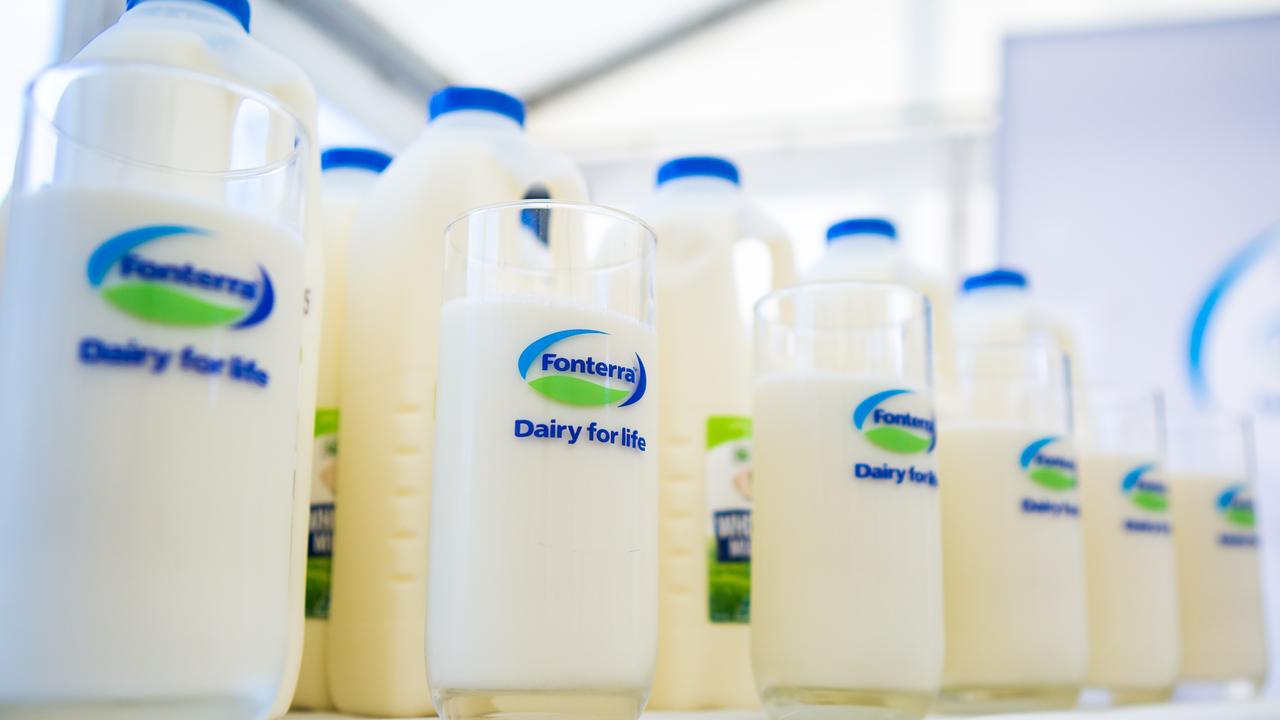
    Fonterra’s farmer shareholders have granted approval for the company’s proposal to divest its consumer products division. The Mainland Group and its associated businesses are set to be sold to Lactalis for a sum of $4.22 billion.

    High Support for Divestment

    A resounding 88.47% of farmer shareholders voted in support of this divestment decision in a special virtual meeting. The company asserts that this level of shareholder support exemplifies one of the core principles that sets Fonterra apart from other processors in the market.

    Fonterra Chairman Peter McBride voiced his appreciation for the active participation of the farmer shareholders throughout the decision-making process. Since the exploration of divestment options was initiated in May of the previous year, and especially over the past few weeks when the full details were made available, there has been a significant uptick in discussion and engagement from the farmers.

    McBride commented on the strategic implications of the divestment, stating, “We have thoroughly examined our strategic context, our strengths, and the way we create value for our farmer owners as a cooperative. This divestment will result in a more simplified and focused business, the value of which cannot be overstated.”

    To approve the sale, Fonterra required more than half of the total votes, a condition that was met with ease due to the high percentage of votes supporting the divestment.

    Final Steps and Future Investments

    The divestment process of Mainland Group’s business from Fonterra is now pending regulatory approvals. These approvals are currently underway, and the completion of the transaction is expected to occur in the first half of the coming year.

    In addition, Fonterra has revealed plans to make a significant investment in its dairy operations. The company intends to allot NZ$75 million ($66 million) towards expanding butter production at its Clandeboye site located in South Canterbury.

    Questions & Answers

    What percentage of Fonterra’s farmer shareholders voted in favour of the divestment?
    Approximately 88.47% of Fonterra’s farmer shareholders voted in favour of the divestment.

    What will the divestment result in for Fonterra?
    The divestment will lead to a more simplified and focused business for Fonterra.

    What significant investment has Fonterra planned following the divestment?
    Fonterra has planned to invest NZ$75 million ($66 million) in expanding butter production at its Clandeboye site in South Canterbury.