Retail News CRM

Tag: milk

  • Fake milk powder producers busted for paying $150,000 bribe

    Fake milk powder producers busted for paying $150,000 bribe

    Two men behind a fake milk powder production ring allegedly paid US$150,000 as bribe after being exposed.

    The Ministry of Public Security announced Monday that its Criminal Investigation Agency had initiated legal proceedings against Vu Manh Cuong and Hoang Manh Ha, the CEO and deputy CEO of Hacofood Group and Rance Pharma, for “bribery”, Pham Gia Khai, former CEO of Vietnam Pharmaceutical JSC, for “brokering bribery” and Nguyen Van Quan for fraud and property embezzlement.

    According to preliminary investigation, after their goods were temporarily seized by the environmental police in December last year, Ha and Cuong decided to bribe their way out.

    Their goal was to get away with a fine rather than face criminal charges.

    Cuong gave Ha $150,000, and he handed it over to Khai.

    Khai gave the money to Quan to “settle” the matter, ensuring they do not face criminal charges for producing and selling fake goods.

    Quan had falsely claimed to have connections with government authorities and individuals in power, suggesting he could reduce the severity of the legal consequences and prevent criminal prosecution.

    Khai took him at his word and handed over the money, but Quan kept it for his personal use.

    On April 10 the Criminal Investigation Agency charged Ha and Cuong along with four accomplices with the production and sale of fake food products and violating accounting regulations, resulting in serious consequences.

    The fake milk powder production ring started operation in August 2021 when Ha and Cuong noticed the increasing demand for milk powder.

    The falsely claimed their product included bird’s nest extract, cordyceps, macca powder, and walnut powder.

    The milk powder was distributed nationwide, primarily targeting people with diabetes, kidney disease, premature infants, and pregnant women.

    The accused instructed their employees to replace the ingredients and add flavoring agents and additives.

    The investigators determined that the quality of some substances in the milk powder was less than 70% of stated levels, sufficient to prove the product fake.

    The suspects exploited a regulation that allows businesses to self-declare the quality, content, nutritional composition, and effects of their products.

    By the time of their arrest on April 11, the ring was suspected of producing 573 types of fake milk powders, generating nearly VND500 billion (US$19.23 million) in revenues.

    The police also discovered that Rance Pharma and Hacofood had underreported their actual revenues in their records to evade tax worth more than VND28 billion.

    The Criminal Investigation Agency believes there is enough evidence to prove 12 varieties of milk powders are counterfeit products. The investigation into the remaining 72 is ongoing.

  • KitKat launches its most decadent bar to date

    KitKat launches its most decadent bar to date

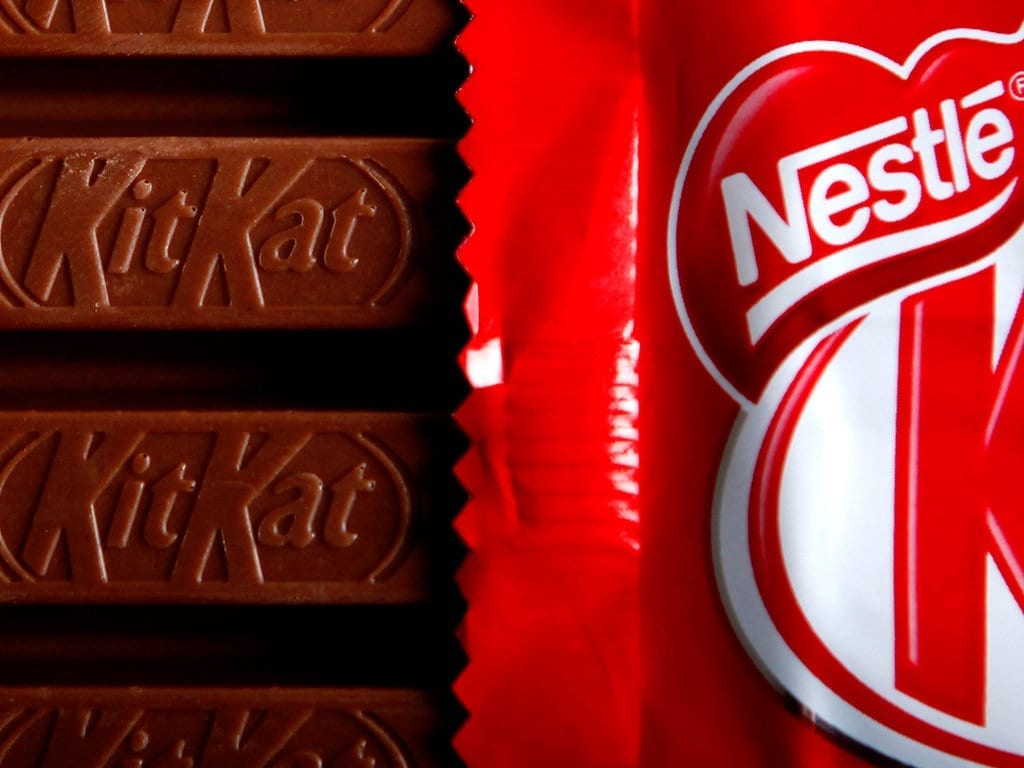
    KitKat has launched its KitKat Gooey Choc – a new wafer bar version enriched with chocolate sauce. 

    The new Gooey bars feature a combination of chocolate syrup wrapped in smooth milk chocolate, and layered with crisp wafers.

    Melanie Chen, Nestle’s head of marketing for confectionery, said that the most decadent block KitKat Gooey Choc is irresistible, offering next-level indulgence with a gooey, chocolatey sauce that will delight KitKat fans. 

    “Chocolate lovers already adore our filled KitKat blocks, and we can’t wait for Aussies to experience this new treat during their next break.” 

    KitKat Gooey Choc will be sold at an RRP of $7 through all major retailers across Australia starting this month.  

    Last week, the brand also partnered with Nescafe to launch a new ready-to-drink product, KitKat-inspired coffee mix.

  • Synlait Milk returns to profitability as sales soar

    Synlait Milk returns to profitability as sales soar

    Synlait Milk swung back to profitability amid a double-digit increase in sales during the fiscal first half.

    The company’s revenue for the six months ended January 31 jumped 16 percent to NZ$916.8 million. Earnings before interest, taxes, depreciation, and amortisation (EBITDA) grew 217 percent to $63.1 million, and net profit after tax (NPAT) rose 105 percent to $4.8 million.

    Management attributed the improvements to an uplift in advanced nutrition demand, optimisation of North Island operations, higher commodity prices, and cost management.

    At the end of the half, the company reduced its net debt by 29 per cent to $391.9 million.

    “Given the position Synlait was in 12 months ago, this return to profitability is a considerable commercial achievement,” commented acting CEO Tim Carter.

    “Today’s result was delivered through a focus on getting the fundamentals of our operational performance right, seizing opportunities to deliver for customers, and continued cost control.”

    For the second half, Synlait expects financial progress to be slower as it balances opportunities and risks related to milk stream returns and foreign exchange. The company targets a closing net debt balance of $250 million to $300 million at the end of the year.

  • Chagee faces boycott ahead of Vietnam opening

    Chagee faces boycott ahead of Vietnam opening

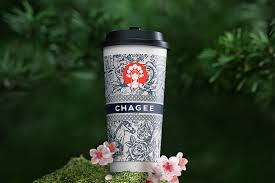
    Chinese milk tea brand Chagee is facing criticism for apparently adopting the ‘nine-dash line’ in its digital app while it prepares to launch in Vietnam.

    According to local reports, Vietnamese customers are calling for a boycott of Chagee after learning that the company used a map with the controversial nine-dash line.

    In a photo recently circulated on Vietnamese social media, an account using a Chagee logo as its image responded impolitely to a customer’s statement that they wanted to boycott the company over the line’s adoption, saying: “Chagee does not lack friends as customers”. We cannot ascertain if the responses are genuine or not but has been advised that multiple accounts are pretending to be Chagee to stir controversy and debate.

    Chagee has not officially responded to the incident yet.

    The “nine-dash line” or “U-shaped line” is a boundary line drawn by China on a map to illustrate its sovereignty claim over the majority of the East Sea, considered by Vietnam as a grave violation of its territorial sovereignty.

    The issue seems to cause significant damage to Chagee’s image and reputation. Le Minh Vu, managing partner at FnB Academy, told Vietnamese newspaper Tuoi Tre (Youth) that “Chagee should withdraw from the Vietnamese market due to issues unrelated to products or services – things that can be fixed and corrected”.

    Chagee was founded in 2017 in Shanghai, China, and has since expanded rapidly throughout Southeast Asia, with more than 5000 locations.

    The brand intends to open its first store in Vietnam, with a prime position in Ho Chi Minh City’s CBD in District 1.

  • Chinese milk tea chain Chagee enters Vietnam

    Chinese milk tea chain Chagee enters Vietnam

    Chagee, one of the largest milk tea brands in China, has expanded into Vietnam and will soon launch its first store there.

    On Monday, its official Facebook page shared a poster saying “Hello Vietnam” with a caption that read: “Vietnam, let’s get ready for some exciting things ahead! Chagee will bring you refreshing moments and new experiences. Stay tuned!”

    A post on its Facebook recruitment page also confirmed that it is officially present in the market and is looking for staff for its expansion.

    On Chagee Vietnam’s LinkedIn profile, the brand said in a comment that its first store “will be launching very soon.”

    Founded in Yunnan, China, in 2017, Chagee markets itself as the “Eastern Starbucks,” aiming to challenge the dominance of the U.S. coffee giant, according to KrAsia.

    The brand has rapidly grown across Asia Pacific, establishing a presence in Malaysia, Singapore, and Thailand, with a global network exceeding 6,000 stores.

    Focused on raw-leaf fresh milk tea, Chagee blends traditional tea culture with modern innovation to appeal to contemporary consumers, as stated on its website.

    It recorded sales of 10.8 billion yuan (US$1.48 billion) in China in 2023 and 5.8 billion yuan in the first quarter of 2024.

  • Vietnam pho, milk tea franchised for first time in Philippines

    Vietnam pho, milk tea franchised for first time in Philippines

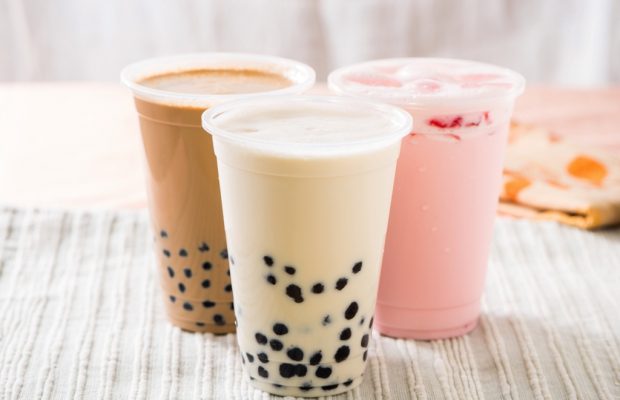
    The famous noodles dish pho has been franchised for the first time in the Philippines along with milk tea and spa services by three Vietnam’s companies.

    Pho’S, Phuc Tea and Care With Love have signed franchise contracts with Philippine businesses through the ecosystem of Go Global Holdings, a company that helps small and medium-sized businesses become franchisers, its CEO, Nguyen Tuan Quynh, said Thursday.

    Many foreign brands have been rushing into Vietnam to franchise their products and services in recent years, but there have been few such efforts in the reverse direction, and even fewer have succeeded, he said.

    “These franchise contracts are therefore positive signs for Vietnamese firms.”

    Tran Thao Vi, founder of spa service provider Care With Love, told VnExpress that a franchise deal has been signed with a Philippine partner specializing in medical services.

    “In two months we will launch our first franchise in the Philippines and open another three in the first quarter next year, and eventually have dozens of spas in the country.”

    Care With Love has been operating for 11 years with 13 branches. It plans to increase the number to 20 by the end of this year, 80% of them franchises.

    Tran Nhat Vu, co-founder of beverage chain Phuc Tea, which has 140 stores in Vietnam after six years since opening, said the franchise partner would open around 20 stores in the Philippine capital Manila next year.

    The franchise fee for each Pho’S and Phuc Tea store is US$7,000-10,000.

    The three companies said the Philippines partners were interested because their business models are “unique” with their focus on middle-class customers.

    Pho’S is the first major company to use ginseng in its recipe, while Phuc Tea has been making new beverages from unusual ingredients.

    The three companies are also in talks for franchising in Indonesia and Malaysia.

    Vietnamese companies to launch franchises overseas so far are footwear and leather company T&T, Pho 24 and Vu Giang Jsc under the brand Bobby Brewers coffee chain.

  • A2 Milk reports $1.6 bn in sales despite soft performance in China

    A2 Milk reports $1.6 bn in sales despite soft performance in China

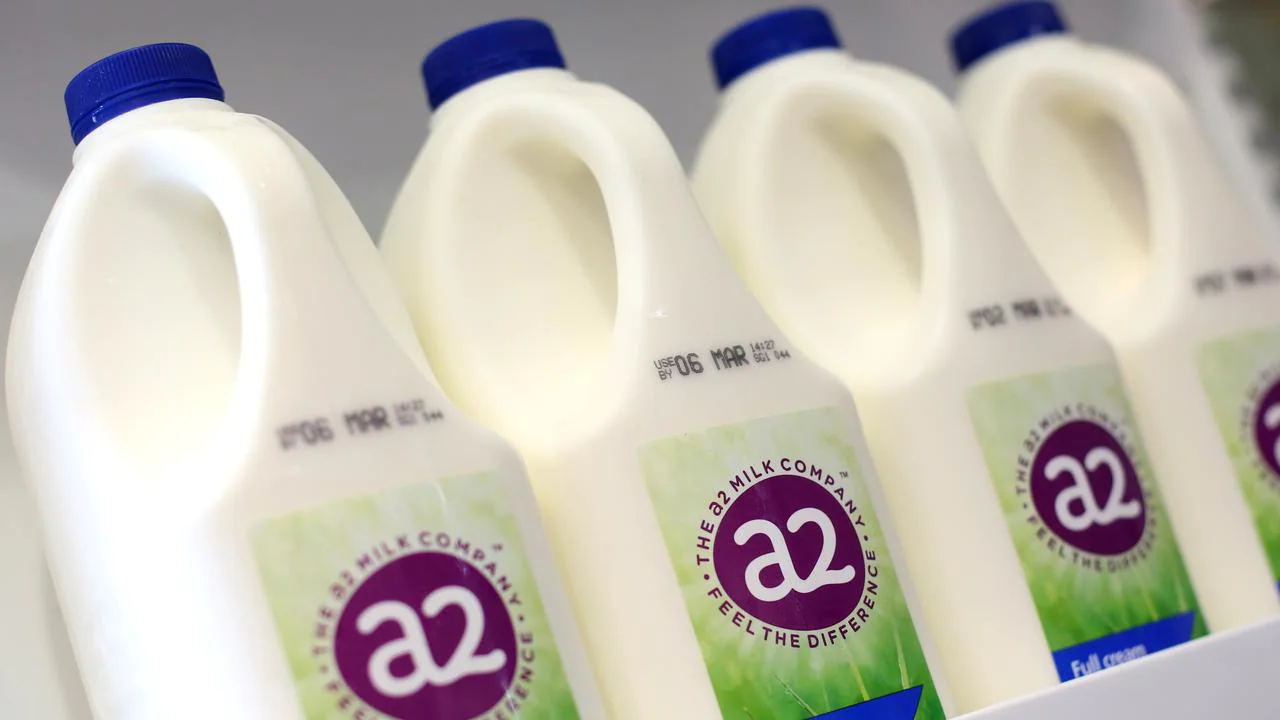
    Specialty dairy company A2 Milk’s full-year profit is up by a third, driven by strong growth in its China section, despite challenging market conditions.

    Though it was expecting growth in the Chinese market to slow next year.

    Key numbers for the year ended June compared with a year ago:

    • net profit $155.6m vs $114.7m
    • revenue $1.59b vs $1.45b
    • underlying earnings $219m vs $196m
    • no dividend vs no dividend but a maximum $150m share buyback.

    Chief executive David Bortolussi said sales from the company’s China label infant milk formula (IMF) exceeded its sales in English-speaking countries for the first time, with the total sales for infant milk formula totaling more than $1.1 billion.

    “I’m proud of what our team has achieved this year, growing sales by 10 percent while the core China IMF market declined by 14 percent is a remarkable achievement,” he said.

    “The China IMF market has become increasingly challenging as a result of lower birth rates and increased competitive intensity.

    “Notwithstanding, we are well-positioned to continue to invest and grow share in FY24 to emerge in a stronger position when the market recovers.”

    Bortolussi said achieving reregistration of the company’s China label IMF product was critical to maintaining access to the company’s domestic market.

    Bortolussi expected to see a double-digit decline in the Chinese infant milk formula market in the 2024 financial year, but said the company expected to achieve “low single-digit group revenue growth”.

    “This is due to volume declines driven by the rolling impact of fewer newborns in recent years on later-stage IMF products, and a lower number of newborns expected in CY23 due to the lagged impact of Covid-19 prior to an expected increase in CY24,” he said.

    “The company will continue to execute its growth strategy in FY24, focusing on growing share in China IMF as well as commercialising opportunities in adjacent categories and new markets.”

    A2 expected to continue to gain market share in IMF, with growth dependent on the extent of market share gains in a declining market, he said.

  • Soy milk contaminated during shipment to Japan

    Soy milk contaminated during shipment to Japan

    A consignment of soy milk found contaminated and destroyed in Japan must have been tainted en route, Vietnamese exporter Vinasoy has said.

    Tests by the National Institute For Food Control on Monday did not find coliform bacteria in the Fami Calcium Soy Milk samples it had retained from the export consignment, it said.

    But 640 packs imported to Japan by Next Trading company were found to have coliform and ordered to be recalled and destroyed in Chiba city.

    A Vinasoy spokesperson said the contamination must have happened during the shipment or distribution process in Japan.

    The spokesperson said that Coliform cannot survive the enzyme inactivation processes in which soy milk is heated to 120 degrees Celsius (248 Fahrenheit) and ultra-high-temperature sterilization at 140 degrees Celsius.

    A carton of soy milk with coliform would be bloated and go sour in two to four days, and so the factory would have noticed any contamination right away, the spokesperson added.

    Japan’s Ministry of Health, Labor and Welfare confirmed the contamination.

    But a spokesperson for Next Trading told broadcaster NHK that while the company was “surprised and sorry” to learn about the contamination, it had tested the products based on health ministry standards before distribution and had not detected any coliform.

    Since the news broke, Vinasoy has consistently said its product was not contaminated.

    It has 25 years’ experience in making soy products and is the industry leader in Vietnam.

    It exports to several other markets with high standards such as the U.S. and South Korea.

    Coliform, which can be found in water and the feces of warm-blooded animals, does not often cause serious illness, but a person exposed to it could have an upset stomach, vomiting, fever, and diarrhea.

  • Fonterra profits increase despite volatile market conditions

    Fonterra profits increase despite volatile market conditions

    Fonterra Co-operative Group Ltd today released its 2023 Interim Results which show the Co-op has delivered a half year Profit After Tax of $546 million, an earnings per share of 33 cents, and a decision to pay an interim dividend of 10 cents per share alongside a forecast Farmgate Milk Price range of $8.20 – $8.80 per kgMS.

    The Co-op also upgraded its full-year forecast normalized earnings from 50-70 cents per share to 55-75 cents per share and announced a proposed tax-free capital return to farmer-owners and unit holders of around 50 cents per share, subject to completion of the sale of its Chilean Soprole business.

    Fonterra CEO Miles Hurrell says the results for the year’s first half show the Co-op is performing well, with profit up 50 per cent, against a backdrop of ongoing market volatility.

    “Our Co-op’s scale and diversification across channels and markets has enabled us to navigate through disruption and make the most of favorable market conditions in a number of areas.

    “While milk powder prices have softened recently, impacting our forecast Farmgate Milk Price range, protein prices have been high, and this is reflected in the lift in earnings we’re reporting today.

    “Our improved earnings and strong balance sheet have enabled us to pay an interim dividend of 10 cents per share which is positive news for our farmer owners and unit holders. We also expect to be able to pay a strong full year dividend, in addition to our proposed capital return.

    “The outlook for high quality sustainable New Zealand dairy remains positive. We have a clear strategy and are well-positioned to take advantage of this demand,” says Mr Hurrell.

    The Co-op has delivered a Profit After Tax of $546 million, up $182 million compared to the same time last year, and a Return on Capital for the last 12 months of 8.6%, up from 6.1% in the comparable period.

    “This lift in earnings is thanks to our Co-op’s scale and ability to move our farmer owners’ milk into products and markets with favorable prices.

    “With whole milk powder prices down, we moved more milk into skim milk powder and cream products to optimize our Farmgate Milk Price.

    “We also made the most of favorable margins in our cheese and protein portfolios by moving a higher proportion of current season milk into these products which has benefited our earnings.

    “Our ability to capture these higher margins is reflected in our Ingredients channel performance, with normalized EBIT up $494 million, or 118%, on the same time last year to $911 million.

    “Our Consumer and Foodservice channels benefited from improved in-market prices, with Foodservice normalized EBIT up $81 million, or 95%, to $166 million. However, higher input costs and ongoing pressure on margins have impacted overall Consumer channel performance.

    “Our domestic consumer business, Fonterra Brands New Zealand (FBNZ), has been under margin pressure for some time and is not improving as fast as planned. Performance of our Asia consumer brands has been impacted by weakening currency in the markets they operate, higher interest rates and a declining economic environment in some South East Asian markets.

    “For these reasons, we have revised down the valuation of FBNZ by $92 million and our Asia consumer brands Anlene, Chesdale and Anmum by $70 million.

    “As a result of market conditions and the impact of impairments, our overall Consumer channel normalised EBIT is down $177 million to a loss of $94 million.

    “This year our reportable segments have been updated to reflect an organisational change to better support our strategy. Group Operations is shown as a separate segment and the previous results of the AMENA and Asia Pacific segments are now combined into the new Global Markets segment.

    “Group Operations represents the business activities that collect and process New Zealand milk through to selling the products to our customer-facing regional business units, Global Markets and Greater China.

    “Group Operations normalised EBIT increased $412 million to $501 million, due to higher Ingredient prices, in particular proteins and cheese, relative to the products portfolio that informs the Farmgate Milk Price.

    “Looking at our customer-facing regional business units, Global Markets normalised EBIT was down 4% to $267 million. Global Markets’ Ingredients channel in-market earnings increased by $145 million, mainly due to higher sales volumes and improved pricing. However, this was offset by the impairments and increased operating costs in its Consumer channel.

    “Greater China normalised EBIT decreased 1% to $215 million, with the Foodservice channel showing resilience to market disruption from COVID-19. However, this was offset by the Consumer channel, which included a proportion of the Anlene brand impairment.

    “We continue to exercise financial discipline with a focus on delivering returns, while managing higher costs and ongoing market disruption.

    “Our Total Group normalised operating expenses are up from $1.1 billion to $1.4 billion due to the New Zealand consumer business and Asia brands impairments, increased costs including inflation and foreign exchange, and last year having a one-off favourable item.

    “Since year end we have improved our net debt and working capital position through improved earnings and clearing the higher year-end inventory.

    “Severe storms and flooding across the North Island in January and February temporarily delayed some product getting onto ships. We remain focussed on inventory management, which seasonally peaks through February and March.

    “Our improved earnings and strong balance sheet put us in a position to pay an interim dividend of 10 cents per share,” says Mr Hurrell.

  • Chinese tea chain Mixue opens its first Australia outlet

    Chinese tea chain Mixue opens its first Australia outlet

    Chinese tea chain Mixue has launched in Australia, opening its first store in Sydney’s World Square shopping centre.

    Two more locations are imminent in Brisbane and Melbourne.

    The Sydney store features floor-to-ceiling windows spanning an entire wall and red steel frames.

    A marketing campaign by Mixue offering “1000 Sydney students to have a drink for free” was launched for the brand’s Sydney launch. Mixue said that although the pricing will be different to that in its home market, the quality will not change.

    Founded by Zhang Hongchao in 1997, Mixue Ice Cream and Tea opened its first overseas store in Vietnam in 2018 and currently has 600 stores in 11 Asian countries and 21,000 stores in China.

    With several milk tea companies expanding into the market during the past two years, Australia is a promising destination for the sector.

    Global milk tea giant Gong Cha last year said it planned to add 17 new stores to its existing 118 locations in Australia and both Gotcha and Chatime recently said they planned to prioritise the market.

  • Fonterra reports strong sales, eyes higher earnings

    Fonterra reports strong sales, eyes higher earnings

    The company attributed its strong earnings growth to the performance of its protein portfolio, particularly in medical nutrition. It has forecast farmgate milk price of between $8.50 to $9.50 per kg of milk solids, with a midpoint of $9.

    Mike Hurrell, Fonterra CEO, said it was a positive start for the company given the current global situation.

    “We continue to feel the impact of geopolitical and macroeconomic events, with higher costs at every point in our supply chain,” he said. “It’s a similar story behind the farm gate with our farmer shareholders managing significantly higher input costs.”

    Hurrell explained that milk supply from key exporting regions – Europe, Australia, and the US – has been down over the past year and production in New Zealand is down 2.9 per cent against the same point of last season.

    In China, market volatility has prompted a “softening of demand” for whole milk powder.

    “We’ve seen increased participation from other regions, which has partially offset the drop in demand from Greater China,” he added. “While it’s still early in the financial year, we are happy with our sales contract rate.”

    Hurrell said the ingredients segment of the company continues to see strong margins in its protein portfolio – particularly for casein and caseinate – used in medical nutrition. Underlying earnings were up 94 per cent to $368 million versus last year, while normalised profit after tax rose 84 per cent to $214 million.

    “The sustained strong margins in our protein portfolio give us the confidence to upgrade our earnings guidance, although the wider range reflects the volatility in the market, which we expect to continue in the short to medium term.

    “If these conditions continue for extended periods, it could have an additional positive impact on forecast earnings.”

    The dairy cooperative’s performance in the food service channel was said to have improved versus the same period last year. Still, the high milk costs continue to put significant pressure on margins in both consumer and food service channels.

    Hurrel said the company had made progress on shipping the additional inventory at the end of the company’s fiscal year, and the stock has returned to normal levels.

    “There’s no doubt we’re in a period of increased global uncertainty. Inflationary pressures are being felt both on-farm and across our business, but looking further out, the fundamentals for dairy remain positive,” he concluded.

  • Fonterra reports strong sales, eyes higher earnings

    Fonterra reports strong sales, eyes higher earnings

    Fonterra’s first-quarter profit jumped 84% as it benefits from strong margins in its protein and cheese products.

    The country’s largest dairy processor said normalized after-tax profit increased to $214 million in the three months to October 31, from $116m last year. Sales rose 32% to $5.79 billion.

    Under chief executive Miles Hurrell’s leadership, Fonterra has been selling overseas assets, pulling the co-operative’s focus back to New Zealand where he is looking to eke out more value from the milk produced by its 9,000 farmer shareholders.

    Hurrell said Fonterra was making good progress, and the long-term outlook for dairy remained strong. Fonterra raised its forecast for full-year earnings to 50-70 cents per share from 45-60cps.

    “It’s a very strong upgrade to guidance,” said Jeremy Sullivan, an investment adviser at Hamilton Hindin Greene. “They’re making progress, and it’s flowing through into a very strong operational performance for the first quarter.”

    In the latest quarter, Fonterra’s ingredients business benefited from favorable margins in its protein portfolio, particularly for casein and caseinate products used in medical nutrition, and whey protein concentrate used in products such as high-protein beverages.

    “The sustained strong margins in our protein portfolio give us the confidence to upgrade our earnings guidance, although the wider range reflects the volatility in the market, which we expect to continue in short to medium term,” Hurrell said.

    “If these conditions continue for extended periods, it could have an additional positive impact on forecast earnings.”

    Units in the Fonterra Shareholders’ Fund, which gives investors outside the co-operative access to its dividends, jumped 4.3% to $3.13 in midday trading on the NZX on Thursday.

    The co-operative’s food service business improved relative to the same period last year, but the high milk price put significant pressure on margins in both its food service and consumer divisions, Hurrell said.

    While higher milk prices benefit farmers, they can squeeze profit margins for milk processors like Fonterra unless they can also sell their products at higher prices.

    The group’s profit margin lifted to 16.3% from 15.1% due to strong product prices, partially offset by higher milk prices to farmers.

    The co-operative lowered and narrowed its farmgate milk price forecast for the 2022/23 season to $8.50 to $9.50 per kilogram of milk solids, from its previous forecast of $8.50 to $10 per kgMS. That suggests a payment of $9 per kgMS for the season, down from last season’s record $9.30 per kgMS payment.

    “Global market volatility has prompted some softening of demand for whole milk powder, particularly in Greater China and this is reflected in our forecast farmgate milk price range,” Hurrell said.

    “We continue to feel the impact of geopolitical and macroeconomic events, with higher costs at every point in our supply chain,” he said. “It’s a similar story behind the farm gate with our farmer shareholders managing significantly higher input costs.”

    In the first quarter, Fonterra’s operating expenses increased 13% to $581m.

    Hurrell noted global milk supply from key exporting regions had fallen over the past year, to 268 billion litres in the year to September, from 271 billion litres the previous year.

    In New Zealand, milk supply so far this season was down 2.9% compared with the same point last season.

  • Vinamilk, Kido pull plug on bottled water joint venture

    Vinamilk, Kido pull plug on bottled water joint venture

    The Vinamilk – Kido Beverage Joint Venture Company has announced its dissolution after just a year of doing business.

    Vinamilk, the country’s largest dairy company, decided to end its joint venture with ice-cream producer Kido with effect from December 1 due to “certain changes in the development perspective of both parties.”

    Kido gave a similar statement, elaborating that the unpredictable changes in the domestic market and global economy were also a factor.

    Vibev was registered in March 2021, and started out with an investment of VND400 billion (US$16.3 million).

    Vinamilk held a 51% share and Kido the rest.

    Mai Kieu Lien, CEO of Vinamilk, had said then that the collaboration stemmed from the two companies seizing mutually beneficial opportunities.

    Several months by the Covid pandemic had delayed its product launch, but the company had ambitious goals like maintaining its dominant share in the bottled water market and producing 150 million bottles annually (equating to sales of VND2 trillion) within five years.

  • Vinamilk shares experience in exploring powdered milk market

    Vinamilk shares experience in exploring powdered milk market

    Dielac powdered milk has changed the habit of Vietnamese consumers who used to prefer foreign goods by well addressing the nutritional needs of children.

    Nguyen Quang Tri, Vinamilk’s executive director of marketing, brought the success story of Dielac powdered milk to the 6th Global Dairy Congress Asia 2022, taking place on October 27-28 in Singapore.

    Vietnam’s dairy industry has an estimated net worth of nearly $6 billion, led by Vinamilk for decades. Dielac – a popular mass formula brand for children has contributed significantly to the development journey of the dairy giant.

    In the 33 years since the production of the first batch, Dielac has consistently led the market, despite stiff competition from many foreign and domestic brands. The company focuses on three criteria to win consumers’ hearts: quality, innovation, and love.

    The main point of Dielac’s story is its attempt to satisfy consumers’ needs.

    According to Tri, Vietnamese people are inherently not confident about domestically produced products and tend to be more appreciative toward imported brands which leads them to pay a premium price.

    Even in the low-income group, buyers always assume that higher price dairy products signal higher quality due to the mentality that cheaper products are not good.

    On the other hand, there is competition between dairy companies in adding ingredients with a variety of benefits, from physical to mental growth.

    Dielac recognized the challenging competition while positioning itself as a low-cost domestic brand in a market that was becoming more upscale. To establish its position, the company addressed consumers’ fundamental demand: nutrition for children.

    The founders have always had a goal in mind: infant formula should contain ingredients and nutrients that are as close to breast milk as possible.

    To create a product that is appropriate for the physical needs and specialized nutritional needs of Vietnamese children, Vinamilk cooperates with international organizations that specialize in micronutrients and microbiology.

    Over three decades, Vinamilk has faced many challenges.

    The most notable milestone was in 1976 when Vinamilk took over old, “good for nothing” factories with outdated equipment that required full repair and reassembling.

    At that time, Vietnam was also lack of a dairy sector that left Vinamilk no choice but to maximize internal capabilities for production

    In 2009, the company collaborated with the National Institute of Nutrition (NIN) to conduct a large-scale clinical study with 50,000 children, proving the quality of Dielac products.

    Another research conducted by Vinamilk that year revealed that 96% of Dielac consumers were satisfied with the milk quality.

    In 2022, the company continued to affirm its position in providing parents with a long-term nutritional solution to support their children’s growth and development.

    Dielac has adopted new modern technology in production, applying advanced formulas in its products to compete with imported brands fairly.

    The manufacturer is keen on innovating and upgrading product quality, developing new brands, and expanding the categories to meet consumers’ demands, as well as providing diverse solutions for children’s nutritional needs.

    Taking advantage of its farms, factories, and across-the-country supply chain system, Vinamilk is able to price its products to be affordable for consumers from different backgrounds.

    These strategies have contributed significantly to the formation of “Dielac brand love” and made the milk brand trusted by generations. Babies who were fed with Dielac milk in 1989 now continue to provide the younger generations with the same beloved products.

    According to Mai Kieu Lien, Vinamilk’s general director, “the affection towards the brand is nurtured by the enthusiasm of the development team.”

    Dielac is built upon three key factors: the love of a mother – providing the child’s basic needs; the heart of a Vietnamese – wanting to contribute to reducing children’s malnutrition rate and enhancing their physical and intellectual conditions, and the entrepreneur’s enthusiasm – building the dairy industry as advanced as in other developed countries.

    The Global Dairy Congress Asia 2022 attracted more than 250 participants, and more than 30 speakers from organizations, and dairy enterprises of more than 10 Asian countries.

    The program had five discussion sessions focused on the latest trends in the dairy industry, new business models, advanced technologies and equipment as well as applicability in the industry value chain (farm management, milk processing, product innovation, and so on).

    The event also offered an opportunity to explore the dairy market’s prospects in Asia. Vinamilk was the only Vietnamese dairy company invited to present at the Congress

    Caroline Emond, Director General of the International Dairy Federation (IDF), said she was inspired by Dielac’s 33 years of journey.

    According to the IDF representative, after recognizing its main challenge, Vinamilk has found a way to tackle it and deliver what customers want and build a strong organization from there.

    Caroline stressed the significance of the approach in enhancing consumers’ affection for a brand. Only when convinced by the product’s value, the strong reputation and trustworthiness of brand, they will make the buying decision.

    The global dairy industry is experiencing rapid growth due to the rising population, increasing nutritional needs, and higher average income.

    With a population of more than 4.5 billion, emerging Asia plays a significant role in global milk production and consumption, according to experts at the conference.

    In 2021, Asia led in production with 33% of the global number. The amount of milk produced last year, which was 749 billion kilograms, will see a marginal rise this year as a result of socioeconomic development, healthy lifestyle initiatives, consumer health concerns, and changes in daily diet.

    According to Euromonitor International, the dairy market in Vietnam would grow by 12.8% from 2023 to 2025. The high-end market will continue to expand since this group has not been much affected by the pandemic in term of income, hence their consumption habit remains the same as before.

  • A2 Milk takes Care A2+ to court over a trademark dispute

    A2 Milk takes Care A2+ to court over a trademark dispute

    A2 Milk Company has taken legal action in the Federal Court against an Australian competitor, Care A2 Plus, and its associated companies for infringing its trademarks.

    In a filing, A2 Milk sought a permanent injunction restraining Care A2 Plus from selling or advertising its products with A2 Milk’s registered trademarks in Australia.

    “The A2 Milk Company protects its intellectual property rights, including trademarks. We will not be commenting further at this stage given the matter is before the court,” an A2 Milk spokesman told The Australian.

    The company lodged the case one week after A2 Milk’s lawyers sent a cease and desist letter to Care A2 Plus – which had already launched its own Federal Court action to “strike out” the trademarks concerned.

    A2 Milk has taken action against several other companies in Australia and abroad in the past to prevent them from using the term A2 in their brand names or marketing.