Retail News CRM

Tag: milk

  • Fonterra to retain Australia business, shares long-term strategies

    Fonterra to retain Australia business, shares long-term strategies

    New Zealand dairy giant Fonterra has decided to retain full ownership of its Australian business after a 12-month review, with chief executive Miles Hurrell saying the Australian consumer brands are important in the company’s strategy of moving higher up the value chain.

    Fonterra’s Australian business includes consumer brands Western Star butter, Perfect Italiano, and Mainland cheese. It also operates the Bega cheese brand under a long-standing license arrangement even though Bega Cheese is a rival dairy and food company.

    Mr Hurrell said in an investor briefing on Thursday that Fonterra did not get to the point of putting a value on its Australian business in the review after deciding that retaining full ownership was the best way of driving future growth and value creation.“We can do that on our own,” he said. “We looked at a raft of options.”

    Fonterra, a co-operative which is owned by 10,000 farmer shareholders, began the review a year ago. Among the options was a potential public float of the business or a sale of a partial stake. Analysts suggested the IPO could have been worth between $1 billion and $1.2 billion.

    It still intends to make a capital return to its shareholders by 2024, but it may not be as high as the previously foreshadowed return of about $NZ1 billion ($585 million).

    Fonterra is selling its Chilean business Soprole after an ill-timed expansion and has redirected its focus to being a big exporter from NZ.

    Mr Hurrell said the Australian operations were an important part of the group’s overall consumer brands strategy as it sought to move higher up the value chain. “The business is going well, and it will play a key role in helping us reach our 2030 strategic targets,” he said.

    Fonterra on Thursday reported its full-year results for the 12 months ended July 31, with normalized net profit up 1 percent to $NZ591 million. Total revenues were up 11 percent to $NZ23.4 billion.

    Mr Hurrell said inflationary pressures curbed profits. Fonterra paid out a record milk price to its farmers of $NZ9.30 per kilogram of milk solids. He said $NZ13.7 billion was injected into the NZ economy from milk price payments.

    The company has made a farmgate milk price forecast for 2022-23 of $NZ8.50 to $NZ10, with a mid-point of $NZ9.25. Mr Hurrell said milk prices appeared to have stabilised for now. “We’ve seen a little bit of stability,” he said

    In 2001, Fonterra Australia and Bega Cheese signed a 25-year exclusive trademark licensing agreement. Fonterra was able to use Bega’s name on natural and processed cheddar cheese, string cheese and butter products sold in Australia. In return, it paid Bega Cheese royalties based on retail sales of these products.

    The licence’s initial term ends in May 2026, but Fonterra has the right to renew as long as it sticks by the contractual rights, which include elements such as managing the Bega Cheese brand responsibly.

    Rich Lister and iron ore billionaire Andrew Forrest’s private family investment unit Tattarang in late July lifted its stake in Vegemite owner Bega Cheese to 11.5 per cent after buying an additional $15 million of shares.

  • Fonterra to retain Australia business, shares long-term strategies

    Fonterra to retain Australia business, shares long-term strategies

    New Zealand dairy giant Fonterra has decided to retain full ownership of its Australian business after a 12-month review, with chief executive Miles Hurrell saying the Australian consumer brands are important in the company’s strategy of moving higher up the value chain.

    Fonterra’s Australian business includes consumer brands Western Star butter, Perfect Italiano, and Mainland cheese. It also operates the Bega cheese brand under a long-standing license arrangement even though Bega Cheese is a rival dairy and food company.

    Mr Hurrell said in an investor briefing on Thursday that Fonterra did not get to the point of putting a value on its Australian business in the review after deciding that retaining full ownership was the best way of driving future growth and value creation.

    “We can do that on our own,” he said. “We looked at a raft of options.”

    Fonterra, a co-operative which is owned by 10,000 farmer shareholders, began the review a year ago. Among the options was a potential public float of the business or a sale of a partial stake. Analysts suggested the IPO could have been worth between $1 billion and $1.2 billion.

    It still intends to make a capital return to its shareholders by 2024, but it may not be as high as the previously foreshadowed return of about $NZ1 billion ($585 million).

    Fonterra is selling its Chilean business Soprole after an ill-timed expansion and has redirected its focus to being a big exporter from NZ.

    Mr Hurrell said the Australian operations were an important part of the group’s overall consumer brands strategy as it sought to move higher up the value chain.

    “The business is going well, and it will play a key role in helping us reach our 2030 strategic targets,” he said.

    Fonterra on Thursday reported its full-year results for the 12 months ended July 31, with normalized net profit up 1 percent to $NZ591 million. Total revenues were up 11 percent to $NZ23.4 billion.

    Mr Hurrell said inflationary pressures curbed profits. Fonterra paid out a record milk price to its farmers of $NZ9.30 per kilogram of milk solids. He said $NZ13.7 billion was injected into the NZ economy from milk price payments.

    The company has made a farmgate milk price forecast for 2022-23 of $NZ8.50 to $NZ10, with a mid-point of $NZ9.25. Mr Hurrell said milk prices appeared to have stabilised for now. “We’ve seen a little bit of stability,” he said

    In 2001, Fonterra Australia and Bega Cheese signed a 25-year exclusive trademark licensing agreement. Fonterra was able to use Bega’s name on natural and processed cheddar cheese, string cheese and butter products sold in Australia. In return, it paid Bega Cheese royalties based on retail sales of these products.

    The licence’s initial term ends in May 2026, but Fonterra has the right to renew as long as it sticks by the contractual rights, which include elements such as managing the Bega Cheese brand responsibly.

    Rich Lister and iron ore billionaire Andrew Forrest’s private family investment unit Tattarang in late July lifted its stake in Vegemite owner Bega Cheese to 11.5 per cent after buying an additional $15 million of shares.
  • Fonterra takes first step into non-dairy products

    Fonterra takes first step into non-dairy products

    Fonterra said it had worked with DSM, a global nutrition and bioscience company, since 2019 to speed up the making of proteins with dairy-like properties using precision fermentation. The partnership had already created intellectual property and filed patents, the statement said.

    Jonathan Boswell, program leader for complementary Nutrition at Fonterra said the patents were confidential because they were not in the public domain yet. Dairy nutrition would remain Fonterra’s core strength, the company said.

    But the food preferences of some consumers were changing to non-animal products. New technologies had a place alongside dairy, the company said. There would be a role for both dairy and other sources of nutrition to feed the world’s growing population, the company said.

    Food scientist Anna Benny, who researched how precision fermentation would disrupt the dairy market, said most milk produced in New Zealand was dried to make whole milk powder. This was sold as a commodity and acted as an ingredient in everything from yoghurt drinks to ingredients in the medicine.

    Benny said the million-dollar question was what would happen to the milk price and to farmers when whole milk powder could be replaced by products made by using precision fermentation.

    “People are still investing in farms and [farm-related businesses] that will not pay back in the next seven to 10 years. All the signals we are getting from industry players and the government is that milk is selling well and that dairy farmers are propping up the economy. It will be catastrophic for the economy if milk powder fails,” Benny said.

    New Zealand’s current reliance on whole milk powder meant it was overexposed to such risks. There were not enough signals from the government and the industry that the dairy industry was at risk, Benny said.

    Once companies were able to copy whole milk powder through precision fermentation, could make it on a large scale, and its price was similar or lower than whole milk powder from dairy, then there would be a tipping point, Benny said.

    She said Fonterra’s partnership was similar to companies overseas.

    In the United States, Perfect Day, which manufactured animal-free dairy alternatives, was working with ADM, she said.

    Waikato dairy farmer Pete Morgan said at its core Fonterra was a food company. If it looked decades into the future, it would see precision fermentation was part of the answer to feeding a growing world population.

    “The answer isn’t an us dairy and them other technologies, the answer will come from everybody. A company with a long-term focus would have to look at such technologies,” Morgan said.

    Morgan said it was widely known that if the world was to have enough food to meet its nutritional requirements by 2050, the amount of food being produced would have to double.

    Milk was important as a raw product, but Fonterra was not just about milk but had expertise in food manufacturing, intellectual property, supply chains and customers, Morgan said.

    There would be farmers who struggled to understand why Fonterra made this move, he said, but he believed Fonterra had a long-term view.

    There was disruption coming to the dairy market, and it was better to head into that disruption with knowledge, than to wake up one day and have fallen behind, Morgan said.

  • Coles increases price of its own brand milk

    Coles increases price of its own brand milk

    Mr Forbes, who is a dairy farmer based at Gloucester on the Mid North Coast of New South Wales, said farmers had been facing higher input prices, including for items such as diesel and fertiliser.

    “It means our profit margins have been reduced,” he said.

    “I think we were probably in a stronger position even last year … we’re certainly chasing that inflation at the moment.”

    He said floods and wet weather had also impacted farmers.

    “I think milk on the north coast is back over 20 percent at the moment to what it was last year, and we had a flood year last year as well,” he said.

    “Production throughout the whole country is being suppressed, I think we’ll see June figures probably in excess of 10 per cent, that the Australian production will be down across all states.

    “So there’s a real shortage of milk there now and huge demand for that milk.”

    Ben Geard, from Geard Family Farms in southern Tasmania is a Coles supplier, and said the jump in the price of Coles milk “was bound to happen”.

    “Milk prices for farmers have seen quite a considerable increase this year so, it was probably only inevitable that Coles and other processors are going to try to recoup their costs,” he said.

    “It’s not great for customers although milk has been undervalued for quite a while when you compare it to some of the other staples — water, soft drink, and that sort of thing.

    “We were at a dollar a litre there for some time and that ended nearly two years ago.”

    Mr Geard said “that was a good thing”.

    “$1.60 I still think that’s still pretty reasonable for a litre of milk,” he said.

    “It’s not good these prices just increasing for 12 months.”

    Mr Geard said prices needed to remain competitive with other industries if dairy farmers were going to stay in the industry.

    He said it cost a considerable amount to produce a litre of milk, with fertiliser increasing by 30–40 per cent.

    “We’ve got to use a lot of fertiliser on the grass and this time of year we’re feeling a lot of grain in the dairy to make sure we’ve got milk through the winter,” he said.

    “As good as the prices are this year there’s definitely a lot of payments going out as well.”

  • Aussie beverage company Made removes natural sugars from milk

    Aussie beverage company Made removes natural sugars from milk

    The TPG-backed Made Group is tapping into the growing health trend of low sugar drinks and increasing its focus on sustainability by using innovative technology to create a milk product, ReMilk.

    Made Group was the first Australian company to launch vitamin-infused bottled water (NutrientWater), coconut water, high-protein breakfast drinks, and cold-pressed juices with an extended shelf life – beating giants such as Coca-Cola Amatil and Asahi’s Schweppes to the market by several years.

    Now, co-founders Luke Marget and Matt Dennis are expanding the business after signing a deal last year with TPG Capital, which has a 60 percent stake. Following the equity injection, Made’s enterprise value is between $300 million and $350 million.

    They are not only widening their portfolio of non-dairy products such as Loco, a plant-based cream alternative, and Cocobella coconut yoghurt, but also turning to specialty fresh dairy using cow’s milk from Victoria’s Gippsland region.

    Mr Marget said more “flexitarians” were emerging – those who were semi-vegetarian and ate mostly plant foods with the occasional inclusion of meat.

    “We recognize that there are vegan consumers who are dedicated to a full plant-based diet, but the percentage of those globally is pretty small,” he said.

    “But what we’re seeing is a trend towards an increasing number of flexitarian consumers that are still interested in products like dairy that had a nutritional powerhouse, but also looking at complementing their diet with plant-based products from time to time, so that’s why we can offer consumers different choices.”

    Cow’s milk is mostly made up of water; the other components are fat, lactose and minerals such as calcium. Plant-based milk is low in protein and can also have less calcium, which is needed for strong bones.

    Mr Dennis said innovation had been lacking in recent years in the milk category. Through a cold filtration technology process, half the natural sugar of ReMilk was removed, he said, but it had more proteins than regular milk.

    After the cold filtration process, ReMilk also becomes lactose-free as any remaining lactose is converted into other sugars such as glucose and galactose by using natural lactase enzymes that are added to the milk.

    “The thing that struck me about the ReMilk proposition is it’s obviously addressing some of those sort of nutritional requirements that many consumers are seeking, but also addresses a more sustainable solution,” Mr Dennis said.

    “This is a product which appeals to a broad audience.”

    More than 50 per cent of Australians are estimated to have some form of lactose intolerance, a figure that rises to 70 per cent in Asian countries.

    Mr Marget said the removed lactose offshoot could be used in other products such as baby formula, and this would help reduce the group’s carbon footprint and cut wastage.

    Consumers are becoming increasingly conscious of their purchasing patterns and seeking out more sustainable solutions.

    A recent LEK Consulting sustainability survey across the UK, the US and Australia showed that more than half the 2700-odd people surveyed were turning their backs on unsustainable choices and willing to pay a premium for sustainable brands, especially for products in pet care, beauty and household basics.

    ReMilk has invested in a renewable packaging format called Tetra Rex by Tetra Pak, made from a combination of plastics derived from sugar cane and paperboard.

    The pair say that by swapping regular milk with ReMilk, consumers would remove 1.7 kilograms of sugar from their diet every year.

    They say their ReMilk product, made under the Rokeby Farms label, is not to be confused with an Israel-based start-up dubbed Remilk, which makes dairy-like products but not with cow’s milk.

    “This is our brand that we created using our innovation,” Mr Marget said.

    He said there had been a focus on accelerating sales into Asia for the larger Made Group suite of productions, but ReMilk was focused on winning a share in Australia’s $3.2 billion milk category.

  • Mandolé Orchard expands range with almond products

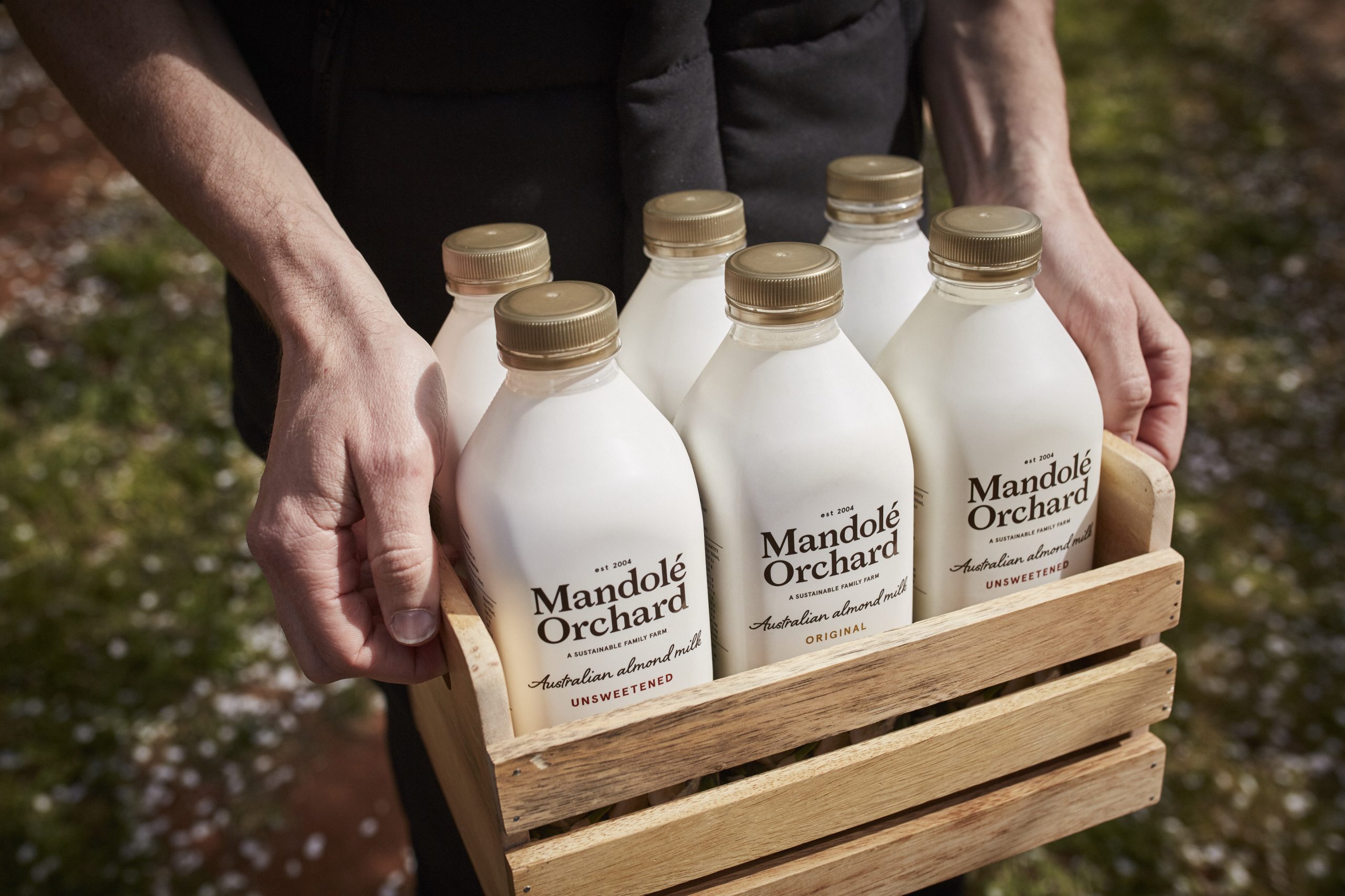
    Mandolé Orchard expands range with almond products

    Mandolé Orchard has expanded its range with the launch of Chocolate Almond Milk, Coconut Almond Milk, and Smooth Almond Butter.

    According to the brand, the three new products not only celebrate its “signature goodness and commitment to wholesome products but deliver something for everyone – even the fussiest of tastebuds”.

    Low in sugar and “completely clean” with “high” almond density, this product is promoted as the “perfect” afternoon refreshment, the “ultimate” smoothie companion, a “delicious” cocktail enhancer, or something for even the fussiest of young eaters.

    The new Coconut Almond Milk is said to be low in sugar, high in protein, and vitamin E.

    “There are fewer pairings made for each other more than coconut and almond,” says the brand. “The new product is like a vacation in a bottle.”

    The almond butter is made fresh on the family farm from a “delicious blend” of lightly roasted premium Mandolé Orchard almonds.

    The product is available in salted and unsalted.

  • Jollibee takes stake in Milkshop

    Jollibee takes stake in Milkshop

    Jollibee Foods Corp has acquired a majority stake of Milkshop International, operator of Taiwanese milk tea chain Milksha, through its subsidiary Jollibee Worldwide.

    The acquisition deal, equivalent to 51 per cent ownership, is valued at approximately US$12.8 million. Meanwhile, one of the co-founders of Milkshop will retain the remaining 49 per cent.

    “This gives JFC the opportunity to participate in this fast-growing beverage category and together with Milkshop’s Founder, grow the Milksha brand globally,” the Philippine multinational company said in a disclosure statement.

    Founded in 2008, Milkshop International is primarily involved in the development, operations and franchising of specialty tea shops under the trade names Milkshop and Milksha (for international markets). Currently, the company operates more than 250 outlets, with 231 stores in Taiwan, four in Hong Kong, two in Melbourne, two in Vancouver and 12 in Singapore.

    Despite the pandemic, the chain generated $47.7 million in system wide sales, higher than the year before when the sales amounted to $66.5 million.

    “Milkshop is generating modest net income and positive earnings before interest, taxes and depreciation,” the company said.

    JFC and its subsidiaries, Fresh N’ Famous Foods and Mang Inasal Philippines, now have the exclusive rights, through a licensing agreement with Milkshop, to sell and market products under the Milksha brand in their stores. Jollibee said Milksha products will be sold in Chowking stores soon.

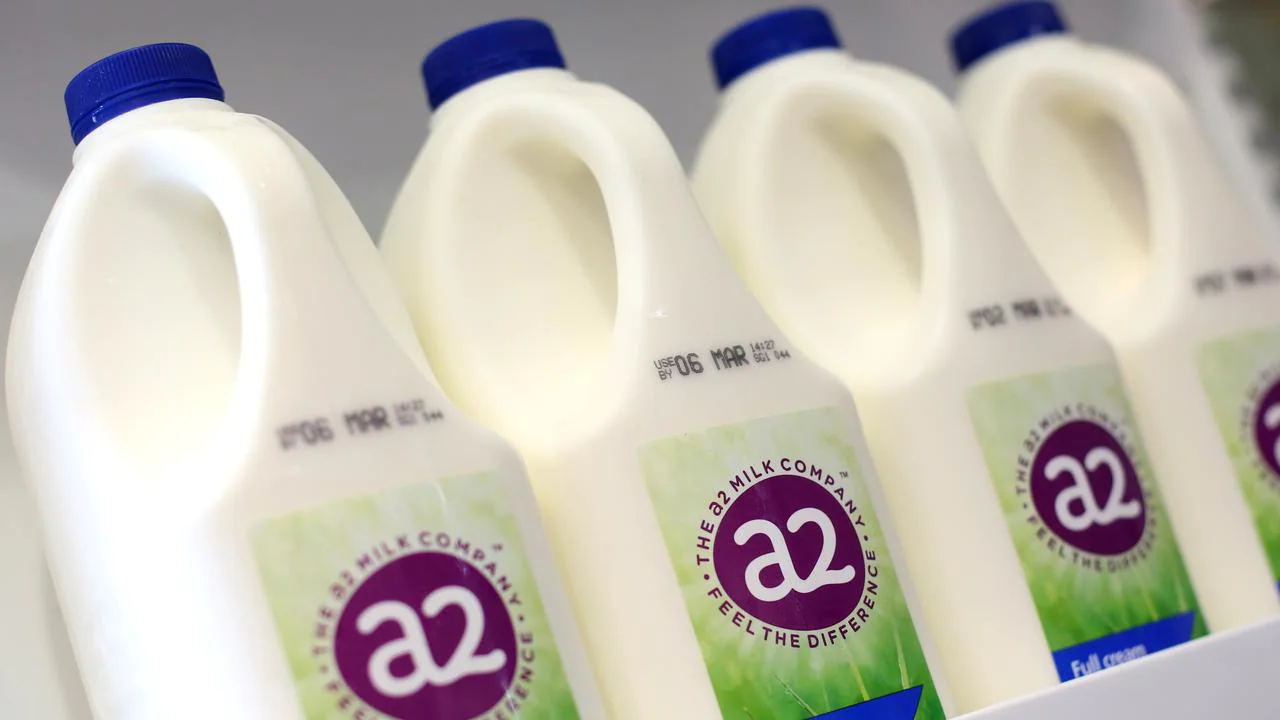
  • A2 Milk faces lawsuit over allegations of providing misleading forecasts

    A2 Milk faces lawsuit over allegations of providing misleading forecasts

    A2 Milk Co Ltd said on Wednesday Australian law firm Slater and Gordon has filed a class action lawsuit against the dairy firm on behalf of investors who bought its shares over a nine-month period when it issued multiple earnings downgrades.

    Shares of a2 Milk, which had plunged 62% during the nine-month period from August 2020 to May 2021, fell as much as 5.3% to NZ$6.450 following the news and were on track for their worst session in more than a month.

    The class action alleges that a2 Milk engaged in misleading or deceptive conduct in breach of the Corporations Act, and also breached continuous disclosure rules in posting four downgrades between September 2020 and May 2021, Slater and Gordon said in a statement.

    The downgrades came amid Australia’s souring ties with top trade partner China since 2018 and subsequent disruptions in the “daigou” channel, where Chinese shoppers buy products from outside China and resell it in the country. The channel accounts for a major portion of a2 Milk’s revenue.

    “There was a strong basis to allege that the company provided misleading guidance and was obliged to correct the market’s understanding of its financial position at a much earlier time,” Slater and Gordon Class Actions Practice Group Leader Kaitlin Ferris said.

    A2 Milk, which has lost nearly half its value since December, denied any liabilities and said it would “vigorously” defend the proceedings.

    The lawsuit, which was filed in the Supreme Court of Victoria, comes months after media reports concerning a potential class action by the law firm.

  • Leading milk tea brands plot Australian expansion

    Leading milk tea brands plot Australian expansion

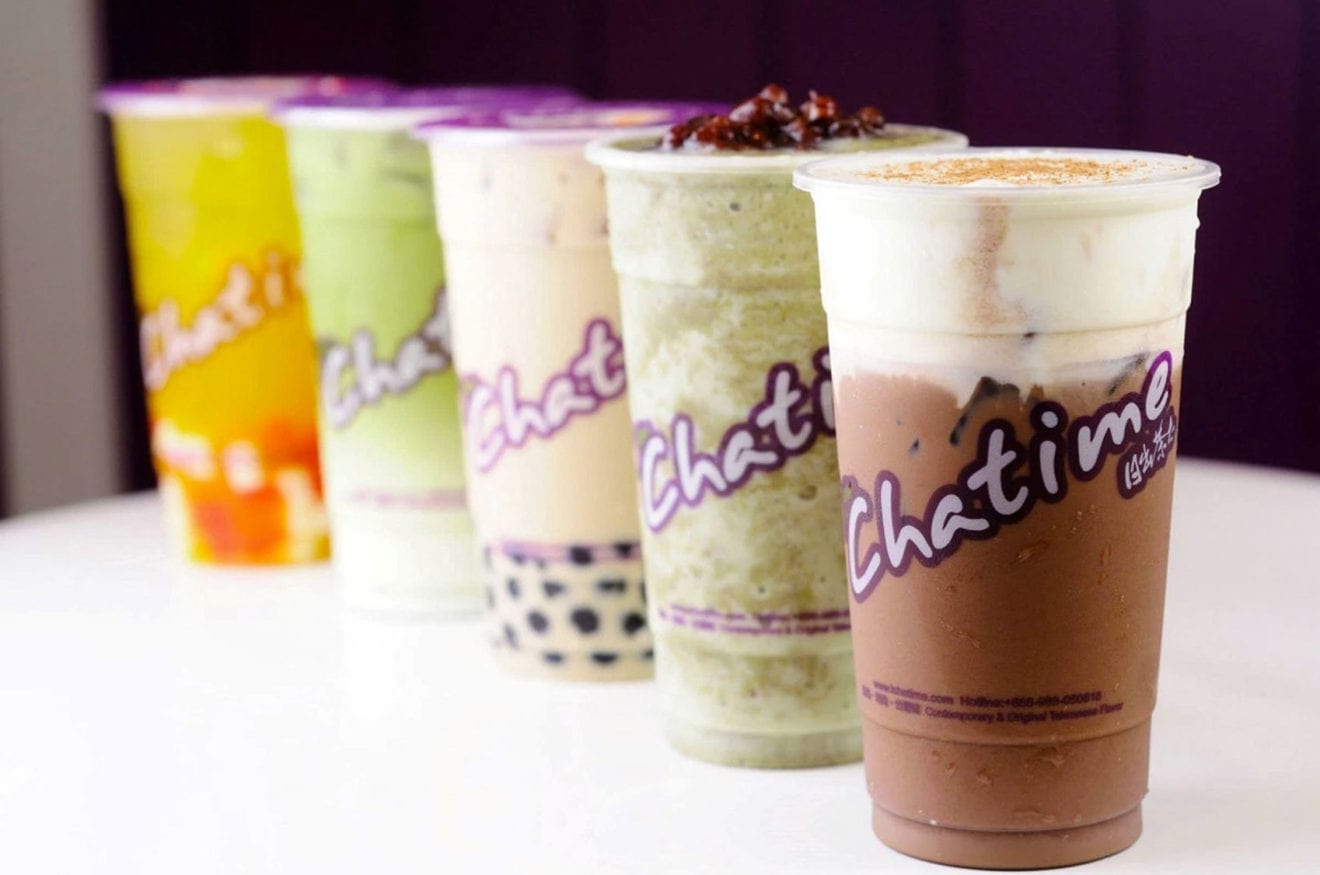
    Major milk tea brands Gotcha and Chatime have disclosed Australian expansion plans and their focus during the next few years.

    The assistant MD of Gotcha, Christy Chen said that the brand is set to open 20 new stores by the end of the year.

    “Gotcha will continue to focus on the interior of our stores to deliver an elevated level of design,” Chen said.

    Launching in 2018, the brand now operates more than 20 stores across the country. Gotcha aims to expand to Saudi Arabia, New Zealand and Singapore this year, and is expanding its store network in Indonesia.

    “We are very confident the bubble-tea market will continue to grow, especially as we expand into international regions.”

    Meanwhile, rival Chatime, said it will add 29 more stores to its existing 126 franchises in Australia this year.

    “As of right now, we currently have over 50 percent of our target locked in,” said Andrew Benefield, chief development officer at Chatime.

    The company expects the market will consolidate to just two to three key players including itself. Chatime’s goal is to hit 250 stores across the country during the next five years. At the same time, it will shift its focus to be more environmentally friendly and reduce plastic waste.

    “Chatime is currently working on Project Happy Turtle, which aims for us to completely eradicate single-use plastic within our stores across Australia,” Benefield said. “We’ve tried this through the introduction of reusable bubble-tea cups, as well as paper straws across the network.”

  • A2 milk taking controlling stake in Mataura Valley Milk

    A2 milk taking controlling stake in Mataura Valley Milk

    A2 Milk’s NZ$270 million bid for New Zealand-based Mataura Valley Milk has been given the green light by the country’s Overseas Investment Office.

    The decision clears the way for a2 to pick up a 75 percent interest in the dairy nutrition business, which is now set to occur at the end of July.

    According to the business, the acquisition “provides the opportunity to participate in nutritional products manufacturing, provides supplier and geographic diversification, and strengthens our relationship with key partners in China.”

    “As previously announced, due to the increasing scale of our infant nutrition business, we have been assessing participation in manufacturing capacity and capability,” said A2 Milk Company CEO Geoff Babidge said last year.

    “Our intention would be to invest further to establish blending and canning capacity at Mataura’s facility to support the establishment of a fully integrated manufacturing plant for infant nutrition.”

    A key part of the investment is that Mataura Valley Milk’s current majority shareholder, China Animal Husbandry Group, will retain its 25 percent interest in the business alongside a2’s 75 percent interest.

    China Animal Husbandry Group is the parent company to a2’s strategic logistics and distribution partner in China, CSFA Holdings Shanghai, allowing closer cooperation between the two firms.

  • ACCC finds Brownes Dairy in breach of Dairy Code

    ACCC finds Brownes Dairy in breach of Dairy Code

    Brownes Dairy has been penalised $22,200 by the ACCC over two breaches of the Dairy Code of Conduct last year. Last year, the WA dairy producer published two standard form milk supply agreements on its website which failed to specify key terms such as a definite end date of the supply period, and allowing the company to unilaterally vary the terms of the agreement.

    “It is critical that processors take active steps to ensure compliance with the Dairy Code so that farmers have the certainty and transparency in relation to milk supply agreements that the Code is intended to provide,” said ACCC deputy chair Mick Keogh.

    “One of the requirements of the Dairy Code is that processors ensure their milk supply agreements are compliant before publishing them on their websites, and in this instance, Brownes Dairy published two supply agreements that were allegedly non-compliant with the code.”

    Under the code, most dairy processors are required to publish on their websites, every June 1 a standard-form milk-supply agreement to cover all the circumstances in which they intend to purchase milk in the coming financial year. This allows farmers to compare processors’ minimum prices and contract terms.

    According to a statement from the ACCC, Brownes Dairy addressed its breaches in the 2021-22 agreements published last month and has undertaken to write to farmers that it had contracts with, advising that it will only exercise its rights under existing agreements to the extent they are consistent with the terms of these new agreements.

    “Ensuring compliance with the Dairy Code remains an ACCC priority. We are continuing to assess agreements published on June 1 this year, and any identified breaches may result in the ACCC taking enforcement action where appropriate,” said Keogh.

  • Greater China drives profit growth for Fonterra

    Greater China drives profit growth for Fonterra

    Dairy giant Fonterra says a 61-per-cent boost in normalized profit for the nine months to April shows its restructuring program is paying dividends.

    The New Zealand-headquartered company recorded a net profit after tax of NZ$603 million, up 2 percent – or $587 million ‘normalized’ after extraordinary items were factored in.

    CEO Miles Hurrell said the company achieved higher margins and reduced its operating expenditure, despite the challenges of the Covid-19 pandemic, which remains very much part of life for the co-op’s employees and customers around the world.

    “It’s too easy to forget this if you’re sitting here in New Zealand – but today’s results show that despite these challenges we’ve lifted our financial performance. Over the last three months, we have also committed to getting out of coal by 2037 and made some promising progress in a trial using seaweed in cows’ feed to reduce emissions,” said Hurrell.

    Fonterra’s results illustrate the importance of Greater China to the company’s overall fortunes, delivering year-to-date EBIT up 30 percent year on year to $106 million.

    Foodservice continued to be the big driver behind the result, contributing $93 million of that growth. The year-to-date margin in China increased from 21.5 percent to 28.6 percent.

    In Asia Pacific, normalized EBIT of $224 million was down 10 percent, or by $24 million. Consumer sales improved by 29 percent and foodservice by 89 percent, offset by falling sales in the ingredients segment.

    And Africa, Middle East, and North America sector saw EBIT fall by 11 percent, or $40 million, to $322 million, largely due to lower Ingredients sales. Consumer and food service sales in those regions continued to perform well.

    Hurrell said Fonterra’s operating expenses were down by 5 percent year-to-date but the company will incur some additional expenditure in the final quarter to support its brands and product initiatives for the next year.

    Looking ahead, Hurrell says the improving global economic environment and strong demand for dairy – relative to supply – should lead to an increase in the Farmgate Milk Price range to its $8 projected midpoint.

    “Global demand for dairy, especially New Zealand dairy, is continuing to grow. China is leading the charge as its economy continues to recover strongly. Prompted by Covid-19, people are seeking the health benefits of milk and customers are wanting to secure their supply of New Zealand dairy products and ingredients,” he said.

    “Growth in global milk supply seems muted and the global supply of whole milk powder is looking constrained.

    “Based on these supply and demand dynamics, along with where the New Zealand dollar is sitting relative to the US dollar, we’re expecting whole milk prices to remain at current levels for the near future.”

    However, Hurrell flagged “a number of risks” including the unpredictable nature of the Covid-19 pandemic, the impacts of governments winding back their economic stimulus packages, foreign-exchange volatility, changes in the supply and demand patterns that can enter dairy markets when prices are high, and – as always – potential impacts of any geopolitical issues around the world.

  • Yakult opens a dessert store in Japan

    Yakult opens a dessert store in Japan

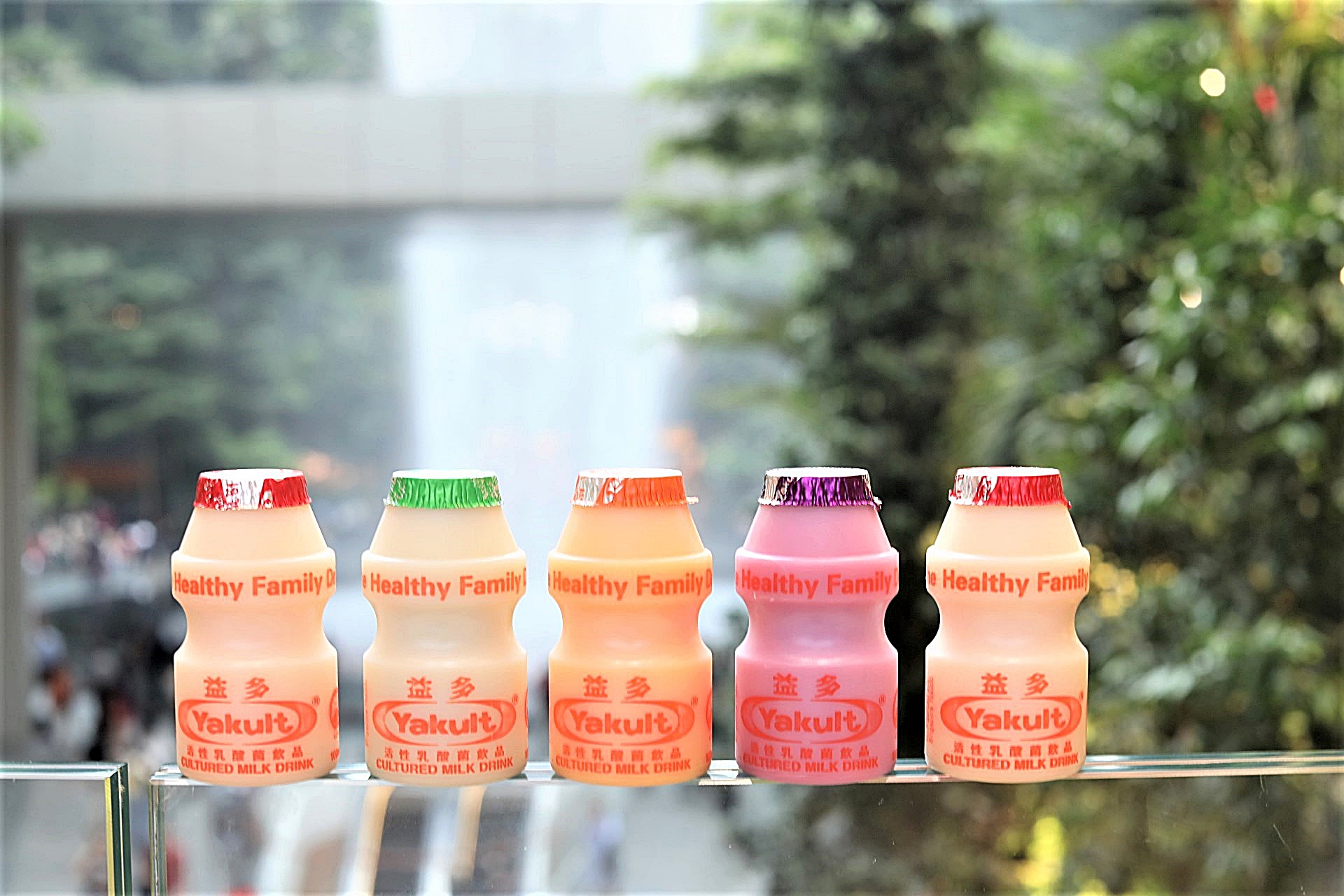
    Japanese sweetened probiotic milk brand Yakult is to open a pop-up dessert store in Tokyo next month.

    Located at the Shibuya 109 building, the Yakult store will offer a range of ice creams, soft serves, and shakes, which are mixed with probiotic milk. Seven kinds of treats, including Yakult Parfait and Ice de Yakult, are developed in partnership with Imada Kitchen.

    The store exterior will present an artwork drawn by the illustrator ‘The Peach of Girl’, which features a “chill and refreshing” vibe and “a feeling of nostalgia”. The Yakult dessert store will open from June 1 until August 1.

    First introduced in 1935, Yakult has been known as a healthy beverage that helps maintain good gut flora, as each bottle is said to contain more than 10 billion ‘Lactobacillus paracasei Shirota’ bacteria.

  • Vinamilk leaps six notches in Top 50 global dairy companies

    Vinamilk leaps six notches in Top 50 global dairy companies

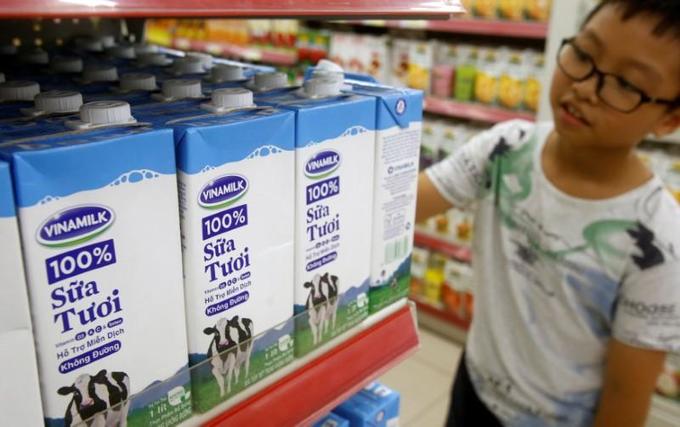
    Vinamilk has climbed six ranks to 36th in the top 50 world dairy producers with the highest turnovers, according to Plimsoll, a British financial analysis agency.

    With revenue of $2.6 billion in 2020,Vinamilk is the only representative in Southeast Asia to be listed among the Top 50 leading dairy companies in the world. The top 10 include firms from the U.S., New Zealand, Europe, and China.

    In 2017, Vinamilk made the list for the first time. After four years, the company’s revenue has continuously improved in the chart rankings. In 2020, despite Covid-19 impacts, Vinamilk still posted a 5.9 percent increase in revenue over the same period in 2019 and 17 percent compared to 2017, rising six ranks on the world dairy industry map.

    A report from Nielsen also shows Vinamilk is leading the domestic dairy market in key segments, including liquid milk, powdered milk, and condensed milk. Vinamilk has recently introduced new products to consumers, including Vinamilk Green Farm fresh milk, fresh milk with bird’s nest, premium juice Fruit Love, and Hero fruit milk. With a wide variety of new and quality products that meet diverse nutritional needs, the Vinamilk brand has been the most chosen by Vietnamese consumers for eight consecutive years, according to Kantar Worldpanel’s Asia Brand Footprint 2020.

    Vinamilk currently owns 13 factories, 13 farms, with a herd of about 150,000 cows, producing more than 250 types of products.

    The company has exported its products to 56 countries and territories, with a total turnover of more than $2.4 billion. Since 2017, Vinamilk’s export revenue has grown continuously along with the expansion of new export markets.

    In the first quarter of 2021, Vinamilk’s export revenue increased by 7.9 percent over the same period last year.

    To rank higher on the world dairy industry map, Vinamilk has promoted corporate governance and sustainable development as its focal points in the future direction.

    A sustainable development strategy aims at ensuring sustainable values for the economy, society, and environment.

    Mai Kieu Lien, general director of Vinamilk, said the company would maintain stability in production and business and further promote cohesion and value sharing with stakeholders.

    “At Vinamilk, sustainable development will be oriented towards advanced models of the world dairy industry. Specific action plans and initiatives would be implemented along all parts of the value chain, from research and development, farm systems, factories to supply,” Lien maintained.

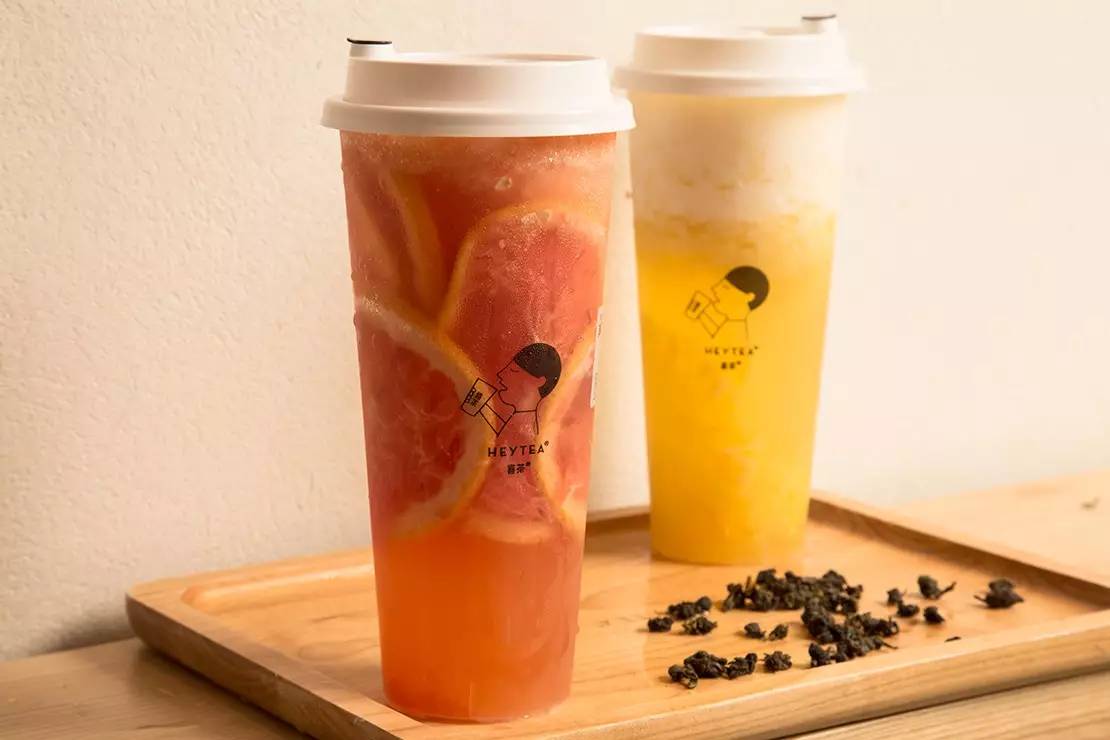
  • Heytea unveils convenience-store-like concept in Singapore

    Heytea unveils convenience-store-like concept in Singapore

    Chinese milk-tea brand Heytea has launched a retail concept resembling a convenience store in Singapore.

    The store, which is also the brand’s first outlet in the city’s south, is located at VivoCity and features bright orange and grey striped frontage, illustrating “the fun and quirky store concept”.

    The store also has large glass windows so customers can see how staff are making their orders. Besides teas, Heytea VivoCity also offers pastries, croissants and muffins.

    An “Order On The Go” service is available for customers to avoid queues.

    Founded in 2012 in China, Heytea operates more than 260 outlets in China and four outlets in Singapore. Three other outlets are located at Ion Orchard and The Shoppes at Marina Bay Sands.