Tag: milk

  • Fonterra India appoints Ishmeet Singh CEO

    Fonterra India appoints Ishmeet Singh CEO

    Fonterra Future Dairy Pvt Ltd, a new joint venture between global dairy nutrition company Fonterra Co-operative Group and new age FMCG company Future Consumer Limited, announced the appointment of Ishmeet Singh as its CEO, effective from January 7, 2019.

    Singh, a seasoned leader with a proven track record of profitable growth and business expansion, joins the business to deliver its ambition to bring high value and innovative dairy products to Indian consumers.

    Singh was a member, Western Region Committee (WRC) of the American Chamber of Commerce. He is a physics graduate, and has a Master’s in Management Studies from Mumbai’s Sydenham Institute.

    Singh says, “Over the next seven years dairy consumption is set to increase by 82 billion litres – seven times the forecasted growth for China. I feel extremely privileged to be able to lead this new opportunity as we look to bring an enhanced dairy experience to Indian consumers. I firmly believe through Fonterra Future Dairy we have a huge opportunity to challenge and change the market, combining Fonterra’s global dairy innovation, manufacturing and nutrition expertise with Future Group’s leadership in retail and distribution expertise and infrastructure.”

    Leading the growth and expansion of some of the world’s largest, trusted flagship brands in the Indian market, is familiar territory to Singh, having worked over the last 25 years at top multinational and FMCG companies such as Mattel, Vodafone, Hindustan Unilever, and Coca-Cola.

    Most recently, he led the business at Mattel, largest toy manufacturer in the world, as its Country Manager for India and the SAARC region. Previously, he held the role of Business Head at Vodafone India for over 5 years, leading remarkable revenue growth and retail expansion in many circles including Mumbai and Maharashtra.

    Managing Director Future Consumer Limited and Board Member of Fonterra Future Dairy, Ashni Biyani says, “We’re delighted to have someone of Ishmeet’s calibre to lead the business. As a sales and marketing professional at heart, we see him being instrumental in helping us build a brand that Indians love.”

    Fonterra’s Managing Director of Sri Lanka and the Indian Subcontinent, Chairman of Fonterra Future Dairy, Sunil Sethi said, “As our exciting growth phase picks up steam, it is critical that people with the right experience, values and drive are in place to steer the business forward. We are in the process of putting together a first-class team to build a fantastic legacy for the business. Through the ambition we have set, we believe the learning experience and possibilities here at Fonterra Future Dairy are limitless. Ishmeet is a proven and highly accomplished professional with a passion for leading teams to transformative success and growth. With his vision and deep personal commitment to society, we are confident that he will bring immense value in delivering on our ambition.”
  • Singapore company seeks to increase stake in Vietnam’s largest dairy firm

    Singapore company seeks to increase stake in Vietnam’s largest dairy firm

    A Singaporean shareholder in Vinamilk is seeking to increase its stake in Vietnam’s largest dairy firm. Jardine Cycle & Carriage Ltd has registered to buy 17.41 million shares between January 9 and February 7 through its wholly-owned local subsidiary, Platinum Victory, which will enable it to increase its ownership in Vinamilk from over 10 percent to 11.62 percent.

    At a proposed price of VND125,000 ($5.38) per share, the transaction will be worth VND2.17 trillion ($94.42 million).

    Last year Jardine, Vinamilk’s third largest shareholder, had registered on six different occasions to buy 14-17 million shares to increase its stake to above 11 percent, but was unsuccessful due to unfavorable market conditions.

    It first bought a 3.3 percent stake in Vinamilk in November 2017. Within a month it raised its ownership to over 10 percent.

    In April last year a representative of Jardine’s parent company, Jardine Matheson, became a Vinamilk board member.

    Hong Kong-based Jardine Matheson is one of Asia’s biggest conglomerates with interests in luxury hotels, motor vehicles, property, food retail, transport financial services, and agribusiness and revenues of almost $16 billion in 2017.

    F&N Dairy Investments, a subsidiary of Singapore-based Fraser & Neave Ltd, which is backed by Thai tycoon Charoen Sirivadhanabhakdi, owns a 17.31 percent stake in Vinamilk.

    Vietnam’s dairy industry reported revenues of more than VND100 trillion ($4.4 billion) in 2017, with Vinamilk commanding more than a 50 percent market share.

    According to a report by the EU-Vietnam Business Network, the market is expected to double in size by 2020 as the country’s population, personal incomes and dairy consumption increase.

  • Ten Ren milk tea comes to Vietnam via franchise

    Ten Ren milk tea comes to Vietnam via franchise

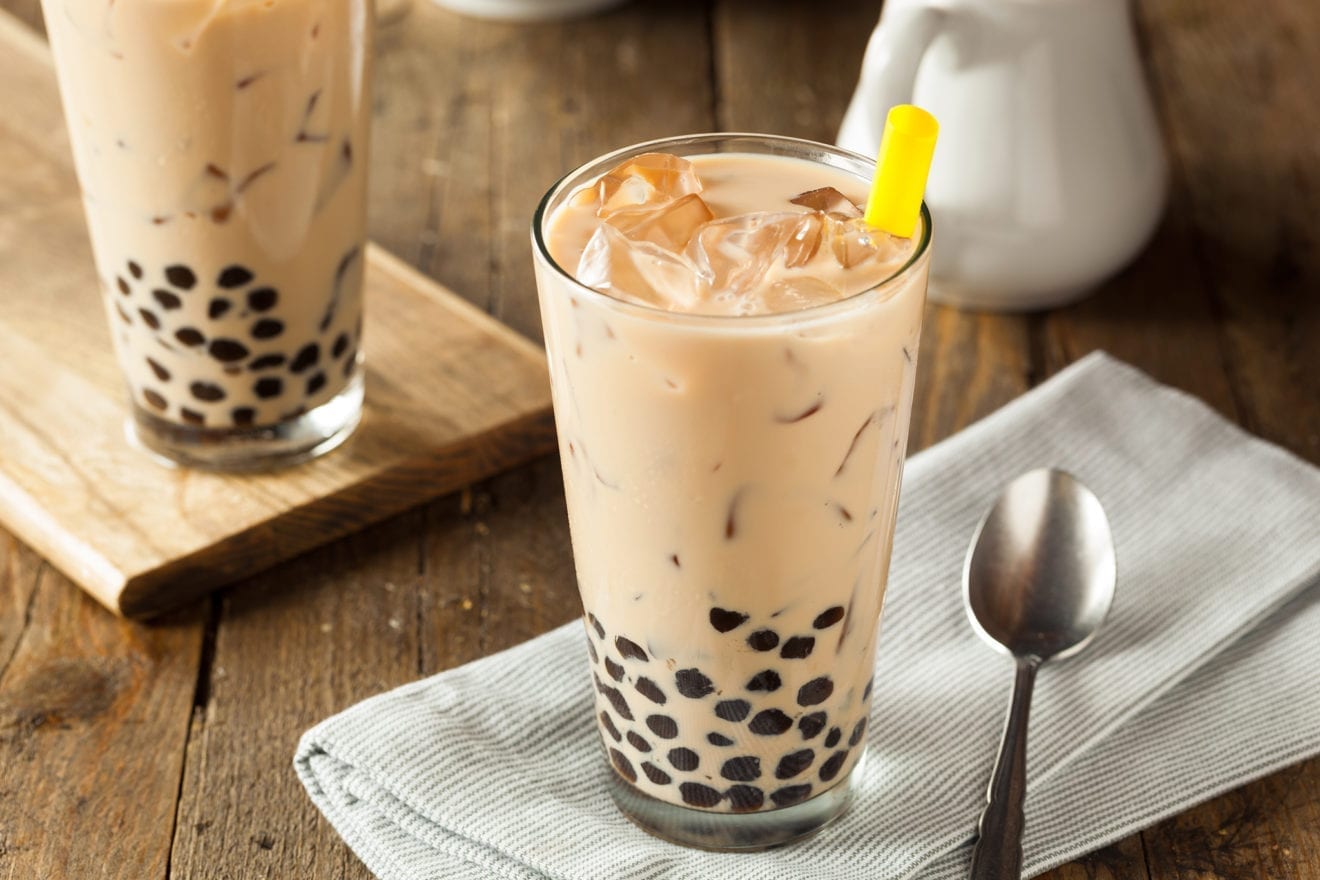
    Taiwanese milk tea brand Ten Ren to open first Vietnam store next month via a franchise agreement with The Coffee House.

    Nguyen Hai Ninh, co-founder and CEO of coffee chain, says Ten Ren will open 40 stores by the end of 2018.

    “At first, we will sell traditional packed tea, bottled drinks and anchored product – milk tea. Each year we will add more items according to customer demand,” Nguyen says.

    Nguyen believes Vietnam’s milk tea market still offers huge potential, citing Euromonitor data  showing the market was worth US$282 million in 2016 with a 20 per cent year-on-year growth rate.

    The latest entrants to Vietnam’s milk tea market include Yutang, and Vietnamese brand Tocotoco.

    Backed by Seedcom holding group, The Coffee House was founded in 2014, has 64 stores all over Vietnam,with plans to increase to 200 by 2020.

    Ten Ren Tea was founded in 1953, specialises in tea and ginseng products.

  • Vinamilk tops most valuable firms list

    Vinamilk tops most valuable firms list

    Forbes Vietnam on Monday announced the Vietnam Dairy Products Joint Stock Company (Vinamilk) topped the 40 most valuable companies in the country with a value of more than US$1.7 billion. This is the second time Vinamilk has reached the top in the Forbes ranking.

    Forbes Vietnam said in its statement that total value of the 40 most valuable firms reached more than $5.4 billion, an increase of 20 per cent from the previous assessment last year.

    Behind Vinamilk was the military telecommunication group Viettel and property developer-retailer Vingroup, whose estimated values were $849.6 million and $299.3 million, respectively. The list closed out with the agriculture group Loc Troi, which was assessed at $13.1 million.

    Loc Troi joined the most-valuable list in 2017 for the first time, along with Quang Ngai Sugar Joint Stock Company, fuel dealer Viet Nam National Petroleum JSC (Petrolimex) and Saigon Tourist.

    In terms of industries, consumer goods producers and financial-banking firms outnumbered others at 19 companies.

    Saigon Securities Inc (SSI) was the only brokerage included in the Forbes Viet Nam list.

    Among other financial institutions were Vietcombank, Vietinbank, BIDV, Bao Viet Holdings, MB Bank, VP Bank and Sacombank.

    Three quarters of the 40 firms are already listed on the HCM and the Ha Noi stock exchanges, including two brewers Sabeco and Habeco, Mobile World Corp, Vietjet Air and property developer Novaland.

    Some of the 40 companies trade their shares on the Unlisted Public Company Market (UPCoM) and the Over-the-Counter (OTC) market, such as Truong Hai Automobile, VP Bank and Techcombank.

    According to Forbes Viet Nam, the evaluation was conducted based on the contribution of the company’s brand to the business performance. The most valuable brands were the firms that recorded high revenue and earnings in the industries they were leading.

    Forbes Vietnam, with support from Viet Capital Securities Co, evaluated the firms’ pre-tax earnings, loan interest rates and intangible assets.

    In addition, Forbes Vietnam was assisted by the companies whose shares are traded on the two local exchanges and UPCoM and OTC markets, while some non-traded and unlisted companies agreed to provide financial data for the evaluation.

    The brand valuation is calculated on the company’s share price-to-earnings (P/E) ratio versus the market’s average P/E ratio for listed ones.

    For unlisted companies, Forbes Viet Nam compared the firm’s scale and scope to others in the same industry to calculate the company’s value.

  • Vietnam’s appetite for foreign baby formula is making US giant Abbott rich

    Vietnam’s appetite for foreign baby formula is making US giant Abbott rich

    Abbott is widely known as a formula milk supplier, and bagged more than $1 billion in sales from 2014-2016 in Vietnam.

    Abbott, a U.S.-based global healthcare company, said its net sales in Vietnam last year jumped 31 percent from 2015 to $434 million, ranking the country as the fastest growing among the firm’s top 10 markets based on revenue.

    Sales growth in the Southeast Asian nation surpassed major markets such as the U.K., Canada, Colombia and Italy, bringing Abbott’s total revenue last year to $20.85 billion, or 2 percent up from 2015, the firm said in its 2016 annual report.

    In Vietnam, where the firm arrived in 1995, Abbott is widely known as a formula milk supplier, and bagged more than $1 billion in sales from 2014-2016.

    Last year, the firm expanded its commercial presence into Vietnam’s pharmaceutical business by acquiring two manufacturing facilities. This deeper penetration was among the company’s business highlights of 2016, Abbott said in the report.

    Established in 1995, Glomed has two plants in the southern province of Binh Duong and five branches across the country.In August 2016, Abbott acquired Glomed Pharmaceutical Company Inc (Glomed), a leading Vietnamese drug manufacturer.

    A month later, Abbott’s subsidiary CFR International SPA raised its ownership in Vietnamese drug firm Domesco Medical Import Export Joint Stock Corporation (Domesco) to 51.7 percent from 45.9 percent.

    Formed in 1888, Abbot has about 100 manufacturing facilities globally with 94,000 employees.

    The Vietnam Dairy Association (VDA) said foreign firms, led by Abbott, Mead Johnson, Dutch Lady, and Nestlé, dominated the domestic powdered milk market, holding up to a 75 percent of market share as of 2013.

    The developing country with more than 90 million people is now home to 60 dairy firms that produce and trade more than 300 dairy brands.

    Last year, revenue in the dairy sector edged up 3.3 percent from 2015 to more than VND95 trillion ($4.2 billion), 45 percent of which came from Vinamilk, the Industry and Trade Ministry cited VDA data as showing.

    The ministry estimates that Vietnam’s dairy industry grew on average 17 percent annually from 2011-2015, while per capita consumption of milk is forecast to rise 9 percent per year to 27-28 liters by 2020 from around 20 liters now.

  • HSC estimates Vinamilk shares worth $6.70

    HSC estimates Vinamilk shares worth $6.70

    According to HSC, Vinamilk’s shares are valued at VND152,000 ($6.7), higher than the current price of VND130,000 ($5.7). A representative from HSC, however, told that its price is only a forecast based on the price of raw milk and may change.

    Vinamilk owns ten farms around the country with over 17,000 heads of cattle. HSC estimates that, in 2016, its farms supplied 42,654 tons of raw milk, up 13 per cent and contributing 7 per cent of the company’s raw milk input.

    HSC also estimates that Vinamilk’s total raw milk from its farms and from buying from dairy farmers reached 221,433 tons in 2016, up 10.6 per cent against 2015. Net revenue is expected to reach over VND53.1 trillion ($2.3 billion) this year, up 13.6 per cent, and after-tax profit VND10.1 trillion ($444.4 million).

    According to HSC, Vinamilk will maintain stable growth thanks to the potential of its core business. It can maintain double-digit revenue growth in 2017 and the dairy sector will continue to grow at an average rate of over 10 per cent.

    It forecast that Vinamilk’s average annual growth rate in net sales from 2017 to 2020 will be 10.9 per cent and after-tax profit 9.3 per cent.

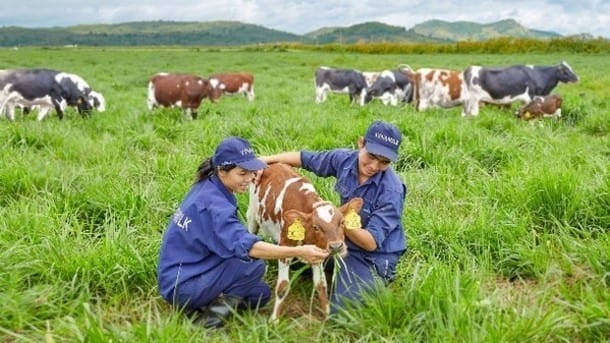
    Vietnam’s largest dairy producer began operating the country’s first-ever organic dairy farm under European standards in the central highlands province of Lam Dong on March 14.

    The farm has investment capital of $8.7 million, is certified by the Netherlands-based global network of inspection operations, Control Union, and has a herd of 500 imported cows. “We apply close monitoring measures to ensure the herd only produces high-quality milk,” said Ms. Mai Kieu Lien, Vinamilk’s CEO.

    The farm reflects the company’s commitment to clean and sustainable production, she added, with Vinamilk wishing to make high-quality products available to Vietnamese consumers at reasonable prices.

    Vinamilk’s revenue was estimated at $2 billion in 2016, up 15 per cent compared to 2015. Pre-tax profit stood at VND11.2 trillion ($492.8 million) and after-tax profit VND9.3 trillion ($409.2 million).

    It targets revenue of $3 billion this year. If reached, Vinamilk would break into the Top 50 milk producers in the world.

  • Yakult Indonesia still relies on imported milk for dairy drinks

    Yakult Indonesia still relies on imported milk for dairy drinks

    Yakult Indonesia Persada, one of the major producers of fermented milk products, still relies on imported raw materials for its production in Indonesia.

    Yakult Indonesia vice president and director Hiroyuki Kawada said the company had to import ingredients because local milk had yet to meet the standards for the company’s fermented milk |production.

    “We mostly import the skimmed milk from Australia, and the rest is from Belgium,” he said.

    Yakult Indonesia Persada, a subsidiary of Japan-based Yakult Honsha, was established in1990. The company operates a factory in Sukabumi, West Java, and another in Mojokerto, East Java.

    The factories can produce 6.6 million 65-millilitre bottles of cultured dairy drink a day. The company sells its fermented milk through supermarkets and through “Yakult Lady”, a sales force of women who sell the product door-to-door in many parts of the country.

    “There are 7,600 Yakult Ladies now, and they can reach 30 houses per day each,” said Antonius Nababan, the companies marketing communication and commercial (MCC) director. Zulkarnain, the MCC’s senior assistant manager, said sales averaged 5 million bottles a day.

    Indonesia was the second-biggest market for Yakult products after Japan, which has 10.18 million consumers.

  • Vinamilk stake sale set to flop after Vietnam imposes investment caps

    Vinamilk stake sale set to flop after Vietnam imposes investment caps

    The market has been surpised by news that each investor could only buy up to 2.7 percent of the dairy giant’s shares. The Vietnamese government will likely fail to sell much of the 9 percent stake it has offered in dairy firm Vinamilk, one of its most attractive assets, with investors put off by highly restrictive investment caps and unfavorable market conditions.

    The State Capital Investment Corporation (SCIC), which represents the government’s 44.7 percent ownership in Vinamilk, took the market by surprise last month when it announced each investor could only buy up to 2.7 percent of Vinamilk’s shares.

    That has helped result in just two bids, worth a combined $500 million, by wholly owned units of Thailand’s Fraser and Neave Ltd for the shares due to sold on Monday. One of the units is already Vinamilk’s second-biggest shareholder with a 10.95 percent stake.

    The muddled sale process has underscored Vietnam’s relative inexperience and investor wariness about state control as the government seeks to push forward with a major privatization drive, one that already been hampered due to the small stakes on offer and concerns about vested interests.

    Also detering investors has been a drop in Vinamilk’s share price below the minimum bidding price set by the government of VND144,000. The stock has been hit by a sell off in Vietnamese shares as investors shun emerging markets amid uncertainties after the U.S. presidential election and a potential rates hike by the Federal Reserve.

    Lessons learned

    “The minimum bidding price of VND144,000 is actually not expensive for a strategic investor in Vinamilk, but the issues are the timing and the restrictions that come with it,” said Nguyen Thanh Lam, deputy manager at Maybank Kim Eng Securities in Vietnam.

    Vinamilk, Vietnam’s top listed firm by market value, is seen as one of the country’s most attractive companies as it commands around half of domestic market for dairy goods and has seen steady earnings growth.

    Its shares have jumped 20 times in value since its debut on the Ho Chi Minh City Stock Exchange 10 years ago.

    Other shares offerings coming up include an initial public offering of budget carrier VietJet Air, which is expected to raise up to $194 million, and the sale of government shares in Vietnam’s top brewers Sabeco and Habeco.

    Fiachra Mac Cana, managing director and head of research at Ho Chi Minh Securities, said the Vinamilk share sale did not necessarily bode ill for other asset sales.

    “I feel that the sale is actually a good initial step with a few lessons learned as to how to do better next time,” he said.

    “In any event, the government hasn’t been doing this for that long so in a way we should expect them to be learning as they go.”

  • Qantas Freight has been appointed as the carrier to transport milk

    Qantas Freight has been appointed as the carrier to transport milk

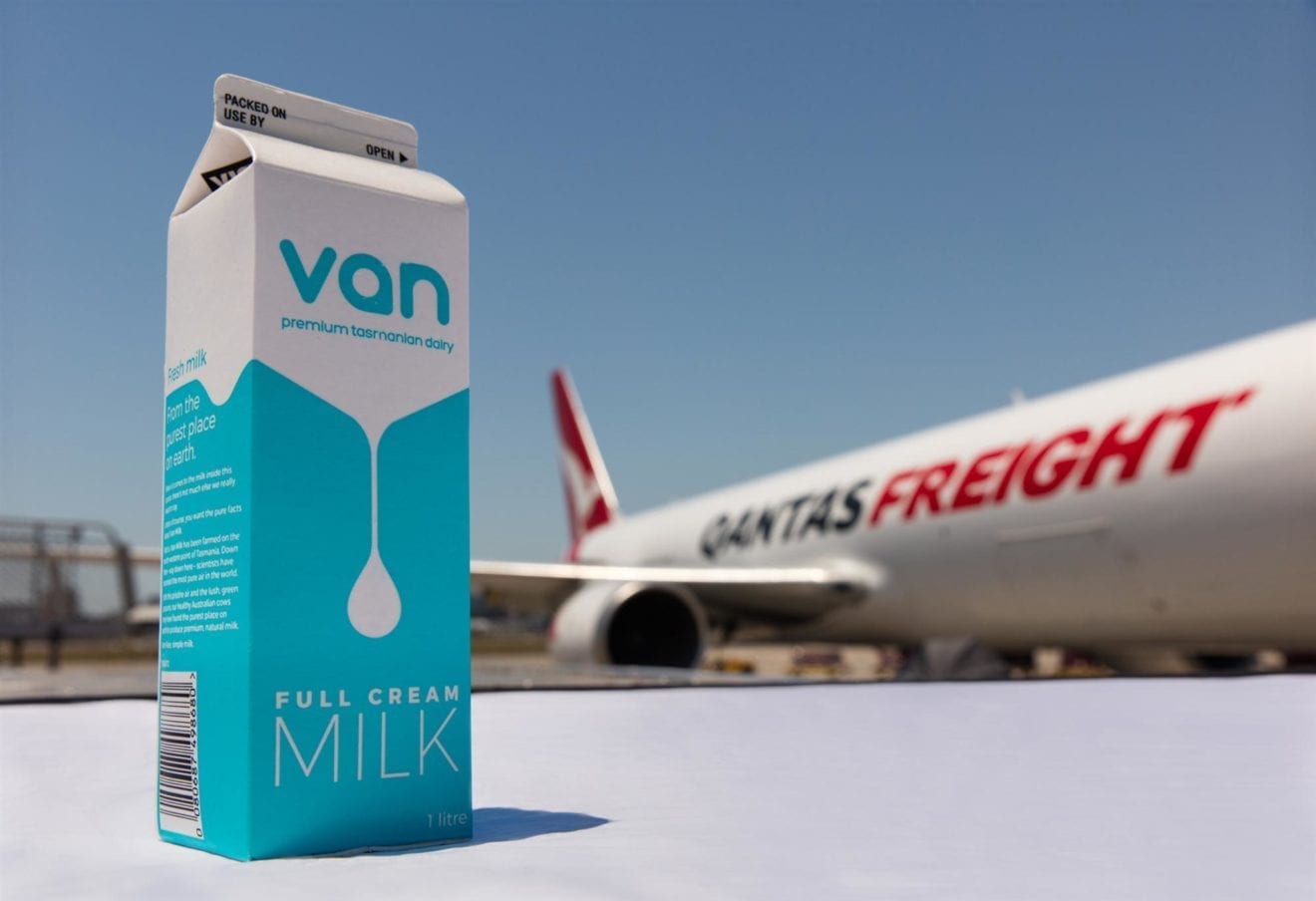
    Qantas Freight has been appointed as the exclusive carrier to transport Van Dairy’s Tasmanian milk to Ningbo, China.

    Starting in the first half of 2017, Qantas Freight will operate a weekly Boeing 767-300 freighter flight from Hobart to Ningbo, carrying more than 50,000 litres of fresh milk. Qantas will look at increasing the frequency if there is additional demand.

    “There is a huge demand for fresh milk in China and the key to satisfying that demand is having a reliable freight partner with an established freighter network, infrastructure and support in China and expertise in handling fresh produce – Qantas provides that,” said Sean Shwe, managing director of Moon Lake Investments, parent company of Van Dairy. “Establishing this trade bridge is an exciting venture for our dairy company, Van Dairy who produce Van milk, and opens the door for access for other Tasmanian producers of fresh perishables such as seafood, fruit and vegetables to air freight their produce on this direct flight to China. It will be a game changer for Tasmania, and we are proud to be leading the charge.”

    According to Qantas, local distributors will truck the milk to supermarkets and convenience stores in Ningbo and Beijing. Moon Lake Investments has plans to extend the dairy’s market reach to Shanghai, Hangzhou and other Chinese cities after the product is established.

    “We’ve been flying freight between Australia and Greater China for more than 30 years, and currently offer freight capacity on 40 flights a week,” said Alison Webster, executive manager of Qantas Freight and Qantas Catering Group. “This includes five dedicated freighter aircraft services, carrying a mix of perishables such as chilled meat, seafood, dairy, fruit and vegetables as well as general cargo. Over the past three years Qantas Freight has developed particularly strong capabilities in dairy export which, with its short-life, requires close collaboration to ensure on-time delivery and quality control throughout the supply chain. We’re really pleased to partner with Van Dairy to help meet the booming demand for fresh Tasmanian milk in China – it’s the ultimate milk run.”

    Qantas currently operates passenger flights from Brisbane, Melbourne and Sydney to Hong Kong, as well as from Sydney to Shanghai. It is also scheduled to launch a flight between Sydney and Beijing in January 2017.

  • Vinamilk enters Thai market

    Vinamilk enters Thai market

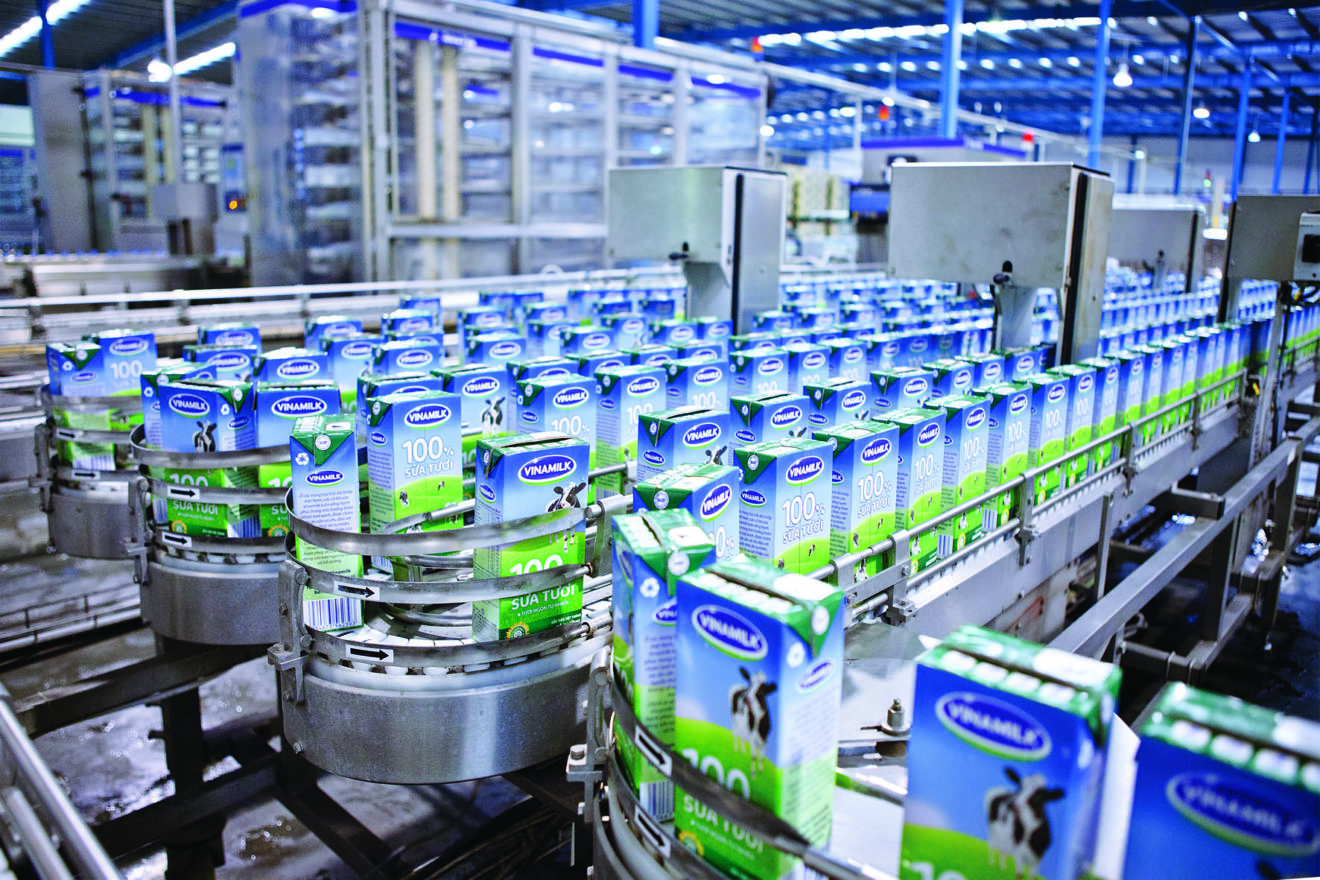
    The Vietnam Dairy Products Joint Stock Company (Vinamilk), Vietnam’s largest milk producer, has selected Top Most Enterprise (TME) – a Thai company – to distribute Vinamilk products in Thailand, a dairy product market worth about $1.7 billion/year.

    Siwat Thamaranothai, TME’s managing director, told the Bangkok Post that he suggested TME serve as the Thai distributor after enjoying Vinamilk yoghurt during a trip to Vietnam.

    The company launched Vinamilk yoghurt in the Thai market at selected modern retail chains such as Lawson convenience stores and The Mall and Foodland supermarkets three months ago.

    This product is priced at 17-19 baht, higher than other brands. TME expects to cover all distribution channels in the second quarter of next year.

    Most Enterprise also plans to launch Vinamilk UHT milk.

    Vinamilk was the only dairy company in Vietnam to make the list of the Top 300 most dynamic companies in Asia, as recently voted upon by the Nikkei Asian Review.

    Its products are now sold in nearly 200 stores in 45 provinces in Vietnam and in more than 43 countries, such as Cambodia, Thailand, South Korea, Japan, China, Turkey, Russia, Canada, and the US.

    The company has also bought a 22.8 per cent stake in Miraka from New Zealand, 70 per cent in Driftwood in the US, and 51 per cent in Angkor Milk in Cambodia, as well as a subsidiary in Poland as a gateway to Europe.

    It plans to build a new milk powder plant in Vietnam next year and will expand production at its New Zealand plant, which is operating at full capacity.

  • Lawmaker wants increase milk production, consumption

    Lawmaker wants increase milk production, consumption

    Legislator of Commission X of the House of Representatives (DPR), Dwita Ria Gunadi wants to increase milk production and consumption because the per capita milk consumption in the country is still lower than other Asian countries.

    “The per capita milk consumption in 2015, based on data from the Agriculture Ministry was only 12.1 liters per annum,” Dwita Ria Gunadi said in a written statement here on Thursday.

    The per capita consumption is still is still lower than the per capita consumption of India, which reached 48.62 liters per annum, Singapores 44.5 liters and Malaysias 36.2 liters.

    Indonesias per capita milk consumption is even lower than that of Thailand, which reached 33.7 liters per annum, the Philippines 17.8 liters and Vietnams 14.3 liters.

    Dwita reminded that the milk imports of Indonesia should meet domestic need, which has exceeded 80 percent.

    “This condition is a cause for concern because our land has potential for developing and breeding milch cows,” Dwita, who is a member of the Greater Indonesia Movement Party, (Gerinda) said.

    She has also started a discourse to boost production though among others, the allocation by local governments of funds to breeders for stimulating milk production.

    It was earlier noted that the fresh milk production of milch cows in the Malang District of East Java, increased from 117,235 tons in 2014 to 132,052 tons in 2015 and during the first semester of 2016 it was pegged at 66,593 tons.

    “In order to increase production and consumption of milk, we provide milch cow assistance to breeders. This year, 92 heads of milch cows were provided, and next year this assistance will continue, but the number will not be as big as this year,” Sudjono, the head of Malangs Animal Husbandry Service, said on November 4.

    He added that over the past five years the number of milch cows provided for breeders accounted for 826 heads.

    The farmers, who got the assistance, were those from milch cow production centers, such as Wajak, Pujon, Ngantang, Poncokusumo and the Jabung sub-districts.

    According to the Cooperatives, Small and Medium-Scale Enterprises (SME) Minister Puspayoga, milch cow farmers must increase and maintain the quality of their milk production. All milk produced domestically, including by members of cooperatives, should be absorbed by the milk-processing industry (IPS) in order to meet the domestic need and reduce imports.

    An executive from one of the countrys food and drinks company, PT Nestle Indonesia, argued that to increase productivity and improve the quality of milk, local milch cow farmers should adopt sustainable breeding practices.

    “The key to increasing production and improving quality is to adopt sustainable breeding practices and to optimize cowshed cleanliness,” R Wisman Djaja, PT Nestle Indonesias director for Sustainability agriculture Development and Procurement Affairs, had said in Malang, East Java last month.

    The government, according to Minister Puspayoga, is now trying to resolve the constraints being faced by milch cow farmers and milk processing industries.

  • Fonterra benefits from growing milk consumption

    Fonterra benefits from growing milk consumption

    Dairy giant Fonterra Brands Indonesia president director Achyut Kasireddy, New Zealand Prime Minister John Key and Trade Minister Todd McClay share a conversation during an event at Fonterra manufacturing plant in Cikarang, West Java, on Tuesday. Key will end on Wednesday his three-day visit to Indonesia, during which he has brought along dozens of executives from various New Zealand companies in an effort to strengthen economic ties and consolidate several investment opportunities.

    New Zealand dairy firm Fonterra Brands Indonesia has reaped benefits from Indonesia’s growing milk consumption, becoming New Zealand’s poster boy for success.

    The company, part of multinational dairy cooperative Fonterra, sees Indonesia as one of its priority markets, with huge promise amid dairy product demand growth.

    According to the Agriculture Ministry, annual household consumption of dairy products rose to 313 ounces per capita in 2014 from only 209 ounces in 2013.

    As demands grow, Fonterra Brands Indonesia president director Achyut Kasireddy said on Tuesday that it was focusing to fulfill the capacity of its plant to “cater to the demand of dairy products for the next three years”.

    It operates a Rp 340 billion (US$25.98 million)-worth plant in Cikarang, West Java. The plant commenced operations last September and is Fonterra’s biggest investment in Southeast Asia in the last decade.

    Utilization rate of the plant has hit 60 percent of its full potential to produce 16,000 tons of milk powder a year and up to 87,000 packages of dairy products a day. It markets several milk brands in Indonesia, including Anlene, Anchor Boneeto and Anmum.

    Kasireddy said Fonterra may expand its investment in the country should it utilize the plant well.

    It deems upcoming investment as important to accommodate changes in consumers’ taste and preference, resulting in different product types, such as powders, liquids and any other formats.

    “For the future, there may be other opportunities that we will seriously look at. There will be a new concept and they are all in the concept stage right now,” he said without going into details.

    He claimed that Fonterra Brands Indonesia had also substantially invested in training for farmers to boost their production. It imports around 75 percent of its ingredients for milk powder from New Zealand and hopes to leverage the farmers’ products in the future.

    “As we keep helping local dairy communities transform their farming and enhance their production, the country is going to have high quality milk produced locally that will be available for companies like us,” he said.

    New Zealand Prime Minister John Key said during his visit to the plant that the company could be at the forefront of the growing demand for dairy products in Asia.

    “These are markets where, inevitably, as the consumer base gets wealthier, demand grows not only for more protein but for more security and quality in its food. That’s where Fonterra fits in,” said Key in his speech.

    He said the plant was an example of how New Zealand and Indonesia could benefit from investment in the dairy industry.

    “This [Fonterra’s plant] is living proof of work by the New Zealand government to pave way for New Zealand companies to develop a footprint and grow New Zealand’s reach to the world,” Key said.

    Key was accompanied by New Zealand Trade Minister Todd McClay and a delegation of New Zealand businesspeople for the plant visit, which was part of his two-day visit to Indonesia. He met with President Joko “Jokowi” Widodo on Monday and discussed economic cooperation.

  • Will underperforming Dairy Farm ever recover?

    Will underperforming Dairy Farm ever recover?

    Profitability is at a six-year low. Retail giant Dairy Farm has been underperforming in recent years, battered by weak sales, soft consumer sentiment and smaller market share. As a result, its profitability and share price has taken a beating, with the stock now hovering at its lowest point since 2010.

    Despite Dairy Farm’s poor showing, RHB Research remains bullish on the retailer’s growth story, noting that the company has much room for margin improvement in the medium term.

    “We believe there is much room to improve on gross margin in its supermarket/hypermarket segment, as the company reiterated its commitment to increase direct sourcing,” RHB said.

    RHB Research is also positive improving sales of the group’s corporate brands, and believes that country management changes will allow Dairy Farm to revive its presence in its key markets.

    “Current valuations are at their lowest point since 2010. This is perhaps reflective of weak profits, which are also at its lowest level in this period. However, we view Dairy Farm as a deeply-entrenched retail company, which has a strong potential to turn around its stumbling performances in the past few years.

  • China formula boom boosts a2 Milk

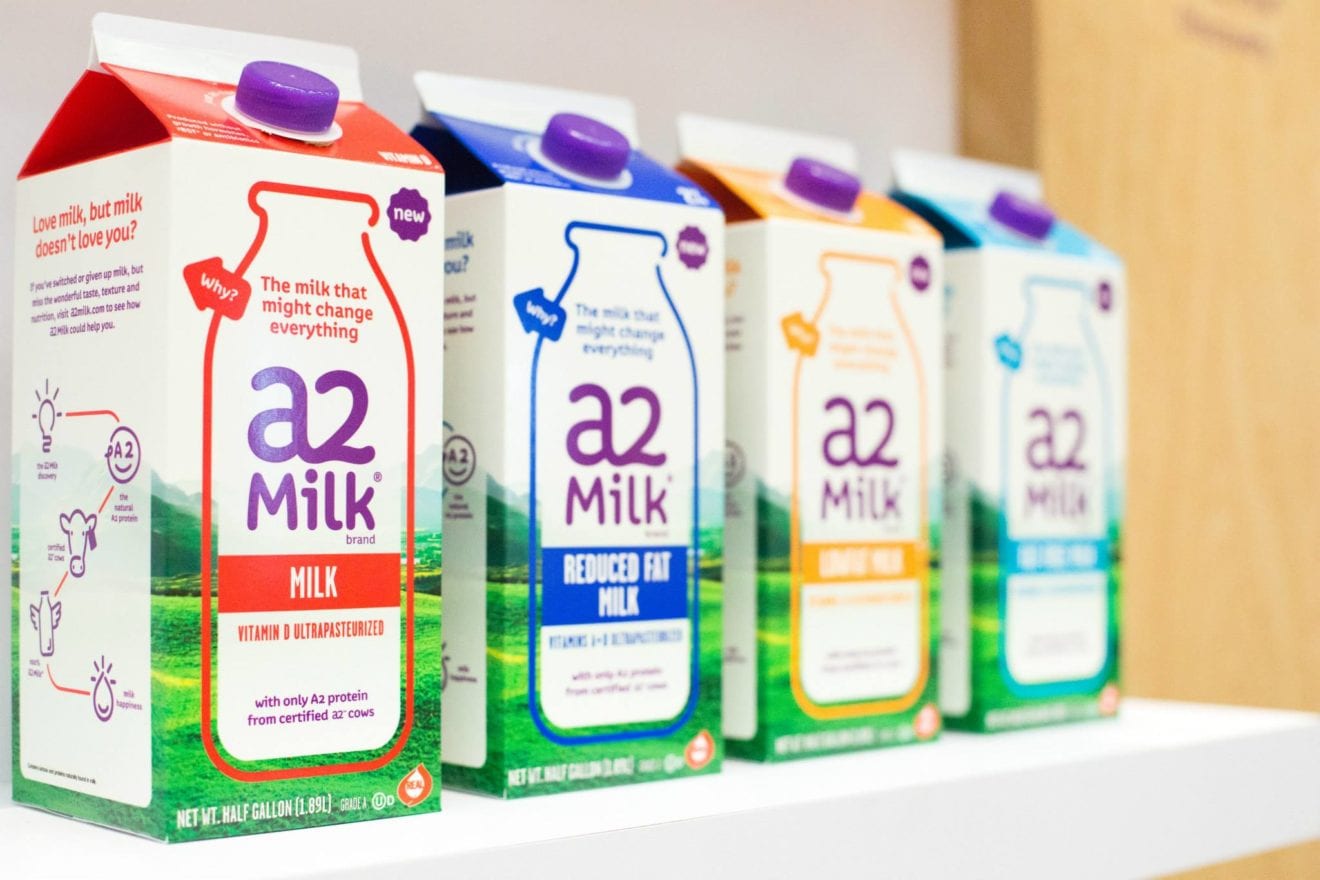
    China formula boom boosts a2 Milk

    China’s booming demand for baby formula had prompted dairy company a2 Milk Co to boost its earnings forecast for the 2016 financial year.

    The company, which operates in Australia and New Zealand, said the demand for its a2 Platinum infant formula was “growing exponentially”, with sales hitting $NZ38 million for the first for months of the new fiscal year, compared to a total take of $NZ42m for the entire 2015 financial year.

    Baby formula now accounts for around half of a2 Milk’s total group revenue, the company told shareholders at its annual general meeting today.

    The group expects total revenue of $NZ285m for the year, up from its previous forecast of $NZ267m, and raised earnings before interest, tax, depreciation and amortisation guidance to $NZ22, nearly double prior estimates.

    The bullish outlook comes amid headline grabbing reports of supermarket shelves being emptied of milk formula after customers — often Chinese tourists, migrants or students — remove stock by the pallet-load to sell online at home at inflated prices. The reports have caused an uproar among parents and consumer groups, who have called on the government to intervene.

    But a2 Milk said demand was growing amongst both Australian and Chinese customers. The group said the growing success of a2 Platinum products was based on the reputation of the a2 Milk brand in Australia, while positive perceptions around Australia and New Zealand’s “clean and green” sourcing, was also helping drive strong demand from China.

    The company said retail stock shortages were continuing despite production volumes increasing, while demand was continuing to exceed supply.

    The group said it was building branded flagship stores across selected e-commerce retailers to build and capitalise on the growing demand in China.

    “The a2 Milk Company is on the cusp of converting our recent investments into significant and meaningful business platforms, both in Australia and abroad, which will generate significant growing returns across the coming years.” chairman David Hearn said.

  • Fonterra opens $37m blending and packing plant in Indonesia

    Fonterra opens $37m blending and packing plant in Indonesia

    New Zealand dairy giant Fonterra has opened a new $37m blending and packing plant in Indonesia.

    Said to be Fonterra’s first manufacturing facility in the country, the plant uses the company’s manufacturing design standards and technology.

    The plant is capable of packing close to 16,000mt of dairy ingredients annually and it will allow Fonterra to meet growing demand for nutrition in the country.

    The company says that the capacity is equivalent to nearly 87,000 packs of Anlene, Anmum, and Anchor Boneeto per day.

    When fully operational, the plant will employ 160 local people.

    The investment, which is Fonterra’s largest investment in ASEAN in the past 10 years, will boost the growth of Fonterra’s brands including Anmum, Anlene and Anchor Boneeto.

    Construction on the plant at Cikarang in West Java commenced in March 2014.

    Fonterra Asia, Middle-East, Africa managing director Johan Priem said: “The country’s large and increasingly affluent population is looking for highly nutritious foods for all ages.

    “This is fuelling dairy demand growth which is expected to increase by five per cent every year to 2020.

    “The site also utilises Cikarang’s dry port, allowing us to ensure all of our operations are located in one area. This will help us drive logistical efficiencies.”

    New Zealand Minister of Local Government, Social Housing and State Services Paula Bennett said that the new facility reflects the strength of the relationship between New Zealand and Indonesia.

    “Our governments have set a target to grow two-way trade to NZD4 billion by 2024 and dairy continues to be a critical part of this relationship,” added Bennett.