Retail News CRM

Tag: milk

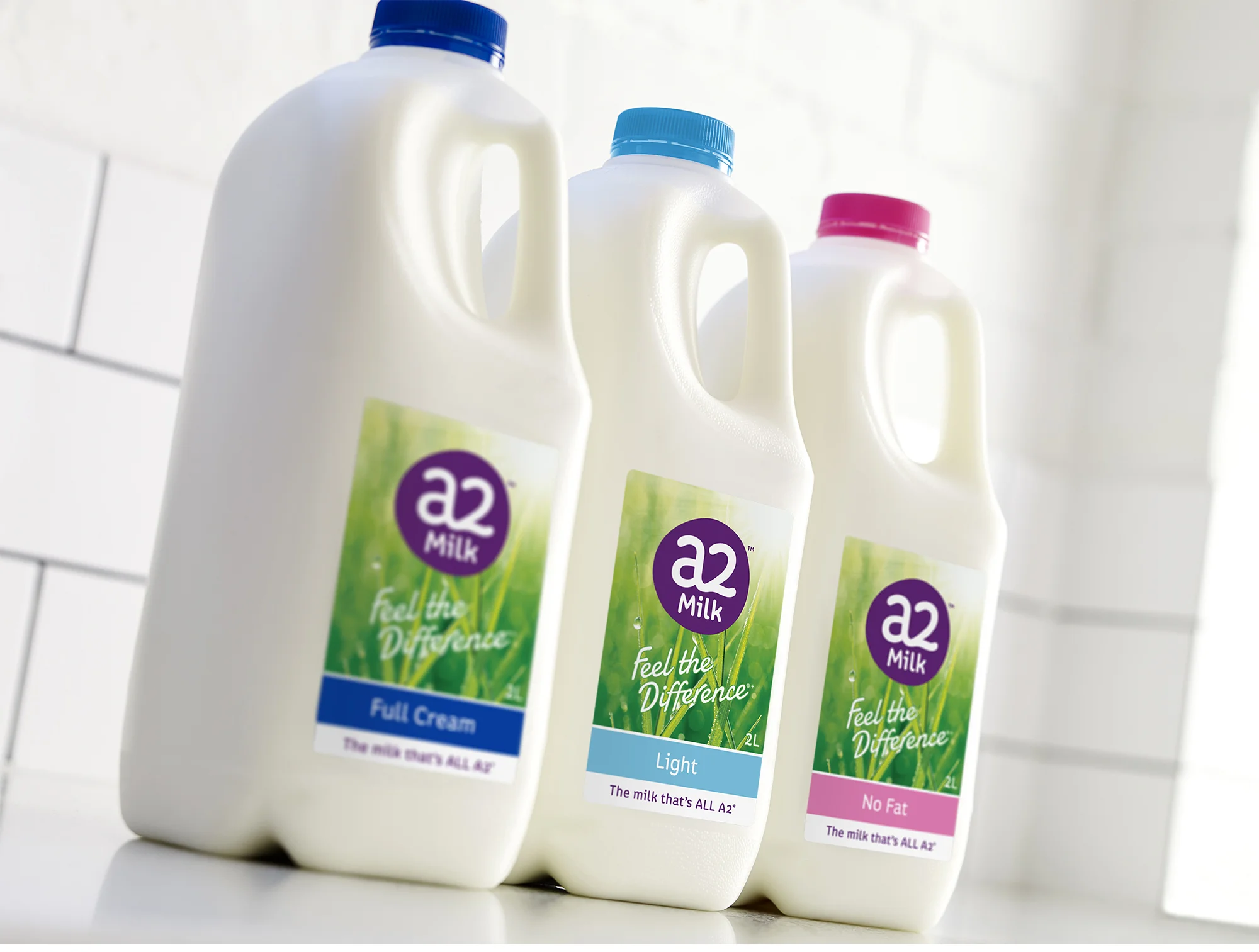
  • A2 Milk Company Seals $282m Acquisition, Plans Rebranding And Expansion In China

    A2 Milk Company Seals $282m Acquisition, Plans Rebranding And Expansion In China

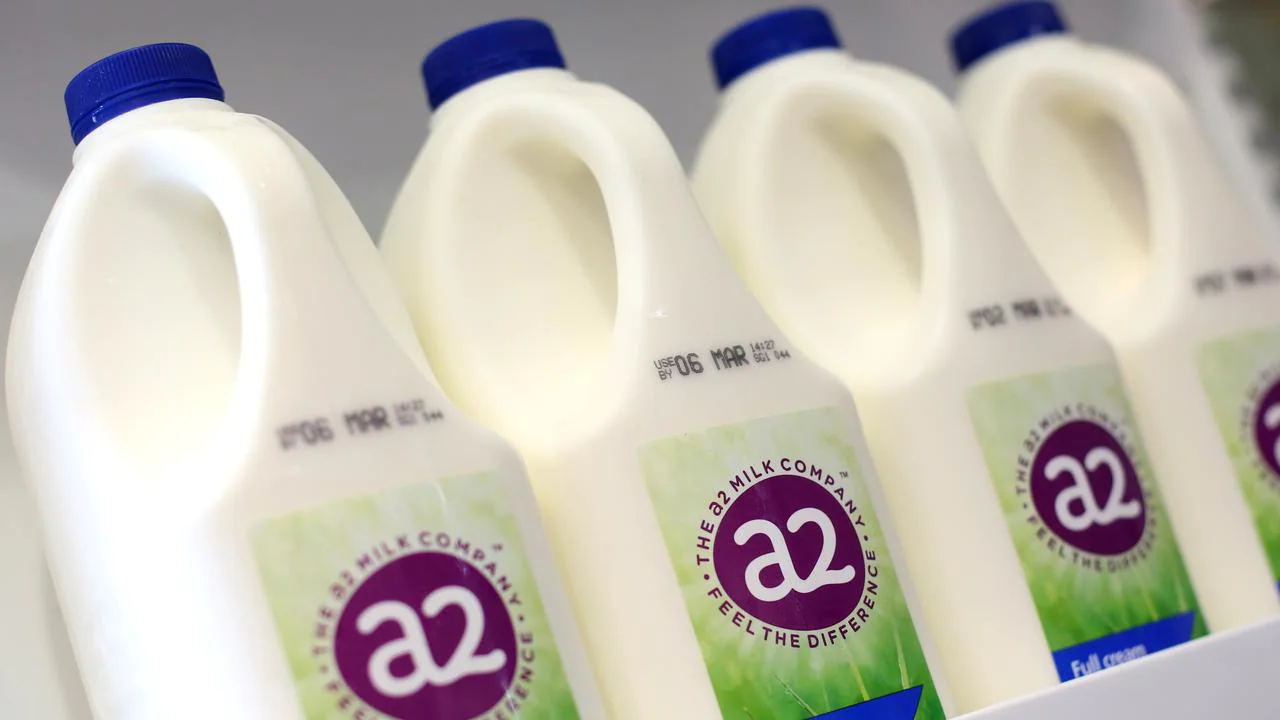
    New Zealand-based The A2 Milk Company has successfully finalized a $282 million acquisition of Yashili New Zealand’s Pokeno nutritional manufacturing facility. The deal was made with China’s Mengniu Dairy Group.

    Full Ownership and Future Plans

    With this acquisition, The A2 Milk Company now wholly owns the integrated plant. The facility was previously responsible for producing two China label infant milk formula products. Now under new ownership, the company plans to rebrand these products under the A2 Milk brand. This revamp is predicted to be completed within a year and a half, pending necessary regulatory approval.

    Financial Implications and Shareholder Value

    Pip Greenwood, the chairperson of The A2 Milk Company, shared that this purchase ensures greater certainty regarding the company’s capital needs. In addition to this, the acquisition will pave the way towards delivering increased value to the company’s shareholders. It is intended that this will be facilitated through a proposed special dividend of $300 million.

    Potential Expansion and Role in China

    Further benefits of owning the Pokeno facility include the potential for a third registration slot. Recognized as a significant producer of A2 Milk’s English label products, the facility is expected to play an essential role in the company’s expansion plans within the Chinese market.

    David Bortolussi, managing director and CEO, praised the Pokeno facility for its globally respected reputation. He highlighted its consistent production of high-quality infant milk formula, including their English label products, A2 Gentle Gold and A2 Genesis.

    Questions & Answers

    What is the scope of the acquisition of The A2 Milk Company?
    The A2 Milk Company has acquired full ownership of Yashili New Zealand’s Pokeno nutritional manufacturing facility in a $282 million deal with China’s Mengniu Dairy Group.

    What are the future plans for the products of the Pokeno facility?
    The company plans to rebrand the two China label infant milk formula products produced at the Pokeno facility under the A2 Milk brand, subject to regulatory approval.

    How will the acquisition contribute to shareholders’ value?
    The acquisition is expected to provide more certainty regarding the company’s capital needs. It will also potentially return value to shareholders through a planned special dividend of $300 million.
  • OMG’s Oat Milk Expansion: From 544 To 900 Woolworths Stores By November

    OMG’s Oat Milk Expansion: From 544 To 900 Woolworths Stores By November

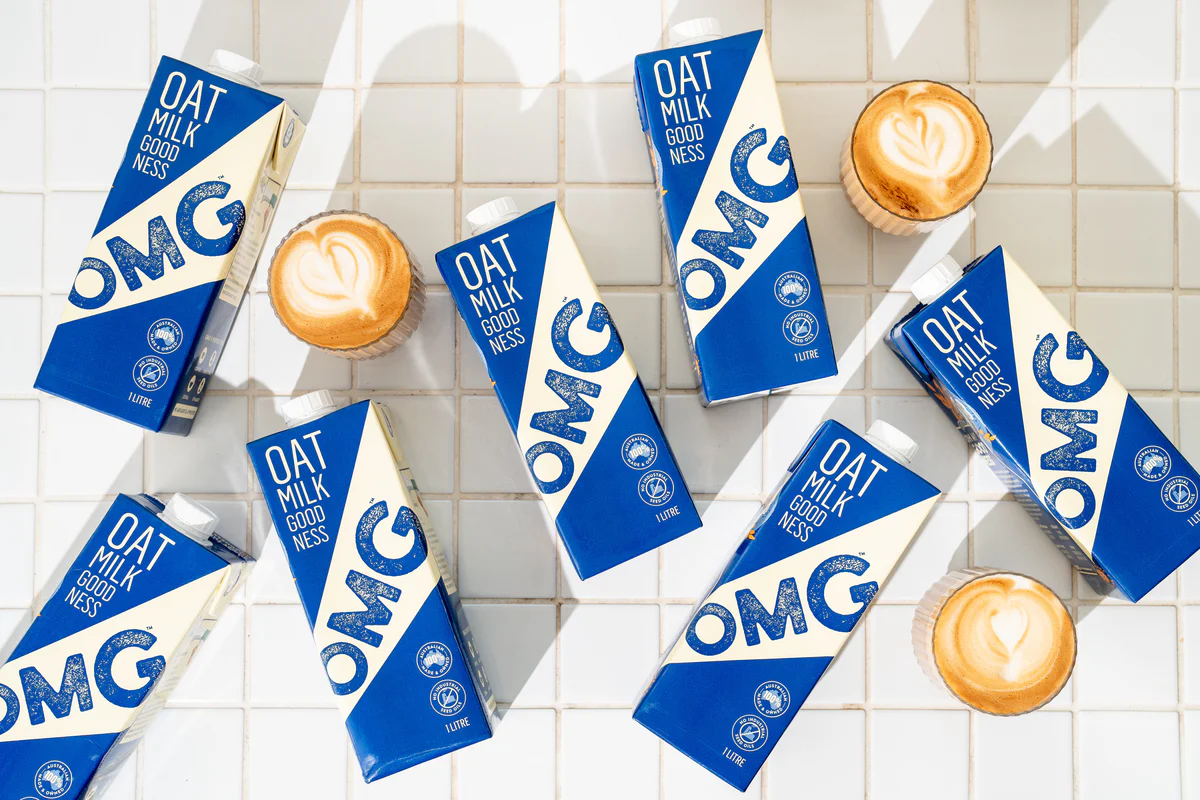
    Oat Milk Goodness (OMG), a renowned Australian plant-based beverage firm, recently announced its plan to extend the reach of its popular 1L Barista Oat Milk to 900 Woolworths outlets across the nation by November. This is a significant increase from the 544 stores currently stocking the product.

    Strengthening Partnerships

    This expansion is set to strengthen the company’s existing collaboration with Woolworths, which already offers the Proatein alt-milk range, another product from OMG, in 466 of its stores throughout Australia.

    OMG’s CEO, Alex Aleksic, expressed his satisfaction with the growth of their multi-channel sales strategy. He said, “The increase in store count marks another pleasing development across our broader multi-channel sales strategy, with momentum through a number of outlets.” Aleksic went on to reveal that the company is in advanced talks with numerous new and existing groups to further extend their reach in the coming months.

    Recent Achievements

    The announcement of expansion into Woolworths stores is the latest in a series of triumphs for OMG. Notably, the company successfully launched its Blue Dinosaur snack range into 750 7-Eleven stores on a national level. Additionally, the firm secured new distribution agreements with Quikstop and Canteen One outlets.

    Established in 2019, Oat Milk Goodness aimed to provide tasty, coffee-friendly options for individuals who cannot or choose not to consume dairy. The company’s flagship brands include Blue Dinosaur and Oat Milk Goodness.

    Questions & Answers

    What is the main product of Oat Milk Goodness?
    Oat Milk Goodness’s primary product is the 1L Barista Oat Milk, a dairy-free alternative that is especially popular among coffee enthusiasts.

    What recent achievements has Oat Milk Goodness made?
    The company has seen a series of successes including the introduction of its Blue Dinosaur snack range into 750 7-Eleven stores and new distribution deals with Quikstop and Canteen One outlets.

    What is the future expansion plan of Oat Milk Goodness?
    Oat Milk Goodness plans to extend its reach by increasing its product presence in 900 Woolworths locations across Australia. The company is also in talks with various new and existing groups for further expansion in the coming months.

  • Fonterra Sells Global Consumer Business To Lactalis In $3.48 Billion Deal

    Fonterra Sells Global Consumer Business To Lactalis In $3.48 Billion Deal

    Fonterra, a leading dairy company, has announced it is selling its global Consumer and associated businesses to French dairy enterprise, Lactalis. The transaction is valued at NZ$3.845 billion ($3.48 billion).

    Details of the Sale

    The sale incorporates Fonterra’s global consumer business (excluding Greater China) and a range of consumer brands such as Mainland, Anchor, Perfect Italiano, and Anmum. Also included are the integrated foodservice and ingredient operations in Oceania, Sri Lanka, the Middle East and Africa.

    Another element of the transaction that could potentially increase the total sale price by another NZ$375 million is the license for Bega Cheese-branded products. Currently held by Fonterra’s Australian business, the inclusion of this license in the sale depends on the resolution of a dispute with Bega Cheese Limited.

    Despite this sale, Fonterra plans to continue providing the divested businesses with milk and other products via long-term agreements. This ensures that dairy brands like Anchor and Mainland will continue to incorporate New Zealand farmers’ milk in their products.

    Justification for the Sale

    Fonterra chairman Peter McBride affirmed the board’s confidence in the transaction, stating that after an extremely competitive sale process involving multiple bidders, they believe the sale to Lactalis offers the highest value option for the cooperative. This decision was influenced not only by the strong valuation of the businesses being sold, but also by the opportunity for a full divestment of the assets and a quicker return of capital to the co-op’s owners, compared to an Initial Public Offering (IPO).

    Several bidders, including Japan’s Meiji and a consortium of the ASX-listed Bega Group and Dutch dairy cooperative FrieslandCampina, had previously shown interest in the businesses.

    Lactalis, an owner of popular brands such as Pauls, Vaalia, Oak and President, received clearance from the Australian Consumer and Competition Commission (ACCC) for the deal last month. Lactalis CEO Emmanuel Besnier expressed that this acquisition will strengthen the company’s strategy across Oceania, Southeast Asia, and the Middle East.

    Finalizing the Sale

    The sale is anticipated to be finalized in the first half of next year, subject to the satisfaction of all conditions. Fonterra will hold a special meeting in late October or early November to seek farmer shareholder approval for the deal.

    Fonterra’s earnings guidance for FY25 remains unchanged, despite the sale.

    Questions & Answers

    What businesses are included in the sale?
    The sale includes Fonterra’s global consumer business (excluding Greater China), several consumer brands and integrated foodservice and ingredient operations in Oceania, Sri Lanka, the Middle East and Africa.

    Will Fonterra continue to supply milk to the divested businesses?
    Yes, Fonterra plans to continue providing the divested businesses with milk and other products via long-term agreements.

    When is the sale expected to be finalized?
    The sale is expected to be completed in the first half of next year, subject to the satisfaction of all conditions.

  • The A2 Milk Company Reports Robust Financial Growth Amid Challenges; Declares First Dividends

    The A2 Milk Company Reports Robust Financial Growth Amid Challenges; Declares First Dividends

    The A2 Milk Company has reported a significant increase in its revenue for the current financial year. The group’s revenue rose by 13.5 per cent, reaching $1.9 billion, a notable increase from last year’s $1.67 billion.

    Financial Growth and Profit

    This upward trend can also be seen in the company’s EBITDA, which increased by 17.1 per cent to $274.3 million. Furthermore, the company’s net profit after tax saw an impressive boost of 21.1 per cent, reaching $202.9 million.

    In China, a key market for the company, revenue grew by 18.9 per cent, totalling $1.3 billion. The company’s EBITDA also saw substantial growth, increasing by 14.6 per cent to $332.4 million. This growth has solidified the company’s position as a top-four brand in China’s infant formula market.

    Segment Performance

    The A2 Milk Company’s infant formula business reported a 10 per cent growth overall, largely propelled by its English label business that saw an increase of 17 per cent.

    However, the company’s Australia and New Zealand (ANZ) segment experienced a slight dip, with revenue declining by 0.4 per cent to $316 million. The ANZ segment’s EBITDA also fell, decreasing by 8.7 per cent to $57.5 million.

    In contrast to the ANZ segment, the company saw significant growth in the US, with revenue increasing by 22.5 per cent to $139.3 million. Despite this, the company did report losses in its EBITDA, though these were reduced to $9.3 million, down from the previous financial year’s $15.5 million.

    Company Milestones and Acquisitions

    “I’m proud of what our team has achieved this year, reporting record sales of $1.9 billion and double-digit earnings growth in our 25th year since The A2 Milk Company was formed,” said CEO David Bortolussi.

    The company has achieved a significant milestone this year, declaring its first-ever dividends with a 71 per cent payout ratio. This marks a significant moment for the company’s shareholders.

    In addition, the company has acquired Yashili New Zealand’s fully integrated nutritional manufacturing facility located in Pokeno, New Zealand. The facility comes with two existing China Label product registrations. Bortolussi described the acquisition as a pivotal moment for the company and a crucial part of their supply chain transformation strategy.

    Future Outlook

    Looking ahead, the company expects single-digit revenue growth in the next financial year. The company also anticipates an EBIDTA margin between 15 and 16 per cent and a similar net profit after tax as the current financial year.

    Questions & Answers

    What was the percentage increase in the company’s group revenue?
    The A2 Milk Company’s group revenue increased by 13.5 per cent.

    What was the growth rate of the company’s infant formula business?
    The company’s infant formula business saw a growth rate of 10 per cent.

    What does the company expect for the next financial year?
    In the next financial year, the company anticipates single-digit revenue growth, an EBITDA margin between 15 and 16 per cent, and a similar net profit after tax as the current financial year.

  • Hunt And Brew Launches Australia’s Highest-protein Milk, Targeting Health-conscious Millennials And Gen Z

    Hunt And Brew Launches Australia’s Highest-protein Milk, Targeting Health-conscious Millennials And Gen Z

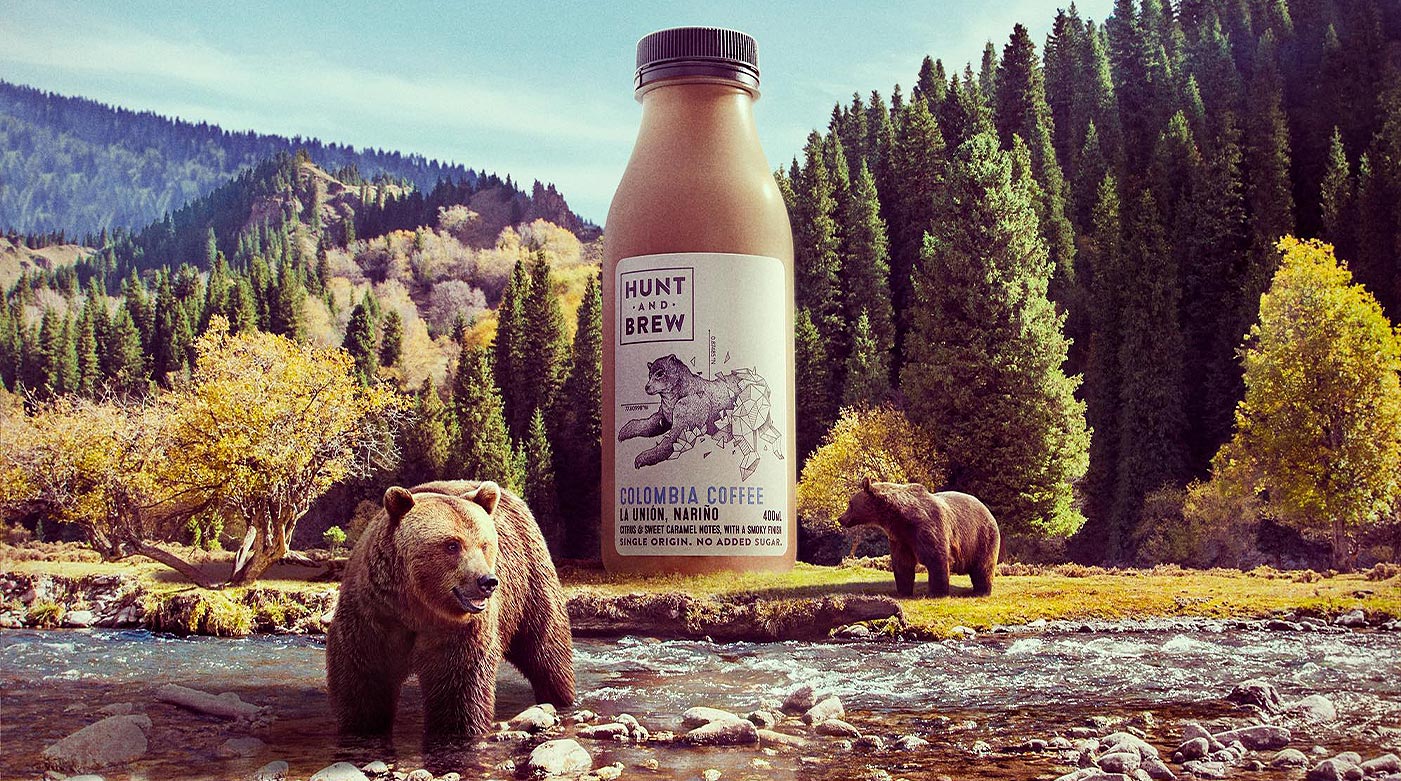
    Hunt and Brew, an Australian food and beverage company, has introduced its high-protein milk product, Extra Protein Milk 1L, to the national market. This newly launched product is now available at all Coles supermarkets throughout Australia.

    Product and Market Position

    The brand asserts that this product has the highest dairy protein content currently available, boasting a robust 16 grams of dairy protein per 250ml serving. This offering outstrips standard milk products by 80%, positioning it as a standout in the dairy market.

    The senior brand manager of Hunt and Brew, Jake Calabrese, expressed the company’s objective in introducing this high-protein milk. He cited a distinct market opportunity in the conventional dairy milk sector. The company designed this premium protein-rich milk to satisfy the increasing consumer demand for accessible, wholesome, and natural solutions to augment protein intake.

    Product Source and Uses

    The milk for this product comes from high-quality farms in the Margaret River and the adjacent Southwest region of Western Australia. It is versatile and works well in coffee and tea. It is also a perfect high-protein addition to breakfast cereals and smoothies.

    Target Audience and Market Strategy

    The launch targets younger generations, particularly millennials and generation Z. This strategy aligns with Hunt and Brew’s wider efforts to regain significance in the dairy industry.

    Calabrese further elaborated on the company’s mission, stating that Hunt and Brew aspires to improve the dairy sector. The company aims to attract younger, health-conscious millennials and generation Z back to the dairy milk category.

    Questions & Answers

    What is the protein content of the new Extra Protein Milk from Hunt and Brew?
    The Extra Protein Milk from Hunt and Brew contains 16 grams of dairy protein per 250ml serve, 80% more than standard milk.

    Who is the target market for Hunt and Brew’s new product?
    The company is targeting millennials and Gen Z who are more health-focused and interested in natural, convenient ways to increase their protein intake.

    Where is the milk for Hunt and Brew’s product sourced from?
    The milk is sourced from high-quality farms in the Margaret River and the surrounding Southwest region of Western Australia.

  • Jollibean Commits to Paying Salaries for 22 Employees Amid Ongoing Challenges in Singapore’s Soya Milk Market

    Jollibean Commits to Paying Salaries for 22 Employees Amid Ongoing Challenges in Singapore’s Soya Milk Market

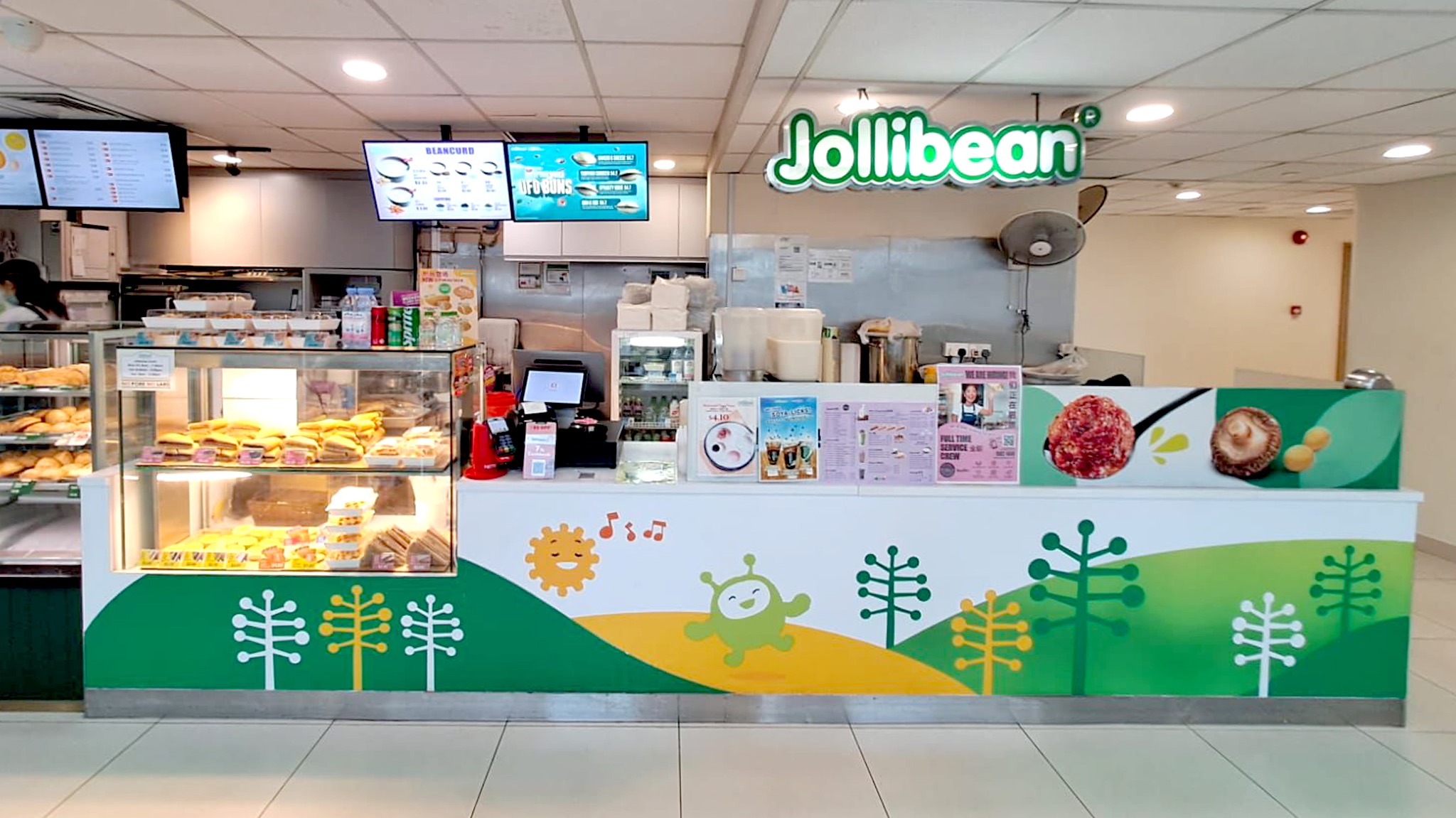
    In a troubling turn for employees at Jollibean, 29 workers are currently receiving assistance for unpaid salaries, as reported in a joint statement from the Tripartite Alliance for Dispute Management and the Ministry of Manpower on July 12. These salary disputes are not a recent development; they have been cropping up intermittently since December 2024.

    Drastic Downsize at Jollibean

    Once a dominant presence with over 30 outlets across Singapore, Jollibean’s store count has dwindled to just five locations. The company’s director, Shahrul Nazrin Mohd Dahlan, now navigating the firm under new ownership, has assured that they are working closely with authorities to resolve the salary issues by the end of this month. However, specifics regarding the delayed payments remain murky.

    Voices of Concern: Employees Speak Out

    An employee, revealed her distress over unpaid wages for May and June, with her December 2024 salary delayed by nearly three weeks. “It’s like being in a suspense thriller—you never know what’s going to happen next. I’ve had to dip into my savings just to handle rent and other bills,” she said, highlighting the struggles faced by her and other front-line staff. “It would have been helpful if management had given us a heads up about the company’s struggles instead of leaving us in the dark.”

    Ongoing Investigations and Future Prospects

    As the situation unfolds, the Ministry of Manpower is conducting an investigation into Jollibean for possible violations of the Employment Act and is committed to assisting impacted employees. Jollibean was established in Singapore back in 1995, becoming a beloved brand known for its soya milk and traditional pancake snacks, conveniently located in bustling shopping malls and MRT stations.

    However, the company’s fortunes began to wane during the Covid-19 pandemic, with a steady decline in brand popularity detailed in Berjaya Food’s annual reports after the Malaysian F&B operator acquired Jollibean in 2012 for SGD7.5 million (USD 5.86 million). Once the post-pandemic world opened up, Jollibean faced a challenging landscape marked by weakened consumer sentiment, dwindling foot traffic in the Central Business District, rising living costs, and a persistently uncertain economic climate.

    Questions & Answers

    What led to Jollibean’s financial difficulties?
    Jollibean has struggled due to various factors, including decreased consumer sentiment during the pandemic, lower foot traffic from flexible work arrangements, and increased living costs, all compounded by an uncertain economic outlook.

    How many employees are currently affected by unpaid wages?
    Currently, 29 workers are seeking assistance for unpaid salaries, as reported by the Tripartite Alliance for Dispute Management and the Ministry of Manpower.

    What actions are being taken to address the salary issues?
    Jollibean’s new ownership is collaborating with authorities to resolve outstanding salary payments, and the Ministry of Manpower is investigating the company for potential violations of the Employment Act.

  • Bega Group Launches High Protein Milk, Tapping Into Rising Health-conscious Market Trend

    Bega Group Launches High Protein Milk, Tapping Into Rising Health-conscious Market Trend

    Introduction

    In response to growing consumer interest in the natural nutritional benefits of dairy, Bega Group’s Dairy Farmers brand is poised to unveil its High Protein Milk. The product, notable for its high protein content, aims to capture a market increasingly focused on the health advantages of daily food consumption.

    Product Features

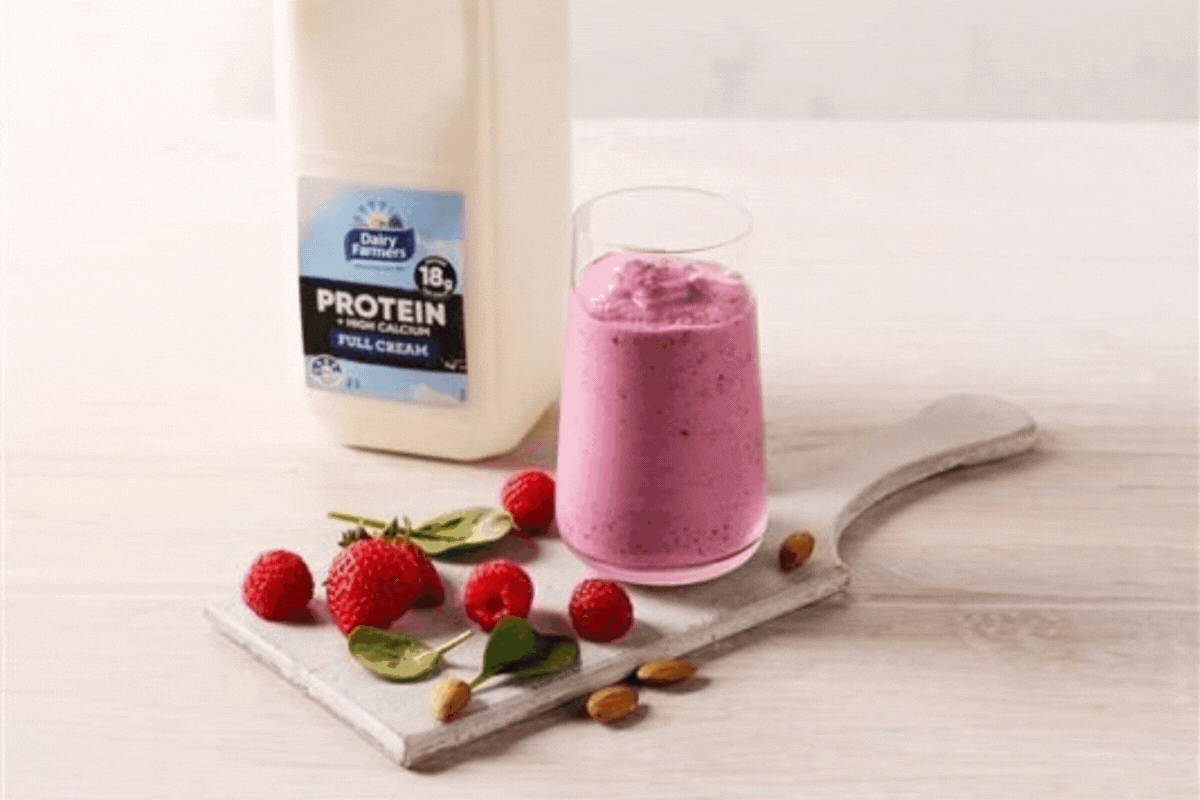
    Each 300ml serving of Dairy Farmers’ High Protein Milk contains 18 grams of dairy protein. According to the company, this is the highest concentration of protein in any dairy milk currently on the Australian market. The product matches the protein levels found in Bega’s existing The Complete Dairy 1L range. Furthermore, this high-protein milk maintains the creamy flavor of traditional full-cream milk, balancing health benefits with taste.

    Health and Nutritional Benefits

    Katrina Strazdins, group manager of nutrition at Bega Group, noted that Dairy Farmers High Protein Milk is also rich in calcium. Therefore, when incorporated into a balanced diet, it can serve as a valuable tool for maintaining strong bones and muscles. Additionally, it can aid post-exercise recovery through its high protein content.

    Market Trends and Demand

    The product’s launch aligns with the rising demand for high-protein foods. Bega Group has observed a 23% year-on-year increase in the high-protein category. This trend is being driven by consumers that seek greater functional benefits from their everyday diets. Anjali De Silva, marketing manager of white milk at Bega Group, expressed that this growth in dairy milk presents an opportunity for consumers to leverage its potential as a convenient and natural source of high-quality protein.

    Availability

    Starting from July 14, Dairy Farmers High Protein Milk (2L) will be available in Coles stores throughout NSW, Victoria, and SA.

    Questions & Answers

    What is the protein content of Dairy Farmers High Protein Milk?
    A 300ml serving of Dairy Farmers High Protein Milk contains 18 grams of dairy protein.

    What is the significance of high protein in milk?
    High-protein milk can assist in maintaining strong bones and muscles, as well as aiding recovery after exercise.

    Where and when will Dairy Farmers High Protein Milk be available?
    Dairy Farmers High Protein Milk will be available from July 14 in Coles stores across NSW, Victoria, and SA.

  • Bega Cheese Eyes Acquisition Of Fonterra Oceania: A Potential Boost For Australia’s Dairy Industry

    Bega Cheese Eyes Acquisition Of Fonterra Oceania: A Potential Boost For Australia’s Dairy Industry

    Bega Cheese, an Australian dairy company, has indicated its intention to file an application with the Australia Competition and Consumer Commission (ACCC) seeking authorisation for its planned acquisition of Fonterra Oceania.

    Enhancing Outcomes through Acquisition

    Bega Cheese believes that the prospective acquisition would greatly improve the company’s performance and efficiency, and it would also have substantial benefits for the broader dairy industry. The company argues that combining its resources with those of Fonterra Oceania would result in improved efficiencies and outcomes for Australian dairy farmers, customers, and consumers.

    Bega Cheese is of the view that it is the most suitable acquirer of Fonterra’s Oceania businesses and is keenly interested in pursuing this opportunity. The company is hopeful of engaging in productive discussions with Fonterra Group on the sale of its Oceania businesses.

    Domestic Acquisition not Subject to Foreign Review

    As Bega Cheese is an Australian business, it expects that the potential acquisition will not require the approval of the Foreign Investment Review Board (FIRB).

    Fonterra’s Divestiture Strategy

    In November, Fonterra revealed its plans to divest by pursuing a trade sale and an initial public offering of its global consumer business, as well as its integrated businesses Fonterra Oceania and Fonterra Sri Lanka. The company believes that this divestment will allow it to concentrate its resources on the ingredients and foodservice businesses, thereby maximising value.

    Fonterra’s consumer business includes the operations and marketing of a variety of brands, such as Mainland, Anchor, Kapiti, and Anlene.

    Questions & Answers

    Why is Bega Cheese planning to acquire Fonterra Oceania?
    Bega Cheese believes that the acquisition of Fonterra Oceania would greatly improve its own business efficiencies and performance.

    Who needs to approve the acquisition?
    The Australia Competition and Consumer Commission (ACCC) needs to approve the acquisition.

    What is Fonterra’s rationale behind its divestiture strategy?
    Fonterra believes that by divesting, it will be able to concentrate its resources on the ingredients and foodservice businesses, thereby maximising value.

  • Cadbury launches smartphone-size milk block range

    Cadbury launches smartphone-size milk block range

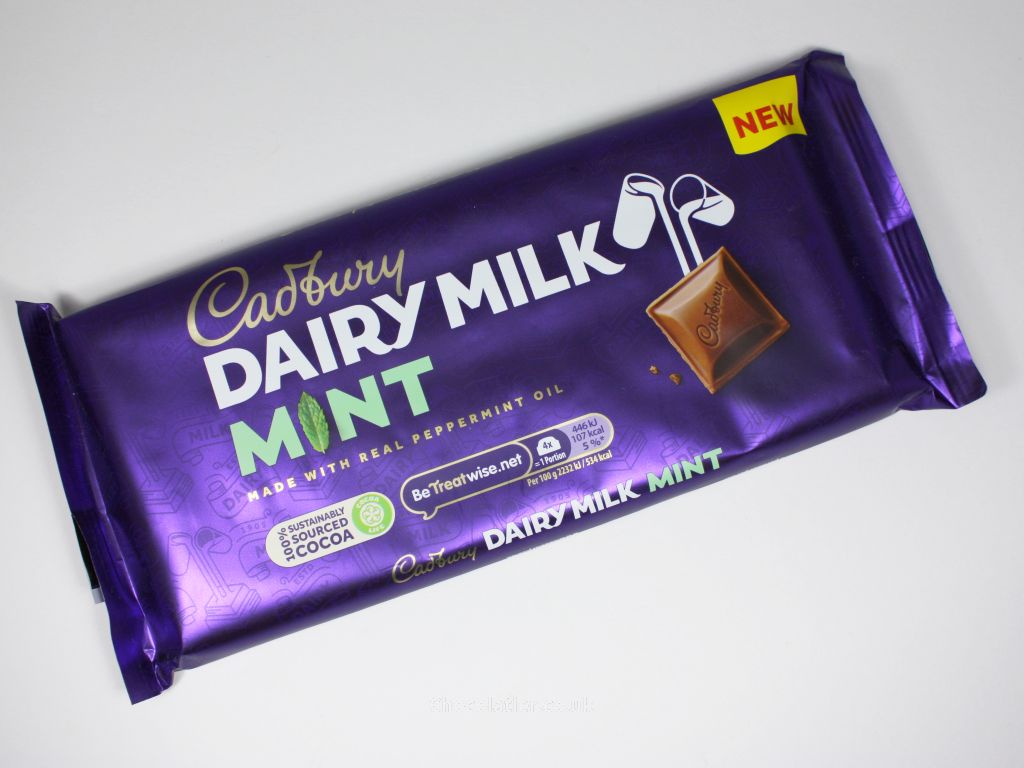
    Cadbury, a renowned chocolate brand, has introduced its 100g Dairy Milk chocolate blocks to supermarkets all over the country, in a strategic move to capitalize on the changing consumer preferences.

    New Convenient Size for the Modern Consumer

    The latest product is roughly the same size as a smartphone, deliberately designed for ease and convenience. It primarily targets smaller households and individuals who are on the lookout for indulgent treats that are also portion-friendly. The 100g blocks come in four enticing flavours, among them Cadbury Dairy Milk, Fruit & Nut, Black Forest, and a new exclusive variant, Honeycomb & Peanut.

    Australia enjoys the honour of being the first market outside the UK to introduce this new block size, as confirmed by Ben Wicks, VP of Marketing at Mondelez International Australia and New Zealand. Wicks further added that the new product line is proudly produced using Australian milk, sourced from their factory located in Tasmania.

    Commenting on the product, Wicks said, “Whether it’s about portion size, value, or simply indulging in a moment of joy, we’re meeting consumers where they are – without compromising on the chocolate they love.”

    Australian Chocolate Consumption Habits

    The launch of the new size is backed by recent consumer research, which involved nearly 2000 Australians. The results underscored the entrenched position of chocolate in Australian culture, with 59% of respondents revealing that they consume chocolate at least once a week.

    Expressing pride in this new offering, Wicks added, “We’re proud to offer even more choice with our new 100g Cadbury block, designed for today’s shoppers who want a convenient, quality treat that fits their lifestyle.”

    In March, Cadbury Australia also released its Easter range, showcasing new flavours in addition to some returning classics.

    Questions & Answers

    What is the new product that Cadbury has introduced?
    Cadbury has launched a new 100g Dairy Milk chocolate block that’s approximately the size of a smartphone.

    What are the available flavours of this new product?
    The new product is available in four flavours: Cadbury Dairy Milk, Fruit & Nut, Black Forest, and a new exclusive variant, Honeycomb & Peanut.

    Which country is the first to stock this new product outside the UK?
    Australia is the first country outside the UK to stock this new size of Cadbury chocolate blocks.

  • Summer Land Camels launches first camel milk vodka

    Summer Land Camels launches first camel milk vodka

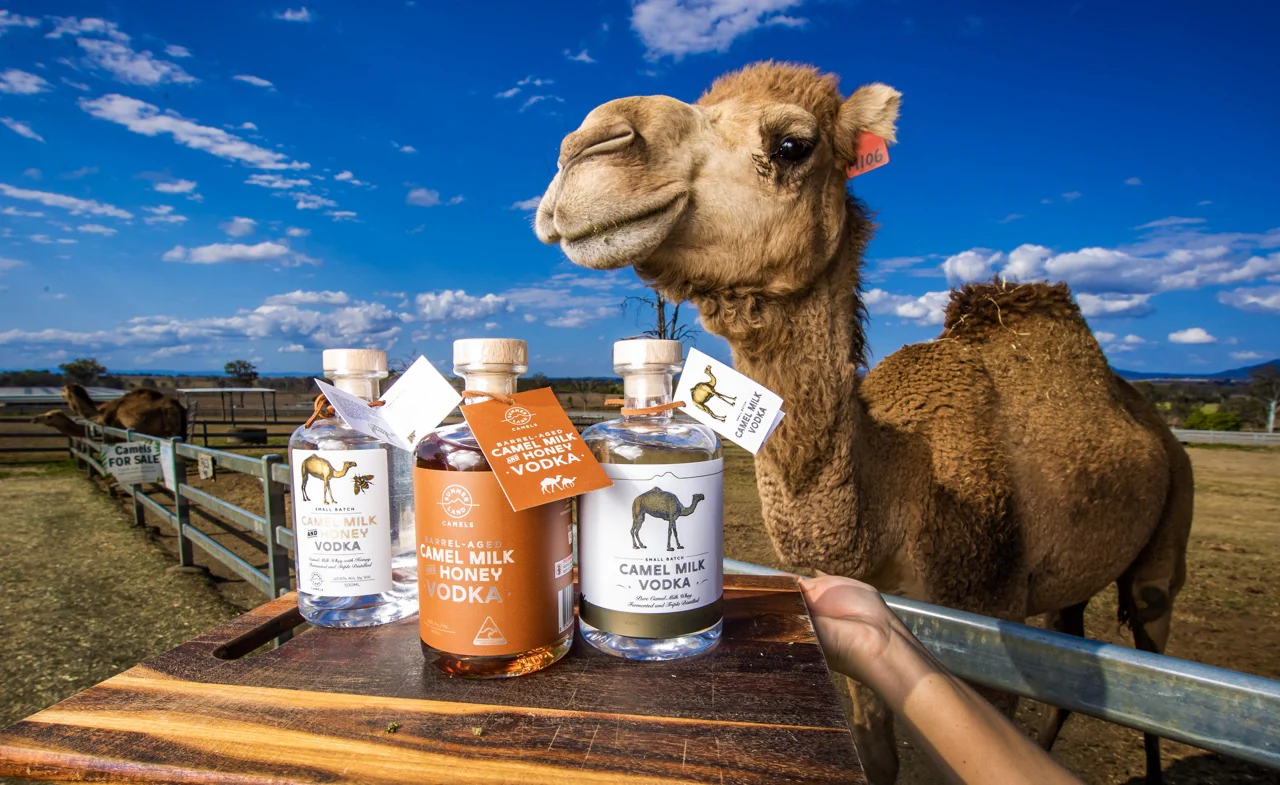
    Summer Land Camels, a prominent brand in the camel dairy industry, has unveiled its maiden camel milk vodka, which is matured in French oak barrels. This innovative take on vodka is created from camel milk whey, locally sourced honey and aged in French oak to introduce a distinct flavor profile.

    A Unique Combination of Flavors

    This new offering from Summer Land Camels is characterized by a rich blend of caramel and toasted oak notes. This is further accentuated by a malted cream flavor which provides a smooth, warm finish to the drink. Available in 200ml and 500ml bottles, the vodka comes in three delicious variants: Barrel-Aged Camel Milk & Honey, Camel Milk & Honey, and Pure Camel Milk.

    Championing Sustainability and Creativity

    Summer Land Camels’ CEO and director, Paul Martin, underscored that the new product is a testament to the company’s dedication to sustainability and craftsmanship. He also emphasized that it illustrates the brand’s drive to redefine the boundaries of what’s achievable in Australian agriculture. With this camel milk vodka, Martin believes that the company has transformed an often overlooked ingredient into a remarkable spirit, mirroring the journey of the camels themselves.

    The unique vodka, matured in French oak barrels, has an alcohol by volume (ABV) content ranging from 40 to 46 percent and is now available for pre-order from the company’s website.

    Investing in the Camel Milk Industry

    Looking forward in the camel milk industry, in 2023, Good Earth Dairy was awarded a $4.4 million grant by the Western Australia State Government. This grant was provided for the construction of a new camel milk facility in Perth, which will produce both fresh and powdered camel milk.

    Questions & Answers

    What is unique about Summer Land Camels’ new vodka product?
    The vodka is a unique blend created from camel milk whey and is matured in French oak barrels. It offers a rich mix of caramel and toasted oak notes, complemented by a malted cream taste.

    What are the three variants of Summer Land Camels’ vodka?
    The vodka comes in three variants: Barrel-Aged Camel Milk & Honey, Camel Milk & Honey, and Pure Camel Milk.

    Has there been recent investment in the camel milk industry?
    Yes, in 2023, the Western Australia State Government awarded Good Earth Dairy a $4.4 million grant to establish a fresh and powdered camel milk processing facility in Perth.

  • New Zealand’s Boring Oat Milk to land in more than 1000 Woolworths stores

    New Zealand’s Boring Oat Milk to land in more than 1000 Woolworths stores

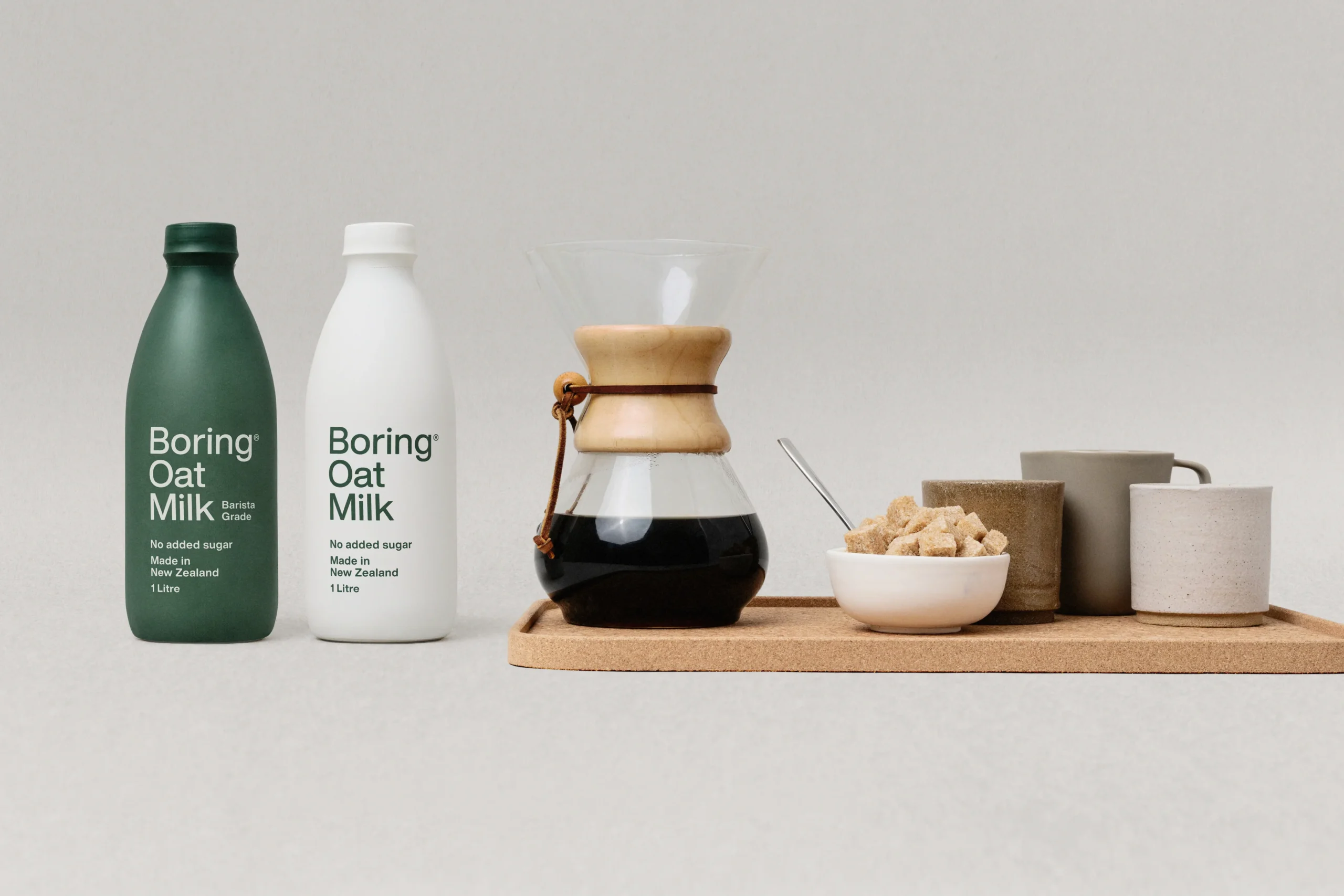
    Boring Oat Milk, a renowned plant-based milk brand from New Zealand, has made a significant stride in expanding its reach with the recent launch in over 1000 Woolworths stores throughout Australia. This denotes the company’s most extensive supermarket distribution thus far.

    Wide Distribution Across Woolworths Network

    Boring’s Original and Barista oat milk variations can now be found in 953 Woolworths supermarkets, which constitutes 95 percent of the company’s nationwide network. Additionally, the products are also available in 80 Woolworths Metro stores.

    First Major Entry into the Australian Retail Market

    This development represents Boring’s initial substantial foray into the Australian retail market. This follows their impressive growth trajectory through various grocers, cafes, and specialty outlets.

    Morgan Maw, the founder of Boring Oat Milk, expressed his enthusiasm regarding this significant move. He stated, “This advances our mission to deliver premium, locally-produced oat milk to more consumers, without any compromise on taste, sustainability, or quality.” Maw added that they recognize the increasing inclination of Australians towards premium plant-based products and Boring is fully prepared to cater to this growing demand with their simple, sustainable, and everyday-use suitable product.

    Progressive Growth and Future Expansion Plans

    With backing from The Apple Press, Boring Oat Milk was established in 2021 and began expanding internationally in 2024, starting with Vietnam. The company also has further plans to grow in the Asia-Pacific region.

    Moreover, in the previous year, New Zealand oat milk startups Otis and All Good collaborated to create a new plant-based company with the goal of increasing the array of sustainable beverage choices available to consumers.

    Questions & Answers

    What is the significance of Boring Oat Milk’s launch in Woolworths stores?
    This launch marks Boring Oat Milk’s largest supermarket distribution to date and their first major entry into the Australian retail market.

    What is Boring Oat Milk’s key mission?
    Boring Oat Milk aims to deliver premium, locally-produced oat milk to more consumers, without compromising on taste, sustainability, or quality.

    What are Boring Oat Milk’s future expansion plans?
    Boring Oat Milk, which began its international expansion in Vietnam, aims to further extend its reach across the Asia-Pacific region.

  • Fonterra Commits $65 Million to Ditch Coal and Embrace Renewable Energy

    Fonterra Commits $65 Million to Ditch Coal and Embrace Renewable Energy

    Fonterra has taken a major step toward its decarbonisation goals with the commissioning of its first electrode boiler at its Edendale site in Southland, New Zealand. This move marks a significant shift away from coal usage in the dairy cooperative’s operations.

    NZ$70 Million Investment for Further Transition

    The company has pledged an additional NZ$70 million (approximately A$65 million) to install two more electrode boilers. This initiative is part of Fonterra’s broader strategy to transition to renewable energy across its operations.

    Ensuring Long-Term Operational Resilience

    Fonterra Chief Operating Officer Anna Palairet emphasised the importance of energy reliability, stating:

    “Investing in renewable energy solutions, such as electrode boilers, will help ensure we can continue to process milk efficiently now and in the future. This investment will help future-proof Edendale for years to come.”

    The new boilers will replace two coal-fired units and support the site’s expansion, including a new UHT (ultra-high temperature) processing plant currently under development.

    Significant Emissions Reductions

    The switch to electrode boilers is expected to cut around 72,800 tonnes of carbon emissions annually—comparable to removing more than 30,000 cars from New Zealand’s roads.

    Boost for the Local Economy

    Andrew Johns, Fonterra’s General Manager for Operations in the Lower South Island, highlighted the local impact:

    “The investment is also great news for the local economy. Where possible, we will be engaging with local contractors, and we expect more than 400 people from Southland and wider New Zealand to be part of the team on site delivering this investment.”

    Government Partnership Supports Project

    The project is being co-funded in partnership with the Energy Efficiency and Conservation Authority (EECA), a government body focused on promoting energy efficiency and reducing carbon emissions.

    Timeline for Completion

    Construction of the new boilers is expected to begin this year, with the upgraded energy systems anticipated to be operational by August 2027.

    Questions & Answers

    1. What is the main purpose of Fonterra’s investment in electrode boilers? To replace coal-fired boilers with renewable energy solutions, ensuring sustainable milk processing and reducing carbon emissions.

    2. How much carbon emission reduction is expected from this transition? Approximately 72,800 tonnes of carbon emissions will be reduced annually, equivalent to taking over 30,000 cars off the road.

    3. When will the new boilers be fully operational? The new electrode boilers are scheduled to be operational by August 2027.

  • Fonterra to close milk powder packaging facility in New Zealand

    Fonterra to close milk powder packaging facility in New Zealand

    Fonterra will shut its Canpac packaging facility in New Zealand in July, impacting approximately 120 employees. The site primarily blends and packages milk powders. 

    Its closure forms part of Fonterra’s plan to divest its consumer business, which includes brands such as Anchor, Anlene, Chesdale, and Mainland.

    The consumer division accounts for about A$3.1 billion (NZ$3.4 billion) of the group’s invested capital.

    Canpac currently packs up to 4,000 mt of powder products annually, equivalent to less than 1 percent of Fonterra’s total product volume.

    COO Anna Palairet said the move follows ongoing economic challenges, including low product volumes and increased production complexities.

    “It’s been a tough day for all the team at the site,” she expressed. “Making decisions like this is never easy.”

    Palairet explained that the company will pivot towards higher-value ingredients, such as advanced proteins and medical nutrition.

    “Our strategy is about creating end-to-end value and growing total returns for our farmer shareholders,” she continued.

    “We believe the best way to achieve this is to focus on our strengths and scale in ingredients and food service, and we are prioritising our investment on the parts of our operations that are better suited to this.”

    The dairy cooperative will begin a consultation process to explore potential redeployment opportunities for affected staff as it winds down operations.

  • Big M, Dairy Farmers launch Mars-inspired flavoured milks

    Big M, Dairy Farmers launch Mars-inspired flavoured milks

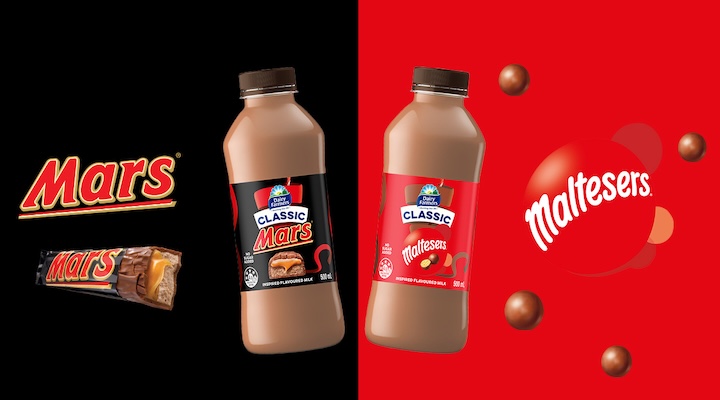
    The two flavoured milk brands – Big M and Dairy Farmers Classic – have teamed up with confectionery brand Mars to introduce confectionery-inspired chocolate milks.

    Anne Scott, senior brand manager of Big M, said the Maltesers-flavoured milk is part of a limited-edition release for Victorian fans, and the collaboration celebrates the 125th anniversary of the Dairy Farmers Classic.

    Taking cues from the original taste of nougat, combined with caramel, and coated with milk chocolate, Maltesers offer a lighter, chocolatey, and creamy beverage with no added sugar. 

    “Whether it’s the irresistible blend inspired by a Mars bar or Maltesers, we can’t wait for Aussies to try these delicious Dairy Farmers Classic flavoured milks.,” said Scott.

    “At Mars, we’re always looking for new ways for Australians to enjoy their beloved brands beyond the formats they know and love,” said Bianca Werkmeister, Mars’ MP director.

    These new limited-edition flavoured milks are available in 500ml bottles at supermarkets across Victoria, Queensland, NSW, and SA for a limited time.

  • Breaka and Weis partner to launch Queensland inspired milk flavour

    Breaka and Weis partner to launch Queensland inspired milk flavour

    Unilever Australia’s Weis and Queensland-flavoured milk Breaka have collaborated to launch Breaka Weis mango and cream-flavoured milk. 

    “We’re thrilled to see two iconic Aussie brands come together to offer Queenslanders a delicious category exclusive,” said Juliette Fleming, Unilever Australia’s senior brand manager for the snacking and refreshment portfolios. 

    “The new Breaka Weis Mango & Cream flavoured milk is a refreshing tribute to our sunny state’s vibrant flavours and our shared Queensland heritage”. 

    The collaboration was delivered by fashion and food brand development and extension agency, Asembl. 

    “A true flavour of Queensland fun, the Breaka Weis Mango & Cream flavoured milk is a very exciting first flavour collaboration between Unilever Australia’s Weis brand and Breaka,” said Asembl MD Justin Watson. 

    “The Breaka Weis Mango & Cream flavoured milk is a limited-edition, low-fat, flavoured milk that tastes just like the sunny state of Queensland.” 

    The new flavour, inspired by Weis’ Mango and Ice cream bars, is available at grocery and convenience stores across Queensland.