Tag: Muji

  • Experience Authentic Kyoto Lifestyle at Muji’s New Hotel Concept, Muji Base, Launching this May

    Experience Authentic Kyoto Lifestyle at Muji’s New Hotel Concept, Muji Base, Launching this May

    Muji, the renowned Japanese lifestyle retailer, is set to launch a hotel in Kyoto, a city well-known for its rich historic and cultural heritage. The grand opening of this hotel, christened Muji Base Kyoto Kiyomizu, is slated for May 20th.

    Location and Renovation

    The newly established hotel can be found at the gateway to the historic Kiyomizu-dera Temple, a famed landscape and UNESCO World Heritage site in the city. A former 40-year-old building, previously known as the Amenity Hotel Kyoto, was renovated to create this 18-room hotel. The makeover included a preservation of the building’s original exterior.

    Offerings and Amenities

    Guest rooms, showcasing Muji products and furniture, also integrate art by local artists. Additional amenities include a utility room equipped with a water server, washing machine, dryer, and iron. The hotel’s ground floor features a lounge that serves Ogawa Coffee.

    Unlike the Muji Hotel in Ginza, Muji Base follows a new concept, situating itself in local neighborhoods rather than bustling urban areas. This positioning allows guests the opportunity to immerse themselves in the authentic local lifestyle and culture.

    Local Experiences

    Beyond the exploration of Kiyomizu-dera, the hotel has curated several community-based experiences for its guests. These include the practice of kintsugi, an art form that employs gold in the repair of broken pottery, traditional tea shops and gift stores, bathhouses, and outlets selling freshly made tofu. The hotel also facilitates participation in water-related purification rituals at temples.

    To aid in their exploration of the area, guests are provided with a ‘walking basket’ that contains maps, water bottles, and other essential items.

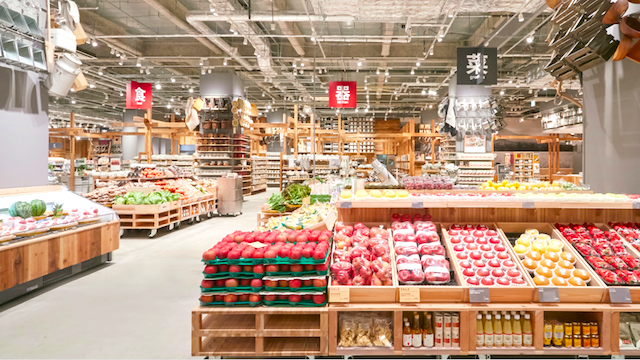
    The hotel is conveniently located approximately 15 minutes by car from Muji’s large format store in Kyoto. Here, guests can explore a vast selection of product offerings which, in addition to the brand’s standard lineup, includes an array of food items such as fresh vegetables, meat, fish, pre-prepared meals, and groceries.

    Booking and Rates

    Room rates at Muji Base Kyoto Kiyomizu start at 20,200 yen (US$128) per night. Reservations can be made via the hotel’s website.

    Questions & Answers

    Where is Muji’s new hotel located?
    The new hotel, Muji Base Kyoto Kiyomizu, is located in the city of Kyoto, at the entrance to the historic approach to Kiyomizu-dera Temple.

    What unique experiences does the hotel offer?
    The hotel offers guests the opportunity to involve themselves in several community-based experiences such as kintsugi, traditional tea shops and gift stores, bathhouses, and outlets selling freshly made tofu.

    How can room reservations be made?
    Reservations can be made directly through the hotel’s website.
  • Muji Initiates Massive Recall of 600,000 Room Sprays: Safety Concerns Over Bacterial Contamination

    Muji Initiates Massive Recall of 600,000 Room Sprays: Safety Concerns Over Bacterial Contamination

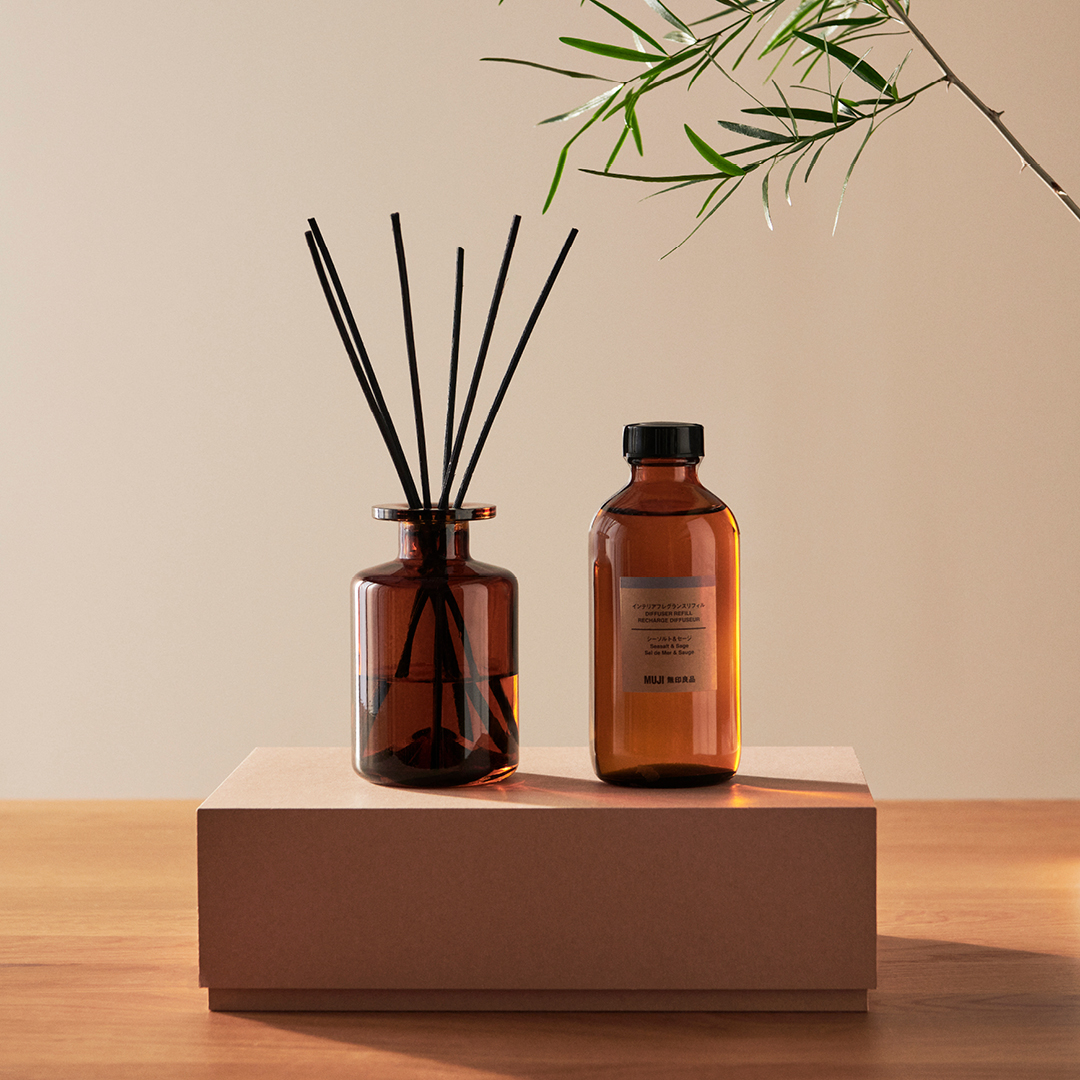
    Japanese retail giant, Muji, has recently launched a recall for approximately 600,000 units of their room fragrance sprays. The recall action came into effect after the detection of bacteria during the production process.

    The Recall Details

    The recall applies to 11 different scents of the 300ml Room Fragrance Spray, a product that has been available for purchase since September 2024. Despite the identified bacteria posing a minimal risk to human health, Muji has decided to proceed with the recall as a safety precaution for its customers. As of now, there have been no reported illnesses related to this issue.

    Muji’s Response

    In response to the situation, Muji has expressed its apologies and reassured its customers that it is taking the necessary steps to prevent similar incidents from happening in the future. The company is reportedly intensifying its hygiene protocols and thoroughly reviewing its production processes to avoid any future contamination.

    The company’s statement read, “We deeply regret the worry and inconvenience this situation has caused our customers. We are committed, as a company, to preventing a similar occurrence in the future.”

    Returning the Products

    Customers in possession of the affected room fragrance sprays are advised to return them for a complete refund. This can be done at Muji’s physical stores, through their official website, or via the company’s customer service hotline.

    Despite the setback, Muji remains committed to its expansion plans. Last month, the company unveiled its ambitious strategy to grow its presence globally, with the opening of several flagship stores across Southeast Asia and Europe.

    Questions & Answers

    What products are included in the recall?
    The recall includes 11 variants of the 300ml Room Fragrance Spray that has been sold since September 2024.

    Why is Muji recalling these products?
    Muji is recalling the room fragrance sprays as a precautionary measure after detecting bacteria during the product’s manufacturing process.

    How can customers return the affected products?
    Customers can return the affected products for a full refund either in-store, on the Muji’s official website, or via its customer service hotline.

  • Muji Amplifies Global Presence With Major Flagship Store Launches In Southeast Asia And Europe

    Muji Amplifies Global Presence With Major Flagship Store Launches In Southeast Asia And Europe

    Japanese retail giant Muji is stepping up its global expansion efforts with key flagship store launches in Southeast Asia and Europe. This move is part of the company’s wider plan for international growth.

    Major Store Openings in Southeast Asia

    Muji, under the management of Ryohin Keikaku Co., is set to open its biggest Southeast Asian store at Central World in Bangkok on November 28. The spacious 3270 square meter store will provide customers with Muji’s complete range of products, from clothing and furniture to household items and food. Additionally, the store will stock locally developed products designed to reflect Thai lifestyles.

    Muji presently operates a network of 39 stores across Thailand.

    Expansion in Vietnam

    In Vietnam, Muji is refurbishing and enlarging its original store in Ho Chi Minh City to cover a sprawling area of 2990 square meters. This renovation will result in the brand’s largest store in Vietnam. The reopening of the store is scheduled for later this year, in alignment with Muji’s fifth-year anniversary in the country. Apart from its usual offering, the revamped store will also feature a wider range of locally sourced and developed products.

    Muji’s expansion in Southeast Asia is a part of its overall strategy to amplify its global presence. As of August, Muji had a total of 1474 stores worldwide, which includes 717 outlets in Japan and 757 spread across various international locations.

    European Expansion

    Looking beyond Asia, Muji is also reviving its European growth strategy. A flagship store is scheduled to open on Rue de Rivoli in Paris towards the end of next year.

    Earlier this year, Muji also launched its largest domestic store in Kashihara City, Nara Prefecture. This store is approximately 10 times larger than its previous outlets.

    Questions & Answers

    What is the global expansion strategy of Japanese retailer Muji?
    Muji is expanding its global presence by opening flagship stores in key locations in Southeast Asia and Europe.

    What is the size and product range of the new Muji store opening in Bangkok?
    The new Muji store in Bangkok spans 3270 square meters and will stock the full range of Muji products, including locally developed items tailored to Thai lifestyles.

    What are Muji’s plans for expansion in Europe?
    Muji is set to resume its expansion in Europe with the opening of a flagship store on Rue de Rivoli in Paris by the end of next year.

  • Muji’s Retail Revolution: Blending Digital Convenience With Enhanced In-store Experience In Asia

    Muji’s Retail Revolution: Blending Digital Convenience With Enhanced In-store Experience In Asia

    As the winds of change sweep across the retail landscape in Asia, an increasing number of chains are mastering the delicate art of balancing online convenience with in-store experience. This transformation, driven by the fast-evolving consumer preferences, has become essential for survival in the competitive market. Recently, major players like Japan’s Muji have unveiled strategies that reflect a deep understanding of this duality.

    Muji’s Emphasis on Omni-Channel Experience

    In an industry increasingly leaning towards online shopping, Muji is steering its focus back to the physical space with a fresh perspective. The brand plans to enhance its in-store experiences by offering a curated selection of items designed to engage customers in an interactive environment. Imagine strolling through a thoughtfully designed space where products inspire creativity and ignite a sense of community. Such initiatives are fundamental to reigniting the in-store shopping passion that has slightly waned in the digital age.

    Digital Innovations to Drive Foot Traffic

    Not one to shy away from leveraging technology, Muji is launching a series of digital tools aimed at improving customer interaction while they browse. From personalized recommendations through a mobile app to seamless integration of online orders for easy pickup in-store, these innovations promise to enhance the shopping experience. This strategy doesn’t just aim to boost sales; it seeks to create a symbiotic relationship between digital and physical platforms, ensuring that customers feel valued at every touchpoint.

    Rethinking Supply Chains and Sustainability

    As consumers become more environmentally conscious, Muji is also addressing sustainability head-on. The brand’s commitment extends beyond its product offerings, with efforts to streamline supply chains by focusing on local sourcing. In a region often beset by logistical challenges, this move not only reduces carbon footprints but also supports regional economies. It’s a win-win that demonstrates the power of mindfulness in retail practices.

    The Role of Collaboration

    The retailer is further enriching its strategy through collaborations with local artisans and designers. This not only enriches the product mix but also embeds cultural relevance into its offerings—a smart move in a region where local ethos can define consumer loyalty. Think of a limited-edition product line that reflects the soul of a city; it’s enough to entice any local shopper to step inside for a unique experience.

    Lessons from Asia’s Retail Giants

    As Muji navigates this new path, it stands to learn from the successes of other Asian retail giants that have already blazed trails in omni-channel strategies. Each endeavor reinforces the notion that the future of retail is not about choosing one channel over another, but about harmonizing them into a cohesive experience that truly resonates with consumers.

    Questions & Answers

    How is Muji enhancing the in-store shopping experience?
    Muji is focusing on creating interactive environments and curated selections that engage customers and foster community, potentially reigniting interest in physical shopping.

    What digital innovations is Muji implementing?
    The retailer is introducing digital tools, such as personalized recommendations via a mobile app and seamless online orders for in-store pickup, to enhance customer interaction and convenience.

    How is Muji addressing sustainability challenges?
    By emphasizing local sourcing and streamlining its supply chains, Muji aims to reduce its carbon footprint while supporting regional economies, showcasing a commitment to sustainability.

  • Muji’s Bold Vision For 2030: Pioneering Sustainability In Retail

    Muji’s Bold Vision For 2030: Pioneering Sustainability In Retail

    In a bold move that signals a renewed focus on sustainability, Japanese retail giant Muji has unveiled plans to transform its entire product range by 2030. The beloved brand, known for its minimalist approach and environmentally friendly ethos, is set on a mission to ensure that all its offerings are made from recycled, biobased, or otherwise sustainable materials within the next seven years.

    Muji’s Green Revolution: A Commitment to Sustainability

    Muji’s announcement underscores the growing demand among consumers for eco-conscious products, particularly in Asia’s competitive retail landscape. The company has long championed a no-frills philosophy, prioritizing functionality and simplicity, but now it’s taking significant strides toward addressing the environmental impact of its manufacturing processes.

    The initiative comes at a time when millennials and Gen Z shoppers are increasingly prioritizing sustainability in their purchasing decisions. Muji aims to tap into this market by not only transforming the materials used in its products but also promoting a circular economy model. The retailer has pledged to enhance its recycling systems and reduce waste across its global operations.

    Innovation at the Heart of Transformation

    Muji’s commitment may sound ambitious, but company executives are confident in the feasibility of their goals. “We believe innovation will be key,” said Muji’s CEO during a recent press briefing. The company is looking to partner with suppliers and innovators who share its vision, embracing cutting-edge materials and technologies that support sustainable practices. According to reports, Muji is exploring collaborations with Japanese tech startups to develop new biodegradable materials and eco-friendly packaging solutions.

    Interestingly, Muji is not just renouncing single-use plastics; it’s also engaging customers in this transformation. The brand plans to launch campaigns emphasizing the importance of product longevity and responsible consumption, inviting shoppers to participate in initiatives such as product returns for recycling.

    Looking Ahead: Muji’s Vision for 2030 and Beyond

    The retail sector is under scrutiny as consumers demand more transparency and responsibility from brands. Muji’s initiative sets a powerful precedent that other retailers in Asia may feel pressured to follow. To visualize the brand’s potential impact, think of it as a ripple effect in the vast ocean of retail — one that has the potential to inspire sweeping changes across the industry.

    As the clock ticks towards 2030, all eyes will be on Muji to see how it navigates this challenge. With an ever-growing list of rival brands embracing sustainability, the question remains: can Muji maintain its unique identity while evolving to meet consumer expectations? Only time will tell if Muji’s foray into the world of sustainable retail will indeed transform it into a beacon of eco-innovation.

    Questions & Answers

    What is Muji’s main goal for its product lines by 2030?
    Muji aims to completely transition its product range to be made from recycled, biobased, or otherwise sustainable materials by 2030.

    How is Muji engaging consumers in its sustainability efforts?
    The company plans to launch campaigns that highlight the importance of product longevity and responsible consumption, encouraging customers to return products for recycling.

    What innovations is Muji exploring to support its sustainability initiative?
    Muji is looking to partner with suppliers and tech startups to develop biodegradable materials and eco-friendly packaging, emphasizing the role of innovation in its transformation.

  • Muji to open its largest store yet in Nara Prefecture

    Muji to open its largest store yet in Nara Prefecture

    Muji will open its largest store in Kashihara City, located in Japan’s Nara Prefecture, on March 1.

    The Japanese variety retailer is set to unveil the expanded Muji Aeon Mall Kashihara, the sales floor area of which will be about 10 times larger than the previous store that closed last November.

    The venue will offer a wide range of food, clothing, and home products. It will also have a workshop to repair, maintain, and sell second-hand furniture from Japan and overseas, making it a new resource circulation base.

    Another highlight is the Books and Cafe, featuring over 100,000 books from Kashihara Bookstore and rice bowls, coffee, tea, and ice cream from Cafe&Meal Muji.

    Earlier, Ryohin Keikaku executive vice-president and director Satoshi Shimizu delivered a new management policy plan for Muji, underscoring the lifestyle brand’s ambition to pursue its “second founding” via global expansion.

  • Japanese retailers expand in Vietnam, targeting affluent

    Japanese retailers expand in Vietnam, targeting affluent

    Targeting consumers is not much affected by the difficult economic situation, Japanese retailers are opening more stores in Vietnam.

    Uniqlo, which has 15 stores in Vietnam after entering three years ago, last month announced plans to expand to the southern province of Binh Duong, with a first store to be opened this spring or summer.

    Also in Vietnam for three years, MUJI opened a 2,000-square meter store in HCMC’s Thu Duc City that sells everything from food, home appliances and clothing to furniture, stationery and accessories.

    Even amid the Covid pandemic and economic distress, it had five stores, three in HCMC and two in Hanoi.
    Its stores in Vietnam are the largest at around 2,000 square meters on average.

    “The size in Vietnam is almost double the average in other countries, including Japan,” Tetsuya Nagaiwa, general director of MUJI Vietnam, said.

    He added that it plans to open more stores in Hanoi in the second quarter of this year.

    Aeon started building its seventh outlet in Vietnam in February in the central city of Hue. at a cost of U$169.67 million. It will be the largest mall in the central region when it opens by April 2025.

    A recent business survey by the Japan External Trade Promotion Organization found that 100% of Japanese retail businesses in Vietnam expect profits to increase this year.

    Of them 80% said they would expand in the next one to two years.

    Japanese retailers are doing well partly because, like everywhere else, high income earners in Vietnam are recession proof.

    “We see strong demand for high-value products,” Nagaiwa said, adding that MUJI’s sales remained good because young consumers prefer its stationery, cosmetics and furniture.

    Japanese chains also sell online shopping support made-in- Vietnam products.

    In November 2021 Uniqlo started selling online through an application, and introducing Vietnamese agricultural products.

    MUJI has steadily increased the local content rate and looked for local suppliers.

    Nagaiwa said goods made in Vietnam account for 30% of its products and 97-98% in the case of products like T-shirts, backpacks and messenger bags. “We hope these numbers will increase in future.”

    After discovering that the Vietnamese stationery market only had the popular and high-end segments and not the mid-range one, MUJI started selling ballpoint pens for VND19,000 ($0.8), attracting students, who liked Japanese goods with minimalist designs.

  • Muji launches under 500 yen store concept

    Muji launches under 500 yen store concept

    Ryohin Keikaku Co., which operates MUJI, opened a new type of store called MUJI 500 at JR Mitaka Station in Mitaka, Tokyo, on Friday. The new store mainly sells daily necessities for ¥500 or less.

    The percentage of items priced under ¥500 at the new shop is roughly 70%, an increase from less than 30% at regular stores. The company plans to open 30 stores in this new format by the end of February 2023, mainly in central Tokyo.

    The new store sells about 3,000 products, less than half the number of items sold at regular stores. About 2,000 of the products are under ¥500, including food items, kitchen sundries and garbage bags. As well, customers can order products online that are not immediately available at the store and then later pick up the items.

  • Lawson to sell Muji grocery products in 14,000 stores

    Lawson to sell Muji grocery products in 14,000 stores

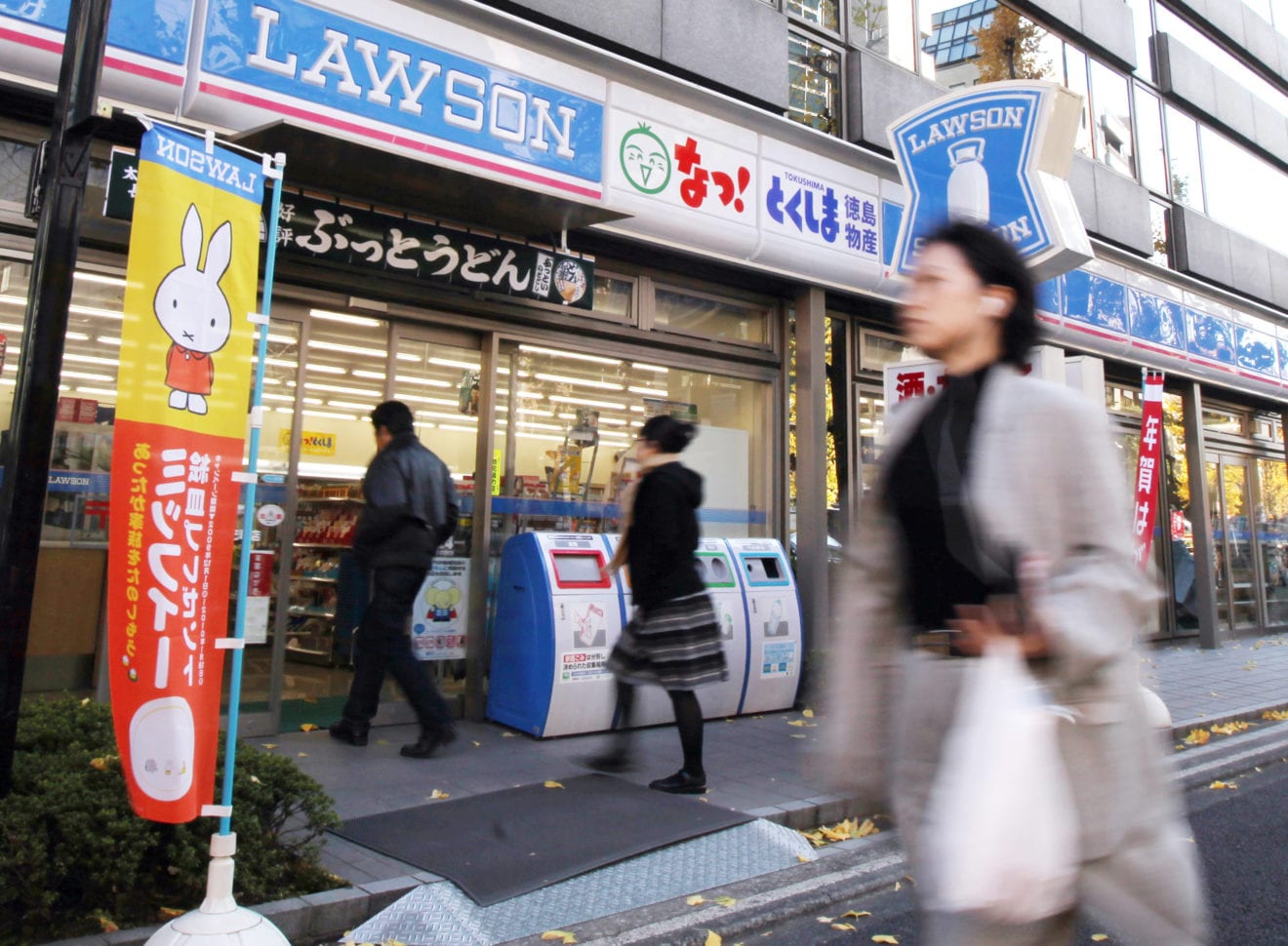
    Lawson will begin offering Muji brand products at its 14,000 stores across Japan, as the Japanese convenience store chain aims to boost customer traffic with the popular ‘no-brand brand’ lifestyle goods.

    Lawson plans to replace 3,500 items with those of Muji, or about 5% of the merchandise on offer at the convenience store chain.

    The move comes as Lawson finds its customers becoming more budget-conscious as inflation heats up around the world. The company believes stocking its shelves with Muji brand can encourage shoppers to spend more.

    The Muji brand is run by Japanese retailer Ryohin Keikaku. The two companies have been working together since June 2020, with Muji items available at 110 Lawson stores in the Tokyo area.

    Starting in May, Lawson will roll out Muji goods across eastern Japan, aiming to cover its 5,000 stores there in about six months.

    Muji items will be in all its stores in Japan by the end of 2023 and will include 170 daily items, such as stationery, cosmetics and socks. In addition, about 30 Muji food products will be sold, including instant curry sauce and sweets.

    Lawson is considering offering even more Muji products and looking at joint development of private label items.

    Muji items are known for their simple design and high quality. The brand’s instant curry sauce has become a hit across all age groups. During a trial run, Lawson found that sales of particular products jumped by around 20% after they were replaced with similar Muji products. Overall store sales also rose by 2% to 5%, according to Lawson.

  • Muji launches fresh food concept store with JD

    Muji launches fresh food concept store with JD

    Japanese retail giant, Muji, has forayed into the fresh food industry with the launch of a food complex in collaboration with JD’s Seven Fresh in Shanghai.

    Operated by both companies, the complex is located inside Ruihongtiandi shopping mall and spans 400sqm, housing a Muji store and fresh food supermarket, Seven Fresh, which is also the chain’s first presence in the city.

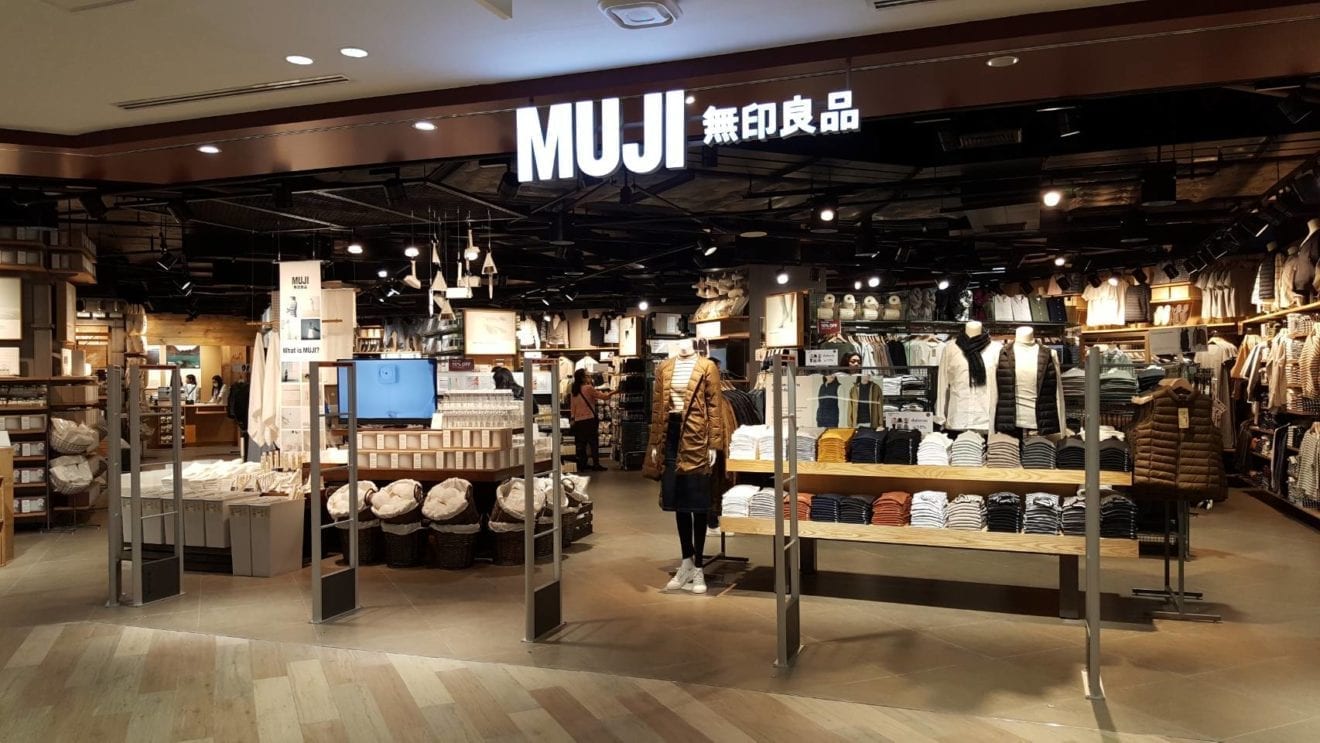
    Unlike Muji’s usual stores, the 1208sqm Muji store in the complex offers an expanded selection of food products, including ramen, oatmeal, frozen food, ice cream and pizza. Its fashion brands, Muji Labo and Muji Walker, are also available in the store.

    The Seven Fresh store features an omnichannel concept with both online and offline services, and customers can have their online orders delivered in as soon as 30 minutes.

    The store-in-store concept is not the first collaboration of the two companies: last year, Muji launched a new format MUJIcom, at JD headquarters in Beijing, providing employees selected products such as daily necessities and food, including lunch boxes featuring simple meals.

  • Japanese retailer Muji opens first store in Hanoi

    Japanese retailer Muji opens first store in Hanoi

    Japanese chain retailer Muji opened its first store in Hanoi on Saturday after opening one in HCMC last November. The store, which spans 2,000 square meters at Vincom Center Metropolis on Lieu Giai Street, is the second to be opened in Vietnam.

    The flagship store in Hanoi provides around 5,000 products, ranging from fashion, cosmetics to household items, interior design and food.

    Tetsuya Nagaiwa, Muji’s head of Vietnam business, said the chain spent two years searching for a suitable location for the Hanoi store, a much longer process compared to its HCMC endeavor.

    The southern metropolis’s downtown District 1 is a no-brainer when it comes to choosing a location for a store. But Hanoi has multiple locations with different capacities for attracting customers, Tetsuya explained.

    Vincom Center Metropolis was eventually chosen since it is in an area with a big Japanese population and is wide enough to host a large store.

    Tetsuya said Muji’s current strategy is to take hold of Hanoi and HCMC, both major cities, to boost brand recognition. Afterward, depending on factors like economic development and population, Muji would consider opening more stores in other cities.

    Vietnam is among the world’s most promising retailer markets right now, Tetsuya said, adding the country has attracted a large number of investors thanks to its ever-growing economy and a young population with a middle-class income.

    Certain Muji products sold in Vietnam would be cheaper than other markets’ as they are produced by domestic manufacturers, he said, without revealing exact information regarding the domestic factories.

    Muji, founded in 1980, has over 1,000 stores in 33 countries and territories.

  • Muji ready to open largest Philippines retail store yet

    Muji ready to open largest Philippines retail store yet

    Fans of Japanese minimalist brand Muji will be delighted to know that the retailer is planning to open its “largest” store in the Philippines — soon.

    Muji announced this last night in a social media post, where it told followers to “stay tuned for more info.” It did not divulge where the new store will be located.

    The pandemic has hit the retail sector in the Philippines severely, with countless brick-and-mortar stores closing inside now-empty malls. Rents in malls are expected to fall by 2%, while registered online businesses have increased to 75,876 in September from 1,753 in March. Many Filipinos now prefer to buy from e-commerce platforms Lazada and Shopee, mainly because they fear that they will get infected with the coronavirus if they venture outside their homes.

    The changes taking place have prompted Muji Philippines to launch its own pick-up and delivery service in August.

  • Muji bus targets customers in Japan’s mountains

    Muji bus targets customers in Japan’s mountains

    Household and consumer goods retailer Muji has built a Muji bus – a store inside a revamped tourist coach targeting consumers living in Japan’s mountainous regions.

    The new Muji to Go mobile store launches alongside Muji’s largest store internationally which has opened in Tokyo’s Naoetsu Shopping Centre. Its aim is to help revitalize the brand within its home market by targeting consumers who cannot conveniently access city stores – especially older customers.

    The store will begin selling goods next month before fully launching in September with a stock of clothing, stationery, and daily-use supplies. The project will additionally allow Muji staff to converse with remote consumers and learn more about their needs and concerns

    A second mobile store is likely to be launched in Sakata city, Yamagata in the near future.

    More information and photos on Designboom.

  • Muji enters Chapter 11 owing US$65 million in USA

    Muji enters Chapter 11 owing US$65 million in USA

    Japanese homewares and lifestyle retailer Muji has placed its US business in Chapter 11 bankruptcy protection with debts of US$64 million.

    The company said the measure was the result of having to continue to pay rent in high-profile locations while stores were shuttered due to the Covid-19 pandemic. Landlords had shown little flexibility despite stores not being able to trade.

    Under bankruptcy protection, the company’s parent, Ryohin Keikaku, has six months to submit a restructuring plan.

    After launching in 2006, Muji US has opened just 19 stores there. But it chose high-profile locations like 5th Avenue and Times Square to establish brand exposure.

    In the year to February, the company achieved sales of $102.5 million but reported a loss of $16.8 million.

    Muji has no intention of closing or exiting the US. Ryohin Keikaku, president Satoru Matsuzaki, said he would personally oversee the restructuring of the US business.

    “The US is the cornerstone in building name recognition,” Matsuzaki was quoted in the Nikkei.

    Muji US has reopened 10 stores, but total sales are running at just 20 percent of the level of pre-Covid-19.

  • Muji starting with a monthly subscription service with Idee

    Muji starting with a monthly subscription service with Idee

    Muji is to launch a subscription service for furniture and interior goods with its design brand Idee.

    The rental service will feature three basic sets – “sleep”, “learn/work,” and “relax” – starting from US$7.50 per month. The company also offers annual subscriptions for one to four-year plans.

    The Muji and Idee service offers a solution for furniture waste problems, following the brand’s new philosophy – “use rather than possession”.

    “Muji aims to solve various problems … occurring in society by paying close attention to the earth and the times, and by preparing our lives through products and services that are the basis of our lives,” the company said in a statement.

    Muji also offers two renovation plans for compact home offices across 23 wards of Tokyo. In addition, customers can receive free online home consultations from 115 interior advisors at 45 Muji stores across the country.

    Furniture subscription services are not a new concept but are beginning to gain momentum in large cities with small apartments. Ikea launched a similar service in some European countries saying last year it planned a roll out in 30 markets this year.

    The Muji subscription service will start from July 17 at selected stores in Japan including Muji Ginza and Muji Grand Front Osaka.