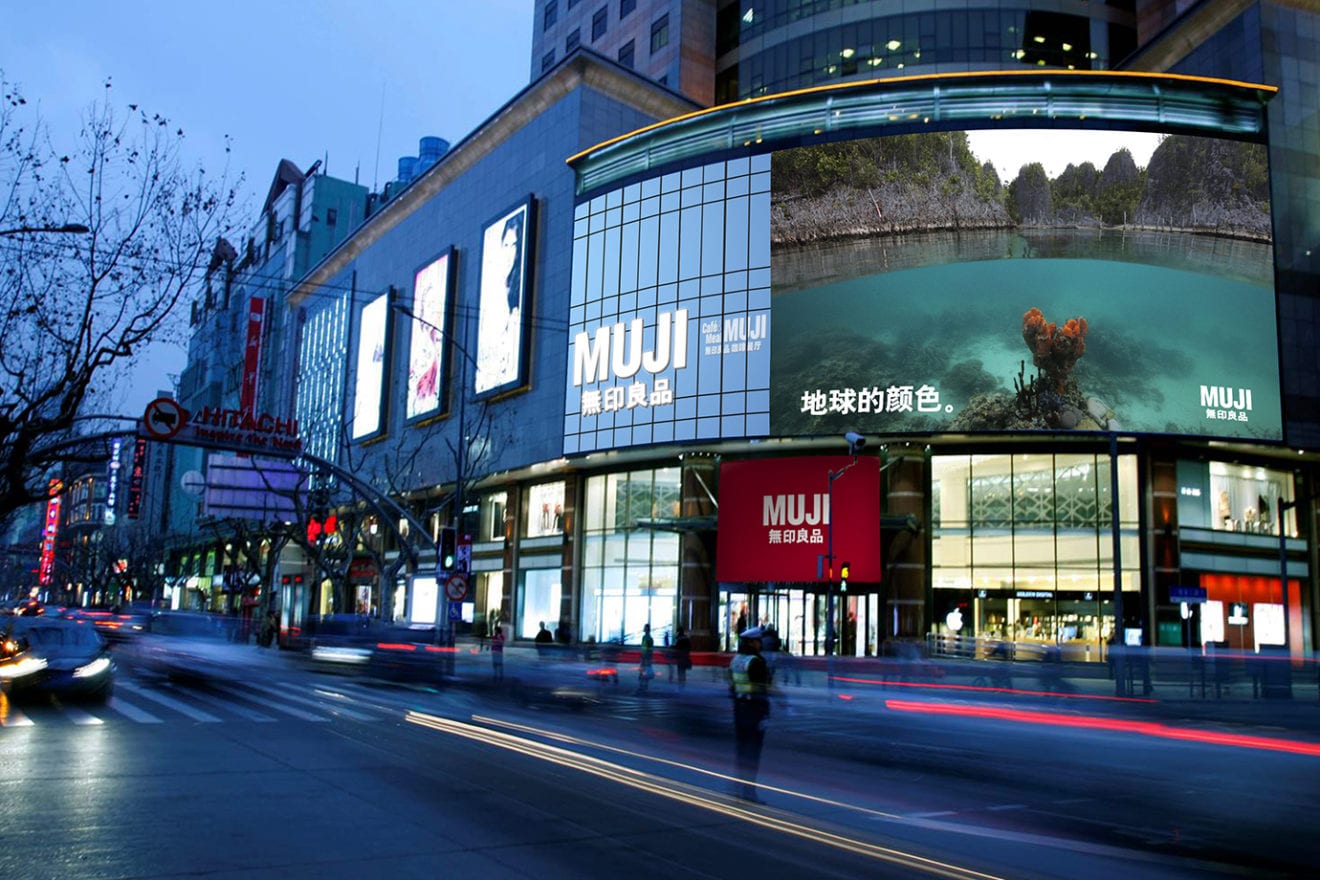
Tag: Muji

  • Muji Marina Square store closes permanently

    Muji Marina Square store closes permanently

    The Muji Marina Square store will not reopen today when social-distancing measures allow retailers to recommence trade. in Singapore.

    The Japanese household and consumer goods retailer announced the closure on Facebook this week, thanking customers for their patronage over the years and apologizing for the inconvenience.

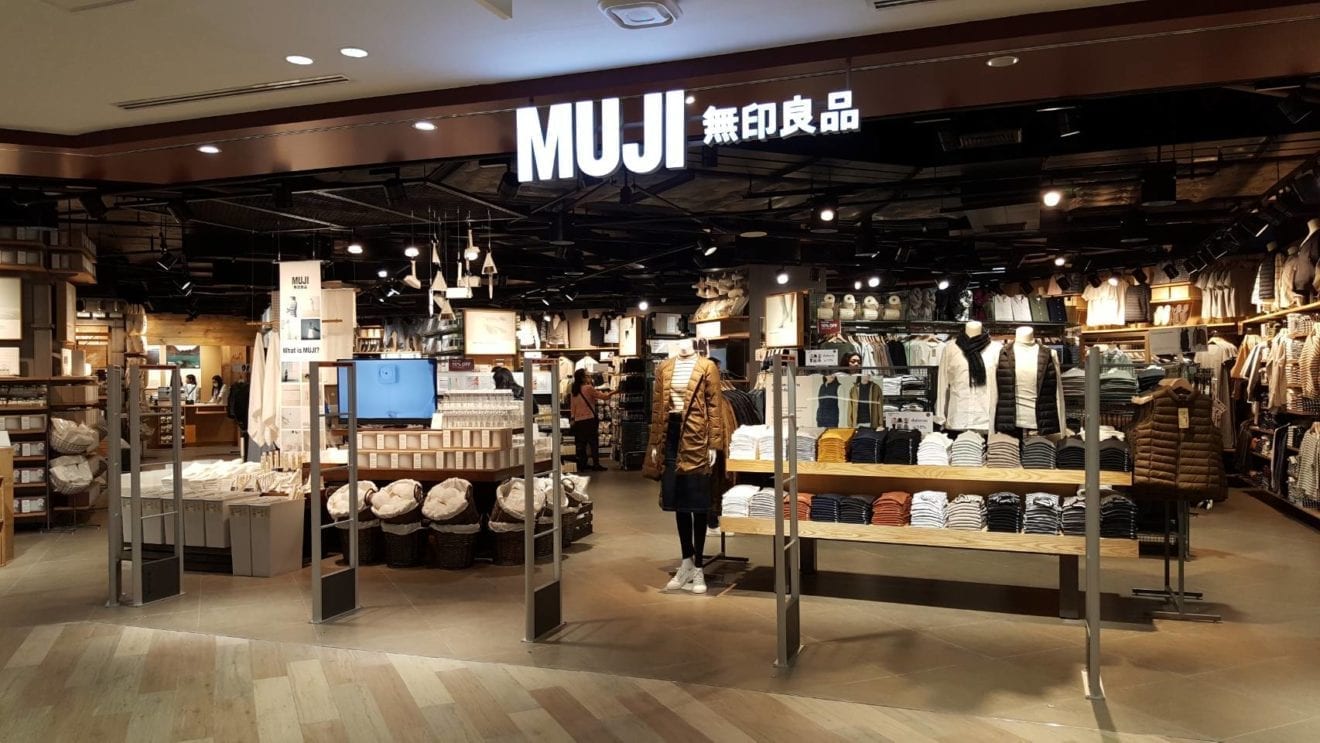
    The brand will continue to maintain 10 outlets within Singapore – some of which offer dining options – including its stores at Jewel Changi Airport and JEM. Muji launched the two-story airport location in May last year as a venue housing more than 4000 products and an 88-seat Cafe&Meal dining area.

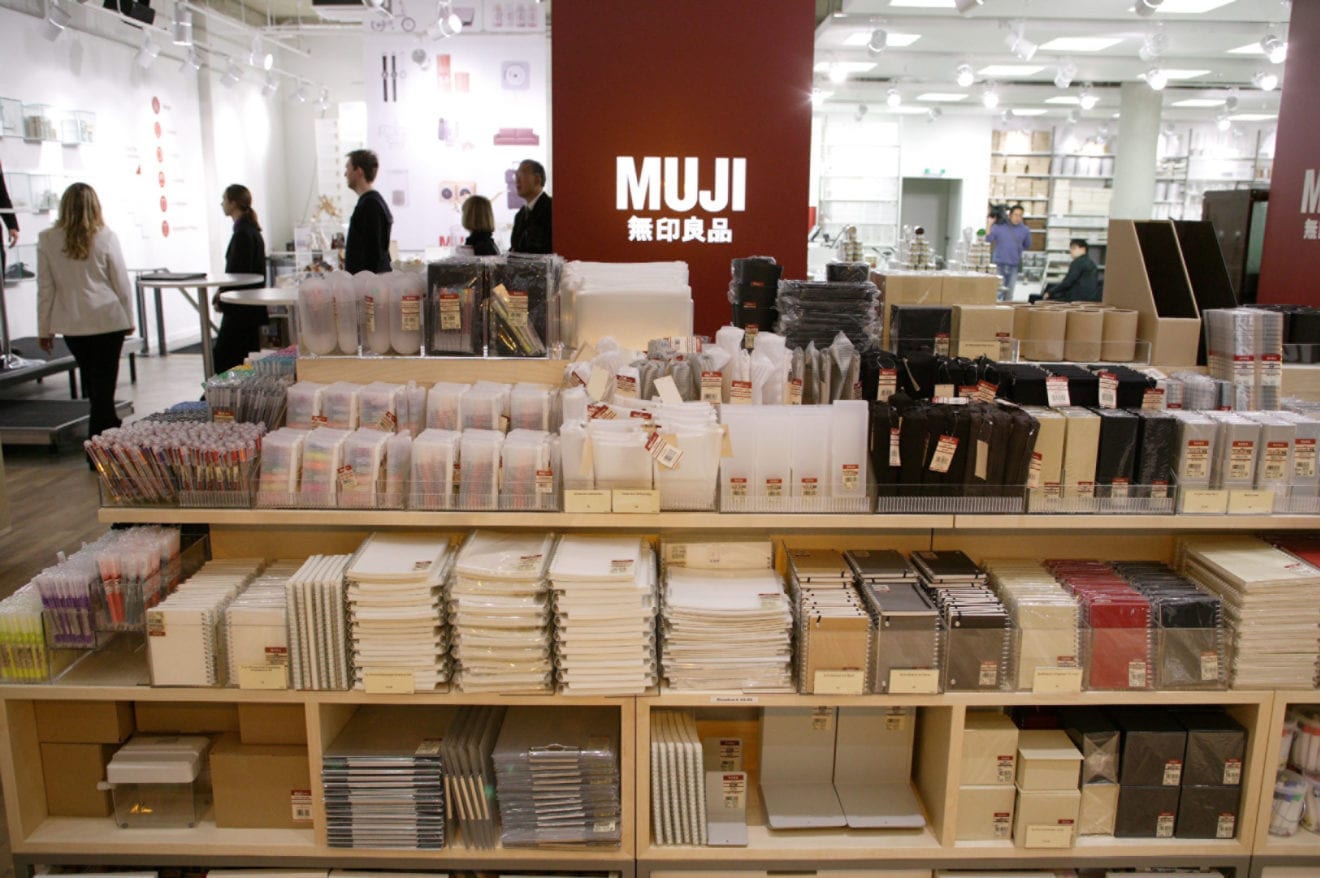
    Muji’s flagship store within the territory is at Plaza Singapura. Its product range includes apparel, furniture, kitchenware, toiletries, stationery and food items.

    All Muji outlets in Singapore, including Muji Marina Square, closed temporarily during the coronavirus outbreak.

  • Lawson Japan to stock Muji products

    Lawson Japan to stock Muji products

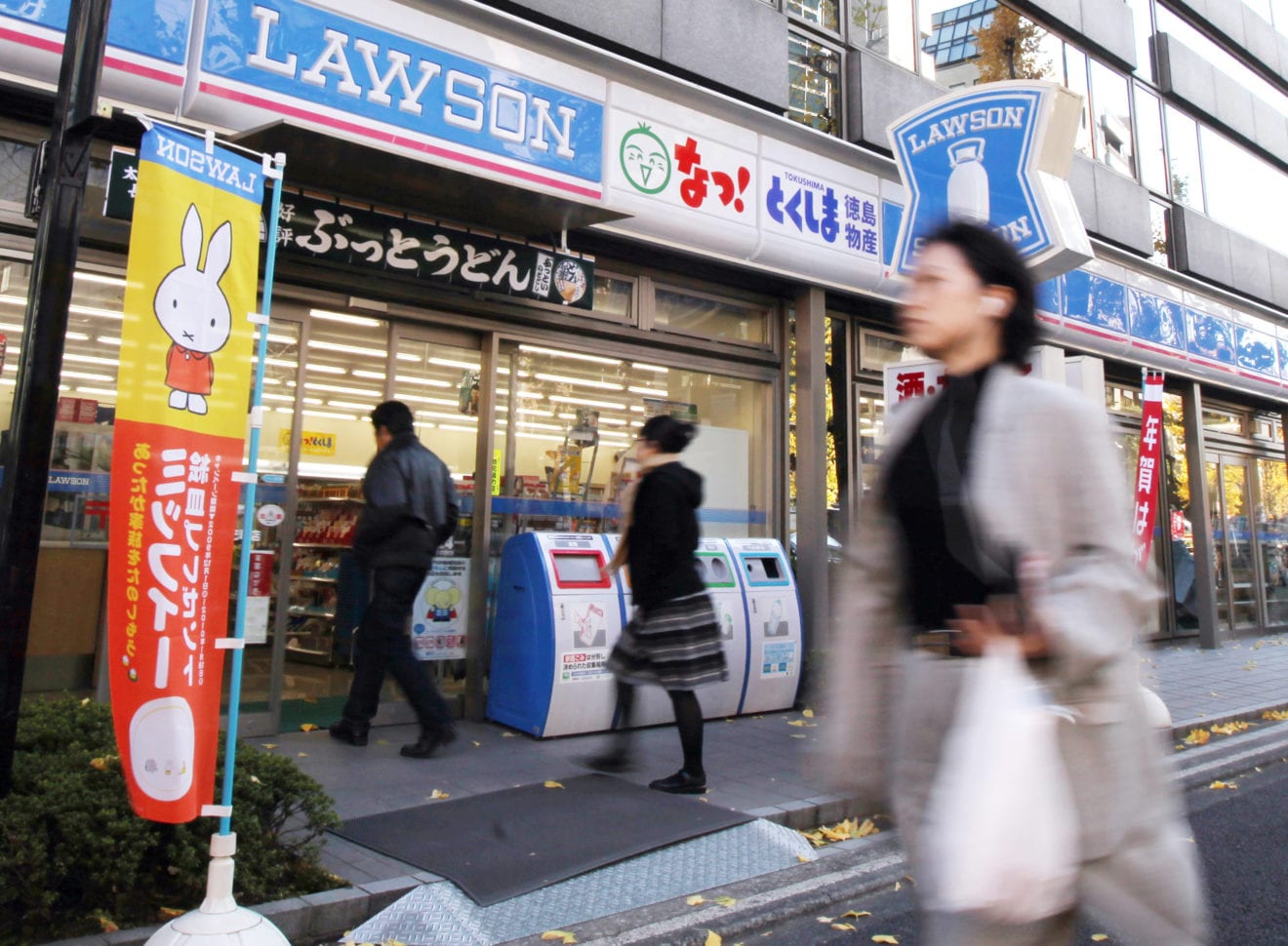
    Japanese convenience-store business Lawson will cooperate with local home-goods network Muji in a sales and brand development partnership, according to a Nikkei Asia report.

    The deal will see Muji products stocked in Lawson Japan outlets as well as the development of further daily-use products under a new private brand, which may lead to a fresh store concept. It replaces Muji’s previous supply contract with rival chain FamilyMart.

    The move will take advantage of shifting consumer behaviors as more Japanese shoppers purchase daily items from convenience store chains in the wake of the coronavirus outbreak.

    Around 20 percent of items currently stocked at Lawson are likely to be replaced with Muji-branded products, most probably goods such as eco-friendly detergents and nutritional pre-packaged foods, in high demand since the advent of Covid-19.

    Early customer response to the change in a small number of outlets will determine how broadly the initiative is applied across Lawson’s 15,000-store network.

    The agreement also addresses shrinking opportunities to expand given the gradual decline in Japan’s population, providing a broader product range in existing stores.

    Muji currently operates more than 400 locations in Japan.

  • Muji convenience-store concept trials at JD HQ

    Muji convenience-store concept trials at JD HQ

    Following the launch of Muji Hotel and Muji Infill (a home-renovation service) in China, the Japanese home and lifestyle retailer has branched into convenience retailing.

    Located inside JD’s Beijing headquarters, the Muji convenience-store concept, called Mujicom, takes up 605sqm and has 71 seats for dining.

    Stocking essential daily goods along with books, food, and beverages, the store serves employees of JD.

    The Muji convenience store actually made its initial debut at Musashino Art University in Tokyo with an additional workshop space for students to use as a working and creative collaborative space.

    The retailer is set to open three new stores in China this month atop of Mujicom, including outlets at Hangzhou and in Shenzhen Airport.

    Muji also recently opened its largest Hong Kong flagship store, expanding its food and catering range with fresh-baked goods and a new coffee and tea bar.

  • Muji opens largest Hong Kong flagship store

    Muji opens largest Hong Kong flagship store

    Despite struggling with suspended operations and inventory problems during the Covid-19 pandemic, Japanese home-and lifestyle-goods retailer Muji is set to open its 21st store in Hong Kong later this month.

    Taking over the former Uny-owned Piago department store space in Telford Plaza, the new flagship will span 24,000sqft with all ranges including home, electronics, apparel, cosmetics, and food.

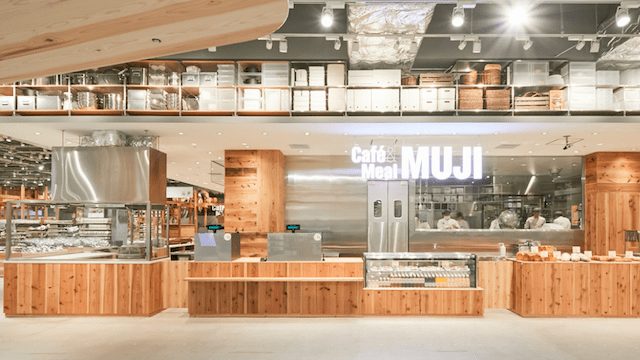
    The Telford Muji flagship will largely focus on food, expanding its range with packaged goods, groceries, fresh baked goods, and a new coffee and tea bar in addition to its existing cafe and Meal Muji restaurant.

    Muji is also expected to make its debut in Vietnam later this year.

    In May, Muji Japan launched a store on Amazon, seeking to mitigate the impact of its 280 stores in the market being forced to close due to Covid-19. That marked the first time Ryohin Keikaku has sold Muji products via an online platform outside its own e-commerce store.

  • Muji Japan moves online as Covid-19 crisis closes stores

    Muji Japan moves online as Covid-19 crisis closes stores

    Muji Japan has launched an online store on Amazon, strengthening its e-commerce presence as the Covid-19 crisis closes stores.

    According to the Nikkei Asian Review, the new Muji Japan online store will feature 250 items, mostly beauty products, storage containers, and cooking utensils.

    It is the first time Japan’s Ryohin Keikaku has sold Muji products via an online platform outside its own e-commerce store. With Amazon’s extensive user base, the company hopes to attract more potential customers.

    The launch with Amazon follows the closure of 280 physical stores across Japan and many others having to trade for reduced hours due to social-distancing requirements in the wake of the Covid-19 pandemic.

  • Muji parent Ryohin Keikaku caught million dollar tax dodge

    Muji parent Ryohin Keikaku caught million dollar tax dodge

    Muji store parent Ryohin Keikaku has been found to have dodged paying ¥7.5 billion (US$68.3 million) in tax by transferring taxable income to its operations in China, where it runs 256 outlets.

    The Japanese retailer has been ordered by the courts to pay the required taxes, which have accrued since 2017, as well as around ¥2.1 billion ($19.1 million) in penalties.

    In a statement, the firm said that although it holds a different view on the policy of double taxation, it has decided to pay the tax as assessed by the tax bureau.

    Ryohin Keikaku has appealed to the tax authority in Japan to deal with its Chinese counterparts to avoid double taxation in future.

  • Global brands continue to shutter stores across China as coronavirus spreads

    Global brands continue to shutter stores across China as coronavirus spreads

    Widespread temporary store closures continue across China as the coronavirus continues to spread throughout the country.

    Officially, China’s New Year holiday – extended by the government for a week to help reduce the spread of the virus – ended yesterday, but office staff was encouraged to work from home.

    Tech giant Apple said on Friday it hoped to reopen corporate offices and contact centers later this week, but the closure of its physical stores would continue indefinitely.

    As at 10am ICT on Tuesday, February 11, 43,108 cases of coronavirus had been confirmed, and 1018 fatalities, almost all of those in Mainland China. However, in an encouraging sign, 4048 people had been confirmed as recovered. The mortality rate has edged up slightly to 2.3 percent with most deaths due to underlying respiratory conditions or pneumonia.

    Brands across fashion, technology and almost every other non-essential retail category continued to shutter stores on the mainland.

    VF Corporation, which owns Timberland, Vans, The North Face and Dickies, says 60 percent of its outlets in Mainland China are closed and those still open have seen “significant declines in retail traffic.”

    Muji and Uniqlo have shut about half of their store networks.

    Japanese makeup company Shiseido estimates its China sales were down 55 percent over Lunar New Year, traditionally a peak selling period. Sales to foreign tourists through Japanese retail outlets were down by 40 percent. The company has launched the Relay of Love Project, “in the hope that everyone affected may return to health and safety as soon as possible”.

    In addition to 1 million CNY (US$143,000) already donated to the Charity Federation of Wuhan, Shiseido will donate a further 10 million CNY ($1.43 million) to the Shanghai Charity Foundation and 1 percent of sales from Asian markets will be reserved for other assistance.

    UK luxury-fashion label Burberry has closed 24 of its 64 stores in China and says those still trading – under reduced hours – have experienced “significant footfall declines”.

    The parent of Kate Spade, Coach and Stuart Weitzman, Tapestry, says it has closed the majority of its stores in China.

    Capri Holdings says that about 150 of its 250 stores trading under the Michael Kors, Versace and Jimmy Choo banners are closed.
  • Muji launching in Vietnam

    Muji launching in Vietnam

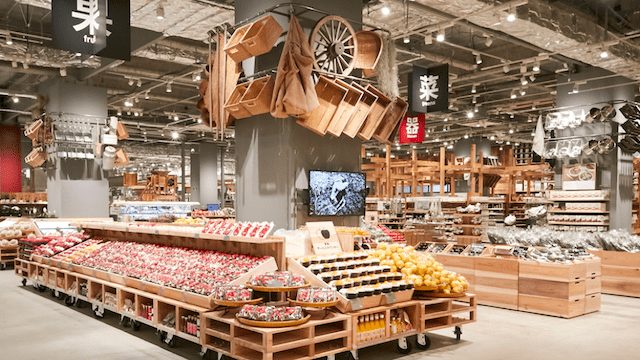
    The first Muji Vietnam store is set to open within three months, a year after the Japanese household goods and apparel chain established an office in the country.

    As we reported last February, Muji Vietnam Ltd was registered and headquartered in Ho Chi Minh City.

    According to a source from property company Savills, the new Muji store will open in the city’s commercial center, occupying a 3900sqm space. Muji Vietnam will feature clothing, stationery, homewares, skincare products and other goods.

    The store’s location and exact opening date have yet to be disclosed.

    Besides Muji, other international brands including sports-goods retailer JD, fashion label Champion, cosmetics chain Sephora, food chains Hawker Chan and Din Tai Fung and K-pop merchandise retailer SM Entertainment are also expected to enter Vietnam this year.

  • Muji loses Chinese trademark infringement case

    Muji loses Chinese trademark infringement case

    A Chinese court has ruled Japanese retailer Muji must pay RMB626,000 (US$89,000) and apologize to a local firm after losing a trademark-infringement case, according to the South China Morning Post

    Muji had appealed a 2017 ruling finding against its use of a trademark currently held by Beijing Cottonfield Textile Corp, which was registered four years before Muji entered China, its largest market outside Japan. The Chinese characters in the trademark translate as “Unbranded, quality goods”.

    The phrase was owned by Cottonfield subsidiary Natural Mill. Muji was sued by Beijing Cottonfield and the trademark’s original owner Hainan Nanhua in 2015.

    China’s appeals court ruled against Muji this week saying “Beijing Cottonfield Textile Corp has the exclusive rights to the trademark… others may not infringe on that right without permission,” according to the South China Morning Post report.

  • Muji Thailand to open largest store yet in the country

    Muji Thailand to open largest store yet in the country

    Muji Thailand is launching its largest outlet at Bangkok’s new 222,000sqm mixed-use lifestyle complex, Samyan Mitrtown.

    The store will feature a “Muji Coffee Corner” designed in a minimalist style serving coffee made from Thai beans sourced from mountainous Doi Tung.

    The brand operates Muji restaurant concepts in Japan and Singapore, prompting speculation that the coffee corner may expand into a diner at some later time.

    The new Muji Thailand store is easily accessible from MRT Samyan’s exit No. 2.

  • Muji sends excuses for Shanghai slur on social media

    Muji sends excuses for Shanghai slur on social media

    Japanese retailer Muji has issued an apology to the Chinese people for referring to a historic neighborhood in Shanghai as the “French Concession” in a social media post.

    The term refers to a time in history when parts of the city were conceded to foreign countries, a period many Chinese people view as an insult to China’s sovereignty. The name is still commonly used in the city for the district that still retains some of its former European characters, and where Muji’s flagship store is now located.

    Some social media users were angered by the firm’s use of the term in promoting a walking tour around the neighborhood.

    The statement issued by Muji an apology for using the term read: “We had no intention of hurting Chinese people’s feelings. We fully respect China’s culture and history.”

    The brand’s walking tour promotion has been canceled and the offending post removed.

  • Muji Launching new Store in Denmark

    Muji Launching new Store in Denmark

    Ryohin Keikaku Japan’s board of directors has resolved the establishment of a subsidiary in Denmark by Muji Europe Holdings – its regional headquarters in Europe – for further business development.

    Regarding the territory as a growing market in one of the most developed countries in the world – with the tenth highest GDP per capita and an estimated real GDP growth of 1.7 per cent this year – RKJ and MEH have decided to enter the Danish playing field with the expectation that their experience and know-how in the European market will help in running stores.

    Denmark geographically connects the European continent and Nordic countries and has a population of 5.83 million in a land area comparable to Japan’s third largest island, Kyushu. The country ranked second in the World Happiness Report according to the United Nations this year.

  • Muji to lower prices on 1100 household and grocery items

    Muji to lower prices on 1100 household and grocery items

    Muji household goods store owner Ryohin Keikaku will drop prices on around 1100 products from late August.

    The price reductions will affect 116 product ranges, including clothes, underwear, tableware, confectionery and furniture. The mark downs are the result of new streamlined production and distribution processes adopted by the firm, as well as reselected production areas and materials.

    Examples of the price reductions released by the company include an 11.2 per cent drop in the cost of a set of three “Ashinari Chokkaku Kutsushita” socks and a saving of up to ¥20 on “Pochigashi” candy and cookie packs.

  • Iuiga defends use of Muji brand on its website

    Iuiga defends use of Muji brand on its website

    Singaporean retailer Iuiga says it has done “nothing wrong” using the Muji brand name on its website.

    “The information on our website is factually accurate and our manufacturing processes are legal,” said Jaslyn Chan, Iuiga chief growth officer.

    Iuiga says it works directly with Original Design Manufacturers (ODM), who produce for large international brands including Muji. Under the ODM business model, the exterior, aesthetics, materials, dimensions and patented technologies are developed by the ODM and these product and design rights belong to them.

    “There is no direct ownership of the product by any single brand entity, allowing the ODM to produce for more than one brand. This is what Iuiga means when it says a certain product is from the “same manufacturer as Brand A”.

    Based on this, Iuiga maintains it is working with ODMs that also work with Muji.

    “Iuiga is also preparing a list of manufacturers that both Iuiga and Muji work with to be released to the media later,” Chan added.

  • Muji Singapore to offer home renovation products

    Muji Singapore to offer home renovation products

    Muji Singapore is set to expand its offer to include the new Muji Renovation concept. By 2025, Muji Singapore customers might be able to go to the Japanese retailer for a complete home transformation, said Satoru Matsuzaki, president and representative director of Muji owner Ryohin Keikaku.

    “I always want to bring new formats to Singapore first, develop it here, then [take] it out to the region,” Matsuzaki added.

    “Coming soon for Singapore shoppers is the expansion of the Muji Walker active wear range, launched in the 2018 Spring/Summer season and meant for light exercise.

    “This is really a good match for Singapore,” said Matsuzaki, pointing to the island’s year-long warm weather and ageing, health-conscious population.

    It also aims to expand its product range, narrowing the gap between the 7000 items sold in Japan and the 4000 here.

    Store sizes will expand as well, from an average of 6000sqft to some 18,000sqft.

    Strong sales have fuelled the brand’s confidence and the plans to expand store footprints. Despite the local retail sector supposedly being on the downtrend, Muji Singapore’s sales are rising steadily each year.

    Meanwhile, Muji is seeking a court order for Singapore retailer Iuiga to stop its use of the Muji mark and the retailer is launching first store in Vietnam next year.

    Muji Singapore opened first store in 2003, and now has 11 local outlets.