Tag: Muji

  • Muji Singapore to offer home renovation products

    Muji Singapore to offer home renovation products

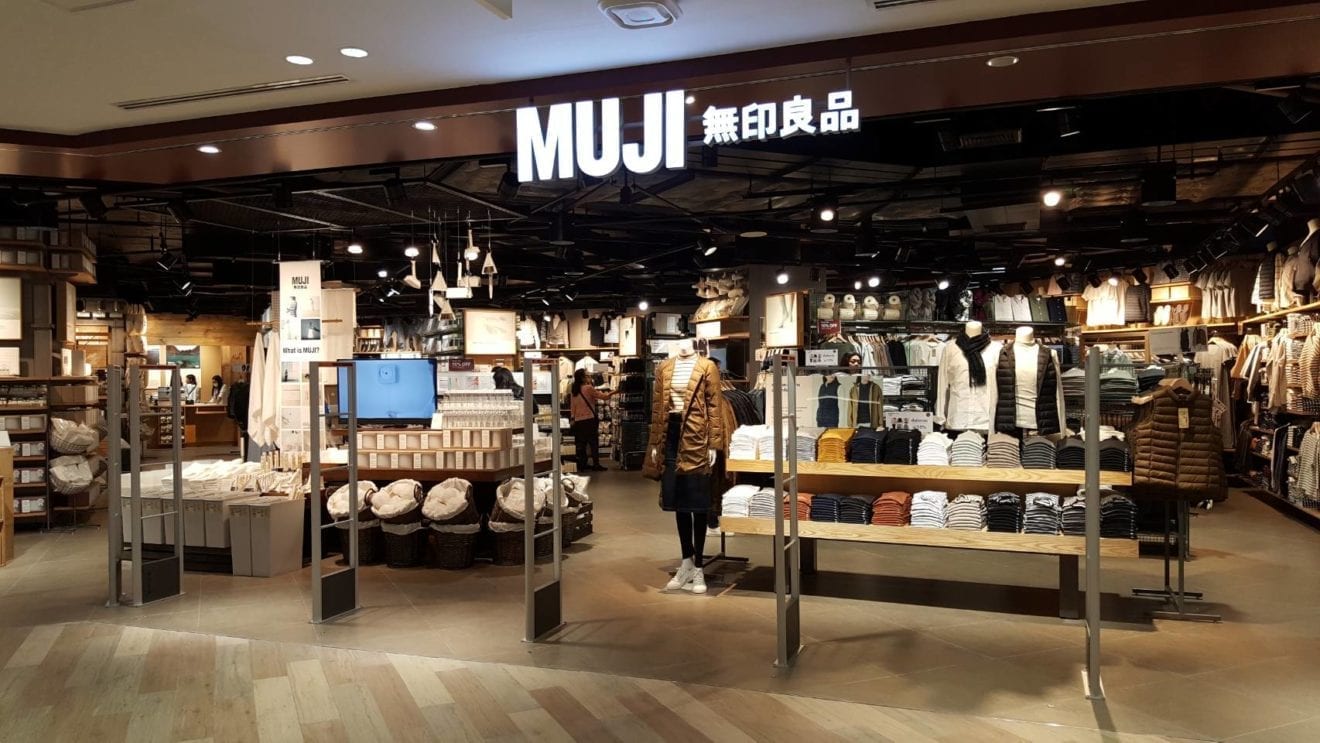
    Muji Singapore is set to expand its offer to include the new Muji Renovation concept. By 2025, Muji Singapore customers might be able to go to the Japanese retailer for a complete home transformation, said Satoru Matsuzaki, president and representative director of Muji owner Ryohin Keikaku.

    “I always want to bring new formats to Singapore first, develop it here, then [take] it out to the region,” Matsuzaki added.

    “Coming soon for Singapore shoppers is the expansion of the Muji Walker active wear range, launched in the 2018 Spring/Summer season and meant for light exercise.

    “This is really a good match for Singapore,” said Matsuzaki, pointing to the island’s year-long warm weather and ageing, health-conscious population.

    It also aims to expand its product range, narrowing the gap between the 7000 items sold in Japan and the 4000 here.

    Store sizes will expand as well, from an average of 6000sqft to some 18,000sqft.

    Strong sales have fuelled the brand’s confidence and the plans to expand store footprints. Despite the local retail sector supposedly being on the downtrend, Muji Singapore’s sales are rising steadily each year.

    Meanwhile, Muji is seeking a court order for Singapore retailer Iuiga to stop its use of the Muji mark and the retailer is launching first store in Vietnam next year.

    Muji Singapore opened first store in 2003, and now has 11 local outlets.

  • Muji sues Singaporean retailer Luiga

    Muji sues Singaporean retailer Luiga

    Muji parent Ryohin Keikaku has filed a lawsuit against Singaporean retailer Iuiga alleging trademark infringement. During an interview Muji president Satoru Matsuzaki said the lawsuit was filed against Iuiga in Singapore courts in late January for “trademark infringement and passing-off under Singapore law”.

    The Japanese retail giant is seeking a court order to stop the use of the Muji trademark in Iuiga’s statements, as well as compensation for damages and losses.

    According to the report, the Singapore firm has used statements such as “Muji same manufacturer” and “direct from Muji manufacturer” on its e-commerce website and in its physical store.

    “We requested Iuiga to disclose information on their manufacturing factories to verify their statements. However, we did not receive any response,” a Muji spokesperson said.

    The Japanese firm added that its manufacturing contractors have denied manufacturing or supplying products to Iuiga.

    Iuiga’s chief growth officer Jaslyn Chan said the company has “done nothing wrong”, adding that the information on its website is factually accurate and its “manufacturing processes are legal”.

    She added that Iuiga works with “original design manufacturers”, and that there “is no direct ownership of the product by any single brand entity, allowing the original design manufacturers to produce for more than one brand”.

  • Japanese Brand Muji Will Open First Vietnam Store in 2020

    Japanese Brand Muji Will Open First Vietnam Store in 2020

    Japanese household goods and apparel chain Muji plans to open in Vietnam next year. The company will establish its subsidiary Muji Vietnam this August with headquarters in Ho Chi Minh City. The first store is scheduled to open in the second quarter. Muji’s parent Ryohin Keikaku says it chose Vietnam as Muji’s next overseas market because of the country’s fast-paced development. Vietnam has the third-largest population in ASEAN and is undergoing rapid economic growth.

    “From our business’ point of view, it is one of the major markets in ASEAN, with the estimated real GDP growth of 7.1 per cent last year,” the company said in a statement released in Japan.

    “We expect that our experience and knowhow in the global market will help in running stores that serve everyday living and [that will] increase Muji’s fans in the area.”

    Muji products are among the most popular items hand-carried back into Vietnam from travellers visiting countries such as Thailand, Singapore, Hong Kong and the Philippines.

    The opening of first Muji Vietnam store is expected to attract many Vietnamese youngsters, with the minimalist lifestyle reflected in the retailer’s product range currently a trend in the country.

    Muji has more than 450 stores in Japan, and 470 stores in other countries.

  • Muji reopen largest store outside Asia

    Muji reopen largest store outside Asia

    Muji Canada is reopening its original Toronto location next week as its first flagship store in the country’s east. The Muji Atrium opened four years ago as the company’s first location in Canada. While the previous store occupied 5658sqft of retail space, the new flagship store will reach 19,110sqft spread over two floors, becoming the largest Muji store outside of Asia.

    “During the four years since we expanded to Canada, we opened seven additional stores and gradually increased our range of products and services,” said Muji Canada president Toru Akita.

    “By allowing us to reach out to more people and to further convey our philosophy, the Atrium flagship store will open a new chapter for Muji in Canada.

    “Through interactive events, innovative projects, and new partnerships, we wish to connect and evolve together with local communities and contribute to the creation of a better quality of life.”

    The location will carry Muji Canada’s full range of merchandise of more than 4000 items – including household goods, apparel, and food – and offer many products and services only available in select Muji flagship stores around the world, such as a coffee counter serving ethically sourced coffee and an aroma bar that will allow customers to create customised fragrances from more than 40 essential oils.

    Muji Atrium will feature two new customisation services for customers to personalise their products for the first time outside of Japan, including a digital fabric printing service and laser engraving service

    Muji Atrium will be the only location in Eastern Canada to carry books, made-to-order curtains and rugs, the Muji Labo collection, maternity wear, a brand new activewear collection and more.

  • Giant Muji Ginza flagship plan revealed

    Giant Muji Ginza flagship plan revealed

    Japanese anti-brand retailer Muji will open a new global concept store in Tokyo’s Ginza district next April.

    Besides a seven-storey Muji Ginza retail store, the company will open a Muji Hotel, a gallery and community space and a Muji-branded Diner on the site. It will close its existing standalone Tokyo flagship store at Yurakucho on December 2.

    Satoru Matsuzaki, president and representative director of Muji’s parent company Ryohin Keikaku, says the new Muji Ginza flagship will be a global statement for the brand with a focus on food.

    “Muji wants to connect the relationships between people and people, people and society, and people and nature through its goods and services,” Matsuzaki said in a statement.

    “Among the three most basic of human needs (clothing, food, and housing), food is perhaps the most critical, essential part of life. City dwellers, however, have become far removed from the farms, ranches and fisheries, where the food is actually produced, and have come to consume food as nothing more than mere merchandise. Many of them know neither the producers, the land nor the sea that grew the food.

    “The new global flagship store will dedicate more goods and services to food. We hope it helps customers think about the producers and production areas, taking another look at the relationship between food and people.”

    A dedicated food area on the store’s ground floor features vegetables and fruits delivered directly from the farms near Tokyo. The store will sell freshly squeezed juice or desserts made from in-store fruits. There will be a space to eat on site and the store will sell teas, spice and fruits by measure.

    A Muji Diner will open in the first basement level, focusing on simple food and featuring a salad bar. Dishes of fish, meat or wild game in season will be available for individual diners and groups.

    Muji Hotel Ginza and Atelier Muji Ginza

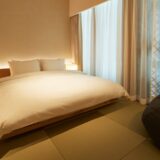
    Described as “anti-gorgeous, anti-cheap” the Muji Hotel Ginza promises “a great sleep at the right price”. It will be the third Muji Hotel after properties in Shenzhen and Beijing, featuring 79 guest rooms.

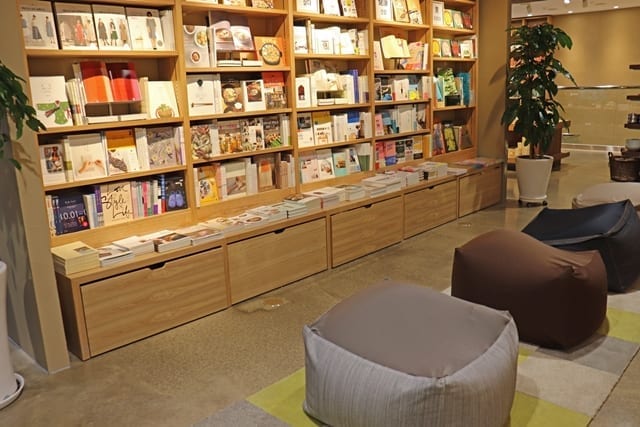
    The Atelier Muji Ginza will open on the building’s sixth floor, beneath the hotel, intended as a “multi-purpose facility of design and culture”.  It will comprise two galleries for exhibitions featuring craftwork and design, a salon where people can talk over coffee or drinks, a library of books related to design and arts and a lounge for events and workshops.

    To bridge the gap between the old flagship’s closure and the new Ginza concept’s opening, a mini pop-up store is planned for Marronnier Gate Ginza – half way between the two sites – trading for three months from December 12. It will stock items selected from Muji’s 7000 lifestyle basics range.

  • Muji parent posts new profit record

    Muji parent posts new profit record

    Muji parent Ryohin Keikaku has revealed another record quarter in both sales and operating profit.

    In the three months to May, Muji achieved group-wide sales of 106.5 billion yen (US$963.5 million), up 9.7 per cent year on year. Its net profit reached 9.5 billion yen, its best quarterly result ever.

    Citing strong sales in its Japan home market, and the broader Asia-Pacific region, Muji’s president Satoru Matsuzaki said the company expects even better results to come from overseas markets in the future.

    With profit in Japan, where the population is declining, up a modest 1 per cent, its East Asian surplus soared 36 per cent during the quarter.

    Looking forward, Muji expects strong growth in China. Sales there accounted for 17 per cent of the group’s sales during the quarter, making it the second-largest market for the brand behind Japan, with 65 per cent.

    Muji will start designing products in China for Chinese, after some previous missteps with items created in Japan. Matsuzaki cited water bottles as an example, which Chinese consumers shunned because they were too small.

    “We want to sell appropriate products to match China,” he said.

    Muji this week revealed plans to open an office in Switzerland which will become the headquarters for its struggling European business. Despite a loss of 273 million yen in Europe and North America during the quarter, the company is confident it can turn the business around and is planning more stores in both regions.

  • Japan’s Ryohin Keikaku opens second Muji Hotel in Beijing

    Japan’s Ryohin Keikaku opens second Muji Hotel in Beijing

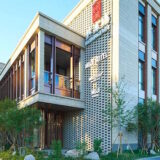
    Japan’s Muji hotel & store has just opened in Beijing in a key location overlooking Tiananmen Square.

    The hotel’s first basement-level retail store sells travel essentials and everyday items, many of which feature in the guest room amenities.

    Designed as an antidote to the brute gorgeousness of boutique and luxury properties and the cheapness of budget accommodation, the hotel’s understated zen-like interior grounded in undisturbed sleep is intended to stand in keeping with the world heritage sites in the hotel’s immediate surrounding district.

    The property also features a Muji Café&Meal venue serving simple, health-conscious food offerings, and a diner featuring classic East Asian cuisine.

    Another Muji hotel opened in Shenzhen last January.

    Check how Muji Hotel Beijing looks in the gallery below (10 images) :

  • Muji opens flagship store on JD.com

    Muji opens flagship store on JD.com

    Muji will launch an online flagship store on JD.com, and promote the partnership with posters in 231 of its stores throughout China, it announced.

    This will make it easier for online Chinese consumers to find and purchase Muji’s full range of Japanese product categories, including clothing, household items, home furnishing and even food.

    “We are very excited to announce the opening of our store in JD.com, following the cooperation with JD Logistics, which began in September 2017,” said Naoyuki Yamamoto, president of Muji  Shanghai. “We look forward to bringing our vision of a simple, pleasant life to people, as well as contributing to society, through this partnership with JD.”

    The e-commerce giant said Muji is a “hugely popular brand” and that the launch on its platform will take it to new levels. “Known worldwide for its simple aesthetic and well-designed products, MUJI has garnered a loyal fanbase of quality-conscious customers. With our commitment to delivering authentic products with world-class service, JD is the perfect home for Muji’s premium wares.”

    The brands plan to deepen their link during the second half of the year with a more comprehensive omnichannel integration covering membership programs, products and more.

    Muji sells low-cost, high-quality items that are renowned for their clean lines and minimalist design.

  • How Muji can resist in a world of brands

    How Muji can resist in a world of brands

    In an era when branding has never seemed so important, the enduring success of Japan’s Muji might seem perplexing to many retailers.

    Almost every day fashion houses reveal new collaborations – often with unlikely bedfellows, like Louis Vuitton and Supreme or Gucci and a hitherto little-known cassette-tape retailer Waltz in Tokyo.

    But Kei Suzuki, director and executive officer of Muji parent Ryohin Keikaku, has no fears that Muji’s anti-brand format is under threat. He told in an interview on the sides of the MarketingPulse conference in Hong Kong that Muji’s approach will survive the current brand era.

    “I think we can continue what we are doing because the reason why other people enter into brand collaborations is because they want exposure to the customer by helping each other – because maybe they can broaden their customer range.”

    Muji, he says, was born from a concept: producing simple, stylish products that make their customers’ lives easier and are not expensive. “So what we want to do is realise the concept and make our customers more happy.”

    So while other retail brands and fashion labels are pursuing partnerships, Muji would rather work on expanding its categories. That is why it designed a minimalist house in 2015, a Muji campsite and, this year, its first truly fresh grocery concept store.

    “Always we think: what can we do for the people, and how can we make their lives easier?” This is instead, he explains, of focusing purely on the business side.

    “By applying this concept to many different categories, we believe we can broaden our exposure to our customer or potential customer. Eventually, that will help us increase the size of the business, or sales. We will not collaborate with brands, but we believe in collaborating with somebody else with the expertise who shares the Muji concept. An example of that is the new Muji Hotel in Shenzhen.

    Suzuki says investing in and running hotels is not Muji’s speciality, but if it could find a partner to run a hotel it would want to implement its design and functionality skills into the project. “We provide the concept, they provide the hotel.”

    Despite its anti-brand position, it is no urban myth that Muji engages some of the world’s best-known designers to help develop products – it just never tells anyone about them.

    “We collaborate with designers who have sympathy with the Muji concept so they are happy to be involved, but their names are never to be disclosed.”

    Muji’s rationale is that if customers do not know a product is designed by someone they know by name, they will focus on the product.

    “Some designers are already too famous, so if we sold a product with their name, everybody would buy it. But at Muji, there are no names… They can get very nervous, because people judge only from the product.

    “We do not want the consumer to be misled just for the sake of a name.”

    He says some of the designer products have become best-sellers for Muji, while others have been less successful. This, he concedes, can make the exercise more than a little nerve-wracking for the invisible partners.

    Suzuki is in charge of Muji in China, Hong Kong and Korea, the fastest-growing of the company’s markets internationally. In the mainland, Muji now has more than 230 stores, and is opening new ones at the rate of about 40 a year.

    Hong Kong was one of the first markets outside Japan, along with the UK, where Muji ventured.

    “Opening stores in Hong Kong and the UK helped the company, because both cities are very cosmopolitan and many people visit. So they see Muji and some of them understand the concept. Then awareness increases. That helped us when we started opening stores in France and other new markets.”

    Hong Kong is also proving a great testbed for new concepts, like the Muji Travel store, of which there are two in the territory – one at Hong Kong Station, the other at the airport. Both are trading “very well”, selling travel essentials and convenience products. “I think they provide very good solutions for travellers.”

    Online is another area where Muji is treading positively but cautiously.

    “E-commerce is very important because if somebody wants to buy something from Muji we want to make it easy. But at the same time, we think it is important from the customer’s standpoint to have an actual connection or experience. So our stores are not just for retail, but also for the experience, and for engagement with the customers.”
  • Massive Muji fresh store opens in Osaka

    Massive Muji fresh store opens in Osaka

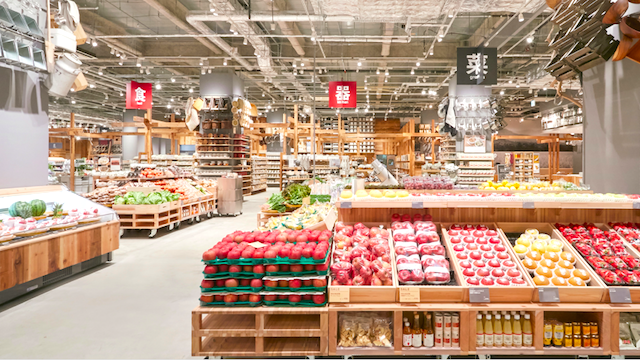
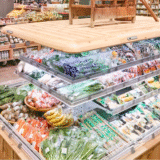
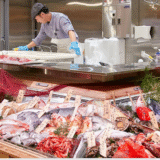
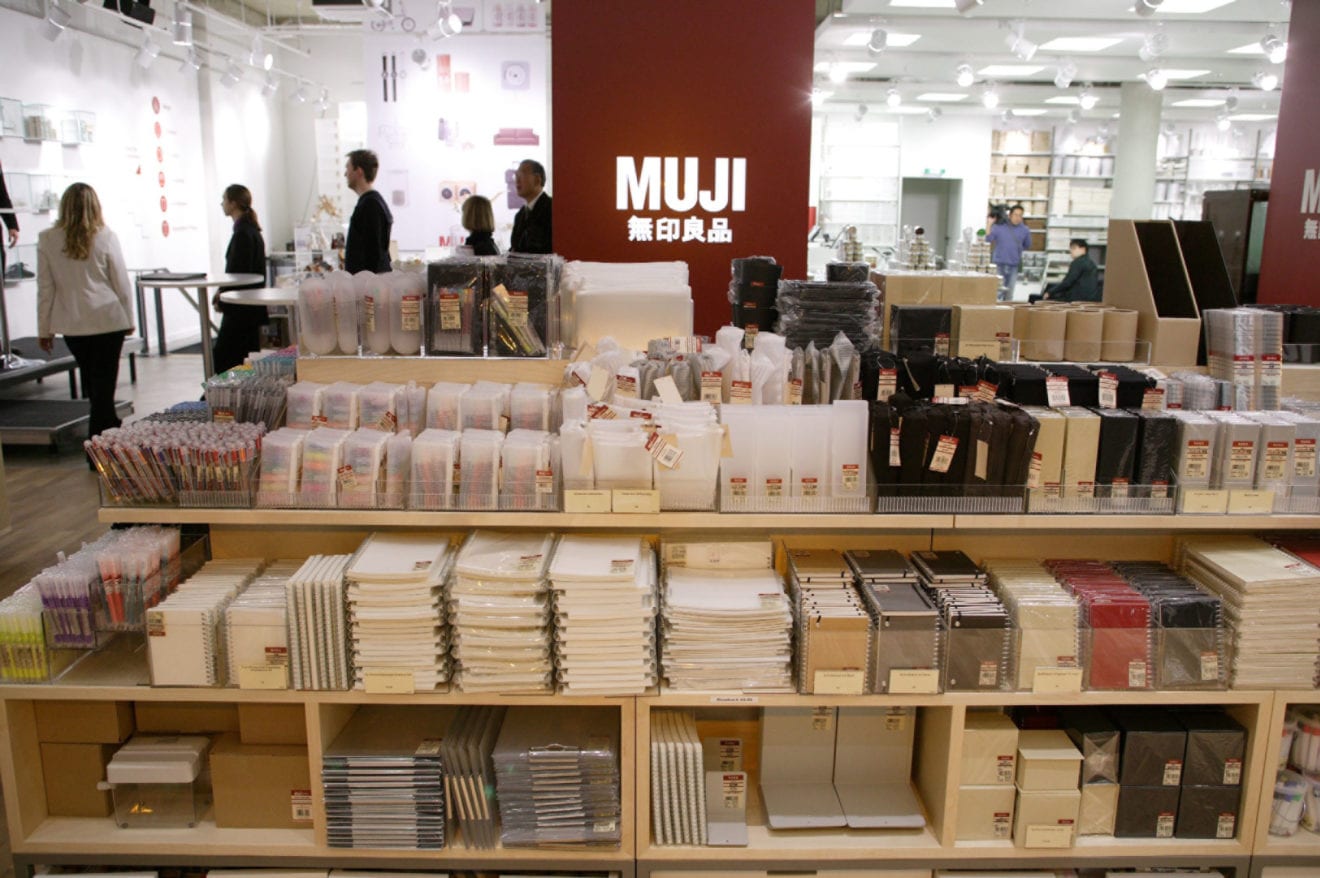
    Japanese anti-brand retailer Muji has opened a massive 4300sqm store in Osaka featuring its first dedicated fresh department.

    While the company has offered dried foods, snacks and other foods since it was founded in 1980, and even shelf-stable vegetables in some stores, this is the first time it has ventured into chilled, fresh meat and produce.

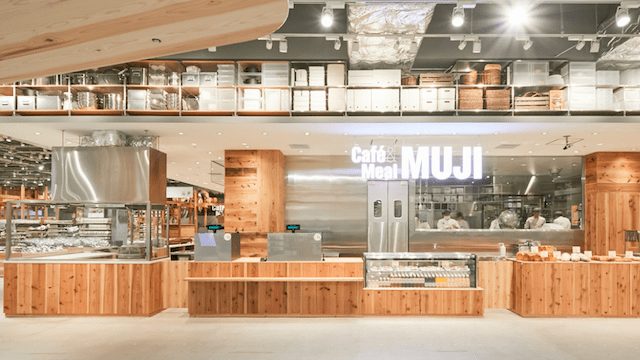
    The Muji fresh store is the brand’s largest globally and five times the typical Japanese footprint. About 50 per cent of it is dedicated to food and it also features a Cafe & Meal Muji eating place.

    Kei Suzuki, director and executive officer of Muji parent Ryohin Keikaku, told Inside Retail Asia that once refined the company will look to roll out the concept in other markets.

    “At first we have to see what is going to happen in Japan, but I believe the Muji customer … is keen to have a good fresh product,” said Suzuki, who was one of the leading speakers at yesterday’s MarketingPulse conference, organised by the Hong Kong Trade Development Council.

    Suzuki said Muji customers are in tune with freshness, sustainability, supporting local farmers and suppliers – and they want quality. He is confident the Osaka concept store will win over customers.

    “Once we see that we are successful then … I also want to try it here in the future. But it has not been decided yet.”

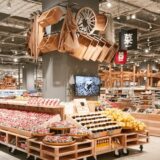
    Photos released by Muji show fresh meats, fish, vegetables and perishable goods on display in a bright, airy retail space. Minimalist design and displays made from natural materials are in keeping with the company’s market positioning.

    Meanwhile, in Japan, Ryohin Keikaku chairman Masaaki Kanai told local media Muji was committed to expanding its selection of local food products.

    “We want to become a part of the community.”

    One of the reported rationales behind Muji fresh is to entice customers to visit more often. Food is a more frequent purchase than stationery or household items, for example.

  • Muji fresh store launched in Osaka

    Muji fresh store launched in Osaka

    Japanese anti-brand retailer Muji has opened a massive 4300sqm store in Osaka featuring its first dedicated fresh department.

    While the company has offered dried foods, snacks and other foods since it was founded in 1980, and even shelf-stable vegetables in some stores, this is the first time it has ventured into chilled, fresh meat and produce.

    The Muji fresh store is the brand’s largest globally and five times the typical Japanese footprint. About 50 per cent of it is dedicated to food and it also features a Cafe & Meal Muji eating place.

    Kei Suzuki, director and executive officer of Muji parent Ryohin Keikaku, said that once refined the company will look to roll out the concept in other markets.

    “At first we have to see what is going to happen in Japan, but I believe the Muji customer … is keen to have a good fresh product,” said Suzuki, who was one of the leading speakers at yesterday’s MarketingPulse conference, organised by the Hong Kong Trade Development Council.

    Suzuki said Muji customers are in tune with freshness, sustainability, supporting local farmers and suppliers – and they want quality. He is confident the Osaka concept store will win over customers.

    “Once we see that we are successful then … I also want to try it here in the future. But it has not been decided yet.”

    Photos released by Muji show fresh meats, fish, vegetables and perishable goods on display in a bright, airy retail space. Minimalist design and displays made from natural materials are in keeping with the company’s market positioning.

    Meanwhile, in Japan, Ryohin Keikaku chairman Masaaki Kanai said Muji was committed to expanding its selection of local food products.

    “We want to become a part of the community.”

    One of the reported rationales behind Muji fresh is to entice customers to visit more often. Food is a more frequent purchase than stationery or household items, for example.

  • The Biggest MUJI Flagship Store in Korea Opens

    The Biggest MUJI Flagship Store in Korea Opens

    Muji Korea has opened its largest store in Seoul’s Seodaemun district.

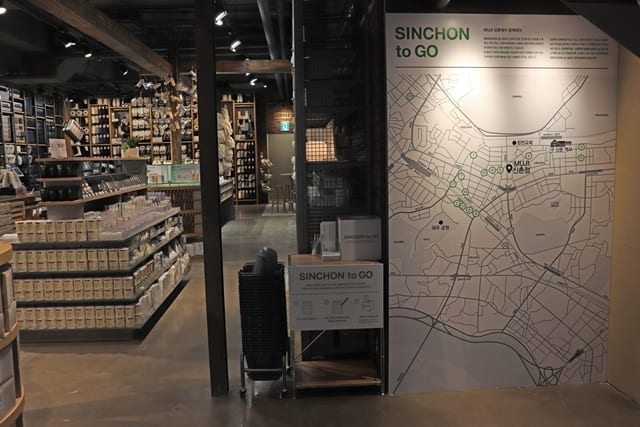
    Called Muji Sinchon, the five-storey store offers new items and services, including Open Muji, Sinchon to Go, a cafe and a books department.

    On first floor, Sinchon to Go shares information of Sinchon area and recommends famous places and shops, which aims to connect tourists and Sinchon area.

    Bathroom and aroma goods are displayed in a Health and Beauty section while travel goods and backpacks are available in Muji to Go area.

    There is also a coffee outlet on that floor.

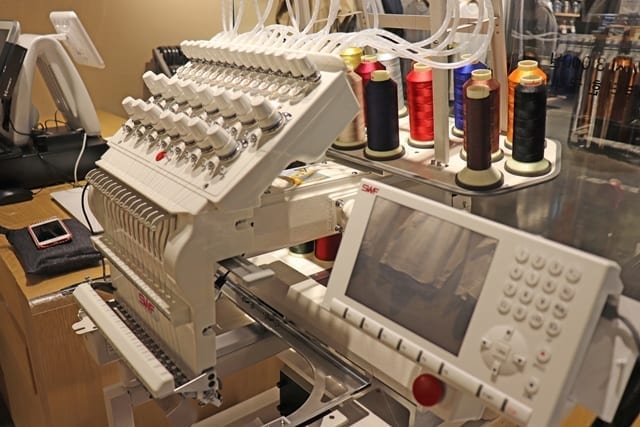
    One level up, customers can experience a custom embroidery service, having words or motifs applied to purchases.

    Apparels and accessories are displayed in women and men categories in Muji Labo.

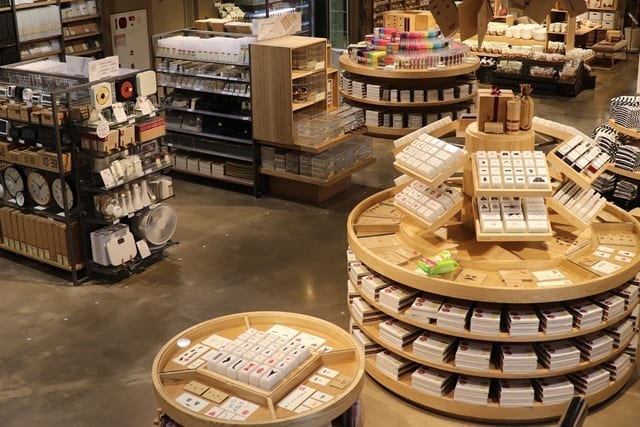
    On third floor, Muji Yourself offers stationery products as well as the Muji signature Stamp It! service, which allows customers to create their own stamps and notebooks.

    Books are sold for the first time at Muji Korea on the fourth floor.

    The fifth floor is mainly for communications with a multi-purpose hall suitable for conferences, events, lectures, and workshops.

  • Protest arise after JD.com launches house brand Jing Zao

    Protest arise after JD.com launches house brand Jing Zao

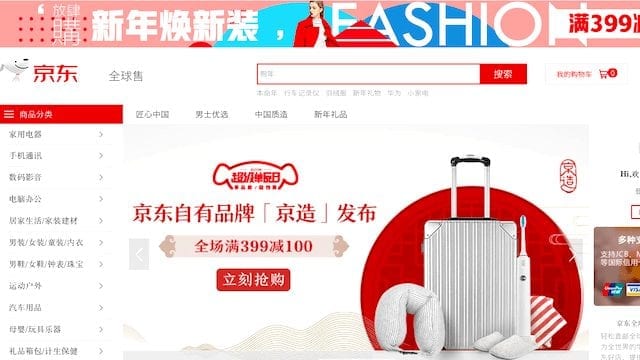
    Clashing head-on with manufacturers who sell through its platform, China’s JD.com has introduced its own brand, Jing Zao.

    Its initial 38 products range from towels to suitcases in similar style to Japan’s Muji or US luggage maker Samsonite, but at a lower price. Both companies sell their wares through JD.com.
    JD.com knows which products are popular with customers and can tailor its offerings accordingly, plus it has its own logistics service for deliveries.

    Its house brand follows its venture into physical retail stores. This month it introduced its first fresh-food supermarket in Beijing.

    Meanwhile, JD.com has confirmed it is a co-investor in Vietnam’s Tiki e-commerce platform, becoming one of its largest shareholders.

  • MUJI Moves Into Hospitality With New MUJI Hotel and Restaurant

    MUJI Moves Into Hospitality With New MUJI Hotel and Restaurant

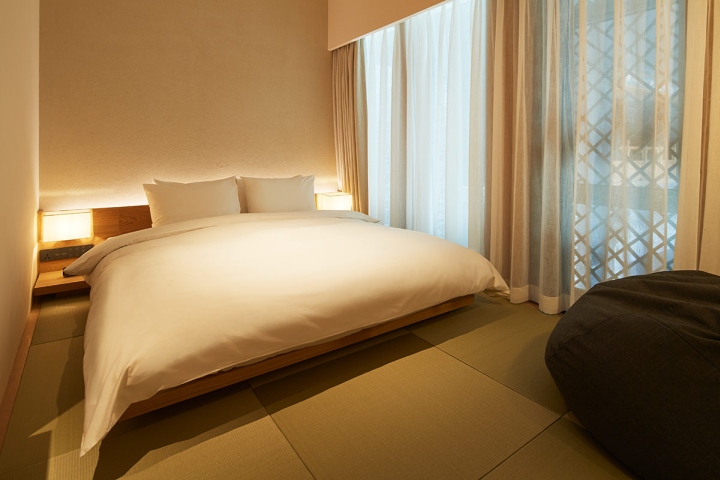
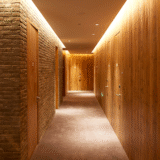
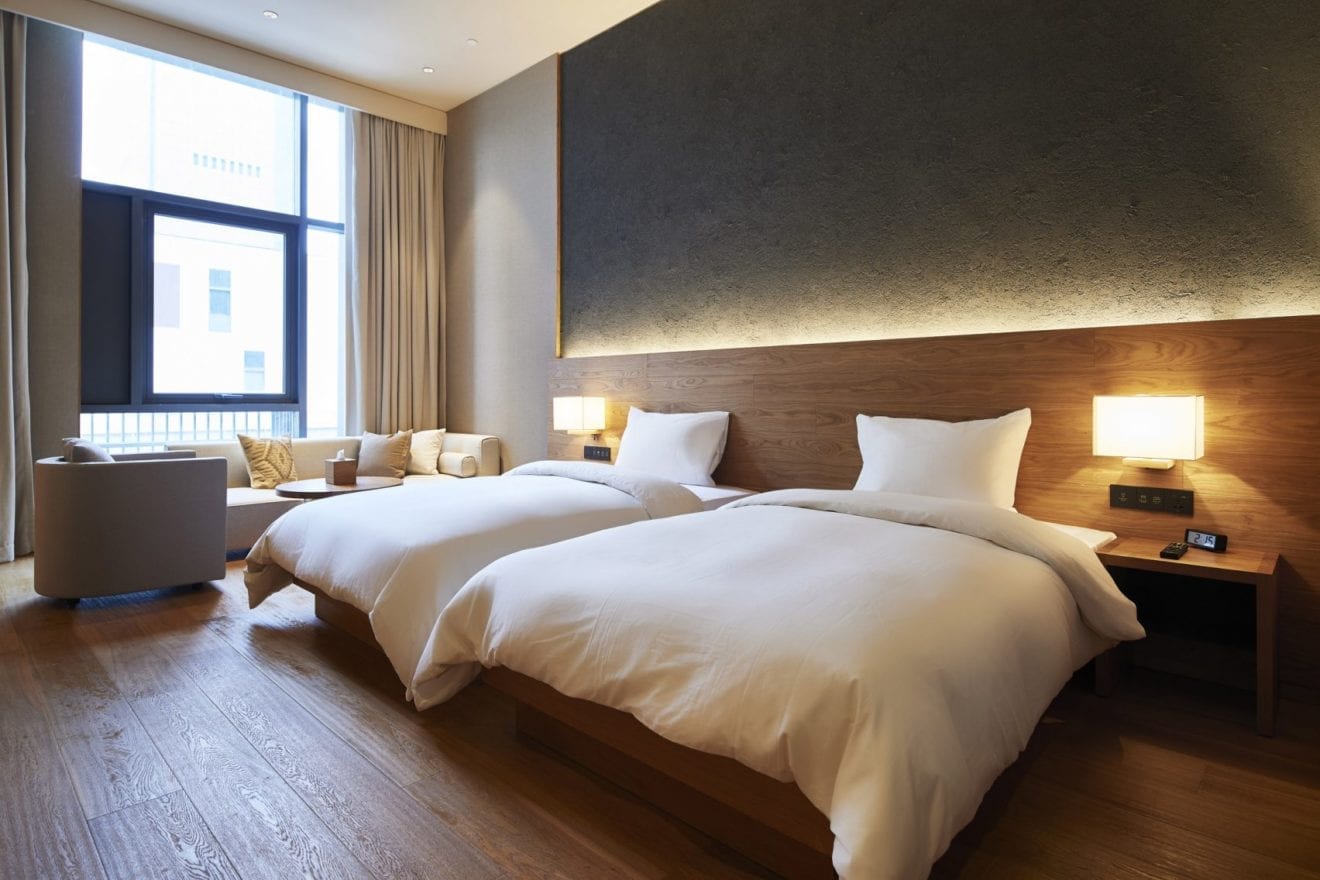
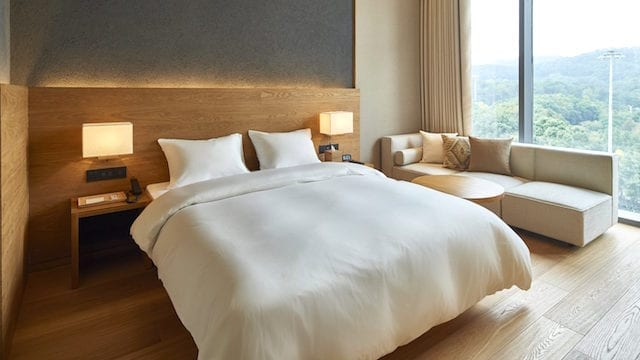
    Wood-lined bedrooms, a minimal diner, a library and a shop feature in the Muji Hotel in Shenzhen, which opens next week.

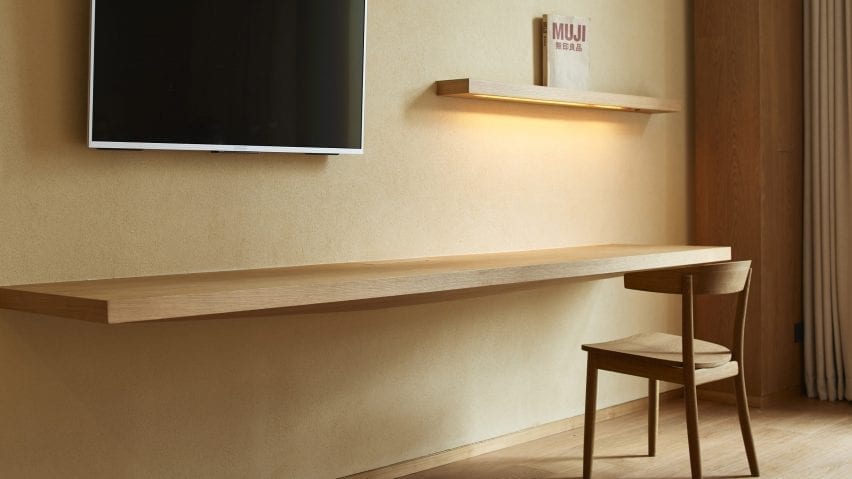
    In the Futian district, it is the first hospitality project initiated by the Japanese retailer, known for its minimalist homeware products. These feature in the hotel to reflect Muji’s simple aesthetic – described by the brand as an “anti-gorgeous, anti-cheap” concept.

    As well as 79 guest rooms, the hotel will offer a gym, a diner, three meeting rooms, a library and a shop, as reported.

    In the bedrooms, Muji products will range from toothbrushes to electric kettles and wall-mounted CD players.


    Muji Diner, the third-floor restaurant, will serve local food inspired by international home cooking, all served on Muji dinnerware.

    On the same floor and to be open 24 hours a day to the public as well as guests, the library will have a selection of more than 650 books.

    A small gym is equipped with running machines, aero-bikes and workout equipment, while a shop allows guests to buy the products they have been using inside the hotel.

    A second Muji hotel will follow in Tokyo’s Chuo City next year.

    The hotels are the latest architectural project to be initiated by the Muji, following on from a 9sqm prefabricated house and a trio of huts designed by Konstantin Grcic, Jasper Morrison and Naoto Fukasawa.

    Established in 1979, Muji is commonly referred to as a “brandless” company as its products bear no logos.

  • Muji Singapore to suspend e-commerce site

    Muji Singapore to suspend e-commerce site

    Lifestyle retailer Muji Singapore will close its e-commerce site a minute before midnight on Christmas Day for redevelopment.

    “We sincerely apologise for any inconvenience caused,” the company says in a newsletter to its customers. “This move is for us to set sights on developing a better and more comprehensive shopping experience in the near future.”

    Its new web portal will be re-launched “in the coming months”.

    Meantime, Muji Singapore will have a final clearance sale with discounts of up to 50 per cent, plus a further 15 per cent off with a discount code when checking out.