Tag: nissan

  • Renault, Nissan buy French tech firm to develop mobility apps

    Renault, Nissan buy French tech firm to develop mobility apps

    Renault SA and Nissan Motor Co announced on Tuesday they would buy French software development company Sylpheo as they compete with global automakers and tech firms to develop new services including ride hailing and car sharing.

    The French and Japanese automakers said that the acquisition, under which they would absorb Sylpheo’s 40 engineers and consultants, would boost their software development and cloud engineering expertise.

    “The Sylpheo team of software developers and cloud engineers joining the Alliance will have a unique opportunity to work on our next generation of connected cars and other advanced technologies,” said Ogi Redzic, Renault-Nissan’s senior vice president of Connected Vehicles and Mobility Services.

    “They will be playing a critical role in this new era of tremendous change for the global auto industry.”

    Automakers from Toyota Motor Corp (7203.T) to General Motors (GM.N) have been investing in software firms and mobility start-ups to position themselves for the rise of autonomous driving, ride-sharing and other connected services which threaten the traditional vehicle ownership model that has dominated the past century.

    Sylpheo will develop the applications for the alliance’s connected car service platform, a Renault spokeswoman said. She said the acquisition was part of the alliance’s recruitment push to hire 300 technology experts to better compete in the fast-growing mobility services sector.

    These services will be integrated with autonomous driving technologies. In July, Nissan launched a suite of semi-autonomous driving functions in one of its Japanese minivan models which enables the vehicle to drive on single lane motorways and navigate congestion.

    The two companies plan to launch more than 10 vehicles with autonomous drive technology by 2020. Nissan is aiming to develop autonomous multiple-lane driving functions, including lane changes, by 2018, and functions for full urban driving, including intersection turns, by 2020.
  • Thai auto sales pose dilemma for Vietnam

    Thai auto sales pose dilemma for Vietnam

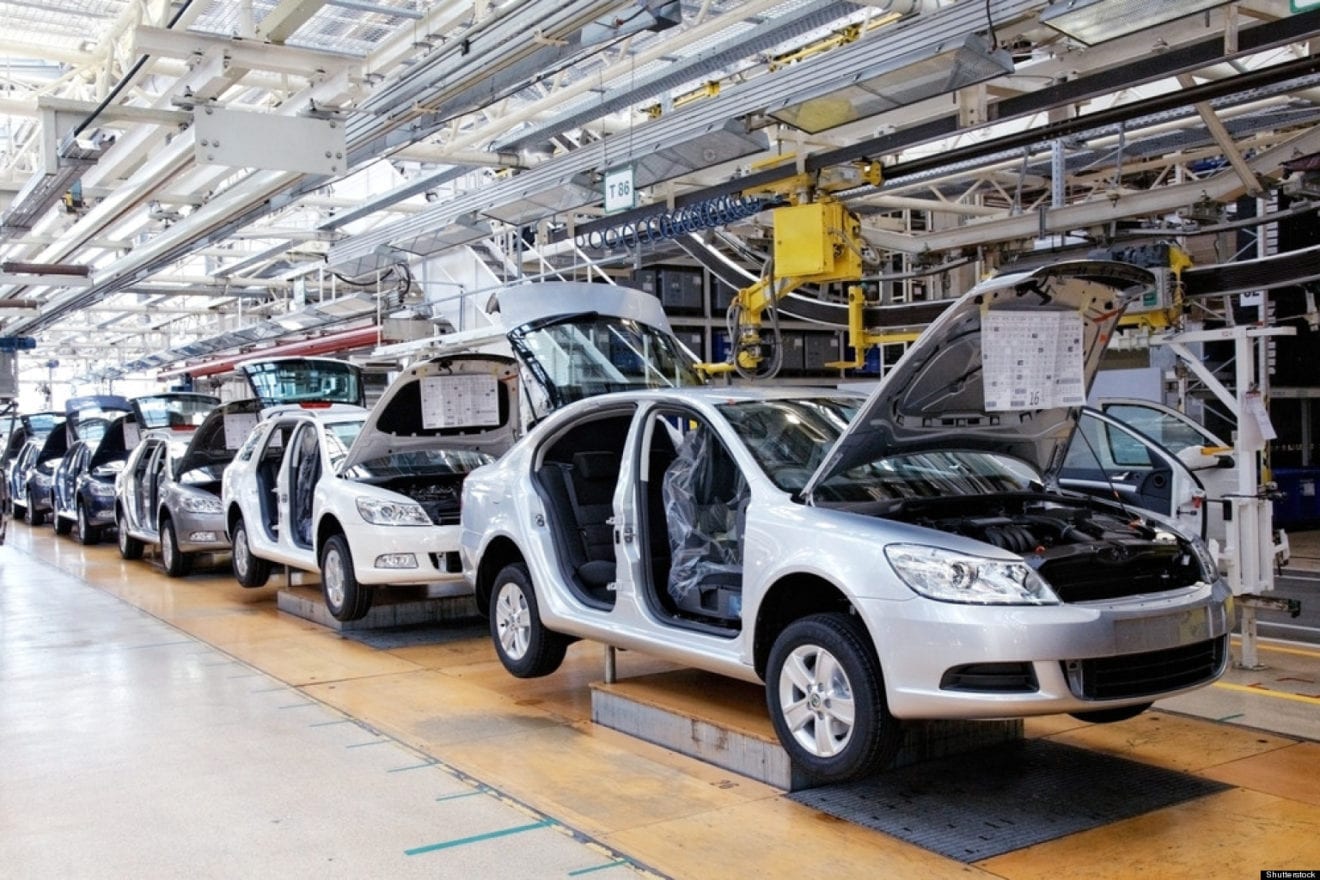
    Statistics from the General Department of Vietnam Customs show that the foreign sector controls roughly 80% of the local car and automobile (excluding motorbike) retail market with a sales volume eclipsing all of Southeast Asia.

    thai auto sales pose dilemma for vietnam hinh 0

    Auto distributors and original equipment manufacturers (OEMs) based out of Thailand hold the largest share of the retail market followed by the Republic of Korea (RoK) and China in descending order of magnitude.

    Compared to Vietnam, Thailand’s success at attracting top brands the likes of Ford, Toyota, Honda and Nissan, is in large part attributable to the countries more favourable tax structure.

    Taxes and fees account for up to 50% of the final sales price of a vehicle manufactured in Vietnam, a figure that is more than 20% higher than the comparable taxes and fees charged in Thailand.

    Prior to the emergence of the ASEAN Economic community (AEC) the Vietnam government was able to regulate the local auto industry via the imposition of import tariffs and local taxes as appropriate.

    However, with the arrival of the AEC at the beginning of 2016 and the elimination of import tariffs pursuant to the ASEAN Trade in Goods Agreement, Thai auto sales in Vietnam have shot up rapidly.

    Under the agreement, the import tax on automobiles from Thailand and other ASEAN members – Myanmar, the Philippines, Malaysia, Singapore, Laos, Indonesia, Cambodia, Brunei and Vietnam – have dropped by 40-50% in 2016.

    They will continue to fall by another 30% in 2017 and be eliminated entirely by the end of 2018.

    Meanwhile, the Vietnam government has not concurrently reduced the taxes and fees on local manufacturing of autos and this explains, in large part, why vehicles produced in Thailand are less expensive.

    Notably, Thailand also has more than 2,000 OEMs, which has aided the country’s rise to become the biggest hub for auto and part exports not only to Vietnam but the entire Southeast Asian region.

    Without a doubt, say many leading experts, after 2018, the complete roll back of the import duty will put ownership of an automobile within reach of the majority of Vietnamese citizens.

    This, they say, could lead to explosive sales growth and a myriad of adverse consequences for the nation.

    It’s problematic because its puts excessive pressure on the public transport infrastructure, overburdens traffic systems and potentially threatens traffic congestion that would choke off commerce.

    Not to mention the threat to public health brought about by pollution and auto accidents, they say, noting the elevated need for the government to advocate strongly for effective policies that reduce auto use throughout the nation.


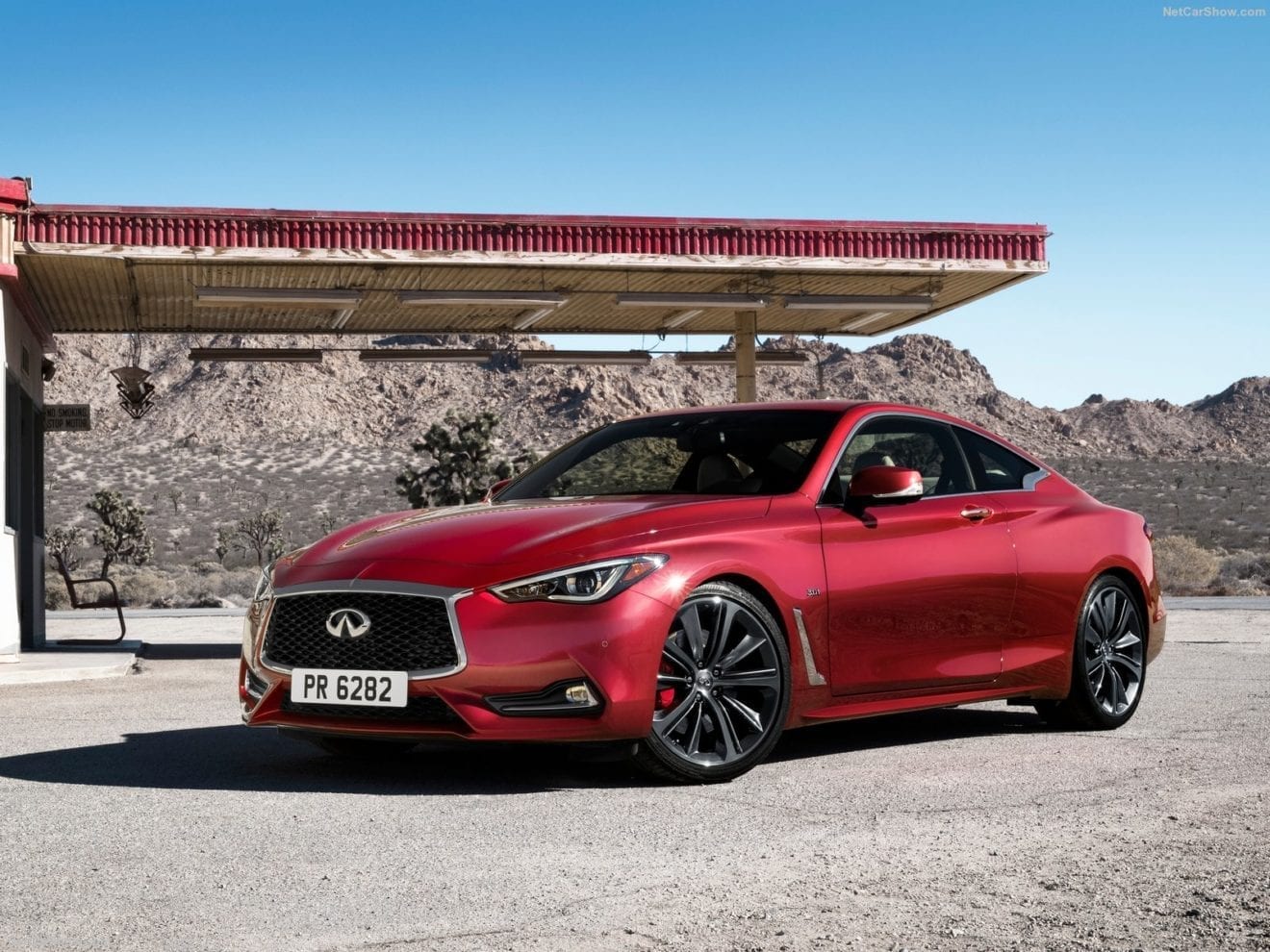
  • Nissan starts new Infiniti Q60 sports coupe production

    Nissan starts new Infiniti Q60 sports coupe production

    Japanese automobile manufacturer Nissan Motor Company has started production of the all-new Infiniti Q60 sports coupe at the company’s manufacturing facility in Tochigi, Japan.

    The Tochigi plant has been producing Infiniti vehicles since the brand was launched in 1989. To meet the requirements of the new model, a series of upgrades have been made to the production line, and innovative manufacturing processes have been introduced.

    To enhance quality control, a new lighting system for the inspection process and a camera and video system on the assembly line have been introduced. In a world’s first application, the trunk lid feature for Q60 is a hybrid combination of a resin skin on a steel frame.

    One major enhancement to the Tochigi facility is a new dedicated paint booth, which has been installed solely to allow production of Q60’s new “Dynamic Sandstone Red” paint finish. The glossy, deep red finish requires a new painting set-up, using a combination of machinery and manual processes developed by Infiniti’s most senior coating experts.

    Tochigi’s 216 highly-skilled Takumi (master craftsmen) were picked from the plant’s 4,500-strong workforce to work on the Infiniti production line. Takumi work across every section of the Q60’s production line, including stamping, body shop, paint, assembly and quality assurance.

    From the Takumi employed to work on Infiniti production, a further 6 Meister Takumi are selected – those with the highest understanding of premium car production and the desires and expectations of Infiniti’s customers.

  • Nissan seeks to boost South Korean output on post-Brexit yen surge

    Nissan seeks to boost South Korean output on post-Brexit yen surge

    Nissan Motor wants to increase the output of its Rogue model at Renault’s factory in South Korea this year, as a stronger yen makes exports from Japan less competitive, a Renault executive told Reuters.

    The yen has jumped 20 percent against the dollar this year in the wake of Britain’s decision to leave the European Union, pressuring Japanese exporters. The South Korean won rose 7.4 percent against the dollar this year.

    “We have got a request to boost Rogue production by 8,000 vehicles this year,” Renault Samsung Motor Chief Executive Officer Park Dong-hoon told Reuters, adding that the company was reviewing whether it would be able to meet the additional demand.

    He added that Nissan Motor previously targeted output of 125,000 Rogue vehicles in South Korea this year.

    Rogue is Nissan Motor’s top-selling sport utility vehicle in the United States, with sales jumping 14 percent to 182,181 from January to July this year from a year earlier.

    Nissan Motor currently produces Rogues in South Korea, Japan and the United States.

  • South Korea says Nissan manipulated emissions, plans fine and recall

    South Korea says Nissan manipulated emissions, plans fine and recall

    outh Korea said that Nissan Motor had manipulated emissions on a diesel sport utility vehicle and that it planned to fine the automaker as well as sue the head of its Korean operations.

    The government said the Japanese automaker had used a so-called defeat device that helps a vehicle’s emissions management system turn off during regular driving conditions.

    Nissan denied any wrongdoing.

    “Nissan Motor has never illegally manipulated any vehicles we have produced so far and used defeat devices in those cars,” the automaker’s Korea unit said in a statement.

    The South Korean environment ministry said it planned to fine Nissan 330 million won ($279,920) for manipulating emissions on its Qashqai SUV. It will also order a recall of the 814 Qashqai vehicles sold in the country so far.

    South Korea conducted tests on 20 diesel vehicles, after finding in November that Germany’s Volkswagen AG had falsified emissions tests.

  • Nissan plans to establish 300 dealerships in India by March 2017

    Nissan plans to establish 300 dealerships in India by March 2017

    Japanese car maker Nissan is gearing up to launch “Datsun redi-Go” in the entry level segment and was on course to establish 300 dealerships in the country.

    “We are gearing up to launch Datsun redi-Go, which will compete in the entry level car segment of the Indian market. With redi-Go, Datsun is pioneering a new segment – Urban Cross, combining the best of a hatchback and a cross over”, President of Nissan India Operations, Guillaume Sicard said.

    “As we expand our dealership footprint we are on course to meet our target of establishing 300 dealerships by end of March 2017 across the country,” he said here today.

    At present the company has 218 dealers across 165 cities, Sicard said, adding with new dealerships the company would cover 90 per cent of customers and “enable them with easy and immediate access to committed sales and after sales services”.

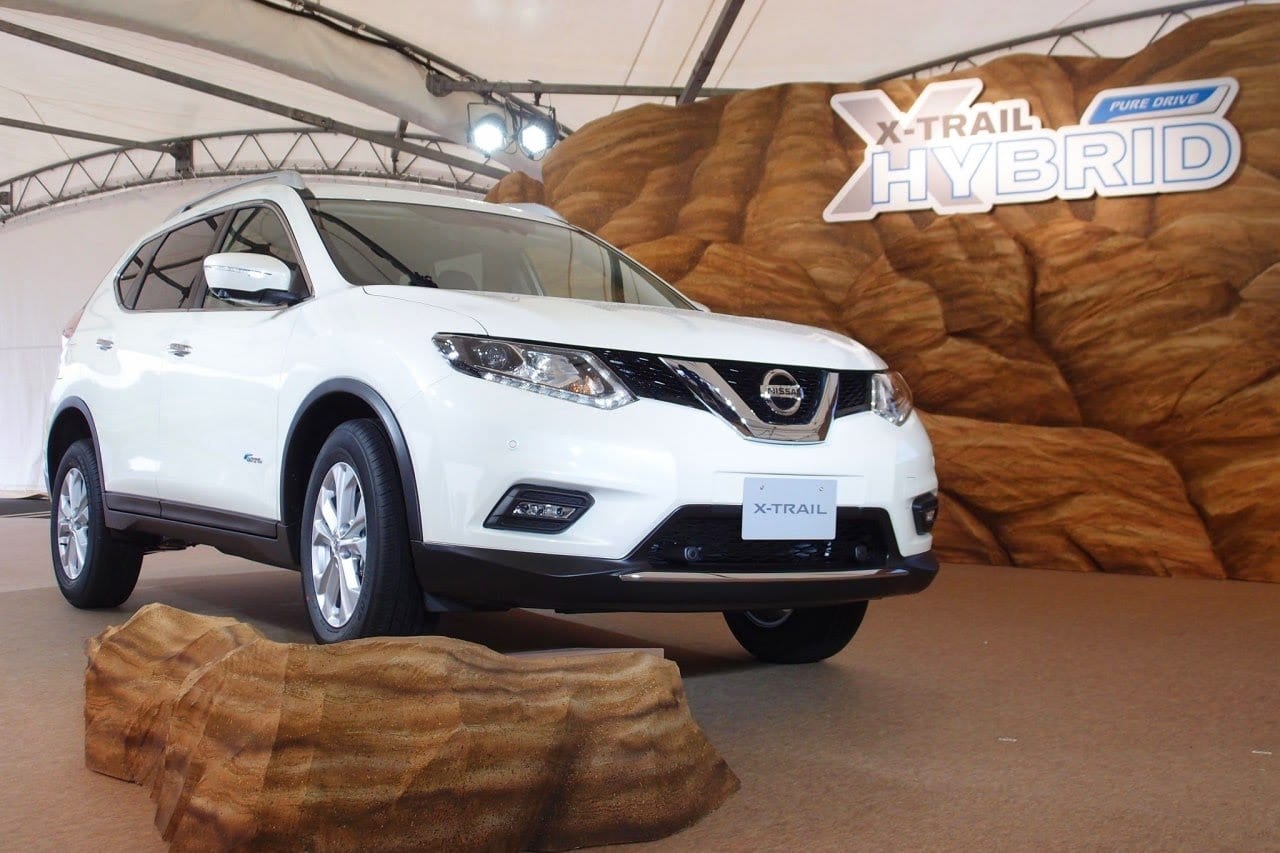
  • Nissan begins X-Trail Hybrid SUV production in Thailand

    Nissan begins X-Trail Hybrid SUV production in Thailand

    Nissan Motor has started manufacturing and selling its X-Trail Hybrid in Thailand, hoping to tap demand among the country’s well-heeled customers.

    The Japanese automaker began churning out the sport utility vehicle in October at a factory in the central province of Samut Prakarn, expecting to deliver the first locally produced batch this month.

    Nissan aims to sell 5,000 units in Thailand in 2016. With retail prices starting at 1.24 million baht ($35,000), the company plans to tout its relative affordability. Nissan expects the model to account for 60% of X-Trail series sales in Thailand, where luxury vehicles continue to draw solid demand despite slumping new-auto sales.

    The company is producing the hybrid overseas for the first time, as it previously was shipped from Japan. Nissan hopes Thailand will serve as a hub to export the vehicle to Southeast Asia.

    Toyota Motor and Honda Motor also produce and sell hybrids locally: the Camry and the Accord, respectively.