Retail News CRM

Tag: nissan

  • Nissan India set to hike prices from January 2018

    Nissan India set to hike prices from January 2018

    Nissan Group of India on Tuesday announced a price revision across its Nissan and Datsun range of models.

    The prices of the Nissan and Datsun models will rise by up to Rs 15,000 effective 1 January 2018.

    Jerome Saigot, managing director, Nissan Motor India, said: “With the rise in input and manufacturing costs, Nissan has decided for a price hike across all the Nissan and Datsun models with effect from 1 January 2018. The revised pricing will help us to optimize our manufacturing efficiencies and continue to serve our customers pan-India.”

    Recently, Nissan and Datsun have been ranked among top 6 auto companies in India for customer satisfaction. The Datsun redi-GO has been ranked among the top 3 cars in the entry compact segment by the JD Power 2017 India Initial Quality Study.

  • Nissan’s Japan car sales slide for second month after compliance scandal

    Nissan’s Japan car sales slide for second month after compliance scandal

    Nissan Motor Co’s sales of domestic passenger cars fell by almost half in November – its second straight month of slides in the wake of a compliance scandal and its first since it resumed production of cars for the home market.

    Revelations that Nissan failed to follow proper final inspection procedures for its domestic market cars have resulted in a recall of 1.2 million cars and a halt to production of vehicles it makes for the Japanese market over three weeks to early November.

    Japan’s second-biggest automaker has previously said it would take a month or so until production returns to regular levels.

    Its sales of passenger cars, excluding minivehicles, tumbled 46.8 percent in November from a year earlier to 16,888 vehicles, the Japan Automobile Dealers Association said on Friday. That follows a slide of around 53 percent in October.

    Nissan said in October that uncertified inspectors had for decades signed off on vehicle checks required by the transport ministry for cars sold in the country. It has blamed staffing shortages and said it would increase the number of trained staff to prevent a recurrence of the issue.

    The checks are not required for exported vehicles.

    The scandal at Nissan has come amidst a raft of scandals at Japanese manufacturers that have raised questions about compliance and quality control, including a data falsification scandal at Kobe Steel Ltd (5406.T).

    Subaru Corp (7270.T) has also admitted it had not been following proper inspection issues going back around 30 years. Last month, sales of its passenger cars fell 13 percent from a year ago.

  • Mitsubishi Motors swings to operating profit in second quarter

    Mitsubishi Motors swings to operating profit in second quarter

    Mitsubishi Motors Corp said on Tuesday it swung to an operating profit for the second quarter, beating expectations as it rebounded from a mileage-cheating scandal a year earlier helped by cost cuts and favorable exchange rates.

    Healthy demand in Southeast Asia, Mitsubishi’s top market also lifted earnings with the automaker saying it was seeing strong orders for its new Xpander seven-seater multipurpose vehicles in Indonesia.

    Operating profit came in at 23.6 billion yen ($207.3 million) for the quarter, compared with a loss of 36.2 billion yen a year earlier when it was forced to stop sales of some domestic models due to the scandal.

    That exceeded forecasts for 20.14 billion yen from four analysts polled by Thomson Reuters I/B/E/S.

    During the first-half, retail vehicle sales at home climbed 48 percent while those in southeast Asia rose 15 percent.

    Mitsubishi kept its forecast for operating profit to surge 14-fold to 70.0 billion yen in the year to March. That reflects the rebound from the scandal as well as expectations of further growth in Asia and cost savings from its alliance with Nissan Motor Co (7201.T).

    The car maker has set ambitious goals for growth in Southeast Asia, China and the United States as well as for a comeback in Japan. Last month, it said it planned to boost global sales by 30 percent over three years.

    Under its new three-year strategy plan – Mitsubishi’s first since Nissan bought a controlling stake in 2016 following the scandal – the Japanese automaker will also ramp up R&D investment and capital spending.

    The company has reorganized the engineering division involved in the mileage manipulation scandal and has improved testing processes and compliance procedures.

    It expects the yen to trade around 105 yen to the U.S. dollar in the year to March.

  • Nissan’s October passenger car sales in Japan likely halved amid scandal

    Nissan’s October passenger car sales in Japan likely halved amid scandal

    Nissan Motor said Japan sales of new passenger vehicles probably fell by half in October from a year ago after the discovery of improper final inspection procedures at its domestic plants caused it to suspend some production.

    The Japanese automaker found last month that uncertified technicians had been carrying out final inspections of vehicles for decades. That has prompted it to recall 1.2 million vehicles, including all passenger cars it produced for sale in Japan over the past three years.

    The plants will resume production once the final inspection procedures have been brought in line with transport ministry requirements and the ministry has approved the measures, a spokesman for the automaker said.

    Nissan has completed those measures at one of its assembly plants and expects to have made similar changes at five other plants by the end of the week, he said.

    Tightened procedures will mean only certified inspectors will be allowed into the final inspection area, and there will be regular checks that inspections are carried out properly.

  • Nissan’s domestic sales drop after inspection scandal

    Nissan’s domestic sales drop after inspection scandal

    Japanese automaker Nissan Motor Co Ltd’s domestic sales for the Oct. 1 to Oct. 20 period plummeted 20 percent following recent allegations of misconduct in its inspection procedures, the Nikkei said.

    The Yokohama-based automaker’s domestic sales fell to 12,300 units during the period, the newspaper reported. (s.nikkei.com/2lc9nAm)

    Last week, the country’s second-largest automaker said it would halt production of domestic market vehicles at all six of its Japanese assembly plants to consolidate their inspection lines to comply with the country’s transport ministry requirements.

    The inspection scandal was expected to end the company’s 11-month streak of year-on-year domestic sales growth through September, the business daily said.

    The company could not immediately reached for comment.

  • Nissan unveils new electric car in bid to drive off competition

    Nissan unveils new electric car in bid to drive off competition

    The new vehicle ‘strengthens’ the firm’s ‘leadership’ in the electric car sector.

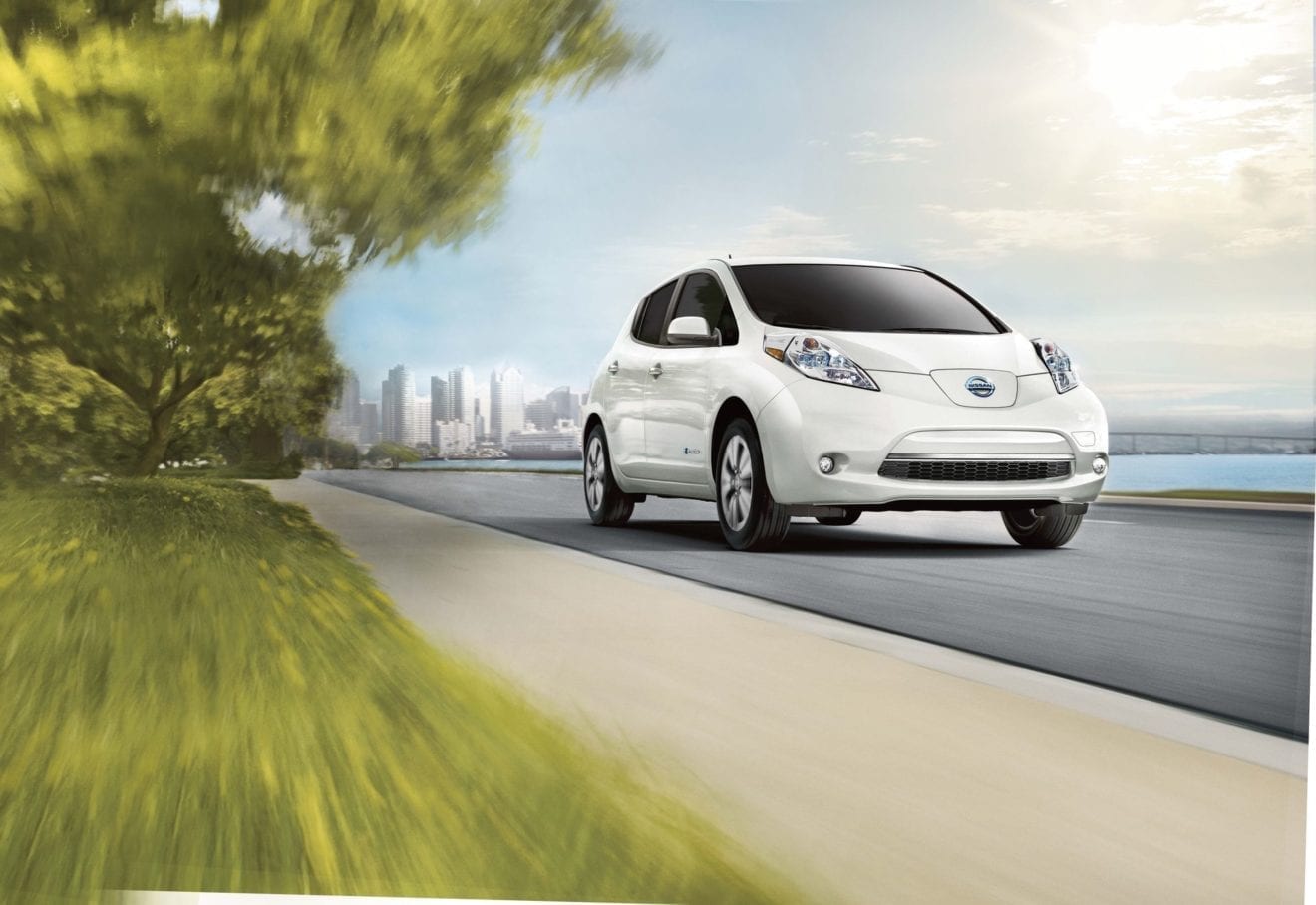
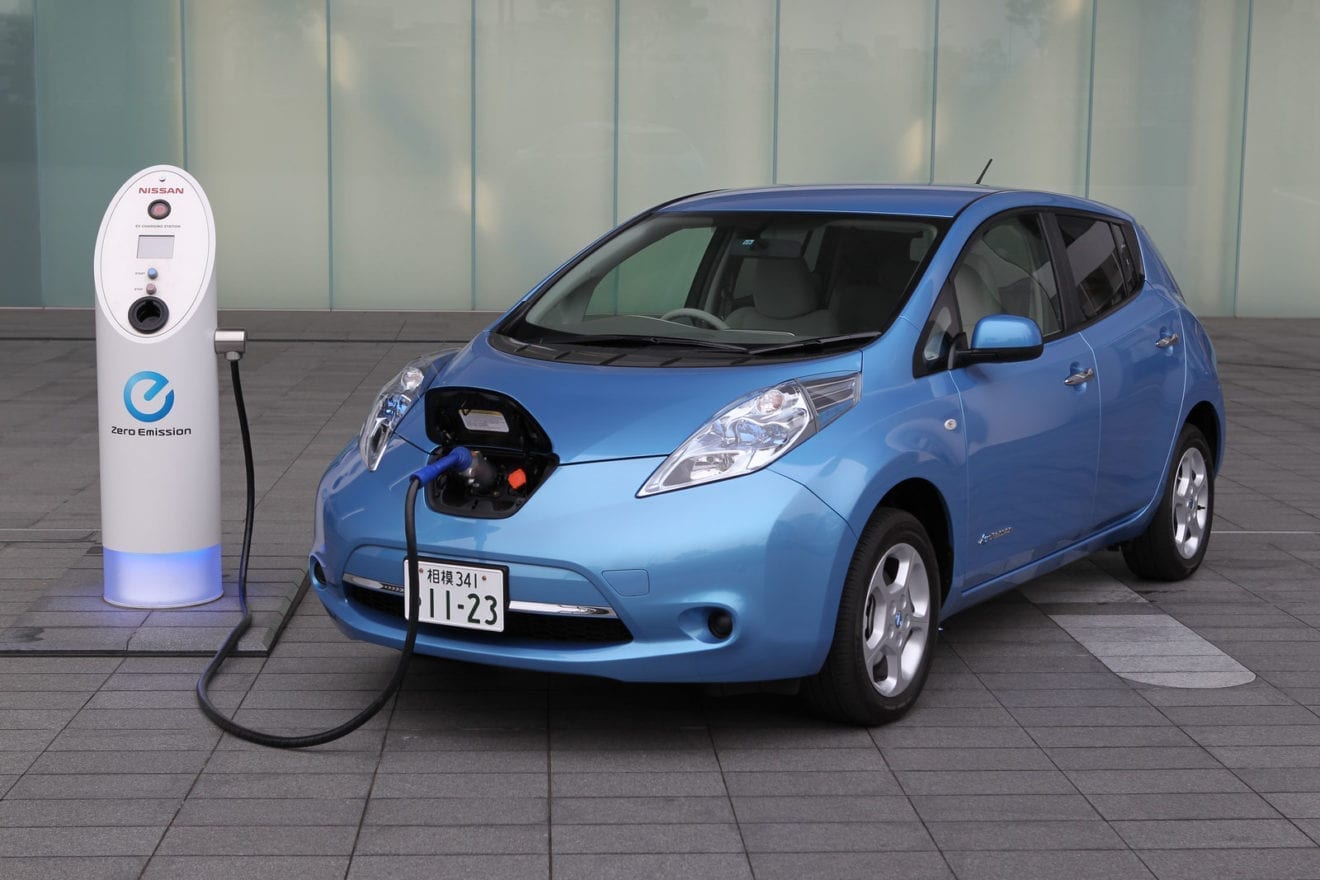
    Japanese giant Nissan Wednesday unveiled a new electric car with an extended range and semi-autonomous driving functions, as it seeks to battle off competitors in a sector it once pioneered.

    The second-generation Nissan Leaf has a potential range of 400 kilometers (250 miles) between charges, compared with 250 kilometers for its previous version.

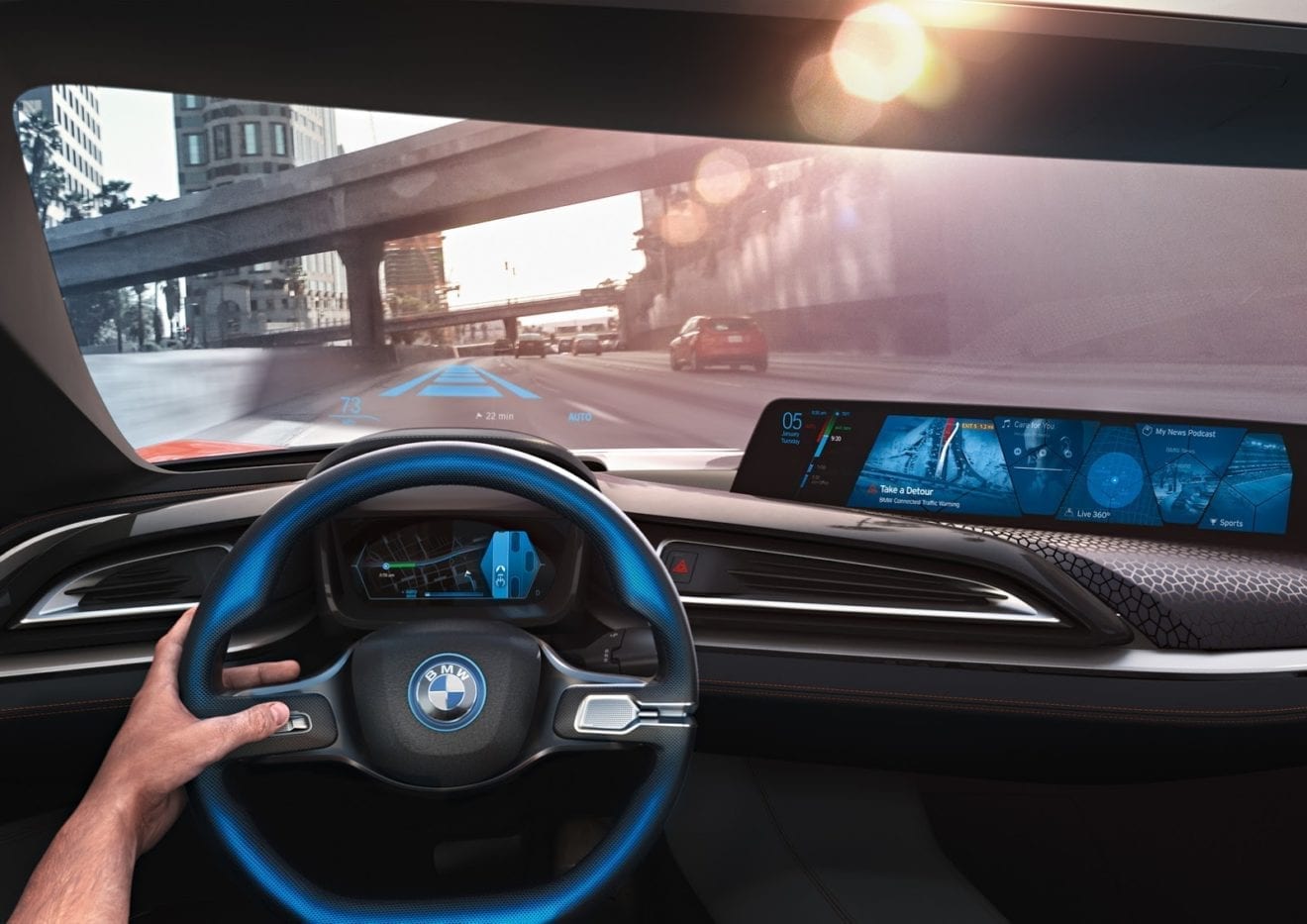
    It also boasts semi-autonomous driving capabilities such as keeping the vehicle automatically in one lane on the motorway or parking without human intervention.

    Hiroto Saikawa, president and chief executive officer of Nissan, said in a statement that the new vehicle “strengthens” the firm’s “leadership” in the electric car sector.

    Nissan was an innovator in the sector seven years ago when it unveiled its first Leaf — which has sold 280,000 units — but has since had to contend with fierce competition from General Motors and Tesla among others.

    Faced with tighter global environmental regulations, most carmakers are investing heavily in the electric car sector, sparking a ferocious race to create the next green vehicle.

    The new car will be available next month in Japan, followed by the United States, Canada and Japan in January 2018.

    The price tag in Japan will be 3.15 million yen (around $29,000).

  • Renault-Nissan to set up new China JV with Dongfeng Motor for electric cars

    Renault-Nissan to set up new China JV with Dongfeng Motor for electric cars

    Nissan Motor and its alliance partner Renault are setting up a new joint venture in China with Dongfeng Motor Group to design and build electric cars, joining a list of global automakers aiming to make such vehicles in China.

    The automakers are attempting to tap into a boom for such cleaner “new energy” vehicles in the world’s biggest auto market and gearing up to meet its anticipated stringent plug-in car quotas.

    Ford Motor Co announced earlier this month it was exploring setting up a joint venture with car maker Anhui Zotye Automobile Co to build electric vehicles in China under a new brand.

    Tesla, Daimler AG and General Motors have already announced plans for making electric vehicles in China, which wants electric and plug-in hybrid cars to make up at least a fifth of the country’s auto sales by 2025.

    The new joint venture, called eGT New Energy Automotive Co, will be owned 25 percent each by Nissan and Renault with Dongfeng owning 50 percent, Nissan and Renault said in a statement on Tuesday.

    They said eGT will design a new electric vehicle on a subcompact crossover SUV platform of the Renault-Nissan alliance.

    “The establishment of the new joint venture with Dongfeng confirms our common commitment to develop competitive electric vehicles for the Chinese market,” Carlos Ghosn, chairman and chief executive officer of the Renault-Nissan alliance, said in the statement.

    The statement did not give details of financial commitments of the joint venture partners or say by when the vehicles will be launched. Dongfeng already partners Nissan in China.

    Both Nissan and Renault already market electric cars. Nissan’s Leaf compact hatchback has become the world’s top-selling electric car since its launch in 2010, while Renault began selling its Zoe model in 2012.

    The game changer for global automakers, many of whom until recently have resisted an industry shift to heavily electrified vehicles, is China – an auto market with strong potential for growth where stringent policies favoring cleaner energy cars are being aggressively pursued.

    Under China’s latest proposals, electric vehicle sales quotas, which are expected to take effect as early as 2018, are due to require 8 percent of automakers’ sales to be battery electric or plug-in hybrid vehicles by next year, rising to 10 percent in 2019 and 12 percent in 2020.

  • Nissan to sell its electric battery business to GSR Capital

    Nissan to sell its electric battery business to GSR Capital

    Nissan Motor Co said on Tuesday it has agreed to sell its electric battery business to Chinese investment firm GSR Capital for an undisclosed sum.

    The business to be sold to GSR includes battery plants in Tennessee, England and Japan, the Japanese automaker said in a statement.

    Nissan will first take full control of the business – Automotive Energy Supply Corp – by buying the combined 49 percent minority stake held by NEC Corp and its subsidiary NEC Energy Devices. NEC Corp said it has approved the sale of its stake.

  • Nissan expects up to 20 percent of sales to be zero emission cars by 2020

    Nissan expects up to 20 percent of sales to be zero emission cars by 2020

    Nissan Motor expects that zero-emission cars will make up to 20 percent of its sales in Europe by 2020, Gareth Dunsmore, Electric Vehicle (EV) Director for Nissan Europe said in a statement on Monday.

    Nissan said it welcomed France’s commitment to reward those who choose more sustainable vehicles.

    Last week, Ecology Minister Nicolas Hulot said France would aim to end the sale of gasoline and diesel vehicles by 2040 and become carbon neutral 10 years later.

    “By 2020, where the market conditions are right, I’m confident we’ll be selling up to 20 percent of our volume as zero emissions vehicles and this will only grow,” Dunsmore was quoted as saying in an emailed statement.

  • Renault-Nissan Alliance annual synergies rise 16% to €5bn

    Renault-Nissan Alliance annual synergies rise 16% to €5bn

    The Renault-Nissan Alliance reported a 16 percent increase in synergies for 2016 compared to 2015.

    The Alliance members secured savings, generated incremental revenues and implemented cost-avoidance measures through the world’s leading automotive partnership.

    The value of annualized synergies realized by the Alliance rose to €5 billion last year, up from €4.3 billion in 2015. Converged operations in purchasing, engineering and manufacturing contributed most of the €700 million synergy improvement.

    “The growing cooperation across the Alliance is delivering strong benefits for the members of the Alliance, reflected by the economies of scale, technological breakthroughs and innovations that are being shared between Renault and Nissan,” said Carlos Ghosn, chairman and chief executive officer of the Renault-Nissan Alliance. “We are on track to realize synergies of €5.5 billion in 2018, even before taking into account the contributions from Mitsubishi Motors, our new Alliance partner.”

    With the addition of Mitsubishi Motors, which became the third full member of the Alliance at the end of 2016, annual sales have reached 10 million units. The addition of Mitsubishi Motors comes two years after Renault and Nissan deepened their partnership by converging four key functions: Engineering, Manufacturing & Supply Chain Management, Purchasing and Human Resources. Each such functions is led by a common Alliance Executive Vice President.

    “We continue seeing tangible results of this major convergence,” added Ghosn. “Our growing synergies are helping Renault, Nissan and now Mitsubishi Motors meet their financial objectives and deliver higher-value vehicles to customers in the new era of mobility.”

    In the current year, the Alliance members are expected to introduce more next-generation technologies in electric vehicles, autonomous driving and connected cars and will increase commonalities in platforms, powertrain and parts to boost competitiveness and identify new synergies.

    In April 2017, the Alliance created a light commercial vehicle business unit that will deliver additional synergies in vans and light trucks. The new unit will maximize shared product development and cross-manufacturing, technology sharing and cost-reduction, while preserving brand differentiation among Alliance members.

  • Nissan Motor begins mass production of new Navara pickup truck in China

    Nissan Motor begins mass production of new Navara pickup truck in China

    Nissan Motor’s manufacturing joint venture Zhengzhou Nissan Automobile began production of its new Navara pickup truck Monday, in China.

    Nissan Motor’s manufacturing JV, Zhengzhou Nissan, plans to begin sales of the Navara in June, but has not released price or sales target.

  • Mobileye in deal with Nissan to create maps for self-driving cars

    Mobileye in deal with Nissan to create maps for self-driving cars

    Israeli autonomous vehicle technology firm Mobileye said on Tuesday it forged an agreement with Nissan Motor to create next generation maps to enable safe self-driving cars.

    The deal comes after a successful trial last year that culminated in Mobileye’s mapping technology being used in Nissan’s recent autonomous vehicle demonstration in London.

    “We now have significant commitments from multiple global automakers to generate and share data from camera-equipped ADAS (advanced driver-assistance systems) vehicles,” said Mobileye Chairman Amnon Shashua, adding the results will add to a global road map that is a critical feature of self-driving autos.

    Mobileye, which also is collaborating with German automaker BMW, is in the process of being acquired by Intel, which last month agreed to buy the company for $15.3 billion in a deal that promises to escalate the arms race among the world’s carmakers and suppliers to acquire autonomous vehicle technology.

  • Nissan premium brand Infiniti global sales rise 18 percent in January-March

    Nissan premium brand Infiniti global sales rise 18 percent in January-March

    Nissan Motor’s premium brand Infiniti sold 67,367 vehicles globally in the first three months of 2017, up 18 percent from the same period a year prior, showed a press release seen on Thursday.

    Globally, Infiniti sold 28,406 vehicles in March, up 14 percent.

    The brand’s performance in the first three months of this year was led by its U.S. unit. In the United States, Infiniti sold 43,561 vehicles over January-March, up 33 percent. U.S. sales volume in March rose 33 percent to 18,266 vehicles.

    In China, the world’s biggest auto market on which Infiniti has focused to gain momentum, the brand sold over 10,000 vehicles, up 4 percent, in the first quarter of the year. Its sales increased 6 percent in March to 4,050 vehicles.

  • Nissan will introduce 8 new premium products by 2021

    Nissan will introduce 8 new premium products by 2021

    India’s third largest passenger car exporter Nissan Motor India confirmed that the company is planning to introduce eight new models in different segments by 2021. The company also confirmed that its Nissan brand will be focussing on premium products and Datsun will concentrate on compact segments.

    Guillaume Sicard, President, Nissan India Operation on the side-lines of Nissan Terrano facelift launch said:

    “The structure of Indian market is you have a certain set of population who need global products, they are well travelled and they also have the bank power. So, we can offer that with Nissan. We are also lucky to have two brands which is also difficult to manage at times but it’s also a strength. Datsun is for the first – time four-wheeler buyers, The brand concentrates on emerging markets and India is the leading country in terms of decisions for the Datsun brand. This is where we have the biggest potential. We have 20 cars for over 1000 habitants and so India is paradise for OEMs. If we manage infrastructure correctly, it can be a paradise for everybody.”

    Sicard expressed his reservations about the future of sub-4 meter cars in India and confirmed that Nissan would not be coming up with a sub-compact sedan. Nissan aims to bring in premium SUVs and cars. The company also hinted a possible comeback of Nissan Teana sedan and Nissan Patrol SUV along with other affordable luxury products but did not share more details on upcoming products.

    “We are very careful with our compact cars. Talking about Nissan, it is not positioned in the compact market. We want to bring in slightly upper market SUVs and cars. We want to position Nissan as a high technology brand. The future of the sub-4 meter vehicles is not so clear. In terms of taxations we still have some doubts. This is the uniqueness of Indian market and so being a global car maker we are looking at it and are very careful to what we plan as well. No sub-4 meter cars for Nissan, we might have one but will not be our focus. If the sub-4-meter rule still exists we will develop new cars under Datsun brand.” Sicard added.

    In the upcoming financial year, Nissan will launch its first hybrid SUV in India – Nissan X-Trail hybrid which will come to India as a completely built unit. The company also confirmed that a flow of new products will roll out from beginning of 2018. Nissan in India has been manufacturing products in alliance with Renault at its Renault-Nissan Alliance plant in Chennai and going forward the company claims 100% differences from its products with Renault.

    Guillaume Sicard said: “There will be 100% differences in terms of both the brands, similar products is not something which we would like to repeat and I will be very transparent in terms of strategy, which was an interesting idea from the start which worked very well but with maturity of the Renault-Nissan Alliance obviously we are going to separate more and more even though we will continue to keep making synergies in terms of platforms and engines which the customer doesn’t see to obtain the best price possible for the alliance for the retail market.”

    Sooner or later the Alliance will also see the Mitsubishi contributing to the overall synergy. While the details on the role of Mitsubishi specially in India is still under the wraps the President of India operations did mention that Nissan is meeting Mitsubishi at global level and India is a major part of the on-going discussions. The objective of the Alliance is to find and create win-win situation for both the companies.

    “This is the spirit of the alliance that Carlos Ghosn has developed so far and we are in the understanding mode, expertise mode and project mode for the time being and for sure we will find synergies. This is the objective of the alliance and we will soon find synergy in India.” Said President of India operations.

    In the 2017-18 financial year, Nissan confirms that its exports will decline as the new generation Nissan Micra which has debuted in many global markets will not be built or sold in the India. Nissan currently exports to over 100 countries and Nissan Micra is the top exported model for the company from India. Current generation Nissan Micra will continue to be sold in the domestic market and to a few export markets retaining the model. However, the export for the same will be at a slower pace confirms the Indian arm of the Japanese car maker.

    Guillaume Sicard commented that “Next year exports will decline slightly because of the Micra, but year after it will really pick up as we will be on the high export programme. We have capacity in the plant close to 500,000 units. There is always possibility to do more, we can invest more if required. For me to keeping 1/3rd of production for exports from India is the safe side of the strategy.”

    By 2021, with new products coming in the company is also looking to phase out Nissan Micra and Nissan Sunny then. Nissan Motor India is not looking to flood Indian market with a lot of products but want to get it right with its offering.

    “I think number of cars in our portfolio is not important as much as to be spot on to what you offer. If you look at the structure of the market, I think there is a threshold in the industry, for a product to be significant in terms of economy of scales and financial efficiency it has to cross a sales of 50,000 units. You have about 22 cars that are sold above 50,000 sales.”

    “Out of the 22 cars, You have 11 Maruti Suzukis, six from Hyundai and then after you have one of the six brands. To reach 50,000 mark is extremely difficult for global OEMs. Instead of expanding the portfolio, We are planning to introduce may be up to three models to be successful to reach that 50,000 mark. This is the way to monitor your success. There is no need for us or any global OEM to have a lot of products to be efficient in India.” Sicard concluded.
  • Mitsubishi-Nissan’s Cooperation Rapidly Extend to Countries Including Indonesia

    Mitsubishi-Nissan’s Cooperation Rapidly Extend to Countries Including Indonesia

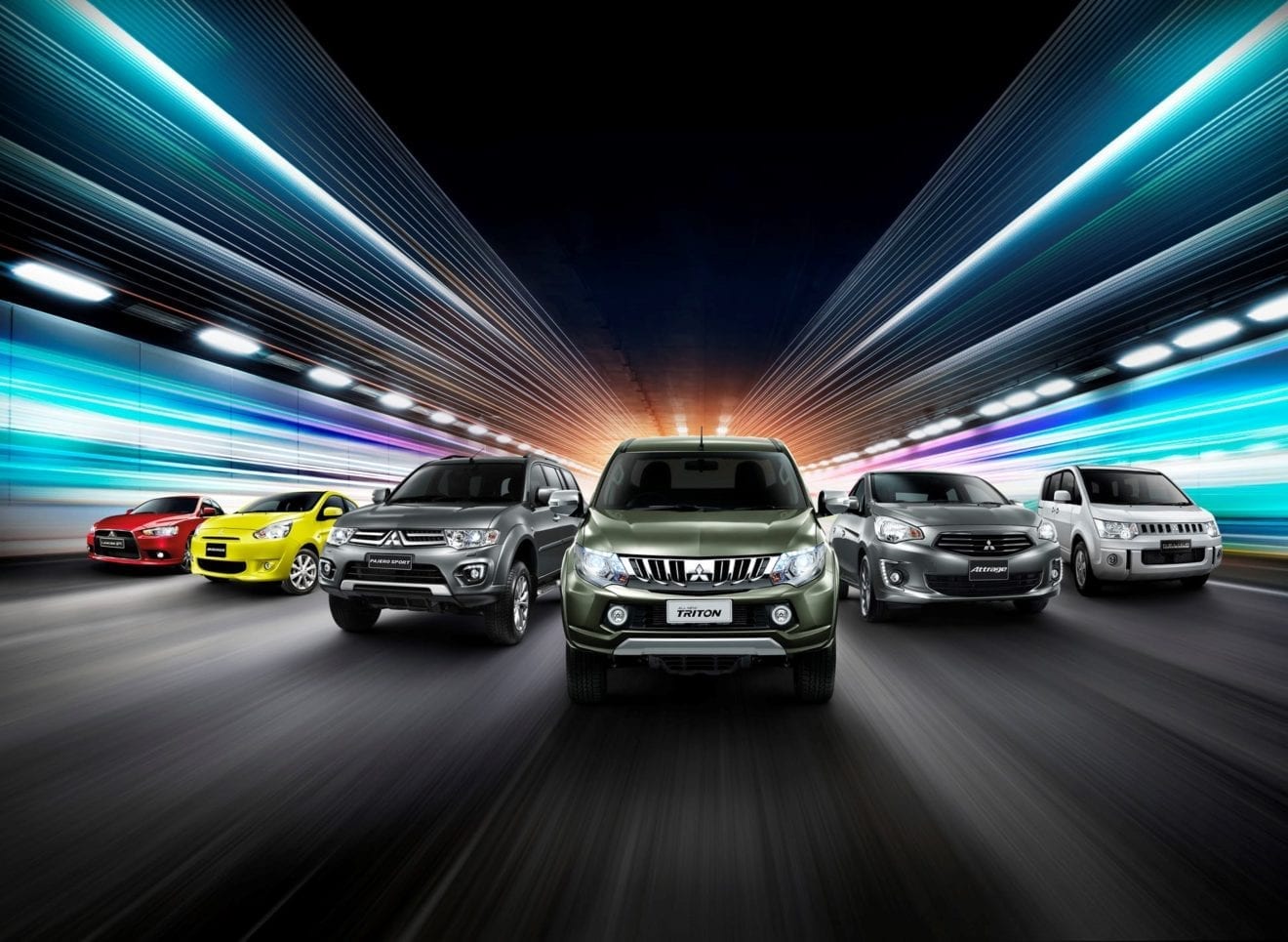
    Mitsubishi Motors and its new parent Nissan are studying joint production of pickup trucks in Southeast Asia as they look for savings within the broader Renault-Nissan alliance, a senior executive told.

    The Japanese groups may pool technical underpinnings and production of future replacements for the Thai-built Nissan Navara and Mitsubishi Triton, Mitsubishi Chief Operating Officer Trevor Mann said in an interview at the Geneva car show.

    Mitsubishi’s pickup architectures are likely to become the basis for future alliance models, said Mann, who was despatched by Chief Executive Carlos Ghosn to help turn Mitsubishi around after Nissan paid US$2.3 billion for a 34 percent controlling stake in the scandal-hit company last October.

    “If you look at our cost performance in that region, we are the benchmark within the alliance,” Mann said. “Our four-by-four technology, our cost base on pickups is better than Nissan’s.”

    Nissan snapped up Mitsubishi last year after the company admitted in April it had falsified fuel consumption data, triggering a sales slump and steep losses expected in the current fiscal year, which ends this month.

    Mitsubishi expects sales to bounce back above 1 million vehicles next year, Mann said, almost reversing their 8 percent decline from 1.05 million before the outcry. Nissan and Mitsubishi currently produce frame-based pickups and cars – which have fundamental design and manufacturing differences – on separate lines at each of their Thai plants.

    Moving to common architectures could potentially allow the Mitsubishi factory to specialize in pickups while the Nissan plant builds cars and SUVs, increasing productivity at both sites, Mann said, while stressing that nothing had been decided.

    Cooperation will rapidly extend to other countries in the region including Indonesia and the Philippines, where the companies have plants, Mann said. But pickups are likely to stay based in Thailand, where they account for 40 percent of sales.

    The current Navara and Triton models were launched in 2014 and are not due for replacement before 2022, which means development and production decisions may still be two or more years away. In the meantime, Nissan and Mitsubishi are already pooling car transport and other logistics while stepping up efforts to find more savings from joint purchasing.

    Renault and Nissan, whose 18-year-old alliance is cemented by reciprocal minority shareholdings, are also likely to use Mitsubishi’s plug-in hybrid technologies, Mann added. “That’s an obvious opportunity.” But Renault may have to wait longer than its alliance partner for the market access and savings that their new affiliate can bring.

    “What we have to do is prioritize,” Mann said. “We have the capital share with Nissan, so it’s logical to start there.” Under Nissan ownership, Mitsubishi is still “cleaning house” in the wake of the fuel-economy data scandal, he added.

    “We’re introducing a proper delegation of authority, risk control and business ethics in the company,” Mann said. “If we did uncover anything (else) which was not correct, we would disclose in an appropriate manner.”