Retail News CRM

Tag: nissan

  • Nissan India To Increase Prices Of The Datsun GO And GO+

    Nissan India To Increase Prices Of The Datsun GO And GO+

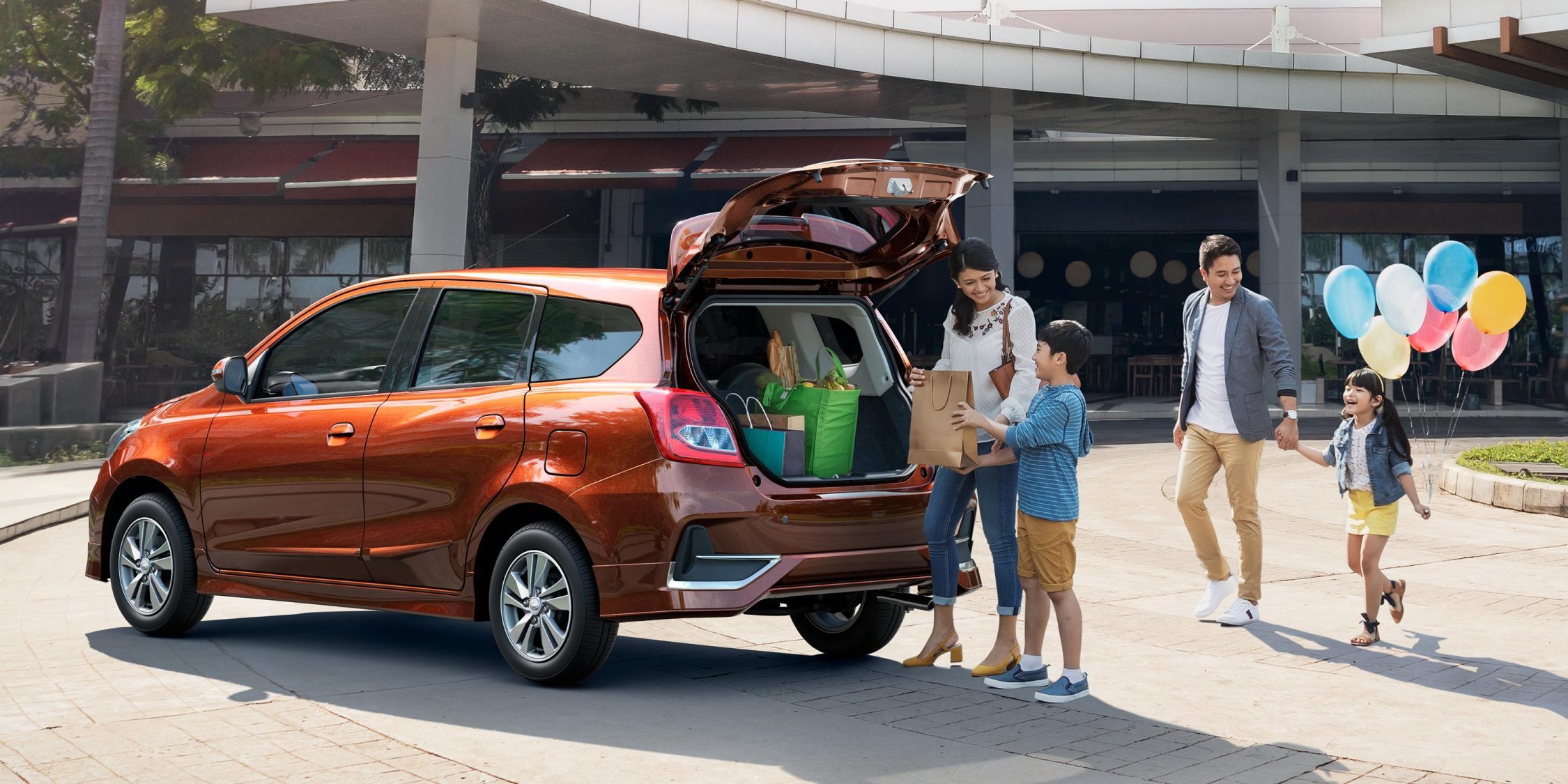
    The 2018 Datsun GO and GO+ will be getting more expensive from April. Nissan India has announced to increase the prices of both the models by up to 4 per cent which will be effective from next month i.e. April 1. Nissan has decided to increase the prices after a series of price hike announcements made by other carmakers such as Mahindra, Tata Motors and Renault. Similar to other carmakers, even Nissan has cited rising input costs as the primary reason for the price hike.

    Hardeep Singh Brar, Director Sales and commercial, Nissan Motor India said, “Datsun believes in offering accessible and value-for-money products powered by Japanese engineering. With the rise in input costs and several economic factors, we are making a nominal price adjustment to our Datsun GO and GO+ models.”

    Nissan had launched the facelifted Datsun GO and GO+ last year after giving both the models an extensive update. The top-end variants of the 2018 Datsun GO and GO+ come equipped with a touchscreen infotainment system and get some segment first features like Daytime Running Lights and Vehicle Dynamic Control. Both the cars are powered by a 1.2-litre, three-cylinder petrol engine which produces 67 bhp and 104 Nm of peak torque.

  • Isuzu To Increase Prices Of The D-Max

    Isuzu To Increase Prices Of The D-Max

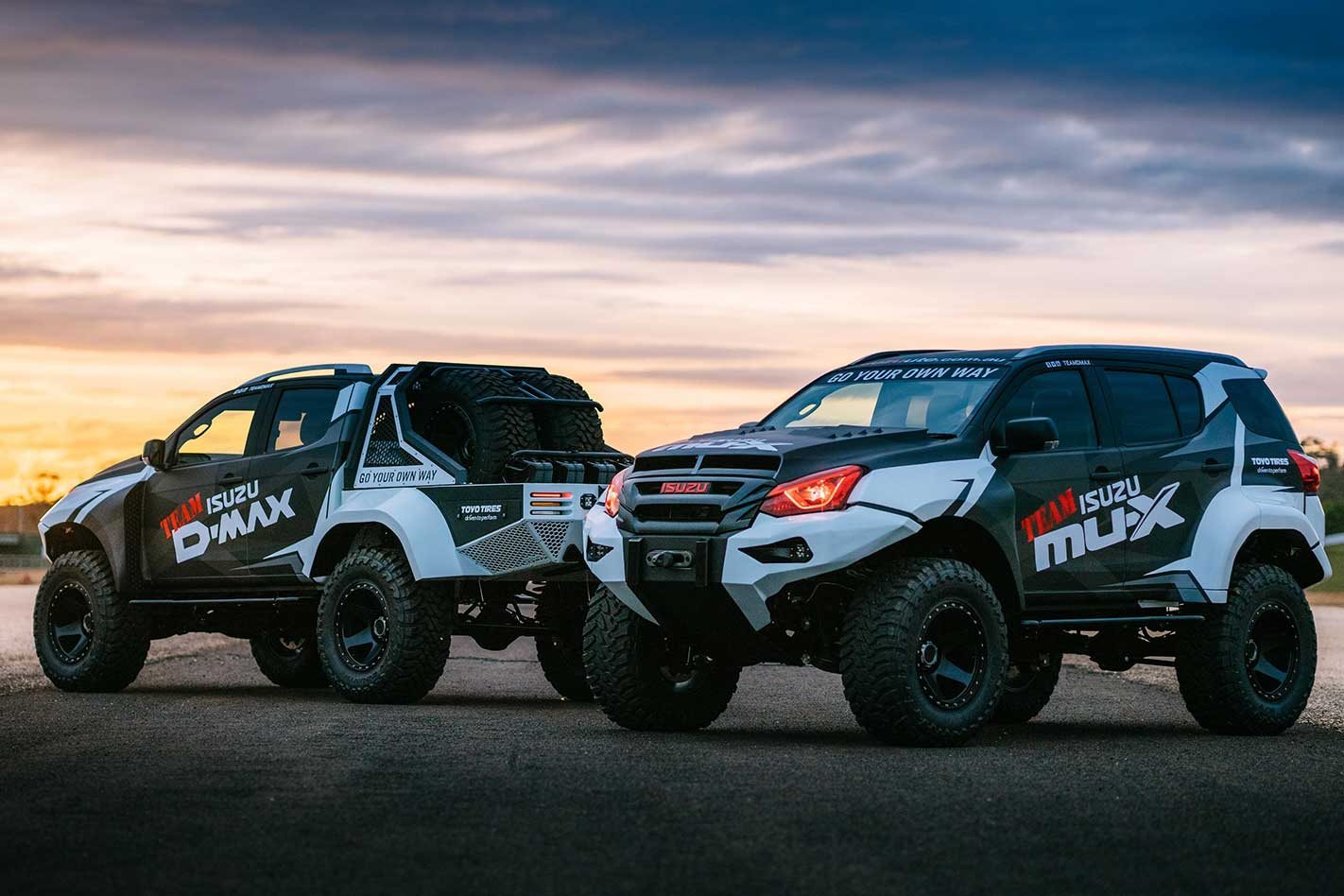
    Isuzu Motors India has announced to increase the prices of its commercial pick-up range- the D-Max Regular Cab and the D-Max S-Cab. The company has decided to increase the prices by 2 per cent which will be effective from April 1. Following a series of price hike by carmakers like Mahindra, Tata Motors, Renault and Nissan, even Isuzu has made the price hike announcement citing similar reasons. The company has cited rising input costs and distribution costs as the reason for the increase in prices.

    It has become a common practice for automakers to adjust prices of select models at the beginning of a financial year in a bid to sustain their margin. Isuzu has increased the prices of its commercial range which means only the D-Max pick-up trucks will get more expensive. The Isuzu D-Max V-Cross which is more of a lifestyle vehicle will see no change in the prices.

    The D-Max Regular Cab and the S-Cab are priced at ₹ 7.40 lakh and ₹ 8.89 Lakh, respectively (all prices ex-showroom, Delhi). Both the pick-up trucks are powered by a 2.5-litre, four-cylinder, turbocharged engine which churns out 78 bhp and 176 Nm of peak torque and is mated to a five-speed manual gearbox as standard.

  • Nissan Korea fined 900 million won for inflating mileage figures

    Nissan Korea fined 900 million won for inflating mileage figures

    Korea’s antitrust watchdog said Wednesday that it has fined Nissan Korea 900 million won ($802,100) for inflating gas mileage figures for its Infiniti Q50 2.2d sedans. The Japanese car’s fuel efficiency reaches 14.6 kilometers per liter (34.3 miles per gallon), but the local unit of the Japanese carmaker overstated the fuel efficiency as 15.1 kilometers per liter in its stickers, catalogues and magazines between February and November 2014, according to the Fair Trade Commission.

    Nissan Korea sold 2,040 Infiniti Q50 2.2d sedans valued at 68.68 billion won during the cited period.

    “There are concerns that Nissan Korea’s advertising could hurt fair trade by distorting consumers’ reasonable choice, considering that fuel efficiency is a priority factor when they buy vehicles,” the commission said.

    Repeated calls to Nissan Korea seeking comment went unanswered.

  • Hyundai Cars to go online – and have legs

    Hyundai Cars to go online – and have legs

    By 2022, all cars made by Hyundai Motor will be connected to the internet, the automaker announced during a press briefing held Monday in Las Vegas ahead of the 2019 Consumer Electronics Show (CES). “We aim to have 10 million active users of our connected-car services globally and apply connected-car technology to all vehicle segments in the global market by early 2022,” said Suh Jung-sik, senior vice president of Hyundai Motor Group’s ICT division.

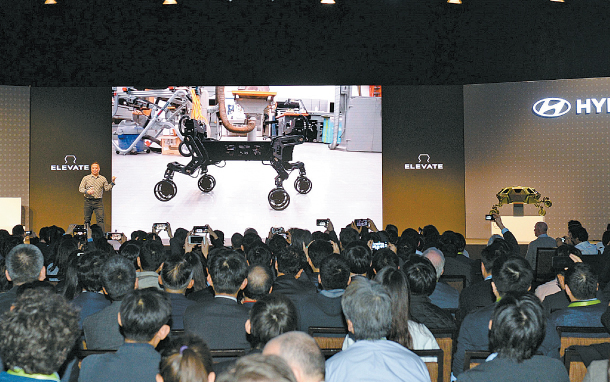
    At the CES, the company also introduced a vehicle in which the wheels are attached to robotic legs with a wide range of motion. Hyundai’s concept of a truly connected car is a car smarter than a computer that can share information not only with other vehicles on the road but also with homes, surrounding infrastructure and cities.

    Using connectivity, the cars can offer real-time traffic and parking lot information to drivers and also alert drivers remotely of theft. Remote adjustments of in-car settings, such as temperature, will also be possible.

    While Hyundai is already offering early versions of its connected cars in Korea, the United States, China, Canada and Europe, the automaker said it will establish additional big-data centers to offer similar services in countries like India, Brazil and Russia.

    To offer better connectivity worldwide, the carmaker is currently developing an operating system, a cloud platform and network technology for connected cars. The company also announced a plan to introduce an open platform on which third parties can develop new technologies using big data shared by Hyundai.

    Hyundai is not the only carmaker that came to CES with grand ambitions to take leadership in the connected car business.

    BMW will introduce the BMW Intelligent Personal Assistant, which can interact with drivers and allow for video meetings, shopping and other digital services inside cars. Audi is introducing a virtual-reality entertainment service for passengers in back seats. VR games or travel content will match the actual movements of the car. In the long run, the carmaker said the videos will reflect real-time traffic conditions so that if a car stops due to red light, the video will show an obstacle.

    Other participants, including Mercedes-Benz, Nissan, Bosch and Continental, all shared their focus on connectivity.

    “In the future, cars will be categorized as cars with hyper-connectivity and those without,” Suh of Hyundai Motor Group added.

    Apart from connectivity, Hyundai said it will develop personalized electric vehicles for everyone by giving customers the freedom to select software and hardware for their vehicles.

    To bolster open innovation, the carmaker has been setting up global open innovation centers to collaborate with foreign start-ups. Already there are three centers, established in Korea, the United States and Israel. Two more centers are set to be established, in Berlin, Germany and Beijing, China this year.

    Hyundai Motor and its innovation center in Silicon Valley, the Hyundai Cradle, introduced the “Elevate” concept vehicle at this year’s CES. It has four robotic legs specifically designed for rescue in challenging environments.

    U.S. design-consulting firm Sundberg-Ferar was involved in the development of Elevate, which Hyundai calls the ultimate mobility vehicle. It can swiftly move around places inaccessible to existing rescue transport.

    Hyundai said the Elevate’s body can be switched depending on the mission and that the robotic-leg architecture has five degrees of freedom. The company added that the vehicles can also aid people with physical impairments.

  • Nissan terminates contract with Vietnamese distributor

    Nissan terminates contract with Vietnamese distributor

    Japanese carmaker Nissan announced it has ended its tie-up with its distributor in Vietnam, Tan Chong, without disclosing the reason. Malaysian-owned Tan Chong Motor Holdings Bhd, said it would stop importing and distributing Nissan vehicles and parts in Vietnam from September 10 next year.

    Tan Chong said it “remains open to further discussion with Nissan to explore alternative solutions and business opportunities for mutual benefit in Vietnam.”

    Nissan said: “The termination of the joint venture with Tan Chong will not affect the sales of Nissan cars in Vietnam.”

    Its business operations would remain unchanged in the near future, it said. It is set to debut its seven-seat SUV Terra in Vietnam on December 18.

    Tan Chong, a multinational corporation based in Malaysia, is not only the official distributor of Nissan in Malaysia and Vietnam, but also in Laos, Cambodia and Myanmar.

    In Malaysia, it also distributes cars by Opel, Renault and Foton. Its subsidiary, Motor Image, also owns the rights to produce and distribute Subaru vehicles in Southeast Asia, including Vietnam.

  • Korea’s car companies discuss challenges

    Korea’s car companies discuss challenges

    Representatives of Korea’s major automakers and parts makers and industry officials gathered in Seoul Wednesday to discuss ways to breathe new life into the sluggish sector. The chief executives of the big five automakers — Hyundai Motor, Kia Motors, GM Korea, Renault Samsung and Ssangyong Motor — and their local parts makers and industry associations explored ways to tackle daunting challenges facing the industry.

    Korea’s auto industry is going through a hard time after GM Korea shut down its underutilized Gunsan plant in May, and Hyundai and Kia have been posting generally disappointing earnings this year.

    Small and medium-sized companies that make parts for the carmaker were more vulnerable to falling sales, with more than one-third of such Korean auto parts makers posting losses in the first half of this year, data by the think tank Korea Institute for Industrial Economics and Trade showed.

    They are also in the crosshairs as the United States is weighing slapping tariffs on foreign-made autos and auto parts on national security grounds.

    The participants called for the government to boost domestic demand, provide financial assistance to cash-strapped parts makers and lower regulations in emerging sectors, such as autonomous and electric vehicles.

    The automakers said they will seek ways to maintain over 4 million units in domestic car production and raise the number to 4.5 million by 2025.

    Hyundai Motor, the nation’s leading automaker, said it will invest 220 billion won ($193.8 million) over the next two years to develop an advanced lineup of its hydrogen-fuel electric car Nexo, with a goal of releasing over 30,000 units in the domestic market in 2022.

    GM Korea said it will hold trade shows to help its local contractors tap into the global market and supply 70 billion won in subsidies for small- and medium-sized contractors.

    Renault Samsung said it will operate a research and development fund worth 35 billion won by 2020 and form an alliance with Nissan and Mitsubishi to help its contractors make bids overseas.

    Ssangyong Motor promised to expand use of Korean-made parts and support its contractors in India.

    The Ministry of Trade, Industry and Energy said it will join industry efforts to overcome challenges and drive innovation in the sector.

    “If the auto industry and the government work together, we can come up with measures to deal with the hardship,” Industry Minister Sung Yun-mo said during a meeting with them.

    “We will gather opinions to prepare support measures, especially for parts manufacturers.”

    The ministry said it will unveil a comprehensive support package for the auto industry next month, which includes financial and R&D support as well as deregulatory measures.

  • Nissan’s latest Leaf EV available for preorder

    Nissan’s latest Leaf EV available for preorder

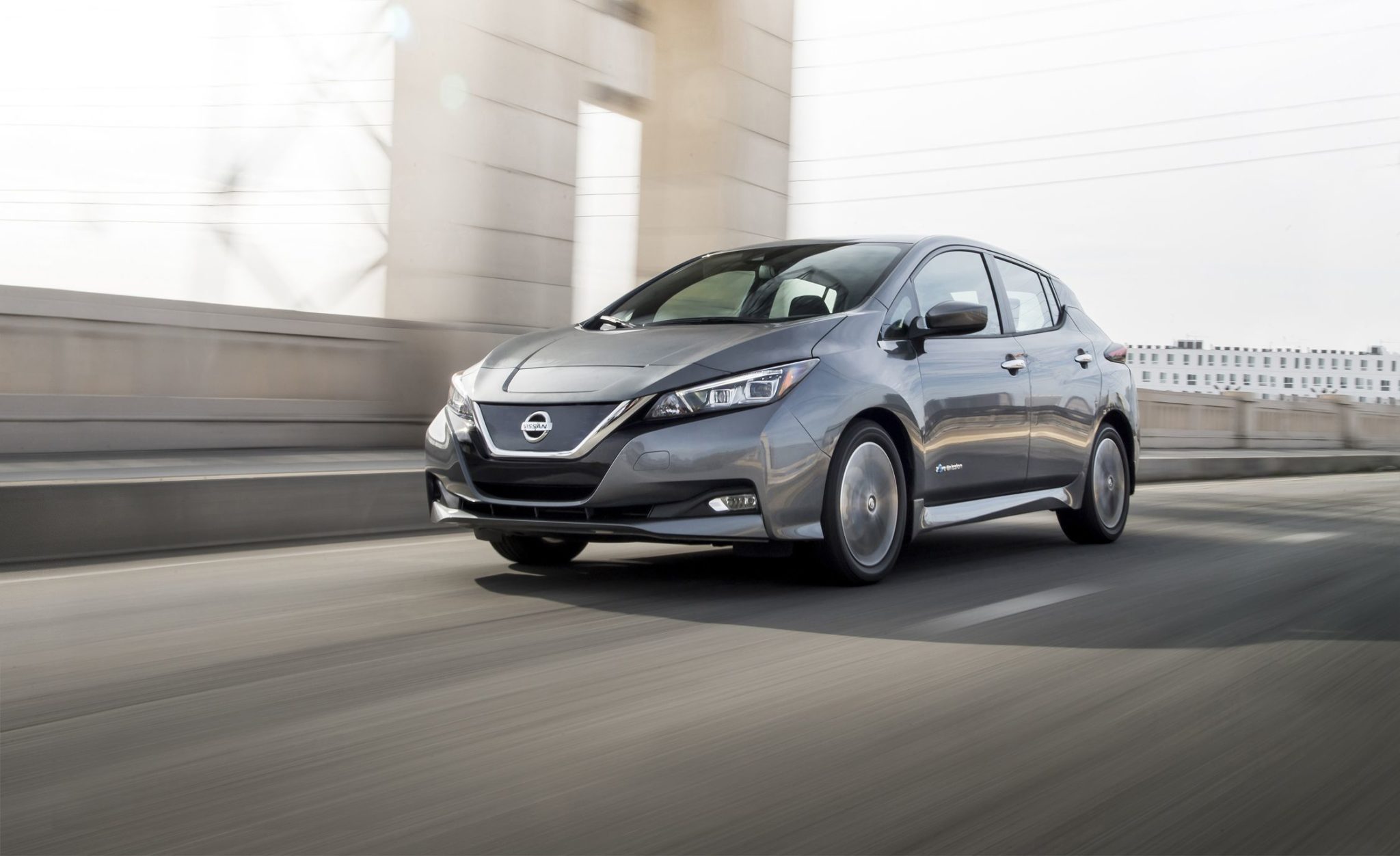
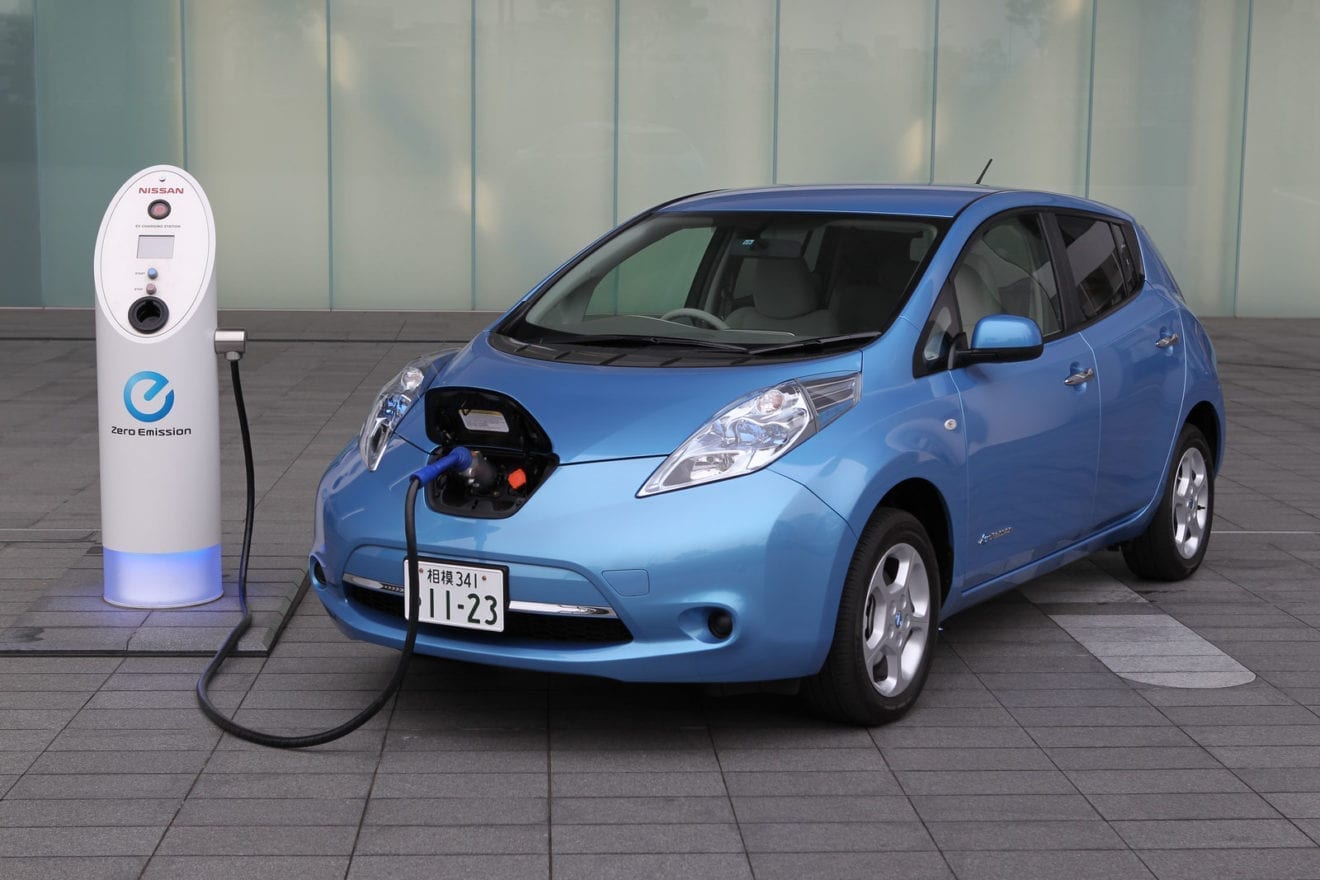
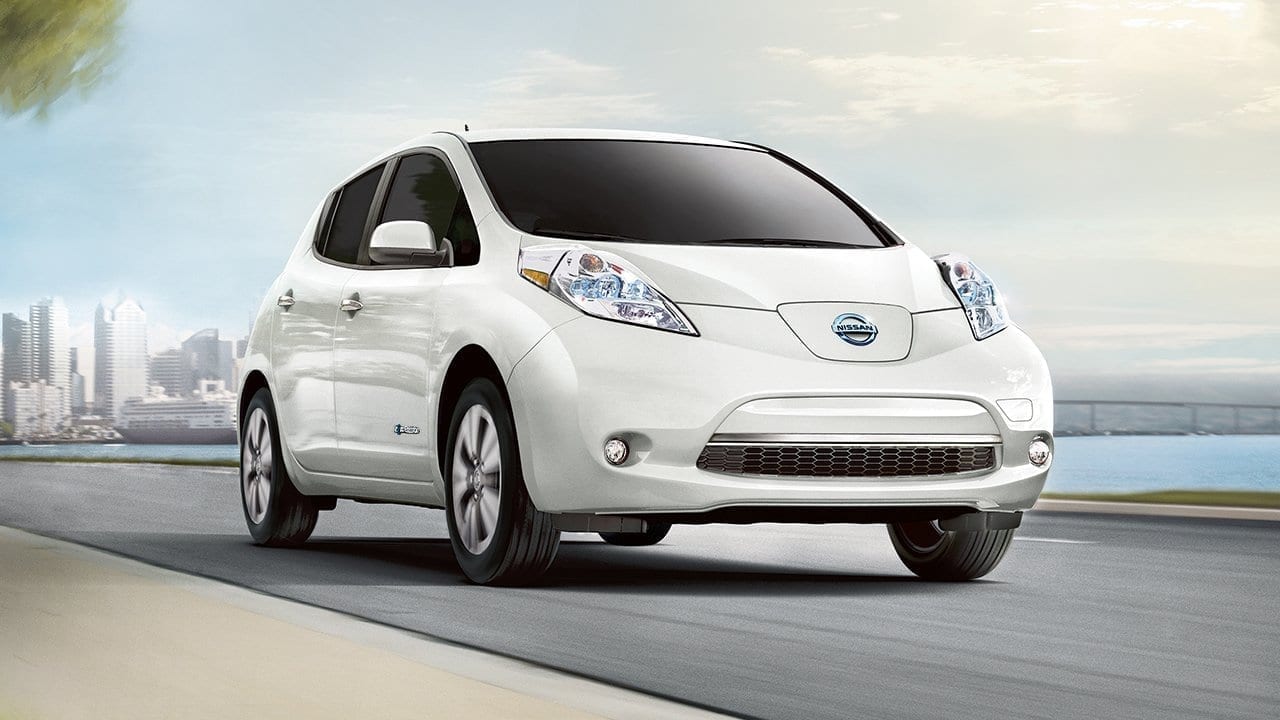
    Nissan Korea Thursday introduced an updated version of its Leaf electric vehicle (EV) at the Daegu International Future Auto Expo, hoping to grow its share of the domestic EV market. The vehicle was released in Japan in September.

    Nissan’s local unit started accepting preorders on Thursday, and the model is expected to be on the roads of Korea in the first quarter of next year.

    The Leaf is not widely known here as Japan’s Nissan is not strong in the domestic market. The car, however, was the world’s first mass produced electric vehicle when introduced 2010. A total of 370,000 units had been sold globally as of October.

    In the latest generation, Leaf comes with advanced performance and smart car technologies, the carmaker said.

    This includes the “e-Pedal,” which enables the driver to accelerate and decelerate with the use of a single pedal. The pedal is linked to a regenerative brake, which produces electricity as it slows the car. The feature is often found in new offerings in the EV market.

    Nissan Korea also says the latest Leaf allows for 360-degree surround view and is capable of maintaining distance with vehicles ahead.

    Performance has been enhanced with a 38 percent increase in horsepower compared to the previous model – now 150 horsepower. Torque is upped by 26 percent.

    Despite multiple improvements, the driving range, important to the success of an electric vehicle, is likely to disappoint Korean consumers.

    The Leaf can travel up to 231 kilometers (143 miles) on a single charge.

    The Kona SUV, from Hyundai Motor, can travel 400 kilometers per charge. GM Korea’s Bolt EV has a 380-kilometer range. The Niro SUV, from Kia Motors, is able to go 380 kilometers on a single charge.

    The exact price hasn’t been announced, but the company said at the event the price will be set under 50 million won.

  • Nissan Leaf approved for vehicle-to-grid use in Germany

    Nissan Leaf approved for vehicle-to-grid use in Germany

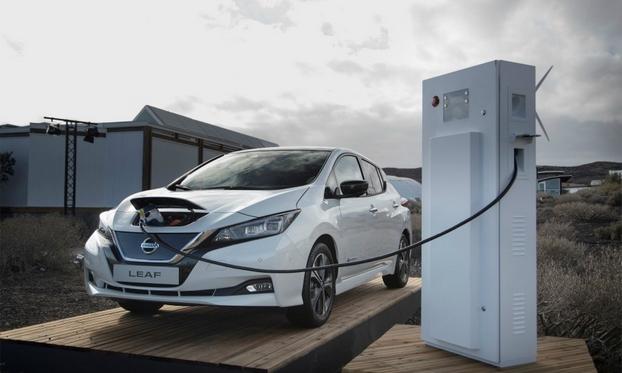
    Nissan’s Leaf is the first electric vehicle to secure regulatory approval as an energy backstop for Germany’s electricity grid. So-called vehicle-to-grid (V2G) technology is a connection between the EV and the grid through which power can flow from the grid to the vehicle and vice-versa, potentially enabling car owners to sell energy to the network. This would allow utilities to use EVs as a backstop if demand rises.

    Nissan said it would initially target corporate clients with fleets of more than 60 electric vehicles, adding that services based on V2G technology would be offered in Germany starting next year.

    “We strongly believe in an emission-free future,” said Guillaume Pelletreau, Vice President and Managing Director, Nissan Center Europe. “Leaf batteries could make an important contribution to energy transition in Germany and a sustainable future.”

    The initiative was also supported by Daimler-backed The Mobility House, local utility Enervie and German transmission system operator Amprion, which is co-owned by RWE and infrastructure investors including Munich Re, Swiss Life and Talanx.

    Nissan is relying on the CHAdeMO charging standard, which has been jointly developed by several Japanese companies as a competitor to Tesla’s supercharger system and the European-backed Combined Charging System (CCS).

    That puts Nissan at odds with European automakers, including BMW and Volkswagen, who are pushing to have the CCS, which is also capable of V2G services, established.

    “Nissan is ahead for now but other technologies, including Tesla’s supercharger can theoretically do the same thing,” said Thomas Raffeiner, chief executive and founder of The Mobility House.

    Nissan has so far sold about 370,000 electric vehicles and, along with top shareholder Renault, has been very active in exploring how car batteries can be integrated into the wider power system.

    While a mass uptake of EVs is expected to put a major strain on the power grid and require billions of euros in infrastructure investments, car batteries have already proven that they can become part of the network.

  • Thailand approves electric vehicle investment plans of Nissan, Honda

    Thailand approves electric vehicle investment plans of Nissan, Honda

    Thai authorities said today they have approved investment plans worth 29.63 billion baht (RM3.8 billion), including projects by two Japanese automakers to produce hybrid electric vehicles and batteries.

    Nissan Motor (Thailand), a unit of Nissan Motor Co will invest 10.96 billion baht in one venture while Honda Automobile (Thailand), a subsidiary of Honda Motor Co will spend 5.82 billion baht on its project, the Board of Investment (BoI) said in a statement.

    The agency said it also approved a tax break for Thai AirAsia X’s 9.25 billion baht plan to lease six Airbus A330 aircraft, and for Mars Petcare (Thailand)’s 3.5 billion baht investment in pet food.

    The BoI said Thai and foreign firms submitted projects worth 284.6 billion baht in January-June, which it said was “close to” the amount in the first half of 2017, without giving the previous number. The board said the projects were mainly for Thailand’s Eastern Economic Corridor a centrepiece of the junta’s policy to lift growth and targets high-tech investment.

    The agency is sticking to its target of securing 720 billion baht in investment pledges this year, up 12% from last year, as large applications are expected in the second half, it said.

    Meanwhile, Toyota Motor Corp’s Thai unit said Thailand’s total domestic car sales are expected to be 980,000 units this year, up 12% from 2017, and more than previously expected.

    Toyota, which commands about one-third of the Thai vehicle market, also raised its own 2018 car sales in the Southeast Asian nation to 315,000 cars, up 31% from last year, Toyota Motor Thailand’s president Michinobu Sugata told a news conference. Sales have been supported by stronger economic growth and more activities by carmakers, he said.

    In January, the company predicted overall domestic sales at 900,000 cars and its own sales at 300,000 units.

  • Nissan’s 54-year old CFO retires

    Nissan’s 54-year old CFO retires

    Joe Peter, who spent most of his career at General Motors, has retired as CFO of Nissan Motor Co. in Yokohama, Japan.

    Peter, 54, was recruited from GM’s senior finance ranks to Nissan during the 2009 financial crisis as Nissan struggled to stem losses and conserve cash amid crashing world markets.

    His replacement as CFO, effective immediately, is Hiroshi Karube, 62. Karube was previously senior vice president, global controller, accounting and global asset management.

    Efforts to reach Peter were unsuccessful.

    Peter was responsible for Nissan’s worldwide financial planning, control, accounting, treasury, tax, investor relations and merger and acquisition support. He also was a member of Nissan’s executive committee and chairman of the board of directors of the sales finance companies in Japan, United States and Mexico.

    A Detroit native and son of an assembly line worker, Peter rose at GM to the position of CFO of the automaker’s international operations in Shanghai before being recruited to Nissan.

    Karube went to work at Nissan in 1980 and has held several key roles in finance, including global responsibility for accounting and asset management.

  • Nissan, partner eye early 2020s robotaxi rollout

    Nissan, partner eye early 2020s robotaxi rollout

    Nissan is deepening collaboration with a Japanese mobile gaming and communications giant to develop self-driving taxis.

    Nissan wants the partnership to lift it ahead of its rivals in the nascent vehicle mobility services segment. But when it comes to realizing self-driving taxis that can pick up and drop off customers automatically on public roads without a glitch, the automaker acknowledges there is still a long way to go.

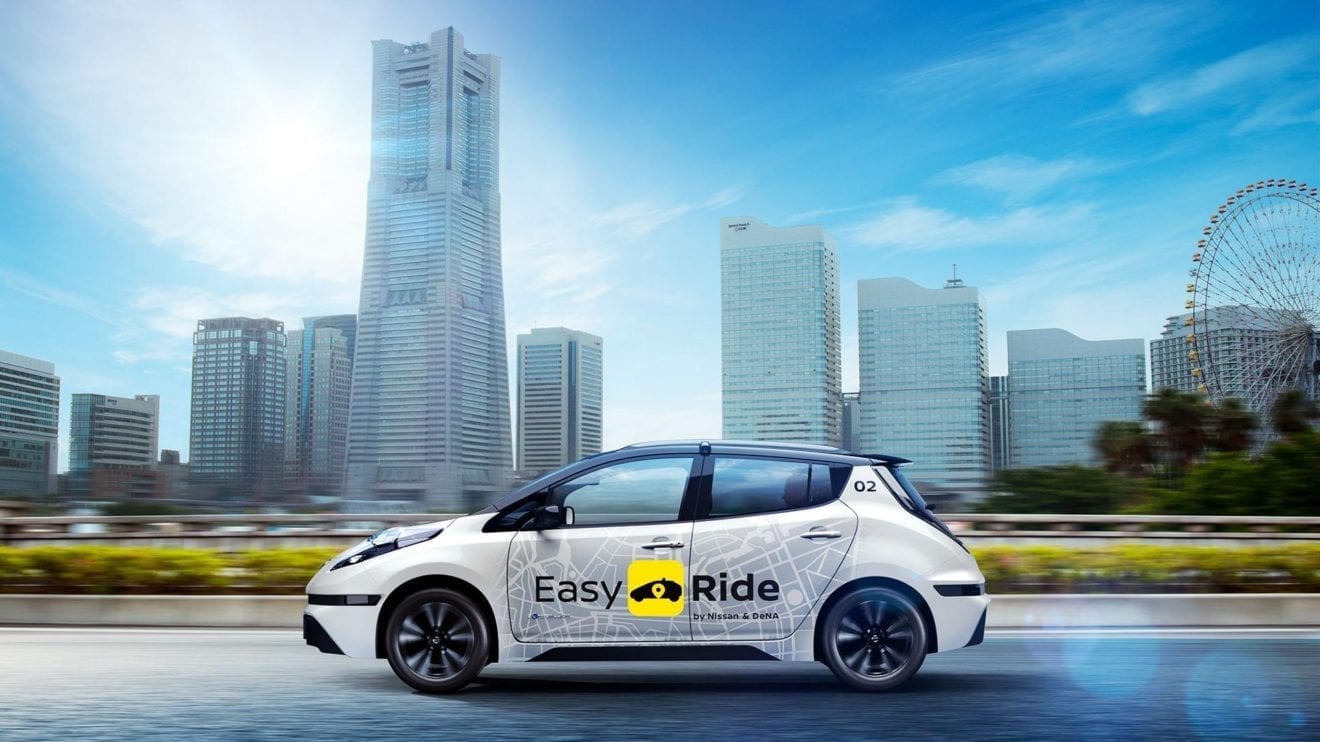
    Last month, Nissan Motor Co. and online tech company DeNA Co. field-tested Easy Ride robotaxis, involving some 300 participants.

    “This represents a big step toward enhancing self-driving cars and the mobility service operation system from the stage of just presenting a conceptual image,” Nissan CEO Hiroto Saikawa said during the launch. “This will help advance our business in offering a new mobility service for many customers in a variety of scenes.”

    The robotaxis are based on a modified Nissan Leaf electric vehicle. For their field testing, they traveled about two miles on a preset city route from Nissan’s headquarters in Yokohama to a nearby commercial facility.

    Collaborative effort

    Using a DeNA-designed smartphone app, users could hail a taxi by selecting a pickup time slot and specifying which of a list of preset destinations they wanted. A tablet computer installed inside the vehicle notified the passenger about recommended events in the area.

    Discount coupons for restaurants affiliated with Easy Ride were sent to the user’s smartphone.

    Such an online user experience could not have been possible without the help of DeNA, Nissan officials said.

    “Efficient and effective collaboration with partners who have expertise in their respective fields are the key to remaining competitive in the future,” Saikawa said. DeNA CEO Isao Moriyasu stressed that his company wants to bring innovation to the transportation system as a mobility service provider.

    The companies plan to introduce their robotaxi service commercially in the early 2020s. But they must resolve technical details before introducing a fully autonomous mobility service in a heavily congested urban environment.

    Easy Ride uses Seamless Autonomous Mobility, developed by Nissan from NASA technology, for its fleet operation system. That system allows vehicles to make decisions in unpredictable situations with the combined support of in-vehicle artificial intelligence and humans, according to Nissan. There will be a control center where people monitor Easy Ride fleets.

    Unexpected situations

    But technology challenges remain. Among them: perfecting the robotaxi’s ability to judge where it is most appropriate for loading and unloading passengers. Unexpected complications, such as road construction or a line of parked cars on the roadside, for example, wouldn’t faze a human driver. But altering behavior to accommodate unusual circumstances doesn’t come easily to an AI-powered, sensor-directed taxi without the aid of remote monitoring by humans at the control center.

    At a media test ride in mid-February, an Easy Ride vehicle unexpectedly stopped its self-driving mode just as it was about to get moving when a pedestrian walked in front of it. As a result, another test vehicle was brought in and the procedures had to be repeated.

    Nissan expected such glitches to occur during the field test, and is looking to incorporate the experiences into its development.

    Kazuhiro Doi, a global director of Nissan’s research division, admitted that the experiment was challenging, even in Yokohama’s waterfront area, with its wide streets and relatively light traffic.

    “Self-driving while trying to avoid so many parked cars is actually difficult,” Doi said of the research. “GPS signals are weak or cut off due to high-rise buildings. I thought it would be easy at first, but it has proven to be more challenging.”

  • Nissan to pump $9.5 billion into China business, eyes top three spot

    Nissan to pump $9.5 billion into China business, eyes top three spot

    Nissan Motor Co plans to invest 60 billion yuan ($9.5 billion) in China over the next five years with its joint-venture partner as it seeks to become a top three automaker in the world’s biggest market.

    Long stuck as a second-tier player in China, Nissan and Dongfeng Group said on Monday they plan to boost their volume to 2.6 million vehicles a year by 2022, up from 1.5 million vehicles last year.

    Nissan plans to achieve the objective, dubbed its “Triple One” strategy, by focusing on electric cars and Venucia, a no-frills local brand Nissan operates in China – two market segments expected to see a surge in demand. It also aims to boost sales of light commercial vans and trucks.

    China’s auto market has been dominated by General Motors Co and Volkswagen AG for nearly two decades, with each of them selling 4 million vehicles last year. Nissan, along with Toyota Motor Corp , Ford Motor Co, and Honda Motor Co, lag far behind, each selling 1 million-plus vehicles a year.

    “We aim to break away from this second-tier group and become a top-3 China automaker,” Nissan’s China chief Jun Seki said in an interview with Reuters.

    “We need to go full-throttle aggressive,” Seki said. “If we didn’t do that, we would fall behind and fail to grab market share otherwise we could take.”

    ELECTRIC STRATEGY

    Part of the strategy is to keep growing the Nissan brand and the company’s premium Infiniti brand, Seki said.

    Nissan and Dongfeng plan to increase the Nissan brand’s annual sales by 500,000 vehicles to 1.6 million vehicles a year by 2022. It also plans to boost Infiniti’s annual sales by 100,000 vehicles to about 150,000 vehicles a year over the same time frame.

    Still, more critical a strategy is Nissan’s electrification plan.

    Seki said the joint venture will launch as many as 20 electrified vehicle models across all brands in an effort to sell roughly 700,000 such cars a year by 2022 excluding electric light commercial vehicles, using a combination of all-electric battery vehicles and so-called “e-Power” hybrids.

    Automakers are scrambling to launch an array of electric and plug-in hybrid vehicles over the coming years, in part to comply with China’s production quotas for such cars. Nissan’s joint venture with Dongfeng sold about 22,000 electric vehicles last year, but they were mostly light commercial e-vans.

    In order to generate large enough EV volume, Nissan plans to come up with lower-cost electric cars by locally sourcing electric motors and other key EV components from suppliers in China.

    In 2019, Nissan for example plans to launch three such lower-cost EVs under the Venucia name. “We expect EV and e-power hybrid business to become profitable,” Seki said, without elaborating.

    NO-FRILLS

    Venucia, which Nissan established jointly with Dongfeng, is another key focus. The brand began selling cars in 2012, competing with China’s low-cost, no-frills indigenous brands such as those run by Geely and Great Wall Motor.

    Seki said shoring up Venucia is a must because indigenous Chinese brands will likely collectively sell as many cars as global brands sell in China. Last year indigenous Chinese brands sold a total of 10.3 million vehicles, compared with global brands’ 13.9 million vehicles.

    Venucia, which uses retired Nissan technologies such as platforms and transmissions, last year sold 143,000 vehicles, up 22.7 percent from 2016.

    Seki said Nissan wants to boost Venucia’s annual volume by more than 400,000 vehicles to be able to sell as many as 600,000 vehicles a year by 2022.

    The effort is likely to face tough competition, however, from established local players such as Baojun, which GM operates jointly with its local China partners.

    “No global automakers have a brand that competes with low-cost local brands except for us and GM,” Seki said. In addition to Baojun, GM operates the Wuling brand in a joint venture with Chinese partner SAIC Motor Corp and Guangxi Automobile Group.

    “Venucia is our clear advantage and we are going to milk it to grow rapidly,” Seki said.

  • Nissan’s ePower tech coming to U.S. vehicle

    Nissan’s ePower tech coming to U.S. vehicle

    Startled by enthusiastic consumer demand for ePower in Japan last year, Nissan Motor Co. now plans to introduce the electric motor-powered technology to its vehicles in the U.S.

    But unlike its Japanese application in the humble subcompact Note, Nissan will more likely use ePower here as an option on higher-end vehicles, said Philippe Klein, the automaker’s chief planning officer said last week.

    Klein did not say which Nissan brand products might receive ePower but suggested it will begin with higher-priced nameplates that can absorb the added cost of the powertrain.

    Meanwhile, Klein’s boss, Nissan CEO Hiroto Saikawa said that Infiniti will begin offering ePower in the near future. Saikawa said ePower will play a key role in Infiniti’s move to almost completely electrify its lineup starting in 2021.

    The technology, essentially a range extender, appears on the Note in Japan.

    Saikawa said that every Infiniti that appears in or after 2021 will either be a full electric vehicle or have an ePower powertrain.

    The technology reached the market in Japan as a powertrain option on the Note in late 2016. But in 2017, its first full year of availability, it had a 65 percent take rate on the car, Klein said.

    “Our strategy is to expand to other vehicles and to other markets,” Klein said. “It’s not only for small vehicles. We’re going to go to bigger vehicles.”

    The system is essentially a range extender in which an electric motor propels the vehicle at all times. A battery provides the power for the motor. A gasoline engine is used to charge the battery when necessary.

    The system delivers a fuel economy rating of about 77 mpg under Japan’s testing protocol, which is not comparable to U.S. testing methods.

    But Klein said fuel economy is only half the attraction to consumers. A second appeal is the powertrain’s exhilarating acceleration, he said, which is something that will appeal to buyers of any vehicle.

    “One part of it is the rational — lower gas costs. The other issue is emotional,” he said. “The driving experience is very close to that of an electric vehicle. Contrary to a conventional hybrid, you have the smooth acceleration of an electric vehicle.”

    Klein said that ePower has helped Nissan increase the revenue generated by the Note, and also has allowed Nissan to reposition the Note in Japan as a more upscale model.

    He added that Nissan believes the technology also provides an alternative to diesel powertrains in Europe.

    The company is considering offering ePower there as regulations make it harder to sell diesel vehicles.

    Its immediate benefit as a new source of fuel economy is not so clear for the U.S. market, he said. “But the benefits of being emotional and fun to drive might apply in the U.S. for some categories of vehicles,” he said. “So it’s part of the strategy.”

  • Nissan’s Infiniti vehicles to go electric

    Nissan’s Infiniti vehicles to go electric

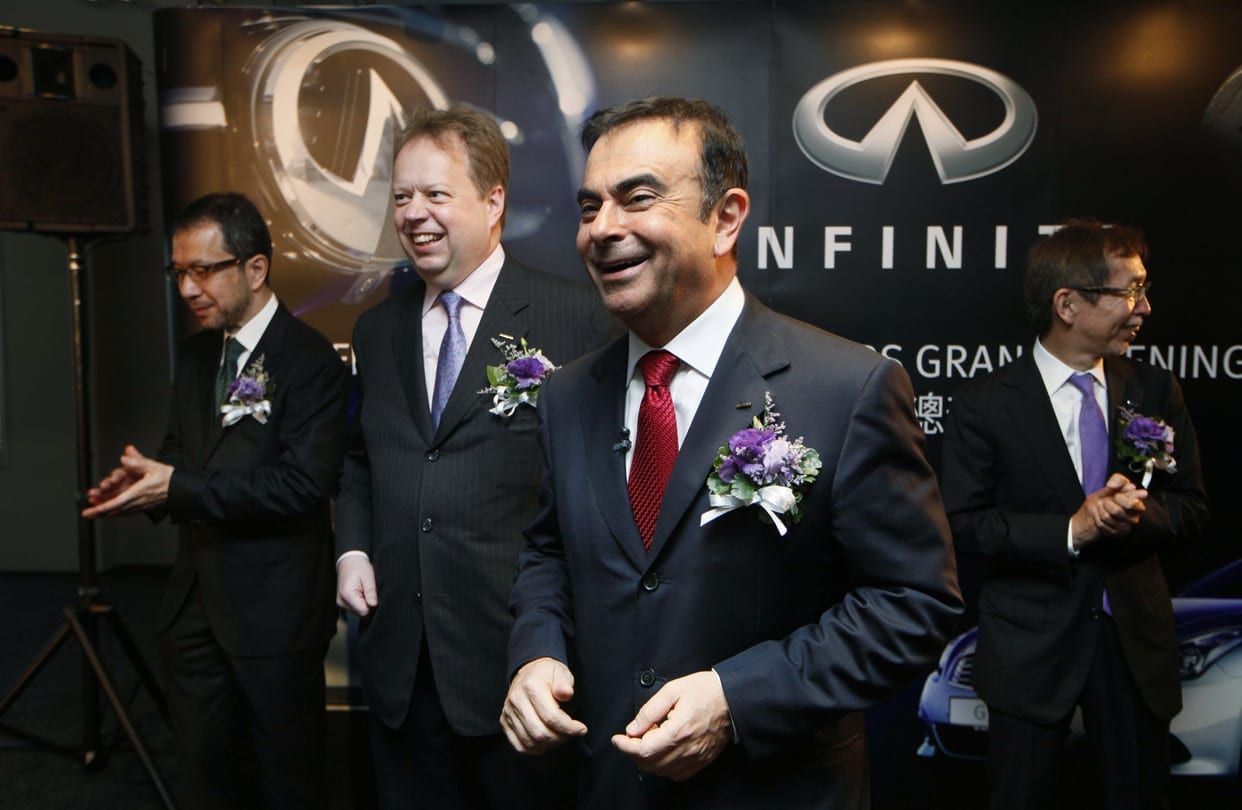
    Japanese carmaker Nissan Motor Co. plans to transform its upscale Infiniti brand of vehicles into a primarily electrified offering, Chief Executive Hiroto Saikawa said on Tuesday.

    All new Infiniti models launched from 2021 will be either electric or so-called “e-Power” hybrids, Saikawa told the Automotive News World Congress in Detroit.

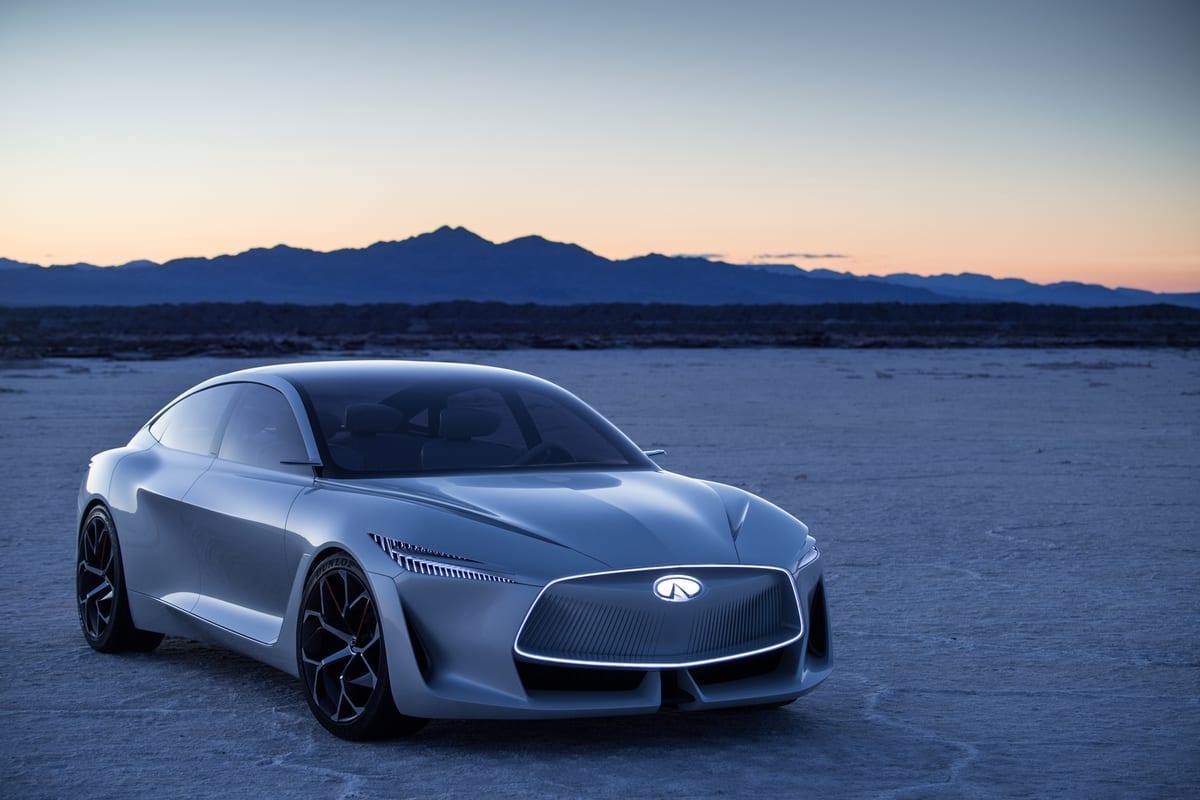
    The announcement revives plans for a luxury electric offering that Nissan first touted with a 2012 Infiniti show car, but later scrapped over profitability concerns. That left the road clear for Tesla’s (TSLA.O) Model S, introduced the same year.

    “We are going to make Infiniti the premium and highly electrified brand,” Saikawa said on Tuesday.

    Nissan and alliance partner Renault (RENA.PA) took an early lead in battery-powered cars with models such as the 2011 Leaf, still the world’s top-selling electric vehicle.

    However, Tesla has hogged the limelight in recent years, while German carmakers are leading a $90 billion wave of investment in electric and plug-in hybrid cars.

    Nissan dropped the earlier electric Infiniti program in mid-2014 over concerns it would threaten the financial goals in its “Power 88” mid-term plan, according to people involved in those discussions. The company ended up missing its 8 percent margin target anyway, in fiscal 2017.

    Nissan is one of a number of Japanese carmakers seeking to jump-start a higher-end brand. Toyota (7203.T) is launching a revamped Lexus LS flagship, while Honda (7267.T) has been redesigning its Acura line in the hope of boosting sales.

    In the United States, Infiniti’s sales rose 11.3 percent last year in a light vehicle market that was down 1.5 percent overall, while Acura deliveries fell by 3.9 percent and Lexus by 7.6 percent.

  • Global Electric Vehicle Market to Reach 10.8 Million Units by 2026

    Global Electric Vehicle Market to Reach 10.8 Million Units by 2026

    Increasing global concerns regarding the negative effect of climate change along with alarming pollution levels recorded in the major cities have created a demand for electric vehicles. A major factor behind the growth of electric vehicles is the support provided by various governmental agencies to encourage the sale of these vehicles.

    Furthermore, the well-established road infrastructure network has further aided the market for these vehicles, with charging points available more frequently on the civilian roads. Today, electric vehicles have transformed from an experimental mode of vehicle to a necessity, with automakers worldwide putting in efforts to make EVs available in all the economic ranges. This is evident from the meteoric rise in its sales over the last five years, with over 2 million electric vehicles on the road at present, as compared to a few thousands back in 2012.

    With number of initiatives and product developments taking place, it won’t be long before EVs occupy a significant share of the global automotive market. The market in terms of volume is estimated to witness growth at a CAGR of 28.3% over the period of 2017 to 2026. The report is a compilation of various segmentations including market breakdown by propulsion type, component type, vehicle type, and different geographical regions.

    The report provides a detailed market analysis and forecast with respect to different propulsion types in the electric vehicles market which are Battery Electric Vehicle and Plug-in Hybrid Electric Vehicle (PHEV). On the basis of component, the electric vehicles market is segmented into battery, motor, and regenerative brake. While highlighting the key driving and restraining forces for this market, the report also provides a detailed study of the different vehicles that are analyzed, which include passenger and commercial vehicles.

    The report addresses the following key questions about the global electric vehicles market:
    • What is the global electric vehicles market size in terms of volume in the period 2017-2026?
    • Which is the dominant propulsion type by volume for the global electric vehicles market?
    • Which is the dominant vehicle by propulsion type in terms of volume in 2016?
    • What is the revenue generated by the different components in the global electric vehicles market in the period 2017-2026?
    • What is the revenue generated by the different components for different propulsion type in the global electric vehicles market in the period 2017-2026?
    • Which vehicle type will lead by volume in the global electric vehicles market by the end of the forecast period?
    • What are the different factors driving the market forward in the forecast period?
    • What are the major factors challenging the growth of global electric vehicles market?
    • Which type of new strategies are being adopted by the existing market players to make a mark in the industry?
    • Which region will lead the global electric vehicles market by the end of the forecast period?

    The report includes an exhaustive analysis of the geographical split into North America (the U.S and Canada), Europe (Germany, the U.K, France, Netherlands, and Norway), and Asia-Pacific (China, Japan, and South Korea). Analysis of each of the geographical regions details the individual push and pull forces in addition to the key players from that particular region.

    The report examines the role of the leading market players involved in the industry. The company profiles section includes highlights of significant information about the key companies involved, along with their financial positions, key strategies & developmental activities of recent years (2014-2017).

    Some of the key players are Tesla Inc. (U.S.), BYD Company Limited (China), Volkswagen AG (Germany), Nissan Motor Corporation (Japan), and Mitsubishi Motors Corporation (Japan). EV components manufacturers such as Samsung SDI (South Korea), Automotive Energy Supply Corporation (Japan), LG Chem. (South Korea), Panasonic Corporation (Japan), and Continental AG (Germany).

    Executive Summary
    The automobile industry is one of the fastest-growing industries in the manufacturing sector. Intense global competition along with consumer preference driven innovation have been crucial factors driving the industry.

    However, the growing demand of and subsequent increase in the number of vehicles have contributed majorly to the depletion of non-renewable resources and deterioration of the earth’s atmosphere. A steep rise in the conventional fuel vehicle sales along with global population and urbanization has brought with it some serious concerns such as global warming and alarming pollution levels. There are innumerable issues that are plaguing the planet and the natural resources (especially fossil fuels) are declining at a rapid pace.

    This has consequently led the governments, environmental agencies, and automobile manufacturers to develop modes of transport that run on alternate means. Electric vehicles are considered the most desirable option of all the alternative forms of vehicles. The support of the governments of various nations and revolutionary developments by the automakers can be credited for the growing prominence of Electric Vehicles in the automobile industry.

    Several countries have pledged to ban the sale of gasoline-powered vehicles within the next two decades, with many others to follow. The Electric Vehicle Initiative launched in 2010 by some of the major countries across the globe is one of the many initiatives undertaken that are accelerating the growth rate of the market for EVs on a global scale.

    The report defines and estimates the market size in terms of volume and the section on electric vehicle components market size has been provided in terms of value. The global electric vehicles market is estimated to reach 10,761.42 thousand units by 2026. The market is driven by a number of factors such as stringent governmental regulations in terms of emissions and fuel economy, growing demand for fuel efficient vehicles, and governmental initiatives such as tax benefits and subsidies to promote the sales of electric vehicles. However, there are certain challenges which are inhibiting the overall growth for the global electric vehicles market such as high initial cost and time required to charge the electric vehicles.

    The global electric vehicles market has been fundamentally benefiting from the changing paradigms in governmental regulations and increasing environmental awareness among the consumers. BEVs held the highest market share in 2016 in terms of volume and is expected to grow at a higher growth rate as compared to PHEV.

    BEVs produce no pollution when being driven, as there is no gasoline interaction which means tailpipe pollution is zero. Factors such as improved charging infrastructure, governmental initiatives, and increased range are expected to propel the market growth for BEVs.

    Battery held the maximum share in the market and accounted for 68.8% share in 2016. Battery is the most important component of an electric vehicle and is used to power the main propulsion system.

    While a battery serves as the primary source of power in Battery Electric Vehicles (BEVs), it works in tandem with a combustion engine in PHEVs and other conventional hybrids. The battery makes up substantial cost of an electric vehicle owing to its high price.

    The electric passenger cars held the highest share in the market in 2016 in terms of volume and is also expected to grow at a higher rate as compared to commercial vehicles. Factors such as governmental initiatives, urbanization, and increasing disposable income is responsible for such a gigantic share of electric passenger cars. A major factor expected to play the key role in the development of passenger electric vehicles is the development of adequate road infrastructure for easing the adoption of these vehicles.

    This report also covers the global electric vehicles market, by geography and consequently provides the volume of the key regions which include North America, Europe, and Asia-Pacific (APAC). APAC dominated the global electric vehicles market by volume in 2016.

    The APAC automotive electric vehicles market is mainly dominated by the South Asian countries comprising of some of the biggest automotive producers in the world. The automotive market in the APAC region is growing rapidly, and the development of electric vehicles is gaining attention due to a collective effort from the government and manufacturers to initiate reforms and develop technologies which will promote the sale of these vehicles and make them economically efficient to use.

    Some of the key players in the electric vehicles market are Tesla Inc. (U.S.), BYD Company Limited (China), Volkswagen AG (Germany), Nissan Motor Corporation (Japan), and Mitsubishi Motors Corporation (Japan). EV components manufacturers such as Samsung SDI (South Korea), Automotive Energy Supply Corporation (Japan), LG Chem.

    (South Korea), Panasonic Corporation (Japan), and Continental AG (Germany). These companies are aiming for an increased number of product launches and collaborations to expand their operations and prevent new companies from becoming potential future competitors.