Retail News CRM

Tag: nissan

  • Nissan’s premium brand Infiniti sells 230,000 vehicles in 2016

    Nissan’s premium brand Infiniti sells 230,000 vehicles in 2016

    Nissan Motor’s premium brand Infiniti sold more than 230,000 vehicles globally in 2016, a 7 percent annual rise, Infiniti said on Wednesday, a record year for a marque that trails rivals in the increasingly crowded premium market.

    The brand distantly lags German luxury competitors like BMW, which can sell almost as many vehicles in a single month, and second-tier luxury leaders like Toyota’s Lexus, which sells at least twice as many cars each year.

    Infiniti annual sales grew 4 percent year-on-year in the United States, its largest market, to more than 138,300, while China sales rose 3 percent to 41,590.

    In December, Infiniti sold 27,200 vehicles globally.

  • Nissan halts joint development of luxury cars with Daimler

    Nissan halts joint development of luxury cars with Daimler

    Nissan is halting joint development of luxury cars with Daimler’s Mercedes-Benz, sources close to the companies told Reuters, suspending a key project in their seven-year partnership and potentially hitting profitability at a new shared factory in Mexico.

    Nissan (7201.T) decided in October its premium Infiniti brand would not use “MFA2”, an upgraded Daimler (DAIGn.DE) car platform that the companies have jointly funded, in part because Infiniti was not performing well enough to absorb Mercedes technology costs, the sources said.

    “It wasn’t possible to close a deal on the basis of MFA2,” said one of the people. “The targets set by Infiniti were too difficult to achieve.”

    The move could reduce efficiency at a $1 billion shared factory opening this year in Aguascalientes, Mexico, where the companies had planned to use the same compact car architecture to cut complexity and production costs, two of the sources said.

    It could also ultimately force Nissan to write down part of a 250 million pound ($306 million) investment at its UK plant that included Mercedes-based tooling, they added.

    Daimler and Nissan pursue joint programs only when “beneficial for both sides”, the companies said in separate statements to Reuters, without directly addressing emailed questions about their plans for MFA2 vehicles.

    Projects are constantly reviewed against targets to account for “developments beyond the control of management”, they added, and discussions about joint development of future premium compact cars are ongoing.

    Nissan’s decision deals a blow to the broad cooperation deal struck between Renault-Nissan boss Carlos Ghosn and his Daimler counterpart Dieter Zetsche in 2010.

    It also underscores the mixed results of Nissan’s battle over almost three decades to transform Infiniti into a significant global player in the lucrative luxury car market.

    The decision predates Donald Trump’s election as the next U.S. president, the sources said, and was unrelated to campaign vows to penalize Mexican imports that have rattled the auto industry. Ford (F.N) on Tuesday scrapped a planned compact car plant in the country.

    Nissan and Daimler are pushing ahead with Aguascalientes, where they will build Infiniti and Mercedes models for the U.S. and other markets from a single assembly line opening in 2017.

    The project nonetheless faces weakening U.S. demand for smaller cars that contributed to Ford’s cancellation and has further raised profitability hurdles for new Infiniti compacts.

    Persistently low oil prices accelerated the market shift to larger vehicles in 2016, Ford sales chief Mark LaNeve said on Wednesday. “All the growth was SUVs and trucks.”

    PREMIUM STRUGGLE

    Infiniti has struggled outside the United States, last year selling 16,000 vehicles in Western Europe and 230,000 globally – less than 5 percent of Nissan’s overall tally and barely one-tenth of Mercedes’s expected 2 million deliveries.

    The first Infiniti appeared in 1989, the same year as the launch model for Toyota’s (7203.T) upscale Lexus brand – which has since grown three times bigger by sales.

    Modern carmakers pursue economies of scale by increasing the number of models built on each underlying platform – an adaptable chassis accommodating different body sizes, engines and alternative component sets for every part of the vehicle.

    The retreat on luxury compacts leaves intact the sharing of engines between Infiniti and Mercedes, and small cars between Renault and Daimler’s Smart. The three groups also collaborate on vans and pickups.

    But joint premium car development for Mexican production was “one of the largest projects between the Renault-Nissan alliance and Daimler”, Ghosn said when unveiling the program in 2014.

    A year later, after upgrading its plant in Sunderland, England, Nissan began building the Infiniti Q30 hatchback on the current MFA architecture developed for the Mercedes A-Class and derivatives. The plant added the QX30 SUV in 2016, extending Infiniti’s push into smaller vehicles.

    Nissan has now ditched plans to use the updated Mercedes platform for successors to those models planned for Aguascalientes, the sources said – or for any future Infinitis. Other cancellations include a compact Mercedes-based Infiniti Q40 sedan earmarked for the plant in 2018.

    Instead the single, less efficient assembly line will build Mercedes cars including an A-Class sedan and subsequent mini-SUV alongside Infiniti vehicles based on Renault-Nissan architecture, starting with a new QX50 SUV this year.

    PRICING POWER

    Nissan was forced to conclude that the Infiniti brand would not command the higher prices required to turn a profit on vehicles stuffed with Mercedes technology, one source explained.

    “One of the lessons learned is that if you have the costs of a luxury vehicle but not the pricing, it’s hard to be profitable,” he said.

    Nissan may end up writing down some Sunderland investment in Mercedes-based tooling that had been intended to outlast the current Q30 and QX30, people with knowledge of the matter said.

    The company is still paying its share of MFA2 development costs running to hundreds of millions of euros for a platform it no longer plans to use, they said, but will leave Daimler with a higher share of some production costs in Aguascalientes.

    The setback may also show the limits of Ghosn’s consensual approach to economies of scale as head of both Renault (RENA.PA) and Nissan, whose 18-year-old alliance is underpinned by significant cross-shareholdings.

    The slow pace of integration has contributed to upheaval at the recently created alliance powertrain division, charged with converging Renault and Nissan engineering.

    Plans to build Infinitis on Mercedes technology had encountered resistance at Nissan from the start, one source said. “Once again, Ghosn has been unable to break through the wall of engineers to force commonality.”
  • South Korea to disallow sales of some Nissan, BMW and Porsche models

    South Korea to disallow sales of some Nissan, BMW and Porsche models

    South Korea said on Tuesday it plans to disallow sales of two Nissan Motor Co Ltd, one BMW AG and three Porsche AG car models after finding errors in certification documents for the car makers’ imported models.

    South Korea’s environment ministry said in a statement it also plans to fine the local units of the foreign car makers a combined 6.5 billion won ($5.56 million) after finding certification errors in two Nissan, one BMW and seven Porsche models.

    Out of the seven Porsche models, four have discontinued sales, the ministry said.

    The decisions on the sales halt and fines will be finalised in December after a hearing, the environment ministry said.

    The ministry announced the results of a probe into whether foreign car makers besides Volkswagen AG falsified documents for certification, following a similar finding on Volkswagen earlier this year.

    A Nissan Korea spokesman said the company plans to cooperate with the environment ministry and clarify its position in the hearing.

    Spokespersons for BMW and Porsche could not be immediately reached for comment.

  • AEON Your Cash awards Nissan March to lucky winner

    AEON Your Cash awards Nissan March to lucky winner

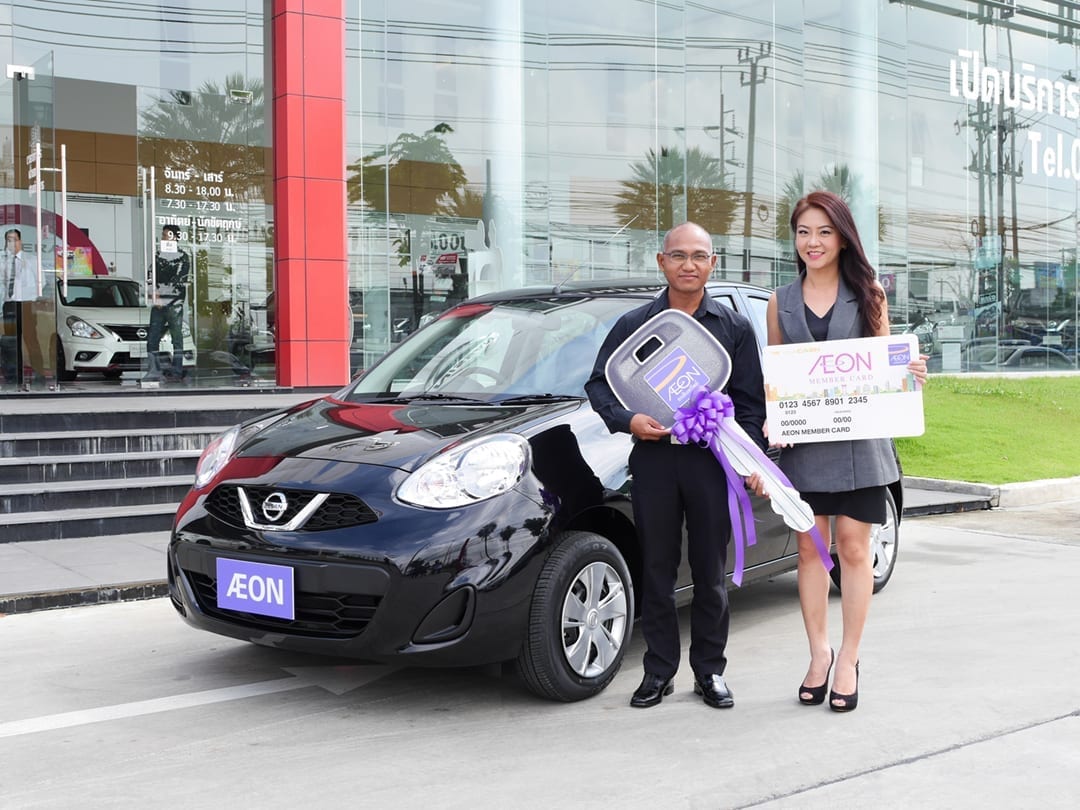
    Saranya Pipoppinyo (right), Vice President Marketing of AEON Thana Sinsap (Thailand) Public Company Limited, hands over keys to a Nissan March, valued at 451,000 baht, to Suthit Saisuwan from Sisaket, the lucky winner of the grand prize from the AEON Promotion Your Cash Car Lucky Draw campaign which had run from July 1 to September 30.

  • Nissan expects sales growth to slow in China, U.S. in near term

    Nissan expects sales growth to slow in China, U.S. in near term

    Nissan Motor Co Ltd on Monday said its sales growth in the world’s two biggest auto markets is likely slow in the near term as consumer tax breaks end in China while U.S. tastes move away from the automaker’s main area of focus.

    Japan’s second-biggest automaker by sales, which earlier blamed a strong yen for a 19 percent drop in second-quarter profit, made the comments after growth in Chinese and North American retail vehicle sales outperformed many markets in April-September.

    Sales in China in the six-month period grew 3.8 percent from a year prior, and Nissan’s head of operations in the country, Jun Seki, expects double-digit sales growth for calendar 2016, aided by economic incentives aimed at stimulating demand.

    “But as the government’s small-car subsidies wind down at the end of the year, we’re expecting to see a slowdown in sales early next year, and see single digit growth for the year,” Seki told reporters at Nissan’s Yokohama headquarters via telephone.

    Nissan also said recent growth in China’s auto market was due mainly to rising demand for local brands. In response, the automaker said it would further promote its China-only Venucia brand.

    The automaker sells almost a quarter of its output in China, and around 40 percent in North America.

    Its North American retail vehicle sales rose 5.4 percent in April-September. But it said demand growth was peaking and that any additional growth had been limited by its dependence on sales of sedans, at a time when low fuel prices had boosted demand for petrol-guzzling sport utility vehicles.

    Aggressive buying incentives for its sedans had also crimped profit margins, Nissan said.

    The automaker on Monday nevertheless kept its operating profit forecast at 710.0 billion yen ($6.80 billion) for the year through March, down 10.5 percent from a year prior, and said it continues to expect sales of 5.6 million vehicles.

    It also said it still expects the domestic currency to average 105 yen to the U.S. dollar and 120 yen to the euro.

    Earlier, Nissan said yen strength was responsible for July-September operating profit falling 19 percent to 163.9 billion yen – a result that still beat the 154.5 billion yen average of 10 estimates from analysts surveyed by Thomson Reuters I/B/E/S/. For April-September, profit fell 14 percent.

    Nissan raised its exposure to the strong yen at the start of the business year in April as it has been exporting its Rogue SUV crossover model from Japan to North America to meet demand.

  • Japan’s Nissan to sell parts maker Calsonic Kansei to KKR

    Japan’s Nissan to sell parts maker Calsonic Kansei to KKR

    Nissan Motor Co has decided to sell its entire stake in Japanese auto parts maker Calsonic Kansei Corp to U.S. private equity firm KKR &Co as part of a $3.8 billion takeover, the Nikkei daily reported, without citing its sources.

    KKR then will try to buy the remaining shares in Calsonic from other shareholders through a takeover bid, bringing the total deal to as large as 400 billion yen ($3.80 billion), the report said.

    Bain Capital and MBK Partners were also bidding to buy the auto parts maker, which has a market value of about 280 billion yen, Thomson Reuters LPC had reported earlier.

    Trading of Calsonic Kansei was suspended by the Tokyo Stock Exchange on Friday morning. A Calsonic Kansei spokesman said the company had not announced a sale to KKR.

  • Nissan Philippines opens new Sucat dealership

    Nissan Philippines opens new Sucat dealership

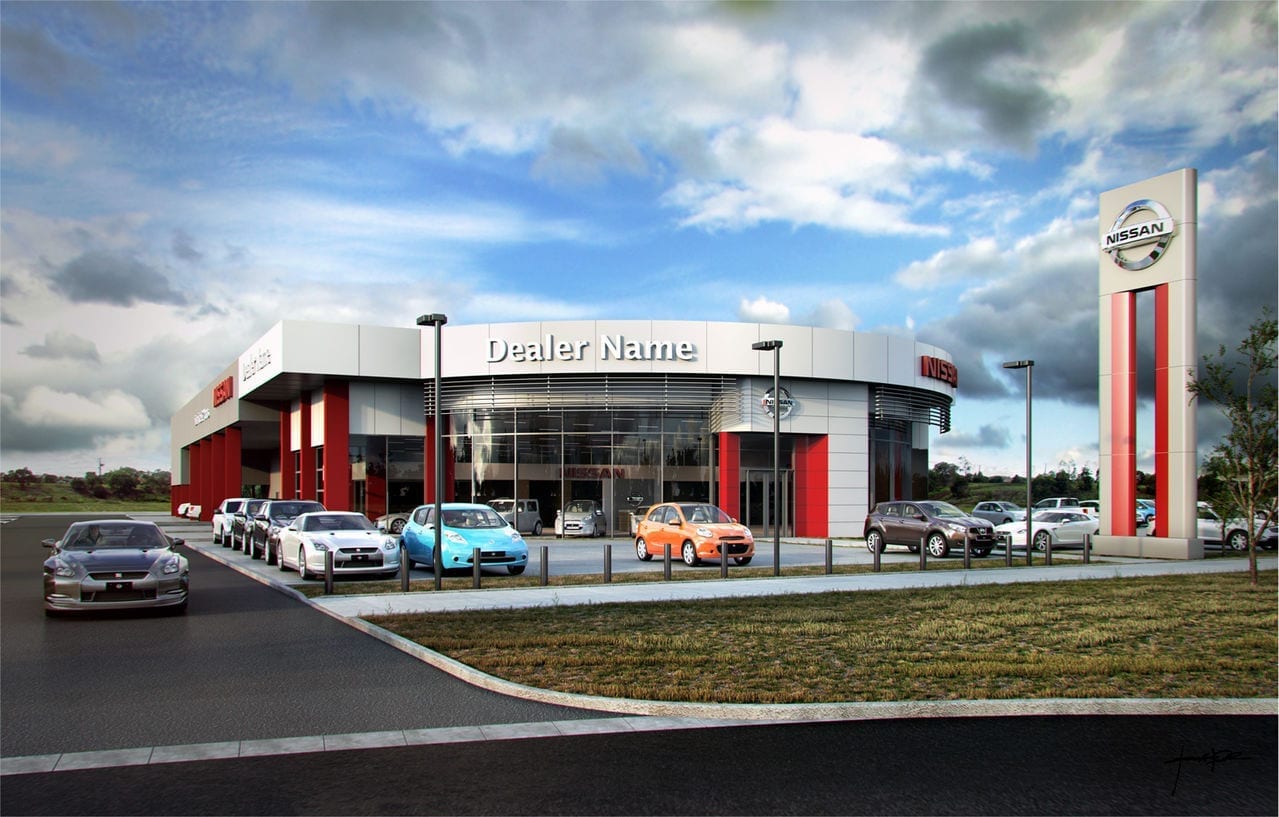
    Nissan Philippines Inc. (NPI) continues to expand their dealer network in the country with the opening of their latest showroom in Paranaque. Located along the stretch of Dr. A. Santos Avenue, the new Nissan Sucat dealership features the brand’s new global retail visual identity called Nissan Design Initiative (NREDI) 2.1.

    “This new visual identiy is intended to become more inviting to our customers and at the same time showcase Nissan cars at its most attractive and exciting way. It also gives our dealers a fresh, new look that projects a reinvigorated, stronger Nissan,” said Ramesh Narasimhan, NPI president and managing director.

    According to Nissan, NREDI 2.1 aims to unify different markets / dealerships under one visual identity. Its philosophy centers on enchancng the Nissan customer experience through premium comfort and innovative services.

    nissan

    Managing the new dealership is Tetra sales and Services Inc. (TSSI), who considers the opening of the new dealership a major milestone for Nissan and their company.

    “With the implementation of NREDI 2.1 for the first time under our group, we at TSSI are proud to continue upholiding the driving spirit of innovation and excitement that is inherent in the Nissan DNA. We are also proud to say that, as the largest dealer group, we are committed to help boost a stronger consumer trust and confidence for the Nissan brand,” said Felix Limcaoco III, TSSI president.

    felix-k

    The new showroom, according to the company, is twice the size of a normal dealership with a total area of 781 square meters. It gets a variety of consultation areas along with a spacious lounge with a bar. Also present is an exclusive delivery area where clients can receive their brand-new car for the first time.

    The new Nissan Sucat Dealership is located at 8390 Dr. A Santos Ave., BF Homes, Paranaque City

  • Nissan recalls 932 units of Datsun redi-Go in India

    Nissan recalls 932 units of Datsun redi-Go in India

    Japanese auto major Nissan is recalling 932 units of entry level car redi-Go from its Datsun brand in India to fix faulty fuel system.

    “Datsun is conducting a voluntary recall campaign on certain India-manufactured Datsun redi-GO vehicles to inspect the fuel hose and fix a clip at no cost to the customer,” Nissan Motor India said in a statement.

    Datsun will start notifying affected owners from this month.

    The recall will affect units manufactured till May 18, 2016, a company official said.

    The redi-GO hit the market on June 7 this year and has sold over 14,000 units.

  • Nissan returns to Japan’s most exclusive address

    Nissan returns to Japan’s most exclusive address

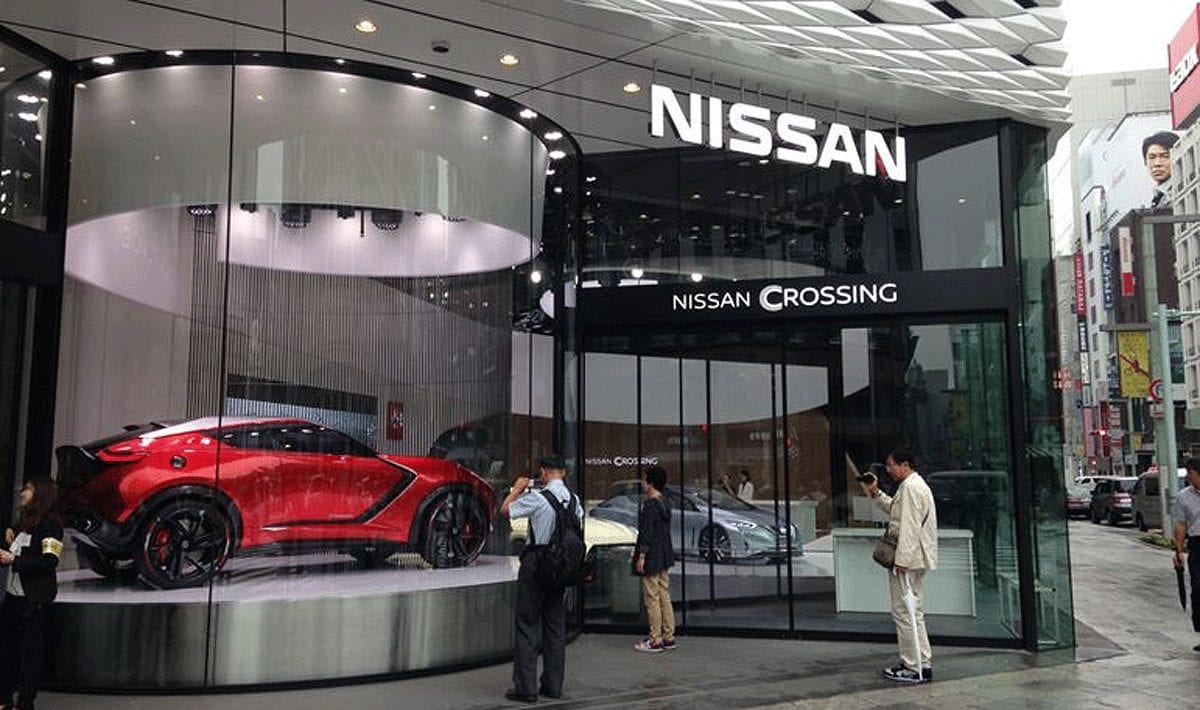
    Nissan Motor Co.’s flagship showroom has returned to Japan’s most exclusive, priciest address — Tokyo’s glitzy Ginza district, flush with department stores and geisha clubs.

    A sleek new two-story showroom sits at the shopping district’s main neon-soaked intersection, with the brand’s signature models such as the GT-R sports car and Leaf electric vehicle looking down on the well-heeled throngs through floor-to-ceiling glass walls.

    Nissan is back at the landmark locale after a two-year hiatus.

    Japan’s No. 2 automaker had had a showroom at the intersection since 1963, when models of a different kind — women in swimsuits — helped christen the gallery and show off the Fairlady 1500 convertible then on display. Nissan later moved across the street to another building owned by Sapporo Beer, which still manages the property.

    The showroom was shuttered in 2014 to renovate the entire building. Nissan offered a sneak peek of the new digs to journalists Friday, ahead of its public opening this weekend.

    Reborn as “Nissan Crossing,” the revamped gallery boasts two floors of displays featuring concept cars such as the IDS Concept and more pedestrian fare such as the Serena family van.

    The goal is to showcase how Nissan is repositioning of itself as a global leader in next-generation mobility, from EVs to self-driving cars. The Serena, for example, is the first vehicle featuring Nissan’s new ProPilot semiautonomous driving technology.

    To make sure passersby don’t miss the cars, the picture-window facade embedded with LED lights grabs their attention with colorful light shows. Once inside, Nissan invites them to stay awhile at a trendy cafe, where visitors can indulge in custom latte art that features cocoa-powder images of their own face dusted on top of their foamed milk.

  • Renault, Nissan buy French tech firm to develop mobility apps

    Renault, Nissan buy French tech firm to develop mobility apps

    Renault SA and Nissan Motor Co announced on Tuesday they would buy French software development company Sylpheo as they compete with global automakers and tech firms to develop new services including ride hailing and car sharing.

    The French and Japanese automakers said that the acquisition, under which they would absorb Sylpheo’s 40 engineers and consultants, would boost their software development and cloud engineering expertise.

    “The Sylpheo team of software developers and cloud engineers joining the Alliance will have a unique opportunity to work on our next generation of connected cars and other advanced technologies,” said Ogi Redzic, Renault-Nissan’s senior vice president of Connected Vehicles and Mobility Services.

    “They will be playing a critical role in this new era of tremendous change for the global auto industry.”

    Automakers from Toyota Motor Corp (7203.T) to General Motors (GM.N) have been investing in software firms and mobility start-ups to position themselves for the rise of autonomous driving, ride-sharing and other connected services which threaten the traditional vehicle ownership model that has dominated the past century.

    Sylpheo will develop the applications for the alliance’s connected car service platform, a Renault spokeswoman said. She said the acquisition was part of the alliance’s recruitment push to hire 300 technology experts to better compete in the fast-growing mobility services sector.

    These services will be integrated with autonomous driving technologies. In July, Nissan launched a suite of semi-autonomous driving functions in one of its Japanese minivan models which enables the vehicle to drive on single lane motorways and navigate congestion.

    The two companies plan to launch more than 10 vehicles with autonomous drive technology by 2020. Nissan is aiming to develop autonomous multiple-lane driving functions, including lane changes, by 2018, and functions for full urban driving, including intersection turns, by 2020.

  • Thai auto sales pose dilemma for Vietnam

    Thai auto sales pose dilemma for Vietnam

    Statistics from the General Department of Vietnam Customs show that the foreign sector controls roughly 80% of the local car and automobile (excluding motorbike) retail market with a sales volume eclipsing all of Southeast Asia.

    thai auto sales pose dilemma for vietnam hinh 0

    Auto distributors and original equipment manufacturers (OEMs) based out of Thailand hold the largest share of the retail market followed by the Republic of Korea (RoK) and China in descending order of magnitude.

    Compared to Vietnam, Thailand’s success at attracting top brands the likes of Ford, Toyota, Honda and Nissan, is in large part attributable to the countries more favourable tax structure.

    Taxes and fees account for up to 50% of the final sales price of a vehicle manufactured in Vietnam, a figure that is more than 20% higher than the comparable taxes and fees charged in Thailand.

    Prior to the emergence of the ASEAN Economic community (AEC) the Vietnam government was able to regulate the local auto industry via the imposition of import tariffs and local taxes as appropriate.

    However, with the arrival of the AEC at the beginning of 2016 and the elimination of import tariffs pursuant to the ASEAN Trade in Goods Agreement, Thai auto sales in Vietnam have shot up rapidly.

    Under the agreement, the import tax on automobiles from Thailand and other ASEAN members – Myanmar, the Philippines, Malaysia, Singapore, Laos, Indonesia, Cambodia, Brunei and Vietnam – have dropped by 40-50% in 2016.

    They will continue to fall by another 30% in 2017 and be eliminated entirely by the end of 2018.

    Meanwhile, the Vietnam government has not concurrently reduced the taxes and fees on local manufacturing of autos and this explains, in large part, why vehicles produced in Thailand are less expensive.

    Notably, Thailand also has more than 2,000 OEMs, which has aided the country’s rise to become the biggest hub for auto and part exports not only to Vietnam but the entire Southeast Asian region.

    Without a doubt, say many leading experts, after 2018, the complete roll back of the import duty will put ownership of an automobile within reach of the majority of Vietnamese citizens.

    This, they say, could lead to explosive sales growth and a myriad of adverse consequences for the nation.

    It’s problematic because its puts excessive pressure on the public transport infrastructure, overburdens traffic systems and potentially threatens traffic congestion that would choke off commerce.

    Not to mention the threat to public health brought about by pollution and auto accidents, they say, noting the elevated need for the government to advocate strongly for effective policies that reduce auto use throughout the nation.


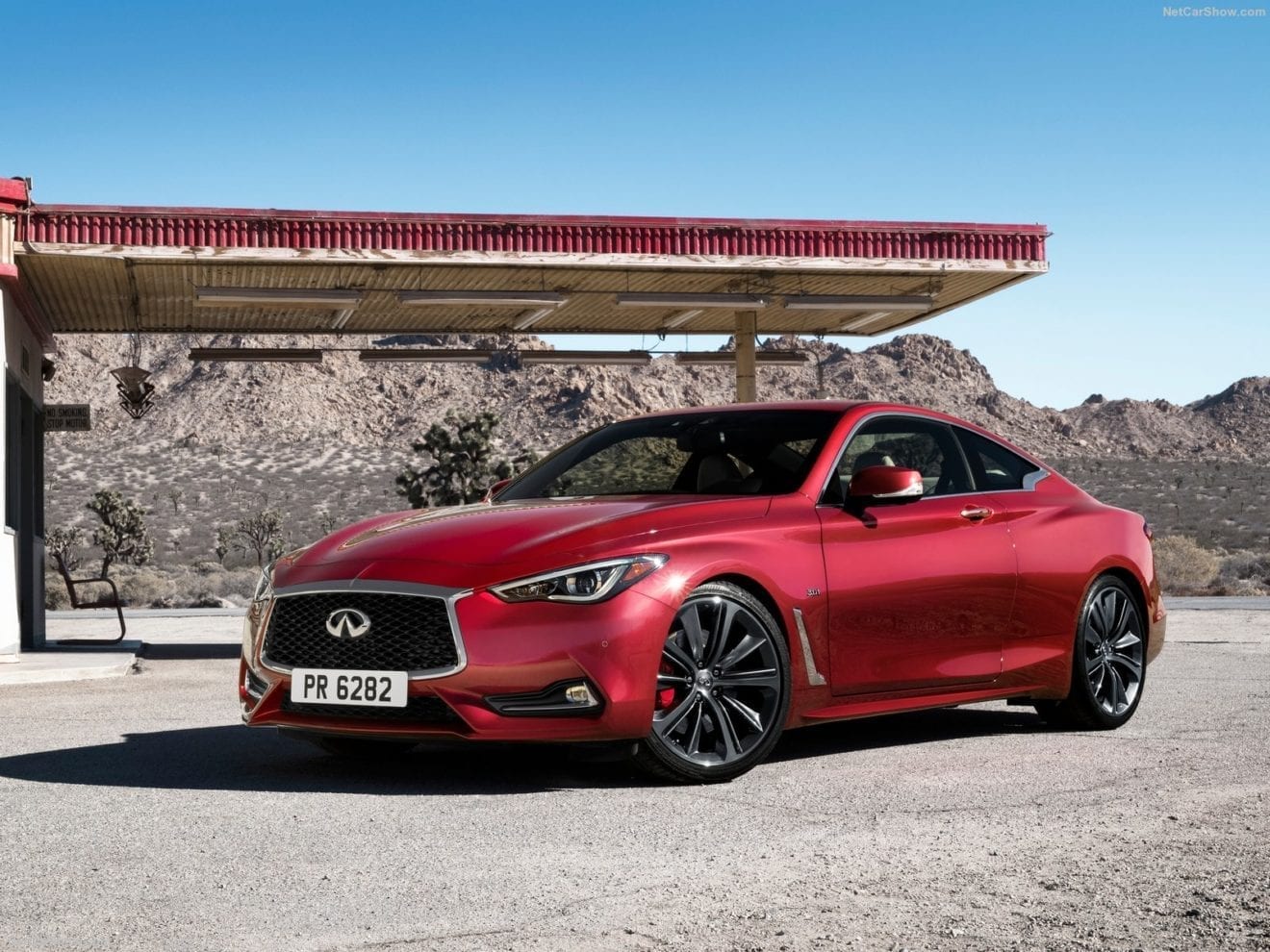
  • Nissan starts new Infiniti Q60 sports coupe production

    Nissan starts new Infiniti Q60 sports coupe production

    Japanese automobile manufacturer Nissan Motor Company has started production of the all-new Infiniti Q60 sports coupe at the company’s manufacturing facility in Tochigi, Japan.

    The Tochigi plant has been producing Infiniti vehicles since the brand was launched in 1989. To meet the requirements of the new model, a series of upgrades have been made to the production line, and innovative manufacturing processes have been introduced.

    To enhance quality control, a new lighting system for the inspection process and a camera and video system on the assembly line have been introduced. In a world’s first application, the trunk lid feature for Q60 is a hybrid combination of a resin skin on a steel frame.

    One major enhancement to the Tochigi facility is a new dedicated paint booth, which has been installed solely to allow production of Q60’s new “Dynamic Sandstone Red” paint finish. The glossy, deep red finish requires a new painting set-up, using a combination of machinery and manual processes developed by Infiniti’s most senior coating experts.

    Tochigi’s 216 highly-skilled Takumi (master craftsmen) were picked from the plant’s 4,500-strong workforce to work on the Infiniti production line. Takumi work across every section of the Q60’s production line, including stamping, body shop, paint, assembly and quality assurance.

    From the Takumi employed to work on Infiniti production, a further 6 Meister Takumi are selected – those with the highest understanding of premium car production and the desires and expectations of Infiniti’s customers.

  • Nissan seeks to boost South Korean output on post-Brexit yen surge

    Nissan seeks to boost South Korean output on post-Brexit yen surge

    Nissan Motor wants to increase the output of its Rogue model at Renault’s factory in South Korea this year, as a stronger yen makes exports from Japan less competitive, a Renault executive told Reuters.

    The yen has jumped 20 percent against the dollar this year in the wake of Britain’s decision to leave the European Union, pressuring Japanese exporters. The South Korean won rose 7.4 percent against the dollar this year.

    “We have got a request to boost Rogue production by 8,000 vehicles this year,” Renault Samsung Motor Chief Executive Officer Park Dong-hoon told Reuters, adding that the company was reviewing whether it would be able to meet the additional demand.

    He added that Nissan Motor previously targeted output of 125,000 Rogue vehicles in South Korea this year.

    Rogue is Nissan Motor’s top-selling sport utility vehicle in the United States, with sales jumping 14 percent to 182,181 from January to July this year from a year earlier.

    Nissan Motor currently produces Rogues in South Korea, Japan and the United States.

  • South Korea says Nissan manipulated emissions, plans fine and recall

    South Korea says Nissan manipulated emissions, plans fine and recall

    outh Korea said that Nissan Motor had manipulated emissions on a diesel sport utility vehicle and that it planned to fine the automaker as well as sue the head of its Korean operations.

    The government said the Japanese automaker had used a so-called defeat device that helps a vehicle’s emissions management system turn off during regular driving conditions.

    Nissan denied any wrongdoing.

    “Nissan Motor has never illegally manipulated any vehicles we have produced so far and used defeat devices in those cars,” the automaker’s Korea unit said in a statement.

    The South Korean environment ministry said it planned to fine Nissan 330 million won ($279,920) for manipulating emissions on its Qashqai SUV. It will also order a recall of the 814 Qashqai vehicles sold in the country so far.

    South Korea conducted tests on 20 diesel vehicles, after finding in November that Germany’s Volkswagen AG had falsified emissions tests.

  • Nissan plans to establish 300 dealerships in India by March 2017

    Nissan plans to establish 300 dealerships in India by March 2017

    Japanese car maker Nissan is gearing up to launch “Datsun redi-Go” in the entry level segment and was on course to establish 300 dealerships in the country.

    “We are gearing up to launch Datsun redi-Go, which will compete in the entry level car segment of the Indian market. With redi-Go, Datsun is pioneering a new segment – Urban Cross, combining the best of a hatchback and a cross over”, President of Nissan India Operations, Guillaume Sicard said.

    “As we expand our dealership footprint we are on course to meet our target of establishing 300 dealerships by end of March 2017 across the country,” he said here today.

    At present the company has 218 dealers across 165 cities, Sicard said, adding with new dealerships the company would cover 90 per cent of customers and “enable them with easy and immediate access to committed sales and after sales services”.