Retail News CRM

Tag: Payment

  • PPRO Grows in Indonesia

    PPRO Grows in Indonesia

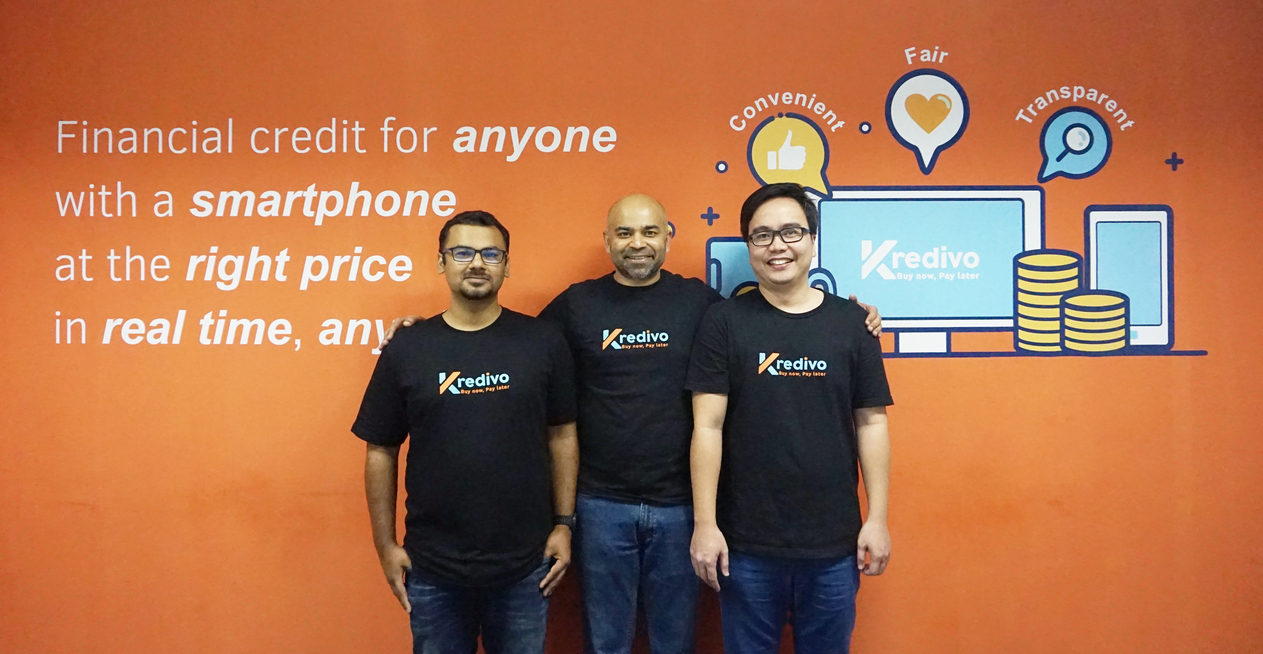
    The payments infrastructure provider has announced the integration of Indonesian buy now pay later (BNPL) pioneer Kredivo to its platform.

    PPRO is partnering with Kredivo – one of Indonesia’s largest and fastest-growing digital credit platforms – to allow more merchants to reach a large pool of underbanked or unbanked Indonesians.

    The integration is a cooperation between PPRO, Kredivo, and DOKU, a leading payment technology company, and enables PPRO to offer the increasingly popular BNPL payment option, as well as split payment and flexible instant credit offerings via Kredico.

    Indonesia continues to be recognized as the world’s hottest battleground for digital payments. The addition of Kredivo to our platform is a milestone in our Indonesia expansion, Kelvin Phua, PPRO head of global market development, said.

    Kredivo currently has more than 4 million users in Indonesia, representing over 50 percent of the local BNPL market.

    The news follows the recent announcement of the integration of two of the most popular payment methods in Indonesia, Jenius Pay and LinkAja, to the PPRO platform. Other payment methods on PPRO’s wider global network include Alipay, WeChat Pay, GrabPay, Bancontact, iDEAL, BLIK, and Boleto Bancário. PPRO raised $180 million earlier this year, taking the firm’s total value to over $1 billion.

    Kredivo has also been expanding of late – it inked a partnership with Standard Chartered in October to offer BNPL loans to the mass market segment via digital channels. The company also launched in Vietnam in August through a joint venture. FinAccel, Kredivo’s parent company also announced plans to go public via a $2.5 billion SPAC merger. The firm had raised US$90 million in 2019 during a Series C funding round to double down on its Southeast Asian expansion plans.

  • ZaloPay reports losses of $36.5 mln

    ZaloPay reports losses of $36.5 mln

    Zion JSC, which owns e-payment service ZaloPay, said it racked up losses exceeding VND840 billion ($36.5 million) in the first nine months this year.

    Incurring losses of VND667 billion last year, Zion has heavily invested in boosting ZaloPay coverage, competing with other payment intermediaries in recent years.

    Vietnamese online gaming giant VNG, which holds a major stake in ZaloPay, made revenues of nearly VND5.7 trillion in the first nine months of this year, up more than 28 percent year-on-year, and gross profits of over VND2.7 trillion, up 34 percent.

    VNG, which targets revenues of over VND7.6 trillion this year, up 26 percent against last year, is diversifying business by focusing on payments, artificial intelligence, and cloud computing.

    According to VNG’s 2020 annual report, the number of monthly ZaloPay users quadrupled against 2019.

  • Singapore and India to Link Real-Time Payment Systems

    Singapore and India to Link Real-Time Payment Systems

    The link will facilitate instant, low-cost fund transfers directly from one bank account to another between Singapore and India.

    Singapore will be linking its national e-payments system PayNow to India’s Unified Payments Interface (UPI) by mind-2022, according to an announcement by the Monetary Authority of Singapore on Tuesday.

    This means that users in Singapore will be able to make fund transfers to users in India using a UPI virtual payment address. Transfers from India to Singapore can be made using the user’s mobile phone number.

    The linkage will provide for increased volumes of remittance traffic, multi-entity participation, automation of capital control rules, and enriched message formats to accommodate future innovation by linkage participants, the announcement said.

    As the cost and inefficiencies of remittances between Singapore and India is expected to be substantially reduced, MAS said the link will further anchor the substantial trade, travel and remittance flows between the two countries.

    Earlier this year, Singapore and Thailand connected their payments infrastructures to enable cross-border peer-to-peer transactions of up to S$1,000 or THB25,000 using just their mobile numbers.

  • Gojek-Grab Rivalry Extends to Digital Payments

    Gojek-Grab Rivalry Extends to Digital Payments

    Gojek has joined rival Grab in backing Indonesian state-backed e-wallet company in its Series B funding round.

    Gojek’s joining as a strategic shareholder will provide LinkAja access to the Gojek ecosystem to support LinkAja’s mission in accelerating financial inclusion in Indonesia, LinkAja CEO Haryati Lawidjaja said in a statement.

    As part of the deal, the ride-hailing giant will add LinkAja as a payment option on its app. The strategic investment builds on Gojek’s ongoing collaboration with the e-wallet, which includes payment for transportation and ticket reservation services.

    Formed from a consortium of state-owned enterprises, LinkAja operates an e-wallet and merchant services business focusing on the middle class, and micro, small, and medium-sized enterprise (MSME) segments in Indonesia.

    About 80 percent of its users are from tier 2 and 3 cities, according to LinkAja.

    According to GlobalData, rising Internet penetration, increasing digitalization and the proliferation of websites have been driving the growth of e-wallets in Indonesia, which further rose during the Covid-19 pandemic as customers have turned to alternative payment tools.

    Investments in state-backed entities can be a strategic move to maintain a healthy relationship with the government machinery. Though both Grab and Gojek managed to garner investment positions in LinkAja, Gojek seems to get some home advantage, Aurojyoti Bose, lead analyst at GlobalData, said about the deal.

    Grab, which competes with Gojek for dominance in the digital payments space in Southeast Asia, announced in November 2020 that it had invested $100 million in LinkAja, with participation from Telkomsel, BRI Ventura Investama and Mandiri Capital.

  • ZA Tech Partners to Launch Insurtech in Indonesia

    ZA Tech Partners to Launch Insurtech in Indonesia

    Chinese firm ZA Tech Global is partnering Indonesian payments giant Ovo to offer Indonesian insurance companies access to its proprietary insurtech capabilities and applications.

    BCP, the holding company of Indonesia’s leading e-wallet Ovo, and ZA Tech Global, a technology venture for overseas markets of ZhongAn Online P&C Insurance, have announced a strategic joint venture to create an insurtech platform in Indonesia, towards fast-tracking digitalization of Indonesia’s insurance industry and improving financial inclusion.

    The joint venture will help Indonesian insurance companies rapidly digitize their products and offer fractionalized digital insurance products to the masses, in turn driving and improving financial inclusion in Indonesia’s vastly underserved market, the announcement said.

    The announcment noted that only 1.7 percent of Indonesia’s population of 265 million are currently covered by private insurance. It is also the fastest-growing market in Southeast Asia, with economic growth averaging over 5 percent in the past three years.

    The low awareness of the benefits and role of insurance as a tool for protection, savings and wealth creation in Indonesia is something we seek to address. The current pandemic has further highlighted the need for insurance to safeguard people’s health and welfare,» Bill Song, CEO of ZA Tech, said.

    ZA Tech Global previously inked micro-insurance partnerships with Grab and NTUC Income in Singapore, and regionally with AIA.

  • Social media payment apps test Vietnamese waters

    Social media payment apps test Vietnamese waters

    Social payment, or money transfer via social media, is entering an early development stage in Vietnam as new players step in.

    Payment service company PayMe last month launched its payment solution via chat boxes of popular social media like Facebook, Instagram and messaging app Viber.

    A user can link his or her PayMe and Facebook Messenger accounts and create a link to send money to another person or request a payment. The receiver can pay using his or her bank card.

    Home-grown messaging app Zalo had earlier this year launched a similar service allowing users to transfer money with a few taps on their phone, taking advantage of the company’s e-wallet service, ZaloPay.

    A Zalo spokesperson had said in August that the social payment solution was a factor in the number of transactions on ZaloPay increasing by 300 percent year-on-year in the first eight months of this year.

    Industry insiders say that the large number of social media users in Vietnam makes the country a market with large demand for social payment solutions.

    Facebook has 50 million users in Vietnam, while other social media like Twitter, Google and Instagram combined have around 40 million. Zalo says it has 100 million users.

    In this scenario, companies like PayMe are seeking a head start in the industry by offering social payment solutions to Facebook vendors and other companies with a large number of app users.

    “We are working to provide services to nearly 10 partners, each of them having nearly one million users in their ecosystems, meaning we will immediately have six million users,” said Le Hoang Gia, CEO of PayMe, which received the license for its e-wallet last year.

    He said that the booming of social commerce in Vietnam, or the combination of social media and e-commerce, is key to the development of social payments. Vietnam’s social commerce market was estimated at $5.9 billion in 2018.

    A survey by German statistics portal Statista in May 2019 showed that the penetration of social commerce among people 20-30 years old was over 51 percent.

    Many Vietnamese social media users have gotten used to requesting more information about products and making orders via messaging apps, but they mostly pay with cash on delivery.

    The goal of PayMe is to digitize and automate the social payment solution to complete this final step in the e-commerce system, Gia said.

    Stiff competition in other segments of the e-wallet industry, such as MoMo seeking to be a super-app providing various different types of services and other companies like Grab and VinCommerce having established deals with payment firms or developed their own app, forces new players like PayMe to branch out into a niche segment with potential. For now, that is social payment.

    However, there are roadblocks facing development of this new payment channel. The Military Bank (MB) in 2018 launched a feature to allow users to transfer money via Facebook Messenger using only their phone number. However, it decided to stop focusing on this payment solution and switched attention to developing its own payment app.

    Vu Thanh Trung, director MB’s digital bank department, said security was the biggest roadblock for this type of payment. Many social media users in Vietnam have reported receiving messages from accounts of friends and family members requesting payment. It turns out often that the person asking for money is a hacker.

    As hackers often use links to steal social media accounts, people get suspicious when they receive a social payment link, he said.

    “When it comes to transferring money on social media, even young people become cautious.”

    Most banks have already developed their own payment apps that are fast and convenient with a high degree of reliability and security, so many companies have tended to neglect the social payment segment, Trung said.

  • Thai shoppers put trust in card payments when paying online during

    Thai shoppers put trust in card payments when paying online during

    As we pass the halfway point of 2020, the world today looks very different from when we started the year. The impact of the COVID-19 pandemic has affected more than our health, as our daily habits have changed, and how we use goods and services has transformed. We do more online than ever before, buying things we’d never imagined buying remotely: from shopping for groceries to ordering break-time bubble tea from our favorite shop. And not being present in the store means we have changed the way we pay too.

    In reality these changes were already in progress, but the pandemic has accelerated new customer habits. According to a recent study conducted by Visa, the global leader in digital payments, many Thai consumers turned to eCommerce for this first time, with two-thirds saying they were most likely to increase their online shopping.  Similarly, two-thirds said they intended to stick with digital payment methods, including contactless card and ecommerce, instead of reverting back to cash when the situation returns to normal. For digital payments, the new normal is here to stay.

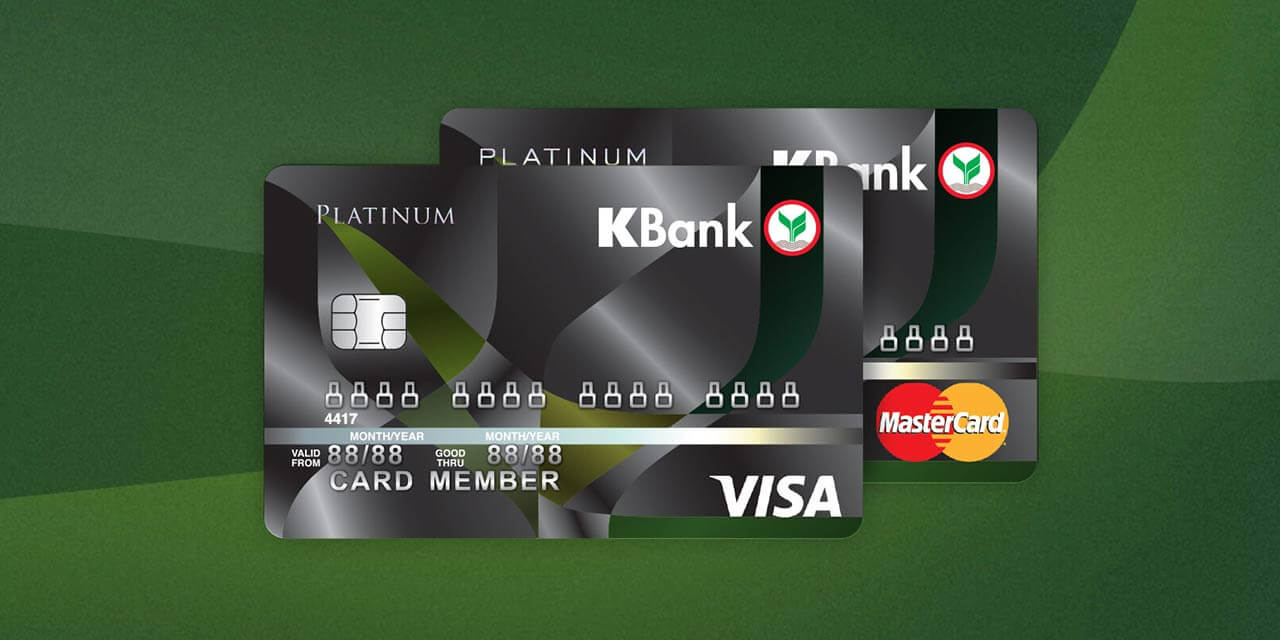
    As more Thai consumers shop and pay with digital payments, KASIKORNBANK and Visa have been working closely to pioneer new ways and solutions to secure digital payments and eCommerce experiences during and after your payment is made.  These are some of the behind the scenes security measures we carry out that will allow you to have more peace of mind when transacting digitally, and will shine a light onto why you should never look at digital payments the same way again.

    One-time password, or OTP, may be familiar. This is most commonly used when you receive a unique password sent by SMS to your phone that you use to authorize your payment.

    EMV CHIP is the small chip you see on your plastic card, and every time you pay this chip generates a dynamic one-time use code for each transaction. Using EMV CHIP cards means we are able to provide an additional layer of security known as dynamic authentication in addition to the real-time fraud scans conducted when the transaction is authorized by the issuing financial institution.

    Visa Advanced Authorisation is a service that uses predictive analytics combined with machine learning and artificial intelligence (AI) to analyse more than 500 unique risk attributes and allocates a risk score for each transaction.  This score is then shared with KBank Credit Card so we can make an informed decision on whether to approve or decline a transaction.  On average, Visa analyses more than six billion pieces of data every day.  When data analytics is used with authentication methods like biometrics to verify the cardholder, payment security is enhanced.

    Visa Tokenization will help ensure no sensitive data is transmitted during an online transaction. It replaces sensitive account information, such as the 16-digit account number, with a unique digital identifier called a token.  This token then allows payments to be processed without exposing actual account details that could potentially be compromised.  This means your card number and expiry date is not shared and your account is kept secure.

    Although most sales transactions are processed, posted and paid for with few problems, you may see a charge on your card that is unfamiliar or incorrect. To settle any disputes, KBank Credit Card has a chargeback policy.  The purpose is to protect cardholders from fraud and unfair billing practices.  This allows cardholders to feel more confident using cards freely, knowing that they will not be held responsible for the actions of identity thieves, deceptive merchants and other fraudsters.

    You can also imagine if your wallet gets stolen with cash in it, it can be virtually impossible to replace that money, unless the wallet is retrieved.  On the other hand, with cards, the process to replace lost or stolen cards is relatively seamless.  All you have to do is contact your card-issuing bank and they will work with you to disable the card and prevent your funds from being exploited by fraudsters.


  • Rapyd launches payment capabilities in South Korea – extends its Asia Pacific footprint

    Rapyd launches payment capabilities in South Korea – extends its Asia Pacific footprint

    Rapyd, a global Fintech as a Service company, has launched its ‘all-in-one’ payment capabilities in South Korea. By partnering with leading Korean payment service providers, KCP, PayLetter and others, Rapyd now provides access to a robust and comprehensive suite of South Korean payment options across international and local cards (Hyundai Card, Shinhan Card, Samsung Card), mobile wallets (Kakao Pay, Samsung Pay, Toss, and PAYCO), bank transfers, vouchers, and carrier billing.

    According to eMarketer, South Korea is one of the world’s top five eCommerce markets by retail eCommerce Sales volume, accounting for $113 billion sales in 2019. And COVID-19 has further contributed to the rise of digital payments in the country. According to GlobalData, South Korea’s share of cash in transaction volumes is expected to decline to 37.2% by 2023, while non-cash payments will account for two-thirds of payment volumes. The pandemic has also given rise to social distancing, causing a decline in in-store purchases. These are being offset by rising e-commerce spending.

    South Koreans are also quickly moving towards new and emerging payment technologies. According to the Rapyd Asia Pacific eCommerce and Payments Guide 2020, 36% of South Koreans chose mobile wallet payments (also known in South Korea as Simple payments) as their most preferred payment method. Kakao Pay was used by 41% of respondents, followed by Samsung Pay (32%), PAYCO (21%), and Toss (21%). Local cards such as Shinhan, KB, Hyundai, and Samsung Cards are the second most preferred payment methods in the country, chosen by 30% respondents.

    Rapyd now offers the majority of the most popular Korean payments methods identified in the research. The rollout of South Korea payments capabilities will enable international companies to immediately provide localised payment experiences catered to the expectations of modern Korean consumers,  and tap into one of the largest and most advanced eCommerce populations.

    “South Korea is setting many trends in Asia Pacific, and digital payments are not an exception. This market is seeing fast adoption of mobile wallets, such as Kakao Pay, and is incredibly rich in payment services. While competition is heating up and the market is becoming more segmented, the overall pie of Korean mobile payments keeps growing. With the launch of Rapyd’s payment capabilities in South Korea, we are able to bridge the global eCommerce players to a vibrant and exciting Korean market opportunity, and create a truly native South Korean Payment experience,” said Joel Yarbrough, Vice President for Asia Pacific, Rapyd.

    Jaewook Noh, Managing Director, KCP, commented “South Korea is one of the world’s most mature payment markets in the world, and we welcome an opportunity to collaborate with Rapyd and bring Korea closer to the global eCommerce ecosystem. Our partnership is an example of ‘local going global’: it is an attestation of our commitment to building customer-centered experiences, while also supporting the growth of the global Internet economy.”

    Additionally, businesses based in South Korea will also be able to access Rapyd’s Global Payments Network and expand internationally into 100+ markets around the world by accepting payments from consumers in any of the 900 locally preferred payment methods supported by Rapyd.

    One of the first South Korean companies to access Rapyd Global Payment Network capabilities is SENTBE, a Fintech money transfer service, looking to provide easier, faster, and more convenient global remittances.

    “We are pleased to be collaborating with Rapyd, a vital partner in helping SENTBE expand globally as a total FX solution company. As we have recently acquired a Payment Gateway Licence in Korea, we are also looking forward to being a solid infrastructure partner for Rapyd in the near future,” said Alex Choi, CEO, SENTBE.

    South Korea is the sixth global market where Rapyd extends its ‘all-in-one’ payment capabilities. The expansion of the Rapyd Global Payments Network offering all-in-one payment capabilities first took place in Singapore in November 2019, followed by Brazil in March 2020, the United Kingdom in June 2020 and Mexico and India in July 2020.

  • Alternative payments move mainstream in India

    Alternative payments move mainstream in India

    Alternative payments have moved mainstream in India amid Covid-19, according to GlobalData.

    Payment platforms such as mobile and digital wallets have gained popularity among online shoppers, gradually replacing traditional payments during the pandemic.

    “The adoption of alternative payments has been on the rise since demonetization in 2016,” said Ravi Sharma, lead banking and payments analyst at GlobalData. “The recent Covid-19 outbreak has further accelerated the usage of alternative payments as consumers are increasingly using electronic payments to avoid exposing themselves to disease vectors while merchants are also insisting on the digital mode of payments.”

    GlobalData’s 2020 Banking & Payments Survey found that the share of alternative payments in online transactions in India stands at 54 percent this year, followed by payment cards and cash, which accounted for 30.1 percent and 8.1 percent, respectively.

    Google Pay has been one of the beneficiaries with 9.3 percent share in the e-commerce payments, a significant surge from 3.5 percent share last year.

    “While alternative payment tools were initially available for online payments, they are now being used for in-store payments as well,” Sharma said.

    “With merchants increasingly opting for QR code-based payments due to their cost-effectiveness, alternative payments will disrupt the country’s overall consumer payments space in a big way.”

  • 10 Million Asia Pacific Small Businesses to Participate in Visa’s Global

    10 Million Asia Pacific Small Businesses to Participate in Visa’s Global

    Visa, today announced a commitment to support 10 million small businesses across Asia Pacific in an effort to get local communities back to business in the wake of the COVID-19 pandemic. Visa is introducing a range of programs and solutions to help small and medium enterprises (SMEs) drive efficiency and sales by accepting and making payments digitally to meet increased demand for cashless payments – both online and in-store. Visa also formed the Visa Economic Empowerment Institute (VEEI) focused on economic and societal issues, including pandemic challenges SMEs face and closing racial and gender opportunity gaps.

    The 10 million pledge is part of a global program that will see Visa supporting 50 million small businesses worldwide. Small businesses will play a vital role in helping communities recover – they account for more than half of global employment and are among the most affected by the pandemic. In Asia Pacific, SMEs account for more than 90 per cent of businesses and employ 50 per cent of the workforce.

    In addition to the economic impacts, COVID-19 is accelerating the use of digital commerce experiences, from people seeking new ways to pay that do not involve touching a terminal to a boom in eCommerce, as stay-home orders result in shopping online instead of in-store. In Asia Pacific, 41% of consumers made five or more eCommerce transactions in the past three months. Three quarters of consumers in the region have said they will keep using digital payments instead of going back to cash, even after the global pandemic has subsided.

    “Commerce across Asia Pacific is shifting further into digital in the wake of COVID-19, from more people ordering essentials online to people looking for secure, touchless ways to pay in person,” said Chris Clark, regional president, Asia Pacific, Visa. “Visa’s role as a payments network means we can help SMEs adapt to these new ways of managing and growing their business, ensuring that these crucial players can recover.”

    To help small businesses, Visa is focusing initially on four strategic areas to promote digital commerce and economic growth, with plans to continue to create products and services as the needs of entrepreneurs change over time. These areas include:

    • Empowering digital-first businesses: Visa has built localised online resource centres – now available in more than 20 countries and territories – providing tools, partner offers and information on how to start, run and grow a digital small business. Visa is teaming up with leading eCommerce platforms such as Shopify and Boutir to help local businesses get online. Visa will be expanding its global partnership with IFundWomen to Asia Pacific, providing grants and digital training to women-owned small businesses in India.
    • Encouraging digital payments:  Deploying easy to adopt touchless payment technology – rapidly, and at scale – is critical to enabling faster, more secure commerce. Visa is working to introduce low-cost digital payments acceptance, including solutions that do not require point-of-sale systems and can enable a merchant’s mobile phone to become a payment terminal. Visa and our partners have launched tap to phone solutions in Malaysia, with more Asia Pacific markets such as Australia, Hong Kong, India, Taiwan and Vietnam to follow. Visa is also supporting SMEs to make business-to-business (B2B) payments digitally. By digitalising procurement payments through the use of a Visa Business Card, SMEs can utilise reconciliation tools and benefit from higher efficiency and data insights, in addition to managing their working capital effectively. Visa has curated special partner offers for SMEs using these business cards, which include access to cloud accounting platforms, digital marketing and professional courses.
    • Incentivising neighbourhood support: Visa partnerships encourage consumers to shop local and remind them that where you shop matters. The Visa Back to Business Project – an online tool that helps consumers identify businesses that may be open in the wake of the pandemic or a natural disaster – is now live in Australia, New Zealand, and the U.S., and further expanding globally. Visa has launched its new ‘Where You Shop Matters’ initiative in Australia and New Zealand that champions and enables entrepreneurs while encouraging consumers to support small businesses. Visa will be expanding the initiative to other Asia Pacific markets such as Hong Kong, Malaysia, Philippines, Singapore and Vietnam.
    • Developing positioning and policy: In addition to the initiatives Visa is undertaking, the company today announced the formation of the Visa Economic Empowerment Institute. This new institute comprises Visa experts and partners who will help address underlying problems and provide insights for SMEs growth and closing racial and gender gaps. Key projects in the next six months will address topics including post-crisis recovery and resilience, urban mobility, closing equality opportunity gaps and insights into the gig economy.

    Suripong Tantiyanon, Country Manager for Visa Thailand, said: “As part of this commitment, Visa Thailand repurposed its available resources and struck new partnerships with fintechs to help small and micro businesses make the necessary digital transformation. The recently-launched Everyone Speaks Visa program is helping businesses of all sizes gain access to digital payments that are fast, convenient and secure.  In addition, as businesses reopen and consumers head back in-store, Visa is committed to ensuring buyers and sellers have the best and safest commerce experience through the acceptance of digital payments.  To that end, Visa is partnering with merchant partners across the country to expand the use of contactless terminals in order to help meet the growing demand for safe, secure and reliable digital payments.”

    Today’s announcement follows a global commitment from the Visa Foundation announced in April, to provide USD210 million in COVID-19 relief funding to address the longer-term needs of the small and micro business community over the next five years.

  • Consumers embrace tap-and-go payments in pandemic’s wake

    Consumers embrace tap-and-go payments in pandemic’s wake

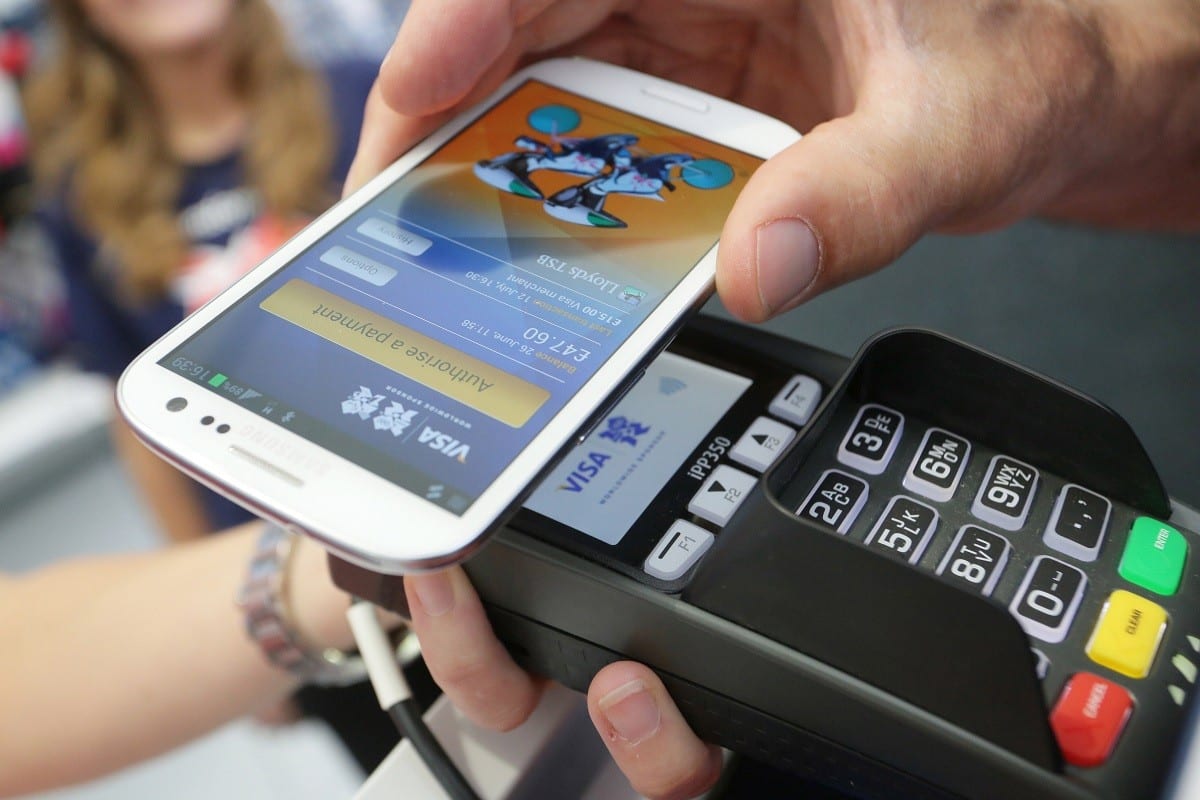
    Ninety-one percent of Asia-Pacific consumers and 79 percent of people globally say they are now using tap-and-go payments, according to a survey by credit card firm Mastercard.

    Polling by the firm, which focused on shifting consumer behaviors in 19 countries, shows accelerated and sustained adoption of contactless payments globally in the midst of the coronavirus pandemic.

    The survey identified concerns among consumers about point-of-sale cleanliness and safety as being a prompt for tap-and-go contactless payments, with 46 percent of respondents internationally and 51 percent of Asia-Pacific respondents swapping their top-of-wallet cards for one offering a contactless feature.

    “Contactless is here to stay,” the firm said in a statement. “We are in a sustained period where consumers are making purchases in a very focused way. That’s reinforcing contactless use in markets where adoption is more mature and it’s stimulating use in newer markets. This trend appears to be here to stay as 74 percent of people globally and 75 percent in Asia Pacific state they will continue to use tap-and-go after the pandemic is over.”

    Meanwhile, a separate study by AksjeBloggen predicts the global digital-payments market, in general, will reach US$6.7 trillion in value by 2023, as usage continues to rise to an estimated 6.1 billion people. Digital payments worldwide are currently valued at $4.7 trillion.

    The survey revealed that online buying and selling of goods and services would remain the largest revenue stream of the global digital-payments industry in the coming years, reaching $4.5 trillion transaction value in 2023. China is the world’s largest digital-payments market, with an estimated $1.9 trillion transaction value this year.

  • Singapore Digital Payment Provider Expands Abroad

    Singapore Digital Payment Provider Expands Abroad

    Digital payment and digital banking solution provider Fomo Pay has opened an office in Kuala Lumpur, Malaysia and has partnered OCBC Bank on a cross-border funds collection service.

    Fomo Pay has made its first overseas foray into Malaysia, and has partnered OCBC Bank (Malaysia) to develop the country’s first merchant cross-border QR code collection service, the Singapore-based firm announced Tuesday on its blog.

    Under the partnership, Malaysia merchants can collect payments from Singapore customers on PayNow via direct QR code payments through OCBC OneCollect. Prior to this, QR code payments in Malaysia could only be done for local ringgit currency transactions.

    The collaboration «opens up opportunities to provide customer support in a larger territory, and signals continued rapid growth for the company in the region,» Fomo Pay said.

    Fomo’s decision to open an office in Kuala Lumpur ties in with the company’s expansion strategy to focus on Southeast Asia and other emerging economies, which are undergoing rapid digital transformation, it said.

    Fomo Pay allows merchants to accept a full suite of new payment methods including WeChat Pay, NETSPay, Grab Pay, SingTel Dash, EZLink Pay, mVISA and more.

    It was launched in 2015 and acquired 4,000 merchants within its first year. Its network now includes Changi Airport, Marina Bay Sands, StarHub, Jumbo, Club 21, Chanel, Singapore Press Holdings and more.

  • Hong Kong Fintech Launches B2B Payments Gateway to China

    Hong Kong Fintech Launches B2B Payments Gateway to China

    Harbour & Hills has made a strategic acquisition that will allow it to facilitate USD and other major currencies’ payments to China.

    Harbour & Hills Financial Services (H&H) has acquired a controlling stake in Global Envoi, a payments processor with strong capabilities in clearing payments to China, the Hong Kong-headquartered B2B payments service provider announced on Wednesday.

    The acquisition, made for an undisclosed sum, gives H&H a vital channel to process commercial payments in USD, EUR, JPY, GBP and other major currencies to all major banks in China through Global Envoi’s exclusive partnership with Metropolitan Bank (China) for processing B2B payments in China.

    While China is the major trading partner for almost all countries, sending payments to China is still challenging for businesses, especially for the SMEs/VSEs, said Rahul Tripathi, CEO of Harbour & Hills.

    Tripathi said clients can now make direct payments to their trade partners in China in the currency of their choice with its access to the PBoC central clearing system.

    Founded in 2010, H&H offers FX clearing services in several major currencies to destinations including Indonesia, Korea and India. The firm processed $12.3 billion in cross-border money transfers in 2019.


  • Apple waives interest for Apple Card users amid COVID-19 pandemic

    Apple waives interest for Apple Card users amid COVID-19 pandemic

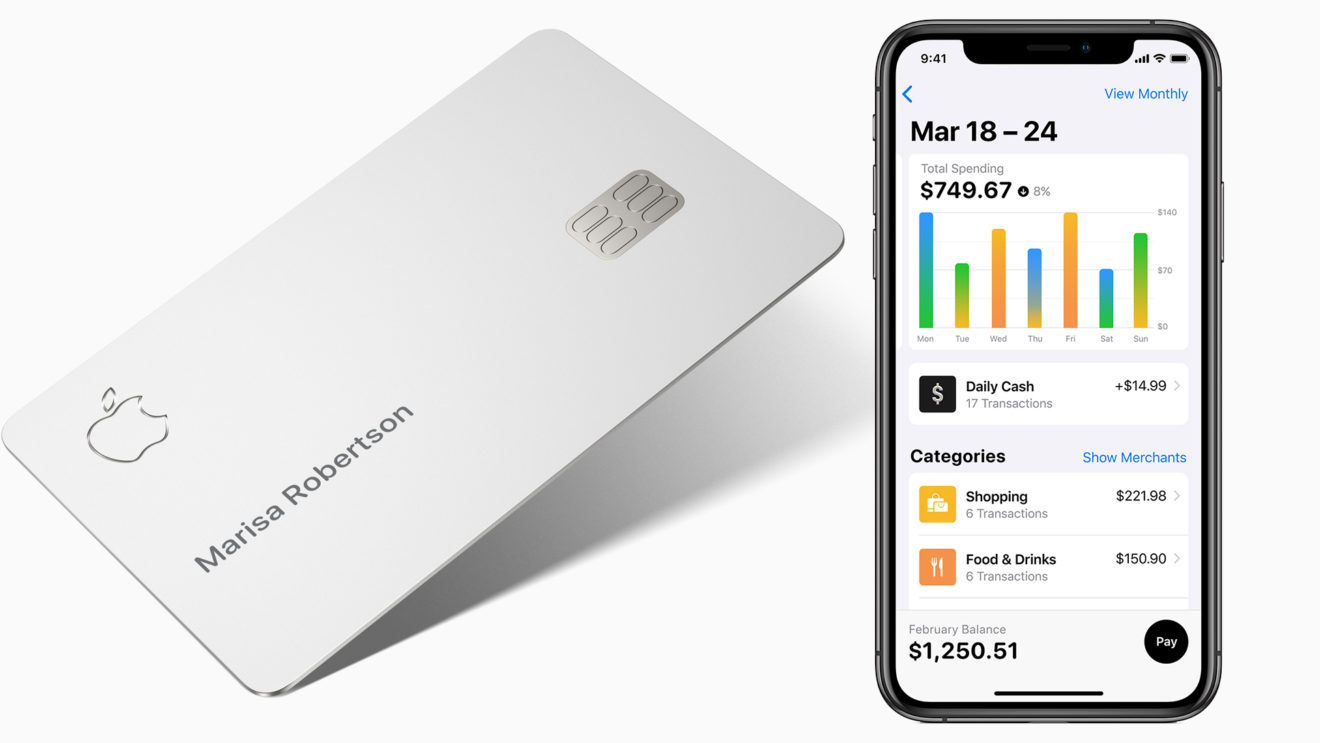
    Other than the very obvious health concerns caused by COVID-19, the ongoing pandemic is also causing much economic trouble. Apple introduced a customer assistance program for Apple Card users to help offset financial concerns.

    Many Apple Card users on Reddit have reportedly received an email about the new customer assistance program. Under this program, cardholders can skip their March payments without any additional interest.

    Apple hasn’t explicitly stated any eligibility requirements, so it looks like all Apple Card holders are eligible. They can enroll in this program in at least two ways: firstly, Apple evidently provides a direct link in their email announcing the program, which can be used to enroll.

    The other method is just as simple, with cardholders able to enroll through text by iMessaging the Apple Card Support line the following text: “I would like to enroll in the Customer Assistance Program”. The support number can be found in Apple’s support page for the credit card.

    Clearly, Apple is taking the COVID-19 outbreak very seriously, closing all Apple Stores outside of China for the time being as well as regulating App Store entries related to the virus. This latest offer is a kind gesture to its customers during a difficult time.

  • Wirecard Partners Grab for Payments

    Wirecard Partners Grab for Payments

    The firm will process card transactions made via the GrabPay e-wallet and integrate it as a payment method for its merchants.

    Wirecard has entered into a payments partnership with Singapore-based superapp Grab to drive the cashless economy for micro, small and medium enterprises (MSMEs) across Southeast Asia, the Munich-based firm announced in a statement on Wednesday.

    Wirecard said that it will process payments made with the GrabPay e-wallet, starting with the Malaysia, Philippines and Singapore markets.

    Together, we aim to continue disrupting the payment, tech and mobility industries with innovative solutions that can improve the lives of millions, Georg von Waldenfels, Wirecard executive vice president, Group Business Development, said about the partnership.

    Grab operates in eight countries in Southeast Asia, with its app downloaded on over 185 million mobile devices, according to its website.

    GrabPay is among the most popular e-wallets in Southeast Asia, currently accepted by 600,000 merchants.