Retail News CRM

Tag: Payment

  • Vietnam scraps plans to limit foreign ownership in e-payment firms

    Vietnam scraps plans to limit foreign ownership in e-payment firms

    Vietnam’s central bank has decided not to cap foreign ownership of e-payment companies at 49 percent after consulting with experts.

    Foreign investment plays an important role in payment intermediaries’ functioning since they rely on technology, and limiting foreign ownership would hamper foreign investment in this segment and the fintech sector in general, the State Bank of Vietnam (SBV) said in a statement on Monday.

    In some digital payment firms, foreign ownership already exceeds 49 percent, and so a change in regulations could affect their activities, it said.

    The SBV had released a draft of its foreign ownership cap proposal in November for consultation, saying it wanted to balance the ease of attracting foreign capital with ensuring an active role for local firms in the fintech sector.

    According to the central bank, by the end of the first quarter this year, there were 27 e-wallets in the market though five parent companies owned 90 percent of them. The five, which the SBV did not name, have foreign ownership of 30-90 percent, it said.

    Economists have said that the potential for cashless payment in Vietnam is huge due to a growing middle class and rapidly improving telecom infrastructure. The government wants to make 90 percent of all transactions cashless by the end of this year.

    But the reliance on cash remains overwhelming, with 80 percent of Vietnamese preferring to use cash for daily transactions, according to the Ministry of Industry and Trade.
  • All-Digital Bank to Launch in Philippines

    All-Digital Bank to Launch in Philippines

    Tonik, the first pure-play digital bank in Southeast Asia, will debut in the Philippines in 2020.

    Tonik Digital Bank has received a banking license from Bangko Sentral ng Pilipinas, the Philippines’ monetary authority, the bank announced in a statement on its blog on Thursday.

    This would allow Tonik to provide a full range of retail banking services, focused primarily on retail deposits and consumer loans, through its digital-only platform, which will be launched in 2020, the statement said.

    The bank said it is «on a mission to revolutionize the way money works in Southeast Asia.» It provides retail financial products, including deposits, loans, current accounts, payments, and cards on its digital banking platform.

    Tonik said the banking market in the Philippines is «ripe for disruption,» highlighting opportunities in the $140 billion retail deposit market and a $100 billion unsecured consumer lending, and the country’s world-leading internet and social media use.

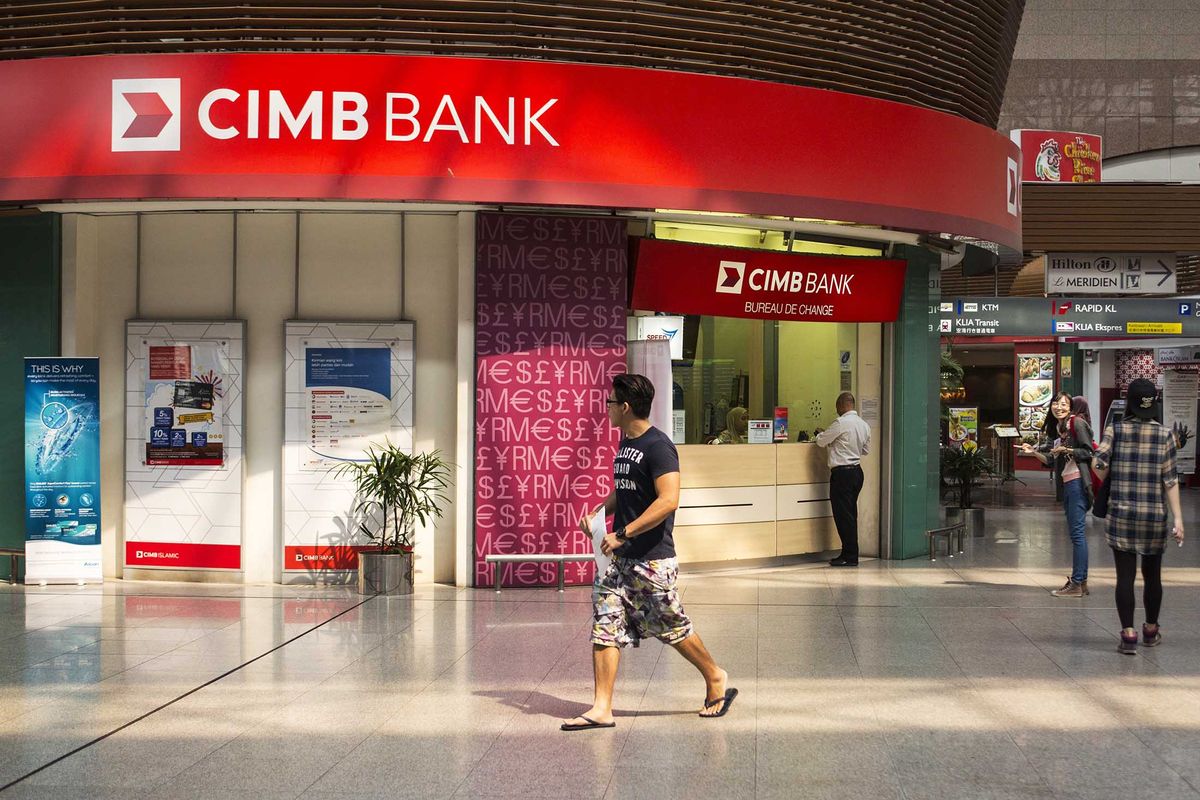
    Additionally, Tonik noted that 70 percent of adults in the Philippines are unbanked, while over half of existing bank clients would switch their deposits to a pure-play digital contender, citing market research.  Two virtual banks – CIMB Bank and ING Bank – currently operate in the country.

    «Digital-only banks globally have successfully demonstrated their ability to take massive market share by launching hyper-compelling consumer propositions, while also operating at disruptively low unit costs, and thus generating outstanding Returns on Assets and Equity,» said CEO and founder Greg Krasnov, who previously co-founded fintech startups in Asia, including CredoLab, AsiaCollect, AsiaKredit, and SolarHome.

  • WeChat Adds Diamond Purchase Traceability Feature

    WeChat Adds Diamond Purchase Traceability Feature

    Tencent partnered with Russian diamond miner ALROSA Group to offer an in-app blockchain-based feature that provides traceability for diamond purchases made through WeChat.

    WeChat adds a new capability for affluent users to access transparent information about the «origin, characteristics and ownership history» of diamonds purchased through the platform.

    In addition to ALROSA – which accounts for nearly one-third of global rough diamond production – UK-based tech firm Everledger was also part of the partnership, likely to power the blockchain technology the new feature leverages.

    Chinese diamond demand grew five percent to reach approximately $10 billion, according to De Beers’ Diamond Insight Report 2019. As a comparison, the U.S. market is currently at $36 billion.

  • Gojek Nears Deal for Mobile Payments Startup

    Gojek Nears Deal for Mobile Payments Startup

    With Gojek aiming to become a major player in Indonesia’s digital payments space, the acquisition would help it compete with other regional giants like Grab.

    Gojek is said to be close to finalizing a deal for Jakarta-based mobile point-of-sale (POS) startup Moka, «Bloomberg» reported on Wednesday.

    The deal is said to be worth at least $120 million, the report said, citing people familiar with the talks. The two sides were reportedly in talks earlier this year. However, Gojek co-founder and CEO Nadiem Makarim stepped down in October to join the Indonesian cabinet. He was replaced by co-CEOs Andre Soelistyo and Kevin Aluwi.

    Launched in 2011, the Indonesian ride-hailing giant has been expanding its platform to include a range of on-demand services and allow its customers to make online payments. Its GoPay digital payments platform is accepted at more than 420,000 online and offline merchants in 370 cities in Indonesia.

    Founded in 2014, Moka runs a cloud-based POS system, enabling businesses to order stock, issue invoices, and accept payment from mobile wallets from iOS and Android devices. Its payment partners include Ovo, Akulaku, T-Cash, GoPay, Alipay, WeChat Pay, and more.

    In 2015, the firm raised $1.9 million in a series A round led by East Ventures. It raised $24 million in a series B round, with new backers Sequoia India, Softbank Ventures Korea and the investment arm of Singapore’s Economic Development Board.

  • Line Pay Taiwan Forms Cross-Border Payments Alliance

    Line Pay Taiwan Forms Cross-Border Payments Alliance

    The digital wallet and fintech service for messaging app Line will allow people from Japan, Korea and Thailand to use their local mobile payment services when in Taiwan.

    Line Pay has announced a cross-border mobile payment alliance to connect the ecosystems of payment operators Line Pay Japan, Rabbit Line Pay (Thailand), Naver Financial (Korea), and NHN PAYCO (Korea), the firm announced in a statement on Monday.

    This will allow users of services in the alliance to make cross-border payment services in the partnering services’ countries. Operations are planned to be launched by the first quarter of 2020, and Line said it plans to grow the number of partners in the future so users from more countries can benefit from the alliance

    We hope to build a path for all LINE Pay users and merchant partners in Taiwan to transcend national borders and to share a borderless payment experience, Line Pay Taiwan chairman WoongJu Jeong said in the statement.

  • Payment Providers Could Shave $5 Billion From ASEAN Banks

    Payment Providers Could Shave $5 Billion From ASEAN Banks

    Banks in South-east Asia could miss out on as much as $5 billion, or 14.3 percent of their payments revenue by 2025, displaced by the growth of digital payments and competition from non-banks, according to a new report.

    As payments become more «instant, invisible and free, banks will face further pressure on income from card transactions and fees over the next six years. Free payments put 9.6 percent of payments revenue at risk in the region, according to professional services firm Accenture said in a report titled Banking Pulse Survey: Two Ways To Win.

    The world of instant, invisible and free payments is here to stay, squeezing margins further on a business that was already feeling a lot of pressure from new competition, particularly in South-east Asia with the proliferation of e-wallets,» said Divyesh Vithlani, who leads Accenture’s financial services practice in ASEAN. The survey polled 240 payments executives from the largest banks across 23 markets.

    Next, competition from non-banks in invisible payments, where payments are completed in a “virtual wallet” on a mobile app or device, will put 3.1 percent of bank revenues at risk, Accenture said. Card displacement by instant payments – an area where banks make little to no interest – is projected to put an additional 1.7 percent of payment revenues in jeopardy.

    Banks previously earned billions of dollars from some of these channels, and that’ll dry up eventually as competition heats up, so they’ll need to develop new digital business models to compete in this new era, said Vithlani.

    However, the industry is aware of the challenges posed by new technologies in payments. More than two-thirds (71 percent) of the banking executives polled in all markets agree that payments are becoming free. Nearly three-quarters (73 percent) believe that most payments are already invisible, or will become so over the next 12 months.

  • Foreigners in China Can Soon Use Wechat Pay

    Foreigners in China Can Soon Use Wechat Pay

    Alipay and WeChat Pay have announced plans to open up their platforms to foreigners visiting the mainland.

    This week, the two dominant payment apps in China announced that they will allow their platforms to be used by visitors to China, possibly boosting spending there.

    Although Alipay and WeChat Pay’s logos are visible in stores and taxis in major cities around the world, it had previously been restricted to Chinese travelers with a China bank account. This is due to regulatory concerns about money laundering and cross-border cash flows.

    Ant Financial’s Alipay laid out a system that will work around current restrictions and can be used immediately. Travelers can use a prepaid card service provided by the Bank of Shanghai, and just periodically top up that account.

    In contrast, Tencent Holdings’ WeChat Pay intends to let people more directly connect their existing cards to its app. Visa said it will essentially enable its cards to work across the world’s second-largest economy.

    Tencent, under guidelines from regulators, has been discussing cooperation with U.S. card-network operators Visa, Mastercard, American Express and Discover as well as Japan’s JCB to support the linking of overseas credit cards to Wechat Pay, according to an article from Tencent News.

    This is a great step forward, both for consumers traveling to China and the overall payments industry. This partnership means that we’ll be working towards an environment where Visa cardholders will be able to use their Visa card in China at the millions of places where WeChat Pay is accepted, instead of having to rely on cash, Visa said in a statement. No time frame was provided for the rollout.

    For overseas firms, the move has big implications, potentially helping pave the way for future adoption of both platforms abroad.

  • Alipay now available for tourists in China

    Alipay now available for tourists in China

    International travelers can now use mobile payments in China as Alipay has launched a new version of its payment app designed for short-term overseas visitors.

    After installing the Alipay app, international visitors can register with their overseas mobile phone number to access the “Tour Pass” mini-program through which they can use the “Prepaid Card” service provided by the Bank of Shanghai.

    The minimum top-up for each card is CNY100, with balance capped at CNY2000. The card is valid for 90 days, after which any remaining funds will be refunded automatically.

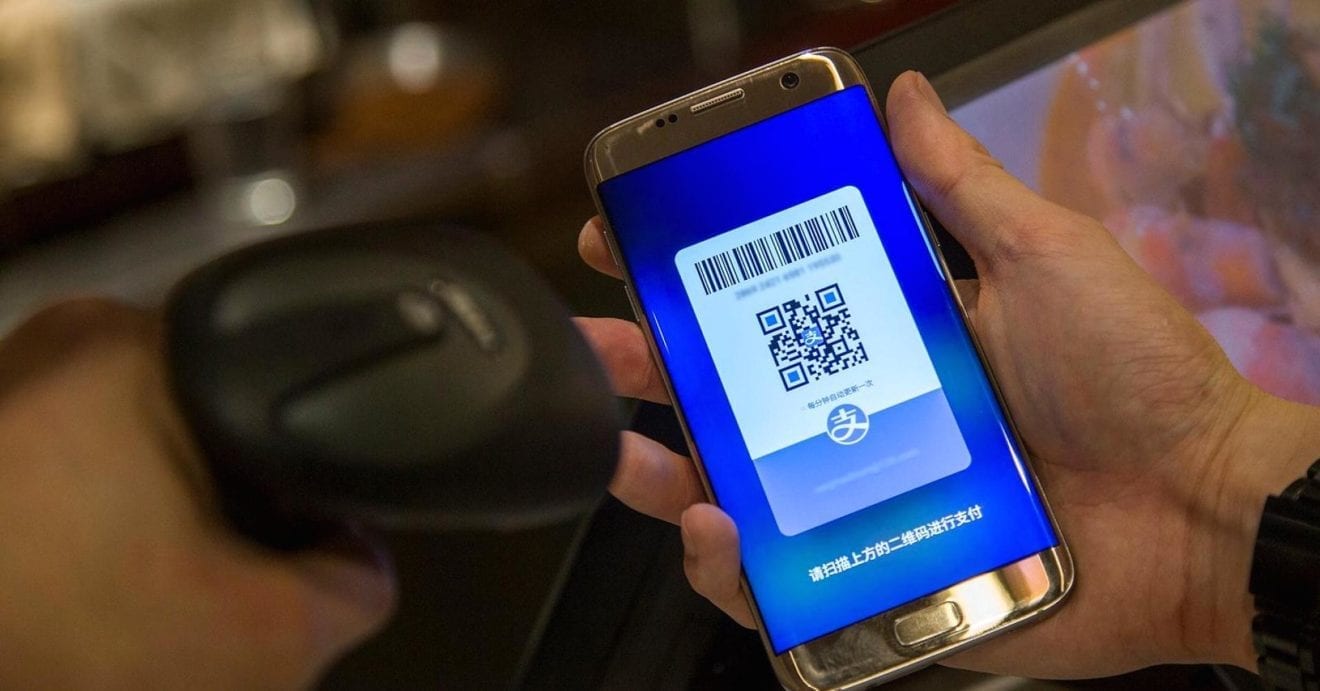
    With the new Alipay service, visitors can pay through QR code or make online purchases through the app.

  • Payments Platform PPRO Partners with Grab

    Payments Platform PPRO Partners with Grab

    Payments platform PPRO adds GrabPay to its list of partners in a bid to tap into a Southeast Asia market estimated to be worth $600 billion this year alone.

    GrabPay, developed by cab-hailing app giant Grab, joins a list of 150 local payment methods (LPMs), such as Alipay, WeChat Pay and UnionPay, which will leverage PPRO’s capabilities. The firm is able to reduce digital payment complexities through a «unified offering of LPMs, as well as processing, collecting, reconciling and settling funds – all through one contract and one integration», according to a release.

    The GrabPay partnership includes two phases which will be rolled out separately. Firstly, PPRO will support GrabPay’s one-time payment solutions in Singapore and its recently launched e-commerce payment capabilities. Secondly, it will support GrabPay’s tokenized payment option and expand market

    PPRO highlights its commitment to the Asia Pacific region not only through the new partnership but it also expects to triple its Singapore staff headcount by 2020 and open additional offices in the region in the coming years. Its Asia head of partnerships, Tristan Chiappini, underlines Singapore’s «well-developed fintech pedigree» as a key enabler of an LPM business for the firm to tap the region’s estimated 115 million users – or 8 out of 10 digital consumers globally.

    This will enable us to continue to broaden our LPM service offering, payment expertise, and customer support across the APAC region quickly, and position us as the unifying force of today’s fragmented payments landscape, Chiappini said. «Our partnership with GrabPay is a testament to this vision.»

    London-headquartered PPRO support LPMs across more than 100 countries with around 130 payment presence provider partners and around 100,000 merchants on its platform.

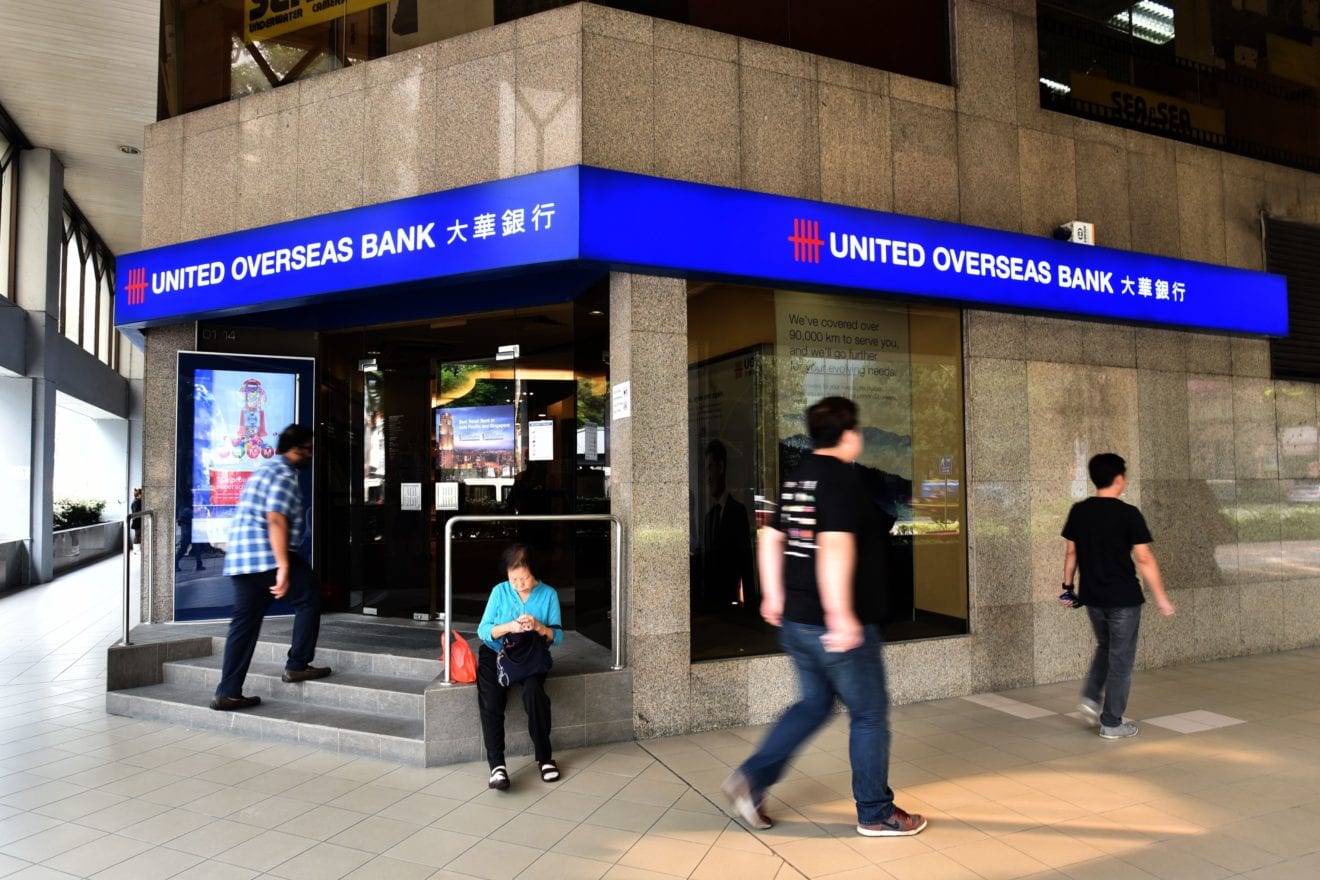
  • UOB Launches QR-Based Payment Collection Solution

    UOB Launches QR-Based Payment Collection Solution

    UOB attempts to help businesses accelerate payment collection and improve cash flow through its new QR-based solution.

    The bank launched the QR solution mCollect which allows businesses to collect payments from buyers through fund transfer service PayNow at the point of delivery.

    Businesses can provide their customers with a QR code generated by mCollect which can be scanned to make payment which then leads to immediate crediting and automatic reconciliation. According to UOB, cash flow management is one of the «perennial bugbears» for local SMEs due to issues like late payments, citing a four-day industry average when manually dealing with payments.

    While good progress has been made to encourage more cashless payments among businesses, there is still a gap when it comes to the collection process, specifically with cash-on-delivery payments,» said So Lay Hua, UOB’s head of group transaction banking and group wholesale banking.

    In addition to faster cash flow, the bank is also wary of the risks of handling physical cash, which continues to be a common practice. UOB noted that more than two-thirds of its corporate customers still receive cash payments from buyers, especially those that are smaller businesses most commonly in the wholesale, retail and services sector.

    We make hundreds of deliveries each day, said Steve Wong, CEO of Boong Group, a meet supplier and food processor firm that participated as a user of mCollect’s pilot. When collecting payment, which is often made in cash, our salespeople have to spend time verifying the amount and payee details and tallying the payments at the end of the day.

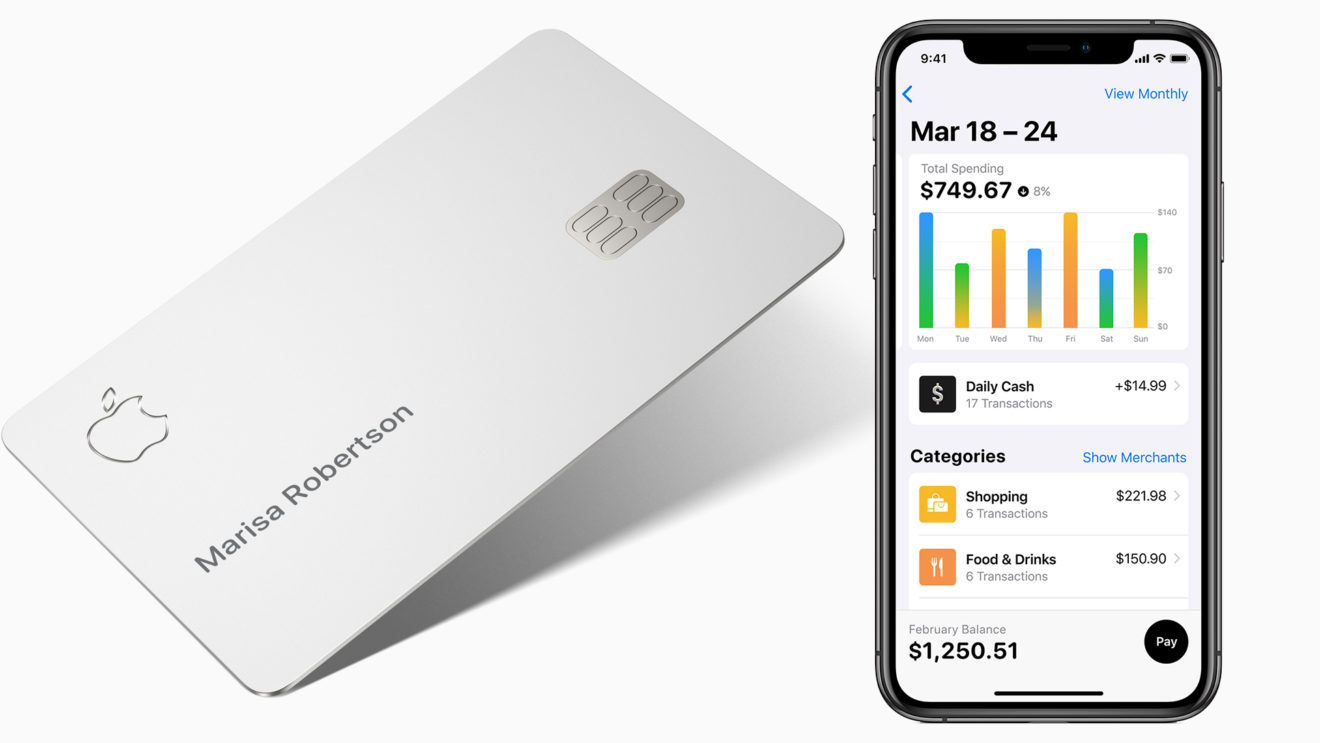
  • Apple Card users are getting a major iPhone-related perk

    Apple Card users are getting a major iPhone-related perk

    Apple announced earlier today that’s it’s adding another benefit to the Apple Card starting this week, which is aimed to appeal to iPhone users. During its earnings call, Apple revealed a new program for Apple Card users that will allow them to buy or upgrade to a new iPhone much easier.

    Thanks to the new program, Apple Card owners will receive interest-free, 24-month financing on iPhone purchases. The new perk can be combined with the three percent cashback Apple Card users are getting on purchases from the company’s stores.

    The same offer is available through the iPhone Upgrade Program, so if you don’t have an Apple Card, that’s where you should look if you want to buy a new iPhone without having to pay for it upfront.

    The third option for Apple fans who just want to upgrade to a new iPhone is to take advantage of the company’s trade-in program, which will allow them to pay a lot less for a brand new model. And it looks like this is one of the options that many customers are taking advantage of, as CFO Luca Maestri said on the call. The number of iPhone trade-ins is more than five times higher than last year.

    The move is most likely another important step that brings Apple closer to the launch of the so-called “iPhone subscription,” which has been speculated for many years now. Tim Cook’s most recent comments certainly confirm Apple is considering such a service:

    We’re cognizant that there are lots of users out there that want a sort of a recurring payment like that and the receipt of new products on some sort of standard kind of basis, and we’re committed to make that easier to do than perhaps it is today.

    Although an “Apple Prime” doesn’t exist yet, Tim Cook’s statements suggest that if enough people are willing to pay every month for the privilege of having the latest iPhone, such a subscription service will eventually be made available.

  • Starbucks will accept Bitcoin from next year

    Starbucks will accept Bitcoin from next year

    Global coffee chain Starbucks is now on track to accept payments in the world’s best-known cryptocurrency, Bitcoin.

    The firm is partnering with Wall Street-listed Intercontinental Exchange (ICE) which will begin testing its consumer app Bakkt in Starbucks stores in the first half of next year in as many as 30,000 Starbucks outlets globally.

    Starbucks hinted it might embrace cryptocurrencies early last year when founder and former president Howard Schultz told an earnings call that he believed one or a few legitimate cryptocurrencies would emerge in the future.

    But at the time he said: “I don’t believe that bitcoin is going to be a currency today or in the future.”

    Starbucks will serve as Bakkt’s first merchant client after more than a year of reportedly slow setup due to delays in its futures exchange launch. The coffee chain began researching the Bakkt app with ICE in August last year.

    Mike Blandina, chief product officer with Bakkt said in a blog post that the companies had set up a strong team of payments engineers and is now nearing completion of the core payments and compliance platform.

    “We’re now focused on the development of the consumer app and merchant portal, as well as testing with our first launch partner, Starbucks, which we expect in the first half of next year.”

  • Chinese continue to drive growth of payment platforms

    Chinese continue to drive growth of payment platforms

    More and more Chinese are using payment platforms when shopping, thanks to mainlanders’ increasing affluence and vast usage of social payments such as WeChat Pay.

    That’s according to business intelligence provider Juniper, which says that revenue from payment platforms will grow from US$106 billion in 2019 to $158 billion by 2024. And it forecasts that China will account for more than 50 percent of it.

    Banking on this forecast, California-headquartered PayPal has acquired 70 per cent equity interest in GoPay, making it the first foreign payment platform to provide online payment services in China.

    The fast growth in the payment platforms industry in China is also attributed to the increasing demand for e-commerce services. Market research company eMarketer said in June that the top global e-commerce market in 2019 will be China, with $1.9 trillion in e-commerce sales, more than three times greater than the US with $586.9 billion.

    To sustain the growth momentum, Juniper recommends payment platforms providers diversify their solutions by offering services such as store-management solutions, customer insights and merchant capital finance.

    “The market will move beyond solely offering payments in the near future by expanding to new services. These value-added services will enable payment platforms to differentiate themselves in a saturated market and build out new business models to allow vendors to generate additional revenue,” says research author Morgane Kimmich.

  • Merlin Entertainments takes on global digitalisation with Adyen’s payment platform

    Merlin Entertainments takes on global digitalisation with Adyen’s payment platform

     Adyen, the payments platform of choice for many of the world’s leading companies, has partnered with Merlin Entertainments plc a global leader in location-based, family entertainment, to consolidate its payments experience across more than 130 attractions in 25 countries around the world.

    Adopting Adyen’s single payments platform supports Merlin Entertainments’ future expansion globally by transforming payments from a bottleneck into a seamless process that improves the experience for its customers while driving conversion rates.

    Merlin Entertainments is one of the world’s largest attraction operators with global attractions like LEGOLAND Parks and Discovery Centres, Sea Life and Madame Tussauds. Adyen will process payments across all services under Merlin Enterprises, ranging from quick-service restaurants, hotels and accommodation, retail, annual memberships, wearables and ticketing.

    “Given the nature of our business, our brands span across hospitality, restaurants, hotels and theme parks. Adyen’s platform will consolidate our various payment solutions under a single platform across our entire global business. Merlin sees significant opportunity from the increasing importance of digital and technology, allowing for enhanced guest experiences,” Mark Allsop, Chief Digital Marketing and Information Officer at Merlin Entertainments, comments, “With Adyen accepting transactions from all channels, whether that be eCommerce, mobile, Point of Sale (POS), kiosk or wearables, our guests get shorter wait times, faster entry to attractions and convenient payments with a simple tap or swipe. The new payment solutions form part of our wider strategy to improve loyalty, drive revenue and continue to deliver high guest satisfaction across our resorts”

    Customer experience is the central focus for Merlin’s guests. Payments can form a big part of that overall experience, reducing wait times for food, faster admissions to attractions and a range of payment alternatives to suit foreign tourists. Adyen’s global payment platform also helps the company achieve its growth objectives within its existing portfolio, and to support the roll-out of new attractions and accommodation around the world.

    “Merlin Entertainments saw 67 million visitors across its diverse portfolio of attractions last year. The likes of wearable technology and tokenisation are the next step in customer experience and seamless payments and Merlin Entertainments is at the forefront of this deployment across hundreds of different locations” said Roelant Prins, CCO of Adyen. “Merlin can now take full control of its payments architecture across all channels, simplifying a complex challenge faced by many merchants today.”

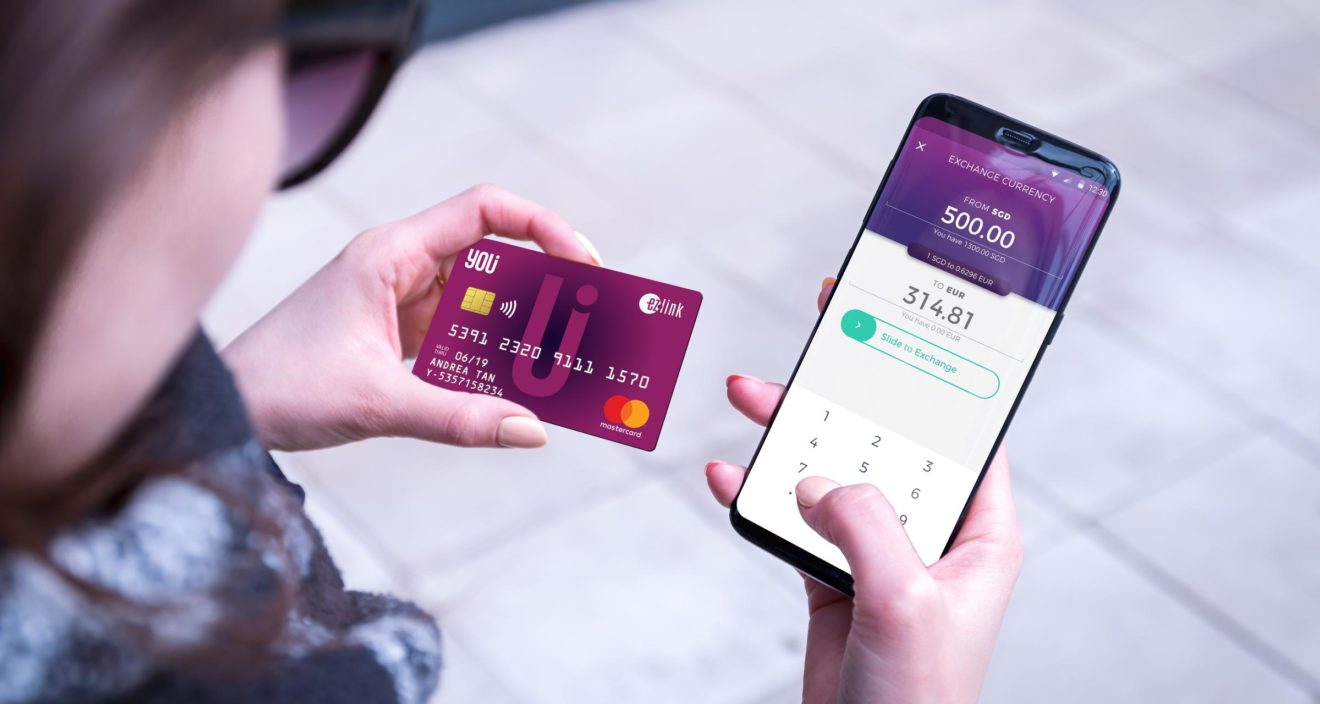
  • YouTrip Takes Over Some Of EZ-Link Functions

    YouTrip Takes Over Some Of EZ-Link Functions

    Singapore’s first multi-currency mobile wallet with a prepaid Mastercard announced that it has secured a Principal Licence from Mastercard and will assume the primary role of the issuer and stored value facility holder of YouTrip accounts.

    The principal license will allow YouTrip to deliver improved and additional features directly to its users, as well as enable it to provide a more robust and dedicated payment security setup in anticipation of the new Payments Services Act.

    As the regional fintech space continues to develop dynamically, this license will provide the ideal springboard for the development and expansion plans we have in the pipeline, said Caecilia Chu, co-founder and CEO of YouTrip.

    Having partnered with Mastercard and EZ-Link to launch in Singapore in August 2018, YouTrip will be taking over the role of issuer and holder of stored value accounts from EZ-Link while continuing the current brand partnership.

    This is part of YouTrip’s wider ambitions to develop its platform and new features for its users, as it readies itself for expansion. Since YouTrip announced its record pre-Series A fundraiser earlier this year, it has doubled the number of app downloads to over 400,000 from 200,000 in May and grown its team beyond 100 people across its offices in Singapore and Hong Kong.

    YouTrip also recently obtained a remittance license from MAS to cater for future product development. This will be key to its expansion plans as more regulators identify fintech as a major growth area and introduce progressive policy measures to facilitate innovation and the broadening usage of such services.