Retail News CRM

Tag: Payment

  • Chatime facing allegations of Employee Underpayment

    Chatime facing allegations of Employee Underpayment

    Bubble tea chain Chatime is the subject of the latest underpayment scandal, after an in-depth report alleged rampant underpayment in both corporate-owned stores and the franchisee network stretching back to 2009.

    Employees of the Taiwanese company’s Australian subsidiary – Infinite Plus – are owed more than $10 million, according to the report. Many of the underpaid workers are foreign students on visas from China and Taiwan, who were too afraid to complain to authorities, the report said.

    A spokesperson for the Fair Work Ombudsman (FWO) told it has a current investigation relating to Infinite Plus, so could not comment further on the matter at this stage.

    The report comes after a parliamentary inquiry earlier this year called for a total overhaul of the franchise sector, after a series of underpayment scandals at 7-Eleven, Retail Food Group, Domino’s Pizza Enterprises Ltd and other franchise businesses.

    Chatime had not previously been insinuated in the underpayment scandals, but according to the report, the bubble tea business had in fact received a formal complaint from the Fair Work Ombudsman (FWO) in 2018, after an audit of its corporate-owned stores from August to December 2016 revealed 150 workers had been underpaid.

    Chatime was told to back-pay workers an estimated $113,494 in NSW and $62,975 in Victoria, the report stated, but was not further penalised by the FWO. The Ombudsman also chose not to make the finding public.

    Earlier this month, however, the regulator commenced legal action against a Chatime franchisee in Sydney, which it alleged underpaid 17 workers more than $46,000. A Chatime insider told, “It’s pretty standard picking on the little guys, not the big guys”.

    The spokesperson for the FWO told it is examining the rapid establishment and expansion of overseas franchise businesses.

    “These businesses often implement operating models and workplace practices associated with their countries of origin,” the spokesperson said.

    “In combination with employing migrant workers, who may be unaware of their rights, there is significant potential for non-compliance. We are proactively auditing several emerging franchisees in the fast food, restaurant and café sector to check compliance of their business models with Australia’s workplace laws.”

    The spokesperson said recent litigations commenced against PappaRich and Chatime franchisee outlet operators are the result of this activity.

    The spokesperson also confirmed that the FWO investigated Bakery Venture, a business that Infinite Plus’s key shareholders – Charlley Zhao and Iris Qian – were involved directors of and key shareholders, last year.

    The Ombudsman secured $350,000 in back-pay for employees and former employees of Bakery Venture, trading as Dough Collective, but further enforcement options were limited, since the company went into liquidation during the investigation.

    We asked Chatime for comment, but had not received a reply by the time of publication.
  • US retailer removes Apple Pay support after two years

    US retailer removes Apple Pay support after two years

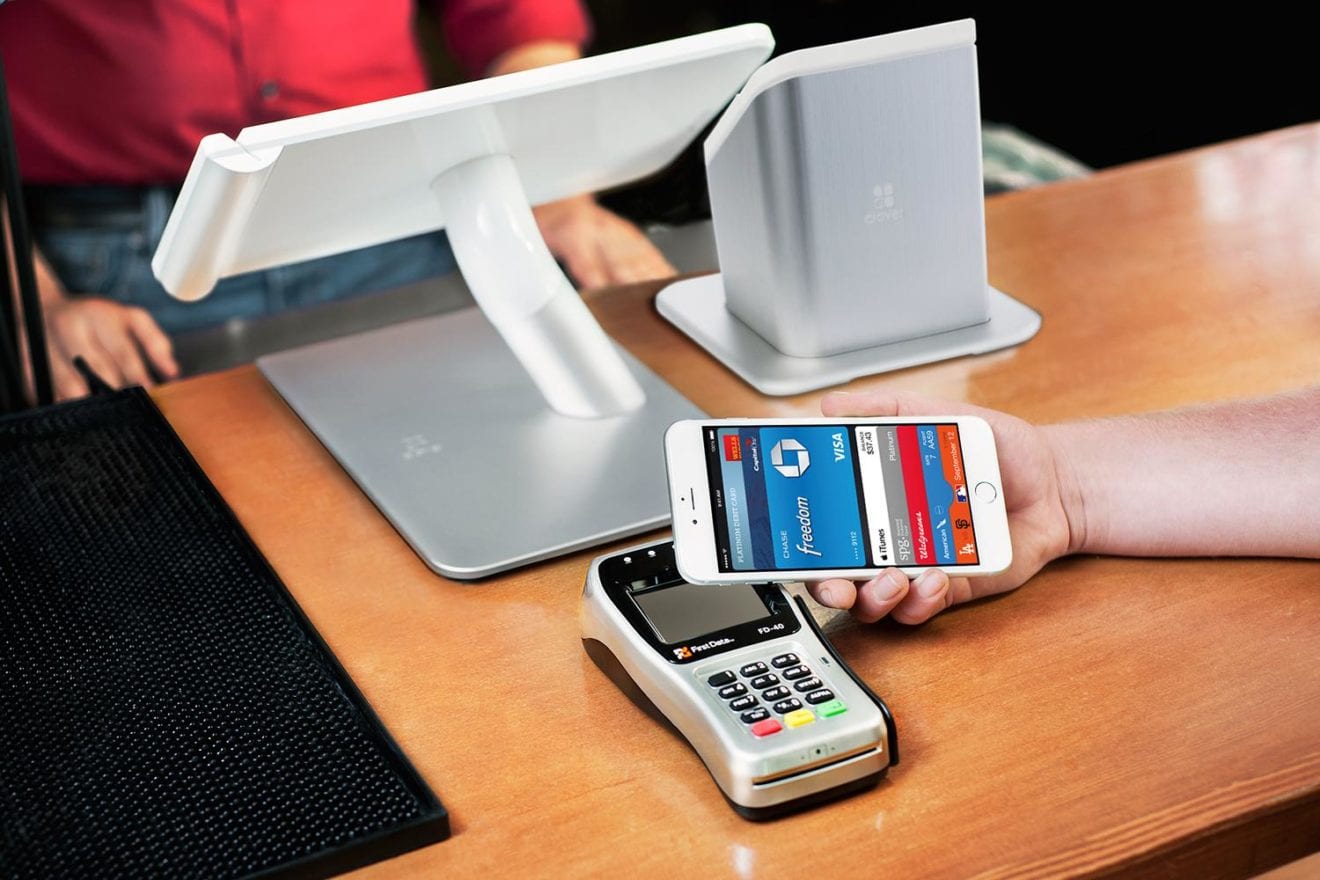
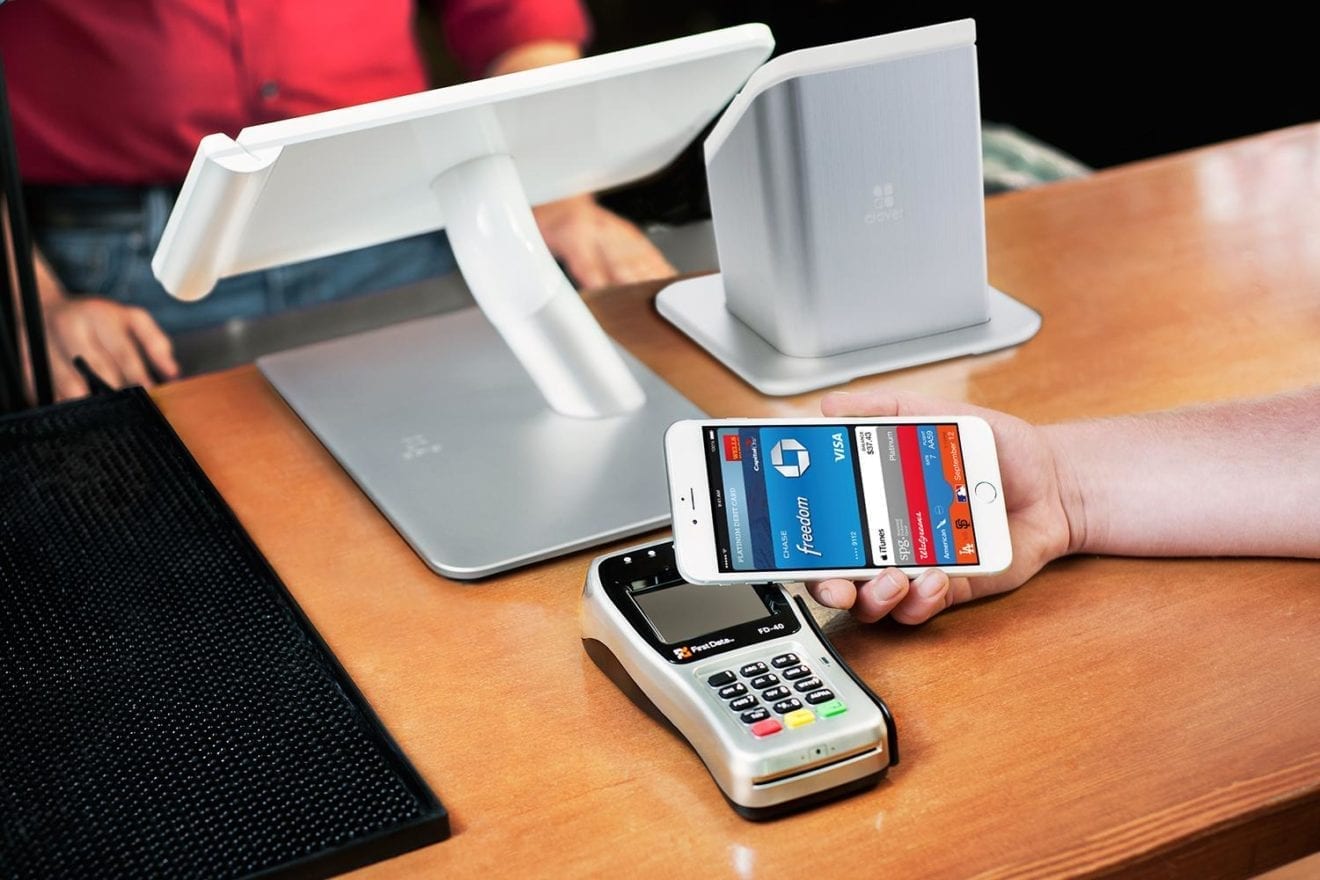
    JCPenney has finally released an official statement. This offers a technical explanation for the retailer’s decision to “suspend all contactless payment options until a later date.” While that suggests there’s a good chance Apple Pay support will be reactivated at some point in the future, JCPenney is also hinting at modest popularity for the digital wallet app in its stores, claiming the “vast majority” of shoppers continue to rely largely on “inserting or swiping their physical credit cards at point-of-sale terminals” to complete their transactions. Original article follows.

    While Apple is still selling plenty of iPhones, iPads, and smartwatches around the world, the tech giant’s “services” and software are suddenly growing at an unrivaled pace, generating revenues of nearly $11 billion between October and December 2018, up from $9.1 billion during the final three months of the previous year. Apple Pay, Apple Music, and the iOS App Store are by far the most successful and lucrative such services, at least until the Apple Arcade and TV+ platforms actually become available for end users.

    Released less than five years ago, Apple Pay powered a mind-blowing 1.8 billion transactions in the last 90 calendar days of 2018, continuing its aggressive expansion stateside and worldwide with a long overdue debut in Germany, as well as major new partnerships with the likes of CVS, Target, and Taco Bell.

    Curiously enough, another big US retailer confirmed on Twitter over the weekend its “decision to remove Apple Pay for our stores.” JCPenney’s move is certainly unusual (if not unprecedented), as there are still a few holdouts in Apple’s race to US ubiquity, but we can’t really remember anyone that supported the digital wallet platform for a couple of years to then reconsider without offering any sort of justification.

    While not the earliest supporter of the increasingly popular app, JCPenney did embrace the service back in 2017, helping it reach 74 of the top 100 US retailers by revenue as of January 2019. That included Target and Taco Bell, so we’re guessing the count is now down to 73. That’s still an impressive number, as is the 70 percent touted by Tim Cook as the platform’s target for later this year as far as all US retailers are concerned.

    Hopefully, we’ll get an explanation from JCPenney soon as to what made the department store chain pull the plug on Apple Pay support in both its retail locations and iOS app.

  • Stripe readies local merchants selling to Europe fornew payment regulation

    Stripe readies local merchants selling to Europe fornew payment regulation

    Today payments infrastructure company Stripe announced a series of updates to its product stack for businesses operating in Europe, and acquired a Dublin-based tech company called Touchtech Payments.

    Strong Customer Authentication (SCA) is coming

    On September 14, 2019, SCA will come into force in Europe, radically changing the way people buy and sell online. More than 300 million European consumers will need to confirm their identity for the majority of their online purchases, using two of the following: something they know (e.g., a password), possess (e.g., a phone), or are (e.g., their fingerprint).

    Hundreds of thousands of online merchants in Europe —from retailers, to ridesharing companies, to crowdfunding services— will have to upgrade their payments set-up to prepare for the upcoming regulation. If they don’t, their transactions will be declined outright. When similar regulation was enforced in India in 2014, some businesses reported an overnight conversion drop of over 25%, due to the extra step in the payments experience. And while European regulators created a number of SCA exemptions for low-risk transactions (e.g., low value transactions, white-listing by end customers…), most merchants will simply not be able to leverage them on their own.

    “SCA is a ticking time bomb for the European payments industry. Merchants must deal with a complex set of changes to the payment flow that can have a disruptive impact on the customer experience. Yet, awareness among merchants is low”, said Ron van Wezel, Senior analyst at Aite Group. “Payment service providers are at a turning point. SCA is simply too complex for any merchant to manage on its own, including for large online businesses. Payments providers who can abstract away SCA complexity will have a significant advantage over their competitors.”

    New Stripe products to make SCA as seamless as possible for online businesses

    Today, Stripe is announcing new products and updates to help merchants implement the best SCA-ready authentication methods to their checkout page and dynamically trigger SCA when required:

    • The Payment Intents API: a new dynamic payments API that lets businesses design their own SCA-ready payment forms, and accept the best authentication methods (e.g. 3D Secure 2, Apple Pay, Google Pay) through a single integration.
    • Checkout: a pre-built payments page optimized for SCA, that merchants can integrate with just a few lines of code.
    • Billing: a suite of tools for subscription businesses, that identify which charges require SCA and send customizable emails to subscribers when additional authentication is needed.
    • Dynamic support for SCA exemptions on low-risk transactions (e.g., whitelisting, recurring transactions, low amount): behind the scenes, Stripe dynamically scans every transaction to trigger SCA only when required, protecting both users’ safety and merchants’ revenue.

    Stripe’s products are built with an uncertain future in mind. When new authentication requirements arise in Europe and elsewhere, Stripe will update its logic to protect merchants’ revenue against all odds, with few to no changes needed to their integration. To help merchants navigate the complexity of SCA, in addition to the new and updated integration products, Stripe is launching SCA guidesSCA-ready payments flow designs, SCA-ready API documentation, and SCA webinars, all of which can be found on the new SCA web page.

    An acquisition – Touchtech Payments – to accelerate SCA readiness for financial institutions

    Stripe also announced it has acquired Dublin-based Touchtech Payments—a software company that provides advanced SCA-ready authentication technology for some of Europe’s leading fintechs and challenger banks, like N26, Transferwise, and many others. By providing advanced authentication technology for credit card issuers, Touchtech Payments helps them offer better payments experiences for their customers, without having to choose between security and user experience.

    “On the modern internet, payments should be everything you’d expect: easy, secure, and fully compliant with the latest regulations. Unfortunately, these three attributes are often at odds with one another, making it nearly impossible for an individual business to keep pace with regulatory changes and build a great payments product experience for their customers,” said Will Gaybrick, Stripe’s Chief Product Officer. “Touchtech adds yet another layer to the economic infrastructure Stripe is building for the internet, which is designed to help businesses comply not only with SCA but also with the entire next generation of regional payment regulations.”

    As part of Stripe, Touchtech will continue to grow its products, working from Dublin.

  • Beaurepaires identifies nine years of payment issues

    Beaurepaires identifies nine years of payment issues

    Beaurepaires Australia revealed this week that around 3700 current and former employees were underpaid or overpaid due to a payroll error stretching back to 2010.

    Back payments to the affected staff are expected to cost the business approximately $1.8 million.

    Beaurepaires identified the payroll error during a review of its system conducted with the assistance of independent experts to ensure it was consistent with the Vehicle, Manufacturing, Repair, Services and Retail Award 2010.

    The error specifically relates to overtime and annual loading for shift workers, and was caused by a failure to update the payment system following changes to the award.

    “Paying our associates accurately is one of the most fundamental responsibilities of our business,” Scott Bennett, Beaurepaires director of retail operations, said.

    “We know it is of critical importance to our people, and also to the integrity and trust that Beaurepaires stands for. We want to be very clear in stating that this failure is completely unacceptable, and we take full responsibility for addressing the issue as quickly and transparently as possible.”

    Bennett added that as soon as the team realised what had happened, its priority became understanding how the mistake occurred and what was owed, and ensuring that affected associates are correctly compensated.

    The service network is working with external experts so that staff can have confidence in the outcome, and to ensure the analysis is completed as quickly and accurately as possible.

    Beaurepaires is the latest in a string of retailers to identify payment issues in the last year, with Lush and Super Retail Group having set aside $2 million and $7.9 million respectively to repay employees.

    The onus of these issues has largely been put on the complicated nature of the Modern Awards.

    “The industrial relations system in Australia is incredibly complicated, and small-medium size and large size businesses actively deal with it every day,” Dominique Lamb, CEO of the National Retail Association, said.

    “It’s absolutely likely if a business has grown quite rapidly over a period of time and has not maintained and continued to review those systems and look at how they’re paying and how they’re processing pay, this could absolutely happen to them.

    “If you aren’t checking your payroll systems, this is definitely the time to make sure you’re definitely getting it right.”

  • Westpac introduces Apple Pay in New Zealand

    Westpac introduces Apple Pay in New Zealand

    Westpac New Zealand customers can now use Apple Pay wherever contactless payments are accepted.

    This reflects the findings of a recent study by Allied Market Research, which found that younger consumers appreciate the simplicity of mobile payments.

    The mobile payment market is expected to reach $4.5 trillion by 2023, according to the research firm, which also notes the market is growing with a “lightning-fast” rate in Asia-Pacific.

    However, even mobile payments are beginning to be superseded.

    The report noted that near field communication (NFC) and QR technology is fast becoming standard in various parts of Asia-Pacific, and various market players are already investing in this new technology.

    Westpac is celebrating the launch of Apple Pay by donating $2.50 for every customer who uses Apple Pay five times before May 2, 2019, to charity. Each customer will also receive a one-off payment of $10.

    “It is yet another reason for our customers to get excited about Apple Pay,” Shane Howell, Westpac’s chief experience officer, said.

    The four charities that will benefit from the initiative are the Mental Health Foundation, Shine, Sustainable Coastlines, and New Zealand’s rescue helicopter services.

  • Four in five Thais tries going cashless as confidence in digital payments grows

    Four in five Thais tries going cashless as confidence in digital payments grows

     Four in five Thai consumers (78 percent) have tried going cashless in 2018, compared to only fifty percent in previous year as confidence in digital payments grew, according to the 2018 Visa Consumer Payment Attitudes study (the “Study”). The study tracks payment habits and attitudes as well as exploring emerging topics related to payments among 4,000 consumers across eight Southeast Asian countries, including 500 respondents from Thailand.

    For Thai consumers, digital payment methods, such as cards, in-app mobile payments and QR payments combined together have a larger preference (57 percent) over cash (43 per cent).

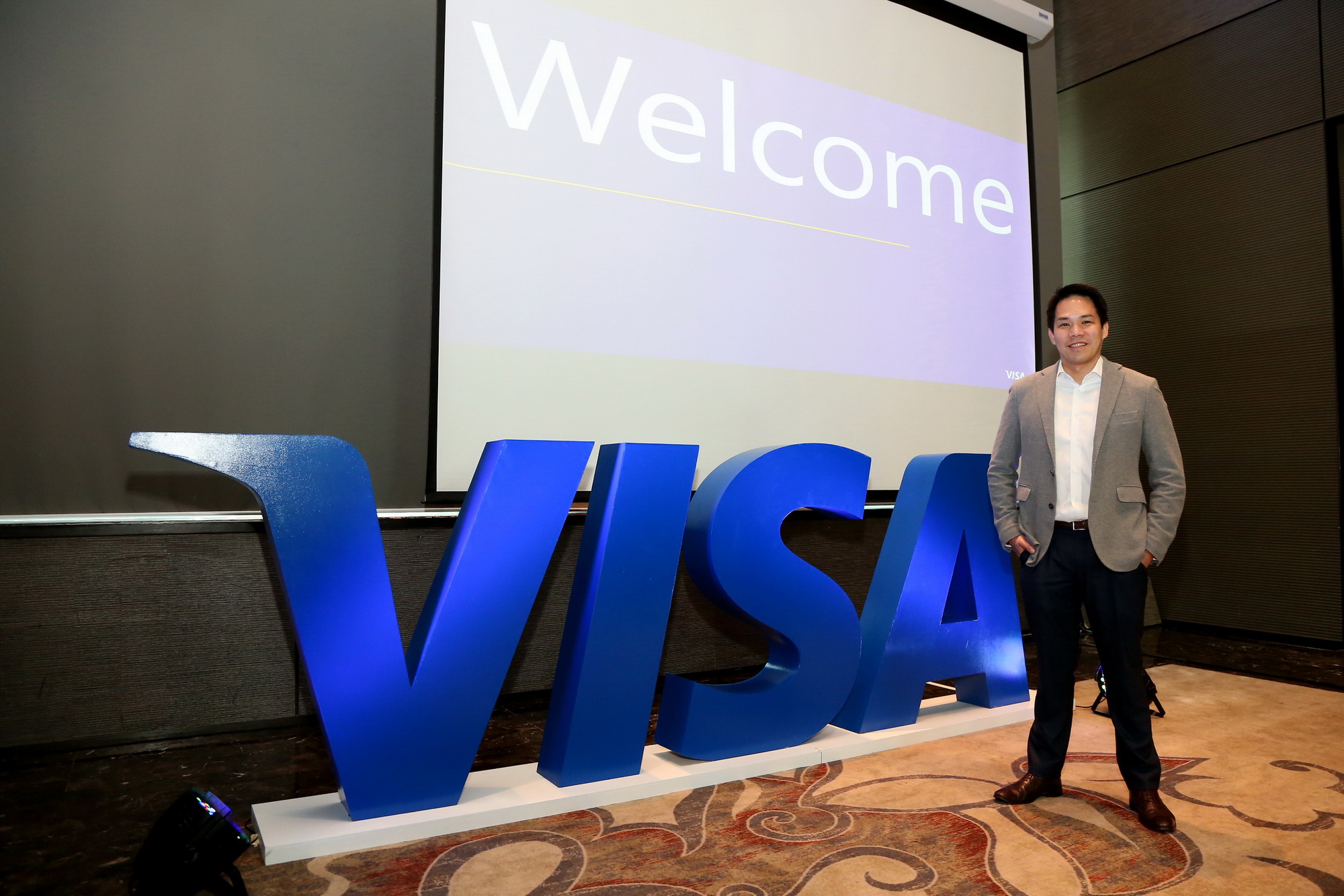
    Suripong Tantiyanon, Country Manager for Visa Thailand said: “The higher preference towards using digital payments and the rise of confidence in going cashless are credited to industry players and the government, who have been relentlessly driving the national e-payments agenda.

    “In addition, we believe that the higher preference towards digital payments can be attributed to the proliferation of payment form factors and acceptance points.  More than ever before, Thai consumers can make payments with a wider range of connected devices and payment applications on smartphones, such as wearables and mobile payments.  At the same time, QR code offers merchants in traditionally cash-based segments with a fast, cost-effective and secure digital payments solution.”

    According to the study, two in five Thais (42 percent) said they carried less cash than they did two years ago, compared to 26 percent in 2017.  Top reasons for the decrease in cash in wallet are cash is unsafe (65 percent), higher adoption of digital payments (65 percent) and the hassle of using cash (39 percent).

    The study also showed  that of those who tried going cashless, more than half (60 percent) could manage a day without cash and forty-five percent could last without cash for more than three days.

    Overall, in terms of future expectation, more Thais are confident about the country becoming a cashless society.  Nearly one in three (29 percent) are confident that Thailand can become a cashless society in less than three years, compared to 11 percent in 2017.  Thirty-nine percent believed it will take between four to seven years while only six percent believed it will take longer than 15 years.

    “The findings are encouraging.  We believe that we are on the right track and it is important to help more consumers and merchants understand and embrace the benefits of digital payments.  At the same time, we are committed to innovate and collaborate with all stakeholders in the payment industry and beyond as we continue our journey towards transforming Thailand into a cashless society,” Suripong concluded.

  • Facebook’s unannounced mobile payment service shows up

    Facebook’s unannounced mobile payment service shows up

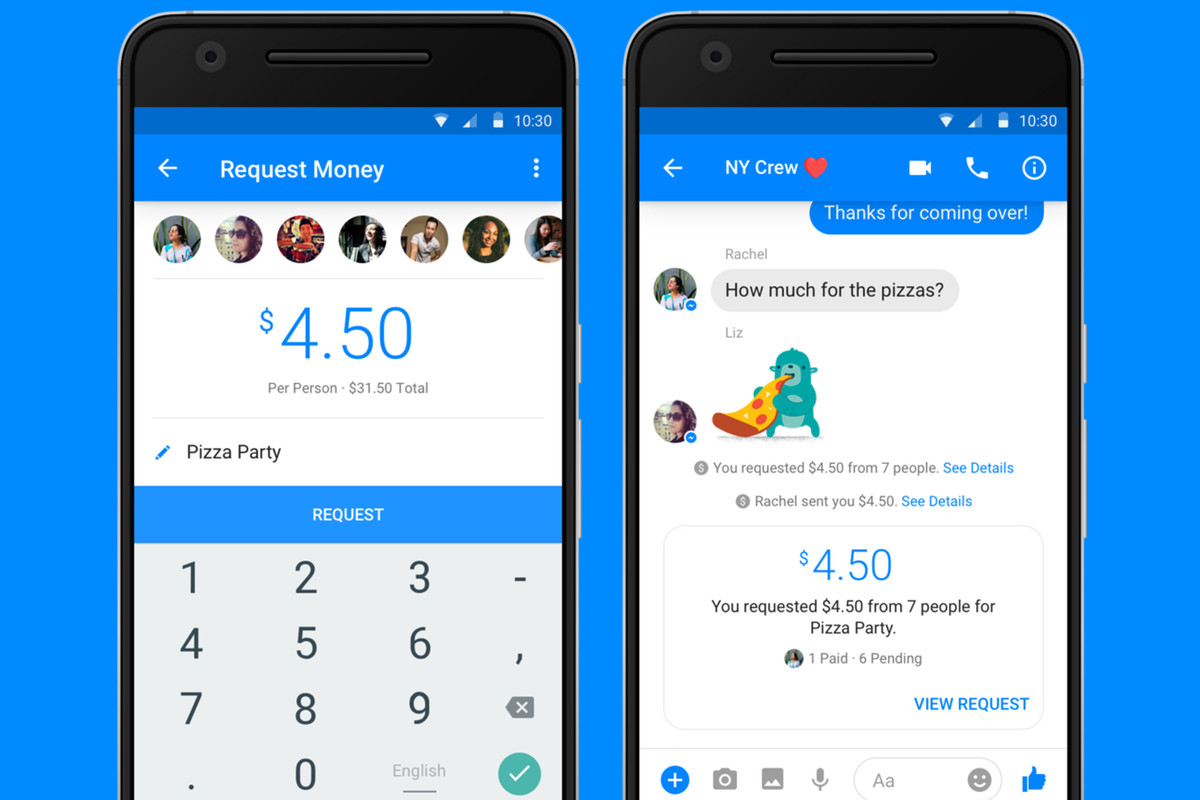
    Facebook’s Marketplace seems to be one of the few successful features launched by the social network giant in the last couple of years. Now, Facebook plans to add an important tool that will make the entire Marketplace experience smoother and easier, at least this is how we’re seeing things at first glance. A mobile payment service that will allow Facebook users to pay for goods they buy through Marketplace is already showing in the Android and iOS app. A new Pay with Facebook option is now available on some Facebook pages that sell various products (i.e. Marshmello Music).

    The new option supports various payment methods that use Visa and Mastercard, as well as cryptocurrency, though the latter seems just a placeholder for now since we don’t recognize the symbol.

    At the moment, the whole process seems a bit convoluted because the buyer must first send a request to the seller, who will then have to accept or refuse the offer and send another payment request to the buyer.

    Although it sure doesn’t sound like a seamless process, Pay with Facebook may at least offer Marketplace users a more secure (and free) method of payment. We’re still waiting for Facebook’s official announcement to learn more about the new mobile payment service, but we can’t guarantee it will ever come.

  • AEON gives hefty prizes for the lucky winners of the “AEON Happy Pay” campaign

    AEON gives hefty prizes for the lucky winners of the “AEON Happy Pay” campaign

    Recently, Ms. Saranya Pipoppinyo (5th from left), Vice President Marketing of AEON Thana Sinsap (Thailand) Public Company Limited awarded prizes to the lucky winners of the “AEON Happy Pay” campaign. The grand giveaway comprises of three prizes of gold bars, worth 100,000 baht each, the second is 20 prizes of 50 satang gold necklaces and the third is 100 vouchers with a combined value of 586,500 baht.  Eligible participants include AEON Your Cash customers that make an installment payment at participating department stores and shops from 30 August – 30 November, 2018.


  • Western Union Debuts New Payment Option for Amazon

    Western Union Debuts New Payment Option for Amazon

    Cross-border, cross-currency money-movement firm Western Union has unveiled a new payment option that allows Amazon customers in Hong Kong and other Asian markets to pay in local currency for their purchases. The service is being offered initially in 10 countries – Chile, Colombia, Hong Kong, Indonesia, Kenya, Malaysia, Peru, the Philippines, Taiwan and Thailand – enabling customers who prefer to pay in cash to shop Amazon.com’s vast product selection.

    The new platform is called Amazon PayCode, which processes the complex foreign exchange, settlement and money movement requirements for international e-commerce transactions. After selecting PayCode on the Amazon.com checkout page, customers will be sent a code along with instructions on how to pay in person at a participating Western Union agent location.

    The move by Western Union and Amazon will provide greater access to online goods for customers who have largely been excluded from e-commerce shopping due to lack of accepted payment methods.

    “We’re helping to unlock access to Amazon.com for customers who need and want items that can only be found online in many parts of the world,” said Khalid Fellahi, SVP and GM of Western Union Digital.

    “This is a great example of two global brands innovating and collaborating to bring customers more convenience and choice. In a world where cross-border buyers and sellers are often located on different continents and in completely different financial ecosystems, our platform is ideally suited to solving the complexity of collecting local currency and converting it into whatever currency merchants need on the other end.”

    “Amazon is committed to enabling customers anywhere in the world to shop on Amazon.com, and a big part of that is to allow customers to pay for their cross-border online purchases in a way that is most convenient for them,” said Ben Volk, director of payment acceptance and experience at Amazon. “Amazon PayCode leverages the reach of Western Union to make cross-border online shopping a reliable and convenient experience for customers who do not have access to international credit cards, or prefer to pay in cash.”

  • Cashless-payments will be launched soon in Japan

    Cashless-payments will be launched soon in Japan

    More than 50 Japanese banks are joining Tokyo bank J-Coin to set up a cashless payment system developed by Mizuho Financial Group, to be launched late next month. The new service will initially be rolled out to existing account holders at regional banks. Mizuho Bank will initiate the service on March 1, with regional banks to follow after a period of around three weeks.
    Around half of Japan’s regional banks are participating in the scheme at a time when the Japanese government is advocating cashless payments in advance of the 2020 Tokyo Olympics and Paralympics.

    J-Coin payments will be processed via an app using a QR barcode, a phone number or a Line messenger personal ID number. Unlike the prepaid smart cards commonly used in Japan, J-Coin allows transactions between individuals without the need for dedicated scanning devices at point of sale.

    A number of major retailers, including East Japan Railway Co and FamilyMart, have already indicated interest in adopting the system.

    Observers have noted that partnerships with international cashless payment providers such as Alipay could see J-Coin become a preferred method of payment among visitors to Japan.

    The Japanese government, aiming to double digital payments to 40 per cent of all transactions by 2025, will offer rebates of 2 per cent of convenience-store cashless purchases and 5 per cent of cashless purchases at other small- or medium-sized stores for nine months after its consumption tax is raised from 8 per cent to 10 per cent in October this year.

  • Alipay is available at Walgreens’stores now

    Alipay is available at Walgreens’stores now

    Chinese consumers visiting the U.S. can now use Alipay at Walgreens, one of the largest drugstore chains in the country. Whether traveling for business or pleasure, Alipay users can shop at 3,000 locations in major cities such as New York, San Francisco and Las Vegas to start, the companies said. The number is expected to reach 7,000 by April. Walgreens operates about 9,560 drugstores in all 50 U.S. states, Washington, D.C., and other U.S. territories.

    About 4 million users of the mobile-payments app are in the U.S. annually, according to Alipay, which is owned by Alibaba Group affiliate Ant Financial. The service offers them a quick and easy way to pay for goods while overseas, one that is already ubiquitous in China and lacks the higher foreign-transaction fees typical of credit cards.

    “Walgreens is focused on making shopping more convenient for our customers,” including Chinese consumers, said Walgreens President of Operations Richard Ashworth, including Chinese consumers. “Not only can they buy our products via our dedicated store on Alibaba’s Tmall Global marketplace, but they will now also be able to shop in the U.S., using Alipay as they would in China.”

    In September, parent company Walgreens Boots Alliance made its first move into China’s consumer market by launching a flagship store on Alibaba Group’s dedicated cross-border e-commerce platform, Tmall Global. The direct-to-consumer channel added to a wholesale and retail pharmacy business that WBA had already been operating in China.

    According to China’s Ministry of Tourism, Chinese travelers took about 140 million trips abroad last year. In an effort to capture that business, Ant Financial has been working with merchants across the globe to make Alipay available overseas to its more than 1 billion users (which includes users of its joint-venture partners’ apps). Alipay currently is available in over 40 countries and regions. Last year, Alipay added Germany’s Oktoberfest, the world’s largest gingerbread city in Norway and San Francisco’s Pier 39 to its list of merchant partners, all of which are popular destinations for Chinese tourists.

    “This is a key strategic partnership for achieving awareness in the U.S.,” Yulei Wang, general manager of Alipay North America, said of the Walgreens partnership. “We are excited to partner with a company that has been trusted across America since 1901, and is constantly evolving to provide more Chinese consumers a seamless and familiar way to pay.”

  • Chinese outbound tourists powering mobile payment growth

    Chinese outbound tourists powering mobile payment growth

    Chinese outbound tourists are taking China’s mobile payment industry to foreign markets, according to Nielsen. The research company’s report, 2018 Trends for Mobile Payment in Chinese Outbound Tourism, shows that mobile payment transactions by surveyed Chinese tourists surpassed the percentage paid with cash for the first time. Nearly 70 per cent of Chinese tourists paid with their mobile phones while abroad.

    Several factors encourage Chinese tourists to use mobile payment abroad, with the most important being that they have already become accustomed to this fast and convenient payment method in their home country.

    Merchants around the world have gradually recognised the importance of mobile payment for Chinese tourists and are witnessing benefits from better understanding of Chinese tourists’ habits and preference. Among the merchants surveyed at popular tourist areas in Singapore, Malaysia and Thailand that adopted Alipay, nearly 60 per cent saw growth in foot traffic and revenue.

    Many merchants surveyed said mobile payment is a safe, reliable and effective payment method that resonates with Chinese shoppers. Of the merchants that adopted Alipay, 71 per cent said they would recommend the mobile payment platform to peers.

    “Our store is located in an area frequented by Chinese tourists and they are our main customers. If we didn’t have mobile payment as an option, we would lose a lot of customers”,  said a Malaysian merchant cited in the white paper.

    “The outbound travel craze among Chinese tourists offers an important opportunity to expand mobile payment globally, while mobile payment outside of our home market has a broad space for development,” observed Gao Zilong, COO of self-service QR-code payment firm Inspiry International.

  • Mobile Payments in China is expected to witness three-fold growth by 2023

    Mobile Payments in China is expected to witness three-fold growth by 2023

    Low credit card usage, and increasing popularity of eCommerce coupled with a growing middle class in China have accelerated the growth of mobile payments in the country. China has also seen an increase in cross-border payment transactions, primarily due to growth in sectors such as eCommerce, travel and overseas education. Frost & Sullivan recently reportedthat nearly 65% of Chinese tourists have used mobile payments abroad, approximately six times higher than the average non-Chinese traveler.

    “In China, eCommerce is a powerful incentive for users to purchase smartphones that enable mobile payment features. The social aspect that mobile payments brings can serve as an integral step in building trust and learning about digital services, especially in rural communities,” said Ms  Mei Lee Quah, Industry Principal Analyst, Information & Communication Technologies (ICT) Practice, Digital Transformation at Frost & Sullivan.

    The market of mobile payments services in China is expected to grow at a compound annual growth rate (CAGR) of 21.8% from 2017 to 2023, growing three-fold from US$29.93 trillion to US$96.73 trillion. The total number of active mobile payment customers is expected to reach 956 million by 2023 from 562 million in 2017 which will attract additional investments from mobile payments market participants.

    Frost & Sullivan’s recently published report, Chinese Mobile Payments Services Market, Forecast to 2023, highlights the growth opportunities presented in the market, namely:

    •    Rural region penetration
    •    Addressing the elderly market

    The report also offers detailed analysis of the mobile payment market in China with a focus on key market players such as AliPay and WeChat Pay, and their business and revenue models. The Chinese market for mobile payment offers not only market opportunities for solution providers intending to operate within the domestic market but also learning points for global mobile payment solution providers.

    Frost & Sullivan predicts that China will continue to be a major player in the global mobile payment services market and service providers in the country will continue to focus on improving and enhancing security on mobile payment platforms.

  • Indonesia’s BRI Signs Partnership Agreement With Alipay

    Indonesia’s BRI Signs Partnership Agreement With Alipay

    Bank Rakyat Indonesia, Indonesia’s biggest state-owned lender, started the year with key strategic announcements, including an alliance with Chinese payment platform Alipay and plans to acquire a local insurance company and a small lender. BRI signed a memorandum of understanding with Alipay, a subsidiary of Chinese technology giant Alibaba, on Thursday to secure an opportunity to serve the growing number of Chinese tourists visiting Indonesia.

    “As China has its own payment system, we must be able to facilitate their [Chinese tourists’] needs. This move is aimed at supporting the country’s tourism industry,” Handayani, consumer director at BRI, said after an extraordinary shareholder meeting on Thursday.

    He said there are several matters that must still be discussed, including the acquisition of a permit.

    “We are currently integrating the business operation. We are now developing the IT system [for the service],” Handayani said, adding that the payment service will be launched in tourism areas, such as Bali, first.

    About 2 million Chinese tourists visited Indonesia between January and November last year, representing a 14 percent increase from the corresponding period in 2017.

    Insurance Company

    In addition to the partnership with Alipay, the lender has also set aside Rp 1.5 trillion ($105 million) this year to acquire an insurance company focused on covering property damage. BRI currently only has a life insurer, BRI Life.”This year, we want to have an insurance company. We are going to have a complete service in the financial industry,” BRI president director Suprajarto said.

    He said BRI was still observing the market and exploring several candidates before making a choice. The acquisition is slated for completion in the first half of this year, he added.

    Suprajarto said the acquisition of a general insurer would take precedence over the plan to acquire a small lender.

    This is because the Financial Services Authority (OJK) has asked BRI to acquire a lender in the categories BUKU I (banks with core capital below Rp 1 trillion) or BUKU II (banks with core capital between Rp 1 trillion and Rp 5 trillion).

    “It requires a large amount of funding, so we are now focusing on organic growth [instead of acquiring another lender],” Suprajarto said.

    BRI posted Rp 23.5 trillion in net profit in the first nine months of last year, which was 15 percent higher than the same period in 2017, thanks to a 17 percent surge in loan growth to Rp 809 trillion between January and September.

    BRI Appoints Deputy President Director

    BRI also announced the appointment of Sunarso as deputy president director and the dismissal of Jeffry J. Wurangian as commissioner and Kuswiyoto as director of corporate banking.Handayani said the changes were subject to approval by central bank.

  • Seoul launches zero-fee digital payment system

    Seoul launches zero-fee digital payment system

    The city of Seoul has moved to ease the transaction-fee burden on small and medium-sized businesses (SMBs) by launching the “Zero Pay” zero-fee digital payment system. The system has been set up in partnership with banks and fintech firms in response to shop owners paying excessive proportions of their monthly sales into credit-card transaction fees.

    Twenty banks and digital payment firms – with the notable exclusion of KakaoPay, South Korea’s most popular mobile payment service – are participating in the zero-fee digital payment system, which is digital-wallet activated via QR codes through which money is transferred directly between bank accounts.

    Businesses with annual sales less than KRW800 million (US$708,820) will not be charged transaction fees, while those with higher takings will be charged fees well below the credit card industry standard of 2.2 per cent.

    “If consumers and citizens use Zero Pay whenever possible, it will be a great help for self-employed businessmen,” said Seoul city mayor Park Won-soon.

    Around 16,750 stores have signed on to the Zero Pay program so far.