Retail News CRM

Tag: Payment

  • Retailers to lose US$130 billion from card-not-present fraud: Juniper

    Retailers to lose US$130 billion from card-not-present fraud: Juniper

    Increasingly complex card-not-present fraud will cost retailers US$130 billion globally in digital sales over the next five years. A Juniper Research study predicts that retailers’ slow pace in keeping up with new fraud prevention requirements will allow cybercriminal practices to become more widespread as more and more consumers shop online. It observes that established point-of-sale vendors will need to move towards mobile POS technology in order to expand their reach into fresh markets and reduce their exposure to card-not-present fraud.

    “A layered fraud detection and prevention (FDP) solution naturally helps directly preventing fraud, but it also offers major gains in terms of recovering potentially lost revenue through false positives,” said the report’s author Steffen Sorrell. “This is something about which retailers remain undereducated, and has allowed fraudsters to capitalise on relatively low FDP spend”.

    An implication of the Juniper research is that a low understanding of FDP investment return is causing the low uptake of the technology. the report anticipates digital payment players will be spending $9.6 billion annually on FDP solutions by 2023.

  • Chow Tai Fook Jewellery Group, WeChat signed agreement deal

    Chow Tai Fook Jewellery Group, WeChat signed agreement deal

    Chow Tai Fook Jewellery Group has signed a memorandum of understanding with Chinese online platform Tencent to allow jewellery purchases using WeChat Pay. In a move to promote “seamless cross-border intelligent consumption”, the agreement allows Hong Kong WeChat users to use the platform’s digital payment solution to make purchases at specified Chow Tai Fook jewellery stores in Mainland China.

    The group is planning steps to activate WeChat Pay HK within more Chow Tai Fook Jewellery stores in the Greater Bay Area, as well as other cities throughout Mainland China. It is also seeking to extend the payment agreement to its other brands.

    “Striving for innovations and breakthroughs, we are committed to providing seamless and exceptional consumer experience through a wide range of innovative projects,” said Chow Tai Fook executive director Bobby Liu. “The introduction of advanced technology has made the convenience in offering cross-border consumption, online payments and an integrated online-to-offline shopping experience available to customers from Hong Kong.”

    Tencent Financial Technology VP Royal Chen said the collaboration with Chow Tai Fook Jewellery Group will fully make use of the available mobile payment technology.

    “Tencent Technology will vigorously promote cross-border financial cooperation. Leveraging financial and technological advancements, we aim to build a truly integrated service platform for those living in both Hong Kong and Mainland China.”

    Tencent Fin-Tech and Chow Tai Fook will also jointly explore and research proposals for ID verification in order to ease the flow of capital and manpower resources across the border.

  • Wirecard expands cooperation with Singtel’s Dash to enable mobile payments with Apple Pay

    Wirecard expands cooperation with Singtel’s Dash to enable mobile payments with Apple Pay

    Wirecard, the global innovation leader in digital financial technology, has deepened its partnership with Singtel’s Dash to support the Dash mobile wallet’s Visa Virtual Account on Apple Pay. From now on, Dash’s customers can make payments using Apple Pay at millions of participating on- and offline merchants worldwide.

    Brigitte Haeuser-Axtner, Executive Vice President, Sales Asia, Digital & Telecommunications at Wirecard said, “As leaders in digital financial technology, we are proud to work with Singtel to bring Dash to an even larger group of potential customers, and to connect consumers with merchants around the globe. Asia continues to be the leader of the digital payments revolution worldwide, and we are excited to be at the forefront of these innovations.”

    “With the increasing popularity of mobile and online payments, Dash enables easy, secure and seamless payment options between our partner merchants and our more than half a million Dash customers on the platform of their choice,” said Gilbert Chuah, Head of mCommerce at Singtel. “Our expanded partnership with Wirecard to bring Dash to Apple Pay reflects our commitment to enhance the digital payment experience for both merchants and customers.”

    Singtel Dash is Singapore’s only all-in-one digital wallet which provides a safe and secure mobile payments solution for shopping, commuting, and remitting money. Dash’s Visa Virtual Account is the first of its kind in Singapore and was introduced in 2017.

    The inclusion of Dash into Apple Pay complements the increasing popularity of online shopping in Singapore. Wirecard’s 2018 International Holiday Shopping Report found that 67% of Singaporeans surveyed prefer shopping online, either via desktop or mobile, while 20% prefer shopping in-store. The ability to use mobile payments in-store is also a welcome innovation with 51% of respondents saying it would improve their shopping experience.


  • Amazon-go to open more stores in the airports

    Amazon-go to open more stores in the airports

    Online giant Amazon is looking to expand the reach of its automated bricks-and-mortar Amazon Go offer by opening stores in airports, according to a report by Reuters. The retailer’s Go stores utilise myriad cameras which are able to identify customers as they enter, see what they pick up and leave with, and subsequently charge the customer’s Amazon account without the need for any staff interaction – a natural fit for customers needing to get from gate to gate in a short amount of time.

    According to emails obtained by Reuters, Amazon requested a meeting with staff from several airports, including Los Angeles International and San Jose International, referencing Amazon Go as “one of many possibilities we can discuss”.

    Beyond the meetings, which took place in June, officials from both airports confirmed they have had no further correspondence with the business, and that it would need to undergo a competitive bid process in order to acquire the locations necessary.

    The move would put Amazon in front of the more than 350 million people who boarded flights from the country’s top 12 airports last year, according to data from the US Department of Transportation.

    Amazon has been slowly expanding its physical retail offering through numerous Whole Foods, seven Amazon Go stores, and three reviews-driven Amazon 4-star stores, spread across the US, though efforts to bring these offers internationally are reportedly heating up.

    Telegraph UK has learned that Amazon is planning to open an Amazon Go store near Oxford Circus in London, with the location serving as a flagship store for the UK.

  • Visa Thailand to strengthen security in payment

    Visa Thailand to strengthen security in payment

    Visa, the world’s leader in digital payments, has today launched its Future of Security Roadmap for Thailand, outlining a robust approach for strengthening payments security in the country over the next 3 years. Visa’s Roadmap focuses on a number of key initiatives which will enable security to evolve at the same pace as the technologies changing the way we pay. These security initiatives include:

    • Devalue data by removing the sensitive data from the ecosystem and making stolen account details useless.
    • Protect data by implementing safeguards to protect personal data as well as account details.
    • Harness data by identifying potential fraud before it occurs and increase confidence in approving good transactions.
    • Empower everyone, including accountholders, 3rd party providers and merchants, to play an active role in securing payments.

    Suripong Tantiyanon, Country Manager, Visa Thailand said: “We are proud to be launching our Thailand Future of Security Roadmap. Securing the commerce ecosystem is our highest priority and one we view as a shared responsibility between payment networks, consumers, banks, and the government. Technology has enabled new innovative ways to pay and be paid, but it has also brought unique risks. To stay ahead of fraud, we need to work together and give security the same attention and investment as we do the innovations driving new commerce experiences.”

    The release of Visa’s Roadmap comes at a time of rapid change for payments in Thailand with innovations such as mobile payments set to enhance the payment experience for consumers. According to Visa’s Consumer Payment Attitudes Study, security remains a key consideration for consumers across Southeast Asia with two-thirds (67 percent) concerned about the safety of their personal information when using their mobile phone to make payments.

    When asked specifically about what their top three concerns were when using their mobile phones to make payments, consumers in Thailand said losing my phone or having my phone stolen, my phone getting hacked or someone intercepting my data, and malware or viruses being installed on my phone.

    Visa works with industry stakeholders including financial institutions, merchants, policy makers, law enforcement and accountholders to secure payments. The Visa Future of Security Roadmap is the product of comprehensive consultations and collaboration, making it an authoritative document on Thailand payments security.

    Visa is delivering roadmaps around the world to ensure the security of the global commerce ecosystem, as well as working with Thai industry bodies to align security initiatives.


  • Thai Airways taps Worldpay for payments innovation

    Thai Airways taps Worldpay for payments innovation

    Thai Airways International (THAI), the flagship carrier airline of Thailand, has selected Worldpay, Inc. (NYSE: WP; LSE: WPY) as its international payments partner, as it targets overseas growth. To support its sustainable growth strategy, THAI needed an experienced partner to help it manage the complexities of cross-border payments and optimise the online booking journey across both mobile and desktop.

    Worldpay, a leader in card and alternative payments with global coverage, was selected for its international reach and unrivalled experience in the airline industry. Worldpay works with 88 of the world’s biggest airlines and has more than 25 years of experience in the sector. Consumer preferences are changing: while flights have traditionally been booked using credit cards, alternative payment methods (APMs) are growing in popularity. With 28 percent of Thai consumers using bank transfers as their preferred method for shopping online, the ability to offer local payment options will allow companies to make the most of Southeast Asia’s second largest economy.

    Additionally, global mCommerce penetration is set to rise from 38 percent in 2018 to 49 percent in 2022, which suggests that mCommerce is on track to overtake desktop sales by 2023. To adapt to this shift, Worldpay will support THAI in widening its breadth of payment methods and transaction currencies to appeal to the changing purchasing patterns of customers. THAI will initially focus its payment optimisation efforts on Australia and Europe – two key markets for the company. In Australia, the carrier’s passenger traffic is growing by two percent year-over-year, while in Europe passenger traffic is growing at a rate of 2.5 percent each year.

    A range of APMs such as iDEAL, Trustly, SOFORT, and Giropay will be rolled out over the coming months to make it easier for European travellers to book online. The THAI payment team will then expand their initiatives to India, China, and the rest of Asia Pacific. Worldpay will also help THAI execute their commercial strategy through advanced data analytics capabilities, which provide rich insight into transaction approval rates and payment costs. This data will enable the airline to expedite new sales strategies and optimise their payments infrastructure with cross-border operations.

    Wiwat Piyawiroj, THAI Executive Vice President, Commercial comments: “Tourism is booming in Thailand, with a 7.7% increase in domestic flights year-over-year for our service. Yet the market is also incredibly competitive, so it is vital to ensure we can best service our customers and their needs. Thanks to Worldpay, we will be able to offer a variety of payment methods that caters to the tastes of travellers all over the world, making it easier for them to book the holidays they want. As we grow, Worldpay will be a vital strategic payments partner and key to our continued success.”

    Phil Pomford, general manager for Asia Pacific, Global Enterprise eCommerce at Worldpay, said: “With global passenger numbers on track to double over the next 20 years, and Thailand forecast to enter the top 10 aviation markets by 2030, it is a hugely exciting time for THAI. We are delighted to support our partner as they continue to grow. Travellers are continuously evolving the ways in which they buy flights, and airlines must keep pace to match these shifting patterns. The airline industry has never been more competitive, and we look forward to helping THAI capitalise upon the opportunities ahead.”

  • Cashless services explode in Vietnam

    Cashless services explode in Vietnam

    Vietnam’s central bank says the value of cashless transactions more than doubled over the first three quarters of 2018. The Department of Payments at the State Bank of Vietnam reported a strong rise in payments over electronic channels between January and September, compared to the same period last year. Accordingly, the value of online payments rose by 18.3 percent, while transactions over mobile apps and e-wallets rose by 126 percent and 161 percent respectively.

    The number of transactions over Internet, mobile and e-wallet channels also rose 33 percent, 30 percent and 28 percent respectively.

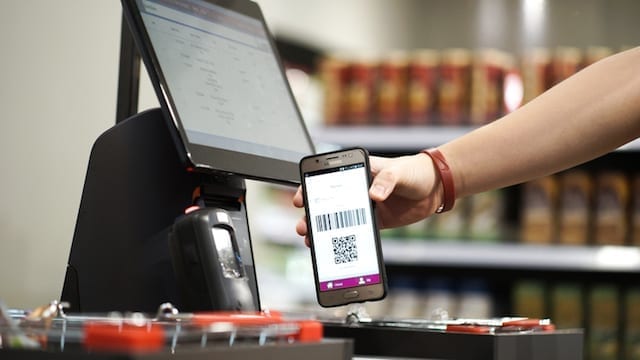
    “Mobile payment is becoming a new trend with the rise of technologies such as QR codes, contact and contactless payments, and the tokenization of card information,” said Nghiem Thanh Son, deputy director of the department.

    The first months of 2018 saw the number of users and the value of transactions through electronic channels such as online, mobile and e-wallets rocket at many banks.

    At Sacombank, statistics show that as of October, the number of registrations for online banking reached over 1.3 million accounts and for mobile banking 1.1 million accounts. The total value of transactions per month through both channels exceeded VND108 trillion ($4.63 billion).

    For VietinBank, the country’s second largest lender by assets, the number of internet banking users in the first half of this year surged 114 percent over the same period last year to a total of 1.5 million accounts and VND44.26 trillion ($1.90 billion) in total transaction value.

    Its mobile banking users also reached 1.5 million, engaging in transactions totalling VND64.35 trillion ($2.76 billion) between January and June.

    Over 7 million people are using digital services provided by MBBank. The average transaction value per month reached VND27.4 trillion ($1.17 billion), with digital transactions making up approximately 2.6 million out of 3 million total monthly transactions seen at this bank.

    Nguyen Hoang Minh, deputy director of the State Bank’s HCMC branch, noted that the number of online banking customers has seen average annual increase of 20 percent in recent years.

    Minh said that in order to continue developing non-cash payment channels, credit institutions should pay attention to linking their cashless systems with the public sector, specifically in areas like health, education, payroll and utilities.

    Cashless services should also expand to include online payment options for public services like buses, trains and other smart urban solutions, he said.

  • AlipayHK Appointed QR Code Payment Solution Vendor of MTR

    AlipayHK Appointed QR Code Payment Solution Vendor of MTR

    AlipayHK users will be able to take the MTR by simply tapping their mobile phones at ticket gates at MTR stations starting from mid 2020 as the mobile payment service provider stood out from the many bidding participants and was appointed the QR Code payment solution vendor of MTR on Thursday last week.

    The QR Code solution provided by AlipayHK allows passengers to scan a code in under 0.4 seconds at ticket gates. Furthermore, the QR Code solution will support dual offline solution, so even if internet service is poor or lacking, transactions can be completed to ensure smooth journeys. The plan is to launch the QR Code payment system across  91 MTR stations in 2020. Citizens throughout Hong Kong will be able to enjoy Smart Mobility when commuting on MTR.

    AlipayHK focuses on fulfilling Hong Kong citizens’ needs in shopping, dining, living, and commuting. After its launch into the taxi industry and of the EasyGo technology,, it makes history by hitting another milestone. As Hong Kong people’s number one choice of transport, MTR caters roughly 5.8 million passengers trips every work day. In light of the high volume of passengers, MTR will introduce QR Code as an additional method of payment for passengers.

    Jennifer Tan, CEO of Alipay Payment Service (HK) Limited (APSHK) expressed: “After our collaboration with minibus operators, AlipayHK is thrilled to have won the bid in being MTR’s QR Code payment system provider. Not only is this a recognition in AlipayHK’s technological stability, we feel confident QR Code transit technology will be successfully expanded into more aspects. Commuting via QR Code is the trend for the future. Aside from gradually merging with Hong Kong’s public transports, we will also be exploring smart mobility in outbound travels by entering the most popular travel destinations of Hong Kong people, driving smart mobility across Hong Kong.”

  • Visa and GARMIN launch GARMIN Pay in Thailand

    Visa and GARMIN launch GARMIN Pay in Thailand

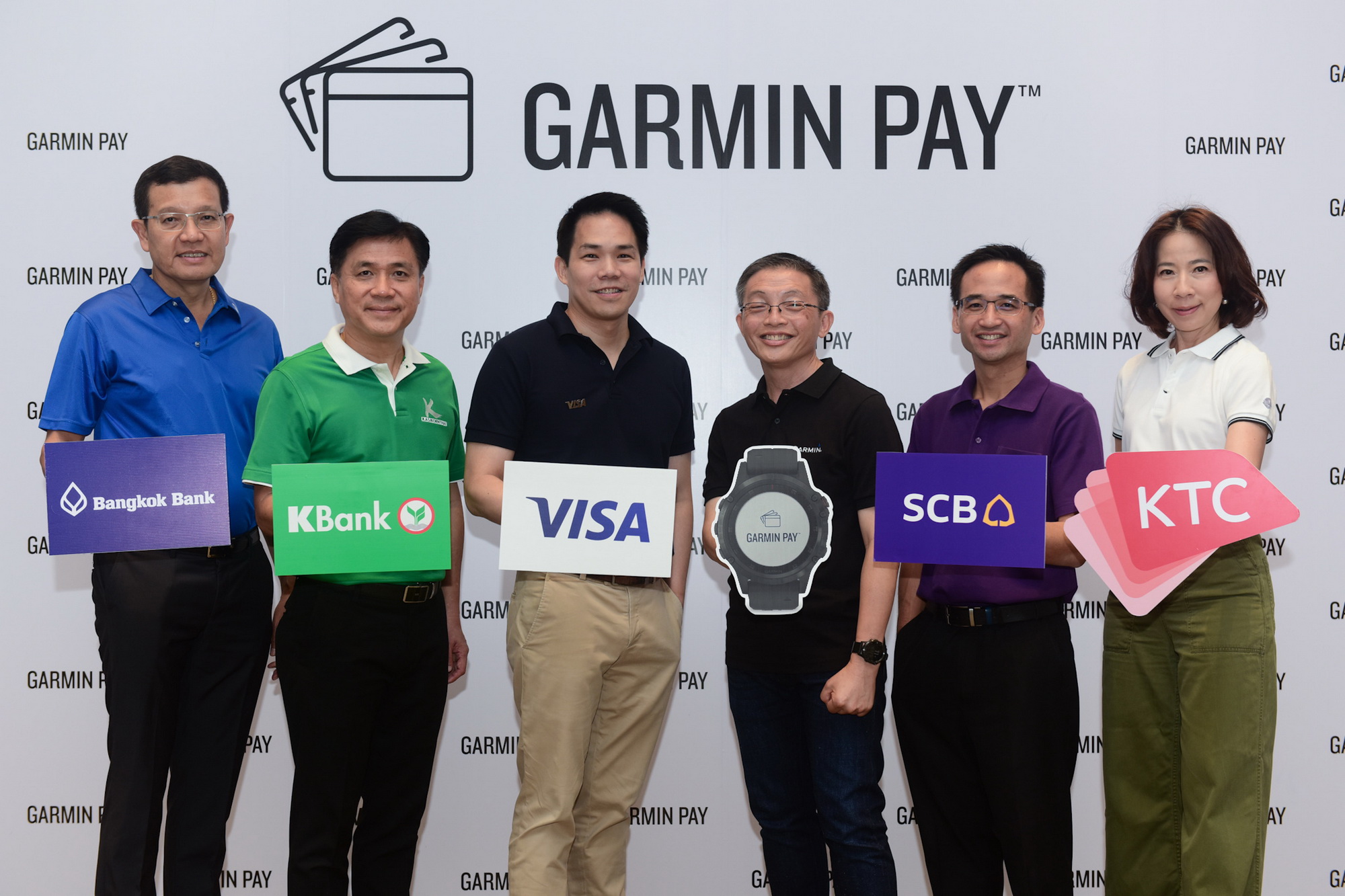
    Visa, the world’s leader in digital payments and GARMIN, in partnership with leading financial institutions, announced the launch of GARMIN Pay, a new contactless payment feature on GARMIN smartwatches. Starting 15 November, customers of Kasikornbank, Krungthai Card and Siam Commercial Bank can add their Visa credit or debit card to their GARMIN smartwatches, while Bangkok Bank is in line to launch by first quarter 2019.  The feature offers a new cashless experience, where purchases can be made seamlessly at growing contactless-accepted merchant locations. The emergence of payment innovation and technology mark yet another milestone helping to transform Thailand into a less-cash society.

    Mr. Suripong Tantiyanon, Visa Country Manager for Thailand said: “Visa is pleased to support the launch of Garmin Pay, bringing Visa contactless payments to Garmin smartwatches in Thailand.  Visa believes payments wearables are the future of fast, simple and secure payments, for people who lead an active lifestyle. According to Visa’s “sweaty money” survey, 57 percent of people who bring cash or a payment.

    card along on their workouts are stashing it somewhere uncomfortable and inconvenient. Garmin Pay will be a welcome solution for anyone looking for an effortless way to pay while on the go.  This launch is another milestone in Visa’s commitment to continue providing payment innovations and experiences across a wide range of form factors to consumers in Thailand.”

    Mr. Krairop Luang U-Thai, General Manager of GIS, the authorized distributor of GARMIN products in Thailand said: “GARMIN Pay is the latest feature on the GARMIN smartwatch.  Select the credit card you want to connect to the watch and create the GARMIN Pay Wallet by filling in the card information on the GARMIN Connect application along with your passcode. All customers then have to do is place their wrist near a card reader that supports contactless payments to purchase goods and services.  GARMIN Pay uses tokenization offered by the global payment networks to secure users’ information. The tokenized data is saved in an isolated safety chip which is in device, so to keep sensitive data from malware or virus. In addition to Thailand, GARMIN Pay is also currently available in 22 countries around the world.”.

    GARMIN Pay is available on vivoactive 3 series, forerunner 645 series, fenix 5 plus series. Check back for future additions and more information about GARMIN Pay, visit Garmin.co.th/Garmin-Pay


  • Public Bank launches all-in-one digital payment platform

    Public Bank launches all-in-one digital payment platform

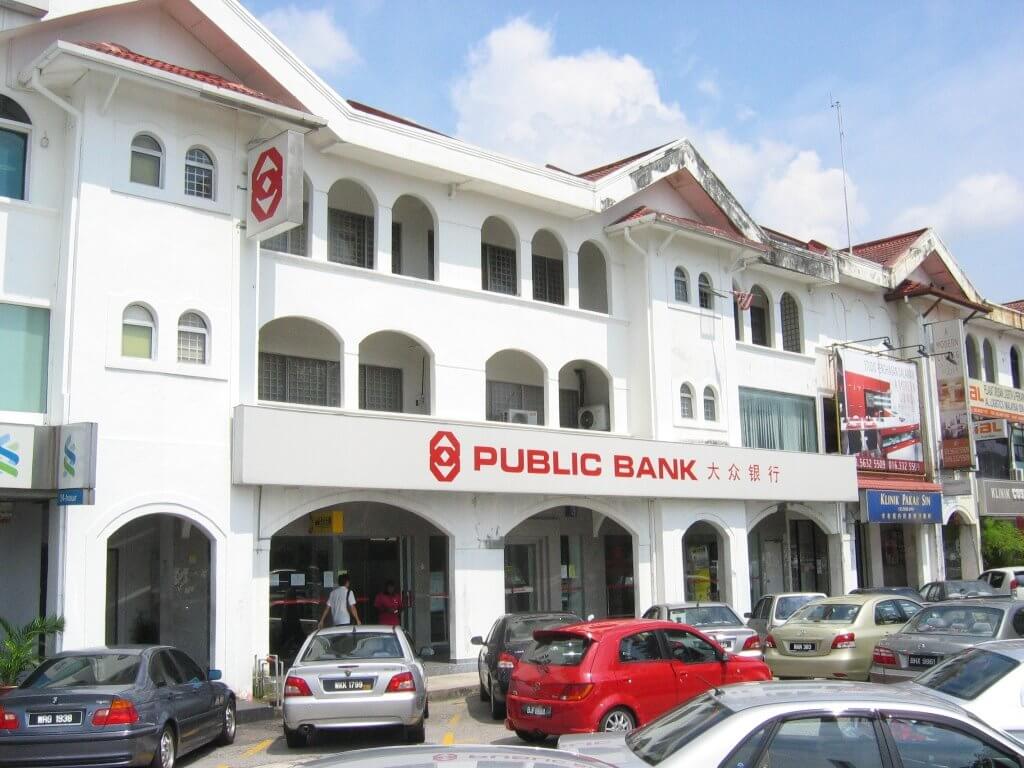
    Public Bank Bhd, in partnership with Revenue Group Bhd, today launched the all-in-one digital payment terminals. This all-in-one digital payment terminal has been piloted at selected merchant outlets of Public Bank and will be made available tomorrow.

    Public Bank managing director and CEO Tan Sri Tay Ah Lek said the first all-in-one digital payment terminal in Malaysia, developed by Revenue, will simplify the payment acceptance process as it will enable the physical retail merchants to accept both card payments and mobile wallet payments in a single digital payment terminal thus providing convenience to them.

    As at end September 2018, Public Bank has more than 60,000 electronic data capture terminals nationwide.

    Tay said it will continue with its strategy of increasing its merchant base and adding on more new acceptance services.

  • Momo becomes first Vietnamese Fintech 100 firm

    Momo becomes first Vietnamese Fintech 100 firm

    Vietnam’s mobile, electronic wallet and payment application Momo is among the top 100 innovative fintech companies in the world. This is the first time a Vietnamese firm has broken into this special group, positioned 84th. Momo is also in the “Emerging 50” category, which includes newer companies that are at the forefront of innovative technologies and practices.

    Its products help customers in Vietnam make nationwide cash transfers, pay more than 100 types of bills, recharge mobile phone accounts, settle personal loans, and purchase services like software licenses and online game cards, airline and movie tickets, etc.

    The company’s payment system partners with 24 domestic banks and foreign payment networks, including JCB, MasterCard, and Visa.

    A judging panel comprised of senior partners from H2 Ventures and KPMG decided the final composition of the Fintech100 list.

    H2 Ventures is a global thought leader in fintech venture capital investment while KPMG is a global network of independent member firms offering audit, tax and advisory services.

    Companies were ranked based on total capital raised, rate of capital raising, location and degree of sub-industry disruption and the judging panel’s subjective rating of the degree of product, service, customer experience, and business model innovation.

    Other newcomers to the list include Argentina, Bahrain, Colombia, Czech Republic, Indonesia, Jordan, Malaysia, Myanmar, United Arab Emirates, and Thailand.

    Leading the ranking this year are China’s Ant Financial, the world’s largest third-party payments platform, JD Finance, a digital technology company and Singapore’s ride hailing firm Grab.

  • Twenty4 opens cash-free retailer in Ipoh Malaysia

    Twenty4 opens cash-free retailer in Ipoh Malaysia

    Malaysian convenience store Twenty4 has opened in Ipoh as the region’s first cash-free retailer of its kind. The “smart” convenience store accepts only cashless transactions, earning it a spot in the Malaysia Book of Records. The brand’s CEO Kenny Ng said: “The shop is open round-the-clock and customers can purchase a variety of items, including food and personal care items, through cashless transactions.

    Customers can buy products at the store using debit cards, credit cards, Paywaves, Samsung Pay, Apple Pay or use other E-Wallet payments. We hope the concept will set the pace … be a pioneer in Malaysia, where people buy items without using cash.”

    Twenty4 sells various local and international products via self-service machines.

  • Real estate giant shakes up market with yet another business

    Real estate giant shakes up market with yet another business

    Vingroup has invested VND2.4 trillion ($103.2 million) for an 80 percent stake in payment intermediary services firm VINID Joint Stock Company, according to a statement on the National Business Registration Portal.

    VINID, incorporated this week, has a charter capital of VND3 trillion ($129 million) and its other two founding shareholders are Hanoi-based VICARE Corporation (19 percent) and a person named Nguyen Minh Hong (1 percent).

    VINID sought to operate in 12 different areas of business, and received a registration certificate from the Hanoi Department of Planning and Investment.

    The payment services business must wait for State Bank of Vietnam permission, but the company has indicated it intends to begin as soon as it gets the green light.

    VINID is running Vingroup’s customer loyalty program, issuing VinID cards to customers of all of Vingroup’s subsidiaries.

    The firm takes care of four million card holders, Pham Nhat Vuong, chairman of Vingroup, told the 2018 annual general meeting held in May.

    The entry into the payments industry is meant to take advantage of Vingroup’s huge range of products, the company stated.

    The entry into payments comes on the heels of a slew of announcements the company has made about new business plans this year.

    In June Vingroup had said it would make electronic goods with the Vsmart brand of smartphones getting priority.

    It has set up VinSmart company with a charter capital of VND3 trillion ($129 million) to produce smart electronic products including phones and carry out R&D into artificial intelligence, automation, and next-generation materials.

    It will build a plant at the Dinh Vu – Cat Hai Economic Zone in the northern port city of Hai Phong.

    In April Vingroup revealed plans to enter the pharmaceutical industry and set up a medical research and production facility in the northern province of Bac Ninh.

    It would invest VND2.2 trillion ($94.6 million) in the first phase of the project, the company said.

    Vingroup is the largest listed company in the Vietnamese stock market with its market capitalization reaching $13.62 billion, the group stated on its website in April.

    Last year it raked in net revenues of VND89.350 trillion ($3.84 billion), a 55.1 percent increase year-on-year.

  • Most e-commerce transactions still use ‘COD’

    Most e-commerce transactions still use ‘COD’

    THE majority or 80 percent of e-commerce transactions in the Philippines are still cash-on-delivery transactions, according to a report by the Asian Development Bank (ADB) and United Nations Economic and Social Commission for Asia and the Pacific (Unescap).

    This despite the high Internet penetration rate in the Philippines. The report, titled “Embracing the E-commerce Revolution in Asia and the Pacific,” said there are 56.75 million Filipinos who have access to the Internet.

    The report said this can be due to the lack of available e-payment options that force Filipinos to resort to cash on delivery, placing consumers at risk.

    “The lack of well-developed e-payment systems forces e-commerce firms to rely on fragile business models. For instance, COD can create friction between buyers and sellers, because it involves a high degree of uncertainty whether vendors get paid. Another is the safety of customers, who can be threatened if they refuse to pay for unsatisfactory goods,” the report stated.

    This could be one of the reasons e-commerce transactions in the country remain low. In 2015 the report said, only 0.5 percent of retail sales in the Philippines are conducted online in 2015.

    Apart from these reasons, geography concerns, particularly for island economies, prevent the increase in e-commerce transactions.

    The Philippines, being an archipelago, further complicates the delivery and return of goods bought via online or electronic transactions.

    “An underdeveloped delivery system is a major roadblock for developing e-commerce. But improving delivery systems are difficult when geographic factors are involved. For example, Indonesia has more than 17,500 islands. The Philippines has 7,641. So delivering products cost-effectively is challenging,” the report stated.

    The underdeveloped e-commerce system poses a huge disadvantage, especially to small and medium enterprises (SMEs) who stand to benefit the most from such a system.

    In a statement, the ADB said that through e-commerce systems, SMEs can “reach global markets and compete on an international scale” while “creating many jobs in the process.”

    The ADB cited the need to develop viable e-commerce ecosystem which requires a holistic approach and concerted efforts by all stakeholders in e-commerce development, including national governments and international development institutions, trade associations and industry bodies, businesses (e-commerce vendors, payment service providers, and logistics service providers, among others) and consumers.

    It added that policy priorities should be on establishing a legal and regulatory framework for e-commerce, harmonizing international laws and standards, promoting information and communications technology infrastructure development, broadening Internet access and affordability, and supporting financial and e-payment infrastructure.

    “Emerging digital technologies are transforming the e-commerce landscape and offer a new set of modern solutions and opportunities to build more inclusive growth and spur innovation,” ADB Vice President for Knowledge Management and Sustainable Development Bambang Susantono said.

    “It offers a chance to narrow development gaps—whether demographic, economic, geographic or cultural. It also helps narrow the rural-urban divide. However, realizing the full potential of e-commerce calls for coordinated regional and global efforts,” Susantono said.

    Asia and the Pacific is the world’s largest business-to-consumer e-commerce marketplace and continues to grow rapidly, the report said.

    By the end of 2015, the size of e-commerce relative to gross domestic product was 4.5 percent in Asia and the Pacific compared to 3.1 percent and 2.6 percent in North America and Europe.

    The Internet retailing market share of Asia and the Pacific is expected to reach around a half of the global total by 2020.

  • Bitcoin to be accepted in Seoul Mall

    Bitcoin to be accepted in Seoul Mall

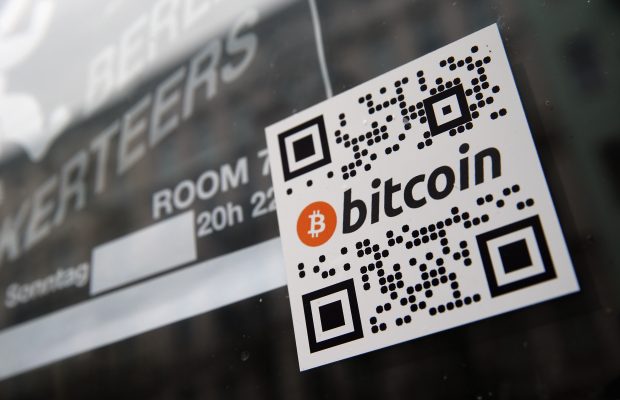
    Seoul’s giant Goto Mall has partnered with a Korean cryptocurrency exchange to enable its retail tenants to accept bitcoin as payment.

    The exchange, HTS Coin, launched in October and developed a smart payment system using cryptocurrencies before launching a mobile app.

    Goto Mall – also known as the Gangnam Terminal Underground Shopping Centre – has 620 tenants and hosts nearly 500,000 shoppers daily. Stores will begin accepting bitcoin payments by the middle of December, reports Bitcoin.com.

    “I think it is very meaningful to be able to settle the bitcoin used by foreigners and young people at Goto Mall,” said mall CEO Chung Gwi Yeon.

    Some stores in the mall have been accepting bitcoin payments directly in a trial, but Bitcoin.com reports there were problems with store owners losing their passwords and unable to spend the bitcoins they had accepted.

    Newspaper Bridge Economy observed that when the new World Duty-Free store opens in Gangnam Central City next year, Goto Mall can expect to further increase its foreign customer base. “Goto Mall is expected to turn into a bitcoin mecca.”

    Bitcoin will join cash, credit cards and Alipay is primary payment options at the shopping centre.