Tag: Philippines

  • H&M launches collection with artist Nathalie Lete

    H&M launches collection with artist Nathalie Lete

    H&M has unveiled a collaboration with Paris-based artist Nathalie Lete on a children’s clothing and accessories capsule collection. The collection, which will be available online and in selected stores worldwide from March 7, features several of Lete’s fantasy-land-inspired artworks as prints.

    The H&M collaboration is a childrenswear collection for babies and children with a wide range of t-shirts, jackets, jeans, dresses, jumpsuits, shorts and swimsuits. The colourful animal and floral prints created by artist Nathalie Lete start with paintings in acrylics by hand, which are then artfully arranged together to create an imaginative story. For this collaboration, Lete brought a tropical jungle to life with chameleons and tigers, along with her iconic representation of flowers with cats, birds and rabbits.

    “In my work, I create a fantasy land for myself,” said Lete. “A land that I want to share with other people to make them dream. It’s all about flowers, animals, birds, naivety and colors. I want to create a cocoon that brings happiness and harmony all around. The relationships between the different elements tells stories, stories that create a beautiful atmosphere. I ‘m happy to share my world through this collaboration, all around the world, together with H&M.”

    “Natalie Lete and her work is something we have admired for a long time, and we are thrilled to be collaborating with her for this kids’ collection,” said H&M kids’ division designer Jennifer Helmer.

    “The collection is playful and inviting and the pieces truly makes you feel like you’re in a botanical dream. We cannot wait to share this collection with our youngest fans.”

  • Wing Zone reveals its Manila expansion plan

    Wing Zone reveals its Manila expansion plan

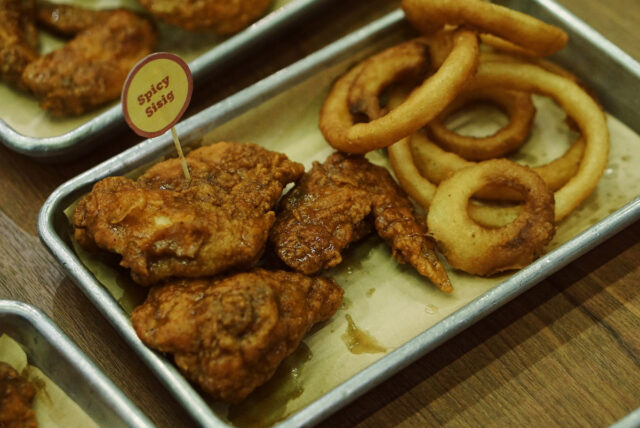
    US-based restaurant chain Wing Zone plans to open five more outlets in Manila by the end of this year ahead of pursuing more Southeast Asian opportunities. As Wing Zone opens new restaurants internationally, the company is exploring more local flavours and also plans to incorporate new menu options available in the US such as Zesty Breaded Wings and Chicken Ribs.

    “We have built a solid international presence and reputation with dedicated franchisees who share our values and understand the commitment to customer service. As we continue to find those qualified franchisees to help in our growth in the US we will be exploring even more partnerships to bring Wing Zone to more cities and countries internationally as well,” said Matt Friedman, co-founder and CEO of Wing Zone.

    Processed with VSCO with a6 preset

    In the US, Wing Zone will open eight new domestic locations in 2019 in North Carolina, South Carolina and Alabama. In Asia, after the Philippines, the chain will also explore other Southeast Asia markets.

    Wing Zone has nearly 100 locations across the US, and overseas including in Panama, Guatemala, Malaysia, Singapore and the Philippines.

  • Metro Department Store is opening at Ayala Malls Feliz

    Metro Department Store is opening at Ayala Malls Feliz

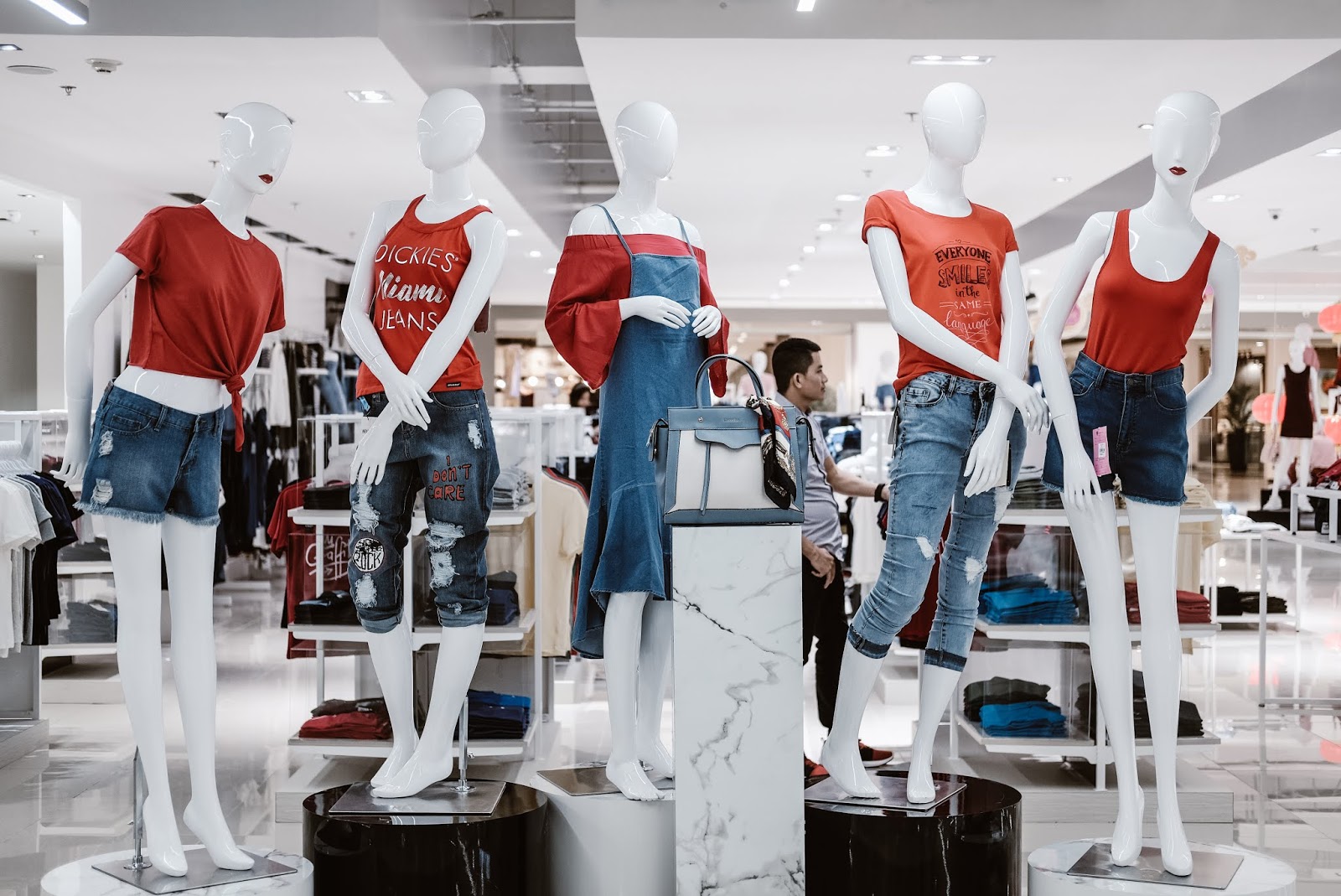
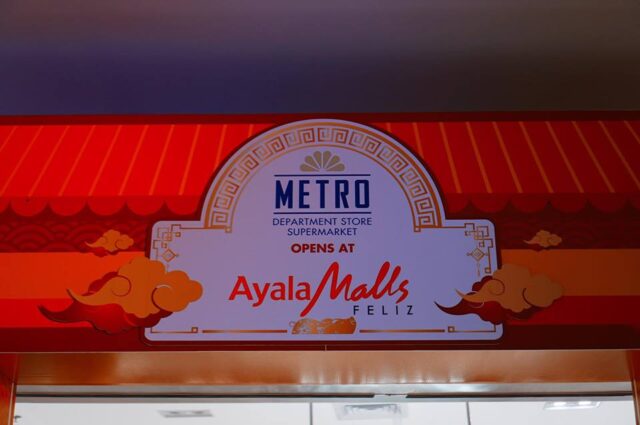
    The 53rd Metro Department Store has opened its doors at the Ayala Malls Feliz in Pasig City. Covering a floor area of 21,200sqm, the store includes a 6600sqm supermarket. “Customers can look forward to an enjoyable and convenient shopping experience as we consistently strive to deliver world-class customer service as well as a wide assortment of premium quality merchandise at affordable prices,” said Frank S Gaisano, Metro Stores Retail Group chairman and CEO.

    The firm aims to open five more stores this year. An investment of P10 billion (US$191.9 million) has been allocated to store expansion over five years.

    Metro Stores Retail Group has shops in Metro Manila, Central Luzon and South Luzon, as well as in Central, Western, and Eastern Visayas through department store, supermarket, and hypermarket formats.

    For the first nine months of 2018, the group’s net income fell by 17 per cent to P454.93 million (US$8.7 million).

  • McDonald’s challenging US market mitigated by international sales

    McDonald’s challenging US market mitigated by international sales

    Strong international sales ensured respectable McDonald’s results in the latest quarter as the fast-food giant encountered challenges in its core US market. Global sales slipped 3 per cent in the three months to December, to US$5.16 billion, although this was largely due to currency translations, without which sales would have been flat. While the company did not break out Asian performance, it said international same-store revenue rose 5.2 per cent.

    Same-store sales in the US rose 2.3 per cent, primarily due to increased prices, given foot traffic in stores fell by 2.2 per cent. Global visitor numbers crept up by a mere 0.2 per cent.

    Breakfast remains its most challenging category, with the chain struggling to attract diners in the mornings. While that mealtime accounts for about a quarter of its total sales, the breakfast market is experiencing fierce competition among rival chains.

    “We’re doing well with average check growth but we really want the customer to come back and more often,” CEO Steve Easterbrook said in an investor presentation about the McDonald’s results.

    He said McDonald’s is trying to recover breakfast customers by trialling different price promotions, launching localised advertising campaigns and improving the drive-through service.

    More stores, more kiosks

    Globally, McDonald’s plans to open a net 750 new stores this year. It will also speed up the rollout of its digital touchscreen ordering systems. Easterbrook says stores with self-ordering kiosks were achieving higher sales than those without.

    Commenting on the McDonald’s results, Neil Saunders, MD of GlobalData Retail, said the kiosks and order-by-app services need to be rolled out faster.

    “This isn’t just a case of installing and implementing the technology, it is about getting customers to actually use it. Consumers need to be given more incentives to use the new ways of ordering, especially mobile, as many still shun the technology,” said Saunders.

    “Longer term, more automation in the kitchen is also critical – something that will be particularly beneficial now McDonald’s menu options are more varied and complex.”

    Saunders described the latest McDonald’s results as “reasonable”. But he said a 6.7 per cent decline in operating income suggests that McDonald’s is having to work harder for much slimmer rewards.

    “In our view, this does not sit well with the increasing complexity and higher levels of capital expenditure the company is introducing into the business.”

    Saunders believes McDonald’s is on the right track. “However, this year will be a more challenging year than last and it will be a balancing act between keeping both customers and franchisees happy.”

  • Puregold reveals expansion plan

    Puregold reveals expansion plan

    Philippines’ retail chain Puregold will open 25 outlets this year to boost its nationwide footprint. Parent company Puregold Price Club also plans to open four more S&R Membership warehouse stores. Planned locations include Metro Manila, Southern Luzon, and outside Metro Manila. Puregold VP for investor relations John Marson Hao said the company would use proceeds from the recently-concluded P4.69-billion public offering to fund the construction of the new outlets.

    The Puregold group operates 397 stores nationwide, including 345 Puregold stores, 16 S&R membership shopping warehouses and 36 S&R New York Style outlets.

  • Food trends and their impact on consumption

    Food trends and their impact on consumption

    We are a young nation of 1.2 billion consumers. We are more connected to each other and the rest of the world than ever before. We travel within India and outside India more frequently. We are more informed about ourselves, about what we eat, about our environment and also about the impact of our consumption on environment. We see a large number of trends and counter trends that influence us. Some of these are fads that just pass away and some are here to stay. Here are some key trends that will have an impact on the way we consume.

    Food is an experience

    Indians have historically valued pure, freshly cooked home-made meals. The trend of eating out, widely prevalent in the West, has slowly emerged in India over the past few years. Eating out is no longer considered as a means of satiating hunger nor is it limited to the rare occasions. Shopping and casual outings, spending free time and experimentation are, not surprisingly, the new reasons for eating out!

    As per a recent Nielsen report, on average, Indians spend Rs 6,300 per year on eating out with affluent Indians spending approximately twice as much as their middle class counterparts.

    Usage of “Let’s Do…” for food is a true reflection of Food as an Experience. Consumers are frequently experimenting with a variety of cuisines, flavors, and combinations of food that were hitherto either unavailable or unheard of in the Indian market.

    Cross-cultural influences abound in dishes. Some examples of the innovative confluence of flavors are peri peri bhel, Schezwan and chocolate dosas and a wide variety of Frankies. Even the quintessential lassi can be found with a multitude of western influences such as chia seed additions and imported fruit flavors. Tikka and tandoori flavored mayonnaise, Indian versions of Chinese dishes, Chettinad sandwiches and paneer tikka pizzas are instances of Indian flavors seeping into western culinary dishes. The same is reflected in some of the food product launches.

    Variants range from quinoa rawa upma insta mix, smoky tikka mayonnaise & tamarind date chutney to beverages such as jamun kalakhatta, kokum, gol gappe ka pani, aam panna, and jal jeera made specifically as substitutes to fruit- based juice. These immensely popular products reveal the inclination of the Indian consumer towards mixing flavors.

    Health is Imperative

    As a nation, India is performing better on all indices of health such as quality and longevity of life. Indians are living better, longer and have healthier life spans. Thanks to mobile apps and wearable devices, it is possible to constantly monitor the heartbeat, quality of sleep, blood pressure and even the number of steps taken during the day. The entire idea of health has transformed from being curative to becoming preventive in nature.

    Although consumers are time constrained due to hectic work schedules, especially in urban areas, they are looking for avenues to build and maintain a healthy life style. While physical activity forms a core part of this endeavor, Indians are proactively choosing the right food products to meet their diet and health goals.

    Food products in the market range from breakfast cereals such as oats and muesli to vitamin pills. There is a marked rise in the consumption of baked goods, health biscuits, multi-grain flours, green tea and other health drinks. Furthermore, consumers are willingly buying premium products that promise health benefits. Some of the health attributes perceived to be the most important are high protein, high fiber, low cholesterol and low fat.

    Oats-based mango flavored, calcium and fibre-rich ready-to-drink breakfast option and power sprouts, honey dates flavored malt-based food drinks are good illustrations of healthy beverages available on the shelves. Snack packs of sweet and savory yoghurt and snack combos such as the Jalapeno Greek yoghurt with barley puffs are healthy replacements for the “in between meals” snacks that Indians are prone to eating. Packed khichdi mix infuses the health quotient of broccoli, carrots and almonds in the consumer’s diet. Another unique example is the gluten-free alternative to spaghetti made by cutting vegetables into thin noodle shapes or curls.

    Consumption of dietary supplements, especially in relation to adult nutrition, has also boomed. There is an emergence of “immunity boosting” foods as a major category in the market.

    These supplements can induce weight gain or weight loss or nourish the body with vital elements such as calcium, iron, omega 3 and vitamins. Moreover, active adults are consuming copious amounts of whey proteins and energy beverages.

    Consumers are as conscious of the wellness of their children as they are of their own. For instance, consumers are willing to experiment with chocolate-flavored nutritional supplements for children in a bid to ensure holistic growth. Busy parents who rely on prepackaged food or ready-to-eat meals are some of the key purchasers of probiotic drinks meant for children.

    The wide acceptance of health and wellness foods has created a Rs 10,352 crore market with a growth rate of about 10 percent. The sales contribution is the highest in non-metro but urban cities, at 40 percent. This is closely followed by rural areas at 32 percent and urban areas at 28 percent. The category penetration is highest in the south followed by the east.

    Natural & Ayurvedic Way of Life

    We see both these trends- Health and Tradition- coming together in Ayurveda and Natural Foods. The growing belief that natural products are uncontaminated and best is getting firmly ingrained in the minds of Indian consumers as the word “processed” implies a negative connotation of unoriginality. Ingredients recommended by our ancestors such as tulsi, turmeric, neem, lemon, mustard oil, ghee, saffron, amla juice, cold pressed oils of nuts and seeds are all finding their way on to the consumer’s plate. Food items made with these ingredients are not only considered as healthy but also as comfort food since consumers perceive that they have made a special effort to look after themselves. The re-emergence of yoga has only served to boost this trend. Consumers will continue to turn to nature to search for viable but healthy food options. This trend also manifests itself in organic foods though they are still a niche and are hampered by a lack of trust and high premiums. We foresee that the natural and ayurvedic trend will be stronger in the years to come and that multiple entrepreneurs will establish profitable ventures in these categories.

    Increasing Share of Proteins & Dairy

    The biggest trend as a Nation that we see is the shift to Proteins and Fats. For the first time in Indian history, milk has become the biggest agriculture crop at almost INR 5 lakh crore. It’s now bigger than all cereals and pulses put together and is 20% of the agricultural output. This shift towards fats and proteins from the traditional intake of carbohydrates for subsistence is the biggest perceptible proof of prosperity of the people. Though India is 70% non-vegetarian, it apparently has not yet crept into daily dietary preferences. Milk appears to be the most economic and culturally accepted protein source of daily diet in our country. It can also be seen as the reflection of the dietary habits of a younger India. In Modern Trade, we have seen milk and value-added milk products increasing their share and new entrepreneurs and new products coming up. We envision this trend to become stronger in the times to come.

    Startups in Food

    The emergence of modern trade and e-commerce has made it easy to be a single product company and has fostered innovation and entrepreneurship. Launching a new FMCG product is no longer the domain of multinationals or big players with financial and distribution muscle. Small and medium enterprises that were previously deterred by the huge capital investments required for distribution networks while launching new products can now easily develop and bring their products to the market in a cost effective manner.

    This has had a profound effect on the number of launches of innovative products in the market. Quinoa puffs, butter spreads, health and energy bars, pasta kits, packaged ready to cook idli/ dosa batters, raw juices, water based functional beverages, are all excellent examples of new age products built and marketed by small companies being widely accepted by the consumer base.

    In conclusion, the purchasing decisions of consumers are affected by trends to a large extent. As enablers in the consumer’s shopping journey, recognizing and translating these trends into viable business opportunities remains a key concern for manufacturers and retailers today.

  • CIMB completes Asean footprint

    CIMB completes Asean footprint

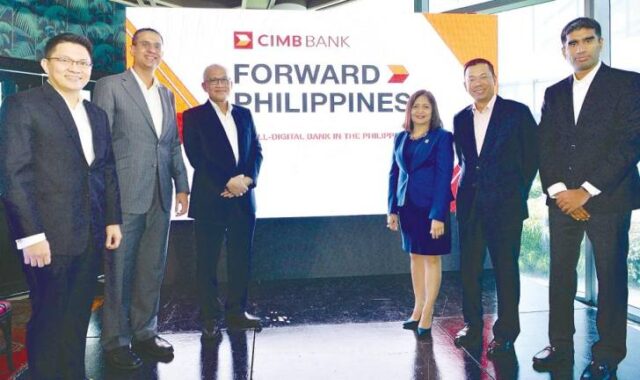
    CIMB Group Holdings Bhd is finally completing its operating footprint in Asean with the launch of its banking presence in the Philippines. It has received regulatory approval from the Securities and Exchange Commission of the Philippines for its investment banking joint-venture in the country, CIMB Bancom Capital Corporation.

    CIMB Group CEO (group ventures and partnerships) Effendy Shahul Hamid said CIMB Bancom will look to deliver value added advisory and cross-border capital market services to Philippine corporates looking to expand and grow across Asean, as well as capitalise on CIMB’s strong presence in the region to originate inbound deals to the Philippines.

    CIMB Bank Philippines Inc (CIMB Philippines) aspires to be the nation’s first all-digital and mobile-first bank, promising to make banking simpler, more convenient, and hassle-free, according to the group’s statement.

    “We look forward to bringing a differentiated and digital proposition to the market. Internet and mobile penetration in the Philippines remains one of the highest in the world, a clear sign of the progressive and modern society we hope to serve,” said Effendy.

    CIMB Philippines CEO Vijay Manoharan noted that consumers need innovative financial solutions that are relevant to their needs as well as help them get ahead and advance their financial well-being, but they do not necessarily need a physical bank.

    “By offering most of our products via the Octo app securely, we are offering the next-level any day, any time convenience for our customers by enabling them to effectively ‘carry’ our bank branch in the palm of their hands.”

    CIMB Philippines’ partners include 7-Eleven and DragonPay, with a total of 8,000 convenient customer touchpoints nationwide.

    The CIMB Bank Visa-powered Debit Card is accepted at any of the 20,000 Bancnet, Visa, and Visa Plus automatic teller machine (ATMs) nationwide and two million Visa and Visa Plus ATMs worldwide.

    To cater to those who want to really start preparing for what’s ahead and save for the future, CIMB Bank offers the UpSave Account, which allows greater savings with its high interest rate of 2% per annum (eight times higher than other banks).

  • Samsung Philippines redesigns its Manila store

    Samsung Philippines redesigns its Manila store

    Samsung Philippines has launched a redesigned flagship store in Manila. Located in CyberZone at SM Megamall, the store is designed to showcase the brand’s latest technologies and aesthetics, with U-shaped center bars built to facilitate one-on-one communication with customers as they interact with the products. A central ‘Newness Table’ serves to show off the most recent Samsung innovations.

    Accessories are given the same exposure as the more expensive offerings with equal opportunities for consumers to examine and try before they buy. Dedicated spaces are reserved for Gear S watches and Samsung Gear VR offerings, as well as audio products such as speakers and headphones.

    The flagship also houses a revamped customer service area, featuring experience lounges and consumer learning programs.

    “Samsung as a brand has always been known to consistently redefine the new normal and to go beyond expectations. Over the years, our mobile phones have set the benchmark for what the consumers need and want”, said Samsung Philippines president James Jung. “The new store design heralds a new chapter in Samsung retail, enabling customers to engage with our brand and products in new ways.”

  • WH Smith opens two further stores in Philippines airports

    WH Smith opens two further stores in Philippines airports

    International news and convenience retailer WHSmith has opened two new stores at Mactan-Cebu International Airport. The new branches under local franchise partner Regent Distributor Philippines join three existing stores at Mactan-Cebu and Manila Ninoy Aquino International Airports showcasing the retailer’s latest fascia, fixtures and fittings. The move is part of the brand’s overall strategy to bolster its presence in Asian markets.

    “We are very pleased to add an additional two stores to our growing portfolio in the Philippines”, said Phil McNally, MD international WHSmith. “With a fresh and modern look, we look forward to welcoming customers to the new stores to enjoy a full range of news, books, travel and convenience items.”

  • Vietnam makes debut in Bloomberg innovative economy index

    Vietnam makes debut in Bloomberg innovative economy index

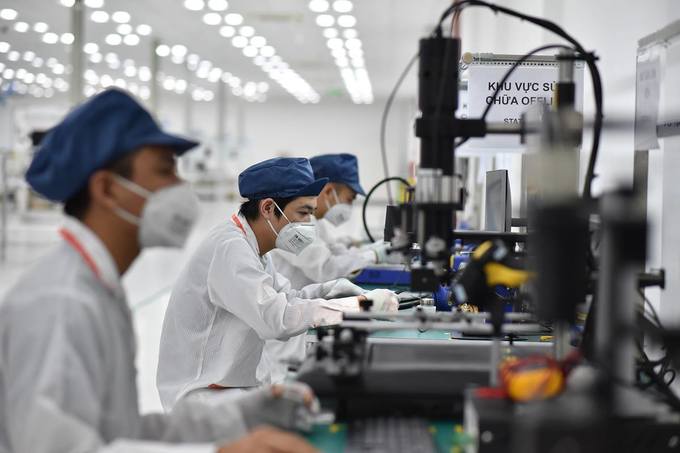
    Vietnam has for the first time entered the Bloomberg Innovation Index of the world’s 60 most innovative economies. It scored 45.92 out of 100 in the 2019 index. Other new entrants include India, Mexico and Saudi Arabia. Bloomberg said: “The index analyzes dozens of criteria using seven metrics, including research and development spending, manufacturing capability and concentration of high-tech public companies.”

    Vietnam’s highest rankings were 34th in high-tech density and 39th in patent activity. It ranked a lowly 59th in productivity.

    Its productivity in 2017 was among the lowest in Asia despite growth, according to the Vietnam Annual Economic Report released by the Vietnam Institute for Economic and Policy last year.

    An average Vietnamese worker made VND60.73 million ($2,600), lower than the rate for Cambodia, Indonesia Malaysia, the Philippines, and Thailand, it said.

    In the Bloomberg index, South Korea retained its top place from last year and was followed by Germany, Finland, Switzerland, and Israel.

    Other Southeast Asian countries were Singapore in sixth place, Malaysia (26th) and Thailand (40th).

  • SM Philippines to open 4 new malls

    SM Philippines to open 4 new malls

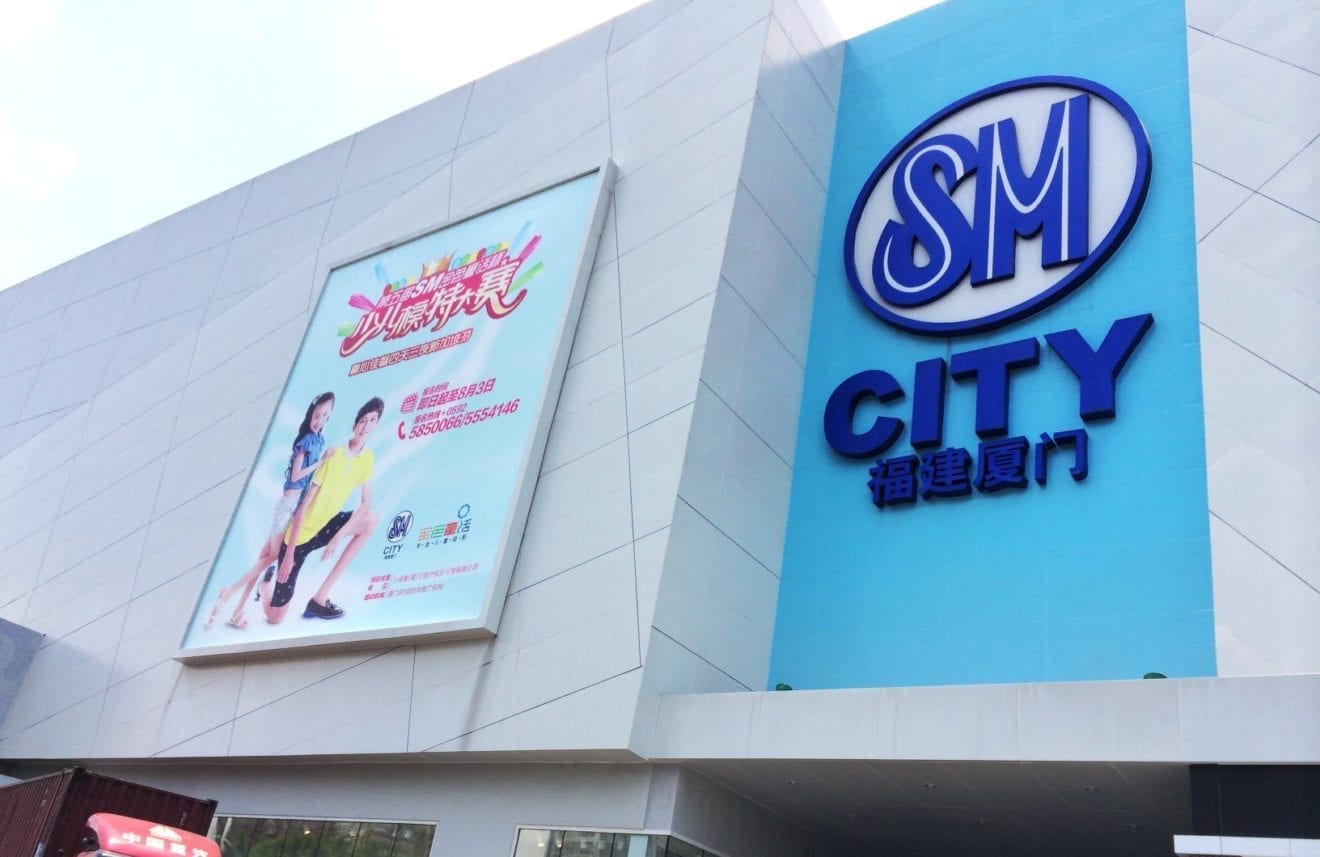
    SM Prime says it will open four new malls in Philippine provinces this year. The company will also intensify land-banking efforts to make it easier to develop properties in the future. The new SM Prime malls will be SM Mindpro Citimall in Zamboanga City, SM Center Dagupan, SM City Butuan and SM City Olongapo Central. Together they will have a gross floor area of 179,000sqm.

    “SM Prime’s mall expansion is geared toward the provinces,” the company said in a presentation posted online. “The focus is to cover most of Northern Luzon, Visayas, and the progressive cities in Mindanao.”

    Besides the new shopping centres, the company’s properties SM City Baguio and SM City Fairview will be expanded this year, adding 46,000sqm and 32,000sqm, respectively.

    All these developments will see the company finish the year with 10.5 million sqm of GFA, representing an increase of 9 per cent for the year.

    SM Prime’s profit rose 17 per cent in the first nine months of last year, to P23.44 billion (US$444.6 million) on sales up 15 per cent to P74.56 billion (US$1.414 billion).

  • Jollibee to sue Chinese copycat

    Jollibee to sue Chinese copycat

    Jollibee Foods has confirmed it is taking legal action against a copycat restaurant in China. A recent Facebook post which went viral featuring the Chinese restaurant – named JoyRulBee – drew much attention among internet users in the Philippines, after a Filipino couple travelling in Guangxi spotted the the familiar mascot and documented the knockoff.

    Pictures and a video showed that both the exterior and interior of the restaurant were close copies of the Jollibee brand, while the menu was also markedly similar.

    Jollibee’s response to the post indicated the firm was already aware of the existence of the copycat restaurant and has initiated legal proceedings to protect its trademark.

  • CIMB get permission for banking venture with Philippines

    CIMB get permission for banking venture with Philippines

    CIMB Group Holdings Bhd has obtained the green light to establish its investment banking business in the Philippines. In a filing with Bursa Malaysia, the group said its wholly owned subsidiary CIMB Group Sdn Bhd had on Jan 23 received the relevant approvals from the Securities and Exchange Commission of the Philippines, including the Certificate of Incorporation and Certificate of Registration for an investment house licence.

    The investment banking business in the Philippines will be operated via a 60% shareholding in CIMB Bancom Capital Corporation with the remaining 40% stake to be held by local partners Bancom II Consultants, Inc and PLP Group Holdings, Inc.

    The three parties have entered into a joint venture agreement following the receipt of the approvals.

    CIMB shares went down 1 sen or 0.2% to close at RM5.65 today on 13.4 million shares done.

  • Henry Sy passes away at 94

    Henry Sy passes away at 94

    The founding father of Philippine retail, Henry Sy, has passed away. Sy, who has topped the Philippines Rich List for the last seven years, was chairman emeritus of SM Investments, one of the country’s largest business conglomerates. A Chinese immigrant who arrived in the Philippines at the age of 12 with his parents, his introduction to retailing began with helping out in his father’s neighbourhood store. He saved enough money to open a shoe store which he named ShoeMart, and whose initials later became the most recognisable brand name in the nation.

    From a single shoe store, his business expanded into department stores, the first of which opened in 1972, then into malls, with 70 shopping centres bearing the SM brand in the Philippines and more in Mainland China.

    SM Investments also owns supermarkets, BDO Unibank, almost 50 residential developments, six hotels and nine office towers.

    Sy, who died on Saturday, stepped down as chairman of the company in 2017, taking on the title chairman emeritus and leaving the business under the leadership of his family and his long-time business partner Jose Sio, who is now chairman.

    He had six children: Teresita Sy-Coson, Elizabeth, Henry Jr, Hans, Herbert and Harley. Teresita and Henry Jr are vice chairpersons of SM Investments and Harley serves as executive director of SM.

    Forbes last year estimated the 94 year old’s net worth at US$19 billion, ranking him the most wealthy Filipino and 53rd richest man in the world.

  • Indonesia’s Go-Jek rejected in the Philippines

    Indonesia’s Go-Jek rejected in the Philippines

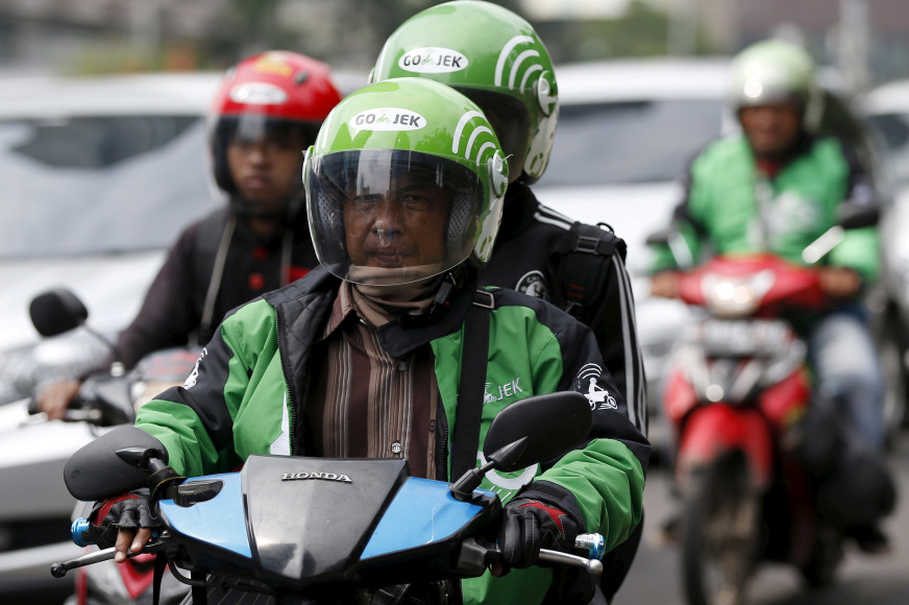
    Indonesia’s Go-Jek suffered a setback to its expansion plans on Wednesday after the transportation regulator in the Philippines rejected its application to launch a ride-hailing service, saying its domestic unit did not meet local ownership criteria. However, the setback may only be temporary as the firm, whose backers include Google, could appeal the decision or team up with Philippine investors.

    “Go-Jek can get a local partner that will own at least 60 percent of the ride-hailing entity to comply with the law,” said January Sabale, head of communications at the Land Transportation Franchising and Regulatory Board (LTFRB).

    The decision comes as Go-Jek seeks to expand in Southeast Asia, having evolved from a ride-hailing service founded in 2011 to provide a one-stop app through which users can order food and services such as massages and make payments online.

    The firm has raised billions of dollars from investors such as Tencent Holdings, JD.com and Temasek Holdings to challenge market leader Grab.

    Several Philippine ride-hailing firms have been operating in the capital Manila and in major provinces since March 2017, but have had limited success in wresting domestic market share away from Singapore-based Grab, which stands at over 90 percent.

    “Homegrown firms are not making a dent on early player Grab, because the cars they can enroll now have to go through the LTFRB’s filtering hurdles,” said Rene Santiago, a transportation expert and president of Bellwether Advisory in Manila.

    Go-Jek applied for a license to operate in Manila in August through wholly owned subsidiary Velox Technology Philippines. Later the same month, ride-hailing was added to a list of industries where foreign ownership is limited to 40 percent.

    Velox “did not meet the citizenship requirement and the application was not verified in accordance with our rules,” regulator chairman Martin Delgra said

    A spokesman for Go-Jek said: “We continue to engage positively with the LTFRB and other government agencies, as we seek to provide a much-needed transportation solution for the people of the Philippines.”

    There are around 37,000 registered ride-hailing vehicles across eight accredited firms, Delgra said. The Department of Transportation has capped the total at 65,000.