Tag: Philippines

  • Bo’s Coffee Philippines targets to open 200

    Bo’s Coffee Philippines targets to open 200

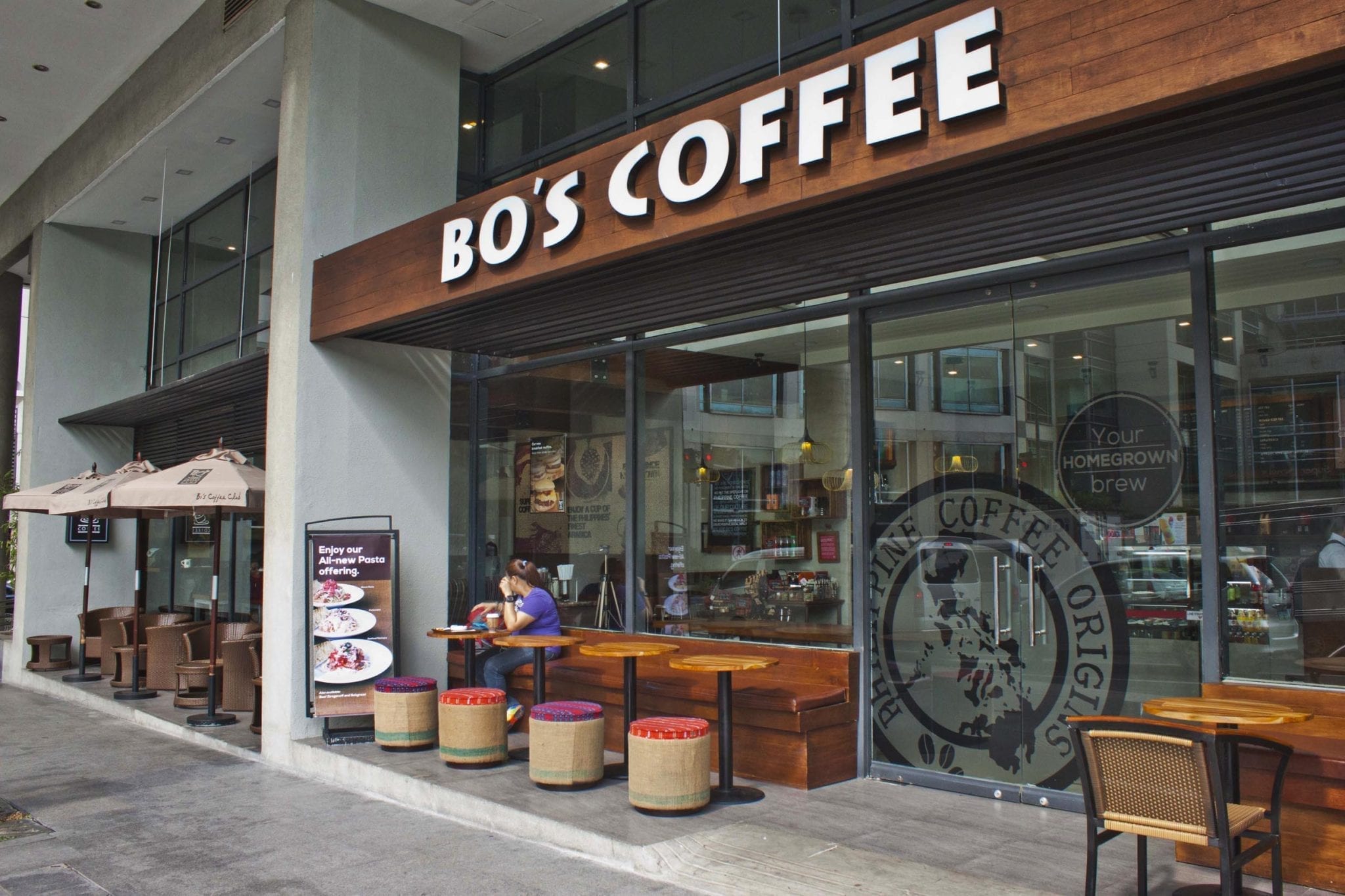
    Philippine coffee chain Bo’s Coffee is planning to operate 200 local stores within two years.

    The plan represents a change in direction for the brand, which opened its first outlet in Qatar recently. Overseas expansion for Bo’s is now shelved until 2020, while the brand’s immediate focus for growth is Luzon.

    Founder Steve Benitez said: “The Qatar opening was long overdue. Finally, we have opened it. Our partners there are planning to open three to five more branches. We are happy to hear that despite minimal marketing, the coffee shop there is doing well. However, the plan is to grow the brand locally before we expand aggressively in other countries.”

    Bo’s Coffee recently announced a change to its franchising system, which now serves both regional and territorial franchisees.

  • Fabletics by Kate Hudson make debut in Philippines

    Fabletics by Kate Hudson make debut in Philippines

    Fabletics, the activewear brand co-founded by Kate Hudson, has chosen the Philippines for its first foray into Asia.

    This fall, the brand will launch with local retailers through free-standing stores, shop-in-shop concepts and an online shopping platform.

    After the Philippines, Fabletics will continue its international partnerships as well as company-owned expansion into new territories throughout this year and next.

    Co-founded in 2013 by Hudson, an American actress, TechStyle Fashion-owned Fabletics currently has 24 stores across the US and a presence in 10 European countries.

    The brand continues to see more than 20 per cent increase in same-store sales year-on-year.

    “Fabletics has succeeded beyond our expectations under Kate’s vision and our new team members, and I’m confident Fabletics will continue on its incredible growth trajectory,” said Adam Goldenberg, TechStyle Fashion Group Co-CEO and co-founder.

  • United Nude Philippines debuts in Manila

    United Nude Philippines debuts in Manila

    Dutch shoe retailer United Nude Philippines has announced its first store will be at Resorts World.

    The brand was established in 2003 by architect Rem D Koolhaas and Galahad Clark. Without any fashion experience, Koolhaas applied his existing design experience to creating new, avant-garde shoes.

    According to Koolhaas, “We ended up breaking the rules of shoe design, not for the sake of breaking them, but simply by not knowing them.”

    The brand’s most successful product is the Mobius shoe, with a single contiguous strip for the sole and heel. Similar architecture-inspired design features are now the brand’s trademark style.

    “From the beginning, something that’s very important for us is that we design for a much larger group of people who have great interest for design, and not so much for trends or following trends but for people who have their own style,” says Koolhaas.

    “As designers, we do our best to (at the same time) innovate and experiment. But on the other hand just to create something that’s good enough to last for longer.”

    United Nude Philippines will open at Newport Mall, Resorts World, in Manila in September.

  • Cebu to get Go Lokal! store by September

    Cebu to get Go Lokal! store by September

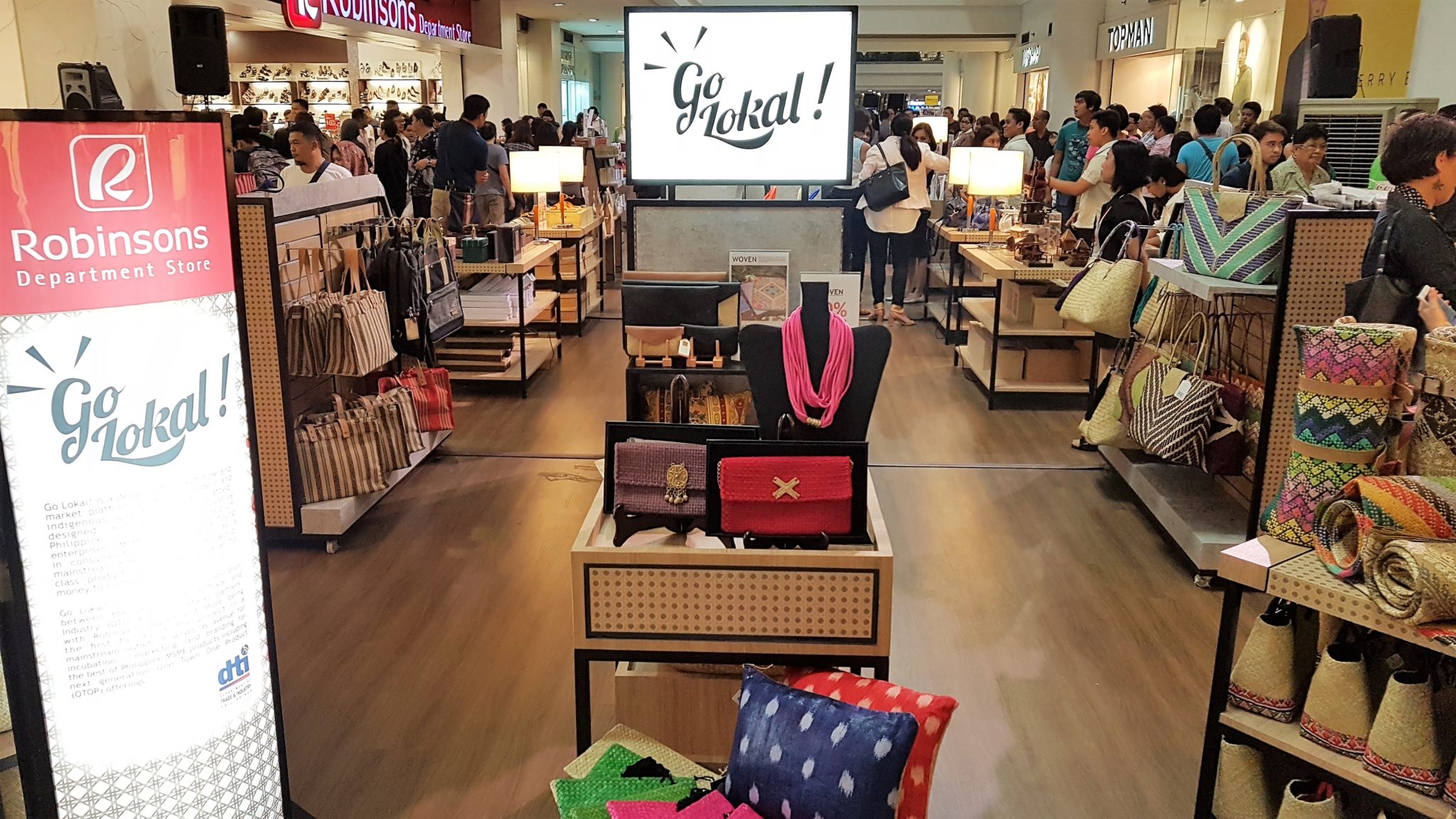
    Department of Trade and Industry (DTI) 7 Director Asteria Caberte said this will be the first Go Lokal! branch outside of Metro Manila and will be installed in the new wing of Ayala Center Cebu.

    Go Lokal! is a retail concept store showcasing Philippine products crafted, designed, and produced by micro, small, and medium enterprises (MSMEs).

    “This will be a different concept. It will highlight our export-quality, high-end products,” said Caberte, adding that they target the ballooning tourism market, balikbayans and affluent society as potential buyers of top-tier Filipino-made products.

    Go Lokal! carries everyday products made from indigenous materials that are modern in design, world-class in packaging, and competitively priced, including processed food, home decor, arts and crafts, health and wellness products, fashion apparel, accessories, and eco-friendly products.

    These products undergo extensive product development with specialists from the Design Center of the Philippines to make them suitable for the retail, export, and souvenir markets.

    Besides the upcoming Ayala Center Cebu branch, Caberte will reach out to the officials of the GMR-Megawide Cebu Airport Corp. (GMCAC) for her plan to mount a stand- alone Go Lokal! at the Terminal 1 of the Mactan-Cebu International Airport.

    “We will be talking to them mid-August about our proposed Go Lokal! branch in the domestic terminal,” said Caberte.

    After the completion of Terminal 2, GMCAC will rehabilitate the domestic airport terminal to be consistent with its resort-themed airport.

    Last March, DTI signed an agreement with Shopinas and Air 21 to provide an e-commerce platform for Go Lokal! products.

    “This is a partnership on innovation, which is a key element in DTI’s thrust to support the (MSMEs). Through this platform, our MSMEs will be able to reach out a larger market beyond the boundaries of the country while maximizing their potential,” said DTI secretary Ramon Lopez in a statement.

    A Go Lokal microsite will be available on Shopinas website that will feature MSME products. Items purchased on this platform will be delivered through Air 21.

  • Mr DIY plans exapansion after e-commerce blast

    Mr DIY plans exapansion after e-commerce blast

    Home improvement retailer Mr DIY is planning to open 135 new stores in Malaysia this year.

    The move, which will take the total number of Mr DIY trading locations to 500, comes on the heels of the launch of the brand’s new e-commerce platform. The site targets technically competent users who are too busy to visit the store in person or those seeking to buy bulk quantities.

    The brand says it is nonetheless committed to heavy expansion of its brick-and-mortar store network, planning to roll out 300 new stores across Asia Pacific this year, including those in Malaysia, and expanding into Singapore and the Philippines. The firm already has outlets in Thailand, Indonesia, and Brunei.

    Mr DIY recorded more than RM1 billion (US$247.1 million) in sales last year and is forecasting a 40 per cent increase in revenue this year.

  • Capillary Technologies Leads Bata’s Omnichannel CRM Journey to New Markets in Southeast Asia

    Capillary Technologies Leads Bata’s Omnichannel CRM Journey to New Markets in Southeast Asia

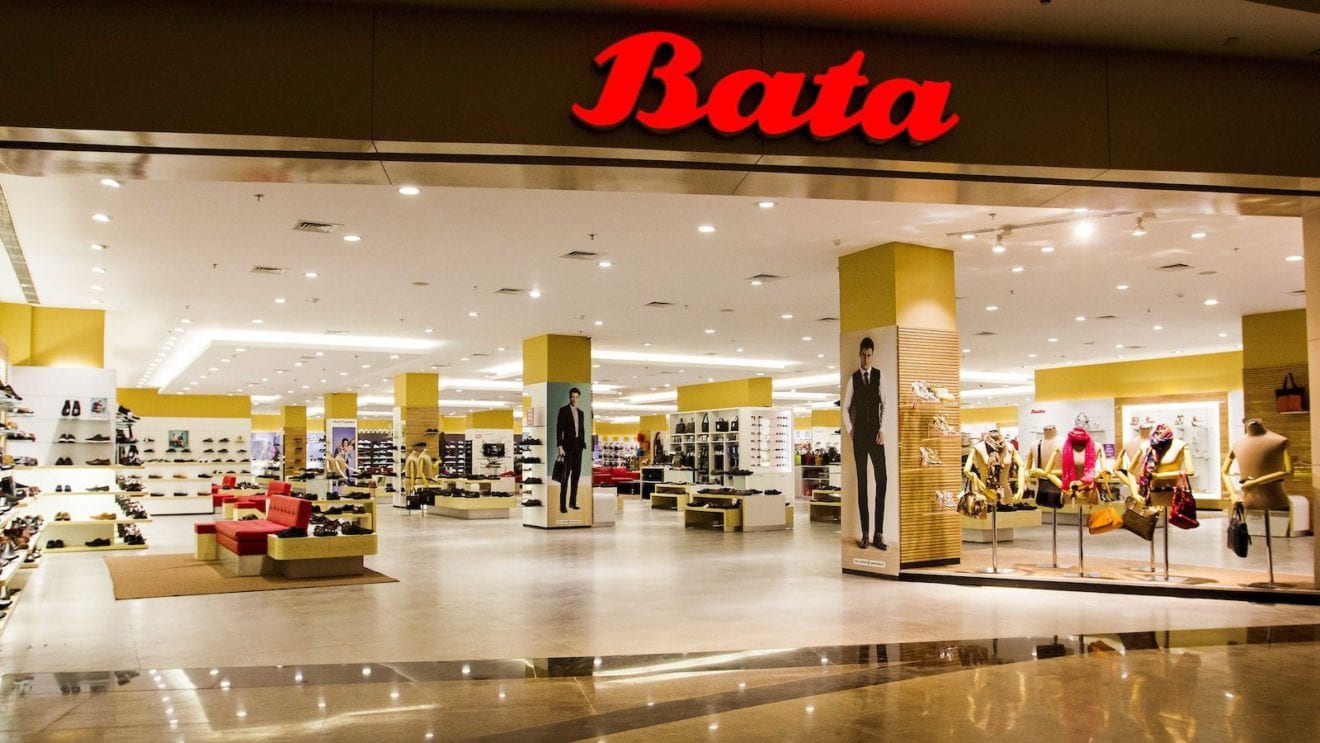
    Capillary Technologies, a Singapore-based company that provides consumer insights, personalised engagement, omnichannel commerce and loyalty solutions, has been appointed as a strategic partner of Bata, a leading shoe brand. The partnership will help Bata strengthen their omnichannel CRM strategies in Philippines and Vietnam.

    Beyond these two markets, for more than three years Capillary has been acting as Bata’s CRM partner in six Asian countries including Singapore, Malaysia, Indonesia, Thailand, India, Bangladesh and also three African countries – Kenya, Zambia, and Zimbabwe.

    Capillary powers Bata’s loyalty program, develops targeted & personalised, omnichannel campaigns, and performs in-depth consumer and business analytics for over 2,000 stores across these markets. With the goal to provide a unified CRM platform for all its markets, Bata will be kicking off its game plan for Philippines and Vietnam in the second half of 2018.

    “We want to bring together exceptional products, and best-in-class retail technology to realise our passion for customer delight and deliver an exceptional customer experience. To really improve our brand-customer relationships, we feel it is imperative for us to find ways to walk and talk with our consumers across the various channels and touch points they use in their buying journey. The engagement had to be consistent, connected and seamless.” said Roberto Longo, President, Asia Pacific, at Bata. “Capillary has helped us achieve this, having been our trusted partner across six countries in Asia. There was no doubt about banking on Capillary’s expertise and innovative technology to take us ahead in Philippines and Vietnam.”

    With Capillary, Bata has been able to achieve 2.2X higher returns from targeted campaigns in Singapore and as high as 57X ROI from Facebook campaigns in Malaysia. In other markets as well, the brand has seen 10X increase in ROI from its overall CRM investments. With Capillary’s assistance, the brand has won multiple awards, most recently for the best use of analytics and also for their CRM and Loyalty program in Singapore and Malaysia respectively, in 2018.

    “We didn’t want to be just another shoe brand to our consumers. A brand they might be buying from once in a while. Instead, we wanted to build a close relationship with them and become a part of their lives. Thanks to Capillary, through targeted campaigns, insight backed CRM decisions, and omnichannel engagement, we believe we have made some lifelong customers” added Longo.

    Abhijeet Vijayvergiya, President & Managing Director, Global Accounts and Asia Pacific, at Capillary Technologies, also expressed Capillary’s delight in propelling Bata’s expansion into new markets: “This year, we foresee that Capillary will continue to grow exponentially across the globe. Our association with leading brands like Bata, who have partnered with us in many markets, reinforces the fact that the trajectory we have chosen for the company is the right one. We are definitely thrilled to help Bata in expanding its footprint in the Asia region.”

    In Southeast Asia, Capillary is working with 14 million customers and has more than 14 hundred stores active on its platform, including Mitra10, Bata, Caring Pharmacy, TungLok Group and McDonald’s. Fresh off a US$20m funding round led by existing blue chip investors Warburg Pincus and Sequoia Capital, Capillary also plans to use some of the new funds in strengthening its presence in Southeast Asia, including Indonesia, after achieving a threefold growth in the region.

     

  • Uniqlo Philippines global flagship launch is happening

    Uniqlo Philippines global flagship launch is happening

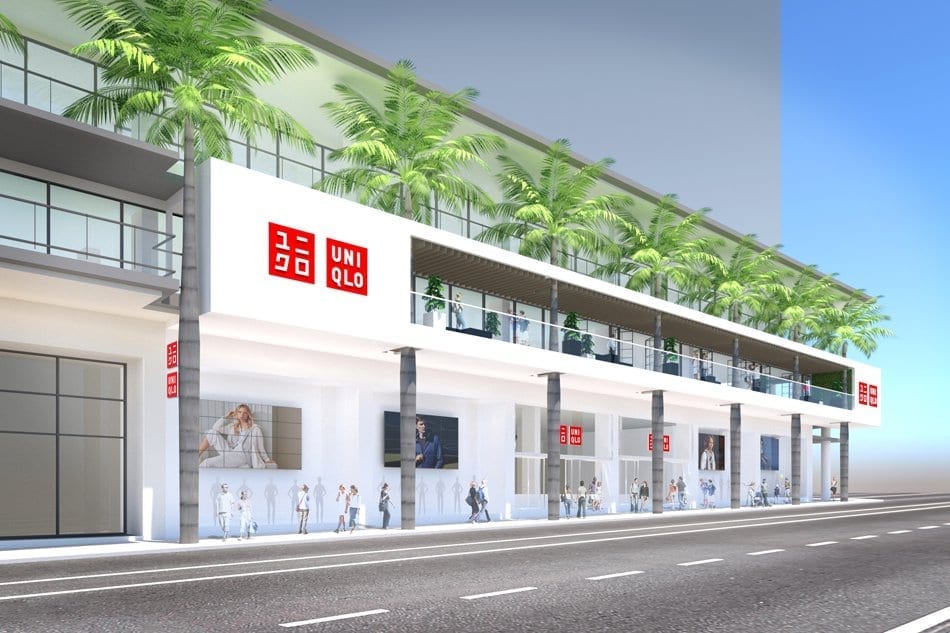
    Uniqlo Philippines has set the opening date for what will be the Japanese brand’s largest store in Southeast Asia.

    The new store will open on October 5 in Glorietta 5 at Makati City, in Metro Manila.

    Uniqlo says the store will have a sales area of 4000sqm and is designated a “global flagship”.

    “The new store will offer local and international customers a huge shopping area and a world-class immersive shopping experience featuring large visual displays and state-of-the-art design concepts,” Uniqlo said in a statement. “As with other global flagship stores, it will also showcase the full lineup of LifeWear for men, women, kids and babies.”

    Uniqlo has launched a nationwide campaign as a lead-up to the store’s launch, called ‘Our Future Is Here’. The fast-fashion retailer is inviting customers to nominate Filipinos who they believe are leaders in sports, film, music, culture, design, and other disciplines, influencing the nation’s future.

    “The great success of Uniqlo Philippines is thanks to our customers here. The Our Future Is Here campaign is an exciting opportunity to deepen our connection with the city of Manila through our global flagship store, to engage communities and celebrate the innovators who will shape its future,” said John Jay, president for global creative at Uniqlo’s parent, Fast Retailing.

    Denmark foray

    Meanwhile, Uniqlo has announced plans to launch in Denmark, opening its first store in Copenhagen in the second quarter of next year.

    The 1400sqm store will be located on the Stroget, one of Europe’s longest pedestrian streets, in Louises Hus, a historical building dating back to the mid-1700s.

  • Biggest Zoo Coffee opens in Philippines

    Biggest Zoo Coffee opens in Philippines

    Korean chain Zoo Coffee has launched its third and largest outlet in the Philippines, at Ayala Vertis North.

    Zoo Coffee stands out for its jungle-themed interiors and staff wearing safari costumes.

    The menu includes the popular Korean iced dessert bingsu, waffles, sandwiches, hotdogs, and cakes.

    Katrina Balolan told ABS-CBN News that the coffee chain plans to open two more branches within the year – at Robinsons Malls and another Ayala mall.

    The company is also opening a barista academy to train people, as well as upgrading its logistics and supply chain to support future store openings.

    Zoo Coffee opened its first branch in Philippines at Alphaland Makati Place in June 2016, followed by the second one at SM Megamall.

    Established in 2009, Zoo Coffee has 100 stores in its home country South Korea.

  • Most Southeast Asian markets fall as trade tensions escalate

    Most Southeast Asian markets fall as trade tensions escalate

    Most Southeast Asian stock markets declined on Tuesday, in line with broader Asia, as U.S. President Donald Trump threatened new tariffs on Chinese goods in an escalating trade war between the world’s top two economies.

    Trump warned on Monday that Washington would impose a further 10 percent tariff on $200 billion of Chinese goods after Beijing’s decision to raise tariffs on $50 billion in U.S. goods, which was in retaliation for U.S. tariffs announced on Friday.

    Trump said if China increases its tariffs again in response to the latest U.S. move, “we will meet that action by pursuing additional tariffs on another $200 billion of goods.”

    “This is causing a little bit of uncertainty in the market. It is very worrisome for investors and they are staying on the sidelines and avoiding risky assets such as equities,” said Lexter Azurin, a senior equity analyst at Manila-based AB Capital Securities.

    MSCI’s broadest index of Asia-Pacific shares outside Japan hit its lowest since February as safe-haven assets such as gold and the Japanese yen gained.

    Philippine shares fell as much as 2.2 percent to their lowest since March 27, 2017, weighed down by industrials and financials. SM Investments Corp declined 3.2 percent, while BDO Unibank Inc shed 2.9 percent.

    A slim majority of economists believe the Philippine central bank will raise interest rates on Wednesday, but opinions are sharply divided, with the weak peso likely to be the factor that will tilt the scale.

    Thai shares fell nearly 1 percent to their lowest since Sept. 28, 2017 and were on track for a fifth straight session of decline.

    On Wednesday, the central bank is expected to leave its policy interest rate near a record low to encourage more broadly-based economic growth at a time when inflation remains low, according to all 21 economists surveyed in a Reuters Poll.

    Vietnam shares fell 2.8 percent to their lowest in nearly three weeks, with Petrovietnam Gas Joint Stock Corp declining to its lowest in six months, while Vietnam Technological and Commercial Joint Stock Bank dropped 6.8 percent.

    Malaysian shares were down for a seventh straight session, while Singapore shares rose on the back of gains in financials.

    Indonesian financial markets are closed through Tuesday for Eid Al-Fitr.

  • Jins Philippines opens first store

    Jins Philippines opens first store

    Japanese eyewear retailer Jins has opened its first store in the Philippines.

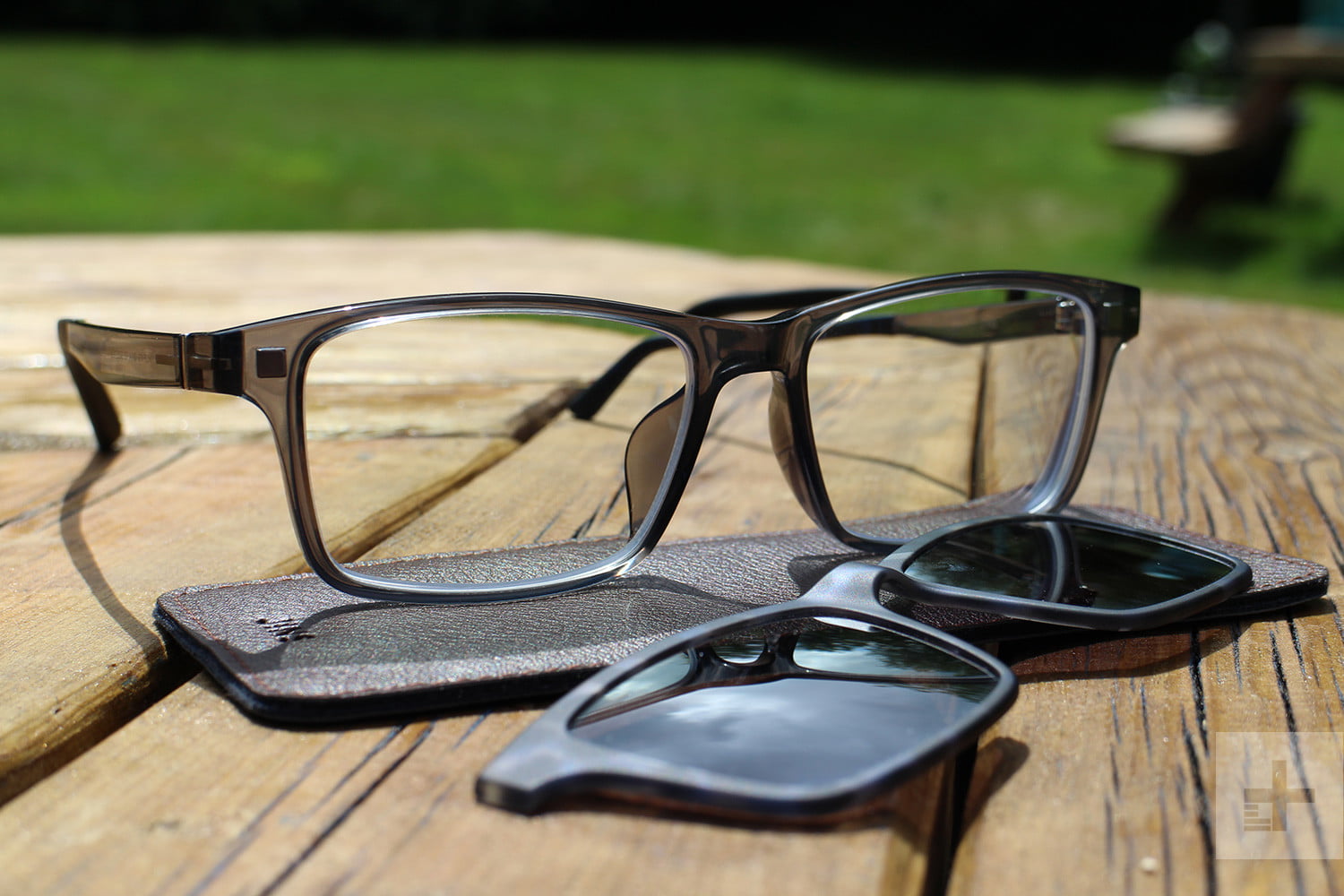
    Located at SM Aura Premier in Taguig, the Jins Philippines store will offer up to 1000 styles of frames and match them with lenses within about 30 minutes.

    Jins has about 350 stores in Japan and has recently started to expand into Greater China and the US.

    The company pioneered the use of a new, lightweight material for glasses in its patented ‘Airframe line,’ as well as functional eyewear such as blue-light cut glasses, popularly known as Jins Screen.

    The brand has been brought to the Philippines by Suyen Group, the parent of fashion brand Bench.

    At a formal launch ceremony this month, a traditional sake barrel-breaking ceremony was led by Suyen Corp’s chairman Ben Chan, Taguig City mayor Lani Cayetano, Carol Sy of SM Supermalls, Dr Takeo Okada, first secretary of the Japanese embassy in Manila, Steven Tan, senior VP of SM Supermalls, Hitoshi Tanaka, CEO and president of Jins and Virgilio Lim, president of Suyen Corp.

    “The breaking and partaking of sake from the sake barrel symbolizes prosperity and fruitful partnership between parties,” said Lim.

    Jins Philippines offers a visual experience with stores designed like a pop-art gallery, collaborating with graphic artists and architects from Japan and other countries in designing both the eyewear line and their stores.

    Recent collaborators include British product and furniture designer, Jasper Morrison, and Japanese graphic artists and architects Teruhiro Yanagihara and Sou Fujimoto.

    View the gallery below (3 images) :

  • Cash boost for Wineries in the Philippines

    Cash boost for Wineries in the Philippines

    Online marketplace startup Winery Philippines has raised an undisclosed amount in a new round of financing.

    It says it will use the cash to boost its sales and marketing efforts and grow its customer and vendor base. The second round of funding, backed by a consortium of private investors, gives the company a seven-digit USD valuation, tripling its value a year after its initial funding round.

    Winery Philippines was conceived in 2016 by a group of wine lovers who wanted to improve access to quality wine for Filipinos, the company says. It has become a curated online wine marketplace that sells product from boutique wine importers.

    According to company data, retail wine revenue in the Philippines is expected to increase annually by 9 per cent to reach US$400 million in 2021.

    Winery Philippines founder/MD Chris Urbano says that while venture capital has poured into Chinese wine and spirits marketplaces over the past five years, smaller but promising markets like the Philippines are still off the radar for many investors. “Our backers see the chance to establish early market leadership amid thinner competition, higher margins and a small but profitable and fast-growing segment.”

    Most of Winery Philippines’ customers are in Metro Manila, but Urbano says it is growing order volume from provincial areas and second-tier cities.

  • Cebu Pacific sets new record for passengers flown in 1 day

    Cebu Pacific sets new record for passengers flown in 1 day

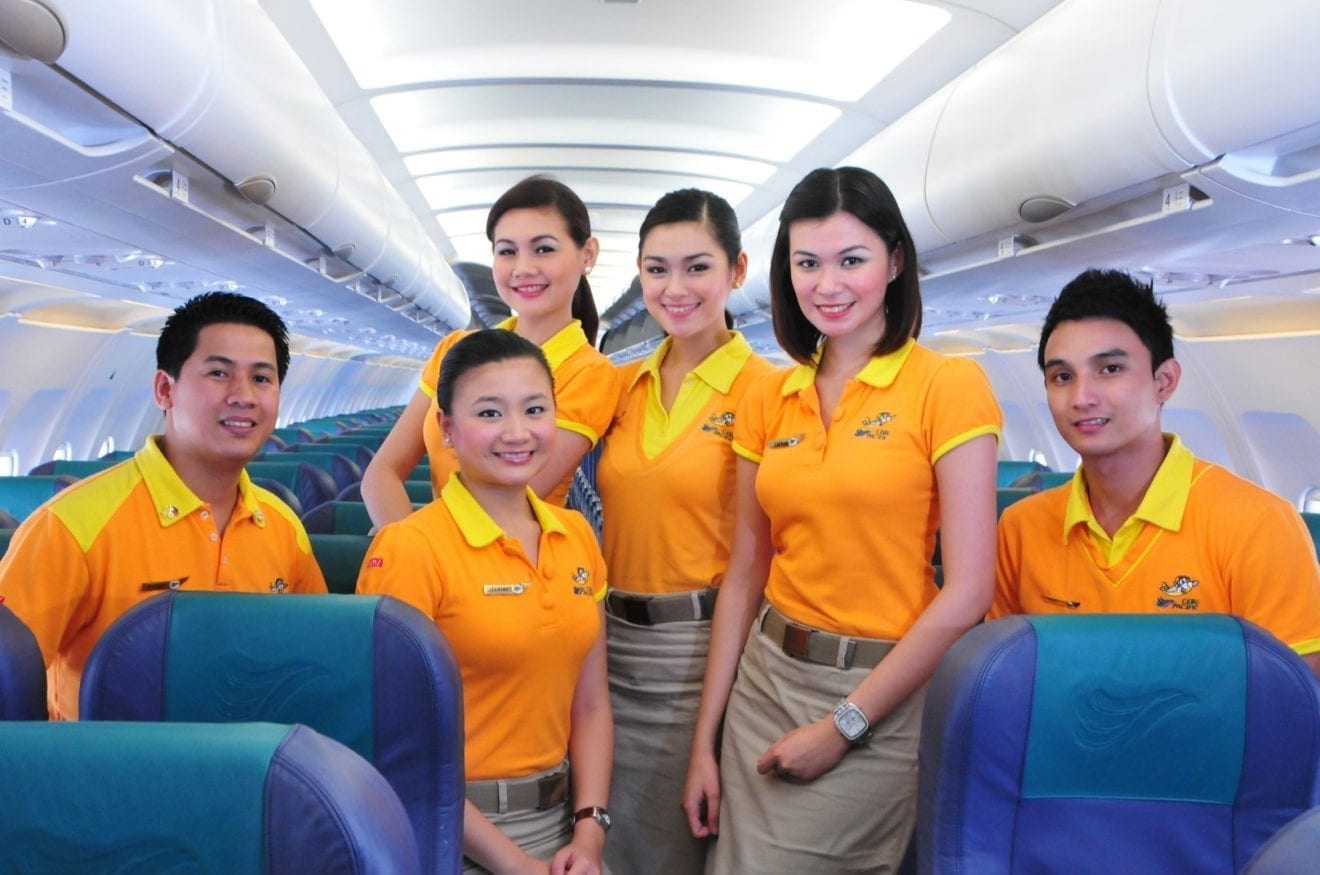
    Cebu Pacific said Monday it broke its own record for the most number of passengers flown in a single day, as summer season demand boosted traffic.

    The Gokongwei-led airline said it flew 65,298 on May 7, breaking the previous record of 64,684 on Dec. 27, 2016. The new record was set on 395 flights to 37 domestic and 26 international destinations.

    “As summer peak season reaches full swing, we are seeing more tourists going on vacation,” said Cebu Pacific vice president for corporate affairs JR Mantaring.

    Mantaring said the growing number of meetings, conferences and exhibitions helped drive passenger traffic.

    The country’s largest airline said it had 53-percent market share in the first 3 months of 2018, during which it flew 4.9 million passengers.

  • Cebu Pacific to resume Manila-Busuanga flights in June

    Cebu Pacific to resume Manila-Busuanga flights in June

    Cebu Pacific is scheduled to resume flights between Manila and Busuanga, Palawan on Sunday, June 10 – two days after an airport mishap there.

    On Saturday, June 9, flights to and from Busuanga were canceled after a Skyjet plane overshot the runway of the Francisco Reyes Airport late Friday afternoon, June 8.

    In an advisory on Saturday night, Cebu Pacific announced that normal operations will resume on Sunday, and that all of its Cebgo flights will proceed as scheduled.

    It also announced additional Cebgo flights for Sunday to accommodate passengers affected by flight cancelations on Saturday:

    • DG 6049, Manila-Busuanga (Coron), 6:00 am
    • DG 6050, Busuanga (Coron)-Manila, 7:35 am
    • DG 6051, Manila-Busuanga (Coron), 9:30 am
    • DG 6052, Busuanga (Coron)-Manila, 11:05 am
    • DG 6053, Manila-Busuanga (Coron), 1:30 pm
    • DG 6054, Busuanga (Coron)-Manila, 3:05 pm
    • DG 6055, Manila-Busuanga (Coron), 2:50 pm
    • DG 6056, Busuanga (Coron)-Manila, 4:35 pm

    Cebu Pacific said that passengers whose Saturday flights had been canceled “are being notified regarding their new flight schedules.” It added that the passengers have the option to either rebook their flights within 30 days from original departure date, or claim a full refund or travel fund.

  • Cebu Pacific launches Independence Day seat sale for GetGo cardholders

    Cebu Pacific launches Independence Day seat sale for GetGo cardholders

    Cebu Pacific is staging a two-day exclusive seat sale for GetGo Visa cardholders in celebration of the 120th Independence Day.

    Cardholders will be able to book flights to select domestic destinations for as low as P699 and P1,199 to select international destinations such as Hong Kong, Kota Kinabalu, Singapore, Narita, and Melbourne.

    The seat sale runs from June 12 to June 13, for travel from January 1 to March 31, 2019.

    The seat sale is available on Cebu Pacific’s website and can be settled using GetGo credit, debit or prepaid cards by Union Bank of the Philippines.

  • These 6 Countries Are Booming in E-commerce

    These 6 Countries Are Booming in E-commerce

    Among the 28 largest internet companies in the world, 11 are e-commerce businesses. Per Statista, Global retail e-commerce sales are forecasted to reach $2.77 trillion this year. Consider that 62 percent of the world’s 7.2 billion population already owns a mobile phone, and by 2019, over 5 billion people will have access to the internet through their smartphones.

    Yet while global e-commerce is undoubtedly thriving, it’s true potential remains untapped, especially when looking at the growth potential for these six booming e-commerce markets.

    China

    China’s 2017 retail e-commerce sales reached $1.2 trillion. From the rise of two of the top 10 internet companies in the world in JD.com and Alibaba, to socially adopted mega-shopping holidays like “Singles’ Day”—China’s large economy is turning more digital by the day. This is underscored by its high consumer confidence index (CCI), currently sitting at 122 as of January 2018. E-commerce accounts for 23 percent of China’s overall retail sales, and there’s a lot of room for growth. China boasts a forecasted compound annual growth rate (CAGR) over 17 percent. This is on par with many underdeveloped markets expecting to see major e-commerce strides in the near future.

    United States

    While e-commerce only makes up 10 percent of the overall U.S. retail economy, that market is expected to reach $5.3 trillion in 2018. U.S. e-commerce sales generated over $431 million in revenue in 2017. With a healthy 96 percent of Americans shopping online, it’s projected to be a $535 billion market by 2019.

    United Kingdom

    Over 19 percent of retail sales come from online purchase in the U.K. With an annual e-commerce revenue exceeding $121 billion, it’s the third biggest market in the world behind China and the U.S. As of March 2017, 87 percent of U.K. consumers had made an online purchase in the last year.

     Japan

    Japan was projected to generate over $111 billion dollars in retail e-commerce sales in 2017. Japan’s relatively small country size, single language, urban population and widespread tech adoption (91 percent) all contribute to its ideal e-commerce environment. E-commerce sales in Japan make up less than eight percent of all retail sales, leaving plenty of room for future growth.

     Germany

    Ninety-three percent of German consumers shopped online in 2016, according to research from Mintel. German e-commerce revenue accounted for nearly eight percent of overall retail sales in 2017 at roughly $77 billion. Growth ahead looks steady with 2018 and 2019 projected to haul in $82.5 and $87.5 billion, respectively. These numbers look even more encouraging when you consider under half of German retailers offer their goods online, leaving inevitable room for growth in the coming decade.

    South Korea

    South Korea’s e-commerce boom has largely resulted from widespread mobile phone adoption and an overall tech-savvy culture. Having the fastest Wi-Fi in the world probably helps too. Their e-commerce sales accounted for 9.8 percent of its total retail sales in 2017 at $46.6 billion annual revenue. E-commerce revenues project to hit $50.5 billion in 2018.

    Countries to Watch

    These six countries may be the powerhouses, but e-commerce is growing globally. In India, where just 2.2 of total retail sales comes from e-commerce, a massive population and widespread mobile phone adoption make it a sleeping giant. In fact, India ranks just behind Malaysia for CAGR from 2016-2021, at 23 percent. Other Southeast Asian island countries like Indonesia, the Philippines, and Vietnam forecast for 20.7, 18.3, 17.2 percent, respectively. And don’t count out large countries like Brazil and Russia, the latter of which boasts the largest number of internet users in Europe.

    Why Borders Don’t Matter

    Aside from country-specific trends, the main thing to take away is that the world is going online to shop for the things they need. According to a Nielsen report, 57 percent of online shoppers purchased from an overseas retailer in the last six months. Only one continent—North America—saw less than a majority (45 percent) of shoppers making an overseas purchase.

    Global e-commerce is on pace to truly be global, as consumers become more comfortable looking to e-stores abroad for more product selection, better prices, or more availability. This borderless e-commerce system will handsomely reward the companies that learn how to build an ecommerce website with appeal to a global audience and personalized experiences.