Tag: Philippines

  • Jollibee Milan Is Finally Open And the Response Is Intense

    Jollibee Milan Is Finally Open And the Response Is Intense

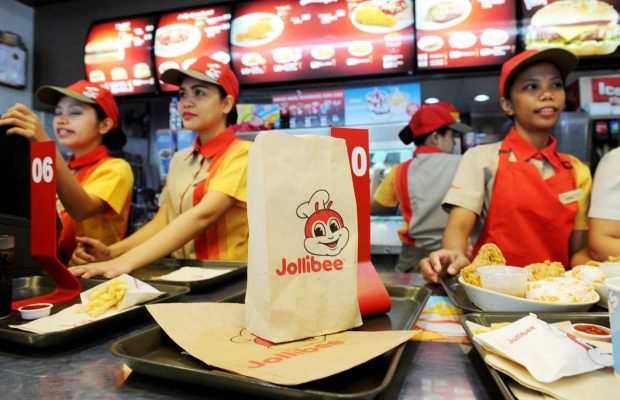
    There were queues when Filipino fast-food giant Jollibee Europe opened its first-ever branch, in Milan.

    An estimated 170,000 Filipinos live in the Italian city.

    In the early hours of the outlet’s opening day, families, young people, members of the Filipino community, and even locals were lining up in front of the Jollibee store.

    Slide to view the gallery below :

    “Gaining a foothold in Milan is a fundamental step for Jollibee, as well as a launch pad for the expansion of the brand to Europe,” says Jollibee Foods Corporation CEO Ernesto Tanmantiong.

    Milan’s opening follows the signing of a JV between Jollibee Foods Corporation and Singapore Blackbird Holdings to take the fast-food chain into Europe.

    “We want to bring Filipinos a taste of home, and at the same time share with Italians, who are famous for their gastronomic heritage, says Tanmantiong.

  • Robinsons Retail to take over Rustan’s Supermarket

    Robinsons Retail to take over Rustan’s Supermarket

    Multi-format retailer Robinsons Retail Holdings is spending PHP18 billion (US$343 million) to acquire Dairy Farm’s Rustan’s Supercenters, which operates the upmarket Rustan’s department stores.

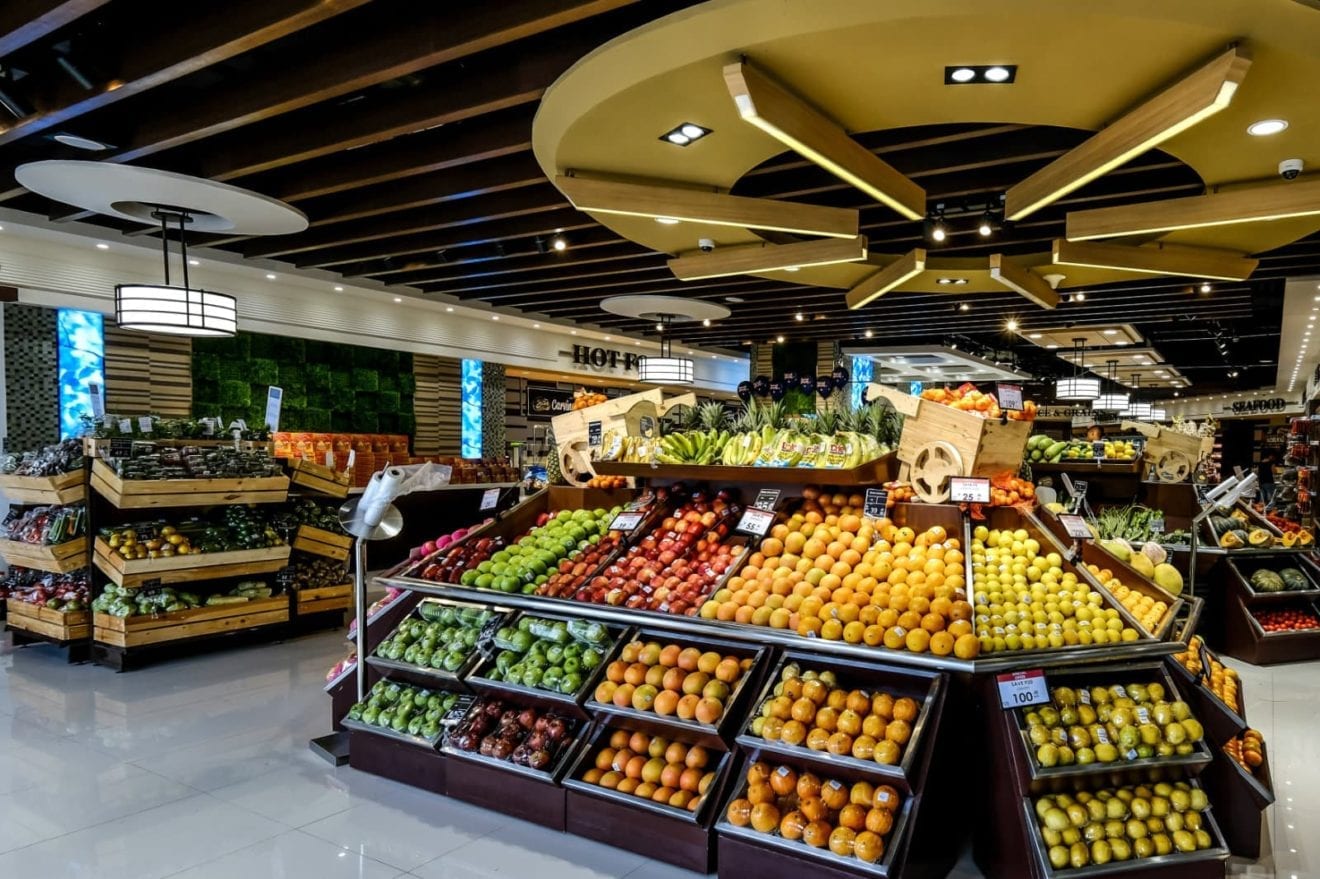
    Owned by the Gokongwei family, Robinsons Retail has more than 3500 retail outlets including supermarkets, department stores, drugstores, international fashion and beauty, and specialty coffee shops. Rustans is 100 per cent owned via a subsidiary by Hong Kong-listed retail group Dairy Farm International, which is majority owned by Jardine Matheson. It runs the food retail brands Marketplace by Rustan’s, Rustan’s Supermarket, Shopwise Hypermarket, Shopwise Express and Wellcome.

    Robinsons Retail will acquire the 100 per cent stake held by Dairy Farm subsidiary MCBV in Rustans through a share swap. The deal calls for Rustans swapping shares for primary common shares of Robinsons. Some members of the Gokongwei family also intend to sell some of their shares under the deal.

    Robinsons says it has agreed to partner with Dairy Farm to create a leading food retailer in the Philippines. The Gokongwei family will effectively own 51 per cent of the expanded capital of Robinsons Retail while Dairy Farm, through its arm MCBV, will own 18.25 per cent of the listed retail company upon the completion of the secondary sale tranche. The board of directors of Robinsons Retail and MCBV have approved the acquisitions.

    In December, Robinsons Retail acquired a 20 per cent stake in Taste Central Curators, which runs Filipino e-commerce site BeautyMNL. Robinsons Retail shelled out PHP4 billion in capital expenditure last year, higher than the PHP3.3 billion spent a year earlier, to open about 150 new stores.

  • Jollibee Guam construction begins

    Jollibee Guam construction begins

    Philippine fast-food giant Jollibee’s planned re-entry into the Guam market has taken another step forward. The $2 million construction project to build a standalone Jollibee in the Micronesia Mall parking lot has begun. The construction site was in the process of being cordoned off Monday, and construction equipment has started digging up the ground for the proposed concrete building.

    The Jollibee corporate office in the Philippines has previously confirmed its Guam restaurant will open in the fourth quarter of this year.

    Maxi D. Peralta Jr., assistant vice president and head of international franchising at Jollibee Foods Corp., spoke on behalf of the company.

    Known for its crispy fried chicken, sweet spaghetti and other Filipino twists on patties, hot dogs, egg rolls and noodles, Jollibee’s Guam re-entry was announced as part of its overseas expansion plans.

    Jollibee had two franchise-run restaurants on Guam and two on Saipan, but its Marianas presence ended more than a decade ago as the islands went through an economic downturn. Jollibee also had trouble competing with Guam players that offered larger portions.

    The company builds, runs and franchises quick-service restaurants. A Jollibee international franchise applicant must have a minimum net worth of $5 million, according to the company’s website.

    Internationally, Jollibee had 139 stores with 32 in the United States, 72 in Vietnam, 13 in Brunei, one in Hong Kong, two in Singapore and 19 in the Middle East, according to the company’s profile for investors.

  • Jins, Japan’s biggest eyewear chain, to open in Manila

    Jins, Japan’s biggest eyewear chain, to open in Manila

    Japan’s largest eyewear chain Jins plans to open in Metro Manila this summer.

    Brought in by Suyen Group, the parent of fashion brand Bench, Jins will add a broad variety of eyewear design to the Philippines.

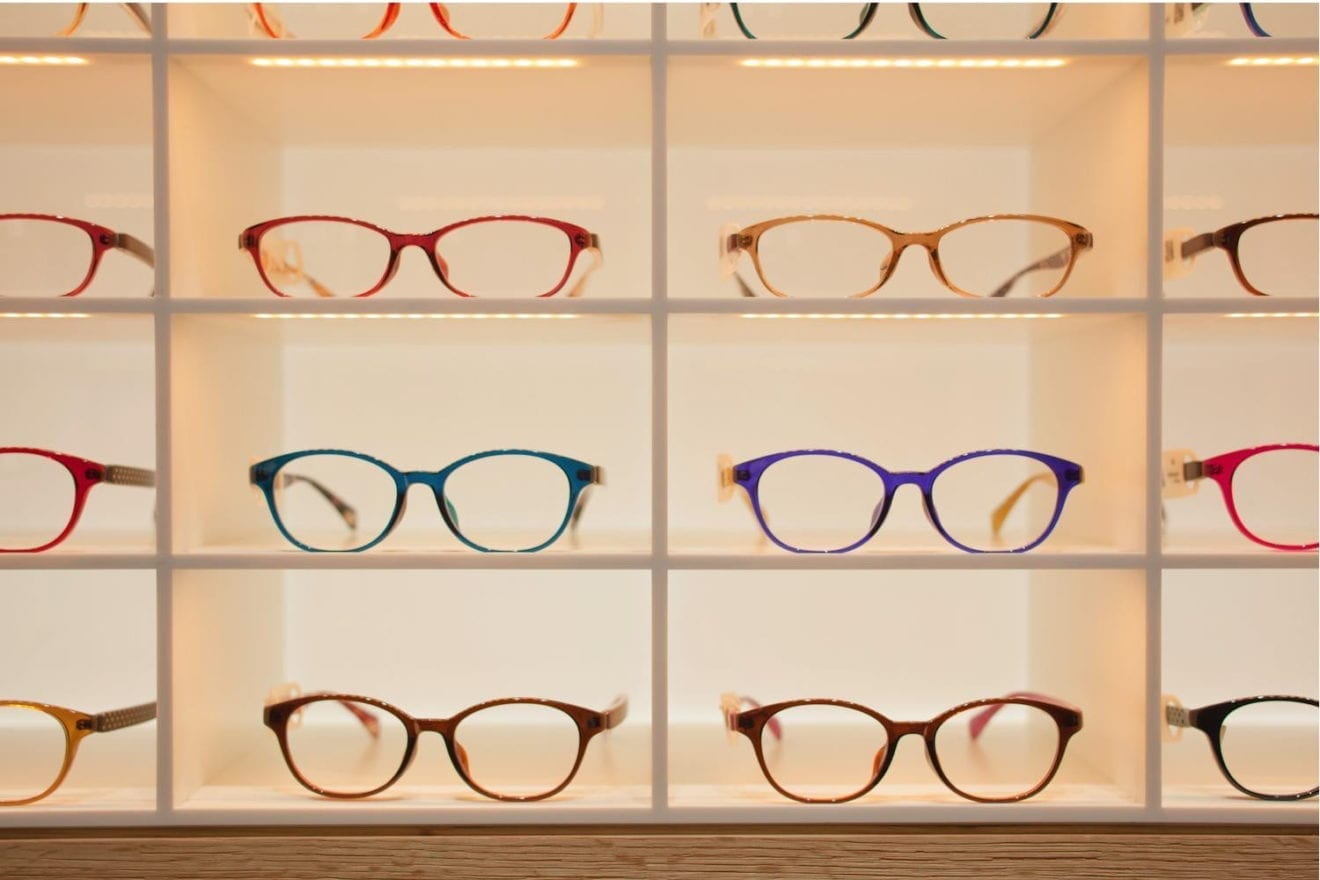
    Each Jins store regularly stocks more than 1200 frames, ranging from classical styles to fashionable.

    Jins offers a visual experience with stores designed like a pop-art gallery, collaborating with graphic artists and architects from Japan and other countries in designing both the eyewear line and their stores.

    Recent collaborators include British product and furniture designer, Jasper Morrison, and Japanese graphic artists and architects Teruhiro Yanagihara and Sou Fujimoto.

    Customers usually spend less than an hour having their eyes checked and spectacles prepared at Jins.

    Jins has around 60 stores in Tokyo, and 300 nationwide.

  • Converse starts selling online on Lazada

    Converse starts selling online on Lazada

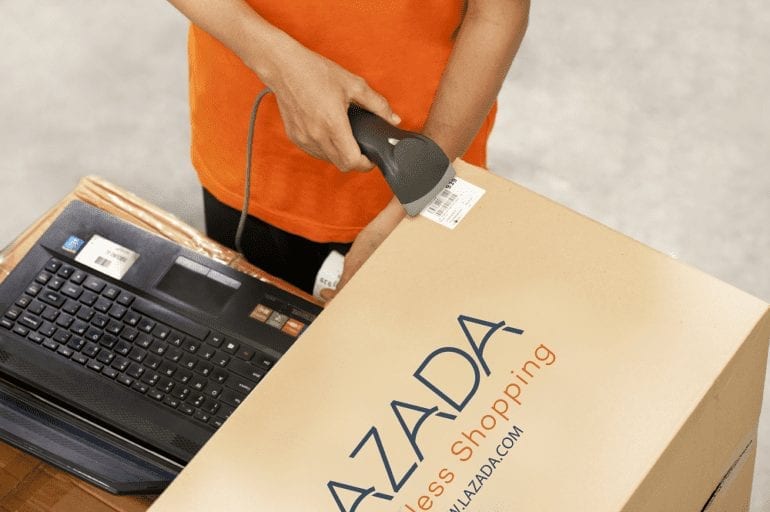
    Lazada has launched the first official Converse online store in Singapore and Malaysia.

    The two companies say they have created “a curated brand experience” which showcases a diverse product offering.
    The store opened on Friday and will expand later this year into Indonesia, Thailand, the Philippines and Vietnam.

    “We look forward to providing Southeast Asian consumers with the broadest selection of Converse products and an elevated shopping experience via our Converse Official Store,” said Dan Brausch, VP of global partner markets with Converse.

    Robin Mah, chief business officer with Lazada Group, said the store allows local fans of the brand to browse and purchase hundreds of styles for men and women.

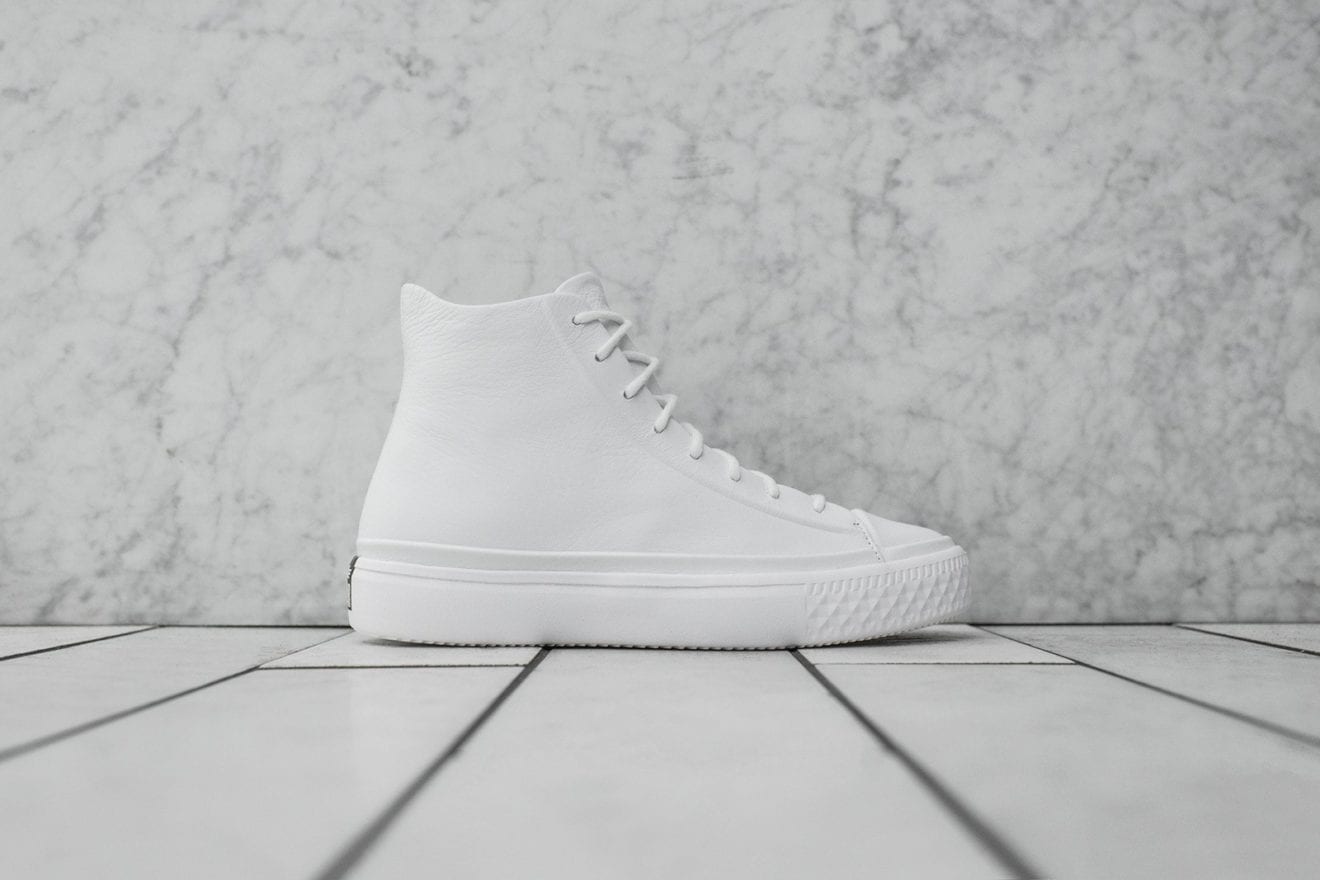
    Popular Converse ranges including the Chuck Taylor All Star, One Star and Chuck 70’s are all available in assorted colours, patterns and materials.

  • Tumi acquisition lead Samsonite to good numbers

    Tumi acquisition lead Samsonite to good numbers

    Samsonite Asia sales lept 16 per cent last year, a rate slower than the Hong Kong-listed company’s global growth, and predominantly driven by the acquisition of Tumi.

    The world’s largest travel luggage company achieved global sales of US$3.49 billion, up 23.3 per cent, with Asia accounting for $1.19 billion of that. Samsonite Asia sales excluding the Tumi effect grew by a much more modest 4.8 per cent, while sales in Japan grew by 32 per cent, or 12 per cent excluding the Tumi business, driven by the Gregory, American Tourister and Samsonite brands.

    In the first half of last year, Samsonite assumed direct control of the wholesale and retail distribution of Tumi products in South Korea, Hong Kong, Macau, China, Indonesia and Thailand.  Net sales in China increased by 11.9 per cent year-on-year, (7.2 per cent excluding Tumi), due to increased sales of the Samsonite and American Tourister brands. Net sales in South Korea increased by 15.7 per cent, but fell 2.5 per cent excluding Tumi, due to fewer shoppers visiting from China and weak consumer sentiment.

    Net sales in Hong Kong increased by 34 per cent year-on-year, driven by the addition of Tumi, but by just 1.5 per cent excluding Tumi.

    Net sales in India increased by 4.6 per cent, despite a temporary disruption during the year due to the Indian government’s introduction of a goods and services tax that took effect in the third quarter of last year.

    Strong direct-to-consumer growth

    Samsonite showed solid progress on its move towards increasing its direct-to-consumer sales, aided by the acquisition of online luggage retailer eBags last May.

    Net sales rose 57.4 per cent overall, by 32.1 per cent excluding Tumi and by 12.2 per cent after 1 further excluding eBags.

    Dollar reported profit attributable to the equity holders increased by US$24.1 million, or 12.1 per cent.

    “We saw very satisfying growth last year, further driven by a strong performance from the Tumi and eBags businesses following their integration into the group,” said chairman Tim Parker.

    “In particular, we made solid strides in improving Tumi’s performance and as a result it was accretive to earnings in its first full year post acquisition. Now that we have strategically expanded into the highly attractive premium segment, and established a firm foothold in e-commerce, we look forward to more aggressively expanding our presence in the direct-to-consumer channel worldwide, especially direct-to-consumer e-commerce, where we see strong growth opportunities.”

    CEO Ramesh Tainwala said that while the company continued to benefit from the buoyant growth in travel and tourism worldwide, its strong performance was also driven by continued investment in brands, especially in the form of increased marketing support, as well as the expansion of direct-to-consumer e-commerce and brick-and-mortar retail operations.

    “Looking ahead, we will continue to implement our multi-brand, multi-category and multi-channel strategy, while leveraging our decentralised management structure and investment in marketing, in order to capitalise on the many exciting opportunities ahead of the group,” he said.

  • Epiphany Cafe plans to invade Asia

    Epiphany Cafe plans to invade Asia

    A rural New Zealand donut maker is set to expand into Asia, initially targeting the Philippines, Indonesia, Malaysia and Singapore.

    Epiphany Cafe started just two years ago as a single family-owned store in the Waikato city of Hamilton, in the heart of New Zealand’s largest dairy-farming region. Since then it has expanded to five stores in Auckland and Hamilton under a franchise model it is now looking at expanding into other New Zealand towns and cities before heading offshore.

    “We believe there is a need we can fulfil in Asia,” GM for sales and marketing, Suzanne Gaier, said in an interview published on Stuff.co.nz.

    Gaier hopes to have the first Asian stores operating within 12 to 24 months.

    “Our idea is also to bring our core staff members from New Zealand into Asia and inject Kiwiana that way too. The whole idea is to take our Kiwi brand over there and be the Fonterra of sweet treats… as well as provide Kiwi expats with a little slice of home.”

    Epiphany Cafe developed its donut recipe over six months and now boasts 29 flavours regularly rotated.

  • Lazada comes with idea to simplify selling system

    Lazada comes with idea to simplify selling system

    To help Southeast Asian entrepreneurs ride the e-commerce boom, Lazada has rolled out measures to make doing business online easier, faster and more financially rewarding.

    Already in effect, the moves benefit new sellers and about 135,000 merchants already on Lazada’s platform.

    One of the highlights is Seller Rewards, a powerful framework that recognises sellers for outstanding performance. The higher the ratings, the more rewards or benefits the seller enjoys such as:

    ● Higher visibility of products when users search and browse the site
    ● Access to shipping services and price subsidies extended by Lazada
    ● Access to promotional campaigns spearheaded by Lazada
    ● Access to preferred sellers programs; or premium seller program in Malaysia and Seller Prioritas program in Indonesia.

    Customers can rate sellers based on how they apply best practices to deliver a positive customer experience, such as quality checks on products sold, using recommended packing materials to avoid damage, and preventing purchase cancellations through third-party negligence.

    As another plus, sellers will no longer be financially penalised for policy breaches. However,  errant sellers may be delisted by Lazada.

    Instead of three to four days for anyone to start their business on Lazada, the process can now be completed in mere minutes. The simplified sign-up form requires registrants to provide just their email address, telephone number and address. They can start logging up sales 15 minutes after creating an account.

    Lazada group chief operations officer Aimone Ripa di Meana says the seller-friendly initiatives are part of the company’s efforts to empower entrepreneurs to grow their business online. “By incentivising sellers and giving them more leeway to sell efficiently and effectively, we want to ensure Lazada’s marketplace is the best place for sellers to reach out to more consumers.”

    Launched in 2012, Lazada is present in Indonesia, Malaysia, the Philippines, Singapore, Thailand and Vietnam. It helps more than 135,000 local and international sellers as well as 3000 brands serving 560 million consumers. Lazada Group is majority owned by Alibaba Group Holding.

  • New Deal Means a New Majority Owner for Smashburger

    New Deal Means a New Majority Owner for Smashburger

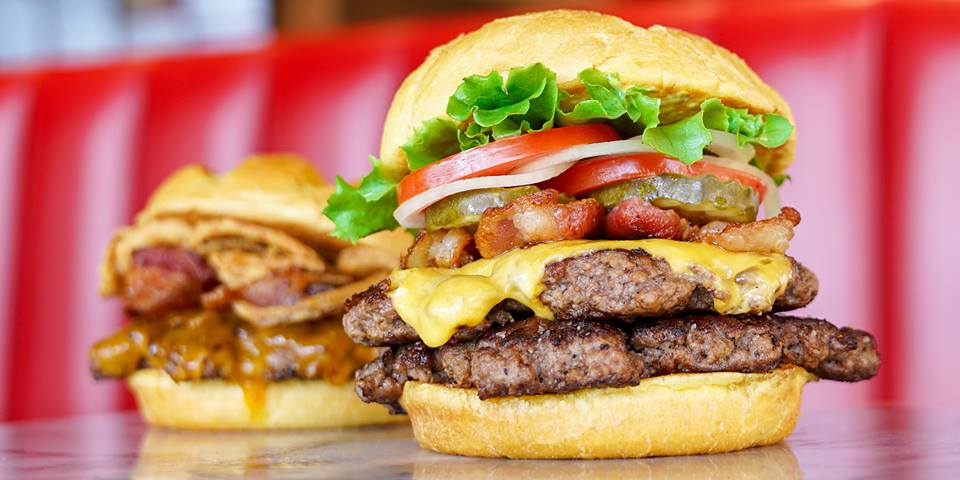
    In $100 million deal, Jollibee Foods Corp. will acquire an additional 45 percent of Smashburger, the Denver-based burger franchise that has more than 360 restaurants. The companies announced the deal Tuesday and it’s one that increases Jollibee’s ownership stake in the chain to 85 percent. The Philippines-based restaurant company first bought a 40 percent stake in Smashburger in October 2015 for $100 million, a deal which then valued the chain at $335 million.

    Tom Ryan, co-founder and CEO of Smashburger, called Jollibee an “invaluable strategic partner.”

    “Our momentum in 2017 around improved guest experience, iconic and record-setting product launches, and innovative marketing provide JFC a tremendously strong brand to enter the North American market,” said Ryan in a statement. “Our entire team couldn’t be more excited to grow the Smashburger brand and share the great tastes of Smashburger with the world.”

    Ryan took over as CEO in December 2016 following the exit of Mike Nolan after just nine months. Nolan had replaced Scott Crane, who stepped down in April 2016.

    Since Ryan’s move to chief executive, Smashburger has focused on developing new menu items, such as its Triple Double Burger, and expanded its marketing efforts. The company in 2017 also launched Smash Pass, a subscription-model consumer frequency program.

    With the expanded Jollibee partnership, Smashburger CFO Bradford Reynolds said growth in Southeast Asia is a focus.

    “This reinforced strategic partnership with JFC will allow Smashburger to continue to focus on growth in both existing and new markets including the opportunity to bring our great tasting burgers, fries and hand-spun shakes to Southeast Asia,” said Reynolds. “We look forward to building upon our successful relationship to further bolster the brand as an international leader in the better burger segment.”

    Smashburger’s footprint extends to 38 states and nine countries. Jollibee Foods operates the largest foodservice network in the Philippines, with 2,875 restaurants in the country as of December 31, 2017. In addition to its 1,062 units of the Jollibee brand, it has Chowking, Greenwich, Red Ribbon, Mang Inasal and is a Burger King franchisee with 93 units. It also operates restaurants in Australia, Bahrain, Brunei, Canada, China, Hong Kong, Indonesia, Korea, Kuwait, Macau, Oman, Qatar, Saudi Arabia, Singapore, the United States and Vietnam.

  • BOI Philippines approves 2 online retailers

    BOI Philippines approves 2 online retailers

     The Board of Investments (BOI) has pre-qualified Zalora Shopping and CJO Shopping Co. Ltd., the first two online retailers to be registered under the country’s domestic retail trade law.

    So far, the BOI has already registered a total of 25 foreign retailers with total investments of R40 billion. These retailers have created 29,000 jobs since 2000.

    BOI Director for legal and compliance services Marjorie O. Ramos-Samaniego, who announced the recently pre-qualified online retailers at the Euro-PH Advocacy Forum on Retail Competition, said both firms were subjected to the current rules under the Republic Act 8762 or the Domestic Retail Act of 2000. The law requires minimum capital requirement of $2.5 million.

    Since they have no physical stores, the online retailers’ warehouses will count as their store where under the law a retailer is required to invest $830,000 per store.

    In February, 2017, the Ayala Group Acquired 49 percent stake in BF Jade E-Service Philippines, which owns and operates Zalora Philippines, the country’s largest online fashion platform offering a wide range of fashion and lifestyle products.

    Last year, Zalora said it was investing in a new warehouse that is five times bigger than its existing facility in Carmona, Cavite to accommodate more volume on strong orders from online shoppers. CJ O Shopping Co., Ltd operates as an online shopping company in South Korea and internationally. It provides various shopping channels, such as TV home, T-commerce, Internet, and mobile shopping, as well as catalogue and e-Catalog services.

    The company offers various product lines, including fashion, luxury goods, beauty, household appliances, jewelry, kitchen, household goods, and travel and baby products. CJ O Shopping Co., Ltd was founded in 1995 and is based in Seoul, South Korea.

  • BOI approves IKEA Philippines registration

    Swedish furniture maker IKEA has secured a certificate of registration from the Board of Investments (BOI) to open stores in the Philippines.

    The registration certificate was given to Ikano Pte. Ltd., the franchise holder of IKEA in Southeast Asia, BOI Legal and Compliance Service Director Marjorie Ramos-Samaniego told reporters on the sidelines of the EU-Philippines Advocacy Forum on Retail Competition in Makati City on Friday.

    In December 2016, Ikano pre-qualified as a foreign retailer in line with the Retail Trade Liberalization Act of 2000.

    Samaniego, however, said that IKEA still needs to secure its incorporation papers from the Securities and Exchange Commission.

    IKEA Southeast Asia posted a help wanted ad on professional networking site LinkedIn for a Design Manager, specifically for the Manila office. The posting was published in January, with a deadline set on Feb. 28, 2018.

    IKEA, which stands for Ingvar Kamprad, Elmtaryd, and Agunnaryd, is a multinational furniture retailer and franchiser with 387 stores in 48 countries.

    The acronym stands for the name of the company founder, the farm in which he was raised by his parents, and the village where he grew up.

  • Dairy Farm International’s plan after hitting bottom line

    Dairy Farm International’s plan after hitting bottom line

    Poor trading by Dairy Farm International’s Southeast Asian grocery business hit the company’s bottom line last year, with underlying profit falling 13 per cent.

    But every other one of the company’s divisions traded strongly throughout the year, according to the results just released.

    Full-year profit was US$403 million, after allowing for $64 million of costs relating to business restructuring. Sales by Dairy Farm’s wholly-owned subsidiaries totalled $11.3 billion, largely unchanged from 2016’s $11.2 billion. But total sales, including 100 per cent of associates and joint ventures, at $21.8 billion were up 7 per cent year on year, reflecting strong growth at both supermarket operator Yonghui and cafe-restaurant operator Maxim’s, which owns the Starbucks business in Hong Kong, Vietnam, Cambodia and now Singapore.

    “After a disappointing year… for our food businesses in Southeast Asia, actions are being taken to improve their long-term performance,” explained chairman Simon Keswick. “All of the group’s other formats and markets are trading well and growth opportunities are being pursued, in Mainland China and elsewhere.”

    In Dairy Farm’s food division, sales were down and profits were “significantly lower” than in 2016, primarily due to poor performances in the supermarket and hypermarket businesses in Malaysia, Singapore and Indonesia.

    “A number of underperforming stores are being closed and prices lowered to clear or write off discontinued and slow moving stock.

    “In Hong Kong, sales were more resilient, although profits were marginally down due to increasing rents and labour costs. Positive sales growth seen in the Philippines reflected the ongoing investments being made to improve the business,” said Keswick.

    Elsewhere in the company there was brighter news.

    The convenience store format (including 7-Eleven in Hong Kong and Singapore) produced increased sales and profit. “In part, this reflected a consumer shift to more convenient retail formats, as well as a positive reception to the service and range enhancements introduced for customers,” said Keswick.

    The convenience stores division reported $2 billion in sales, an increase of 4 per cent over the previous year – but operating profit surged 16 per cent to $85 million.

    In the health and beauty division, (led by Guardian and Mannings), sales and profit were higher, principally due to strong performances in Hong Kong, Macau and Indonesia, together with improvements in Mainland China.

    Keswick said this was led by an increasing focus on the beauty category and the continued development of the division’s house brands.

    The home furnishings division (Ikea in Hong Kong, Taiwan and Indonesia) recorded higher sales and trading profit, but the reported profit declined, mainly due to costs associated with the opening of the fourth Ikea Hong Kong store in October. Sales and profits increased in Taiwan and Indonesia and there was solid growth in the e-commerce business.

    Maxim’s enjoyed good sales growth and profit expansion during the year, in large part due to strong performances from its branded products, particularly mooncakes, and its business in Mainland China. The company also acquired the Starbucks Singapore business last year.

    The group’s 19.99 per cent-owned associate in Mainland China, Yonghui Superstores, opened a net 292 new stores last year, which underpinned a 19 per cent growth in revenue. Ongoing supply chain optimisation and shrinkage improvement resulted in improved margins, which together with better capital use, led to a 45 per cent growth in profit.

    Convenience focus

    Keswick said Dairy Farm International will focus on increasing its convenience store operations in the year ahead through expansion and enhancement of the store network. New smaller-store formats are being piloted in some markets.

    The group will also continue to develop its e-commerce presence, focusing on a number of initiatives in its home furnishings, food, and health and beauty operations introduced last year.

    Dairy Farm International added a net 633 stores last year. At year end, it had 7181 stores in operation in 11 countries and territories, including its interest in 779 Yonghui stores in mainland China and 1210 Maxim’s stores.

    Besides the Starbucks Singapore deal, Maxim’s also acquired the existing businesses and franchises of Genki Sushi in Singapore and Malaysia. It opened its first The Cheesecake Factory in Hong Kong in May, which Keswick said is trading well, and this year will introduce American casual restaurant format Shake Shack in Hong Kong and Macau.

    In the Philippines, Rustan became a wholly-owned subsidiary following the acquisition of the remaining 34 per cent interest from the group’s joint venture partner.


  • Nara Thai Brings Classic Thai Dishes To Manila

    Nara Thai Brings Classic Thai Dishes To Manila

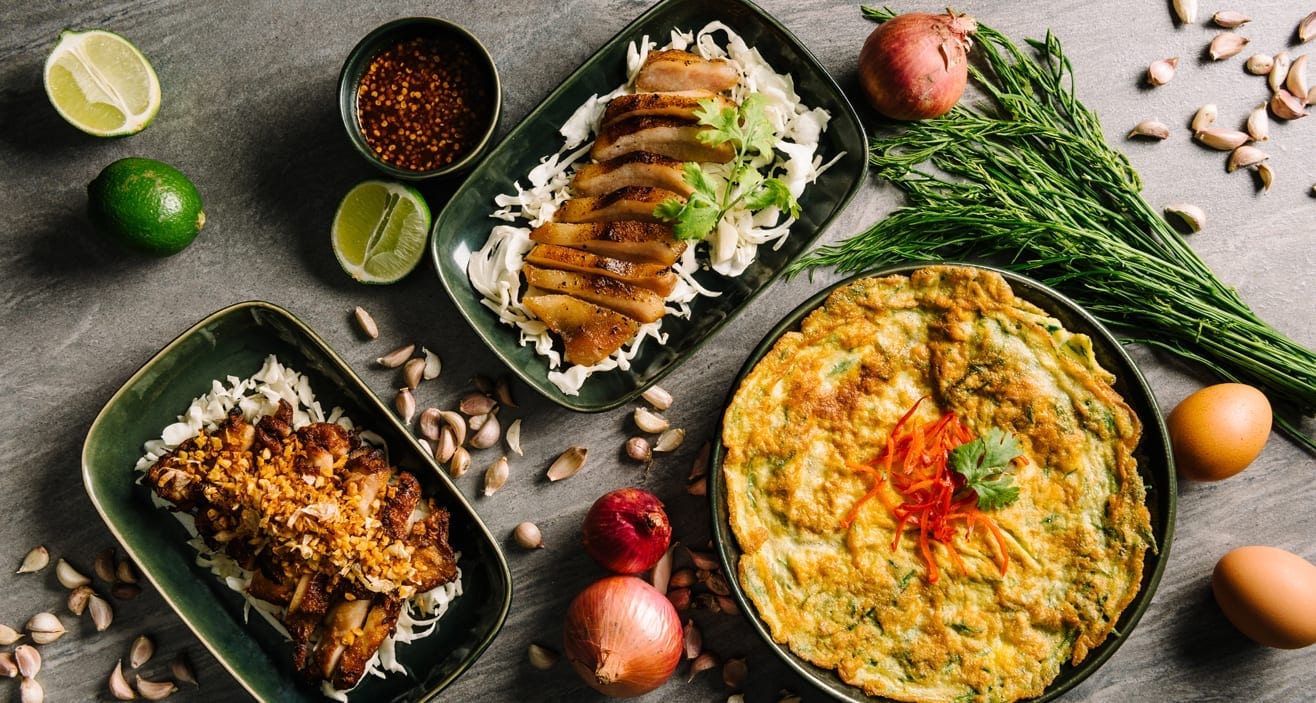
    Bangkok’s Nara Thai restaurant has opened a branch in the Philippines.

    It has been brought in by the Roku restaurant group following Roku Sushi and Ramen, which opened in Katipunan six years ago, and Sushi Nori, which specialises in sushi and maki, and already has five branches around Metro Manila.

    Founded in 2003 by a group of female entrepreneurs, Nara Thai is named for one of its founders, Narawadee Srikarnchana. Apart from Thailand, it has branches in Hong Kong, Myanmar, Taipei and Mumbai.

    “Nara is a celebration of families,” says Roku Group CEO Sheila Romero, who runs the restaurant with her daughter Milka. “Sharing memories is my thrust in business.”

    Celebrities and representatives from Nara Thai Cuisine in Bangkok attended the restaurant’s official launch, with the ribbon being cut by the Thai ambassador to the Philippines Thanatip Upatising.

    On the restaurant row of SM Megamall’s Mega Fashion Hall, Nara Thai has interiors bathed in silver and purple.

  • McDonald’s Philippines to open more stores

    McDonald’s Philippines to open more stores

    Golden Arches Development Corp (GADC) is planning to invest up to PHP2 billion (US$38.4 million) so McDonald’s Philippines can open at least 40 new stores this year.

    Majority owned by chairman/founder Dr George Yang and his family, GADC is the master franchise holder of McDonald’s in the Philippines and has been a wholly owned Filipino company since 2005.

    The firm says McDonald’s is committed to growing its foothold in the Philippine market through store expansion and digital innovation. The brand last year opened 52 stores across the country and reached new territories.

    Apart from store openings, menu innovations and marketing activities helped McDonald’s Philippines reach PHP42.6 billion system-wide sales last year, up 14 per cent on 2016.

    McDonald’s Philippines president Kenneth Yang says services such as McDelivery have helped the group further expand its market share and post the fastest growth in the quick-service restaurant (QSR) industry.

  • Intersport opens door in the Philippines

    Intersport opens door in the Philippines

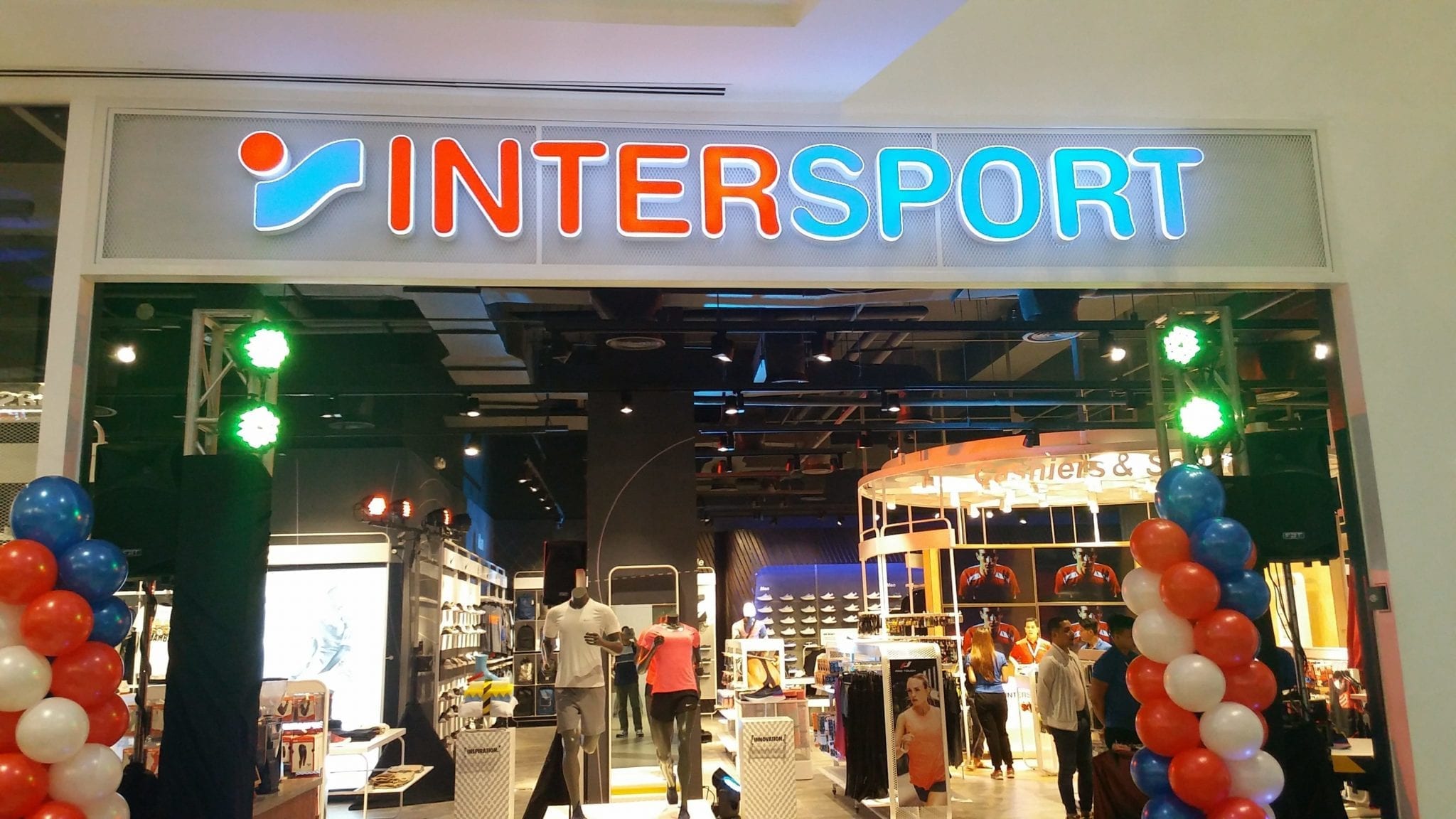
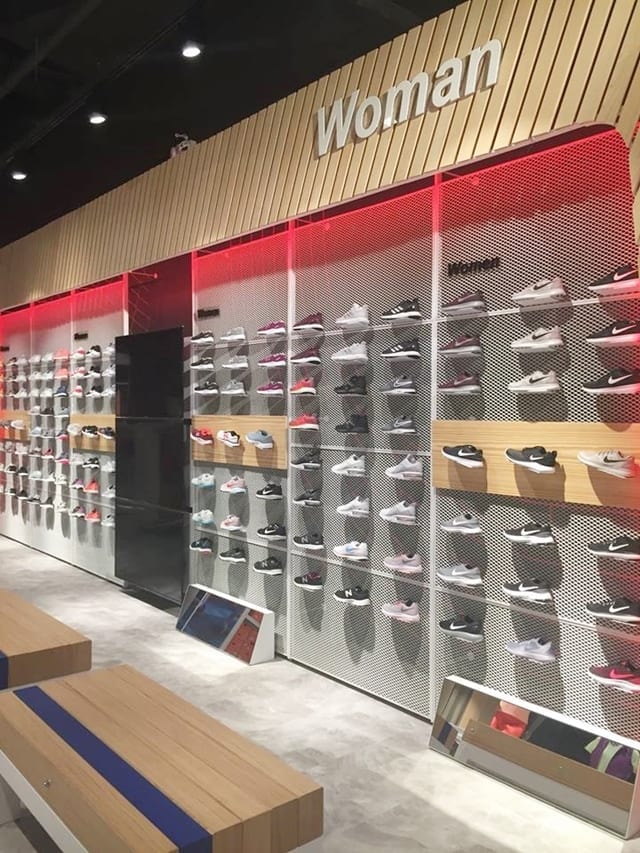
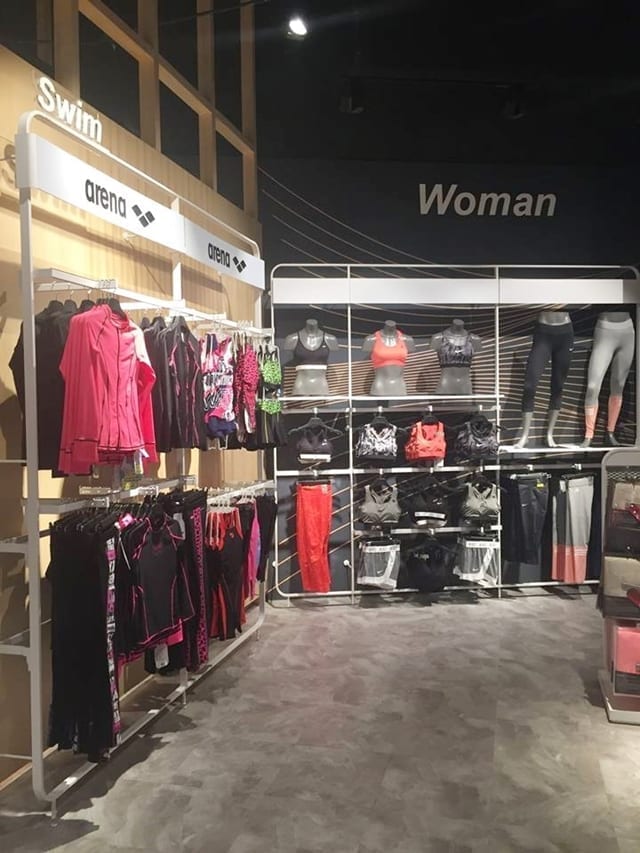
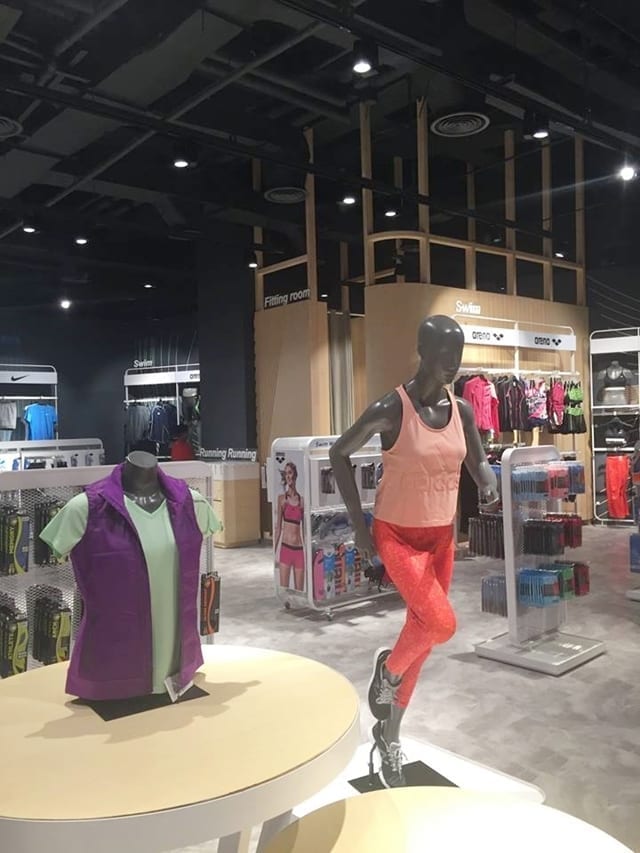
    Intersport Philippines has opened its first store at the Ayala Vertis North Mall in Quezon City.

    It is the Swiss international sporting goods retailer’s first outlet for Southeast Asia.

    Being introduced by Planet Sports Incorporated, the company behind Athlete’s Foot, Planet Sports and Sports Warehouse, it is the 5500th international outlet for Intersport, which carries such brands as Adidas, New Balance and Nike.


    A ribbon-cutting for the store was attended by volleyball stars Alyssa Valdez and Thirdy Ravena, along with basketballer Willie Miller.

    Planet Sport plans to continue its expansion with stores in Makati, Bonifacio Global City, Mall of Asia and Cebu, says president Anton Gonzalez.