Tag: Philippines

  • Online grocery shopping made easy with Shopee Mart

    Online grocery shopping made easy with Shopee Mart

    E-commerce platform Shopee Philippines has launched Shopee Mart, selling groceries online via smartphones.

    As Shopee grows its Asian footprint – it is now operating across Southeast Asia and in Taiwan – it is expanding the services offered in selected markets. Groceries was a logical extension in the Philippines.

    A raft of consumer packaged goods brands have signed up to the platform, including Nestle, Unilever, Lysol, Coca-Cola, Nivea, Colgate, Pampers, Garnier, Mamypoko and Olay.

    The grocery foray was launched with a special offer to consumers of up to 90 per cent off selected grocery items, ranging from food and beverages to toiletries and skincare products from Monday through Wednesday this week.

    “At Shopee, we … are committed to continuously innovating our platform in order to meet the different needs of our users,” said Shopee Philippines director Jane Lim.

    “For the launch of Shopee Mart, we hope to be able to cater to users who prioritise the ease and convenience of doing their grocery shopping online, and will continue to work closely with brand partners to bring them even more value-added deals and exciting campaigns going forward.”

  • M Bakery plans its debut in Southeast Asia

    M Bakery plans its debut in Southeast Asia

    New York’s Magnolia Bakery is opening its first Southeast Asia outlet this month, in the Philippines where it is branded M Bakery.

    Set to open on August 22 on the ground floor of One Bonifacio High Street Mall, M Bakery Philippines has an open kitchen that allows customers to watch as bakers make different cakes and cupcakes. The interior is full of pastel pink and teal, and hand-painted labels of baked goods.

    “We wanted to keep the same vintage feel of our flagship in New York’s West Village,” says Erick Larios, director of franchise operations for Magnolia Bakery.

    Founded in 1996 in New York City, Magnolia Bakery is best known for its signature Banana Pudding. The bakery has expanded around the US and internationally, before landing in Manila.

    “We love our sweets,” says Stewart Ong, managing partner of Phil Jacobe Ventures, which brought M Bakery to the Philippines. “We also have this very unique practice of pasalubong so I think M Bakery will be a good fit here.”

    The menu includes the classic Key Lime Pie, Banana Pudding, Vanilla Cupcake With Vanilla Buttercream, Ombre Ruffle cake.

  • SM Prime Holdings income rise from new malls

    SM Prime Holdings income rise from new malls

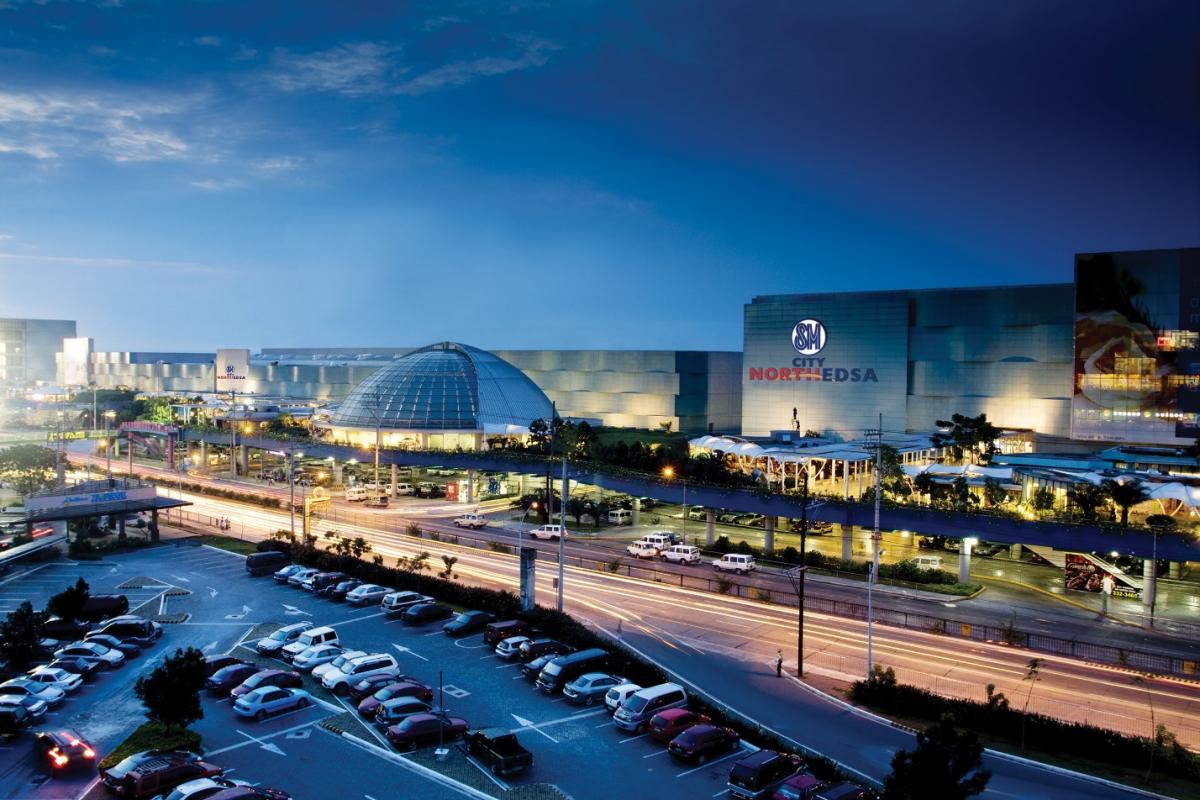
    SM Prime Holdings has reported a 16 per cent rise in income in the first half of this year.

    Sales, boosted by new mall and residential projects, reached a total of P16.6 billion (US$313 million). The firm opened shopping centres in Cavite, Pangasinan and Pampanga during the period and now operates 77 in all, seven of them in China.

    SM Prime president Jeffrey C Lim said: “We intend to deliver more integrated developments in the coming years anchored by lifestyle malls, luxurious yet affordable residences and other complementary amenities across the country.”

    SM Prime is set to open new malls in Albay and Leyte later this year.

  • Carousell seals partnership with Xend, elevates the PH buying and selling experience

    Carousell seals partnership with Xend, elevates the PH buying and selling experience

    In a strategic bid to accelerate Philippine social commerce growth in a thriving ecosystem, Carousell, one of the world’s largest and fastest growing classifieds marketplaces, has recently launched its major team-up with Xend, the country’s top e-commerce logistics firm.

    Jamie Lee, Carousell’s Senior Manager for Growth Markets pointed out that the partnership deal allows the platform – now with 158 million listings across 7 markets – to enrich the experience of its Philippine-based users and better engage them through a strong logistics partner of choice.

    “We are excited to work with Xend to make buying and selling more convenient. Shipping has been one of the most requested features from our users in the Philippines and Xend provides a unique, cost-friendly logistics solution for our users. With this strategic partnership, we hope to create more value for our community and deepen our presence in the Philippines,” Lee explained.

    Xend Founder & CEO Bjorn Pardo meanwhile said that they are thrilled to forge this partnership as it allows both players to step-up their game in the e-commerce space at scale.

    “The Philippine e-commerce landscape has fundamentally evolved. Sellers and shoppers are now more discerning and adoptive of coherent, frictionless experiences. This collaboration enables us to consolidate the mobile commerce segment and mobilize each others’ resources towards more customer-centric solutions,” said Pardo.

    The deal will jointly offer preferential privileges to Carousell users who use Xend to have their sold items delivered, as well as mount co-branded promotions in each others’ channels, both online and offline.

    With over 9.5 million listings on the Philippines marketplace, fashion and beauty remain as the most popular categories among its users in the Philippines. Xend, on its part, has already breached the 25 million mark for deliveries locally and abroad, and is known for its close to 500,000 user-base, Asia Pacific’s first Facebook Messenger booking bot, and a 6,000-strong integrated land and sea logistics network with PhilTranco, FastCat, Jam Liner, Ceres, and Quick Reliable.

    “It’s all about unlocking localized synergies and generating incremental value. As a next-tier innovation, Xend and Carousell will be collaborating to offer district-oriented meet-up points that leverages the Xend Group’s “pick-up and drop-off” (PUDO) hubs of 350 Neighborhood Partner outlets and possibly the stores too of 7-Eleven, one of our formidable strategic partners,” said JT Solis, Xend’s Vice President for Partnerships & Business Development, who led the negotiation and structuring of the deal.

  • Philippine economy slows down to 6% in Q2 2018

    Philippine economy slows down to 6% in Q2 2018

    The Philippine economy slowed down to 6% during the 2nd quarter of the year, the Philippine Statistics Authority (PSA) said on Thursday, August 9.

    The gross domestic product (GDP) from April to June 2018 is lower than the revised 1st quarter figure of 6.6%. The growth is also slower than the 6.7% recorded during the same period last year.

    It also fell short of market expectations. Estimates had ranged from 6.6% to as high as 7%.

    Socioeconomic Secretary Ernesto Pernia attributed the slowdown to policy decisions which would “promote sustainable and resilient development.”

    Pernia said the closure of Boracay “partly made a dent on the economy with growth in exports of services slowing to 9.6% in the 2nd quarter from 16.4% in [the] 1st quarter.”

    “We are also referring to regulations in the mining sector – the closure of several mining pits and the excise tax on non-metallic and metallic minerals – so that mining and quarrying sector showed a lackluster performance. It is down by 10.9%,” Pernia said.

    “Moreover, the stricter enforcement of regulations on aquaculture producers at Laguna Lake resulted in the drop of freshwater fish catch,” he added.

    Pernia said the measures will ensure sustainable and long-term growth for the economy. The policy decisions were also “prudent and judicious.”

    The GDP is used by various agencies and experts to track the country’s growth. The figure accounts for all the finished goods and services produced within the country in a specific period.

    Build, Build, Build push

    According to the PSA, the growth in the 2nd quarter of the year was mainly driven by manufacturing, trade, and construction.

    Pernia called for the “timely implementation of the Build, Build, Build program” as it “bodes well [for] the construction industry and is seen to boost not only public construction but private builders as well.”

    He is also pushing for the immediate entry of the 3rd telecommunications player to enhance efficiency of communications and in turn support the growth of small businesses, particularly retail trade.

    The socioeconomic planning chief also sought the “immediate approval of the 11th Regular Foreign Investment Negative List, or FINL… to reduce foreign investment restrictions.”

    “Together with the proper implementation of the Ease of Doing Business Act, this will surely encourage more investments from both foreign and domestic sources,” Pernia added.

    Economic managers are gunning for GDP under President Rodrigo Duterte’s term to hit an average of 7% or above.

    First Metro Investment Corporation is among the most bullish on the economy and expects the Philippines to hit the target this year.

    “[The growth is] not a product of any speculation, but of brisk economic activities related to manufacturing, construction, and retail trade with strong job creation and corporate earning impact,” First Metro vice president and head of research Cristina Ulang said.

    Pernia previously said the GDP would have been better if not for “spoiler” inflation.

    Moody’s Analytics forecast the slowdown of the GDP due to inflation hitting a 5-year high and breaching the target range of 2% to 4%.


  • NBA to close its PH stores this August

    NBA to close its PH stores this August

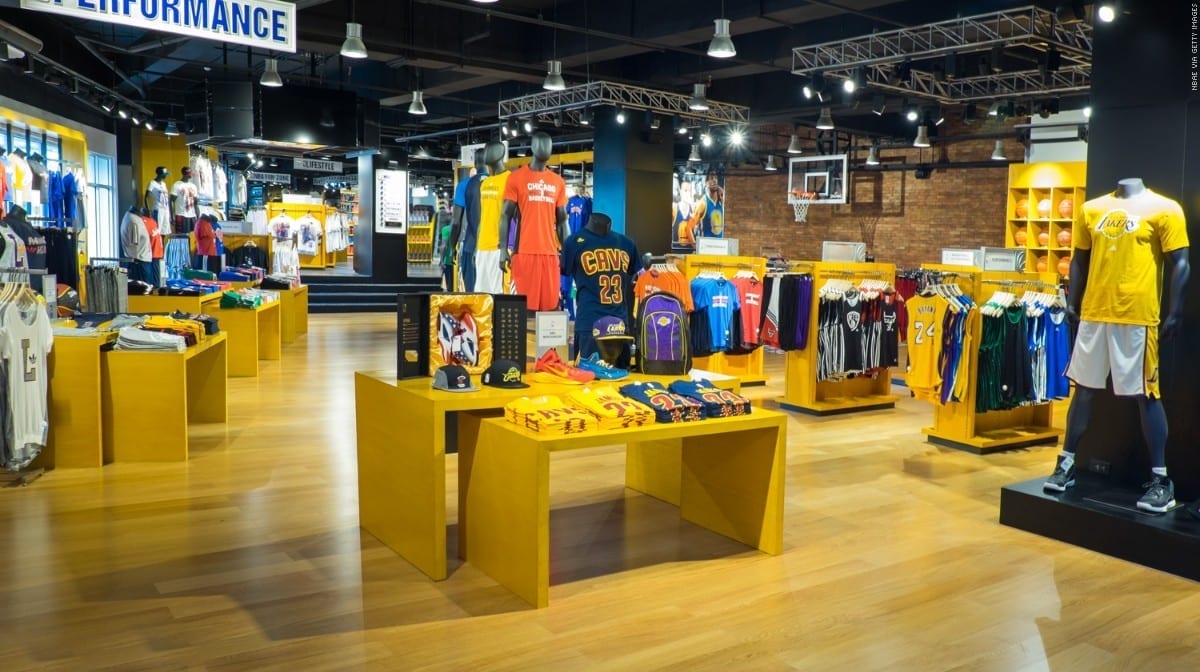
    NBA Philippines said on Thursday it will shut down stores this month after ending its agreement with its retail operator.

    It will begin closing down its branch in SM Megamall on August 12, followed by Ayala Cebu on August 15.

    On August 30, NBA Philippines will close down its branch in TriNoma and e-commerce website, NBAStore.com.ph.

    “Fans can visit Select Nike, Titan, and Toby’s Sports Stores for NBA merchandise,” it announced on social media.

  • Crocs Philippines Launches Brand Ecommerce Website

    Crocs Philippines Launches Brand Ecommerce Website

    Catering to the growing demand of online shoppers in the Philippines, Crocs Philippines, the world leader of innovative footwear, officially announces the launch of its ecommerce website. Crocs Philippines has been working with aCommerce, the region’s leading brand ecommerce enabler to provide a frictionless online shopping experience for fashion-loving Filipinos.

    The team at aCommerce helped align the website to Crocs’ unique, stylish and playful market, with the new online shop including features such as:

    Find the Perfect Shoes

    Unlike your usual drop-down filter for colors and style, Crocs’ Find the Perfect Shoes incorporates visual and graphics to provide a fun and efficient way for shoppers to find their perfect pair of Crocs.

    Store Finder

    Online shoppers will also be able to locate Crocs’ stores nationwide with a Store Finder, a step towards offering a true omni-channel shopping experience in the near future.

    Crocs’ local ecommerce website also includes a section of ‘#ComeAsYouAre’, which is the company’s global campaign launched last year to celebrate the uniqueness of individuals and help more people get comfortable in their own shoes. This section of the website allows Filipinos to join Crocs’ global ambassadors like Drew Barrymore, YOONA and Henry Lau in sharing selfies, shoefie or favorite Crocs photos via @CrocsPH with hashtags: #CrocsPH #ComeAsYouAre.

    “Having worked with aCommerce to launch and operate our flagship store on Lazada Philippines, it was easy to extend our collaboration with aCommerce to launch our brand webstore. Since our Lazada launch, more shoppers are enjoying the comfort of Crocs especially in places where our concept stores are not yet present. We are excited to see further growth working with aCommerce.” Mark Christian Chan, President of Crocs Philippines.

    “With the success of their Lazada shop-in-shop, the team at Crocs came to us for help with their brand.com website. Having their own direct-to-consumer brand website offers opportunities to collect customer data, provide a customized online experience, and execute CRM strategies beyond what e-marketplaces are able to offer,” said Mandy, Group Director of Direct-to-Consumer Ecommerce at aCommerce.

    In the near future, Crocs will also partner with aCommerce on digital marketing services, such as performance marketing and influencer marketing to boost online sales. Currently, Crocs has a total of 57 stores in the Philippines. Its first ecommerce presence was established in April 2018, with aCommerce helping to launch the Crocs Lazada shop-in-shop.

  • Luk Fook makes debut in Manila city

    Luk Fook makes debut in Manila city

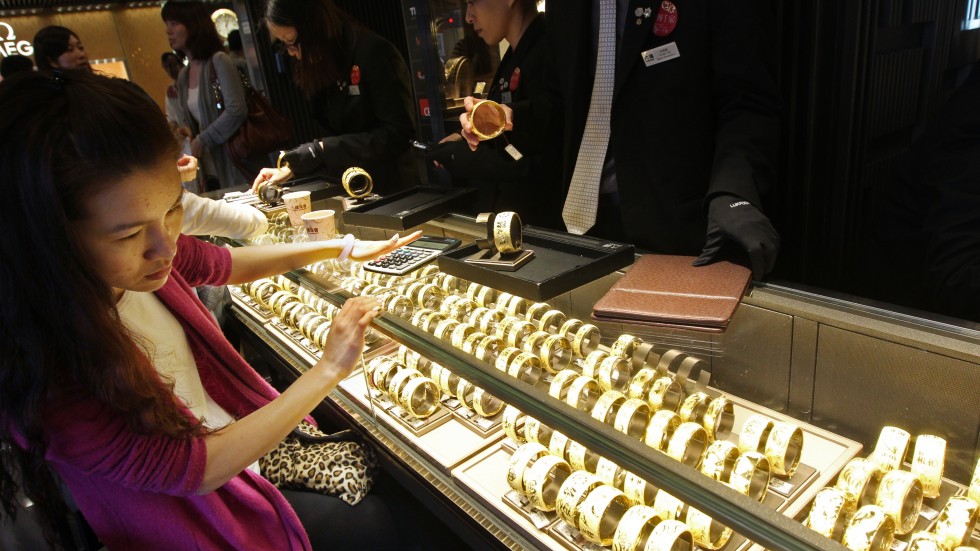
    Hong Kong jewellery retailer Luk Fook has announced its entry into the Philippines.

    The first Luk Fook Philippines store is located at Solaire Resort and Casino of Manila Game Zone, established by the Philippines government as an entertainment and tourist hot spot. The area contains a shopping mall, luxury casinos, a theme park, international hotels, commercial complexes and destination resorts.

    Wong Wai Sheung, Luk Fook’s chairman and CEO says with the development of the Belt and Road Initiative, together with booming tourism in Southeast Asia, the group is positive about its prospects in the region.

    “Adhering to the corporate vision of ‘Brand of Hong Kong, Sparkling in the World’, the group has decided to open a new shop in Manila following its new shops opened in Malaysia and Cambodia this year, with an aim to further expand into the markets of overseas Chinese and tourists. Together with more than 1660 shops globally, the group will continue to provide high-quality jewellery products, excellent service and an unparalleled shopping experience for its customers worldwide.”

    The Luk Fook Philippines opening marks the group’s 10th global market.

  • Ralph Lauren sales decline, and Asia saves it

    Ralph Lauren sales decline, and Asia saves it

    Fashion label Ralph Lauren sales reached US$1.4 billion for the first quarter of this fiscal year, driven by sales in Asia and Europe.

    Ralph Lauren sales in Asia increased 19 per cent to US$248 million on a reported basis and by 16 per cent in constant currency, driven by strength in both retail and wholesale channels. Samee-store sales in Asia increased 6 per cent in constant currency, reflecting growth in both the brick-and-mortar and digital-commerce operations.

    By comparison, European revenue in the first quarter increased 8 per cent, while North America declined by 2 per cent.

    Ralph Lauren, executive chairman and chief creative officer for the company said, “I continue to be inspired and energised by the passion our teams have for our brand and our company. This passion, along with Patrice’s [Louvet, president and CEO] partnership over the last year, the clear plan he and the team laid out in June, and the initial progress in this quarter, gives me confidence in our future as we celebrate 50 years in business.”

    Louvet added: “We are off to an encouraging start to the new fiscal year on both the top and the bottom line… we are on track to return the company to long-term, sustainable growth and value creation.”

  • AirAsia to bid for Clark Airport contract

    AirAsia to bid for Clark Airport contract

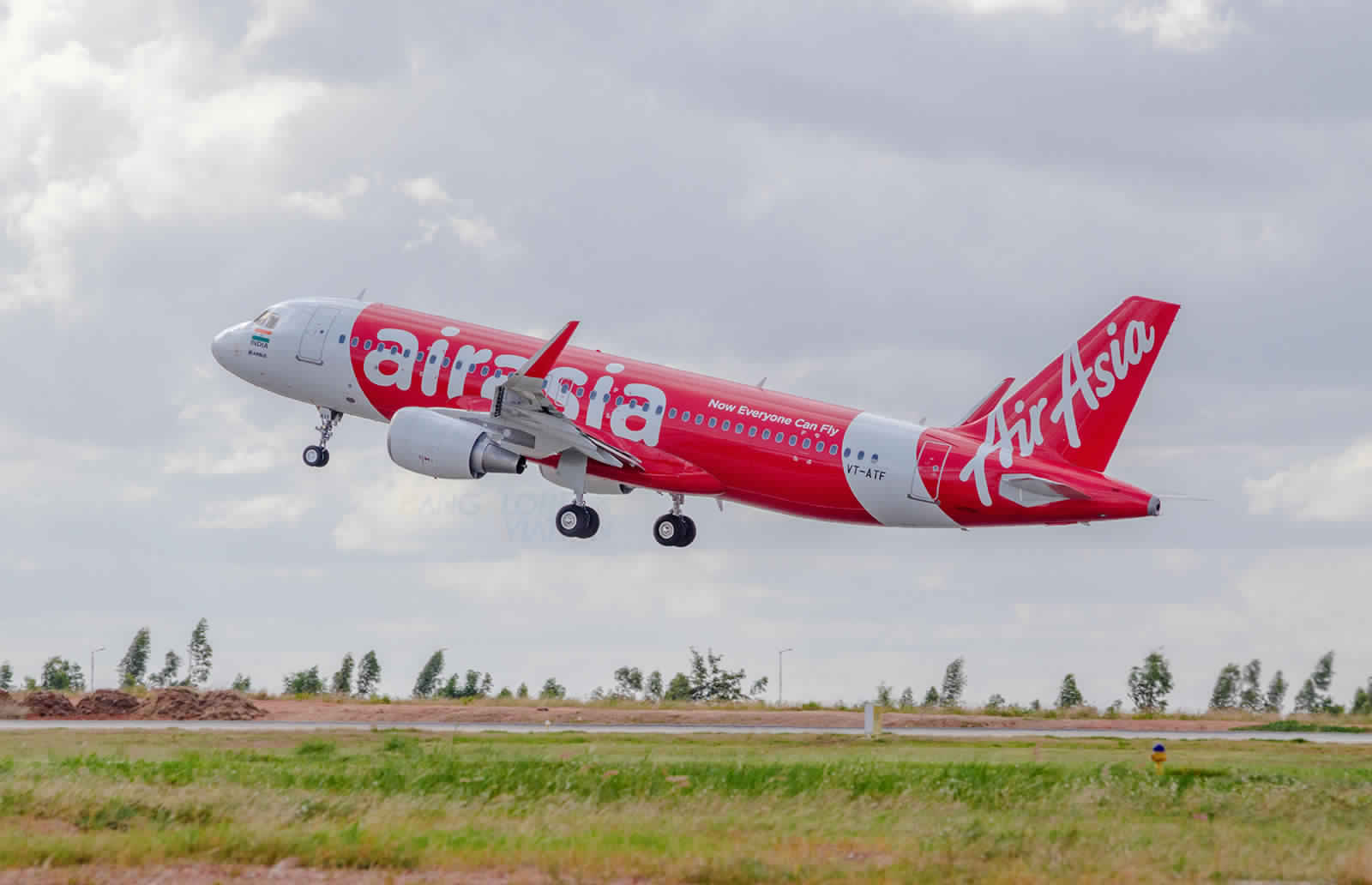
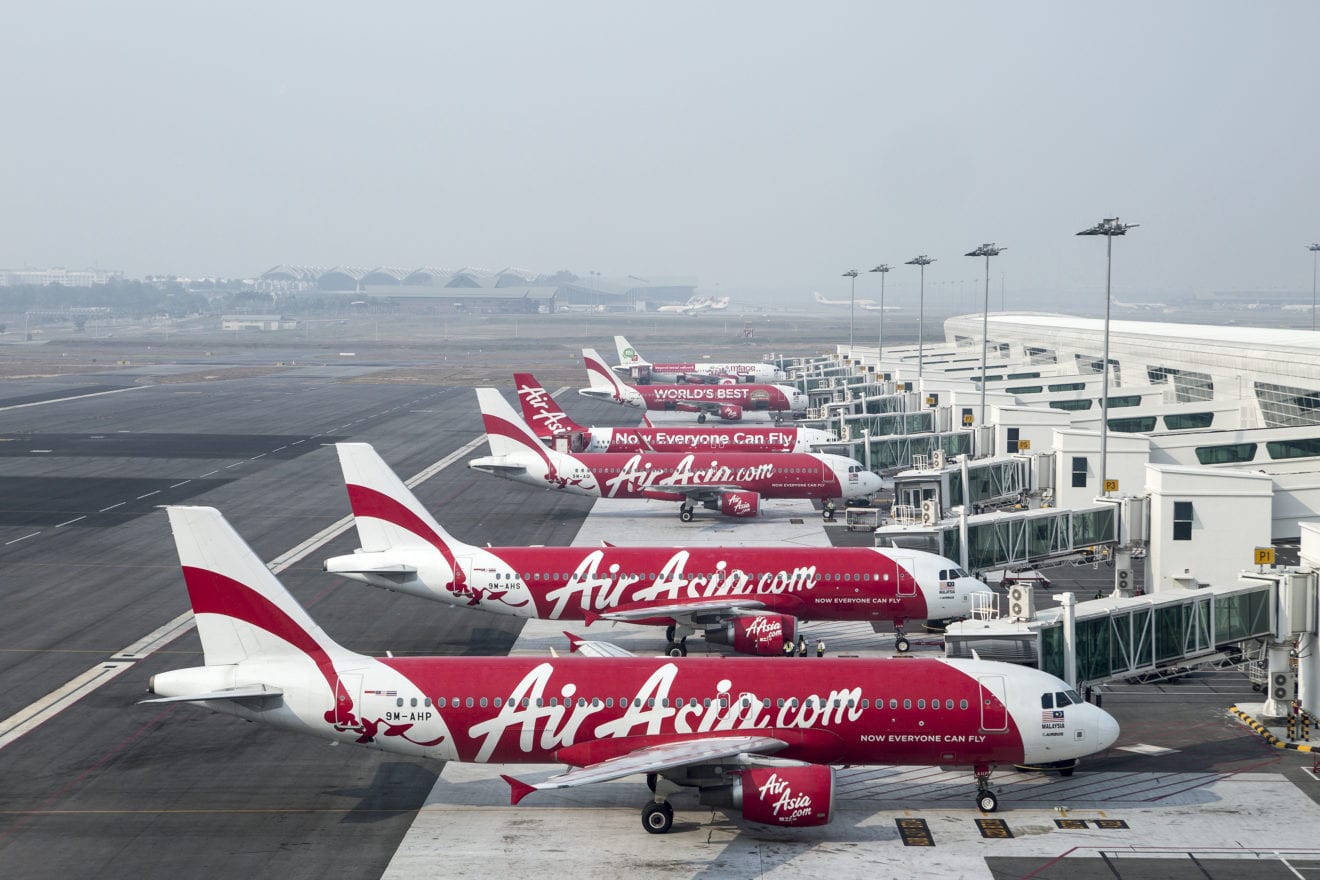
    AirAsia Group will bid on an operation and maintenance contract for Clark International Airport in the Pampanga province of the Philippines.

    In his tweet today, Group Chief Executive Officer Tan Sri Tony Fernandes said the group, together with its subsidiaries in Indonesia and the Philippines, would be bidding for the airport’s 25-year operation and maintenance contract.

    “Bringing Asean together. Indonesia, Malaysia and Philippines to bid for Clarke airport in Manila and build a big east Asean hub. Walking the talk on Asean. Kudos to Indonesia airports. Look what can be done in Asean when we work together,” he tweeted.

    According to news reports, the Bases Conversion and Development Authority (BCDA) said the preliminary timeline for the project indicates a target for contract awarding and signing on Aug 30, but BCDA will accept bids until late August.

    The development of the new terminal in Pampanga province, which is slated to be opened in July 2020, aims to decongest the Ninoy Aquino International Airport in Manila.

    The BCDA is a government-owned and controlled corporation under the Office of the President of the Philippines.

    It engages in public-private partnerships to push forward vital public infrastructure such as tollways, airports, seaports, and also major real estate developments.

    In May, eight companies bought bid documents for the operations and maintenance including Megawide Construction Corp, Metro Pacific Investments Corp and San Miguel Holdings Corp.

    Around 30 groups also attended the pre-bid conference for the project held on May 21, including AirAsia Group, Udenna Corp and JG Summit Holdings.

  • AirAsia Q2 load factor down 3% to 86% on seat capacity expansion

    AirAsia Q2 load factor down 3% to 86% on seat capacity expansion

    AirAsia Group Bhd’s operations in Malaysia, Indonesia and the Philippines saw a 3% drop in its load factor to 86% for the second quarter of 2018 (Q2 18) compared to the same period of 2017.

    Seat capacity for the quarter under review, however, increased 17%.

    The low-cost carrier said in a statement that it carried 10.88 million passengers in Q2 18, representing a 13% increase against the 9.61 million passengers flown in Q2 17.

    AirAsia Group’s total fleet size grew to 124 aircraft comprising 88 in Malaysia (AirAsia Bhd), 15 in Indonesia (PT AirAsia Indonesia Tbk) and 21 in the Philippines

  • Asia’s large format retailers prepare for steady growth

    Asia’s large format retailers prepare for steady growth

    Global research organisation IGD has reported that Asia’s large format retailers are set to grow 3.3 per cent a year to 2022, with Vietnam, India and the Philippines forecast to see double-digit growth from large format players over the next five years.

    Most of this growth is predicted to be driven by domestic retailers, except for Vietnam where foreign retailers have been investing to gain a foothold in this fast-growing market. Indonesia will see steady growth, also driven mainly by domestic players; with China coming through as another market with significant growth opportunities due to its vast geography.

    Many large format retailers in Asia are still enjoying steady growth through expansion although they are facing pressures from increased competition in more developed markets.

    Besides expansion to new regions, retailers are also digitising physical stores to create a seamless shopping experience in more matured markets.

  • Fast food chain Jollibee to open 25 stores

    Fast food chain Jollibee to open 25 stores

    Philippine fast-food chain Jollibee plans to open 25 UAE stores by 2020.

    Describing the UAE as “a key market” in its regional development plans, Jollibee has already opened a 12th store in Al Ain Mall and is preparing two other mall locations in Abu Dhabi and Dubai. It has also updated its menu offerings to satisfy local palates, while still ensuring the menu appeals to the large population of Filipino OFWs in the area.

    Jollibee UAE CEO Hisham Al Gurg said, “The UAE is a key expansion market for the brand, ever since we launched our first outlet in Dubai Mall in 2015… the awareness of the brand in the UAE is increasing rapidly. The launch of the new restaurants is driven by strong demand from customers, thereby bringing the brand closer, not only to the larger Filipino community present in the country, but also to several other nationalities.”

    The company is currently developing a voice recognition service called Bee Talks to help customers place orders verbally via a Facebook app.

    Jollibee has operated as Golden Bee Restaurants in the UAE since 2015.

  • Tanduay partners with Shopee to launch online fashion store

    Tanduay partners with Shopee to launch online fashion store

    Rum distiller turned fashion-brand Tanduay has launched an online store in partnership with Singaporean e-commerce platform Shopee.

    The new international e-storefront features some fashion products formerly only available at the Tanduay store in Century Park Hotel.

    The fashion foray is an unusual execution of using apparel to build brand awareness and thus expanding the potential customer base for an unrelated product (in this case alcohol).

    Chief marketing officer of Tanduay Paul Lim said, “Online shopping has continued to gain traction in the region with the increasing internet and smartphone penetration. We are excited about the opportunities that our partnership will open for our business.

    “As of now, the move is consistent with our core strategies to reach a growing global market of online shoppers.”

    Tanduay’s brand manager Edzel Ty noted that all of the brand’s marketing insights point towards the future of commerce online.

    The brand’s rum was recently named number one globally by Drinks International, displacing Bacardi.

  • What’s Asia’s fastest growing budget hotel chain?

    What’s Asia’s fastest growing budget hotel chain?


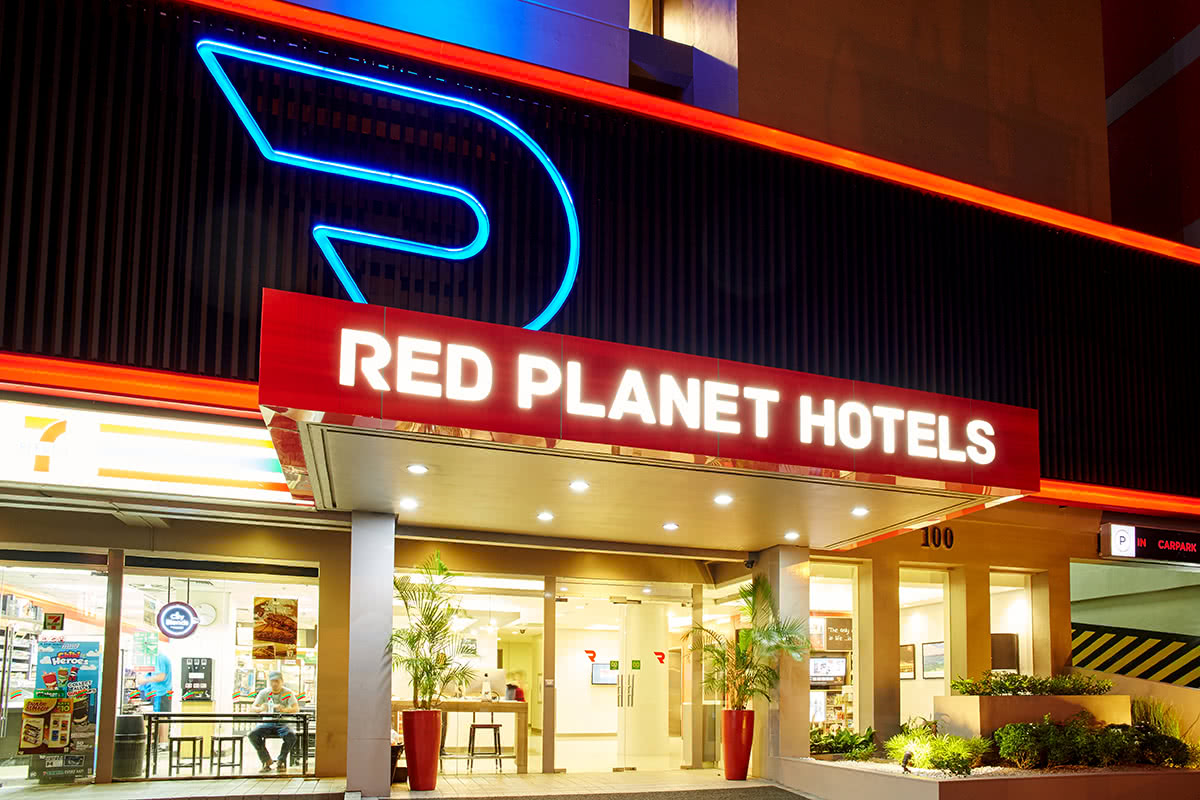
    Bangkok-based budget hotel chain Red Planet has been rapidly expanding in Asia, responding to the growing number of new travelers in the region.

    Established in 2010, Red Planet has become one of Asia’s fastest growing budget hotel chain.

    It operates 30 hotels with more than 4,700 rooms in four countries — the Philippines, Japan, Thailand and Indonesia — which includes one hotel in Tokyo not under the Red Planet brand.

    To speed up the company’s development, it is now seeking to enter into a franchise contract and creating joint ventures with real estate funds. The company has plans to double its pan-Asia hotels to 60 by 2023.

    The market for budget hotels is rapidly growing in Asia-Pacific, the region which has long seen the polarization of luxury Western hotel chains and inexpensive but substandard chains operated by local companies.

    OYO Rooms in India has expanded the concept of organized, cost-effective and higher-quality hotel chains by creating a network of partner hotels since 2013. Other Asia-based startup budget hotel chains, including ZEN Rooms and RedDoorz, both of which are based in Singapore, have copied that model.

    “Cleaning or English support are the services required at any level of hotels,” said Tomohiko Sawayanagi, international director of Jones Lang LaSalle Hotels & Hospitality Group. “Newly emerging budget hotels meet these demands, used for both business and leisure opportunities throughout the region.” According to Euromonitor International, the market size grew to $27.7 billion in 2017, up 47% from 2012. It is forecast to increase to $32 billion in 2022.

    Red Planet has been expanding its business in this competitive market, by making use of technology. This could be especially appealing to young customers, as well as to the global hotel industry whose corporate management tends to adopt an analogue-based structure, rather than automated.

    Guests can have text conversations with the hotel’s front desk on a chat service on Red Planet’s booking app. From the moment customers reserve a room until they check out, guests simply send text messages and responses are usually immediate. The app also helps in finding local tourist spots or nearby restaurants, and offers discounts.

    The company is planning to launch a new computer reservations system by the end of this year, which compiles customers’ data across its network. For instance, if guests ask for an extra pillow in an app chat while staying at a hotel in Tokyo, they will automatically receive an extra pillow the next time they travel to one of the chain’s other hotels across Asia.

    It also plans to launch an automated check-in process by the end of this year, providing machines to complete the process without the need for staff, although some staff will still be present for face-to-face customer support.

    Red Planet already applies artificial intelligence for a system that calculates room prices every 15 minutes based on the predicted occupancy. More than 120 daily reports offer the actual and expected future performance of each hotel, enabling managers to make decisions in advance to maintain high occupancy levels.

    “Our technology is developed in-house with six members of the group, unlike other hotel chains which use a third-party company,” said Simon Gerovich, chairman and co-founder. “It is easy to adjust and scale our business speedily.”

    These various uses of technology allow Red Planet to reduce its labor costs — it hires 10 to 12 employees for 160 rooms, Gerovich said, while five-star hotels usually have 2.5 to three employees a room — and to maintain an occupancy rate of 85% or higher.

    The company also keeps a steady focus on comfort and convenience — with an eye on making guests repeat customers.

    The hotel’s compact rooms are roughly 15 sq. meters, but space is maximized. The beds, custom-made in Thailand, allow space for suitcases to be stored underneath. A youth-oriented tourist-friendly atmosphere is created along the hotels’ hallways, with photos of local areas covering the walls.

    Hotel lobbies have a bank of Apple computers for free guest use. Room prices, which can change frequently based on demand, are usually between $45 to $90 in Japan and even lower in other countries.

    “We are mainly targeting young millennials of 25 to 35 years old, tech-focused, who spend little time in their room but prefer experiencing in their trip,” Gerovich said. The one-stop services on the company’s app provide complete research and reservation procedures for guests for their trip.

    Gerovich describes the brand as a “copy and paste business model.” The company concentrates on building a systematic operation procedure so that “we can grow much more rapidly with potential partners with uniform guidelines in a future,” he said, “just like McDonald’s provides handbooks to franchisees on how to build a kitchen and make a hamburger.”

    This strategy has seen success. Its Philippine hotels had an average occupancy rate of 85% to 90% in April, while Red Planet Tokyo Asakusa was 97.5%. “Our business model works well in a crowded, congested city where we can reinforce the accessibility for business and leisure with good location,” Gerovich said.

    Gerovich’s background sheds light on his company’s nonconformist business model.

    “I’m grateful to the 2008 global financial crisis for correcting our plan,” Gerovich said, recalling an encounter with Timothy Hansing, CEO and co-founder of Red Planet. Gerovich, who worked in Tokyo as an equity derivatives trader at Goldman Sachs for six years, resigned and moved to Bangkok in 2005.

    He started his hotel career as an entrepreneur in real estate, focusing on the development of high-end hotels. He met Hansing, who had years of experience in the hotel industry, and together they worked on a new project on the popular Thai resort island of Phuket.

    But global events intervened. Gerovich said the project looked to falter amid the financial crisis and when political turmoil in Thailand led to a downturn in the country’s tourism and luxury businesses. “I understood the market-dependent risks of the five-star hotel industry, but at the same time I took note of the increase in the world’s connectivity with the development of low cost regional airlines,” he recalled.

    There were already very inexpensive hotel chains but Gerovich was convinced that “it would be nice for tech-focused young adults to stay at clean, affordable hotels.”

    Gerovich’s background in finance and Hansing’s expertise in hotel operations led to the idea of Red Planet. Gerovich said Hansing’s “unique ideas” included the use of technology that could help hotel managers from becoming submerged in a paper reporting system and the difficult task of forecasting occupancy rates.

    Red Planet grew quickly by utilizing the celebrity of an existing chain hotel brand. In 2012, Red Planet bought a 16% stake in Malaysia-based Tune Hotels, the budget hotel chain led by AirAsia founder Tony Fernandes. Red Planet became its major franchisee, building and operating hotels in cities served by low cost carriers in the Philippines, Thailand, Indonesia and Japan. When the company ended its partnership with Tune Hotels in 2015, it rebranded 24 of those properties as Red Planet.

    In contrast with other hotel chains, whose facilities are often built and leased by landowners or developers, Red Planet has been developing its hotels on its own, purchasing the land to build new hotels or refurbish existing buildings. That allows the company to choose locations without depending on landowners and to easily standardize the rooms’ format.

    “Red Planet can develop its hotels even at locations where developers or fund managers may hesitate, which is one of the biggest strengths of the company,” said Sawayanagi at JLL.

    Gerovich also made use of his strong connections to Goldman Sachs for Red Planet’s fundraising.

    In March, the hotel chain said it concluded an 11.77 billion yen ($111 million) sale-and-leaseback deal with Goldman Sachs, by selling ownership rights to four of its Red Planet branded hotels in Japan and simultaneously entering into a lease-and-operate agreement for 20 years.

    Red Planet can then use the funds to pay back its development costs to banks, build another hotel and sell again, and reduce its property taxes. In September 2016, the company announced a separate $70 million investment from Goldman Sachs.

    Though Red Planet is privately owned, including with stakes held by Goldman Sachs and other parties, the company has listed subsidiaries in Japan and Indonesia. In 2012, Red Planet took a stake in a financially troubled music recording company that was listed on Japan’s stock exchange. Seeking the music company’s restructuring was much easier than establishing a subsidiary in Japan and applying for an initial public offering. Red Planet Japan is about to see increases both in sales and profit this year, after selling other nonrelated businesses and focusing only on hotel operations.

    Red Planet expects revenue to reach $46 million this year, nearly 10 times what it had in 2012. The company is “seeking to establish the most scalable business,” Gerovich said. Its EBITDA margin, the operating profitability of its total revenue, has been as high as 50%, while the typical five-star hotel is 20% to 25%.

    The recent travel trend in Asia favors the company’s expansion plans. Red Planet focuses primarily on Japan and the Philippines, two countries that have seen a sharp rise in tourism.

    According to the Japan Tourism Agency, the number of international visitors to the country swelled to 28.7 million in 2017, more than three times the figure in 2012. Of those visitors, 61.4% had visited Japan previously. While the government estimates that Japan will have 40 million foreign tourists annually by 2020, Mizuho Research Institute said in a report last year that the country will be lacking as many as 4,000 rooms at that time to accommodate those visitors.

    The effect of a new law on home-sharing in Japan, or minpaku, should benefit the budget hotel business. Since the new regulation came into effect in mid-June, Airbnb and other home-sharing services are facing a massive drop in hosts in Japan, as the company pulled roughly 80%, or 50,000, of its listings in Japan that did not meet the requirements.

    “Budget hotels should have a potential in expanding their business among this area by providing an affordable price range,” said Tatsunori Kuniyoshi, research associate at Euromonitor International.

    “Japan is our smallest market but our second-largest revenue contributor,” Gerovich noted.

    The Philippines, where the company has its largest presence with 13 hotels, has seen a development in tourism in recent years. Tourist arrivals reached 6.6 million in 2017, up 11% from the previous year, and increasing at an annual pace of roughly 10% since 2010. The country saw a sharp increase in visitors from China in 2017 amid Philippine President Rodrigo Duterte’s friendly relationship with Chinese President Xi Jinping, marking 43% growth since Duterte took office in mid-2016.

    Red Planet announced in early June the establishment of a new subsidiary in the Philippines and the acquisition of two new properties, with plans to open hotels in 2019 and 2020.

    “This is an important year for us, because the size of our business is becoming substantial,” said Gerovich. “We are currently moving to the next phase, starting to focus on potential partnership and franchising.”