Tag: Philippines

  • AirAsia starts Clark–Cebu flights on May 11

    AirAsia starts Clark–Cebu flights on May 11

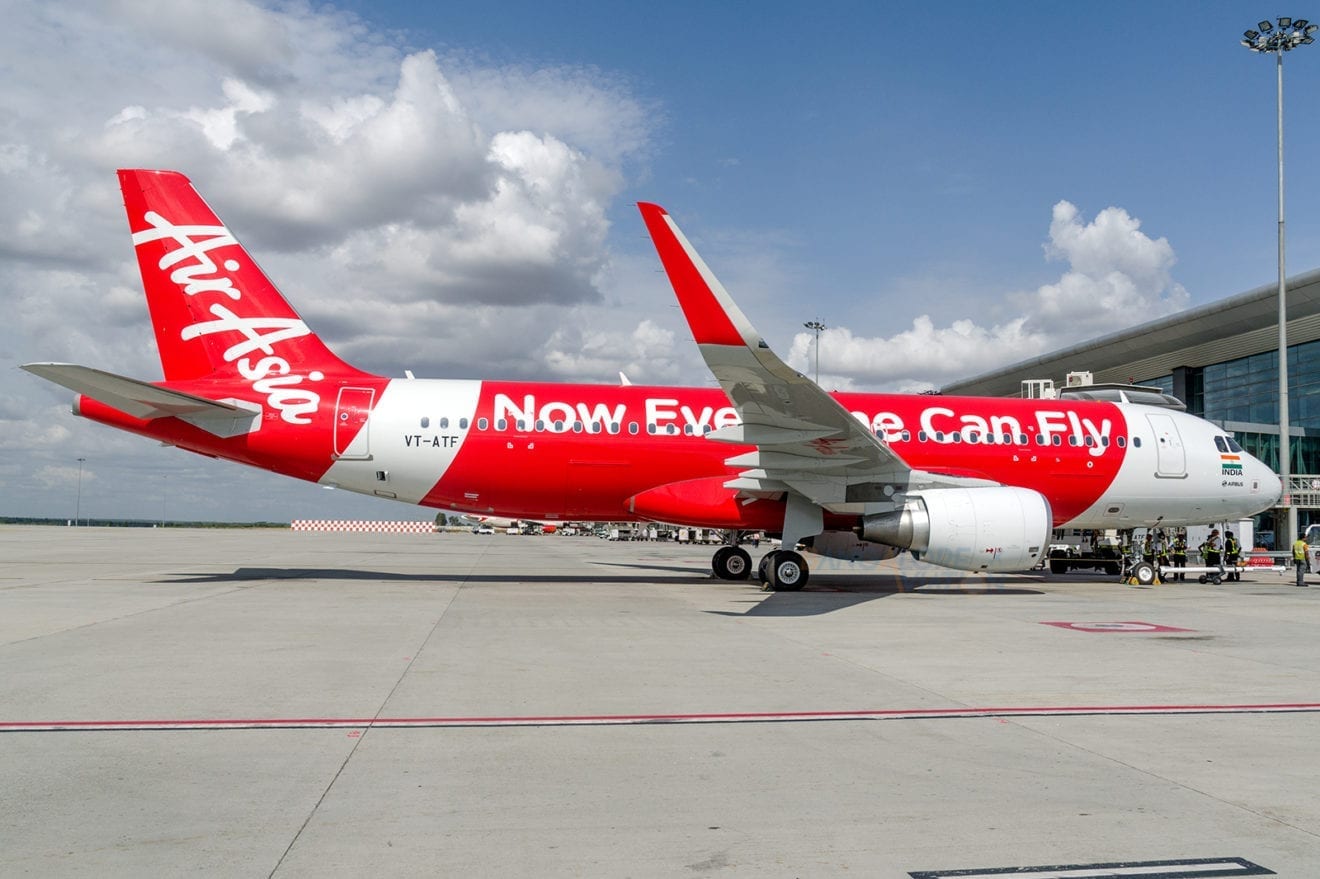
    AirAsia continues to expand its domestic network in Clark Airport in Pampanga with new flights between Clark and Cebu starting May 11, 2018. AirAsia Philippines CEO Captain Dexter Comendador said their commitment is to make air travel more affordable, convenient and accessible to travelers especially outside Metro Manila with “superb service and signature low fares.”

    “We are thrilled to be painting Clark and Cebu skies red with introductory fares now up for grabs from as low as P17 only!” To celebrate AirAsia’s newest flight, “all-in promo fares for Clark to Davao are now available from as low as P17.00, one-way fare only, until 22 April 2018 at www.airasia.com for travel period between 11 May 2018 and 26 October 2018,” he said. At a recent Philippine Economic Briefing 2018, the Philippine government has envisioned the New Clark City to be a hub of agro-industrial activities, cutting-edge technology and logistics companies and government centers with world-class sports facilities. Alongside this development, Clark International Airport (CIA) will have a new terminal building to accommodate a projected 8 million passengers per year and a new railway system connecting to Manila and neighboring provinces.

    The expansion of CIA according to government transport authorities will help decongest Ninoy Aquino International Airport (NAIA) in Manila. The expansion project for the Clark airport broke ground last December. “AirAsia is here to support the government’s flagship projects to boost tourism and trade. We aim to better connect Clark to secondary cities within the Philippines like Iloilo, Davao, Tacloban and Cebu followed by inter-Asean connectivity where the AirAsia Group has massive network covering over 120 destinations in the whole of Asean, in greater Asia, Australia, United States and beyond,” Comendador added. Aside from Clark-Cebu route, AirAsia also offers several flights to and from Clark, Iloilo, Davao, and Puerto Princesa.

    AirAsia launched its first commercial flights from Clark with only two planes in March 2012 before transferring its hub to Metro Manila following a strategic partnership with a local carrier in 2013. AirAsia has since been operating on a much larger scale with a fleet of 20 aircraft from Metro Manila and has expanded its domestic and international network with flights from hubs in Manila, Cebu, Clark and Kalibo.
  • PAL readies nonstop flights to New York, India

    PAL readies nonstop flights to New York, India

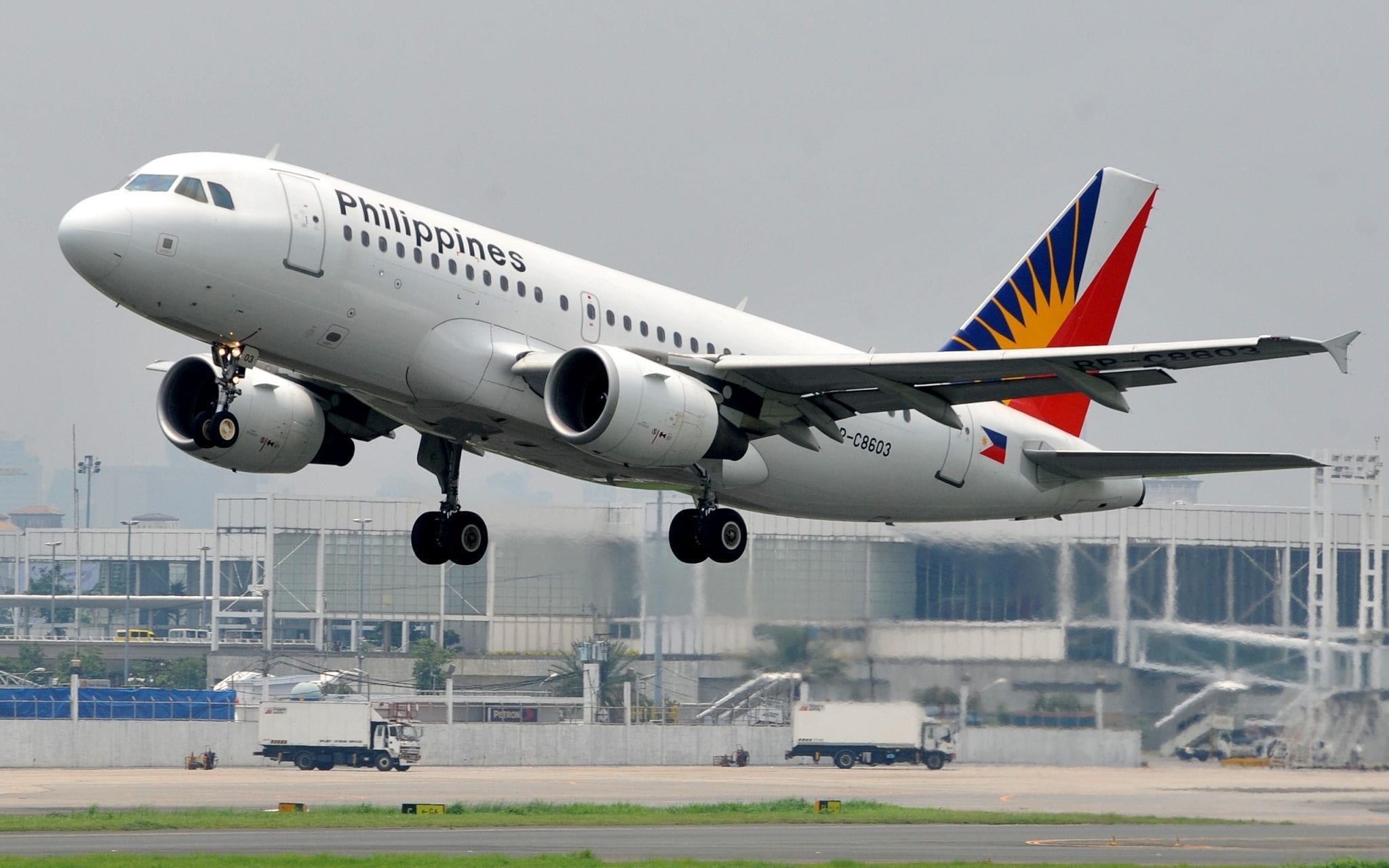
     Philippine Airlines (PAL) will mount nonstop flights to New York and India as well as boost its operations in Davao, Cebu, and Clark in Pampanga, as the flag carrier expects the arrival of 21 new planes by 2019.

    PAL, the country’s only 4-star airline, will have 15 new aircraft within the year, and another 6 planes in 2019, to mount more long-haul flights.

    “We are no longer just a Manila-centric airline,” PAL president and chief operating office Jaime Bautista said in a statement.

    New routes and increased flight frequencies will be introduced, as the flag carrier is set to receive 5 additional Next-Generation Bombardier Q400s and 6 new Airbus A321neos starting in May, along with 4 Airbus A350-900 trans-oceanic aircraft starting in June. 

    “Our new aircraft and our new hubs are a winning combination that will help expand our market reach both domestically and worldwide. This is imperative for a global airline, and we must sustain and build on our hard-won 4-star rating,” Bautista said.

    He added that introducing new routes to India is the airline’s response to the call of Tourism Secretary Wanda Teo for a direct link to the country – a potentially rich source of future tourists for the Philippines.

    PAL’s expansion in 2018 also includes the following new routes:

    • Manila to New York (John F. Kennedy Airport), nonstop flights beginning October 28
    • Manila to New Delhi and Mumbai (Bombay) in India, nonstop flights by last quarter of 2018
    • Manila to Sapporo (Chitose) in Japan’s northernmost island of Hokkaido, by last quarter of 2018
    • Davao to Siargao, 4 flights per week since March 25

    Bautista said PAL also plans to add more flights between Cebu and Siargao, Davao and Tagbilaran, Davao and Clark, Cebu and Bangkok, Cagayan de Oro and Clark, Cebu and Busuanga, Clark and Busuanga, as well as Cebu and Clark.

    The airline will also add frequencies from Manila going to Dumaguete, Cagayan de Oro, Iloilo, Cebu, Puerto Princesa, and Bacolod, starting in April or May. 

    100 planes by 2020

    PAL is also planning to launch international routes directly from the Davao International Airport to Bangkok or a point in Japan.

    The flag carrier flies to 16 domestic and 7 international destinations from Cebu, 14 domestic and one international from Clark, 6 domestic from Davao, as well as one international from Tagbilaran.

    “Comprehensive marketing and sales studies are ongoing for the introduction of new destinations in Europe and the US mainland, including Chicago and Seattle,” PAL said.

    Aircraft expected to join the PAL fleet in 2019 include two more Next-Generation Q400s, two A350s, and two more A321neos.

    “Our current fleet of 85 aircraft is already the largest in the Philippines,” Bautista said.

    “We are aiming for 100 aircraft by 2020, which places us in the category of a major carrier. But we are not merely adding more planes, we are constantly upgrading the cabins, seats, amenities, inflight entertainment, and technology,” he added.

    The airline’s fleet upgrade will continue until 2024, as it aims to become a 5-star airline. PAL is the country’s first and only 4-star airline, joining the ranks of 42 other carriers, like British Airways, Emirates, KLM, and Japan Airlines. 

  • AirAsia opens Cebu-Shenzhen route on May 9

    AirAsia opens Cebu-Shenzhen route on May 9

    Budget carrier Philippines AirAsia is enhancing its route with the introduction of a new one from Cebu to Shenzhen, China.

    Starting on May 9, AirAsia will fly daily directly between Cebu and Shenzhen, making that city its first Chinese destination out of the Queen City of the South.

    “The addition of our first China route from the Cebu hub enables us to further strengthen our network outside Metro Manila and open up new and exciting places to visit this summer,” Philippines AirAsia CEO Dexter Comendador said last Sunday.

    Shenzhen is located in the Pearl River Delta metropolitan area and is one of the major economic hubs of China.

    Known as “China’s Silicon Valley,” Shenzhen is home to some of the top start-up and tech businesses in the world, including the headquarters of popular global companies such as Huawei, BYD and ZTE.

    “Cebuano travelers would be delighted to experience Shenzhen’s modern metropolis and marvel at how the southern city that links Hong Kong to mainland China built the world’s largest electric bus fleet, massive malls, contemporary buildings and amusement parks,” Comendador said.

    AirAsia is strengthening its operations outside Metro Manila due to capacity constraints in the Ninoy Aquino International Airport.

    It has a fleet of 17 planes as of end-December. For 2018 it is expected to take delivery of five more jets, bringing its fleet to 22 planes by end-2018.

  • Philippines smartphone shipments fall for first time

    Philippines smartphone shipments fall for first time

    Smartphone shipments in the Philippines have declined 7% to approximately 15 million units in 2017, according to IDC.

    The research firm’s latest Asia/Pacific Quarterly Mobile Phone Tracker and Asia/Pacific Quarterly Personal Computing Device Tracker also revealed that tablet shipments fell 30% year-over-year (YoY) to just 1 million units.

    Smartphone shipments recorded the first decline since its introduction into the local market as intense competition from top brands – such as Samsung, OPPO, and vivo – resulted in some vendors being ousted from the market.

    Tablets continued to decline as their significance in the market waned due to the lack of practical use cases and cannibalization by smartphones with larger screen sizes.

    According to IDC, Philippine users are shifting to handsets with higher specs and better features, going against the traditional observation of device users in the Philippines being among the more price-sensitive in Asia-Pacific.

    Jensen Ooi, Senior Market Analyst, Client Devices, IDC ASEAN noted that while end users will continue to consider specs as one of the important factors when purchasing their next smartphone, the next “wow” factor they will be looking out for are the features that enhance their experience.

    “In the short term, they would also consider the latest appealing features with the most relevant use cases, namely multiple cameras that enhance the photography and 18:9 screens that give a better viewing experience. These features were only limited to high-end flagship phones in the past but have become more commonly available in reasonably priced midrange (US$200<US$400) handsets as well now,” he added.

    On-device AI remains at this point.

    Despite this, the average selling price of smartphones in 2017 grew to $134, a 13% YoY increase with ultra low-end smartphones (<$100) holding the lion’s share of the market, accounting for 59% of all smartphones in 2017 compared with 67% in 2016. Meanwhile the combined share of low-end ($100-$199) and midrange ($200-$399) smartphones grew to 35% from 28% in 2016.

    Samsung and Chinese brands such as OPPO and vivo were the key driving brands that led to the growth of the low-end and midrange segments in 2017. “Heavy marketing campaigns and lucrative sales promoter incentives enabled these brands to strengthen their mindshare in the local market, increase their shipments, and grow their respective market shares,” Ooi said.

    “The assault of these brands affected the sales of some of the players, resulting in them reducing their supplies, which ultimately impacted overall smartphone shipments.”

    From a screen size perspective, phablets (5.5”-6.9”) recorded significant growth in recent years, accounting for about a quarter of smartphone shipments in 2017. “As mobile content continues to grow, smartphones have become the primary device for basic productivity and everyday media consumption, and this fuels the need for larger screens and higher specs,” Ooi added.

    The loser in this trend are slate tablets (7”-10.9”) which are seeing declining says because they cannot offer the same level of practicality that phablets provide.

    Trending in 2018

    The smartphone market in the Philippines is expected to rebound in 2018 as competition between popular brands, which will continue to strengthen their positions, and local and minor brands, which will continue to struggle to stay relevant, intensifies. “We expect smartphone vendors to continue shipping in more phablets and equipping their new models with enticing features, such as dual cameras, thin bezels, and on-device artificial intelligence,” Ooi concluded.

  • Duterte sets up third telco oversight committee

    Duterte sets up third telco oversight committee

    Philippines president Rodrigo Duterte has established an oversight committee to support his ongoing goal of attracting a third telco player into the market.

    The president has signed an administrative order establishing the committee, which will work to ensure that the entry of a new major player into the telecom market is undertaken in “an integrated and transparent manner.”

    The committee will consist of a representative from the department of ICT as a chairperson, from the department of finance as a vice-chair, from the Office of the Executive Secretary and from the National Security Adviser.

    It will be tasked with assisting regulator NTC with the formulation of terms of reference for the selection and assignment of radio frequencies to the proposed new player and oversee timely implementation of the third telco policy.

    The committee will also have the power to call on government agencies for assistance if needed.

    Duterte has been pushing for some time to introduce a third player to break the PLDT-Globe duopoly. The ICT department has previously indicated plans to hold a “beauty contest” selection process some time this year, and Duterte has been courting Chinese operators to take a minority interest in the proposed new player.

    But the government has missed its deadline of ensuring a third player was up and running by March, and has now moved this deadline until the end of June or July.

  • Alfamart Dreaming Big in the Philippines

    Alfamart Dreaming Big in the Philippines

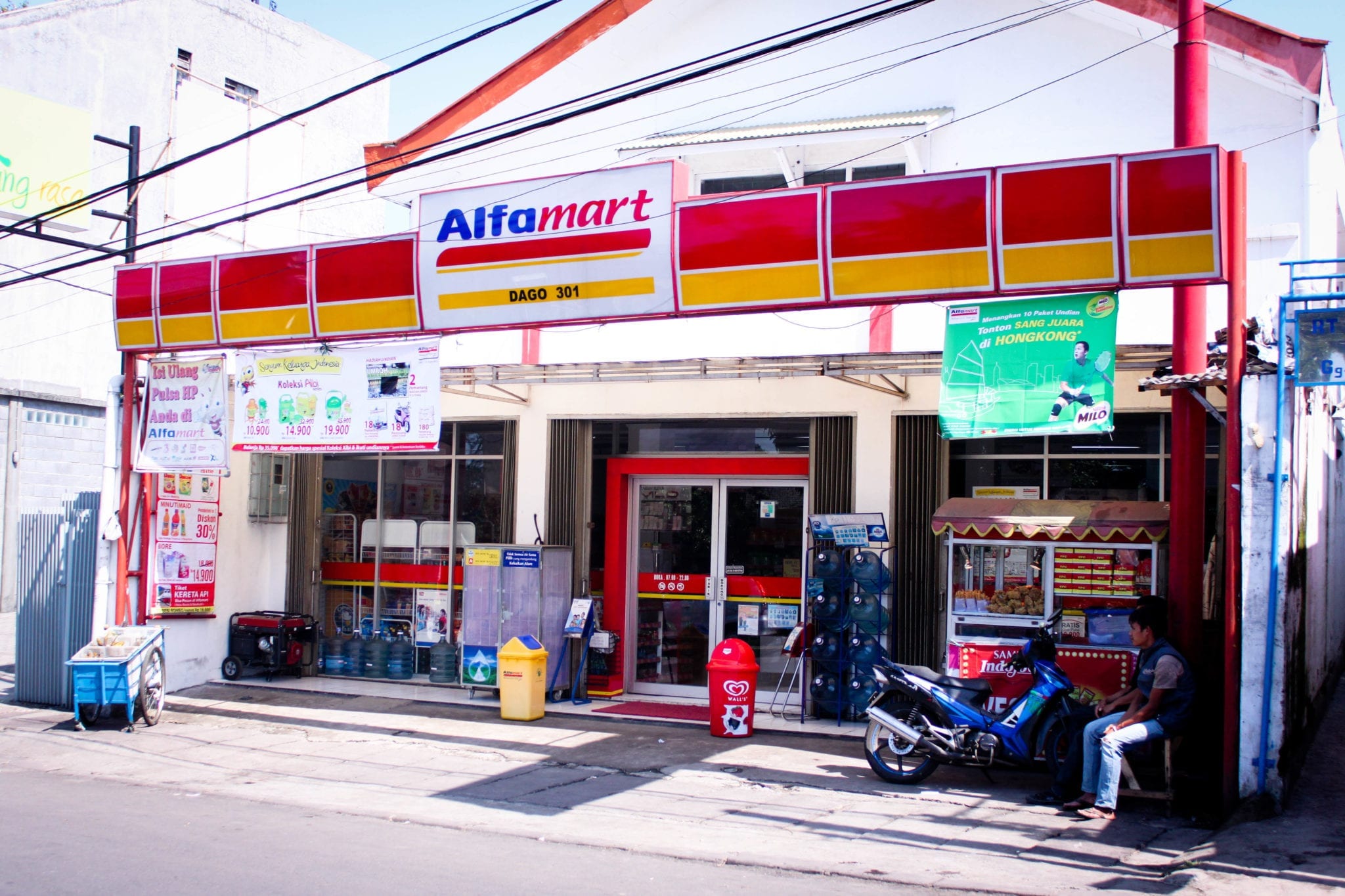
    Alfamart Philippines owner Sumber Alfaria Trijaya plans to add 150 more outlets to its present 400.

    The Indonesian convenience store’s president/director Hans Prawiraafter says a deal for financing has been signed with Standard Chartered Bank in Jakarta.

    He says the current outlets are in greater Manila, but following “significantly positive” market response based on same-store sales growth, the brand is set to enter regions outside of Manila.

    In Indonesia, Alfamart plans 800 more outlets this year including 150 franchises. There are presently 13,477 outlets. Half of the new outlets will be on Java Island while other regions will have distribution centres in Kalimantan, Sulawesi and Sumatra.

  • Honestbee aims for national expansion in the Philippines

    Honestbee aims for national expansion in the Philippines

    After launching last year, online grocery- and food-delivery service Honestbee Philippines has set a goal of national expansion.

    Set up in Singapore in 2014, the concept soon spread to such neighbouring countries as Malaysia, Taiwan, Indonesia, Thailand, Hong Kong and Japan.

    In the Philippines, meanwhile, the Honestbee team has grown from five members to 150 “and counting”, says country manager Crystal Lee-Gonzalez. “We have about 100 grocery partners and nearly 300 food partners on the platform.”

    Services have expanded to include Metro Manila areas like Antipolo, Cainta, Malabon, Malolos Bulacan, Marikina, Meycauayan, Novaliches and Valenzuela. It has also launched in Metro Cebu, with other locations such as Camanava under consideration.

    “Right now, we have our eyes on highly populated urban areas with relatively difficult traffic conditions, such as Dasmariñas, Imus and Lipa,” says Lee-Gonzalez.

    Aside from online grocery shopping, a Wet Market Concierge Service has been added. Consumers can choose and buy the best produce and freshest seafood from the Alabang Wet Market, Cubao Farmer’s Market and the Pasay Wet Market.

    Honestbee has also launched concierge services for laundry pick-up and delivery (including dry-cleaning), and will soon offer deliveries from restaurants.

  • Longchamp expands with fourth store in the Philippines

    Longchamp expands with fourth store in the Philippines

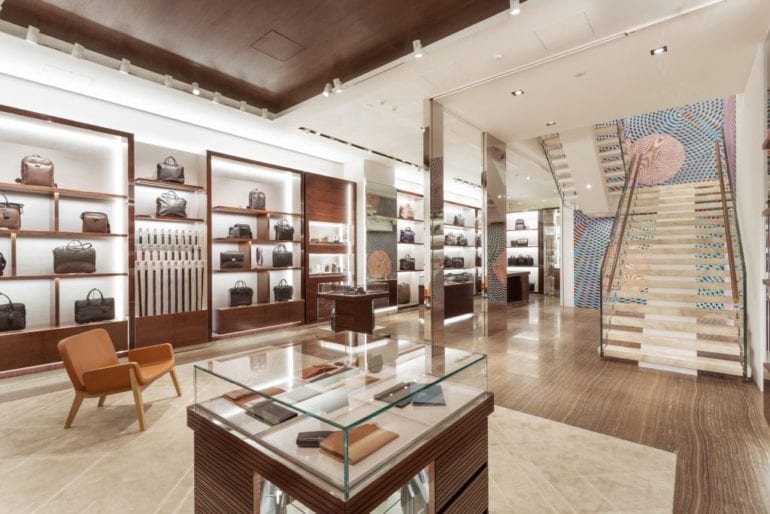
    French handbag brand Longchamp Philippines has opened its fourth boutique, in Rustan’s Makati.

    Inspired by the brand’s Paris flagship along rue Saint-Honore, the new 65sqm store is  decorated with modern interiors – lots of wood, leather and fabric, and rich textures in order  to highlight the collections.

    “We are honored to welcome Longchamp into a bigger and better space at Rustan’s Makati. As a brand beloved not only by the Filipino shoppers but by the entire global community, Longchamp further brings prestige and is truly a great part of the Rustan’s portfolio of distinguished retail partners,” said Rustan’s president Donnie Tantoco.

    The store is highlighted by Longchamp’s Spring/Summer collection featuring African-inspired patterns, prints and colors, as well as the signature Mademoiselle handbag, the classic Le Pliage tote, and other leather goods.

  • Jollibee Foods causes long queues in Toronto

    Jollibee Foods causes long queues in Toronto

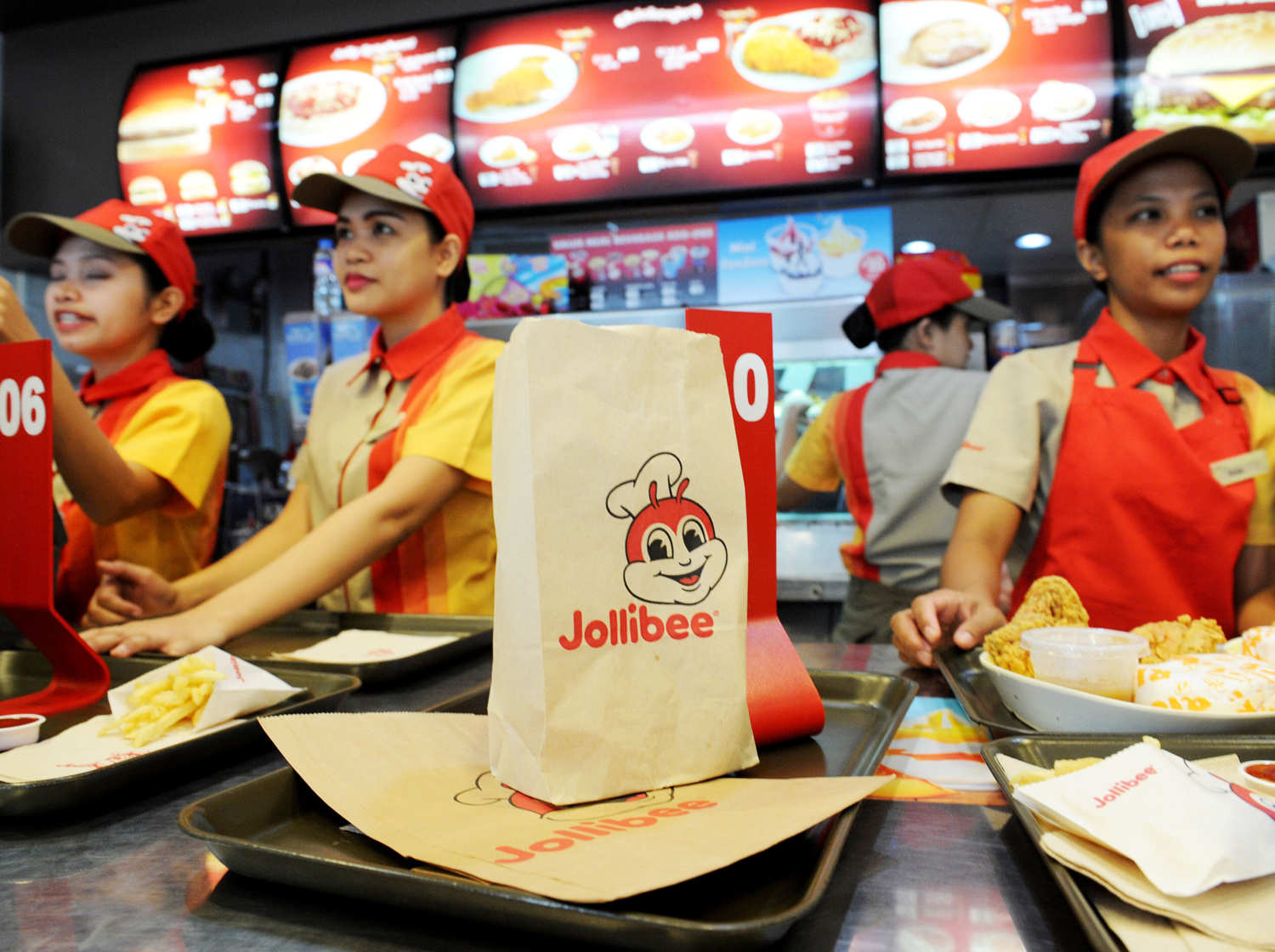
    Filipino fast-food chain Jollibee Foods Corporation has opened its first Toronto store to a queue of fans, some of them waiting up to eight hours.

    Its Canadian expansion comes as Filipino restaurants have been opening as well as a major grocery store catering to cooks of the cuisine.

    Jollibee entered Canada in 2016 with an outlet in Winnipeg, reporting that despite the freezing winter, thousands waited overnight for the store to open.

    Toronto’s store is the third, with another having opened in Winnipeg. The first 40 customers spending more than $3 each won a six-piece bucket of crispy chicken each month for a year. At the grand opening, customers were buying bucketfuls of chicken and taking photos with the chain’s mascot, a red and yellow bee.

    The Philippines was the top country of birth of new migrants to Canada, according to Statistic Canada. Its 2016 census shows that 188,805 people, or 15.6 per cent of recent immigrants, were born in the Philippines.

  • Davao chocolate boards AirAsia’s in-flight meals

    Davao chocolate boards AirAsia’s in-flight meals

    Davao City’s renowned chocolate brand will give flavor to a new AirAsia Philippines in-flight meal – an addition to the carrier’s Asian menu.

    On Thursday, April 5, AirAsia Philippines revealed its roasted dalandan chicken with pimiento sauce. While considered a main course, one of the meal’s ingredients is chocolate produced by Malagos Agri-Ventures Corporation.

    “This will put us into the spotlight, and hopefully more and more potential partners would be looking at us,” said Rex Victor Puentespina, sales and marketing head of the firm behind the Malagos Chocolate brand.

    AirAsia Philippines, which tapped Bacolod master chef JP Anglo for the concept, will carry the meal in all of its domestic and international flights beginning April 12.

    Dexter Comendador, the carrier’s chief executive officer, said they added the meal to their in-flight Santan menu to bring in social entrepreneurs “who all value a strong, innovative service culture.”

    The Puentespina family’s firm was recognized in Paris last year for its cacao beans. While the samples they sent to the International Cocoa Awards did not make it to the top 18, it was still a feat for the family who ventured into cacao farming more than a decade ago.

    It also recently hammered a deal with Krispy Kreme for a doughnut product in the region.

    The carrier also announced on Thursday its move to sell handwoven products made by social entrepreneurs from Manila, Davao, and Cebu “on all AirAsia flights across 180 destinations.”

    These include handwoven items by ANTHILL, which sources its items from direct partners in indigenous communities in the Philippines.

  • AirAsia to change flight schedule due to Boracay closure

    AirAsia to change flight schedule due to Boracay closure

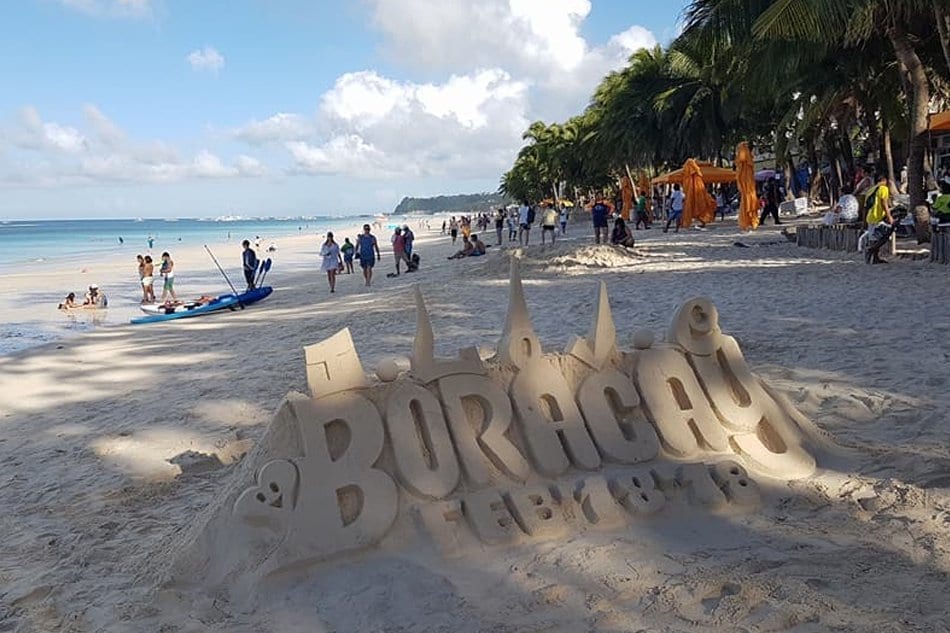
    AirAsia will change its flight schedule in line with the Philippines’ government order to close Boracay island for rehabilitation from April 26 to Oct 26, 2018.

    During the six-month period, AirAsia will make the following changes to its scheduled Caticlan (MPH) and Kalibo (KLO) flights.

    To not disrupt their guests’ holiday plans, AirAsia will mount additional flights to popular leisure destinations Palawan, Bohol, Cebu, and Davao in the Philippines.

    Guests who are affected by the changes and hold flight bookings from 26 April to 26 Oct, 2018 will be notified via email and SMS.

    “AirAsia strongly urges all guests to keep their email address and mobile number (with country code prefix) updated in their AirAsia member profile to ensure we can reach them for timely assistance,” said the low-cost airline in a statement on Thursday.

    For immediate assistance and additional information, customers can reach AirAsia via their contact channels listed on support.airasia.com.

    Listed below are the guides provided to assist customers.

    Affected guests will be able to choose one from the following service recovery options:

    a.     Change destination: Option to be accommodated on any domestic flights operated by AirAsia Philippines (carrier code Z2) within 30 days of the original travel date at no extra cost, subject to seat availability and government mandated taxes. Fare difference shall apply for international flights and changes to travel date beyond 30 calendar days; or

    b.     Move flight date: Change to a new travel date on the same route without additional cost, subject to seat availability; or

    c.     Credit account: Retain the value of fare in your AirAsia BIG Loyalty account for future travel with AirAsia. The online credit  account is valid for booking within 180 calendar days from the date of issue; or

    d.     Full refund: Obtain a full refund to your original payment method for the amount equivalent to your booking.

    Guests who wish to opt for move flight date, change destination or credit account are urged to fill in an e-Form available on support.airasia.com:

    1.     Click on the Email Us tab on the right panel

    2.     Select Enquiry/Request under Type of Feedback

    3.     Select Booking under Sub Category 1

    4.     Select Boracay Closure for Sub Category 2

    5.     Type in your option under Subject: “Boracay – Move Flight” OR ”Boracay – Change Destination” OR “Boracay – Credit Account”

    6.     Complete the remaining form fields and click Submit to proceed

    a.     For move flight, please provide new flight details (date and time) and passenger name(s)

    b.     For change of destination, please provide new destination, flight details (date and time) and passenger(s)

    c.     For credit account, please provide your AirAsia BIG Loyalty member ID

    Guests wanting a full refund must fill in an e-Form available on support.airasia.com:

    1.     Click on the Email Us tab on the right panel

    2.     Select Refund under Type of Feedback

    3.     Select Flight Cancellation under Sub Category 1

    4.     Type in Subject field: “Boracay – Refund”

    5.     Complete the remaining form fields and click Submit to proceed

  • Ikea Philippines launches at the Mall of Asia

    Ikea Philippines launches at the Mall of Asia

    Ikea Philippines will open its first store next to Mall of Asia in Manila in 2020.

    Inter Ikea Systems announced in February it had appointed Ikea Southeast Asia (Ikano) as Philippine franchisee, the same company that holds the rights to Singapore, Thailand and Malaysia.

    In an exclusive interview with Inside Retail Asia, Ikea Southeast Asia MD Christian Rojkjaer says Ikea chose to open its first Philippine store at SM’s Mall of Asia as it is such an impressive, established centre. “It’s already there and we have no chance to beat it.”

    However, future stores might be integrated with Ikano’s own shopping-centre developments, similar to Bangkok’s Mega Bangna, Kuala Lumpur’s MyTown and the Toppen Tebrau under construction in Johor Bahru, Malaysia.

    “What happens in Malaysia and the Philippines is that we go in and… we must create the best shopping destinations in that country either alone or with somebody else. So we do it shopping centre by shopping centre with the customer in mind. We are not like, ‘It has to be ours’. It has to be the best position for our customers. So let’s see what is going to happen [in the Philippines], but the first one will be with SM.”

    Ikano is one of 10 Ikea franchisees worldwide and the only one owned by members of the founding Kamprad family. It had to pitch for the Philippines franchise, as it did for the Indonesian one (which it lost to Jardine Group’s Dairy Farm International in Hong Kong).

    Southeast Asia is one of the few growth regions in the world for Ikea, where many local markets have developing economies so its customers have lower average incomes than in more developed markets.

    “That has been quite challenging,” Rojkjaer tells Inside Retail Asia. “We want to be for the many in a country, but when we go into the Philippines, for a while it will be for a lot, but not for everybody. Then we will grow our presence and become more for the many, as we say. Of course, not everybody in the Philippines can afford us today, but we will work on that and adapt our range and become better and better to become something for many more people.

    “That will certainly be the same in Vietnam, Myanmar, Laos and Cambodia, too. That said, our range will fit a lot of people in all those countries from day one.”

  • Globe commissions pre-fab data center

    Globe commissions pre-fab data center

    Prefabricated data center provider Flexenclosure has secured a multi-million dollar order to build a facility for the Philippines’ Globe Telecom.

    Flexenclosure will provide its eCentre modular prefabicated data center product to the operator for deployment on the island of Mindanao.

    The data center will be assembled and tested at Flexenclosure’s manufacturing plant in Sweden before being shipped to the Philippines for on-site construction. It is expected to be fully operational by early in the third quarter.

    The company is delivering the contract in partnership with Manila-based system integrator Orissa Wicomm.

    Globe CTO and chief strategy officer Gil Genio said the company plans to use its new data center to support its efforts to ramp up capacity and provide innovative new services for its customers in the broadband, enterprise and consumer segments.

    “We are committed to delivering market-leading services to our customers; on the network infrastructure side, this means flexible, modular and low cost,” he said.

    “Our new data center in Mindanao… employs this modular architecture that allows us to rapidly add infrastructure with growth.”

    The deal marks Flexenclosure’s first project in the Philippines but is the latest in a line of recent wins in Asia-Pacific, which included projects in Australia, Palau, Samoa, Fiji and Myanmar announced last year.

  • Longchamp Philippines expands with fourth store

    Longchamp Philippines expands with fourth store

    French handbag brand Longchamp Philippines has opened its fourth boutique, in Rustan’s Makati.

    Inspired by the brand’s Paris flagship along rue Saint-Honore, the new 65sqm store is  decorated with modern interiors – lots of wood, leather and fabric, and rich textures in order  to highlight the collections.

    “We are honored to welcome Longchamp into a bigger and better space at Rustan’s Makati. As a brand beloved not only by the Filipino shoppers but by the entire global community, Longchamp further brings prestige and is truly a great part of the Rustan’s portfolio of distinguished retail partners,” said Rustan’s president Donnie Tantoco.

    The store is highlighted by Longchamp’s Spring/Summer collection featuring African-inspired patterns, prints and colors, as well as the signature Mademoiselle handbag, the classic Le Pliage tote, and other leather goods.

  • Strong Filipino population draws fast food chain Jollibee to expand its reach in Canada

    Strong Filipino population draws fast food chain Jollibee to expand its reach in Canada

    The growing Filipino population in Canada has been catalyst for the biggest fast food chain in Asia to expand its market into Canada.

    Jollibee, a Filipino fried chicken restaurant with more than 1,000 locations in the Philippines, is opening its third Canadian location this weekend in Toronto.

    “People are very excited for the Easter Sunday opening,” Maribeth dela Cruz, vice president and general manager of Jollibee North America, told in a phone interview.

    “There’s going to be really long lines.”

    Jollibee has developed a bit of a following for its famous fried chicken, pineapple-topped burgers, peach-mango pie and spaghetti.

    Dela Cruz says the decision to expand into the Toronto market made sense because of the sheer volume of Filipinos in the region. She estimates there are about 300,000 Filipinos living in Ontario with roughly 30,000 of them living within a five-mile radius of their new Scarborough location.

    The 2016 Census indicates there are 837,130 Filipinos living in Canada, making it the third largest Asian Canadian group. The population grew by 26 per cent from 2011 to 2016.

    “The Filipino population in Canada continually grows and we’re very optimistic it will be a good market for us,” she said.

    Jollibee began expansion into North America in 1998, with the Toronto location being the 40th franchise to open in the continent. The two other Canadian locations are in Winnipeg.

    “North American expansion has been very encouraging, especially in locations where there are a lot of Filipinos,” said dela Cruz.

    When the first Canadian location opened in Winnipeg back in December 2016, dela Cruz says customers lined up in -30 C weather to get a taste of their fare.

    Jollibee provided the dedicated fans who camped overnight with heated trailers.

    “Winnipeg actually has a large Filipino population as well,” said dela Cruz. “We expect it’s going to be even bigger here in Toronto.”

    Jollibee has plans to continue expanding in North America and Canada, with locations in New York City, Las Vegas and somewhere in California all expected shortly.

    The Manila-based company is expected to open an Edmonton restaurant in a couple years with additional plans for locations in Mississauga and downtown Toronto.