Tag: Philippines

  • John Lobb expands into Philippines market

    John Lobb expands into Philippines market

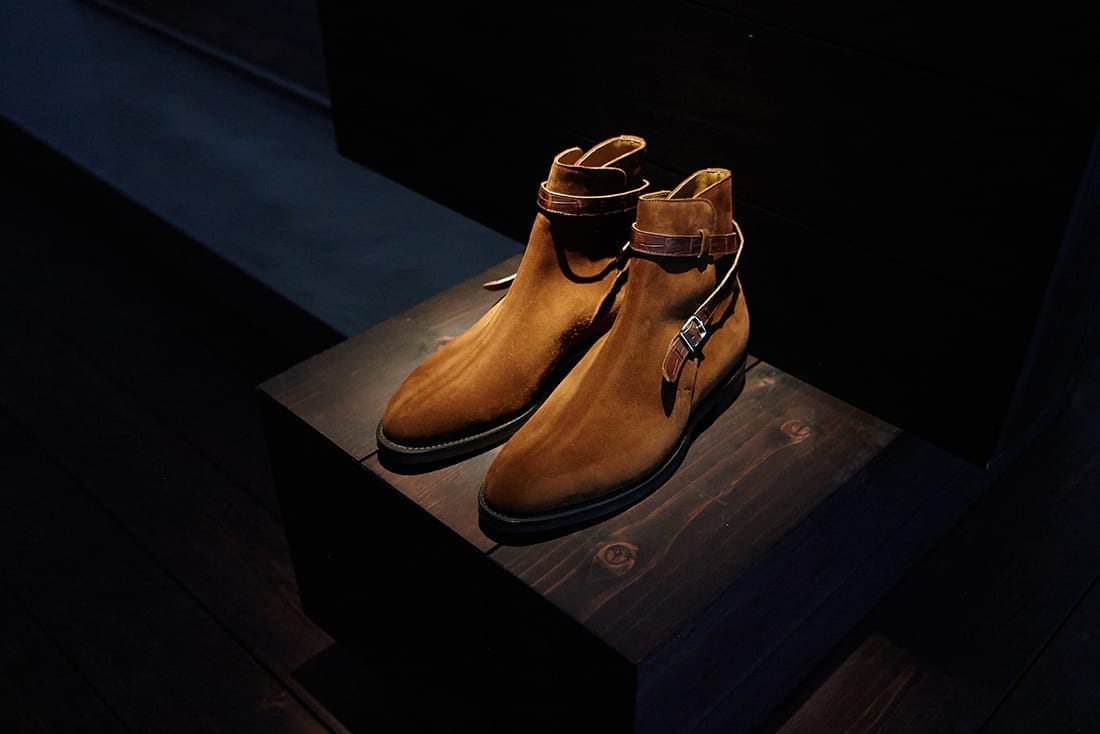
    Historic British footwear brand John Lobb Bootmaker has stepped into the Philippines with a store beside Hermes at Greenbelt 3 in Makati City, Manila.

    Founded in Basingstoke in 1849 and opening a store on London’s Regent Street in 1866, the brand is known for its bespoke services and patronage from the aristocracy as well as the social, political and business elite.

    John Lobb branched out being solely bespoke to enter the ready-to-wear world in the 1980s.

    “Going into retail was a natural progression for the brand,” says regional director Nicholas Holt. “The stores have grown organically; we have 24 all over the world, targeting key cities such as Manila.

    “We open stores only in strategic locations – it is not all a matter of how many doors we can open.”

    While it makes shoes and boots mainly for men, John Lobb also caters for women. The store also sells leather goods such as wallets and belts.

    John Lobb, now owned by Hermes, has stores in China, Japan, South Korea and Taiwan.

  • Jollibee opens 27th store in Davao

    Jollibee opens 27th store in Davao

    They say Jollibee is an indicator of progress. There’s this notion that when there is a branch of Jollibee in a place, it can be considered as a city. This may not be necessarily true but no one can argue that Jollibee, indeed, is an indicator of progress as it genuinely brings happiness to a place through its good food and “happy place” set-up. This year, Dabawenyos living near Puan, Davao City have more reasons to be happy as Jollibee – Puan branch opened last January 19.

    The newest store is the 27th branch of Jollibee in Davao City and 130th in Mindanao. It is open 24 hours and has a Drive Thru store. Just like any store opening, it started with a blessing a day earlier, a ribbon-cutting ceremony on the day and a Chicken Joy toast. The store team was also introduced to the customers. The first-day customers were also entertained with a Jollitown Dance by the Jollibee store management team. LanghapSarap meals were also offered to those who graced the event.

  • Jollibee celebrates 100th store in Vietnam 

    Jollibee celebrates 100th store in Vietnam 

    Jollibee Vietnam is celebrating the opening of its 100th store, in the Mekong Delta city of Can Tho.

    “Vietnam is home to our largest Jollibee network outside of the Philippines, and as such will always hold a special place in Jollibee’s history,” says Jollibee Foods Corporation (JFC) CEO Ernesto Tanmantiong. “From our humble beginnings as an ice-cream parlor in the Philippines, it gives us joy that more and more people are loving Jollibee, helping us grow to become one of the major global foodservice companies.”

    To mark the milestone, Jollibee Vietnam is giving away 100 buckets of its chicken, branded ‘Chickenjoy’ and other freebies at all of its outlets in the country.

    “Our business in Vietnam has been a core pillar of our international work and will continue to be one of our most important markets globally,” says JFC head of international business Dennis Flores.

    Jollibee opened its first branch in Ho Chi Minh City in 2005, and is now one of the three largest convenience-food chains in Vietnam.

    With a home network of 1000 stores, Jollibee Foods Corporation is the largest Asian foodservice company and the largest restaurant owner in the Philippines. It has has more than 3600 stores globally as well as investments in such brands as 12 Hotpot, Highlands Coffee, Pho 24, Dunkin Donuts in China, and US-based burger chain Smashburger.

  • GFG Group appoints CEO

    GFG Group appoints CEO

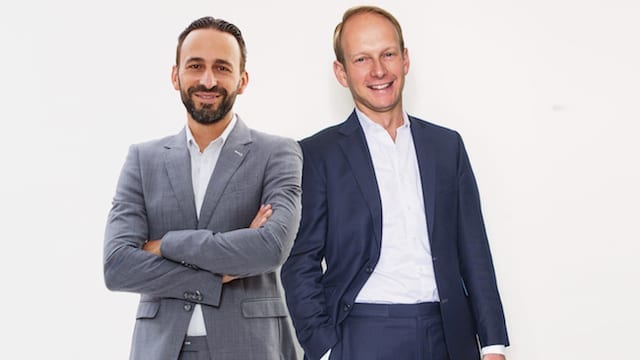
    Online fashion destination Global Fashion Group (GFG) has appointed co-CEOs, who will take up their roles on February 1.

    Patrick Schmidt and Christoph Barchewitz will be responsible for the overall strategic and working development of GFG, working with the management teams of GFG’s fully owned regional businesses Dafiti (Latin America), Lamoda (Russia/CIS), Zalora (Southeast Asia) and The Iconic (Australia/New Zealand), as well as minority-owned Namshi (Middle East).

    “Patrick and Christoph are the perfect fit for the next chapter of GFG,” says chairman Cynthia Gordon. “Patrick has built The Iconic into the market leader in its region, increasing revenue by eight times in four years.

    “Christoph has established a broad understanding of all five regional businesses through his role on the board of GFG since 2015. He was responsible for key strategic alliances such as the Ayala/Zalora joint venture in the Philippines and the Emaar Malls/Namshi partnership in the Middle East.”

    Schmidt says that when he joined The Iconic four and a half years ago, he saw a company with unlimited growth potential. He will continue as CEO of The Iconic until a successor is named. Before The Iconic, Schmidt founded Groupon Australia and later oversaw its Latin American business.

    Barchewitz joined GFG from Kinnevik, where he oversaw the e-commerce investment portfolio. He led the creation of GFG in 2014 and has served on its board since 2015. P

    Meanwhile, Kinnevik CEO Georgi Ganev will join the GFG board while Romain Voog steps down as CEO after nearly three years.

  • New York-based Wolfgang’s Steakhouse expands in Philippines

    New York-based Wolfgang’s Steakhouse expands in Philippines

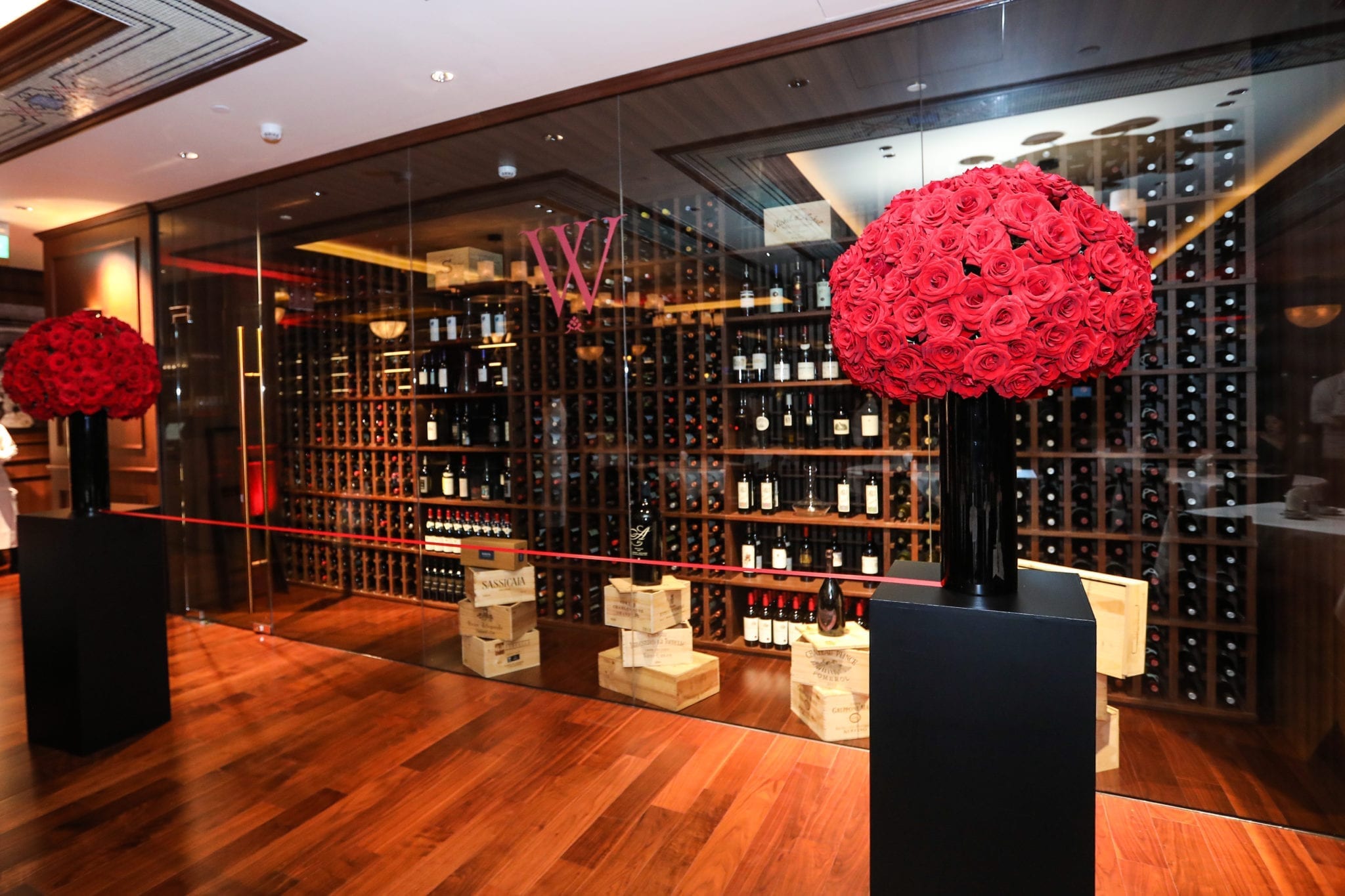
    Wolfgang’s Steakhouse has opened its second branch in the Philippines, at the new Podium Mall in the Ortigas Center, Mandaluyong.

    And the president of the New York-based restaurant, Peter Zwiener, says a third branch is on its way.

    Its first branch launched at Resorts World Manila in 2016, while the third branch will open in Bonifacio Global City, Taguig, in June.

    Local partner Raymund Magdaluyo says a restaurant is also being considered for Cebu.

    He says the opening of the Podium restaurant is strategic because of the wide market of residential areas and company offices in the neighbourhood.

    Compared to the 120-seat restaurant at Resorts World, the Podium branch can accommodate up to 70 diners.

    Wolfgang’s also has branches in Japan (four), South Korea, Hong Kong, Singapore and China. Zwiener says he is flying from the Philippines to Jakarta to investigate the possibility of opening a branch in Indonesia.

    Other Asia expansion being considered includes Shanghai, Shenzhen and Taiwan.

  • Korea’s Caffe Bene sees the end

    Korea’s Caffe Bene sees the end

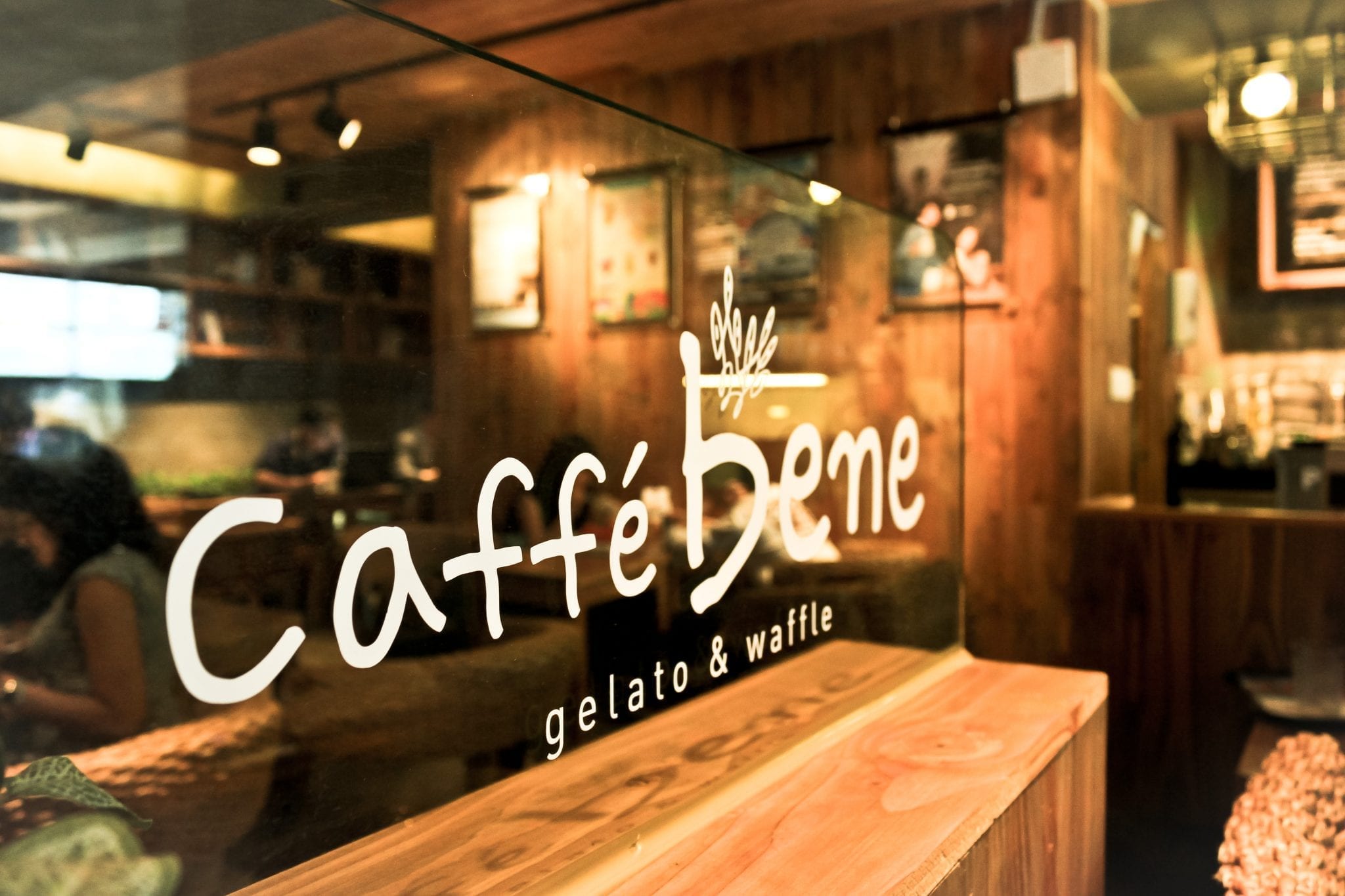
    Korean coffee chain Caffe Bene has collapsed, filing for a court-led restructuring scheme on Friday.

    Yonhap news service reports the court will soon decide whether to put the ailing coffee chain under its receivership or commence liquidation.

    The legal move follows a protracted slump and mounting losses, the company said. In 2016, the company lost about US$32 million on sales of $73 million, down 32 per cent on the previous year. At that time it operated 800 stores in Korea, a figure it said would shrink as it restructured, and about 50 in the US.

    Launched in 2008, Caffe Bene expanded to become one of South Korea’s largest coffee franchises, opening more than 1000 stores in five years, but lost ground in the saturated coffee market. While its US website claims it has opened 1600 stores worldwide, the exact number still trading is difficult to ascertain. It has opened in Vietnam, the US, China, Canada, Brunei, Singapore, Japan, Indonesia, the Philippines, Saudi Arabia, Malaysia, Cambodia and Mongolia.

    But the international foray has met with mixed success. The Cambodian store has already closed and the last Facebook post by the Singapore cafe is dated February last year. In Vietnam several stores have opened and closed, including its downtown flagship which drew huge queues when it opened in 2014. Three outlets remain trading there, but it is not clear if they are franchised or company-owned.

    The company also appears to have exited the Canadian market.

    While rapid growth in the consumption of brewed coffee drove up the Korean coffee industry’s overall expansion, Caffe Bene was unable to match the growth rate at home.

  • Sa Sa International looking good, thanks to tourists

    Sa Sa International looking good, thanks to tourists

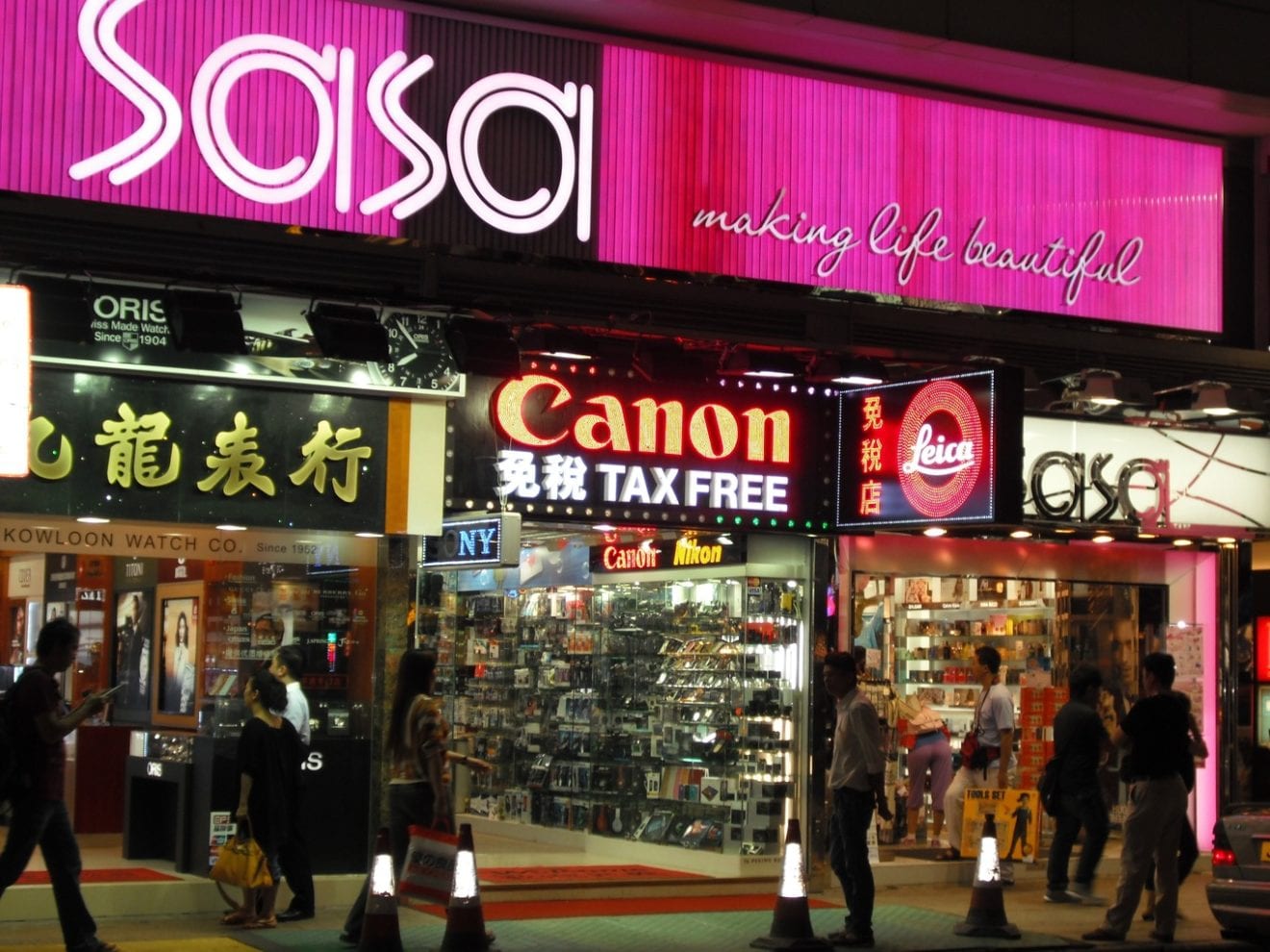
    Stronger store traffic drove overall sales for cosmetics retailer Sa Sa International for its third quarter to the end of December.

    This was in line with expectations, says the company.

    Total transactions increased by 5 per cent year on year to 5.1 million, while the number of transactions with local and mainland tourists grew 6.6 and 4.1 per cent respectively. The average transaction value also rose, by 4.2 and 2.8 per cent (to reach $367) respectively.

    The group’s total turnover grew by 6.5 per cent to HK$2.2 billion (US$281 million), led by Hong Kong and Macau where the growth was 8.1 per cent to reach $1.8 billion, while same-store sales increased by 3.7 per cent.

    Overall retail sales and same-store sales had 9.5 and 5.6 per cent growth respectively during December.

    Turnover in Mainland China, Singapore and Malaysia grew 13, 3.6 and 3.9 per cent respectively, while the turnover for Taiwan and e-commerce dropped by 5.5 and 21.9 per cent.

    Total turnover for the nine months to the end of December was $5.9 billion, up 3.4 per cent. For Hong Kong and Macau the figure was $4.8 billion, up 4.5 per cent.

    Same-store sales were flat for the nine months, while the average sales per transaction rose 3.3 per cent for to $343. There were 14 million transactions, up 1 per cent.

    At the end of December the company had 290 stores, no change from a year previously. However, the number of stores increased in Hong Kong and Macau (from 115 to 119), while there was a drop in Singapore (from 21 to 19) and in Taiwan (from 25 to 21). China and Malaysia had no change with 56 and 73 stores respectively.

  • Pizza parlor chain plans expansion for 2018

    Pizza parlor chain plans expansion for 2018

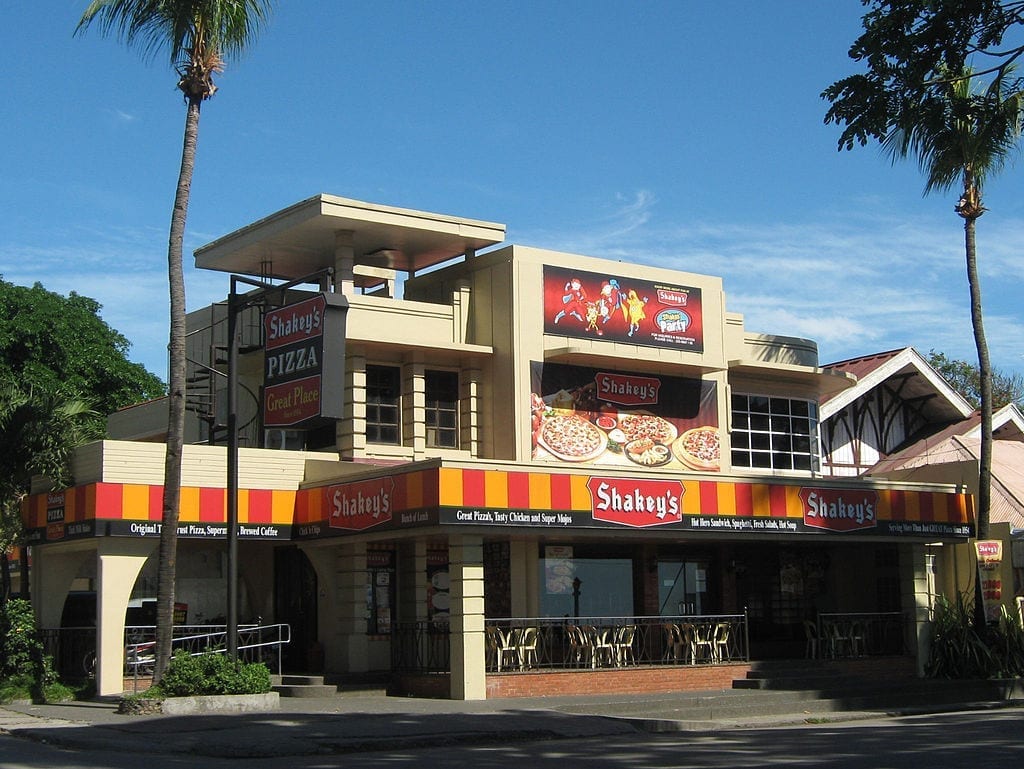
    Following a “banner year”, Shakey’s Pizza Asia Ventures (SPAVI) plans to add 20 restaurants to reach a total of 228 outlets by year end.

    In a disclosure to the Philippine Stock Exchange, the family-led company says it opened 24 stores last year, exceeding its target of 20.

    “It has been a banner year for Shakey’s – our maiden year as a publicly listed company – as this is the fastest we’ve grown in terms of store network,” says president Vicente Gregorio. “We are keeping pace with the accelerating growth of our economy.”

    He says Shakey’s aims to open stores in areas outside of first-tier cities. It opened restaurants in provincial locations last year including Iligan, Puerto Princesa, Antique, Gapan, and Palo, Leyte.

    “As Filipinos are now looking for more premium dining experiences, we are driven by our mission to consistently ‘wow’ them. This includes upgrading our look, launching innovative products and emphasising quality service,” says Gregorio.

    Earlier, the company said its plans were to reach a total network of 500 local and overseas restaurants in the next five years, to be funded by internally generated cashflow alongside proceeds from its public offering.

    Established in California in 1954, Shakey’s business in the Philippines is now bigger than in the US. In fact, the Philippine market is the brand’s largest market. The Philippine company is independent after acquiring the brand’s trademark and intellectual property rights, and also owns perpetual rights for the brand for the Middle East, Asia (excluding Japan and Malaysia), China, India, Australia and New Zealand.

    The company’s recurring net income for the first nine months of last year grew by 15 per cent year-on-year to PHP519 million (US$10.3 million) on higher sales. System-wide sales rose by 15 per cent to PHP6 billion, driven by same-store sales growth of 6 per cent and the increase in store numbers.

  • SM acquisition of Goldilocks OKd

    SM acquisition of Goldilocks OKd

    SM Retail has received approval from the Philippines antitrust body to acquire the Goldilocks Bakeshop chain.

    This follows the two parties submitting commitments to address potential competition issues in the deal, says the Philippine Competition Commission (PCC).

    SM Retail is a subsidiary of SM Investment (SMIC), which through another subsidiary, SM Prime Holdings (SMPHI), runs nearly 70 SM Malls in the Philippines. On the other hand, Goldilocks has a network of more than 500 stores, some of them in SM Malls.

    Potential concerns included the possibility that retail space in SM Malls might be limited for Goldilocks’ competitors. There were also concerns SM Retail might gain access to sales information from competitors and share it with Goldilocks.

    PCC chairman Arsenio Balisacan says mall owners should not be allowed to discriminate when it comes to tenants and lease applicants, “especially those that compete with stores owned by the mall itself”.

    After the acquisition, Goldilocks will become a subsidiary of SM Retail.

    In its voluntary commitment, which the PCC approved in December, SMPHI undertook to give Goldilocks’ competitors “a fair share in their lease at all times”.

    SMPHI also committed to data protection: not to allow Goldilocks access to competing tenants’ information, including sales data captured by the POS system of SMPHI tenants.

    “The commission appreciates SM’s move to make these voluntary undertakings – proof that PCC and the business community can work together to promote a culture of competition,” says Balisacan.

    The SM Group is also legally bound to comply with its commitment and submit reports to the PCC. The parties will be monitored periodically by a team of PCC experts over a five-year period. This will include random inspections, says the commission.

    SM Group negotiations to acquire a controlling stake in Goldilocks Bakeshop were revealed in August.i

  • Petron sees $600M in annual earnings

    Petron sees $600M in annual earnings

    Petron Corp., the largest oil refining and marketing company in the Philippines, is projecting earnings of about $600 million a year once the planned expansion of its refinery in Malaysia is completed.

    “Once the expansion is finished, we are expecting earnings before interest, taxes, depreciation and amortization (EBITDA) of $600 million annually from $20 million [in 2012],” Petron President and Chief Operating Officer Ramon Ang said.

    For 2017, the Malaysian business is expected to generate EBITDA earnings of $270 million.

    He added that expanding the capacity of the Malaysian refinery will entail an investment of $3.5 billion and would add 90,000 barrels per day (bpd) to its output. The current crude distillation capacity is 88,000 bpd.

    Petron is currently running the Port Dickson Refinery, which is located about 90 kilometers from Kuala Lumpur in Port Dickson, Negeri Sembilan. It is equipped with a crude distillation unit, a naphtha hydro treating unit, two semi-regeneration reformer units, and a kerosene hydro treating unit.

    The complex has amenities such as wastewater treatment facilities, steam generator, cooling water plant, flare and safety relieving unit, crude storage tanks, refined petroleum products storage tanks, as well as spheres for liquefied petroleum gas (LPG) storage.

    Petron, which supplies almost 40 percent of the country’s oil requirements, has a combined retail network of almost 2,900 service stations, more than a fifth of which are in Malaysia. Since 2012, the company has rebranded and built an extensive retail network of nearly 600 stations in Malaysia.

    The oil company also exports different petroleum and non-fuel products to Asia-Pacific countries including India, Japan, Malaysia, Singapore, South Korea, Thailand, and Pakistan, as well as to the United Arab Emirates.

    Shares of Petron slipped 1.19 percent to P9.17 on Friday.

  • Kawaii fashion heading to Manila

    Kawaii fashion heading to Manila

    W Tokyo is partnering with Manila online shopping company Hallohallo to open a Tokyo Girls Collection (TGC) store in the Philippines.

    Set to launch in May, the boutique will be at the Vertis North complex in Quezon City, Manila. In the mall’s Japan Town section, which features Japanese restaurants and retailers, the store will sell kawaii (cuteness) clothing, wigs and accessories targeting teenage girls and women in their 20s. The collection will be curated from up to 20 Japanese fashion brands.

    A feature of the 965sqm store will be a runway and stage for events featuring local models.

    Hallohallo will run the shop while W Tokyo will choose brands, run promotions and stage events.

    W Tokyo will also team with Japanese live-streaming service Showroom to feature events at the store and salespeople introducing products.

    “We want to implement a business model combining brick-and-mortar stores and live commerce in Japan as well,” says W Tokyo president Noriyoshi Murakami. The aim is to find success first in the Philippines before tackling Japan, where shopping malls often restrict the type of sales events stores can hold.

    Hallohallo has also partnered with Japanese trading house Mitsubishi and Philippine conglomerate Ayala Group to sell Japanese products.

  • BSP to launch digital payments clearing house in January

    BSP to launch digital payments clearing house in January

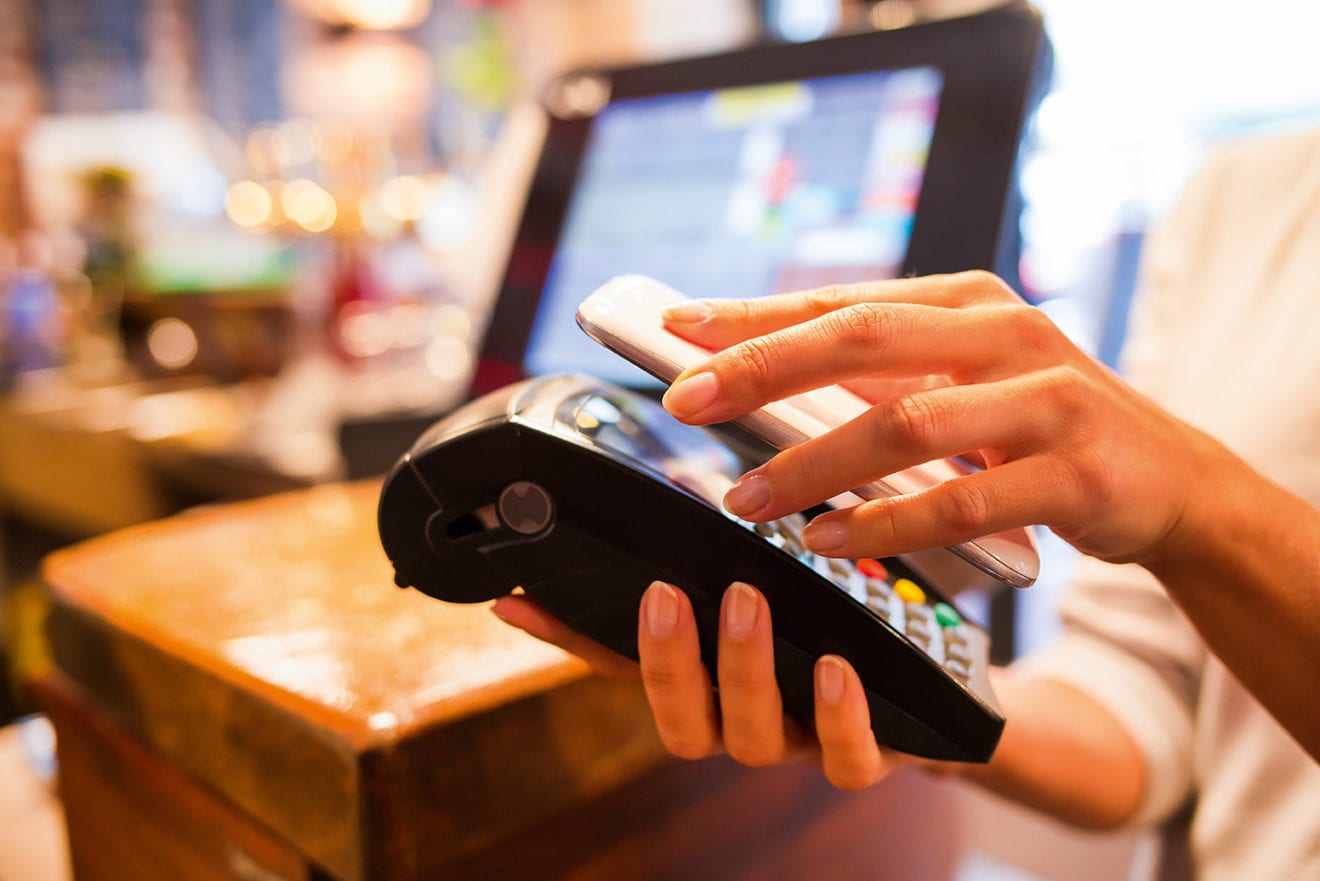
    The Bangko Sentral ng Pilipinas (BSP) said individual consumers would be covered by the batch electronic fund transfer (EFT) credit automated clearing house (ACH) starting next month as it pursues greater use of electronic payments by shifting to cash-lite society from cash-heavy society.

    BSP deputy director Raymond Estioko said banks and the clearing house operator are now developing their respective web and mobile applications for the Philippine EFT System and Operations Network (PESONet) as part of the National Retail Payment System (NRPS).

    “Hopefully by January individuals for the common people would be able to experience and see PESONet being offered first by the banks,” he said.

    Estioko, who is also the project head of the BSP’s NRPS, said several banks are now ready to offer the service to individual customers

    “There are several banks which are now ready to offer the service to the public,” he added.

    BSP Governor Nestor Espenilla Jr. led the launch of the PESONet in November to facilitate fund transfer from one account to one or several accounts maintained in different financial institutions.

    PESONet is one of the ACHs prioritized for implementation given its potential to be an efficient channel for government and private business collections and disbursement. PESONet provides an electronic alternative to the still widely used paper-based check system.

    Estioko explained the initial launch of the PESONet only covers corporate transactions.

    Through PESONet, businesses, the government, and individuals will be able to conveniently initiate electronic fund transfers and recurring payments from the sender’s accounts maintained in BSP supervised financial institution (BSFIs), such as banks and other non-bank electronic money issuers, to corresponding recipient accounts in other BSFIs.

    With the ACH, funds could be made available to the recipient accounts within the same banking day or immediately upon clearing.

    Payees receive the funds transferred in full free of charge resulting in greater transparency and to help clients determine which EFT products offer the best value for their money.

    Estioko said a second ACH called InstaPay would be launched toward the end of the first quarter of 2018 to enable 24/7 low value electronic fund transfers.

    The BSP launched the NRPS in December 2015 to provide a safe, efficient, and reliable digital or electronic payment system in the country.

    Digitizing retail payments is critical in the Philippines considering that 99 percent of payment transactions per month are done in cash, with businesses and individuals making only one percent and 0.3 percent electronic payments, respectively, according to a study conducted by the Better Than Cash Alliance.

    The NRSP aims to increase electronic retail payment transactions to 20 percent by 2020 from the current one percent.

  • Philippine capital markets need to be more inclusive

    Philippine capital markets need to be more inclusive

    The local capital markets may have had significant developments over the years but it remains relatively small compared to other emerging economies in Asia.

    In a span of five years, Philippine corporations have already raised over P1.7 trillion from five to eight initial public offerings (IPOs) and 10 to 15 corporate bond transactions a year.

    Retail investors have also stepped up, especially for local equity and fixed-income deals, and now account for 50 percent to 70 percent of the volume, compared to previous years where institutions take up around 60 percent to 70 percent.

    Although the scenario has gotten better, the number of IPOs and bond issues in the country still pale in comparison to other emerging economies in the region. And while participation from retail investors has increased, most of the investors are coming from the more affluent retail, leaving a huge untapped market, such as the overseas Filipino workers and the unbanked sector.

    The challenge, according to BDO Capital and Investment Corp. President Eduardo V. Francisco, is to make the local capital markets more inclusive, enabling the ordinary man on the street to invest in stocks and bonds.

    BDO Capital is a full service investment house wholly owned by BDO Unibank that provides securities underwriting and trading, loan syndication, financial advisory, and private placement of debt and equity among others.

    Speaking before capital market participants during the recent Euromoney Philippine Investment Forum, Francisco emphasized there is more to increasing financial literacy in the country to achieve inclusivity and make the local capital markets on a par with the developed countries.

    One of the solutions, he suggested, is not only to digitize but also to rid of too many touch points for IPO or bond subscriptions as these are roadblocks to encouraging many to invest in the capital markets.

    He added subscribing to equities and bonds in the country is too cumbersome due to the numerous documents, forms and identifications required.

    “Our Monetary Board, Securities and Exchange Commission, Philippine Stock Exchange are open to new ways to raise the number of investors and make it more available to the masses. We have seen them liberalize rules but we need to propose new products or solutions,” Francisco said.

    He added the Philippines should also look into new platforms and models from abroad that the Philippines can adopt, particularly innovative solutions that would minimize documentation.

    “Foreign players with platforms abroad are welcome to bring it here. Fintech solutions are also welcome and we can work with the regulators to get approvals,” he said.

  • Bad loans rise at Philippines’ big banks in October

    Bad loans rise at Philippines’ big banks in October

    Bad loans on the books of the country’s biggest banks rose further in October, latest central bank data showed, amid the industry’s rising total lending portfolio.

    Data from the Bangko Sentral ng Pilipinas (BSP) showed gross non-performing loans of universal and commercial banks amounted to P107.69 billion in October this year – which was P9.27 billion higher than the P98.42 billion recorded in the same month in 2016.

    Non-performing loans are left unpaid by borrowers for at least 30 days past the due date. These are seen as risky assets due to higher risk of default.

    Amid the uptick in bad loans, BSP said the rate remains manageable across economic sectors, such as financial and insurance activities, real estate, manufacturing, wholesale and retail trade, as well as electricity, gas, steam and air-conditioning supply.

    The rise in bad loans happened as total loan portfolio of big banks grew at a faster rate of 17% to P7.36 trillion in October, from P6.29 trillion in the same month last year.

    This translated to a lower gross non-performing loan ratio of 1.46% in October, from a year-ago level of 1.56%, BSP data showed.

    The central bank said latest figures indicate the continued adherence to high credit underwriting standards of local big banks.

    Aside from trying to keep bad loan levels low, BSP said big banks continued to earmark sizeable reserves for potential credit losses, which was at P144.94 billion or 1.97% of total portfolio in October this year. This is compared to last year’s P133.05 billion or 2.11% of the total lending portfolio.

    Latest data from the BSP showed the industry’s credit growth eased to 19.9% in October, from 21.1% in September after increasing for 4 consecutive months – which some economists and credit rating agencies see as a possible sign of an overheating economy.

    Loans for production activities are up 18.7% to P6.01 trillion in October, from P5.06 trillion in the same month in 2016, accounting for 88.3% of loans given out by the banks.

    Meanwhile, credit to the real estate sector accounted for 17.2% of the total loan portfolio at P1.17 trillion, followed by credit to wholesale and retail trade and repair of motor vehicles at 13.6%, worth P924.56 billion.

    This was followed by manufacturing sector loans (12.8% of loan portfolio, worth P873.64 billion), and credit to electricity, gas, steam and airconditioning supply sector (12.1% share, P821.87 billion).

    The country’s gross domestic product gowth climbed to 6.9% in the 3rd quarter, from the revised 6.7% in the 2nd quarter of 2017. This brought the average economic growth in the 1st 9 months of 2017 to 6.7%.

    The Philippines has posted positive economic growth for 75 straight quarters since the Asian Financial Crisis.

  • Cebu Pacific issues peak season travel advisory

    Cebu Pacific issues peak season travel advisory

    Cebu Pacific (CEB) and Cebgo remind all passengers during this crunch holiday season to allot ample time to get to the airport, check-in, go through security and immigration checks, and process pre-departure requirements.

    “CEB Domestic Check-in counters are open three hours before the scheduled time of departure and four hours for international flights,” a Cebu Pacific advisory indicated.

    “All check-in counters close 45 minutes before the scheduled time of flights, except those exiting the Dubai and Middle East (one hour) and Shanghai (50 minutes).”

    Cebu Pacific has also deployed roving check-in agents in all of the Philippine airports the carrier operates in, including the NAIA Terminal 3 and Terminal 4.

    “The agents are equipped with iPads with the Levarti MAX Airport application, as well as portable printers. This allows CEB terminal personnel to remotely check-in passengers, assign seats, facilitate payment for baggage and other ancillary services, and even print boarding passes.”

    CEB and Cebgo passengers may also check-in using the following options to cut the waiting and queuing time:

    • CEB Mobile Check-in. Download the official Cebu Pacific Mobile App on the App Store or Google Play and tap on the Check-In option. CEB Mobile Check-in is available from seven (7) days to four (4) hours before an international flight, and up to one (1) hour before a domestic flight.
    • CEB Web Check-in. Visit the Manage Booking section of the Cebu Pacific website (https://www.cebupacificair.com). For international flights, web check-in is available from seven (7) days up to four (4) hours before scheduled flight departure. Those taking domestic flights can do web check-in up to one (1) hour before their scheduled departure.
    • Self-Check-in Kiosks. Passengers at NAIA Terminals 3 and 4 and selected domestic airports can use these kiosks to check-in their flights eight (8) hours up to one (1) hour before the scheduled flight departure.

    Domestic Airports with CEB Self Check-in Kiosks

    • Bacolod: Bacolod–Silay International Airport
    • Busuanga (Coron): Francisco B. Reyes Airport
    • Cagayan de Oro: Laguindingan Airport
    • Clark: Clark International Airport
    • Davao: Francisco Bangoy International Airport
    • Dipolog: Dipolog Airport
    • General Santos: General Santos International Airport
    • Iloilo: Iloilo International Airport
    • Kalibo: Kalibo International Airport
    • Legazpi: Legazpi International Airport
    • Ozamiz Labo: Ozamiz City Airport
    • Roxas: Roxas Airport
    • Pagadian: Pagadian Airport
    • Puerto Princesa: Puerto Princesa International Airport
    • Tagbilaran: Tagbilaran Airport
    • Zamboanga: Zamboanga International Airport
    • Butuan: Bancasi Airport

    Domestic web or mobile check-in guests with check-in luggage can drop these off at the bag drop counter at least 45 minutes before the flight, except those exiting the Middle East (one hour) and Shanghai (50 minutes).

    International web or mobile check-in guests still need to show up at check-in or bag drop counter at least one (1) hour before the flight to present valid travel documents.

    Domestic web or mobile check-in guests with check-in luggage can drop these off at the bag drop counter at least 45 minutes before the flight, except those exiting the Dubai (one hour) and Shanghai (50 minutes). International web or mobile check-in guests still need to show up at check-in or bag drop counter at least one (1) hour before the flight to present valid travel documents.

    Dedicated bag drop counters (D16-D24) are available for web and mobile boarding pass holders at the NAIA Terminal 3.

    Here are other reminders for all CEB and Cebgo passengers:

    • Check the airport terminal screens for the accurate time and boarding gate assigned to the flight. While there is a Public Address system where announcements are made, we strongly encourage passengers to be more alert in checking boarding information. CEB boarding agents are ready to assist passengers and answer queries.
    • Mind the weight of your hand-carry. CEB allows only ONE (1) hand-carry bag with maximum weight of seven (7) kilos.
    • Liquids, aerosols and gels inside a hand-carry bag should be in a container 100 ml or less. These should be placed in a clear, resealable plastic bag.
    • Purchase baggage allowance upon booking, with options ranging from 15 to 40 kilos. This lets you save as much as 71% compared to paying excess baggage fees at the airport.
    • Be security-conscious. When possible, lock and seal your luggage and place easily identifiable markers on your check-in baggage. We strongly advise guests to hand-carry valuable items such as money, jewelry and mobile devices.
    • Proceed to the boarding gate immediately after completing check-in requirements. Guests should be at the gate at least 30 minutes before the scheduled time of departure.