Tag: Philippines

  • Cebu Pacific to start daily flights to Sydney on Dec. 1

    Cebu Pacific to start daily flights to Sydney on Dec. 1

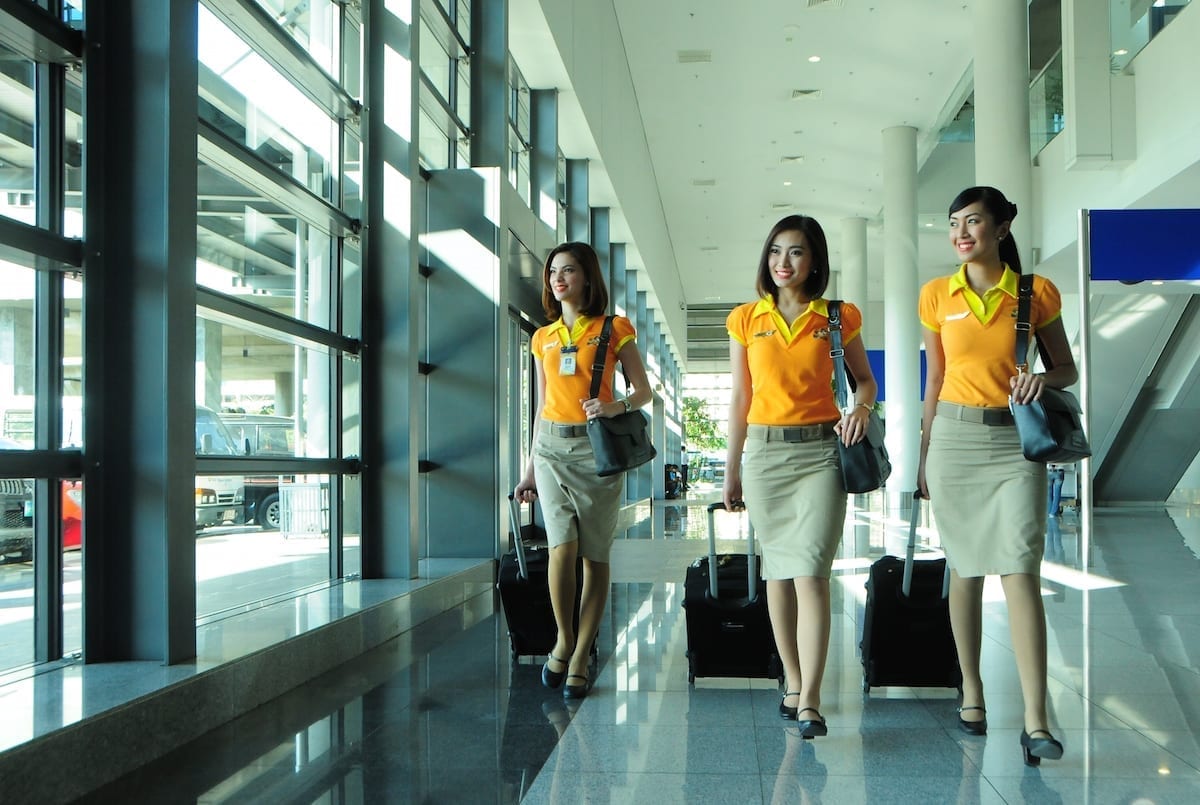
    Cebu Pacific Air, the country’s biggest budget airline, will start daily flights between Manila and Sydney in Australia on Dec. 1 this year. The carrier said it was increasing frequencies given robust demand on its current five weekly flights.

    “Cebu Pacific continues to remain bullish over prospects in the Australia market,” Candice Iyog, vice president for marketing and distribution of Cebu Pacific, said in a statement.

    “The additional frequency between Manila and Australia reflects our commitment to reinforce the Cebu Pacific effect across one of our strongest international markets. We want to continue to offer our year-round low-fares that are affordable, accessible and available to a greater number of travelers,” she added.

    Cebu Pacific is already the biggest air carrier operating between Manila and Sydney. It bested two other rivals in the first quarter of 2017.

    Citing data from Australia’s Bureau of Infrastructure, Transport and Regional Economics (BITRE), Cebu Pacific said it had a market share of 42 percent and continued to see gains in passenger volume. During this period, it carried 43,512 passengers, up 16 percent.

    The same report noted that overall passenger traffic between Manila and Sydney had gone up 7 percent year-on-year.

    Cebu Pacific noted that its load factor, a measure of flight utilization, in this route stood at 78 percent during the first three months of the year.

    Cebu Pacific said it was also a leading player in the Manila-Sydney airline cargo service.

    The airline flew 1,131 tons of cargo between Manila and Sydney in the first three months of 2017, about 49 percent of the total 2,325 tons carried by the three carriers.

    Cebu Pacific already offers the most number of seats between Manila and Sydney, covering close to 40 percent of the route’s total capacity.


     

  • Fast-Growing Philippine Airlines Emerging as Regional Power

    Fast-Growing Philippine Airlines Emerging as Regional Power

    Once debt-ridden, Philippine Airlines (PAL) has emerged as one of the fastest growing carriers in its region.

    On June 8 it launched a daily Manila-Kuala Lumpur flight using Airbus A321 aircraft after a lapse of four years. Despite the presence of Malaysia Airlines, AirAsia, Cebu Pacific and AirAsia Philippines with seven daily services on the route, PAL is confident of making an impression. Last month PAL also introduced a daily Tagbilaran-Incheon service, making it the sixth Filipino city to connect with South Korea, joining Manila, Cebu, Clark, Kalibo and Puerto Princesa.

    PAL has begun reconfiguring its fleet of 15 Airbus A330-300s from an all-economy-class layout that seats 414 passengers to a three-class, business, premium economy and economy class arrangement designed to seat 309.

    PAL placed the first reconfigured aircraft on international routes last month, starting with Dubai and Honolulu. This month it inducts more on its Melbourne and Doha routes, followed by Sydney and Riyadh in August, Singapore, Kuwait and Jeddah in September, Tokyo Haneda in October, Tokyo Narita in November and Osaka in December.

    Now serving eight destinations in China, its biggest market, the airline hopes to penetrate the country still further, adding to Beijing, Shanghai, Jinjiang, Macau, Xiamen, Guangzhou, Chengdu and Hong Kong.

    PAL plans to deploy two Boeing 777-300ERs leased from Intrepid Aviation on a long-term basis starting in December on the London route, replacing its Airbus A340-300.

    Six Airbus A350-900s it ordered will arrive on a staggered basis starting mid-2018. PAL expects to decide either late this year or early next year on the possibility of launching flights to Frankfurt and Rome with the delivery of the aircraft.

    Domestically, PAL recently boosted operations at Clark International Airport (CIA) as part of its plans to develop its third hub. On June 22 it launched three-times-weekly  flights to Bacolod and a daily service to Tagbilaran. Four-times-weekly service to Cagayan de Oro started the following day. The carrier currently operates to Caticlan, Busuanga, Cebu, Davao and Puerto Princesa from Clark.

    Incheon remains the only international route operated by PAL from CIA, the former U.S. military base located some 43 nautical miles outside Manila. Manila and Cebu account for PAL’s other two hubs.

    The carrier currently operates a fleet of 81 aircraft consisting of 777-300ERs, A340-300s, A330-300s, A321s and A320s.

  • Philippines convenience-store market among the least mature in Asia

    Philippines convenience-store market among the least mature in Asia

    The Philippines convenience-store market is one of the most unsaturated in Asia.

    The country had one store for every 35,000 people last year – a ratio similar to China – whereas in Indonesia, Malaysia and Thailand that figure ranges between 5500 and 10,000 people. In developed Asia, Japan and South Korea have around 1700 people to each store.

    With per-capita income growing about 5 per cent a year in the Philippines, the number of convenience stores has risen by 21.5 per cent a year over the past five years.

    Convenience-store sales have risen 20 per cent each of the past five years, double the rate of normal retail sales.

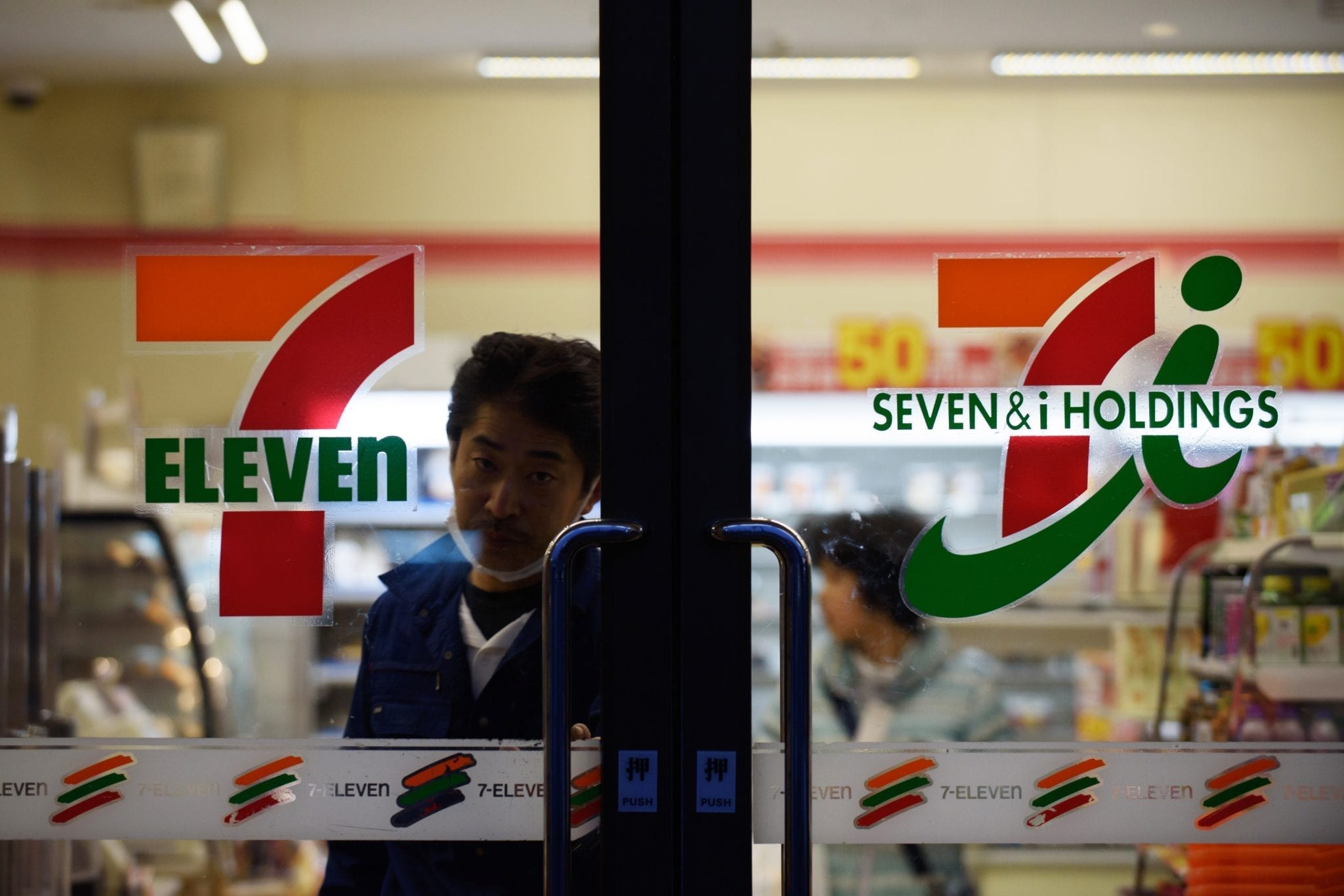
    With the nation’s historic ties to the US, 7-Eleven leads the way in the Philippines. The chain is licensed by Philippine Seven, which owns 45 per cent of the 1995 stores and franchises out the rest.

    Japan’s Nomura works through Robinsons Retail Holdings, which has exclusive rights to the Ministop chain for the Philippines.

    Only 7-Eleven has anything of an e-commerce presence in the Philippines, says the report, delivering goods from the country’s largest online-sales platform, Zalora Philippines.

  • Motorola Philippines opens third concept kiosk

    Motorola Philippines opens third concept kiosk

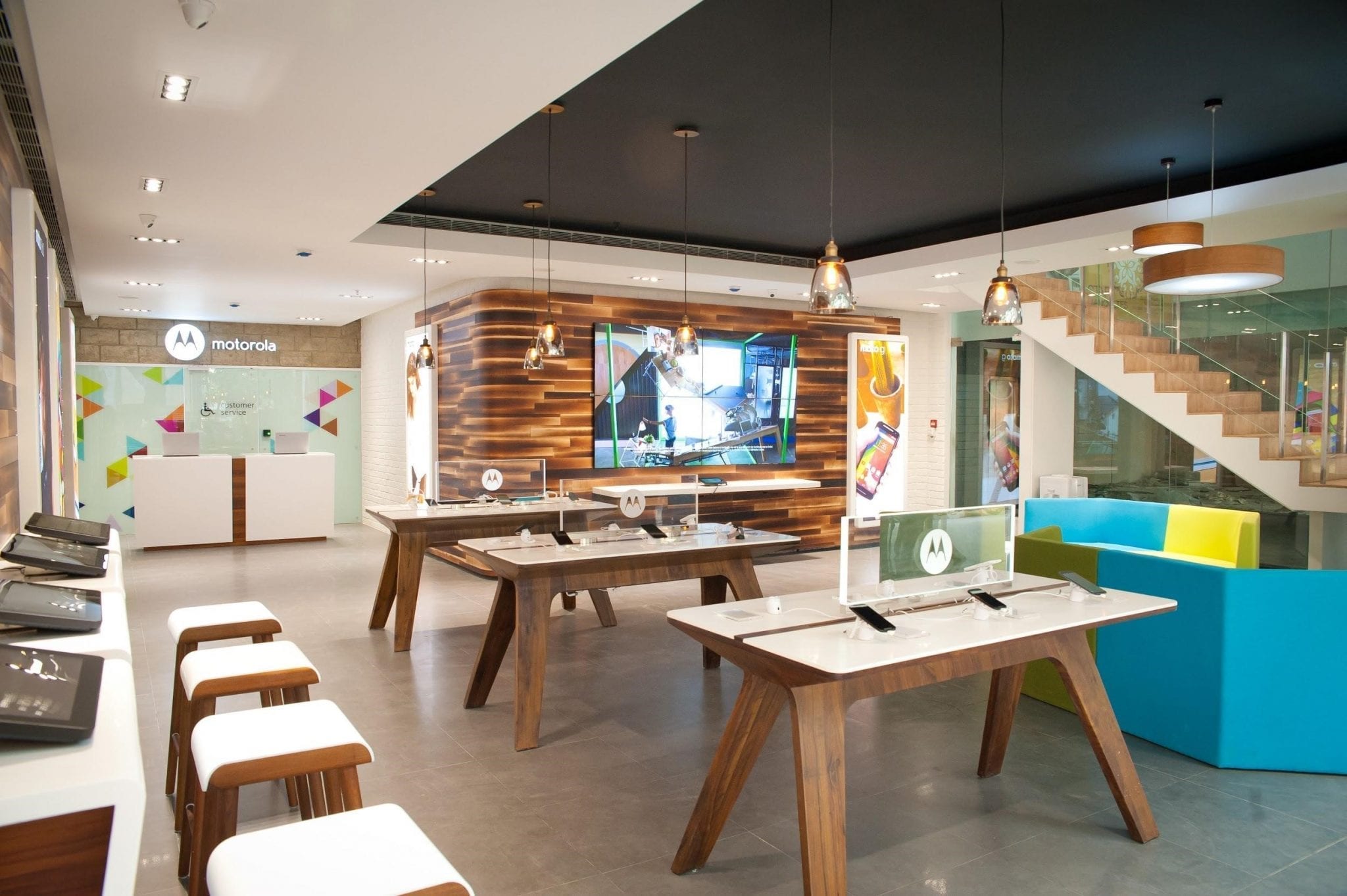
    Motorola Philippines has opened its third concept kiosk, at SM Mall of Asia in Pasay City.

    It is part of the Lenovo-owned company’s move to strengthen its retail footprint in the nation’s high-traffic malls.

    On the second level of the mall’s Cyberzone, the store features a full Moto smartphone lineup.

    “Motorola is keen to revolutionize Filipinos’ digital lifestyle,” says Lenovo Mobile Business Group Philippines country manager John Rojo.

    Shoppers at the new kiosk have been offered exclusive discounts and gifts when buying Motorola smartphones.

  • AirAsia gives free baggage allowance, meals to soldiers

    AirAsia gives free baggage allowance, meals to soldiers

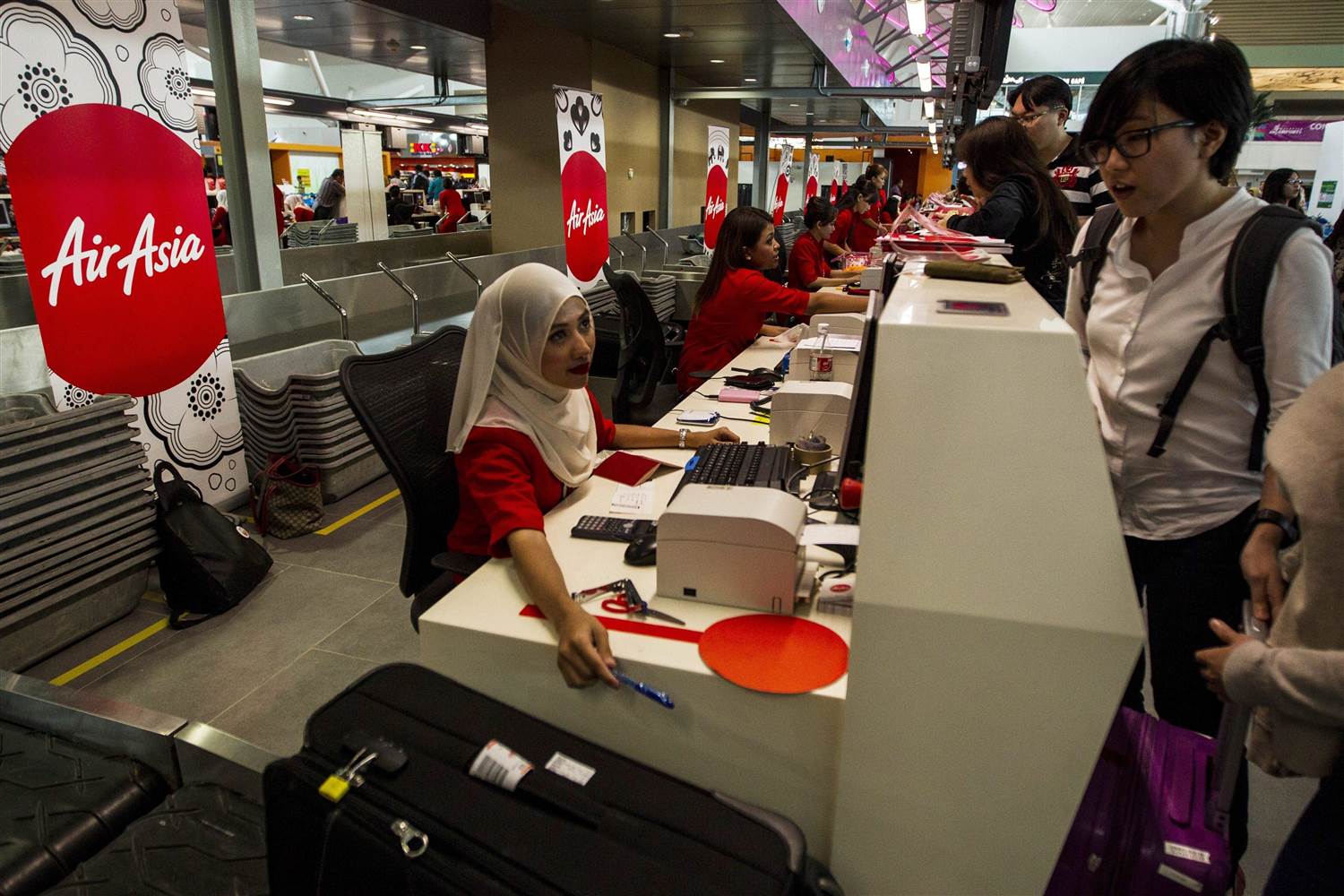
    AirAsia announced on Wednesday that it is giving soldiers and officers of the Armed Forces of the Philippines, who are on a peace-keeping mission, extra baggage allowance and free inflight meals.

    “We recognize the incredible sacrifices of our military heroes and Bayanihan spirit among Filipinos,” AirAsia CEO Capt. Dexter Comendador said in a photo posted on the airline’s Facebook page.

    The budget airline said AFP military personnel can avail of free baggage allowance of up to 40 kgs after presenting their ID and mission order.

    Facebook user Inday Rakel earlier narrated how passengers of an AirAsia flight helped three Mindanao-bound soldiers — two of whom were headed for strife-torn Marawi City and another for Cotabato — with their excess baggage.

  • Global telecoms revenues to grow 2% in 2017

    Global telecoms revenues to grow 2% in 2017

    Worldwide IT spending is expected to increase by 4.5% in 2017 in constant currency terms, a significant improvement on last year’s growth of 2.5%, according to IDC.

    The latest addition of the research firm’s  Worldwide Black Book forecasts that total IT spending this year will reach $2.1 trillion and is forecast to increase by another 4% in 2018 as positive momentum continues into next year.

    Including telecom services, which will increase by just over 2% in constant currency terms this year, the overall ICT market will reach $3.5 trillion in 2017.

    Growth is being driven by stronger upgrade cycles for infrastructure and mobile devices.

    APeJ will post the strongest regional growth in IT spending this year, IDC predicts, with the company projecting an 8% increase in constant currency terms.

    China and India are both expected to post overall IT spending growth of 10% in constant currency terms this year, although China is likely to see a moderating pace of growth in the next few years as the economy begins to slow.

    The strongest growth this year will come from infrastructure hardware, enterprise software, and mobile devices. With cloud service providers expected to accelerate their datacenter investments in order to keep pace with growing demand for cloud services, total server spending will increase by 4% this year and 5% in 2018.

    Smartphone sales will improve compared to 2016

    Last year saw a significant slowdown in the smartphone market, as increasing maturity and price competition affected many markets. Stronger growth is expected in the second half of 2017, as premium vendors launch significant new products while smartphone penetration and value continues to grow steadily in key emerging markets including China.

    Overall smartphone spending will increase by 7% this year to $439 billion, a big improvement on last year’s 1% growth.

    “Cloud and mobile are still the big drivers for IT spending, despite the attention devoted to new technologies like augmented reality, artificial intelligence, and robotics,” IDC VP for customer insights and analysis Stephen Minton said.

    “New technologies will drive a larger share of market growth in the next 5-10 years, but the short term will also see a resurgence of growth in markets tied to 3rd Platform opportunities, including cloud services, mobility and big data.”

  • Data marketing for Philippines 7-Eleven

    Data marketing for Philippines 7-Eleven

    Philippines Seven Corporation (7-Eleven) has engaged Big Data For Humans to develop and support its customer marketing.

    The customer-insights company will use automated data science to enhance campaigns across the retailer’s 2000-store network.

    Founded in Scotland three years ago, Big Data for Humans launched its Asia Pacific office in Singapore last year as part of its expansion into the Asian market, where clients include Air Asia. Internationally, its clients include Selfridges, Tesco and Swiss department store Jelmoli.

    “We want to generate more customer insights from our data stream and use these effectively to improve our marketing,” says Philippine Seven Corporation president Victor Paterno.

    Big Data For Humans offers the Customer Graph, a platform that empowers business users at all levels to use automated customer insights to power their marketing. The company was founded by a group of retailers and has a 40-strong team across its offices in Glasgow, London and Singapore.

  • Toby’s Sports to expand online

    Toby’s Sports to expand online

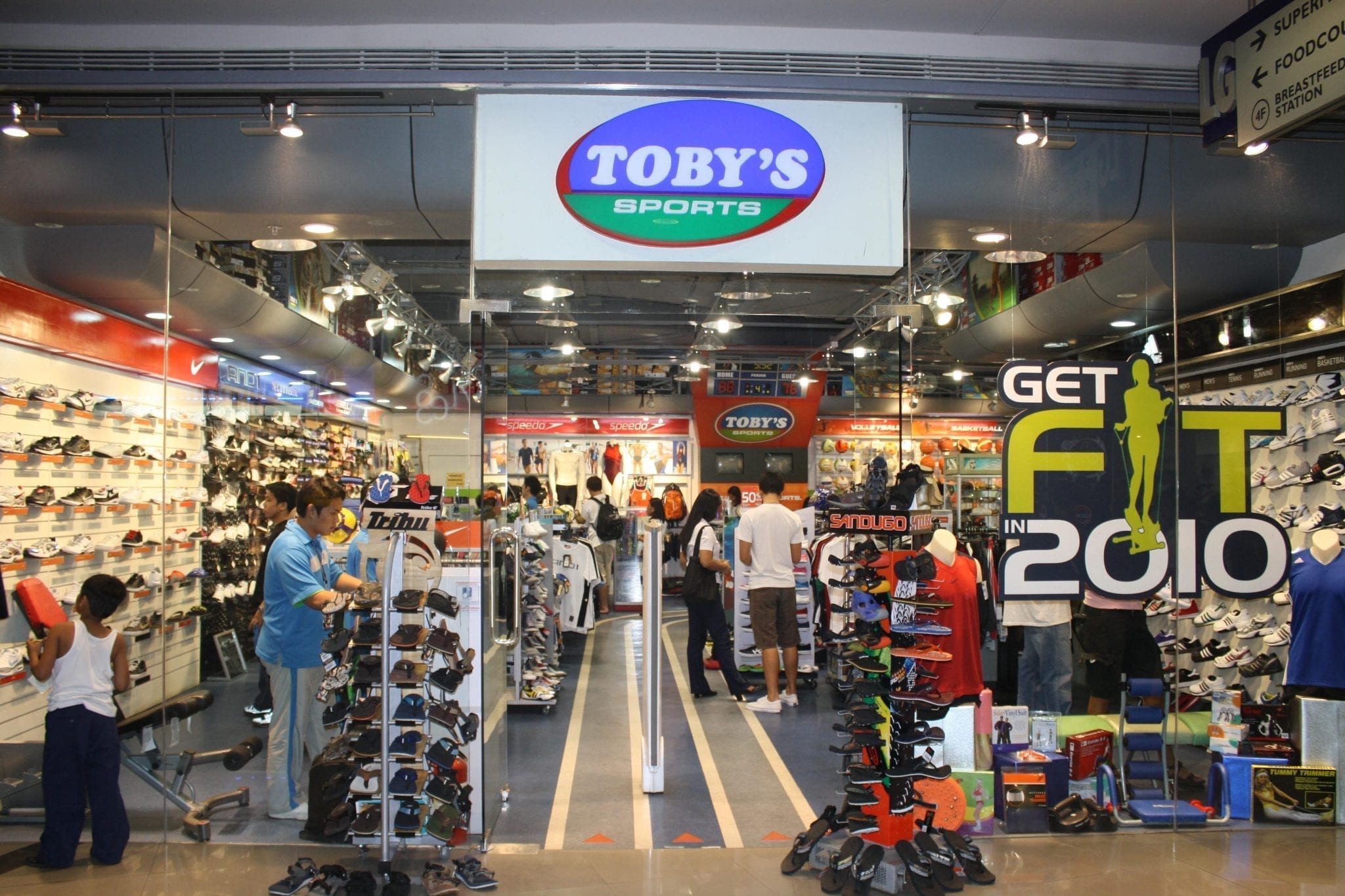
    Philippines-founded retailer Toby’s Sports has launched a new e-commerce site as it marks its 40th anniversary.

    “Our e-commerce platform was completely revamped and we have since added multiple services to allow for a more convenient shopping experience,” explains Toby Claudio, president of Quorum International, parent of Toby’s Sports.

    The site features a wide range of footwear, apparel and equipment from high-profile international sports brands.

    Also coinciding with the anniversary, Toby’s Sports has launched a national campaign entitled, ‘We Got This’, highlighting an individual’s journey to achieve success in whatever sport or fitness activity they pursue.

    A video journey examines the mental and physical hardships of sports training – from an aching, calloused body to a state of frustration and self-doubt – to achieving success.

    “When you take on a challenge or set a goal for yourself in sports and fitness, you undergo several hurdles that make you want to give up. #WeGotThis is our rally cry to keep them going; to let them know that as the leader in the sports industry. We are here not just here to provide them with the right gear, but to also give them the support they need to succeed,” said Claudio.

    “Officially introducing the site at the same time as the new campaign really brings the message home for us – that our dedication to our customers and their well being is unparalleled,” he added.

  • Cebu Pacific resumes Cebu-Ormoc regular flights

    Cebu Pacific resumes Cebu-Ormoc regular flights

    Cebu Pacific has resumed its regular flights between Cebu and Ormoc after the Ormoc Airport passed a risk assessment by aviation authorities.

    “Cebu Pacific Air, through its wholly-owned subsidiary Cebgo, resumes regular flights to and from Ormoc City, starting July 14, 2017. Cebgo flies daily between Cebu and Ormoc, with the Cebu-Ormoc flight departing at 6:35am; and the return flight leaving Ormoc at 7:40am,” the airline posted on its website on Friday.

    The risk assessment was performed in cooperation with the Civil Aviation Authority of the Philippines (CAP), after the 6.5-magnitude quake rocked Leyte last July 6.

    Passengers booked on cancelled Cebgo flights from July 6 to 13 may rebook their flights free of charge, the company said.

    Operations at the Ormoc Airport returned to normal two days after the quake. Cebu Pacific, however, said it had to perform its own risk assessment to ensure operational requirements would be met.

  • Davao gains first Globe Telecom Gen3 store

    Davao gains first Globe Telecom Gen3 store

    Globe Telecom has opened its first Gen3 store for Davao City, at Gaisano Mall of Davao.

    It is described as “a new retail experience” by Irra Zarina Escandor, who owns GMI Global Ventures, the first Gen3 store owner in Davao City.

    Gmall Globe Gen3 store retail manager Ace Cabana says customers will experience lifestyle vignettes designed to catch attention. There will not be any queues as a tablet will be used to help customers.

    Cabana says the topography of the store is reconfigurable and interactive. Globe products and services will be showcased within different zones featuring video-on-demand providers, music providers, plan packages and gadgets.

    Designed by Tim Kobe, founder/CEO of Eight and designer of Apple Stores and Nike pop-ups, the Gen3 stores were first launched simultaneously in Mindanao’s Limketkai Mall in Cagayan de Oro City, and at SM North Edsa in Quezon City.

  • Ensogo Philippines to shut down

    Ensogo Philippines to shut down

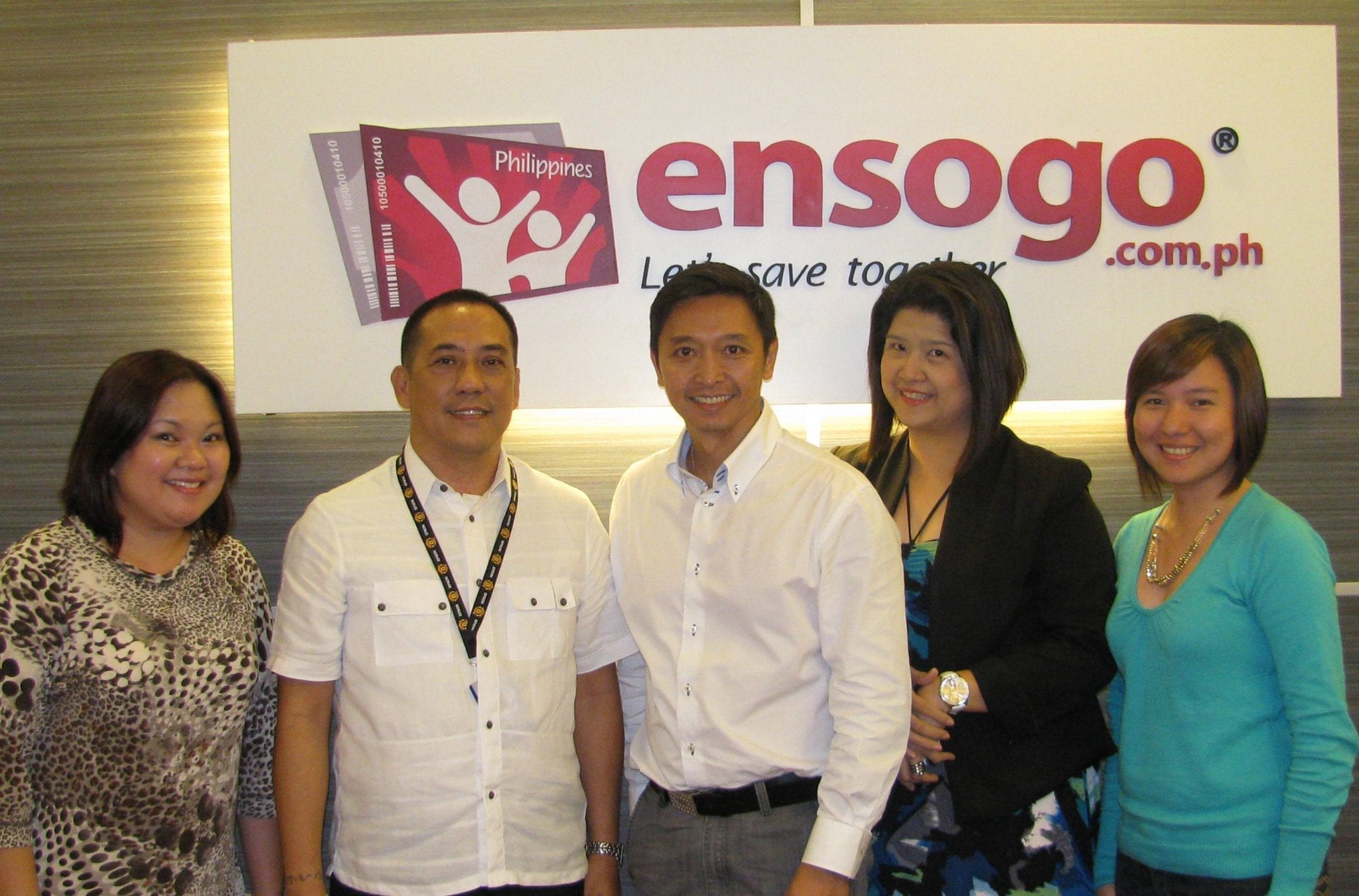
    Ensogo Philippines will be closed down along with the online retailers’ other sites across Southeast Asia.

    Following the resignation of its co-founder Kris Marszalek, the Singapore-based tech company said it will cut its financial support to its sales and marketplace business units in Indonesia, Thailand, Hong Kong and the Philippines.

    “These business units will be shut down. All staff have been informed and communications will be made to customers in the coming days,” the company said in a statement.

    Australian internet entrepreneur Patrick Grove founded Ensogo, formerly iBuy. Grove also established the online businesses iProperty and iCar under Catcha Group.

    Recently the company reported growth averaging more than 100 per cent in the first quarter, after the launch of a cross-border marketplace business in January. It said the number of suppliers had skyrocketed from 3141 in the fourth quarter of 2015 to 13,599 in the first quarter of 2016. The first three months saw US$8.2 million in gross merchandise value.

    As of the end of March 2016, however, Ensogo reported A$22.6 million (about US$17 million) in receipts from customers, while total cash was only A$17.6 million, a 64 per cent decline from A$29 million by the end of last year. Earlier this year the company, which is headquartered in Singapore and listed in Australia, laid off employees.

  • Ikea Philippines debut imminent

    Ikea Philippines debut imminent

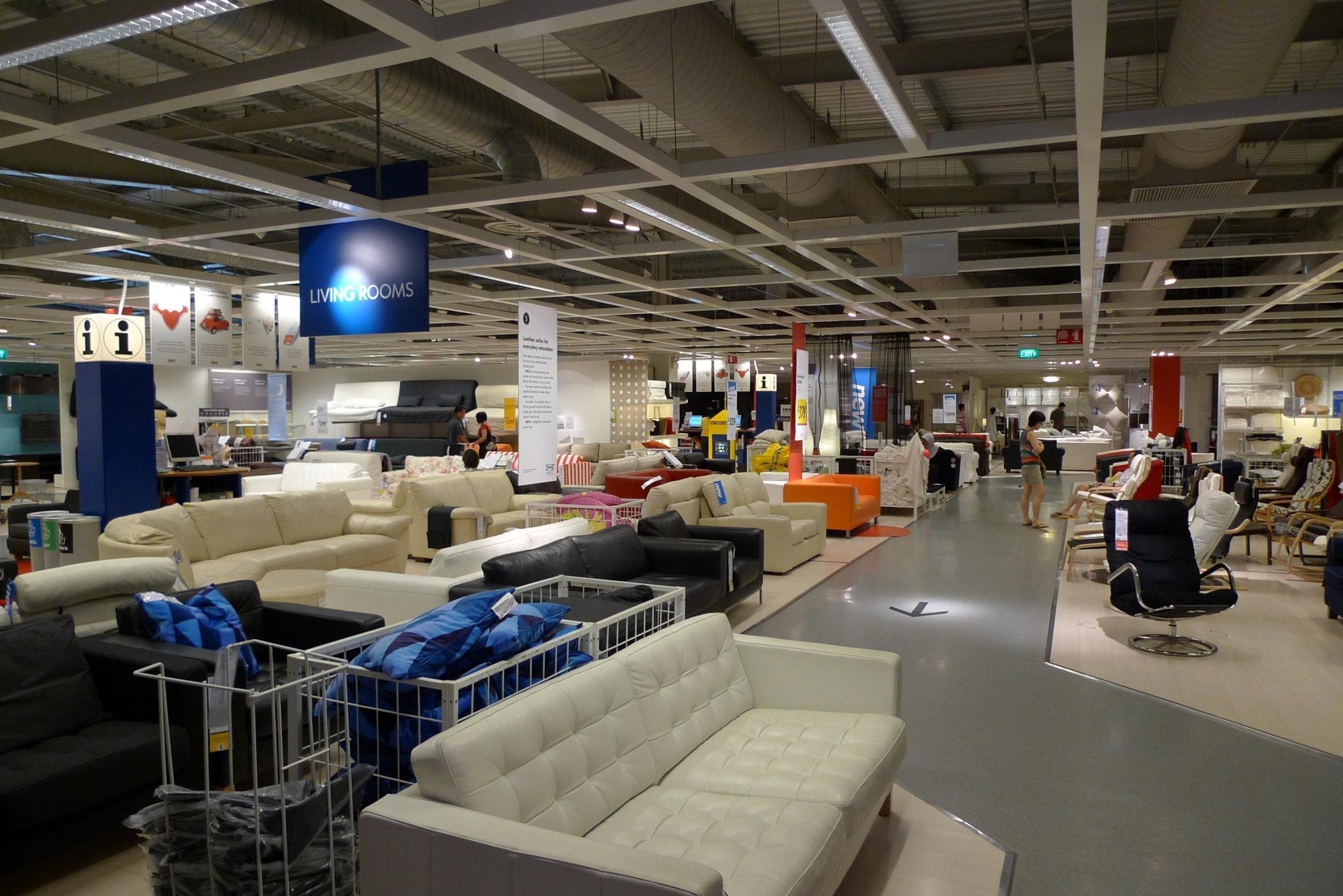
    The launch of Ikea Philippines is a major step closer after the Swedish furniture giant’s local partner won Board of Investment (BOI) approval to set up business.

    News of the BOI pre-approval of a bid by Ikano Pte Ltd, the operator and franchise-rights owner of Swedish furniture brand Ikea in key Asian markets, was broken by the Business Mirror, which cited BOI documents dated last November.

    Ikea has always wanted to establish a presence in the Philippines, especially Manila, and there have been reports of planning for a launch as far back as 2013.

    The Business Mirror points out that under current law, before engaging in retail trade business – or investing in an existing store in the Philippines – all foreign retailers must have a net worth of either US$200 million or $50 million, depending on its classification as a foreign retailer.

    “The foreign retailer must also have five operating retail branches or franchises in global locations, unless it owns at least one store worth $25 million, and a five-year track record in retailing,” the publication explained.

    Ikea is already operated in Hong Kong, Indonesia and Taiwan by a subsidiary of Hong Kong-headquartered Dairy Farm International, which also owns the Guardian chain of health and beauty shops, and pharmacies.

    It is run by a separate franchisor in Singapore, Thailand and Malaysia.

  • Del Monte retail chain to launch in US

    Del Monte retail chain to launch in US

    Three Del Monte entities will launch a series of JVs, including a Del Monte retail concept to be rolled out in the US.

    Del Monte Pacific (DMPL), a subsidiary of Del Monte Foods and Fresh Del Monte Produce have agreed to launch the retail F&B concept modelled after a Fresh Del Monte Produce business in the Middle East. They also agreed to expand the distribution of refrigerated goods internationally.

    Initially the focus of the Del Monte retail stores will be in the US market with the potential for expansion into other territories, says DMPL, which is dual listed in the Philippines and Singapore.

    The stores will offer foods and beverages aimed at consumers seeking healthier options. The companies are also collaborating on product innovations, including a line of chilled juices, new varieties of prepared refrigerated fruit snacks, and guacamole and avocado products.

    As well as Del Monte, the group’s heritage brands include College Inn, Contadina and S&W, most of which originated in the US more than a century ago as premium packaged-food products. The group has exclusive rights to use the Del Monte trademarks for packaged products in the US, South America, the Philippines, the Indian subcontinent and Myanmar.

    DMPL is 67 per cent owned by NutriAsia Pacific and Bluebell Group Holdings, which are beneficially owned by the Campos family of the Philippines. The NutriAsia Group sells liquid condiments, specialty sauces and cooking oil in the Philippines.

    The JVs follow the full and final settlement of active litigation between the companies, which had been centered on licensing rights and product distribution in various international territories.

  • Samsung Mobile Philippines takes nod to past

    Samsung Mobile Philippines takes nod to past

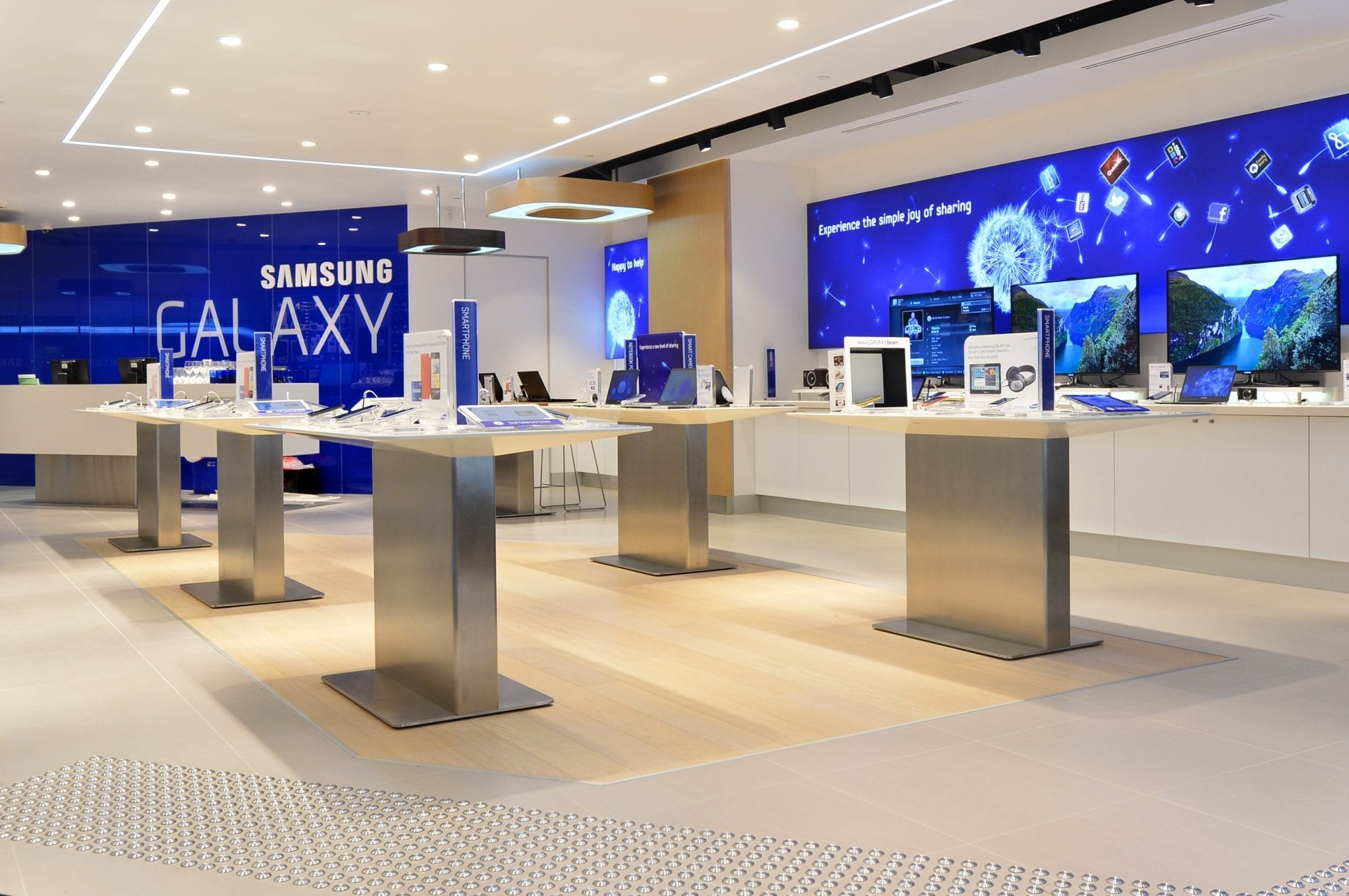
    In partnership with 8Telcom, Samsung Mobile Philippines has officially opened its second Samsung Experience Store, at Davao City’s Victoria Plaza Mall.

    Billed as the first redesigned concept store in the Philippines, it marks 8telcom’s 15th anniversary, with Samsung deciding to go back to where everything started – the first 8telcom multi-brand kiosk was established at Victoria Plaza.

    At a grand opening of the Samsung store, the first 50 customers each received a free headset, and a free Bluetooth speaker was given to buyers of five different phone models.

    Customers who pre-ordered the Samsung J7 Pro smartphone will also receive a free wireless speaker.

  • Globe commences Massive MIMO rollout

    Globe commences Massive MIMO rollout

    The Philippines’ Globe Telecom has commenced the commercial deployment of massive multiple input multiple output (MIMO) technology to improve the mobile connectivity experience in dense urban areas.

    The commercial deployment follows initial testing of the technology in the Makati financial district of Metro Manila. The testing demonstrated the ability of the technology to improve capacity up to six times compared to a regular site.

    Globe’s initial rollout will cover 150 cell sites, mostly in Southern Luzon and Northern Luzon, according to Joel Agustin, SVP for program governance at the operator’s Network Technical Group.

    “The use of massive MIMO technology is an important component of our goal to stay ahead of the demand curve for data capacity in densely populated and high-foot traffic areas,”  he said.

    Globe this month also became the first operator in the world to activate massive MIMO using two-carrier aggregation, the company said.

    The deployment makes use of Globe’s 2.6-GHz spectrum holdings. Globe acquired additional 2.6-GHz spectrum from last year’s joint purchase of San Miguel’s telecoms assets with rival PLDT.