Tag: Philippines

  • Japanese retail brand opens store in Davao City

    Japanese retail brand opens store in Davao City

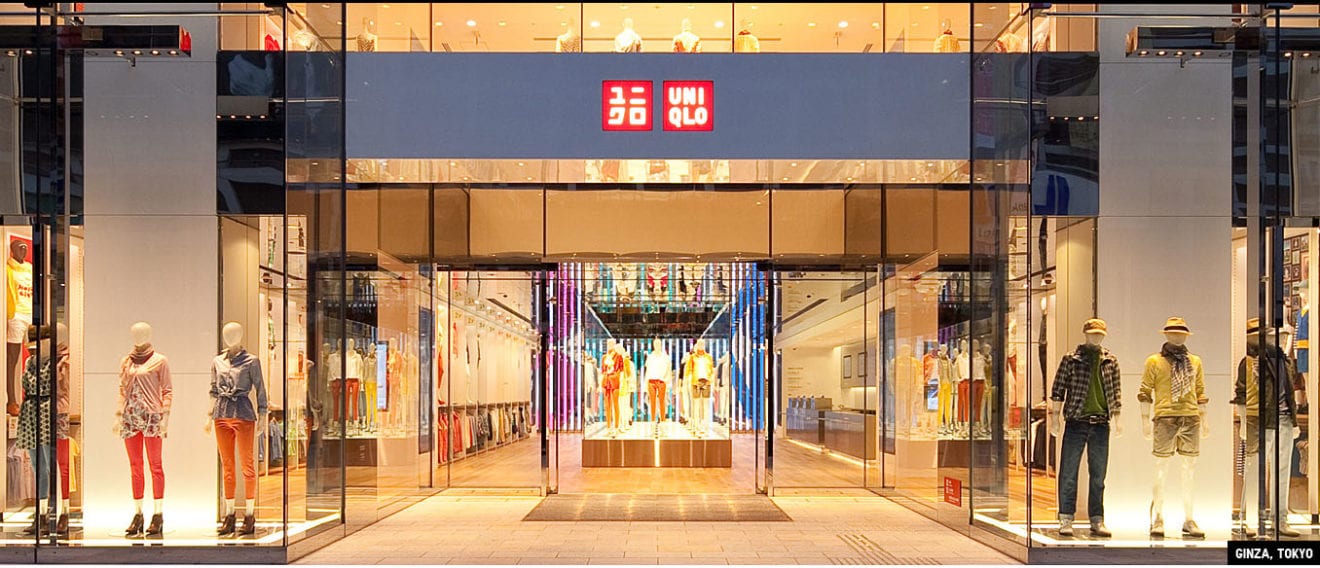
    Top Japanese fashion retail brand Uniqlo will open its first store in Davao City at SM Lanang Premiere this Friday.The store opened its doors today for a special preview to about a hundred selected shoppers mostly members of the media, bloggers, social media influencers and VIPs.

    Uniqlo Philippines chief operating officer Katsumi Kubota said the opening is in time for the 5th year anniversary of the brand’s presence in the Philippines.

    The fashion brand will open two more branches in SM City Davao located in Ecoland this June 2 and in SM Cagayan de Oro by the end of June.

    The SM Lanang branch is the 37th branch in the country. Combined the stores in the Philippines has about 3,000 square meters of retail space.

    Kubota said the three stores in Mindanao will have 100 local personnel. It will also offer the same clothes and accessories sold in its other stores.

    “We recognize the economic growth of the region, we are very excited as we are looking forward to bringing our high-quality and innovative LifeWear pieces closer to Dabawenyos.” Kubota said.

    The brand is known for its LifeWear; innovative, high-quality clothing clothing following the Japanese principles of simplicity, quality and longevity.

    The opening of the stores in Mindanao comes in the heels of the martial law declaration by President Rodrigo Duterte across Mindanao.

    Councilor Mabel Sunga-Acosta of the first district of Davao City and a guest of the store’s special preview said the opening of the store means that the current situation more or less is business as usual but with heightened security measures.

  • Philippine Double Digit Growth to Attract Investors

    Philippine Double Digit Growth to Attract Investors

    The year 2016 was a great period for Philippines in the field of consumer lending which recorded a massive growth. The presidential elections in 2016 led to political stability and consumers had more confidence to take consumer loans. When the global market was highly volatile, consumer lending in the Philippines was an attractive destination with its strong consistently growing economic and financial systems that operate in a safe and sound approach.

    The new government has focussed on tax system and introduced a tax reform program that helped the country’s economic growth with respect to consumer lending. The World Bank signified that the Philippine financial market system will grow rapidly due to its consumer confidence and transparency of building regulations. According to research report “Consumer Lending in the Philippines”, country’s robust banking system is crucial in the consumer lending field where it ensures stability and rapid growth in the country’s economy. Thus, the Filipinos are now more confident to take more loans from the retail banks for automobile or domestic purpose.

    The rapid growth in Philippine domestic economy has created more jobs which washed out poverty to some extent. The recent economic developments in Philippines was somewhat driven by the presidential elections. The fixed capital investment rose to 25.6%. There were vast opportunities in the field of construction, manufacturing and service sectors.

    As per the economy growth statistics for the first quarter of 2017, it showed that the primary income for the nation slowed down by 3.9% and the gross national income has risen to 5.9%. The Philippines economy is aiming at a 6.5% to 7.5% GDP for the year 2017.

    The services sector is the highest contributor to the growth of the nation’s economy. The industry sector stands second and agriculture sector stands in the third place. The IPP (Intellectual Property products) are outstanding with the growth contribution of 27.2%. The export and imported goods contributed 22.3% and 20.8% respectively.


  • Cebu Pacific to end flights to Qatar from July 1

    Cebu Pacific to end flights to Qatar from July 1

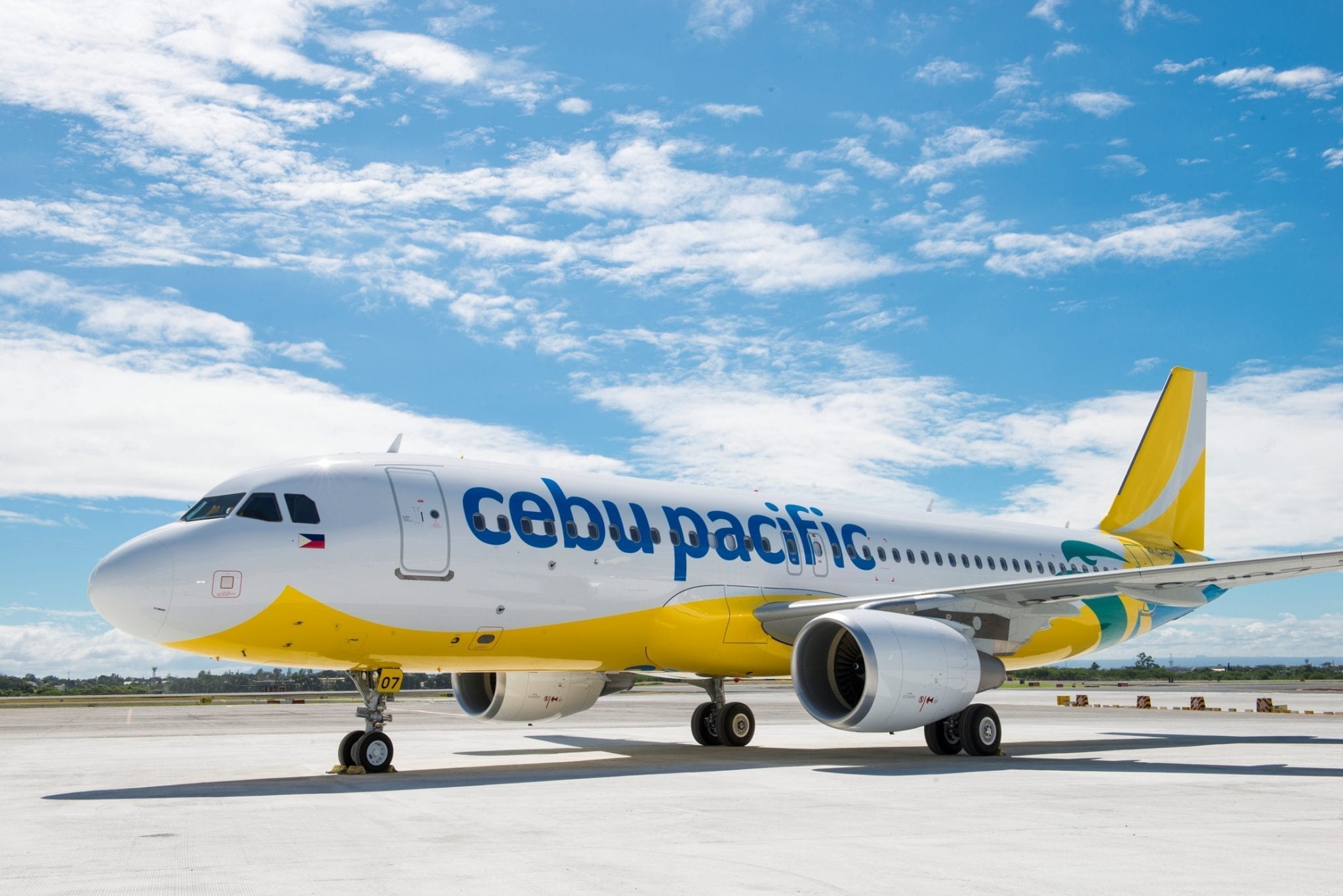
    The low-cost Philippines carrier Cebu Pacific Air will stop flying to Doha at the beginning of July because the route is no longer financially viable, it said.

    The airline has been flying direct to Qatar for just over two years, and announced that its last return flight from Manila to Doha will be on July 1.

    It will also cease flying to Kuwait from mid-June and the Saudi city of Riyadh in early July.

    Passengers who are already booked on flights after these dates can transfer to another airline offering the same routes (subject to availability), book for an earlier flight with Cebu Pacific (also depending on availability) or get a full refund.

    The airline “strongly advised” all such passengers to contact their travel agents or its hotline to discuss their options.

    Too much competition

    Cebu Pacific is essentially halting the routes due to too much competition, according to Atty JR Mantaring, vice president for Corporate Affairs of Cebu Pacific.

    In a statement this week, Mantaring said:

    “Of late, other carriers have aggressively added more flights, which has resulted in substantial oversupply of seats and fares that are so low, hence making the routes unsustainable…

    At this point, it makes more sense for us to re-deploy the aircraft used for our Riyadh, Doha and Kuwait service to routes where we can further stimulate demand and sustain our low fare offers.”

    Cebu Pacific will continue to fly to Dubai and Sydney and may increase capacity to these cities, the statement added.

    Crowded market

    The airline began direct flights between Manila’s Ninoy Aquino International Airport and Hamad International Airport in Doha in June 2015.

    A 436-seat, all-economy class Airbus A330 flies between the cities twice a week. It was initially popular when the route first started because of its competitive fares.

    While Qatar Airways also flies twice-daily direct flights on the same routes, prices were usually higher.

    The national carrier increased its service to the Philippines’ capital in July 2015. That’s the same month that Cebu started its direct Doha-Manila service.

    National flag carrier Philippine Airlines also began offering the same route earlier this year, in a bid to meet the needs of Qatar’s 260,000-strong Filipino population.

    That carrier operates four times a week, on Monday, Wednesday, Friday and Sunday on A330 aircraft.

    Its daytime departure and arrivals times, and its competitive introductory prices, has attracted many travelers.

    Tickets range from QR885 to QR2,745 in economy, and include WiFi and meal service. Passengers can also check in two pieces of luggage, weighing up to 23kg each.

    A business class option could be rolled out this summer.

  • Cebu Pacific to suspend operations in 3 Middle Eastern routes

    Cebu Pacific to suspend operations in 3 Middle Eastern routes

    CEBU Pacific Air announced Wednesday that it will halt flying to Riyadh in Saudi Arabia, Kuwait, and Doha in Qatar because the routes are not viable anymore. Lawyer JR Mantaring, CEB vice president for corporate affairs, said there were too many competitions already in the said routes. “The entry of Cebu Pacific into these markets benefited passengers with lower fares and more choices. Of late, other carriers have aggressively added more flights, which has resulted in substantial oversupply of seats and fares that are so low, hence making the routes unsustainable,” he said in a statement. He said it makes more sense for CEB to re-deploy the aircraft used for the Riyadh, Doha and Kuwait service to routes where they could further stimulate demand and sustain the low fare offers.

    “We have to continuously review our routes to ensure their viability,” he said. CEB will fly the last of its four-times-a-week service from Manila to Kuwait on June 13, and its Kuwait-Manila flight on June 14. The thrice-weekly Manila-Doha-Manila route will have its last flight on July 1; while CEB’s last flight from Manila to Riyadh, Saudi Arabia will depart on July 2, while the Riyadh-Manila flight will leave on July 3.

    CEB said it will retain its other long-haul services to and from Dubai, United Arab Emirates; and Sydney, Australia, with a view to increasing frequencies to these destinations in the future. The airline also flies to 24 other international destinations across Asia and the United States; as well as 37 domestic destinations. “Passengers affected by the suspension of CEB service in Doha, Riyadh and Kuwait are being contacted. Options are being provided to minimize the disruption, which include rebooking passengers on flights with other airlines or on earlier travel dates with CEB; a full refund; or placing the full value of the ticket in a travel fund for future use,” CEB said.

  • Uniqlo steps foot in Davao

    Uniqlo steps foot in Davao

    It was the brand of a polo shirt I received as pasalubong from a Japanese friend way back in the early 2000s. Everyone would agree that this apparel brand has been a favorite pasalubong from relatives and friends working in Japan or have visited that country every time they return home in the Philippines, be it fashion wear for kids, teens and adults, male and female alike.

    Indeed, Uniqlo has become a favorite shop store among Filipinos in Japan, the reason it entered into partnership with Henry Sy-controlled SM Retail for its expansion in the Philippines in 2012.

    In June of the same year, retail giant SM Supermall opened Uniqlo’s first store in the country at the SM Mall of Asia with a promise to make it a leading fashion wear brand by year 2020, targetting to open at least 200 branches.

    Since then, the Japanese fast fashion retailer Uniqlo continued to massively expand with 36 branches now operating in different key cities in the Philippines, most of which are in Metro Manila.

    Five years after it established its maiden store in the country, Uniqlo announced it is finally stepping foot on the island of Mindanao, at SM Lanang Premier in Davao City, where the brand’s 37th store and the first in Mindanao will be opened.

    The announcement indeed made Dabawenyos to get excited, especially the fashionistas, who are fond of the brand. For sure, shoppers are expecting a different shopping experience in Davao City with the store’s opening.

    Uniqlo is known for its high quality designed wardrobe essentials made with innovative fabrics at a very affordable price.

    But before it formally opens its doors on May 26, SM and Uniqlo will hold on Wednesday, May 24, the Mindanao launch, an exclusive event for media and very important guests to have a glimpse of what’s in store for Dabawenyos.

    Guests will be toured within the 1,200 square meter space occupied by the store at the ground level, near the main entrance of SM Lanang.

    Uniqlo’s SM Lanang branch is one of the three stores that are set to open in Mindanao. On June 2, the store’s 38th branch will be opened at SM City Ecoland, also in Davao City. By end of June, the 39th store will be opened at SM Cagayan de Oro Downtown Premier.

    “We are committed to growing our business in Mindanao, and look forward to delighting our customers in this region for years to come…We aim to make the lives of the Filipinos better through our innovative and high-quality Uniqlo Life Wear pieces,” Uniqlo Philippines chief operating officer Katsumi Kubota was quoted as saying in earlier reports.

    Uniqlo stores showcase a full line up of Uniqlo Life Wear, an innovative, high-quality clothing collection that is universal in design and comfort made for everyone.

    Also available are Uniqlo’s Heattech and Airism, the brand’s proprietary technology clothing lines. Airism is Uniqlo’s line of functional innerwear that solves a variety of discomfort by controlling sweat. The clothing line features quick-drying technology that keeps skin smooth and dry when perspiring. Meanwhile, the Heattech collection is an innerwear line that features heat retaining properties to keep the wearer warm and a soft tecture to keep the wearer comfortable.

  • Cebu Pacific Air begins new service to Busuanga

    Cebu Pacific Air begins new service to Busuanga

    Cebu Pacific Air added another domestic route on 15 May. On that day it began three times weekly (Mondays, Wednesdays and Fridays) service between Cebu (CEB) and Busuanga (USU).

    The 467-kilometre sector will be operated by CebGo using its ATR 72s. Competition is provided by Philippine Airlines which already serves the route daily with a Q400. Cebu Pacific now serves over 30 destinations from Cebu of which just five are outside of the Philippines. It and CebGo account for 42% of scheduled seat capacity at the airport.

    This makes it the biggest carrier at the airport ahead of Philippine Airlines (28%) and Philippines AirAsia (12%).

  • Cebu Pacific Air commences second route to Cotabato

    Cebu Pacific Air commences second route to Cotabato

    Cebu Pacific Air started its second new domestic route from Cebu (CEB) this week with the launch on 16 May of a four times weekly service to Cotabato (CBO). The 351-kilometre route will be flown by CebGo using its ATR 72s. No other carrier connects these two airports. Cotabato is located on the province of Maguindanao.

    The airport’s only other scheduled services are to the capital, Manila, which are offered by both Cebu Pacific and Philippine Airlines. Cotabato City is home of Sultan Haji Hassanal Bolkiah Masjid, also known as the Grand Mosque of Cotabato, which is the largest mosque in the Philippines. Completed in 2011 the facility can accommodate 15,000 people and was funded by the Sultan of Brunei.

  • Philippines likely to import more rice from Vietnam

    Philippines likely to import more rice from Vietnam

    The Philippines is likely to import an additional 250,000 tonnes of rice from Vietnam and Thailand. The Philippines government on Tuesday said the country would import more rice to boost its stocks ahead of the lean harvest season.

    The National Food Authority Council did not specify the quantity, but demand from the Philippines, one of the world’s largest rice importers, could underpin prices in Thailand and Vietnam — its main suppliers and major exporters.

    The National Food Authority had been seeking the council’s approval to import 250,000 tonnes under government-to-government schemes with Vietnam and Thailand. The committee that decides on the quantity to be imported will meet on Thursday.

    The NFA also announced it would shift from government-to-government importation to government-to-private importation to make the bidding more competitive, transparent and less corrupt.

    Rice inventory in the Philippines is running low, with government stockpiles shrinking to the least in more than three years in April, just enough to cover 10 days of the national requirement.

  • Alfamart operator to expand chain in Philippines

    Alfamart operator to expand chain in Philippines

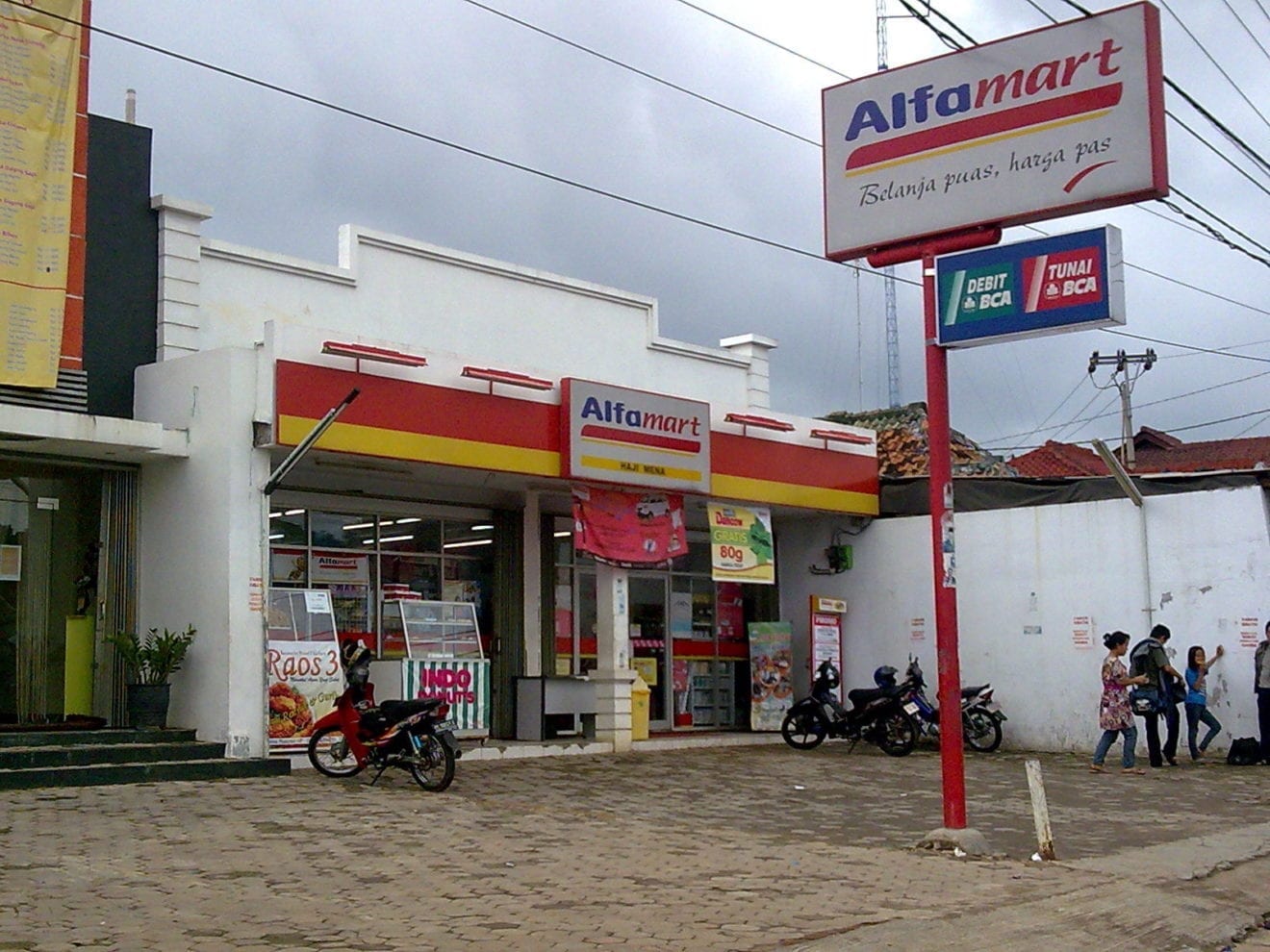
    Sumber Alfaria Trijaya, operator of Alfamart convenience stores in Indonesia, plans to add up to 200 units in the Philippines this year that will nearly double its presence there.

    SAT began its Philippine business in 2014 with a 35% stake in a joint venture with SM Investments, the Philippine banking, retail and real estate conglomerate. In a press conference on Thursday, SAT President Hans Prawira said the company’s concept of “minimarkets,” which are smaller than traditional convenience stores and that sell staples, is untapped in the Philippines.

    “The characteristics of the Philippines market are similar to Indonesia,” Prawira said. “The difference is that there are not many minimarkets in the Philippines. So it’s like a blue ocean.”

    SAT said it had 210 stores in the Philippines at the end of last year, and that about 60 of the planned 200 new outlets were already added in the January-March quarter. The JV is still loss-making but can become profitable once it reaches 400 outlets, something it aims to achieve in two years.

    Indonesian companies are increasingly targeting the Philippines, which has a large population, young demography and a growing middle class. Nippon Indosari Corpindo, Indonesia’s largest bread maker, set up a joint venture in the country last year.

    For SAT, the overseas expansion could help offset a slowdown in consumer spending at home, where the company runs some 13,000 stores across the archipelago. Sales of fast-moving consumer goods, including food and home care products, increased by 3.9% year-on-year in the first quarter, a major slowdown from 11.3% a year ago, according to Nielsen data presented by SAT. The company also faces cutthroat competition with rival Indomaret, which is controlled by the Salim Group conglomerate and has about 14,000 stores.

    “We experienced so many price increases … maybe this time there is this kind of stagnant period,” Prawira said.

    SAT still managed to log a 12% increase in revenue for the first quarter at 13.76 trillion rupiah ($1.03 billion). Prawira said he expected spending to pick up during the Ramadan fasting period that begins later this month. The company plans to open more than 1,000 stores in Indonesia this year, similar to last year’s expansion rate.

  • Cebu Pacific begins new routes from Clark, Cebu

    Cebu Pacific begins new routes from Clark, Cebu

    Cebu Pacific expands its domestic network through its wholly-owned subsidiary, Cebgo, with the addition of four new routes from Clark and Cebu. On May 15, 2017, Cebgo started flying directly from its Clark hub to two of the world’ best islands, daily to and from Caticlan, Boracay, and three times weekly (Monday, Wednesday, and Friday) to and from Busuanga. Aside from these two routes, Cebgo will also be offering direct flights between Cebu and Busuanga thrice weekly (Monday, Wednesday, and Friday), and flights to and from the city of Cotabato four times weekly (Tuesday, Thursday, Saturday, and Sunday) starting tomorrow, May 16, 2017, The Cebu Pacific Air group expressed optimism that the additional domestic flights will benefit the people of Boracay, Palawan, and Cotabato in South as well as the residents outside Metro Manila.

    Cebu Pacific (CEB) officials stated earlier that traveling to such destinations will definitely be more convenient as the local carrier continue to link more islands in the archipelago. “CEB also believes that these new routes will be attracting both leisure and business travelers, boosting trade and tourism.” Along with this flight expansion, Cebu Pacific also extends the reach of its cargo services, further eliciting trade and investment in these destinations.

    CEB offers its lowest all-in one way year-round fare from Clark to Caticlan at P2,030, Clark to Busuanga at P2,306, Cebu to Busuanga at P2,778, and Cebu to Cotabato at P1,994. Aside from Cebu and Clark, CEB also operates flights out of four other strategically placed hubs in the Philippines — Manila, Davao, Kalibo, and Iloilo. The airline’s extensive network covers over 100 routes and 66 destinations, spanning Asia, Australia, the Middle East, and USA.

  • Discover the best of Cebu with AirAsia

    Discover the best of Cebu with AirAsia

    Whether you are into mouthwatering dishes, breathtaking beaches or amazing historical sites, Cebu offers the best experience and AirAsia is making it easier and more affordable for you to fly now to the “Queen City of the South” from Davao with an all-in fare from as low as P499. AirAsia, voted the world’s best low cost carrier for eight consecutive years, flies twice daily to Cebu from Davao and five times daily from Manila. Cebu is the secondary hub for AirAsia after the airline launched in April several flights to/from Palawan and Boracay.

    International flights are also available from Cebu to Incheon/Seoul, Taipei, Singapore and Kuala Lumpur with fares now on sale at 50-percent off from May 17 until May 21, 2017, valid for travel from September 5, 2017 to February 8, 2018. AirAsia Philippines chief executive office Captain Dexter Comendador said, “We are a Filipino company but a regional and proudly Asean brand and part of the AirAsia Group delivering world-class service.

    As a Filipino low cost carrier, we feel strongly about supporting the growth and development of cities outside Metro Manila.” “Starting April 22, Cebuanos now have direct access to Boracay via Caticlan, Palawan, and Davao with our signature low fares.

    Foreign tourists arriving in Cebu can skip the crowded airport of Manila and fly straight to Cebu and to our country’s best island destinations. With our newest routes, AirAsia would like to provide the much-needed connections and tap into underserved market and grow it as there is definitely great tourism and business potential in Visayas and Mindanao.” Comendador added. AirAsia in the Philippines operates a fleet of 17 aircraft with domestic and international flights out of hubs in Manila, Cebu and Kalibo. The airline operates several flights to/from Manila, Davao, Cebu, Kalibo, Caticlan (Boracay), Tacloban, Tagbilaran (Bohol), Puerto Princesa (Palawan) and Clark in the Philippines with international flights to/from Shanghai, Taipei, Incheon (Seoul), Hong Kong, Macau, Kuala Lumpur, Kota Kinabalu, and Singapore (via Cebu only). AirAsia Philippines is part of the AirAsia Group that has been awarded by Skytrax as the World’s Best Low Cost Carrier for eight consecutive years since 2009.

  • Cebu Pacific Q1 profit drops 68.2% to P1.28B

    Cebu Pacific Q1 profit drops 68.2% to P1.28B

    Low-cost carrier Cebu Pacific said its first quarter net income fell 68.2 percent to P1.28 billion from P4 billion a year ago due to increased expenses arising from higher fuel prices coupled with a weaker of Philippine peso.The airline told the stock exchange on Wednesday that its operating expenses swelled by 20.3 percent to P14.3 billion in the first quarter as the peso depreciation affected fuel, aircraft and engine lease, and repairs and maintenance expenses, and also contributed to the increase in international airport charges.

    However, it said revenues continued to grow by 4.7 percent to P16.86 billion, driven by increases in passenger and cargo volumes and ancillary revenue. Cebu Pacific operates a fleet of 59 aircraft and serves 62 domestic routes and 41 international routes with a total of 2,870 scheduled weekly flights from seven hubs in the Philippines.

  • Petron to start $20B oil refinery in early 2018

    Petron to start $20B oil refinery in early 2018

    Petron, the country’s biggest oil refiner and retailer, has partnered with two foreign firms to start building a new oil refinery worth $15 million to $20 billion by early 2018.

    “This is the biggest investment in the Philippine history so far. Have you seen a plant that is worth that much?” Ramon Ang, president and chief executive officer of Petron, said in a media roundtable in Pasig City.

    Ang said the oil refinery will mainly produce petrochemicals, with a capacity of 250,000 barrels per day. “It will process petrochemical and by-products.”

    “Right now, we have a target location and we are in the process of acquiring or doing a lease or a joint venture agreement with the land owners. A new oil refinery project with this size requires at least 2,000 hectares and a deep sea port,” Ang told reporters.

    The chief of Petron said he cannot reveal yet the location and the names of his partners as the project has yet to secure government approvals.

    “We have to wait for ECC (environmental compliance certificate) and other government approvals. We may start early next year, once the partners agree on equity. Financing is huge, we have to process it in different countries,” Ang said in Filipino.

    He said the construction period for the greenfield project will take two to 3 years. Ang said his group is looking at 30% equity and 70% loan for the financing of the project.

    “World market potential for petrochemical is very very high, so we are gearing for that,” Ang said.

    Expansion in Malaysia, Philippines

    Other than its greenfield project, Ang said Petron plans to earmark a spending budget of another $2 billion to expand its plants in Bataan and Malaysia.

    He said Petron plans to spend at least $1.5 billion to expand the capacity of its oil refinery in Malaysia to 150,000 barrels a day from 88,000 barrels a day. Petron also plans to spend about $500 million to upgrade its refinery in Bataan.

    “Right now, Malaysian investment contributes about 25% of our revenue. It will only grow if we invest in the Malaysian refinery upgrade. Otherwise, it is just like buy and sell. So, the Malaysian refinery, we have to upgrade. At the moment, we are finalizing the study to do the upgrade,” Ang told reporters.

    He said the Malaysian market is promising, with about 25 million population, consuming around 600,000 barrels a day.

    Petron acquired in 2011 Esso Malaysia’s Port Dickson refinery and fuel retail network in Malaysia.

    Meanwhile, the Petron Bataan Refinery is the country’s largest integrated crude oil refinery and petrochemicals complex. Inaugurated in 1961 with a capacity of 25,000 barrels per day, it has grown to its current rated capacity of 180,000 barrels-per-day.

    “Bataan upgrade will start within the next two months. If you notice, during the time of the government, they already know how to do oil refinery upgrade… it is just that the investment is too big. For us, this is where we are strong at,” Ang said.

    Petron registered a net income of P5.6 billion in the first quarter of 2017, doubling the P2.8 billion it posted for the same period last year.

    Combined volumes from the Philippines and Malaysia were 3% higher at 26.2 million barrels. 

    Domestic retail segment volumes grew 6%, with LPG and lubricants growing 5% and 16%, respectively. 

    Petrochemical export volumes also more than doubled. Petron Malaysia’s commercial and lubcricants sectors also posted double-digit growth.

  • Philippine Airlines to increase capacity with new aircraft

    Philippine Airlines to increase capacity with new aircraft

    Philippine Airlines is to increase capacity on its London to Manila route.

    The airline is replacing its 254-seat Airbus A340 to a 370-seat Boeing 777 from mid-December.

    It will also take delivery of six new Airbus A350-900s over the next two years, one of which will serve the London route.

    From June 8 the airline is also set to resume flights to Kuala Lumpur after a three year respite.

    More fam trips are planned for later in the year following the success of a mega-fam it held in March which saw 50 UK agents tour the Philippines in partnership with the Philippines Department of Tourism.

    Senior assistant VP and EMEA division manager Genaro Velasquez said UK passenger figures were up 38% in the first quarter compared to last year.

    As well as increasing passenger numbers with the new aircraft planned, he said the next step was to promote the airline as a carrier to Australia.

    The airline flies to multiple destinations in Australia, including Sydney, Melbourne and Brisbane, via Manila.

  • PAL suspends Cebu-Los Angeles service

    PAL suspends Cebu-Los Angeles service

    THE Philippine Airlines (PAL) announced Monday, that it will “temporarily suspend” its Cebu-Los Angeles service effective May 30. In its advisory, the airline company said “the suspension of the Cebu-Los Angeles service is being carried out as PAL rationalizes capacity on the route.”

    “PAL is seeking the kind understanding of affected passengers as the airline implements these operational adjustments,” it said. PAL said passengers with tickets of the Cebu-Los Angeles flights dated May 30 and onwards may re-route and/or rebook their flights to Cebu-Manila-Los Angeles flights.

    Those with Los Angeles-Cebu flights may re-route and/or rebok their flights to Los Angeles-Manila-Cebu. The company added that it can also refund the cost of tickets of those affected passengers. “Affected passengers are advised to avail themselves of any of these options within 30 days from original flight dates, with rebooking/refunding charges waived,” PAL said. It said it will “communicate with affected passengers via email notification and call-out.”