Tag: Philippines

  • Jollibee gains control of SuperFoods Group

    Jollibee gains control of SuperFoods Group

    Jollibee Foods gained control of the joint venture behind the Highlands Coffee and Pho 24 brands ahead of a plan to list the latter in Vietnam’s stock market.

    In a disclosure, the homegrown fastfood giant said its subsidiary JSF Investments Pte. Ltd hiked its stake in the SuperFoods Group to 60%, while its partner Viet Thai International Joint Stock Co. (VTI) reduced its interest to 40% from the previous 50-50 ownership share.

    The adjustment was considered a “key step” in their plan to list SuperFoods Group in Vietnam’s equities market by July, 2019 and will allow JFC to include the joint venture in its financial consolidation, the Philippine company said.

    The SuperFoods Group owns and operates the brands Highlands Coffee and Pho 24 and is a franchisee of Hard Rock Cafe in Vietnam, Macau and Hong Kong. At end March, it had 216 stores across these three brands.

    JFC will take the lead in the capital raising activities for the joint venture and will work with various financial institutions in Vietnam and other parts of Asia to finance the aggressive expansion program of the SuperFoods Group.

    In the next three years, the SuperFoods Group plans to open 485 stores, mostly in Vietnam, while expanding the brands through franchising in other parts of Asia and in Australia.

    The SuperFoods Group gives JFC presence in four new foreign territories — Indonesia, Cambodia and Australia. The local food service company is now present in 17 countries outside the Philippines and plans to enter Malaysia as part of its expansion in Southeast Asia.

    The SuperFoods joint venture is one of the fastest growing businesses in the JFC Group. System wide sales hit $58 million in 2016, up 46% from the prior year, driven by the 73% expansion of Highlands Coffee.

    JFC plans to build a “significant” business in Vietnam given its potential to become a large consumer market. Like the Philippines, Vietnam has a high population at 95 million and has enjoyed robust economic growth, which stood at 6.2% last year.

    The listed company already owns and operates 84 restaurants under its flagship Jollibee brand in Vietnam at the close of 2016, with sales from these stores rising by an annual 47%.

    JFC operates the largest food service network in the Philippines. At end March, it had 2,684 restaurant outlets under the brands Jollibee, Chowking, Greenwich, Red Ribbon, Mang lnasal and Burger King. Abroad, it operated 620 restaurants, including the brands Yonghe King, Hong Zhuang Yuan and Dunkin’ Donuts.

    In addition, JFC maintains interest in joint ventures operating 611 stores worldwide. Aside from its interest in SuperFoods, it owns 40% of US chain Smashburger and 48% of 12 Hotpot.

  • Tourism exec welcomes new Cebu Pacific routes in Clark

    Tourism exec welcomes new Cebu Pacific routes in Clark

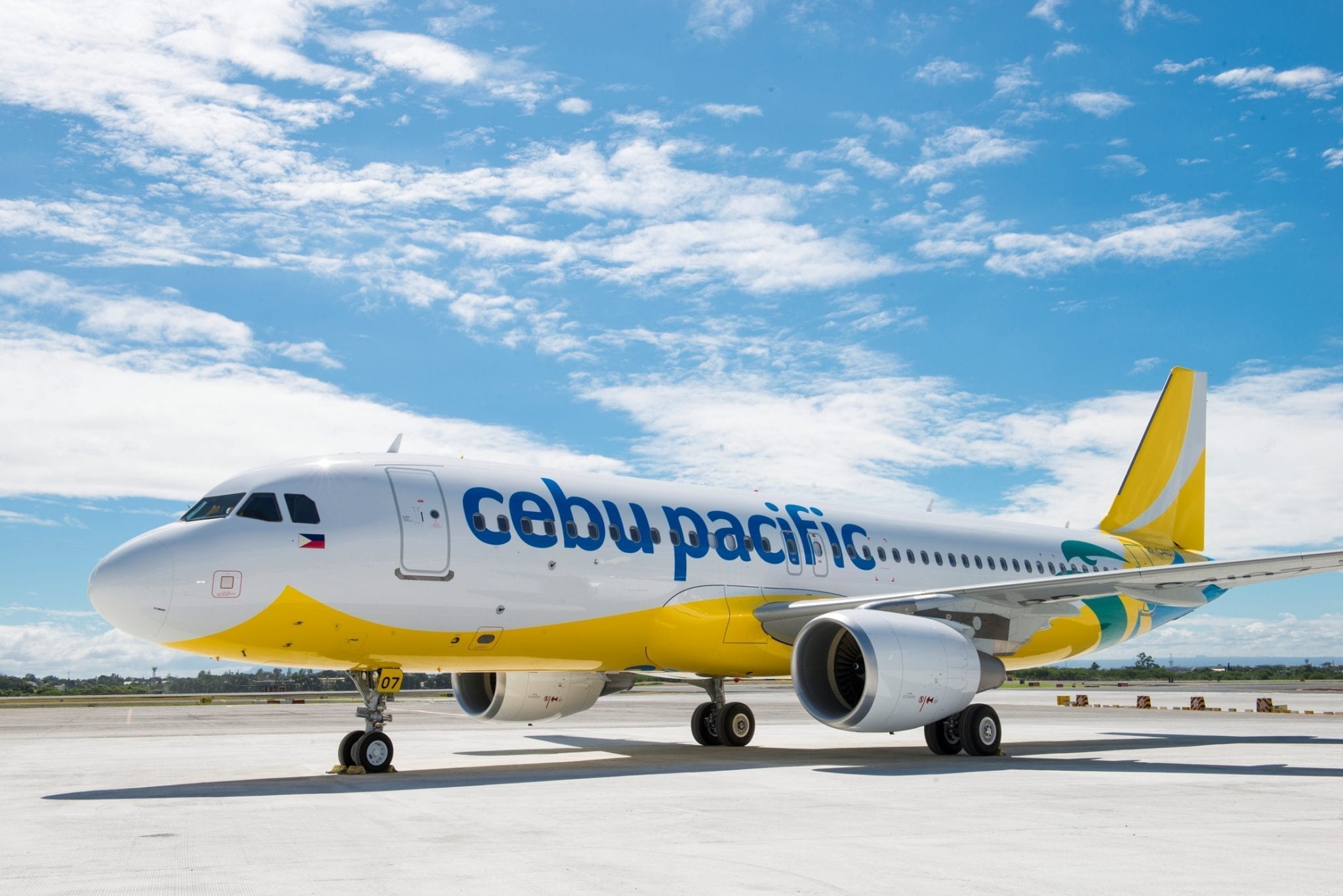
    The Department of Tourism (DOT) in Central Luzon welcomed the two new routes of Cebu Pacific which will commence on May 15. Ronnie Tiotuico, DOT-Central Luzon director, said the new routes will attract passengers from Central and Northern Luzon. “This is good for our tourism.

    People from Central and Northern Luzon will no longer have to travel to Metro Manila to get to their favorite destinations in Boracay and El Nido in Palawan,” Tiotuico said.

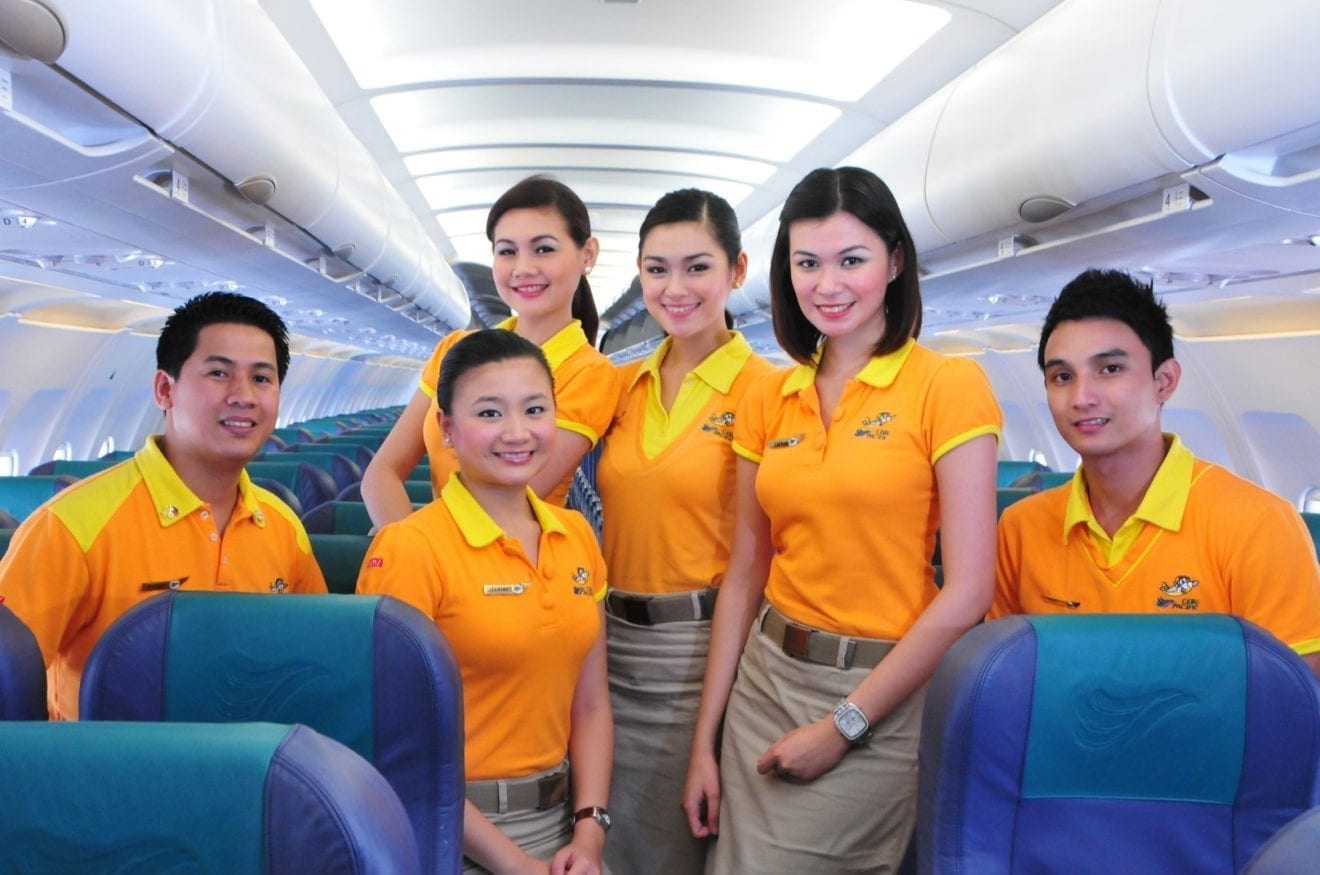
    Cebu Pacific set the new flights in line with its program to strengthen its domestic route network geared towards making inter-island travel more accessible to residents outside Metro Manila. Starting this May 15, Cebu Pacific’s wholly-owned subsidiary, Cebgo, will be flying daily between Clark and Caticlan (Boracay) and three times weekly on Monday, Wednesday, and Friday between Clark and Busuanga.

    “We believe that by opening these new routes, we are enabling more residents from Central and even North Luzon to travel to Palawan and Boracay — two of the world’s best islands, without having to make the trip to Metro Manila to catch their flights. Aside from boosting domestic tourism, our new routes will also enhance trade and investment as we also make available our cargo services,” Alexander Lao, Cebgo president and chief executive officer, said.

    Lao said that Cebu Pacific has remained true to its commitment of making air travel safe, affordable, reliable, and fun-filled for everyone. “Rest assured, we will continue expanding our network to enable even more of our kababayans to travel with our trademark lowest fares, not only within the Philippines, but also to international destinations,” added Lao. Cebu Pacific also operates flights out of four other strategically placed hubs in Manila, Davao, Kalibo, and Iloilo.

    The airline’s extensive network covers over 100 routes and 66 destinations, spanning Asia, Australia, the Middle East, and United States of America. F

  • Cebu Pacific passenger traffic slipped in Q1

    Cebu Pacific passenger traffic slipped in Q1

    The operator of budget airline Cebu Pacific Air saw passenger growth contract in the first quarter of 2017, partly on increased competition with domestic rivals.

    Cebu Air, which owns Cebu Pacific and Cebgo, announced its January to March 2017 operating statistics on Wednesday, showing that passenger traffic slid by 0.5 percent to 4.81 million passengers compared to the same period in 2016.

    Cebu Air said capacity, with a growth of 2.9 percent, rose faster than demand, causing seat load factor to slip 2.9 percentage points to 83.8 percent for the period.

    Since tycoon Lucio Tan resumed full control of rival Philippine Airlines in 2014, the flag carrier vowed to aggressively compete anew in the domestic arena.

    As a result, think tank CAPA-Center for Aviation said in a report early this year that Cebu Pacific ceded some domestic market share to PAL in 2016. However, CAPA noted these were mainly on “lower yielding and generally unprofitable point-to-point routes.” Separately, Philippines Air Asia noted higher passenger volume in 2016.

    Cebu Air also said passenger traffic for March 2017 alone was down 0.2 percent to 1.64 million passengers compared to the same period in 2016.

    Capacity during the period was up by 3.3 percent, while seat load factor was down 2.9 percentage points to 82.8 percent.

    Cebu Air disclosed earlier that full-year 2016 net income jumped 122.3 percent to P9.75 billion compared to the same period in 2015 on strong passenger volume and lower oil prices.

  • More Pinoy men now shop for groceries, says survey

    More Pinoy men now shop for groceries, says survey

    Grocery stores are typically the turf of women in the Philippines, but the presence of men is increasingly being felt, according to the latest survey conducted by market research firm Nielsen.

    Men now make up as much as 40 percent of shoppers in supermarkets, or a 6-percentage point increase from last year, signaling a continuing shift in trends for the industry, Nielsen said.

    “The perception that buying groceries is only women’s work is now inaccurate,” Nielsen Philippines’ consumer insights head Carlo Santos said in a statement.

    “Women remain the key stakeholders in grocery shopping in many homes, but as more men play an active role, marketing strategies need to reflect a more balanced approach—from product innovations to marketing messages,” he said.

    The study is part of a syndicated annual report that Nielsen conducts across 54 markets globally. It provides a comprehensive overview of retail environment trends and an understanding of shopping behavior across the different trade channels.

    It also provides insights into where, when and how often people shop, and their emotional commitment and perceptions about key modern trade retailers.

    In examining the male shopper, the report said growth came from the more affluent Metro Manila residents.

    An estimated 53 percent of urban male shoppers are married and 29 percent reside in Metro Manila, with 68 percent being gainfully employed.

    Being relatively new household shoppers, men prefer to shop in retailer shops that are familiar to them, the study found. Hence, if they are not aware of the retailer or do not have an affinity for the retailer, they are not likely to shop in those stores.

    Women, on the other hand, are more likely to be persuaded by their perception of a retailer. For instance, they are more likely to go to stores that they think offer affordable prices and provide convenience.

    Convenience means ease in getting to the store, finding everything they need under one roof, and being able to quickly find the items.

    While 30 percent of male supermarket shoppers either go up and down the aisles or browse all parts of the store, similar to what females do, they do so at a quicker pace.

    Hurried pace

    Men spend only a little over an hour or 64 minutes in stores on average, about 15 minutes shorter than a year ago. Women tend to linger, averaging 74 minutes.

    “With males spending less time in-store and doing it at a hurried pace, manufacturers should think of ways to disrupt these shoppers to notice their brands in-store,” Santos said.

    “If male shoppers hurry through their shopping experience, they are not likely to spend more. Manufacturers will have to reach to male shoppers before they visit the store, which means media advertising.”

  • Bosch store boosts Cebu’s top retail market status

    Bosch store boosts Cebu’s top retail market status

    The store opening of a high-end kitchen appliance brand in Cebu proves its position as a primary retail market for top-of-the line products.

    This also means that Cebu’s buying population has a discriminating taste for brands that last for longer period, said Efren Reyes, sales manager, kitchen and appliance division of Hafele Philippines Inc.

    “This signals our company’s confidence in the Cebuanos as the biggest market outside Metro Manila. Cebu is a primary market … it is a growing and booming metropolis with a population that has more disposable cash who are loyal to brands that offer superior quality,” said Reyes.

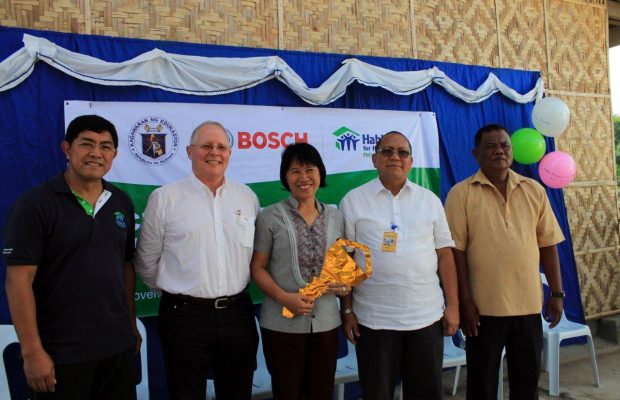
    Häfele Philippines is the exclusive distributor of Bosch products in the Philippines. It is a subsidiary of the German-based Häfele Group. Häfele has been in Cebu since 1995. The Bosch-Häfele store in Mandaue is the first Bosch retail store outside of Manila.

    Reyes said they hope to “cover the market” as Cebu progresses as the site of condominium developments.

    “We are going out there to make ourselves known because Bosch is currently known as the maker of power tools and spark plugs. Our presence here hopes to be the spark that will enliven your kitchen and your home,” he said during the press conference before the grand store opening last May 5 at the Design Center Cebu.


  • PLDT secures 25-year franchise extension

    PLDT secures 25-year franchise extension

    The Philippines’ PLDT has announced that wireless subsidiary Smart has secured a 25-year extension to its franchise.

    President Rodrigo Duterte has signed into law a new Act that effectively extends Smart’s franchise until 2042.

    The franchise allows Smart to deploy, maintain, lease and operate integrated domsetic and international telecommunications services nationwide.

    New details have also reportedly been added to ensure Smart receives equal access to any future incentives granted to new players in the market and to exempt the operator from paying duties or taxes on telecoms equipment.

    The extension will take effect 15 days after publication of the franchise law in a newspaper of general circulation, something PLDT said it intends to effectuate.

    As half of the Philippines’ duopoly of mobile operators, PLDT’s Smart is a major player with around 63 million mobile subscribers as of the end of last year.

    But the Philippines has long been seeking to have a third player enter the market to enhance competition, and is planning to conduct a spectrum auction open only to potential new market entrants later this year.

    Rival operator Globe Telecom’s current concession runs until 2030.

  • Cebu Pacific issues travel advisory related to Asean summit

    Cebu Pacific issues travel advisory related to Asean summit

    In light of the 30th Asean Summit and Related Meetings which will be held in Manila from April 26 to 29, 2017, Cebu Pacific and Cebgo reminded all passengers flying out on these dates to plan their routes going to the Ninoy Aquino International Airport (NAIA). The carrier issued the advisory as several roads in Pasay City, especially those leading to NAIA Terminals 3 and 4, will be closed.

    Aside from this, the period from April 29 to May 1, 2017 is also Labor Day weekend. Malacañang, by virtue of Memorandum Circular 18 issued on April 21, suspended classes at all levels and work in the government and private sector on April 28, Friday, in line with the Philippines’ hosting of the Asean Summit. Passengers traveling to and from Manila from April 28-30, 2017 who wish to change their flight schedules may rebook their flights for free within 30 days. Guests flying out this weekend are advised to be at the airport early to process pre-departure requirements and avoid long lines at the check-in, security and immigration counters. Cebu Pacific’s domestic check-in counters are open three hours before the scheduled time of departure and four hours for international flights.

    All check-in counters will close 45 minutes before the scheduled time of flights, except those exiting the Middle East (one hour) and Shanghai (50 minutes). For international flights, web check-in is available from seven days up to four hours before scheduled flight departure. Those taking domestic flights can do web check-in up to one hour before their scheduled departure.

    Self Check-in Kiosks. Passengers at NAIA Terminals 3 and 4 and selected domestic airports can use these kiosks to check-in their flights eight hours up to one hour before the scheduled flight departure. Domestic web or mobile check-in guests with check-in luggage can drop these off at the bag drop counter at least 45 minutes before the flight, except those exiting the Middle East (one hour) and Shanghai (50 minutes).

    International web or mobile check-in guests still need to show up at check-in or bag drop counter at least one hour before the flight to present valid travel documents. For more information on the Asean 2017 calendar of events, traffic advisories and rerouting, visit https://www.asean2017.ph, or at the official Facebook page “Asean 2017” of the Asean 2017 Chairmanship in the Philippines.

  • Ikea gets approval to enter the Philippines

    Ikea gets approval to enter the Philippines

    The Philippine Board of Investments (BOI) has approved Ikea’s entry into the Philippines, following a bid from Ikano Ltd, the operator and franchise-rights owner of the Swedish furniture giant in Asia.

    The ready-to-assemble furniture and appliance maker first mentioned it had plans to enter the Philippines as early as 2013, but has so far failed to do so.

    According to BOI documents, Ikea has prequalified under the Retail Trade Liberalization Act of 2000 last November to open stores in the Asian market, as reported by Business Mirror.

    All foreign retailers must have a net worth of either $200 million or $50 million, depending on its classification as a foreign retailer under the Act, before retail trade can commence.

    The firm must also have five operating retail stores in other global locations or own at least one store worth $25 million, and a five-year track record in retailing, which Ikea does.

    Ikea is also said to be registering with the Securities and Exchange Commission for its capitalisation requirement.

    No further information on store locations or manufacturing has been revealed.

    Speaking at a media roundtable held on the occasion of the 70th year of Sweden-Philippine Diplomatic Relations in March, the Swedish ambassador to the Philippines, Harald Fries confirmed in March that Ikea will be setting up in the Philippines soon, bringing employment to the region.

    “There would be great opportunities for Filipinos to find work and there would be investment in putting up stores,” Fries said.

    “I won’t be surprised that once they have set their camp here, they’ll be looking for local manufacturing. I think that would be wonderful and interesting for the Philippines,” Fries added.

    Launching in 1943, Ikea — Ingvar Kamprad Elmtaryd was founded by 17-year-old Swede Ingvar Kamprad.

    Ikano owns and operates home furnishing stores in South East Asia and under the franchise rights from the Swedish firm IKEA Systems BV. The company was incorporated in 1980 and is based in Singapore.

    The BOI is an attached agency of Department of Trade and Industry (DTI). It is the lead government agency responsible for the promotion of investments in the Philippines.

  • Growing Internet café lures Chinese company

    Growing Internet café lures Chinese company

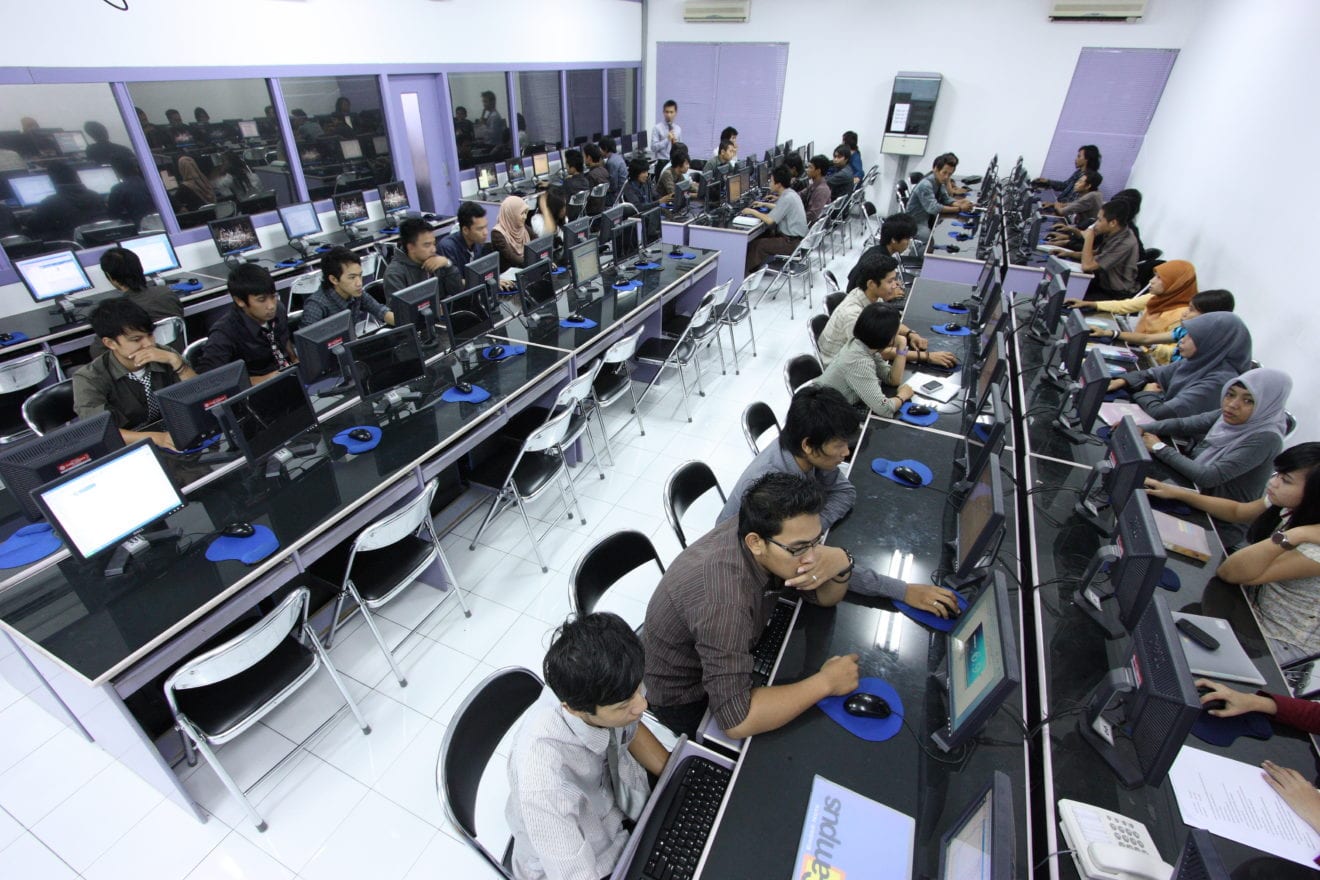
    Chinese computer-peripherals firm Shenzhen Rapoo Technology (Rapoo) is penetrating the growing local Internet Café (iCafé) sector to secure a dominant position in the market.

    The iCafé business is a growing industry here, according to Rapoo Philippines Retail Sales Manager Lem Estiva.

    “A lot of well-known i Cafes, like The Net.Com (TNC) and WarGods, have started expanding and actually franchising,” Estiva told the BusinessMirror on the sidelines of the company’s gaming peripherals launching in early April. “So it’s really a growing business.”

    He said the growth prompted the firm to introduce its gaming peripherals in Manila. He added the series of gaming peripherals they brought into the local market are categorically divided for two types of markets: retail and iCafés.

    “We have entry-level gaming peripherals targetting basically the iCafés for that,” Estiva said. “Meanwhile, the midrange and high-end level —that would be for personal use—target the retail market.”

    A little late

    ESTIVA disclosed they tried to reach out to some of the big local iCafés, including TNC and Mineski Corp. for possible partnerships. However, Estiva said they were a little bit too late.

    “We’ve been communicating with them, I guess for the last several months,” he said.

    Estiva added there was discussion before at the possibility of Rapoo being an original equipment manufacturer for TNC.

    “We provide them the products and have them rebrand it,” Estiva said. “Apparently, we came in a little too late.” Estiva, however, said they are “very hopeful” they can “eventually find other partners”. The Rapoo executive said they are also planning to form their own local eSports team before the year ends.

    “That’s one of our plans this year. I have quite a number of [team] names in my head,” Estiva said. “But I’m keeping them a secret.”

    Since 2014 Rapoo has been signing with teams and athletes, mostly from China, in various eSports titles, including “League of Legends” and “Dota 2”.

    Estiva said some of the iCafé operators already have First-Person Shooter and Dota 2 teams.

    “Usually they discuss with sponsors during the last quarter of the year about partnerships,” he said. “And we just came in the second quarter of this year.” Estiva said he expects the sponsorship by Rapoo starts next year.

    Peripherals

    Rapoo, which has market capitalization of $1.1 billion, began selling in the Philippines a series of wireless mice and keyboards in 2013.

    Last month the company has brought into the country its gaming peripheral series under a subbrand called “VPRO”.

    It is selling two gaming headphone models, which costs P1,515 and P2,945 each. Rapoo has four models of mice to cater to Filipino gamers with prices ranging from P1,245 to P2,190. Three of the four models are for entry-level users that are designed for ambidextrous gamers.

    For its gaming keyboard series, Rapoo VPRO brought nine different models in the Philippine market with prices ranging at a low of P1,265 and P6,730.

    Different league

    ACCORDING to Estiva, the company has an edge against competitors because of its pricing structure. “There are competitors, but we are on a different league. Some of them would be very expensive and for a new brand in the local market, we must have something different to offer on the table,” he said.

    Estiva said Rapoo is “very comparable in terms of design and durability with a very popular [brand].”

    “But it’s competitor’s product expensive,” he said. “So we come up with something similar but with an affordable price.”

    Estiva said Rappoo offers customers a direct product replacement if the products bought were deemed defective within its one-year warranty period.

    Estiva said Rapoo has its own dedicated research and development (R&D) team to ensure their products are of high quality—a way to defy the common Filipino notion that China-made products are substandard ones.

    “That’s why we have an R&D team to check all the products, because we know the reputation [here] of made in China products,” he said. “And because we are competing with other brands who have been in the business for years, we are not going to grow, or worse, we are going to die if we don’t actually provide very good products to the public.”

    Estiva said Rapoo aims to have its brand to be known as “something that would live for a long life”.

    Top three

    AT present Rapoo has two authorized distributors of its products in the Philippines: Techtron Systems Corp. and Philteq Enterprise Inc., according to Estiva. He said a third distributor is currently out of the question, as it could affect the retail price of Rapoo products in the market.

    “Probably the two distributors are enough. Because in the case of Techtron, they handle pretty much the bigger types of resellers and then Philteq would handle the growing ones or those in the mobile business,” he said.

    “So, I think we have pretty much a good balance with those two distributors. Having three would probably create a price war with the resellers,” he added.

    Rapoo Regional Sales Director Johnson Zhang said Rapoo is top three in the Philippine market, traling behind Taiwan-based firm A4Tech Co. Ltd. and Swiss company Logitech International SA. “We are trying our best to get more market share in the market,” Zhang told the BusinessMirror.

    Rapoo Philippines Country Manager Aileen Chua said the company’s revenue from the local market grew by 30 percent in 2016 from 2015. However, Chua did not disclose the company’s top line in the previous fiscal year.

    Plans

    Even with a 30-percent growth, Chua said she sees Rapoo could still perform better in the country, as much of their sales operations are focused in Luzon, particularly in Metro Manila.

    “We feel that we have penetrated Metro Manila well. However for provincial [operations], we are kind of poor in that aspect, because we don’t have the dedicated manpower assigned in those areas of the Visayas and Mindanao,” she said. “Hopefully, this year we could put up some people there who can help us promote the brand.”

    Zhang said the Philippines stands out compared to other countries in the Asia-Pacific region where Rapoo distributes its products.

    “The Philippines is performing quite good compared to most of the countries [where Rapoo is]. It performed very well,” Zhang said. “I think it’s because we have a very strong local team, and because of our quality products and cost-effective performance.”

    Estiva added the Philippines is better than other countries where Rapoo distributes its products in terms of sales target, revenue and market visibility.

    Zhang said Rapoo is currently developing its first wireless mechanical keyboard to be at par with other competitors. He said the company plans to launch it by the end of the year.

    “A lot of other brands are developing wireless gaming [peripherals], so we are also developing the same.”

    Estiva added the firm also plans to introduce in the country its product line for unmanned aerial vehicles or commonly known as a “drone”. According to him, the company has already introduced its drone called “Xiro” in the world market.

  • SM Investments Corporation announces key organizational changes

    SM Investments Corporation announces key organizational changes

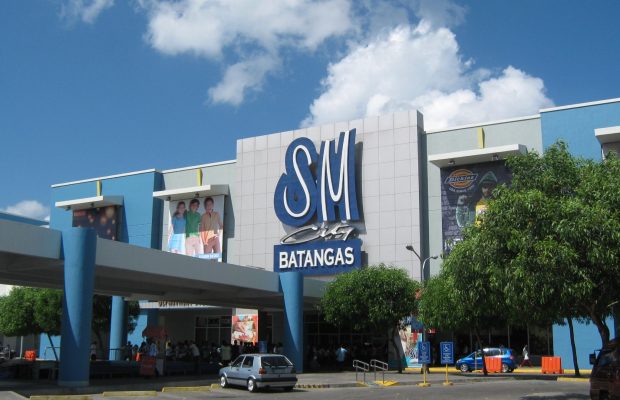
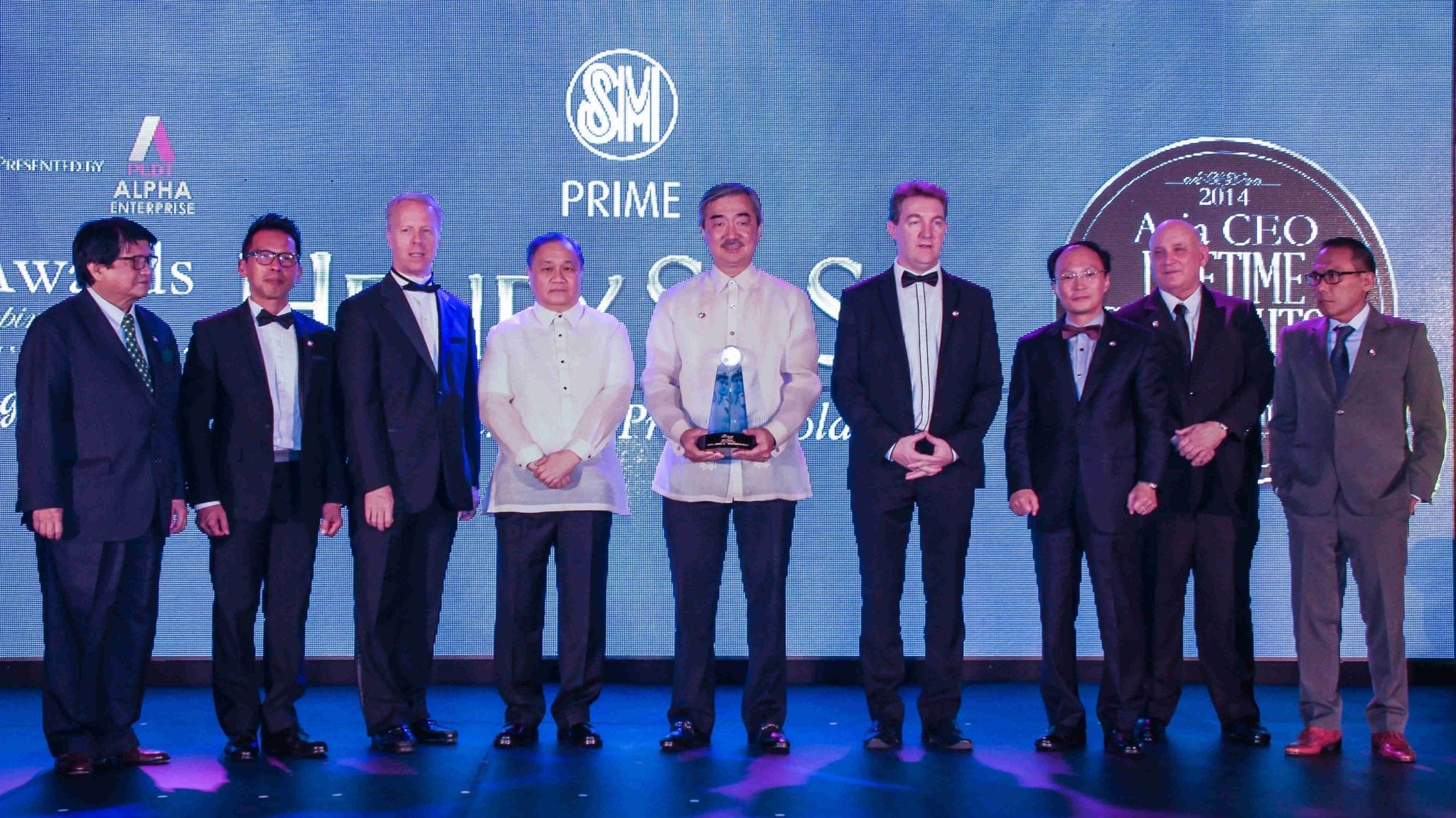
    The Board has already conferred upon Mr. Henry Sy, Sr. the role of Chairman Emeritus, in recognition of his role as the founder of SM and all of its core businesses. Mr. Sy, who is a multiawarded entrepreneur and philanthropist, opened the first ShoeMart store in 1958, a business now simply known as SM, and fostered it to become one of the largest holding companies in the country.

    SM has likewise evolved into a dynamic and highly synergistic group of businesses with market leading positions in retail, banking and property development as well as a growing portfolio of other investments that can capture the high growth opportunities in the emerging Philippine economy.

    Board Changes

    Mr. Jose T. Sio was appointed to succeed Mr. Sy as the Chairman of the Board. Mr. Sio, as SM’s Chief Financial Officer for 26 years, was highly instrumental in supporting the phenomenal growth of SM and its subsidiaries. He instilled strict financial discipline across all businesses that later helped the company achieve optimal results even as the whole group maintained a sound and stable financial position. Mr. Sio was a senior partner at Sycip Gorres Velayo & Co prior to joining SM on November 1990.

    New members of the board include Mr. Frederic C. DyBuncio as Director and Mr. Alfredo Pascual as Independent Director replacing Mr. Ah Doo Lim who joined the Board in 2008 and has served the full term as an independent director.

    Mr. DyBuncio brings with him a wealth of experience in banking where he spent over 20 years with JP Morgan Chase and its predecessor companies. He was assigned to various places apart from the Philippines such as New York, Seoul, Bangkok, and Hong Kong and held various executive positions where he gained substantial professional experience in the areas of credit, relationship management and origination, investment banking, capital markets, and general management.

    Mr. Alfredo Pascual just completed his six-year term as President of the University of the Philippines (UP). Prior to his involvement in the academe, he worked at the Asian Development Bank (ADB) for 19 years in such positions as Director for Private Sector Operations, Director for Infrastructure Finance, and Advisor for Public-Private Partnership.

    Mr. Pascual was also among the pioneers in investment banking in the Philippines having held executive positions in State Investment House, Inc., First Metro Investment Corporation, Philippine Pacific Capital Corporation now known as RCBC Capital, and Bancom Development Corporation which eventually merged with Union Bank.

    Management Appointment

    Mr. DyBuncio will assume the role of President of SM Investments in place of Mr. Harley T. Sy who will remain as Executive Director of the Board. Mr. DyBuncio joined SM in 2011 as Senior Vice President and eventually as Executive Vice President handling the company’s portfolio investments. This portfolio has since grown to include Belle Corp., Atlas Mining, the Net Buildings, CityMalls, MyTown, and most recently, 2Go.

    These changes affirm the continuing role of professionals in executing the larger vision of SM while further strengthening the group’s good governance and sustainability practices.

  • Cebu Pacific joins Davao tourism program

    Cebu Pacific joins Davao tourism program

    The Cebu Pacific (CEB) has announced its participation in the largest travel event and tourism campaign in Davao region, the Visit Davao Fun Sale (VDFS). The carrier’s move is in support of the VDFS, which was launched four years ago, to promote Davao and peripheral areas in southern Mindanao as safe, enjoyable and exhilarating travel and adventure destinations for both local and foreign tourists.

    As part of the seven-week activities, CEB is flying-in top adventure travel bloggers and digital influencers from Singapore, Japan and South Korea to visit Davao and check out attractions such as the beaches in Mati City, Aliwagwag Falls and Eden Eco Adventure Park, go dolphin-watching off the coast of Mati, white-water rafting in the Davao River, pub-crawling in Davao’s city center, or shopping at the Aldevinco Center. “CEB takes pride in having the most flights to and from Davao. But more than the flights, we need to do our part to help entice tourists to fly to Davao and experience what the region has to offer.

    Davao and adjacent provinces have so much to offer tourists from all walks of life — from thrill-seekers to laidback travelers, families on vacation, barkadas on a getaway and even solo backpackers,” said JR Mantaring, CEB’s vice president for Corporate Affairs.

    Cebu Pacific has the most extensive domestic route network among Philippine carriers, with direct, inter-island connections to major tourist destinations. The carrier operates flights out of six strategically placed hubs in the country in Manila, Cebu, Davao, Clark, Kalibo, and Iloilo. Operating a hub in Davao, CEB has 141 flights to and from Davao, with six direct domestic routes (Cebu, Bacolod, Cagayan de Oro, Iloilo, Zamboanga and Manila) and a direct flight to Singapore. The airline’s extensive network covers over 100 routes and 66 destinations, spanning Asia, Australia, the Middle East, and United States of America.

    Launched in 2014, the Visit Davao Fun Sale is a partnership between local governments in the region, the Department of Tourism, other national government agencies and private enterprises to promote tour packages and unique experiences to tourists such as food and delicacy must-tries, as well as leisure and wellness activities. This year’s tours include special packages for Davao City, Island Garden City of Samal, Sta. Cruz in Davao del Sur where one of the trails to Mt. Apo is located, and the Hamiguitan Range and Wildlife Sanctuary. Since its launch, VDFS has helped push tourism growth in the region to double-digit levels, capping 2016 with 100,000 tourist arrivals. VDFS 2017 runs from April 16 to May 31.

  • Cebu Pacific passenger volume drops in February

    Cebu Pacific passenger volume drops in February

    The Gokongwei-led carrier ferried a total of 1.45 million passengers in the second month of 2017, 6.3% less than the 1.55 million recorded during the same month last year, according to the latest operating statistics uploaded on its Web site.

    The latest tally was also down 16% from the 1.72 million passengers it ferried in January, which was up from the 1.64 million noted in January 2016.

    The data showed airline capacity dipped 1.5% to 1.74 million from 1.76 million during the comparable period, while the number of flights also decreased 2.8% to 10,237 from 10,535 previously.

    Seat load factor in February also went down to 83.6% compared to the 88% recorded in February 2016, even as the number of aircraft increased to 59 from 57.

    For the January to February period, Cebu Pacific and Cebgo already carried 3.17 million people, slightly lower than the 3.19 million seen during the comparable period last year. Capacity was up 2.7% to 3.76 million from 3.66 million, while flights during the first two months were 84.4% full on the average.

    Based on its latest operating statistics, the number of flights went up to 21,975 from 21,873.

    The Gokongwei airline is targeting to ferry 20 million passengers this year, as the company expects the delivery of 48 additional planes up to 2021.

    In 2016, it carried 19.1 million passengers, up 4% from the 18.4 million passengers flown in 2015. On average, Cebu Pacific flights were 86% full during the year.

  • 7th Lego Store opens in Davao City

    7th Lego Store opens in Davao City

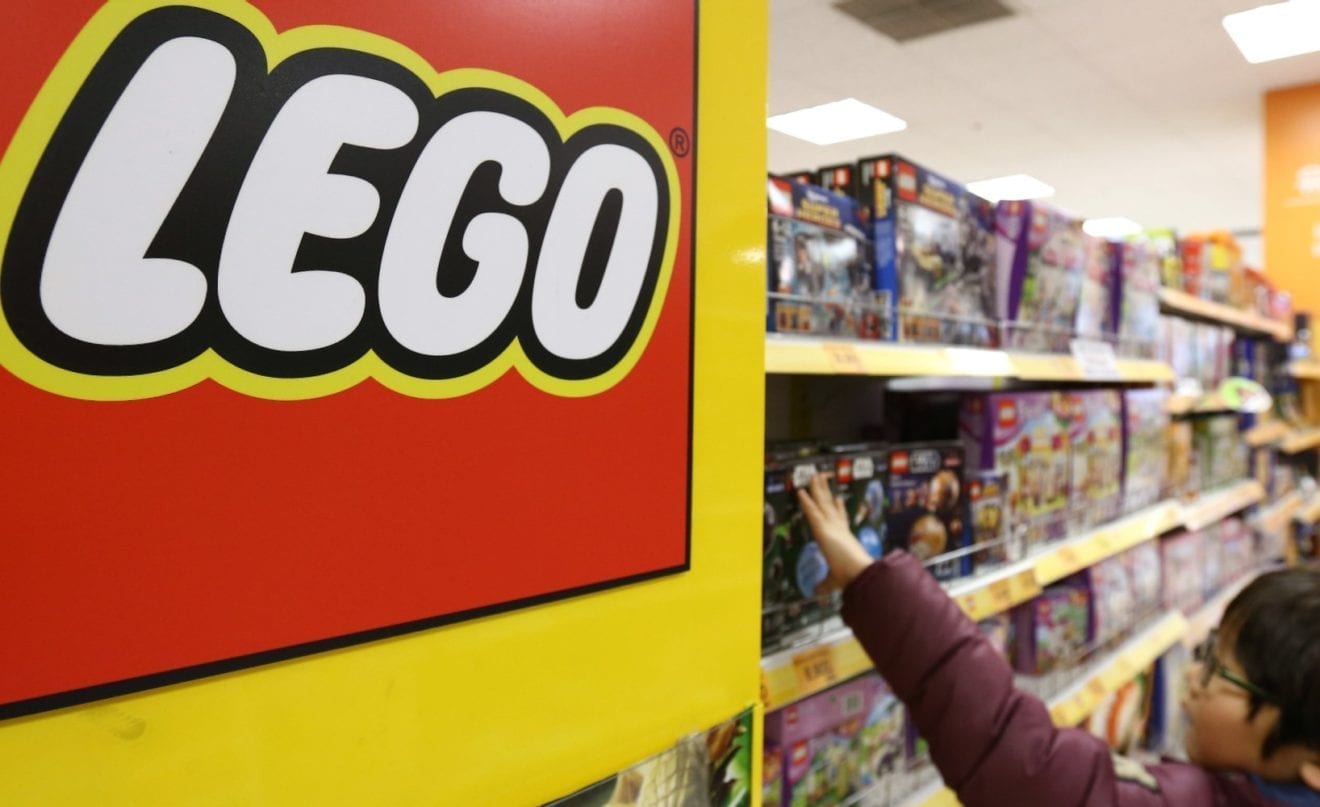
    The seventh Lego-certified store in the Philippines opened on April 22, 2017 at the Abreeza Ayala Mall offering more and exclusive merchandise of the famous toy brand to Dabawenyos. The Lego Store in Davao City is the second store in Mindanao, the first being in Cagayan de Oro City, which opened last April 1. “We know that Lego is a very popular brand and we want to bring it closer to all our fans, collectors, families, and kids.

    We want to also give them the full Lego experience,” said Sharlene Ortiga, LAJ Marketing Retail Manager, at the sidelines of the store’s opening. LAJ Marketing Philippines is the exclusive distributor for Lego merchandise in the Philippines. Ortiga said Lego Store Abreeza features exclusive items that are not available in other stores. “This store is fully designed and authorized by Lego for us to operate with their complete package and guidelines,” Ortiga said.

    The store features the Pick-a-Brick Wall, a custom-built fixture filled with Lego bricks and elements where shoppers can hand-pick and select pieces they need. It also offers exclusive Lego sets available like the Doctor Who and Big Bang Theory sets. At present there are seven Lego-certified stores in country, Park Triangle in Taguig, which is also the first Lego-certified store in the Philippines; Alabang Town Center in Muntinlupa; Trinoma and UP Town Center in Quezon City; The 30th in Pasig City; Abreeza Ayala Mall in Davao City; and Centrio in Cagayan de Oro City.

    At present, Ortiga said they are just looking into having two stores in Mindanao. However, she said they are eyeing to have another provincial store by the end of this year but she did not disclose yet where this store will be. She also said they are still studying the possibility of putting up a Lego-certified store in the Visayas. “For the Visayas we already have other channels where we are distributing Lego but here in Mindanao there are only a few so we decided to open a complete Lego Store here to serve the needs of our Lego customers,” Ortiga said.

  • Philippines: SM Investments picks 62.21% in MyTown dormitory brand owner PULS

    Philippines: SM Investments picks 62.21% in MyTown dormitory brand owner PULS

    According to an SMIC disclosure, it acquired more than 674.8 million common shares of PULS, with price less than 10 per cent of the giant holding company’s net book value, which was determined based on appraised asset value.

    “This acquisition allows SMIC to capture growth opportunities in the dormitel segment,” SMIC informed the Philippine Stock Exchange.

    Established in 2012, PULS owns, develops and operates dormitory spaces for rent under the MyTown brand aimed at young professionals. It has built rental housing communities at a walking distance from the central business districts of Metro Manila.

    “MyTown’s dormitories are equipped with attractive amenities and targeted retail facilities that allow its tenants to save on travel time and transportation cost,” SMIC said in its statement.

    A holding firm of conglomerate SM Group of Companies, SMIC is engaged in retail, property, financial services, among others. Among its subsidiaries are The SM Store, SM Supermarkets, SM Hypermarkets, SaveMore, Waltermart Supermarket Inc, SM Prime Holdings Inc, BDO Unibank and China Bank.

  • Yellow Cab Pizza Vietnam to open in suburb district

    Yellow Cab Pizza Vietnam to open in suburb district

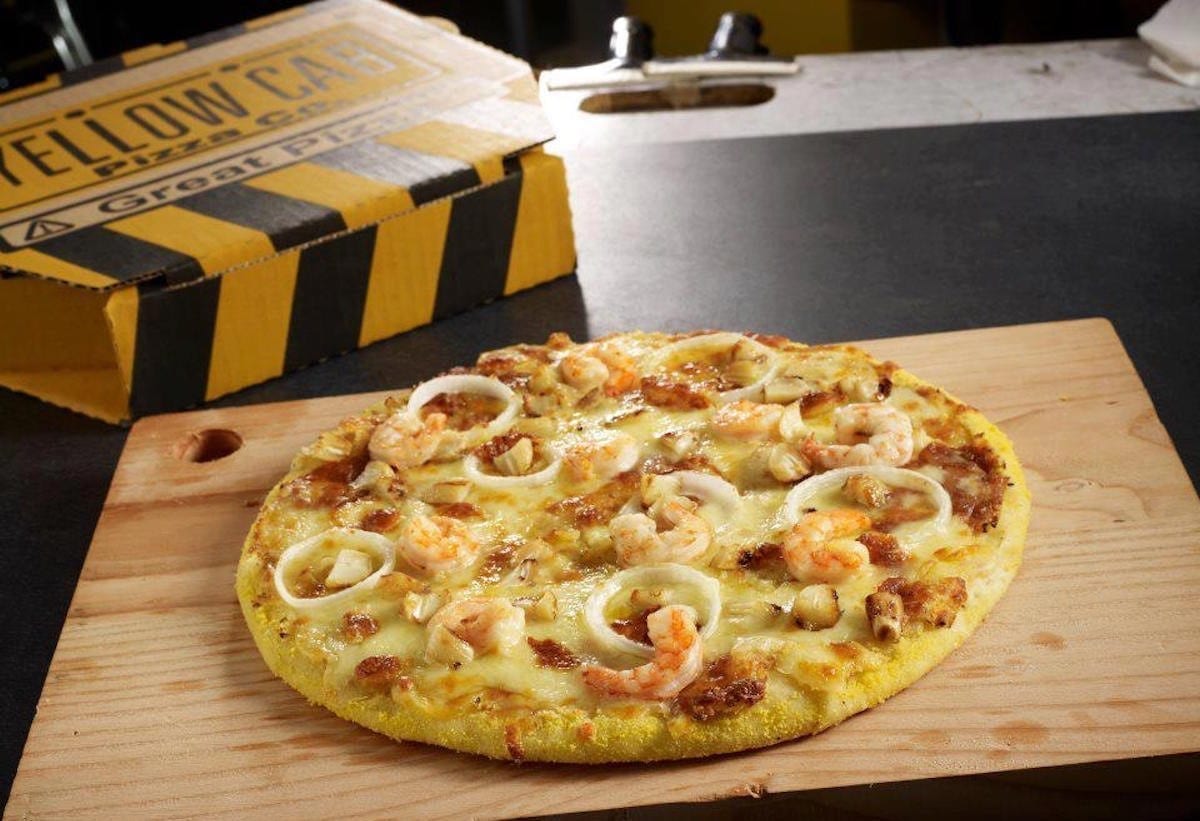
    The Philippines’ Yellow Cab Pizza is about to open its first restaurant in Vietnam.

    The chain, owned by Max’s Group, which is rolling out franchised eateries across Southeast Asia, will launch in Ho Chi Minh City.

    But instead of debuting in the CBD suburb, District 1, as most international brands have traditionally done, Yellow Cab Vietnam has chosen the suburban area of Hau Giang street in District 6.

    Yellow Cab Vietnam

    Rapidly rising retail rents in District 1 are the most likely reason for the location chosen. While it is attractive to open the first store in District 1, the rent is now likely to cost as much as four times that of neighbouring districts.

    Good locations are becoming increasingly rare with so many international and local brands competing for the same space. However, it is expected that Yellow Cab will open in the CBD once it has tested its model and offer on Vietnamese consumers.

    “When F&B chains enter Vietnam, they will enter with multiple unit commitment, so eventually they must have stores outside of District 1,” commented Sean Ngo, CEO of VF Franchise Consulting.

    He said in District 6, there would be less competition from similar products and services in these non-central districts, and providing brands like Yellow Cab more opportunities in their early days in the city.

    Yellow Cab Vietnam will open 12 stores in the country within five years under a partnership between Max’s Group and Blue Star Food Vietnam.