Tag: Philippines

  • SM Prime Holdings: four malls this year

    SM Prime Holdings: four malls this year

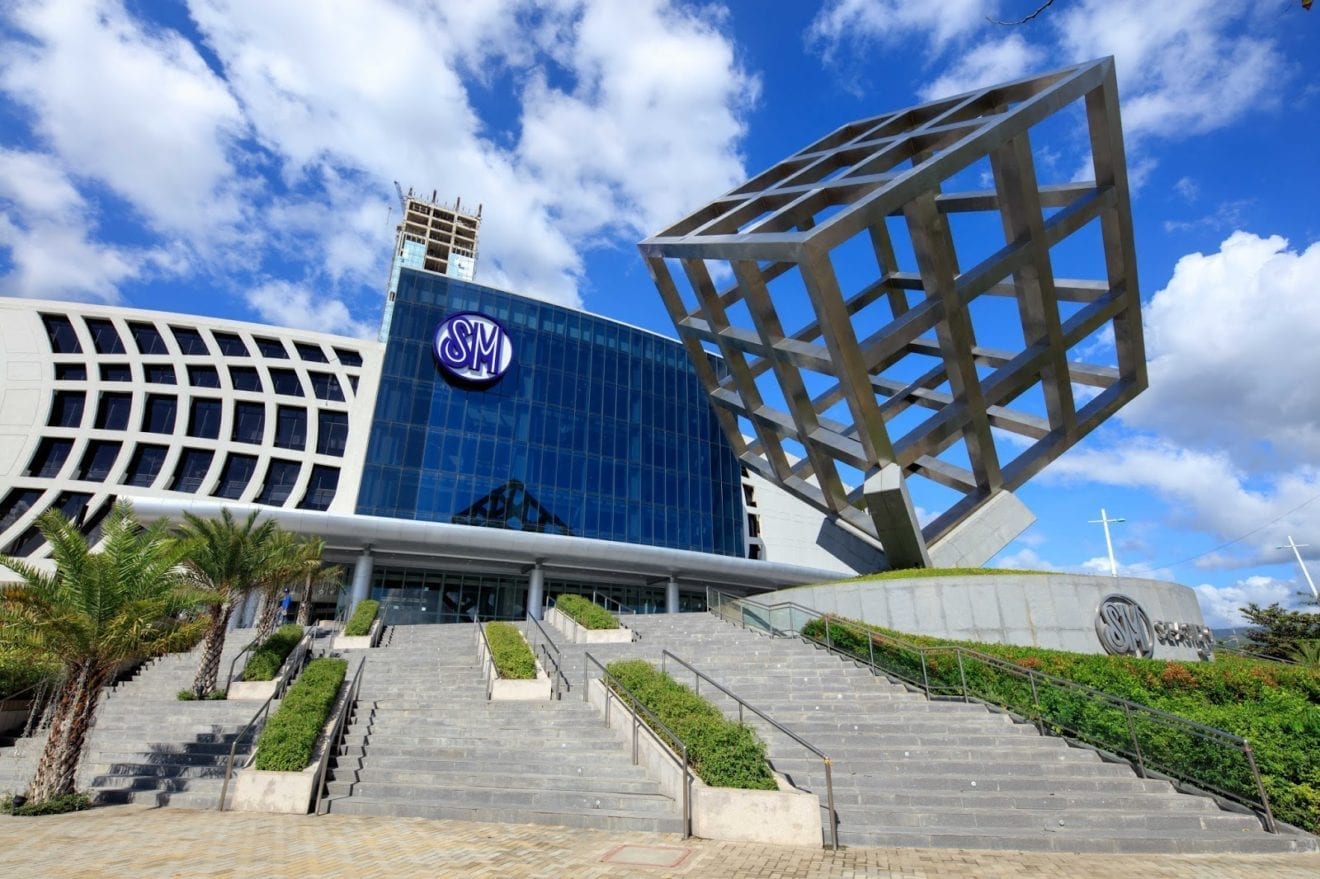
    Property giant SM Prime Holdings aims to open four shopping malls with a combined gross floor area of 292,000 sqm in the Philippines this year.

    SM Prime ended last year with 60 malls across the country, as well as six malls in China.

    President Jeffrey Lim says the company’s focus this year will be on shopping malls and residential space.

    SM Prime’s VP for investor relations, Alexander Pomento, says the malls to open this year are SM Tuguegarao (Cagayan Valley), SM Puerto Princesa (Palawan), Cherry SM Antipolo (Rizal) and SM Premier Cagayan de Oro. Their gross floor area would be 40,000 sqm for Tuguegarao, 70,000 sqm for Puerto Princesa, 30,000 sqm for Antipolo and 152,000 sqm for Cagayan de Oro.

    Pomento says that about 370,000 people are employed in SM Prime’s 60 shopping malls.

    Its latest shopping mall in the Philippines is the 80,000-sqm SM City East Ortigas, which targets customers in the eastern part of Metro Manila.

    In the first nine months of last year, SM Prime grew its consolidated net income by 13 per cent year-on-year to P17.5 billion, buoyed by higher shopping-mall, office and residential development plus hotel revenues.

    For the third quarter alone, SM Prime’s net profit rose by 15 per cent year-on-year to P4.9 billion, supported by a 14 per cent expansion in revenue to P18.5 billion.

    Philippine shopping mall revenue grew by 9 per cent year-on-year to P32.1 billion in the first nine months, while mall rental income expanded by 11 per cent to P26.9 billion.

    In the past two years the group has expanded its shopping mall GFA by 1 million sqm.

    Meanwhile, mall revenue from China rose by 5 per cent year-on-year to P3.1 billion in the first nine months while operating income grew by 6 per cent to P1.5 billion.

    SM has just opened its seventh mall for China in Tianjin.

  • Cebu Pacific suspends Manila-Laoag flights temporarily

    Cebu Pacific suspends Manila-Laoag flights temporarily

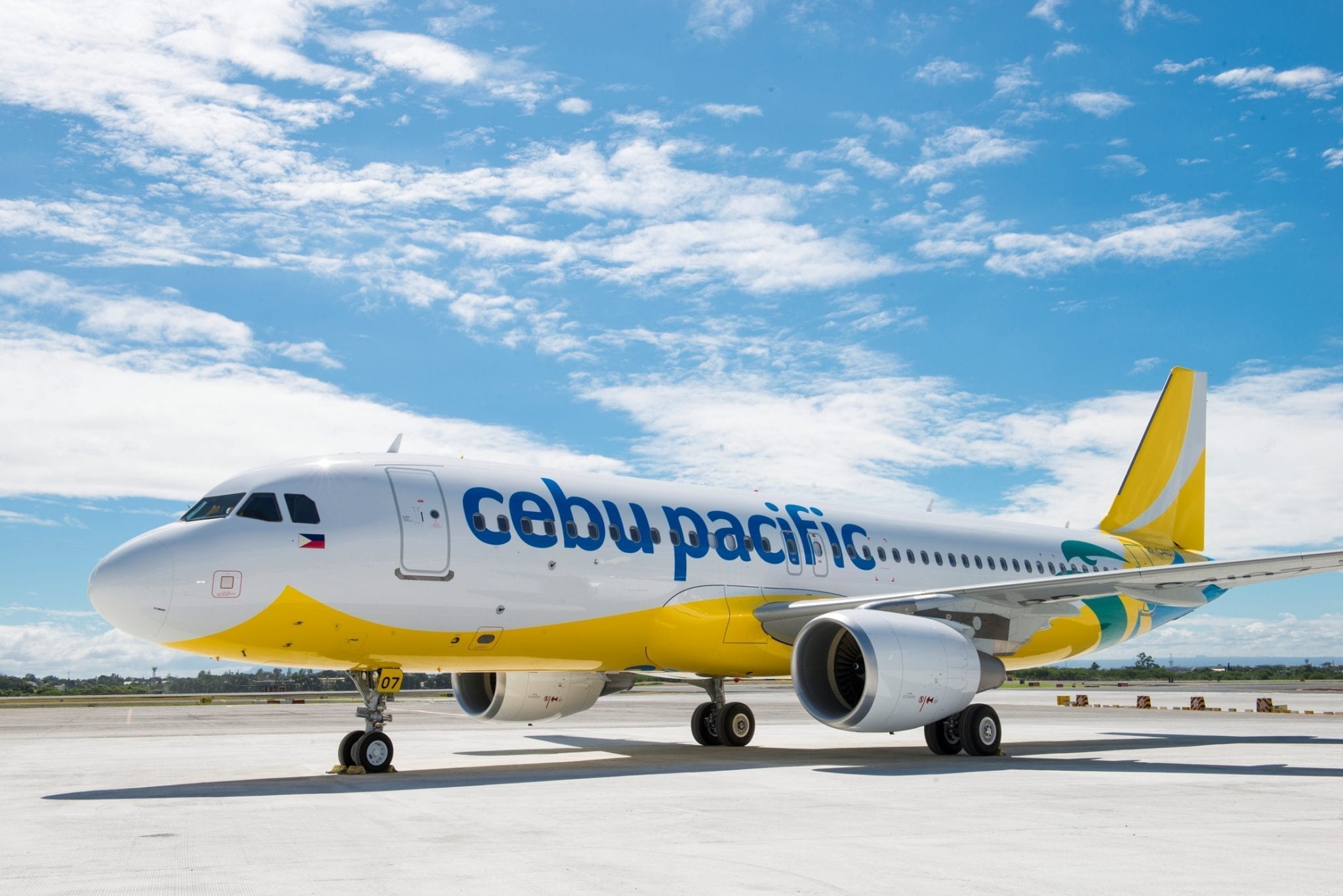
    Cebu Pacific, the country’s largest carrier, has temporarily suspended flights between the capital and the northern city of Laoag, a government spokesman said Monday.

    The company did not give a reason for its decision, Civil Aviation Authority of the Philippines spokesman Eric Apolonio told.

    Cebu Pacific did not immediately reply to requests for comment. Separate searches on the carrier’s website and mobile app showed no available flights between Manila and Laoag this week.

    “They (Cebu Pacific) advised CAAP that they are temporarily suspending flights. That’s their exact word. We don’t know the reason yet because it’s internal,” Apolonio said.

    Passenger traffic in the Manila-Laoag route reached 204,550 in 2015 and was poised to have risen slightly last year after traffic hit 109,550 in the first six months of 2016, before the peak holiday travel period, Apolonio said citing CAAP data.

    With Cebu Pacific suspending flights, the route will be left to Philippine Airlines and its low-cost unit PAL Express.

  • Cebu Pacific collects donation for sick children

    Cebu Pacific collects donation for sick children

    Low-cost airline Cebu Pacific strengthens its partnership with the United Nations Children’s Fund to reach millions of undernourished children in the country.

    The endeavor is a part of the global organization’s Change for Good program which accepts contributions from passengers on board flights of partner airlines.

    Proceeds contribute to the UN children’s agency’s First 1,000 Days campaign which provides optimal nutrition, from a mother’s pregnancy to a child’s second year of life.

    Since July 1, 2016, Cebu Pacific began accepting contributions of all currencies from passengers. The contributions are being used to fund nutritional supplements distributed to poor households with pregnant mothers or malnourished children. A portion of the funds also support barangay-level information drives on nutrition in Unicef’s focus areas in Northern Samar, Zamboanga and Maguindanao.

    “We are very pleased with how warmly our passengers are receiving the Change for Good Program. Thank you for sharing in our vision of a better future for our children and in Unicef’s advocacy of uplifting lives through the First 1,000 Days campaign,” says Cebu Pacific president and chief executive Lance Gokongwei.

    “Children have the right to survive and thrive. It is important for all of us to pitch in and lift each other up, so that every Filipino child grows up happy and healthy. Your continued support to UNICEF will help make this happen,” says Unicef Philippines representative Lotta Sylwander.

    Sylwander explains the transformative impact of these small acts of generosity. “The nutrition received by children from the womb to their second birthday is crucial for their physical and intellectual development. If these children are able to grow to their full extent, they perform better in school and eventually get better jobs as adults.” A healthy and productive workforce, Sylwander says, is key to nation-building.

    In the Philippines, around four million Filipino children are “stunted.” These children are undernourished, causing irreversible damage to their health, physical growth and brain development.

    The global program Change for Good targets these children by cashing in donations for life-saving materials and services for vulnerable children in more than 150 countries.

    Cebu Pacific has piloted the program in the East Asia and the Pacific region and focuses its collection efforts exclusively to Unicef Philippines’ First 1000 Days program.

  • Cebu Pacific requests flights to India

    Cebu Pacific requests flights to India

    Cebu Air, operator of Cebu Pacific, wants the Civil Aeronautics Board to reallocate the unused flight frequencies of rival Philippine Airlines to India. The Gokongwei-owned airline filed with the CAB an application for allocation and re-allocation of entitlements to India from PAL.

    Cebu Air’s request made the request in accordance to the existing air agreement between the governments of the Philippines and India.

    PAL flights to New Delhi were stopped in June 2013 amid low demand from local travelers.

    No Philippine carriers fly between Manila and India now.

    Philippines Air Asia Inc. filed with the CAB an application for designation as official Philippine carrier and grant of seven weekly flights to New Delhi, nIndia.

    Cebu Pacific earlier said it was studying to acquire an Airbus 350 and Boeing 788 in the third quarter this year for its long haul operation.

    Cebu Pacific launched its long haul operation in 2013, with A330-300 services to Dubai. It now operates five long haul routes to the Middle East and Australia and also uses its A330 fleet on several short haul routes.

    The airline last March launched four times weekly flights between Manila and Guam, its first US destination.

    Cebu Pacific currently offers flights to a total of 36 domestic and 30 international destinations, operating an extensive network across Asia, Australia, the Middle East, and USA.

    Its 58-strong fleet is comprised of six Airbus A319, 36 Airbus A320, six Airbus A330, eight ATR 72-500, and two ATR 72-600 aircraft.

    Between 2016 and 2021, Cebu Pacific expects delivery of two more brand-new Airbus A330, 32 Airbus A321neo, and 14 ATR 72-600 aircraft.

    Cebu Pacific earlier reported a net income of P7.09 billion in the January to September period, up 99.6 percent from P3.56 billion in the same period last year.

    Revenues increased 10.5 percent to P46.69 billion from P42.30 billion last year.

  • Shu Uemura withdrawing from Philippines

    Shu Uemura withdrawing from Philippines

    Japanese cosmetic brand Shu Uemura is withdrawing from the Philippines.

    L’Oreal Philippines has confirmed that all branches and counters of the make-up line will be shut down by the end of April.

    While officially distributed by L’Oreal Philippines, the brand believes the closing of its Philippines outlets will be beneficial in the long term.

    Shu Uemura is known for its quirky collaborations and neon-filled palettes. One of its most famous collaborations was with iconic designer Karl Lagerfeld.

    Brand founder Shu Uemura went to Hollywood in the 1950s and started working as a makeup artist, becoming in demand after working on the Paramount movie My Geisha in 1962 with actress Shirley MacLaine.

  • Global brands should grow in Philippines

    Global brands should grow in Philippines

    With retail rents still affordable compared to other Asia Pacific countries, the Philippines should be attracting more international brands, says a property analyst.

    This would further fuel the growth of the retail property market this year, says Jones Lang LaSalle Philippines (JLL) regional director Sheila Lobien, who is also the company’s head of project leasing markets.

    She says that while rental rates for ground-floor retail in the Philippines are rising because of high market demand, regionally the country is still the cheapest.

    “If you look at the rental rates in Asia Pacific, Manila is the cheapest. Hong Kong is the most expensive, Singapore may be in the middle and even Kuala Lumpur is twice as high as us,” says Lobien. “So the Philippines is still the cheapest, though the rental is already increasing for ground-floor space.”

    Based on JLL figures for 2015, Manila continues to offer the most affordable shopping centers in the region at US$555 a square meter per annum. In contrast, Hong Kong commands the most expensive retail rents at US$15,661 a square meter per annum.

    Rising incomes

    As well as the lower retail rates attracting more international brands, the rising income of Filipinos is also a magnet.

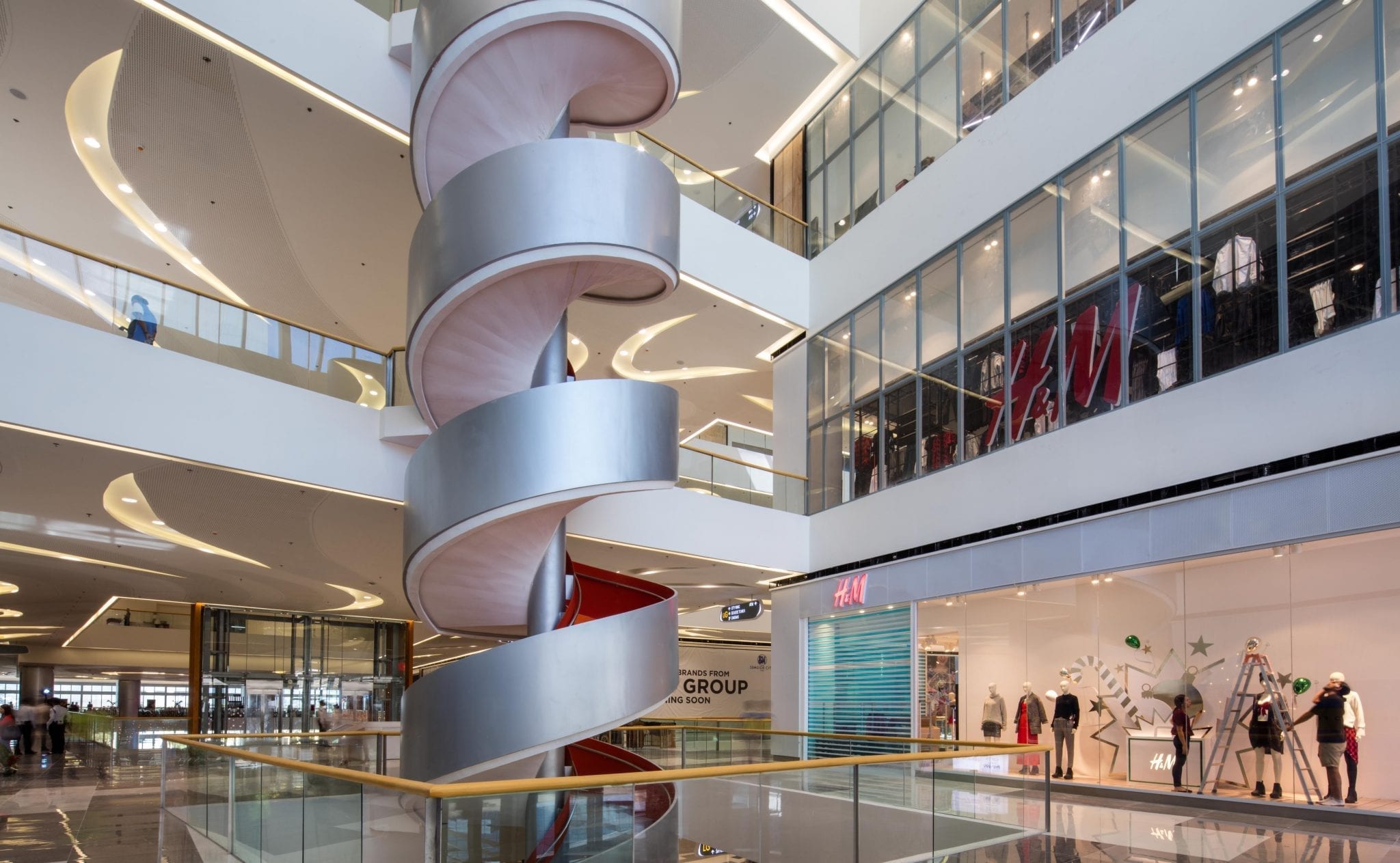
    “Almost all the big brands that are in Singapore, Hong Kong and even the US are now here,” says Lobien. “We see Forever21, H&M and all the other big brands. Even brands as prestigious as Apple are looking at the Philippines now.”

    According to Jones Lang Lasalle’s Global Cross Border Retailer Attractiveness Index 2016, Manila is classified as a growth retail city, ranking 29th on the list of 50 top cities attractive for retail.

    “Strong retail sales growth is driven by an expanding population, rapidly rising middle classes and fast-track urbanisation,” says JLL.

    Lobien says the Filipino consumer market is becoming more sophisticated and is being more exposed to what is happening abroad, as travelling has become less expensive. “We didn’t know those brands before. Nowadays, we are familiar with all the international brands and we’re looking for them in the Philippines.”

    International brands that have entered the Philippines lately include Fatburger, Morganfield’s, Sugar Factory, Tokyo Milk Cheese Factory and Vera Wang, says JLL.

    To enter the Philippine market, foreign brands need a local retail partner, says Lobien, citing SM, which has partnered with Forever21 and H&M. “There are a lot of others like the Bench Group, which has international brands also.”

  • Lalamove to expand to 100 Asian cities

    Lalamove to expand to 100 Asian cities

    Hong Kong-based logistics startup Lalamove has raised US$30 million in Series B funding to enable it to push into more than 100 cities in Asia by the end of the year.

    It is already established in 45 cities across China and Southeast Asia.

    Since it launched as EasyVan in 2013, the company has raised a total US$60 million in funding, with its latest round being led by Xianghe Capital from Beijing, with Blackhole Capital participating as a new investor. Previous investors Crystal Steam and Mindworks Ventures also contributed.

    Lalamove MD Blake Larson says the company is close to being profitable.

    Lalamove says it already has the largest service area for intracity deliveries in Asia with more than 500,000 drivers using the platform. More than 5 million people have used the service.

    Founder/CEO Shing Chow said he believes the logistics industry is underpenetrated by mobile platforms, citing the US$1.7 trillion market in China as an example.

    “The evolution of the logistics industry has not been as rapid as some other markets like communication, but we believe we are at a tipping point where transformation will now happen very rapidly.”

    Dubbed the “Uber for logistics” because it applies the on-demand economy to the delivery industry, Lalamove lets users choose pick-up and drop-off points, type of vehicle and either “advance booking” or “immediate delivery”.

    A company can schedule up to 20 stops per order, customise an account with “favourite drivers” and use one-click optimised routing to save time, reports E27.

    In Thailand, Lalamove partnered with Japanese chat company Line to set up Line Man so its user base could buy and deliver documents, packages, groceries and food items.

    In November, the company expanded into the Philippines, where its option to request round-trip deliveries for cash-on-demand was important.

    The company rebranded from EasyVan in November 2014, ahead of its Bangkok launch.

  • Marikina-made shoes a hit in Indonesia

    Marikina-made shoes a hit in Indonesia

    Filipino fashion retail brand Rusty Lopez recently opened its newest store in Jakarta featuring comfortable sandals and casuals made from Marikina, the Philippines’ shoe capital known for producing durable and high-quality footwear.

    According to a recent report of the Department of Trade and Industry’s Philippine Trade and Investment Center – Jakarta, the store in Sogo Lippo Mall Puri located in the St. Moritz Central Business District is the brand’s 9th outlet following the opening of stores in Seibu Grand Indonesia, Sogo Emporium Pluit, Sogo Central Park, Sogo Alam Sutera, Lotte Shopping Avenue, Metro Plaza Senayan, Metro Gandaria City, Metro Taman Anggrek.

    In a statement, Philippine Commercial Attaché to Indonesia Alma Argayoso said the sales of the newest collection during the opening were brisk. The other stores also received positive feedback.

    “It is exciting to bring to the Indonesian market the Philippines’ world-famous Marikina-made shoes. This affirms our belief on the potential of fashion retail products in Indonesia, Southeast Asia’s biggest economy,” Argayoso said.

    The first overseas store of Rusty Lopez opened in Jakarta on March 6, 2016 at the Seibu Department Store of Grand Indonesia Mall and featured carefully selected designs suited to the Indonesian market.

    DTI noted that increased interest in Philippine-made shoes abroad helps revive the local shoe industry and is expected to open more opportunities for small enterprises to generate employment within their communities.

    As part of the DTI’s Industry Promotion Group, the Philippine Trade and Investment Center (PTIC) in Jakarta will continue to support and assist Filipino homegrown brands in globalizing their products and accessing regional markets by continuously looking for potential partnerships.

    Aside from Rusty Lopez, other Filipino fashion retail brands in Indonesia include Karimadon, Penshoppe, Gingersnaps and Ann Ong Jewelry.

  • Too many Philippine provincial malls, expert warns

    Too many Philippine provincial malls, expert warns

    There is not enough spending power to support the number of Philippine provincial malls being developed, warns a real estate expert.

    This follows a “fantastic” year for the property sector during which most major developers opened malls.

    “Retail has had an incredible expansion in route,” says CEO David Leechiu of Leechiu Property Consultants (LPC) has told The Manila Times.

    Ayala, DoubleDragon, Filinvest, Puregold, Robinsons, SM and Villar all opened malls in new sites, which Leechiu says is unprecedented.

    According to Colliers International Philippines, about 118,000 sqm of retail space was added to Metro Manila’s retail stock in the third quarter of last year, taking the total stock to 6.32 million sqm.

    For Metro Manila alone, total retail stock is forecast to rise by 7 per cent to 6.76 million sqm by the third quarter of this year, says Colliers. Meanwhile, retail vacancy levels have remained low at just 0.57 per cent.

    But Leechiu says it is a different story for the provincial retail market.

    “I think rents are softening because some areas might be ‘over-malled’ now,” he says. “The purchasing power is not there yet.”

    In particular, these Philippine provincial malls cater to the middle-income market. However, he believes the situation will be “very temporary’, with changes and improvements in two to three years’ time as purchasing power continues to grow.

  • Ippudo restaurant owner applies for listing

    Ippudo restaurant owner applies for listing

    Ramen restaurant chain Ippudo’s owner is expected to list shares on the Tokyo Stock Exchange as early as March.

    The total market value of the initial offering is projected to be around 30 billion yen (US$259 million).

    Chikaranomoto Holdings has about 60 Ippudo restaurants as well as other brands outside of Japan. It filed an initial listing application in December, which means approval could come next month. The listing is expected to let the group accelerate expansion in domestic and overseas markets.

    Company founder and chairman Shigemi Kawahara opened his first ramen shop in 1985 in Fukuoka Prefecture in southwestern Japan. The company posted group sales of 20.8 billion yen for the year through to March 2016, up 17 per cent from the previous year.

    Ippudo began expanding into foreign markets in 2008, establishing itself first in New York. The chain now has shops in China, France and other countries, and will open its first outlet in Myanmar soon.

    Inspired by New York’s cocktail bars, Chikaranomoto Holdings opened standing-style ramen shops in Tokyo and nearby areas last year, and it plans to open more in Kyushu soon.

    Ippudo also has five branches in the Philippines.

  • Cebu Pacific to hold cabin crew grand recruitment

    Cebu Pacific to hold cabin crew grand recruitment

    The recruitment fairs will be held in the following cities: Manila (Cebu Pacific Building, Pasay City) on January 14; Dumaguete City (La Residencia Almar Hotel, Rizal Blvd., Dumaguete City, Negros Oriental) on January 28; and Tagbilaran City (Metro Centre Hotel and Convention Center, C.P. Garcia Ave., Tagbilaran City, Bohol) on January 29.

    More opportunities for interested applicants will be made available all throughout 2017, as CEB will be conducting more recruitment fairs on later dates at chosen areas in Luzon, Visayas and Mindanao.

    “Last year’s recruitment fair in Manila alone was visited by about 1000 aspiring Juans. This year, we aim to make the fair even bigger by reaching out to more areas in the Philippines. We encourage everyone to take on the challenge to be part of the Philippines’ leading airline and contribute to bringing people together through safe, affordable, reliable and fun-filled air travel,” said Atty. JR Mantaring, CEB Vice President for Corporate Affairs.

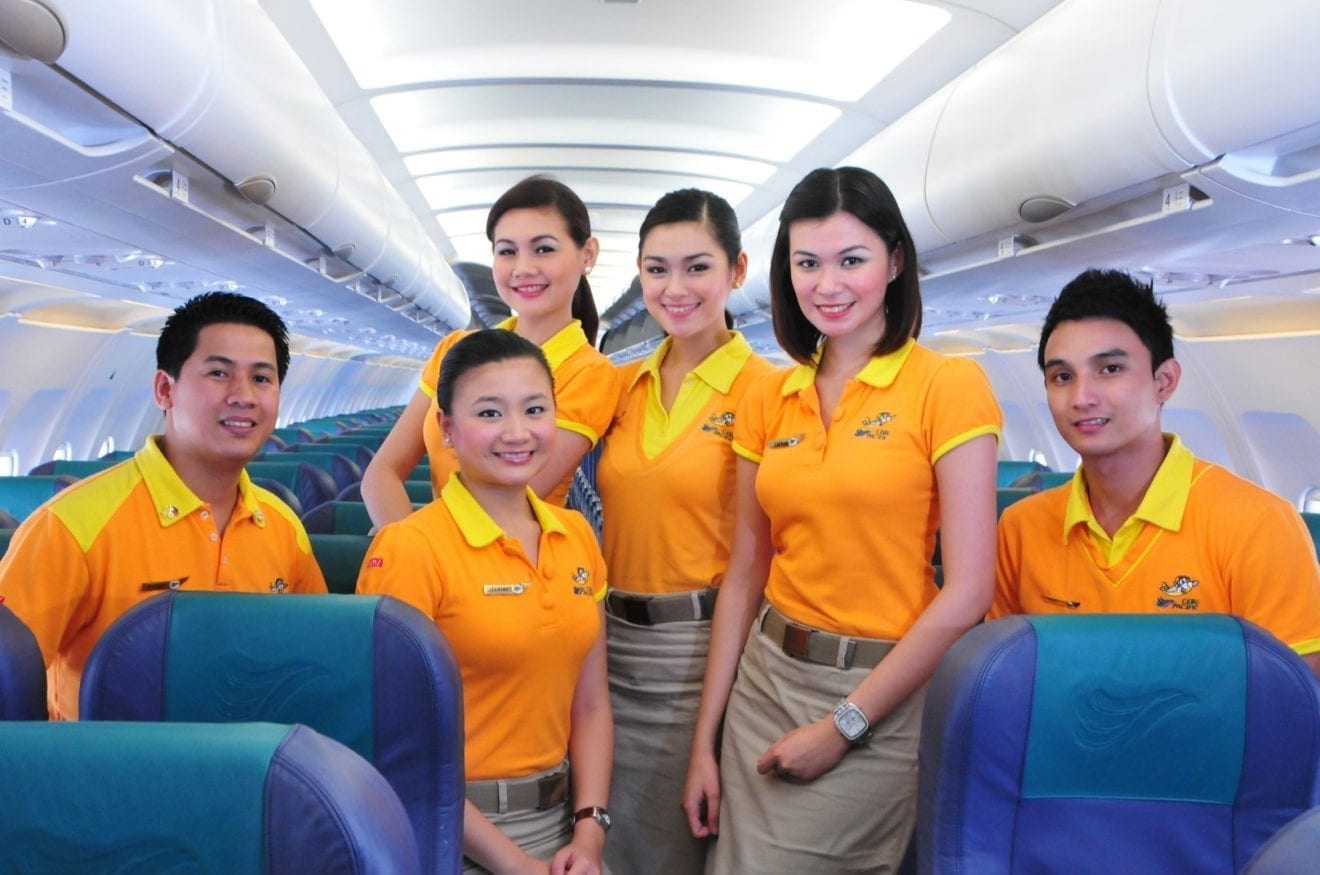
    CEB will process the applications on the same day, between 9:00 A.M. to 3:00 P.M. Acceptance of updated curriculum vitae (CV) with 2×2 photo will be until 1:00 P.M. only. Applicants must possess a dynamic personality, height of at least 5’3” for female, and 5’7” for male, weight that is proportional to height, clear complexion, good eyesight and a catchy smile, among others. Responsibilities include guaranteeing the safety of guests on board the aircraft, and ensuring that guests have a fun and pleasant flying experience.

    The detailed job descriptions and qualifications can also be found on www.cebupacificair.com or CEB’s page on jobstreet.com.ph.

    CEB currently offers flights to a total of 38 domestic and 30 international destinations, operating an extensive network across Asia, Australia, the Middle East, and USA. Its 57-strong fleet is comprised of four Airbus A319, 36 Airbus A320, seven Airbus A330, eight ATR 72-500, and two ATR 72-600 aircraft. Between 2017 and 2021, CEB expects delivery of one more brand-new Airbus A330, 32 Airbus A321neo, and 14 ATR 72-600 aircraft.

  • Singapore eyes increased investments, more flights to Manila

    The government of Singapore has expressed interest in further increasing its investments in the Philippines, as well as adding more flights to Manila in anticipation of increased demand in air travel between the two countries.

    In a recent meeting with Finance Secretary Carlos Dominguez III, Singaporean Ambassador to Manila Kok Li Peng said Singapore’s private sector would like to explore new growth opportunities in the Philippines, particularly in the retail, transportation, infrastructure and tourism sectors.

    Ambassador Kok said Singaporean businessmen were planning to schedule the next meeting of the Philippines-Singapore Business Council (PSBC) in Davao City and, if possible, meet with President Rodrigo Duterte to discuss new business and investment activities in the Philippines.

    “We’re trying to get a mixed meeting of the PSBC here. They want to bring the members to Davao to meet with the President,” Kok said, to which Dominguez responded that a possible date for such a dialogue could be in February.

    Singapore’s investments in the Philippines–valued at P16.8 billion in 2015–are mostly in real estate activities, electricity, gas, steam and air conditioning supply, and manufacturing.

    Singapore was the Philippines’ fourth largest trading partner in 2015. The country’s total exports reached $3.8 billion in 2015, mainly comprising electronic products, petroleum products, and electronic equipment and parts.

    The Philippines, in turn, imported a total of $5 billion worth of goods from Singapore in 2015, mostly mineral fuels, lubricants, food and live animals, and industrial machinery and equipment.

    Kok also said that Singapore was looking at the Philippines in exploring more markets for its airline industry.

    “More competition is good for the consumer,” Kok said in explaining Singapore’s plan for its airline companies—Singapore Airlines, SilkAir and Tiger Airways—to add more flights to the Philippines.

    In response, Dominguez, a former chairman of the Philippine Airlines, agreed that opening the Philippines’ air travel industry to competition and even partnerships with other airlines would benefit the economy and boost the growth of the tourism sector.

    Dominguez said the Duterte administration was “engaging more with ASEAN and countries around Asia” as a way to “move forward” and achieve a balance in strengthening the Philippines’ diplomatic ties with other nations across the globe.

    In Beijing last October, Dominguez and Socioeconomic Planning Secretary Ernesto Pernia, who were part of President Duterte’s delegation on his state visit to China, jointly announced that while the Philippines would maintain its good relations with Western economies, it pushed for “stronger integration” with its neighbors in the region.

    The move, they said, would open for the Philippines countless opportunities for trade and investment in a market of 1.8 billion people across the region, especially now that other ASEAN economies had also committed to greater integration and China had pledged to open its capital markets.

    ASEAN groups the Philippines, Malaysia, Singapore, Brunei, Thailand, Indonesia, Laos, Cambodia, Myanmar and Vietnam.

    Both Dominguez and Kok agreed that technology and innovation are indispensable to sustaining growth under the current knowledge-based global economy.

    “We’re now [living under] a knowledge-based economy. We think innovation is the way to go in the future,”Kok said.

    Dominguez said the rapid growth of online-based businesses and investments was among the reasons the Duterte administration considered it a priority to improve “interconnectivity and internet speeds” in the country.

    “The structure of the industry in the Philippines right now is really holding us back. And it’s becoming quite obvious that the system now we have, where we basically have two service providers, is not really working,” Dominguez told Kok.

    In the meeting, Kok also informed Dominguez of Singapore’s request to review and update the terms of its 40-year old double taxation agreement with the Philippines.

    Dominguez assured Kok that he would discuss Singapore’s concerns regarding the double taxation agreement with the Bureau of Internal Revenue.
  • Cebu Pacific carries 17.5 M passengers in 11 months

    Cebu Pacific carries 17.5 M passengers in 11 months

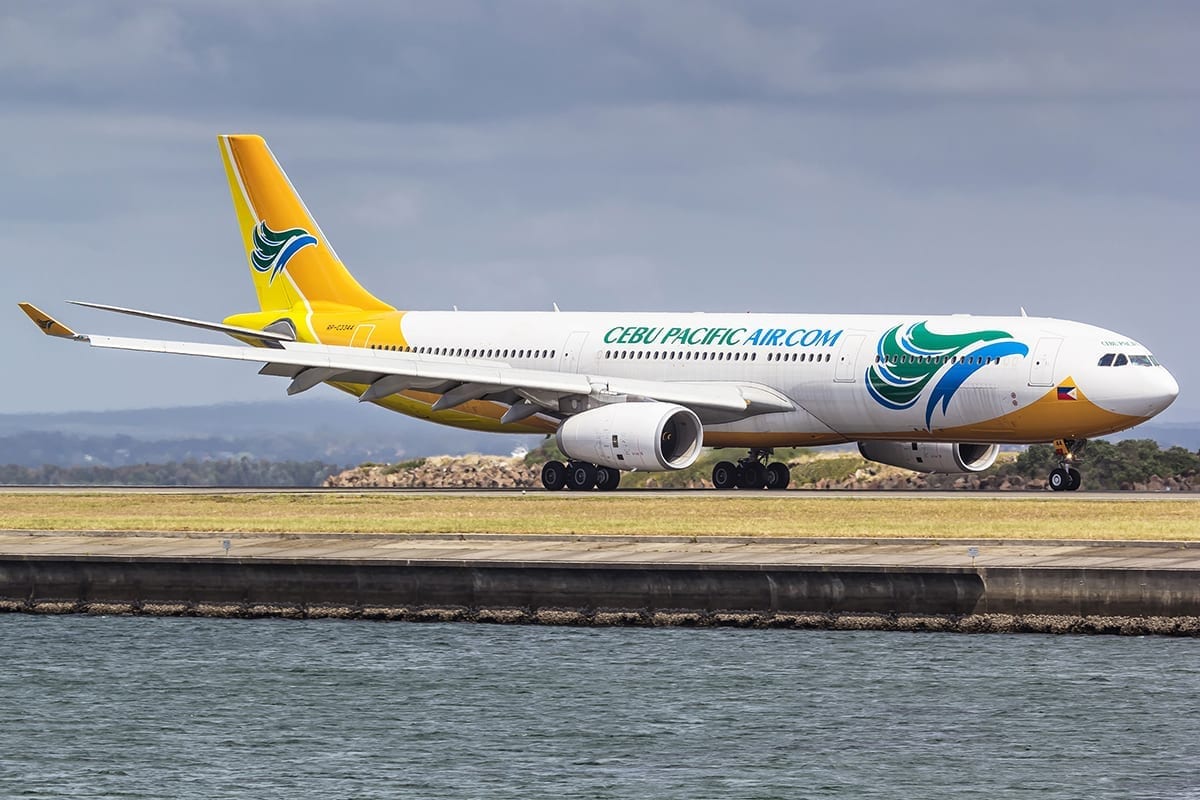
    The number of passengers carried by Cebu Pacific and subsidiary Cebgo rose five percent in the first 11 months of last year.

    Latest operating statistics data available showed the group served 17.48 million passengers in the 11-month period last year, up from the 16.68 million passengers carried in the same period in 2015.

    The group’s capacity was unchanged at 20.32 million as of end-November, while seat load factor climbed 3.9 percentage points to 86 percent last year from 82.1 percent in 2015.

    Despite the higher passenger volume for the January to November period, the group’s total number of flights declined slightly to 120,617 in the 11-month period from the previous year’s 121,009.

    For the month of November, the Cebu Pacific group had a total of 1.48 million passengers last year, an uptick of 1.2 percent from the 1.46 million passengers in 2015.

    Cebu Pacific group’s capacity declined to 1.70 million in November last year from 1.71 million a year earlier, while seat load factor went up to 87.1 percent last year from 85.7 percent in 2015.

  • Cebu Pacific looking to hire 300 cabin crew

    Cebu Pacific looking to hire 300 cabin crew

    Cebu Pacific, the country’s largest carrier, said Thursday it would recruit up to 300 new cabin crew as it expands its operations.

    Cebu Pacific will hold recruitment fairs in Manila, Tagbilaran, and Dumaguete this month to grow its workforce of 4,000, the airline said in a statement.

    Applicants should possess a “dynamic personality,” must be at least 5’3″ for women and 5’7″ for men, have clear complexion, a “catchy smile” and “weight that is proportional to height,” the airline said.

    The recruitment fairs will be held at the Cebu Pacific Building, Pasay City on January 14; La Residencia Almar Hotel, Rizal Blvd., Dumaguete City, Negros Oriental on January 28; and Metro Centre Hotel and Convention Center, C.P. Garcia Ave., Tagbilaran City, Bohol on January 29.

    Cebu Pacific’s net profit amounted to P7.1 billion in the January to September period of 2016 as passenger volume grew to 14.5 million in the nine-month period in 2016 from 13.7 million in 2015.

    Shares of the airline closed 0.11 percent lower to P92.90 on Thursday.

  • Fatburger China plans big Beijing presence

    Fatburger China plans big Beijing presence

    Under a franchise deal, California chain Fatburger is about to establish a presence in Beijing.

    Known for its made-to-order burgers, shakes and fries, the brand has signed a franchise development contract with Beijing Haisiyamei Restaurant Management, which has committed to build more than 15 Fatburger China restaurants in Beijing.

    This follows the launch of the burger brand in Shanghai, at Sinan Mansions in Huangpu, about to be followed by outlets at BFC and Shanghai Tower.

    In the capital city, the first Fatburger China outlet will be at the Grand Summit Beijing, to be followed by another at Gemdale Plaza Beijing

    Fatburger is aiming to take its all-American dining experience to new territories worldwide, and has opened in 32 countries. It has just launched in the Philippines and has agreements in place for a further 350-plus locations internationally.

    “Sharing core values with key partners is crucial to the growth of the Fatburger brand throughout the world, and we are certain Beijing Haisiyamei Restaurant Management will successfully introduce our menu to new fans,” says Fatburger CEO Andy Wiederhorn.

    Fatburger is a fast-casual restaurant serving burgers crafted specifically for each customer. It started its foray in Asia with its parent, Fog Cutter Capital Group, signing a deal with Puji Capital in Shanghai with the aim of expanding across China, Taiwan and Singapore.