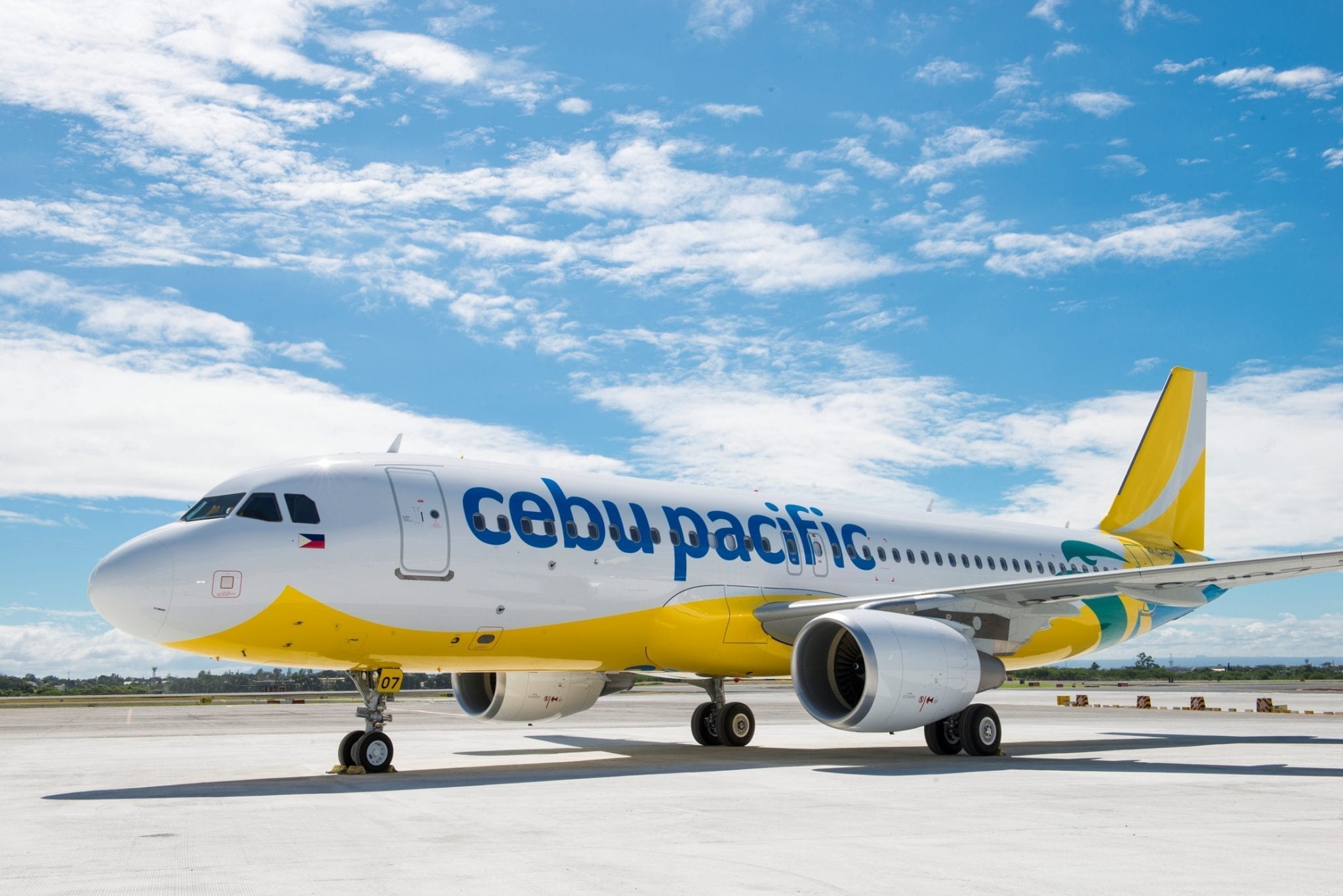
The long wait has been over for travelers from this northwestern part of Leyte going to Cebu, following the opening of daily flights.
The 35-minute Cebu-Ormoc-Cebu flight had its inaugural flight on Saturday and carried 54 passengers from Ormoc City.
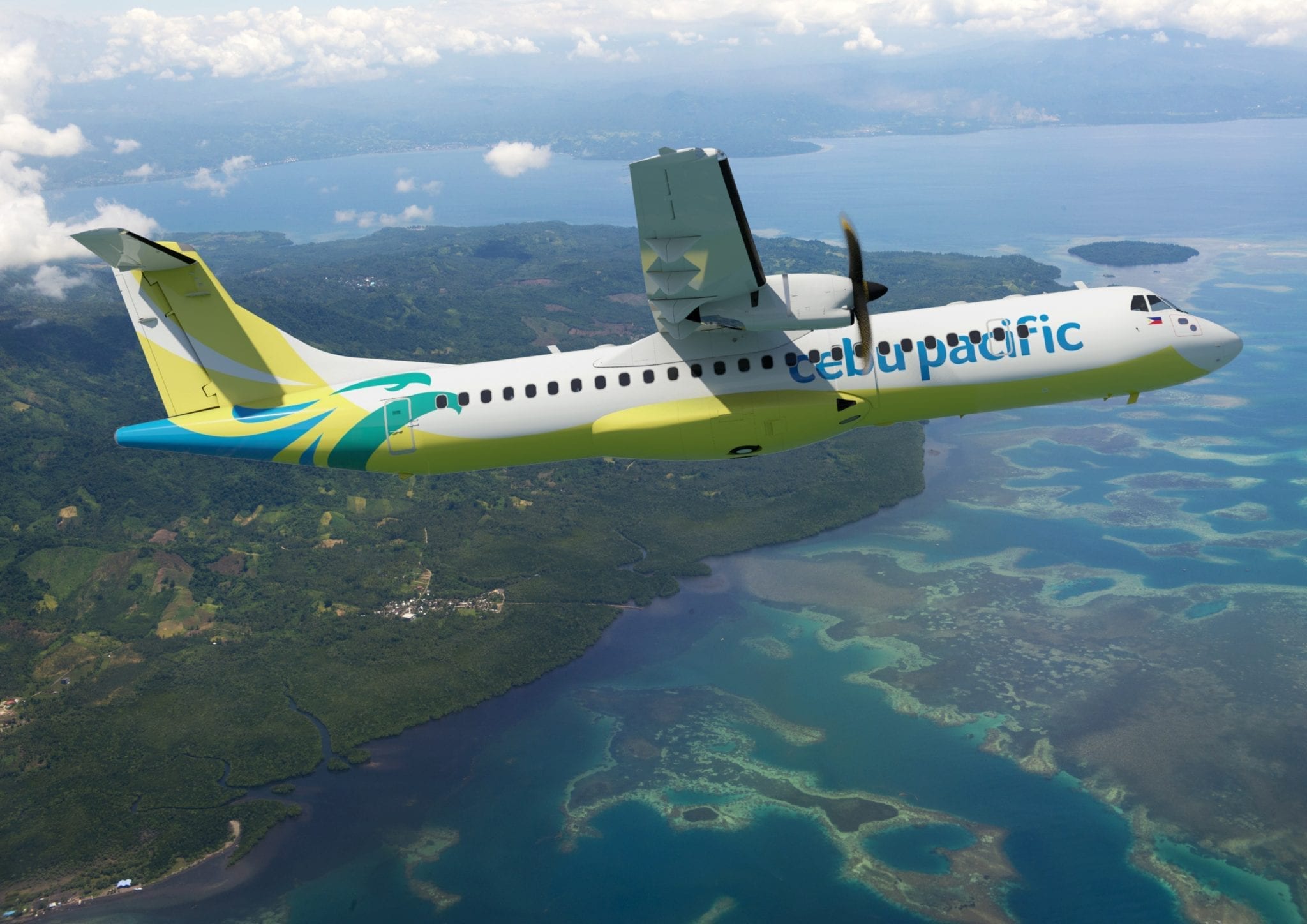
ATR-72-500 aircraft of Cebu Pacific arrived in Ormoc at past 8 a.m. from Cebu on its initial trip carrying 31 passengers, including Ormoc Mayor Richard Gomez. Minutes later, it left for Cebu with 54 commuters.
Cebu Pacific’s 72-seater plane serves daily flights with scheduled departure at 8:42 a.m.
This development opens doors towards boosting the city’s economic endeavors and benefits its tourism industry. The city government has been very vocal of the mayor’s vision, making tourism as his priority.
Gracing the opening program were city Vice Mayor Leo Carmelo Locsin Jr., Trina Dacuycuy of the Department of Tourism regional office, Cebu Pacific Vice President for Visayas Alex Reyes, and Civil Aviation Authority of the Philippines Eastern Visayas area manager Danilo Abareta.
Abareta said the daily air trip from Ormoc to Cebu is a better and faster alternative.
“The faster delivery of cargo will surely boost the economic activities of the city, including nearby towns,” he added.
Abareta lauded the city council, which vowed to rehabilitate the road access going to the airport and improve the airport parking.
The terminal building is likewise up for improvement for which he encouraged the authorities to expedite.
Locsin, who read the message of Mayor Gomez, said “the city thanked Cebu Pacific for placing trust and confidence in the city wherein part of the vision is to promote tourism.”
The city formed the Philippine National Police Aviation Security Group (AvSegroup) for vital security at the airport.
On its inaugural flight, Cebu Pacific offered promo fare at PHP599, inclusive with PHP500 terminal fee at Ormoc airport.
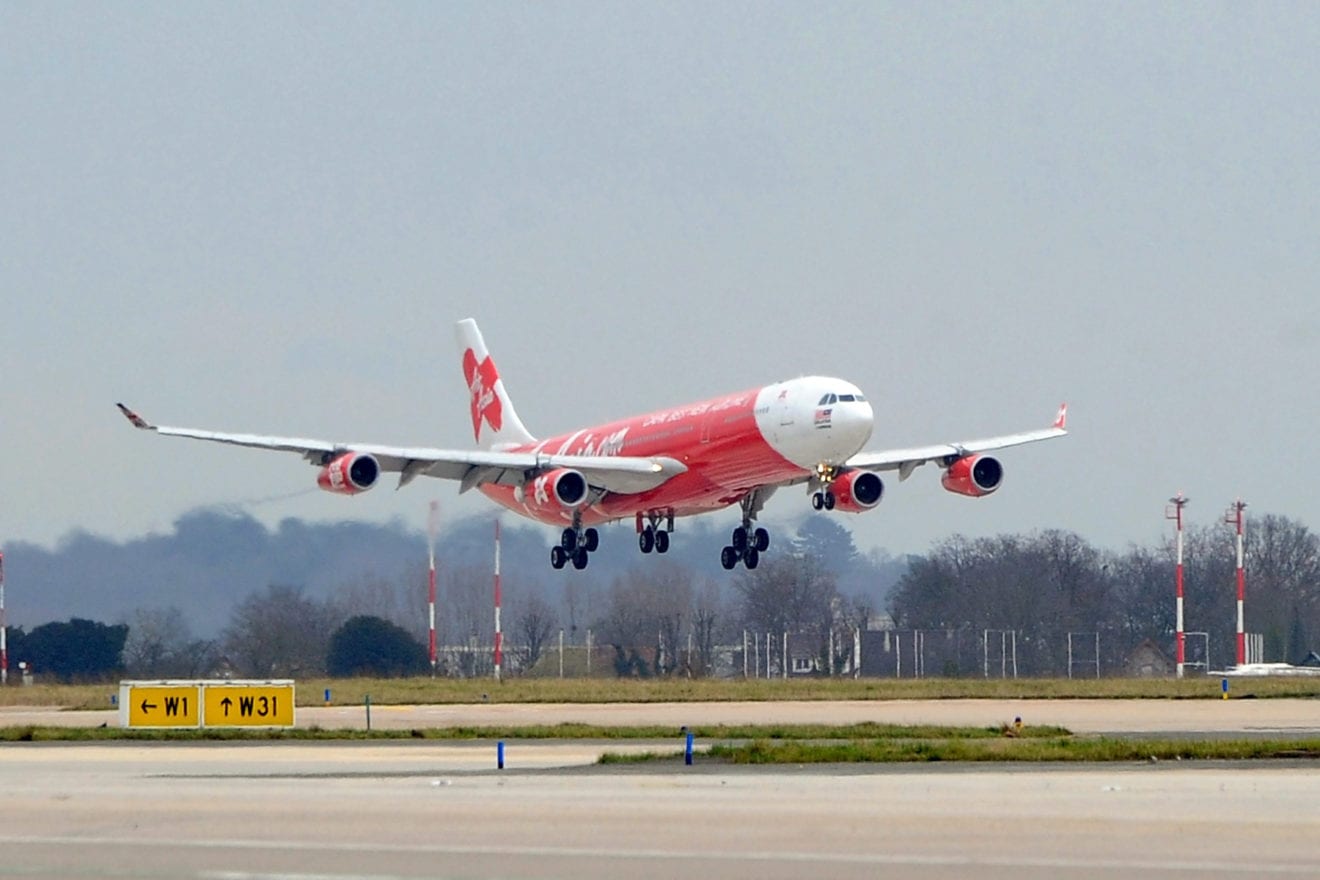
AirAsia Philippines, the local arm of Asia’s biggest budget carrier AirAsia Berhad, is ramping up plans to launch an initial public offering in 2017, its chief executive officer Tony Fernandes said.
AirAsia Philippines continues to enjoy strong demand despite seeing a net operating loss of P915 million in the third quarter of this year, Fernandes said.
Bulk of the company’s loss in the period was due to extraordinary costs.
Fernandes aims to move a planned equity sale to raise as much as $200 million from an IPO.
Most proceeds will finance expansion to increase the local unit’s current fleet of 15 Airbus 320s.
Airliner Cebu Pacific (CEB) further builds its presence in the MIMAROPA and Bicol regions with the launch of two more routes.
Starting February 15, 2017, CEB’s wholly owned subsidiary, Cebgo, will launch daily flights between Manila and Masbate; and four times weekly (Monday, Wednesday, Friday and Sunday) between Manila and Tablas using the newly-acquired ATR 72-600 aircraft.
The addition of these new routes will allow our passengers to easily visit these fast-rising areas in Luzon, both known for its white-sand beaches, waterfalls and diving spots.
“We remain firm in bringing people together through safe, affordable, reliable, and fun-filled air travel. With these additional routes, travelers will now be able to visit these destinations faster while enjoying CEB’s trademark low fares. Rest assured, we will continue expanding our network to reach more passengers in and out the Philippines,” says Alexander Lao, Cebgo President and CEO.
CEB holds an introductory P799 all-in seat sale for flights from both Masbate to Manila and Tablas to Manila from December 12-14, 2016, or until seats last. Travel period is from February 15, 2017 to March 31, 2017.
Cargo services will also be made available in these areas together with passenger services, contributing to growth of the more than 2,000 accounts we currently hold.
Guests may also download the Cebu Pacific official mobile app on the App Store and Google Play.
Control of the Foodpanda business has been sold by parent Rocket Internet, including the remaining Asian operations.
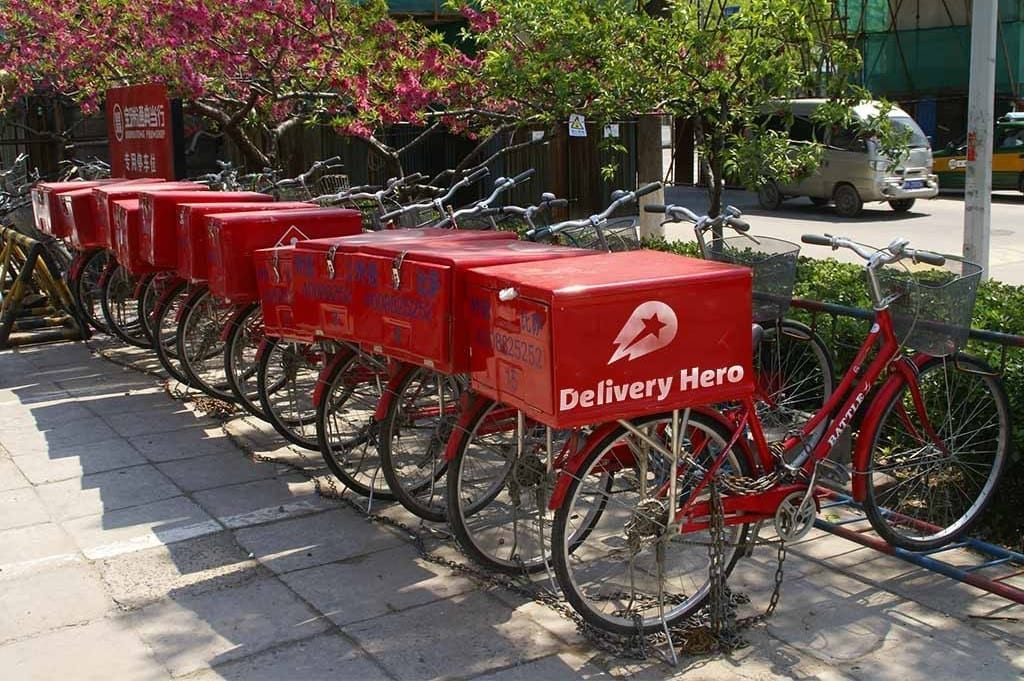
German-based online food-ordering service Delivery Hero Holding, which is active in 33 countries, has acquired Rocket Internet-backed Emerging Markets Online Food Delivery Holding, parent of the shrinking Foodpanda business.
Foodpanda, 49 per cent owned by Rocket Internet, has a presence in 22 countries, but shut its Indonesia business in October in the face of growing competition from app-based ride-hailing services that also offer food delivery, such as Go-Jek and Grab Bike. It has also exited Vietnam but remains operational in Singapore, Hong Kong, Thailand, Malaysia, the Philippines and Taiwan.
In a partial share swap, the deal will see Rocket Internet’s stake in Delivery Hero increase from 30 per cent to 37.7 per cent. The sale will strengthen Delivery Hero’s global leadership position in online food ordering and delivery, with the combined group processing more than 20 million orders a month across 47 countries, says Rocket Internet.
Bloomberg data shows that both companies together have raised more than $1.5 billion across several funding rounds with investors including Goldman Sachs and Insight Venture Partners.
“The combination of Foodpanda and Delivery Hero, one of our most important companies, further consolidates key markets,” says Rocket Internet CEO Oliver Samwer. “Delivery Hero is also acquiring new markets.”
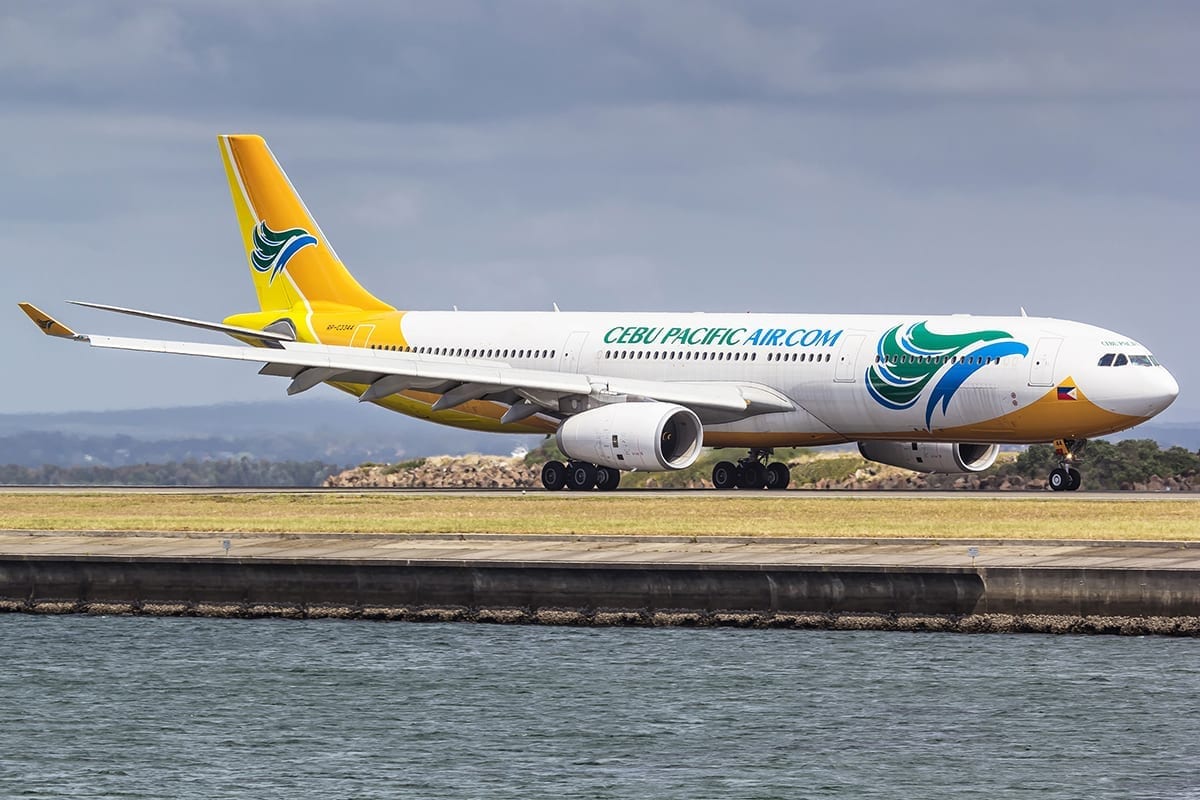
Cebu Pacific may offer additional flights to Australia and the United States as part of efforts to expand its international network, its chief executive officer said.
The Gokongwei-led carrier earlier said it expects its long-haul business to post a profit, driven by new flight services and increased frequencies in its existing international routes.
“We are still considering… looking at Hawaii and Melbourne,” Cebu Air, Inc. President and Chief Executive Officer Lance Y. Gokongwei told reporters at the sidelines of a recent event when asked for the low-cost airline’s next planned long-haul route after its maiden Guam flight last March.
Mr. Gokongwei, however, noted that there are “no firm dates” yet for the said flights.
Cebu Air currently operates across 36 local and 30 international destinations with a fleet of 58 aircraft. It operates from six hubs: Manila, Cebu, Clark, Kalibo, Iloilo, and Davao.
Asked whether Cebu Pacific would also consider mounting flights to Europe, Mr. Gokongwei: “I think we would consider it, but right now, we don’t have any immediate plans at this point but it’s something we should be considering as we get additional long-haul aircraft into the system.”
“Frankly, I don’t see it happening from a Cebu Pacific perspective for 2 or 3 years,” he added.
Mr. Gokongwei said Cebu Pacific expects to ferry 19 million passengers this year, a record passenger volume, driven by the airline’s low-cost long-haul services and increased frequencies in key domestic markets from 18.4 million passengers in 2015 and also up from the 16.9 million passengers flown in 2014.
As of the nine months ended September, Cebu Pacific said passenger traffic was up 6% to 14.48 million, as capacity inched up by 0.4%.
Cebu Air, operator of budget airline Cebu Pacific Air, saw its profit double in the first nine months of the year to P7.1 billion from P3.56 billion a year ago, led by strong passenger volume, higher ticket prices and lower fuel costs during the period, it told the stock exchange in its quarterly report.
Demand remained strong during the nine-month period as Cebu Air reported its total revenue hit P46.69 billion, up 10.5%. Passenger revenue rose 10.1% to P35.36 billion while ancillary revenue — from non-ticket revenues such as baggage fees and onboard meals — was up 14.9% to P8.79 billion.
Shares in Cebu Air closed at P97.80 apiece on Friday down P3.90 or 3.83% from its previous finish of P101.70.
A 32-year-old executive is driving the growth of electronic commerce in the Philippines, encouraging millennials to shop for fashion items through their smartphones.
Paulo Campos III, the Princeton University-educated co-founder and managing director of Zalora Philippines, says his company is scaling up operations to keep up with the frenetic activities during the holiday season.
“The market is accelerating this year compared to last year and even faster than the last time we talked. Christmas is drawing more and more customers to shop online,” Campos says in a news briefing.
“Sales momentum started to pick-up as early as October, a few weeks earlier than last year. And the peaks and highs are even higher than last year. But I can tell you in December we’re averaging more than double the traffic last year, or more than 100 percent,” says Campos, while announcing Zalora’s biggest sales event—12.12 Online Fever—a four-day campaign that starts midnight of Dec. 12 across Southeast Asia.
Zalora Philippines co-founder and managing director Paulo Campos III
Zalora Philippines, which is supported by Germany’s Rocket Internet GmBh, is Asia’s leading online fashion retailer. Campos helped establish Zalora Philippines in January 2012 when he was 28, after working for The Boston Consulting Group in Singapore and Ayala Land Inc.
Campos graduated magna cum laude with a Bachelor of Arts Degree from Princeton University in 2005. He also has an MBA degree from Harvard Business School.
Campos says this year’s cyber sales event offers exclusive deals on more than 200 fashion and beauty brands across six markets, including the Philippines, Singapore, Malaysia, Hong Kong, Taiwan and Indonesia.
Campos says 12.12 Online Fever is a region-wide sales event that aims to drive the e-commerce industry across the region, bringing to consumers some of the best deals that encourage online purchases and convert traditional shoppers into e-consumers.
He observes that buyers have been spending more time on the net, especially when the holiday season peaks.
From browsing an average of 10 minutes in previous years, consumers are now spending 13 to 14 minutes per browse on the net “which maybe small from a consumer point of view but big for us already.”
“The more they spend time visiting our site, the more they get engaged, the more they tend to make a purchase,” he says. “More engagement, I think, is because of more brands [and] better assortment [of products]. They are more coming to the website and the figure is doubling.” Globally, Zalora has seen an increase in new customers by 32 percent. With most of the major brands now housed in Zalora, the company is focused on deepening engagements with brands and with customers.
“We are always adding more brands, but at this rate we got almost the big ones. Now we’re going deeper as we are shifting our focus to deepening the engagement with customers. We will be doing other brands, as well. Those big names that haven’t signed up up with us, we intend to convince them more,” Campos says.
“The thing about big brands is that they create incremental demand. In fashion, it’s all in the brand. Our progress this year, why we move from strength to strength, is because we’ve proven that our brand profile is one of the best in the online world,” says Campos.
As sales grow brisk, operations are also expected to keep up with the volume. Zalora is beefing up its delivery system, hiring more riders on top of the current fleet of 400.
Zalora is pro-active, he says, as it moves to determine fashion trends, globally and on the regional scale. It also helps consumers arrive at a decision via the shopper’s price comparison.
Cyber shopping has changed the mindset of Filipino consumers, he says. In 2016, the Philippines reached the average global e-commerce penetration rate.
A study by an independent research company in Singapore shows that about 46 percent of Filipinos now have access to the internet, while 29 percent of Filipinos have experienced online shopping.
Hong Kong logistics startup Easyship has raised an undisclosed amount of pre-series A funding from 500 Durians, a fund managed by Silicon Valley’s venture capital major 500 Startups.
Easyship is an online platform providing crossborder logistics services for eCommerce companies, claiming to have access to more than 80 shipping companies and offering visibility on delivery time, cost breakdown, reliability and tracking.
To date, it has raised aggregate funding estimated at US$2.5 million. The latest round will help it expand into Southeast Asia via Singapore, following the validation of its business model and building of traction in the Hong Kong market.
Its expansion to Singapore provides strategic access to Southeast Asia and leverages off the city-state’s logistics infrastructure and networks – just as US eCommerce giant Amazon is establishing a presence there.
The venture originates from problems with international shipping encountered by co-founders Tommaso Tamburnotti and Augustin Ceyrac when they were trying to build the crossborder business of Rocket Internet’s Lazada, as reported. At the time, Lazada was trying to attract more vendors to its platform in China and Hong Kong selling into Malaysia, Singapore, Thailand, and the Philippines.
However, Lazada’s rapid sales growth was inhibited by a “very unstructured and fragmented” logistics industry. Easyship streamlines this process, providing an end-to-end process for packaging, labelling and tracking goods with couriers. It charges no fees for these services, with sellers paying the couriers. Revenue is generated from courier commissions.
Easyship claims its saves its 1000-plus clients in Hong Kong up to $20,000 a month on shipping fees.
A Philippines Senate committee plans next year to draw up legislation that would reform the nation’s telecommunications industry.
The Senate committee on economic affairs is considering reforms including granting more powers to regulator the National Telecommunications Commission (NTC), Rappler reported.
Another proposed change involves removing the 40% owner restriction on overseas investments in telecommunications ventures to allow foreign players to more freely operate in the market.
The committee is critical of the NTC’s recent decision to quickly review the planned sale of San Miguel Corporation’s telecoms assets, including its highly-prized allocation of 700-MHz spectrum, to the incumbent duopoly of Globe and PLDT.
The committee aims to strengthen the NTC’s powers to protect consumers and promote healthy competition, while ensuring the regulator is independent.
In terms of foreign investments, operators are currently classed as public utilities, limiting foreign investment to 40% and restraining the establishment of prospective joint ventures and the entry of new players.
The committee is proposing to exclude telecommunications from the definition of a public utility, which would circumvent the need for a constitutional change to allow the liberalization of the nation’s telecoms sector.
Even incumbents PLDT and Globe are supporting the proposal to open up telecoms to foreign players on the grounds that it would benefit both consumers and the industry.
Thai firm local subsidiary PTT Philippines rolls out its five-year investment plan commanding capital outlay of P5.0 billion to bulk up on its retail network to 300 stations.
PTT President Sukanya Seriyothin said “you can expect to see more PTT stations as we have allocated around P5.0 billion for the construction of more stations to reach our target of 300 stations by year 2021.”
The company will already have 112 stations for its retail portfolio until the end of the year; and to hit its investment target, it will need to work on the 188 stations more in the coming years.
The Thai firm is targeting to beef up its retail network beyond Luzon – that 20 percent of its planned 20 stations next year will likely be in Visayas. Mindanao is similarly part of the goal for new ventures, but company officials qualified this is still under serious study.
“Our expansion in the Philippines, particularly our retail, is in full swing… we now have 105 service stations in Luzon and in Cebu in the Visayas. This month, seven more stations are scheduled to open, and therefore, our total service stations operating will be 112 by end of this year,” the PTT chief executive added.
The investment proposition will be a combination of mega or large-scale and compact stations. For the second one, the pilot venture is already firmed up for location in Urdaneta City in Pangasinan.
A good bit of the company’s retail and branding reinforcement would be the integration of “Café Amazon” being a vital element of non-fuel service to patrons of their gasoline stations.
“Part of the budget will also be allocated for new Café Amazon and we are targeting 60 branches by that time,” Seriyothin said.
The “Café Amazon” is a key feature of major PTT stations in Thailand as well as in the company’s operations in Laos, Myanmar, Cambodia and Japan – and it is a retail business component that the Philippine subsidiary would want to re-introduce here. PTT has already integrated such at its softly opened station at the northbound of the Subic-Clark-Tarlac Expressway.
Given the boom-and-bust cycle of the oil industry, Seriyothin noted that the non-fuel component of their business would definitely help boost profitability.
“Our estimated sales volume by end of 2016 is expected to reach more than 1.0 billion liters, 6.0-percent higher than planned,” she said.
Seriyothin further explained that “the increase in volume is primarily due to higher sales in aviation and retail segments.”
The oil firm emphasized it is projecting an average annual growth rate of 11-percent in the next five years “with positive growth in all segments.”
Fast-fashion retailer Forever 21 Philippines has opened its 13th location, at SM City Bacolod.
Based in California, the brand first opened in the Philippines in 2010. As well as fashionwear, it usually offers shoes, bags and accessories. However, its new 800 sqm store also includes its other brands such as Forever 21 Contemporary, Forever 21 Men and Forever 21 Plus.
The first 200 customers each received a PP500 (US$10) gift card.
Forever 21 is on the ground floor in the mall’s north wing.
Cebu Pacific, the country’s largest carrier, said Wednesday it was considering acquiring wide-body jets for possible flights to the United States.
While “no formal decisions” have been made, Cebu Pacific said studying the acquisition of new aircraft is part of its long-term planning.
In a disclosure to the stock exchange, the company said it was “evaluating new generation wide body aircraft that would enable it to enter new markets such as the United States.”
The clarification was issued after The Standard newspaper, quoting an aviation think-tank, said Cebu Pacific was planning to acquire new planes for trips to the US West Coast.
Cebu Pacific currently flies to the US territory of Guam. It also operates long-haul flights to the Middle East and Australia.
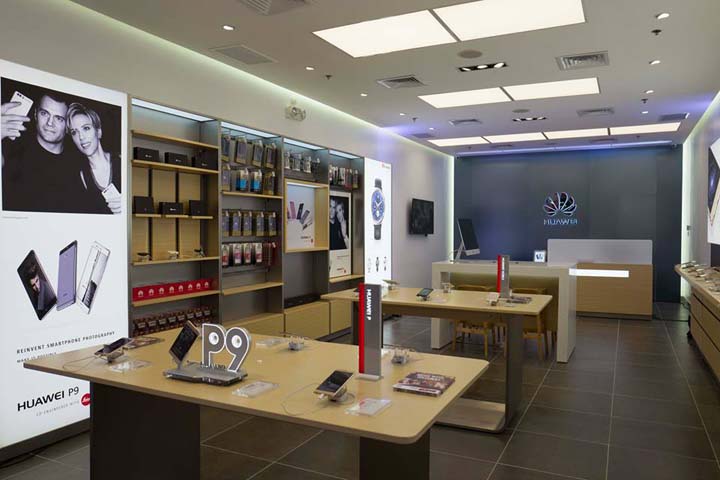
Huawei introduced a new retail concept in its line-up of experience stores during a recent opening at SM City San Lazaro, Manila. The newly opened branch is the first in the city of Manila and the 44th in the country.
SI 3.0, the design blueprint of the Huawei SM San Lazaro store is guided by four traits – simple, premium, warm, and comfortable. Relative to its predecessor, the SI 2.0, the new design is marked with wider spaces and lighter ventilation promising an enhanced and more welcoming customer experience.
“Huawei continues to prove to be a game changer in the smartphone industry this year, and we have big plans to take advantage of this momentum. Our high-end premium phones such as the P9 and Mate 8 have been the drivers of this smashing success. As such, we would like to extend this premium, high-quality identity to consumer experience at our stores,” said Andy Fang, Country Head at Huawei Philippines.
As Southeast Asia eCommerce merchants set benchmarks in a booming industry, their efforts are about to be celebrated with the launch of annual awards.
Based in Kuala Lumpur, online shopping aggregator iPrice Group has launched the iPrice eCommerce Merchant Awards (iEMA) 2016 in partnership with eTail Asia, a service for eCommerce professionals, and Trusted Company, a review platform for eCommerce businesses in emerging markets.
The first awards ceremony will be held in conjunction with the annual eTail Asia conference at Marina Bay Sands, Singapore, on March 8 next. The inaugural iEMA 2016 will feature country and regional winners in two categories – Most Popular eCommerce Merchant of the Year and Highest-Quality eCommerce Merchant of the Year. Merchants do not have to submit entries as all qualifying merchants are automatically enlisted.
“Based on studies by Google and Temasek, the Southeast Asian eCommerce market is expected to see exponential growth from US$6 billion to about US$90 billion in 2025,” says iPrice Group CEO David Chmelar.
“With new players in the eCommerce industry coming up every left, right and centre, it is imperative we highlight excellence in the sector in hopes to further inspire and encourage both existing and upcoming merchants to excel further in Southeast Asia.”
Consumer choice
Finalists and winners for the awards will be chosen by consumers via the iEMA 2016 microsite. People can vote only once, with January 31 the deadline.
Meanwhile, in an effort to also recognise special initiatives by eCommerce merchants that might have escaped attention, a third category has been set up to highlight efforts by businesses that have undertaken projects to support a social or non-profit organisation. This will be judged by a panel of experts from the eCommerce sector with only one overall regional winner being chosen. The judging panel comprises Chmelar, Asia Venture Group CEO/founder Tim Marbach, Worldwide Business Research GM Danny Levy, Trusted Company co-founder/MD Frederick Krass, Google Vietnam head of marketing Anh Nguyen and 500 Startups managing partner Khailee Ng.
Submissions for this award are being accepted from for both consumers and eCommerce merchants through the iEMA 2016 website.
Voting is being accepted at the iEMA 2016 microsites for Hong Kong, Indonesia, Malaysia, Philippines, Singapore, Thailand and Vietnam.
iPrice Group is a Southeast Asian metasearch engine that enables shoppers to find products, compare prices and save. It seamlessly connects them to hundreds of eCommerce merchants in the region.
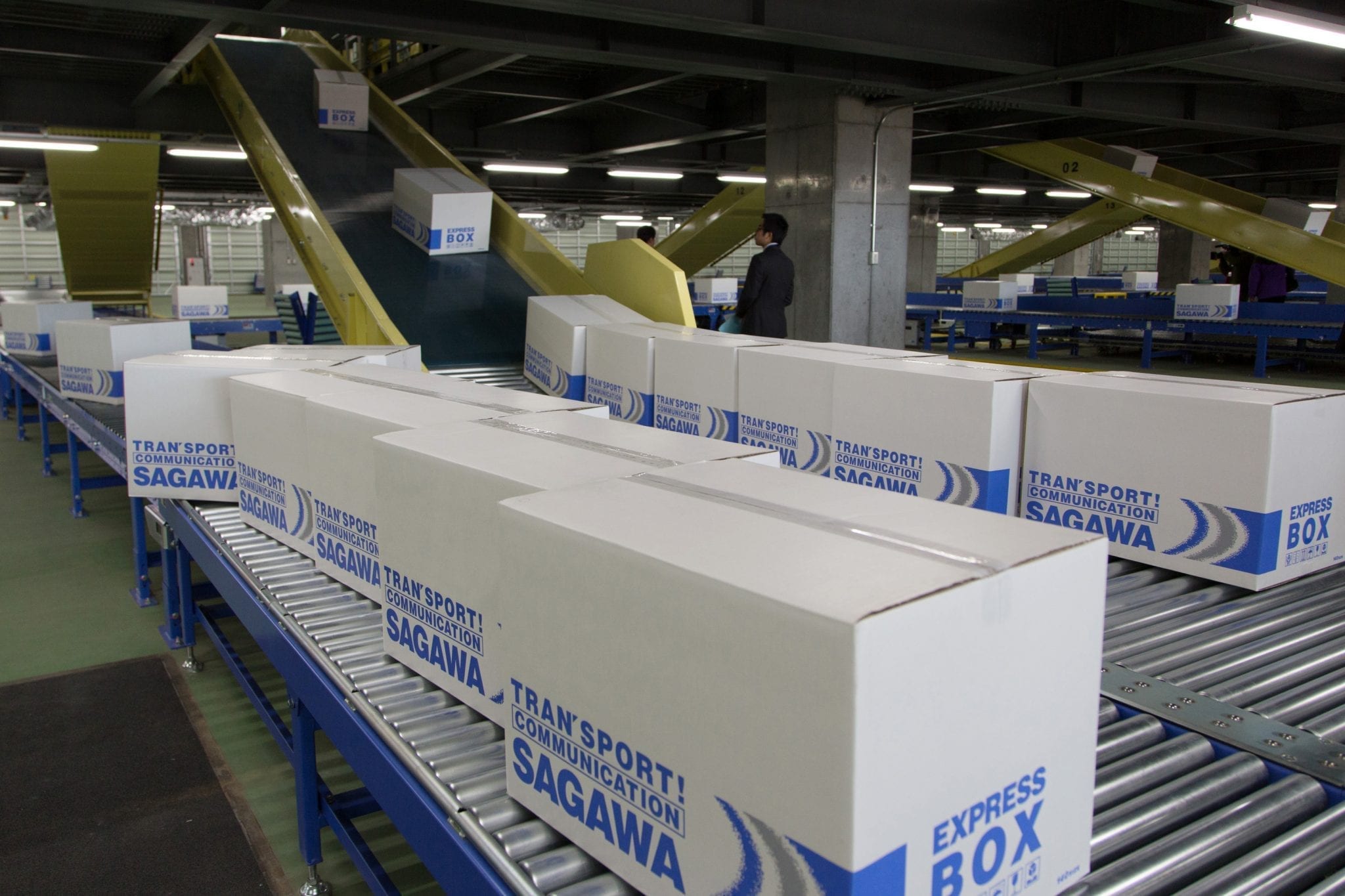
The Sagawa group will acquire Phat Loc Express, Vietnam’s fifth-largest delivery service, gaining a foothold to expand operations nationwide as online shopping continues to grow.
Japan’s SG Holdings, the parent of Sagawa Express, will buy all of Phat Loc’s shares from management. The Vietnamese company was established in 2001 and has about 1,200 employees. Its roughly 60 branches cover deliveries in the entire country. Phat Loc logged sales of over $9 million in 2015, and the purchase price likely will be a similar amount. With a market share of just a few percent, the company is dwarfed by Vietnam’s two major delivery services.
SG Holdings began deliveries in Vietnam via a local subsidiary in 2012. The company handles its own deliveries in Ho Chi Minh City and Hanoi but contracts local businesses for other regions. The purchase of Phat Loc will let SG Holdings expand service nationwide.
Vietnam’s service quality remains rather low, and packages sometimes arrive late or damaged. The Sagawa group will tap its Japanese know-how to try to boost the quality of Phat Loc’s service in order to challenge Vietnam’s delivery leaders.
SG Holdings teamed with major Vietnamese real estate and retail company Vingroup in November. The Japanese business will deliver products for the group’s supermarkets and convenience stores. The delivery company is accelerating its Southeast Asian expansion, partnering this year with companies in Indonesia and the Philippines.
Partnering with the SM Group, Bata Philippines has opened its first store at SM Megamall in Manila.
“We never hesitated,” says Thomas Archer Bata, who attended the launch, referring to the brand’s linking up with the Sy family, which grew a shoe outlet into supermarket development conglomerate SM Group. “Also, we have had a friendship with the SM Group and the Sy family for some time.”
Bata Shoe Co originated in Zlin, in what is now the Czech Republic, in 1894. It was founded by Tomás Bat’a, whose grandson, Thomas George, is on the management board along with his sisters Christine, Monica and Rosemarie. Thomas Archer, the chief marketing officer, is a fourth-generation cousin.
Bata has 5000 retail outlets in 70 countries, with a strong presence in India and a factory in Thailand since the 1970s. The company would have entered the Philippines earlier, but there were legal complications related to its trademark, says Thomas Bata. “It took many, many years to resolve. Fortunately, with the help of SM, we managed to resolve it.”
He says the brand is going to “tread cautiously” in the Philippines with plans to open between eight and 15 stores in SM malls in Metro Manila.
He says the company follows a “responsible capitalism moral testament” formulated by its founder: it should not be treated as a source of private wealth but, rather, as a public trust, a means of improving living standards within the community and providing customers with good value for their money.
“We are very environment-friendly. Our factories are audited on a yearly basis for their sustainability,” says Bata. “Our founder more than 100 years ago believed in sustainability, in producing as little waste as possible, and that is still the case. We always use environment-friendly materials and suppliers.”
Meanwhile, Bata says the company is talking to potential partners in the Philippines to work on some collaborative projects, and is planning with SM how to roll out a rural education program for young girls.