Tag: Philippines

  • China tapping 10 Philippine’s banks

    China tapping 10 Philippine’s banks

    State-owned Bank of China is in talks with ten Philippines banks including  Banco de Oro Unibank Inc. and Land Bank of the Philippines to retail the $3-billion fund committed by the Chinese lender to the Philippines.

    A team of high ranking officials from Bank of China’s main office in Beijing attended the first of a series of roadshows in the Philippines to link with local financing institutions including banks and microfinance lenders.

    Bank of China president Jun Deng said more financing institutions and legitimate lenders would be announced soon.

    “This is just the initial phase. We will be having discussions with the banks we invited. Maybe later on, we’ll disclose these banks and the development of our discussions,” he said during the Manila leg of the roadshow held Thursday at Fairmont Hotel in Makati City.

    The roadshow is a pre-event exercise in preparation for the Bank of China’s global SME cross-border trade and investment conference that will take place in Davao City in 2017.

    Bank of China will provide details on how it will disperse financing to Philippine SMEs during the Davao conference.

    The bank said it would also bring in 100 Chinese SMEs interested in the Philippine agro-industrial industry.

    “Agribusiness is one of the key areas important to China. Other interests include technology, renewable energy which is heavy on solar-based power production and the furniture industry,” said International Chamber of Commerce of the Philippines president Jesus Varela.

    Initial talks between the Chinese bankers and Filipino businessmen pointed to Mindanao as the priority area.

    The conference will also serve as a matchmaking event for SMES to have access to financing from credited financing retailers of Bank of China.

    Bank of China said while the $3-billion financing commitment would not be for the sole benefit of SMEs, the bigger portion of the fund will help SMEs grow and build a global enterprise.

    Deng said a portion of the financing would also support important infrastructure and energy projects and programs that would promote industrialization.

    Bank of China held 26 cross-border trade and investment conferences across the world that attracted over 30,000 people from political and business circles and  more than 15,000 enterprises from 60 countries over the past two years.

  • Cebu Pacific opens 3 more domestic routes

    Cebu Pacific opens 3 more domestic routes

    The Philippines’ leading airline, Cebu Pacific, further reinforces its position in the Visayas region with the launch of three more routes.

    Starting last Nov.19 (Saturday) , CEB has officially become the only carrier flying daily between Cebu and Ormoc and Cebu and Roxas; and four times weekly (Tuesday, Thursday, Saturday and Sunday) between Cebu and Calbayog using the ATR 72-500 aircraft.

    With these new destinations, CEB is now up by three with a total of 36 domestic cities being served. With this further expansion, more and more travelers now have easier access to the already wide (and continually-growing) network of Cebu Pacific.

    The lowest all-in year-round fare, one-way for Cebu to Calbayog is Php1,983, Cebu to Ormoc is Php1,647 and Cebu to Roxas is Php2,039.

    “CEB remains committed in offering the most convenient choices for passengers at the lowest fares possible. With these additional routes in and out of the Queen City of the South, more guests can now easily explore the Visayas region. At the same time, locals can now connect not only to Cebu and Manila, but to international destinations as well. Rest assured, we will continue to persist in expanding our horizons and promote trade and tourism in the destinations we operate in,” said Alexander Lao, Cebgo President and CEO.

    Moreover, the addition of these new routes will foster stronger cargo services within Calbayog and Ormoc, and soon will expand in the whole of Visayas region.

    Based on the current data released by the Civil Aeronautics Board, Cebu Pacific Air group is currently the largest domestic cargo carrier, representing 50% of the market. Nearly 165 million kilos of cargo were delivered to domestic and international destinations in 2015. We service more than 2,000 accounts, tailor-fitting products to our clients’ domestic and international cargo needs. This includes express cargo service, seamless transshipment, and 30 interline partnerships for worldwide reach.

    In 2015, over 4.4 million passengers were flown to and from Cebu. Cebu routes cover about 24.5% of CEB’s seat capacity for 2015. With the addition of these new routes, CEB now has a total of 25 domestic routes in Cebu, which caters to the ever-increasing travel demand.

    Aside from Cebu, CEB also operates flights out of five other strategically placed hubs in the Philippines: Manila, Davao, Clark, Kalibo, and Iloilo. The airline’s extensive network covers over 100 routes and 66 destinations, spanning Asia, Australia, the Middle East, and USA. CEB’s 58-strong fleet is comprised of six Airbus A319, 36 Airbus A320, six Airbus A330, eight ATR 72-500, and two ATR 72-600 aircraft. Between 2016 and 2021, CEB expects delivery of two more brand-new Airbus A330, 32 Airbus A321neo, and 14 ATR 72-600 aircraft.

  • AirAsia launches daily Manila-Taipei service

    AirAsia launches daily Manila-Taipei service

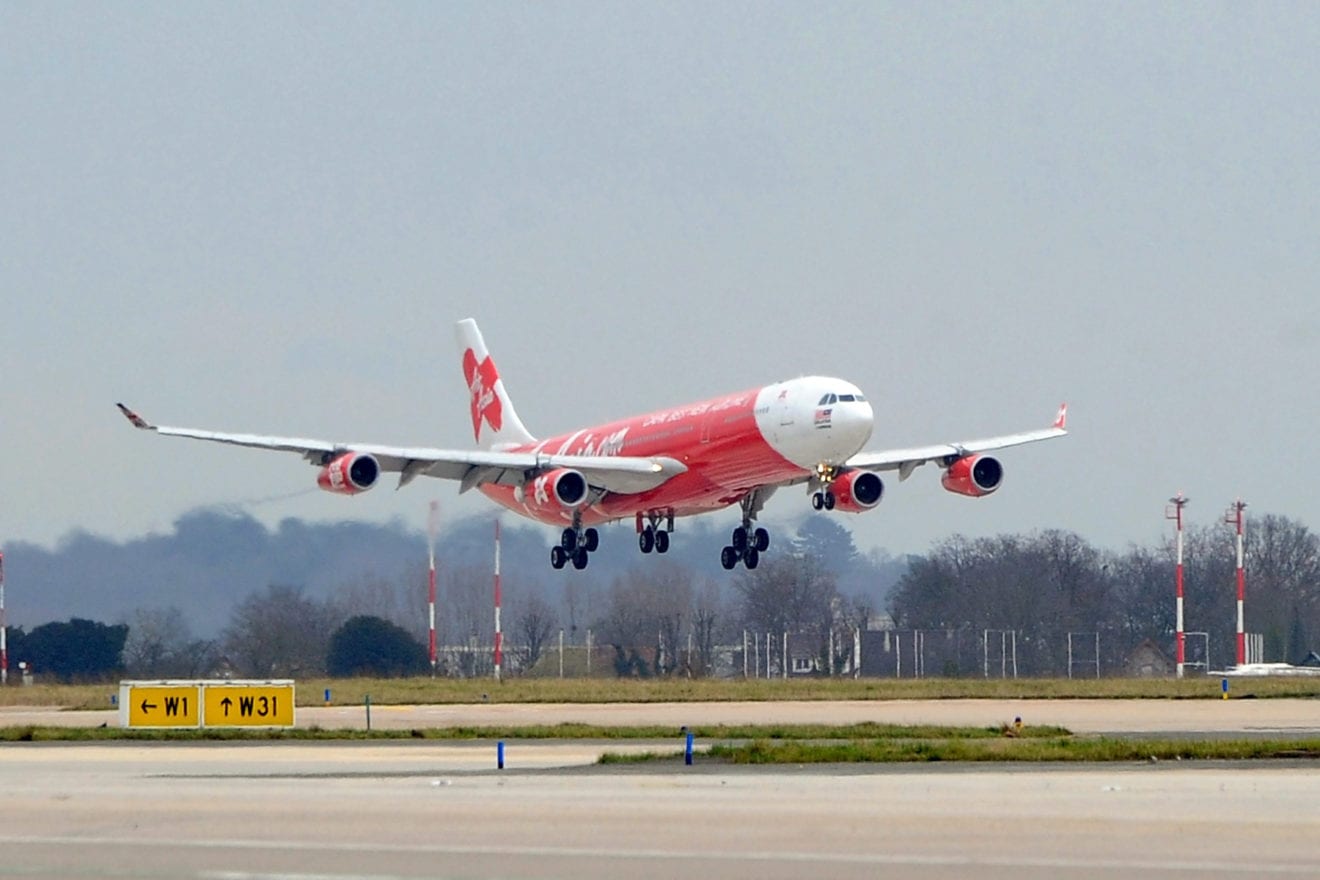
    Travellers from the Philippines now have more options when flying to Taiwan after Philippines AirAsia started its daily Manila-Taipei service last Monday.

    Philippines AirAsia chief executive Captain Dexter Comendador himself piloted the Airbus A320 to mark the budget airline’s maiden voyage from Manila to Taipei.

    “Today heralds a brighter and much closer ties between two countries to improve trade and tourism,” he addressed the passengers midway through the flight.

    “We have introduced amazing connections for our guests to enjoy and we are aiming to go further across Asia by strengthening AirAsia’s presence in Taiwan,” Comendador added.

    The flight touched down at the Taoyuan International Airport after midnight to a welcome water barrage from firetrucks.

    The Taipei-Manila route was officially launched Tuesday at a press conference at the Grand Sheraton in Taipei, which was attended by Philippines AirAsia chair Maan Hontiveros and AirAsia North Asia CEO Kathleen Tan.

    A thrice-weekly Cebu-Taipei service was also announced with performances from Sinulog dancers. Taiwanese celebrity travel blogger Patty Woo also regaled guests with her beach adventures during her recent trip to Cebu.

    Starting Friday, Philippines AirAsia will begin regular flights from Cebu to Taipei on Wednesday, Friday and Sunday.

    Taiwanese tourist arrivals in the Philippines have reached 157,517 from January to August this year. Taiwan is currently the country’s sixth top visitor market after Korea, the United States, China, Japan and Australia.

    “Taiwan and the Philippines share a strong affinity with one another. They enjoy robust economic ties, many Filipinos live and work in Taiwan and more and more Taiwanese are visiting the many beautiful islands in the Philippines. We are honored to be able to bring the countries even closer together,” Tan said.

    Taiwan is known for night markets, tourist attractions like Taipei 101, and foodie adventures with its diverse culinary offerings

    Philippines AirAsia has teamed up with TourMeAway Walking Tours to make exploring Taipei more fun. From now until November 30, Philippines AirAsia travelers to Taipei may join the Hunger Game Walking Tour or the Taipei Chillout Tour for free.

  • Cebu Pacific Air launches three domestic routes from Cebu

    Cebu Pacific Air launches three domestic routes from Cebu

    Cebu Pacific Air has launched three new routes from Cebu (CEB). On 19 November, Cebgo, the fully-owned subsidiary of Cebu Pacific Air (and formerly known as Tigerair Philippines) began operating the routes on behalf of its parent company. Cebgo, which is now a pure turboprop operator, began daily ATR 72-500 flights to Ormoc (OMC) and Roxas (RXS) and a four times weekly service to Calbayog (CYP). None of these routes are currently served by any other carrier.

    At just 105 kilometres in length, the route to Ormoc is the shortest of the three, while the 204-kilometre route to Calbayog is the longest. According to OAG Schedules Analyser data Cebu is now connected to 26 other airports in the Philippines with non-stop flights, as well as 12 international destinations, including Los Angeles.

  • Jollibee profit soars as Filipinos order more

    Jollibee profit soars as Filipinos order more

    Jollibee Foods has reported  13.8 per cent global sales growth in its nine-month net profit as sales soared to P4.39 billion (US$88.2 million).

    Most of the Jollibee profit growth came from the domestic market where sales rose 16 per cent year-on-year, with the expanding offshore business returning 6.4 per cent growth.

    During the third quarter, net profit rose 6.1 per cent to P1.33 billion.

    “Sales of our businesses continued to be strong. We expect to end the year 2016 with the highest system-wide sales growth in five years and the highest organic growth in at least a decade driven by strong same store sales growth and the highest store network expansion,” said Jollibee CEO Ernesto Tanmantiong in an earnings statement.

    Jollibee, Asia’s largest food company, grew systemwide sales in the third quarter by 12.4 per cent to P36.32 billion, taking nine-month sales to P107.76 billion or 14.1 per cent higher.

    On a global basis, sales from the same-store network grew by 6 per cent year-on-year while new stores contributed a growth of 6.4 per cent.

    Tanmantiong said the company was encouraged by improvements in China, which helped its international business return to growth.

    “We look forward to continued recovery of our China business in the months ahead with the introduction of new products. Our plans for 2017 and the years ahead call for continued strong same store sales growth and store network expansion in the Philippines and abroad with the aim of surpassing our historical performance,” he said.

    JFC opened 201 new stores between January and September – 133 in the Philippines and 68 abroad. That’s a higher number than for the whole of 2015, when 186 opened.

    Jollibee’s CFO Ysmael Baysa said gross profit margins on the company’s products improved in the third quarter as raw material prices stabilised.

    At the end of September Jollibee had 3221 stores worldwide, 2547 of them in the Philippines. It also has a stake in Highlands Coffee in Vietnam and the Philippines, Pho 24 in Vietnam, Indonesia, Cambodia, Korea and Australia, Hotpot in China Smashburger in the US.

  • Philippines charges bankers for ignoring cyberheist

    Philippines charges bankers for ignoring cyberheist

    The Philippines has filed charges against five officials of RCBC bank and a former treasurer who “wilfully ignored” suspicious activity that led to tens of millions of dollars vanishing after a heist on Bangladesh’s central bank.

    Unknown cybercriminals tried to steal nearly $1 billion from the Bangladesh Bank in February in what was one of the biggest bank heists ever.

    They succeeded in transferring some $81 million via an account at the New York Federal Reserve to four accounts in fake names at a branch of Rizal Commercial Banking Corp. in Manila. Most of the cash was quickly withdrawn and laundered through multiple channels.

    In a 97-page complaint to the justice ministry, the Anti-Money Laundering Council (AMLC) said that former RCBC Treasurer Raul Tan, three retail banking officials and two workers at the branch where cash was withdrawn were guilty of money laundering because they should have noticed something was wrong and intervened immediately.

    Only about $15 million has been recovered and returned to Bangladesh, with a further $2.7 million frozen. The rest of the funds changed hands several times and vanished in the Philippines’ casino industry.

    No arrests have been made despite investigations by the U.S. Federal Bureau of Investigation, Interpol, Bangladesh police and authorities in the Philippines.

    Tan resigned as the bank’s treasurer in April.

    The AMLC complaint, filed on Nov. 18, covers three retail banking workers and two customer relations officers at the its Jupiter branch in Makati City. The complaint was based on evidence gathered from the bank.

    “Tan was in a position to order enhanced due diligence based on the red flags,” it said.

    “Tan could have convened the anti-money laundering committee to act on these red flags,” the AMLC said, adding Tan “wilfully ignored them and failed to conduct thorough investigation,” as required by law and the bank’s regulations.

    Tan’s actions showed he had “knowledge that the funds transacted represented the proceeds of an unlawful activity,” it said.

    RCBC in a statement said its own probe had found no official from the head office involved in the transaction, which was initiated and carried out by the Jupiter branch.

    “We welcome the charges as an opportunity to conclusively prove that our executives acted properly and had no knowledge or participation in any money laundering,” CEO and President Gil Buenaventura said.

    One longtime RCBC client, casino owner and agent Kim Wong, had admitted during a Philippine Senate inquiry that he received millions of the loot from two Chinese gamblers but did not know it was stolen. He denies involvement in the heist and has returned $15 million of around $35 million he said he received.

  • iQor Expands in the Philippines with Two New Contact Centers

    iQor Expands in the Philippines with Two New Contact Centers

    iQor, a global provider of business process outsourcing and product support services, today announced that it has expanded its service operations in the Philippines with the opening of contact centers in Iloilo, in Western Visayas, and in Bacolod, in the Negros Island Region.

    The additional 150,000 sq.ft. and more than 2,500 workstations will expand iQor’s service capacity for leading technology, telecommunications, retail, and financial services brands.

    The new centers provide further geographic diversity to iQor’s existing presence in Clark, Davao and Dasmarinas, bringing the total number of iQor employees in the Philippines to more than 16,000.

    “The Philippines remains a terrific place to conduct business,” said Hartmut Liebel, Chief Executive Officer of iQor. “Government officials at all levels remain engaged and helpful as we grow due to client demand and the service-oriented, tech-savvy talent we continue to find in labor markets across the Philippines.”

    “We’re excited to expand our operations in some of the fastest growing regions of the Philippines,” said Gary Praznik, iQor’s Chief Operations Officer, Retail & Consumer Services. “The labor force, infrastructure, and economic development support in Iloilo and Bacolod are fantastic and we are excited to create local jobs for local talent.”

    The company is actively seeking to hire more than 2,000 qualified individuals to help support client growth in customer care, technical support, sales and collections.

    Interested candidates may apply online using iQor’s mobile-friendly application at https://eapt.iqor.com or contact us at our new locations:

    iQor Iloilo
    One Techno Place
    Office 1 & 2
    Iloilo Business Park, Iloilo City
    ±63 918 803 8304

    iQor Bacolod
    Northpoint Technohub, The District North Point
    National Highway, Brgy 15
    Talisay City, Bacolod, Negros Occidental
    ±63 918 807 3398

  • Globe Telecom to secure controlling stake in Taodharma

    Globe Telecom to secure controlling stake in Taodharma

    “Accordingly, the change of our stake in Taodharma shall be reflected in the pertinent regulatory reports,” Globe Telecom said in its statement. Taodharma does buying, selling, distributing, marketing all kinds of goods, including mobile communication devices and accessories.

    It is also engaged in establishing, operating and maintaining retail stores in the Philippines that sell telecommunications or internet-related services, gadgets and devices.

    Globe Telecom partnered with Allphones Australia, and Taodharma’s parent firm Tao Corp in 2014 to boost its postpaid customer base by expanding its sales distribution channels. This gave birth to Allphones Philippines, a national reseller of mobile phone solutions across multiple carriers.

    Tao Corp is a community of companies in the Philippines focused on supply-chain services related to health & wellness, distribution and marketing, resources, and financial services.

    Allphones claims to be the largest specialist multi-carrier mobile telecommunications retailer in Australia having over 170 retail outlets. Australia Philippines currently has 46 retail outlets.

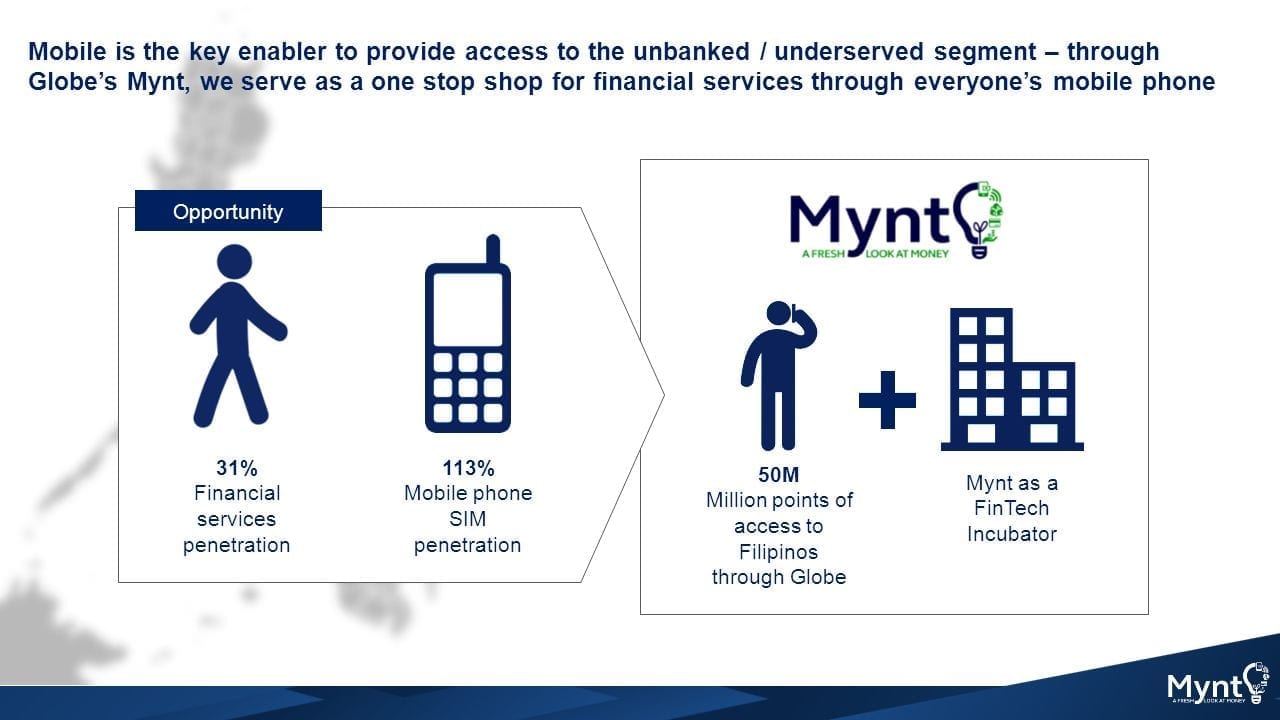
  • Globe’s Fintech Subsidiary Mynt Selects Amdocs to Power its Casa Service

    Globe’s Fintech Subsidiary Mynt Selects Amdocs to Power its Casa Service

    Amdocs, the leading provider of customer experience solutions, today announced that Mynt, Globe Telecom’s fintech subsidiary, has selected the Amdocs Mobile Financial Services solution to power Casa – a new service that will enable Mynt to offer retailers a cloud-based, financial-grade, white-label digital money fintech platform, providing retailers with the means to offer a wide range of financial services and generate a new revenue stream.

    The Mynt Casa service, which will be powered by the Amdocs Mobile Financial Services solution, will enable retailers to offer bill payments, money transfers, closed-loop merchant payment solutions and loyalty program management. In addition, a card management feature will support them in issuing a closed-loop companion prepaid card to any customer, even if they do not hold a bank account. Cards will be linked to the user’s mobile wallet account, allowing them to pay for purchases at retail and online stores.

    The Amdocs solution will be deployed on Amazon’s public cloud. Based on a multi-tenant system, it will enable retailers in different locations to be hosted as separate tenants on a centralized platform, wholly managed by Amdocs. Under a five-year software as a service (SaaS) agreement, Amdocs will assume complete responsibility for development, deployment, operation and maintenance of the Amdocs solution via a revenue-sharing model with Mynt.

    “Retailers in emerging markets such as the Philippines need their own e-money solution that allows them to offer financial services such as point-of-sale payments, using cashless methods such as mobile wallets, payment cards and loyalty points,” said JM Aujero, chief sales officer at Mynt. “With Casa’s easy-to-use cloud-based platform, we will be able to provide for this need in a way that is tailored to each individual retailer. At the same time, it will enable them to offer wider financial services, such as third-party bill payments and money transfers without having to invest in new infrastructure deployment and operations.”

    “The ability for retailers and merchants to offer their own financial services solutions is a huge opportunity for mobile financial services providers to drive usage and adoption,” said Patrick McGrory
    , president for Amdocs’ emerging offerings. “Casa, powered by Amdocs’ cloud-based solution, provides superior, retail-specific capabilities, combined with a time-to-market advantage that will enable Mynt to quickly roll out services to its retail partners across the Philippines.”

    Amdocs also separately announced the availability of its Mobile Financial Services Card Management System (CMS). CMS supports any service provider in issuing both closed loop and open loop prepaid and debit cards to their customers, even to those who have no bank account. The card can be linked to a consumer’s mobile wallet with a stored value and/or loyalty point account as the source of funds. They can use the card to pay for purchases at a retail point of sale terminal, withdraw cash from an ATM, or for online shopping.


  • Swedish retail giant H&M opens 18th Philippines Store in Centrio

    Swedish retail giant H&M opens 18th Philippines Store in Centrio

    Swedish retail giant H&M Hennes and Mauritz, Inc. has opened its 18th store in the Philippines at Ayala Centrio Mall in Cagayan de Oro City.

    H&M Country Manager for South East Asia Fredrik Famm leads the countdown for the ribbon cutting of their Centrio Store

    H&M Country Manager for South East Asia Fredrik Famm leads the countdown for the ribbon cutting of their Centrio Store

    Over a thousand excited shoppers queued as early as the day before to be the first to see only its second store in Mindanao after Davao.

    The crowd lines up to get a glimpse of the new store

    The crowd lines up to get a glimpse of the new store

    H&M Cagayan de Oro has more or less 1,500 square meters of store space and opens regularly from 10am-9pm.

    It carries a full assortment of H&M products including ladies, men’s, kids, shoes, accessories and lingerie, and also has complete sports, denim and underwear departments for both men and ladies.

    Ed Montalvan and other media are given a quick tour of the store prior to its 27 Oct opening by AList Dir Cybill Guynn (RMB, NPN)

    Ed Montalvan and other media are given a quick tour of the store prior to its 27 Oct opening by AList Dir Cybill Guynn (RMB, NPN)

    Alert environment-conscious shoppers will find an array of Conscious and sustainably-produced products, and will be delighted to avail of the option to donate used clothes for a discount voucher they can use for their next purchase under H& M’s Garment Collecting Program..

    Fredrik Famm, H&M Country Manager for South East Asia, sees a lot of potential in his assigned region, especially the Philippines.

    Fredrik Famm, H& M Country Manager for South East Asia, fields queries from the media with Danreb Mejia, H&M Head for Communications & Press

    Fredrik Famm, H& M Country Manager for South East Asia, fields queries from the media with Danreb Mejia, H&M Head for Communications & Press

    “By the end of the year we will have around 20 stores in the Philippines,” Famm said an exclusive media interview prior to the 27 October Centrio store opening. “We have big plans for the coming years given the country’s growing population, growing middle class, growing disposable income, and growing fashion interest.”

    “We’ve been in the Philippines for exactly two years since October 2014,” he said. “It’s been an amazing journey, we’ve been very well received, so we now have 18 stores in the country, it’s been a very quick expansion, and Filipino customers have embraced us in an amazing way.”

    The country’s robust economy has obviously been the driver for the store’s fast expansion.

    “We see a lot of potential in the Philippines, there is a lot of fashion interest, we see that segment is growing very quickly, and we see we have something to offer that is not yet fully present in the market,” Famm said. “We offer fashion, quality and price, and our products are made in a sustainable way. We think we can manage this mix better than most of our competitors.”

    H&M Centrio offers the same fashion at the same price you find in H&M stores all over the world

    H&M Centrio offers the same fashion at the same price you find in H&M stores all over the world

    H&M has sold out collections and there have been long queues whenever they open a new store. Apparently, fashion conscious Pinoys who’ve been abroad have been delighted to find the same merchandise at the same prices in H&M’s Philippine stores.

    “The fashion you see in Cagayan de Oro is the same that you can see in London, Paris, New York,” Famm stressed. We believe fashion is global and everything travels fast these days via internet and social media. We want customers to have the same experience when they enter our store in Cagayan de Oro as what they experience when they enter a store in Europe or US.”

    Thus, the chain has experienced sold out collections and long lines whenever they have opened a new store in the Philippines.

    Centro Mall Manager Natalie Mae Crisostomo (left) with Veronika Spanikova , H&M Construction Manager for South East Asia & Joy Tan, Construction Project Manager for H&M Philippines (photo by Mike Banos, NPN)

    Centro Mall Manager Natalie Mae Crisostomo (left) with Veronika Spanikova , H&M Construction Manager for South East Asia & Joy Tan, Construction Project Manager for H&M Philippines.

    “We want Cagayan de Oro customers to be able to find the same fashion in bigger cities in Europe and the US. We have the same collections everywhere and we build our stores the same way,” he added.

    Providing fashion for every age group at affordable prices has endeared the store to fashion conscious Pinoys eager to make their own individual fashion statements.

    “We believe customers are looking for the same fashion all over the world. Looking at the diversity that we have, everyone must be able to dress their own personality,” Famm said.

    “Every day you have new fashion arriving in the store, and that’s what makes us extremely competitive.  We want customers to find something new every time they visit us so customers should be able to come back every week and find something interesting.”

    Pinoy shoppers who’ve shopped in H&M stores all over the world will be further delighted to know they’re paying the same prices for the same merchandise they’ve been buying aboard.

    Souvenir shot with Danreb Mejia, H&M Head for Communications & Press

    Souvenir shot with Danreb Mejia, H&M Head for Communications & Press

    “We aim to have the same prices all over the world except for local differences due to customs duties, taxes, logistics, or exchange rates, but more or less we have the same price levels especially within the Philippines,” Famm assures.


  • Consumer credit seen to grow in Philippines

    Consumer credit seen to grow in Philippines

    Consumer credit demand in the Philippines remains strong, supported by President Rodrigo Duterte’s push to sustain economic growth, a loan provider said Friday.

    Home Credit Philippines expects to hit its target 500,000 clients this year and double its client base to one million in 2017, according to its chief executive, Annica Witschard.

    “Obviously, there’s going to be some ups and downs in the global economy but the Philippines has a strong track record of growth and I don’t seen anything that’s going to stop that in the coming years,” she told ANC’s “Market Edge with Cathy Yang.”

    Companies like Home Credit thrive with only three out of every 10 Filipinos having access to banks and only five percent with credit cards, she said.

    Home Credit Philippines, the local unit of Home Credit Group, plans to expand to more retail stores in 17 provinces nationwide to offer non-cash, no-collateral in-store financing.

  • Philippines based mobile payment service Abra joins hands with Codapay

    Philippines based mobile payment service Abra joins hands with Codapay

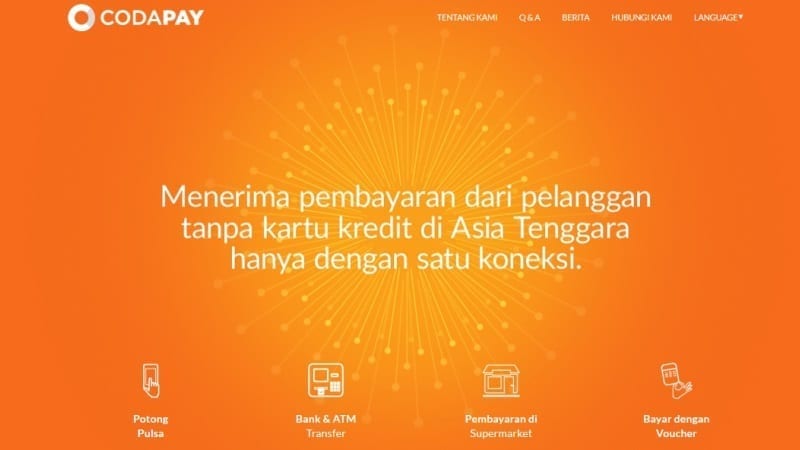
    Philippines-based mobile payment service Abra has announced a partnership with Singapore-based e-payment gateway Codapay.

    With this new deal, Abra users in the Philippines will be able to purchase Steam wallet codes, Skype credit, Amazon gift cards and Battle.net cards by paying with Abra at Codapay’s retail site, Codashop.

    “It is Abra’s goal to provide its users a better way to send and receive money, and to pay for things online. I am incredibly happy to partner with Codapay, a company whose vision of financial inclusion aligns with ours,” said Bill Barhydt, founder and CEO of Abra, in an official press statement.

    Founded in 2014, Abra leverages on blockchain technology to store digital cash on users’ smartphones. Credits in the mobile wallet can be topped up via any accredited Abra teller (which incurs a small fee) or through the users’ bank accounts. Users can also transfer cash to other users via the app — including cross-border money transfers between Philippines and the US.

    To date, it has raised a total of US$14 million in three funding rounds.

    While mobile payment services such as Smart Money and GCash have been operating in the Philippines for a decade, the country is experiencing a surge in mobile payment adoption due to the increasing smartphone penetration rate and growth of e-commerce (which is set to hit US$1.01 billion in revenue this year).

    Additionally, a Mastercard survey revealed that 17 per cent of consumers and 15 per cent of consumers in Philippines have made mobile commerce purchases and p2p transactions respectively.

  • Nomura Goes Live with BDO Unibank Trading Platform

    Nomura Goes Live with BDO Unibank Trading Platform

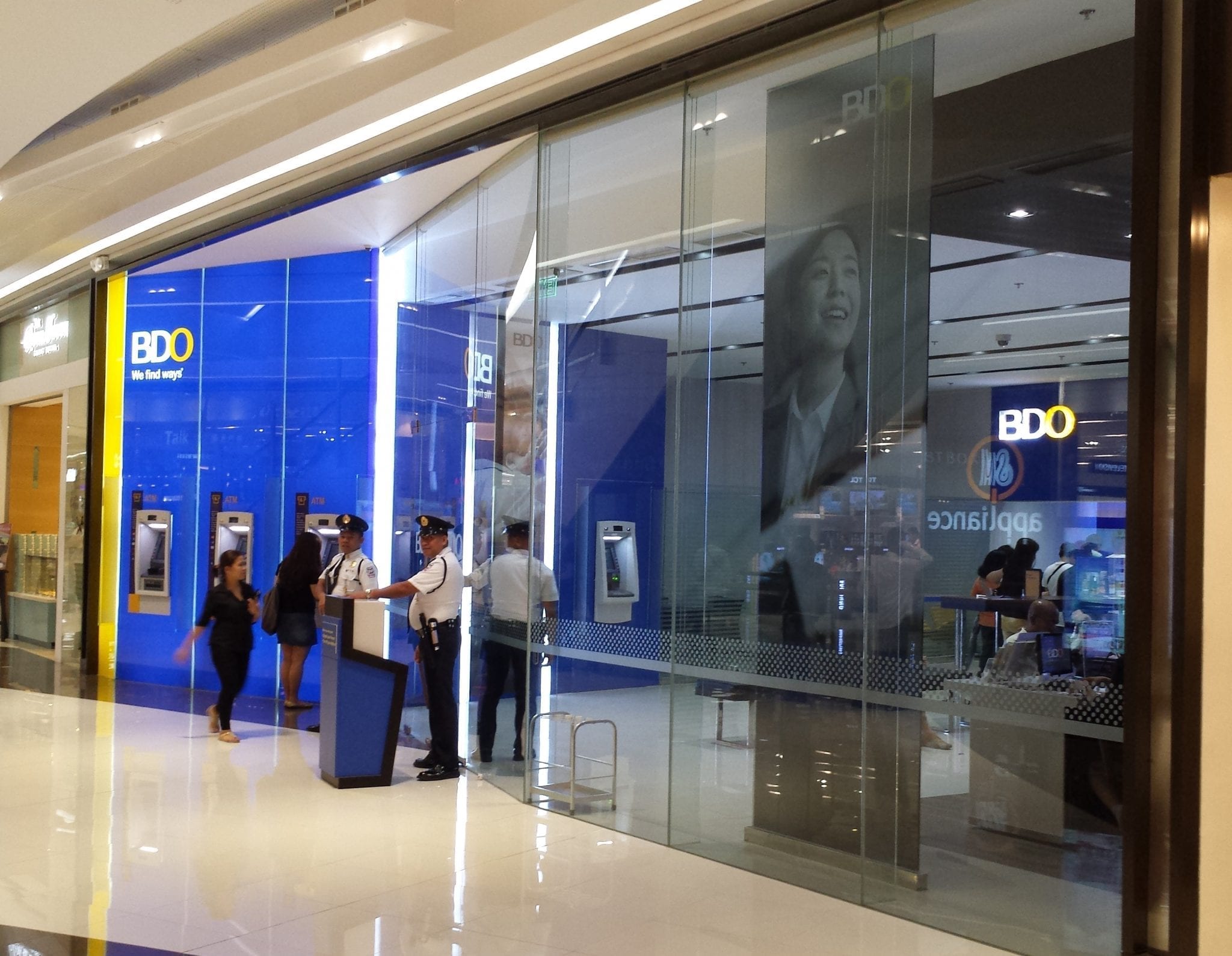
    Nomura Holdings and Philippine bank BDO Unibank, the country’s largest bank, have announced that their joint venture, BDO Nomura Securities, has officially commenced operations.

    Offering online trading services for stocks listed on the Philippine Stock Exchange (PSE), BDO Nomura has been set up to provide investors in-depth market research, quick execution time and competitive rates. Additionally, the platform offers ease of use through simple and paperless online application and fund transfers through the customer’s BDO Deposit Accounts.

    The joint venture with BDO is Nomura’s second retail operation in the region, following a successful one in Thailand, and is in line with Nomura’s strategy to develop local retail brokerage businesses in Southeast Asia. BDO owns 51 percent of the joint venture company, while Nomura holds 49 percent.

    Philippines Richest

    BDO is a full-service universal bank which provides a wide range of corporate and retail banking services and has one of the largest distribution networks, with more than 1,000 operating branches nationwide.

    The bank is owned by retail and banking magnate Henry Sy, who according to Forbes is the richest man in the Philippines.

    The securities dealer and broker with a seat in the PSE is headed by Koichi Katakawa.

  • SM Prime Holdings eyes China expansion

    SM Prime Holdings eyes China expansion

    Philippines property developer SM Prime Holdings is looking to acquire shopping malls in China as well as buying more land for expansion.

    But it is interested only in the Fujian province, says SM Prime executive committee head Hans Sy.
    “We are still continuing to really look,” he says.

    With “phenomenal development” in the past 10 years, the value of land has risen in China, and Sy says the group is assessing different areas that could offer value for money.

    While there are malls up for sale, SM Prime is being careful about possible acquisitions. “I’m being choosy,” says Sy. “I only want within Fujian province.”

    Fujian is the home province of his father, Henry Sy, the richest man in the Philippines, who built his retail empire from a small shoe store in Manila.

    “We have the advantage right now [in Fujian] because of our success,” Sy says.

    SM’s malls in China include Chengdu (166,665 sqm), Chongqing (149,429 sqm), Jinjiang (167,830 sqm), Suzhou (72,552 sqm), Xiamen (238,125 sqm) and Zibo (150,600 sqm) for a total gross floor area of 945,200 sqm. The company’s mall in Tianjin, which partially opened this year, has a gross floor area of 540,000 sqm.

    In all, SM is targeting to further expand its mall network in the Philippines and China to 10.6 million square meters of gross floor area by 2018, according to documents presented in a briefing by SM Investments. This would be an extra 28 per cent from the 8.3 million gross floor area the company hit last year.

    Of the target, 85 per cent would be accounted for by malls in the Philippines while 15 per cent would be in China.

  • PLDT profit falls 20% in 9M16

    PLDT profit falls 20% in 9M16

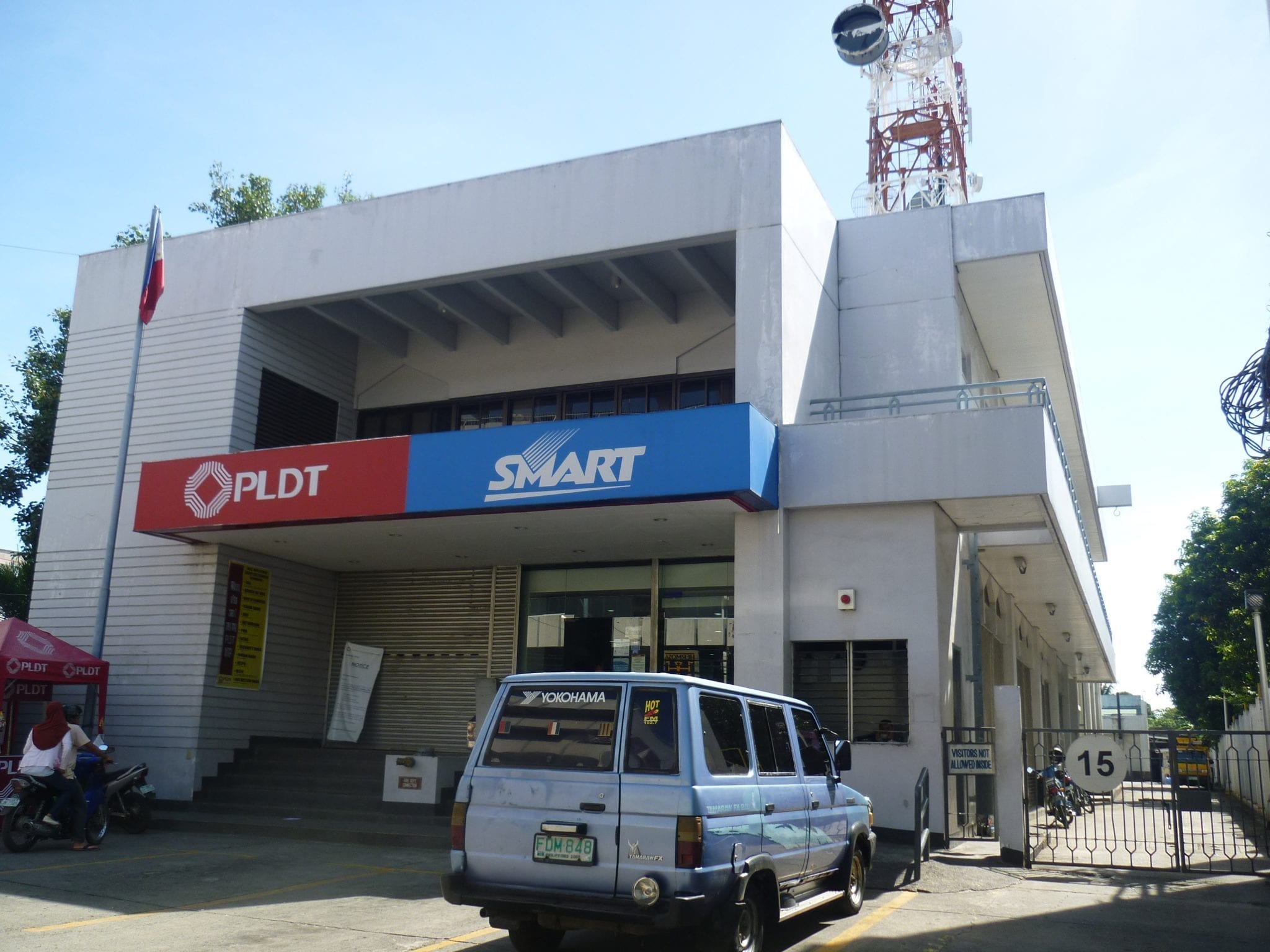
    The Philippines’ PLDT has reported a 20% drop in net income for the first nine months of the year to 21.7 billion pesos ($442 million) due to higher capex costs and declining revenues.

    Revenue fell 2% year-on-year to 125.4 billion pesos, but remained stable when excluding the impact of international and national long distance as well as interconnection costs.

    Fixed line revenues grew 7% to 46.8 billion pesos, driven by demand for data and broadband, which grew to account for 59% of fixed line revenues.

    But wireless revenues shrank 8% to 71 billion pesos, despite a 22% increase in wireless data and digital platform revenues. SMS and cellular domestic revenues by contrast declined 15%, and international voice revenues were 24% lower.

    PLDT’s consumer wireless business reported a 5% decrease in subscribers due to aggressive unlimited voice and SMS offers from the competition, the company said.

    PLDT has set aside 48 billion towards a network improvement program covering both fixed and mobile networks, and made major improvements in the coverage and capacity of mobile unit Smart’s mobile network during the nine-month period.

    Based on the operator’s results thus far, PLDT has reduced its projected full year ebitda by 4 billion pesos to 60 billion pesos. The company is accordingly projecting a consolidated core net income of 28 billion pesos.

    “We are making this adjustment, anticipating that while data and broadband will keep posting steady growth, toll, cellular voice and SMS revenues will, however, continue to wane,” PLDT chairman Manuel Pangilinan said.