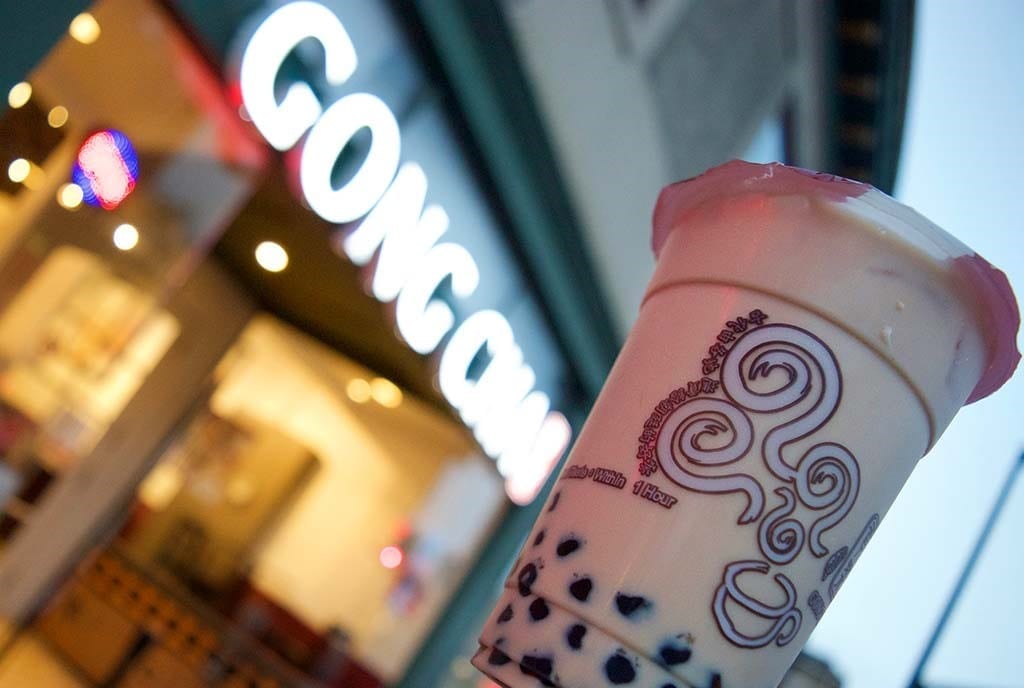
Bubble tea brand Gong Cha Korea is planning international expansion.
Aided by the global passion for Hallyu, or the so-called Korean Wave, Gong Cha plans to open stores in the Middle East and Europe. It will also buy more than 1380 stores in 18 countries, including the US, Canada, Australia, New Zealand, China, Japan, Singapore, the Philippines, and Hong Kong.
Currently, Gong Cha Korea operates only about 360 stores in its home market, which last year brought in KRW8 billion (US$7 million) profit – representing 11 per cent growth year-on-year.
As most of Gong Cha’s customers are aged from 10 to their 30s, the company expects entering new foreign markets will be easier through creating synergies with Hallyu.
The expansion will be facilitated by a share transaction with its parent company Royal Tea Taiwan in which the Korean business will progressively boost its ownership from 35 per cent to 70 per cent by January 2017.
Royal Tea Taiwan was launched in 2006, and introduced to Korea by franchisee Kim Yeo-jin in 2012. Two years later, Japanese private equity fund Unison Capital bought 70 per cent of the Korean business.
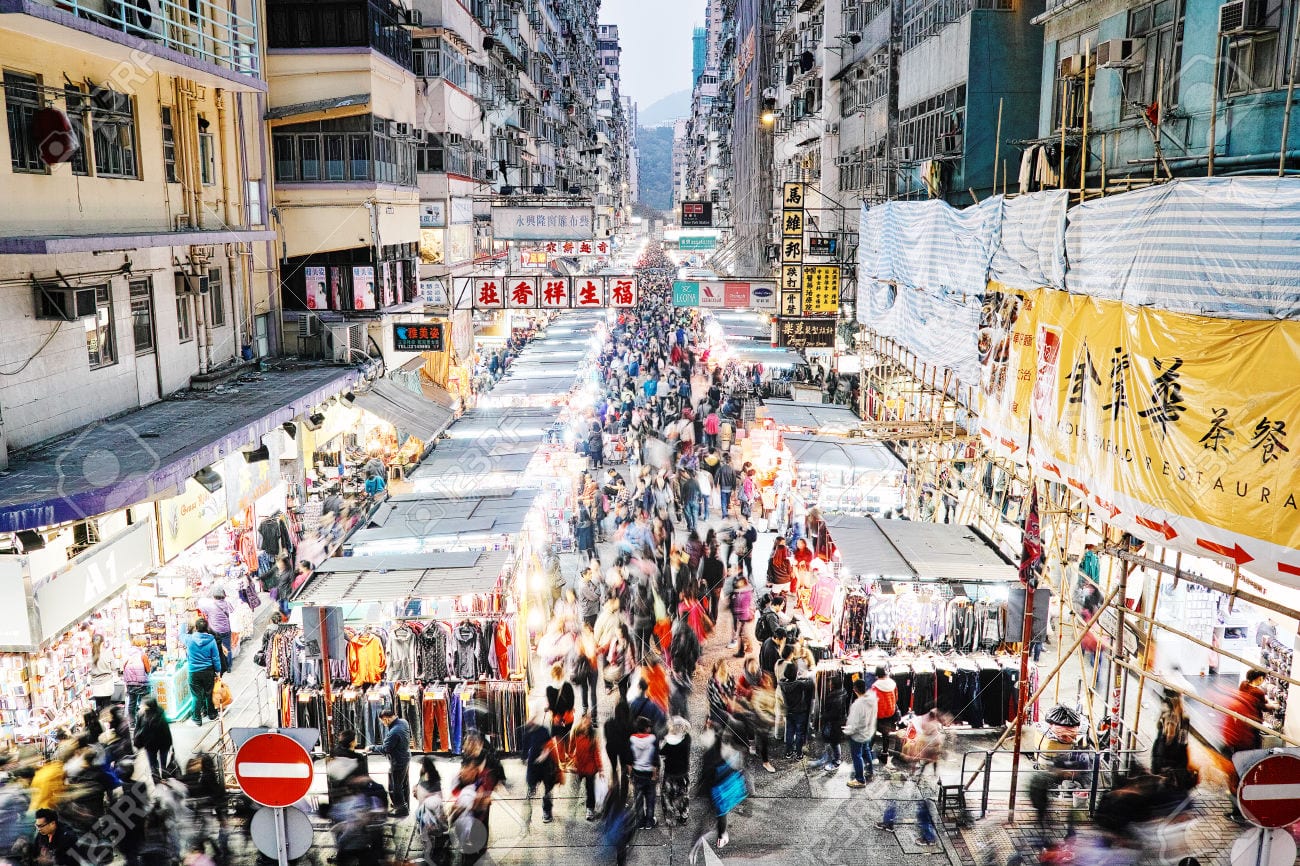
Asian cities dominate the latest retail destination rankings, with the Middle East taking most of the remaining spots.
According to the latest edition of JLL’s Destination Retail report, which ranks markets for retailer expansion around the world, Asia is fuelling global growth, taking 12 of the top 20 spots. Six of those cities are in China – but Singapore, Hong Kong and Macau are not among them. Six months ago Hong Kong was second only to London – neither city makes the list now.
This time around, the top two cities are Dubai and Shanghai, with Beijing ranking third. The other Asian cities in the top 20 are Bangkok, Chengdu, Kuala Lumpur, Jakarta, Manila, Tianjin, Shenyang, Shenzhen, Chongqing and Hangzhou. (The full list is below).
Besides Dubai, Abu Dhabi, Kuwait, Jeddah and Riyadh make the list, meaning 85 per cent of the top 20 destinations are in just two regions.
“The global retail landscape is expected to change significantly over the next 10 years, as a fast-growing middle class in emerging markets attracts retailers hungry for growth,” says David Zoba, chairman of JLL’s Global Retail Leasing Board.
JLL says Shanghai has become a favourite of international brands looking to test the Chinese market and gain exposure. While established prime markets include West Nanjing Rd and Huaihai Rd, new submarkets targeting local residents are popping up along the many new metro lines leading out of the city, and the city’s retail network is growing and shifting.
Beijing follows as the third-fastest-growing retail market with its swelling middle class and strong concentration of high-net-worth individuals. Properties such as China World Mall and the landmark project Taikoo Li continue to draw high-end shoppers, while malls like Beijing APM and Oriental Plaza dominate tourist-friendly shopping strip Wangfujing. The Chinese capital’s suburbs are also experiencing rapid growth as people choose to shop more locally rather than brave the traffic into the city centre.
“Emerging markets can expose international retailers to greater levels of economic and geopolitical risks. One pertinent example is China’s anti-corruption campaign and the knock-on effects on the luxury market,” says James Hawkey, head of retail for China, JLL. “However, international retailers are increasingly comfortable dealing with these risks, and generally have their eyes on the long term prize of establishing a strong position in major world markets.”
Added Zoba: “The search for growth is escalating the penetration of international brands across the world’s most attractive retail cities, especially in Asia. Retailers who succeed in acquiring the right space in the right place at the right time will benefit from successful, profitable growth, but they should be mindful that potential rewards go hand in hand with risk,” continues Mr Zoba.
Retail rents in these emerging markets reflect legislation, market transparency, reputational risk, maturity, as well as growth potential, meaning that their levels are relatively low compared to more mature markets. Places like Ho Chi Minh City, Jakarta and Bangalore present an opportunity for retailers to establish their brands at rents of less than US$2000 per square metre per year with projected in-store sales increasing by 8 to10 per cent until 2019, based on Oxford Economics forecasts. However, as cities mature and the pace of new construction of retail centres slows, rents will gradually increase.
JLL’s Destination Retail report 2016 examines the presence of 240 international retail brands across 140 retail cities, giving insights for international retail expansion. The 140 cities make up 36 percent of the world’s GDP, 13 per cent of the global population and 33 per cent of total consumer spending.
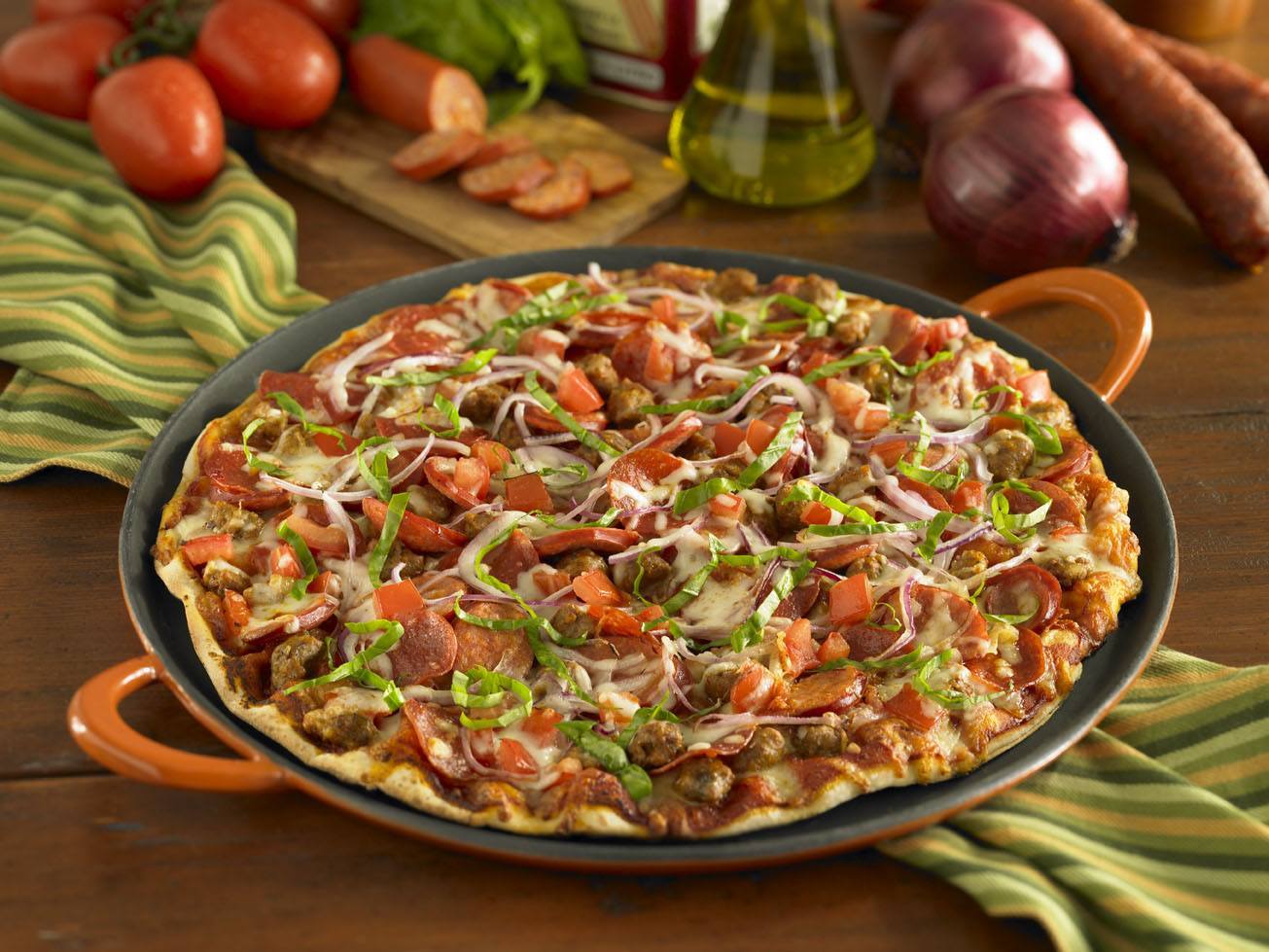
Shakey’s Pizza Ventures (Spavi) aims to raise more than P5.5 billion (US$113 million) through an initial public offering (IPO) in the Philippine Stock Exchange this year.
The restaurant chain has filed a prospectus with the Securities and Exchange Commission (SEC)
to sell up to 352 million primary and secondary shares, including 46 million shares at P115.58 apiece, to meet excess demand.
Spavi seeks to finalise the offer price in November, and targets its projected listing in December.
“We intend to use the offer proceeds to expand our in-house commissary, meet working capital requirements, look at potential acquisitions and repay debt,” the company says.
The chain has appointed Deutsche Bank as sole global coordinator and bookrunner for the deal, while BDO Capital and Investment Corp, and First Metro Investment Corp will serve as joint lead managers and underwriters. Evercore is the financial adviser.
Majority owned by the Po family conglomerate Century Pacific Group (CPGI), Spavi owns the rights to the Shakey’s trademark in the Philippines. CPGI is the parent company of Century Pacific Food(CNPF).
To create Shakey’s trademark thin-crust pizza, Spavi’s in-house commissary supplies the bulk of its proprietary pizza dough and crust. The global pizza franchise originated in the US in 1954, expanding to Canada, Mexico, Japan and, in 1975, the Philippines. It now has more than 170 stores in the Philippines.
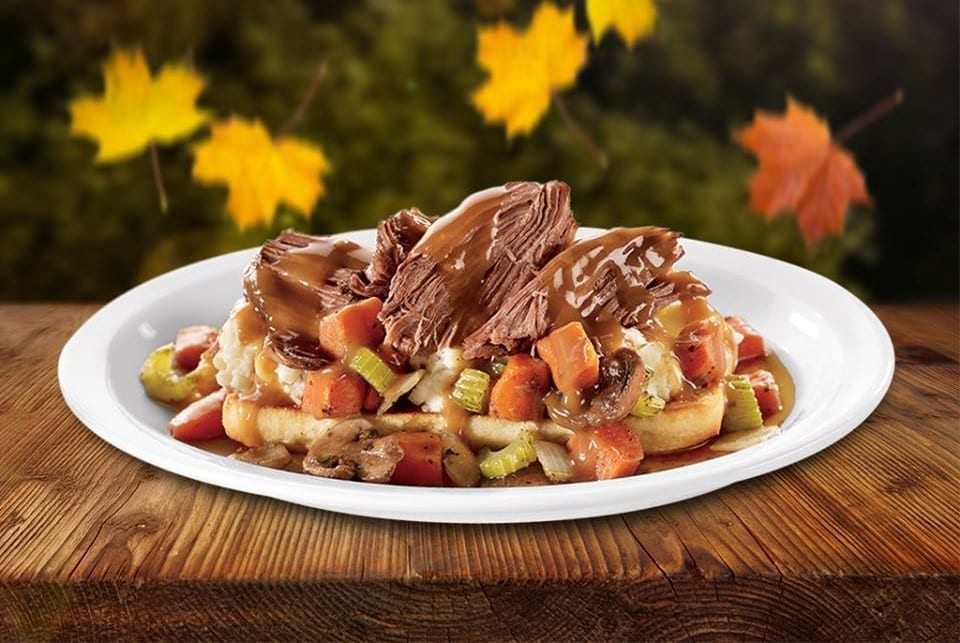
American diner Denny’s has arrived in the Philippines, opening at Uptown Parade in Bonifacio Global City (BGC).
The Denny’s Manila restaurant is the first of several planned for the brand’s newest international market.
Mall owner Megaworld Corporation founder Kevin Tan says on Instagram that the store is one “one of my favorite restaurants in the world”. He was on hand for the store’s ribbon-cutting ceremony.
Denny’s started out as a coffee and donut stand in 1953. It went public in 1968 and was listed on the New York Stock Exchange.
At BGC, it is open all day every day serving American breakfasts, pancakes and omelettes.
Philippine president Rodrigo Duterte has threatened to break up the market’s telecoms duopoly if incumbent operators Globe and PLDT do not improve their services.
Duterte has indicated he may bring in competitors from China unless consumer complaints about poor service quality and slow internet speeds are addressed.
According to sources quoted in the report, when Australia’s Telstra tried to enter the Philippines market last year, the company was met with a hostile reception from the former Aquino administration, with the company told that the president supports PLDT and Globe and that cases seeking to delay its entry into the market will be filed in court.
But Duterte has by contrast taken a more antagonistic approach to the oligarchs controlling PLDT and Globe, and is more receptive to disrupting the duopoly.
China’s state-owned operators are likely to jump at the chance to enter the Philippines market, and if the Philippine Competition Commission blocks the planned sale of conglomerate San Miguel Corp’s 700-MHz spectrum to Globe and PLDT, Chinese operators would have a go-to partner for a Philippine venture.
Philippine consumers have long complained about the market’s slow internet speeds. Akamai’s recent State of the Internet report measures the Philippines’ average speed at 4.3Mbps, well below the global average of 6.1Mbps.
TravelersBox kiosks are being launched in Asian airports allowing travellers to deposit their leftover foreign coins into their preferred online accounts.
More than 40 are expected to be service by the end of the year.
TravelersBox is the first service allowing travellers to convert foreign currency into usable digital currency at airports. First rolled out at Manila airport in the Philippines, the latest kiosks have just come online in Narita International Airport in Japan.
In parallel to the expansion, the company is also launching additional products and services in the kiosks tailored to the Asian market.
Baidu wallet is the first offering, specifically aimed at the Chinese market, the largest travelling population in the world.
“For the Asian market we’ve given specific attention to each traveller’s nationality,” says TravelersBox co-founder/CEO Tomer Zussman. “Services such as Nets FlashPlay Card for Singaporeans, Lazada for Southeast Asian travellers and more will soon be available in the TravelersBox around the world.”
TravelersBox has more than 75 kiosks internationally where travellers can convert their leftover foreign change into digital money with options including iTunes, PayPal, Skype and gift cards such as Gap or Starbucks. There is also a donation button.
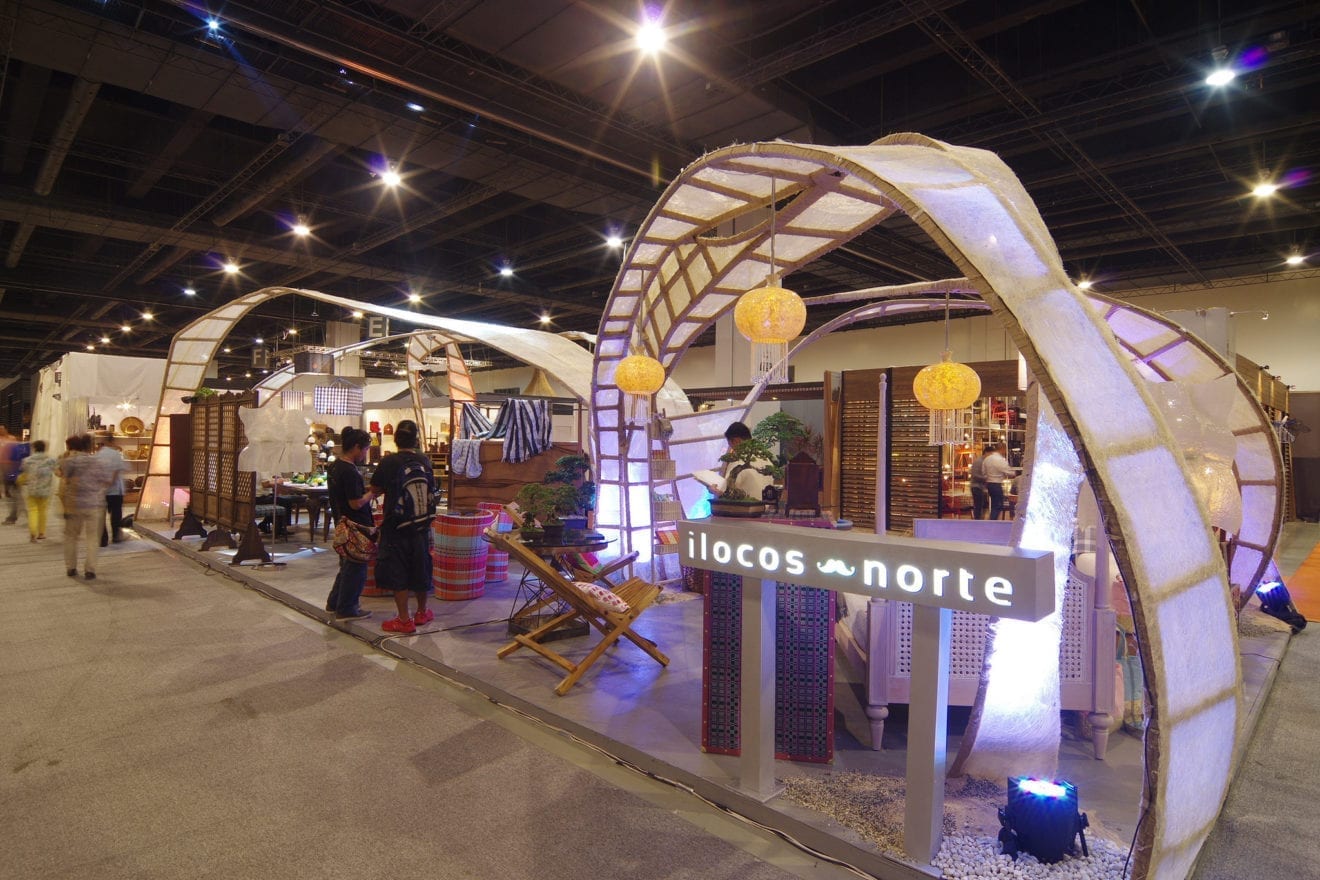
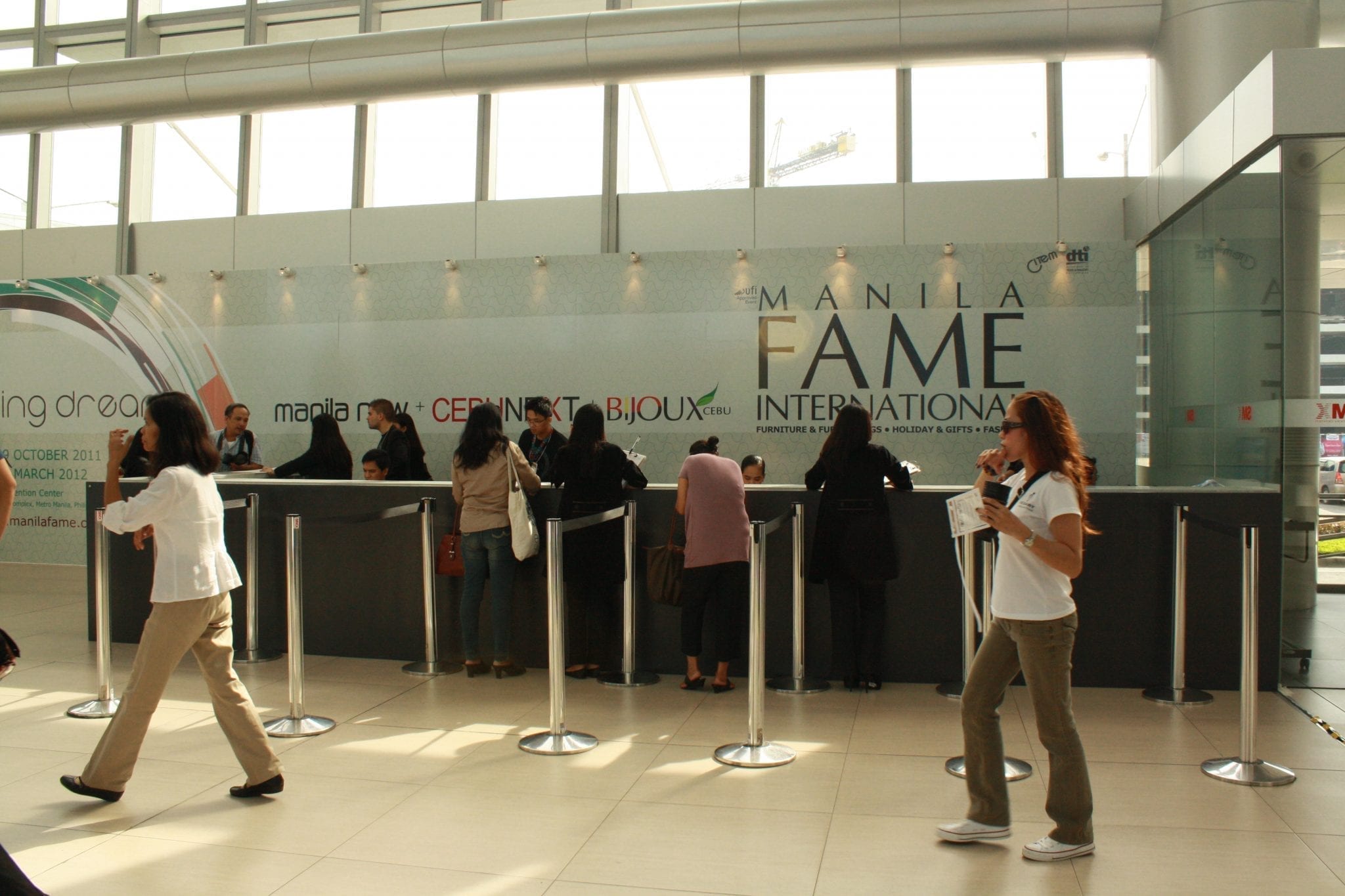
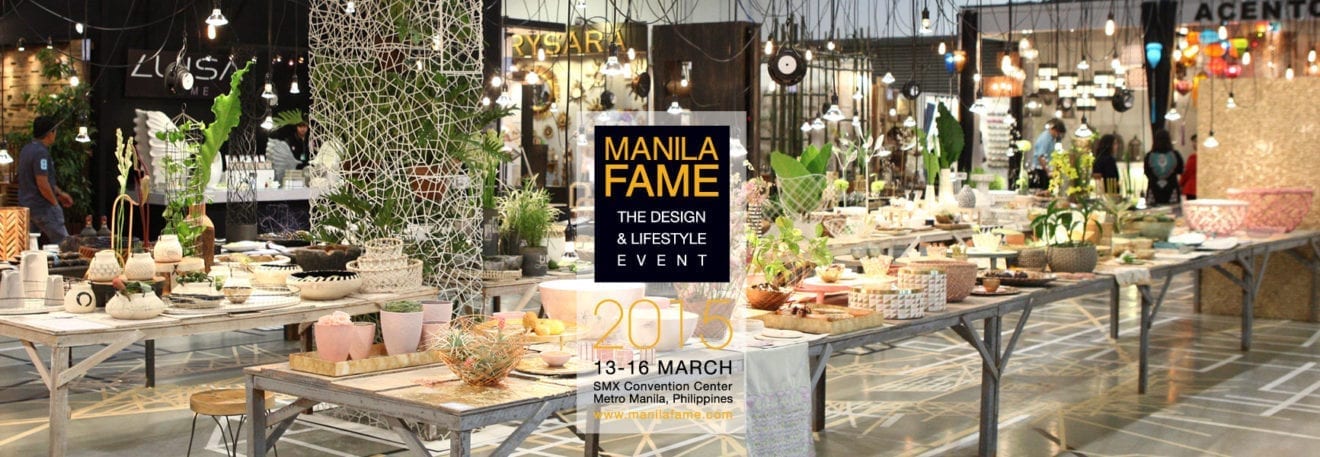
The Philippines premier design and lifestyle event, Manila FAME 2016, is expanding the show with more venues, extended hours, and more SME exporters, while showcasing new artisans, designers, and products.
The 64th edition of Asia-Pacifics second-longest running trade exhibition, from October 20 to 22, 2016, will be held in four large venues to accommodate the growing number of participating SME exporters and the deluge of international trade buyers joining every edition to source unique products of the Philippines’ artisans, its embassy said in a statement, here, Saturday.
The upcoming show will be held at the World Trade Center (WTC) Main Hall, which will house the holiday and home exporters, and the WTC Tent, which will feature fashion, textile, and apparel brands. The Philippine Trade Training Center (PTTC) will exhibit arts and crafts, and start-up and retail companies, while HallONE will be the venue for the Design Week Philippines – (DWP) Creative Marketplace.
Design Week Philippines, held concurrently with Manila FAME, is a multifaceted fete of arts and design aimed at fostering creativity and spurring innovations. It is overflowing with activities that speak of Filipino ingenuity and design breakthroughs that strengthen the Philippines position as Asias design capital.
In addition to the special DWP events to be held in HallONE, more activities initiated by the Design Center of the Philippines will take place in Manilas historic center, Intramuros.
Extended exhibit hours for more buyers, visitors
Manila FAME will extend its operating hours by an hour to 7.00pm from the original 9:00am to 6:00pm. The change was made in response to requests from trade buyers for longer business hours that would allow them to meet with all their target suppliers, examine new products at the show, and maximize their visit in Asia, which will have other trade events scattered across the region.
New special showcases and daily events on whats hot
Exciting showcases to look forward to at the October show include New Generation Weaves, Bamboo and Coconut Special Setting, Lamps and Lighting, and Icon Setting: Peacock Redux.
Lively daily events to update trade buyers on on-trend designs and products as well as inspiring and creative workshops and business fora will be staged for a multi-sensory, comprehensive, and diverse trade show experience.
Furthermore, the 64th Manila FAME will be made even more momentous with the celebration of the ASEAN Master Craft Design Festival and the participation of the ASEAN master craftsmen who will present their creations in a special pavilion called ASEAN Crafts to the World.
The first group of the ASEAN master craftsmen, coming from Indonesia, Malaysia, the Philippines, Thailand, and Viet Nam, will unveil new designs and progressive applications of native materials and traditional techniques in home furnishings, gifts and housewares, garden accessories, and fashion apparels.
“CITEM is continuously shaping Manila FAME, not just to meet the demands of the changing industry with its new generation of buyers, entrepreneurs, consumers, designers, and artisans, but to exceed expectations, bring new ideas to the table, and most of all to showcase what the Philippine SMEs can do with training and assistance,” CITEM Executive Director Rosvi C. Gaetos said.
Manila FAME is a bi-annual showcase of craftsmanship in Philippine products. It features finely selected furniture and home furnishings, holiday gifts and accessories, designed and crafted in the Philippines for the global market.
Organized by the Philippines Department of Trade and Industry (DTI), through the Center for International Trade Expositions and Missions (CITEM), Manila FAME is the only trade event in the Philippines approved by the Union des Foires Internationals (UFI), or the Global Association of the Exhibition Industry, a Paris-based association of trade fair organizers founded 90 years ago in Milan, Italy, on April 1925.
Retail sales of Ford Philippines surged to 8,244 units in the third quarter of 2016, up 32 percent from a year earlier.
The demand for the EcoSport, Ranger, and Everest models helped grow the carmakers’s Philippine sales, Ford said in a statement on Thursday.
Car sales stood at 24,993 units in the year-to-date, up 50 percent year-on-year.
“Our full lineup of global Ford vehicles is contributing to another exceptional year of growth. EcoSport, Everest and Ranger continue to be the main drivers, but the rest of our showroom, including vehicles like Explorer, Fiesta and Mustang are helping build on the broad-based appeal for the Ford brand in the market,” said Lance Mosley, managing director of Ford Philippines.
Ford Philippines is the local distributor of America’s Ford Motor Co.
With the Philippines’ consumption-driven economic boom showing no signs of abating, modern retail enterprises are sprouting outside the capital. Some are new companies eager to make a mark alongside the country’s established conglomerates.
DoubleDragon Properties is one of the up-and-comers. Back in April 2014, when its valuation was less than $100m, the company listed on the Philippine Stock Exchange. In its first day of trading, the stock shot up by 50 per cent, hitting the bourse’s daily limit. Since then, it has continued to be a strong performer.
The share price on Friday was nearly 30 times the price at flotation. This year, DoubleDragon’s stock has surged 140 per cent, making it the best-performing real estate company in the PSE’s property index. The price has climbed in conjunction with the rise of Rodrigo Duterte, the country’s first president from the southern island of Mindanao who came into power in June. He has promised to boost economic activity in rural areas.
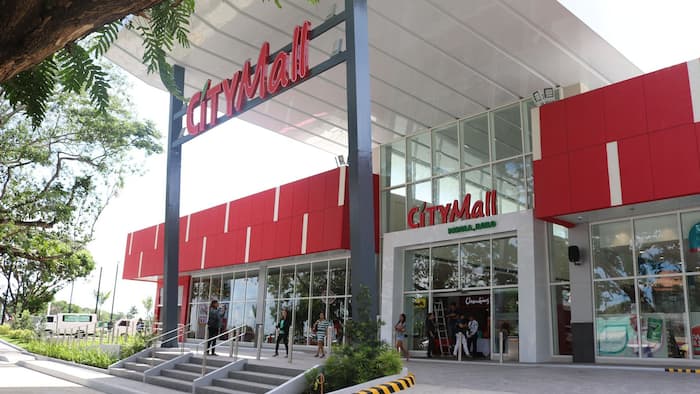
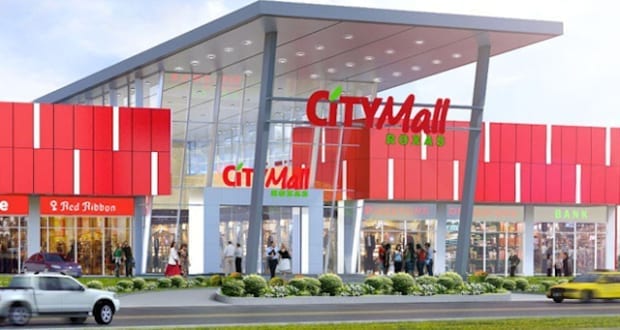
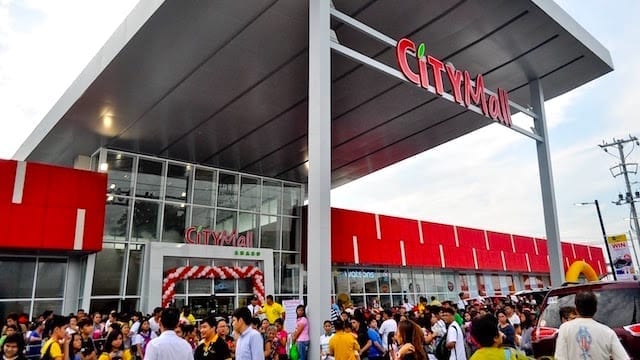
DoubleDragon’s priority is the construction of 100 shopping centers, each measuring 5,000 to 10,000 sq meters, by 2020. As of June, the company had secured 53 sites for these CityMalls, as it calls them, but built only eight.
Yet, even if some of the projects are behind schedule, its market capitalisation of 131.5bn pesos ($2.72bn) has eclipsed that of Robinsons Land — a unit of conglomerateJG Summit Holdings that has built 44 large shopping complexes and dozens of residential and office developments nationwide.
DoubleDragon is led by Edgar “Injap” Sia, a 39-year-old businessman from Visayas in the central Philippines. The self-made entrepreneur is best known locally as the founder of Mang Inasal, a fast-food company that specialises in grilled chicken.
When Mr Sia started his entrepreneurial journey about a decade ago, success was anything but a foregone conclusion. Born to a Chinese-Filipino-Japanese parents that own a grocery store in Roxas City in Visayas central Philippine region, Mr Sia dropped out of college to go into businesses. In 2003, he opened a grilled chicken eatery in the parking lot of a mall in Iloilo City, also in Visayas. Its chicken specialty, paired with unlimited rice, became a phenomenon, shaking up a fast-food market dominated by western-style fried chicken.
In 2005, Mr Sia established Mang Inasal as a franchise operation, creating the nation’s quickest-growing fast-food chain at the time.
An encounter with Tony Tan Caktiong, the founder of Jollibee Foods, the Philippines’ largest fast-food group, proved to be a key turning point. The two men share Chinese ethnicity and were both born in the Year of the Dragon in the Chinese lunar calendar, albeit 24 years apart. The “two dragons” opened a dialogue about the future of Mang Inasal.
Mr Sia’s business was becoming a threat to Jollibee. Mr Tan Caktiong offered to take control. In 2010, Mr Sia agreed to sell Jollibee a 70 per cent stake. This past April, he sold it the remaining 30 per cent. The transactions valued Mang Inasal at 5bn pesos.
From Mr Sia’s perspective, selling to Jollibee made sense on two levels. First, it would put Mang Inasal under the control of an experienced fast-food company that would nurture — rather than kill — his brand. Second, he needed the money to pursue his second dream: building a property and retail empire.
“I really like the [real estate] business, but it needs substantial resources,” Mr Sia said.
In late 2011, after Mr Sia relinquished management of Mang Inasal to Jollibee Foods, Mr Tan Caktiong approached him again. He, too, had been eyeing real estate. Sometime in 2012, the pair mapped out a plan to transform Injap Land, an Iloilo-based developer, into DoubleDragon, a nationwide player.
“We want to become one of the largest property companies in the Philippines,” Mr Sia said.
While clearly ambitious, Mr Sia is also pragmatic. Before the IPO, he accepted an offer from SM Investments — the Philippines’ largest conglomerate, owned by the Sy family — to acquire a 34 per cent stake in City Mall Commercial Centers, the entity that runs CityMalls under DoubleDragon.
This gave Mr Sia two powerful backers: Jollibee, a giant on the Asian fast-food scene; and SM Investments, which owns top Philippine lender BDO Unibank, mall developer SM Prime Holdings and retailer SM Retail.
All sides stand to benefit. Jollibee and SM Group see DoubleDragon and CityMalls as vehicles to tap provincial markets. As the principal shareholders of each company, Jollibee and SM will be priority tenants in the CityMalls.
The malls are “barely in Luzon and mostly in Visayas [and] Mindanao, which are exactly the under-penetrated regions where we think we would like to grow,” SM Group consultant Tim Daniels was quoted as saying in a local media report in 2014.
Mr Sia is avoiding Manila and broader Luzon, where more established players have secured land strategically. Instead, DoubleDragon plans to open 70 per cent of its branches in Visayas and Mindanao. To this end, he is taking advantage of know-how gleaned from the expansion of Mang Inasal. The fast-food chain now has about 450 locations, many in the same outlying areas where Mr Sia intends to build CityMalls.
He sees Mang Inasal as a barometer of local readiness for a modern shopping experience. Like the chicken restaurants, CityMalls will be situated in places with large concentrations of people — near transport terminals and markets, for example.
In October, a CityMall is set to open in the Mindanao city of Cotabato. The city is located west of Davao — the home town of Mr Duterte. Cotabato used to be a hotspot for terrorism and Muslim insurgents. “There are no SM or Robinsons malls there,” Mr Sia said, “but there has been Mang Inasal for eight years.”
Mr Sia is confident he has chosen the right target markets. “We strongly believe in the great potential of Visayas and Mindanao,” he said. “I personally had a very good first-hand business experience … in [the] Visayas and Mindanao areas during the expansion of Mang Inasal.” He added that the chain had “over 150 stores in Visayas and Mindanao in operation for several years.”
In 2015, Metro Manila’s annual economic growth rate of 6.6 per cent topped Luzon’s 5.4 per cent, Visayas’ 5.8 per cent and Mindanao’s 5.3 per cent. However, the Duterte government’s agenda for achieving “inclusive growth” is expected to brighten the prospects for rural regions. The president aims to preside over annual growth in the 7-8 per cent range for the next six years, with provinces making a greater contribution than in the past.
Since the Metro Manila market is maturing, established retail players are also eyeing opportunities in the provinces. Their strategies vary. SM Retail is building its own shops while tapping CityMalls to expand its network. Robinsons Retail Holdings and Puregold Price Club, the second and third-largest players, are in a race to acquire provincial retailers with a couple of branches.
Meanwhile, around 70 per cent of the retail sector remains informal, with myriad mom-and-pop shops. There are also independent provincial shopping centre operators running scattered locations in first-tier cities. Of the 145 cities in the Philippines as of June 30, a third were so-called “first class” municipalities, meaning they have annual revenues exceeding 400m pesos.
When it comes to creating a strategic network of shopping malls in the first-tier cities, Mr Sia hopes to be a step ahead. He envisions CityMalls as one-stop shops for daily errands. He said he did not intend to compete with bigger malls, where customers often spend the whole day on weekends, for dining, shopping and entertainment.
“The transition from the traditional unbranded fast food to modern fast food [was] already done in the Philippine provinces a decade ago,” Mr Sia said. “The transition from traditional retail to modern retail in the provincial areas has just started, and is expected to be completed in the next few years.” Mr Sia hopes to spearhead this new phase of retail industry through the expansion of CityMalls in the provinces
He continued: “That is the market where we are currently positioning CityMall, and once the transition cycle is done, CityMalls are poised to be the biggest beneficiary.”
Still, while the stock market is cheering Mr Sia’s strategy of focusing on Visayas and Mindanao, DoubleDragon does face its share of challenges.
Some analysts argue the company is overvalued, partly because most of its investors are retail investors, who tend to play up stocks. It was only in July last year that DoubleDragon managed to attract long-term institutional investors, and it may need to do more to improve its credibility with bigger funds.
“The price is not warranted at this time,” said Richard Laneda, an analyst at COL Financial in Manila.
The company’s first-half net income rose 16 per cent to 144m pesos, as revenue jumped 15 per cent to 706m pesos. It is targeting net income of 4.8bn pesos by 2020.
DoubleDragon’s price-earnings multiple is 100, higher than those of SM Prime andAyala Land, which are both trading at around 30, noted Luis Limlingan, managing director of Reginal Capital Development.
Mr Sia said analysts should look beyond that metric. “Clearly, our investors are not looking at the ‘now,’ they are looking at the next five, 10 or maybe 15-year horizon.”
Anton Alfonso, an analyst at RCBC Securities, warned that Visayas’ and Mindanao’s under-developed infrastructure could hamper DoubleDragon’s mall network build-up. Convenience store chains looking to expand there have faced similar challenges.
Despite some delays in branch openings, Mr Sia said the company was confident it would meet its targets. “We should be able to announce the next phase of our business in the next few years,” he said, adding that DoubleDragon is open to overseas opportunities as well.
To be sure, DoubleDragon has the Philippines’ consumption-driven growth going for it. Consumption generates two-thirds of the country’s gross domestic product, and projections indicate the economy should keep expanding by an average of over 6 per cent for the next six years on the back of steady remittances from overseas Filipino workers and a growing business process outsourcing industry.
Mr Sia is hardly the only new-generation entrepreneur looking to ride this wave. Steve Benitez, from the central Philippine island of Cebu, hopes to turn his Bo’s Coffee chain into the world’s next Starbucks. It currently has 60 domestic branches. Ben Chan, another self-made entrepreneur, is building an apparel company, Bench, and is taking it into other Southeast Asian countries and China.
Then there are the heirs who are taking the reins of their family businesses. In 2015, Puregold Price Club appointed the son of founder Lucio Co, Ferdinand Vincent, as chief executive. Puregold’s parent company, Cosco Capital, plans to compete with Mr Sia in the community mall segment.
Mr Sia believes the completion of the 100 CityMalls is just the beginning of his new empire — and a rock-solid foundation. “Once we complete that, our presence will be powerful, and the confidence in our company will be higher.”
In Southeast Asia huge family businesses, conglomerates and state-owned companies still dominate the region’s economies. While it remains to be seen whether Mr Sia will accomplish his ambitions, the new-generation entrepreneurs will be key in taking the region to its next stage of growth.
The McDonald’s Philippines network is set to nearly double by 2020.
Parent Alliance Global Group (AGI) says it will reach 500 outlets by the end of 2016 – and it plans to open another 400 restaurants between 2017 and 2020.
The plan was revealed during a briefing of AGI’s broader plan to boost its commercial and retail businesses with a special focus on regions outside Luzon where the pace of economic growth is gaining speed.
“We have already laid out the foundation and made significant investments across all our business segments, both here and abroad, in order to future-proof our growth,” said Andrew Tan, founder of AIG, during a shareholder briefing.
The broader AGI retail portfolio will be expanded from 236,000 sqm currently to 633,000 sqm during the next five years, meaning an annual addition of 80,000 sqm, three times the 25,000 sqm added between 2010 and 2015.
Expanding the McDonald’s store network nationwide will take advantage of a widespread improvement in consumer demand, he said.
AGI president and COO Kingson U Sian described the township developments of AGI subsidiary Megaworld as “a platform for the conglomerate to take advantage of the government’s thrust to develop the provinces”.
“These 3000 hectares that we have for 21 townships – 90 per cent of that is actually outside Metro Manila. So, clearly we are already well positioned if government develops or invests or encourages more development outside Metro Manila,” he said.
“If growth is spurred in Visayas and Mindanao – a sleeping giant – if we can create more interest and infrastructure spending in the south, then that would obviously increase. We believe if we do it properly, maybe from 6-7 per cent we can grow at a faster clip because now we have three engines of growth,” Sian said.
Jimmy Choo Asia sales are soaring, despite the downturn in the luxury market.
While the company does not break down its Asian sales figures by market, analysts are reporting “record growth” in Hong Kong and China, in part aided by the opening of a new store in Macau.
Total revenues from Asia (excluding Japan) rose 22.1 per cent on a reported currency basis in the six months to June 30, reaching £27.1 million. Jimmy Choo opened two new stores of its own in Asia during the six months and six franchised stores.
Next year the company plans new flagships in Tokyo, Shanghai and Beijing.
Sales in Japan increased by 18.2 per cent on reported currency basis with men’s footwear sales and the strong yen driving growth.
The company plans 200 stores Asia-wide to take advantage of the region’s “untapped growth potential”.
The UK-based company recently marked 20 years since it was founded by Malaysian cobbler of the same name, who was later forced out of the business in controversial circumstances and now runs his own exclusive, unrelated Jimmy Choo Couture boutique in London.
One of the reasons for the brand’s success in Asia is its unconventional marketing activities.
Last September, brides in the Philippines were able to order customised shoes from its stores, selecting texture, style and colour and adding a personal monogram. This year, the concept was expanded to include handbags.
In Malaysia, customers can customise the color, texture and finishes of their heels and add names, initials or even dates to their handbags.
Several Indonesians will be among the master craftsmen from selected ASEAN countries to participate in Manilas premier design and lifestyle event in Pasay City, the Philippines, from October 20 to 22, 2016.
The ASEAN Master Craft Design Festival, titled Manila FAME, which is being held at the World Trade Center and the Philippine Trade Training Center, will feature an exhibition called ASEAN Crafts to the World that will unveil the first collection of crafts developed through the project “Improving the Current Status of ASEAN Mastercraft Designers”, Alma Argayoso, the Philippine Embassys Trade Representative to Indonesia, said here recently.
Another highlight of the festival is an exhibition that will feature the works of the first group of ASEAN Master Craftsmen Lim Masulin from Indonesia, Roselyn Long Lah from Malaysia, Al Valenciano from the Philippines, Tuong Phi Duc from Vietnam and Rush Pleansuk from Thailand.
Lim Masulin, the featured artist from Indonesia is an entrepreneur, inventor and avid connector of the creative industry. He is best known as managing partner of Poiema Creative Group with brands like BYO Living, Chamero Couture and others.
Indonesias craftsmanship will be highlighted in this years Manila FAME as it will feature not only Lim Masulin but also Indonesian architect Cosmas Gozali, who will curate the ASEAN Master Craftsmen exhibition.
Fourteen Indonesian companies are also set to participate in the expo with the support of the Ministry of Small and Medium Enterprises (SMESCO), Argayoso added.
The project is organized by the ASEAN Handicraft Promotion and Development Association (AHPADA) and funded by the ASEAN – Republic of Korea Future Oriented Cooperation Program.
“The project aims to strengthen and enhance the use of design in reinforcing cultural identity in design development, merchandising, packaging, and marketing of ASEAN products by supporting and sustaining the Master Craftsmen in the region,” according to Argayoso.
The group will showcase home furnishings, gifts and housewares, garden accessories, and fashion merchandise.
Meanwhile, the Master Craftsmen from the second set of ASEAN countries – Brunei, Cambodia, Laos PDR, Myanmar, and Singapore will observe the exhibition and prepare for the projects next phase which will then feature their collection of crafts.
In support of local handcraft ateliers under the Design for Exports Program, the Center for International Trade Expositions and Missions (CITEM) has recently enjoined 15 local manufacturers in a product development program.
The program focuses on new generation weaves, basketwork, and related wares.
These product collections will be presented during the Manila FAME: The Design and Lifestyle Event on October from 20 to 22 at the World Trade Center, Pasay City, the Philippines embassy said in a statement, here Saturday.
“The appeal of Philippines crafts lies in our raw materials and the unparalleled skill of our artisans. Through the DTI-CITEM efforts, we can further enhance this advantage and capitalize on it to help maintain – or even raise our position in the global handicrafts export industry,” CITEM Executive Director Rosvi C. Gaetos said.
In recent years, when the global demand for basketwork has been steadily increasing, and eco-friendly designs are also gaining popularity among international buyers as these are considered sustainable, the Philippines remains the 4th largest exporter of basketwork and other related wares in the world.
CITEM will provide the 15 companies full design and product development assistance to maximize their business opportunities in the global houseware industry through material and product development, market intelligence, and buyer matching. CITEM envisions the local manufacturers will enter niche markets as the current target market in weaves and related crafts is already dense.
“We just cannot continue making only products. We need to create products full of soul, and that are unique, meaningful, and useful,” ED Gaetos was quoted as saying in the statement.
The 15 handcraft ateliers currently undergoing product development using locally-sourced natural materials are from craft communities of Bicol, Pampanga, Cavite, Negros, Davao, Cebu, and Metro Manila. Companies that are making use of Philippine fibers (Abaca, Banana, Buntal, Cotton, Pineapple, Raffia), leaves (i.e. Pandan and Water Hyacinth), reeds, vines, bamboo, rattan, and wicker are Calfurn, Catalina Embroideries, Inc., Larone Crafts, Inc., Hacienda Crafts Company, Inc., Maria Vinecraft, Inc., Obra Cebuana, Inc., Shelmed Cottage Treasures, That One Piece Enterprise, and Tagum Agricultural Development Corporation (TADECO).
The companies that make use of wood and metal are Basket and Weaves Handicrafts Mftg., Chanalli and Native Crafts and Arts Industries Inc., and Masa Ecological Development, Inc. (MASAECO) makes use of paper, pi�a fiber, and mulberry bark, while Asia Ceramics Corporation and Kilus Foundation are making products made of ceramics and synthetic materials.
As part of the program, CITEM organized a presentation on the market and product directions consistent with global design and trends in basketry to a group of Manila FAME exhibitors, designers, and students. Attendees were introduced to the lifestyle and color forecast for 2017 and beyond, that largely embarks on elements of, light, natural, earthly colors and turquoise accents.
After purchasing two Strategic Sealift Vessel (SSV) warships from PT PAL Indonesia, the Philippine government is considering putting in another order for a medical support vessel from Indonesia’s state-owned shipbuilder.
During the 2016 Asian Defense & Security (ADAS) exhibition in Manila, Philippine Secretary of National Defense Delfin Lorenzana held a discussion with Brig. Gen. Jan Pieter Ate from the Indonesian ADAS delegation on Indonesian defense products.
“The Secretary of National Defense and the Philippines Navy chief of staff are impressed with the medical support vessel that will be fit for humanitarian assistance and disaster relief (HADR) operations,” Jan Pieter, the Defense Ministry’s director of the defense industry and technology.
According to Jan Pieter, the Philippine secretary of defense had shown a deep interest in the 123-meter vessel and spent a lot of time looking at the vessel’s mock-up.
It was reported that the Philippines had also put in an order for the CN235-200 and N212i aircraft from state-owned airplane maker PT Dirgantara Indonesia in 2015.
The three-day ADAS 2016 exhibition ends on Friday.
According to its official website, ADAS 2016 attracts exhibitors from around the world and works closely with the Armed Forces of the Philippines (AFP), the Office of Civil Defense (OCD) and the Philippine Coast Guard (PCG).
Listed Philippine property developer Double Dragon plans to build a network of 100 neighbourhood style shopping malls across the Philippines by 2020.
The company has already opened eight CityMall centres and secured 53 sites to date. The new centres will range anywhere between 5000 sqm and 10,000 sqm.
Last week DoubleDragon announced it was issuing P15 billion in retail bonds to fund the development of its projects next year.
“The majority of the proceeds will be deployed in our projects within 2017 as by 2018, we expect to already have substantial rental revenues from our provincial community mall chain, CityMalls and our Metro Manila office projects such as Double Dragon Plaza in DD Meridian Park and Jollibee Tower in Ortigas CBD, both of which are expected to be completed within 2018,” Sia said.
Listed back in April 2014, Double Dragon Properties, has increased its stock value 29-fold since then – it’s risen 140 per cent this year alone.
CEO Edgar “Injap” Sia, 39, from Visayas, co-founded Double Dragon with Jollibee founder Tan Caktiong, who bought a controlling interest in Sia’s fast food chain Mang Inasal in 2010, acquiring the 30 per cent balance last April. Each deal was valued at 5 billion pesos.
In 2012, the two businessmen acquired an Iloilo-based property developer, turning it into Double Dragon and setting a course for a nationwide property group. Before the float, Sia accepted an offer from SM Investments to acquire a 34 per cent stake in City Mall Commercial Centers, which runs CityMalls on Double Dragon’s behalf. That gives fast food entity Jollibee a ready entry into regional markets – and SM Investments an interest in retail property outside the main cities in which it dominates with its larger-sized malls. As part of the broader SM group, CityMalls has a large, ready-made pool of potential tenants every time it opens a new facility- across food, hardware, health & beauty, grocery retailing and fashion, among other categories.
About 70 of the 100 malls planned initially will be built in the Visayas and Mindanao. The next scheduled to open – in October – will be at Cotabato in Mindanao, west of Davao and a location where neither Robinsons or SM have yet opened shopping centres.
One of those is at the 116ha Northtown residential complex being developed by Alsons Development and Investment in the northeastern part of Davao.
Sia said the mall, expected to be completed by the end of 2017, will anchor the residential development, serving residents and locals.
“We can clearly see the vision behind Northtown to soon become one of the most vibrant areas in Davao City,” he said.
CityMalls are positioned in the market as one-stop shops for daily purchases – not destinations to spend a day shopping, watching movies and eating with family or friends. Sia does not aim to compete with larger regional malls, the likes of which SM is rolling out across urban areas nationwide.
Sia is also considering opportunities outside the Philippines long-term, as well as more locations at home.
“Once we complete [100 malls], our presence will be powerful, and the confidence in our company will be higher,” he said in a recent interview.