Retail News CRM

Tag: Philippines

  • iQor Philippines on Pace for Record Expansion in 2016

    iQor Philippines on Pace for Record Expansion in 2016

    iQor, a global provider of integrated customer and product support services, today announced that the company has embarked on a significant expansion initiative that will add over 175,000 square feet of additional contact center space across the Philippines. Upon completion, the company will add an additional 3,150 high-tech training and production workstations.

    “The Philippines is a tremendous market for us. As one of the first movers, we’ve continued to invest in the region and have been able to continue to raise the bar in performance,” says Gary Praznik, iQor’s COO, Retail and Consumer Services. “Our growth can be traced directly back to the hard work and dedication of our entire Philippines family.”

    “Recognition of who we are and what we offer is really resonating with clients, employees, their family and friends,” adds Saurabh Bhaskar, iQor SVP of Operations, Philippines. “One of the most attractive opportunities within our company is our customer service leadership training. Recently, iQor was recognized by HR.com as having the top Call Center Leadership Training Program for 2016. Joining iQor means you have direct access to the best Call Center Leadership Training in the industry. For those interested in Customer Interactions such as customer care, social media support and collections, there is no better place to work and improve your career.”

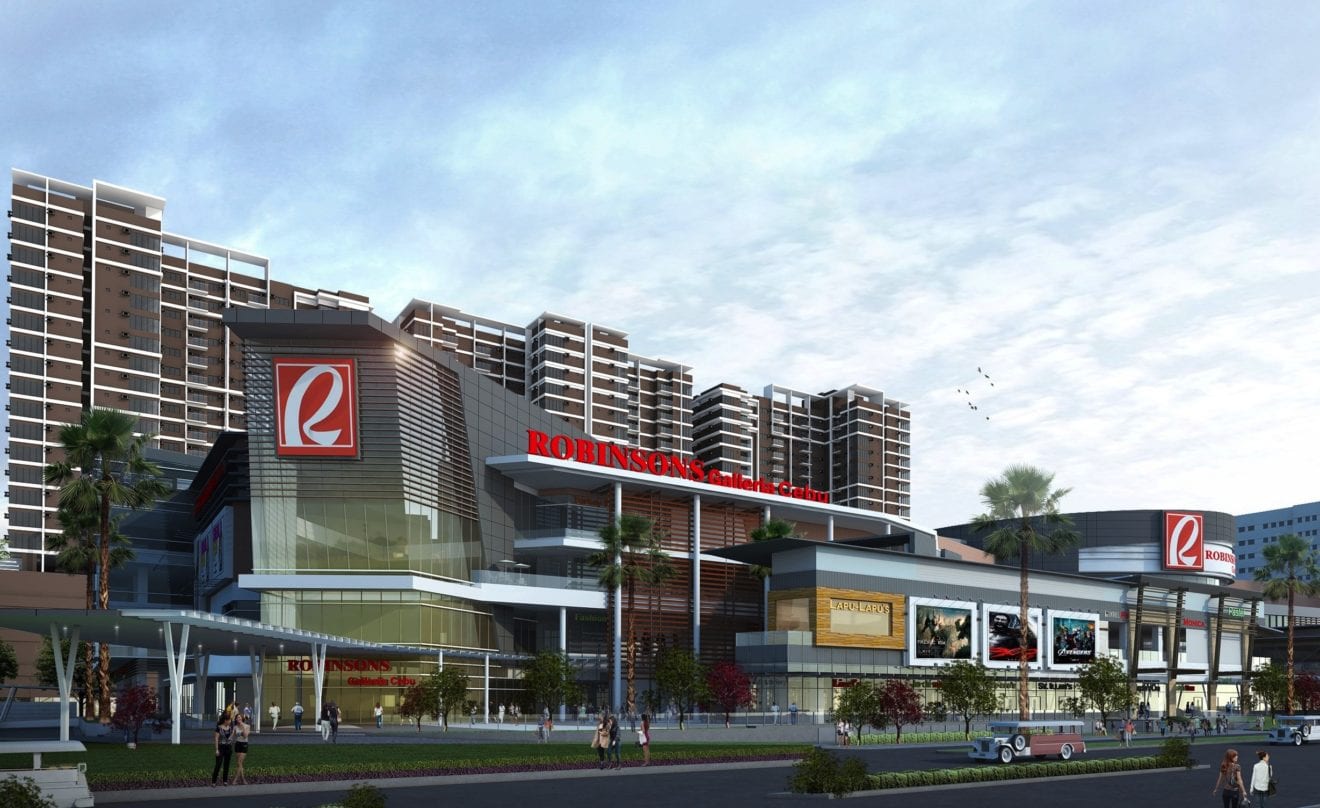
    iQor opened its Philippines Operation in 2005. Recent expansion sites include; SM Mall Clark (2016), Robinsons Mall Dasmarinas (2015) and SM Mall Dasmarinas (2014). Today, iQor Philippines has over 12,000 employees across the region supporting a variety of customer interactions including; customer care, social media, collections and technical support. iQor Product Support Services division has helped expand relationships into the world’s top consumer electronics, retail and telecom companies.

    There has never been a better time to join iQor!


  • Elections boost 7-Eleven Philippines profit

    Elections boost 7-Eleven Philippines profit

    7-Eleven Philippines stores register first-quarter sales growth on the back of election-related buying.

    Retail sales of all stores went up by 33.5 per cent to P7.3 billion (US$405 million) from P5.5 billion a year ago. This was driven by opening of new stores and increase in same store sales, which was largely attributed to election-related spending.

    Philippine Seven saw its net income up 61.6 per cent year-over-year to P182.4 million during the first quarter.

    The local licensee of 7-Eleven Convenience Stores said its improved financial performance was within expectation as the company’s profits are historically favorable during election season.

    Philippine Seven opened 55 new stores and closed two to end the quarter with 1655 stores. The company now has 1421 7-Eleven stores in Luzon, 189 in Visayas and 45 in Mindanao.

    It is set to attain another milestone this year in terms of total number of stores and profitability.

    The company said, while competition is likely to be more intense, Philippine Seven is the most capable to strengthen its position in the convenience store sector. It aims to capitalise on its first-mover advantage and intends to benefit from the capacity-building expenditures over the last three years.

    For 2016, the company plans to increase its capital expenditures budget to P3.5 billion to support its store expansion strategy.

  • Globe rolls out fiber in world’s oldest Chinatown

    Globe rolls out fiber in world’s oldest Chinatown

    Globe Telecom has entered a collaboration with the city government of Manila to roll out fiber broadband technology in Binondo. This initiative will provide internet connectivity with speeds of up to 1Gbps to the world’s oldest Chinatown.

    Early this year, Globe made a call for local governments’ support for its initiative to build on its network infrastructure and provide better a internet experience for its customers, as part of efforts to transform the Philippines into a digital nation by 2020. The city government of Manila, led by Mayor Joseph Estrada, was the first government to respond to the call.

    The fiberization of the entire Binondo district, an age-old center of commercial activities in the capital, is expected to benefit business and residential establishments in the area and is expected to drive business growth in the district. The project will be completed in the third quarter of the year.

    “Globe is able to deploy fiber broadband technology in Binondo only because we are united with the local city government in realizing a vision of developing ‘connected communities’ where both enterprise clients and customers at home get to experience the full benefits of having world-class data connectivity,” Globe chief commercial officer Albert de Larrazabal said.

    “We hope to replicate the realization of this vision in many other areas in the country as we all aspire to further drive local economic growth.”

    The deployment of fiber broadband technology in Binondo will deliver ultra- fast internet to at least 5,000 new business and home subscribers as part of the initial rollout, Larrazabal said.

    Globe will also roll out small cell technology in various parts of Binondo as part of its efforts to expand network coverage and capacity.

    The pilot rollout of fiber broadband technology in Binondo forms part of Globe Telecom’s initiative of creating an internet super highway nationwide. By forming partnerships with other local government units, the operator plans to deploy fiber in 20,000 districts by 2020 that will provide internet access to around 2 million homes nationwide.

    Parallel to this, Globe will also invest in capacity enhancement for both mobile and wireline using different technologies that include 3G, LTE and Wi-Fi.

  • Ayala Mall: Manila’s 250000 Sqm Shopping Centre

    Ayala Mall: Manila’s 250000 Sqm Shopping Centre

    Developed and owned by Ayala Malls, a real-estate subsidiary of Ayala Land, which is an affiliate of Ayala Corporation, one of the oldest and most prominent family owned conglomerates in the Philippines. The firm is widely credited for spearheading the Central Business District in Manila in addition to championing education and the arts across the country.

    Greenbelt-5

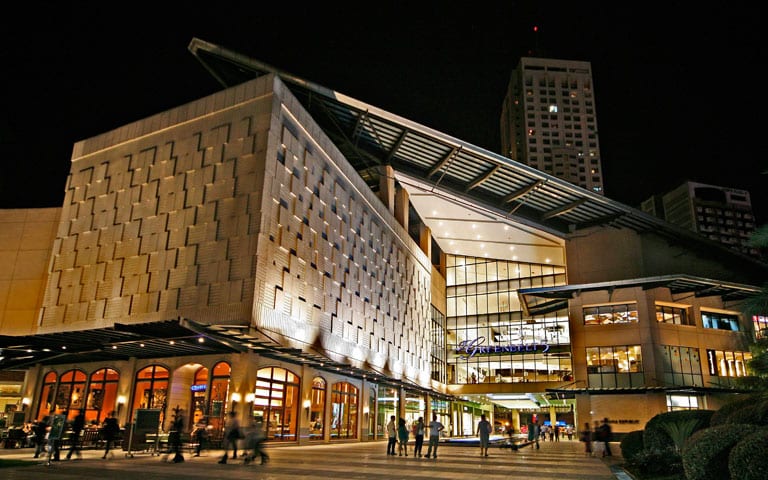
    Sitting on an expansive and prime area squared by Makati Avenue, Paseo de Roxas, Arnaiz Road and Legazpi Street is the Greenbelt Mall, a complex of five buildings captures and complements the sub-tropical conditions in Manila with each building exhibiting its own style of architecture.

    The mall is centred around an eponymous ‘greenbelt’ of lush, tropical gardens that provide much needed respite from the heat for thousands of people each day. Included within greenbelt is a Chapel, ponds, and walking tracks.

    Greenbelt Mall 3

    Greenbelt Mall 2

    Each Greenbelt structure offers a different retail and tenancy mix.

    Greenbelt 1 houses smaller food and retail tenancies, along with a focus on electronics and home appliances and, of course, car parking.

    Greenbelt 2 is comprised of fine dining restaurants, while Greenbelt 3 houses high-end retail stores and coffee shops. Elevated walkways connect Greenbelt 3 and 4 to Landmark and Glorietta, with the Greenbelt cinemas located in Greenbelt 3.

    Greenbelt 4, whilst smaller in comparison to its sister buildings, is home to a range of global luxury retail stores, including Coach, Burberry, and Ralph Lauren.

    Greenbelt has become a premium fashion and lifestyle centre, a distinct mix of foreign popular and luxury fashion brands as well as the best of Filipino fashion and home designers.

     Greenbelt Mall Map

  • International supermarket chains might soon start operating in the Philippines

    International supermarket chains might soon start operating in the Philippines

    With the Philippine economy expected to continue along its growth path, it might not take long before international supermarket chains start operating in the country.

    This developed as the British Chamber of Commerce of the Philippines (BCCP) said it will continue to push for a bigger market share for its food and beverage products here in the country.

    Philippine Amalgamated Supermarket Association President Steven Cua said the current influx of imported brands in groceries and supermarkets might be the way of testing the market.

    “The international chains are hot on our market.  We have a good economy, and investor confidence is here.  Instead of stores, there are goods now.  They are also joining trade shows,” Cua said.

    However, Cua said what is preventing these chains from starting operations in the country are the low margins on sales.

    “Our margins are too low.  We are the lowest in the world, at 2 percent to 12 percent,” Cua said, while pointing at the Department of Trade and Industry’s suggested retail price as the main factor.  He said that within Asia alone, the sales margins are between 13 percent and 25 percent.

    Cua also cited rent, salary, electricity and taxes as the other factors that might prevent international supermarkets from setting operations in the country.

    Then he said there are the Big 5 in local-supermarket operations, including SM, Robinsons, Puregold, Super 8 and Metro Gaisano, which controls a big chunk of the market.

    “We have a free enterprise.  It is either the smaller ones sell or they open up beside them,” Cua said, while adding that the Big 5 are now using real-estate brokers in their expansion.

    He also said that recently Walmart pulled out its operations in Indonesia and South Korea.

    Meanwhile, BCCP Chairman Cris Nelson said British food and beverages are making inroads in the local market, while stopping short of saying if British supermarket chains will actually be entering the country.

    “Marks & Spencer [M&S] is here in the Philippines but like a lot of companies, it needed to establish itself first. Based on my experience in this market, you have to get yourself successfully introduce in key areas and to develop thereafter,” Nelson said.

    He added: “The Philippines is a very interesting market.  It is a challenging market with multiple points of sale.  It is a logistical challenge because of the multiple islands.”

    Aside from M&S, Nelson said Tesco, a British multinational grocery and general merchandise retailer, has some of its products now also available in Rustan’s.

    Another brand that is also being made available in Rustan’s is Waitrose and its pantry products.  However, like Tesco, it does not have physical stores yet in the country.

    However, he said international food and beverage brands trying to enter the local market would have to deal with distribution and manufacturing issues.

    “Distribution is a very critical factor in the Philippines. Let us not forget this is one of the most challenging aspects of doing business. As soon as you get the demand, you will also have to develop your supply line. You need to keep your points very close together,” he said.

    Nelson said more and more British companies are expected to enter the country and promising Filipinos will have the opportunity to enjoy their brands.

  • Index Living Mall sets plan for Asean market

    Index Living Mall sets plan for Asean market

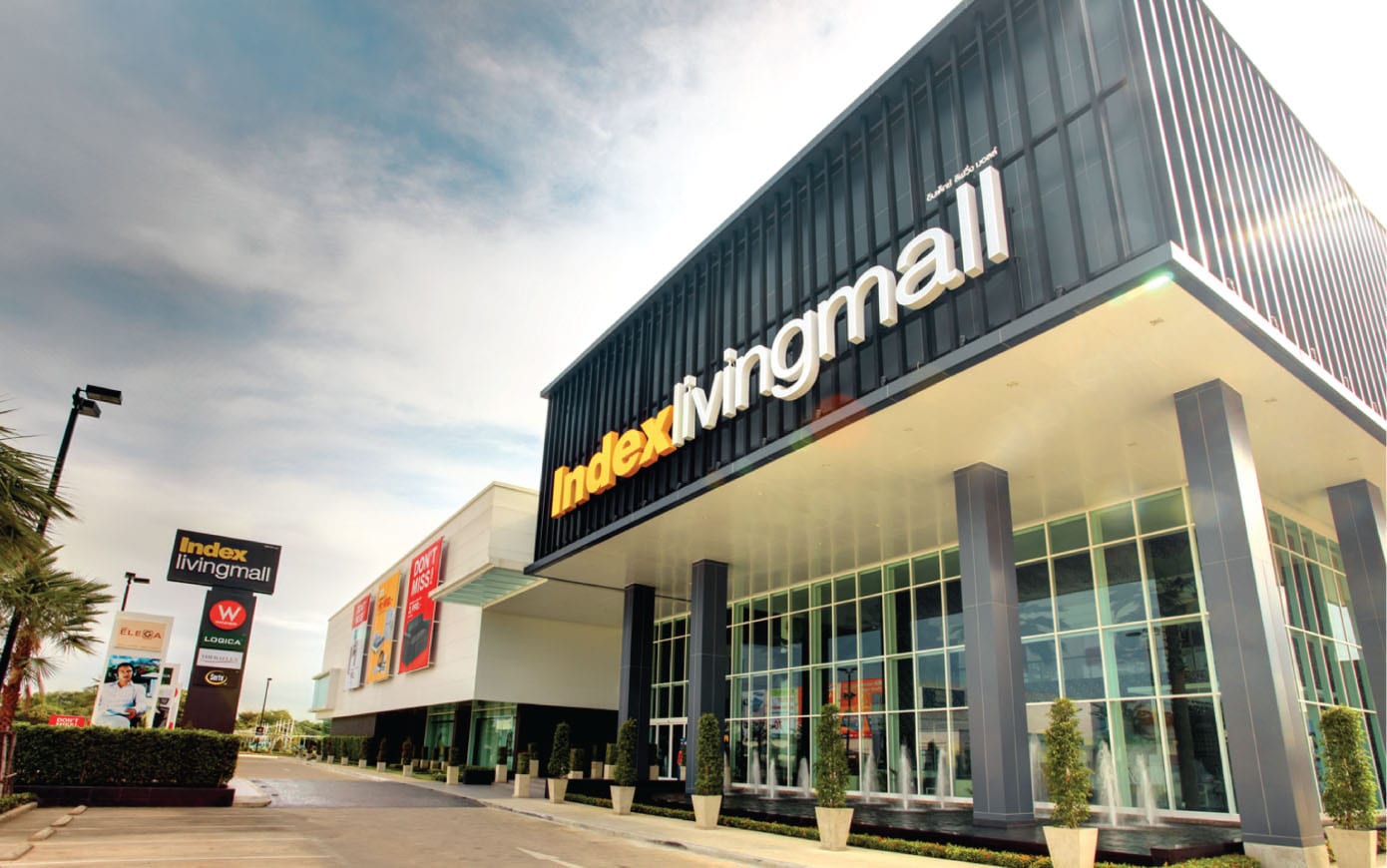
    Thai home-furnishings manufacturer and retailer Index Living Mall has set a strategic plan to open at least one store in a new Asean market every year.

    The company expects the sales contribution from Asean countries to increase significantly from the 6 to 7 per cent estimated for this year to 10 per cent within three years.

    MD Kridchanok Patamasatayasonthi says the expansion is in line with its vision to be the No. 1 player in Southeast Asia in terms of brand awareness in its segment.

    In Thailand, Index Living Mall opened a branch in Nakhon Pathom in February with 7500 sqm of retail space, and another store will open in Chachoengsao next month covering 5500 sqm.

    “We also plan to open another store in Bangkok next January,” says Kridchanokshe.
    Index Living Mall has also opened stores in Malaysia and Vietnam.

    Malaysia’s first store is in IOI City Mall in Putrajaya, followed by another outlet at Aeon Mall in Shah Alam in March, and at Aeon Mall in Kota Bahru last month. The expansion in Malaysia is through a joint venture with Japan’s Aeon Group, and the fourth store will open in Johor Bahru next year.

    In Vietnam, where the brand has had a presence for four years, the company has appointed a new local franchisee to expand its network. The first Index Living Mall in Vietnam under the new partnership, at Vincom Mega Mall in Ho Chi Minh City, opened in January, followed last month by a store at Hanoi’s Vincom Mega Mall.

    “We are negotiating with a potential joint-venture partner in the Philippines and a potential franchisee in Indonesia for partnership deals expected to be finalised next year,” says Kridchanok.

    Index Living Mall posted THB2.5 billion (US$71.242 million) in sales revenue in the first quarter of this year, a 10 per cent increase compared with the same period last year. The company targets THB10 billion in sales this year, up 10 per cent over 2015.

    It has also opened a concept store at Don Mueang International Airport, Sky Living by Index Living Mall – 400 sqm of retail space showcasing its products and accessories.

    After the renovation of the airport’s Terminal 2 to accommodate the growing number of domestic passengers, Index Living Mall aims to create direct customer experiences by providing a premier passenger lounge designed around a variety of room settings, as well as a Kids’ Zone.

    The first Index Living Mall store opened more than 20 years ago, and there are now 26 retail locations throughout Thailand.

  • New stores boost Max’s Group Philippines

    New stores boost Max’s Group Philippines

    Max’s Group Philippines has opened nine stores mainly across star brands Max’s Restaurant, Pancake House, Yellow Cab Pizza and Krispy Kreme in the first quarter of 2016.

    These expansions include three international outlets – Max’s Restaurant in Qatar, Yellow Cab Pizza in UAE and a Sizzlin’ Steak concept store in California.

    Max’s Group Inc reported a net income of P162.3 million for the first quarter 2016, up 8 per cent compared to P150.6 million for first quarter 2015.

    “The numbers are in line with our estimates. We are now starting to realize the revenue impact of new stores that came onboard in the latter part of 2015. By recalibrating our design and build plan, we expect a leveled and systematic rollout of stores for the entire year,” said Robert Trota, president and CEO of Max’s Group Inc.

    Topline growth was at 12 per cent to P2.7 billion from P2.4 billion. Restaurant sales increased 13 per cent to P2.3 billion from P2.1 billion driven by steady same store sales growth and new store openings for the period.

  • Consumer markets drive property retail growth in Philippines

    Consumer markets drive property retail growth in Philippines

    Retail opportunities are growing in Southeast Asia’s property sector due to the region’s strong consumer market, particularly in populous countries such as the Philippines and Indonesia, according to a report by global real estate services firm Jones Lang Lasalle.

    JLL head of research for Southeast Asia Dr. Yang Liang Chua noted that the recent real estate deals made in the region highlight the confidence of investors in the potential of retail opportunities in Southeast Asia.

    Some of the transactions cited by Chua include Alibaba’s taking a majority stake in Singapore-based Lazada.com, Chinese online computer retailer JD.com creating a sub-domain for Indonesia, and the expansion of SM Mall of Asia in the Philippines, which could become the world’s largest mall with an estimated gross floor area of more than 600,000 to 700,000 square meters.

    Chua noted that retail opportunities are particularly the strongest in Indonesia and the Philippines due to their growing urban population.

    “Jakarta and Manila have more than 140 million and 45 million urbanites, respectively, and are expected to grow at an average of 0.9 to 3.2 million people per annum between now and 2025,” Chua noted.

    Aside from the growing population, Chua said both Jakarta and Manila possess highly literate young adults, with literacy rates at 94 and 96 percent, respectively.

    “Continual urbanisation with a young and educated population will support economic growth in these cities,” Chua said. “As individuals accumulate wealth and income grows, discretionary spending is likely to increase and drive both online and physical retail demand.”

    Chua noted that the emergence of foreign brands in Manila and Jakarta are a testament to retailers’ confidence in these two consumer markets.

    In a separate report, Cushman and Wakefield agreed with Chua’s observations, noting that Manila’s retail sector is being fuelled by the entrance of foreign brands into the country.

    “Robust activity due to healthy domestic consumption on the back of higher income from remittances and the BPO industry,” Cushman and Wakefield said.

    In another report, global real estate advisor CBRE noted that the expansion of both local and foreign retail brands in the Philippines are driven by strong household consumption and steady growth in remittances from overseas Filipinos.

    “Taking advantage of the robust demand from consumers and seeing this continuing, developers have been announcing their retail expansion plans which are expected to traverse in the coming quarters,” said CBRE

    However, Chua noted that despite the huge potential of the Southeast Asian retail market, the region faces several challenges when it comes to e-commerce, citing the weak infrastructure and low network-readiness in most countries except for Singapore and Malaysia.

    “Governments could liberalise and invest more into their Information and Communication Technology industry and infrastructure, and adopt national logistics policies that focus not only on physical transportation but issues faced by traders and logistics service providers, to help facilitate the growth of e-commerce in SEA,” Chua concluded.

  • ZALORA Ties the Knot with Customers through Oracle Marketing Cloud

    ZALORA Ties the Knot with Customers through Oracle Marketing Cloud

    ZALORA, the largest e-commerce fashion company in Southeast Asia, has extended its partnership with Oracle Marketing Cloud. ZALORA has relied on Oracle Marketing Cloud technology since 2013 to send its customers targeted and personalized marketing communications at scale.

    ZALORA is the fastest growing online fashion retailer in Asia, operating across eight countries (Singapore, Indonesia, Malaysia & Brunei, the Philippines, Thailand, Vietnam, Hong Kong and Taiwan). The e-commerce platform works with a good mix of over 500 international and local labels, providing consumers with a diverse range of apparel, footwear and accessories, tech products, beauty essentials, sporting equipment and more.

    “We are happy to have achieved the success we have today, and want to continue offering the best-in-class customer experience across our digital channels. For us it is not just about understanding our customers preferences, but making sure we listen and respond to their digital body language to develop a personalised dialogue with each and every customer,” said Joshua Tan, Head, Regional CRM, ZALORA.

    ZALORA communicates with more than 10 million app users, 7 million Facebook fans, 500,000 Instagram followers, 120,000 Twitter followers, and over 2.2 million email, call and online chat requests. Today, the platforms cater to the varying customer profiles where ZALORA provides individualized experiences for each of their customers’ interests.

    “Our earlier marketing efforts were batch and blast, but as the business evolved, we saw the need to respond to increased expectations from our customers for a personalized dialogue. Being able to orchestrate individualized communications and make informed, data-driven decisions is key. Having the right tools makes our job much easier, that’s why we chose to extend our investment in Oracle’s Marketing Cloud technology,” said Mr. Tan.

    With Oracle Marketing Cloud, ZALORA is able to speak to customers in a relevant and personalized way. Automated programmes equip ZALORA with the ability to analyse customer behaviour and better understand how to incentivise customers.

    ZALORA has since managed to half the time needed for lead conversion to capture a larger customer base, which has resulted in a multifold increase in revenue. Oracle’s marketing cloud technology allows ZALORA to create automated programmes that have helped reduce the resources previously required.

    “ZALORA is an innovative company that appeals to a young, constantly engaged audience. We are happy that Oracle Marketing Cloud is able to support their marketing organisation with a platform that allows them to intelligently and creatively communicate a cohesive brand message across channels, and deliver a world-class customer experience,” said Paul Cross, Group Vice President, Customer Success, Oracle Marketing Cloud Asia Pacific.

    ZALORA currently has 10 automated programmes in place and has plans to expand the number of triggered touchpoints with customers, to further enhance cross-channel marketing and grow their customers into strong brand advocates.

  • SM CITY SAN JOSE DEL MONTE NOW OPEN

    SM CITY SAN JOSE DEL MONTE NOW OPEN

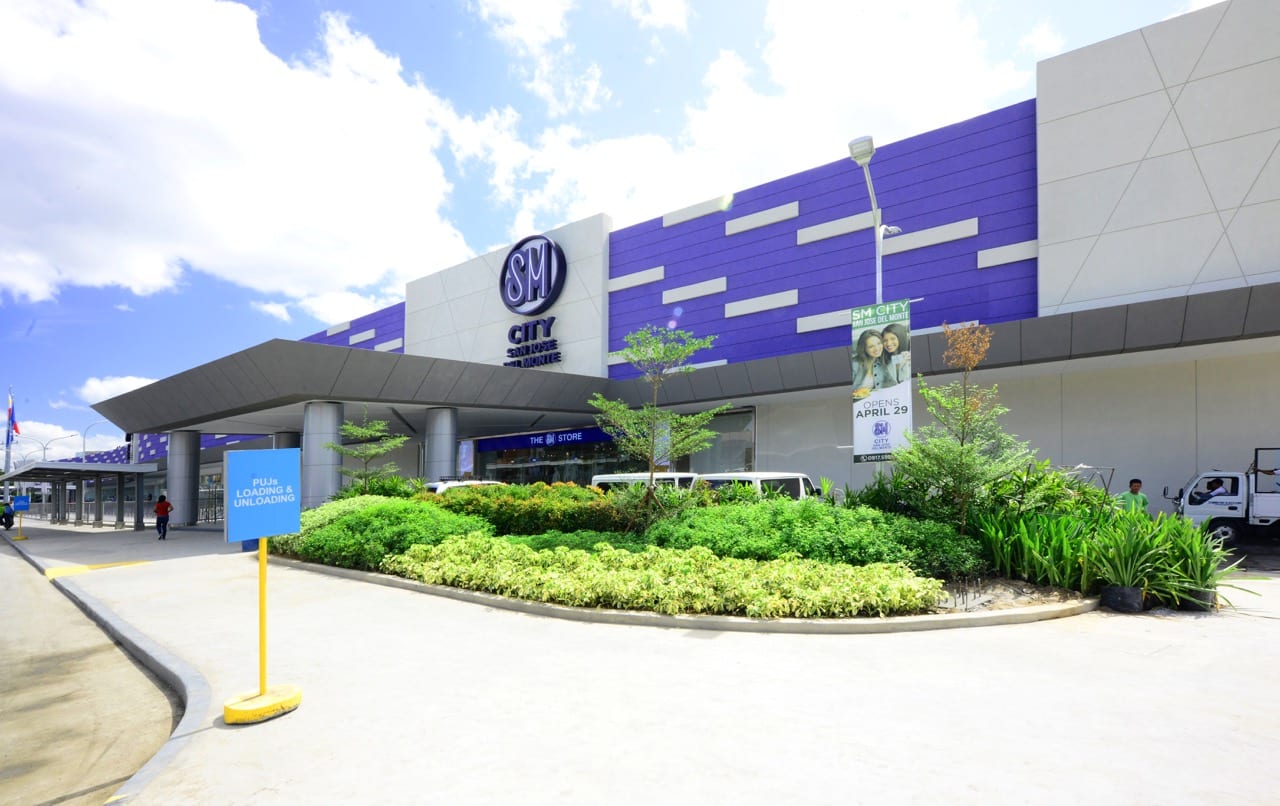
    Bulakenos and residents of the North Metro area had a lot of shopping, leisure, and entertainment excitement when SM City San Jose del Monte recently opened its doors to the public

    When SM Prime Holdings President Hans T. Sy opened the doors of SM Prime Holdings’s 57th mall, as it is in the SM tradition, shoppers quickly packed the mall, eagerly heading to their favorite shops and restaurants.

    There was a blessing the day before graced by local officials: Bulacan Governor Wilhelmino Alvarado, Vice Governor Daniel Fernando, San Jose Del Monte Mayor Reynaldo San Pedro and Vice Mayor Eduardo Roquero. Araneta Properties CEO Gregorio Araneta, whose group is spearheading a large development the area, also attended the event with his wife Irene Marcos Araneta and Ilocos Norte Congresswoman Imelda Marcos.

    SMSJ_Ribbon cutting3

    Located on a n a 60,193 square meter site in Barangay Tungkong Mangga along Quirino Highway, the 101, 407.28 square meter five level mall (three levels of retail, and two levels of basement parking and a pond area) will serve shoppers in San Jose Del Monte City and nearby towns in Bulacan, North Metro cities like Caloocan and Quezon City, as well as several areas in Rizal. The new mall is the third in the province of Bulacan after SM City Marilao and SM City Baliwag.

    Located at the northeast periphery of Metro Manila, the City is bounded by the Bulacan municipalities of Marilao and Santa Maria on the west, and Norzagaray on the North. Quezon province lies to the east, Rizal province to its southeast, and Caloocan City to its south.

    Known as the Balcony of the Metropolis, San Jose del Monte is said to be the largest town in Bulacan in terms of land area and population.  It was proclaimed the first City of Bulacan on 10 September 2000.

    San Jose del Monte’s proximity to Manila and Quezon City has made the place ideal for quiet and peaceful living.  The place is hilly, with the Sierra Madre Mountains providing a panoramic backdrop to the area. With that, it continues to grow as private subdivisions mushroom in strategic areas, and it develops as an ideal industrial site.

    Because of its prime location for enterprise and investments, growing residential and commercial developments, as well as satisfactory infrastructure and support facilities, San Jose del Monte is considered as one of the thriving cities for doing business in the country. The opening of SM City San Jose Del Monte highlights SM’s confidence in the city’s booming economy, and will be a catalyst for employment and business opportunities.

    SM City San Jose del Monte’s carefully integrated architecture, landscape, and planning will ensure a memorable, accessible, and convenient urban experience for its customers. The exterior architectural design is sophisticated and bold, featuring crisp colors and textures. A striking West Plaza has a monumental presence along Quirino Highway, featuring a stepped water feature, and eye- catching signage that welcomes shoppers at the mall entrance.

    The rear of the site overlooks a vibrant natural landscape. Three view of dining balconies overlook a dynamic public plaza and graceful parkway. This feature plaza, with water features, a central pond, and a pedestrian overlooking bridge as its focus, will provide shoppers with a place to relax and take in the views while enhancing their retail and dining experience.

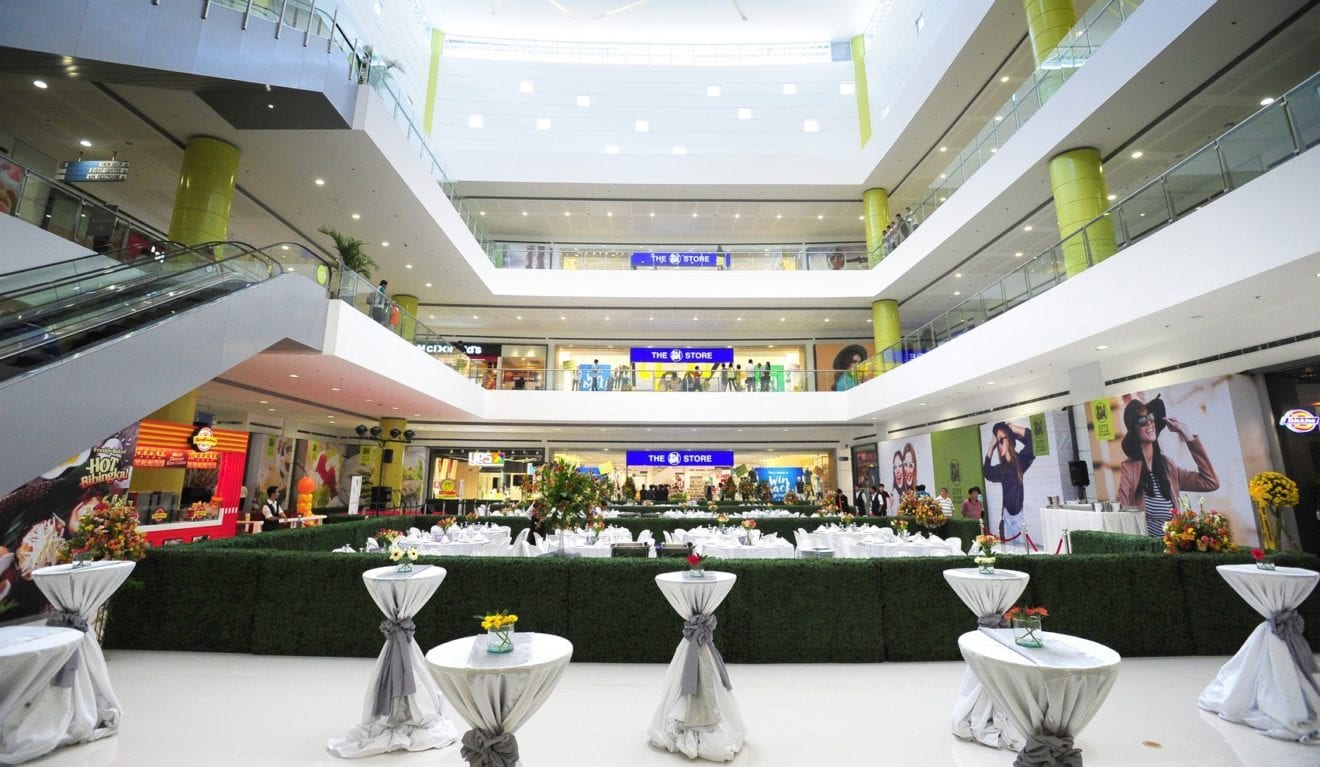
    SM City San Jose Del Monte’s interiors are organized around a central atrium that terraces back at each level, allowing natural clerestory light to reach deep into the building. Pedestrian bridges cross the atrium on each floor, while stairs, elevators, and escalators traverse the space vertically, contributing to the dynamic fee of the interior. The space is further accentuate by distinct, vivid bans of color and a collection of vibrant planting on the lower ground level, all of which together give the space a festive, contemporary appearance.

    The SM Store and SM Supermarket are the mall’s major retail anchors, leading the way with SM mainstays like SM Appliance Center, Watsons, Ace Hardware, Surplus, and BDO. There is more shopping fun ahead as fashion boutiques, jewelry stores, and eyewear shops.

    The mall’s Cyberzone will be an attraction in this growing city with major players GLOBE, Samsung, Huawei, O+, Oppo, My Phone, as well as computer stores.

    Three alfresco dining areas will make dining in the mall exciting; while eating out options will give shoppers a lot to choose from. These include international chains; as well major national chains, and hometown favorites.

    SM City San Jose Del Monte will also have four state of the art digital cinemas; as well amusement and health and wellness centers.

    For customer convenience, the mall will have 805 vehicle parking slots and 107 motorcycle parking slots as well as transport bays.

    SM City San Jose Del Monte’s design team includes SM City San Jose Del Monte’s design team includes DSGN Associates, General Contractor; New Golden City Builders,  EDD Construction; and Design Coordinates Inc. as Project Manager.


  • SM Retail sales boosted

    SM Retail sales boosted

    SM Retail sales grew across all operations – which consist of both SM Markets and The SM Store.

    Total sales grew 8 per cent to P48.8 billion (US$1.0 billion) in the first quarter, while net income rose 16 per cent  to P1.5 billion.

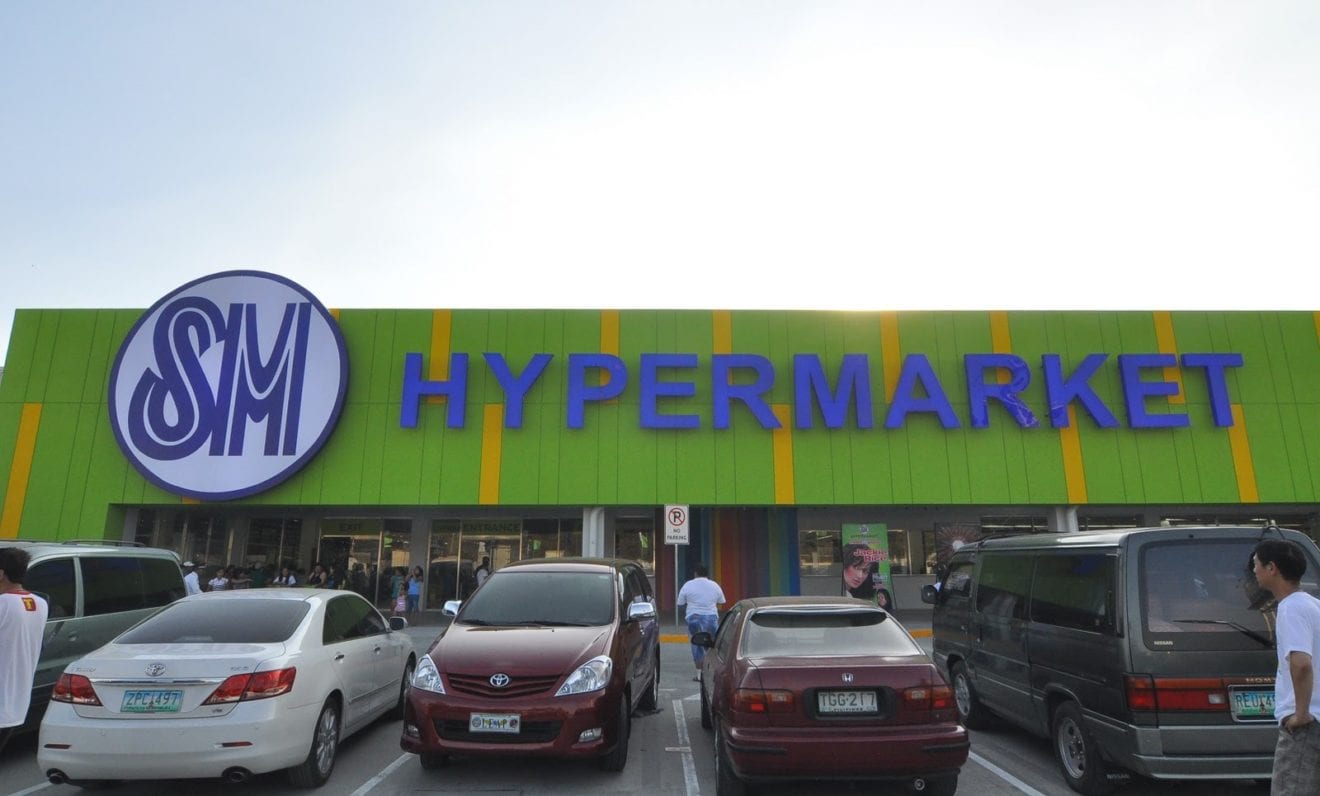
    SM’s food retail business continued to expand, adding five new stores. At the end of March, SM Retail had 314 stores comprising 53 The SM Stores, 45 SM Supermarkets, 44 SM Hypermarkets, 140 Savemore and 32 WalterMart stores.

    Two acquired Cherry Foodarama grocery stores are now fully operational inside SM Cherry malls in Shaw and Congressional Avenue.

    SM earlier announced the merger of SM Retail with a group of specialty retail stores such as Ace Hardware, SM Appliance Center, Homeworld, Our Home, Toy Kingdom, Watsons, Kultura, Baby Company and Sports Central. The combined entity will have over 1900 outlets and 2.4 million sqm of GFA.

    “We are pleased with SM’s strong underlying growth in the first quarter as consumer spending continued to be vibrant and sentiment about the Philippine economy remains strong. Our continuing efforts to improve efficiencies in all our businesses have also helped ensure solid earnings growth,” SM president Harley Sy said.

    SM Investments posted a 12 per cent growth in recurring net income in the first quarter of 2016. Consolidated net income (including non-recurring items) stood at P7.0 billion for January to March, up 3.6 per cent from P6.7 billion year-on-year. Consolidated revenues grew 7 per cent to P69.8 billion for the first quarter.

  • Robinsons Retail plans P5 billion ($106m) store roll-out

    Robinsons Retail plans P5 billion ($106m) store roll-out

    The company’s planned capital expenditures in 2016 is a 59 per cent increase from the P3.1 billion it spent in 2015.

    Robinsons Retail said expects to reach more than 200 stores in 2016 and would continue to explore merger and acquisition opportunities.

    “We have also gotten into a good start this 2016 with solid same-store sales growth for the first two months of the year as we benefited from increased consumer spending from a still robust domestic economy. We will continue with our footprint expansion, with focus on areas outside Metro Manila Looking for potential mergers and acquisition continues to be part of our strategy in growing the business,” said Robina Gokongwei-Pe, Robinsons Retail president and CEO.

    Convenience stores and supermarkets will represent a bulk of the planned new stores.

    The retail firm currently operates 10 retail formats under six business segments, including department stores, supermarkets, home improvement stores, convenience stores, drug stores and specialty stores. As of end-2015, it was operating 1506 stores with total GFA of 974,000 sqm.

    The company entered the coffee shop business with the opening of Costa Coffee shops in several locations in Metro Manila last year.

    It also ventured into smaller-format stores like Robinsons Easymart for supermarket and Robinsons Townville for community mall to reach a wider market.

  • BritishIndia store closes with a flourish

    BritishIndia store closes with a flourish

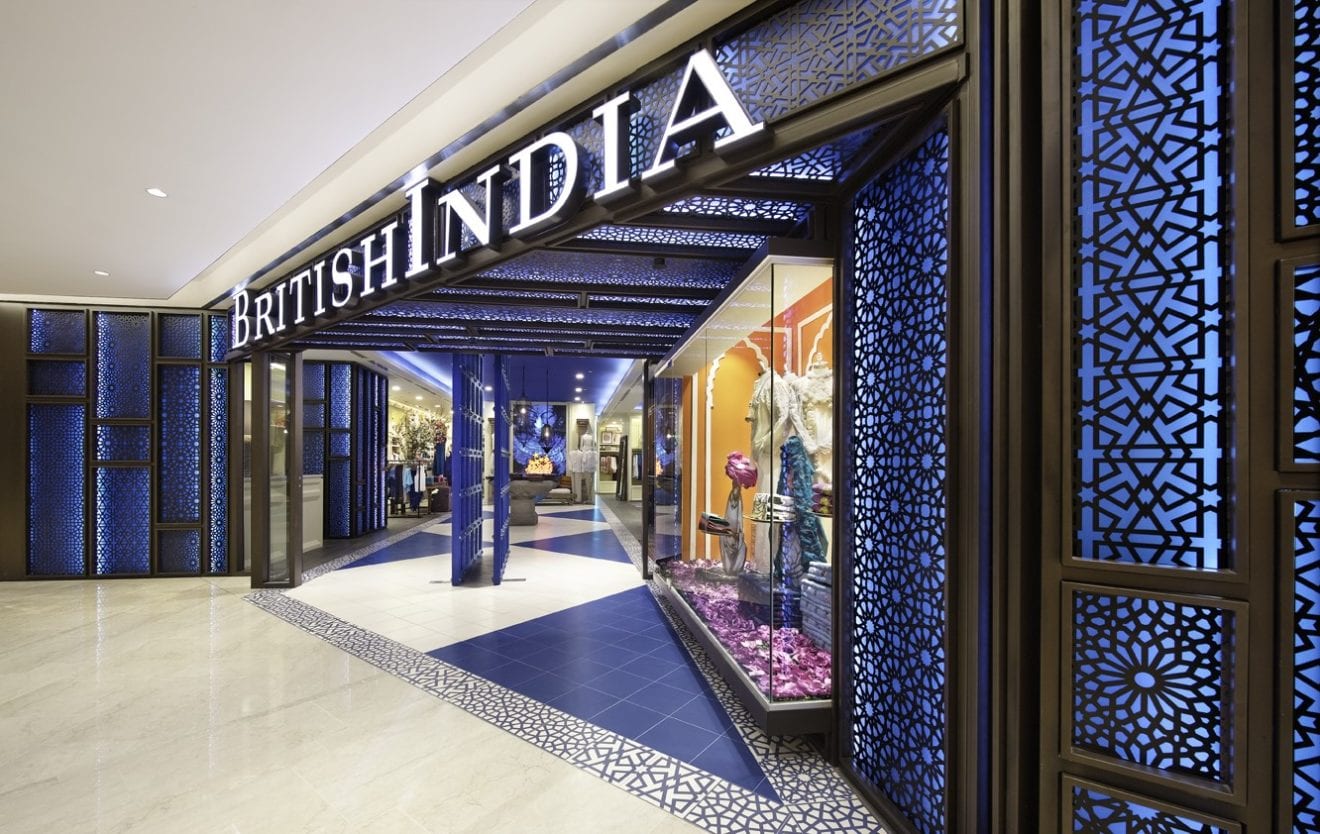
    Thousands of BritishIndia Malaysia customers grabbed a bargain as they farewelled the fashion store in Suria KLCC over the past week.

    BritishIndia farewell sale

    The fashion brand’s farewell sale offered 50 per cent off all items, ending its presence in the mall since 1998.

    BritishIndia farewell

    Built from scratch in Malaysia more than 20 years ago, BritishIndia now has more than 40 stores, in shopping centres in Singapore, Thailand and the Philippines.

    There is still a presence in Malaysia, with stores in 1Utama Petaling Jaya, Bangsar Shopping Centre, Mid Valley Megamall, Pavilion Kuala Lumpur, Publika Kuala Lumpur, SACC Mall in Shah Alam and Sunway Pyramid.

    Meanwhile, the brand says it is seeking further expansion overseas.

    The brand has been embroiled in a long drawn-out court case with Suria KLCC management over it lease terms.

  • SM City San Jose opening brings SM malls to 57

    SM City San Jose opening brings SM malls to 57

    SM Prime is opening its 57th mall in the Philippines.

    SM City San Jose Del Monte will open today. It is the third in the province of Bulacan after SM City Baliwag and SM City Marilao.

    The new mall will add 101,000 sqm in gross floor area to the total floorplate of SM Prime, SM Prime, the country’s largest integrated property company. Total retail space will add up to 7.4 million sqm, the largest footprint in the country.

    “We continue to expand in the provincial areas as we remain optimistic about their huge potential for growth. The opening of SM City San Jose Del Monte in Bulacan is a testament to this strategic direction as we remain steadfast in developing premier destinations around the country,” SM Prime President Hans Sy said.

    San Jose Del Monte is a second-tier city with predominantly middle income households, of which, 62 per cent have family members that are OFWs. The city contributes to one of the fastest growing residential and commercial hubs in the Northern Gateway of Metro Manila, covering 59 barangays and a population of almost 500,000 based on the 2010 census.

    SM City San Jose Del Monte opens with 70 per cent of space lease-awarded occupying its three floors with retail stores, dining outlets, recreation and entertainment facilities, and service centers topped with commendable architectural design making it the newest vibrant urban hub in the north of Metro Manila.

    The prime spaces are allocated to local and international retail brands, food outlets and anchor tenants such as The SM Store, SM Supermarket, SM Appliance Center, Ace Hardware, BDO, Surplus, Watsons and SM Cinema with four state-of-the-art cinemas.

    By the end of 2016, SM Prime is targeting to have 61 malls in the Philippines and six in China with an estimated combined GFA of 8.6 million sqm.

  • On Pedder takes first step into eCommerce

    On Pedder takes first step into eCommerce

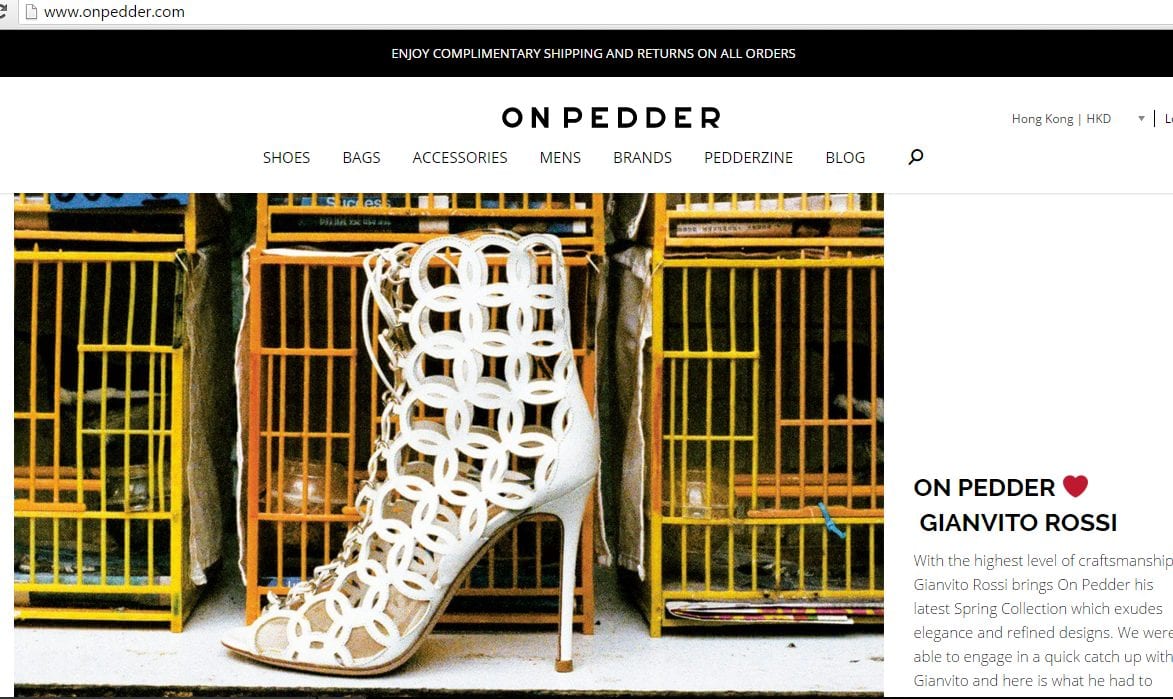
    Hong Kong shoe retailer On Pedder has launched an eCommerce site featuring a curated mix of luxury footwear.

    It is centered around the retailer’s Pedderzine, a seasonal art-fashion hybrid magazine distributed to customers.

    Complimentary shipping is being offered by the site, with returns possible, for customers in Hong Kong, Japan, Macau, Philippines, Singapore, South Korea, Taiwan and Vietnam, as well as Australia and New Zealand.

    Brands include 3.1 Phillip Lim, Aquazzura, Chloe, Common Projects, Gianvito Rossi, Giuseppe Zanotti Design, N⁰21 , Neil Barrett, Nicholas Kirkwood, Paul Andrew, Rene Caovilla, Sophia Webster and Valentino.

    More brands are showcased under the “On Pedder Love” section of the site, along with exclusive product.

    On Pedder collaborated with Hong Kong photography and video artist Luke Casey for Pedderzine this season, which focuses on Hong Kong and Kowloon’s roots and was shot on the streets of Jordan and Sham Shui Po and Jordan, including karaoke bars, back alleys, markets and brothels.

    “We wanted to create an online destination for our customers to enjoy the energy and aesthetics of our in-store curation,” says Pedder Group president Peter Harris.