Retail News CRM

Tag: Philippines

  • Massive data breach exposes all Philippines voters

    Massive data breach exposes all Philippines voters

    The Philippines’ 55 million voters are now susceptible to fraud and other risks after a massive data breach leaked the entire database of the Commission on Elections (Comelec), security firm Trend Micro has warned.

    The defacement of the Comelec website by a hacker group called Anonymous Philippines happened at near midnight on March 27. In a message to the government, the group said they want the poll body to implement tighter security measures on the precinct count optical scan (PCOS) machines to be used in the May 9 polls.

    “But what happens when the electoral process is mired with questions and controversies? Can the government still guarantee that the sovereignty of the people is upheld?” the hackers posted in the defaced Comelec website.

    A report said a second hacker group called LulzSec Pilipinas posted within day an online link to the Comelec’s whole database. The following day, the group also reportedly updated the post to add three mirror links to an index of files that could be downloaded.

    Trend Micro said the leak may turn out as the biggest government-related data breach in history, surpassing the Office of Personnel Management (OPM) hack in 2015 that leaked personally identifiable information (PII), including fingerprints and social security numbers (SSN) of 20 million US citizens.

    While the Comelec has given assurances to the public the day after the hacks that the no sensitive information was compromised and the country’s second automated polls will be secure, the securty firm believes otherwise.

    “Based on our investigation, the data dumps include 1.3 million records of overseas Filipino voters, which included passport numbers and expiry dates. What is alarming is that this crucial data is just in plain text and accessible to everyone,” the security firm said in a blog post.

    “Interestingly, we also found a whopping 15.8 million record of fingerprints and a list of people running for office since the 2010 elections,’” it added.

    “Among the data leaked were files on all candidates running on the election with the filename VOTESOBTAINED. Based on the filename, it reflects the number of votes obtained by the candidate. Currently, all VOTESOBTAINED file are set to have NULL as figure.”

    Regardless whether the hacking could affect the elections, the security firm said there is still the issue of all voter information that was leaked.
  • Philippines office rates among cheapest in Asia

    Philippines office rates among cheapest in Asia

    The average office rental rate in the Philippines is much cheaper than anywhere else in Asia-Pacific but this segment is very lucrative because brisk demand from business process outsourcing (BPO) is driving growth at a “healthy” pace, experts from global property consulting firm Jones Lang LaSalle said on Wednesday.

    Apart from office property, JLL sees bright investment prospects for upper mid-end residential assets or those worth between P15 and P18 million particularly in Bonifacio Global City and Makati, JLL country head David Leechiu said in a briefing.

    JLL is also upbeat on investment prospects in budget hotels—referring to two- and three-star accommodations—across the country outside of Makati, Bonifacio Global City and the Manila Bay area as it expects tourism to be the next big thing in terms of Philippine real estate growth.

    In the office segment, local rental rates have risen but they are still 33 percent below the peak levels seen in 2007 or before the US-induced global financial crisis erupted. As of the second quarter, average rental rates for Grade A office in Manila amounted to $209 a square meter a year compared to $1,758 in Hong Kong, $683 in Beijing, $504 in New Delhi and $441 in Sydney, based on estimates by JLL.

    “Manila is much cheaper than anywhere else,” said Alastair Hughes, Jones Lang LaSalle chief executive officer for Asia Pacific. But such low rental prices should also allow the Philippines to be more competitive in attracting more BPO firms, Hughes said.

    This year, Hughes said rental rates in Manila could rise an average 10 percent, which he described as “a good level of sustainable rental growth.”

    Average office rental rates in Makati are estimated at between P600 and P900 a square meter a month; in Bonifacio Global City, P600-P800/sq.m.; in Pasig City, P500-P700/sq.m., Quezon City, P400-P600/sq.m., and in Manila Bay area, P500-P550/sq.m.

    Leechiu said the most lucrative areas for office investments were still in Bonifacio Global City, Makati and Quezon City. JLL estimated that average annual demand for office property would reach at least 300,000 sq.m. in gross leasable area a year up to 2015. Based on the number of buildings under construction, it projected an office supply deficit of about 200,000 sq.m. by 2015 if demand would go up to 360,000 sq.m.

    But outside Metro Manila, he said the opportunities were limited because demand for office space was mostly driven by BPOs that mostly thrive in Metro Manila, which produces the biggest bulk of skilled manpower required by this industry.

    Within the metropolis, he said there was very little office space left for rent. “BPOs have wiped them out,” he said. For the first time in three years, he noted there were BPO companies now signing lease contracts ahead of building completion.

    “The Philippines has become a part of the anti-crisis solutions of many companies. They’re thinking of cost and to address that cost, [offshoring to the Philippines] is part of the answer,” Leechiu said.

    On residential property, Leechiu said upper mid-end residential assets in Bonifacio Global City and Makati would be most promising. On the other hand, he said it was “very dangerous” now to invest in residential mid-market property, noting that there were 15 big property developers out there competing for this market.

  • Robinsons Philippines income jumps 21.9 per cent

    Robinsons Philippines income jumps 21.9 per cent

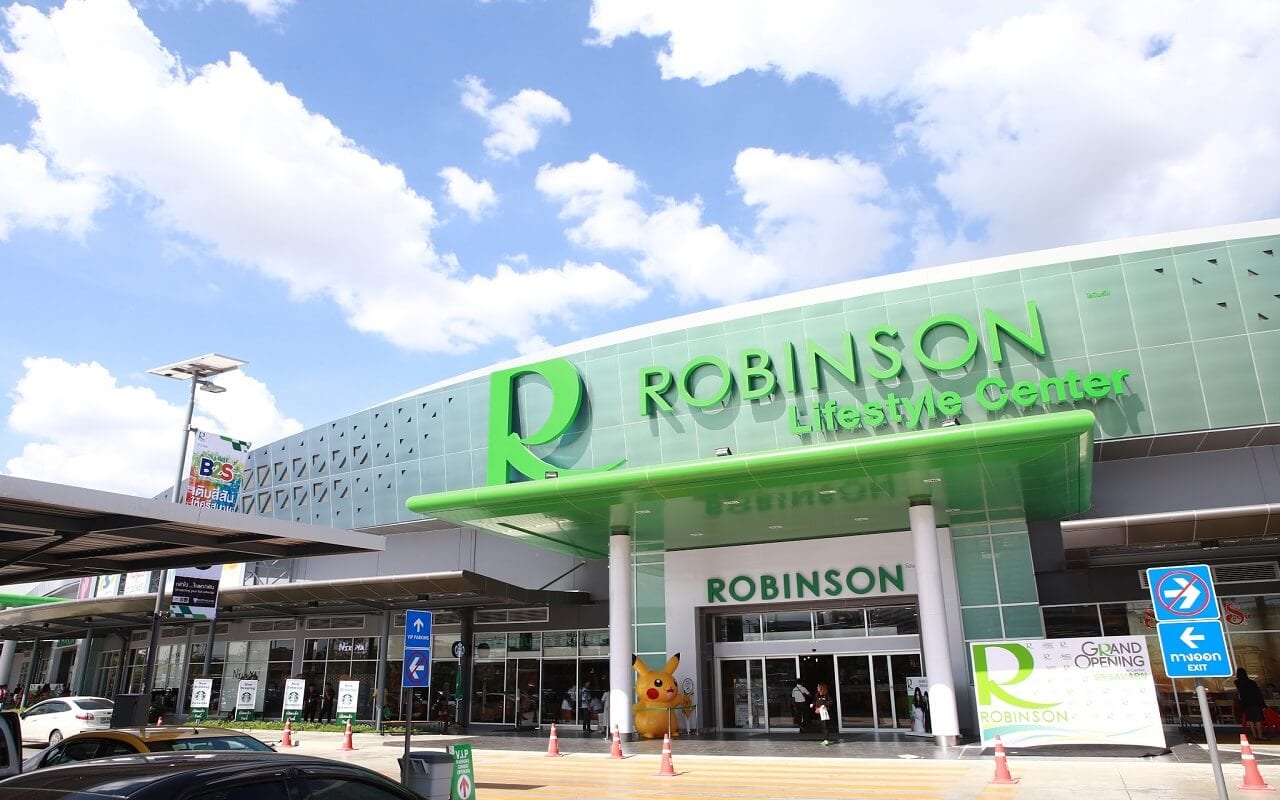
    Robinsons Philippines has reported a 21.9 per cent increase in net income in 2015 to P4.3 billion ($90 million) on the back of same-store sales growth and sales from newly opened stores.

    Same-store sales growth for Robinsons Retail Holdings grew 4.1 per cent in 2015, exceeding the 2-3 per cent consolidated same-stores sales target for the year.

    The company’s consolidated net sales reached P90.9 billion last year, up 13 per cent from P80.4 billion in 2014.

    The retail holding firm of the Gokongwei group reported opening 2015 with 179 new stores and ended the year with a total of 1506 stores.

    “I am heartened by the strong same-store sales growth performance of all our retail formats in 2015, despite the intensifying competition,” Robinsons Retail President and CEO Robina Gokongwei-Pe said.

    “We have also gotten into a good start this 2016 with solid same-store sales growth for the first two months of the year as we benefited from increased consumer spending from a still robust domestic economy. We will continue with our footprint expansion, with focus on areas outside Metro Manila,” Gokongwei-Pe said.

    The opening of new stores expanded the company’s gross floor area by 9.7 per cent year-on-year, the company said.

  • Japan’s biggest bank sees crucial role for Philippines

    Japan’s biggest bank sees crucial role for Philippines

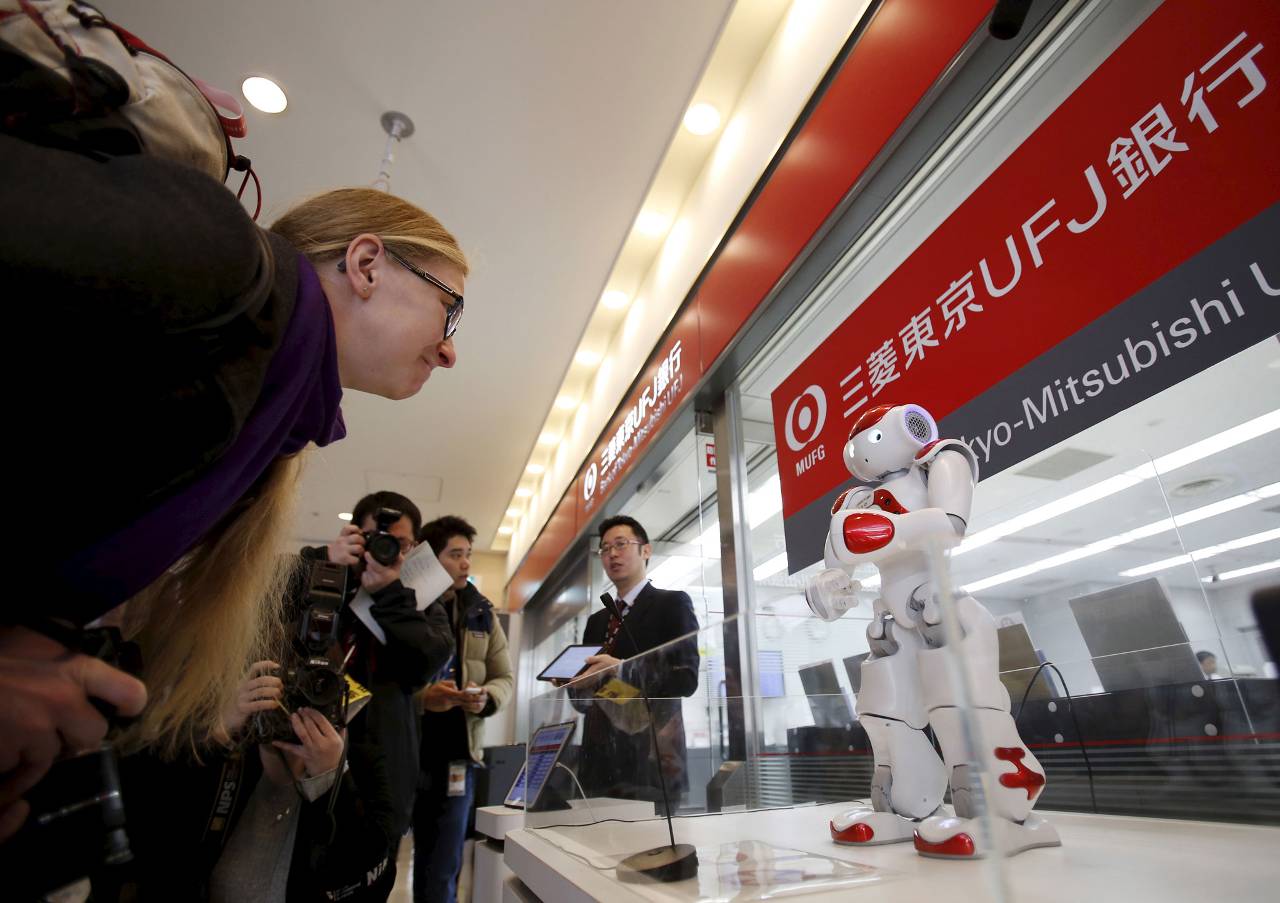
    Japan’s biggest lender Bank of Tokyo-Mitsubishi UFJ said the Philippine market plays a crucial role in its goal to become Asia’s Tier 1 financial institution.

    BTMU, which recently bought a 20-percent stake in the Philippines’ Security Bank Corp., said it envisions surpassing three of the biggest banks in Asia (HSBC, Citibank and Standard Chartered Bank) by 2020.

    “The Philippines is one of the most important markets for the bank because the economy is strongly performing, and many Japanese companies have been advancing in the Philippines,” Go Watanabe, BTMU chief executive officer in Asia and Oceania Region, told reporters in a roundtable discussion on Tuesday.

    “The Philippines is the missing part of BTMU. That is why we have decided to have a strategic alliance with Security Bank,” he added.

    Watanabe said its P36.9-billion investment in the local lender, which is also the biggest capital infusion to date in the Philippine financial market, is part of BTMU’s strategy to identify the right partners in high growth markets and to deepen its presence in organic communities.

    He said that with the partnership BTMU could now provide its strong base of Japanese customers with retail banking services using the local network of Security Bank.

    With BTMU’s diverse global network, it can also provide global corporates and Filipino companies with services such as project and trade financing, he added.

    For his part, BTMU General Manager Tadahiro Miyamoto, said that with the large consumer market in the Philippines, many Japanese firms are showing interest in expanding operations into the country.

    Potential for auto industry
    “There are many companies interested in the Philippine market. One is the retail segment such as food and apparels, but currently, probably the most interested segment is automotive,” he said.

    Miyamoto added that if the Comprehensive Automotive Resurgence Strategy (CARS) program of the government becomes successful, there are potentially many Japanese manufacturers and suppliers that would be producing car parts in the Philippines, which would create even more investment opportunities for the sector.

    Despite this, Watanabe said that encouraging more manufacturing firms to do business in the country is a bit challenging because of the lack of incentives and persistent gaps in infrastructure and power generation.

    “The challenge for the Philippines is how to encourage overseas companies, especially manufacturing, to invest in this country. In that respect, BTMU is willing to support the country to encourage them to invest more in the Philippines,” he said.

    “More than 100 million population is a good big market. If the government will think about good incentives, I think it will be a good chance for the Philippines to increase the entry of foreign direct investments, not only from Japan but also from other countries,” he added.

    Meanwhile, Miyamoto said improvement in other areas such as infrastructure, and the cost and reliability of electricity are also needed.

    “There are a lot of projects going on. We hope that those will be realized soon so that there will be more general support for Japanese companies to invest more here,” he said.

    Interested in PPP
    In this regard, Watanabe said the public-private partnership program (PPP) of the government, particularly in infrastructure, is necessary for the country.

    “Japanese companies are showing strong interest in participating in the PPP. BTMU as the best project finance bank, together with good peso liquidity from Security Bank, means our team is the best team to support the PPP and encourage Japanese customers to participate in the PPP. This will be very beneficial to this country,” he said.

    At present, Miyamoto said BTMU has no PPP investment yet, but the bank has been looking to participate in projects included in the pipeline.

    One particular project that the BTMU is interested in is the Clark Green City, which includes access and inter-city roads, a railway system, a mixed-use residential and commercial block, business district, industrial estates, schools and centers, government offices, and other facilities that would make up a major city.

    At full development, the city is estimated to accommodate some 1.12 million residents and 800,000 workers.

    “It is a very good project. It creates a lot of positivity for the Philippines and we will see what we can do,” Miyamoto said.

    Another project that can be considered by BTMU is the North-South Railways Project, Watanabe added.

  • Lawson chases retail rival in Philippines

    Lawson chases retail rival in Philippines

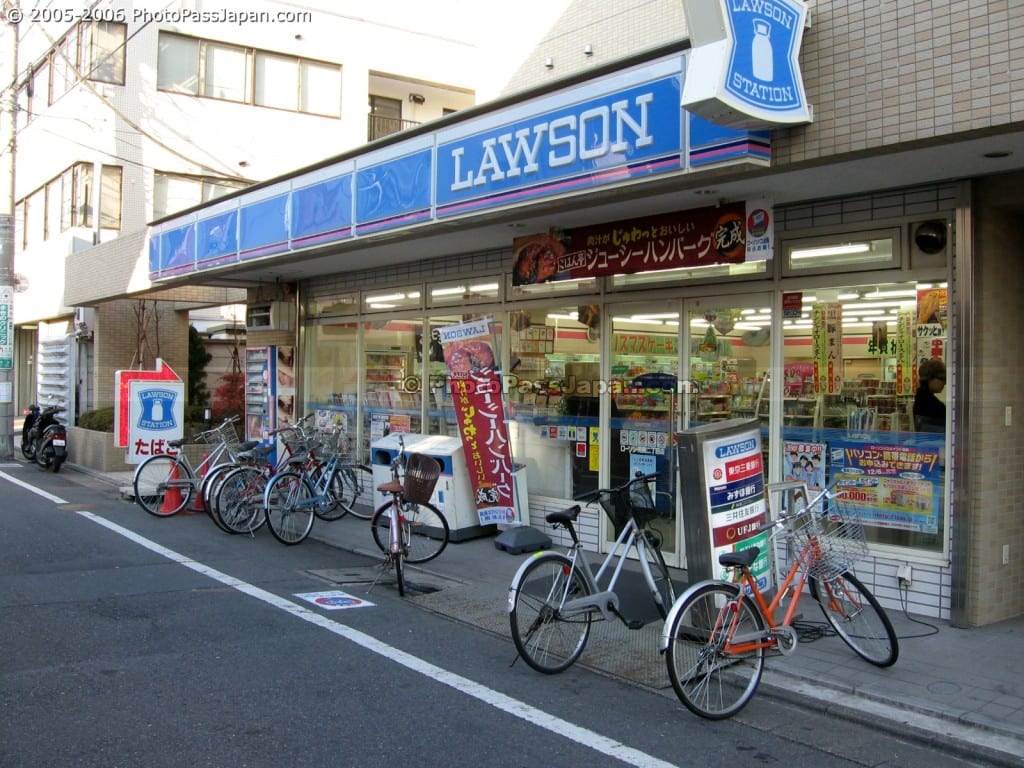
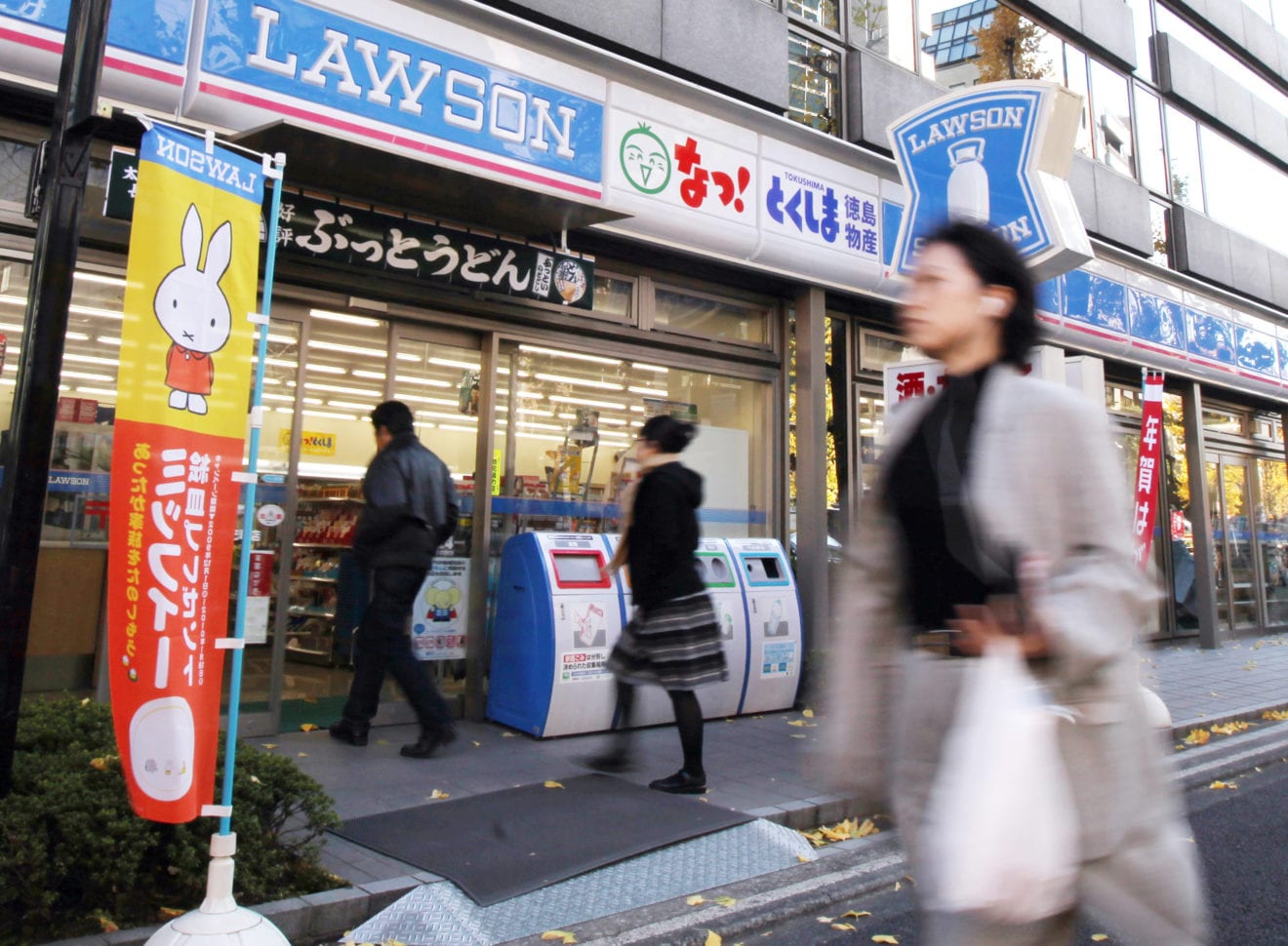
    Japanese convenience store chain Lawson is cautiously planning its expansion in the Philippines, which the company considers a key market to expanding its global presence.

    Under pressure to keep up with rival Japanese chains 7-Eleven, Ministop and Family Mart, which are rapidly opening new stores, Lawson President and CEO Genichi Tamatsuka said Tuesday that the company and its Philippine partner, supermarket operator Puregold Price Club, are developing “a winning franchising formula.” They plan to test the model in late 2016 before moving into full-scale operation in the next two to three years.

     PG Lawson, the partners’ joint venture, opened fewer than 20 stores when they began doing business in the Philippines last year. In contrast, Family Mart opened more than 30 shops when it entered the Philippine market in 2013.

    Lawson and Philippine partner Puregold Price Club officials open first flagship convenience store in Makati central business district

    Going commercial

    “Franchising is the key,” Tamatsuka said. In Japan, 99% of Lawson’s 12,000 stores are franchises, he said.

    PG Lawson has set a medium-term target of opening 500 outlets in the Philippines by 2020. This year alone, they plan to spend 450 million pesos ($9.7 million) on 75 stores located mostly in office buildings.

    On April 5, the company opened its first flagship store and its 20th outlet along Ayala Avenue in the Makati business district. Last year, Lawson opened shops mostly near schools.

    John Hao, Puregold’s investor relations head, said PG Lawson will partner with independent property developers to gain access to office spaces with tenants like outsourcing companies that operate around the clock.

    Most of Lawson’s competitors already have the backing of big real estate companies. Family Mart is partly owned by Ayala Land and Ministop is operated by Robinsons Retail Holdings of the Gokongwei Group, which also owns Robinsons Land. Alfamart, an Indonesian convenience store operator, has SM Group as its Philippine partner. SM owns SM Prime Holdings, the Philippines’ largest developer.

    Lawson CEO Genichi Tamatsuka

    7-Eleven, despite not having a real estate backer, is expanding aggressively. As of the end of last year, it had 1,602 stores nationwide, up 25% from 2014. This year, it plans to spend 3.5 billion pesos to accelerate its openings.

    With more than 2,000 convenience stores serving 100 million people, Tamatsuka sees great potential in the Philippines, where the retail sector is dominated by 700,000-800,000 neighborhood shops called sari-sari (“variety”) stores. Modernizing just 5% of these mom-and-pop retailers translates to around 35,000 convenience stores, he said.

    Lawson sees the Philippines and other Southeast Asian countries such as Thailand, Indonesia, and Vietnam, as important markets for the company’s global expansion. In the next five to 10 years, it expects to have more outlets overseas than in Japan, Tamatsuka said. At present, overseas shops make up just 5% of the total.

  • RayBan Manila marks first Asian pop-up

    RayBan Manila marks first Asian pop-up

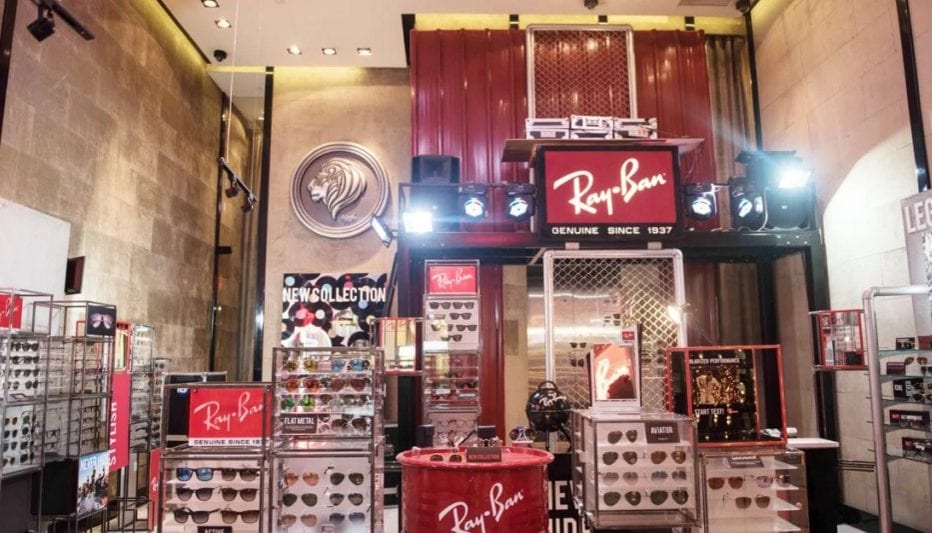
    A new Ray-Ban Manila pop-up store is the eyewear brand’s first in Asia.

    The pop-up, at the Greenbelt shopping centre in Makati, will showcase the Ray-Ban Aviators range.

    Originally designed for US military pilots in 1937, Ray-Ban Aviators is one of the leading global brands in the premium eyewear category.

    “We’re trying to recreate everything here in the Philippines. We’re the first (in Asia) from Ray-Ban,”  Vincent Teotico, Ray-Ban’s assistant marketing manager, told Manila Bulletin.

    The Ray-Ban Hub – the first flagship store in New York City inspired the Pop-Up Concept Store, both having an urban feel, with neon lights and fun activities inside.

    Asked about setting up a permanent store in the Philippines, Teotico said this would be possible depending on the turnout of their latest move in the Philippine market.

    Ray-Ban’s Pop-Up Concept Store will only be around until July on the ground floor of Greenbelt 5 in Ayala Center, Makati City. Ray-Ban products are also available at optical stores such as Eye Society outlets in Jupiter St and SM Aura in BGC.

  • Shakey’s Philippines sold to investment groups

    Shakey’s Philippines sold to investment groups

    Philippines conglomerate Century Pacific Group has partnered with Singapore’s sovereign investor GIC to buy the parent of Shakey’s Philippines, the pizza restaurant chain.

    The tie-up will acquire majority of of the business from the Prieto family, which will continue to hold a minority stake in International Family Food Services (IFFSI), the owner and operator of the Shakey’s Philippines.

    “We are excited about this opportunity to invest in Shakey’s as we are believers in the potential of the continued growth of the Philippine middle class,” Century Pacific president Christopher Po said in a statement.

    The transaction also includes the acquisition of Philippine franchise for US artisan pizza Project Pie as well as Bakemasters, one of Shakey’s suppliers of bakery products.

    The acquisition of Shakey’s, which had about 170 stores in the Philippines at the end of 2015, is the second partnership between Century Pacific’s controlling Po family and GIC. In May 2014, the Singaporean fund converted a P3.4 billion ($73 million) loan into a 10 per cent stake in Century Pacific Food, the group’s canned goods maker.

  • Campaign encourages more Japanese SMEs to invest in the Philippines

    Campaign encourages more Japanese SMEs to invest in the Philippines

    Japanese SMEs are being enticed to invest in the Philippines, where labor cost is competitive and a majority of workers are English-speaking.

    Spearheading the campaign are Rizal Commercial Banking Corp. (RCBC) and Resona Bank, a bank for small and medium enterprises in Japan’s Kansai and Osaka areas. To date, 55 Japanese firms have established their facilities in the Philippines following the tie-up agreement they entered into in 2012.

    Japanese companies which have established their facilities in Philippines affirmed the advantage of the competitive cost of Philippine labor with the added benefit of Engish-speaking skills that enable easier training and work atmosphere.

    In their latest campaign, RCBC’s Japanese Business Relationship Office first senior vice president Yasuhiro Matsumoto recently accompanied Trade Secretary Adrian Cristobal Jr.  to a Philippine Investment Opportunities Forum in Osaka, Japan.

    Attended by 350 corporate clients, the forum was organized by the Resona Foundation for Asia and Oceania with co-organizers Osaka Prefecture Government, the Osaka Municipal Government, the Kansai Economic Federation, the Osaka Foundation for Trade and Industry, and the Osaka Chamber of Commerce Industry. This was also supported by JETRO, Resona Bank and the Kinki Osaka Bank.

    Matsumoto highlighted the success secrets of companies operating in the Philippines. As RCBC’s key senior officer focused on Japanese clients, Matsumoto had seen and supported the entry and growth of Japanese companies, specially in export processing zones.

    Matsumoto further cited the growing spending power of the Filipino consumer as shown by the surge in business by a range of consumer-focused companies in food, beverage, and middle-end retail outlets that are supplanting the formerly ubiquitous low-end sari-sari stores in the urban centers. With the second largest population in ASEAN, with a young average age, the Philippine potential for investments is huge, he said.


  • eCommerce won’t dent Asian retail real estate demand

    eCommerce won’t dent Asian retail real estate demand

    Growing online sales will not undermine demand for Asian retail real estate, according to the last CBRE study of major international brands.

    For the seventh edition of How Active Are Retailers Globally?, the real-estate company looked at more than 150 major international brands based in Americas, Asia Pacific and EMEA (Europe, the Middle East and Africa) countries.

    China is the top target market in the Asia Pacific (APAC) and fourth-ranked globally, with 27 per cent of retailers looking to expand there. Hong Kong follows in sixth position (24 per cent), Japan in seventh (22 per cent) and Singapore in ninth (21 per cent). The top three globally were Germany (35 per cent), France (33 per cent) and the UK (29 per cent).

    China and Hong Kong maintained their placings, while Japan, Singapore and Australia (11th) all rose higher in the ranking, up from 13th, 18th and 15th positions respectively.

    “Hong Kong will remain a desirable market for retailers, particularly as it continues to serve as a popular shopping destination for mainland Chinese tourists,” says CBRE Hong Kong executive director for retail services Joe Lin.

    “The main difference is a shift from luxury to mid-range brands. This is forcing luxury retailers to consolidate their footprint, leading to a drop in rental cost in prime locations and therefore opportunities for non-luxury retail brands.”

    Most APAC markets saw increased interest for this year, with the exception of China and South Korea. Malaysia (10 per cent), Indonesia (9 per cent), Thailand, Vietnam and The Philippines (all 8 per cent) received more than double the interest they saw last year, when all markets secured between 1 and 3 per cent.

    Asked about the risk factors for the coming year, brands indicated that real-estate cost escalation (56 per cent) and unclear economic prospects (42 per cent) continue to be at the forefront of their minds.

    “We’re seeing more of a challenging economic environment, and concerns such as high operating costs and a lack of quality space means retailers are somewhat more wary this year,” says CBRE head of Asia Pacific research Dr Henry Chin. “However, even as markets such as China and Hong Kong are experiencing a slowdown, we see increasing numbers of opportunistic retailers looking to enter markets like Hong Kong, supported by strong underlying consumer demand.

    “Japan and Australia remain attractive, while Southeast Asia showed strong growth because of opportunities for retailers around an expanding middle class and stronger economic growth.” CBRE senior director and head of retailer representation for Asia Joel Stephen says there are still opportunities for retailers to grow their business in Asia, underscored by the region having four of the 10 most popular destinations. “The goal now for all brick-and-mortar retailers is to build an engaging offer that encourages people to stay longer and spend more.”

    The survey shows that 83 per cent of brands suggest their physical store expansion plans for this year will not be affected by the growth of eCommerce. From a retailer perspective, only 22 per cent of the brands see stiff competition from online retailing as a threat to their business.

    At the same time, retailers are cautiously optimistic on physical expansion. Of those canvassed, 17 per cent have large-scale ambitions, many of them looking to open more than 40 stores this year (up from 9 per cent last year), while 67 per cent plan to open up to 20 stores.

    “A physical store presence in key locations is still critical to the strength of a brand’s image,” says Stephen. “Customers still feel a need to go into stores, to physically touch a product and enjoy the feel-good factor associated with a particular brand experience. The store is integral to the shopping journey and can be used in different ways, such as to click and collect, research of the product or brand, or to test the product. It isn’t solely about the transactional side.”

    A new trend is brands looking to expand into travel hubs, such as airports and train stations, giving them access to high footfall in busy locations. But for APAC retailers, shopping malls are still the preferred destination by far, at close to 90 per cent.

    While globally the key concern for brands in negotiations for premises is lease length, APAC retailers are most concerned with turnover rent clauses (GP). They are also particularly concerned about changing consumer behaviour (40 per cent), which is higher than the global average (31 per cent).

  • Robinsons Retail Philippines chair retires

    Robinsons Retail Philippines chair retires

    The Philippines’ second wealthiest man according to Forbes, John Gokongwei Jr, has retired as chair and CEO of Robinsons Retail Philippines.

    Robinsons Retail covers supermarkets and household brands such as Toys ‘R’ Us, True Value and Mini Stop.

    Gokongwei, who will turn 90 on August 11, had announced plans to retire and focus on charity work when he reaches 90.

    Gokongwei was born in China to Filipino parents, and arrived in Cebu when he was one year old. He started his multi-billion dollar retail and property empire in the province south of Manila by trading goods using a bicycle and a small boat off the pier of the province.

    His only son Lance Gokongwei, 49, will take his place, while his brother James Go remains as vice chairman.

    Robinsons Retail reported a net income of P3.1 billion ($67 million) in the first nine months of 2015, up 18.8 per cent year on year as net sales rose 12.7 per cent to P63.3 billion.

    As of the end of September in 2015,  Robinsons Retail had a total of 1466 stores, with 208 new stores, a 10.7 per cent increase in gross floor area to approximately 939,000 sqm over a year ago.

  • Lazada Philippines Celebrates 4th Birthday with 7 Million Visits

    Lazada Philippines Celebrates 4th Birthday with 7 Million Visits

    March marks another year for ecommerce site leader, Lazada Philippines (www.lazada.com.ph). The country’s leading one-stop shopping and selling destination, capped its 4th anniversary with a Birthday Sale last March 15 – 18, 2016.

    Lazada sent online shoppers into a frenzy starting midnight of March 15 with product deals and flash sales up to 90% off. The Philippines alone recorded almost 7 million visits all throughout the sale – 8 times higher than average traffic of one of the biggest shopping malls in the Philippines.

    laz 1

    The campaign was participated in by more than 2,300 SME merchants and more than thirty local and international brand partners – all with special sale offers to online shoppers. Birthday sale top categories included Mobiles & Tablets, Health & Beauty and Home & Living where 6,000 mobile phones, 2,000 bluetooth smart watches and 1,500 hair straighteners were sold. Lazada also sold over 4,500 packs of diapers, a strong indication that Filipino parents are embracing the convenience of online shopping.

    laz3


    95% of ordered items were shipped within 24 hours to half a million customers who placed their orders across all Lazada countries. A large bulk of orders came from Metro Manila, Cebu, and Cavite respectively. Orders were also recorded to have reached the Dinagat Islands, Sultan Kudarat and the Mountain Province. The Lazada Mobile App brought in more than 50% of purchases proving the shift towards the use of smartphones and tablets in day to day transactions of Filipinos.

    With the huge uptake on mobile app shopping during the Birthday Sale, Lazada is launching another app-exclusive sale from April 7 – 10, offering discounts up to 80% off across a wide assortment of product categories. Top categories, brand deals and flash sales will also be available exclusively on the mobile app.

    laz 2

  • Globe open to pursuing M&As over 700-MHz spectrum

    Globe open to pursuing M&As over 700-MHz spectrum

    The Philippines’ Globe Telecom has revealed it is open to the possibility of acquiring conglomerate San Miguel Corporation’s (SMC’s) telecom subsidiaries to give it access to valuable 700-MHz spectrum.

    Globe’s CEO Ernest Cu said the company would be open to acquiring SMC’s Wi-Tribe and High Frequency Telecommunications units, considering that efforts to appeal to regulator NTC to allocate it a portion of the spectrum have repeatedly been rebuffed since as early as 2005.

    He said the prospect of buying the companies comes up occasionally and the company is always open to considering a deal.

    SMC controls the entire 700-MHz band via its ISP subsidiaries. The company had been planning to form a joint venture with Australian operator Telstra to become the Philippines’ third mobile operator, but this partnership was called off last month after negotiations stalled.

    According to the report, SMC still plans to use the spectrum to launch a mobile venture this year, initially targeting the metro Manilla region.

    Globe and rival PLDT are meanwhile persisting in efforts to convince the NTC to assign portions of the band to them. The most recent attempt involved an appeal to the Philippine Competition Commission filed in February.

  • Metro Retail income soars 20.6 per cent

    Metro Retail income soars 20.6 per cent

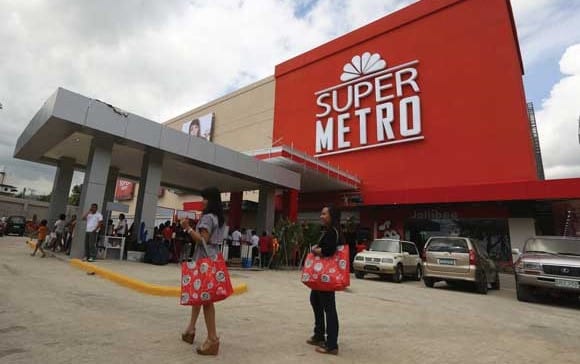
    Metro Retail Sales, Visayas’ largest retailer, has reported a rise in after-tax income of 20.6 per cent to P758.6 million (US$16.4 million) for 2015.

    Metro Retail (MRSGI)’s net sales grew 13.9 per cent to P32.5 billion last year from 2014, said the company in a disclosure to the Philippine Stock Exchange. Earnings before interest, taxes, depreciation and amortisation rose 18 per cent to P1.49 billion in the same period, due to reduced operating expenses.

    The company’s same store sales grew by 8.8 per cent on the back of strong performance of its hypermarkets, department stores and supermarkets.

    Several milestones for the 33-year old Metro Retail made 2015 an exceptional year for the company. It saw the expansion of its store network nationwide, with 24 supermarkets, 12 hypermarkets and 10 department stores, with a total gross floor area of approximately 400,000 sqm by December 2015.

    Said chairman and CEO Frank Gaisano: “2015 has certainly been a banner year for Metro Retail, as our strong financial performance clearly shows. I believe that 2016 will be another record year for Metro Retail, being well on track with our store expansion and logistics efficiency initiatives to support our goal of doubling our footprint in the next five year.”

    The company was listed in November 2015, having the largest new equity issuance at P3.6 billion for that year.

    Its entry into the local bourse is seen not only to support the company’s expansion plans, but also underscore Metro Retail’s capability to compete with other industry players in serving the value conscious market.

    Metro Retail partnered with Ayala Land for the establishment of its stores in four new Ayala commercial developments – a department store and supermarket in Bacolod City, Negros Occidental; a supermarket in Iloilo City; a supermarket in Cebu City; and a department store and supermarket in Pasig City.

    Metro Retail also expanded its department store network with the acquisition of the department store assets of SIAL Specialty Retailers, a joint venture between ALI and Stores Specialists in March. Located at Fairview Terraces Mall and the UP Town Center, the stores have a combined gross floor area of approximately 25,000 sqm and will increase Metro Retail’s department store network to 12.

  • Where’s Marcel? – in the Philippines

    Where’s Marcel? – in the Philippines

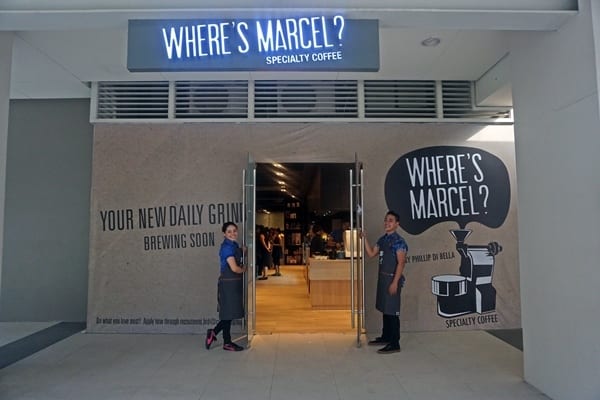
    Where’s Marcel has opened its first cafe outside Australia – in Manila, the Philippines.

    The Philippine branch on Pearl Drive in Ortigas is the company’s third store after Sydney and Melbourne.

    Where’s Marcel? coffee founder Marcel Ruggieri said “there’s very good foundations here for specialty coffee,” based on the company’s market research.

    Aside from the cafe, the company sells wholesale processed beans, through a principle of farm to table they call “crop-to-cup.” Through this, the company will assist local farmers in growing beans and buy directly from them.

    “To operate ethically should always be a benchmark for… life. Not just in a hospitality sense, but everything we do,” Ruggieri said. “We’re improving the quality in the cup, we’re improving the training and services to the clientele.”

    He said plans to expand the company’s wholesale operations in the country are set in the coming year.

    “The retail front gives a cafe experience; it’s also an opportunity to showcase our coffee, and train and develop staff… it’s really a great platform to demonstrate.

    “With regards to our wholesale operations, we focus on educating and building our clients’ business. So when we supply coffee, we’re not just supplying the bag of beans,” he said.

    The cafe will complement its coffee with Filipino dishes and desserts prepared by Filipino chefs Sau del Rosario Christine Paredes.

    Founded in 2014, Where’s Marcel? got its name from a blunder.

    “Funny enough, at a farm, they lost me,” Marcel Ruggieri, founder of the cafe, told the press during the cafe’s launch. During a trip to Brazil to source beans with his team, Ruggieri lost his away around, prompting his companions to ask, “Where’s Marcel?”

    “The joke kind of stuck through that trip.”

    Where’s Marcel? - in the Philippines

  • Philippine property giants turn to retail

    Philippine property giants turn to retail

    Philippine property giants are entering record capital expenditure programs in 2016, on the back of strong economy, according to the global property advisor Savills.

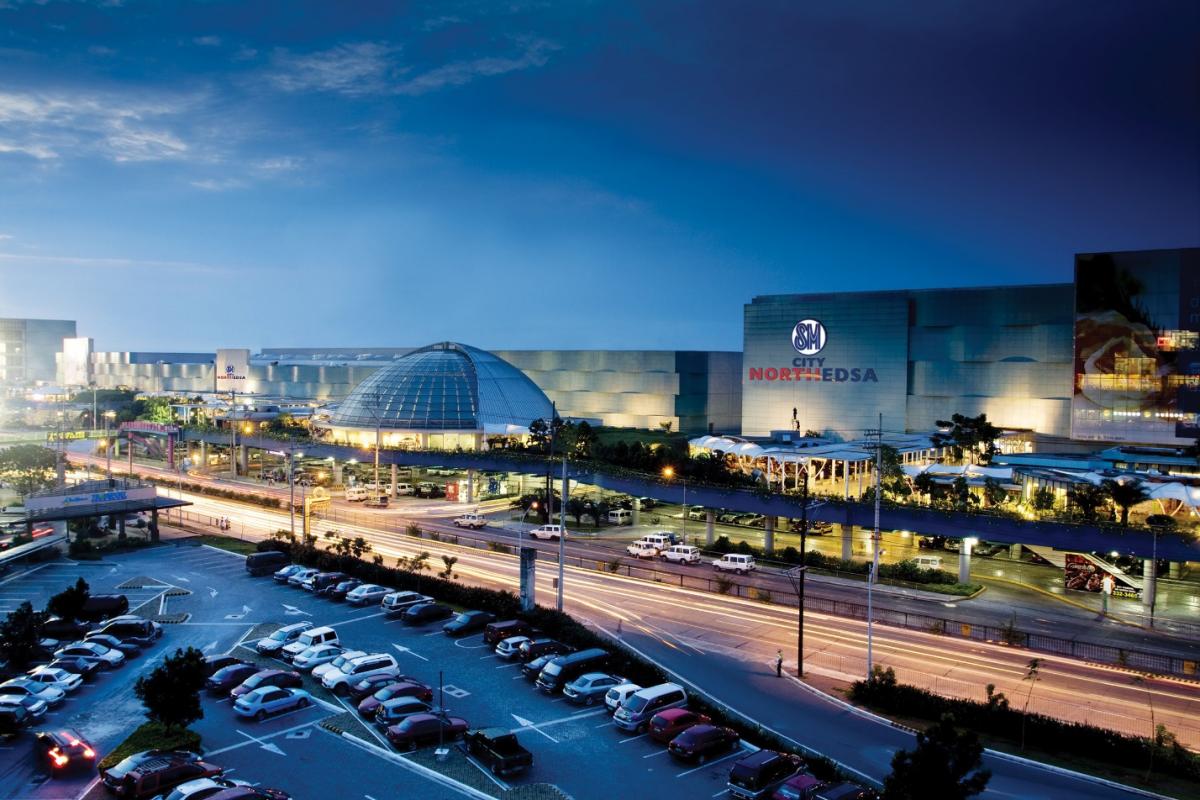
    Three of the eight biggest property developers – Ayala Land, SM Prime Holdings and Robinsons Land – are also the biggest mall developers in the country.

    “When the real estate boom started, residential sales were the sweet spot. It seems that the residential market is becoming more saturated that’s why developers are shifting to the commercial side,” said Antton Nordberg, research and consultancy manager at KMC MAG Group.

    The 2016 capex budget will mostly fund the development of large-scale mixed-use communities, mostly commercial components such as office and retail, Nordberg said.

    Nordberg said real estate firms – mostly listed in the Philippine Stock Exchange – could spend an all-time high of P369 billion (US$7.9 billion) this year, surpassing the record investment of P360 billion last year by 2.5 per cent.