Tag: Philippines

  • NEC wins deal with Philippines public broadcaster

    NEC wins deal with Philippines public broadcaster

    NEC Philippines signed a contract to provide digital terrestrial TV equipment for the People’s Television Network (PTNI), the public broadcasting service for the Republic of the Philippines.

    This contract supports the expansion of digital terrestrial TV broadcasting in the Philippines, which has been gaining momentum since November 2013, when the country adopted the Integrated Services Digital Broadcasting Technologies (ISDB-T) standard.

    Under this contract, PTNI is scheduled to introduce digital terrestrial TV transmitters and compression multiplexers across six locations in the Philippines by July 2017.

    NEC is providing total support for the introduction of these units, including their provision, installation, and the training of personnel.

    The equipment that NEC is slated to provide features some of the world’s highest levels of power efficiency, and is highly evaluated for superior reliability in the broadcasting field.

    “NEC is proud to be working with PTNI to expand the delivery of high-quality broadcasting to a larger audience in the Philippines,” said Elizabeth Pangan, president of NEC Philippines.

    “As part of NEC’s focus on providing Solutions for Society, this equipment will help to ensure that broadcasting and access to information is reliably maintained, especially during times of emergency, such as when powerful storms strike the region,” said Pangan.

    NEC began providing digital terrestrial TV transmitters for international markets in 1998, when it provided equipment for the world’s first commercial digital terrestrial broadcasting service in the United Kingdom. Since then, NEC has shipped more than 4,500 transmitters to over 50 countries throughout the world.

  • IDC sees more strategic Philippine government ICT push by 2021

    IDC sees more strategic Philippine government ICT push by 2021

    The government will have a more strategic ICT push to enable technology adoption among organizations by 2021, research firm International Data Corporation (IDC) predicts.

    In its latest forecast for the country, IDC Philippines noted that with a new dedicated, centralized agency at the helm of the country’s ICT development, the government will be able to lay the much-needed groundwork to enable technology adoption for organizations.

    The country’s Department of Information and Communications Technology (DICT) was set up last June following the signing of the law creating the new Department by outgoing President Benigno Aquino before the presidential elections in May. The inaugural secretary of the department was appointed by Aquino’s successor, Rodrigo Duterte in June.

    The department is designated as the chief policymaking body involving the use of ICT in the country, and carrying the mandate of the previous Department of Science and Technology’s ICT Office, its first project was the rollout of more free WiFi connections in public places throughout the country and the crafting of a new national broadband plan. It has also been working to slash the processing time of permits for local telecommunications companies to speed up the rollout of infrastructure, especially in the countryside.

    Citing the latest findings of the United Nations E-Government Survey, IDC Philippines said the country already went up 24 notches to rank 71st out of 193 countries in e-government development.

    The research firm, however, sees major disruptions in the country’s ICT-BPO industry, which launched a new roadmap last October eyeing approximately $38.9 billion in revenues in five years from almost $25 billion in 2016.

    By 2020, IDC Philippines believes that the  ICT and BPO markets will be disrupted by the pivot and policy changes from the Duterte administration, as well as the election of Donald Trump in the US if the industry does not take critical steps safeguarding the country’s inherent growth drivers.

    The BPO industry is one of the great contributors to the total ICT spending in the country, which IDC sees as evolving to higher-value services around contact centers, medical transcription, software development, animation and game development, and global captive operations centers.

    “In the longer-term view, however, this may change due to the shift in pivot and policy changes from the Duterte and Trump administrations. This may lead to an impression of the country’s volatility and together with issues on manpower and availability of skill sets, it may result in the industry stagnating in the near future due to lack of new investments and expansionary plans from incumbents. Far-reaching measures to address key issues are of paramount importance this year,” said Jubert Alberto, Business Operations Head, IDC Philippines.

    In the private sector, the research firm predicts that 25 percent of the country’s top 1,000 companies will see the majority of their business depend on their ability to create digitally enhanced products, services, and experiences by 2020. It expects digital transformation (DX) to attain macroeconomic scale over the next three to four years.

    “The year 2020 will see Filipino companies level up their DX journey to a macroeconomic scale, as their ability to offer digitally transformed offerings and experiences becomes an important measure of competitiveness and success in the market,” said Karen Rondon, Research Manager for Enterprise Computing – Networking, IDC Asia-Pacific.

    Other predictions of IDC Philippines for 2017 are as follows:

    Filipino DX Teams. By 2018, 25 percent of Philippine organizations will have dedicated digital transformation/innovation teams.
    “These specialized ‘PH DX teams’ will be in charge of formulating plans both for internal and external applications of digital technology. These include identifying and using new technologies to improve operations, creating digital marketing strategies, developing their IT capabilities, and other related initiatives,” said Jan Edward Tañeca, Market Analyst – Imaging, Printing, Document Solutions (IPDS), IDC Philippines.

    Cybersecurity. By 2018, cyber security will become a tier-1 business priority receiving fixed capital spending for 30 of the top 1,000 companies in the Philippines.

    “In the coming years, enterprises will realize that rather than reacting to global security trends, the best-run businesses try to anticipate them. Thus, they will make cybersecurity a core part of their overall business strategy, taking into account the existing security industry trends and evolving criminal tactics and couple those factors with the organization’s risk tolerance, security program maturity, a holistic security strategy and, most importantly, business targets,” said Jan Edward Tañeca, Market Analyst – Imaging, Printing, Document Solutions (IPDS), IDC Philippines.

    Information-Based Products. By 2020, revenue growth from information-based products will be double that of the rest of the product/service portfolio for a quarter of the top 1,000 Philippine companies.

    “In the Philippines, companies in the telecommunications, retail, and banking industries, among others, have unlocked new opportunities in creating revenue through analyzing and making sense of the aggregated customer information. Some organizations that have explored these options benefited in the form of penetrating new markets and generating new revenue streams as the information may vary from customer data to consumer buying patterns,” said Nicolo Santos, Market Analyst – Imaging, Printing, and Document Solutions (IPDS), IDC Philippines. “This opportunity requires a constant effort for organizations to address data privacy and security issues, and government regulations that surround the collection, storage, use, and sale of consumer data.”

    Hyper-disruptive marketplaces. By 2019, 40 percent of customer-facing top 1,000 companies will experiment with augmented reality/virtual reality (AR/VR) as part of their marketing efforts.

    The potential impact of AR/VR across industries will become so big that by 2019, IDC sees 40 percent of the Philippines’ top 1,000 companies experimenting with these technologies to create their own unique experiential marketing strategies. “Consumer brands will be compelled to think out of the box and reinvent their marketing approaches – incorporating more AR/VR elements and placing emphasis on gamification – in a bid to gain the patronage and loyalty of consumers, especially young and tech-savvy millennials,” said Sean Agapito, Market Analyst – Client Devices, IDC Philippines.

    Customer-/Ecosystem-Facing Digital Services. By 2019, 65 percent of Philippine IT organizations will create new customer-facing and ecosystem-facing services to meet the business DX needs.

    “Failure to scale up the number of direct and indirect customers with whom an organization does business will lead to revenue shortfalls and uncompetitive cost structures. Improve profitability, we expect organizations to increase their use of virtual agents or digital assistants. Intelligent assistants will use artificial intelligence (AI)/cognitive technology to automatically adjust experiences to the users’ preferences and context,” says Alon Anthony Rejano, Market Analyst – IT Services, IDC Philippines.

    Digitalized Customer Support Interaction. By 2018, 60 percent of customer support interactions will be digitalized and occur in online communities. With an increasing proportion of the Filipino population – reaching nearly half of the country’s total population in 2016 – actively using social media, IDC expects more organizations to interact with customers through social and online communities. Online customer support not only helps solve customer problems but it also improves brand image.

    Additionally, a successful community will create brand champions or advocates and will not only recommend the product or the service to customers but will help solve customer problems on behalf of the brand. “This will make the theme of customer reciprocity strong moving forward. Also in the near future, more organizations will use IT to integrate existing customer services and support systems like integrating pre-built connectors, mining the community for insight into customers’ behavior, and proactively solve any emerging issues,” says Jerome Dominguez, Market Analyst – Client Devices, IDC Philippines.

    Next-Wave Sari-Sari Store. By 2020, 30 percent of Philippine sari-sari stores will evolve to become another channel for one-stop payments and remittance centers.

    Something unique in the Philippine retail scene will be the presence of sari-sari stores in different localities. IDC foresees a future where sari-sari stores, a Pinoy cultural phenomenon, can offer services such as payment of utility bills, e-loading, and buying of travel tickets can also be done through these neighborhood stores. Serving as complimentary touchpoints especially in the rural areas, sari-sari stores play a pivotal role in filling the “unbanked” gap in the countryside.

    Organizations looking to engage more in the rural areas will have a viable channel, as in alternative to building brick-and-mortar branches, which may be cost-prohibitive to most companies.
  • Japan firms line up for Philippines business after Abe pitch

    Japan firms line up for Philippines business after Abe pitch

    Japanese firms, especially those in the infrastructure business, are scrambling for a slice of prospective new businesses arising from Japan Prime Minister Shinzo Abe’s 1-trillion-yen (P440-billion) financing and investment pledge to the Philippines.

    This was stated by Japanese banking giant Bank of Tokyo-Mitsubishi UFJ, a leading player in project financing globally, which has been matching Japanese firms with potential local partners in support of Mr. Abe’s commitment to the Philippines.

    The Japanese bank is also preparing to fund large-scale projects in the Philippines under the golden age of infrastructure envisioned by President Duterte.

    Takayoshi Futae, BTMU chief executive officer for Asia & Oceania, said in a recent briefing that BTMU and many Japanese firms were upbeat on the

    1-trillion-yen package pledged by Abe to promote economic and infrastructure development in the Philippines within the next five years.

    “This is one of Japan’s largest investment directed at a single country and we really want to be part of this project,” said the Singapore-based Futae, who was in town for a series of meetings with BTMU’s local partner, Security Bank.

    “MUFG (Mitsubishi UFJ Financial Group—of which BTMU is part of) is very committed to supporting Asia’s growth. We not only have the financial capability but also strong network and strategic relationships across the region,” he said.

    Futae is unfazed by China’s bid to do more business in the Philippines—given the recent rekindling of bilateral ties with China—adding that there was enough business in the region for both Japanese and Chinese firms.

    Tadahiro Miyamoto, general manager of BTMU Philippines, said representatives of many Japanese prefectures (local government units) had been visiting the Philippines “trying to find market for their products.”  With its 100-million consumer market, he said many Japanese firms were interested in doing business in the Philippines.

    Miyamoto said Japanese infrastructure-related companies and those targeting domestic markets like retailers were among those most interested in the Philippines. Those involved in the car industry are likewise interested because of the government’s “CARS” program, he said.

    The government’s Comprehensive Automotive Resurgence Strategy (CARS) program seeks to attract new investments, stimulate demand and effectively implement industry regulations that will revitalize the Philippine automotive industry, and develop the country as a regional automotive manufacturing hub.  The program covers not only car assemblers but also manufacturers of vehicle parts.

    Futae said the 6-7 percent growth rate of the country was “amazing” from the perspective of someone who hails from a slow-growing economy like Japan.

    “Philippines and Japan should work more together,” he said.

    To better understand the country and flesh out its commitment, Futae said BTMU was in need of a strong and reliable local partner—now the role of Security Bank. Since acquiring a 20-percent stake in Security Bank in April last year, he said BTMU had been able to expand into retail lending and financing to Philippine companies.

    During recent meetings, Futae said BTMU and Security Bank discussed “further collaboration” and everyone was “bullish on the success of the collaboration.”

    Asked whether BTMU was keen on raising its interest in the local bank, Futae said the group was comfortable with its 20-percent stake but added that if given the opportunity to increase its stake in Security Bank, this would be something that the group would “seriously” consider.

  • RoRo To Connect Indonesia-Philippines As Part of ASEAN Connectivity

    RoRo To Connect Indonesia-Philippines As Part of ASEAN Connectivity

    New economic and trade opportunities are in sight with the opening of the Davao-General Santos-Bitung (D-G-B) Shipping Service, which is one of the target priorities for the Philippines Chairmanship of the ASEAN in 2017.

    Philippine Ambassador to Indonesia Maria Lumen B. Isleta and members of the Philippines and Indonesia Inter-Agency Task Force for the Operationalization of the D-G-B Roll-on/Roll-off (RoRo) Route gathered in Jakarta on Jan 17, 2017, to discuss preparations for the maiden voyage of the RoRo, which will connect Davao and General Santos City to Bitung in North Sulawesi, Indonesia, the Philippine embassy said in a statement here on Thursday.

    The D-G-B RoRo Route under the ASEAN RoRo Initiative aims to enhance maritime connectivity in ASEAN and maximize the use of regional sea lanes.

    The opening of the route is a more cost and time-efficient alternative to the usual Manila-Jakarta-Bitung route, which would take about three to five weeks of shipping time.

    In contrast, direct shipping through the D-G-B route will take only one day and a half of sailing (excluding port stay).

    The route is also expected to spur trade between Mindanao and the Sulawesi provinces in Indonesia. It is also expected to provide greater access for local businessmen to engage in international trade, as well as stimulate other areas of development such as joint tourism promotion, establishment of direct linkages, and increase in investment inflows, among others.

    On Jan 18, Isleta and leaders of the RoRo project task force paid a visit to Manado and met with North Sulawesi Governor Olly Dondokambey to discuss the maiden voyage of the RoRo.

    Meanwhile, The Philippine News Agency (PNA) reported that Philippines President Rodrigo R. Duterte and Indonesian President Joko Widodo will launch the ASEAN RoRo Project on April 28, 2017.

  • Cebu Pacific offers P1 fare anew; system crashes

    Cebu Pacific offers P1 fare anew; system crashes

    Cebu Pacific, the country’s largest carrier, is once again offering its popular piso fare promo. Its booking system page, however, was swamped with many visitors interested in the promo that it became inaccessible an hour after the promo rolled out.

    The budget carrier’s two-day seat sale started Friday and will end Saturday, or until seats last.

    The piso fare is offered for the all of the airline’s domestic and international routes, including its Manila-Sydney route.

    Travel period is from June 10 to December 10, 2017.

    Cebu Pacific said one-way fares are inclusive of P1 base fare with 7kg handcarry baggage allowance, P150 web admin fee, 12% VAT, terminal fees ranging from P200-P315 for flights transiting in/exiting from Caticlan, Cebu and Manila stations.

    “Terminal Fees originating from non-Caticlan/Cebu/Manila stations must be paid at the airport,” it added.

    Its international one-way fares, meanwhile, are inclusive of P1 base fare with 7kg hangcarry baggage allowance, P150 and P200 web admin fees for short-haul and long-haul flights, respectively and P550 international terminal fee for flights exiting from Manila.

    “P1,620 Philippine travel tax and country-specific taxes ranging from P420-P2,185 are paid on of top quoted one-way fares,” Cebu Pacific said.

    “Promo fares have limited availability and are non-refundable but rebookable subject to the following rebooking fees: P1,500 (domestic), P2,300 (short haul) and P2,800 (long haul) plus fare difference,” the airline said.

    Its list of available number of seats on sale per route can be found here.

  • AirAsia to resume flights between Clark, Kalibo

    AirAsia to resume flights between Clark, Kalibo

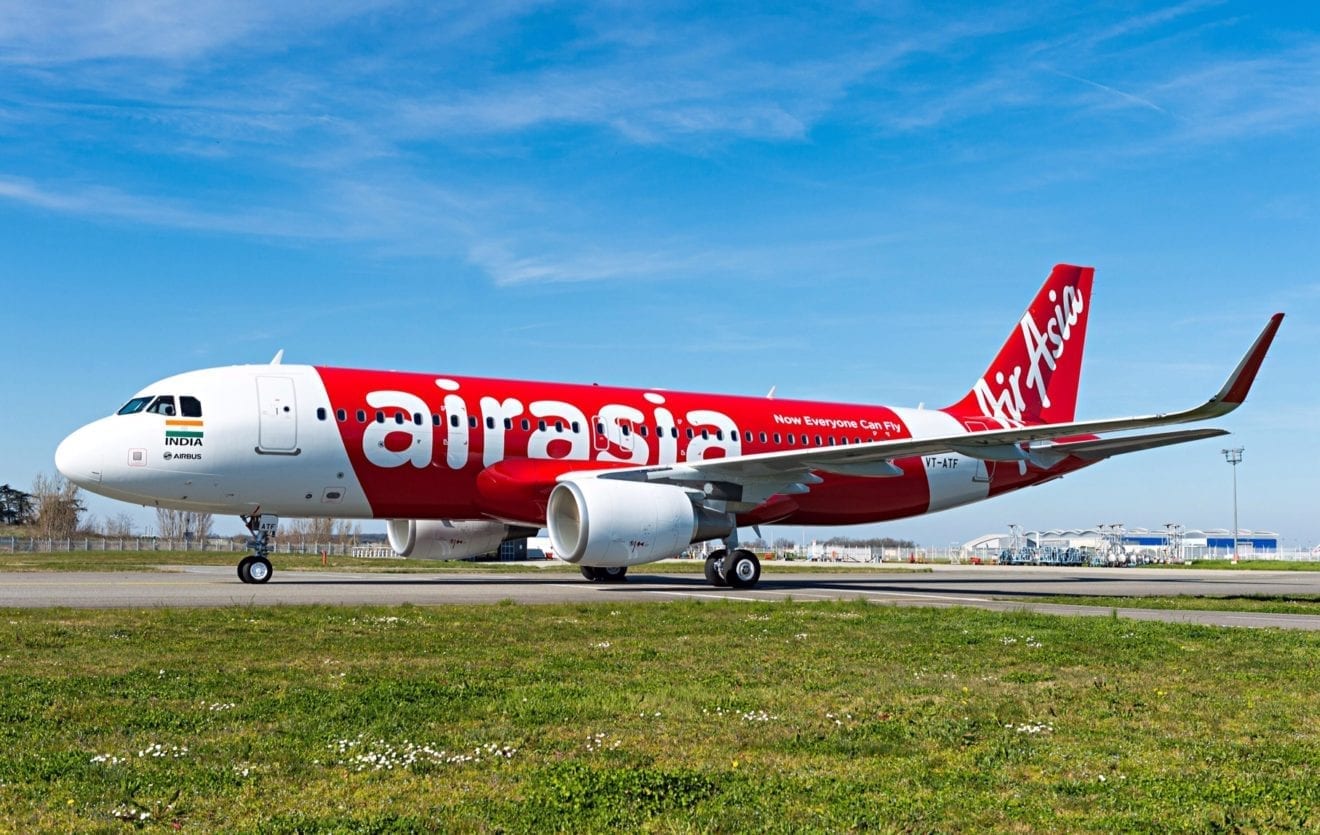
    In a statement, Philippines AirAsia said it will start the three flights weekly from Clark to Kalibo on March 27. The budget carrier will mount flights every Monday, Tuesday and Friday.

    “AirAsia has constantly dedicated itself to make air travel more affordable, convenient, and accessible to all and we are reaffirming this commitment with our newest Clark-Kalibo route. We are thrilled to provide the much needed connectivity at affordable fares for travellers from Central and Northern Luzon,” Philippines AirAsia CEO Captain Dexter Comendador said.

    To recall, AirAsia introduced commercial flights from Clark in 2012 before moving to the main gateway Ninoy Aquino International Airport.

    With the resumption of Clark flghts, AirAsia is offering promo fares to Kalibo from as low as P699 until Feb. 5. Travel period is between March 27 and Nov. 30, 2017.

  • Cebu Pacific planes use world’s lightest aircraft seat

    Cebu Pacific planes use world’s lightest aircraft seat

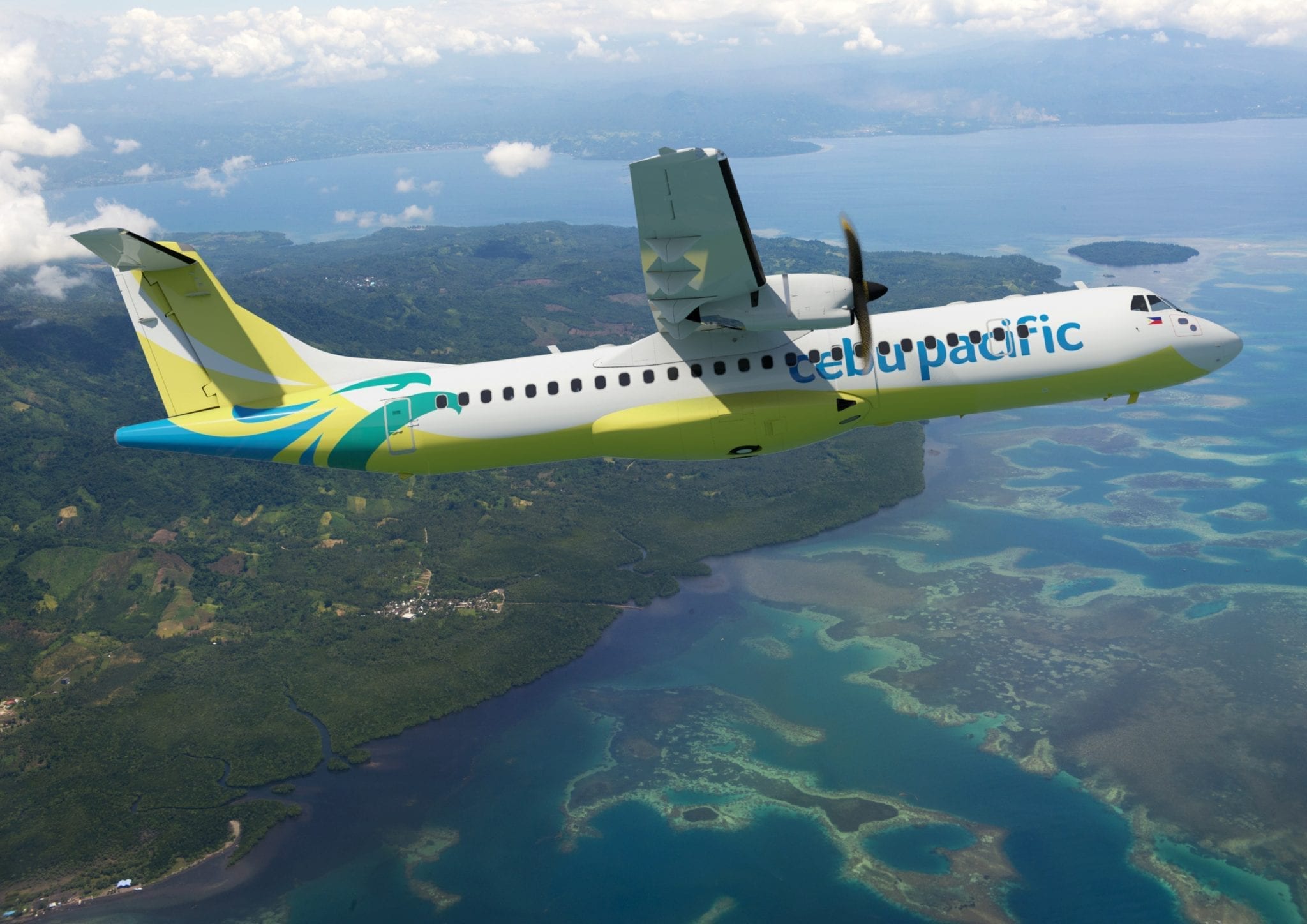
    Cebu Pacific, through its wholly owned subsidiary Cebgo, has chosen the world’s lightest aircraft seat, Expliseat, for its ATR 72-600 aircraft.

    The Titanium seat will be installed on all 16 aircraft, two of which are already being utilized by Cebu Pacific. The lighter seat is expected to help decrease fuel burn while allowing the carriage of more guests and cargo on board.

    Expliseat Titanium seat / CREDIT: Expliseat / Manila Bulletin

    Expliseat Titanium seat / CREDIT: Expliseat / Manila Bulletin

    “With Expliseat’s ultralight seats, Cebu Pacific is able to provide comfortable seating to its guests while allowing for a more fuel-efficient operation which will lead to more affordable fares.  With the airline’s low fare offer, we hope to further stimulate inter-island connectivity and contribute to the economies of the destinations we operate in,” said Alexander Lao, president and CEO of Cebgo.

    “Expliseat is proud to announce its collaboration with Cebu Pacific Air. This agreement confirms the unique balance between passenger comfort, high reliability and weight savings that can be offered by the Titanium Seat,” said Benjamin Saada, chief executive officer of Expliseat.

    The Titanium Seat is a technological breakthrough registered under 16 patents, made of ultralight materials such as titanium and carbon composite resources.

    CEB offers flights to 37 domestic and 29 international destinations, covering an extensive network that spans Asia, Australia, the Middle East, and USA.

  • MUFG to Buy $773 Million Stake in Philippines’ Security Bank

    MUFG to Buy $773 Million Stake in Philippines’ Security Bank

    Mitsubishi UFJ Financial Group, Japan’s biggest bank, agreed to buy a 20 percent stake in Philippine lender Security Bank Corp. for 36.9 billion pesos ($773 million) as it deepens its expansion in Southeast Asia.

    Security Bank accepted MUFG’s offer to buy 150.7 million newly issued common shares at 245 pesos each and 200 million preferred shares at 0.1 peso apiece, the Manila-based bank said in a filing Thursday. That represents an 81 percent premium on Security Bank’s Wednesday closing price of 135 pesos.

    The deal will be the largest equity investment in a Philippine financial institution by a foreign lender, allowing Security Bank to accelerate its growth strategy and expand its branch network, the Manila-based company said. Japan’s biggest lenders have expressed interest in investing in the Philippines after the country loosened its rules on foreign bank ownership in 2014. The nation’s central bank said after the announcement that it welcomes the entry of foreign bank investments.

    “Security Bank will benefit from the deal by having a bigger war chest to execute its strategy,” Charles William Ang, an analyst at COL Financial Group Inc., said by telephone. “The deal is also a sign that foreigners are still very bullish about our banking industry, which remains under-penetrated. There are more opportunities for growth and profit compared with Japan.”

    ‘Right Price’

    Ang said the transaction amount reflects the large size of the stake. MUFG is paying a 78 percent premium to Security Bank’s average price over the past month, the fourth highest among all bank acquisitions in Southeast Asia, according to data compiled by Bloomberg. The price of 245 pesos a share is 2.8 times book value, the data show.

    “People say that it’s expensive, but we believe this is the right price,” Go Watanabe, chief executive officer for Asia-Oceania at MUFG’s main lending unit, said at a briefing in Manila. “We believe this price is fair, calculating the intrinsic or future value of the bank.”

    Shares of Security Bank climbed 6.7 percent, the most since June 2013, to 144 pesos. MUFG dropped 2.4 percent in Tokyo as Asian equities resumed their New Year tumble.

    Second Biggest

    MUFG is comfortable with a 20 percent stake, Watanabe said. The investment will make its Bank of Tokyo-Mitsubishi UFJ Ltd. unit the second-biggest shareholder of Security Bank, behind the Dy family. The deal is expected to close in the middle of the year, and MUFG will appoint two directors to Security Bank’s board, according to the statement.

    Security Bank will target 500 branches by 2020 from the current 262, the company’s President Alfonso Salcedo told reporters. The investment will allow it to tap new markets through MUFG’s relationships with Japanese companies and its global network, according to the statement. Security Bank’s operations range from retail banking to brokerage services and leasing, its website shows.

    Investments by foreign lenders “further reinforce bank capitalization, introduce global best practices and know-how and expand markets,” Bangko Sentral ng Pilpinas Governor Amando Tetangco said in a mobile-phone message. “These also promote more job-creating foreign direct investments.”

    Indonesia and India remain missing parts in MUFG’s expansion in Asia, Watanabe said. The financial group has been expanding in the region as a declining population and near record-low interest rates constrain growth at home.

    Thailand, Vietnam

    It was among 12 firms that expressed interest in buying United Coconut Planters Bank from the Philippine government, people with knowledge of the matter said last June. MUFG owns 77 percent of Thailand’s Bank of Ayudhya and it bought a 20 percent stake in state-owned Vietnamese lender VietinBank in 2013.

    Sumitomo Mitsui Financial Group Inc., Japan’s second-biggest lender by market value, was the first foreign lender to get a license to operate in the Philippines under a 2014 law allowing full entry of overseas banks. Five more lenders have since received approval, President Benigno Aquino said Tuesday at the opening ceremony of Sumitomo Mitsui’s first branch in the Southeast Asian nation.

    Japan’s Mizuho Financial Group Inc. ended talks to buy San Miguel Corp.’s controlling stake in Philippine lender Bank of Commerce, people with knowledge of the matter said in October.

  • WHSmith expands Southeast Asia retail footprint

    WHSmith expands Southeast Asia retail footprint

    International news, books and convenience retail operator WHSmith has further expanded its presence in Southeast Asia by opening its first stores in the Philippines alongside extending its retail coverage in Indonesia and Malaysia.

    In Indonesia, WHSmith has secured three stores at Jakarta’s terminal three. The stores will be operated by its local franchisee, KPU; a subsidiary of the Indonesian Listed company PT Sona Topas. Once the first store is inaugurated, two further stores will be opened when the terminal construction is completed in the coming months. Covering over 400,000sq m, T3 is one of the largest in Southeast Asia.

    In the Philippines, WHSmith has recently opened the second of its stores at Manila Ninoy Aquino International airport, following the opening of its first Philippine store at Cebu Mactan International airport. Manila is the largest airport in the Philippines. With over 36 million passengers using the airport annually, it is a top 40 global airport. With 8 million passengers forecast in 2016, Cebu is the second largest airport in the Philippines.

    Regent Travel Retail is currently working under a franchise agreement with WHSmith and has created a management team to ensure the smooth running of the stores. , Regent Travel Retail General Manager Joey Esteban said: “Regent is pleased to be opening its first WHSmith stores in Cebu and Manila in partnership with WHSmith. It is an important milestone in our development of the brand in the Philippines.”

    In Malaysia, WHSmith has opened a WHSmith Express format store in Kuala Lumpur’s Terminal 1 Satellite building. There are now nine WHSmith stores in four Malaysia airports, under a joint venture with Bison consolidated.

  • More Filipinos shifting to brandy, 3-in-1 coffee mixes

    More Filipinos shifting to brandy, 3-in-1 coffee mixes

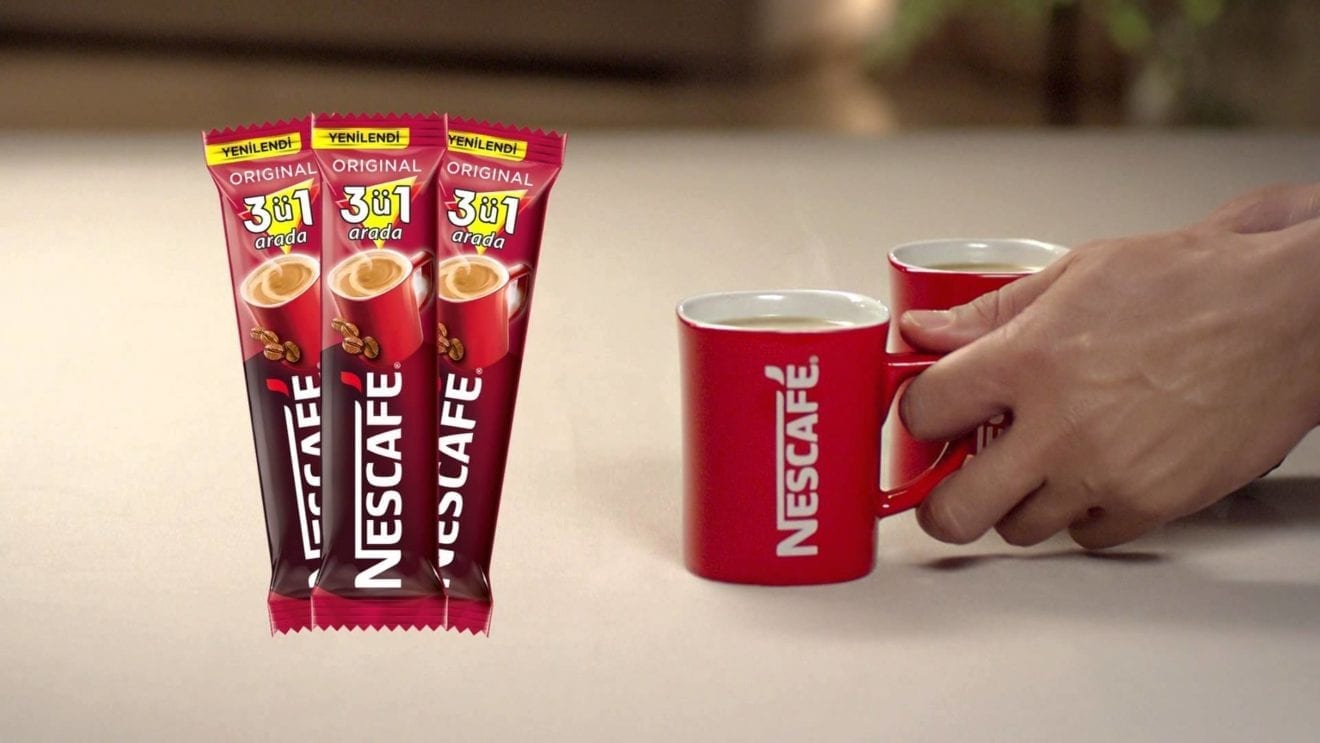
    Great Taste, a local coffee brand, moves up six notches to become the fifth most chosen brand of Filipino consumers in 2014. According to Kantar Worldpanel Philippines’ Brand Footprint ranking, Great Taste leaps to 5th from 11th place due to a 40% increase in Consumer Reach Points (CRPs). However, Nescafe still clinches the top spot with Lucky Me trailing close behind.

    Kantar Worldpanel’s Brand Footprint research provides information on real consumer behaviour. Consumer Reach Points (CRPs), which form the basis of the ranking, is an innovative metric that measure how many households around the world are buying a brand (penetration) and how often (frequency), providing a true representation of the shopper’s choice.

    According to Alexandre Duterrage, General Manager at Kantar Worldpanel Philippines, Great Taste attracted 2.9 million additional shoppers in 2014. It also experienced an increase in frequency of purchase by 4 times more on the average. “Based on the data that we have, the success of Great Taste is propelled by the shift from traditional “pure black coffee” to 3-in-1 coffee mixes, particularly Great Taste White and the introduction of multi-serve packaging formats,” he said.

    Meanwhile, Nescafe recorded 890 billion CRP in 2014, 44 billion more than Lucky Me (846 CRP). Completing the top 5 are Surf (648 billion CRP), Milo (518 billion CRP) and Great Taste (515 billion CRP).

    The 10 Most Chosen Brands in the Philippines revealed by Kantar Worldpanel’s Brand Footprint study are:

    Ten Most Chosen Brands in Philippines

    Rising brands

    Kantar Worldpanel Philippines also listed the top 10 rising brands in the country, which recruited an average of 74 million more homes compared to 2013. Among these emerging stars, only 3 local names found their way to the top 10: Great Taste, Datu Puti and Silver Swan.

    Rising Brands in Philippines

    As most brands struggled to grow in 2014, Datu Puti and Silver Swan managed to maintain their ranking in terms of consumer touchpoints (both with a -1% CRP %change). Kantar Worldpanel notes that stable ranking can be attributed to commercials about the product’s system usage (i.e. using vinegar and soy sauce of the same brand when cooking), and the introduction of new flavours especially for the vinegar category where both brands have product offerings.

    Other PH Brand Footprint highlights:

    1. Importance of personal and home hygiene

    – Calla (a detergent brand manufactured by Peerless) lands into the top 20 Home Care items, surpassing 13 brands. It enticed more households with its budget-friendly offer and gentle-to-hands proposition.
    – Silka and Charmee’s positions in Health & Beauty inched up with a CRP increase of 7% and 5%, respectively. Filipino endorsers, product quality and affordable prices are amongst their success factors.

    2. Products with social function grew well – seen in Health & Beauty and Beverages

    – Dove enhanced consumer touchpoints by 9%, moving up one notch in the health & beauty sector ranking. Thanks to its crusading campaign for real beauty which resonates with consumers emotionally and encourages purchase not only in Philippines but across the world.
    – Krem Top is now amongst the top 20 Beverages in Philippines, jumping by 8 points as it reached more shoppers with the help of its “Change for the Better” campaign which aims to challenge individuals to always strive to become better.

    3. Speed and convenience

    – Ready-to-eat snacks and drinks such as Presto, Clover, Dutch Mill, Pepsi and Royal Tru Orange performed well (CRP growth rates in order: 3%, 4%, 9%, 10% and 18%) as consumers are increasingly turning to FMCG to satisfy hunger between meals.

  • Toyota Philippines To Increase Production Despite Looming Excise Tax

    Toyota Philippines To Increase Production Despite Looming Excise Tax

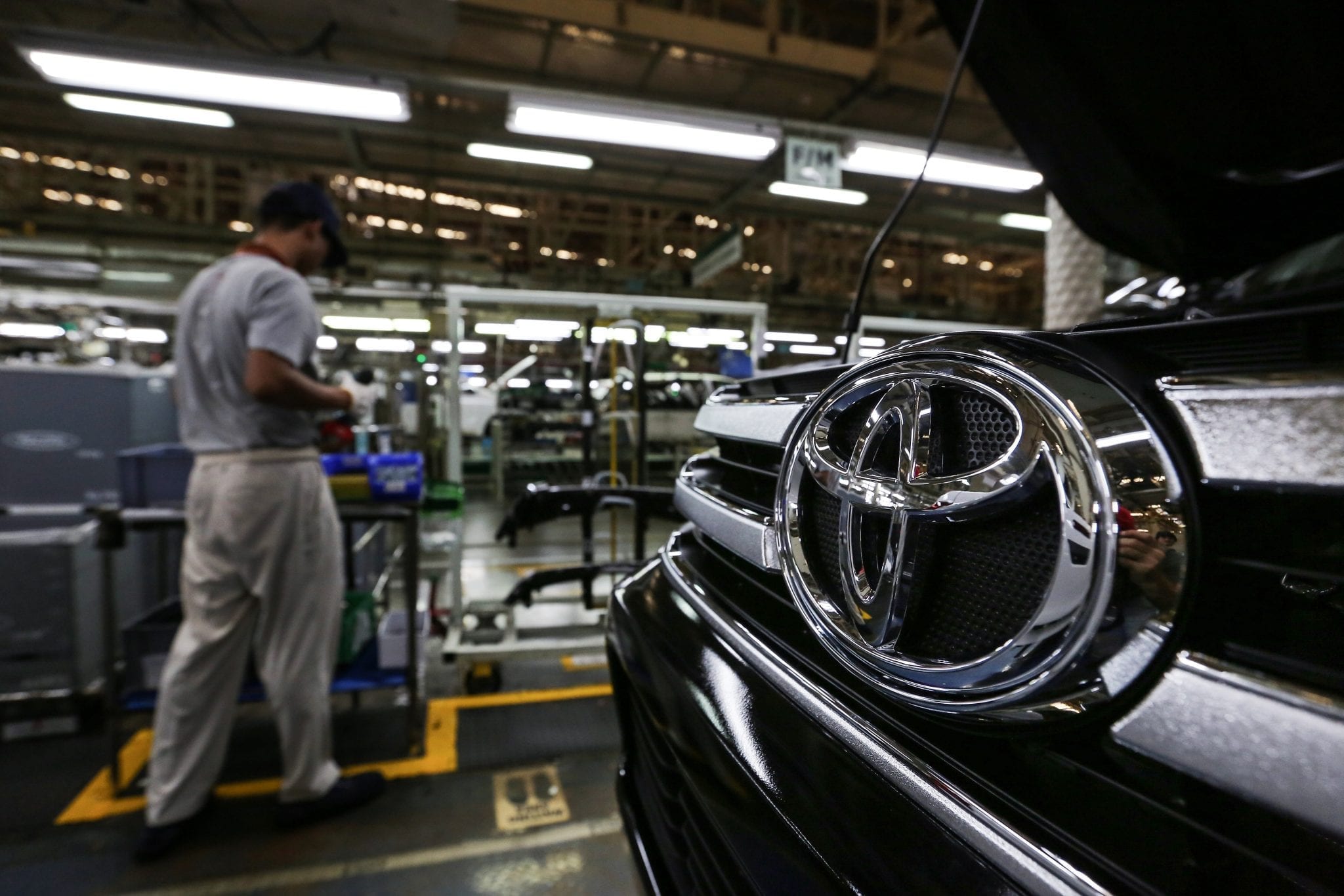
    Toyota Motors Philippines (TMP) has made it clear that it is still looking at increasing its production in 2017. This is despite a looming excise tax that may soon be imposed in the industry and bring vehicle retail prices significantly up.

    Modest production target to begin with

    “We’re projecting a minimum 10 percent growth. So this year we started conservatively. Of course, the looming excise tax is an issue that we have to be aware of,” Business World Online quoted TMP Vice-Chairman Alfred Ty as saying. The company has long been committed to increasing its production as part of its involvement in the Comprehensive Resurgence Strategy (CARS) Program that had been established during the Aquino administration. Aside from TMP, Mitsubishi Motors Philippines Corporation has also agreed to participate in the CARS program.

    The goal had been to produce at least 200,000 vehicles in a span of six years, averaging at 33,333 vehicles each year. In 2016, TMP managed to produce as much as 55,028 units, with its top-selling Vios and Innova vehicles assembled in its facility in Laguna.

    Tax will hurt luxury vehicles the most

    Ty has also said that since the looming excise tax will impact the luxury market more, he believes the impact may be small. “We understand where we’re coming from but we also have to be careful not to kill the market because again the luxury cars from this country do not even comprise 1 percent of the total cars,” he explained. This would readily affect Toyota’s Camry and Fortuner models.

    According to a report from Business Mirror, a vehicle selling from P600,000 to P1.1 million will be subject to an excise tax of P24,000 plus 40 percent of the value in excess of P600,000. Meanwhile, higher priced vehicles will be subject to significantly higher tax. For instance, vehicles with a retail price of P2.1 million may face a tax amounting to P1.22 million. Vehicle buyers would also have to pay 200 percent of the value exceeding P2.1 million in additional tax.


  • IDC Philippines Unveils its Top ICT Predictions for 2017 and Beyond

    IDC Philippines Unveils its Top ICT Predictions for 2017 and Beyond

    IDC Philippines announced its top predictions for the Philippine ICT industry for 2017 and beyond and predicts 25% of its top 1,000 companies will see majority of their business depend on their ability to create digitally enhanced products, services and experiences by 2020.

    IDC expects digital transformation (DX) will attain macroeconomic scale over the next three to four years, changing the way organizations operate and reshaping the global economy and calls this as the dawn of the “DX Economy”.

    “The rise of DX definitely has an incredible effect on the market. It opens massive opportunities for businesses as it helps strengthen relationships with end users, flattens organizational structures, and redefines traditional industries,” says Jubert Alberto, Business Operations Head, IDC Philippines.

    IDC Philippines’ technology and industry analysts also revealed the strategic top predictions and major technology trends that are set to present opportunities and challenges to IT leaders in 2017 and beyond.

    #1: DX Economy. By 2020, 25% of top 1,000 companies in the Philippines will see the majority of their businesses depend on their ability to create digitally enhanced products, services, and experiences.

    The market dynamics are quickly changing, and the enterprise must continually improve productivity and effectiveness while lowering costs in order to enable a transformation that will allow it to best compete in the constantly evolving market environment.

    „Year 2020 will see Filipino companies level up their DX journey to a macroeconomic scale, as their ability to offer digitally transformed offerings and experiences becomes an important measure of competitiveness and success in the market,” says Karen Rondon, Research Manager for Enterprise Computing – Networking, IDC Asia/Pacific.

    #2: Pinoy DX Teams. By 2018, 25% of Philippine organizations will have dedicated digital transformation/innovation teams.

    „These specialized ‚PH DX teams’ will be in charge of formulating plans both for internal and external applications of digital technology. These include identifying and using new technologies to improve operations, creating digital marketing strategies, developing their IT capabilities, and other related initiatives,” says Jan Edward Tañeca, Market Analyst – Imaging, Printing, Document Solutions (IPDS), IDC Philippines.

    #3: More Strategic ICT Push. By 2021, the government will have a more strategic ICT push to enable technology adoption among Philippine organizations.

    Year 2016 has been a good year as far as the country’s ICT agenda is concerned. According to the latest findings of the United Nations E-Government Survey, the Philippines went up 24 notches to rank 71st out of 193 countries in e-government development. With a dedicated, centralized agency at the helm of the country’s ICT development, IDC sees that by 2021, the government will be able to lay the much-needed groundwork that would enable robust technology adoption among Philippine organizations and raise the nation’s standards to be on par with other digital economies.

    #4: Cybersecurity. By 2018, cybersecurity will become a tier-1 business priority receiving fixed capital spending for 30% of the top 1,000 companies in the Philippines.

    Increasing security breaches and attacks has significantly raised interest in and awareness of the need to modernize security infrastructure in the Philippines. „In the coming years, enterprises will realize that rather than reacting to global security trends, the best-run businesses try to anticipate them. Thus, they will make cybersecurity a core part of their overall business strategy, taking into account the existing security industry trends and evolving criminal tactics and couple those factors with the organization’s risk tolerance, security program maturity, a holistic security strategy and, most importantly, business targets,” says Jan Edward Tañeca, Market Analyst – Imaging, Printing, Document Solutions (IPDS), IDC Philippines.

    #5: Information-Based Products. By 2020, revenue growth from information-based products will be double that of the rest of the product/service portfolio for a quarter of the top 1,000 Philippine companies.

    “In the Philippines, companies in the telecommunications, retail, and banking industries, among others, have unlocked new opportunities in creating revenue through analyzing and making sense of the aggregated customer information. Some organizations that have explored these options benefited in the form of penetrating new markets and generating new revenue streams as the information may vary from customer data to consumer buying patterns,” says Nicolo Santos, Market Analyst – Imaging, Printing, and Document Solutions (IPDS), IDC Philippines. „This opportunity requires a constant effort for organizations to address data privacy and security issues, and government regulations that surround the collection, storage, use, and sale of consumer data.”

    #6: Hyper-disruptive marketplaces. By 2019, 40% of customer-facing top 1,000 companies will experiment with augmented reality/virtual reality (AR/VR) as part of their marketing efforts.

    The potential impact of AR/VR across industries will become so big that by 2019, IDC sees 40% of the Philippines’ top 1,000 companies experimenting with these technologies to create their own unique experiential marketing strategies. „Consumer brands will be compelled to think out of the box and reinvent their marketing approaches – incorporating more AR/VR elements and placing emphasis on gamification – in a bid to gain the patronage and loyalty of consumers, especially young and tech-savvy millennials,” says Sean Agapito, Market Analyst – Client Devices, IDC Philippines.

    #7: Customer-/Ecosystem-Facing Digital Services. By 2019, 65% of Philippine IT organizations will create new customer-facing and ecosystem-facing services to meet the business DX needs.

    Customer-experience initiatives are on the rise across organizations, and as they increase the level of control customers and business-to-business (B2B) organizations have over their own experience, the scale of interactions will concurrently explode. „Failure to scale up the number of direct and indirect customers with whom an organization does business will lead to revenue shortfalls and uncompetitive cost structures. Improve profitability, we expect organizations to increase their use of virtual agents or digital assistants. Intelligent assistants will use artificial intelligence (AI)/cognitive technology to automatically adjust experiences to the users’ preferences and context,” says Alon Anthony Rejano, Market Analyst – IT Services, IDC Philippines.

    #8: Digitalized Customer Support Interaction. By 2018, 60% of customer support interactions will be digitalized and occur in online communities.

    With an increasing proportion of the Filipino population – reaching nearly half of the country’s total population in 2016 – actively using social media, IDC expects more organizations to interact with customers through social and online communities. Online customer support not only help solve customer problems but it also improves brand image. Additionally, a successful community will create brand champions or advocates and will not only recommend the product or the service to customers but will help solve customer problems on behalf of the brand. „This will make the theme of customer reciprocity strong moving forward. Also in the near future, more organizations will use IT to integrate existing customer services and support systems like integrating pre-built connectors, mining the community for insight into customers’ behavior, and proactively solve any emerging issues,” says Jerome Dominguez, Market Analyst – Client Devices, IDC Philippines.

    #9: Next-Wave Sari-Sari Store. By 2020, 30% of Philippine sari-sari stores will evolve to become another channel for one-stop payments and remittance centers.

    Something unique in the Philippine retail scene will be the presence of sari-sari stores in different localities. IDC foresees a future where sari-sari stores, a Pinoy cultural phenomenon, can offer services such as payment of utility bills, e-loading, and buying of travel tickets can also be done through these neighborhood stores. Serving as complimentary touchpoints especially in the rural areas, sari-sari stores play a pivotal role in filling the „unbanked” gap in the countryside. Organizations looking to engage more in the rural areas will have a viable channel, as in alternative to building brick-and-mortar branches, which may be cost-prohibitive to most companies.

    #10: ICT and BPO Disruption. By 2020, ICT and BPO markets will be disrupted by the pivot and policy changes from the Duterte and Trump administrations, if the industry does not take critical steps safeguarding the country’s inherent growth drivers.

    The BPO industry is one of the great contributors to the total ICT spending in the country. IDC maintains that the burgeoning and evolving to higher-value services around contact centers, medical transcription, software development, animation and game development, and global captive operations centers will still be very much viable in the short term, given the country’s inherent strengths. „In the longer-term view, however, this may change due to the shift in pivot and policy changes from the Duterte and Trump administrations. This may lead to an impression of the country’s volatility and together with issues on manpower and availability of skillsets, it may result in the industry stagnating in the near future due to lack of new investments and expansionary plans from incumbents. Far-reaching measures to address key issues are of paramount importance this year,” adds Alberto.


  • Philippine Airlines awards five-year DF contract to ISG

    Philippine Airlines awards five-year DF contract to ISG

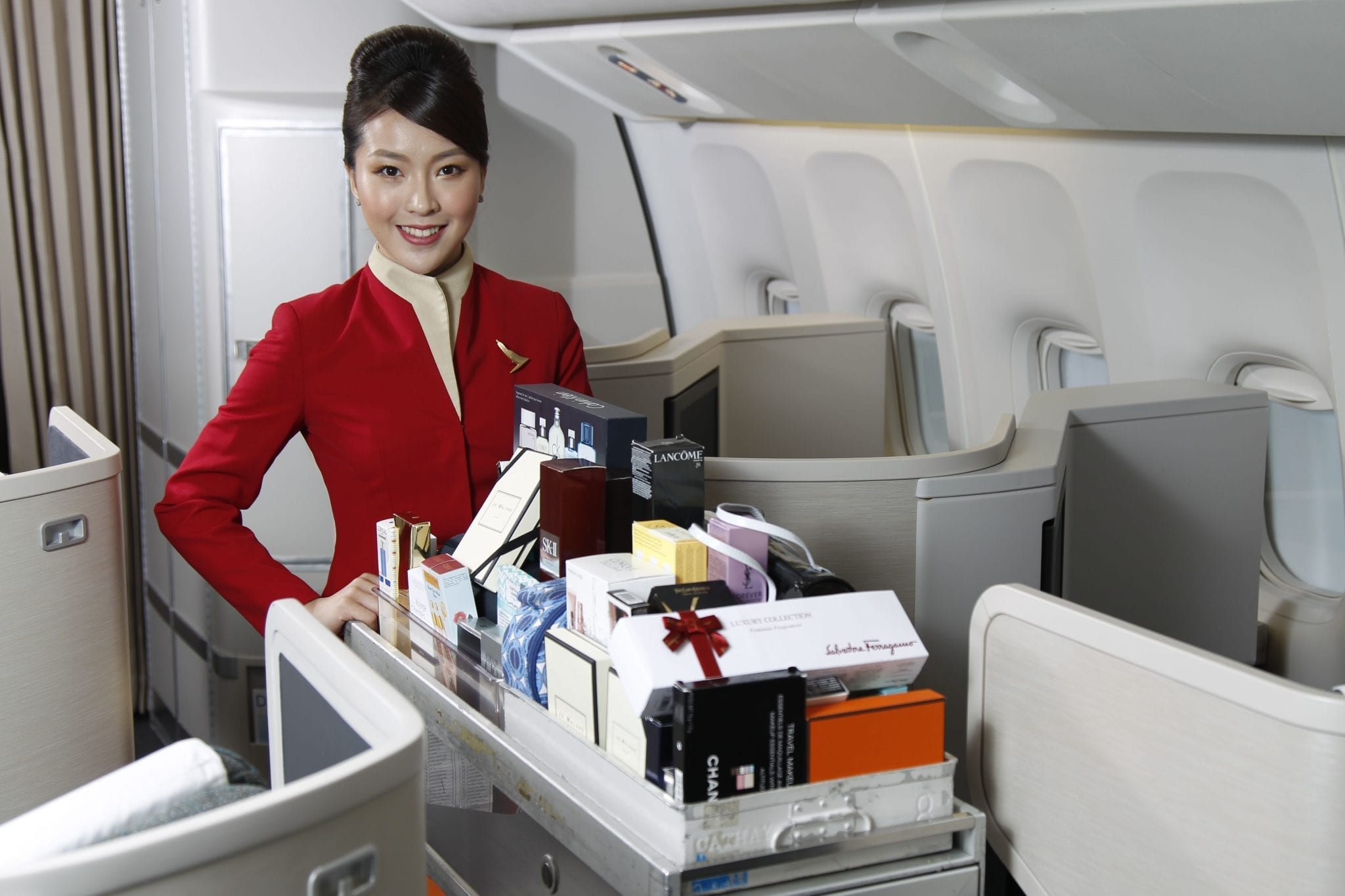
    Inflight Sales Group (ISG) founder and CEO Jean-Marcel Rouff has confirmed that the retailer has been awarded a five-year contract to operate the Philippine Airlines (PAL) duty free contract.

    This follows the narrowing down of the list of bidders to a final three in mid-2016, led by ISG, DFASS and the Regent Travel Retail Group in partnership with Duty Free Philippines’ ground shops.

    As exclusively reported last July, the airline amended the concession length from three to five years with the inclusion of a two-year extension, according to Resty Tizon, Inflight Duty Free Director who handled the process last year.

    INTEREST WAS HIGH IN THIS LONG-RUNNING TENDER

    At that time she confirmed to TRBusiness that there were additional companies who showed initial interest in the contract, but ultimately decided not to bid. These were Tourvest Duty Free and Lagardère Travel Retail.

    According to the airline, the average spend onboard last year was around $2, although the airline has been trying to attract more Chinese passengers.

    In the last 18 months it has also acquired several new aircraft, including five Airbus 321 planes and two B777s. This year it is also due to take delivery of another two A321s.

    NEW ROUTES – MORE INTERNATIONAL PASSENGERS

    On January 1 this year, Philippine Airlines also launched its first international flight from Clark Airport, marking its new policy to try and spread more international connectivity outside the heavily congested capital city of Manila.
    A Philippine Airlines Airbus A340.

    PAL also launched a second new non-stop service to Singapore from Mactan-Cebu Airport in December 2016.

    In addition to the duty free contract to sell goods onboard, PAL has also increased the number of products now available through its Philippine Airlines Boutique online store.

    This offers online purchasing of ‘lifestyle merchandise’, including special hotel deals, car rentals, tours and recreation packages, fashion items and gadgets.

  • Retail seen robust in Year of the Rooster

    Retail seen robust in Year of the Rooster

    Retail scene in the metro is expected to remain robust given the enhanced purchasing power of Filipinos. Never has the local retail scene become more competitive than it is today.

    Considering that shopping malls and commercial centers have sprouted in practically every corner of the country, it would be hard to believe that the local market remains far from its saturation point.

    Sure, competition may have gotten stiffer today compared to a decade ago, as more local and foreign brands fight over a share of the Filipinos’ increasingly insatiable appetite for consumer goods and services.

    But the fact remains that there remained huge and potentially lucrative business opportunities that can be tapped.

    And this is being attributed to the country’s young and growing population and its strong, sustained economic growth, which make it more economically viable for retailers to further expand their presence, and for developers to put up more malls in whatever form or wherever these may be.

    Property consultancy firm Colliers International Philippines said in its 2017 forecast that it expected Metro Manila retail to remain robust given the enhanced purchasing power of Filipinos fueled by revenues generated by the IT and business process outsourcing (IT-BPO) industry and remittances by the overseas Filipino workers (OFWs).

    “Colliers sees a bullish retail segment over the next 12 months given a vastly improved consumer outlook. According to the Central Bank’s latest poll, consumer confidence is at its highest since the survey started in the first quarter of 2007,” said Joey Roi Bondoc, research manager at Colliers

    Colliers sees a bullish retail segment over the next 12 months given a vastly improved consumer outlook.

    High occupancy

    In an interview, Bondoc noted that retail vacancy in Metro Manila has remained low as regional and super-regional malls continue to record high occupancy rates.

    “Regional and super regional malls are at near full-occupancy, registering occupancy rates of 98 to 99 percent. If we factor in smaller formats such as neighborhood and district shopping centers, overall vacancy in Metro Manila remains at about 7 percent,” he said.

    “Colliers expects the figure to rise to about 10 percent following the completion of additional retail space in the fourth quarter of 2016, but we see this easing to 7 to 8 percent as retailers absorb the new space,” Bondoc further explained.

    According to Bondoc, food and beverage remained the major driver of retail spending in Metro Manila, accounting for anywhere between 30 and 40 percent of the leasable space in shopping centers—reportedly the highest in Asia Pacific.

    This is supported by Filipinos’ high expenditure on food and beverage, which typically covers about 40 percent of Philippine household spending.

    “Colliers sees this trend being sustained over the long term as consumer spending, which accounts for about two-thirds of the country’s gross domestic product (GDP), continues to drive the overall growth of the economy,” he added

    Higher consumption

    Real estate consultancy firm Santos Knight Frank Inc. meanwhile predicted that upcoming retail developments in Metro Manila will add about 485,000 square meters (sq.m.) of gross leasable area until 2018.

    “Retail expansion will be driven by developments outside Metro Manila as demand in the countryside remains robust. In the long run, there will be sustained consumer confidence backed by strong consumption pattern and increased disposable income,” the company said in a statement.

    According to Santos Knight Frank, the year 2016 was marked by increased consumption expenditure. Shopping malls, it noted, have adopted a lifestyle-oriented trend, building community malls and retail podiums in Metro Manila as well as outside cities.

    “Retail openings in clothing apparel and food chains were still prevalent because of current lifestyle trends. The steady increase of consumer spending evident (last) year has required manufacturing firms to expand operations and increase size of storage facilities,” it said.

    “Firms have been aggressively searching for warehouses and manufacturing spaces in known industrial locations especially in Central and North Luzon,” it disclosed.

    Aggressive expansion

    Such opportunities are not lost on companies like DoubleDragon Properties Corp., which is aggressively expanding its retail footprint nationwide.

    Through its subsidiary CityMall Commercial Centers Inc. (CMCCI), DoubleDragon is looking to put up 100 CityMall branches by 2020 and become the become the largest independently branded community mall chain in the Philippines.

    As of end 2016, there are already 10 operational CityMalls located in prime provincial city centers mostly in the Visayas and Mindanao region.

    The first CityMall opened its doors to the public in Roxas City, Capiz last March 2015.

    CityMall will not only provide prime spaces to the top Philippine fast food brands such as Jollibee, Mang Inasal, Chowking, Greenwich, Red Ribbon and Highlands Coffee. It will also serve as a platform for the provincial expansion of modern retail brands such as Savemore, Ace Hardware, Watson’s, SM Appliance, SM Simply Shoes, BDO, and Chinabank Savings, among others.

  • Cebu Pacific adds flights to Siargao

    Cebu Pacific adds flights to Siargao

    Cebu Pacific (CEB), through its wholly owned subsidiary Cebgo, increased flight frequencies to Siargao, the Surfing Capital of the Philippines.

    Starting February 1, Cebgo passengers will be able to choose from 12 weekly flights between Cebu and Siargao. From April 2017 onwards, guests can book up to twice daily Cebu-Siargao flights.

    Siargao lies in Surigao Del Norte in Mindanao, and is home to world-renowned surfing breaks. The most well-known of these is the Cloud 9, which is where the annual Siargao Cup is held every September. It was also recognized as CNN’s ninth best surf spot in the world.

    “With these additional frequencies, not only do we boost traffic to Siargao from Cebu, but we are also able to strengthen Cebu as a hub, while giving everyJuan more chances to explore one of the most beautiful islands in the Philippines,” Alexander Lao, President and CEO for Cebgo, said.

    CEB’s Cebu hub was recently strengthened with the launch of direct flights to Ormoc, Roxas and Calbayog.  CEB continues to increase connectivity between Cebu and other destinations such as Tandag, Camiguin and Clark, among others.  Overall, it operates direct flights to 25 domestic destinations and 5 international destinations from Cebu.