Tag: Philippines

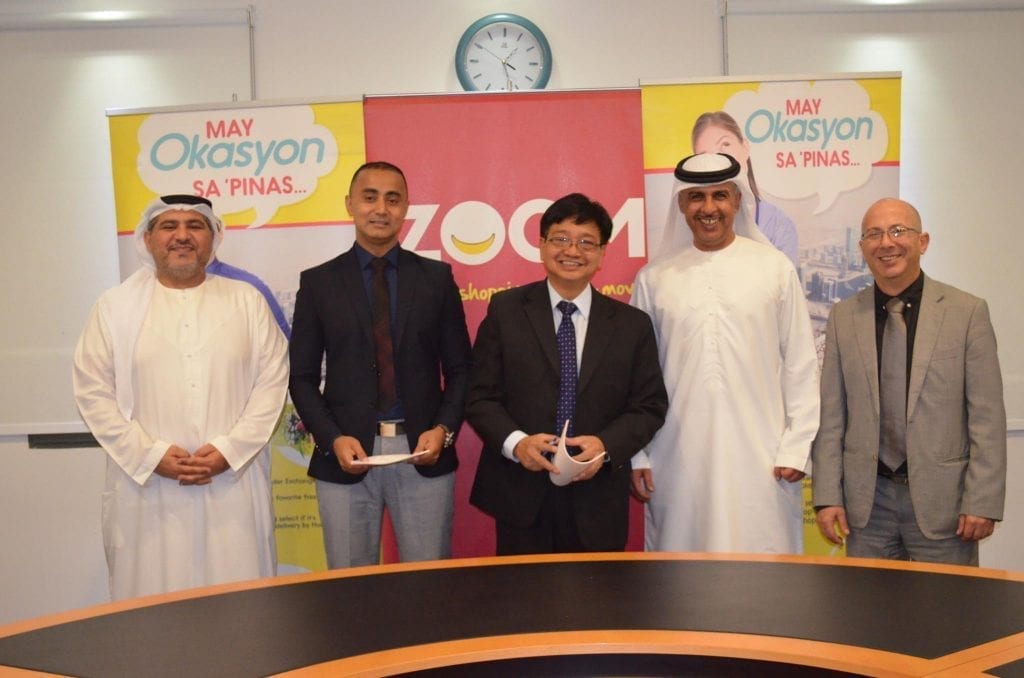
  • Pay-here-deliver-at-home service for Filipino expats launched

    Pay-here-deliver-at-home service for Filipino expats launched

    Filipino expatriates in the UAE can now order some of their favourite local brands while abroad and send them as gifts to their loved ones back home.

    A new pay-here-deliver-at-home service called 247 RegaloPlus has just been launched to cater to the growing Filipino community in the UAE.

    Backed by Enoc, Al Bader Exchange and Mohur Inc., the service enables overseas Filipino workers (OFWs) in the country to send toys, fresh flowers, appliances, furniture, medicines and grocery goods, including Jollibee and Goldilocks products to the Philippines.

    All they need to do is visit any of the dozens of Zoom stores – which are owned and operated by Enoc – around the country and place an order. The chosen goods/items will then be delivered to the Philippines.

    “We call [it] the gift of love,” said Ramuel Garcia, Mohur’s Middle East agent. “Perhaps 247 RegaloPlus is the world’s first of its kind and we are happy that the management of Enoc/Zoom had chosen [it] as its platform for Filipinos working in the UAE.”

    According to Garcia, 247 RegaloPlus was conceptualized by Mohur CEO Eduardo Burgos Jr. and Mohur Vice President for Research and Systems Development Nigel Canonizado after visiting UAE last year.

    Mohur has consolidated popular Philippine products of Jollibee, Goldilocks, Holland Tulips, Red Ribbon and Savers Appliances among others into 247 RegaloPlus as their platform ‘to bridge the distance’ between OFWs in Middle East and their family members or friends in the Philippines, Garcia said.

    Mohur is currently in talks with other popular brands in the Philippines, including Mercury Drugstore, Toys R Us, Robinsons Supermarket, Puregold, Waltermart, Max’s, McDonald’s, Chowking, Greenwich, Shakey’s and Pizza Hut among others to be part of the 247 RegaloPlus’ centralised ordering and payment platform.

    Powered by Mohur, 247 RegaloPlus will be in more than 200 Zoom stores and 17 branches of Al Bader Exchange across the UAE, which is home to almost 1 million Filipino migrant workers.

  • Haier introduces first online retail partner in Philippines

    Haier introduces first online retail partner in Philippines

    International home appliance supplier Haier, launched Haiper Apps Online as its first online retail partner in the Philippines on February 21 at the Cebu City Marriott Hotel.

    Haiper Apps Online (HAO) was created out of Haier’s commitment to inspire Filipinos to live better standards through Haier’s user-friendly and energy-efficient appliances which include televisions, washing machines, air conditioners, refrigerators, and kitchen domestic appliance that can be purchased online.

    HAO which means “good” in Chinese provides a convenient approach for both locals and Overseas Filipino Workers (OFWs) to shop for appliances and seek immediate after-sales requests through its website: www.haocebu.com. HAO enables customers to order their desired appliance using secure payment gateways and reliable shipping options.

  • Cebu Pacific acquires 59th aircraft

    Cebu Pacific acquires 59th aircraft

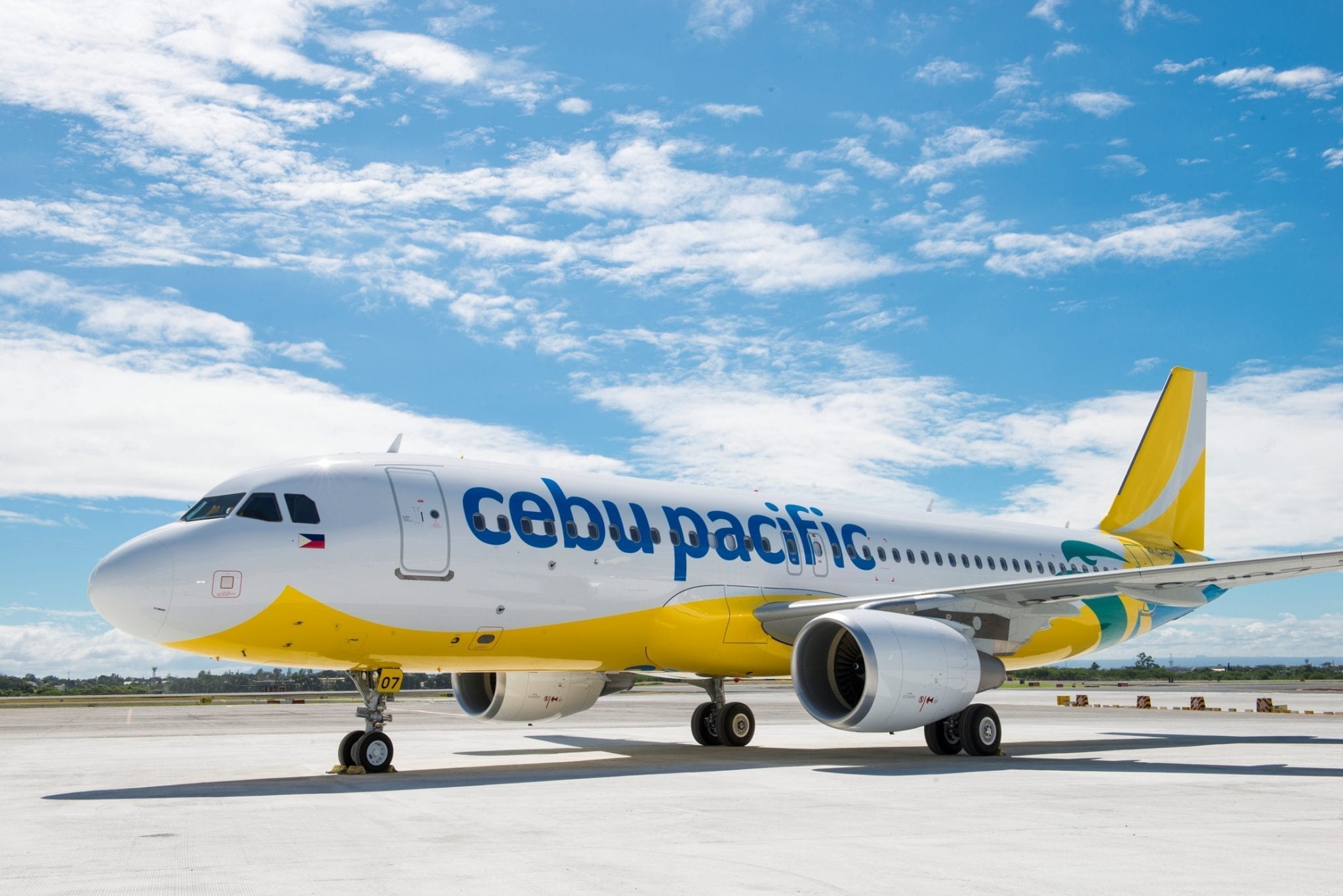
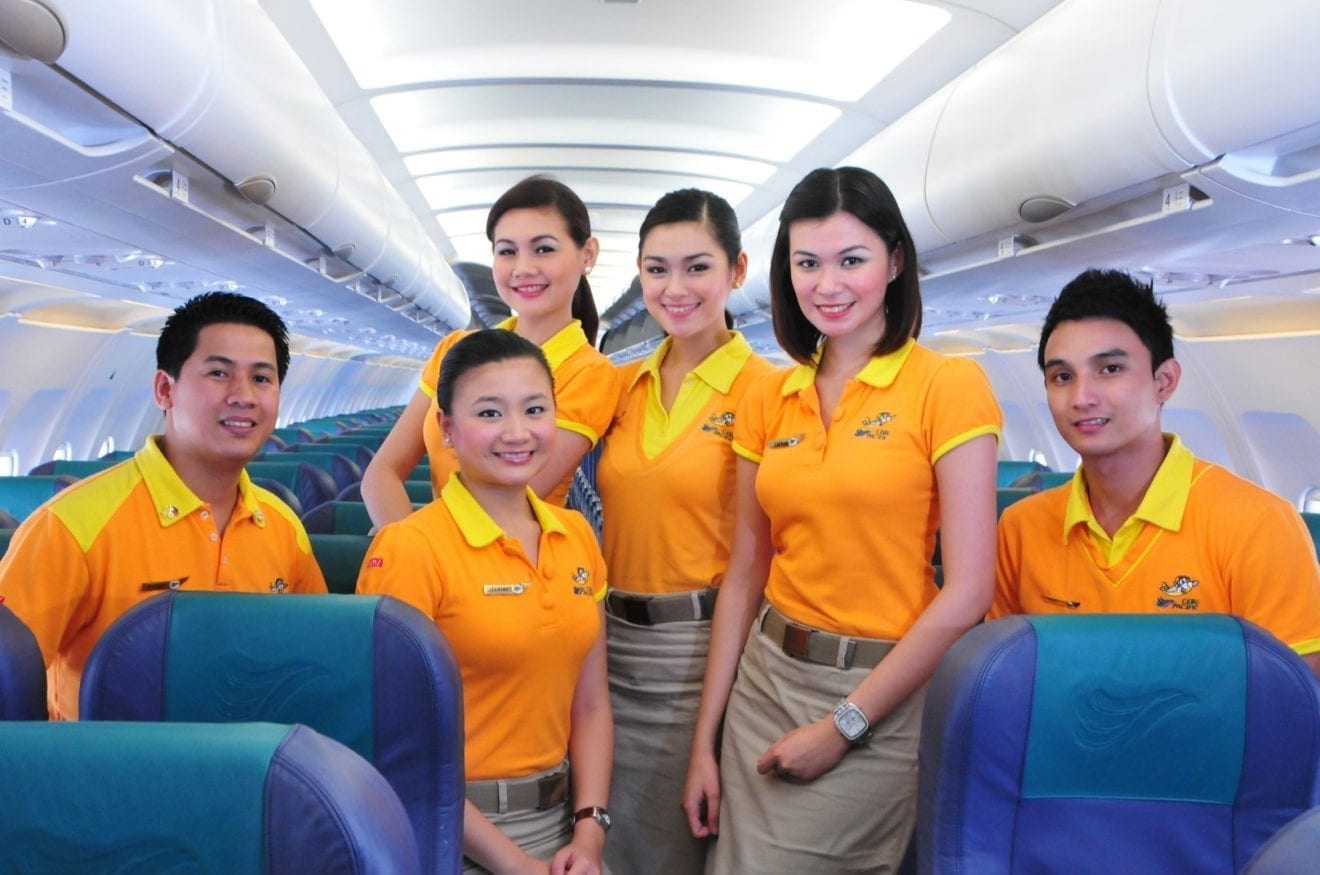
    The Philippines’ leading carrier, Cebu Pacific Air recently took delivery of its 59th aircraft, a brand new ATR 72-600 which is the fourth of the 16 firm orders CEB made last year.

    The new ATR 72-600 will be used to support the company’s expansion as CEB, through its wholly-owned subsidiary Cebgo, which is launching two new routes -Cagayan de Oro to Bacolod and Cagayan de Oro to Tagbilaran — this March 15. “We are eager to receive yet another addition to our ATR fleet, supporting our expansion plans in the archipelago.

    CEB remains committed to further increase inter-island connectivity within the Philippines, to serve not only our kababayans but also tourists who wish to explore the country’s beautiful islands and experience the world-renowned Filipino hospitality,” said Alexander Lao, President and CEO of Cebgo.

    “Rest assured, we will continue making more destinations accessible to everyJuan while consistently providing our trademark low fares, paired with our safe and fun service” added Lao. CEB currently offers flights to a total of 37 domestic and 29 international destinations, operating an extensive network across Asia, Australia, the Middle East, and USA. The airline’s 59-strong fleet is comprised of four Airbus A319, 36 Airbus A320, seven Airbus A330, eight ATR 72-500, and four ATR 72-600 aircraft. Between 2017 and 2021, CEB expects delivery of one more brand-new Airbus A330, 32 Airbus A321neo, and 12 ATR 72-600 aircraft.


  • PAL, Cebu Pacific announces flight cancellations

    PAL, Cebu Pacific announces flight cancellations

    THE Philippine Airlines and Cebu Pacific have announced the cancellation of flights due to the maintenance shutdown of the Tagaytay radar from March 6 to March 11. The Civil Aviation Authority of the Philippines (CAAP) issued a notice to airmen enforcing a temporary shutdown of the Tagaytay radar for maintenance and upgrade.

    The Department of Transportation (DOTr), through CAAP, urged the affected airlines to prepare for the scheduled maintenance which is expected to result in flight deductions.

  • Cebu Pacific receives new airplane

    Cebu Pacific receives new airplane

    In a statement released on Friday, Cebu Pacific said it took delivery of a new ATR 72-600 on Feb. 28, bringing the budget carrier’s current fleet to 59 planes. It was the fourth of the 16 firm orders Cebu Pacific made last year.

    The arrival of the new ATR 72-600 will serve wholly owned unit Cebgo’s new flights from Cagayan de Oro to Tagbilaran and Bacolod starting on March 15.

    “We are eager to receive this year another addition to our ATR fleet, supporting our expansion plans in the archipelago,” Cebgo President and CEO Alexander G. Lao was quoted in the statement as saying.

    Between 2017 and 2021, Cebu Pacific expects the delivery of one more brand-new Airbus A330, 32 Airbus A321neo, and 12 ATR 72-600 aircraft.

    Listed Cebu Air, Inc., which operates Cebu Pacific, offers flights to 37 domestic and 29 international destinations.

    Shares in Cebu Air fell by P1.95 or 2.10% to close at P90.95 each on Friday.

  • Solid year for revitalised Dairy Farm International

    Solid year for revitalised Dairy Farm International

    Hong Kong-headquartered multi-format retailer Dairy Farm International has celebrated its 130th anniversary with a strong set of results, with food, home furnishings and restaurants delivering higher profits.

    Total sales, including those of associates and joint ventures, rose 14 per cent in US dollar terms and 17 per cent on a constant-currency basis to US$20.4 billion. Sales of wholly-owned subsidiaries rose 1 per cent to $11.2 billion.

    Underlying net profit rose by 7 per cent to $460 million, partly due to a 13 basis point net improvement in operating margins as well as increased contributions from Yonghui and Maxim’s. Operating profit rose 6 per cent.

    Supermarkets & hypermarkets solid

    Total food division sales, which include Wellcome and Giant, were flat in US dollar terms, although up 1 per cent on a constant currency basis.

    “In an environment of severe pressure on pricing, sales growth in Hong Kong supermarkets and in the convenience store businesses in Hong Kong, Mainland China and Singapore helped to offset declines in the group’s supermarkets and hypermarkets in Singapore and Indonesia and largely flat sales elsewhere,” explained CEO Graham Allan.

    “The closure of a number of unprofitable stores in Singapore and Indonesia also weighed on sales performance. However, specific actions, including strategic store closures, prudent management of costs and more targeted promotional activity, delivered improved operating margins.’

    Operating profit from the food division rose 13 per cent to $267 million, with the largest gains coming from Singapore and Indonesia.

    Sales of $6.2 billion from supermarkets and hypermarkets (excluding Yonghui) were in line with last year in constant currency while operating profit increased by 13 per cent to $194 million.

    Wellcome in Hong Kong drove higher sales through strengthening its fresh offer and an enhanced merchandise assortment. Operating profit was lower, principally due to a continued rise in rental costs and competitor promotional activities. In Macau, San Miu achieved sales and operating profit growth in its first full year in the group with range enhancement and increased fresh participation.

    In Taiwan, sales and operating profit were ahead of last year. A new ‘superstore’ concept was introduced for Wellcome with two net new stores opening during the year, while Jason’s continued its store expansion.

    “The retail landscape in Indonesia was challenging with limited recovery in consumer confidence and significant competition from the continued rollout of mini-market stores across the country, which impacted sales growth at supermarkets and hypermarkets,” said Allan.

    “Nevertheless, improved margins, from pricing and promotional activities, the closure of a number of underperforming stores and tighter cost control boosted profitability. Improving the fresh assortment and revitalising the upscale Hero brand remain key focus areas for the business.”

    In Malaysia, sales and operating profit were behind 2015 due to persistent low consumer confidence together with ongoing price controls following the introduction of GST, which continued to weigh on performance.

    The Philippines recorded a strong year with all banners reporting like-for-like sales growth and improved profitability. “A more appealing fresh assortment coupled with tactical pricing and successful marketing activities underpinned an encouraging increase in footfall,” said Allan.

    “Rustan’s benefited from increased sales of its imported and exclusive brands, while measures to improve cost efficiency were also implemented.”

    In Singapore, sales were down year-on-year due to poor consumer sentiment and the impact of store rationalisation. “Cold Storage achieved an encouraging operating profit increase, despite reduced sales following the closure of underperforming stores. Giant saw steady sales and positive profit growth, driven by increased margins and lower operating costs.

    “In the coming year, we aim to invest in the renewal of customer facing and back office technologies to improve our customer experience and internal efficiency whilst optimising ranges and supply chain productivity.”

    In Vietnam, Giant posted sound sales growth, from its single store, with increased customer traffic being the main driver and in Cambodia, the group saw “encouraging increases” in like-for-like sales and operating profit.

    Convenience sales reach $2 billion

    Convenience stores reported $2 billion in sales, an increase of 5 per cent year-on-year in constant-currency terms. Operating profit increased by 15 per cent to $73 million.

    In Hong Kong, 7-Eleven outpaced the competition and grew sales and operating profit despite soft consumer sentiment and difficult market conditions. Like-for-like sales strengthened during the year supported by promotions, range improvements and new products. A slight gross margin improvement led to a higher operating profit despite cost increases from labour and rent. In Macau, sales were flat and operating profit was lower due to slowing tourist numbers and a substantial cigarette tax increase in 2015.

    In Mainland China, 7-Eleven continued its solid growth and passed its 800th store milestone. During the year, sales and operating profit increased, with store network expansion and like- for-like sales growth. This was driven in part by an expanded ready-to-eat (RTE) product range.

    In Singapore, 7-Eleven achieved positive like-for-like sales growth arising from a store re-ranging project with a strong focus on RTE, including the successful introduction of new private label products sourced from 7-Eleven Japan.

    “Operating profit was significantly ahead of 2015 due to these initiatives and the rationalisation of loss-making stores,” said CEO Graham Allan. “The RTE range will be further expanded in 2017 and there will be increased focus on acquiring new profitable sites.”

    Health & beauty sales rise

    Dairy Farm’s health & beauty division achieved $2.6 billion in sales, up 4 per cent on a constant currency basis, however profit declined 5 per cent to $175 million due to margin pressure and higher rents in Hong Kong.

    “Gains in Hong Kong, Mainland China, Singapore, Indonesia and the Philippines, offset disappointing sales in Malaysia,” said Allan.

    In Hong Kong, Mannings’ sales increased in 2016 despite a smaller store network. “As mainland Chinese tourist arrivals continued to decline, promotional campaigns and loyalty programmes were launched throughout the year targeting local consumers,” said Allan. “Sales were flat in Macau as mainland Chinese tourist arrivals remained soft.

    On the mainland, Mannings “showed gradual improvement” with solid sales growth, particularly in baby care, beauty care and personal care, while the contribution from corporate brands increased.

    In Singapore, Guardian reported growth in sales, while operating profit also increased with higher gross margins and greater focus on cost and shrinkage management, partially offset by higher rental costs, but in Malaysia, Guardian experienced “a challenging year” with lower sales and operating profit due to subdued consumer sentiment, increased competition and weakness of the ringgit.

    In Indonesia, Guardian posted double-digit sales growth for the fifth year in a row, despite the net closure of 73 stores. Operating profit was higher than in 2015 with higher gross margins.

    In Vietnam, Guardian recorded another strong year of double-digit sales growth and improvement in gross margin. Corporate brand penetration increased significantly as brands such as Botaneco Garden proved popular with local consumers and in the new market of Cambodia, progress was made through range expansion and increased corporate brand penetration supporting strong like-for-like sales.

    In its second year in the group, Rose Pharmacy in the Philippines delivered performance improvement through sales growth, gross margin enhancement, better cost efficiency and the closure of a number of underperforming stores. Guardian brand products were launched with encouraging early signs of customer acceptance.

    Home furnishings solid

    Home Furnishings, essentially the Ikea business in Hong Kong, Taiwan and Indonesia, recorded a 12 per cent rise in operating profit to $71 million driven by increased sales of $597 million, 6 per cent ahead of 2015.

    “Sales and operating profit were higher than last year in all three markets. Like-for-like sales growth was particularly strong in Taiwan and Indonesia.”

    Hong Kong led the group in introducing new concepts to increase consumer access, launching online shopping in April 2016 and opening two pick-up points in Macau and on Hong Kong Island. Indonesia introduced online shopping in July. Taiwan opened a pick-up point in Hsinchu and launched online shopping in February 2017.

    “We continued to strengthen our low price image through ongoing price investment, and increased our focus on market specific products to enhance our local consumer appeal.

    “In the coming year, Home Furnishings plans both to continue its push in consumer accessibility and to drive forward its expansion plans, having identified a second Indonesia store location and opening a fourth store in Hong Kong in the second half of 2017,” said Allan.

    Solid growth for Starbucks, Maxim’s

    Sales in Dairy Farm International’s restaurants division rose 7 per cent year-on-year to $2 billion and profit rose 4 per cent.

    “The business delivered another year of record earnings in a difficult market environment while continuing to expand outside Hong Kong,” said Allan.

    The division expanded its reach by acquiring Cova, a premium chain of cake shops and restaurants, and by opening its first Treats food hall.

    In China, Maxim’s added 16 new stores across its brands, including the first Cheesecake Factory franchise at Shanghai Disney Town.

    The company now operates 20 Starbucks cafes in Vietnam and Cambodia and describes their performance as “encouraging”. The group launched its first Thai franchise in September – MX Cakes and Bakery, a joint venture with ThaiBev, which has opened three outlets in Bangkok.

    “Looking ahead, the group continues to see various exciting opportunities, including entry into the Beijing market with the opening of Jade Garden, Cafe Landmark and The Cheesecake Factory planned in 2017. Maxim’s will also continue to explore franchise and acquisition opportunities across the region.”

    Dairy Farm will “compete aggressively”

    Chairman Ben Keswick said Dairy Farm International is “transforming itself to compete aggressively in a changing retail landscape”.

    “Central to this are a strong focus on understanding changing consumer behaviour, growing market share, building digital engagement with customers and sharing know-how across the group. Investment is being sustained in supply chain, IT infrastructure and systems, and the skills and expertise of our people to support this transformation. Each business is committed to optimising the shopping experience of its customers and to serving their evolving needs as efficiently as possible.”

    Keswick said increasing convenience through expansion and enhancement of the store network remains a high priority, although when necessary, underperforming stores will be closed. Last year the entire group added a net 114 stores, despite a number of closures across its divisions.

    At December 31, Dairy Farm International had 6548 stores in operation in 11 countries and territories, including its interest in 487 Yonghui stores in Mainland China.

    “Despite the uncertain economic outlook for 2017, the group continues to strengthen its businesses,” said Keswick. “Investments are being made to enhance its competitive position, increase customer convenience and adapt to emerging consumer trends. These investments, coupled with the exposure of its market-leading retail brands to Asia’s growth markets, will support Dairy Farm’s long-term success.”

  • Strong consumer confidence propels Philippines retail

    Strong consumer confidence propels Philippines retail

    The Philippines is experiencing a new wave of retail property construction, thanks to strong consumer confidence and enhanced purchasing power among Filipinos.

    Among SNL-covered companies, the Philippines has the largest volume of shopping centers and regional malls under construction, outpacing both China and the U.S. As of Feb. 24, the Philippines had 44 shopping center and regional mall properties under construction by SNL-covered companies, compared to 32 in China and 19 in the U.S.

    Although shopping centers have sprung up across the Philippines since the 1990s, when local developer SM Prime Holdings Inc. kicked off what it called the “malling” phenomenon as trips to the mall became a way of life for Filipinos, the retail market there appears to be nowhere near the saturation point, with new supply set to come online this year. According to the Colliers International Philippines Retail 3Q 2016 report, close to 500,000 square meters of leasable retail space is expected to be added across the country in 2017.

    Megamall-ed

    According to SM Prime’s website, the malling phenomenon became evident in the Philippines in the early 1990s as the developer started building one new mall after another, including SM City Sta. Mesa in 1990 and SM Megamall in 1991, both of which are situated in the nation’s capital region of metro Manila. Since then, the company has grown to become one of the largest mall developers in the country and one of the top mall operators in Southeast Asia. Continuing its expansion, SM Prime said it plans to invest as much as 65 billion Philippine pesos to build at least five new malls in the country in 2017. The company also launched SM City East Ortigas in the eastern part of metro Manila in December 2016.

    An SNL analysis found that SM Prime has the greatest exposure to the Philippines retail market among covered companies, with a total of 91 shopping centers and regional malls in operation or under development as of Feb. 24. Trailing SM Prime is Robinsons Land Corp., with 46 properties, followed by Ayala Land Inc., with 43.

    Meanwhile, DoubleDragon Properties Corp. has the highest number of retail properties under development in the country. As of Feb. 24, the company had 18 regional malls and one shopping center under construction. DoubleDragon is also pursuing aggressive expansion on the provincial retail front. In an investor presentation at the Macquarie Capital ASEAN Conference, the company said it envisions adding 700,000 square meters of retail leasable space, including 100 CityMalls, by 2020.

    SNL Image

    The Philippines retail market is also likely to attract foreign developers; media reports have indicated that the current administration is considering new regulations that would ease foreign investment in the country. One foreign developer that has made its foray into the market is Hong Kong-based Kerry Properties Ltd., which owns the Shangri-La Plaza Mall in Mandaluyong City in Metro Manila.

    Confident consumers

    The retail boom in the Philippines is spurred in large part by increased confidence among Filipino consumers. According to the Department of Economic Statistics’ most recent survey, the consumer outlook index in the country soared to 9.2% in the fourth quarter of 2016, marking its highest reading since the poll was launched in 2007. Improved consumer sentiment was generally seen across all income groups, and consumers were most confident in the country’s economic condition, followed by family income and family financial situation. Nielsen also reported that consumers in the country were the second most confident worldwide during the third quarter of 2016 and ranked third a year earlier.

    From the outside in

    With a higher level of consumer confidence comes increased domestic spending backed by both external and internal funding sources. Colliers said the rising purchasing power among Filipino consumers is driven primarily by overseas remittances and business process outsourcing revenues, particularly in Metro Manila.

    Colliers noted that remittances from overseas Filipino workers jumped 4.4% year over year to US$19.5 billion for the first eight months of 2016, and such growth is expected to continue as demand rises for skilled Filipino workers and remittance service providers work to expand market coverage. Meanwhile, BPO revenues are poised for continued yet slower growth, as the local outsourcing sector is forecast to employ 1.8 million full-time employees and generate US$38.9 billion in revenues by 2022, Colliers reported, citing the IT and Business Process Association of the Philippines.

    Staying relevant

    The Philippines RE index, comprising seven diversified real estate companies, all of which have exposure to the country’s retail sector, outperformed its peer Asia Pacific indexes, including the SNL Hong Kong RE index, SNL Singapore RE index, SNL Australia RE index, and the SNL Japan RE index. As of Feb. 24, the index recorded a 1-year total return of 28.71%, 9.21 percentage points higher than the SNL Asia-Pacific RE index.

    Despite the anticipated surge in new supply, Colliers is bullish that the Philippines retail market will continue to flourish in 2017 as vacancy rates remain low and demand for retail space supports higher lease rates. But with the evolving retail scene, characterized by increased competition and the emergence of online shopping, Colliers said malls should be “more lifestyle-oriented rather than retail-centric” in order to stay relevant. In Metro Manila, the primary driver of retail spending is food and beverage, making up 30% to 40% of leasable space in shopping centers and accounting for roughly 40% of Philippine household spending. With this trend likely to continue over the long term, developers should carve out a portion of their retail properties to feature unique food and beverage concepts, Colliers said.

  • SM Simply Shoes plans 100 stores

    SM Simply Shoes plans 100 stores

    Retail chain SM will help its footwear affiliate SM Simply Shoes reach a total of 100 stores across the Philippines by the end of next year.

    SM Simply Shoes has 24 outlets since opening in September 2014, and aims to reach its 60th store by the end of this year, says SM assistant VP Elizabeth Nathalia Tinio.

    She says the shoe store targets emerging cities and towns while the main SM malls serve the metropolitan cities and sell more expensive branded footwear.

    SM has also set a target to reach 75 stores by next year.

    Four Simply Shoes stores have opened already this year, in Kabankalan and Victorias in Negros, in Boracay in Aklan, and, this week, in the new CityMall in Tagum, Davao del Norte. It plans more stores in Bulua, Cagayan de Oro City, inside MinPro Mall in Zamboanga, inside CityMall in Dipolog City, in Lam-an, Ozamis City, and in Surigao City.

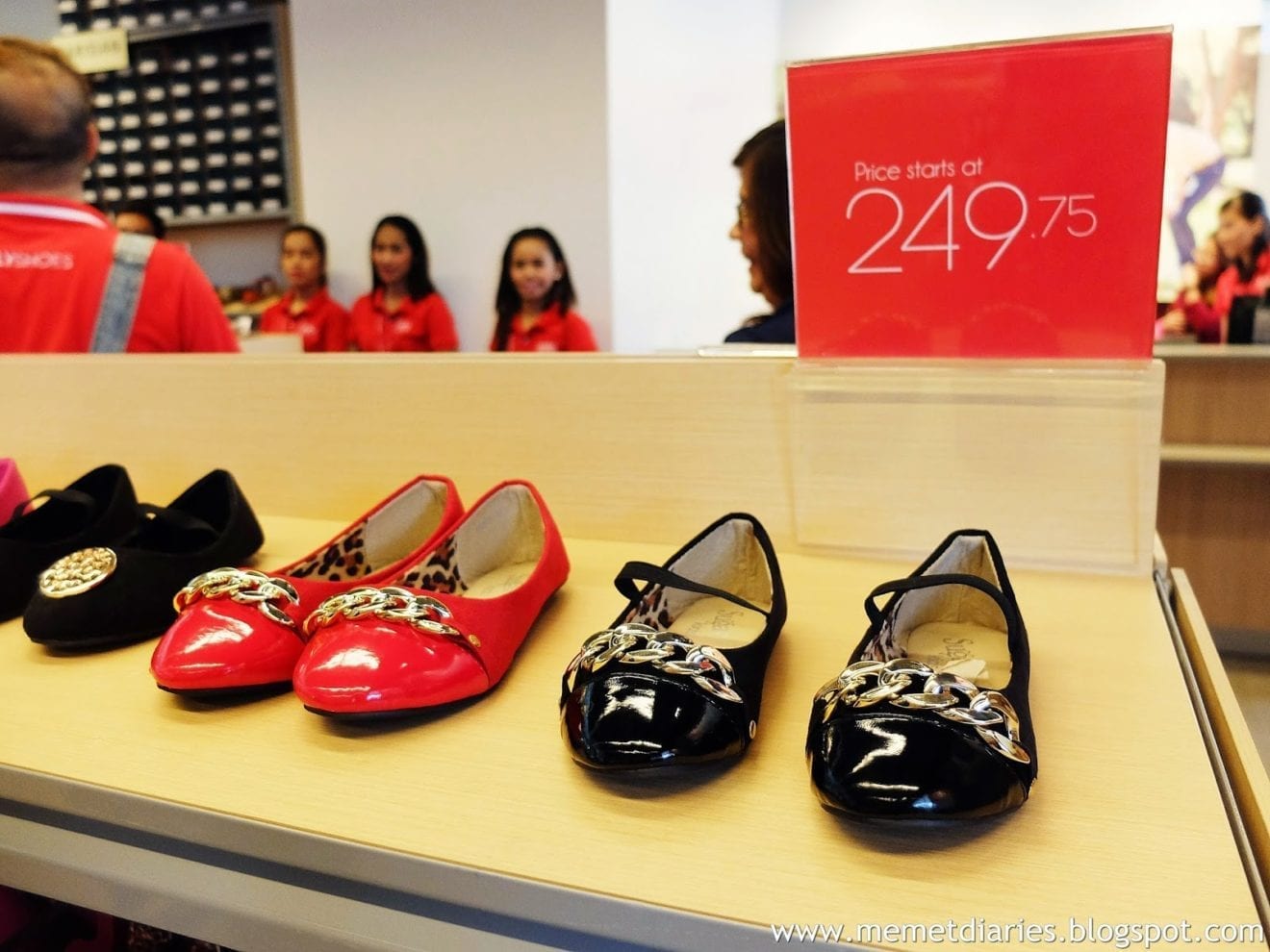
    Simply Shoes offers affordable shoes and bags and carries 20 brands including SM’s Parisian brand and Solemate.
    “The shoe industry in the Philippines is growing by 5 to 10 per cent every year,” says Tinio.

    Simply Shoes’ stock comes from suppliers in China as well as from Filipino shoe manufacturers in Marikina.

  • Cebu Pacific beats daily record as it carries more passengers

    Cebu Pacific beats daily record as it carries more passengers

    The Philippines’ largest airline, Cebu Pacific (CEB), flew 19.1 million passengers in 2016, an increase of 4 per cent from the 18.4 million passengers flown in 2015. On average, CEB flights were 86 per cent full during the year.

    Growth in passenger volume was largely driven by the airline’s low-cost short-haul services, and increased frequencies in key domestic markets. Specifically, the former recorded a 9.3 per cent growth compared to 2015, while the latter reflected a 2.6 per cent increase.

    “Last December 27, 2016, the Cebu Pacific Air Group carried a total of 64,684 passengers– the highest number of travellers we have ever flown in one day. This surpasses our prior record of 62,947 passengers flown last January 3, 2016, translating to 1,737 additional passengers,” said J R Mantaring, the CEB vice president for corporate affairs.

    “This significant increase in number only shows our firm commitment in trafficking trade and tourism in all the destinations we operate in, while at the same time enabling everyJuan to connect with their families and friends all around the world,” added Mr Mantaring.

    CEB posted passenger growth in international destinations such as Beijing, Shanghai and Xiamen in China, Taiwan (Taipei) and Hanoi and Ho Chi Minh in Vietnam. In the Philippines, domestic traffic increased in Cauayan, Siargao and Ozamiz.

    CEB currently offers flights to a total of 37 domestic and 29 international destinations, operating an extensive network across Asia, Australia, the Middle East, and United States.

    Its 58-strong fleet is comprised of Airbus and ATR aircraft. Between 2017 and 2021, CEB expects delivery of one more brand-new Airbus A330, 32 Airbus A321neo, and 13 ATR 72-600 aircraft.

  • Tim Hortons Philippines launches in Bonifacio

    Tim Hortons Philippines launches in Bonifacio

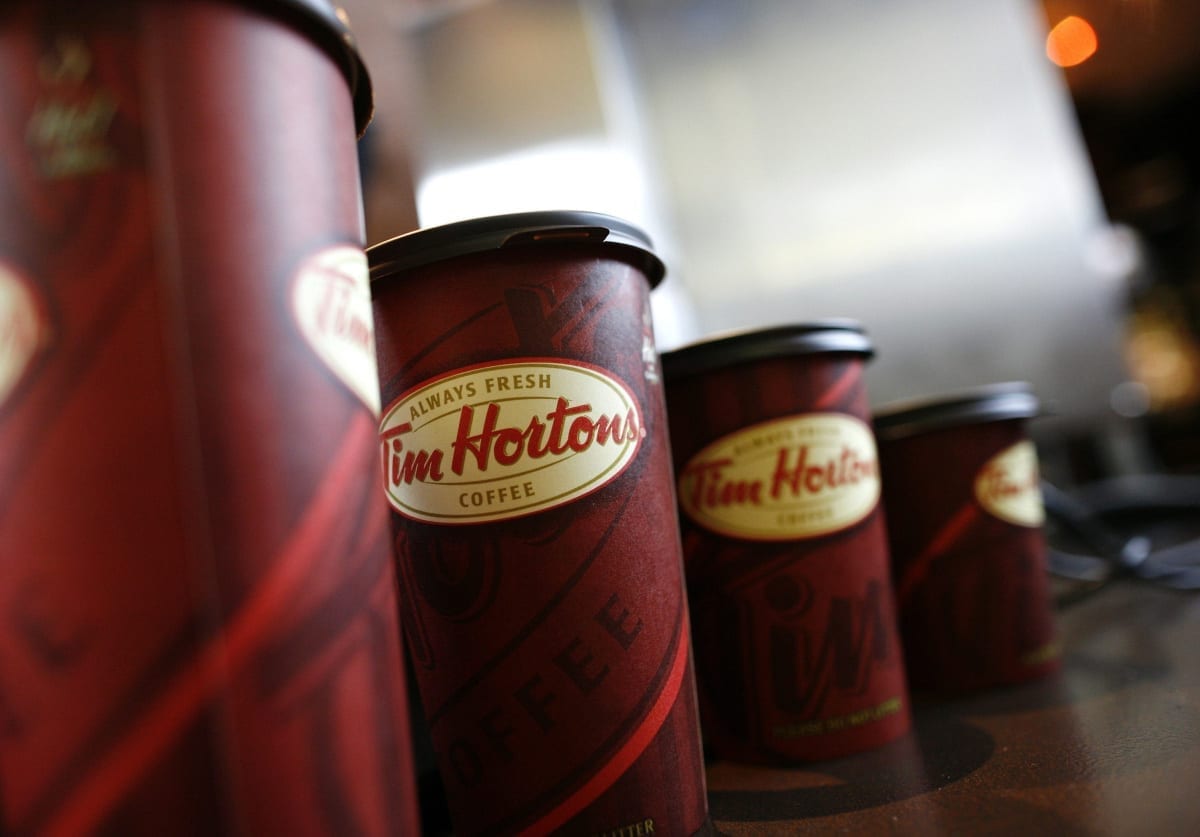
    Tim Hortons Philippines has launched its first branch at Uptown Place Mall in Bonifacio Global City.

    It is the Canadian cafe and bakeshop’s first foray into Southeast Asia.

    Miss Universe Canada 2016 Siera Bearchell was in Manila for restaurant’s ribbon-cutting ceremony. With her were Department of Tourism secretary Wanda Teo, Tim Hortons president Elias Diaz Sese and executives of TH Coffee Services Philippines, which is the Philippines partner for Tim Hortons.

    The store is known for its signature pastries, including bite-sized doughnuts known as Timbits, and Iced Capp, an ice-blended coffee drink.

    Another speciality is the Double Double, a coffee with two servings of cream and two of sugar.

    There are also full-sized doughnuts, plus regular and breakfast sandwiches. Breakfast offerings also include muffins.

    Tim Hortons was named after its founder, a National Hockey League player, and first opened in Ontario in 1964.

    Restaurant Brands International announced its plans last July to launch the Canadian brand in the Philippines.

  • Ayala buys stake in Zalora Philippines

    Ayala buys stake in Zalora Philippines

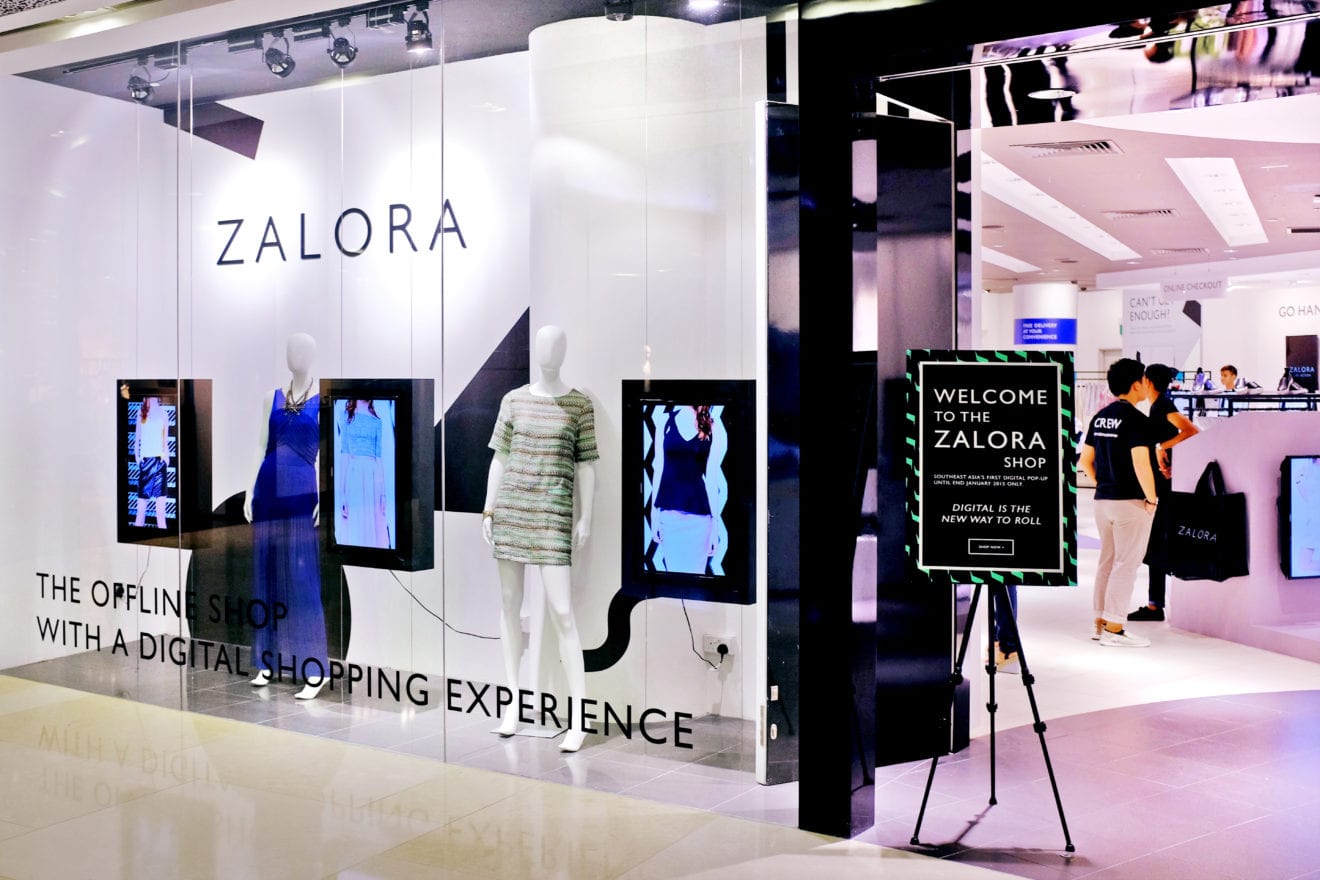
    Ayala Corporation has stepped into eCommerce by acquiring a 49 per cent stake in BF Jade E-Service Philippines, which owns and runs fashion platform Zalora Philippines.

    The conglomerate has announced it is buying 43.3 per cent of BF Jade, while in a separate disclosure Ayala Land says it will own 1.91 per cent. BPI Capital Corporation and Kickstart Ventures also acquired minority stakes in BF-Jade. BPI and Kickstart are wholly owned subsidiaries of BPI and Globe Telecom respectively.

    Ayala’s involvement is part of its strategy to invest in new disruptive businesses offering innovation to evolving markets, the conglomerate says.

    “This investment demonstrates how we at Ayala look at innovation and growth opportunities,” says chairman/CEO Jaime Augusto Zobel de Ayala.

    “We see the potential of eCommerce in the country, and believe the Ayala group can benefit and add tremendous value to Zalora. With resources in banking, real estate and telecommunications, the investment presents new opportunities for Ayala to generate synergies throughout the eCommerce value chain.”

    Zalora Philippines was co-founded in 2012 as part of the global network of the Zalora Group, which is 100 per cent owned by the Global Fashion Group.

  • Japanese cosmetics brand Do-Best eyes Asian expansion

    Japanese cosmetics brand Do-Best eyes Asian expansion

    Japanese cosmetics brand Do-Best is looking at opportunities in the Philippines and broader Southeast Asian markets, including Indonesia.

    Do-Best CEO Daitaro Sugawara was in the Philippines for a group networking session organised by Security Bank and Japan’s Mitsubishi UFJ Financial Group. He was matched with executives from local retailers including Metro Retail and National Bookstore.

    Do-Best was founded 45 years ago to produce “high-quality, low-priced products” and is already exporting to Singapore, Hong Kong, Thailand and Taiwan.

    Sugawara says the company wants to tap into the fast-growing Asian markets with young consumers seeking low-cost cosmetics and beauty lines. Its products are already popular in Japan’s proliferation of 100 Yen shops and similar stores.

    “That’s why I was interested to have a meeting in the Philippines. My product is like my family, so I want Philippine distributors or retail stores to take care of our products.

    “I want to keep the original price as in Japan,” Sugawara said.

    Tadahiro Miyamoto, GM of BTMU’s Manila branch, says a lot of Japanese companies are now looking at the Philippine domestic market. “You should look at the shopping areas, you see a lot of Japanese products.”

    A large number of participants in the recent business-matching event were from the retail sector, agriculture and real estate.

  • Samsonite Asia heightens focus on China

    Samsonite Asia heightens focus on China

    Branded luggage-maker Samsonite Asia aims to make China its biggest market within five years, pinning its hopes on eCommerce and social media to fuel growth.

    While sales in China now account for more than 10 per cent of its total revenue, Samsonite CEO Ramesh Tainwala says they are likely to double by 2022, thanks to the explosion in online shopping and a wealthier population keen to travel.

    “Now that 20 per cent of our Chinese businesses come from online, we expect the number to grow by about a third in a couple of years,” he says.

    Global net sales in 2015 reached US$2.43 billion for the Indian company.

    Virtual stores on B2C sites JD and Tmall have claimed 60 per cent of Samsonite’s online business in China. Its luggage is also sold through the digital outlets of shopping malls and department stores.

    Samsonite will open its own direct online shopping portal this year aimed at more sophisticated buyers who want bigger-ticket items via the brand rather than a third party.

    First-half sales last year remained flat for Samsonite, according to its interim report, partly because of sluggish performance in China as consumers forsake department stores for online retail.

    Samsonite president for China and the Philippines Frank Ma says the company spares no effort in using social media campaigns to guide traffic to brick-and-mortar stores. For example, followers of Samsonite’s official WeChat account are given a discount coupon when they sign up for promotional events in shopping centres.

    Ma says content marketing helps attracts customers and adds to another 5 per cent to its offline sales.

    Seven of Samsonite’s nine brands have been introduced to China, ranging from the entry-level American Tourister to the newly acquired Tumi, which targets high-end business travellers.

  • Online fashion brand Zalora to exit Philippines; Indonesia next

    Online fashion brand Zalora to exit Philippines; Indonesia next

    Southeast Asian fashion ecommerce company, Zalora, has been in the process of shutting shop in a few Asian countries. The company had retreated from Thailand and Vietnam last year, and is pulling out from Philippines and Indonesia.

    Launched in 2012, the Rocket Internet backed online shopping company was functioning in Malaysia, Singapore, Brunei, Hong Kong, Taiwan, Philippines, Vietnam, Thailand, Indonesia, Australia, and New Zealand, managed by Global Fashion Group, which was developed by Rocket Internet to handle all its online fashion businesses across the world.

    In Philippines, 49% of Zalora’s parent company, BF Jade E-Services was bought by one of the oldest real-estate companies, Ayala Group, and the remaining stays with Rocket Internet. BF Jade E-Services owned and operated Zalora in Philippines and the deal is currently subjected to approval from the Philippine Competition Commission.

    e27 also states that the fashion ecommerce company is in talks with retail giant MAP Group for a similar acquisition or investment in Indonesia. MAP group operates more than 1,900 retail outlets in Indonesia and has been experimenting with e-commerce as it launched its MAP e-Mall last year. A merger or acquisition with Zalora could mean that it gets access to the online fashion giant’s ecommerce expertise, as per media speculations.

    Romain Voog, CEO, Global Fashion Group said in a statement, “We are proud of how Zalora Philippines contributed to the development of e-commerce and fashion in the Philippines. This partnership with Ayala will allow us to further strengthen the leadership position of Zalora Philippines, as we invest more into delivering the best online fashion shopping experience for Filipino consumers.”

    In April last year Zalora sold its Thailand and Vietnam businesses to fashion retailer Central Group which also had been wanting to foray into the online ecommerce business. As reported by Forbes, the move was made to streamline its services in light of slowing output and the high cost of customer acquisition in Southeast Asia.

    Jaime Augusto Zobel de Ayala, Chairman and CEO, Ayala Corporation also added, “We see the potential of e-commerce in the country and believe that the Ayala group can benefit and add tremendous value to Zalora. With resources in banking, real estate and telecommunications, the investment presents new opportunities for Ayala to generate synergies throughout the e-commerce value chain.”

  • AirAsia launches new routes from Cebu, Davao

    AirAsia launches new routes from Cebu, Davao

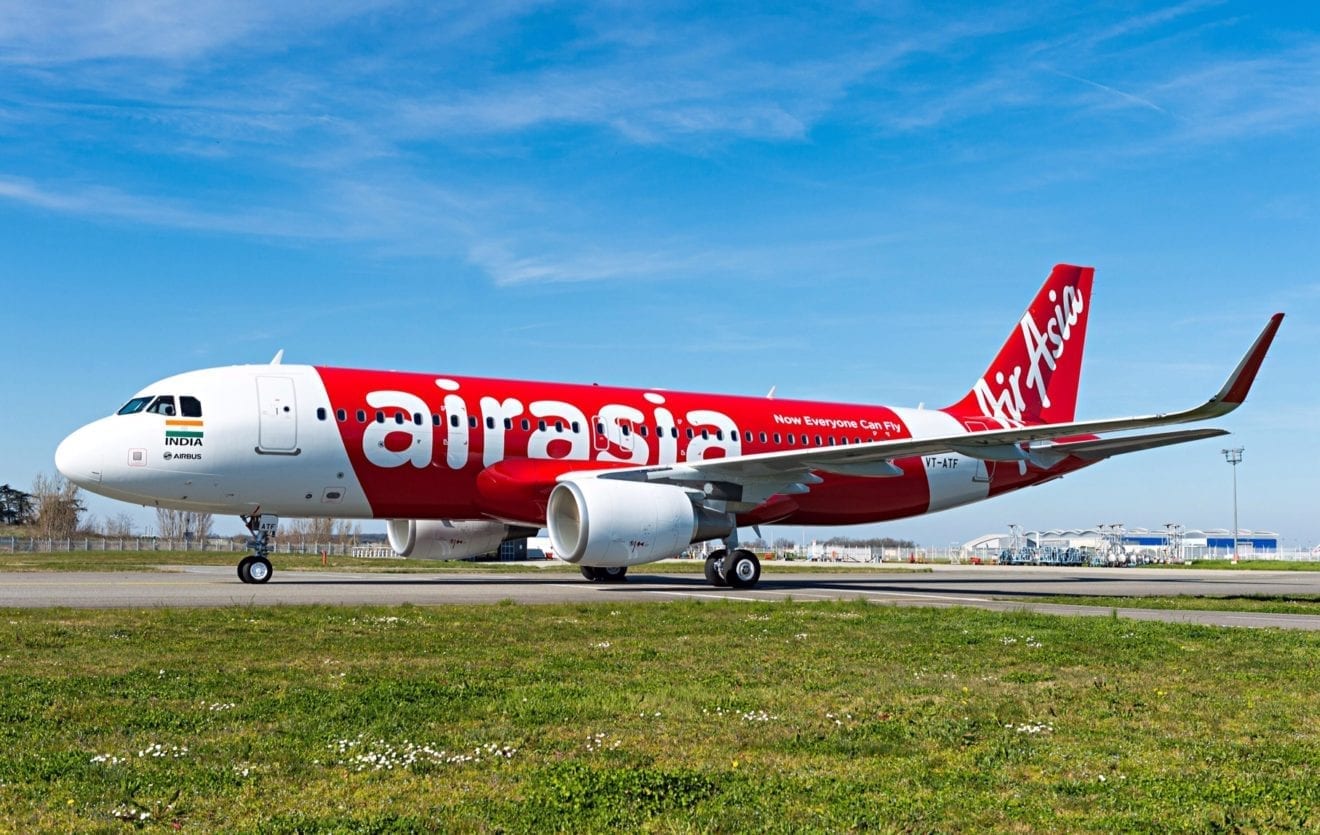
    AirAsia said on Friday it will mount new routes from Cebu and Davao starting April as it continues to expand its network outside Metro Manila.

    New flights will be launched from Cebu to Davao, Palawan, and Boracay/Caticlan and from Davao to Clark, Cebu, Palawan, and Boracay/Caticlan in April 22, 2017, the airline said.

    The Cebu to Boracay and Palawan flights will operate daily while flights to Davao are scheduled twice daily, it added.

    The Davao to Boracay flights will operate daily; Davao to Palawan at three times weekly; and Davao to Clark at four times weekly.

    “We feel strongly about supporting the growth and development of cities outside Metro Manila by providing more options and added convenience for travelers to fly to their desired destinations without going to the main airport in Manila,” said Philippines AirAsia chief executive Capt. Dexter Comendador.

    The airline said it is offering promo one-way fares for the new routes starting at P399. The travel period for the promo fares is between April 22, 2017 and August 31, 2017.