Retail News CRM

Tag: #phone

  • Chinese smartphones have 50 percent market share

    Chinese smartphones have 50 percent market share

    With Vietnamese phone brand Vsmart stopping production, Chinese smartphones grabbed a 50 percent market share in the second quarter of this year, according to Counterpoint Research.

    Of five prominent Chinese brands, Xiaomi, Oppo and Vivo accounted for a 45 percent share, according to the global research firm that specialized in technology, media and telecom. South Korea’s Samsung from and the U.S.’s Apple account for another 44 percent.

    Smartphone sales grew by 11 percent year-on-year in the second quarter. Pent-up demand and a new user base coming from the feature phone segment largely contributed to this growth, according to Counterpoint’s Monthly Vietnam Channel Share Tracker.

    Samsung topped with a 37-percent share riding on the Galaxy M31, Galaxy A12 and Galaxy A02s.

    Xiaomi was in second spot with 17 percent driven by the Redmi 9 and Note 10 series. OPPO and Vivo took third and fourth spots.

    The OPPO A series was the volume driver for the brand and it was the Y series for Vivo. Apple continued to do well in Vietnam and became the fifth-largest brand in the market.

    Six of the 10 best-selling smartphones at FPT Shop in the second quarter were Chinese, including Oppo the A15, Oppo Reno 5 and Vivo Y20.

    5G-capable smartphones have a 14-percent share of the market, and it will grow as mwobile phone operators are gearing up to launch 5G services, according to Counterpoint.

    Vietnam has already started 5G trials, with Viettel becoming the first company to do so.

  • Leaked promo confirms when Samsung will unveil two new foldables and a pair of new watches

    Leaked promo confirms when Samsung will unveil two new foldables and a pair of new watches

    A week ago, we passed along images of the devices we expect Samsung to introduce at its next Unpacked event, the second for 2021. Those products include the Samsung Galaxy Z Fold 3, the Galaxy Z Flip 3, the Samsung Galaxy Watch 4, and the Galaxy Watch 4 Classic. The huge leak had been posted on Twitter by tipster Evan Blass.

    On Saturday, Blass posted a promo from Samsung Russia that confirms that the next Unpacked will take place on Wednesday August 11th. The promo says that the event will start at 17:00 Moscow time (or 5 pm ). That equates to 10 am Wednesday Eastern Daylight Time.Leaked promo confirms when Samsung will unveil two new foldables and a pair of new watches

  • Sony tipped to launch mystery budget phone later this year

    Sony tipped to launch mystery budget phone later this year

    Sony recently unveiled the Xperia 1 III and the Xperia 5 III flagship models as well as the mid-range Xperia 10 III. But if a machine-translated post on Weibo written by a tipster is legitimate, Sony purposely moved up the release schedule of its new 2021 flagships to release both of them during the same time period. This will allow it to release another phone that will either be a budget-priced model or an “Ultra” version of another Sony handset.

    The machine-translated message from a tipster known as ZackBuks, while a bit confusing, seems to suggest that by releasing both 2021 flagships together, it opens up some time to allow a “new U release” to take place months earlier than in past years. Normally Sony unveils its compact flagship model in the fall which is why it was so surprising to see the Xperia 5 III introduced at this time of the year.

    The last such Sony handset to use the “Ultra” title in its name was 2018’s Xperia XA2 Ultra which featured a larger screen, more storage, a larger battery, and an additional front-facing camera compared to the “non-Ultra” Xperia XA2. Another theory is that the “new U release” is a refresh of last year’s budget-priced Xperia L4 model. For those hoping for a top-of-the-line “Ultra” model powered by the Snapdragon 888 SoC, the tipster’s post would seem to make that impossible since he comes right out and states that the 2021 flagships are the Xperia 1 III and the Xperia 5 III.

    The Xperia 1 III features a 6.5-inch AMOLED display with a 4K resolution (1644 x 3840) and a tall and thin 21:9 aspect ratio. Powered by the Snapdragon 888 SoC, this model sports 12GB of memory and 256GB of storage. A quad-camera setup is found on the back.

    The Xperia 5 III is equipped with a 6.1-inch display with a 1080 x 2520 (FHD+) resolution and is powered by Qualcomm’s top-of-the-line Snapdragon 888 chipset. It features 8GB of memory (LPDDR4 RAM), 256GB of storage, and a triple camera setup.

    Speaking of the Xperia 5 III, the phone recently was benchmarked through Ge.

  • Future Nokia smartphones could adopt a new naming scheme

    Future Nokia smartphones could adopt a new naming scheme

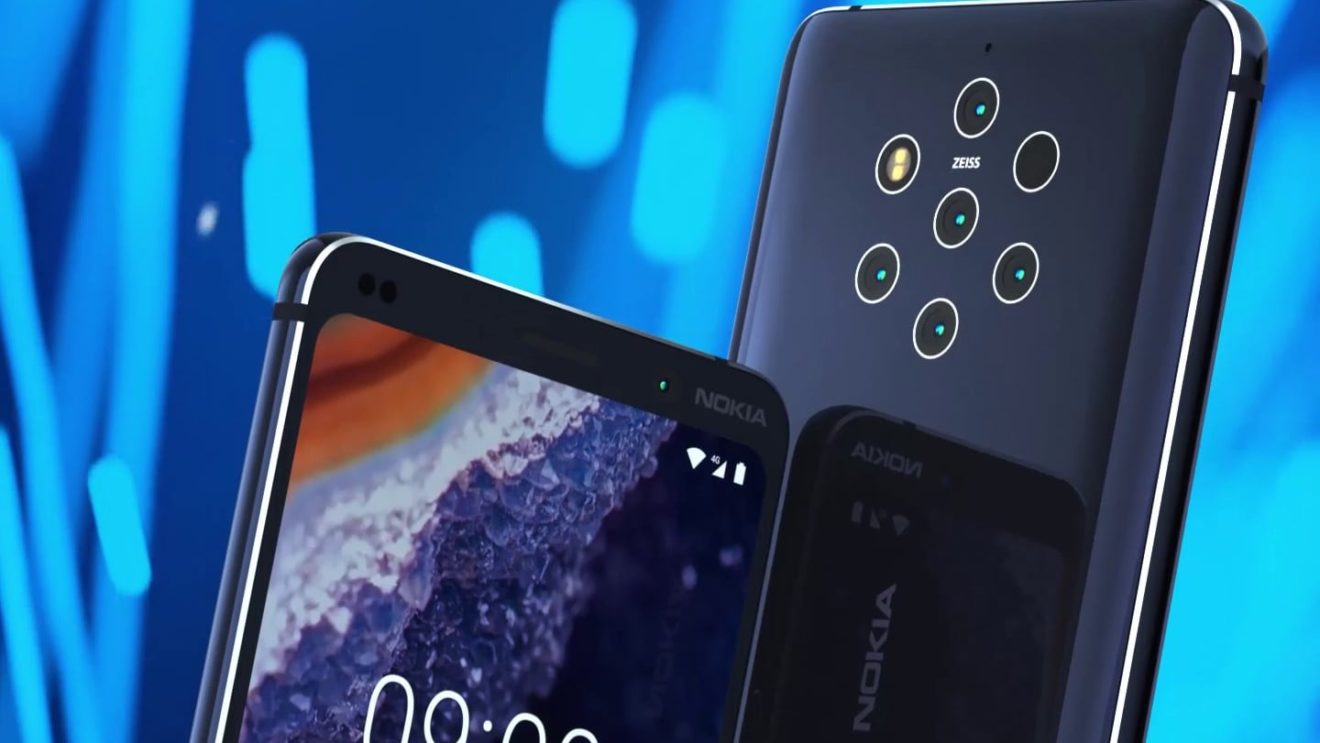
    A numerical branding scheme has been used for Nokia smartphones ever since the brand re-entered the market in 2017. This worked well in the early years but has become quite confusing in recent times, and soon it could be replaced.

    According to a trusted source starting this year HMD Global will shift Nokia smartphones over to a revised branding scheme that involves both letters and numbers.

    The end result should be similar to what Samsung and Motorola do with their devices. In fact, a leaked retail listing from Russia indicates that the first new model could be the Nokia G10, not to be confused with Motorola’s Moto G10.

    With subsequent model generations, HMD Global has two clear options. The most obvious one involves increasing the number, starting with Nokia G11 in 2022 and continuing that pattern for the rest of the decade.

    However, the source of this info seems to suggest that HMD might instead follow the branding pattern used by Nokia between 2009 and 2011. That could lead to models like the Nokia G10-01 in 2022 and Nokia G10-02 in 2023.

    Whether Nokia’s new branding scheme is going to be clearer than the current one will remain to be seen, but it certainly won’t be hard to achieve.

    At the moment, the latest model is known as the Nokia 5.4 But at the same time, the company is selling the Nokia 8.3 5G and Nokia 7.2, in addition to carrier variants like the Nokia C2 Tava and Nokia 2 V Tella, making it quite hard to determine when each model was launched.

  • Google TV app will turn your phone into a remote control for Android TVs

    Google TV app will turn your phone into a remote control for Android TVs

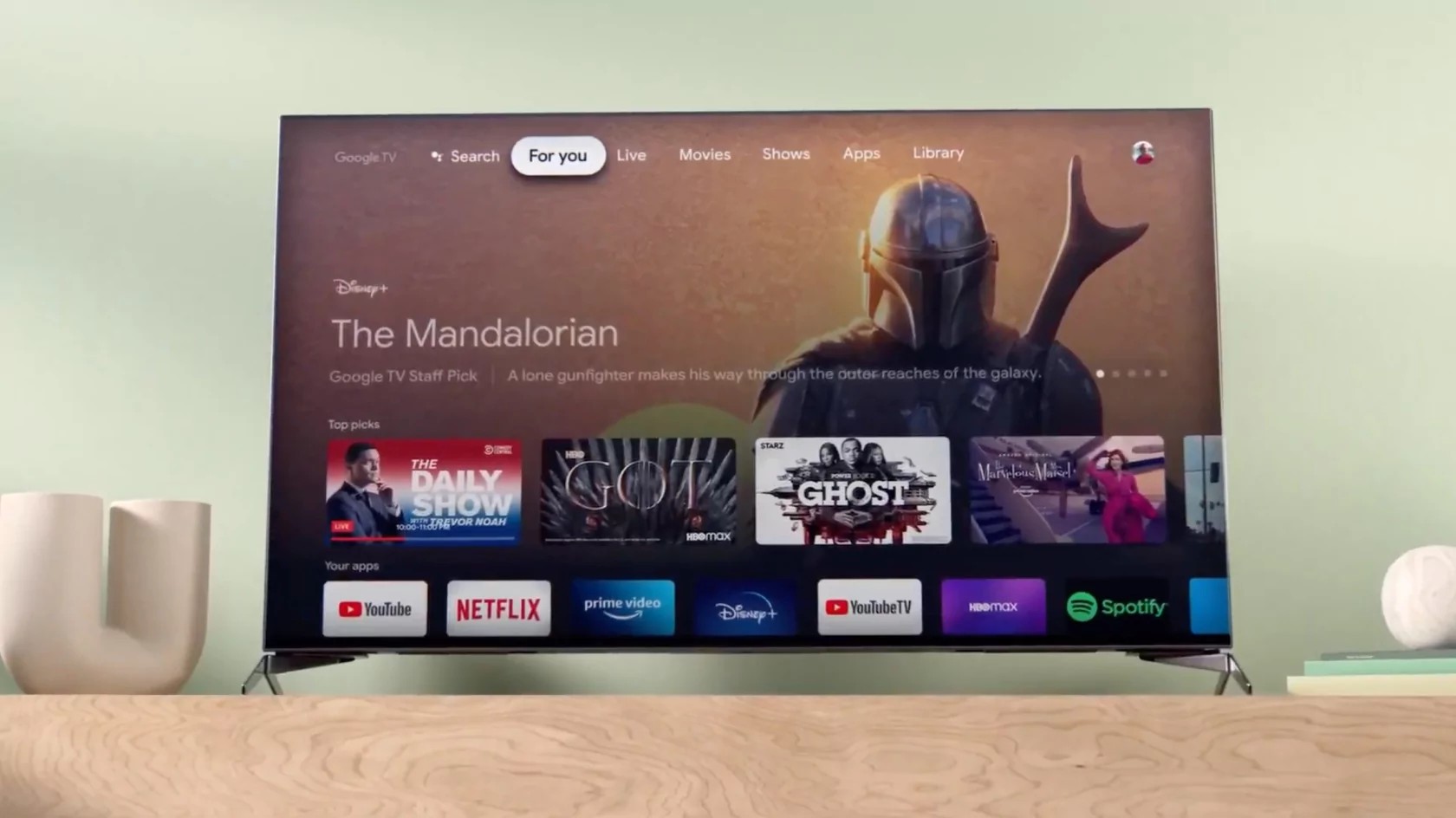
    Android TV owners can already use their phones a remote controls thanks to the Android TV Remote Control app. However, that app hasn’t been updated forever, a sign that Google has other plans for the app and the functionality it offers.

    Those plans have been revealed today when 9to5google discovered code strings in the Google TV app (previously known as Play Movies & TV) that suggest Google is about to add the same remote control capability available in the Android TV Remote Control app.

    The strings refer to a directional pad, enter and back buttons, and the ability to pair a phone to an Android TV, which is exactly what a remote control would do. Unfortunately, the option to turn your phone into a remote control with the Google TV app is not yet functional, but at least we know that you won’t have to use a standalone app to do that.

    Judging by how fast Google is bringing new features to its apps, it won’t be surprising to see the new functionality arriving in just a couple of weeks. We’ll keep our eye peeled for any developments, so stay tuned.

  • Phones continue to lead exports

    Phones continue to lead exports

    Exports of phones and phone parts were worth $51.18 billion last year, a whopping 18 percent of Vietnam’s total exports, according to the General Statistics Office.

    The phones were exported to over 50 countries and territories, with China being the largest market, accounting for almost a quarter.

    The second-largest market was the EU with 19 percent, followed by the U.S., South Korea, and the UAE.

    But for the first time in 10 years, phone and component exports fell, by 0.4 percent.

    Samsung was the biggest contributor to the exports. Its smartphone manufacturing factories in the northern provinces of Bac Ninh and Thai Nguyen are its two largest in the world and are also its largest home electronics factory in Southeast Asia.

    About 60 percent of all Samsung smartphones are produced in Vietnam.

  • Time to update your Apple iPhone, iPad, and Apple Watch

    Time to update your Apple iPhone, iPad, and Apple Watch

    Apple today released several updates including iOS 14.4, iPadOS 14.4, and watchOS 7.3. With the iPhone and iPad updates, the “Find My” app adds a feature called “Find My Items.” This allows users to find misplaced accessories made by third-party manufacturers who build this capability into their products. The only compatible device available at the moment is Belkin’s SoundForm Freedom true wireless earbuds.

    In addition, the update allows smaller QR codes to be read by the iPhone’s camera, the ability to put Bluetooth connections into categories and headphone type in order to prevent eardrums from getting blown out with audio notifications and delivers a notification when the camera on your iPhone 12 series model cannot be verified as a genuine Apple camera. It also uses the U1 chip in the iPhone 11 series and iPhone 12 series to determine the distance between your iPhone and HomePod mini to allow an improved transfer of music between devices.

    The update also exterminates several bugs including one that allowed image artifacts to appear on photos snapped with an iPhone 12 Pro model using HDR. Another bug fixed by the update prevented the Fitness+ widget from including updated Activity data. One issue that the new iOS 14.4 update solves is one in which the keyboard would appear with the wrong language in the Messages app. A pair of bugs that prevented word suggestions from appearing on the keyboard and delayed the results of typing on the keyboard are both gone after the installation of iOS 14.4.

    The latest iOS build also eliminates an issue that prevented phone calls from being answered on the Lock Screen when Switch Control in Accessibility was enabled. And lastly, iOS 14.4 gets rid of a bug that did not allow stories from CarPlay’s News app to resume after being placed on pause to hear spoken directions or a response from Siri. The update is available to compatible iPhone and iPad models and can be received by going to Settings > General > Software Update. It weighs in at 344.3MB.

    Apple also pointed out that the iOS and iPadOS updates include security patches that eliminated three zero-day security flaws. Apple believes that these flaws might have been exploited in the wild. A Kernel flaw might have allowed attackers to give permission for the affected phone to run certain apps. A WebKit flaw could have allowed the hackers to make an iPhone do just about anything. The watchOS update rid the device of a security flaw that could have elevated privileges on a unit under attack.

    Apple also released watchOS 7.3 today which includes a new Unity watch face based on the colors of the Pan-African flag (Black, Red, Green, and the Pan-African colors which includes the prior three hues and yellow). The shapes of the colors change throughout the day as you move thus creating a unique look. Apple Fitness+ subscribers will receive the “Time to Walk” feature that plays inspirational audio in the Workout app as you walk. The electrocardiogram (ECG) monitor that checks for abnormal heart rhythms on the Apple Watch Series 4 and later is good to go in Japan, Mayotte, Philippines, Taiwan, and Thailand following the update. Those with abnormal readings in those countries will receive a notification. And a bug that makes the Control Center and Notification Center unresponsive when Zoom is enabled will be exterminated.

    To update your Apple Watch, open the Apple Watch app on your iPhone and tap on My Watch > General > Software Update and Install. The timepiece needs to be on the charger for the update to take place and the watch needs to be in the range of your iPhone connected to a Wi-Fi signal.

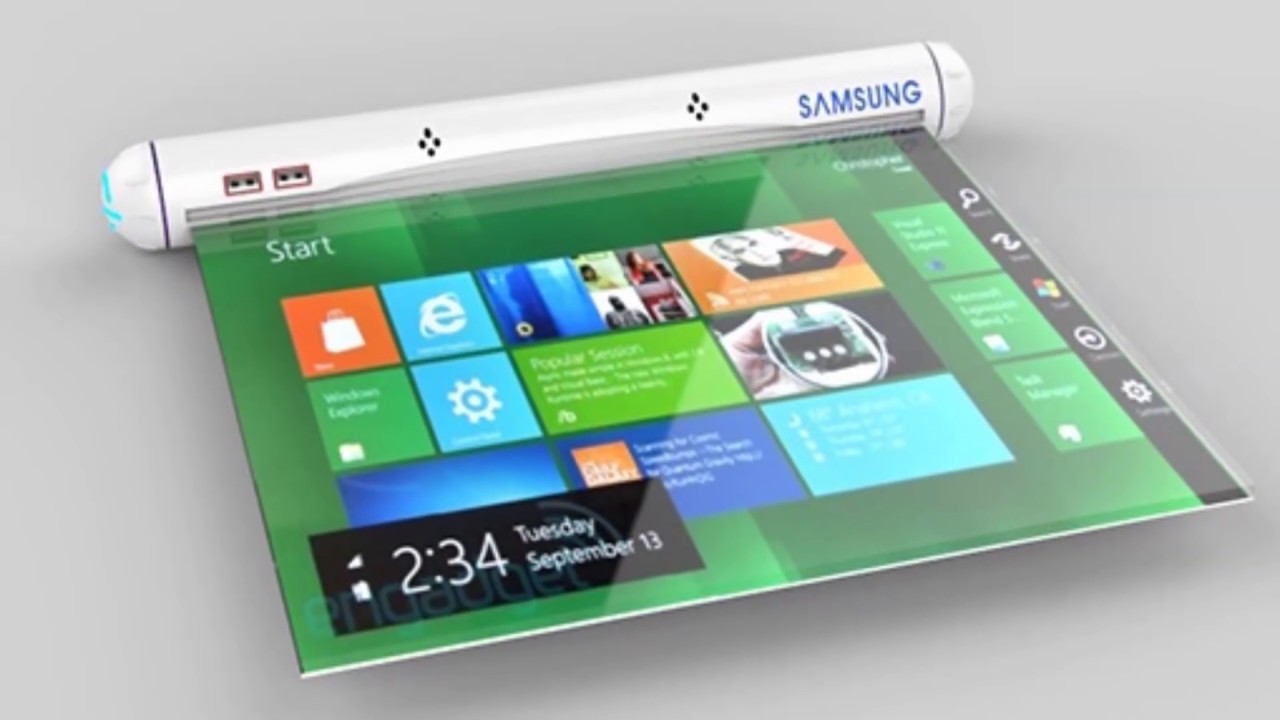
  • Samsung could be the first to launch a rollable phone

    Samsung could be the first to launch a rollable phone

    Although foldable devices are yet to go mainstream, smartphone vendors are already experimenting with a new form factor: rollable phones. During the recent Inno Day 2020 event, Oppo demoed its X 2021 concept device that could transform from a 6.7-inch phone into a 7.4-inch tablet, and LG has already teased its expandable handset, which would be its second Explorer Project device after the LG Wing.

    LG was earlier expected to release its rollable phone in March 2021, but the launch has seemingly been delayed to May now. A report from the South Korean blog Naver suggests that the “driving part” of the device is not working as intended, and the company also seems to be dealing with supply-side constraints. As a result, it has seemingly decided to push back the release.

    Samsung’s Vice Chairman Lee Jae-yong was apparently seen with a rollable prototype recently. Virtually nothing is known about the device, except that it will probably horizontally expand from 6-inches to 8-inches.

    Tipster Ice Universe suggests that Samsung could beat competitors to the punch, which makes us wonder if the Galaxy Scroll, or whatever the company ends up calling its rollable handset, will arrive in H1 2021.

    Regardless of who releases a rollable phone first, it could be a long time before the tech gains traction. Ice doesn’t see expandable devices entering mass production anytime soon and they believe 2021 will be very much about foldable phones.

    Samsung and Huawei are the only major vendors that sell foldable phones at the moment, but they will likely be joined by Xiaomi, Oppo, and possibly Google next year. Later in 2022, Apple will reportedly jump the bandwagon too.

  • Issues with the Samsung Galaxy S20 Ultra 5G and other high-end-models are frustrating users

    Issues with the Samsung Galaxy S20 Ultra 5G and other high-end-models are frustrating users

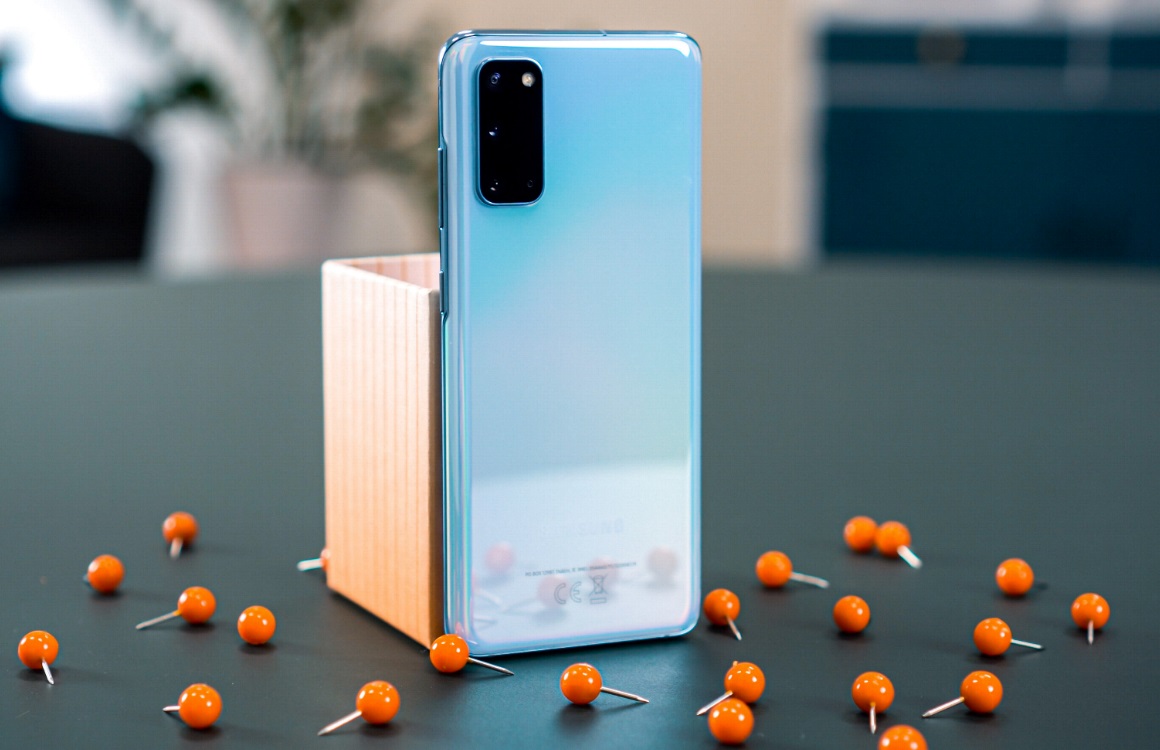
    Some of the phones in Samsung’s 2019-2020 flagship lineup are experiencing issues with the indicator that shows how much battery life remains on these models. The particular phones affected include those in the Galaxy S10 and S20 families and the Galaxy Note 10 and Note 20 lines. There are two major problems affecting these phones. One is that the battery (and thus the phone) shuts down before the indicator measuring the remaining battery life hits 1% or less. The other problem is that the phone runs through the last 1%-5% of battery life too quickly.

    Several users confirmed that these battery issues are legitimate. One subscriber with the handle of Ldn_brother wrote: “I can confirm this on the s20 ultra. As soon as I get down below 15% the battery magically disappears rapidly. I’ll be on 6% and all of a sudden my phone has turned off after I pick it up 2 mins later. I’ve kind of learned to live with it, although I know its not right. Never had this with the S4 or S7.”

    One Galaxy S20 Ultra 5G user had a suggestion. He posted “Easy solution, charge your phone whenever possible and don’t let it get that low.” This might sound like an impractical fix, but if you don’t mind spending a few bucks for a power bank (one with a 10,000mAh capacity battery or larger), you might be able to try out this bit of advice to see if there is any improvement.

    If you feel like blaming the blazing fast charging capabilities supported by some of these devices, you might be barking up the wrong tree. For example, it is true that the Galaxy S20 Ultra 5G comes with a 25W charger out of the box, and Super Fast Charging 2.0 does support 45W charging,  But one of the devices having battery issues is the Galaxy Tab S5e, and that slate charges at “only” 15W. And this brings us to another point; while we have been focusing on flagship Galaxy phones, other Samsung devices have had these problems as well.

    So far we have yet to hear from Samsung about these battery issues. Owners of Galaxy devices impacted by this problem should keep their fingers and toes crossed hoping that the manufacturer can solve this issue with a simple OTA update. Or you can take matters into your own hands by calling Samsung yourself and alerting them to the problem. In the states, pick up your phone (and assuming that there is enough battery life on the device) and call 1 (800) 726-7864. The company’s online support site can be found by tapping on this link.

  • Huawei says that it will release a HarmonyOS phone next year

    Huawei says that it will release a HarmonyOS phone next year

    Last year, after the U.S. Commerce Department banned Huawei from its U.S. supply chain, the Chinese phone and networking equipment manufacturer scrambled to find new sources. The one stateside supplier that it missed the most was Google since the ban prevented the latter from delivering the Google Mobile Services version of Android to Huawei. While it didn’t matter in China where most of Google’s Android apps are banned, not being able to equip its international models with the Google ecosystem might have cost the manufacturer some sales.

    In August of 2019, Huawei announced that it had developed a new operating system called Harmony. Many assumed that this new operating system would be immediately used by Huawei to replace Android. This turned out not to be the case. Richard Yu, CEO of Huawei’s consumer group, pointed out that Harmony is based on a microkernel allowing it to be used on a wide range of devices such as smart speakers, tablets, smartwatches, computers, autos, and smartphones. Huawei also noted that HarmonyOS will work on devices equipped with a small amount of RAM and those requiring hundreds of gigabytes of memory. Thus far, Harmony OS has been available for consumers only on television sets.

    Mr. Yu said today that in 2021, Huawei will ship its first handset powered by HarmonyOS. What set off this announcement by the long-time Huawei executive was the word that the company plans on introducing a second version of Harmony OS this coming Thursday, September 10th, during the 2020 HDC Developers Conference. Several new devices powered by the operating system will soon be announced and this year Huawei says that its new smartwatches will be driven by HarmonyOS.

    Yu did admit that Huawei has been sitting on a phone running HarmonyOS, but the company has had to wait because of an agreement it has with Google. But that doesn’t mean that the company doesn’t have high hopes for the platform in the future. The executive says that HarmonyOS will eventually become a worldwide platform.

    In a previous speech, Yu said that the upcoming Huawei Mate 40 series will be powered by a new series of 5nm Kirin chips, the Kirin 9000. Not only will these components be produced using the new 5nm process, but they will also have more powerful 5G and AI capabilities, CPUs, and GPUs. But a new export rule put into place by the U.S. prevents foundries from shipping chips to Huawei that were made using U.S. technology. Yu notes, “Unfortunately, under the sanctions of the United States, TSMC only accepted orders before September 15th. By September 15th, it will not be able to produce chips for Huawei. So Kirin 9000 may be our last generation of Huawei Kirin high-end chips.”

    Huawei was TSMC’s second-largest customer after Apple last year but the world’s largest individual foundry will not be allowed to ship to the Chinese manufacturer after September 14th. Until that date, TSMC is reportedly running its assembly line 24 hours a day to produce as many as chips that it can until it isn’t allowed to ship to Huawei. China’s largest foundry, SMIC, is not a viable replacement since it is several process nodes behind TSMC. Chip designer Mediatek has reportedly been seeking permission to develop cutting-edge chips for Huawei. It would seem unlikely for the company to get that permission from the U.S., especially considering that Mediatek relies on TSMC to produce its chips. Additionally, administration officials in the U.S. have complained about Huawei’s ability to skirt the Entity List ban.

    Assuming that Huawei has been able to stock up on 5nm chips, the company has a little time-not much mind you-to find a new source of 5nm SoCs.

  • Lost Samsung phones can now be found even if offline

    Lost Samsung phones can now be found even if offline

    If you own a Samsung phone and have misplaced the device, the Find My Mobile feature will help you get back together with the handset. And you can even unlock your device with Find My Mobile even if you’ve forgotten your password, PIN, or pattern. The missing device must be signed in to your Samsung account. But what if the missing device is offline?

    XDA’s Max Weinbach disseminated a tweet last night after noticing that Samsung had added a new feature to Find My Mobile; the new feature depends on other Galaxy owners to help find the missing device. According to a screenshot shared by Weinbach, this offline tracking is enabled by going to the Offline finding page and toggling on the switch at the top of the page. According to Samsung, “This will allow your phone to be found by other people’s Galaxy devices even when it’s not connected to a network. It will also allow your phone to be used to scan for lost Galaxy devices that may be nearby. You can also find watches and earbuds if this was the last device they connected to.”

    In other words, if your missing phone is offline, it still will show up on another Galaxy owner’s phone if it is nearby. And that means that if someone else has a Galaxy phone that is lost and offline, it will show up on your phone if the missing device is close to you.

    Apple beat Samsung to the punch as iPhone users running iOS 13 have had the ability to find a missing iPhone that is offline. This is possible as long as the handset is powered on. Using Bluetooth, your missing offline iPhone can be found. To enable this on your iPhone (again, running iOS 13 or later), go to Settings > Tap your name at the top of the screen > Tap on Find My > Tap Find My iPhone > Toggle on Find My iPhone > Enable offline finding > Send Last Location.

  • WhatsApp upcoming feature lets you use the same account on multiple devices

    WhatsApp upcoming feature lets you use the same account on multiple devices

    WhatsApp is testing new features all the time and we often learn about them before release. One of the important features that we hope to see coming to WhatsApp is the option to use the same account on multiple devices.

    A new report coming from WABetaInfo confirms WhatsApp is now testing this new feature that allows users to have the same WhatsApp account on up to four devices. In that regard, a new UI that will manage all linked devices is now in the works at WhatsApp.

    The new UI is meant to enable users to add new devices to their WhatsApp account or remove them if they need to. To add new devices to your WhatsApp account, you must use a code that will sent to you via SMS or WhatsApp Chat. The procedure hasn’t been finalized since the feature is still in the works, but it’s probably the easiest and most secure way at the moment.

    The new option to add multiple devices on the same WhatsApp account is not yet available in any of the beta versions of the app, but the new Linked Devices UI does show up in one of the beta iterations.

  • Apple helps Samsung report stronger than expected Q2 earnings estimate

    Apple helps Samsung report stronger than expected Q2 earnings estimate

    Recently Samsung revealed what its second-quarter earnings numbers should look like when it soon reports the final figures. The manufacturer says that it expects to report a 7% annual decline in second-quarter revenue to 52 trillion Korean won. At current exchange rates, that works out to $46 billion U.S. dollars. Operating profit for the three months ended June is estimated at 8.1 trillion Korean won ($6.6 billion USD), up 23% year-over-year.

    The results topped analysts’ consensus estimates of 51 trillion won in revenue and operating earnings of 6.5 trillion won. Helping Sammy top the analysts’ forecasts was a one-time payment of $950 million that the company received from Apple. DSCC says that the money was due to Samsung when Apple purchased fewer OLED panels from the company than called for by the terms of their contract. Thanks to this payment, Samsung’s display devices unit reported a profit for the quarter instead of a loss. During the same quarter last year, Apple reportedly paid Samsung $770 million for a shortfall in orders for OLED panels. The contract required Samsung to deliver 100 million panels at approximately $70 a pop.

    Apple has been trying to reduce its dependence on Samsung as an iPhone supplier. After all, does Coke buy cola syrup from Pepsi? Samsung has been Apple’s largest supplier of OLED panels for the iPhone and Apple has been looking to add glass from LG and Beijing Oriental Electronics (BOE). However, earlier this year it was alleged that BOE had failed a quality test conducted by Apple. Ironically, BOE reportedly failed a quality test conducted by Samsung who is supposedly considering the company’s OLED displays for the 2021 Galaxy S21 flagship models.

    Samsung’s semiconductor business saw strong demand for memory chips used by cloud computing companies looking to expand their capacity as more people are forced to work from home. With prices for DRAM and NAND flash memory chips on the rise, Samsung earned an estimated 5 trillion Korean won during Q2. Samsung’s mobile and consumer businesses were hurt by the pandemic during the three months, but results were not as bad as expected. Still, the company’s flagship Galaxy S20 series is doing poorly in the states trailing the numbers put up by the Galaxy S10 and Galaxy S9 lines in 2019 and 2018 respectively. On August 5th, Samsung is expected to introduce the Galaxy Note 20 line. We also should see in the near future the Galaxy Z Note 2 and the Galaxy Z Flip 5G foldable.

    Sammy’s troubles at the cash register could be seen in other data. In April and May Huawei became the top smartphone manufacturer in the world. May’s numbers showed the Chinese manufacturer with a hair-thin lead over Samsung; Huawei was responsible for 19.7% of global smartphone shipments in May compared to Samsung’s 19.6%. What might really hurt Samsung in the U.S. is the ravaged economy. Millions of Americans remain out of work and money that normally could be used to purchase an expensive handset now must be used to put food on the table.

    The full second-quarter earnings report will be released sometime later this month. As for Apple, the flip side of the coin is that when it reports its fiscal third-quarter earnings on July 30th, it will have to account for the payment to Samsung somewhere in its financial report. Most investors are able to shrug their shoulders at one-time payments like this so it shouldn’t have an effect on Apple. The only negative is that Apple can’t seem to end its addiction to Samsung.

  • Mobile phone retailer Vien Thong A shuts up shop

    Mobile phone retailer Vien Thong A shuts up shop

    Vien Thong A, one of Vietnam’s earliest mobile phone retail chains, has shut all outlets after two decades of operation.

    All its Ho Chi Minh City shops were closed as of Thursday, some featuring “property for lease” signs while others held nothing but empty shelves.

    Vien Thong A, established in November 1997, operated 240 outlets nationwide at its peak, some inside supermarkets like Big C, alongside 100 maintenance stations.

    The chain was listed among Asia Pacific’s top 500 retailers by market researchers Euromonitor and business magazine Retail Asia, with revenues quadrupling from $102 million in 2013 to $416 million in 2017.

    In the same year, CEO Hoang Ngoc Vy announced a plan to restructure the company, seeking investors to expand the business.

    In September 2018, the company’s legal representative was replaced by Mai Thu Thuy, a senior Vingroup employee.

    Vingroup, Vietnam’s largest private conglomerate, confirmed it had acquired the chain in November 2018, managing a total 242 Vien Thong A shops as well as electronics chain VinPro as of September last year.

    However, Vien Thong A outlets started to close down soon after Vingroup announced it would dissolve VinPro to focus on technology and manufacturing in December last year.

    Vietnam’s consumer electronics retail market reached revenues of $609 million last year, a year-on-year increase of 15 percent, and is estimated to expand by 11.7 percent this year, according to German data portal Statista.

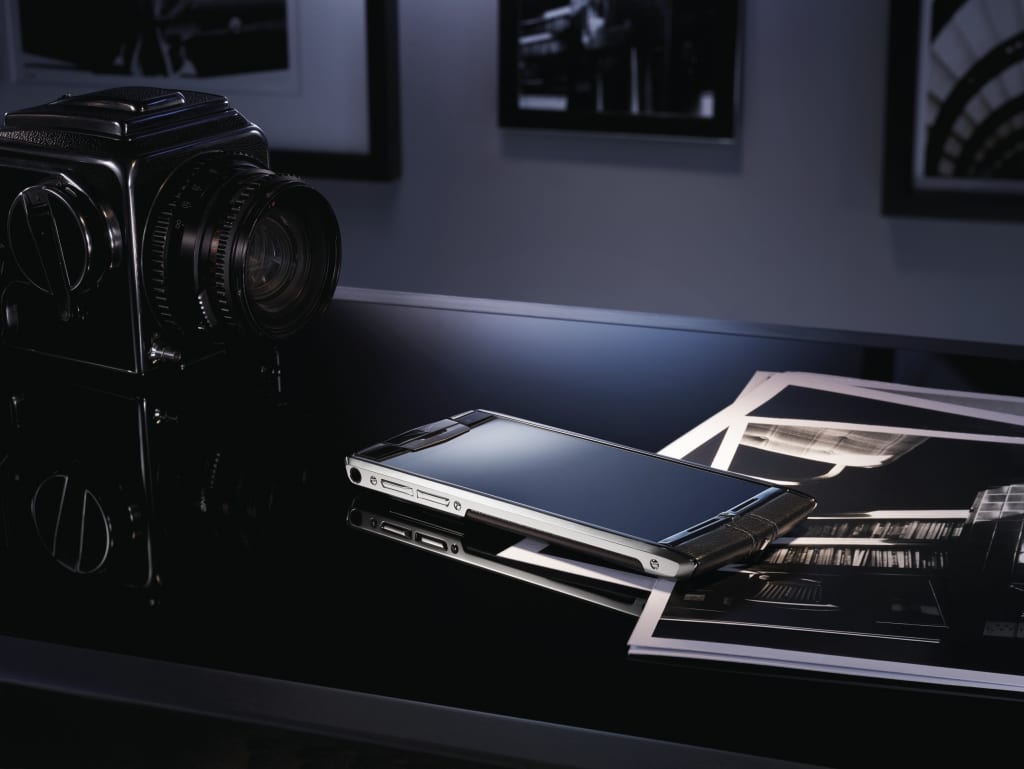
  • Luxury cellphone Vertu returns to Vietnam

    Luxury cellphone Vertu returns to Vietnam

    After a two-year hiatus, British luxury phone maker Vertu has announced resumption of sales at its Ho Chi Minh City store next month. Vertu Vietnam, a local unit of the phone maker, said genuine Vertu phones will once again be sold in Vietnam, first from an District 1 outlet in Ho Chi Minh City in October, then a Hanoi outlet the following month.

    Vertu luxury cell phones had been sold in Vietnam since 2006 by electronics distributor FPT Trading, formerly known as FPT Telecom Products Distribution Co., Ltd., through three outlets in Vietnam. In late 2017, the stores closed after Vertu ceased production in the U.K.

    The company had filed for bankruptcy in its home country, having racked up debts of some £138 million, but its business was still thriving in Vietnam.

    A representative of FPT Trading said that when Vertu’s U.K. factory was shut down, customers in Vietnam were still ordering its super-luxury phones.

    Vertu will now distribute its phones through Vertu Vietnam, a Hanoi headquartered company established in May 2019.

    Before Vertu announced its return to Vietnam, traders had observed that demand for Vertu handsets in the country had never died down.

    “Normally, we rarely see Vertu phones, but in events or places with lots of rich people, you can find 80-90 percent of them using them. For them, the latest technology is not a top priority. They use Vertu because of the phone’s anti-tapping protection features, the brand name and the fact it is crafted from luxury materials,” said Nguyen Phi Dung, a dealer in luxury hand-carried Vertu phones.

    Models that cost between VND100–150 million ($4,300 – $6,450) used to be the most popular, but customers have even bought handsets costing VND500 million to over VND1 billion ($21,500 – $43,000), Dung added.

    Vertu was founded by Finnish phone-maker Nokia in 1998, but changed hands several times later. In 2012, it was sold to Swedish investment corporation EQT; and in 2015 to Hong-Kong based investment fund Godin Holdings.

    In March 2017, Vertu was sold to Baferton Ltd., owned by Turkish businessman Hakan Uzan. However, just four months later, Uzan had to close Vertu’s U.K. factories, having failed to save it from bankruptcy.

    However, in October last year, Vertu made an unexpected return to China with a new Aster P, priced at $5,167 for black and white models, and $14,146 for its yellow model.