Retail News CRM

Tag: #phone

  • Android 10 release date confirmed: Here’s when Google will release it to Pixel phones

    Android 10 release date confirmed: Here’s when Google will release it to Pixel phones

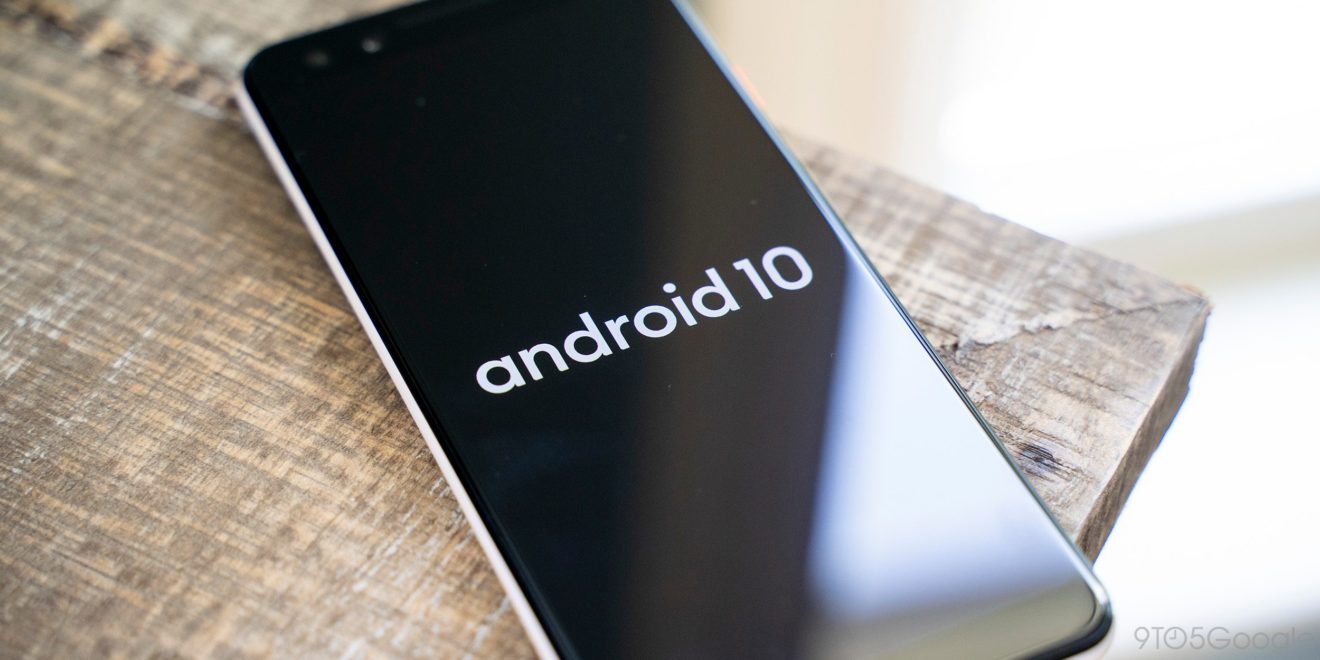
    It seems that Android 10 will be officially released for Pixel phones on September 3, 2019. This will be the official debut of Android 10 on phones, but of course, it will take a bit longer for all the other Android manufacturers to update their devices.

    This piece of saucy info comes straight from the horse’s mouth – two independent Google Support agents have confirmed with us and a reader of ours that, yes, the next major software update will be released to Pixel devices in eight days’ time. Who knew that you could learn so much by simply asking…

    The update will most certainly arrive to all Pixel devices, including the Pixel 3/3XL, 3a/3a XL, as well as older troopers like the Pixel 2/2 XL. As a pleasant surprise, the original Pixel and Pixel XL, which were released all the way back in 2016, will also get Android 10 despite being outside of their two-year support window. That’s a neat bonus for the early adopters of Google smartphone lineup, which were promised two years of software updates and three years of security support.

    A change of heart at Mountain View

    It’s been merely a few days since we willy-nilly parted ways with Android’s sweet naming scheme of old. Forever gone are the dessert names that became a signature feature of the operating system. As a reminder, there have been a total of 14 dessert-theme Android releases. These are Android 1.5 Cupcake, Android 1.6 Donut, Android 2.0-2.1 Eclair, Android 2.2 Froyo, Android 2.3 Gingerbread, Android 3.0-3.2 Honeycomb, Android 4.0 Ice Cream Sandwich, Android 4.1-4.3 Jelly Bean, Android 4.4 KitKat, Android 5.0-5.1 Lollipop, Android 6.0 Marshmallow, Android 7.0-7.1 Nougat, Android 8.0-8.1 Oreo, and Android 9 Pie. Speculation about Android 10’s dessert name hit a wall as just few compatible sweets started with “Q”, the letter that was slated to grace 2019’s Android release.

    All we know about Android 10 so far

    Among the new features that will grace Android with the arrival of its next version are native support for foldable phones, 5G, Live Captions, Smart Reply, Suggested Actions, as well as improved security and privacy features. Other features that are worth mentioning are seamless background updates, improved suite of digital well-being and parental controls functionalities, and finally, the coveted dark mode.

    But when will my phone receive Android 10?

    As usual, it takes Android manufacturers some time to prepare the major Android software updates for their devices. Samsung, for example, usually takes three to four months to develop, test, and distribute the goods to its userbase. In case you’re using one of Samsung’s current or former flagships, then you’re in for a patient wait. Here’s when we expect some of the more popular Samsung phones to receive Android 10 with One UI 2.0:

    Galaxy S10+, S10, S10e Galaxy Note 10
    International Late December 2019 / Early January 2020 Mid-late January 2020
    US Unlocked February 2020 February-March 2020
    Verizon Late January 2020 February-March 2020
    T-Mobile Late January 2020 February-March 2020
    AT&T Late January 2020 February-March 2020
    Sprint Late January 2020 February-March 2020
  • Samsung unveils the new Galaxy A50s and A30s

    Samsung unveils the new Galaxy A50s and A30s

    Samsung continues to add tons of new smartphones to its Galaxy A series and the latest additions, Galaxy A30s and A50s, promise upgraded essential features, made even more powerful. Their main selling points are the triple-camera and big battery, but that doesn’t mean the rest of the features aren’t top-notch for a mid-tier phone.

    Unfortunately, there’s no information about price and availability yet, but Samsung announced they will come in four colors: Prism Crush Black, Prism Crush White, Prism Crush Green, and Prism Crush Violet.

    On paper, the Galaxy A30s seems to be the cheapest of the two, but probably not by much since the phones share many of the specs. For example, both phones boast massive 6.4-inch Super AMOLED Infinity-V displays, but the one on the Galaxy A30s has HD+ resolution, whereas the Galaxy A50s’ offers full HD+ resolution.

    Furthermore, Samsung Galaxy A30s packs an impressive triple camera (25MP+5MP+8MP), a secondary 16-megapixel selfie snapper, a 1.8GHz octa-core processor, either 3GB or 4GB RAM, 32GB/64GB/128GB expandable storage, and a huge 4,000 mAh battery.

    As mentioned earlier, the Samsung Galaxy A50s features similar specs, but it’s got a better triple camera (48MP+5MP+8MP), a larger 32-megapixel selfie shooter, a more powerful 2.3GHz octa-core processor, either 4GB or 6GB RAM, and 64GB/128GB expandable storage.

    Also, both Galaxy A series phones feature on-screen fingerprint, 15W fast charging support and USB Type-C port. However, it’s just the Galaxy A50s that comes with a dedicated Bixby button. Naturally, the Galaxy A30s and A50s will ship with Android 9.0 Pie right out of the box.

  • First smartphone equipped with a 108MP camera is “coming soon”

    First smartphone equipped with a 108MP camera is “coming soon”

    Xiaomi’s phones, like the majority of handsets designed and made in China, aren’t sold in the states. But it always is a good idea to follow what is going on with these manufacturers because many times they are ahead of the field when it comes to new features and specs. For example, back in June, we told you that hidden code found in the latest MIUI (Xiaomi’s Android UI) Camera app revealed that a Xiaomi phone would possibly be among the first to use Samsung’s 64MP ISOCELL sensor. Samsung announced the 64MP ISOCELL Bright GW1 sensor back in May.

    While Realme is reportedly about to launch a phone sporting a 64MP rear camera later this month, Xiaomi revealed today that it will release its first device with a 64MP camera in the fourth quarter. This will be found on a handset with the Redmi brand; this is Xiaomi’s budget line. The 64MP GW1 employs the pixel-merging Tetracell technology to deliver “bright” 16MP snapshots under low-light conditions. The sensor comes with the ISOCELL Plus technology which reduces noise by “minimizing optical loss and light reflection.” It also has a technology known as Dual Conversion Gain (DCG) that optimizes performance and reduces noise in bright light by allowing the use of lower ISO settings. It also hikes the ISO setting under low-light conditions but does so to optimize the signal-to-noise ratio on photos shot in less-than-optimal lighting conditions.

    Xiaomi also announced that Samsung has broken the 100MP mark with a new 108MP sensor that will debut on an upcoming Xiaomi phone. It has the highest resolution of any smartphone camera sensor and can produce photographs carrying a resolution of 12032 x 9024. With 2x digital zoom, the sensor will still capture 27MP images. The size of the sensor will be the largest available on the market and this means that its “ultra-high light input (will be used) to deliver stellar images in low-light environments.”

    Back in March, chipmaker Qualcomm hinted that 64MP and 100MP+ sensors were in the works. This brings back memories of the megapixel wars that led Nokia to include a 41MP camera on the back of the Lumia 1020 back in 2013. Up until recently, the main focus (no pun intended) has been on the use of multiple sensors to improve the photographic experience on phones. Also, the addition of ultra-wide lenses and time of flight (ToF) depth sensors has seemingly replaced the number of MP in importance as far as consumers are concerned. Google’s image processing prowess helped turn the Pixel into one of the top (if not the top) smartphone brands for those who want their phone to take outstanding pictures. Up until now, Google has fought back against the higher MP and multiple sensor trends by placing a single 12MP sensor on the Pixel line. However, it appears that the Pixel 4 will be equipped with multiple cameras on the back.

    While many Americans might not be familiar with the Xiaomi brand, the company did launch the first smartphone to feature a 48MP camera earlier this year. That was the Redmi 7. In the U.S., the OnePlus 7 Pro features a 48MP primary camera on the back. And next up will be 64MP, which might not be found on a U.S. phone until after the first quarter of 2020. As for the 108MP sensor, don’t expect to find it on a phone sold in the states until 2021-2022.

  • Android Messages will reportedly become the default messaging app on Samsung phones

    Android Messages will reportedly become the default messaging app on Samsung phones

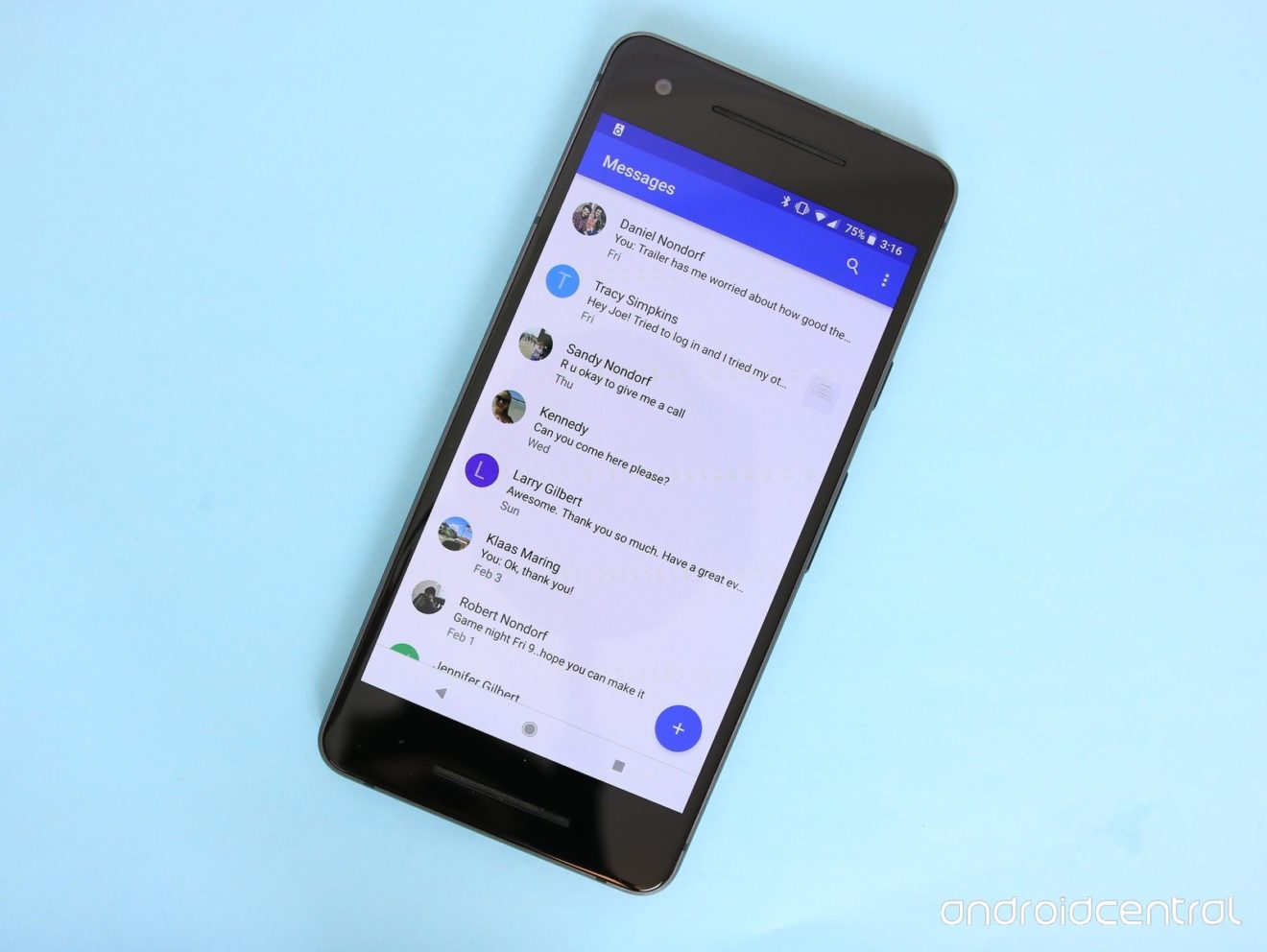
    A Reddit poster who claims to be a Samsung engineer says that the company is thinking about making Android Messages the default messaging app on its phones replacing Samsung’s own messaging app. The Redditor says that this is being done to “to reduce headaches down the road for US devices.” The headache involves creating a universal version of the Rich Communication Services (RCS) messaging platform called RCS Chat in the country. Recently, Google was able to bypass carriers in the U.K. and France in order to complete the rollout of RCS in those two countries. And while the search giant says that it will soon announce more markets where the SMS replacement will be disseminated, it isn’t clear whether the U.S. will be one of them.

    The U.S. has some complications including the fact that some carriers have their own RCS systems. This makes it a complicated task to build a universal platform in the states, according to the person claiming to be a Samsung engineer. With RCS, users will have a much larger character cap than the 160 now available with SMS apps. There also is support for group messages, “read-receipts” that let you know when the recipient has looked at the message you sent, and an alert that tells you when that person is writing a reply. While Google would like RCS to compete against Apple’s Messages app and its encrypted iMessages platform, RCS won’t totally encrypt messages.

    It seems that Google’s best bet to implement universal RCS in the states is to skirt around the carriers. Whether or not Google is considering this end-around is not clear. For those Android users in the states using their carrier’s messaging app or the one that is pre-loaded by their phone’s manufacturer, universal RCS would be a big step forward.

  • Huawei discount phone promotion leads to anger

    Huawei discount phone promotion leads to anger

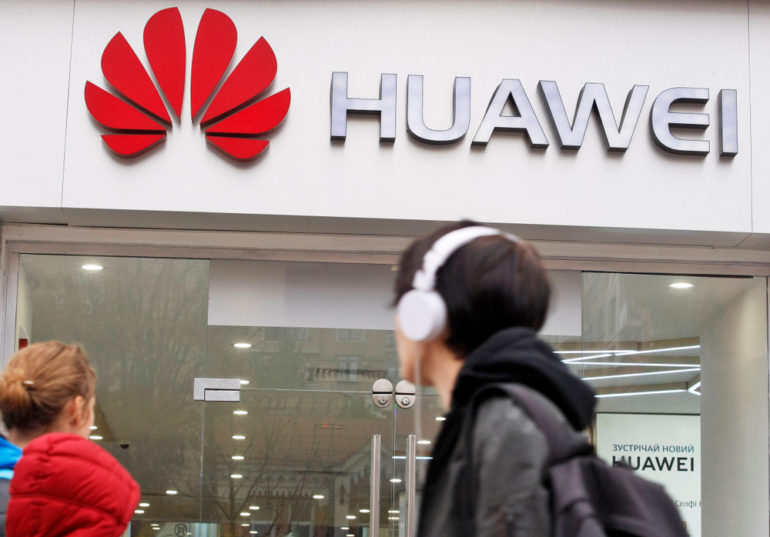
    Huawei discount phone promotion has backfired causing shops to be shuttered and one indignant shopper arrested.

    The Chinese company promoted that its Huawei Y6 Pro 2019 model would be discounted from S$198 to $54 for consumers aged over 50 for three days beginning last Friday. But when hundreds of would-be buyers arrived at the company’s 27 stores across the island on Friday morning they were told stock had run out before opening hour, causing many to wonder if there was ever any stock in the first place, or the brand was adopting a bait-and-click tactic to get customers into stores. Instead of the $54 Y6, disappointed shoppers were offered another discount on a Huawei Mate 20, a promotion due to start on Saturday and since canceled.

    Police were called to some of the stores where angry customers were demanding Huawei stick to its promise. A woman, aged 53, was arrested for trespass after refusing to leave one store.

    A Huawei spokesperson said the ‘Sold Out’ signs were put up by store employees before opening time in response to seeing the long queues formed outside.

    “We are truly sorry to have disappointed those who have shown your support from early morning… Y6 Pro 2019 handsets have been sold out island-wide and have recorded an unprecedented surge of demand,” Huawei said.

    “The company would like to thank members of the public for their continued support and regrets the insufficient supply for the masses.”

    “How can it be that you are telling the public there is no stock before the store opens or the promotion starts?,” one customer asked. “Are you trying to fool people and make use of the nation’s 54th anniversary?”

    Huawei launched the promotion celebrate the generation of Singaporeans that made great contributions to the nation’s development, ahead of the country’s 54th National Day on August 9.

    The company did not reveal how many of the handsets were sold during the Huawei discount phone promotion or how many were available at each outlet.

  • Android Q will improve your phone’s battery life

    Android Q will improve your phone’s battery life

    Nah, we aren’t talking about Google introducing a systemwide Dark Mode in Android Q. No amount of LTE tower pinging, talking on the phone, or any other usual suspect when it comes to wireless radio battery drain can affect your mileage as much as constant Wi-Fi scanning for non-existent networks.

    This thing is a giant power hog, and you should kill it with fire if you have exhausted all the usual culprits for your battery drain. Bonus points: by default, Google tracks you even when Bluetooth and Wi-Fi are off, so if you ditch scanning, you’ll make it harder.

    Type “Improve accuracy” in the settings’ search box, then turn Wi-Fi and Bluetooth scanning off. Type “Locating method” and switch it to “Phone only,” if you need to keep GPS on at all times.

    When playing Pokemon Go, navigating, or any other scenario you need high accuracy for, turn it back on for the sesh if you are adamant to eke out every last drop of your battery juice, yet now Android manages the scanning permissions pretty well itself.

    With Android Pie, Google drastically reduced the number of scan attempts to one every 30 seconds for front apps, and one in 30 minutes for apps that are just sitting in the background. Despite the outcry from developers of indoor location or signal strength measurement apps, Google has decided that the scanning restrictions will remain an integral part of Android Q:

    Once again, thank you for submitting a request. After following up with our product and engineering teams, the request will not be considered at this time. In Q, there is a new developer option to toggle the throttling off for local testing (Needs a rooted device).

    While we feel sorry for devs of apps that can be affected, we can’t wrong Google for deciding to put an end to rogue Wi-fi scanning that drains battery like crazy and was one of the chief culprits behind standby power drains in previous Android versions. Whew.

  • A TikTok smartphone is reportedly being developed

    A TikTok smartphone is reportedly being developed

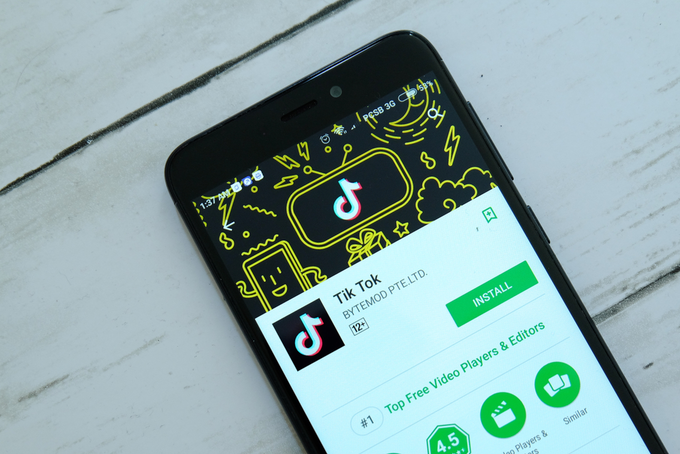
    Amazon created the Fire Phone to promote its services and Facebook partnered with HTC on a dedicated smartphone. Both products turned out to be complete failures, but that isn’t stopping the developers of viral app TikTok from creating their own device.

    Industry sources have claimed TikTok’s owner, ByteDance, is currently developing its own smartphone that’ll arrive pre-installed with the company’s range of apps which also include content aggregation platform TopBuzz and news platform News Republic.

    The smartphone will apparently be created by talent ByteDance acquired earlier this year from Chinese smartphone brand Smartisan. Details about the design and specs haven’t yet been revealed, but the device will most likely focus on the budget segment and teenage users. After all, TikTok is most popular in markets such as India and China, where cheaper devices are the best-sellers.

    It’s unclear at this stage if ByteDance will try to tackle the European and US markets, but if it does so the device could be met with a lukewarm reception just like Amazon and Facebook’s offerings from years ago. After all, why bother buying a TikTok smartphone when you can simply download the app on any other phone?

  • iPhones are getting too Big

    iPhones are getting too Big

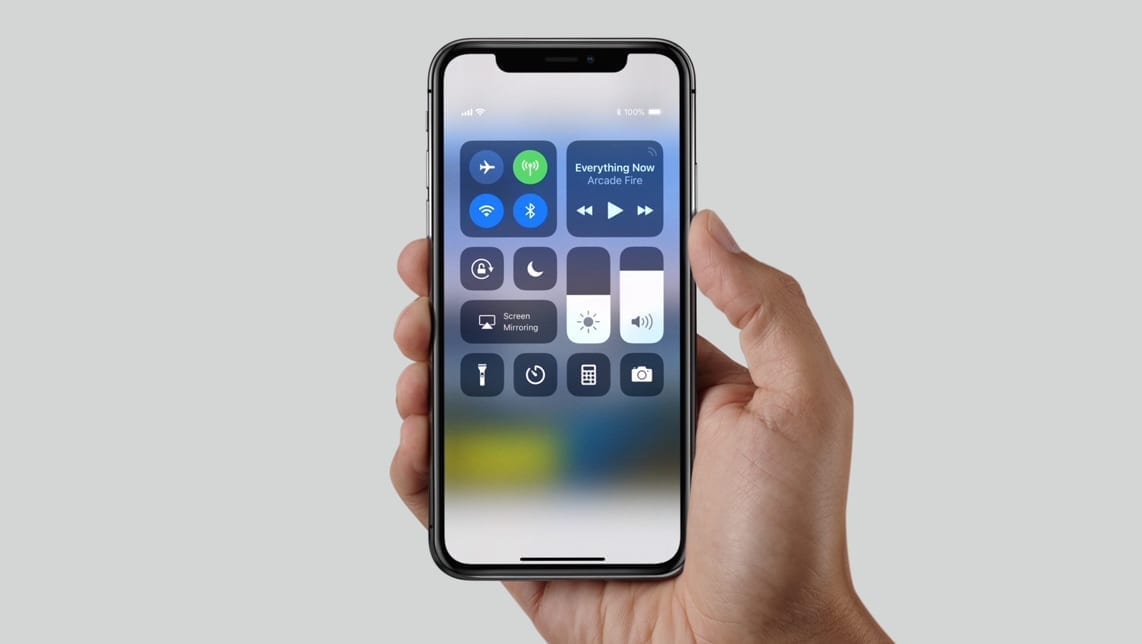
    Back when Apple’s iPhones were following the iPhone 6 design, they were considerably thinner than they are today. I remember when the immensely hyped iPhone X came out, with its brand new super-luxurious design and everything, the first thought that crossed my mind was: “Wow, that thing is beautiful!” And then that thought was quickly followed by another: “It’s also so… thick?!” because I was comparing it to the One year later, Apple kept the same exact design with the iPhone XS and XS Max, but also released the mainstream XR, which was even bulkier! The iPhone XR is my daily driver, and if I could change anything in it, making it thinner and lighter would have easily been in the top three. I think iPhones have slowly gotten a bit too fat and heavy!

    I came to this realization after playing around with the OnePlus 5T for a few days. Compared to the XR, the OnePlus 5T is about as wide and even taller, but it’s so much thinner and lighter. This made it feel surprisingly good while holding and using it. It also gets thinner towards the edges, which I think is also a good design choice, both from an ergonomic and aesthetic point of view. It’s similar to what Apple’s doing with the iMac, but the iPhone does not have such a curve – it remains “full fat” all the way to the edges. Maybe part of the reason is that iPhones have glass backs now, to facilitate wireless charging, but this also seems to be contributing to the increased thickness and weight.

    The iPhone XR is also very heavy. I wouldn’t call it excessive, but it is very substantial. Some people appreciate their phones having some heft, but there’s a line that shouldn’t be crossed because then the user starts to subconsciously avoid reaching for the phone.

    This brings us back to the beginning and the question of having a thin and light phone versus a thick and heavy phone with better battery life. The iPhone XR does have superb battery life, to the point that I pay almost no attention to my battery levels – I just put it on the charger whenever I remember to do so.

    But you know what: I’d love to trade some of that battery for reduced thickness and weight. There’s just something effortless in handling a phone like the OnePlus 5T; it makes you want to put your hands on it more often, even if you don’t have a specific reason to do so. Now, I can’t switch to OnePlus, because of my broader needs and principles, which are best answered by the Apple ecosystem (plus newer OnePlus phones are also thicker), but I think it’d be great if the next iPhone design cuts out some of the fat for that desirable elegance that was typical of previous generations. Maybe then consumers will start lusting after each new iPhone like they used to.

  • Microsoft adds requested new feature for the Your Phone Companion

    Microsoft adds requested new feature for the Your Phone Companion

    Microsoft’s Your Phone Companion app allows users to sync their Android phone with their Windows 10 PC. Texts, notifications, and photos can be sent to your desktop or laptop from any phone running Android 7 or higher. With certain Android handsets including the OnePlus 6, OnePlus 6T, the Samsung Galaxy S10e, Galaxy S10, Galaxy S10+, Samsung Galaxy S8, Samsung Galaxy S8+, Samsung Galaxy S9, Samsung Galaxy S9+, Galaxy Note 8 and Galaxy Note 9, apps can be mirrored on the PC as well.

    Previously, the app worked using a Wi-Fi connection only. However, a tweet sent on Friday from Microsoft Lead Project Manager Roberto Bojorquez revealed that an update pushed out to the Your Phone Companion app allows your phone and Windows 10 desktop to sync using mobile data. The new capability surfaces on version 3.8.4 of the mobile app, although the version currently in the Google Play Store is version 3.4.8. Once the new version is installed on your Android phone, open the settings and enable “sync over mobile data” by using the toggle switch. The update also brings a new icon for the app.

    As we pointed out earlier this year, there is a way to have the app work in reverse and send content from a Windows 10 PC to your Android phone. This requires you to install the Your Phone Companion app and the Microsoft Edge mobile browser on your phone. Web pages and other content you were viewing using the desktop version of Edge can be shared to the mobile version of the browser on your phone.

  • Huawei’s first phone with a pop-out camera is Out

    Huawei’s first phone with a pop-out camera is Out

    Over the past year or so Huawei has welcomed the notch with open arms. Nowadays, though, most companies are looking for ways to remove it and, as it turns out, Huawei is no different

    Called the Huawei P Smart Z, the company’s latest smartphone represents both it’s newest offering in the budget segment and its first attempt at an all-screen device that includes no notch or cutout.

    Targeting fans of massive displays, the P Smart Z arrives equipped with a huge 6.6-inch LCD display that boasts a 19.5:9 aspect ratio and a Full-HD+ (2340 x 1080p) resolution. As you’d expect, the huge panel is paired with uniform bezels, the only exception being the chin which is slightly thicker. Also present is a pop-out camera, thus marking the first time Huawei has used such a feature.

    Hidden inside the mechanical module is a 16-megapixel selfie camera that offers an f/2.0 aperture. This is paired over on the rear with a vertically-aligned dual-camera setup. Speaking of which, this includes a 16-megapixel f/1.8 camera paired with a dedicated 2-megapixel depth sensor. Also present is an LED flash.

    While on the topic of the rear, it’s worth pointing out that the Huawei P Smart Z follows in the footsteps of Google’s Pixel devices by adopting a dual-tone rear. But rather than using different materials or textures, Huawei has simply opted for slightly different colors.

    Regarding the internal characteristics of this smartphone, the P Smart Z is equipped with a modified version of the Kirin 710 dubbed the Kirin 710F alongside a respectable 4GB of RAM and 64GB of internal storage. Also present is Android 9 Pie straight out of the box along with the EMUI 9.0 overlay and a large 4,000mAh battery.

    The Huawei P Smart Z can be purchased right now in Italy or Spain for €279. Presumably, sales will eventually expand to other internal markets, but these details are yet to be confirmed.

  • David Beckham Receives A 6 Month Driving Ban For Using Mobile Phone Behind The Wheel

    David Beckham Receives A 6 Month Driving Ban For Using Mobile Phone Behind The Wheel

    English footballer David Beckham has been handed a six-month driving ban for using his mobile when he was behind the wheel. The former England captain pleaded guilty to the charge after he was photographed by a member of the public holding a phone as he drove his Bentley in “slow moving” traffic in London on November 21, last year. Beckham was at Bromley Magistrates Court, south of London earlier this week, where he was given the six-month ban, fined 750 Pounds, and was ordered to pay 100 Pounds to prosecution costs and a 75 Pound surcharge fee within seven days.

    The 44-year-old already has six points on his license from his previous offenses for speeding and now gets six more. Beckham pleaded guilty to the charge and said there is no excuse for what happened. However, the former Manchester United player also said that he had “no recollection of the particular incident.”

    While the district court Judge Catherine Moore said she acknowledged the slow pace of the traffic, she did also say that there was “no excuse” under the law. Prosecutor Matthew Spratt said: “Instead of looking straight forward, paying attention to the road he appeared to be looking at his lap.” Beckham’s lawyer Gerrard Tyrrell further stated that the footballer found driving relaxing. He said, “He takes his children to school each day and picks them up when he can. To deprive him of that is something he will acknowledge.”

    The short but important ban on David Beckham reiterates why need to avoid using our phones behind the wheel. The incident should serve as an example to drivers across the globe that safety can’t be ignored even if it is in slow moving traffic.

  • Android Q may have a life-saving feature exclusive to Pixel phones

    Android Q may have a life-saving feature exclusive to Pixel phones

    At Google I/O this year, the company behind Android revealed many new and exciting things coming to the next iteration of the world’s most popular mobile OS. These include native support for foldable devices, system-wide Dark Mode, Smart Replies and Suggestions, and a handful of other features.

    But aside from those, savvy developers have uncovered something else that’s coming with Android Q, and it wasn’t mentioned at this year’s I/O. The folks over at XDA have found lines of code in the Android Q Beta 3, referencing a possible automatic car crash detection feature. The beta has an app called Safety Hub, and strings of code within the app suggest that automatic car crash detection is coming to Android Q, and that it may also be a Pixel-exclusive feature.

    Google is no stranger to introducing Pixel-exclusive features, though they’ve been more on the “bonus” side of things, so to speak. Two prominent examples are the excellent Night Sight mode, baked into the Google camera app, and unlimited Google Photos storage for original quality photo backups, available only to Pixel phone owners. However, more essential features have always managed to make their way into Android skins by other OEMs, so the upcoming car crash detection may start as a Pixel-exclusive thing and become more widely available thereafter.

    It’s currently unclear how Android Q will detect car crashes, though it’s likely going to happen by gathering data from various sensors on the phone. For example, Google could use GPS data to determine whether you’re driving, use the accelerometer to detect when a violent stop occurs, and even rely on the microphone to pick up the sound of the crash. After an accident has been detected, the Safety Hub app could automatically alert emergency services and/or select contacts.

    We have our fingers crossed that future Android Q betas will reveal more about this potentially life-saving feature, and that it won’t be Pixel-exclusive forever.

  • iPhone sales declined in every part of the World

    iPhone sales declined in every part of the World

    As Apple confirmed in its two most recent earnings calls, iPhone sales have been consistently down year-on-year since October. The Cupertino giant blamed this primarily on weak demand in China, but recent SEC filings show this isn’t the full story.

    Apple’s recent Form 10-Q filing with the SEC (US Securities and Exchange Commission) contains a detailed breakdown of performance over the past six months by both product category and geographical region.

    iPhone sales, as mentioned above, have been down for the past six months. The Greater China region which includes China, Hong Kong, and Taiwan has undoubtedly impacted Apple’s total shipments the most, but in actual fact, the company has been experiencing “lower iPhone unit sales in all the reportable geographical segments” since October. This has resulted in year-on-year revenue declines for all regions except the Americas (North and South America), with Greater China being the most affected followed by Europe and Japan.

    In almost every geographical segment, Apple’s lower iPhone shipments were partially offset by improved performance in other product categories. For example, in Europe, the company’s Services and Wearables businesses grew significantly, while over in Japan Services and iPad were key. In the Americas, however, strong Services and Wearables performance managed to entirely offset weak iPhone shipments and push year-on-year growth to a decent 4%.

    Taking a look at the company’s performance over the past three months rather than six, it seems as though Apple’s efforts in certain regions are finally beginning to pay off. Other markets, however, seem to be in decline.

    As mentioned by Apple in its recent earnings call, the company noticed improved demand in Greater China towards the end of the quarter. It didn’t elaborate on the matter, but it seems to have translated into slightly better financial results for the brand as, for the three months ending March 31st, the year-on-year sales decline was 22%. This is still pretty major, but it represents an improvement over the -25% average Apple has experienced in the region since October.

    Another region that has improved in Japan. Over the past six months, Apple’s sales have dropped an average of 2%, but throughout the first three months of 2019 sales were actually up 1%. Similarly, the Americas continued to experience growth throughout the past quarter.

    Moving on to Europe and the Rest of Asia Pacific, these two geographical segments didn’t fare as well. Since October, Apple has experienced an average revenue decline in these regions of 4% and 2% respectively. But during the first quarter of the year, these numbers nosedived to 6% and 9% due primarily to even lower iPhone demand.

    Regarding Apple’s performance throughout the rest of 2019, the Cupertino giant now appears confident that it can improve the situation in Greater China and ultimately slow down its year-on-year decline. Nevertheless, it’s still forecasting a drop for this current quarter and, with business in Europe and the Rest of Asia Pacific seemingly struggling, it’ll remain to be seen how Apple handles the situation.

    Towards the end of 2019, Apple’s next-gen iPhones should provide a decent boost to demand. However, analyst Ming-Chi Kuo recently predicted almost no growth. Instead, Kuo expects iPhone sales to pick up towards the end of 2020 as a result of the first 5G models which should feature modems from both Samsung and Qualcomm.

  • The Nokia 4.2 is now available to pre-order

    The Nokia 4.2 is now available to pre-order

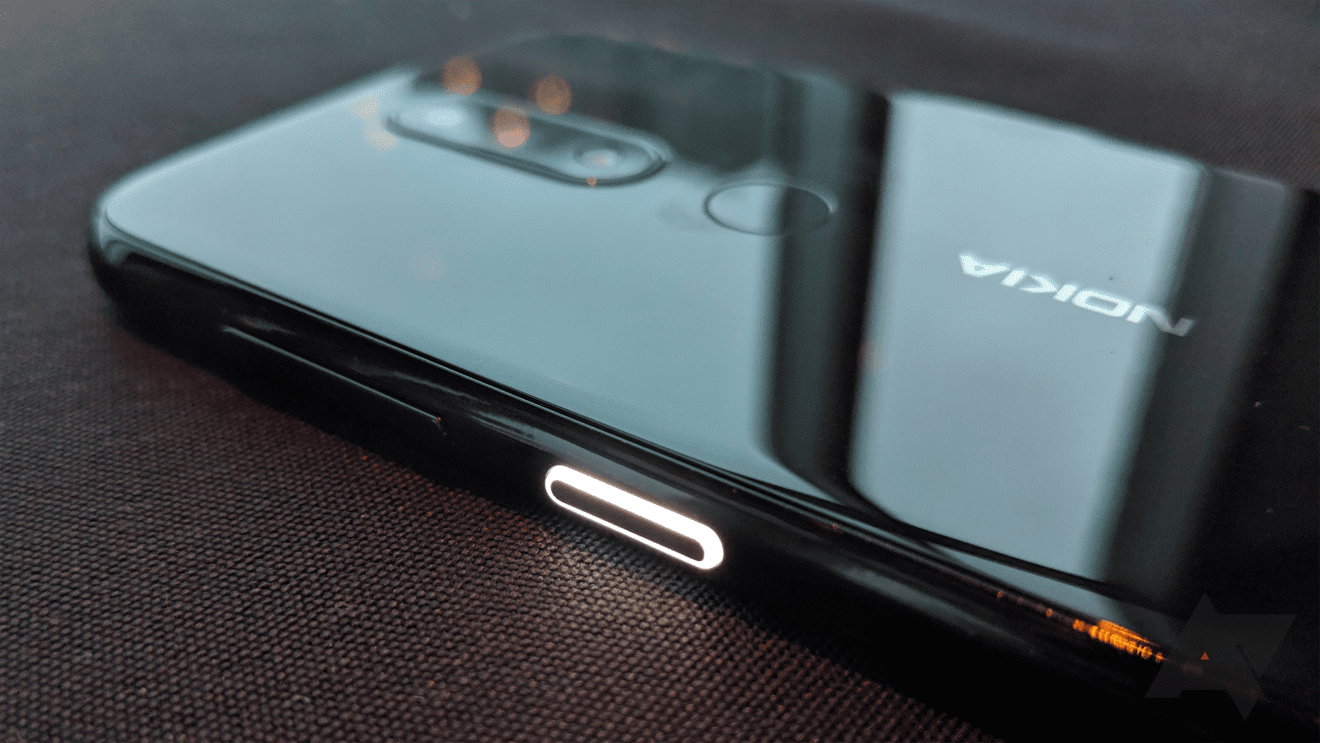
    Two months after unveiling the smartphone at MWC 2019, HMD Global has today announced that the Nokia 4.2 is coming to the United States in two weeks’ time. In anticipation of its release, pre-orders for the smartphone have already been opened up at Amazon and B&H. Best Buy should also start accepting pre-orders today but it is yet to active the page on its website. Shipments for the smartphone are due to commence on May 14. Also, the Nokia 4.2 will be available to purchase in-store at select Best Buy stores starting June 9.

    Regarding its price, the Nokia 4.2 is set to retail at $189 across the U.S. In terms of specifications and features, it offers Qualcomm’s Snapdragon 439 paired with 3GB of RAM and 32GB of storage. This chipset won’t be breaking any records any time soon, but it should certainly provide a decent level of performance for the price.

    Other Nokia 4.2 details include a notched 5.7-inch display and an 8-megapixel selfie camera. The smartphone, which will be available in Black and Pink Sand, also boasts a 13-megapixel rear camera and an additional 2-megapixel depth sensor that should help with background blur. Completing the entire setup is stock Android 9 Pie as part of the Android One program, a 3,000mAh battery, and support for T-Mobile, AT&T, Cricket, and Metro networks.

  • The HTC Exodus 1 blockchain phone is getting a second generation

    The HTC Exodus 1 blockchain phone is getting a second generation

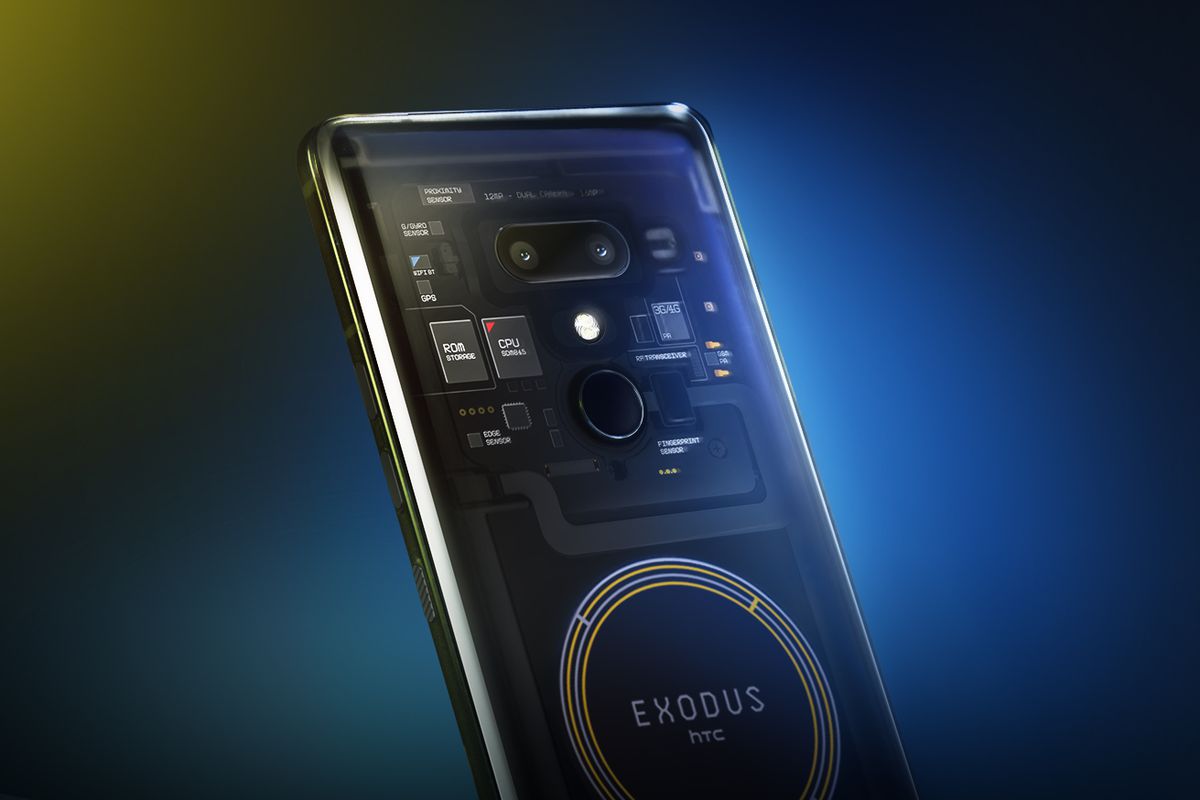
    If you don’t remember the HTC Exodus 1 don’t worry, you’re probably not alone. The $699 flagship-level device was announced last October and represents HTC’s first attempt at a so-called blockchain-powered smartphone.

    This unique focus undoubtedly limits the product’s appeal quite heavily. In fact, for the first few months the smartphone could only be purchased using cryptocurrencies. HTC, nevertheless, still seems pretty pleased with how it performed – the smartphone has already met the company’s sales target – and has now confirmed that a second-generation device is indeed on the way.

    According to the person leading HTC’s blockchain efforts, Chief Decentralized Officer Phil Chen, the Exodus 2 will be released before the end of 2019 in the hope of boosting both the brand’s blockchain ecosystem and smartphone sales. Specifics about the design or specs weren’t provided, but it seems likely that it’ll be based on the company’s next-gen flagship.

    Regarding features, the current-gen Exodus 1 focuses primarily on the management of cryptocurrencies and virtualized personal electronics wallets. But with the new phone, blockchain support will be extended to include other areas such as browsing, messaging, and even social media.