Retail News CRM

Tag: #phone

  • Microsoft’s foldable ‘Surface Phone’ could be back

    Microsoft’s foldable ‘Surface Phone’ could be back

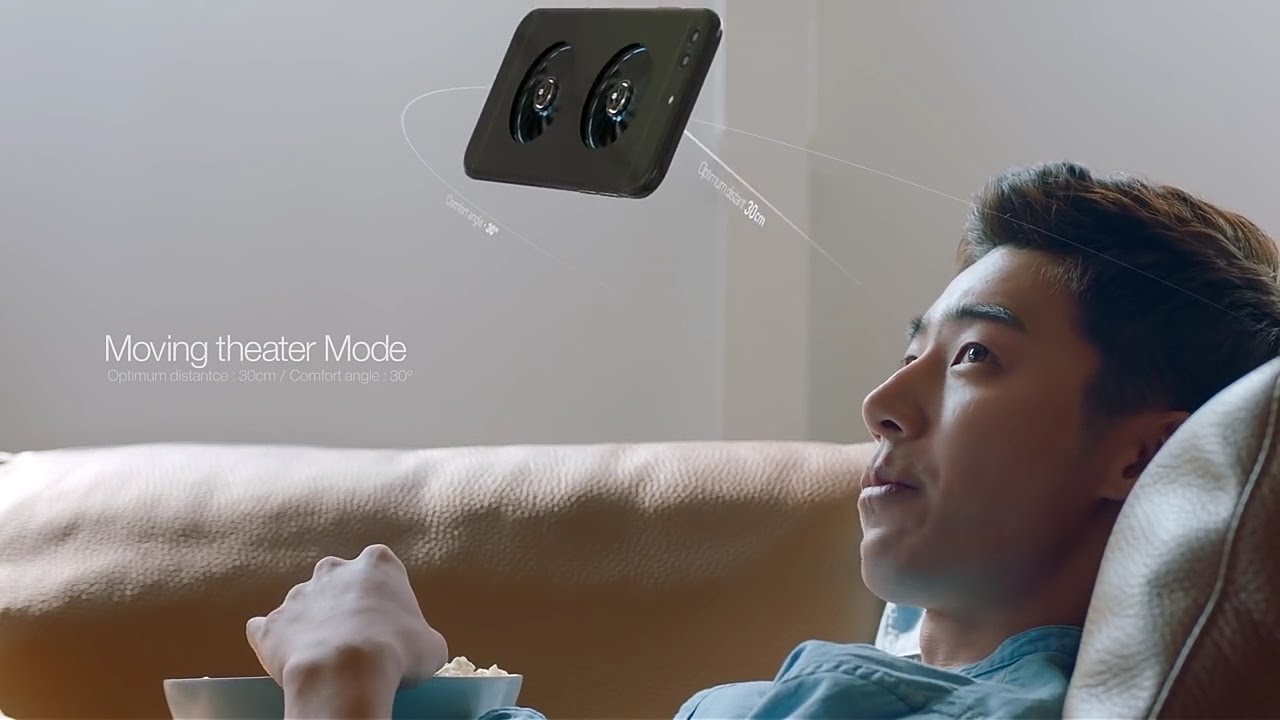
    The foldable Microsoft device that was dubbed “Project Andromeda” and believed to be the Surface Phone, was put on hold last summer by Microsoft. But a recent patent published by the World Intellectual Property Organization (WIPO) spotted by Windows United (via MSPoweruser) focuses on the hinge that could be used on the device. The hinge will allow the Surface Phone to be used like a laptop in landscape orientation; one display on top would be used as the screen with the bottom display used as a virtual QWERTY keyboard.
    The hinge also allows the display to rotate a full 360 degrees, and lets the user turn the device into a mobile phone. An illustration that was part of the patent application shows how a user can open the fold just a tad to see notifications and reminders. In general, the illustrations show how complex the hinge is, something that can be deduced just by reading some of the application.
    Late last year technology writer Brad Sams said that Microsoft’s plan is to release the foldable product near the end of this year. However, Sams says that it will be larger than previous renders showed, and may not be pocketable after all. Still, if the device offer telephonic capabilities and uses a version of Windows 10, it could be a big hit for the gang in Redmond.
  • The Razer Phone 3 delayed because of 5G

    The Razer Phone 3 delayed because of 5G

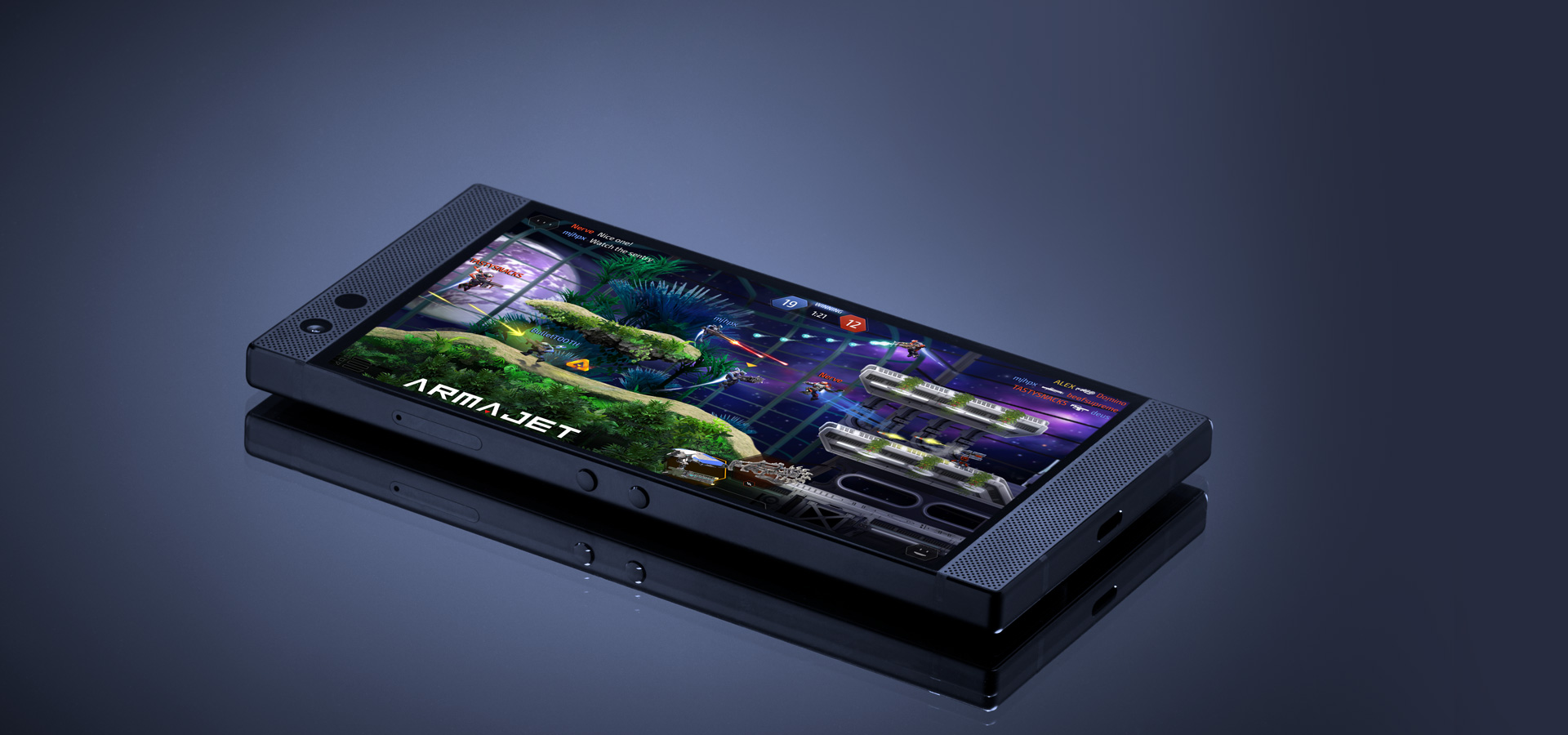
    Most of Razer’s mobile division staff were either relocated or laid off last month, sparking speculation that the brand’s next smartphone may have been canceled. Last week, though, a report claimed that Razer had simply delayed its next-gen device and now the reason for this may have been revealed.

    In a recent interview with Engadget, Razer CEO Min-Liang Tim suggested that buying a gaming smartphone right now may not be the best idea. He believes that gamers looking to purchase a device this year will “want to buy a 5G phone,” but purchasing one now means that there’s “no network to use it on.”

    In the eyes of Razer, this essentially makes the higher price that 5G smartphones command unjustifiable at the moment. It also means that there’s less demand for 4G-ready gaming smartphones because consumers are waiting for 5G alternatives to become widely available.

    Like its predecessors, the Razer Phone 3 wasn’t expected to arrive until mid-October or early November. But considering Razer’s current view on 5G networks, the smartphone now probably won’t make its debut until early 2020. By then, 5G networks should be up and running across the globe and there should be sufficient demand for such a device.

  • Singtel targets Millennials with all-digital mobile plan

    Singtel targets Millennials with all-digital mobile plan

    Singtel has announced the launch of an all-digital mobile service plan targeted at technology-savvy Millennial customers.

    The new product, GOMO Mobile, offers functionality including immediate online sign up and same-day SIM card delivery, 24/7 live chat for customer service inquiries and a dedicated customer care app.

    The S$20 GOMO Mobile plan includes 20GB of data, 200 minutes of talktime and 200 SMS. The no-contract plan is based on a 30-day payment cycle, and additional allocations can be instantly purchased using a debit or credit card.

    As part of its strategy of targeting Millennials, Singtel is also offering lifestyle rewards such as discounts at selected hipster restaurants and cafes, and plans to expand these rewards to include ride hailing, entertainment events and activities and travel promotions.

    Singtel is also offering a GOMO Travel SIM that provides 3GB of data for 10 days across eight overseas destinations – Australia, Hong Kong, Macau, Taiwan, Indonesia, Malaysia, Thailand and Philippines.

  • Sharp has patented a sleek foldable phone

    Sharp has patented a sleek foldable phone

    Sharp is not a smartphone brand that makes the news frequently. Its phones are mostly sold in Japan with some models making an appearance in Europe as well but in fairly small numbers. This is probably no one is expecting them to have a go at the latest trend in mobile tech: foldable smartphones. By now, you’re probably familiar with the Galaxy Fold and the Huawei Mate X, the two phones of that new class that you’re most likely to see in the real world (if you’re lucky). We’ve also seen hints that Motorola and Google are working on their own interpretations as well.

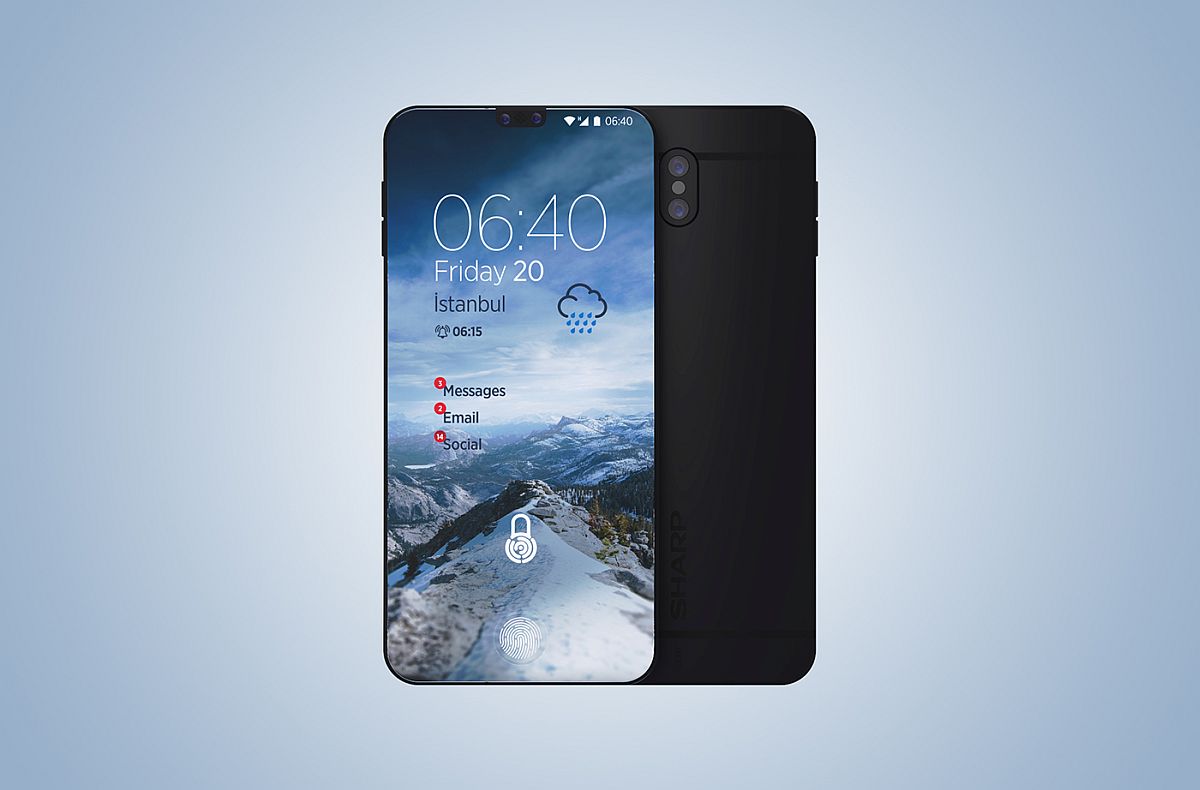
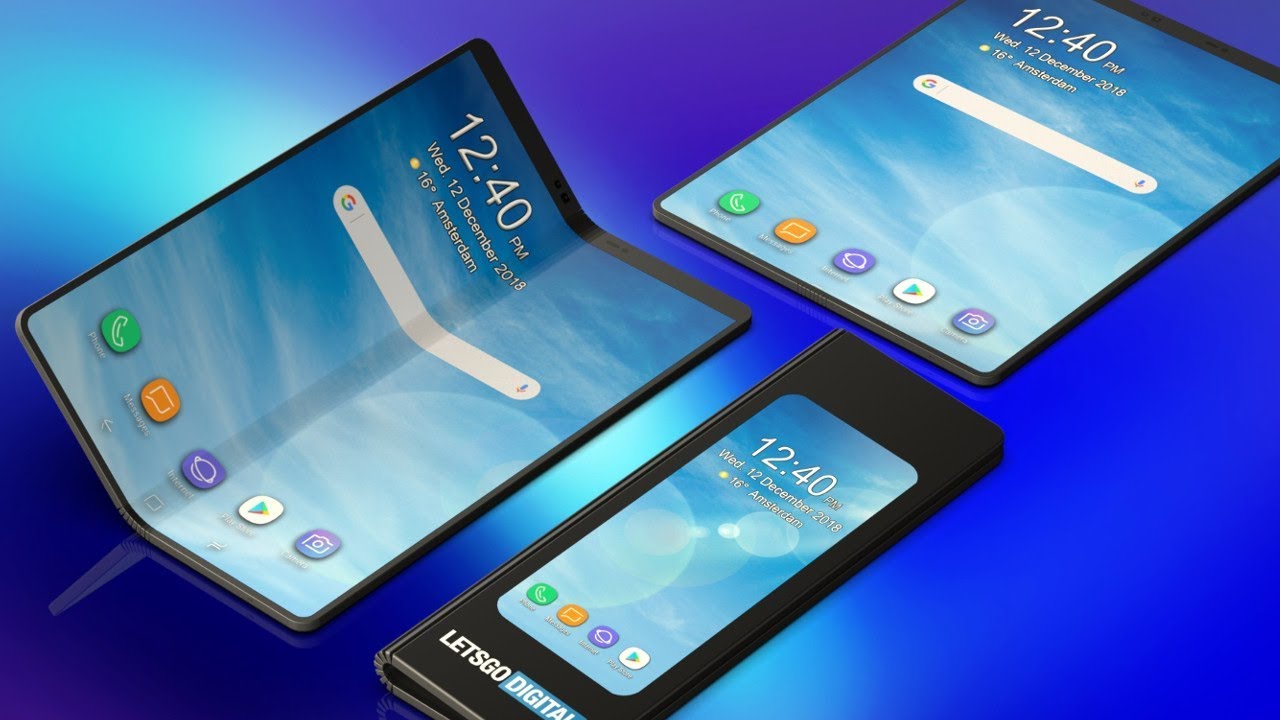
    Coming from patents yet again is information about Sharp’s intentions for a foldable phone. Picked up by LetsGoDigital and visualized in renders are drawings from an application to WIPO (World Intellectual Property Office) that was submitted by the Japanese tech giantThe design proposed by Sharp has some familiar elements with a twist. The fold of the display is horizontal, similar to that of the rumored Motorola phone, which means the screen size will be similar to current flagship phones, but the device will be more compact when folded. That approach has its advantages, but it seems that users have now accepted the form factor of current phones and prefer to get a larger display if their device is to be foldable.

    There are two things that grab our attention when looking at these renders. First, there seems to be no gap when the device is folded, which is something current foldable displays can’t accomplish. Of course, devices in renders are often quite different from real products, so it’s too early to judge. Sharp is one of the major display manufacturers, however, and it’s possible that the company is working on its own tech to achieve those results.

    The other curious thing is that the device has two hinges about half an inch apart, which allows the lower panel to either completely cover the top one or to leave about an inch of the display clear for notifications and other system indicators. While that might be handy in some situations, the added hinge is also another weak point for this device.

    There also appears to be no selfie camera in the drawings Sharp submitted, but this is likely just another omission until the design reaches a stage closer to realization.

    Currently, there are no hints from Sharp when or if we should expect a device like the one pictured above, but we certainly hope that more companies will join the foldable phone stage with their own ideas.
  • Microsoft app works in reverse sending content links to your Phone

    Microsoft app works in reverse sending content links to your Phone

    Instead of having to email content from your Android phone to your Windows PC, Microsoft’s Your Phone app automatically shares photos, texts and other content from your handset to that box on your desk. And according to MS Poweruser, you can send content links the other way from your PC to your phone. Doing this requires the use of the native share button on Microsoft Edge and Firefox.
    You will receive a notification when the link hits your phone. Tap it, and the content will open in the Microsoft Edge browser for Android. To arrange this, you need to install Microsoft’s Your Phone Companion app on your Android handset and the Microsoft Edge browser app. You then need to install the Your Phone app on your Windows 10 PC. Sign in using a Microsoft account, agree to some permission requests, and you have helped your PC and Android phone become friends.
    Suppose you were on your PC, watching one of our reviews on YouTube, and wanted to send a link to your phone so you can quickly find it later when you’re out. While the video is up on the PC, click on the three dot overflow menu on the right side of the address box. From there, tap on share and then Your Phone. You will receive the aforementioned notification on your phone. Tap on it, and the content will open in the Edge app on the handset.
    This setup will also allow you to send web pages from your desktop to your phone, along with some other content that you are viewing on the desktop Edge browser. And don’t forget that the original idea of the Your Phone hook up is to send texts and photos from your phone to your Windows 10 PC.
  • Apple can make you forget about the new AirPods with new Beats headphones

    Apple can make you forget about the new AirPods with new Beats headphones

    Apple isn’t known for its costly acquisitions, generally focusing on buying small companies that can add valuable resources to new areas of development for the Cupertino-based tech giant without entailing a great risk from a return on investment standpoint. But the iPhone and iPad makers actually splashed the cash on Beats Electronics back in 2014, acquiring Dr. Dre’s buzzworthy audio device outfit in exchange for a whopping $3 billion.

    While we will obviously never know exactly how much Apple has gained or lost as a result of this extravagant purchase in its immediate aftermath, the future of the Beats brand appeared to hang in the balance as there were no new products released under the once fruitful label for the entirety of last year. But fret not, Dre fans, as a redesigned Powerbeats version is expected out pretty soon.

    AirPods rival or something for a different target audience?

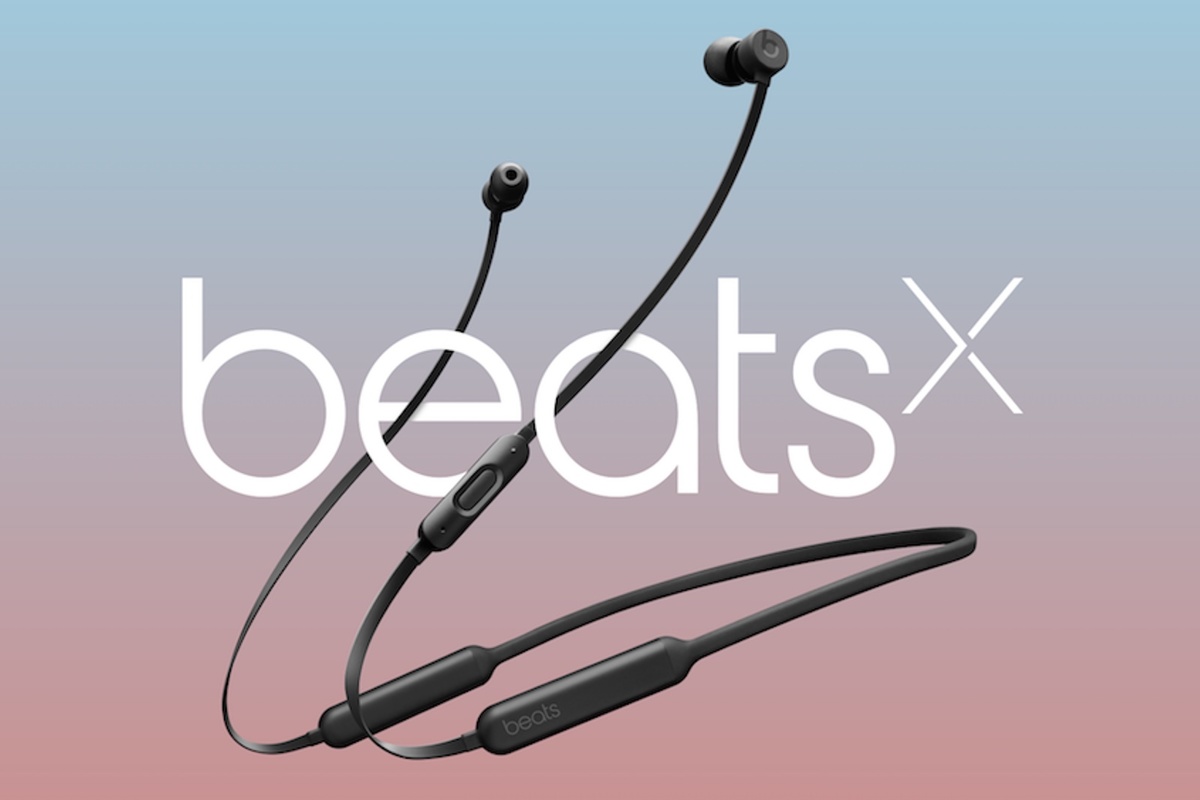
    There are plenty of popular Beats-branded wireless headphones already on the market, ranging from the $120 BeatsX all the way up to the $350 Beats Studio3, but one thing that’s missing is a “true wireless” option. The reason for that is simple, as Apple probably didn’t want anything to steal attention away or reduce the appeal of its first-generation AirPods.
    With a second edition now out and about, and many signs the AirPods are a runaway success, the company might finally feel confident enough to expand its already vast lineup of audio products. Enter a sequel for the $200 Beats Powerbeats3 that’s expected to cut the cord altogether and make it even harder for the likes of Google and Samsung to compete on the Apple-dominated “hearables” scene.
    Instead of thinking about the Powerbeats4 (name obviously unconfirmed) as better or worse than the 2019 AirPods generation, you should just regard them as different products. Rumor has it the new, completely wire-free Beats Powerbeats could “borrow” the H1 chip of the freshly upgraded AirPods, as well as the hands-free “Hey Siri” capabilities. But water resistance, better bass, and a more ergonomic design focused on keeping these things snug in your ears at all times, might be added to the mix.
    That… arguably makes the impending Beats product sound superior to the 2019 AirPods, although we clearly don’t have the full story yet. There’s no mention of wireless charging support, while battery life is presumed but not guaranteed to be better. Perhaps most importantly, we have no idea how the reimagined Powerbeats will actually look. We know the cable keeping the Powerbeats3 together will disappear, but absolutely nothing else, which suggests this sequel might be more about functionality and outdoor endurance than fashion.

    It’s all about the money

    We’re sorry to break it to you, but Beats headphones are not generally what we’d call affordable. The sporty Powerbeats3 are (typically) pricier than the stylish Apple-branded AirPods, although unlike those market-leading bad boys, these slightly less successful wireless audio accessories routinely go on sale at massive discounts. At the time of this writing, for instance, they’re just $99.99 at Best Buy after a 50 percent markdown that’s actually become a common occurrence in recent months.
    That probably signals a follow-up effort is indeed right around the corner, but it also suggests it won’t be a very good idea to purchase said sequel straight off the bat. That being said, whether or not the Powerbeats4 will be better than the AirPods 2, a starting price of more than $200 is likely to put off a large number of potentially early adopters. The question is can Apple deliver all the aforementioned upgrades over the Beats Powerbeats3 and refrain from adding a premium of, say, 50 bucks? We’ll apparently see about that in just a few weeks or so.
  • Google Fi, the next carrier?

    Google Fi, the next carrier?

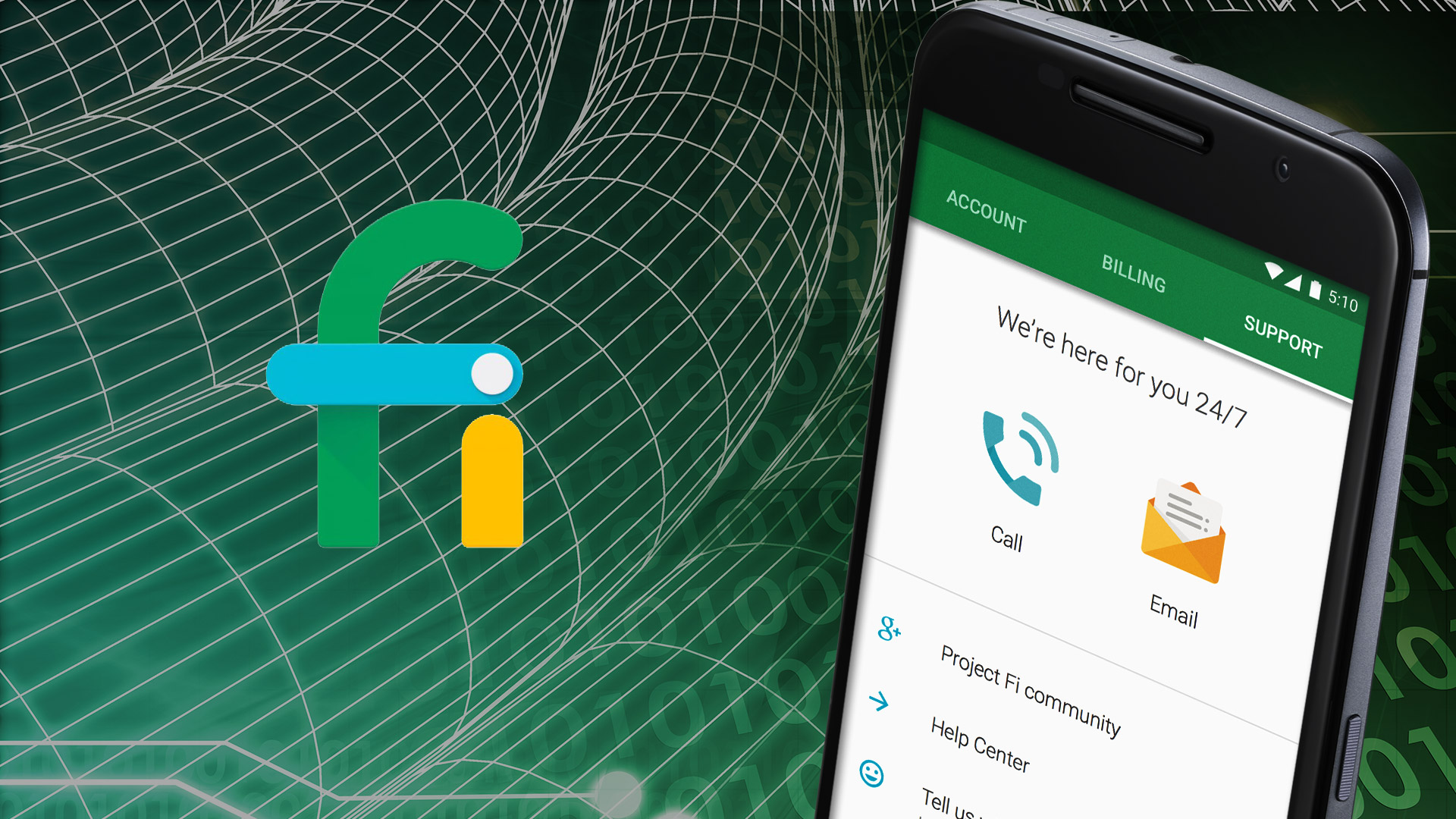
    If you are satisfied with your current phone but would prefer to switch carriers, hybrid MVNO Google Fi has a deal for you. First, some explanation. Google Fi uses two million Wi-Fi hot spots to bring you service. When you are out of Wi-Fi range, your phone checks to see which of the three 4G LTE networks that Fi supports (T-Mobile, Sprint and U.S. Cellular) has the strongest signal at the moment, and connects you to it. Doing this allows Google to keep Fi’s prices down.

    Now, let’s talk about the free month of service that Google Fi is offering to those bringing their compatible phone and number to the MVNO from another wireless provider. The offer is available from now through March 24th, and a list of supported handsets can be found here. You must sign up for a full service plan (not just data) and the phone must remain activated on Fi for 30 consecutive days.

    A week after activating your phone on Fi, you will get an email confirming the credit, which will show up on the following invoice. The credit that Google gives you will cover “a single subscriber’s unlimited talk and text, data usage, and taxes and fees for one month.” The offer is limited to one per person, or six per group plan and requires Google Payments and Google Fi accounts.

    Something else to consider, is that you cannot change your phone while in the aforementioned 30-day period. One Fi subscriber had problems with the Samsung Galaxy phone he moved over to the MVNO and could not dial out about 90% of the time. He bought a Fi compatible LG handset, and while it worked without a hitch, Fi denied him the free month.

    Google Fi costs $20/month for unlimited domestic talk and text for one person ($15 additional for each added subscriber up to a total of six), unlimited international texts, and access to cellular coverage in over 200+ countries. High-speed data costs $10/GB each month, but once you hit 6GB, the rest of the month is free. This means that for an individual, the monthly bill cannot exceed $80 (before taxes and fees) or $205 for a family of four. But there is a catch. Once you consume more than 15GB of data in one month, your data speed is throttled until the next billing cycle begins. Or, you can decide to continue receiving high-speed data by paying $10/GB for any amount of high-speed data you use over 15GB in the same month.

  • Samsung patent reveals its next foldable smartphone

    Samsung patent reveals its next foldable smartphone

    Two major smartphone vendors, Samsung and Huawei, revealed their first foldable phones – Samsung Galaxy Foldand Huawei Mate X. Although both are based on the same foldable concept, they’re using different technology, which led to some rivalries between the companies and their fans, of course.

    Specs aside, the major difference between these two smartphones is the way their displays fold. First off, we have the Samsung Galaxy Fold, which features a big display that folds to the inside of the device. Secondly, there’s the Huawei Mate X which folds outward, with the part of the display that becomes the back side of the folded phone turning off.

    Many say that Huawei’s solution is much better in terms of design, even though the Chinese company’s foldable smartphone is prone to scratches due to the design. Samsung and Huawei have been arguing about who’s got the best overall foldable smartphone design, but that might not last too long.

    Samsung is reportedly readying two other foldable smartphones, one of which will feature the same foldable design as the Mate X. One of Samsung’s patents spotted by LetsGoDigital reveals what the upcoming Samsung foldable smartphone might look like.

    It’s definitely a step up from the current model, the Galaxy Fold since it comes with a flexible segment in the middle that makes it possible to close it seamlessly when completely unfolded. The images also reveal some sort of slide that works like a lock to make sure that the phone remains flat when opened.

    This removes the need of having to implement a more sturdy hinge to keep the phone completely flat when you open it. If Samsung does plan to launch such a device, it will be the company’s first foldable smartphone to feature an outward-facing display, in the same vein as Huawei’s Mate X.

    picture by: letsgodigital.org

  • Asia-Pacific the key market for global smartphone sales

    Asia-Pacific the key market for global smartphone sales

    Global smartphone sales grew 5 per cent to hit US$522 billion last year, with Asia-Pacific accounting for nearly half of those. According to a recent Consumer Life Study by GfK, smartphones, feature phones and wearables accounted for a 44 per cent share of the global $1.2 trillion technical consumer goods (TCG) market. But it warned smartphone sales are expected to grow by just 1 per cent this year.

    Apac the key driver

    More than 732 million smartphone devices were sold last year. Despite a slight decline in demand, overall consumer spend increased by 5 per cent.

    China accounted for 60 per cent of the Apac region’s market value and 54 per cent market volume, making it the largest contributing country to the global smartphone market.

    “The Chinese market consumes the majority of the global smartphone production, as well as being the home of local brands that are becoming increasingly global,” observed Alexander Dehmel, GfK regional senior market insights manager.

    “Some 40 per cent of the Chinese brands’ smartphone production in 2018 was purchased outside of China, up from 31 per cent in 2016.”

    In second position, India bucked the global demand downtrend, reporting growth in both sales volume and value in 2018, by 19 and 21 per cent respectively. More than 161 million smartphones worth more than $28.5 billion were sold last year.

    “In Asia’s emerging markets such as India, a country where feature-phone sales still exceeds half of the total handset market, smartphone market rapid growth is fuelled by the high adoption rate of first-time smartphone users, in addition to the fast replacement cycle and upgrading of existing smartphone users,” said Dehmel.

    Premium models and Chinese brands fuel growth

    Globally, 12 per cent (up from 9 per cent in 2017) of smartphones sold were priced at more than $800 last year. The $150-400 segment continues to be an important competitive battleground accounting for 46 per cent of smartphones sold globally (up 2 per cent from 44 per cent in 2017).

    Within Asia, developed markets drove the take up of high-end smartphones. Last year, every other device (53 per cent) sold in these countries cost more than $800. On the other hand, the most affordable phones priced below $150 accounted for half the total market.

    “Chinese brands have been significantly increasing their presence worldwide, and specifically in emerging Asian markets, their popularity have been largely driven by their affordability and faster model refresh cycles with improved specs,” commented Dehmel.

    “Take the region’s third largest smartphone market of Indonesia for instance; Chinese brands accounted for more than two in every five (42 per cent) smartphones sold in the country in 2018.”

    Looking ahead

    The study shows that consumer trends are changing when it comes to possessions. Not only do consumers “prefer to own fewer but higher quality items” that they will pay premium prices for, but they also “value experiences more than possessions”. If larger memory or screen size and multiple high-megapixel cameras can enhance their overall usage experience, such innovations will likely help ignite consumers’ imagination and stimulate greater demand.

    With rapidly evolving technology, the later part of last year saw new launches in the market which offered consumers features such as larger screen sizes, higher resolutions for both the front and back cameras, along with increased number of camera lens, and more-advanced AI functionalities.

    One of the key observations for last year was the continued popularity of larger screen sized smartphones – a trend consistently reflected across every single Apac market. China and Korea were the top two markets where almost nine in 10 smartphones sold had 5.5 inch or larger screen sizes.

    “From the trends that emerged in the second half of last year, we anticipate the growth of larger display smartphones with high screen-to-body ratios (i.e. slim bezels) to continue developing this year, as well as rising demand for models with stronger camera offerings in both resolutions (megapixels) and the number of lenses, powered by more advanced AI capable chipsets,” concluded Dehmel.

  • LG Electronics to debut dual display phones

    LG Electronics to debut dual display phones

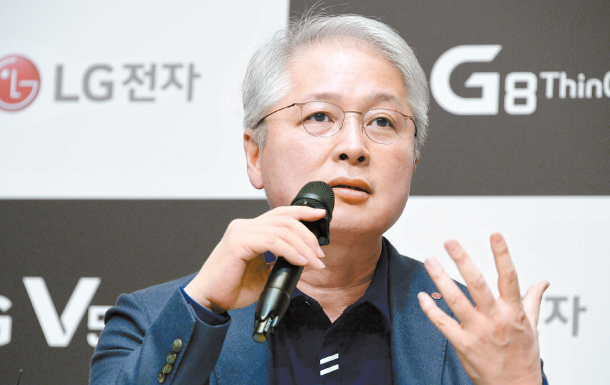
    LG Electronics’ major release of the year will be dual display smartphones, which the company hopes will recover its reputation as consumers flock to next-generation 5G smartphones. “There were internal discussions on releasing foldable phones at the same time but we concluded not to apply the form to early 5G models,” said LG Electronics President Brian Kwon during a press conference at LG Science Park in Magok, western Seoul, Friday.

    The event was the first time since he was appointed to head the smartphone business in November that Kwon shared future strategies for mobile business in front of the local press.

    “Our direction will allow consumers to enjoy 5G network content through dual displays to be showcased at the Mobile World Congress (MWC).”

    “Speaking of displays for early 5G phones, a major question to ask is whether we really need them, is there enough user content that requires such screens? In that perspective, I believe it’s too early to present [foldable phones,]” he added. “In terms of technology, we’re already prepared to make foldable and rollable screens.”

    Changes in form, especially screens, will be a major attraction point at this year’s MWC, the world’s largest trade show for phones. Samsung Electronics and Huawei will be rolling out foldable phones that come with two screens overlapping one another.

    LG’s dual display phone is rumored to come with a separate second screen that can be attached to the back or beside the main screen, although the company did not confirm the details. Its price remains undecided but Kwon said internal discussions were ongoing over whether to set it above or below $1,000.

    The form-factor competition comes in line with the commercialization of 5G networks expected to be realized this year. 5G will transfer data at an extremely high speed, enabling smartphone users to enjoy movies and games at unmatched quality and speed. Phone makers are eyeing the opportunity to win over consumers as they upgrade their phones to models that support 5G.

    LG’s strategy for this generation shift is “two track,” Kwon said Friday. Apart from the dual display phones, the V50 ThinQ 5G and the G8 ThinQ will also be showcased at the MWC. They are the latest models from the company’s high-end V and G lineups. V50 will support 5G networks, while the G8 will remain a premium phone for 4G, or LTE, network users.

    Underlying the two-track strategy is an uncertainty about how fast it will actually take for 5G infrastructure and related services to expand and how many consumers will jump from 4G to 5G.

    “Our plan for the year’s first half is to release the V50 to tackle the 5G market but our direction for the second half will depends on the 5G market,” said Kwon. “If it expands quickly we’ll look into developing a lower priced model that supports the network; if it doesn’t we’ll still have the 4G lineup.”

    LG’s smartphone business has been in the red for 15 consecutive quarters as of last year. Kwon was successfully heading the company’s television business when he was appointed to additionally take charge of the mobile division three months ago.

    “It’s true that industry insiders are hoping the 5G era will push growth of the smartphone market but as there also conservative projections, our goal for the year is not to make a drastic turnaround in the business but to see sales grow and restore our reputation in the smartphone market,” said Kwon.

  • Viettel sole Vietnamese brand in global 500 listing

    Viettel sole Vietnamese brand in global 500 listing

    Military-run telecom giant Viettel is the only Vietnamese firm in the list of 500 most valuable brands in the world. Valued at $4.32 billion, Viettel’s brand was ranked 478th on the list of 500 most valuable brands in the world for 2019, Brand Finance, a leading global brand valuation consultant, announced at the ongoing World Economic Forum in Davos, Switzerland.

    This is the first time a Vietnamese brand has been named in this list.

    Accordingly, Viettel’s brand value in 2019 has increased 35.8 percent year over 2018. The telecom giant’s high brand valuation was largely due to its presence and contribution in 10 foreign markets, suggesting the company was internationally competitive.

    2018 was a successful year for Viettel in  foreign telecommunication sectors, with service revenue growing by 20 percent, mobile subscribers base growing by 70 percent and net cash flow from international operations by $240 million, 3 percent higher compared to 2017.

    Brand Finance’s Global 500 list ranks the most valuable brands in the world covering all business fields including telecommunications, technology, automotive, oil and gas. Some big names in the list include Amazon, Apple, Google, Mercedes-Benz, Shell and Telstra.

    “Every year Brand Finance conducts an assessment of about 5,000 global brands across 40 different areas on various criteria such as revenue, brand strength, and financial health,” said David Haigh, CEO of Brand Finance.

    Out of a total 5,000 global businesses surveyed, there were 500 Southeast Asian businesses, of which only 8 brands made it to the Global 500 list. The listed brands were in three categories: telecommunications, oil and gas, banking.

  • Telenor Pakistan hosts “The future of Machine Leaning & Artificial Intelligence”

    Telenor Pakistan hosts “The future of Machine Leaning & Artificial Intelligence”

    Stephen Brobst, CTO of Teradata, conducted an enlightening session on the future of Machine Learning (ML) &Artificial Intelligence (AI) at Telenor Pakistan headquarters ‘345’ in Islamabad. The session was attended by Telenor Pakistan employees and executives from across industries including Irfan Wahab Khan, CEO Telenor Pakistan and President OICCI, Haroon Bhatti, Chief Business Officer (CBO) at Telenor Pakistan, BadarKhushnood, Cofounder & VP at Bramerz, QazafiQayyum, Country Manager Teradata, Khimde Ando, CEO Mitsubishi Corporation, Brig. Tahir Mehmood, Director ISPR, AVM Faaiz Amir, Vice Chancellor Air University, Barkaan Saeed, Ex-Chairman PASHA and Retd. Brig. Saleem Ahmed Moeen, CEO SecureTech.

    The participants learned about the future of artificial intelligence, the role of emerging technologies, differences between deep and shallow learning and their application techniques, and the opportunities of using advanced analytics to create high-value outcomes.

    “We have entered a new era of analytics with machine learning and artificial intelligence algorithms beginning to deliver on the long-promised advancement into self-learning systems,” Brobst told the audience. “These approaches allow us to solve previously intractable problems with completely new attack plans.  The appetite of deep learning algorithms for vast amounts of data and the ability to derive intelligence from diverse sets of noisy data allows us to go far beyond previous capabilities in what we used to call advanced analytics,” he added.

    Brobstinformed that in order be successful with the use of new technologieswe need to fully understand their capabilities and limitations. He also stressed the need to develop new skill sets in order to harness the power of deep learning to create business value in an enterprise.

    “In our times of Siri, Alexa, and Google, Machine Learning & Artificial Intelligence are not a part of science fiction anymore; they are our reality,” remarked Irfan Wahab Khan. “For tech companies like Telenor and Terada, the real charm of AI and ML technologies is their ability to recognize patterns and synthesize large amounts of data. Telenor is not only harnessing the strength of AI and Advance Analytics for its own commercial use but is also enabling other organizations to benefit from the technology by offering incisive Market Research insights and ability to run targeted campaigns on its diverse Advertising  assets. The fact that these technologies get smarter with time as increased amounts of data is fed to them makes them acornerstone for all future technologies,” he added.

    Impressive progress is being made in ML & AI technologies globally. From self-driving and learning cars to flying drones circling the skies, the technological advancements of today could already be perceived as something out of a futuristic novel. Gartner, the world’s leading research and advisory company,also predicts that by 2020, AI will become one of the top five investment priorities for at least 30 percent of Chief Information Officers. Being the country’s technology leader, Telenor Pakistan is keeping its people abreast of the latest technological developments to realize its ambition of digitally empowering Pakistan.

  • LG U+ says it can download things 10 times faster on 5G

    LG U+ says it can download things 10 times faster on 5G

    LG U+ said Wednesday that it has demonstrated 10 times faster download times compared to 4G LTE on its 5G network. While 4G LTE offers 133.43 megabits per second download speeds on average, according to data from the Ministry of Science and ICT, LG U+ said it realized 1.33 gigabits per second on its 5G network.

    LG U+ claims it is nearly the fastest speed consumers can practically experience on 5G. Next year, when 5G is commercialized for smartphones, the smallest carrier in the country projects data download speeds will increase to as fast as 2 gigabits per second when the 5G network will be coupled with the 4G LTE network.

    LG U+ believes 5G is its chance to move up the mobile carrier ranking, currently dominated by SK Telecom and KT.

  • For first few years, Koreans will be biggest users of 5G

    For first few years, Koreans will be biggest users of 5G

    Korea is forecasted to have the highest proportion of fifth-generation (5G) smartphone usage in the world over the next couple of years, a market tracker said on Sunday. According to Strategy Analytics’ Service Provider Group, the adoption rate of 5G smartphones in Korea is expected to reach 5.5 percent in 2019 and 10.9 percent in 2020, which will be the highest level among major global nations.

    The estimate is based on the fact that Korea is to commercialize 5G services next March, making it the first country in the world to do so, with tech giant Samsung Electronics planning to release a model featuring the high-end technology, the market tracker said.

    By 2020, 5G will account for 4.7 percent of total market share in the United States, 5.2 percent in Japan and 2.8 percent in China, Strategy Analytics said, adding that its penetration rate would increase after that date in line with the broader establishment of the network.

    In 2021, the adoption rate of 5G smartphones is expected to begin to surge in major countries, with numbers hitting 27 percent in the United States, followed by 21.3 percent in South Korea, 19.7 percent in Japan and 8.5 percent in China.

    “The 5G standard will become the mainstream of the global network industry in years to come,” said an industry insider.

  • Vietnamese network providers ready for 5G rollout

    Vietnamese network providers ready for 5G rollout

    Vietnamese telecom firms are seeking a head start in the 5G race as the country becomes an early adopter of the technology. State-owned Vietnam Posts and Telecommunications Group (VNPT) recently signed a deal with Finnish telecom firm Nokia to develop 5G solutions and technology for the Internet of Things. The three-year deal is worth $15 million.

    The country’s third largest mobile service provider is seeking permission from the Ministry of Information and Communications for its Vinaphone network to beta test 5G, chairman Tran Manh Hung said at a conference last month.

    He said the test would help VNPT master the technology and prepare to produce 5G equipment, adding Vinaphone is ready to provide 5G services as soon as it gets the ministry green light.

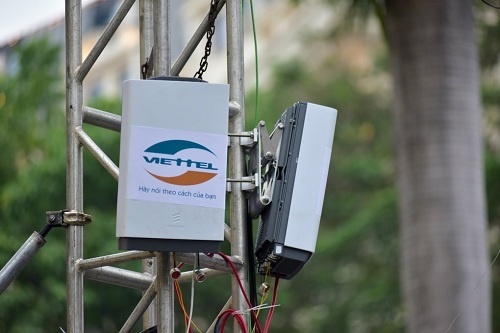
    Military-run Viettel Group has also announced it is ready to beta test 5G next year. Its deputy director, Tao Duc Thang, said its installation of infrastructure for 4G even in remote areas allows Viettel to be ready for the new network.

    5G is said to offer speeds 100 times faster than 4G, primarily used for smartphones and other similar devices. The former is also expected to support new applications like remote medical procedures and autonomous driving.

    Thang said Viettel, the country’s largest mobile service provider, is working with partners to manufacture 5G equipment.

    “I think Vietnamese operators are ready for 5G with the existing infrastructure. When the market, equipment and users are ready, developing 5G will be possible.”

    The company, which has been working on 5G plans since 2015, will start installing infrastructure early next year and introduce the service first in big cities like Hanoi and HCMC.

    The country’s second biggest mobile service provider, MobiFone, which trailed its competitors in deploying 4G, earlier this year signed an agreement with Samsung Electronics for engineering and commercial cooperation on 4G and 5G networks.

    Vietnamobile, a joint venture between Hanoi Telecom and Hongkong-based Hutchison Asia Telecommunications, has also announced its interest in offering 5G services.

    VNPT, Viettel, MobiFone, and Vietnamobile are expected to receive 5G testing licenses in January.

    Last month Minister of Information and Communications Nguyen Manh Hung said at a conference that Vietnam should test 5G next year and ensure nationwide coverage by 2020.

    “Vietnam should be one of the first to launch the network, at least in Hanoi and HCMC.” The country had been one of the last in Southeast Asia to roll out 4G.

    This time Vietnam would be able to produce the required equipment before it launches the network, whereas for 4G the country had to wait for eight years before being able to do so, and for 2G and 3G all the equipment had to be imported, he said.

    “5G is not only an opportunity for connection services and going up the telecommunications ladder, but also an opportunity for developing the country’s information and communications technology industry.”

    The International Telecommunication Union last year ranked Vietnam 115th out of 193 economies in terms of mobile teledensity, but Hung wants the country to have 100 percent subscription by 2020 and be among top 30-50 countries in the world in data spending per capita.

    Vietnam’s telecom market was estimated at more than $16 billion in 2016, with the three state-owned providers, Viettel, MobiFone, and VNPT, accounting for 95 percent of the market.

    Viettel had the largest share with 46.7 percent, followed by MobiFone with 26.1 percent and VNPT with 22.2 percent.

    While MobiFone and VNPT are on the list of state-owned companies slated for privatization by 2020, Viettel will remain in government hands.