Retail News CRM

Tag: #phone

  • Shibuya Apple store reopens after a year of renovation

    Shibuya Apple store reopens after a year of renovation

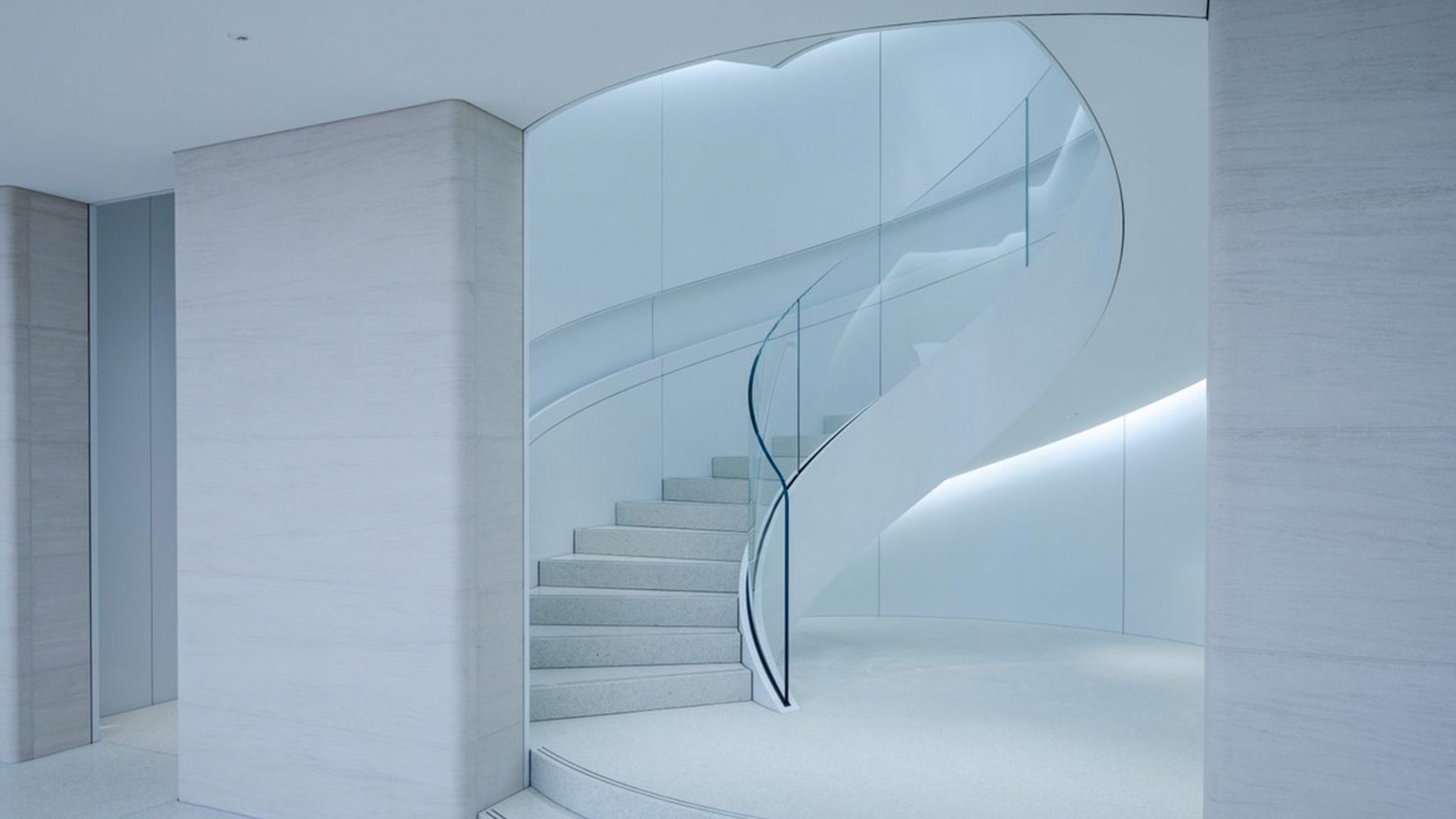
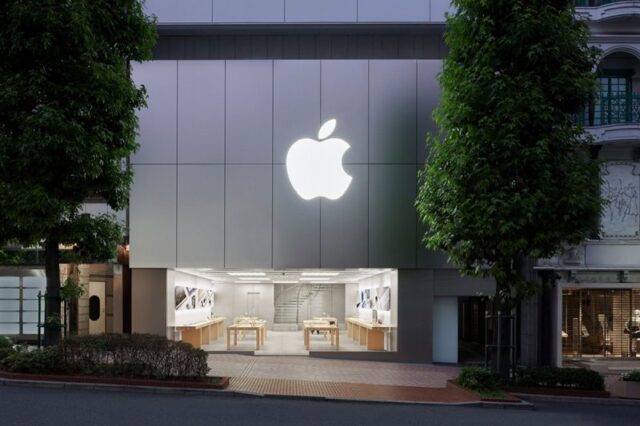
    The Shibuya Apple store in Tokyo has reopened today with striking modern styling, coinciding with the release of the iPhone XR. The new four-storey design features dramatic natural lighting and a new spiral staircase, described as “stunning” by local media. The store, which reserves substantial space for back-of-house activities, took 11 months to transform, during which time two further stores were opened in Japan.

    The original Shibuya store, which opened in 2005 as the fourth in Japan, was also well-known for its distinctive spiral staircase, reflective of Apple’s retail aesthetics at the time. The new design is closer in look to that of the Steve Jobs Theatre.

    Comparing the original design with the revamp offers a unique perspective into Apple’s evolving retail architecture. The earlier version of the store, optimised for the iPad era, has been enlarged vertically rather than relocated to more expansive premises, indicating the importance to Apple of the location over the venue’s suitability for the brand’s contemporary retail features such as its video wall, which is conspicuously absent in Shibuya.

  • Nokia launches Fixed Access Health Index

    Nokia launches Fixed Access Health Index

    Nokia has announced it has developed a new metric for measuring the quality and performance of fixed access networks in a standardized way.

    The Nokia Fixed Access Health Index for service providers uses Nokia’s automation and analytics capabilities to benchmark the performance and health of fixed line networks against those of industry peers.

    It is designed to act as the foundation for network optimization programs, and measure their performance and progress over time through regular performance measurements.

    The index is already in use by multiple operators, including a major Asian service provider that used the tool to optimize the network health and quality of its recently introduced IPTV service.

    “The initial results we saw with our pioneering customers in this domain were so impressive that we decided to go for a ‘standardized’ approach, which can be replicated with other service providers,” Nokia president of fixed networks Federico Guillén said.

    “Based on a series of playbooks, each operator gets a personalized evaluation and improvement plan. To offer this kind of service, we build on our expertise in all 20 of the largest access networks globally, and with more than 300 fixed broadband customers worldwide, which gives us an endless source of knowledge to tap.”

  • Expats confused over Vietnam’s profile picture requirement for phone users

    Expats confused over Vietnam’s profile picture requirement for phone users

    Some have no idea about the requirement, others find it invasive while network providers can’t guarantee help in English. Expats are having issues with Vietnam’s new regulation which asks phone users to submit a profile picture to their network provider.

    The Ministry of Information and Communications requires mobile subscribers to provide photographic proof of their identities before April 24, or they will be locked out of their network.

    Ryan, 28, is a Briton working in Hanoi. He had no ideas about the new regulation until we contacted him because the profile photo request was sent to his phone in Vietnamese.

    “I’ve never had to do this in the U.K. or in any other countries I’ve travelled through,” Ryan said, adding that he finds the requirement “invasive”.

    In light of recent data breaches by companies as large as Facebook, Ryan is concerned that his information could fall into the wrong hands. “I don’t know if I could trust my network provider with my information,” he said.

    The government claims the requirement will result in better control of network subscribers and prevent spam accounts.

    But while network providers claim user data will only be used to manage subscribers as stated by law, experts believe the regulation has loopholes that could be taken advantage of.

    The images could slip through the network security holes, a scenario in which the responsibility of the network provider has not yet been clearly defined, said lawyer Vu Tien Vinh.

    A photo taken by a customer and sent to a network provider cannot be authenticated, Vinh added.

    Having been to many Asian countries, Mark from Canada finds the regulation odd. “Why would a phone company need my photo?” he said.

    Ryan and Mark are not the only expats who are having issues with the regulation. Many foreigners are also confused as local mobile operators don’t seem to provide the assistance they need.

    On Saturday, customer service centers of all major network providers were packed with customers coming in to have their photos taken.

    Amid the chaos, employees at the centers suggested that foreigners could bring in their passport, or take a photo of their passport and submit it to the companies’ websites. But, they could not guarantee there would be anyone who speaks English available to help.

    Vietnam has 118.7 million mobile subscriptions, according to official data and there are 82,000 foreigners living and working in the country. As of last week, at least 38 million mobile phone users have not provided adequate personal information to network providers, said Nguyen Duc Trung, a senior telecommunications official at the Ministry of Information and Communications.

    Mark is one of them. The 35-year-old is not planning to do anything yet. “I’ll see if they actually lock my account,” he said.

  • McDonald’s Singapore: Lock up your phone

    McDonald’s Singapore: Lock up your phone

    In a bid to help families reconnect, McDonald’s Singapore has introduced a locker for mobile phones at its Marine Cove flagship.

    Its new“Family Playdate” concept includes table service with the aim of promoting human interaction.

    McDonald’s says a survey it ran shows that more than 90 per cent of parents and children use their mobile devices when they’re together, despite most parents wanting to be “more disciplined in staying away from digital distractions during family time”.

    Rather than go hi-tech, the 100 clear lockers have physical keys, and staff members will remind customers to take their phones when they leave.

    Staff members will also act as “guest experience leaders”, says the fast-food company. They will “engage with families”. When ordering at a self-service kiosk, customers can select the table-service option at no extra charge
    A McDonald’s Singapore says the restaurant will gather feedback on the initiatives to decide whether or not to expand them to other outlets.

  • Mobile phone insurance market to hit $27b by 2020

    Mobile phone insurance market to hit $27b by 2020

    The global mobile phone insurance market is on track to grow to over $27 billion in revenue by the end of 2020, research from SNS Telecom indicates.

    The telecoms market research company estimates that the global market will account for $20.5 billion by the end of this year, and is in line to grow at a CAGR of around 10% over the next three.

    An SNS Research report notes that most major mobile operators, insurance specialists, device OEMs, retailers and even banks now offer insurance plans that specifically cover theft, loss, malfunctions and damage of mobile phones, with a particular focus on smartphones.

    Many policies also combine with enhanced technical support and additional protection features such as secure cloud-based data backup facilities to give consumers additional peace of mind.

    In light of the findings, smartphone insurance could be an additional avenue for mobile operators struggling with the continued erosion of their once-core voice and data revenue streams in the face of OTT substitution.

  • Reliance Jio launches “free” 4G phone

    Reliance Jio launches “free” 4G phone

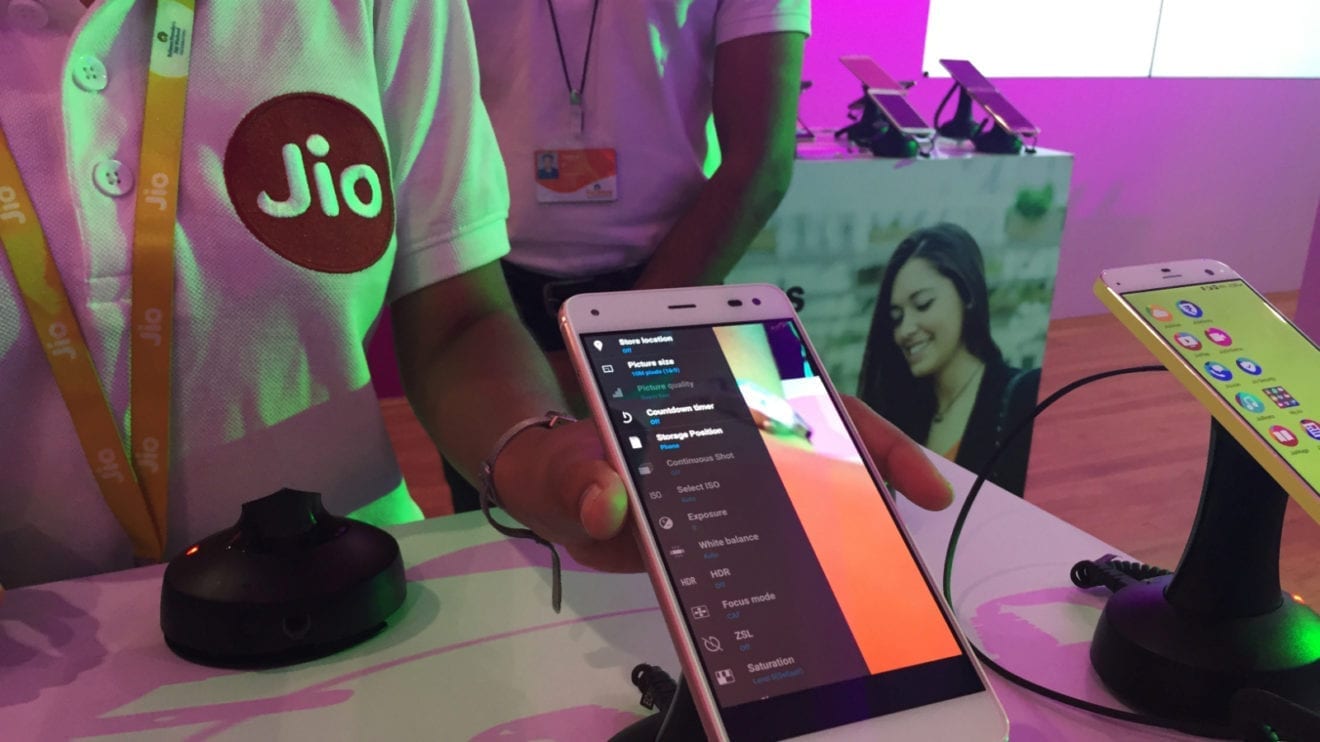
    India’s Reliance Jio Infocomm has disrupted the mobile market once again with the launch of a “free” 4G handset named the JioPhone.

    The operator is offering the JioPhone for a security deposit of 1,500 rupees ($23.29), fully refundable after three years.

    The handset is being produced in India. It will be offered under a plan worth 153 rupees per month for free voice calls and SMS as well as unlimited data with a daily fair use cap of 500MB.

    The device has a keypad and a 2.4-inch, 240×320 display. It supports Bluetooth, NFC payment and access to Jo services including JioTV and JioMovies, and has a rear camera, SD card slot and headphone jack.

    An additional data plan worth 309 rupees per month will allow mirroring of the phone screen to any TV to support streaming services at home.

    Announcing the handset, Reliance chairman Mukesh Ambani said around two thirds of India’s mobile users do not have smartphones, leaving them unable to access Jio’s 4G-only network and leaving Jio unable to attract these customers. The Jio Phone is intended to help the company reach this audience.

    Preorders of the Jio phone will commence next month. The introduction of the device will only increase the intense competition in India’s mobile market triggered by Jio’s explosive entry onto the scene with its pan-India 4G network.

  • Is a Facebook phone in the works?

    Is a Facebook phone in the works?

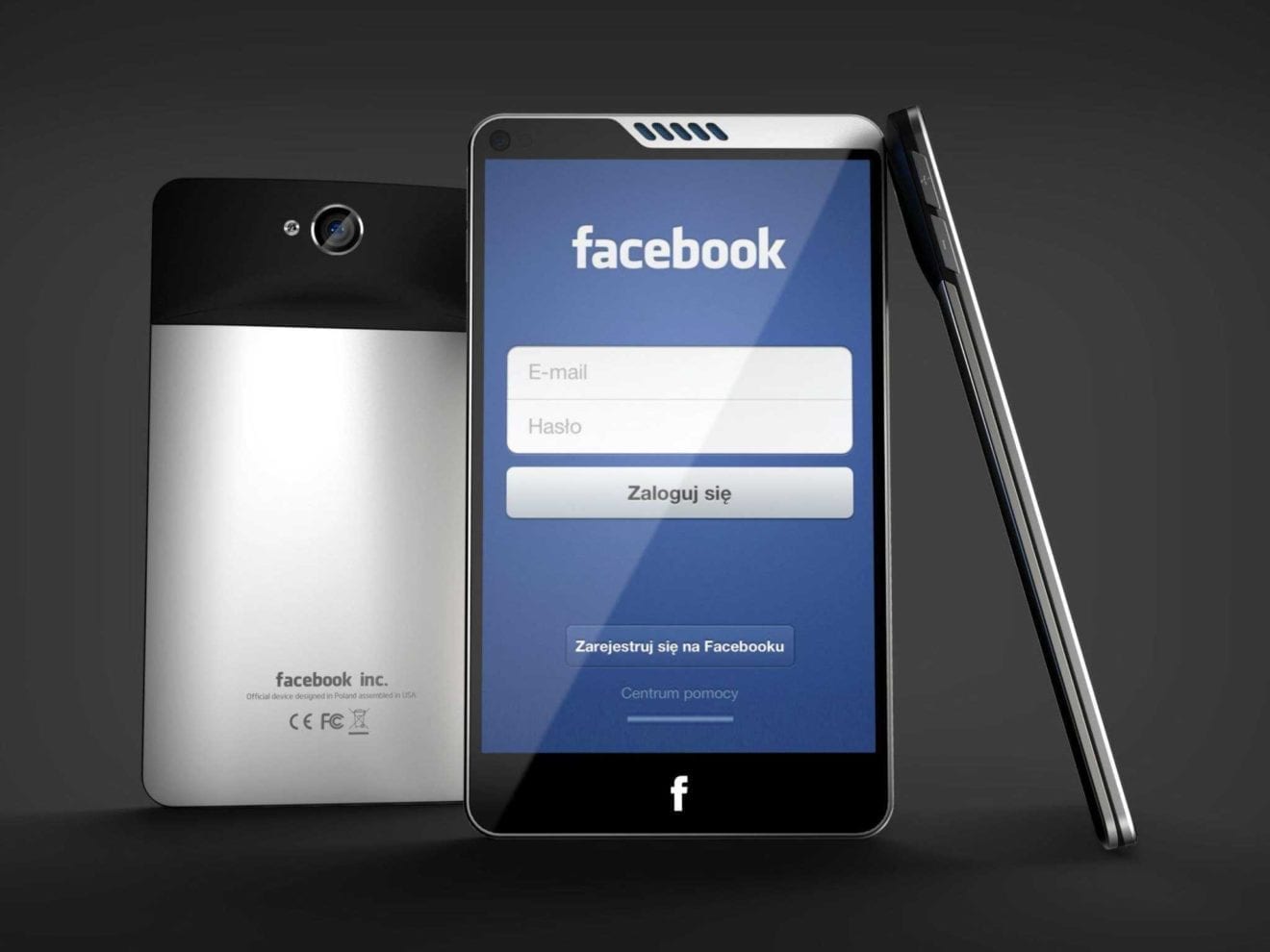
    Facebook could be working on a smartphone, according to paperwork recently spotted by cyber sleuths which the tech giant filed earlier this year. A Facebook unit devoted to hardware filed a patent application in January for a mysterious “modular electromechanical device” that could have speakers, cameras, microphones, touchscreens, and displays.

    “A user can change the functionality of the modular electromechanical device based upon the different functional modules that are connected,” read the summary portion of the somewhat cryptic paperwork filed with US patent officials.

    Speculation has swirled for years regarding whether the leading social network would try to capitalize on its popularity with is own smartphone.

    Facebook has repeatedly dismissed such talk as rumor, and declined to comment for this story.

    Facebook has a hardware team led by Regina Dugan, a former director of the Defense Advanced Research Projects Agency — DARPA — the U.S. agency tasked with identifying and funding breakthrough technologies for national security.

    Dugan previously headed advanced technology projects at Google, which dabbled with modular phones in a project called Ara. Google tested Ara but gave up on the project late last year.

    Facebook in April launched a mission to sync smartphone cameras’ windows with augmented reality, focusing on what people have in hand instead of waiting for high tech eyewear.

    While kicking off an annual developers conference in the heart of Silicon Valley, chief executive Mark Zuckerberg called smartphone cameras an initial and promising platform for augmented-reality features in applications tailored to synch with the social network.

    “I am confident now we are going to push this augmented-reality platform forward,” Zuckerberg said.

    “We are going to make the camera the first mainstream augmented-reality platform.”

    Previously, Facebook had been focused strongly on virtual reality as the next big computing platform, particularly using Rift headgear made by its Oculus unit.

  • Retro Nokia phone hits the right buttons on return to Vietnam

    Retro Nokia phone hits the right buttons on return to Vietnam

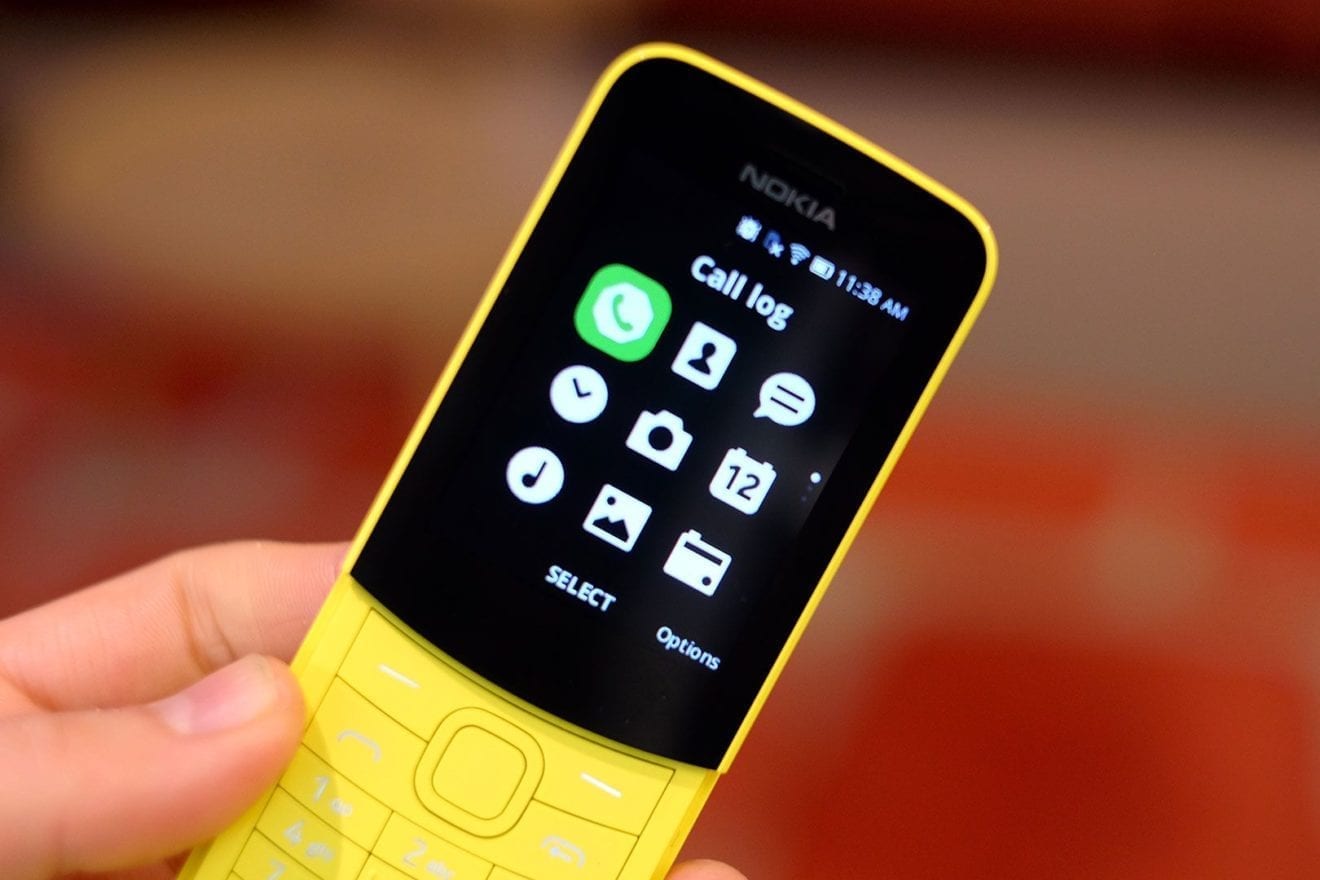
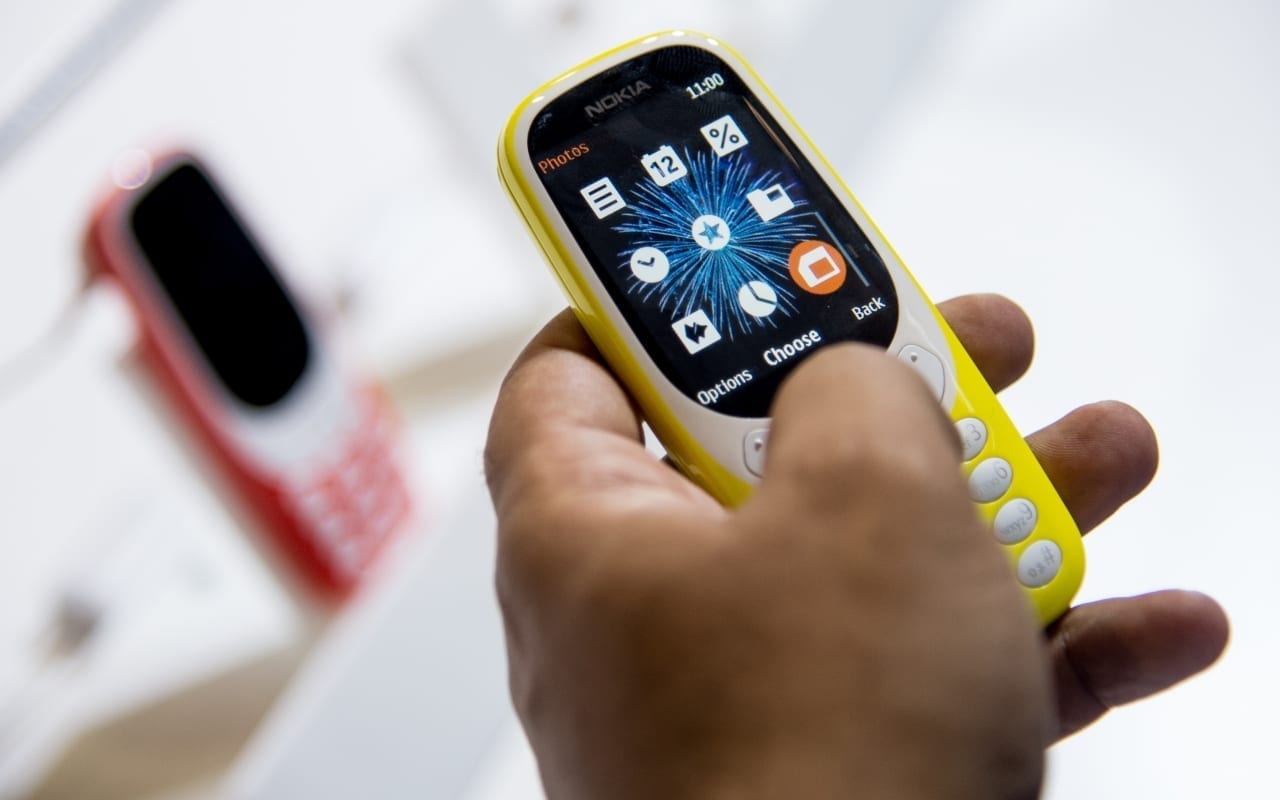
    Nearly two decades after being crowned the king of Vietnam’s cellphone market, Nokia’s classic 3310 has made a successful return to the mobile-crazy country, proving that its charms still work.

    The classic talk and text phone, which was reintroduced in a brightly colored version at the Mobile World Congress in Barcelona last February, hit Vietnamese shops on Monday and has already become a phenomenon.

    “It has triggered a hunt like when the iPhone first arrived in Vietnam,” said one customer who has been trawling the shops in vain for the revamped model.

    Many mobile retailers in Hanoi and Ho Chi Minh City said they had received limited supplies that sold out in a day. An independent shop in Hanoi was sent 20 phones while a retail chain received 500 for its more than 400 outlets.

    A source from the official distributor said that supplies will stabilize from next week. Many buyers have put deposits down for the phone, which costs VND1,059,000 ($46.67).

    Retailers said customers are buying out of a sense of nostalgia.

    The phone is a powerful reminder of Nokia’s popularity back at the start of the millenium, when the 3310 was one of the most popular models in many markets, including Vietnam.

    The original 3310 sold 126 million phones, the 12th best-selling phone model in history. Nine of the top 12 selling models were produced by Nokia.

    Many Vietnamese still consider the old model a benchmark for durability and battery life. The new model is designed for 22 hours of talk time and up to one month of standby time, which might heighten the phone’s appeal as a backup for smartphone users.

    Analysts hailed the 3310 launch as a smart retro gambit, but one which could overshadow the Finnish company’s re-entry into the global smartphone market. Nokia has also launched four moderately priced smartphones ranging from 139 to 299 euros ($156-336).

    Nokia sold its by-then ailing handset operations to Microsoft for $7 billion in 2014, leaving it with its network equipment business and a large patent portfolio.

    But last year, it gave the Nokia brand a fresh start by licensing its devices brand to HMD Global, a new company led by ex-Nokia executives and backed by Chinese electronics giant Foxconn.

    Industry analysts say the revived Nokia 3310 has the makings of one of the hit devices of 2017, appealing to older Nokia fans in developed markets looking for an antidote to smartphone overload, while also appealing to younger crowds in emerging markets.
  • BlackBerry launches branded smartphone in Hong Kong

    BlackBerry launches branded smartphone in Hong Kong

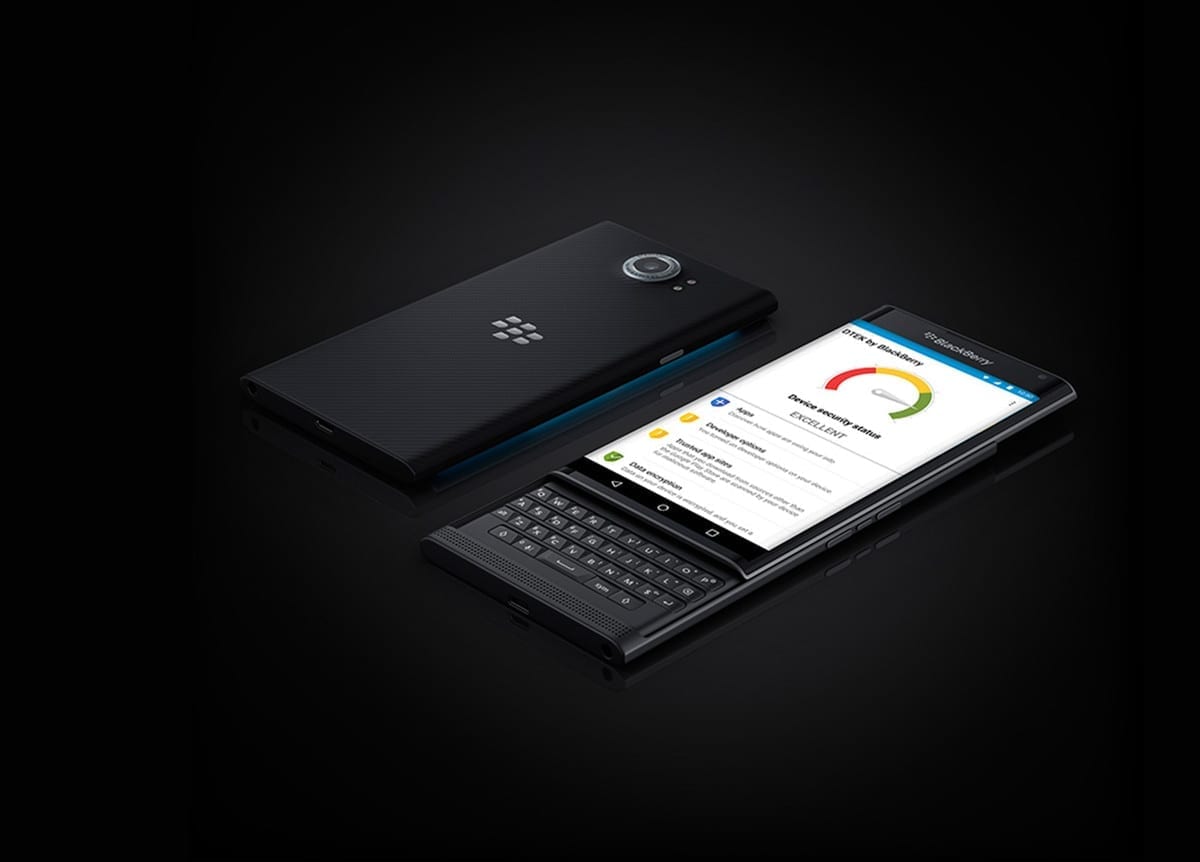
    BlackBerry has launched a new branded smartphone, the Android-based DTEK60, in Hong Kong.

    The DTEK60 is the second device in the DTEK series of Android smartphones. BlackBerry launched the DTEK50TM in Hong Kong in September.

    In line with BlackBerry’s decision to stop producing its own smartphone hardware, as announced in September, the device was manufactured and partly designed by China’s TCL. BlackBerry is providing its enterprise messaging and security software.

    The DTEK60 includes a fingerprint sensor for unlocking the devices and authorizing purchases, an intelligent keyboard designed to learn from users to increase accuracy and speed, the BlackBerry Hub for consolidating messages and a customizable convenience key providing quick access to commonly-used applications.

    The device has a 5.5” Quad HD display, an 8 megapix front and 21 megapixel rear camera and a battery life that supports up to 24 hours of mixed use.

    It comes preloaded with BlackBerry’s full suite of enterprise mobility management and secure productivity solutions, and supports advanced security features including a secure boot process, Android OS hardening and full disk encryption.

    “With the DTEK60, BlackBerry continues to focus on our strengths: state-of-the-art software and security solutions. When you see our logo it means security, from our class-leading enterprise software to devices secured by BlackBerry software,” BlackBerry COO Ralph Pini said.

  • India to have nearly 1b mobile subs by 2020

    India to have nearly 1b mobile subs by 2020

    India has become the second-largest mobile market in the world, and is on track to reach nearly 1 billion unique subscribers by 2020, according to the GSMA.

    A new report from GSMA Intelligence indicates that by the end of June 2016, 616 million unique users had subscribed to mobile services in India, making the country the second-largest mobile market globally.

    India is also expected to see a significant increase in mobile subscriptions, broadband and connectivity with almost a billion unique mobile subscribers expected by 2020. This marks a period of rapid development of the country’s mobile economy, according to the study.

    The country overtook the US in 2016 to become the world’s second-largest smartphone market with an installed base of 275 million devices.

    According to the report, improving affordability, falling device prices and operator investments in network coverage and quality will help deliver an additional 330 million unique subscribers in India by 2020, lifting the country’s penetration rate to 68% per cent of the population, an increase from 47% in 2015.

    India is also seeing an technology shift to mobile broadband services. The number of 3G/4G mobile broadband connections is forecast to reach more than 670 million by 2020, 48% of the total connection base.

    There will also be an accelerating move to 4G over this period. The number of 4G connections is forecast to grow rapidly, growing from just 3 million at the end of 2015 to 280 million by 2020. In addition, the industry is set to invest heavily, with operator capex growing to $34 billion for the period 2016 to 2020.

    “With this report, all signs point to a period of tremendous growth for India’s mobile economy, which will strongly support and enable the government’s ‘Digital India’ initiative aimed at providing broadband connectivity to all,” GSMA director general Mats Granryd said.

    “To fully realize India’s tremendous market potential, review and reform in key areas, including modernizing regulation and long-term planning for spectrum allocation, would accelerate mobile broadband access and adoption across the country,” he adds.

  • 5G connections tipped to reach 690m by 2025

    5G connections tipped to reach 690m by 2025

    There will be around 690 million 5G connections by 2025, five years after the standard is expected to be approved, Strategy Analytics predicts.

    The research firm expects 5G to account for 7% of mobile connections by this time, driven by early adopters in the US, South Korea and Japan.

    China has also laid out a 2020 5G launch plan, Strategy Analytics notes, which will help accelerate adoption.

    Operators including NTT DoCoMo, SK Telecom, Verizon and AT&T are leading the charge

    Commercial 5G handset sales are meanwhile expected to exceed 300 million by 2025, according to Strategy Analytics director Ken Hyers.

    “While the first commercial 5G handsets will appear in small numbers in 2020 in South Korea and Japan, from 2021 more countries including the US, UK, Sweden, UAE and China will see their own launches,” he said.

    “By 2022 tens of millions of 5G handsets will be sold, and as a proportion of total handset sales will reach low single digit percentages.”

    The first trial 5G handsets expected to emerge in 2018 are expected to have issues including short battery life, no 4G handover or unstable connectivity, Strategy Analytics said. But these teething problems are expected to have been largely resolved once commercial handsets reach the market.

  • India to capture 13.5% of smartphone sales by 2019

    India to capture 13.5% of smartphone sales by 2019

    India is on track to corner a 13.5% share (approximately 180 million smartphones in circulation) of the total global smartphone market by 2019, up from 7.5% today.

    This was revealed by a joint study conducted by the Associated Chambers of Chambers of Comerce & Industry of India (ASSOCHAM) and KPMG.

    The study noted that the advent of affordable smartphones designed for the Indian user and low-cost data connectivity options, more people are shifting to smartphones and mobile Internet.

    The average selling price of a smartphone in India in 2015 was 12,285 rupees ($183.70), a 25% year-on-year increase. The affordable models sell between 3,000 rupees and 10,000 rupees ($44.80 to $149.50).

    “The smartphone shipments in India grew a healthy 23% annually in the first quarter of 2016 compared to the global growth, which stalled for the first time ever since smartphones first began to sell,” ASSOCHAM said in a report posted in its website.

    “The increase in smartphone sales has changed the face of e-commerce industry in India in the last two years,” it added. “Mobile transactions accounted for 41% of total e-commerce sales in 2014. Developing a mobile (sometimes mobile only) strategy has been an important agenda for many of the leading e-commerce players in the country over the last two to three years.”

    The government has launched its ‘Digital India’ initiative in July 2015 for the different stakeholders to work together to transform the economy. Several international device vendors have also set up manufacturing facilities in India, supporting the government’s ‘Make in India’ initiative aimed at boosting local manufacturing.

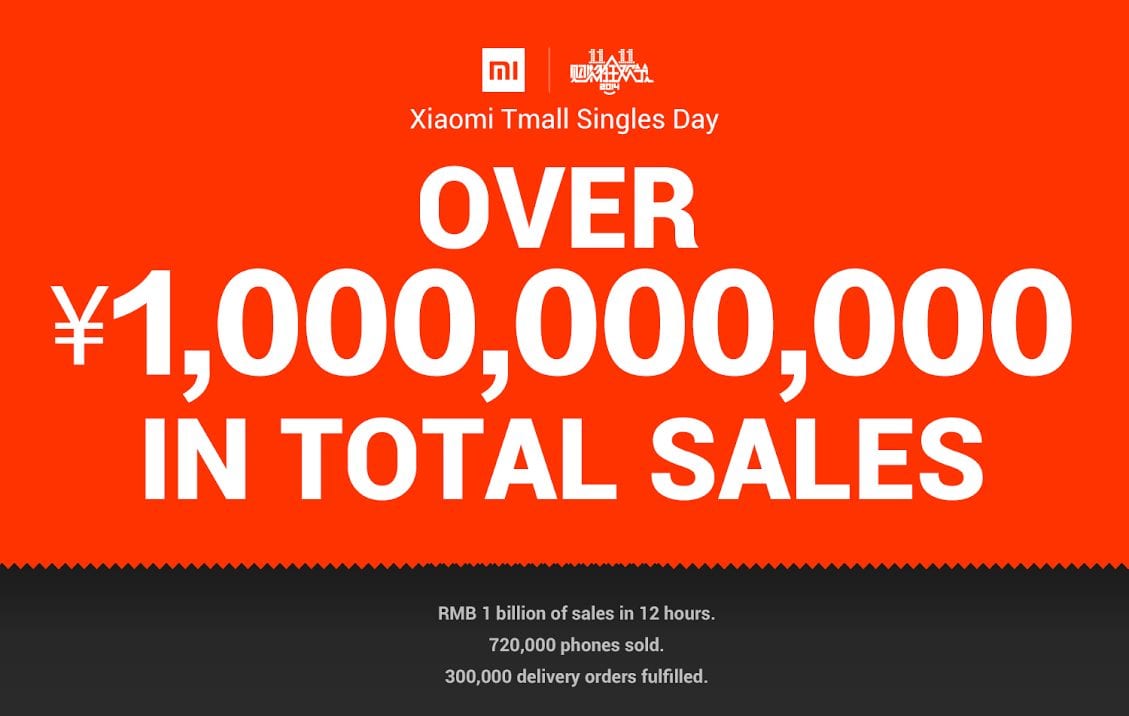
  • Xiaomi Brand Dominates Singles Day In China

    Xiaomi Brand Dominates Singles Day In China

    Celebrated every Nov. 11, Singles Day is a tradition that dates back to 1993 which initially involved bachelors from Nanjing University who would like to go out, meet, and party with others. The celebration soon included single women and became a huge holiday in China where single individuals go out in massive meet-and-greet events.

    Singles Day is China’s version of USA’s Black Friday, where Chinese businesses spur sales by offering attractive deals and huge price cuts on their products. Xiaomi, already a popular smartphone brand that offers cheap smartphones and other mobile devices, initiated its Singles Day strategy from Nov. 1, offering daily promos and sweet deals and ultimately culminated its run on the big day itself, according to Digital Trends.

    During the build-up, Xiaomi even provided a teaser on a new smartphone. The strategy proved to be successful, as the smartphone maker immediately raked in $16 million by 12:12 am on Nov. 11. Thirteen minutes later, sales reached $31 million. Two minutes before 1:30 am, Xiaomi already has $63 million in the bank. By the end of Singles Day, Xiaomi’s sales reached a whopping $188 million.

    According to a statement by the China-based smartphone manufacturer, the $125 Redmi Note 2 was their bestselling smartphone. Xiaomi’s smartwatch, the Mi Band Pulse, was the company’s most popular device, which did not come as a surprise, given its $16 price tag.

    Xiaomi’s success is based on its strategy of providing cheap smartphones with high-end features, and China is its biggest market. Recently, top competitor Huawei has overtaken Xiaomi as China’s top smartphone vendor in the last quarter, CNBC reports.

    Meanwhile, China-based online market company Alibaba also broke its own record on Singles Day. The e- ommerce giant clocked in $14.3 billion in sales via its online payment service. On last year’s Singles Day, Alibaba registered $9.3 billion in sales. This year’s figure represents a 60 percent jump from the previous year, indicating the company’s continued growth in a crowded Chinese market.


  • Mi Hong Kong opens doorways

    Mi Hong Kong opens doorways

    Chinese language smartphone maker Xiaomi has opened its first retail retailer outdoors the Mainland.

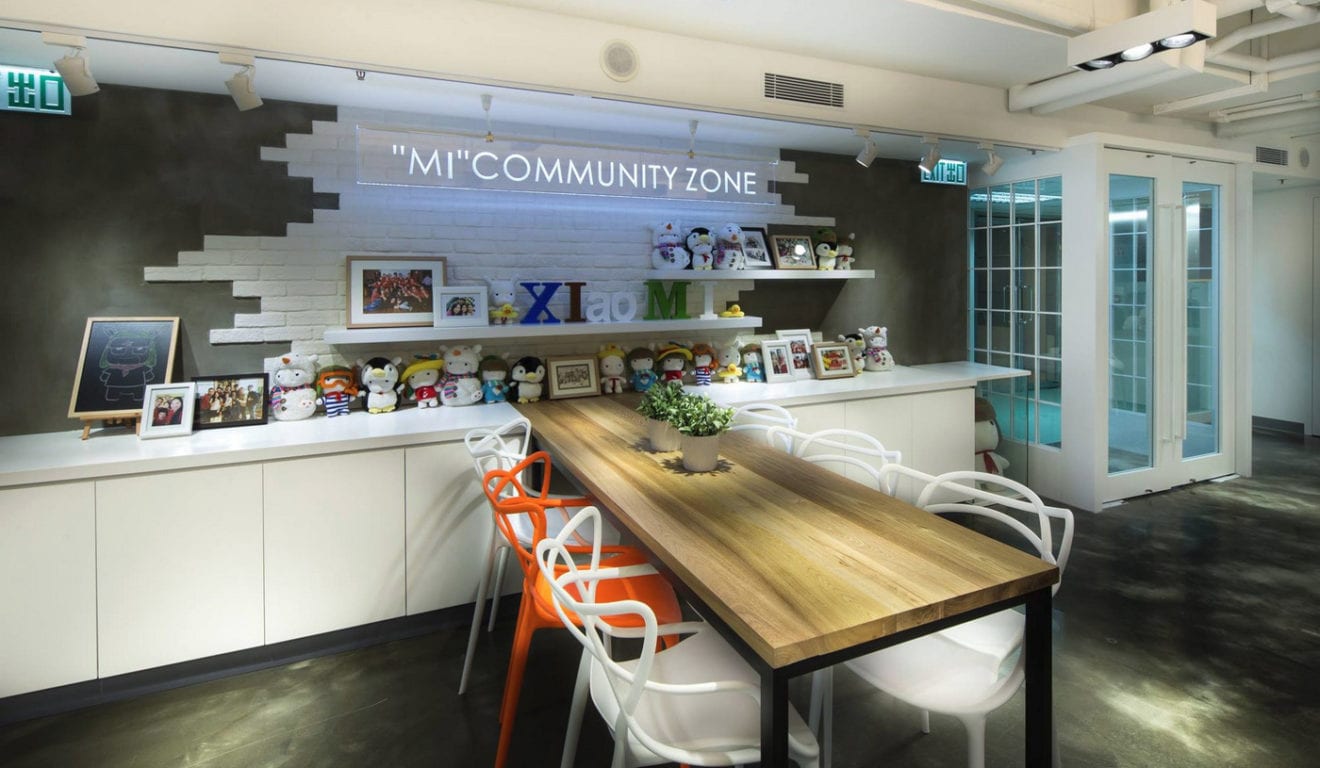
    The Mi Hong Kong retailer – dubbed Mi Residence – is a 270 sqm area inside Hollywood Plaza at 610 Nathan Rd in Mongkok.

    We are saying ‘area’ as a result of the shop was created as someplace “identical to residence” – someplace Mi house owners, or potential house owners, would really feel at house.

    As the pictures launched by Xiaomi present it’s a lot like an Apple retailer, however with out the huge product vary. As an alternative there are brightly colored sofas and cushions and big flat display TVs.

    Hugo Barra, the previous Google government who’s now VP of Xiaomi International, promised final month Xiaomi would create “a service and retailer expertise that feels identical to house, we would like a spot that feels so snug you’re simply completely happy to return and hang around”.

    In addition to permitting clients to check out the handsets and examine fashions, the shop has a service assure: clients can deliver a telephone in to be fastened and wait not than 19 minutes earlier than with the ability to take it away.

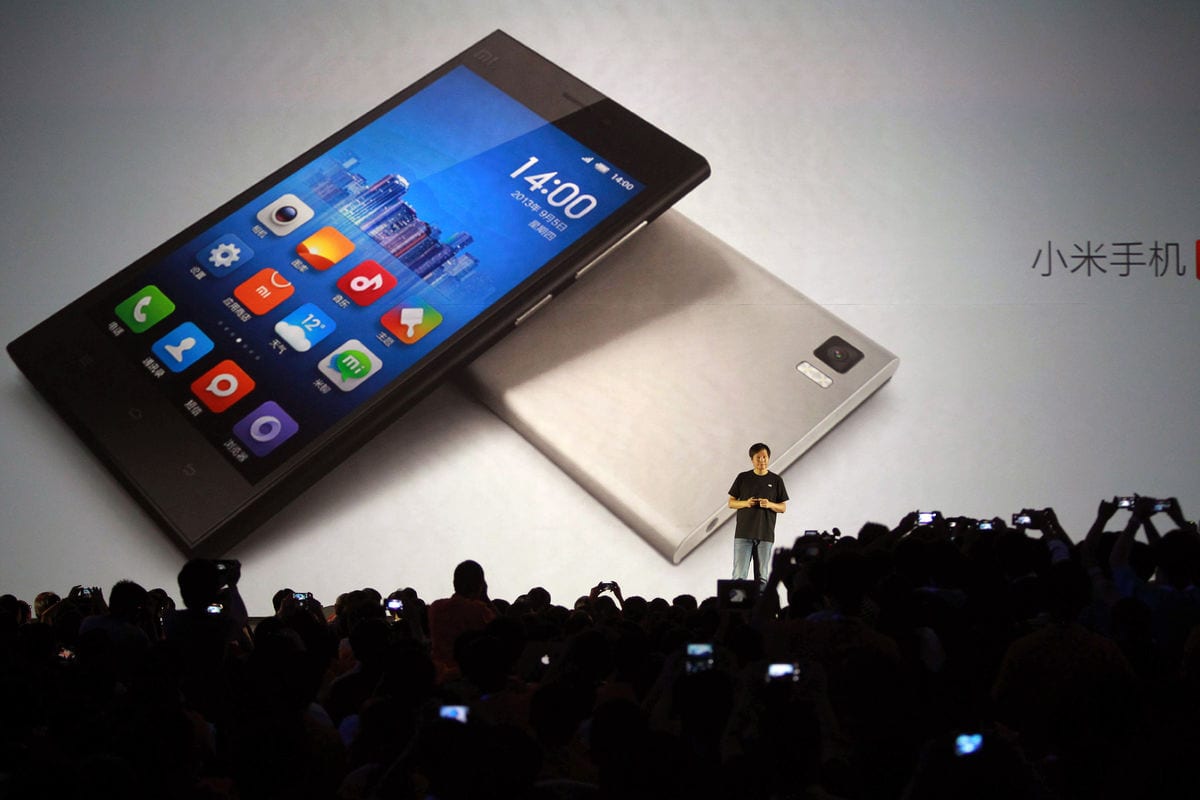
    Xiaomi was launched in China in 2011 but has already turn out to be the world’s third largest smartphone model – and the most important within the mainland. Final yr it bought 60 million handsets, virtually all of them in Mainland China. Founder and CEO Lei Jun, China’s 23rd richest man, is now increasing the model into different shopper electronics strains.

    And the corporate has begun what guarantees to be a relentless march overseas. In addition to opening its flagship in Mongkok – virtually definitely a check earlier than the idea is rolled out elsewhere – it has began promoting equipment like headphones on-line within the US and Europe.

    Thus far it isn’t promoting handsets in both market, however Mi telephones are discovering their approach into different markets by way of distributors and gray imports.

    Xiaomi launched its new Mi 4i handset in Hong Kong on Might 12 at HK$1599 – a handset with a 5.5 inch display and 15 megapixel ahead digital camera, operating Android. On the equal of US$206, it’s a potential class killer as soon as shoppers develop to belief the Mi model. An Apple iPhone 6 begins at $5588 (US$720). It’s Xiaomi’s first telephone developed for the worldwide market.

    Xiaomi has a small community of 19 retail shops in Mainland China, dubbed Mi Houses and 541 service centres operated by companions in eight markets.

    So far most of its handsets are bought on-line and thru a small group of retail companions in Hong Kong and India.

  • Xiaomi in US, Europe check

    Xiaomi in US, Europe check

    China’s market main smartphone firm Xiaomi is making what’s being interpreted as a tentative step into the US and Europe.

    The fast-growing younger firm, which sells extra telephones in China than another handset maker has but to open its first retailer outdoors Higher China – however final Friday, it quietly switched on an internet site promoting equipment and electronics – however not telephones – to People and Europeans.

    In line with a report on The Verge https://www.theverge.com stories, Xiaomi opened a website promoting restricted quantaties of simply 4 merchandise in a “beta check sale” to residents of the US, UK, Germany and France.

    This launch line-up of merchandise features a US$14.99 health tracker, a pair of US$79.99 headphones, and two sizes of USB energy packs: a $9.99 5,000mAh mannequin able to two full iPhone expenses and a bigger, 10,400mAh model that bought for $13.99.

    The corporate inspired guests to create their accounts on the location, clearly a way to start out constructing a database of potential clients in every market.

    Xiaomi, an organization now value US$46 billion, is scheduled to open its first retail retailer – dubbed a Mi Retailer – outdoors mainland China, in Hong Kong this week.

    In response to The Verge, Xiaomi’s VP Hugo Barra introduced a transfer into the US and Europe earlier this yr, however wouldn’t say when its low-cost, however feature-packed smartphones may go on sale.

    “On the time, Barra cited causes reminiscent of hardware certification, software program testing, and different logistical challenges as obstacles to entry for smartphones and tablets in US market,” The Verge reported.

    “Nevertheless, the corporate has but to shake the notion that it has additionally copied American corporations’ designs — a criticism that’s troublesome to disregard when taking a look at side-by-side comparisons of Apple’s and Xiaomi’s merchandise. Nonetheless, if the corporate can discover an viewers for its equipment, then its smartphone certainly gained’t be too far behind.”