Tag: pizza

  • Domino’s Pizza China Hits 1550 Outlets: Unveils Expansion Strategy and Partners with Megamall Operator SCPG Group

    Domino’s Pizza China Hits 1550 Outlets: Unveils Expansion Strategy and Partners with Megamall Operator SCPG Group

    Domino’s Pizza China has made significant strides in expanding its presence across the country, with its total number of outlets now reaching 1550. This was achieved through the addition of 235 new stores during the first half of the year, a move that has led to an increase in sales momentum as reported in the second quarter.

    The growth of the pizza chain has been overseen by DPC Dash, who moved into 15 fresh urban markets within this six-month period. This has brought the total number of cities with a Domino’s presence to 75. The brand’s expansion strategy, dubbed ‘Go Deeper, Go Broader’, has proven successful, focusing on amplifying store density in current markets while simultaneously branching out into new ones. Lower-tier markets now account for 1018 stores, leaving 532 in Tier 1 cities.

    Strategic Partnerships and Expansion Targets

    DPC Dash formed a strategic alliance with SCPG Group, one of the largest shopping mall operators in China, within the quarter to hasten their store launch process. This collaboration will facilitate Domino’s expansion into new markets while reinforcing its presence in the cities it already operates in. By the end of June, the number of stores that were opened, under construction, or signed for accounted for about 89% of DPC Dash’s full-year 2026 opening target. This was a progressive leap from the 65% recorded at the end of the first quarter.

    Domino’s now considers mainland China as its second-largest international market in terms of store count. The company now holds all top 70 positions in the first 30-day sales ranking, illustrating the potential of China’s market, and the efficacy of DPC Dash’s store execution model.

    The successful performance has been credited to its ‘4D’ strategy, a blend of network expansion, value-oriented products, effective delivery capabilities, and a robust digital investment.

    Leadership Changes and Future Plans

    On the personnel front, DPC Dash bolstered its leadership team during the quarter, by appointing Joanne Xie as the new Chief Marketing Officer. Xie, who has previously held senior positions at McDonald’s China, Coca-Cola, and Mondelez, will now be responsible for brand strategy, digital marketing, customer engagement, and product innovation.

    Looking forward, the company anticipates maintaining its expansion momentum for the remainder of the year while continuing its investment in operations, product development, and enhancing the customer experience.

    Questions & Answers

    What is Domino’s expansion strategy in China?
    Domino’s expansion strategy in China, supervised by DPC Dash, is titled ‘Go Deeper, Go Broader’. It focuses on increasing store density in existing markets and extending into new cities.

    Who is the new Chief Marketing Officer of DPC Dash?
    Joanne Xie has been appointed as the new Chief Marketing Officer of DPC Dash. She has previously held senior roles at McDonald’s China, Coca-Cola, and Mondelez.

    What does Domino’s ‘4D’ strategy entail?
    Domino’s ‘4D’ strategy combines four elements: network expansion, value-focused products, delivery capabilities, and digital investment.

  • Billion-Dollar Bite: Yum China Gobbles up Pizza Hut in Transformative $1.2B Deal

    Billion-Dollar Bite: Yum China Gobbles up Pizza Hut in Transformative $1.2B Deal

    Yum Brands, the global owner and franchiser of popular restaurant chains such as KFC, Pizza Hut, and Taco Bell, operates Yum China as a master franchisee. The franchisee oversees the operation of these three brands within Mainland China and has been accountable for a 3% royalty fee on its overall sales to the US-based conglomerate. However, with the conclusion of a recent deal, Pizza Hut China will be exempted from these licensing fees.

    Pizza Hut, as disclosed by Yum China, holds the title of the largest casual dining restaurant brand in China. Last year, the brand generated a segmental revenue of $2.3 billion and an operating profit of $183 million. Yum China has set ambitious growth objectives for the Pizza Hut network. Its goal is to increase the number of Pizza Hut restaurants from 4375 in over 1100 cities to over 6000 stores by the year 2028. Furthermore, the company intends to double the chain’s operating profit by 2029.

    From Franchisee to Brand Owner

    Joey Wat, CEO of Yum China, stated that transitioning from an exclusive licensee to the brand owner of Pizza Hut in Mainland China is a significant turning point for the company. This move solidifies their belief in and long-term commitment to the Chinese market.

    Being the brand owner will enable the company to have more strategic freedom to encourage innovation across the menu, store formats, new modules, and operations. Wat foresees that the cessation of licensing fees will bolster store economics and lower the threshold for opening new stores, thus aiding in margin expansion and growth.

    The transaction is slated to finalize in the third quarter, subject to standard closing conditions. Yum China asserts that their financial guidance for FY26 will remain unaffected by this transaction.

    Global Divestment

    This deal forms part of Yum Brands’ strategy to divest from the Pizza Hut segment internationally. Outside of Mainland China, the company has agreed to offload the Pizza Hut brand to private equity firm LongRange Capital for approximately $1.5 billion.

    This sale comes in the wake of Pizza Hut’s underperformance compared to KFC and Taco Bell, as evidenced in Yum Brands’ recent financial outcomes.

    Questions & Answers

    What effect will the elimination of license fees have on Pizza Hut in China?
    The elimination of license fees is expected to improve store economics and lower the requirements for opening new stores, ultimately supporting margin expansion and growth.

    What are Yum China’s growth goals for Pizza Hut?
    Yum China intends to expand the Pizza Hut network in Mainland China from 4375 restaurants across more than 1100 cities to more than 6000 stores by 2028. The company also aims to double the chain’s operating profit by 2029.

    Why is Yum Brands divesting from the Pizza Hut segment worldwide?
    This move follows a period of underperformance by Pizza Hut compared to KFC and Taco Bell, as reflected in Yum Brands’ latest financial results.

  • Domino’s Pizza China Gains Momentum: Soars High with Expanding Network, Innovative Menu, and Soaring Customer Loyalty

    Domino’s Pizza China Gains Momentum: Soars High with Expanding Network, Innovative Menu, and Soaring Customer Loyalty

    Domino’s Pizza China (DPC Dash) has reported a robust performance for the first quarter as it continues to grow its customer base and expand its operations. DPC Dash holds the master franchise rights for Domino’s in Mainland China, Hong Kong, and Macau.

    By the end of March, DPC Dash had increased its total number of stores to 1,462 in 72 cities, marking a net increase of 147 stores and an extension into 12 new cities compared to the end of the previous year. The number of new stores, stores under construction, and stores signed account for 65% of the company’s annual target of 350 new stores. The company’s primary growth engine has become non-tier 1 cities, while tier 1 cities continue to contribute to a high-quality revenue base.

    The company’s loyalty program saw considerable growth, with membership numbers rising to 38.8 million by the end of the quarter, up from 27.2 million during the same period the previous year.

    DPC Dash now holds all of the top 50 positions for first 30-day sales among Domino’s more than 22,100 globally located stores. In terms of the number of stores, the Chinese mainland market remains the third largest international market for the chain.

    DPC Dash continues to follow a “go broader, go deeper” expansion strategy to increase its market share. This involves penetrating further into existing cities and expanding into new areas.

    Product innovation remains a key focus for the company, with the introduction of globally inspired flavors such as the limited-edition Yak Beef Matsutake Ham Fortune Pizza released for the Year of the Horse New Year celebration. The company also revived the “Mega Week” promotion and extended the “Crazy Tuesday & Wednesday” offer to boost customer footfall.

    The company’s strong execution, appealing store economics, and operational efficiency continue to drive robust performance in a highly competitive landscape, creating sustainable, long-term value for shareholders, according to the management.

    Questions & Answers

    What is the expansion strategy of DPC Dash in China?
    The company follows a ‘go broader, go deeper’ strategy, which involves penetrating further into existing cities and expanding into new markets.

    How many new stores did DPC Dash open in the first quarter?
    In the first quarter, DPC Dash opened 147 new stores, extending its reach to 72 cities in total.

    What product innovations has DPC Dash introduced recently?
    The company introduced globally inspired flavors such as the limited-edition Yak Beef Matsutake Ham Fortune Pizza for the Year of the Horse New Year. It also brought back the “Mega Week” promotion and extended the “Crazy Tuesday & Wednesday” offer to increase customer footfall.

  • Domino’s China Ignites Growth with Aggressive Store Expansion: A Story of Record Revenues and National Penetration

    Domino’s China Ignites Growth with Aggressive Store Expansion: A Story of Record Revenues and National Penetration

    DPC Dash, the franchisee responsible for operating Domino’s outlets across China, has announced significant revenue growth and an ambitious store expansion campaign throughout the country in 2025.

    Impressive Revenue Growth

    DPC Dash declared a 24.8% rise in revenue on a year-over-year basis, amounting to RMB 5.38 billion, equivalent to approximately US$778 million. This robust growth is a testament to the company’s thriving operations and successful market strategies.

    ‘Go Deeper, Go Broader’

    In terms of expansion, the company has continued to adopt a disciplined strategy titled ‘Go Deeper, Go Broader’. This strategy involves penetrating deeper into existing cities while also stretching out to new locations. Aileen Wang, CEO of DPC Dash, confirmed this during the earnings call, stating that the company had effectively extended its infiltration in existing cities and extended its footprint to new areas.

    Strong performance was observed in the newly opened stores within these growth markets. These outlets have recorded average daily sales that surpass the historical averages, thereby illustrating the appealing unit economics and capital efficiency of the franchise’s development model.

    Aggressive Expansion and Store Performance

    DPC Dash launched 307 additional stores in 2025, thereby entering 21 new cities and expanding its network to a total of 1315 stores across 60 cities. The franchise’s Tier 1 city markets witnessed positive same-store sales growth throughout the year. Furthermore, the first 30-day sales records of new stores held all top spots globally within Domino’s records as of the end of January.

    Helen Wu, CFO of DPC Dash, highlighted the company’s gains in efficiency and the benefits of scale, stating that these elements have enhanced profitability and laid a robust foundation for long-lasting, sustainable success.

    Loyalty Program and Future Plans

    DPC Dash also reported a surge in engagement in its loyalty program, which grew by 45.3% in 2025, up from 24.5 million members in 2024 to 35.6 million members.

    Looking forward, DPC Dash plans to inaugurate approximately 350 new stores in the fiscal year 2026. As of March 20, the company has already opened 140 new stores, with 14 under construction and 65 signed for future development.

    Questions & Answers

    What is DPC Dash’s ‘Go Deeper, Go Broader’ strategy?
    This is a disciplined expansion plan that focuses on deepening the penetration into existing cities and extending reach into new markets.

    What is the overall growth of DPC Dash’s loyalty program?
    The company’s loyalty program grew by 45.3% in 2025, reaching a total of 35.6 million members.

    What are the future expansion plans of DPC Dash?
    DPC Dash plans to open approximately 350 new stores in the fiscal year 2026, with a significant number already opened, under construction or assigned for future development.

  • Domino’s Pizza China Celebrates Expansion Success with 1400th Store Milestone

    Domino’s Pizza China Celebrates Expansion Success with 1400th Store Milestone

    Domino’s Pizza China (DPC Dash) has successfully surpassed its 1400th store landmark as it steadily propels the progression of its network.

    DPC Dash is identified as the sole master franchisee for Domino’s Pizza in Mainland China, Hong Kong, and Macau. The company recently inaugurated its 1405th store in Sanya, located in the Hainan Province. This establishment not only denotes its entrance into the 72nd city within the Chinese Mainland but also aligns with its marker on the Hong Kong Stock Exchange (1405.HK).

    According to DPC Dash, this milestone symbolizes the triumph of its ‘go broader, go deeper’ expansion strategy for its store network and the robust customer demand for the pizza brand. This accomplishment comes after the company’s impressive performance the previous year, during which it added 307 new stores net and broadened its reach into 21 new cities.

    The company has stated that it will persist with further developing its 4D strategy, which includes ‘Development, Delicious Pizza at Value, Delivery, and Digital’. This approach aims to tap into China’s market consumption potential while ensuring continuous innovation and sustainable operations.

    Questions & Answers

    What is Domino’s Pizza China’s (DPC Dash) expansion strategy?
    – Domino’s Pizza China or DPC Dash follows a ‘go broader, go deeper’ expansion strategy. This method focuses on increasing the number of stores and expanding into new cities.

    What is the 4D strategy that Domino’s Pizza China (DPC Dash) is focusing on?
    – The company’s 4D strategy consists of ‘Development, Delicious Pizza at Value, Delivery, and Digital’. This approach aims to capitalize on the potential of China’s market consumption while maintaining continuous innovation and sustainable operations.

    What recent milestone has Domino’s Pizza China (DPC Dash) achieved?
    – The company recently surpassed its 1400-store milestone, with the opening of its 1405th store in Sanya, located in the Hainan Province. This accomplishment also marked its entrance into the 72nd city in the Chinese Mainland.

  • Franchise Industry Jolted: Korean Supreme Court Orders Pizza Hut to Refund Billions Amid Unlawful Fee Controversy

    Franchise Industry Jolted: Korean Supreme Court Orders Pizza Hut to Refund Billions Amid Unlawful Fee Controversy

    The franchise industry in South Korea is preparing for potentially significant legal and financial repercussions following a recent Supreme Court of Korea mandate. The court has ordered Pizza Hut Korea to reimburse billions of won in illicitly charged fees to franchise owners. This verdict could potentially initiate a chain reaction of similar lawsuits across various sectors, including food, retail, and service chains.

    Reimbursement of ‘Margin Franchise Fees’

    Earlier this week, the court upheld previous rulings necessitating Pizza Hut to refund 21.5 billion won (approximately US$16 million), termed as “margin franchise fees”. These fees were amassed from 94 franchisees between 2016 and 2022.

    The controversial charges surrounded markups included in the prices of ingredients and supplies sold by the franchisor. The fees were declared unlawful because they were not explicitly agreed upon in the franchise contracts. This was in addition to separate royalties and advertising fees charged by Pizza Hut.

    Potential Implications of the Ruling

    Legal experts and industry officials have speculated that this ruling could have far-reaching effects. Around 20 brands, spanning major fried chicken, burger, and coffee chains, are presently facing lawsuits from franchisees demanding reimbursement of similar margin-based expenses. As store owners re-examine older contracts inked before the disclosure rules were strengthened, more cases are anticipated.

    The court discovered that Pizza Hut had been charging a fixed royalty of 6% of gross revenue in addition to advertising fees of around 5%. Moreover, the company was also making undisclosed profits on compulsory supplies. The franchise agreements did not explicitly authorize these margins, leading the court to conclude that the company had been unjustly enriched.

    Pizza Hut began disclosing margin rates in its information statements starting in 2020. However, the courts ruled that disclosure alone did not equate to consent. In the absence of clear disclosure for several years, judges accepted estimated rates derived from subsequent data. This was due to Pizza Hut’s failure to fully comply with the orders to produce documents.

    Concerns and Criticism

    Franchise operators have cautioned against universally applying the Pizza Hut precedent. Some have argued that different brands do not charge royalties or have varying contractual structures. Hence, the specific circumstances of each case should be evaluated independently.

    Moreover, South Korea had revised its franchise law in 2024 to mandate explicit disclosure of margin-based fees in contracts. This could potentially protect more recent agreements from challenges.

    Nevertheless, industry groups are apprehensive about a potential influx of retrospective claims targeting older contracts. Historically, many franchisors have relied on supply margins rather than transparent royalties for their profits. According to a government survey from last year, over 60% of franchisors either solely depended on margin fees or combined them with royalties.

    Critics argue that the ruling has brought to light the longstanding lack of transparency in the sector. Hwang Yong-sik, a business professor at Sejong University, has advocated for a gradual transition towards clearer, royalty-based models, which are more prevalent in the United States.

    At present, the verdict has increased uncertainty within South Korea’s franchise industry. Companies are assessing potential liabilities, and franchisees are contemplating whether the Pizza Hut verdict could provide a blueprint for recovering past payments.

    Questions & Answers

    What was the ruling of the Supreme Court of Korea in the Pizza Hut Korea case?
    The court ordered Pizza Hut Korea to reimburse billions of won in improperly charged ‘margin franchise fees’ to 94 franchisees, collected between 2016 and 2022.

    What are the potential implications of this ruling?
    The verdict could lead to similar lawsuits across various sectors, including food, retail, and service chains. Around 20 brands are currently facing similar lawsuits. More cases are expected as store owners reassess older contracts.

    What changes have been suggested for the franchise industry in South Korea?
    Some critics, including business professor Hwang Yong-sik, have called for a gradual shift towards clearer, royalty-based models. This would increase transparency in the franchise sector and align it more closely with practices common in the United States.

  • Domino’s Pizza China Hits 1,300 Store Milestone Amid Rapid Expansion Across the Mainland

    Domino’s Pizza China Hits 1,300 Store Milestone Amid Rapid Expansion Across the Mainland

    Dominos Pizza China, also known as DPC Dash, continued to expand its reach in the previous year, opening hundreds of new locations and strengthening its presence across mainland China.

    Franchise Expansion in Greater China

    DPC Dash holds the exclusive rights to operate Domino’s Pizza in the Chinese mainland, Hong Kong, and Macau. The company closed the previous year with 1,315 outlets, marking an increase of 307 new stores. In addition, the company expanded its geographical presence into 21 new cities, bringing its total coverage to 60 cities nationwide.

    The growth momentum has continued into the current year, with 62 new outlets already opened in 46 cities within the first month.

    Strategy for Growth

    According to DPC Dash, the successful results can be attributed to their “go broader, go deeper” strategy. This strategy blends geographical expansion with initiatives to build customer loyalty. The methods employed to increase customer loyalty include enhancing store density, innovating product offerings, and making operational improvements.

    The company expressed its intent to continue exploring local market consumption potential and optimise operational efficiency in the future.

    Questions & Answers

    What is DPC Dash’s strategy for expansion?
    DPC Dash employs a “go broader, go deeper” strategy for expansion. This involves geographical expansion coupled with initiatives to build customer loyalty through increased store density, product innovation, and operational improvements.

    What was DPC Dash’s expansion rate in the previous year?
    In the previous year, DPC Dash opened 307 new stores, increasing its total outlets in the Chinese mainland, Hong Kong, and Macau to 1,315.

    How many new cities did DPC Dash extend its footprint to in the previous year?
    DPC Dash entered 21 new cities in the previous year, bringing its overall presence to 60 cities across the nation.

  • Domino’s Pizza China Hits Milestone with Over 1300 Stores, Continues Aggressive Expansion Strategy

    Domino’s Pizza China Hits Milestone with Over 1300 Stores, Continues Aggressive Expansion Strategy

    In 2025, Domino’s Pizza China, also known as DPC Dash, boosted its expansion efforts by opening hundreds of new stores, increasing its presence throughout Mainland China. DPC Dash holds the exclusive master franchise rights for Domino’s Pizza in mainland China, Hong Kong, and Macau.

    By the end of 2020, DPC Dash had a total of 1,315 stores, owing to the successful launch of 307 new locations. The company also ventured into 21 new cities, expanding its reach to 60 cities nationwide.

    This upward trend continues into the new year, with the company inaugurating 62 additional stores in 46 cities in just the first month.

    The impressive results achieved by DPC Dash are a testament to its strategic approach, labeled “go broader, go deeper.” This strategy merges geographic growth with initiatives aimed at enhancing customer loyalty. These initiatives include increasing store density, introducing new products, and improving operational procedures.

    Looking forward, DPC Dash plans to further delve into the local market to analyze consumption potential and enhance operational efficiency.

    Questions & Answers

    What is DPC Dash’s strategy for expansion in China?

    DPC Dash uses a “go broader, go deeper” strategy which emphasises both geographical expansion and building customer loyalty.

    How many new stores did DPC Dash open in 2020?

    DPC Dash opened 307 new stores in 2025.

    How many cities does DPC Dash currently have a presence in?

    As of the beginning of the new year, DPC Dash has expanded to a total of 60 cities across China.

  • PizzaExpress Reduces Singapore Presence: Shuts Down Two More Outlets Amid Retrenchment Wave

    PizzaExpress Reduces Singapore Presence: Shuts Down Two More Outlets Amid Retrenchment Wave

    The UK-based dining chain, PizzaExpress, has recently announced the closure of two of its outlets in Singapore, bringing its total locations in the city-state down to just two. Operations ceased at the Millenia Walk and Scotts Square outlets on December 31 last year. The reasons for these closures have not been disclosed publicly.

    Changes in Location

    The Millenia Walk outlet, the most recent addition to the PizzaExpress Singapore operations, had been serving customers for less than a year, having opened its doors in January 2025. The brand’s remaining outlets can be found at Duo Galleria and The Star Vista.

    This isn’t the first time the company has made location changes in Singapore. In January 2024, the PizzaExpress outlet in Holland Village was shuttered following six years of service. However, a new outlet was established at The Star Vista just a few months later in April.

    History and Challenges

    Established in London, PizzaExpress has made a name for itself globally for its handcrafted thin-crust pizzas. The Scotts Square outlet was the brand’s first foray into the Singaporean market in 2016. The company oversees more than 500 restaurants across the UK, Europe, Hong Kong, India, and the Middle East.

    Despite its global reach, PizzaExpress has grappled with financial difficulties in recent years. In 2020, the company announced plans to close 15% of its UK restaurants due to restructuring efforts aimed at managing an external debt of roughly US$993 million. The then-owner, Hony Capital, a Chinese private equity firm, started the process of seeking a new buyer.

    Food and Beverage Sector Struggles

    PizzaExpress is not alone in its struggles within Singapore. Many food and beverage chains in the city-state have had to close outlets due to dwindling demand. Kith Cafe, which boasted 10 outlets at its height, now operates only two locations. The well-known American chain, Eggslut, shut its last Singaporean outlet in February last year, indicating its departure from the country. Other businesses such as Burger & Lobster, Fluff Stack, Flor Patisserie, and Keong Saik Bakery have also withdrawn from the market.

    Questions & Answers

    Why did PizzaExpress close two of its outlets in Singapore?
    While the company announced the closures, it did not disclose the reasons behind them.

    Which PizzaExpress outlets remain open in Singapore?
    There are two remaining PizzaExpress locations in Singapore, one at Duo Galleria and the other at The Star Vista.

    What financial challenges has PizzaExpress faced in recent years?
    In 2020, PizzaExpress revealed plans to close 15% of its UK outlets amidst restructuring efforts aimed at managing around US$993 million in external debt.

  • Indian Fast Food Titans Merge: KFC and Pizza Hut Unite under $933M Deal

    Indian Fast Food Titans Merge: KFC and Pizza Hut Unite under $933M Deal

    In a significant move within India’s quick-service restaurant (QSR) industry, Devyani International and Sapphire Foods India, two of the nation’s largest franchise operators for KFC and Pizza Hut, have agreed to join forces. The merger, approved by parent company Yum! Brands, is a $933 million deal that consolidates the operations of the two QSR chains under a singular operator in India.

    Details of the Deal

    The merger process is expected to be completed within 12 to 15 months, subject to regulatory and shareholder approval. Stock exchange filings reveal that Devyani will acquire exclusive franchise rights for the entire Indian market as part of the agreement. Moreover, Devyani will assume control of 19 KFC outlets in Hyderabad, currently directly managed by Yum! India.

    In recent times, Yum! Brands’ Indian operations have been divided between Devyani and Sapphire Foods. While Devyani, a part of Ravi Jaipuria’s RJ Corp, runs several outlets, Sapphire Foods, backed by Samara Capital, operates its own distinct territories.

    Objective of the Merger

    The primary aim of this consolidation is to generate efficiencies driven by scale in the face of increasing costs, escalating competition, and fluctuating consumer demand.

    Ravi Jaipuria, non-executive chairman of Devyani International, expressed confidence that the merger would “allow us to realize meaningful economies of scale, leverage a unified technology platform, and strengthen our supply-chain capabilities.” He added that these advantages would “unlock sustained value creation and long-term growth for our shareholders, customers, employees, and partners.”

    About the Companies

    Devyani International, one of India’s largest QSR operators, manages over 2,000 outlets across India and international markets. It operates several other renowned global food and beverage brands, including Costa Coffee, Tea Live, New York Fries, and Sanook Kitchen.

    On the other hand, Sapphire Foods India, which was established in 2015, operates more than 1,000 KFC, Pizza Hut, and Taco Bell restaurants across India and Sri Lanka in dine-in, takeaway, and delivery formats.

    Questions & Answers

    What is the value of the merger deal between Devyani International and Sapphire Foods India?
    The merger deal is valued at $933 million.

    What is the expected timeline for the completion of the merger?
    The merger is expected to be completed within 12 to 15 months, pending regulatory and shareholder approvals.

    What is the primary goal of the merger?
    The merger aims to achieve efficiencies driven by scale amid rising costs, intensifying competition, and uneven consumer demand.

  • India’s Fast-Food Titans, KFC and Pizza Hut, Fuse in Billion-Dollar Powerhouse Merger

    India’s Fast-Food Titans, KFC and Pizza Hut, Fuse in Billion-Dollar Powerhouse Merger

    Sapphire Foods and Devyani International, the operators for KFC and Pizza Hut in India, announced plans to merge in a transaction valued at $934 million. This move will create a major fast-food enterprise in India, the world’s most populated nation. The merger is a strategic decision amidst rising operational costs, slowing sales growth, and squeezed margins, coupled with tough competition from the likes of McDonald’s and Domino’s Pizza in a market where consumers are limiting non-essential purchases.

    Deal Details

    As part of the merger, Devyani will issue 177 shares for every 100 shares of Sapphire. The companies expect annual synergies between 2.1 billion and 2.25 billion rupees ($23.34 million to $25.01 million) from the second year of operations of the merged entity. Both companies, which are partners with Yum Brands, operate over 3,000 outlets throughout India and abroad. Their businesses encompass KFC and Pizza Hut dine-in restaurants and they compete directly with the Indian operators of McDonald’s and Domino’s Pizza – Westlife Foodworld and Jubilant Foodworks.

    Challenges and Opportunities

    Despite their presence in the market, both KFC and Pizza Hut franchises operate at a net loss in India, presenting scalability issues, according to Akshay D’Souza, an independent consumer goods consultant. He suggests that if the merged entity can tap into even half of the expected synergies, it could potentially create a profitable operation with improved cost control. In the quarter that ended in September, Sapphire’s consolidated total costs increased by 10% year-on-year to 7.68 billion rupees, while Devyani’s expenses rose by 14.4% to 14.08 billion rupees.

    Financial Performance

    Devyani reported a net loss of 219 million rupees for the quarter ending September 30, a significant downturn from the previous year’s profit of 170,000 rupees. Similarly, Sapphire posted a larger consolidated net loss of 127.7 million rupees, compared to a loss of 30.4 million rupees the year prior.

    Questions & Answers

    What are the expected benefits of the merger between Sapphire Foods and Devyani International?
    The companies anticipate synergies between 2.1 billion and 2.25 billion rupees ($23.34 million to $25.01 million) from the second year of the combined operations.

    What challenges are the KFC and Pizza Hut franchises facing in India?
    Both franchises are currently operating at a net loss amid rising operational costs, slowing sales growth, and squeezed margins. They also face stiff competition from other fast-food chains like McDonald’s and Domino’s Pizza.

    What is the financial impact of the merger on the two companies?
    In the short term, both companies have reported losses. However, the merger is expected to lead to improved cost control and potential profitability.

  • Vietnam Airlines Teams Up with Pizza 4P’s: Savour In-Flight Meals like Never Before!

    Vietnam Airlines Teams Up with Pizza 4P’s: Savour In-Flight Meals like Never Before!

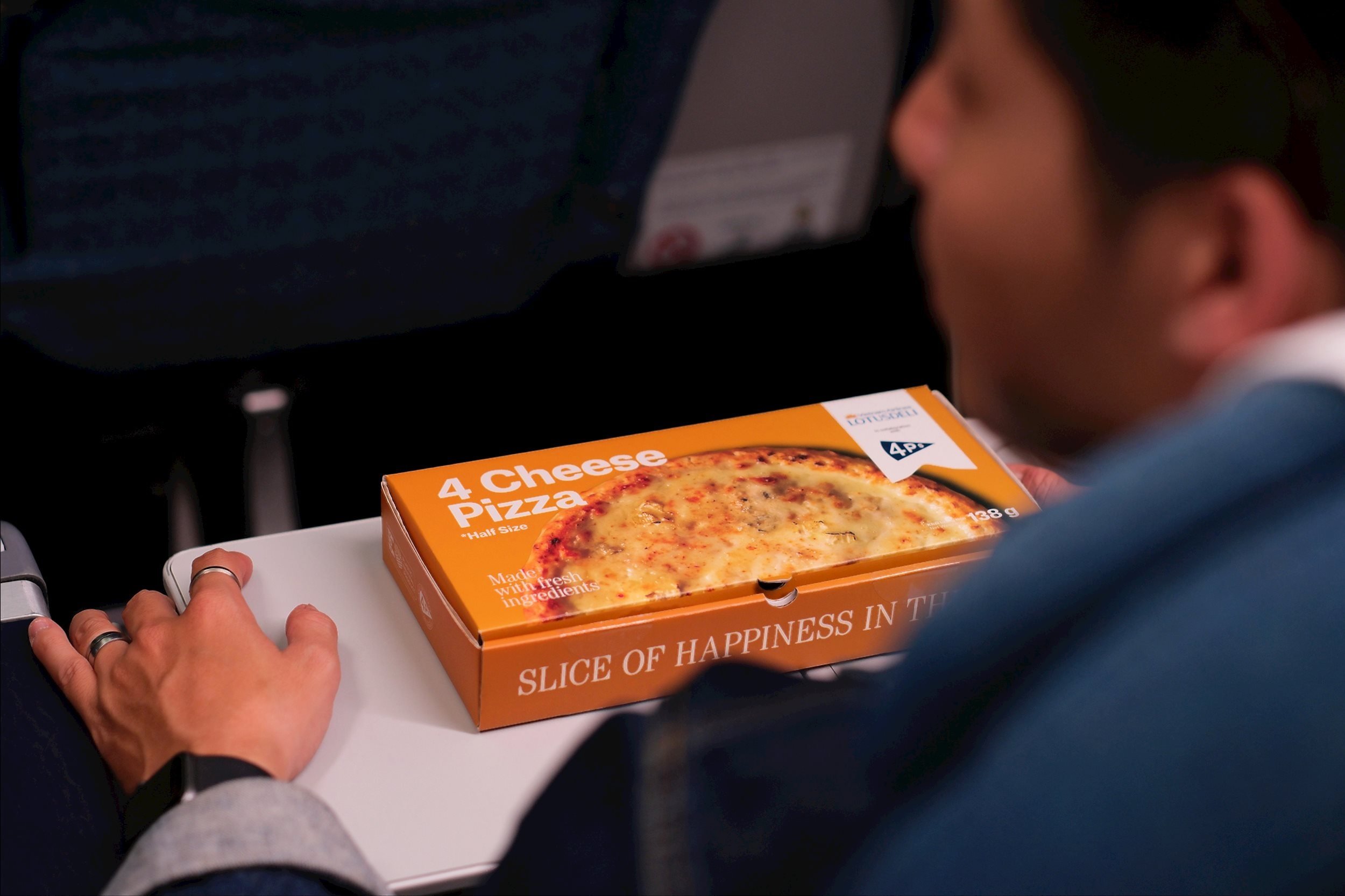
    Vietnam Airlines has recently introduced a new feature, offering meals sourced from the immensely popular Pizza 4P’s restaurant chain. The airline commenced the sale of these meals on Monday, on select domestic flights lasting 60 minutes or more and international flights that are a minimum of 90 minutes departing from Hanoi and HCMC, according to an official statement.

    Menu and Pricing

    Among the meal options available are Margherita and 4 cheeses, priced at VND119,000 dong (US$4.51) for half a standard pizza. However, potential customers are required to place their orders a minimum of 24 hours in advance, either via the airline’s official website or mobile app.

    Other airlines in Vietnam like Vietjet, Bamboo Airways, and Vietravel Airlines have already ventured into the sale of food and souvenirs on board their flights. In 2022, Vietnam Airlines also began selling milk tea on board, with prices set at VND49,000 per cup on domestic routes and VND100,000 on international flights.

    Shift Towards Personalized Offerings

    The initiative is part of Vietnam Airlines’ strategic shift towards offering more personalized, co-branded products that cater to the evolving needs of younger travelers, families, and international passengers.

    Pizza 4P’s, established in 2011 by Japanese duo Yosuke Masuko and Sanae Takasugi, is renowned for its pizza. Despite pizza being the main dish on its menu, the brand positions itself as a restaurant chain instead of a fast-food outlet. It now boasts 40 restaurants, with 35 locations in Vietnam and additional branches in Cambodia, Indonesia, Japan, and India.

    Questions & Answers

    What are the new meal options available on Vietnam Airlines?
    Vietnam Airlines has introduced meals from the popular Pizza 4P’s restaurant chain, including Margherita and 4 cheeses options.

    How can customers purchase these meals on Vietnam Airlines?
    Customers are required to place their orders a minimum of 24 hours in advance, either through the official website or mobile app of Vietnam Airlines.

    What is the goal of Vietnam Airlines in introducing these new meal options?
    Introducing meals from Pizza 4P’s is part of Vietnam Airlines’ strategic shift towards offering more personalized, co-branded products to cater to the evolving needs of younger travelers, families, and international passengers.

  • Simson’s Pantry Bolsters Bakery Line with High-Protein Mini Pizza Bases: A Tasty Transformation of a Family Favourite

    Simson’s Pantry Bolsters Bakery Line with High-Protein Mini Pizza Bases: A Tasty Transformation of a Family Favourite

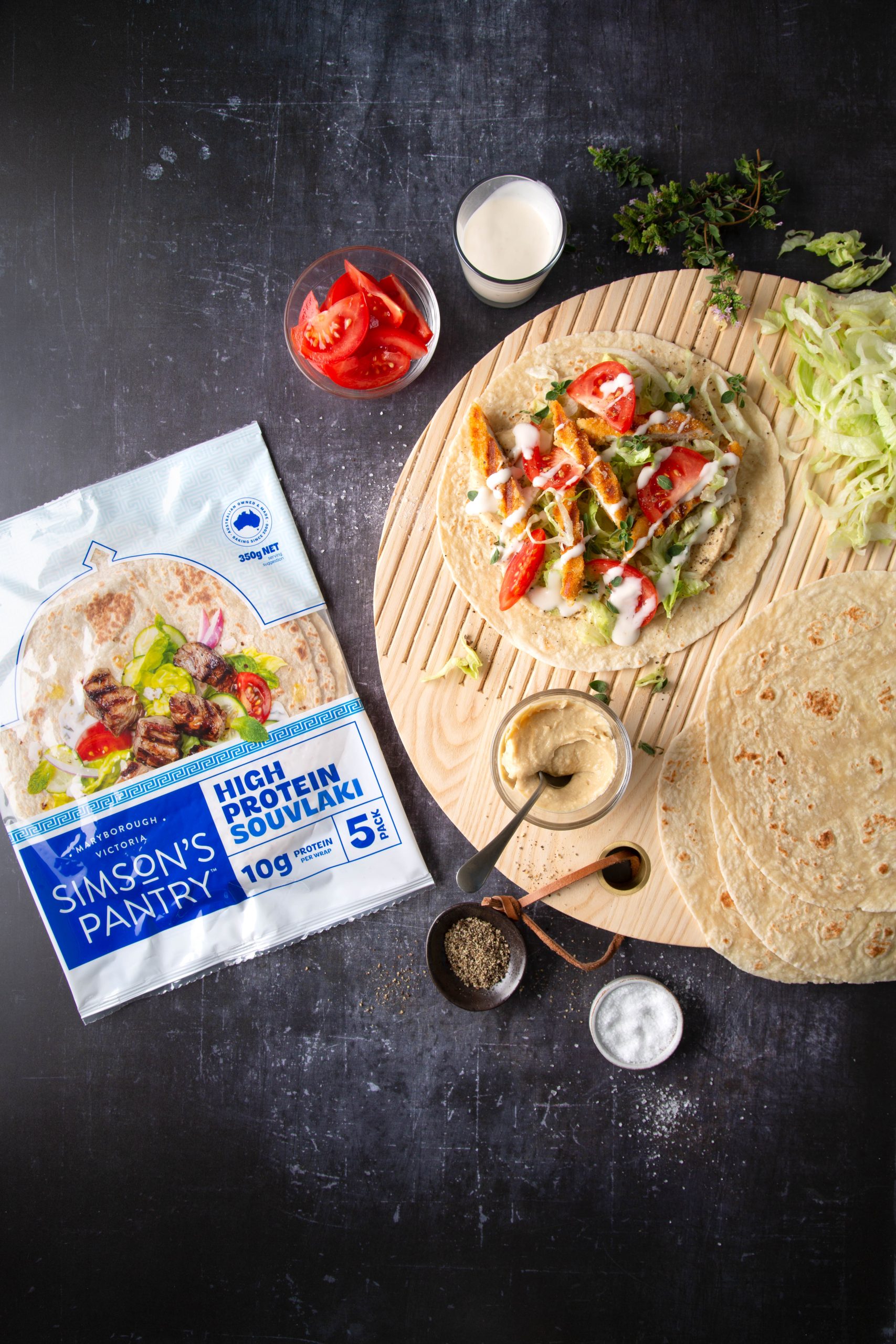
    Simson’s Pantry, the renowned bakery brand, has broadened its healthier product line by launching a new high-protein mini pizza base. This move comes following the successful initiation of its High Protein Souvlaki Flatbreads earlier this year.

    Enhancing Nutritional Value

    Offered in packs of six, each mini pizza base packs 6.3g of protein per serving. The brand has indicated that this product is designed to provide greater nutritional benefits without sacrificing flavor.

    Reimagining a Family Classic

    Mark Malak, the company’s Head of Marketing and Growth, stated that Simson’s Pantry saw an opportunity to reimagine a beloved family product by offering a healthier, more balanced alternative. He emphasized that the mini size format is ideal for controlling portions, whether for lunchboxes or snacks. Furthermore, the product is versatile, perfect for both sweet and savory dishes, and is air fryer-friendly.

    Nationwide Availability

    The Simson’s Pantry High Protein Mini Pizza Bases are now available for purchase across the country at Woolworths retail stores. Each six-pack is priced reasonably at $4.50.

    Questions & Answers

    What is the protein content in Simson’s Pantry’s new mini pizza base?
    Each serving of the mini pizza base contains 6.3g of protein.

    How is the mini pizza base package sold?
    The mini pizza bases are sold in packs of six.

    Where can customers purchase Simson’s Pantry High Protein Mini Pizza Bases?
    The product is available for purchase nationwide at Woolworths.

  • Yum Brands Eyeing Potential Pizza Hut Sell-Off Amid Underperformance

    Yum Brands Eyeing Potential Pizza Hut Sell-Off Amid Underperformance

    Yum Brands, the parent company of Pizza Hut, is currently exploring strategic alternatives for its pizza arm, which may include a potential sale. This move comes as Pizza Hut’s performance has been an underwhelming aspect of the business, failing to match the success of other sectors within the company.

    Strategic Review Initiated

    On Tuesday, Yum Brands disclosed that the company had commenced a formal evaluation of strategic alternatives for Pizza Hut. The purpose of this review is to unlock the brand’s full potential and optimise the value for the company’s stakeholders.

    In a statement, Christopher Turner, Yum Brands’ CEO, noted the Pizza Hut team has been diligently tackling business and category-specific challenges. However, the brand’s performance suggests that further action is required to unlock its full value. He further hinted that these goals might be more effectively achieved if Pizza Hut was not under the Yum Brands umbrella.

    A New Approach

    Turner stated that a new approach, which could potentially involve selling the business, may allow Pizza Hut to realise its full potential. However, he did not elaborate on what other approaches might be under consideration.

    Yum Brands has noted that no specific timeline has been set for the completion of this strategic review. Likewise, the company has not guaranteed that this process will result in a transaction.

    For guidance on this strategic review, Yum Brands has engaged the services of Goldman Sachs and Barclays as their financial advisors.

    Questions & Answers

    Why is Yum Brands considering selling Pizza Hut?
    The company is exploring different strategic options for Pizza Hut, including a potential sale, to maximise the brand’s potential and the value for the company’s shareholders.

    What is the timeline for this strategic review?
    Yum Brands has not set a specific deadline for the completion of the review.

    Has Yum Brands guaranteed that this review will result in a transaction?
    No, the company has stated that there is no assurance that the review process will lead to a transaction.

  • Domino’s Japan Welcomes New Ceo Dieter Haberl Amid Leadership Streamlining Strategy

    Domino’s Japan Welcomes New Ceo Dieter Haberl Amid Leadership Streamlining Strategy

    Dieter Haberl has been named as the new CEO of Domino’s Japan business. The appointment, effective from October 20, sees Haberl bring over a quarter-century of executive experience in Japan to the role.

    Haberl has a distinguished history of leadership in the region, having guided the fortunes of prominent consumer brands such as Toys R Us, Reebok, Lacoste, and Furla. He has also held high-level roles within The Coca-Cola Company in Germany and Japan.

    Domino’s executive chairman, Jack Cowin, expressed his pleasure at Haberl’s appointment. He lauded Haberl’s proven ability to drive large-scale transformations, reposition brands, and foster team development in sophisticated consumer-facing operations.

    Cowin emphasized the critical importance of the Japanese market for Domino’s, highlighting its leading status in the pizza sector. He indicated that Japan is an advanced market that values high-quality food, especially from global brands with a proven track record of surpassing customer expectations.

    However, the appointment of Haberl coincides with the departure of the current acting CEO of Domino’s Japan and CEO of Domino’s Asia, Josh Kilimnik. He will be exiting the business on March 30 after a transition period with Haberl.

    Kilimnik’s departure follows the company’s decision to cut down general and administrative expenses by streamlining regional leadership. This strategic move is aimed at giving regional teams more responsibility and accountability. As a part of this decision, Domino’s confirmed that the roles of CEO Asia and the presently unoccupied role of CEO Europe will remain unfilled.

    Questions & Answers

    Who is the new CEO of Domino’s Japan?
    The new CEO of Domino’s Japan is Dieter Haberl, an executive with over 25 years of experience in Japan.

    When will the current CEO of Domino’s Asia, Josh Kilimnik, leave the business?
    Josh Kilimnik, the current acting CEO of Domino’s Japan and CEO of Domino’s Asia, will leave the business on March 30.

    Will the roles of CEO Asia and CEO Europe be filled after Kilimnik’s departure?
    No, Domino’s has decided not to fill the roles of CEO Asia and the presently vacant role of CEO Europe. This decision is part of a strategic move to streamline regional leadership and give more responsibility and accountability to regional teams.