Tag: Plastic

  • Finish Revolutionizes Packaging with Eco-Friendly Paper-Based Dishwashing Tablets, Tackling Plastic Pollution One Wash at a Time

    Finish Revolutionizes Packaging with Eco-Friendly Paper-Based Dishwashing Tablets, Tackling Plastic Pollution One Wash at a Time

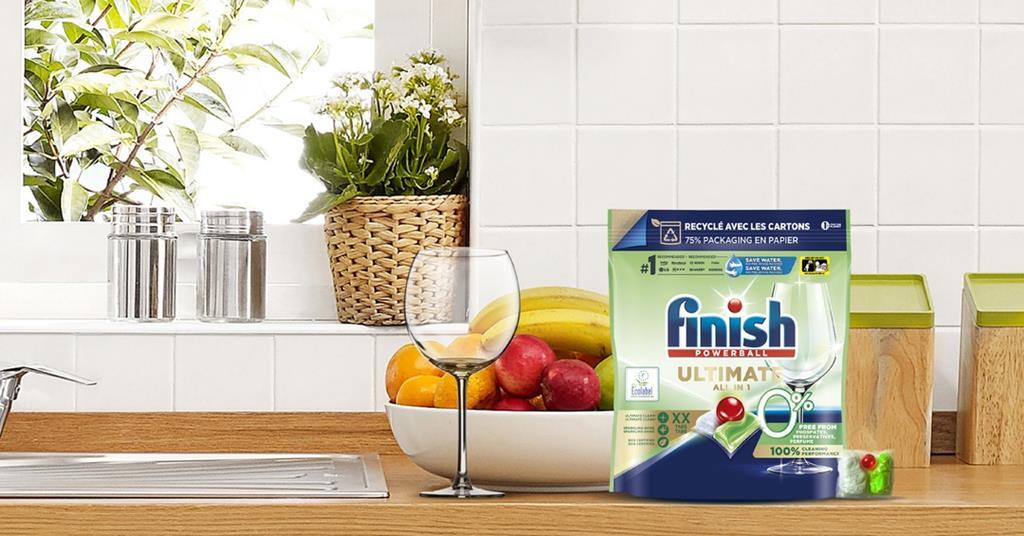
    Finish, a well-known dishwasher detergent brand, recently unveiled its new, kerbside recyclable, paper-based packaging for its dishwashing tablet products. The innovative move is set to eliminate an estimated 48 tonnes of plastic from Finish’s annual packaging output, which is roughly comparable to the plastic content of more than 1.8 million water bottles.

    Years of Research and Development

    This momentous achievement is the result of four years’ of dedicated research and development, which involved over 55 production trials. The main technical hurdle faced by the engineers was the need to design a water-resistant barrier that would safeguard the chemical stability of the tablets. At the same time, ensuring that the chosen materials were suitable for standard paper recycling streams was another significant challenge.

    According to Laurie Ferland-Caouette, the Head of Sustainability at Reckitt Australia, this launch signifies a considerable advancement for the home care category in Australia. “We anticipate that half of all Finish tablet packs sold will now feature our paper-based packaging. This will make it easier for Australians to make more sustainable choices as part of their everyday routines,” she added.

    Australia-Wide Availability

    This newly developed packaging will be available across selected ranges in supermarkets throughout Australia.

    In addition to this, Finish will continue its association with the non-profit organisation, Rural Aid, into 2024, marking its fifth year of partnership.

    Questions & Answers

    What was the main challenge faced by engineers during the development of the new packaging?
    The engineers had to design a water-resistant barrier that would protect the chemical stability of the tablets, while ensuring that the materials used were suitable for standard paper recycling processes.

    How much plastic does Finish estimate it will save annually with the new packaging?
    Finish estimates that the new packaging will remove around 48 tonnes of plastic from its annual packaging production.

    Will the paper-based packaging be available throughout Australia?
    Yes, the paper-based packaging will be available across selected product ranges in supermarkets nationwide.
  • Great Wrap Collapses Under Debt: Unfortunate End For Sustainable Plastics Innovator

    Great Wrap Collapses Under Debt: Unfortunate End For Sustainable Plastics Innovator

    Great Wrap, an emerging leader in the alternative plastics industry, has unfortunately been forced to cease operations due to mounting debts. The company has reportedly accumulated about $39 million in debts, culminating in an unexpected end almost six years after its inception.

    Company Shutdown

    The Australian Securities and Investments Commission (ASIC) has confirmed that administrators were named to handle the insolvency proceedings on September 17. The shutdown has led to a complete halt in the company’s operations and the dismissal of all employees.

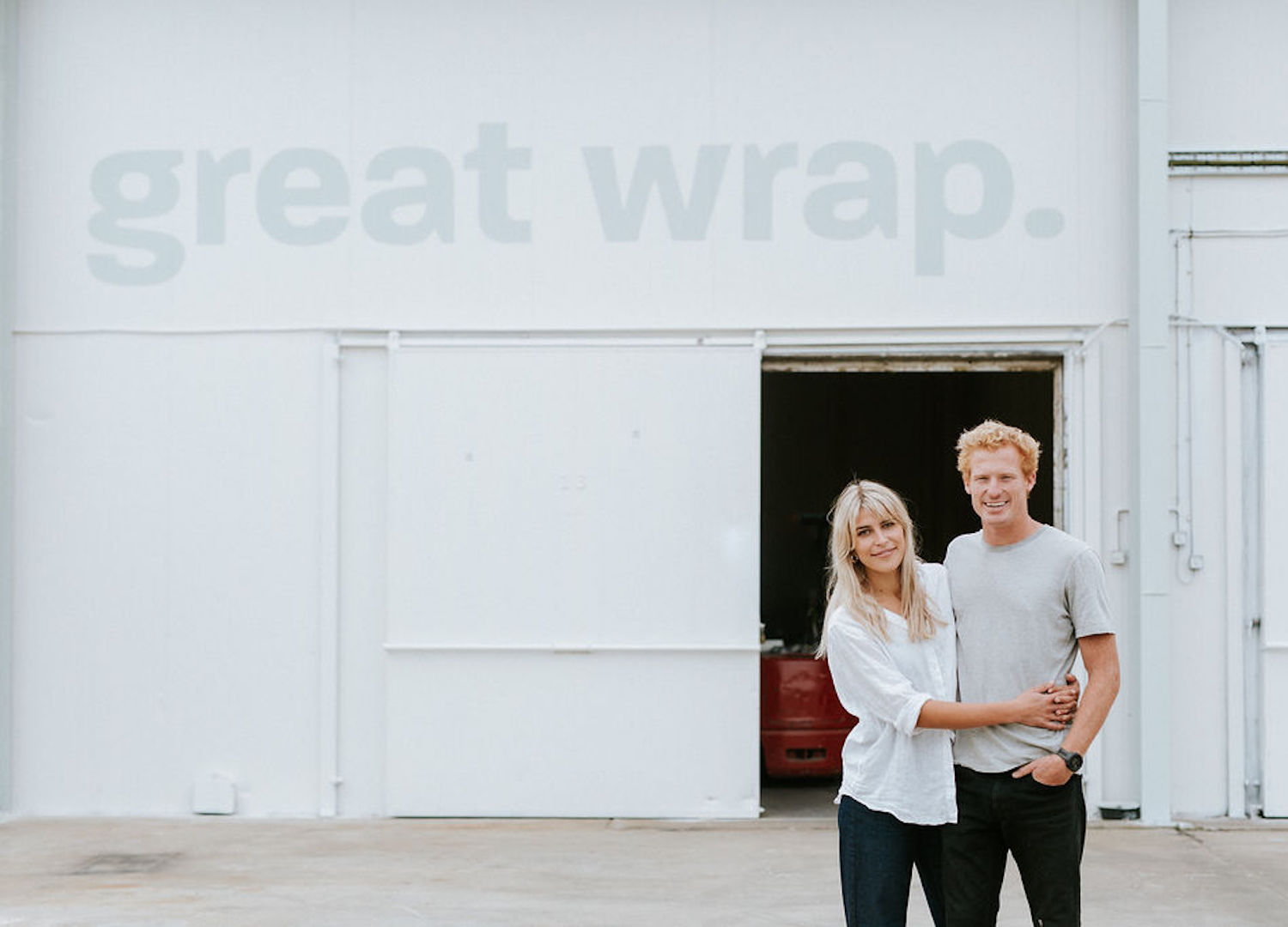
    Jordy Kay, co-founder and CEO of Great Wrap, verified the company’s closure in a professional networking platform post. He acknowledged the end of the company’s journey and expressed his gratitude to all supporters. Kay affirmed his commitment to work with the administrators to liquidate all company assets and repay the creditors in full.

    Innovation and Challenges

    Great Wrap, which Jordy and Julia Kay established in 2020, enjoyed recognition for its compostable cling film and pallet wrap manufactured from potato waste and other organic materials. The business had positioned itself as a sustainable substitute to petrochemical-based plastics. Their target customers were retailers and fast-moving consumer goods (FMCG) companies as well as logistics providers aiming to decrease plastic waste.

    Regrettably, changing market situations and a decrease in demand for compostable packaging were key factors in the company’s downfall. Kay explained that retailers and FMCG companies had started to transition from using compostable alternatives to establishing their own plastic recycling operations. This shift led to a slow-down in their business and a weakening demand for their products.

    While the company had plans to expand into the US market, the persistent struggle to make the Australian plant profitable left them without adequate time or capital to continue. The inability to turn a profit from the Australian plant, combined with a depletion of time and capital for US expansion, ultimately led to the company’s collapse.

    Despite the unfortunate development, Kay remains hopeful that their journey would inspire others to continue exploring opportunities in the challenging domain of alternative plastics.

    Questions & Answers

    Why did Great Wrap cease operations?
    Great Wrap was forced to shut down due to financial struggles, including a reported $39 million in debt.

    Who were the primary customers of Great Wrap?
    Great Wrap’s primary customers were retailers, FMCG companies, and logistics service providers looking to reduce plastic waste.

    What led to the reduction in demand for Great Wrap’s products?
    A shift in strategy from retailers and FMCG companies led to a decline in demand. These companies transitioned from using compostable alternatives to setting up their own plastic recycling operations.

  • Cadbury Australia Recalls Marvellous Creations Candy Due To Plastic Contamination Risk

    Cadbury Australia Recalls Marvellous Creations Candy Due To Plastic Contamination Risk

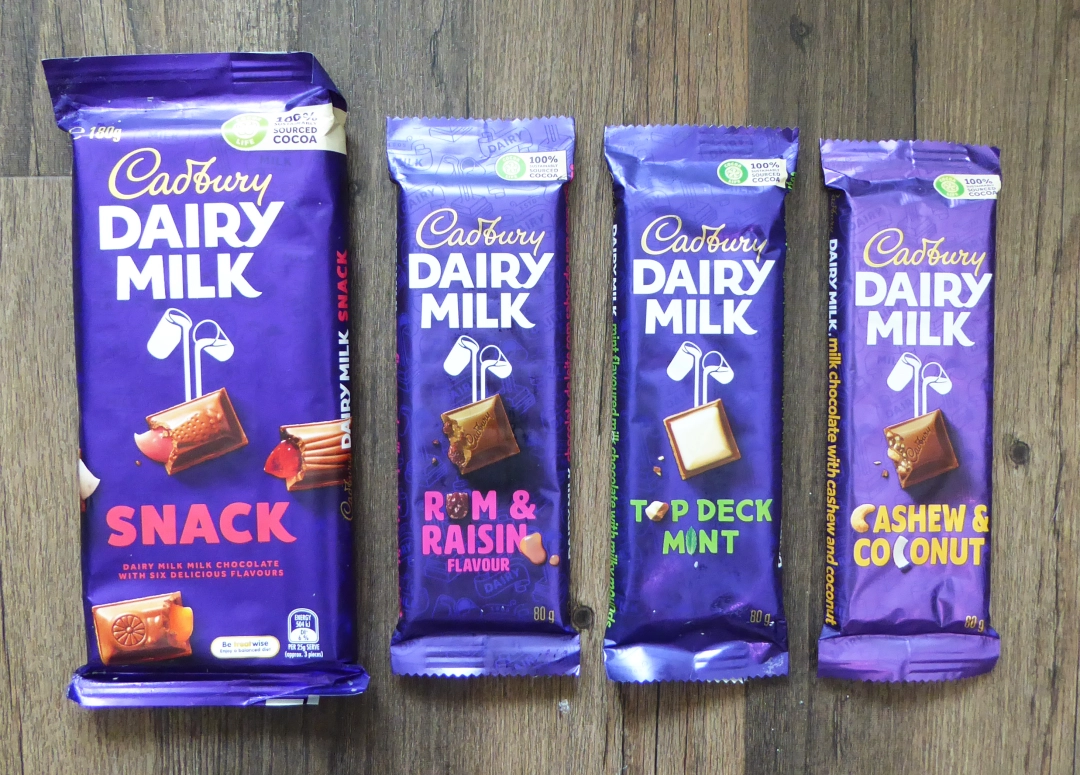
    Cadbury Australia has recently announced a countrywide recall of a popular product, the Marvellous Creations Jelly Popping Candy Beanies. The recall is due to the discovery of plastic fragments within the treats.

    Product Details

    The products impacted by the recall are those with an expiration date of May 21, 2026. They have been distributed and sold across the country by various outlets, including Coles, Woolworths, Drakes, The Reject Shop, IGA, and several independent retailers.

    Consumer Warning

    Food safety bodies have cautioned against consuming products containing plastic, stating that they may lead to potential health risks such as illness or injury.

    Advice to Consumers

    Customers who have purchased the affected product are strongly advised not to consume it. They are encouraged to return the product to the store of purchase where they will receive a full refund.

    For those who have already consumed the product and are worried about their health, it is recommended to seek immediate medical advice.

    Questions & Answers

    What should I do if I have purchased the recalled product?
    You should not consume it. Instead, return it to the store from where it was purchased for a full refund.

    What if I have already consumed the product?
    If you have already consumed the product and are feeling unwell or concerned about your health, it is strongly recommended to seek immediate medical attention.

    Are other Cadbury products affected by this recall?
    No. This recall is specific to the Marvellous Creations Jelly Popping Candy Beanies with an expiration date of May 21, 2026. Other Cadbury products are not affected.

  • Aldi removes single-use plastic straws from its product range

    Aldi removes single-use plastic straws from its product range

    Aldi, the multinational retail giant, has taken a significant step towards environmental sustainability by eliminating single-use plastic straws from its product line. This move aligns with the recycled soft plastics program led by the Australian Competition and Consumer Commission’s Soft Plastics Taskforce, which is prevalent in many large supermarkets.

    Aldi’s Environmental Commitment

    The decision to phase out single-use plastic straws is expected to prevent millions of these items from contributing to landfill waste and water pollution. Daniel Baker, Aldi Australia’s director of sustainability, voiced the company’s ongoing commitment to making positive changes for the environment. He highlighted how actions such as these serve as a testament to Aldi’s continuous efforts to improve the planet.

    Aldi’s dedication to environmental sustainability extends beyond this recent change. The company has also pledged to replace single-use plastic tableware in its staple and seasonal product offerings with paper alternatives. This strategy will result in an estimated reduction of 46 million plastic items annually.

    Previous Initiatives

    Aldi’s decision to eliminate plastic straws follows a series of eco-friendly initiatives introduced in 2021. Last year, the supermarket chain ceased the use of plastic straws in its juice boxes and popper cartons, substituting them with paper straws. This move led to the elimination of 70 million plastic straws.

    Industry-Wide Changes

    Aldi is not alone in its efforts to promote environmental sustainability in the retail industry. Fellow supermarket chain Coles has also stopped selling single-use plastic tableware products, opting for FSC-certified and reusable alternatives instead.

    Questions & Answers

    **What is Aldi’s latest initiative to reduce plastic waste?**
    Aldi’s most recent effort to decrease plastic waste is the elimination of single-use plastic straws from its product line.

    **What other changes has Aldi made towards environmental sustainability?**
    In addition to removing single-use plastic straws, Aldi has also pledged to replace single-use plastic tableware with paper options in their staple and seasonal product ranges.

    **Are other supermarkets making similar changes?**
    Yes, Coles, another major supermarket chain, has also stopped selling single-use plastic tableware, choosing to use FSC-certified and reusable options instead.

  • Thai buyer to snap up another Vietnamese plastics firm

    Thai buyer to snap up another Vietnamese plastics firm

    Plastics manufacturer Ngoc Nghia Industry – Service – Trading Jsc is set to be acquired by a Thai company. Fund management company VinaCapital, which owns a 37.8 percent stake in Ngoc Nghia, recently registered to sell it off. Founder La Van Hoang and his family, who own 58.5 percent, have also registered to sell their stake.

    Earlier Indorama Netherlands B.V., a subsidiary of Thailand’s Indorama Ventures, publicly stated its intention of buying Ngoc Nghia for an unspecified amount. Indorama Ventures is the biggest plastic and polyester yarn manufacturer in Thailand and has made acquisitions in the U.S. and Europe to become one of the biggest players in the world.

    The deal, if successful, would see a Thai company acquiring yet another Vietnamese plastic producer. Last year, SCG Packaging Public Company Ltd bought a 70 percent stake in Duy Tan Plastics, the largest manufacturer of rigid plastic packaging products in Vietnam.

    Most major companies in the plastic and paper packaging industry are foreign-owned, according to FPT Securities.

    Ngoc Nghia was established in 1993 and mostly produces plastic bottles and medical containers, with Unilever, Coca-Cola and Vinamilk being among its top customers.

    The company reported profits of VND103 billion ($4.5 million) last year.

  • Aldi removes 2,000 tonnes of plastic from its shelves

    Aldi removes 2,000 tonnes of plastic from its shelves

    The sustainability focus in Belgium and Luxembourg is currently on reducing food waste and improving the sustainability of packaging. We provide our customers with sustainable products, while transforming our stores and distribution centres to be more energy-efficient and climate-friendly.

    To reduce food waste, we have strengthened our collaboration with the Belgian foodbanks. We started freezing food surpluses, which enabled us to increase donations. With this strategy, the ALDI companies enable redistribution of food over a longer period of time to those in need. As a result of our initial EOY charity action, we donated 50,000 euros’ worth of freshly prepared meals to the Foodbanks with the help of our customers.

    In 2019, the National Packaging Policy was launched for Belgium and Luxembourg with the aim of reducing and optimising the recyclability of our packaging. We strive towards 100 per cent recyclable packaging by the end of 2022 and aim to reduce the total amount of packaging materials by 10 per cent by the end of 2025. As of 2019, these goals are monitored by our newly founded sustainable packaging team. Furthermore, we have taken initiatives to reduce single use plastics such as cotton ear buds and carrier bags.

    Our products make a stop at our distribution centres before being distributed to individual stores. To reduce our carbon footprint, we have retrofitted all our distribution centres with energy-efficient LED lighting and solar panels. The new centre in Turnhout meets the latest sustainable building standards, for which it has received a BREEAM outstanding certification as the most sustainable distribution centre in Belgium. In 2019, we started working with a hub for suppliers, which enables us to reduce the amount of driven kilometres saving CO2 emissions.

  • PepsiCo to reduce plastic use, launch plant-based snacks in green push

    PepsiCo to reduce plastic use, launch plant-based snacks in green push

    PepsiCo, a leading food and beverage giant, has announced plans to cut back on the use of virgin plastic and expand its SodaStream carbonated-water business to more markets in response to increasing calls to combat climate change.

    According to the company, as part of a new initiative called “pep+”, the food and beverage giant aims to reduce virgin plastic use per serving by half across all brands by 2030 and use 50% recycled content in all its plastic packaging.

    PepsiCo’s ambitious plastics plan also includes scaling its SodaStream business globally, Laguarta told Reuters in an interview. SodaStream, acquired by PepsiCo in 2018, makes machines and refillable cylinders that let users make their own soda or carbonated water drinks at home.

    The brand, currently in 40 countries, will bring new flavours into 23 more markets and introduce its new SodaStream Professional platform aimed at businesses in 10 additional markets by 2022.

  • Coke, Asahi lead joint venture to recycle 1 billion PET bottles annually

    Coke, Asahi lead joint venture to recycle 1 billion PET bottles annually

    Pact Group, Cleanaway, Asahi Beverages and Coca-Cola Europacific Partners (CCEP) have announced they have signed a Memorandum of Understanding (MOU) to form a joint venture that will build and operate a new PET recycling facility. Under the MOU, the parties intend to come together to provide an industry model for recycling solutions in Australia. This will include the new facility as well as the PET recycling facility currently being built by Pact Group, Cleanaway and Asahi Beverages through Circular Plastics Australia (PET) in Albury-Wodonga, which is expected to be completed later this year.

    The proposed facility will provide a massive boost to Australian recycling by processing raw plastic material collected via Container Deposit Schemes and kerbside recycling. It is expected to process the equivalent of around 1 billion bottles each year to produce over 20,000 tonnes of new recycled PET bottles and food packaging. The facility will use state-of-the-art sorting, washing, decontamination and extrusion technology.

    The cross-industry solution combines the complementary expertise of each participant to enhance their individual sustainability goals. Cleanaway will provide available PET through its collection and sorting network, Pact will provide technical and packaging expertise and CCEP, Asahi Beverages and Pact will buy the recycled PET from the facility to use in their respective products. The plant, when fully operational, will be run by Pact.

    A decision on the plant’s location is anticipated in the coming months and construction is expected to be complete by 2023.

    CCEP and Asahi Beverages, while competitors in the beverage market, have, for the purpose of this joint venture, joined with Pact and Cleanaway to increase the production and availability of recycled PET resin in Australia. The parties are proud to work with one another to advance the cause of sustainability and recycling. This proposed plant is an important step forward in creating a local plastics circular economy in Australia. This new self-sustaining industry is expected to create dozens of new jobs during the construction phase and operation of the plant.

    In describing the deal, Peter West, CCEP Vice President and General Manager Australia, Pacific and Indonesia said, “This new joint venture will deliver a collaborative cross-industry solution to recycle the material that we use to produce our products. Together we can work towards creating a circular economy for PET within the beverages industry, ensuring that we are using more locally processed recycled content for the production of our bottles in Australia.”

    Asahi Beverages Group CEO Robert Iervasi said, “This will be a ground-breaking project that will massively boost PET recycling capacity. It will help transform recycling in Australia by providing a new, local source of high-quality recycled PET. The building of this large rPET plant along with the facility in Albury-Wodonga is a major step towards helping us deliver a truly circular economy for our consumers.”

    Cleanaway Chief Operating Officer Brendan Gill said, “This project supports Cleanaway’s Footprint 2025 by ensuring we have the right infrastructure in place to create a domestic circular economy. This PET plastic pelletising facility is a huge win for the environment by creating a high value, recycled raw material from plastics we collect and sort through our network. At Cleanaway our mission is to make a sustainable future possible and we see waste as a resource to achieve that.”

    Group CEO and Managing Director from Pact Group, Sanjay Dayal said, “We are delighted to be able to bring a scaled cross-industry solution that solves for the local production of recycled resin. We are proud to have CCEP, Asahi Beverages and Cleanaway as partners creating a local circular economy. This partnership shows the value of a solution that works for industry and consumers. This is completely aligned to Pact’s strategy which is to lead the local circular economy through reuse, recycling, and packaging solutions”.

  • Uniqlo Singapore goes paper shopping bags

    Uniqlo Singapore goes paper shopping bags

    Uniqlo Singapore is ditching its plastic shopping bags in favor of paper.

    The decision reflects a global move by the brand to become more environmentally friendly and reduce its reliance on single-use plastics. The new bags will retail at 10 cents each, with a more robust eco-friendly tote bag available at SG$2.90.

    Uniqlo’s Japanese parent Fast Retailing Group announced intentions to eliminate unnecessary plastics use throughout its supply chain in July last year. The firm plans to reduce single-use plastic by 85 percent (around 7800 tons annually) by the end of this year.

    Uniqlo is also addressing other factors in its supply chain, including reducing the volume of water used in its jeans washing process by an average of 90 percent as well as introducing new material in its clothing items – Dry-Ex – derived from recycled plastic bottles

  • Uniqlo Singapore Switches to Eco-friendly Paper Bagsto Reduce Single-Use Plastic

    Uniqlo Singapore Switches to Eco-friendly Paper Bagsto Reduce Single-Use Plastic

    From 2 March onwards, UNIQLO Singapore will replace plastic shopping bags with eco-friendly paper bags, as part of the company’s global efforts to create a sustainable business that considers for the environment. To further promote reducing the use of traditional shopping bags and making effective use of resources, UNIQLO will be launching a new eco-friendly tote bag at SGD$2.90 and will price its eco-friendly paper shopping bag at SGD$0.10 each.
     
    This comes after the announcement by Fast Retailing Group, the parent company of UNIQLO, in July 2019 to eliminate the use of unnecessary plastic throughout its supply chain, and to reduce the amount of single-use plastic handed to customers, including shopping bags and product packaging. The aim is to reduce single-use plastic by 85% or around 7,800 tons annually by the end of 2020.

    “Respect the Environment” is one of UNIQLO’s six priorities for sustainability, and together with Fast Retailing, it is proceeding to eliminate all forms of waste and establish a business with minimal impact on the environment. Environmental pollution from plastic waste is a growing concern worldwide, and UNIQLO is taking action to reduce unnecessary single-use plastic from its operations. This will help minimise the environmental impact of its business, while offering products and services customers can use with confidence.

  • China takes first step to banning single-use utensils, plastic bags

    China takes first step to banning single-use utensils, plastic bags

    China’s National Development and Reform Commission has revealed plans to cut the production and use of single-use plastic in China in the next five years.

    By the end of this year, supermarkets, shopping malls and food delivery services will not be allowed to use non-degradable plastic bags. Disposable plastic used in e-commerce, express deliveries and takeaway food will be limited in 2022.

    The country will also completely ban the import of plastic waste, said a spokesperson from the commission.

    According to Bloomberg, by 2022, some delivery services in major cities including Beijing and Shanghai will be forbidden from using non-degradable packaging, with the ban extended to the whole country by 2025.

  • Major Thai retailers stop giving out plastic bags

    Major Thai retailers stop giving out plastic bags

    Thai Retailers Association members have stopped providing customers with plastic bags as a ban took effect on January 1.

    A campaign titled Every Day Say No to Plastic Bags run by Thai Retailer Association will stop its 75 member chains from giving away plastic bags through 24,500 outlets, aiming to cut 13.5 billion plastic bags used in Thailand annually – about 30 per cent of the total.

    According to the Department of Pollution Control, 18 billion plastic bags (40 per cent) come from the fresh markets each year, while another 30 per cent or 13.5 billion bags come from local grocery stores. In Bangkok, each person uses eight plastic bags on average per day, creating around 80 million pieces of plastic waste daily.

    “Thailand was ranked sixth among the world’s top countries that dumps waste into the sea,” said Varawut Silpa-Archa, minister of natural resources and environment. “During the past five months, we were down to 10th … thanks to the cooperation of the Thai people.”

    The country reduced the use of plastic bags by 2 billion last year, in the first phase of a campaign to encourage consumers’ voluntary refusal of plastic bags from stores. Many department stores and supermarkets in Thailand already have their own programmes to cut down on plastic bags.

  • Vietnam aims to free tourist areas of plastic waste

    Vietnam aims to free tourist areas of plastic waste

    Vietnam will cut down 75 percent of its marine plastics and stop generating plastic waste in coastal tourist areas by 2030, the government says.

    Prime Minister Nguyen Xuan Phuc has issued a national action plan on the management of plastic waste in the ocean until 2030, which aims to fulfill the country’s international commitment to resolve the issue of marine plastics.

    According to the plan, by 2030, Vietnam would have reduced the amount of plastic waste being dumped into the ocean and collected 100 percent of lost or discarded fishing equipment. Additionally, 100 percent of coastal tourism service providers would stop using disposable plastic products and non-degradable plastic bags, and 100 percent of marine protected areas would be free of plastic waste.

    The government has asked the Ministry of Natural Resources and Environment to expand its annual monitoring activities and evaluate the current status of marine plastics at river mouths and in 12 island districts every five years.

    To achieve its goals, the government will work to promote and raise public awareness on the issue of plastic waste; change the public’s behavior and treatment of plastic products and marine plastics; collect, sort, store, transport and treat plastic waste generated by activities in coastal areas and on the seas.

    The PM asked the Ministry of Natural Resources and Environment to work with authorities of coastal provinces and municipalities to develop and pilot models for managing, reducing and eventually stopping the use of disposable plastic products and hard-to-degrade plastic bags in coastal areas.

    According to the United Nations Environment Program, Vietnam is the world’s fourth-largest marine plastic polluter after China, Indonesia and the Philippines. It has been estimated that Vietnam dumps an average of 300,000-700,000 tons of plastic waste into the ocean per year, accounting for six percent of the world’s marine plastics.

  • APAC Anti Ocean Plastic Fund Raises Over $100 Million

    APAC Anti Ocean Plastic Fund Raises Over $100 Million

    Circulate Capital, investment managers dedicated to ocean plastic prevention, raised $106 million in its venture capital fund aimed to clear the waters in Asia.

    The fund will invest in companies and infrastructure that prevent ocean plastic in South and Southeast Asia through a model that blends concessionary funds with investment capital. It has identified more than 200 potential investment opportunities with the first targets for capital deployment earmarked for 2019-end.

    Founding investors of the fund include PepsiCo, Procter & Gamble, Dow, Unilever, Coca-Cola Company, Chevron Phillips Chemical Company and Danone.

    Asia is the leading contributor to the crisis, with 60 percent of ocean plastic originating from the region, according to a release. A recent Ocean Conservancy report found financing gaps of $28-40 per ton of plastic waste collection in the top five ocean polluters – China, Indonesia, Philippines, Thailand and Vietnam.

    «The good news is that we are able to reduce nearly 50% of the world’s plastic leakage by investing in the waste and recycling sector in Asia, and even more if we invest in innovative materials and technologies,» said Rob Kaplan, CEO of Circulate Capital.

    «This is why we are here in Singapore – a strategic hub of Southeast Asia – to prove that investing in this sector is scalable for the region and can generate competitive returns while moving closer to solving the ocean plastic crisis.»

    Corporate Returns

    In addition to investment returns, its founding investors could make gains from the actual activities engaged by firms. For example, ecosystems to support plastic recycling could result in astronomical long-term returns for companies involved in large scale packaging by potentially creating a «circular economy».

    That’s why at Coca-Cola we have invested in Circulate Capital and have committed to collect and recycle the equivalent of every bottle and can we produce by 2030, said Matt Echols, vice president of communications, public affairs and sustainability, Coca-Cola Asia Pacific.

    Packaging does not need to become waste. By investing in the waste collection and recycling sector in this critical region, beverage packaging can become a valuable material used again and again – a step closer towards a circular economy.

  • Toyota, Mahindra Decide To Stop Usage Of Single Use Plastic

    Toyota, Mahindra Decide To Stop Usage Of Single Use Plastic

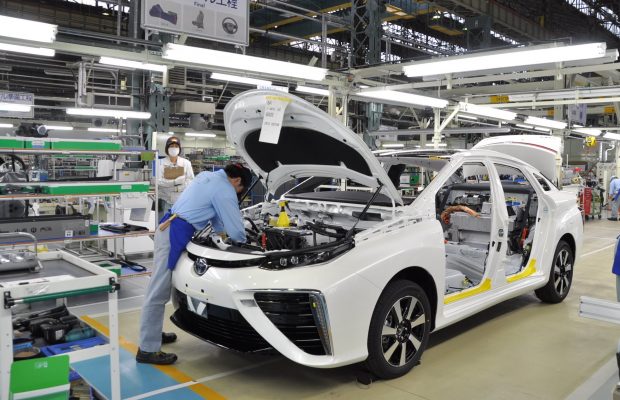
    Over time cars and car companies have been blamed of contaminating the environment. Be it emission, exhausting fossil fuel or adding up to the noise pollution, cars have been the soft target to point the finger on. That said, the situation need not remain the same always. While carmakers are adhering to the government’s upcoming emission standards, fuel efficiency norms and electrification targets in a bid to curb pollution, some are also taking steps to refine their production methods. Automakers like Toyota and Mahindra have decided to eliminate the use of single-use plastic in their manufacturing process.

    As part of the six challenges to be achieved by 2050, Toyota is trying to establish a recycling-based society and systems. The move ensures zero waste directly to landfills and achieves recyclability of 96 percent, at its operating plant at Bidadi, Karnataka and also helps in reducing45per cent of the plastic footprint. Commenting on the initiative Masakazu Yoshimura, Managing Director, Toyota Kirloskar Motor said, “Keeping in-line with our global Toyota Environment Challenge 2050 and aligned with honorable Prime Minister’s nationwide campaign to limit the consumption of single-use plastic, we have proactively implemented several initiatives encouraging our stakeholders to reduce, recycle and reuse, as a step towards a better tomorrow.”

    Mahindra’s initiative could also be extended in Ford’s Chennai and Sanand plant following their recent JV.

    Along with Toyota, even Mahindra has taken steps in this direction. Pawan Goenka, Managing Director, Mahindra & Mahindra put out in a tweet today that all 15 manufacturing plants of Mahindra & Mahundra have committed to stop using single use plastic latest by the end of this year. The move is crucial, even much so at a time when Mahindra has partnered with Ford in its India operations. It will have 51 per cent ownership in its India business, in-turn taking the charge of its Chennai and Sanand manufacturing plants which means we can hope the initiative being extended to even these plants by the day.