Retail News CRM

Tag: Plastic

  • Malaysian mall introduces metal straws for shoppers

    Malaysian mall introduces metal straws for shoppers

    Malaysia’s Sunway Malls is introducing metal straws in a move to help eliminate single-use plastic straws from its property. The decision, made in alignment with the United Nations’ Sustainable Development Goals and the government’s decision to ban plastic straws in the Federal Territories in Malaysia, has introduced metal straws. Many of Sunway’s tenants are moving forward with alternative straw materials too – biodegradable paper straws are available at some outlets, while others have decided to remove plastic straws altogether and some are also rewarding customers who bring their own straws.

    Sunway shoppers who spend RM100 (US$24) in two receipts will be eligible to collect their personal metal straws from the concierge counters of each participating mall.

    “At Sunway Malls, we are excited to introduce metal straws, which will be available to shoppers with a very minimal spend,” said Sunway Malls COO Kevin Tan. “We were one of the first malls to introduce the Bring Your Own Bag (BYOB) campaign in 2017. With metal straws, we hope to instill a greater sense of responsibility and sustainability towards the environment through a conscious effort of reducing daily plastic consumption in our shoppers lives,” he said.

    “As a landmark mall in our community, this is part of our continuous effort for the betterment of the future and hope that our shoppers will also see the value in this campaign. A little change goes a long way.”

  • Starbucks South Korea offers incentives using own cups

    Starbucks South Korea offers incentives using own cups

    Starbucks South Korea says the number of customers bringing their own cups to the store leapt 24 per cent in just one month. The boost is the result of its ‘Eco Bonus Star Program’ aimed at reducing waste and improving consumer awareness of sustainability issues. Through the Eco Bonus Star Program, customers of Starbucks South Korea can collect additional ‘stars’ – or bonus points – by bringing their own cups to cafes. The stars can be used for discounts and other benefits.

    Customers can choose to receive an immediate discount of 300 won (US27 cents) if they don’t want to collect stars.

    Starbucks said that, compared to 970,000 customers who brought their own cups in October, more than 1.21 million customers brought their own cups in December, the first full month of the program.

    Two-thirds of customers chose to save up stars, rather than receive the discount.

    “More than 1.81 million additional stars were given to customers just 50 days after the Eco Bonus Star program was implemented,” said Starbucks.

    “Gold members for My Starbucks can get a free drink for 12 stars, which also likely encouraged more customers to bring their own cups.”

    More than 8 million customers have brought their own cups this year, twice as many as last year.

  • Western Australia to stop using plastic bags

    Western Australia to stop using plastic bags

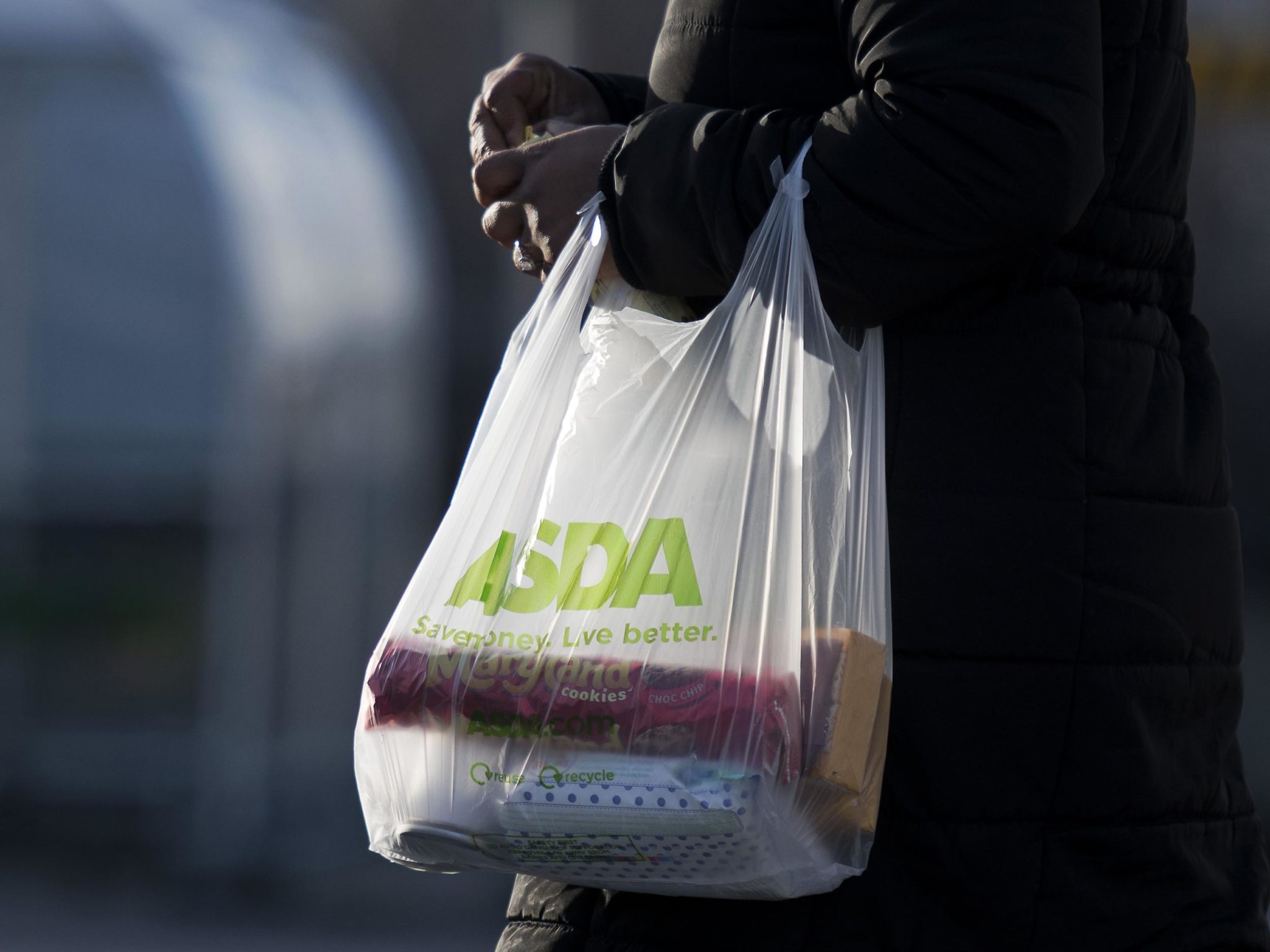
    The ban on the use of plastic bags in Western Australia has started as of January 1, 2019, with retailers no longer be able to provide customers with lightweight plastic bags when shopping in their stores. Retailers who fail to comply with the new laws will face substantial fines and disruptions to their business operations. The National Retail Association (NRA), which has partnered with the state government to assist the sector to make a smooth transition ahead of the ban, has issued a statement to consumers earlier reminding them to be prepared for the change when they shop starting the new year.

    David Stout, NRA manager of Industry Policy, said the bag ban applies to all retailers operating in Western Australia regardless of size or type – ranging from newsagents to food outlets, to pharmacies and petrol stations.

    Stout said shoppers need to make sure that they have alternative options in place, like reusable bags, to safeguard against any inconvenience.

    “The NRA has visited thousands of retailers in all parts of the state over the past few months to ensure that retailers are as ready as possible,” Stout said.

    He added that the NRA will continue to assist retailers with any teething issues after the ban comes into effect.

  • Korea to ban plastic bags in supermarkets

    Korea to ban plastic bags in supermarkets

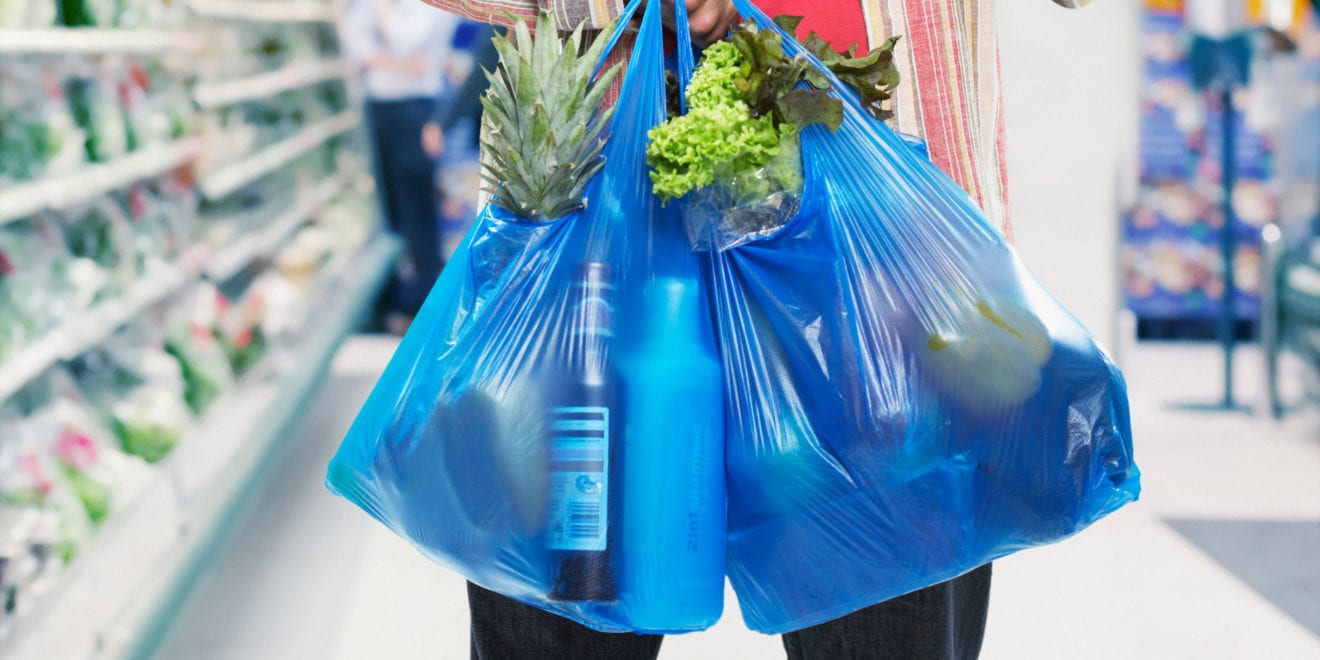
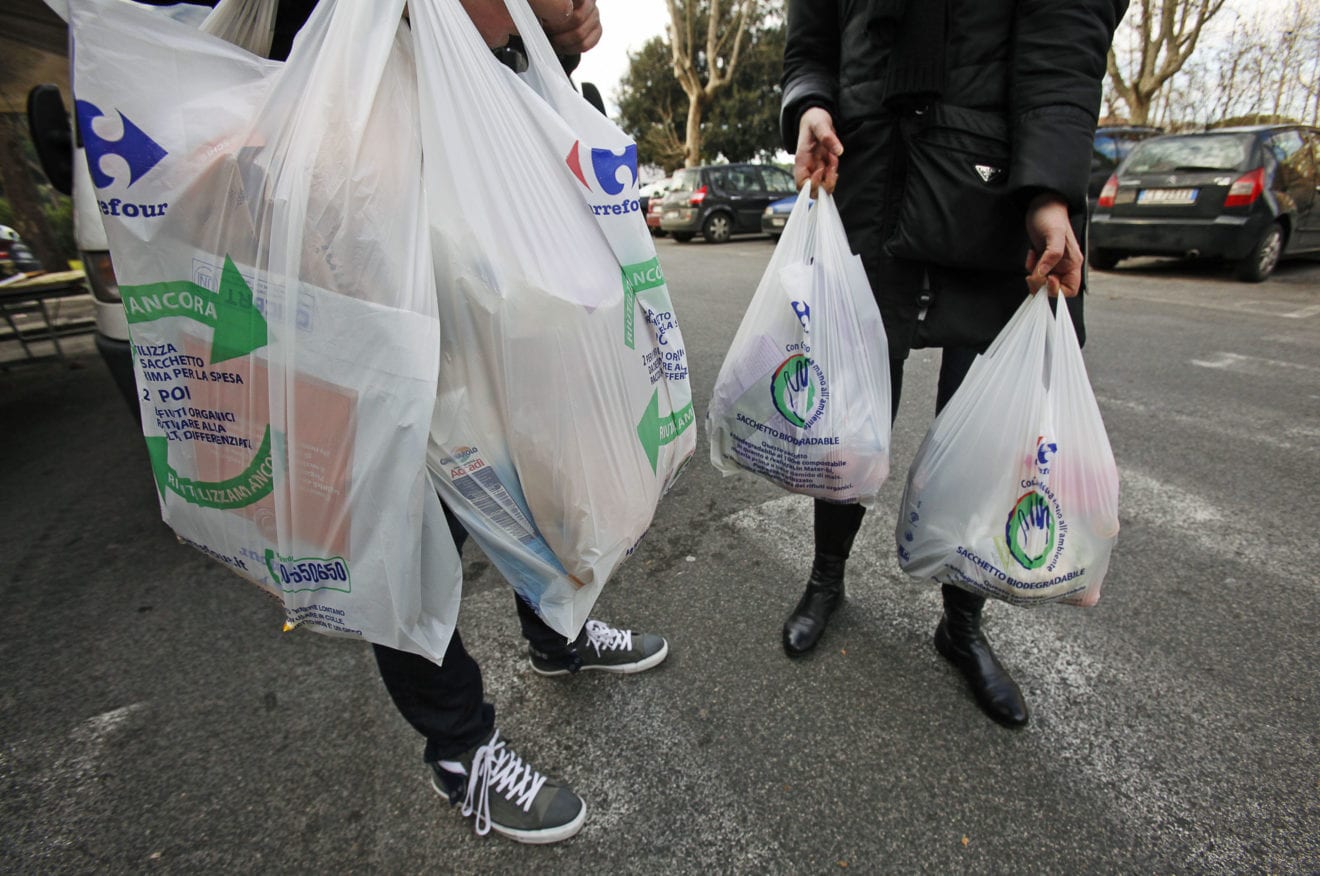
    Large supermarkets are banned from giving or selling plastic shopping bags to customers. The Ministry of Environment announced Monday that it will completely prohibit grocery franchises and supermarkets over 165 square meters (1,776 square feet) from selling or giving away single-use plastic bags from New Year’s Day. While it discouraged stores from providing plastic bags before, the ministry enforced a total ban through a revision to the Act on the Promotion of Saving and Recycling of Resources in an effort to cut plastic waste.

    Some 13,000 supermarkets are affected. If they offer disposable plastic bags, they risk fines of up to 3 million won ($2,690). The only kind of one-use bags stores can sell are the disposal bags accepted by district waste collectors. Stores will be encouraged to sell or offer paper and other non-plastic grocery bags instead.

    Supermarkets can continue to offer customers small plastic bags for wrapping items like fish and meat.

    The revision to the law also prohibits some 18,000 bakeries from handing out plastic bags free of charge.

    The ministry said it will give a grace period of around three months to help stores adjust to the change and work with local government bodies to ensure that the regulations are followed.

    Earlier this year, seven of Korea’s largest grocery and bakery franchises, including E-mart and Lotte Mart, signed voluntary agreements with the ministry to reduce disposable waste.

    That initiative has produced notable results. Paris Baguette and Tous Les Jours, for example, used 74 percent fewer plastic bags in November last year compared to the same period 2017, according to the ministry.

    “It’s necessary to reduce use of disposable waste for the environment and future generations,” said a spokesman from the ministry. “We request the people’s active participation to promote a green consumer culture.”

  • All Starbucks in Korea to get paper straws from yesterday

    All Starbucks in Korea to get paper straws from yesterday

    Starbucks Korea is stocking all 1,225 of its stores nationwide with paper straws in a bid to cut down on its plastic usage. Starting last Monday, Starbucks began stocking all of its stores with white paper straws, which it found during trials to be more popular than green ones. The paper straws will also be coated with soy oil both inside and outside in response to customer complaints that its original trial straws were too flimsy.

    Starbucks trialed paper straws at 100 stores in Seoul, Busan and Jeju Island over the last two months.

    Though all stores now have paper straws, some branches will continue to offer customers plastic ones until they deplete existing stocks.

    Additionally, on Monday Starbucks began stocking all of its stores with plastic cup lids that don’t require straws. These special lids, which resemble those used with hot drinks that come in paper cups, will be provided for take-out orders of regular cold drinks. Paper straws and regular lids will be provided for specialty cold drinks like Frappuccinos and drinks topped with whipped cream that are difficult to drink without straws.

    “We developed the plastic cup lids to minimize disposable waste consumption and also offer an alternative to customers who prefer drinking without straws,” said a Starbucks spokesman.

    Starbucks will also remove the straws and stirring sticks it previously left out for customers and instead place them behind counters and only provide them on request. It will replace all plastic stirring sticks with wooden ones as well.

    Last year, Starbucks Korea used 180 million plastic straws, nearly enough to circumnavigate the earth if laid end-to-end.

    “With the adoption of paper straws we will be able to prevent consumption of at least 180 million plastic straws from next year,” said a Starbucks spokesperson.

  • E-commerce platform JD introduces reusable packaging

    E-commerce platform JD introduces reusable packaging

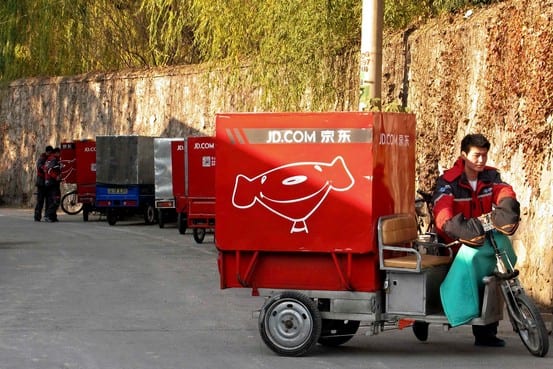
    E-commerce platform JD has launched a reusable packaging initiative to promote sustainable consumption. The new program offers JD’s customers the option of ordering reusable packaging for their small and medium-sized parcels, returning the green boxes to delivery personnel after receiving their order. The firm estimates the program can save RMB32.5 million (US$4.68 million) per year if 10 per cent of orders use the new packaging.

    Customers who choose the packaging are rewarded with JD’s “Jingdou” loyalty points, which can be exchanged for products on JD.

    The service, which kicked off in Beijing, Shanghai, Guangzhou and Shenzhen, will expand to Chengdu and five other cities by the end of this month, and will cover 20 cities by the end of the year.

    JD Logistics’ head of planning and development Bing Fu said: “JD.com is always exploring ways to reduce e-commerce waste through green logistics. By using this green packaging, and taking part in our other innovative recycling programs, JD’s customers can enjoy the convenience of e-commerce while knowing that their purchases have involved minimal carbon emissions.”

    By deploying green boxes, JD expects to reduce the number of boxes used throughout the supply chain by 10 billion by 2020. The company has also set the target for 80 per cent of packaging materials to be recyclable; over 50 per cent of plastic packages to be replaced by biodegradable material; and 100 per cent of logistics packaging to be composed of recyclable or reusable materials.

    Meanwhile, JD introduced a fleet of hydrogen energy delivery trucks to greater Shanghai earlier this year, marking the first significant commercial deployment of hydrogen-powered vehicles for logistics in China as well as the latest expansion of JD’s goal to make the ‘last mile’ of the distribution process carbon-free. In early June, the company unveiled a fleet of 50 solar-powered delivery vehicles in Beijing.

  • Biodegradable Packaging Material Market Remains Highly Fragmented, with Tier 3 Players Collectively Foreseen

    Biodegradable Packaging Material Market Remains Highly Fragmented, with Tier 3 Players Collectively Foreseen

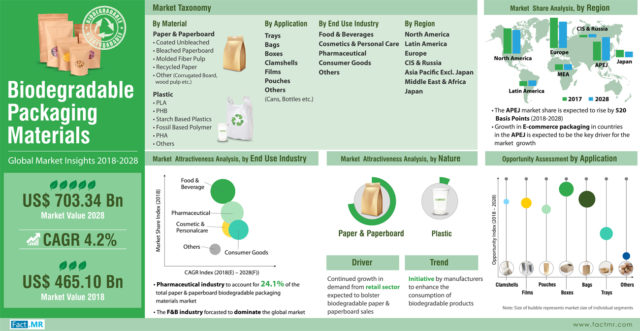
    Biodegradable packaging market witnessed moderate growth during 2013 to 2027, and the status quo is envisaged to prevail over the period of forecast 2018 to 2028, according to new Fact.MR study. Volume sales of biodegradable packaging are foreseen to record a modest 4.2% CAGR through 2028, which is anticipated to equal a market value in excess of US$ 703 billion. The study finds that tier 3 players will collectively continue to account for over three-fifth share of the biodegradable packaging market.

    Biodegradable packaging market is expected to envisage healthy value CAGR of 4.2% during the period 2018-2028, with revenues surpassing US$ 703 billion by 2028 end. The study also opines that the paper & paperboard biodegradable packaging will retain its undisputed dominance in the biodegradable packaging market, as it may account for more than 95% of the total market revenue by the end 2028. The global war against plastic packaging materials is opening an attractive window of opportunities for paper packaging companies, enticing them into entering the biodegradable packaging market.
    A majority of regulatory bodies and international environmental organizations have proposed a ban on single-use packaging materials to mitigate the perilous effects of non-degradable solid waste on the environment. Increasing environmental awareness and consumer inclination towards making sustainable purchases is providing a major boost to the growth of the market.

    Positive effects of the ban on single-use packaging on the biodegradable packaging market are offset by stringent labeling regulations and certification procedures to control false claims about the biodegradability of packaging materials. The market is characterized by the needs to comply with strict quality standards established in various regional markets, which may complicate it for market players to maintain competitive prices of biodegradable packaging solutions.

    Meanwhile, the study finds that leading players in the biodegradable packaging market are adopting strategies to acquire their smaller rivals to consolidate a stronger position in the packaging sector. DS Smith plc – a British paper packaging company – recently announced its plans to acquire its Spanish rival Europac Group for over US$ 2 billion, in order to merge the Western European biodegradable packaging market. Another leading player – Smurfit Kappa Group recently completed the acquisition of Reparenco – a paper and recycling company in Netherlands – for €460 million to expand its European biodegradable packaging capacities.

    An American manufacturer of biodegradable packaging – WestRock Company recently acquired packaging businesses across the world, including Hanna Group Pty Ltd, Plymouth Packaging, Inc., and Schlüter Print Pharma Packaging GmbH, to establish a stronger presence in the market. The company also revealed its plans to acquire KapStone Paper and Packaging Corp., an American paper company, for a total enterprise value of around US$ 4.9 Bn to leverage KapStone’s expertise in biodegradable packaging using kraft paper.

    “Increasing growth of the e-commerce sector and popular trends of online grocery shopping is opening new avenues of growth for players in the biodegradable packaging market. Purchasing decisions of environment-conscious consumers are greatly influenced by sustainable packaging materials, which may create high demand for biodegradable packaging solutions in the coming future. Stakeholders in the biodegradable packaging market are shifting their focus on the dynamic trends in the e-commerce sector while adopting their future business strategies,” says a lead analyst at Fact.MR.

    The study further states that, among all the leading end-user industries in the biodegradable packaging market, food & beverage industry is expected to account for more than 30% of the total market share throughout the forecast period. Increasing demand for packaged food products, convenience foods, and ready-to-eat meals is reflected in supermarket shelves. Leading market players are introducing biodegradable packaging films, trays, and bags to further improve the fresh food experience for consumers while offering numerous environmental benefits.

    Sensing the extraordinary growth opportunities in the biodegradable packaging market for the F&B industry – the Mondi Group recently developed an innovative, paper-based, biodegradable packaging bag for food – Sustainex®, in collaboration with a Polish converter, SILBO. Multifold opportunities for biodegradable packaging in the F&B industry are boosting market players to develop innovative technologies, biodegradable packaging materials, and designs, which is expected to influence the dynamics of the biodegradable packaging market in the upcoming years.

  • McDonald’s Starts Reducing Plastic

    McDonald’s Starts Reducing Plastic

    As part of McDonald’s initiative to use its scale to contribute to positive changes in the communities where it operatesArcos Dorados – McDonald’s franchisee in Latin America and the Caribbean- will cease to offer plastic straws in its 2,100 restaurants across the region, from October 31. Straws will be provided only for those customers who expressly request them. For now, straws will still be available at the drive-thru.

    This step is part of a global assessment within McDonald’s to transition to packaging alternatives that are 100% renewable, recyclable or from certified sources towards 2025; to reduce its impact in the environment and take action on one of the most important challenges of society. This path aims to reduce plastic consumption and is the first move to more sustainable alternatives to plastic straws.

    The initiative has been tested in Latin American countries such as Colombia and Uruguay, and many other countries around the world. Arcos Dorados aims to avoid the consumption of close to 300 tons of plastic, based on the results of the test conducted in Colombia, where 6 out of 10 consumers preferred not to use the straw in their beverage.

    “We are looking for ways to use our scale to make a positive impact in society and the environment, as part of our ‘Scale for Good’ goals. The initiatives we have announced recently regarding our commitment to youth opportunities and employment, kid’s nutrition, sustainable packaging and actions to curb climate change; allow us to effectively contribute to the change of consumer’s habits and behaviors so we all can live in a better world” said Woods Staton, Executive Chairman of Arcos Dorados.

    McDonald’s goal is to recycle packaging used in 100% of its restaurants towards 2025, considering local infrastructure for recycling, legislation and consumer behavior in the different cities in which the brand operates; aiming to become part of the solution and to influence this critical change.

    Globally, the company has been creating awareness about the collection and recycling of its packaging at restaurants, and now is working on finding more sustainable alternatives to plastic straws. In fact, McDonald’s is currently testing different solutions to more sustainable packaging through tests in different countries.

    Recently, the Company announced a partnership with Starbucks and Closed Loop Partners, a group of investors in sustainable goods, to launch the “NextGen Cup Consortium and Challenge” with the goal promote innovation of the cups that are currently used in the industry, to make them completely recyclable and environmentally friendly”.

  • A Call to Stop Use of Plastic in Bali

    A Call to Stop Use of Plastic in Bali

    Java Mountain Coffee, a Jakarta-based social enterprise advocating for sustainable coffee farming, has called on the hospitality industry in Bali to avoid using plastic and aluminum coffee capsules in a bid to reduce pollution.

    Coffee capsule usage has grown five times faster than growth in coffee consumption globally between 2011 and 2016, Java Mountain Coffee said, citing a 2017 study by Euromonitor International.

    The firm said this is not sustainable, because used capsules usually end up in landfills, rivers and the ocean. Java Mountain Coffee said the used coffee pods also contribute to climate change, especially the plastic ones, which release harmful substances into the environment when exposed to sunlight.

    “Java Mountain Coffee’s response to the recent commitment by the global travel industry to reduce its reliance on plastics and other harmful environmental products, is to stop the use of plastic and aluminum coffee capsules,” the firm’s spokeswoman, Nadine Alexandra, said in a statement.

    “We believe the Bali travel industry collectively can lead the world in environmental responsibility, reversing old uninformed historical human behavior, which has caused irreversible damage to our planet,” she said.

    Java Mountain Coffee participated in an environmental event titled “Act Local, Impact Global,” hosted by Alila Resorts Bali last week. The island hotel industry organized the event in response to a commitment by the global travel industry in June to reduce the use of plastic and other harmful waste products.

    At least 50 hotels, members of the Bali Hotel Association and other travel industry stakeholders attended the event to share their environmental initiatives.

    Among these initiatives is “Komitmen” by One Island One Voice, a Bali-based network of organizations active in the field of waste prevention and management. The initiative calls on individuals, organizations, companies and government offices on the island to separate organic and inorganic waste at the source and to stop using single-use plastic straws, plastic water bottles, plastic retail bags, plastic cups and plastic cup lids.

    “Java Mountain Coffee urges all stakeholders to join us and make a commitment to One Island One Voice’s ‘Komitmen’ initiative,” the firm said.

  • Plastic industry hit hard by abrupt scrap import ban

    Plastic industry hit hard by abrupt scrap import ban

    Vietnamese plastic firms are unable to import scrap following a ban by the government, and said costs are becoming unaffordable as a result.

    “We’ll lose $10 million this year if we cannot import plastic scrap for manufacturing,” Tran Vu Le, director of Le Tran Plastic, told a conference organized Tuesday by the Vietnam Plastic Association (VPA).

    Other businesses attending the event said the inadequate plastic recycling in the country means they cannot source scrap locally.

    “HCMC produces 900 tons of plastic waste daily, but only 90 tons are recycled,” Hoang Phi Vu, director of Minh Tam Tin Nghia Plastic Company, said.

    Most of the plastic waste is mixed with regular trash and not sorted, and so does not meet export standard, he said.

    metric tonsVietnam’s 2016-2017 plastic waste import20162017PEPETPVC05101520253035404550Resource Recycling Inc.

    The problem began recently after Vietnamese authorities banned scrap imports just like China, which banned imports of certain wastes last January.

    As of August 13, there were over 6,600 containers of scrap remaining unclaimed at Cat Lai Port in HCMC and Hai Phong Port, according to the two ports.

    They have been there for over 30 days, 90 days in the case of a majority of them.

    Scrap importers have been reluctant to claim the containers because of “unsuitable” regulations related to their import, VPA chairman Ho Duc Lam told the conference.

    One such regulation requires import of plastic scrap with less than 2 percent impurities.

    “It is very difficult to extract the scrap from the containers to measure if it is below 2 percent,” Dinh Xuan Thang, director of the Hoa Lu Environmental Research and Application Center, pointed out.

    Vietnamese regulations allow empty plastic water bottles to be imported, but not bottles that contained sweetened drinks.

    “Who will sort these bottles to sell to Vietnam?” Hoang Duc Vuong, a spokesperson for recycling businesses in the VPA, asked.

    Plastic exporters to Vietnam H1 2018by percentageJapanU.S.KoreaThailandOther countriesVietnam Customs

    The VPA said in a release: “Vietnamese customs on July 7 slapped without prior warning an abrupt ban on scrap imports which did not give businesses time to react.”

    This ban has imposed a “burden” on plastic scrap importers, it said.

    Lam said he has written to Prime Minister Nguyen Xuan Phuc and the Ministry of Natural Resources and Environment about the problem.

    In the first six months of this year Vietnam imported 277,000 tons of plastic scrap mostly from Japan, the U.S. and Korea.

  • One in five Australian Shoppers opposed to Plastic Bag ban

    One in five Australian Shoppers opposed to Plastic Bag ban

    One in five Aussie shoppers are opposed to retail giants Woolworths and Coles introducing bans on single-use plastic bags.

    While the bans have been welcomed by green groups and many shoppers, research by Canstar Blue shows 20 per cent don’t agree.

    Woolies introduces its ban on Wednesday, when the retail giant’s supermarkets, BWS, Metro and petrol outlets will stop offering free disposable bags to shoppers in NSW, Victoria, Queensland and Western Australia.

    Coles stores will follow suit on July 1.

    Canstar says more than half of shoppers have already begun stockpiling plastic bags at home, based on a survey of more than 2,200 people.

    While 71 per cent of those surveyed back the ban, 21 per cent disagree and eight per cent are undecided.

    Nearly half expect that taking their own bags to the shops would be a hassle.

    “While the plastic bag ban is supported by most, the supermarkets can expect some frustrated customers in the weeks ahead,” Canstar Blue Editor Simon Downes said on Monday.

    “While Coles and Woolworths have been trying to get the message across, there will still be lots of shoppers turning up unprepared and shocked that they’ll need to purchase one or more bags to carry their groceries home.”

  • Malaysia First to Offer Gold in Exchange for Recycled Plastics and Cans

    Malaysia First to Offer Gold in Exchange for Recycled Plastics and Cans

    Malaysians will soon be the first to earn gold by recycling their plastic bottles and aluminum cans. Southeast Asian fintech firm HelloGold and Malaysia’s reverse-vending machine (RVM) company KLEAN are implementing a recycling scheme that offers Malaysians 0.00059 grams of investment-grade gold for each recycled plastic bottle and each aluminum can.

    Anyone can start earning gold by first downloading the HelloGold app from the Google Play Store or Apple Store and registering for an account. Once registered, users can bring their plastic bottles and aluminum cans to any KLEAN RVM for recycling. After depositing the bottles or cans in the machine, users can choose to convert their KLEAN e-credits into gold through a seamless integration between the KLEAN digital wallet and the HelloGold mobile app. Users can also register for an account at any of the forty machines that will be available across Klang Valley in July, and 500 machines across Malaysia at key locations before the end of the year.

    Robin Lee, CEO and Co-founder of HelloGold, said, “Emerging economies across Asia are dealing with increasing plastic use and consumption. Without adequate recycling infrastructure or habits in place, these plastics end up in landfills and oceans destroying the environment. HelloGold’s partnership with KLEAN will incentivise people to clean up the environment, while accessing new financial products such as gold.”

    “In our mission to enable everyone access to safe and affordable gold products to protect their savings, HelloGold has been expanding our reach to millions of online and offline communities through key partnerships such as Axiata’s Boost and Aeon Credit. Our latest partnership with KLEAN reflects our shared values in using innovative technology to enable financial inclusion and wealth creation for the man on the street,” Robin concluded.

    Increasing plastic waste has become a pressing environmental problem for countries across Asia. Six of the top ten countries most responsible for plastic waste entering the ocean are in Asia, leading with China and followed by Indonesia, Philippines, Vietnam, Thailand and Malaysia. Only 14% of plastic packaging is collected for recycling globally, an estimated US$80-120 billion economic loss per year.

    Nick Boden, CEO of KLEAN, said, “Plastic waste is increasing around the world, yet recycling rates remain low. Through this partnership, we aim to encourage greater recycling by showing Malaysians the potential wealth and money that lies around our communities, in our landfills and floats in our oceans.”

    Nick continued, “After launching in Malaysia, we see great potential to expand our offering to other countries such as Singapore and South Africa. In countries such as South Africa, plastic scavenging is often the main source of income for families who must sell their plastic within an informal economy that is dominated by middle men with high fees. Enabling these families to directly access virtual currency or gold at KLEAN’s reverse vending machines will allow for a safer and more stable economic livelihood.”

    The KLEAN Reverse Vending Machines collect aluminum cans and plastic bottles, sort and crush on site, while registering users and rewarding them with virtual points. These collected items are then smelted back into aluminum in the case of cans and recycled into PET pellets in the case of plastic bottles.

    According to report, imports of plastic waste have increased sharply in Southeast Asia following China’s decision to ban imports of plastic waste from the start of 2018. Malaysia’s plastic imports jumped from 288,000 tonnes in 2016 to 450,000 tonnes in 2017; in the same period, Vietnam’s imports rose 62%, Thailand’s 117%, and Indonesia’s 65%.

  • Recycled-plastic fabric launched by Esprit

    Recycled-plastic fabric launched by Esprit

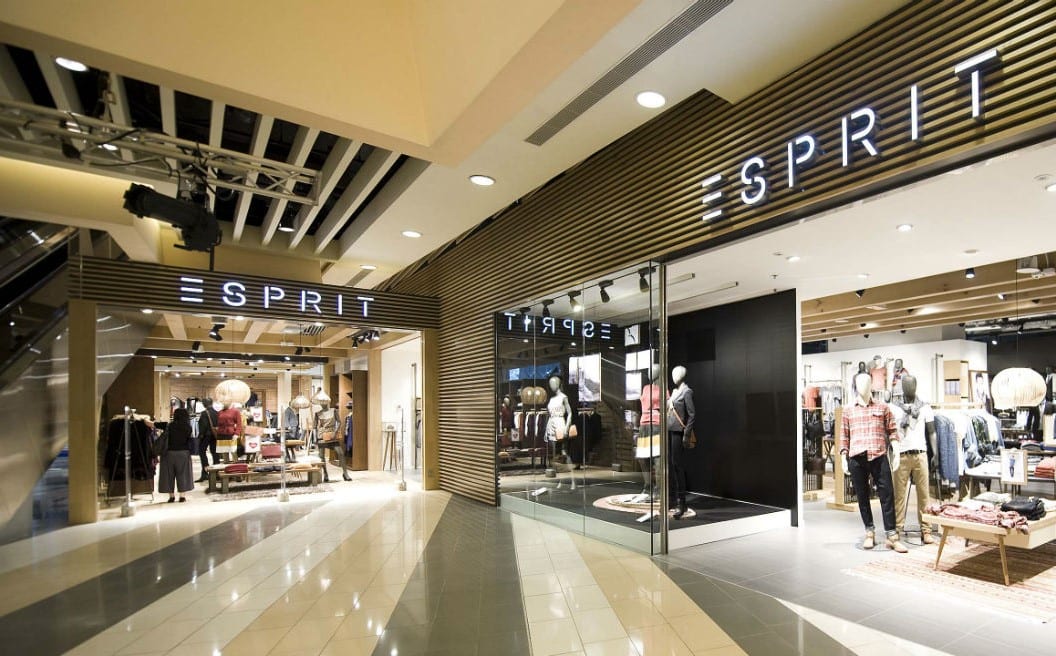
    A special capsule collection for women and men featuring recycled-plastic fabric has been launched by Esprit.

    The Good Collection includes classics like a denim jacket, pencil skirt with straps, oversized sweatshirt with school logo, culottes, rain cape, bomber jacket, knit styles with humorous all-over letter print or striped longsleeves with the brand’s logo, as well as denim in trendy silhouettes and washings.

    In total, there are 21 articles for women and 15 for men available, ranging from tee-shirts to a knit dress.

    The company describes it as a stylistic tribute to the brand’s beginnings, saying Esprit’s basic manifesto has always included an awareness for mankind and the environment, long before terms like “sustainability” or “social conscience” came along. Consequently, much of the collection features natural styles made from organic cotton or recycled materials such as cellulose (PET).

    Susie Bell and Doug Tompkins started Esprit in California in 1968, and as children of the hippie and peace movements regarded compliance with social and environmental aspects as normal.

  • Weak green tax can lead to more single-use plastic bags

    Weak green tax can lead to more single-use plastic bags

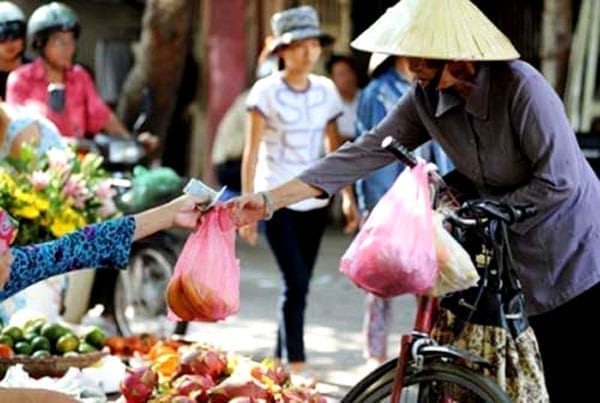
    The weight-based environmental tax can do more harm than good if businesses try to ease the burden by making and using thin plastic bags. The Vietnam Chamber of Commerce and Industry (VCCI) has weighed in on a debate involving changes to the country’s Environmental Protection Law.

    Lawmakers are considering raising the environmental protection duty imposed on petroleum products by up to three times to VND8,000 per liter, and on plastic bags from the current VND30,000-50,000 to VND40,000-80,000 per kilogram, according to a proposal prepared by the finance ministry.

    However, the VCCI, which represents thousands of businesses across the country, said in a statement that plastic bags should be taxed individually instead of by weight.

    It said that when plastic bags are taxed based on their weight, producers are tempted to produce thin plastic bags.

    While disposable, thin bags require less material, they are unlikely to be reused and are more difficult to recycle, which means these single-use bags are more harmful to the environment than thicker bags, it said.

    “Current taxes do not go far enough to protect the environment,” it said.

    The VCCI also said taxes should also be imposed on other plastic products like Styrofoam cups and boxes.

    The environment ministry estimates that Vietnamese use more than 800 tons of plastic bags every day.

    Official figures from 2014 showed that in Ho Chi Minh City, nine million, or more than 50 tons of plastic bags, were being used every day, which was twice the number from four years earlier.

  • Vietnam urges retailers to ditch cash for plastic

    Vietnam urges retailers to ditch cash for plastic

    With online sales booming in the country of 93 million, it’s time for shoppers to embrace e-commerce. Vietnam is trying to convince at least 70 percent of its citizens aged 15 and over to open bank accounts and about 50 percent of urban residents to switch to non-cash payments via debit and credit cards by 2020.

    Online retail revenue is forecast to hit $10 billion in the next four years, accounting for 5 percent of the country’s total retail market, which grew 10.2 percent last year to $118 billion.

    The government has officially rolled out its e-commerce development plan for 2016-2020 to tap into the fast-growing consumer population with a huge demand for online shopping.

    According to one estimate, about 30 percent of the population will buy goods and services over the internet and spend an average of $350 per year online by 2020.

    In 2015, Vietnamese shoppers spent $4.07 billion online, a jump of 37 percent from the previous year, according to the Vietnam E-commerce Report, adding that revenue from online retail accounted for 2.8 percent of the country’s revenue from the sale of goods and services in the same year.

    With a population of 93 million, Vietnam was ranked as the smallest e-commerce market in Southeast Asia in terms of sales just three years ago. Now online retail is gaining momentum with the country’s 49 million internet users increasingly turning to online shopping.

    According to Internet World Stats, Vietnam is currently ranked 18th in the world in terms of the number of internet users, with mobile subscription rates as high as 40 percent.

    In order to increase non-cash transactions, the government will require all supermarkets, shopping malls and convenience stores to accept payments via credit and debit cards.

    It is forecast that in the next four years the number of supermarkets will nearly double to 1,300 and shopping malls to 300, according to the government’s plan.

    Spending at supermarkets, convenience stores and shopping malls is expected to rise to 45 percent of total consumer spending by 2020, up from 25 percent now, government data shows.

    The government also wants 70 percent of utility service providers including telecommunications companies and electricity and water suppliers to move their billing online.