Tag: power

  • How Better Product Visuals Are Changing Furniture Retail in Asia

    How Better Product Visuals Are Changing Furniture Retail in Asia

    A customer in Jakarta sees a sofa on a marketplace at lunchtime, saves it, compares finishes on the brand’s website that evening, visits a showroom on the weekend to sit on it, then buys it online the following week from her phone on the commute home. Five touchpoints, two of them physical, three of them digital, spread across nine days. At every one of them, she was looking at images of the same sofa — and if those images did not agree with each other, some of her confidence leaked away at each step.

    This is the shape of furniture retail across much of Asia now, and it has quietly turned product visuals from a marketing expense into a piece of retail infrastructure.

    Furniture is hard to sell on a screen

    Most retail categories survive a weak product photo. Furniture does not. A customer buying a sofa is making a large, infrequent, difficult-to-return decision, and the questions they need answered are exactly the ones a single flattering image cannot address: How big is it, really, against a normal living room? What does the fabric actually feel like? Is that grey warm or cool? Does the modular version come apart the way I think it does? Will it fit up the stairwell of an apartment block?

    As furniture retailers expand across ecommerce, marketplaces, showrooms, and reseller networks, working with a 3d rendering company can help them create consistent product visuals before every item, finish, or room scene is physically photographed. The commercial logic is straightforward: the more of those questions the visuals answer, the fewer customers abandon the purchase out of uncertainty — and the fewer who buy, misjudge, and return, which in furniture is an expensive event for everyone.

    The showroom and the screen should tell one story

    The temptation is to treat each channel as its own project — the website team shoots one set of images, the marketplace team adapts another, the showroom runs whatever the catalogue provided, the resellers use whatever they can find. The result is a brand that looks slightly different everywhere a customer meets it.

    In an omnichannel journey, that inconsistency is felt directly, because customers now move between channels within a single purchase. The sofa on the marketplace should be visibly the same sofa, in the same finish, photographed to the same standard, as the one on the brand site and the one on the showroom screen. Retailers like IKEA have built their Asian growth partly on exactly this kind of coherence between localised store formats and a growing ecommerce presence — the channels reinforcing one another rather than competing.

    When the visuals align across touchpoints, each channel builds on the confidence the last one created. When they do not, each channel makes the customer start over.

    Large catalogs break under one-off production

    A furniture brand with forty products can photograph its way to a decent catalogue. A brand with six hundred SKUs — each in several finishes, some modular, some seasonal, some assorted differently for different markets across the region — cannot. At that scale, treating every image as an individual shoot guarantees inconsistency, because the shoots happen at different times, in different conditions, by different hands.

    For furniture brands managing large catalogs, finish variations, modular collections, and reseller assets, resources such as https://cgifurniture.com/service/3d-furniture-rendering-services/ show how one visualization workflow can support lifestyle renders, silo images, PDP content, animations, 360° views, configurators, and ecommerce listings. The structural advantage is that the visual standards are set once and applied to everything — a new finish does not require a new shoot, a new market’s assortment draws from the same library, and the catalogue stays coherent as it grows. For a regional retailer adding SKUs and markets simultaneously, that repeatability is the difference between a managed catalogue and a sprawling one.

    Consistency is a retail operations problem, not a design preference

    It is easy to file visual consistency under “branding” and leave it to the creative team. In omnichannel furniture retail, it belongs closer to operations.

    The places it breaks are operational places. A marketplace listing that looks cheaper than the brand’s own site, undercutting the premium the brand is trying to charge. A reseller portal full of outdated images showing a finish that was discontinued two seasons ago. Lifestyle scenes shot for one market that look wrong to customers in another. Each of these is a small leak in the brand’s pricing power and trust, and each is fixed not by better taste but by a system: approved assets, current and complete, supplied to every channel that represents the brand.

    Static photos answer only some of the questions

    Furniture customers ask questions that a flat image cannot answer, which is why the format mix matters as much as the consistency.

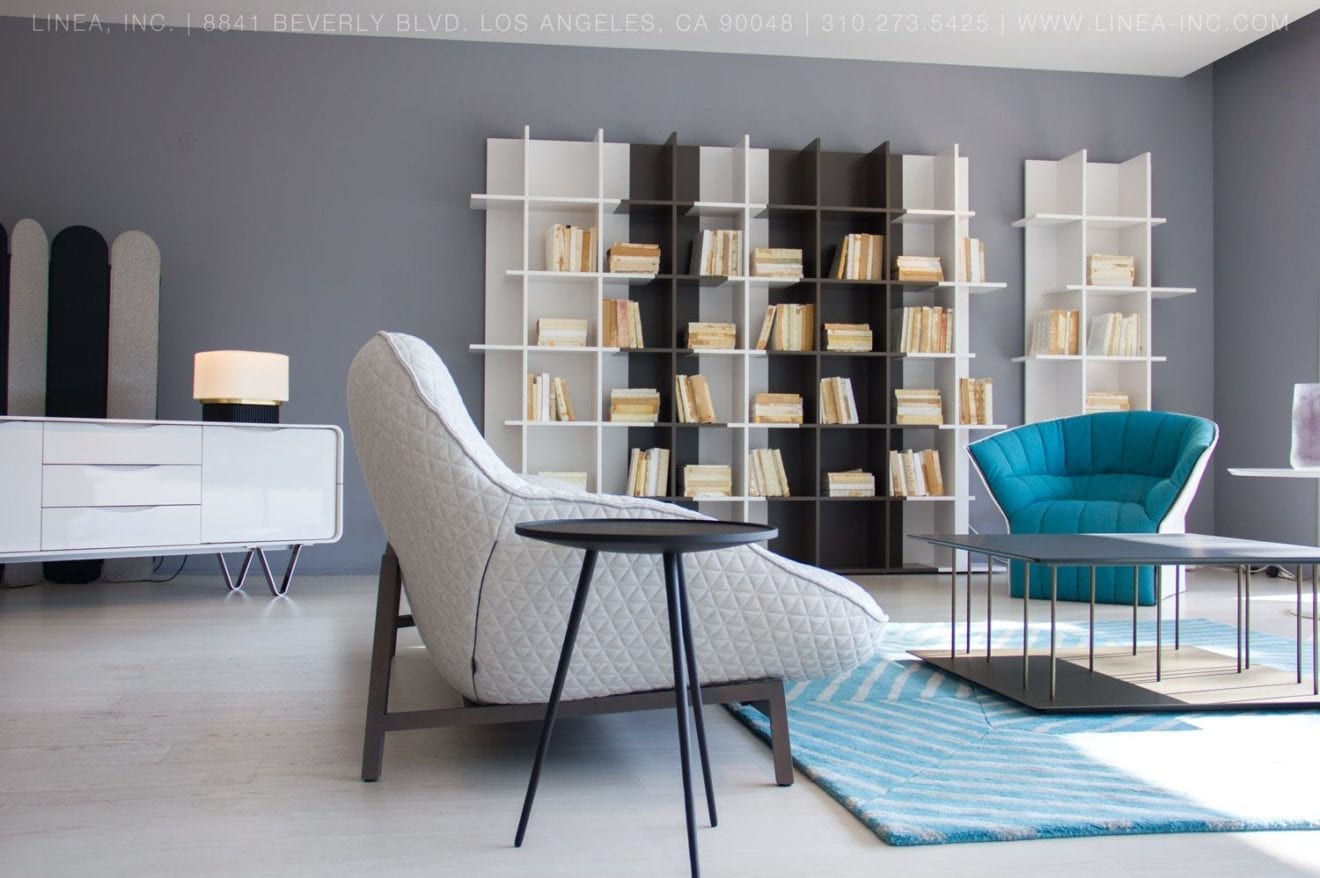
    White-background silo images do the clean catalogue work. Lifestyle renders place the piece in a room so customers can judge scale and atmosphere. Close-ups carry the material story — the weave, the grain, the stitch. A 360° view lets a customer inspect the back and sides the way they would in a showroom. AR previews answer the single most common furniture worry by placing the actual piece, at actual size, in the customer’s actual room. Configurators let modular and multi-finish products be explored without a hundred separate product pages. Each format exists because a customer somewhere had a question, and the right format is the one that answers the question that customer is actually holding.

    Visual readiness is launch readiness

    Furniture launches in retail run on a calendar — seasonal collections, regional rollouts, marketplace campaign windows. And the assets are often needed before the products physically exist in quantity: the marketplace listing, the reseller kit, the campaign creative, the showroom screen content, all due before the first container of stock has cleared.

    A launch is not ready if its visual assets are not ready, however complete the inventory. Retailers who can produce launch visuals from approved product data, in parallel with manufacturing rather than after it, hit their campaign dates and their reseller-onboarding deadlines. Those who wait for physical samples and photography slip — and a furniture launch that misses its season has missed a meaningful share of its year.

    A checklist before the catalog goes live

    Worth confirming across the team before product visuals publish: Are all priority SKUs visually covered, including the variants? Are the PDP images consistent in standard and treatment across the catalogue? Are material close-ups available for the products where finish drives the decision? Do the lifestyle scenes match the customer the brand is actually selling to in each market? Are the marketplace-specific formats prepared to each platform’s spec? Are the reseller kits current and using approved imagery? Are the launch assets ready ahead of the campaign date, not on it? And for complex modular or multi-finish products, are 360° or configurator assets needed to do them justice?

    A gap found on this list is a quick fix. The same gap found by a customer comparing your marketplace listing to your website is a lost sale.

    Furniture retailers across Asia are competing in an environment where the same customer will meet a product on a phone, a marketplace, a showroom floor, and a reseller’s page before deciding. Treating product visuals as a reusable asset system — consistent, complete, and ready ahead of need — is becoming part of how that competition is won. The retailers building these systems are not just producing nicer images. They are removing friction from a journey their customers are already taking.
  • Unlocking Sustainable Growth in Southeast Asia: The Power of Multi-Channel Logistics for Brands

    Unlocking Sustainable Growth in Southeast Asia: The Power of Multi-Channel Logistics for Brands

    The e-commerce sector in Southeast Asia is witnessing significant growth, with its Gross Merchandise Value (GMV) projected to reach around US$350 billion by 2030 and escalate to US$630 billion by 2035.

    For businesses aiming to tap into this growth, achieving success is no longer merely about attracting customers. It is equally critical to ensure a consistent customer experience, regardless of where the consumers decide to make their purchases. This applies to all sales channels, whether consumers purchase through online marketplaces, direct-to-consumer websites, social commerce platforms, or physical stores. They anticipate a seamless shopping experience, speedy and dependable delivery. This demonstrates that logistics isn’t just a back-end operation anymore; instead, it significantly influences the customer’s buying experience and impacts their perception and interaction with a brand, both online and offline.

    To cater to these expectations, logistics providers are rethinking the traditional fulfillment styles centered around specific platforms. They are investing in more comprehensive solutions that can meet customers’ expectations on a larger scale.

    Challenges in Managing Multi-Channel Operations in a Diverse Region

    In Southeast Asia, brands are broadening their omnichannel presence. The region’s diverse market landscape poses unique operational challenges. Brands need to handle different consumer expectations, various levels of infrastructure maturity, unique regulatory environments, and diverse operational requirements across multiple markets.

    Brands also must manage inventory across various sales channels and logistics providers. Separate warehousing arrangements, fragmented stock pools, and disconnected fulfillment systems can directly impact the customer experience, leading to delayed deliveries, inaccurate stock information, and inconsistent service across channels. These gaps can lead to increased costs, reduced stock visibility, and complicate demand planning.

    A Streamlined Approach to Scaling through a Unified Fulfillment Infrastructure

    Lazada Logistics acknowledged the growing need for more integrated fulfillment solutions and introduced its Multi-Channel Logistics (MCL) offering. The MCL enables brands to streamline fulfillment operations across channels through a single logistics network.

    The MCL is available across several countries in Southeast Asia, including Singapore, Thailand, Vietnam, Indonesia, the Philippines, and Malaysia. It combines Lazada Logistics’ proprietary regional infrastructure with an extensive third-party logistics network to provide comprehensive inventory management, warehousing, and fulfillment services on a larger scale. This allows brands to rapidly respond to fluctuating consumer demand while maintaining consistent service standards across the region.

    Thanks to MCL, brands can optimize logistics costs without compromising service quality, allowing them to concentrate resources on customer acquisition, product development, and market expansion. With a simplified fulfillment structure and more efficient inventory utilization, businesses can strike a balance between cost management and customer experience objectives.

    Questions & Answers

    How is the e-commerce market in Southeast Asia growing?
    The e-commerce sector in Southeast Asia is expanding significantly, with its Gross Merchandise Value (GMV) projected to hit around US$350 billion by 2030 and increase to US$630 billion by 2035.

    What challenges do brands face in managing multi-channel operations?
    Brands must deal with various consumer expectations, different levels of infrastructure maturity, unique regulatory environments, and diverse operational requirements across multiple markets. Additionally, they need to handle inventory across various sales channels and logistics providers.

    How does Lazada Logistics’ Multi-Channel Logistics (MCL) help brands?
    The MCL offering by Lazada Logistics enables brands to consolidate fulfillment operations across channels through a single logistics network. It helps brands optimize logistics costs without compromising service quality, allowing them to concentrate resources on customer acquisition, product development, and market expansion.

  • Miniso Group Reports Surging Q1 Sales: All Sectors Power Past Revenue Projections

    Miniso Group Reports Surging Q1 Sales: All Sectors Power Past Revenue Projections

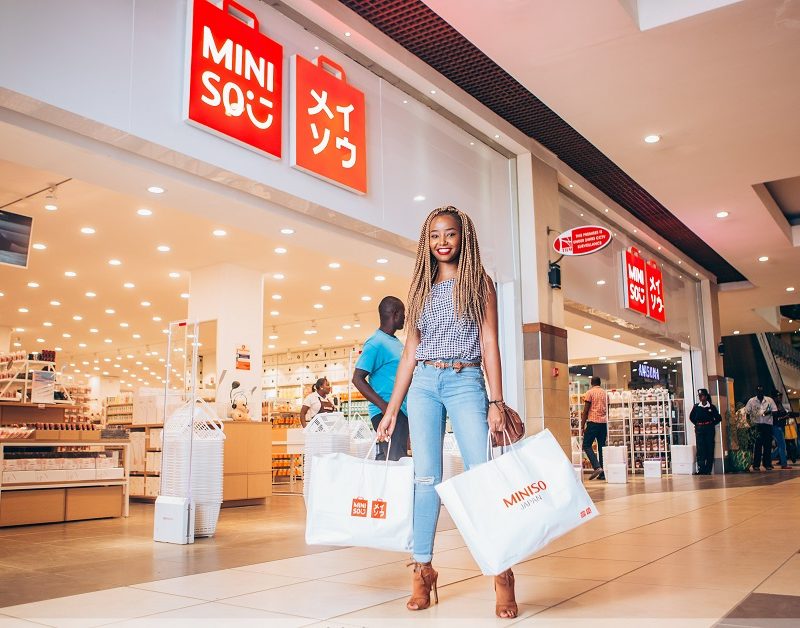
    Miniso Group, a prominent retailer based in China, reported a significant growth in sales in its first quarter, owing to strong performances across all business areas. The company’s revenue saw a year-on-year increase of 28.5%, totalling up to US$824.6 million for the quarter ending on March 31. The impressive results, primarily fueled by a noticeable boost in same-store sales, surpassed the management’s initial projections.

    Consistent Growth Across Segments

    Miniso’s business in Mainland China marked its fifth successive quarter of revenue growth, registering a 29.6% increase. Concurrently, the company’s overseas revenue saw a rise of 21.9%. The Top Toy segment also maintained its growth trajectory in the pop toy industry, posting a sales growth of 51.4%.

    The company’s profit for the period skyrocketed by 199.7% year-on-year to $180.9 million. This surge was primarily attributable to an unrealised market gain of $126.8 million arising from fair value alterations in an investment related to a limited partnership in the AI industry. Moreover, the adjusted net profit witnessed an 8.1% increase, amounting to $79.8 million.

    Guofu Ye, the founder, chairman, and CEO of Miniso Group, expressed his delight at the company’s remarkable performance in the quarter. He underscored the growing momentum of the company, stating his intent to increase his holdings as a testament to his faith in the company’s future prospects. He went on to add that the current valuation of Miniso Group does not fully encapsulate its intrinsic potential.

    Ye, who presently owns approximately 63.7% stake in the company (excluding treasury shares), had earlier disclosed his plans to increase his stake by at least $6.4 million over the course of the upcoming year.

    Looking Forward

    Heading into the second half of 2026, Ye expressed the company’s commitment to intensify its globalisation and IP strategies, aiming to drive high-quality growth. The company plans to achieve this through continuous product mix optimisation, expansion and upgrade of store networks, and leveraging a multi-dimensional IP matrix, all in line with its long-term objectives.

    As of March 31, Miniso’s store count stood at 8565, indicating a net increase of 797 stores year-on-year. The Miniso brand boasted 8210 stores, including 4593 in Mainland China and 3617 overseas.

    Questions & Answers

    What was the key driver behind Miniso’s impressive sales growth in the first quarter?
    The company’s outstanding sales growth was primarily driven by strong performances across all business segments, with significant contribution from mid-single-digit same-store sales growth.

    What are Miniso’s plans for the second half of 2026?
    Miniso intends to deepen its globalisation and IP strategies, continuously optimize its product mix, expand and upgrade its store network, and leverage a multi-dimensional IP matrix to drive high-quality growth.

    How many stores does Miniso currently operate?
    As of March 31, Miniso operated a total of 8565 stores, with the Miniso brand having 8210 stores, including 4593 in Mainland China and 3617 overseas.

  • Moncler Group Soars in Asia: China and Korea Power Double-Digit Growth

    Moncler Group Soars in Asia: China and Korea Power Double-Digit Growth

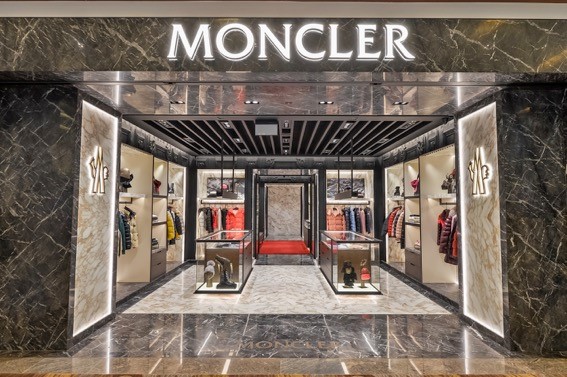
    Moncler Group, the parent company of Moncler and Stone Island, has announced a robust first quarter. The company’s earnings were primarily driven by sales in Asia.

    First Quarter Sales Surge

    The group registered a substantial $1.03 billion in sales during the first quarter. It reported double-digit growth for both of its brands, leading to an overall year-on-year increase of 12 per cent.

    The Asian Market Triumphs

    In Asia, Moncler’s sales grew by an impressive 22 per cent. Moncler attributes this significant increase to strong performances in China and South Korea. However, the sales in Europe, the Middle East, and Africa experienced a minor dip of one per cent year-on-year.

    Brand Performance

    The Moncler brand was the group’s star performer with $900 million in sales. This was propelled by a 14 per cent rise in direct-to-consumer traffic. Stone Island, on the other hand, contributed a solid $134 million to the total sales.

    The Asian market continues to escalate its share of Moncler’s brand revenue. It now represents 56.5 per cent of total sales, marking a 3.7 per cent annual increase.

    Moncler Group’s Future Outlook

    Remo Ruffini, executive chairman of Moncler Group, expressed the company’s anticipation for the future. He stated that the first quarter not only demonstrated strong revenue performance but also the depth of relationships that their brands continue to build with their global community.

    Despite a global context shaped by conflicts and instability, both Moncler and Stone Island have exhibited considerable energy and cultural relevance.

    Ruffini also touched on the appointment of Bartolomeo Rongone as the group’s CEO that was announced earlier this year. He highlighted this as part of the group’s “next phase.” He further reiterated the group’s commitment to remain adaptable and responsive, guided by a clear strategic vision, in the face of an increasingly complex external environment.

    Questions & Answers

    What were the first quarter sales for Moncler Group?
    Moncler Group reported $1.03 billion in sales during the first quarter.

    Which market led the sales for Moncler Group?
    The Asian market led the sales for Moncler Group, with a 22 per cent growth.

    How does the Moncler brand perform in comparison to Stone Island?
    The Moncler brand outperformed Stone Island, with a contribution of $900 million in sales, as compared to Stone Island’s $134 million.

  • Pepper Power: Vietnam’s Exports Leap 31% in Q1 Amid Supply and Shipping Challenges

    Pepper Power: Vietnam’s Exports Leap 31% in Q1 Amid Supply and Shipping Challenges

    In the first quarter of 2026, Vietnam’s pepper exports rose by 31.7% to a value of US$430 million, despite challenges related to global supply and logistics. The export volume increased by 39.2% to 66,350 tonnes, according to the Vietnam Pepper and Spice Association.

    March Exports

    The month of March saw a significant surge in exports. Shipments totaled $199.3 million, equating to 30,638 tonnes of pepper. This marked an increase of 119.3% from February and a year-on-year rise of 51.3% in value.

    Black pepper comprised the majority of these exports, with 26,190 tonnes worth $167.3 million. White pepper accounted for a smaller portion, with 4,448 tonnes worth $32 million. Even though black pepper prices dipped by 0.7%, the average export prices remained high, with black pepper costing an average of $6,520 per tonne and white pepper $8,735 per tonne. On the other hand, white pepper prices experienced a slight increase of 1%.

    Main Buyers

    The United States and China continued as Vietnam’s largest pepper buyers in March, with imports of 8,059 tonnes and 3,663 tonnes, respectively. Compared to the previous month, exports to the United States increased by 121% while those to China rose by 134.7%. Other markets such as Egypt, the Netherlands, Canada, and the Philippines also displayed substantial month-on-month growth.

    Import Increases

    Alongside increased exports, Vietnam also registered a surge in pepper imports as businesses sought to supplement domestic supplies for processing and re-export. In March, imports amounted to 10,313 tonnes, up 66.2% from February and 108.8% year-on-year. The total imports for the first quarter reached 21,201 tonnes, valued at $121 million, marking a year-on-year increase of 118.9%.

    Cambodia was the primary supplier to Vietnam, accounting for 55.1% of imports, followed by Brazil and Indonesia.

    Issues and Outlook

    Despite the encouraging export results, the association highlighted concerns about growing supply-demand imbalances. The 2026 harvest is anticipated to yield only 170,000–180,000 tonnes, a decrease of 15–20% from the previous crop due to unfavorable weather conditions and ageing plantations. This limited supply has driven domestic pepper prices to around VND140,000–150,000 (US$5.32-5.69) per kilogram.

    Farmers are not replanting extensively as they switch to higher-value crops and face decreasing land availability. Globally, this year’s pepper output is likely to be approximately 530,000 tonnes, slightly more than in 2025 but still less than in 2024, while demand remains strong.

    Exporters also face increasing logistical difficulties due to escalating tensions in the Middle East, which has led to a three to four-fold increase in shipping costs. The closure of the Strait of Hormuz to commercial container traffic has disrupted key shipping routes, causing severe congestion at major transshipment hubs. This has forced some exporters to pause new orders to mitigate risks associated with rising costs and delivery delays. Persistent disruptions may impact the sector’s export growth outlook for 2026.

    Questions & Answers

    What was the value of Vietnam’s pepper exports in the first quarter of 2026?
    The value of Vietnam’s pepper exports in the first quarter of 2026 was US$430 million.

    Who were Vietnam’s primary pepper buyers in March of 2026?
    The United States and China were Vietnam’s primary pepper buyers in March of 2026.

    What concerns does the Vietnam Pepper and Spice Association have for the future?
    The Association has concerns about growing supply-demand imbalances, unfavorable weather conditions, ageing plantations, and increasing logistical difficulties due to escalating tensions in the Middle East.

  • Danone Dives into Functional Nutrition with $1.6Bn Huel Acquisition: A Power Move in Global Health Market

    Danone Dives into Functional Nutrition with $1.6Bn Huel Acquisition: A Power Move in Global Health Market

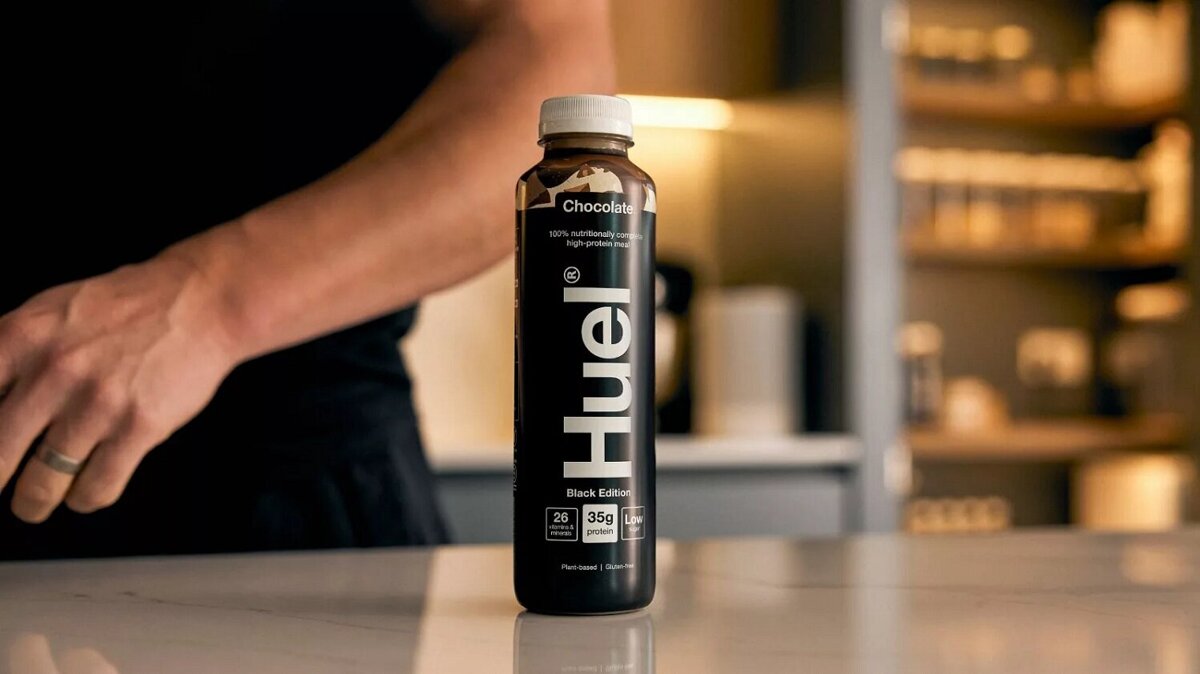
    Danone, the global leader in food and beverages, recently made public its purchase of UK-based nutrition drink company, Huel, for a staggering $1.65 billion.

    Huel: Convenience in Every Sip

    Huel, established in the year 2015, has staked its reputation on supplying “nutritionally complete” ingredients in its products. As a convenience beverage, Huel has earned the loyalty of consumers over the years. Moreover, the company has expanded its product range to include meals, bars and health supplements.

    New Horizons for Danone

    By acquiring Huel, Danone aims to explore the functional nutrition space further. Danone CEO, Antoine de Saint-Affrique, expressed his excitement over the acquisition and the potential it holds. He said, “We are delighted to welcome Huel and the Huel team into the Danone family. We look forward to learning from one another and unlocking new opportunities and growth for both businesses.” The deal is still subject to closing conditions, including regulatory approvals.

    Huel’s Excitement Over the Acquisition

    On the other hand, Huel’s CEO, James McMaster, showed eagerness at the prospect of joining Danone. McMaster stated, “We are so excited to be joining Danone, and today marks the next step for Huel. We’ve spent 10 years building a brand with a positive impact on people’s health. With Danone, we will now have the infrastructure, distribution, and R&D capability to go further, into new markets and to more people, as demand for convenient, complete nutrition continues to grow.”

    The CEO expressed pride in what the team has achieved so far and looks forward to the exciting journey ahead with Danone.

    Questions & Answers

    What is Huel and when was it founded?
    Huel is a UK-based company, founded in 2015, that specializes in the production of a “nutritionally complete” convenience beverage. Over the years, it has expanded its range to include meals, bars, and supplements.

    What is the significance of the deal between Danone and Huel?
    This acquisition allows Danone to make further inroads into the functional nutrition space. It also provides Huel with the necessary resources to expand its reach, go into new markets and cater to the growing demand for convenient, complete nutrition.

    What are the next steps for Huel and Danone?
    The transaction is still subject to closing conditions, including regulatory approvals. Once these are met, both companies look forward to learning from each other and unlocking new growth and opportunities.

  • Experience Ultimate Luxury: 2026 Mercedes-Maybach S-Class Unveiled with Enhanced V8 Power and Stellar Tech Upgrades

    Experience Ultimate Luxury: 2026 Mercedes-Maybach S-Class Unveiled with Enhanced V8 Power and Stellar Tech Upgrades

    Several months after the reveal of the updated S-Class, Mercedes-Benz has now launched the 2026 Maybach S-Class. The flagship luxury limousine comes with a series of subtle design revisions, enhanced features, and technology upgrades. It will also boast a more robust V8 engine, while the V12 engine remains available in the S 680 variant and will be accessible only in certain markets.

    Exterior Design and Features

    The 2026 Maybach S-Class underwent modest style modifications. The front grille has been enlarged by 20% and is now surrounded by an illuminated frame. Other radiant elements include the Maybach inscription, the C-pillar emblem, and the bonnet-mounted Mercedes-Benz star in certain markets.

    The headlights now showcase a tri-star LED light signature complemented by rose-gold accents, while the tail-lights reflect this three-pointed star pattern. New forged alloy wheel designs have been introduced by Mercedes-Maybach, including ones with self-leveling center caps that keep the Mercedes-Benz logo upright while on the move.

    The expanded Manufaktur program has introduced new paint options, including the Nautical Blue metallic for the Night Series package.

    Interior Enhancements

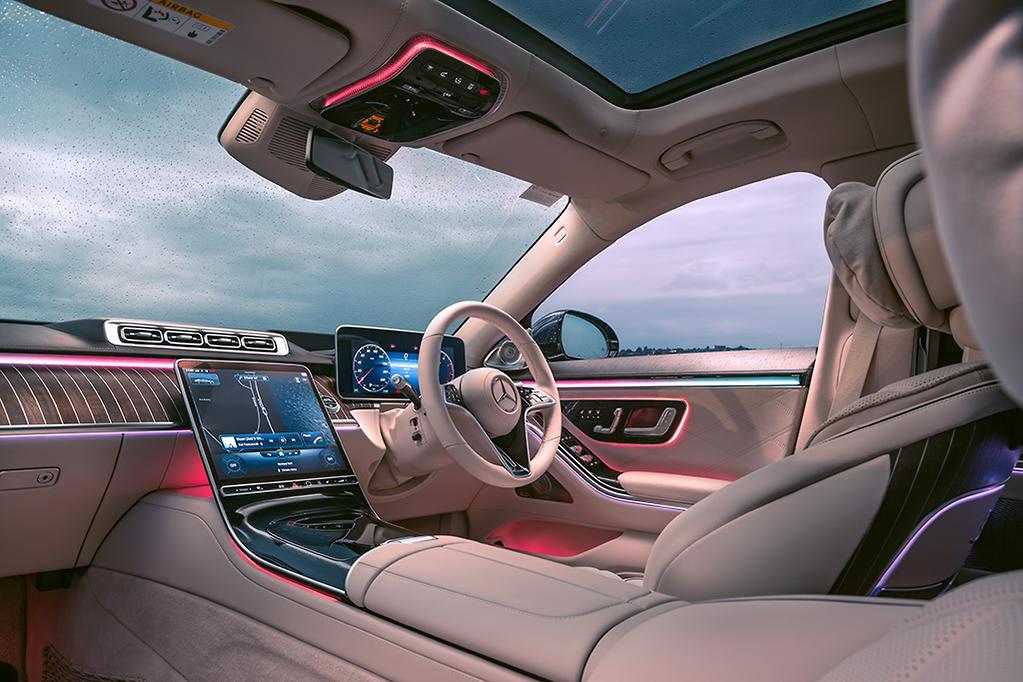
    In keeping with Maybach tradition, the focus continues to be on rear-seat comfort, with improvements in material quality and layout. The updated model also introduces the new Mercedes-Benz Operating System (MB.OS) in a Maybach, coupled with the latest iteration of the MBUX infotainment system.

    The MBUX Superscreen merges the central and passenger displays under a single glass panel and showcases Maybach-specific graphics with rose-gold accents. Rear passengers are treated to twin 13.1-inch displays, executive seating, a refrigerated compartment, and signature elements such as silver-plated champagne flutes.

    Mercedes-Benz has also unveiled new interior themes, featuring open-pore wood trims and a leather upholstery option crafted from sustainable materials. The ambient lighting has been upgraded with various themes and deeper integration with in-car functions.

    Technology and Performance Upgrades

    The enhanced S-Class introduces MB.OS, which reportedly offers a more sophisticated digital experience with AI-based features. The new virtual assistant supports more natural voice interactions and can access multiple integrated services. Parking systems have also seen improvements, supporting angled parking and enhanced 360-degree visualization.

    The 2026 Maybach S-Class lineup features upgraded six- and eight-cylinder engines with hybrid assistance. The Maybach S 580 is powered by a modified 4.0-litre V8 engine generating 530 bhp, coupled with a mild-hybrid system that offers an additional boost. The peak torque exceeds 750 Nm, with an added electric boost, and power is distributed to all four wheels through the standard 4MATIC system.

    The plug-in hybrid S 580 e pairs a six-cylinder petrol engine with an electric motor, offering an electric-only range of up to 100 km.

    The top-tier S 680 model, available in select markets, maintains the 6.0-litre twin-turbo V12 engine, producing over 600 bhp, making it one of the few luxury sedans globally to house a V12 engine.

    The S 580 performance stats reveal a 0-100 kmph acceleration in 4.5 seconds, with a top speed electronically restricted to 250 kmph.

    The Maybach Night Series S-Class

    The Maybach Night Series S-Class is essentially a package that adds a darker theme to the S-Class. This package offers a variety of subdued exterior finishes, including shades of grey, black, and white, along with a two-tone obsidian black and Mojave silver option. For the first time, buyers can select a new Nautic Blue metallic paint.

    Consistent with this theme, typical chrome elements are replaced with dark chrome details. The car rides on a set of black alloy wheels optimized for aerodynamics and adorned with Maybach logos. The Night Series extends its unique identity to the interior, offering a choice between black Maybach Exclusive Nappa leather and a Manufaktur deep white-and-black pearl interior.

    The new Maybach S-Class will be available to order in select European markets from March 25, 2026. The updated Maybach S-Class is expected to arrive in India following the standard S-Class, with a launch anticipated sometime in 2027.

    It is expected that, like the current model, the Maybach S 580 will be locally assembled. Prices are predicted to exceed Rs 3 crore, given the technology and feature upgrades. For comparison, the current Maybach S-Class starts from Rs 2.80 crore (ex-showroom).

    Questions & Answers

    What new features does the 2026 Maybach S-Class have?
    The 2026 Maybach S-Class comes with subtle styling modifications, improved materials and layout in the cabin, a more powerful V8 engine, and a host of technology upgrades, including the new Mercedes-Benz Operating System (MB.OS) in a Maybach for the first time.

    What is the performance of the 2026 Maybach S 580?
    The 2026 Maybach S 580 is powered by a modified 4.0-litre V8 engine delivering 530 bhp. It has a peak torque of over 750 Nm and can accelerate from 0-100 kmph in 4.5 seconds, with a top speed electronically limited to 250 kmph.

    When will the 2026 Maybach S-Class be available?
    The new Maybach S-Class will be available to order in select European markets from March 25, 2026. It is expected to arrive in India following the standard S-Class, with a launch anticipated sometime in 2027.

  • LS Cable & System Spearheads Submarine Power Grid Expansion in Malaysia: Aims for Dominance in Booming Asia-Pacific Subsea Cable Market

    LS Cable & System Spearheads Submarine Power Grid Expansion in Malaysia: Aims for Dominance in Booming Asia-Pacific Subsea Cable Market

    The initiative’s main objective is to guarantee a reliable power supply by enlarging a 132kV-grade underwater power grid between the Malaysian peninsula and Langkawi Island, a well-known tourist hotspot.

    LS Cable & System prevailed over several international corporations to secure this second Langkawi venture, following an earlier project. The firm emphasized its capacity to manage intricate turn-key projects, supervising everything from design and material provision to installation and construction. This was over and above the basic cable supply, thus demonstrating its superior engineering proficiency.

    It is predicted that the worldwide underwater cable market will increase to KRW 34 trillion by 2030. The Asia-Pacific region, renowned for its abundant islands, is likely to be at the forefront of this surge with KRW 20 trillion. At present, Southeast Asia is diligently working on large-scale underwater power grid projects in an effort to set up the ASEAN Power Grid (APG). The primary goal of the APG is to interconnect national power infrastructures.

    LS Cable & System is poised to use this project as a stepping stone to boost its international order references and quicken its growth in the local market. The company plans to join forces with LS Marine Solution and other associates on large national projects. One example of such a project is the West Coast energy highway, for which a bidding notice is expected to be released in the first half of this year.

    LS Cable & System stated, “We are establishing credibility in the global market, built upon previous project implementation experience and our technical prowess. We are determined to strengthen our leadership in the underwater cable market by successfully executing domestic and international backbone network construction projects, leveraging our proven turn-key competencies.”

    Questions & Answers

    What is the primary goal of the project?
    The project’s main goal is to ensure a reliable power supply by expanding a 132kV-grade underwater power grid between the Malaysian peninsula and Langkawi Island.

    What is LS Cable & System’s role in the project?
    LS Cable & System is responsible for managing complex turn-key projects, including design, material supply, laying, and construction.

    What future plans does LS Cable & System have?
    LS Cable & System plans to use this project to enhance its international order references and accelerate its expansion into the domestic market. It also intends to collaborate with LS Marine Solution and other partners on large-scale national projects.

  • Revolutionizing Telco Strategy: The Power of Mobile-First in Asia’s Data Consumption Boom

    Revolutionizing Telco Strategy: The Power of Mobile-First in Asia’s Data Consumption Boom

    The Asia Pacific continues to be a global hotspot for mobile innovation, acting as a catalyst for change in telco strategies due to the growing data consumption rate in the region.

    According to the Ericsson Mobility Report, global mobile network data traffic grew approximately 20% annually by the end of 2025. Significantly, 5G accounted for nearly one-third of the total mobile data traffic, a percentage that is swiftly increasing in the Asia Pacific region.

    It’s not just the volume of data consumption that’s driving change. The way people use data, the timing, and the reasons for their usage are also contributing factors. The increase in video-oriented lifestyles, app-based commerce, remote work, and digital public services have transformed mobile connectivity into a basic necessity. Thus, Asia’s telcos are realizing that their success isn’t merely about pursuing traffic growth but rather managing experience, intelligence, and value.

    Asia’s Data Growth Continues Unabated

    The Asia Pacific region contributes significantly to global mobile data growth, primarily due to its size. The region makes up over half of global mobile subscribers and continues to add new users, with total mobile data traffic set to quadruple by 2030.

    While mature markets in other parts of the world begin to level off, Asia’s blend of high population density, affordable smartphones, and aggressive data pricing keeps demand on the rise. For providers, this growth presents both an opportunity and a challenge. Although traffic volumes are increasing, the economics of delivering that data are becoming more complex.

    Video’s Impact on Network Regulations

    The most noticeable change is the emergence of a video-first economy, with traffic expected to account for 76% of all mobile data by the end of 2026. Short-form video, particularly TikTok, has become the new norm for mobile usage, necessitating an evolution of providers like AIS to become a “Cognitive Tech-Co”. This new model uses real-time AI analytics to autonomously adjust network capacity while partnering with platforms to cater to the high-data demands of the burgeoning tourist sector.

    Furthermore, providers like SK Telecom in South Korea have recognized that managing these fluctuations requires more than traditional capacity upgrades. AI-driven traffic forecasting, real-time optimization, and automated network controls are becoming essential. The network must now be capable of thinking, adapting, and responding independently.

    Hyper-Personalization and AI

    Telcos are incorporating hyper-personalization and AI into their strategies to differentiate their offerings, enhance engagement, and capture greater lifetime value. For example, Reliance Jio analyzes usage patterns across its 300+ million subscribers to provide personalized plans, content bundles, and contextual offers in real time.

    Additionally, Telkomsel uses AI-driven analytics and its chatbot to personalize interactions. Similarly, Airtel uses AI-based recommendation engines to push context-aware data and retention offers, improving engagement in high-churn segments. These shifts indicate that erratic data spikes driven by social trends or large-scale gaming releases are now managed using generative AI and machine learning.

    5G as National Infrastructure

    The growth in mobile data consumption in Asia has elevated 5G to the status of national infrastructure, as governments increasingly view high-capacity, low-latency networks as crucial to economic resilience, industrial digitization, and digital inclusion. As a result, telcos are restructuring their strategies around network intelligence to position themselves as foundational platforms for digital economies.

    Monetizing Experience Rather Than Megabytes

    In more developed markets like Australia, operators are experimenting with new ways to generate value from data-hungry users. Optus, for instance, has moved towards speed-tiered broadband plans, prioritizing consistent performance during peak periods rather than data caps. This shift reflects a wider understanding that across the Asia Pacific, customers are willing to pay for quality, low latency, high reliability, and predictable performance, especially for cloud gaming, remote work, and UHD streaming.

    Looking Ahead: Towards an Intelligent, Hybrid Future

    As Asia’s mobile-first journey moves forward, the next step will likely involve a deeper integration between terrestrial networks and satellite connectivity. The ultimate aim is to redefine telco strategy across Asia, competing not just on coverage or price but on the ability to transform networks into intelligent, hybrid platforms.

    Questions & Answers

    What is the key factor driving the transformation of Asia’s telco strategies?
    The key factor is not just the volume of data people consume, but how, when, and why they use it. Trends like video-led lifestyles, app-based commerce, remote work, and digital public services have made mobile connectivity a basic utility.

    Why is the rise of a video-first economy significant for telcos?
    The rise of a video-first economy is significant because it’s projected to account for 76% of all mobile data by the end of 2026. This surge in video consumption requires telcos to adjust their network capacities and strategies to accommodate the increased traffic.

    What does the future look like for telco strategies across the Asia Pacific?
    The future of telco strategies across the Asia Pacific will involve deeper integration between terrestrial networks and satellite connectivity. Telcos will compete not just on coverage or price but on their ability to transform networks into intelligent, hybrid platforms.

  • Vietnam’s First $1.4bn LNG Power Cluster to Ignite New Era of Clean Energy in 2022

    Vietnam’s First $1.4bn LNG Power Cluster to Ignite New Era of Clean Energy in 2022

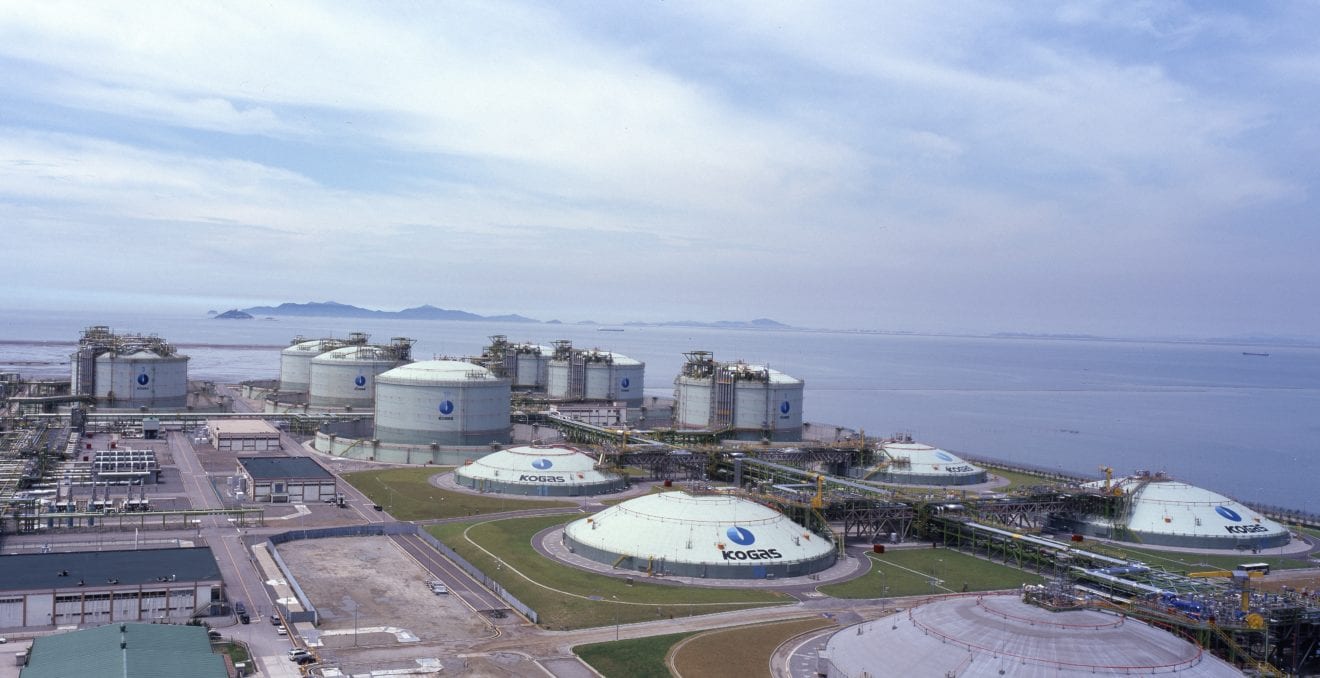
    Vietnam’s first liquefied natural gas (LNG) power cluster, constructed at a cost of US$1.4 billion, is set to commence commercial operations on January 1. The Nhon Trach 3 and 4 LNG-fired plants are located in the southern province of Dong Nai and were launched by state-owned PV Power on a recent Sunday.

    Specifications of the Power Plants

    The two plants, which are designed to utilize imported LNG, boast an annual capacity of generating nine billion kilowatt-hours of electricity. The testing phase of the plants has been concluded, and they have received the necessary licensing to supply power to the grid, according to Nguyen Duy Giang, the Deputy General Director of PV Power, a subsidiary of PetroVietnam.

    Vietnam Electricity has pledged to purchase a minimum of 65% of the plants’ power output for a span of 10 years. This agreement is expected to yield revenues of approximately US$950 million (VND25 trillion) each year for the power plants. Additionally, their technology is designed to facilitate the use of hydrogen, exclusively if required.

    Significance of the LNG Power Cluster

    In a statement, Prime Minister Pham Minh Chinh recognized the significant role that the LNG power cluster plays in bolstering national energy security. He further encouraged the exploration and development of clean energy sources as a means of powering the country’s proposed investments in data centers, digital transformation initiatives, and semiconductor plants.

    As part of Vietnam’s revised power development plan, which was approved in April, LNG-to-power capacity is set to reach 22.5 gigawatts by 2030, a significant increase from less than 1 GW at present. This capacity would account for approximately 10% of the nation’s power mix.

    Questions & Answers

    What is the expected annual capacity of the Nhon Trach 3 and 4 LNG-fired plants?
    The plants are expected to generate nine billion kilowatt-hours of electricity annually.

    What is the financial outlook for these plants?
    Vietnam Electricity has committed to buying at least 65% of the power output from these plants for 10 years, which could generate about US$950 million in revenue each year.

    What contribution is expected from LNG-to-power capacity as per Vietnam’s revised power development plan?
    According to the revised plan, by 2030, LNG-to-power capacity is projected to reach 22.5 gigawatts, contributing roughly 10% to the country’s power mix.

  • Rosatom’s Advanced Nuclear Power Tech to Fuel Vietnam’s Energy Future: New Combined Efforts Revealed

    Rosatom’s Advanced Nuclear Power Tech to Fuel Vietnam’s Energy Future: New Combined Efforts Revealed

    Rosatom, Russia’s state-owned nuclear company, has proposed offering its cutting-edge technology to assist in the construction of Vietnam’s Ninh Thuan 1 nuclear power plant. In a recent phone call, Rosatom’s CEO, Alexey Likhachev, assured Vietnamese Prime Minister Pham Minh Chinh of the company’s commitment to reinforce collaboration and achieve the high-level agreements set between both countries.

    Rosatom’s Planned Delegation to Vietnam

    Rosatom has expressed interest in sending a delegation to Vietnam. The objective of this initiative is to discuss the potential transfer and development of nuclear technology for peaceful applications. Lately, Vietnam has been engaged in discussions with Russia about the Ninh Thuan 1 plant’s construction. This plant is one of two nuclear facilities planned to be developed within the country over the next five years.

    Strengthening Bilateral Relations

    Prime Minister Chinh has previously met with Russian President Vladimir Putin and PM Mikhail Mishustin to discuss the partnership. During his call with Rosatom, Chinh acknowledged Russia’s valuable contributions to the energy sector in Vietnam. This includes the peaceful use of nuclear energy, the education of scientists and experts, and the establishment of an essential foundation for Vietnam’s current nuclear energy sector.

    According to Chinh, Vietnam regards its Comprehensive Strategic Partnership with Russia highly and considers Russia as one of its key partners. The nation hopes to continue collaborating with Russia in all areas, including the peaceful utilization of nuclear energy. This collaboration is targeted not only for mutual benefit, but also to stimulate regional and global development.

    Requested Assistance from Rosatom

    Chinh has sought Rosatom’s assistance for strategic initiatives such as the Ninh Thuan 1 nuclear power plant and the Centre for Nuclear Science and Technology Research. Additionally, he has asked for assistance in overcoming challenges that may hinder the progress of both countries. He also requested Rosatom’s help in training human resources and fortifying the management of the nuclear industry. This includes developing other essential nuclear energy applications like nuclear medicine and irradiation.

    Vietnam is planning to construct two nuclear power plants in Khanh Hoa’s central province as part of its efforts to diversify energy sources. This revives the plan to develop nuclear energy, a plan that was initially discarded in 2016.

    Questions & Answers

    What is the role of Rosatom in Vietnam’s nuclear energy development?
    Rosatom, Russia’s state-owned nuclear company, has proposed to assist in the construction of the Ninh Thuan 1 nuclear power plant in Vietnam, offering its advanced technology and expertise.

    What are the key components of the partnership between Vietnam and Russia?
    The partnership includes the peaceful use and development of nuclear energy, training of scientists and experts, and strategic initiatives like the Ninh Thuan 1 nuclear power plant and the Centre for Nuclear Science and Technology Research.

    What is Vietnam’s future plan for nuclear energy?
    Vietnam plans to develop two nuclear power plants in the central province of Khanh Hoa. This is part of its strategy to diversify its energy sources and revive its previous plans for nuclear energy development.

  • “PepsiCo Ignites Power Play with Mercedes F1 Team: A Trio of Iconic Brands Gear Up for 2026 Partnership”

    “PepsiCo Ignites Power Play with Mercedes F1 Team: A Trio of Iconic Brands Gear Up for 2026 Partnership”

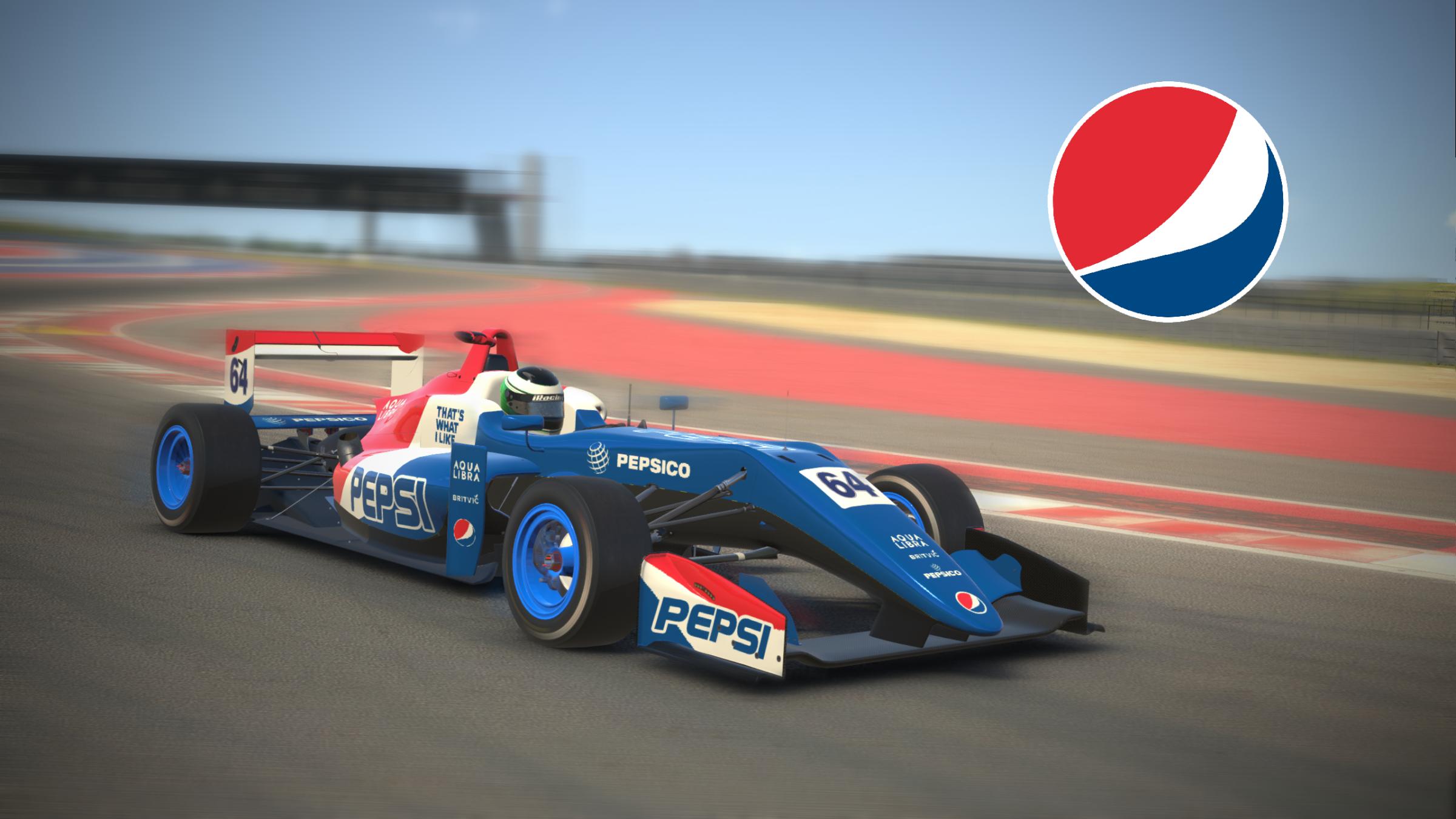
    PepsiCo has recently unveiled a global alliance with the Mercedes-AMG Petronas Formula One Team that will commence in 2026. This marks a first for the company, as three of its brands, Gatorade, Sting, and Doritos, will collectively collaborate with a Formula 1 team. This enduring partnership will incorporate these brands into various aspects of the team’s operations, including hydration plans and fan interaction initiatives.

    Uniting Performance, Energy, and Flavor

    Eugene Willemsen, the CEO of International Beverages at PepsiCo, expressed enthusiasm regarding the partnership. He noted that it symbolizes the unification of performance, energy, and flavor. The collaboration brings together three of PepsiCo’s most prominent brands and the world’s most successful Formula 1 team, both of which share a commitment to performance, innovation, and excellence.

    Gatorade will provide backing for the team’s hydration and performance programs. Sting, on the other hand, will concentrate its efforts on high-growth markets that coincide with the sport’s expansion. Doritos will augment fan experiences and worldwide activations associated with Grand Prix events.

    Alignment of Objectives

    Toto Wolff, the team principal and CEO of Mercedes-AMG Petronas F1, stated that the partnership mirrors the alignment between the team’s objectives and PepsiCo’s brand portfolio. In his words, the brands perfectly align with the team’s belief of chasing ultimate performance through innovation and excellence. He highlighted Gatorade’s expertise in sports science, Sting’s vibrant energy, and Doritos’ cultural significance each as bringing something unique to the partnership. Together, they forge a partnership that not only fortifies the team’s performance, but also amplifies the experience for their global fan base.

    This partnership will utilize the profiles of drivers George Russell and Kimi Antonelli. Russell, with his reliable track record and extensive fan base, together with Antonelli, a representative of the incoming generation of drivers, will be featured in communications, behind-the-scenes content, and fan interaction programs with the three brands.

    Richard Sanders, the Chief Commercial Officer of the Mercedes-AMG Petronas F1 Team, lauded the partnership. He stated that their proficiency in this sector will assist in delivering fantastic experiences for their guests and fans, both on and off the track. He added that this partnership brings real value to how they function on a daily basis and how they connect with people around the world.

    Questions & Answers

    What are the main PepsiCo brands involved in this partnership?
    The three main brands involved are Gatorade, Sting, and Doritos.

    What roles will Gatorade, Sting, and Doritos play in the partnership?
    Gatorade will support the team’s hydration and performance programs, Sting will focus on high-growth markets aligned with the sport’s growth, and Doritos will contribute to fan experiences and global activations linked to Grand Prix events.

    Which drivers’ profiles will the partnership utilize?
    The partnership will leverage the profiles of drivers George Russell and Kimi Antonelli.

  • 5G Power Play: How China, South Korea, and Singapore Race to Champion Smart, Ultra-Fast Networks

    5G Power Play: How China, South Korea, and Singapore Race to Champion Smart, Ultra-Fast Networks

    Asia’s broadband and mobile landscapes are quickly transforming, spurred on by economic goals, digital sovereignty, and leadership in industries powered by artificial intelligence (AI). Significant investments are being poured into denser radio networks, more rapid fixed connections, and smart AI automation, particularly in China, South Korea, and Singapore. But what advantages do these leaders hope to reap from such extensive efforts?

    The Economic Imperative

    In the Asia-Pacific region, mobile technologies have already become a major economic cornerstone. The sector was responsible for approximately $950 billion and 5.6% of the regional GDP in 2024, and these numbers are expected to rise with the expansion of 5G.

    Rapid strides are being made in China to roll out both 5G and 5G-Advanced (5G-A) networks. The country now hosts over 4.486 million 5G cell sites, accounting for 35.3% of all mobile base stations, as of May 2025. In just the first five months of that year, 235,000 new 5G base stations were installed, highlighting the government’s ongoing dedication to expanding connectivity. Furthermore, China’s move toward 5G-A signifies a shift from basic connectivity to intelligent networking.

    South Korea’s 5G rollout is similarly comprehensive and widespread. By the third quarter of 2024, the country had approximately 36.1 million 5G connections, and operators had achieved nationwide 5G coverage that same year. Additionally, South Korea ranks highest in terms of 5G infrastructure density.

    Singapore, too, is making substantial strides in the 5G domain. By early 2024, key operators such as StarHub reported over 99% outdoor 5G coverage. The city-state has also dedicated SGD 25 billion (~USD 18 billion) in R&D funding to back enterprise testbeds for 5G in sectors like smart estates, Industry 4.0, and urban mobility.

    The Consumer Imperative

    Both consumers and businesses in Asia are pressing for lower latency, higher capacity, and full coverage. Emerging technologies such as cloud gaming, immersive video, and factory automation depend on low-latency, robust connections and are transitioning to actual deployment.

    In the race for speed, South Korea and Singapore often rank among the fastest worldwide. High speeds are essential to support business workloads, AR/VR services, and AI tasks.

    In China, where average 5G download speeds exceed 400 Mbps, operators like China Mobile and China Unicom report an increase in customer satisfaction and a reduction in churn rates as users upgrade to premium 5G plans.

    Networks are not only becoming faster but also more adaptive. Vendors and carriers are incorporating AI into the radio access network, core, and operations stacks, supporting functions like energy optimization, traffic prediction, and self-healing.

    The Geopolitical Imperative

    Networks play a critical role as key geopolitical assets. As such, governments are diversifying their suppliers and promoting investments in backup cables, localized cloud and edge computing, and corporate cloud services. Security and economic objectives further propel the demand for faster, more reliable networks.

    The advent of software as the primary differentiator in a market where hardware has become largely standardized, along with subsidies and targeted policies, is accelerating deployment. The large-scale rollouts in China underscore how favorable policy can rapidly reduce costs and expand coverage.

    A Pragmatic Race with High Stakes

    Rapid progress, however, comes with its own set of challenges. Densely packed networks are expensive, and some countries still grapple with spectrum and backhaul limitations. AI networks are complex to manage, and privacy, localization, and cybersecurity rules introduce additional regulatory hurdles.

    Yet, the pursuit by China, South Korea, and Singapore of the fastest, smartest networks revolves around maintaining economic competitiveness, enabling AI and cloud services, achieving digital resilience and independence, and unlocking future business verticals.

    Network investment has now become a central pillar for economic growth and national strategy. AI and smart infrastructure drive continuous upgrades; resilience and digital sovereignty guide policy-making; and vendor competition hastens rollout. The real victors in this race won’t simply have the highest speeds, but the ability to balance speed, intelligence, regulatory clarity, and expenditure effectively.

    By pushing forward with 5G and 5.5G leadership, China, South Korea, and Singapore are poised to benefit economically through new digital industries and productivity growth, satisfy consumer demands for faster, smarter connectivity, and solidify their geopolitical influence as global frontrunners in next-generation technology.

    Questions & Answers

    What is driving the rapid evolution of Asia’s broadband and mobile landscape?
    Economic ambitions, digital sovereignty, and leadership in AI-powered industries are the key drivers behind the swift transformation of Asia’s broadband and mobile landscape.

    How is 5G contributing to the economies of China, South Korea, and Singapore?
    5G is expected to boost the economies of these countries through the creation of new digital industries, productivity growth, and by meeting consumer and business demands for faster, smarter connectivity.

    What challenges are being faced in the deployment of 5G and AI networks?
    The key challenges include the high costs of dense network deployments, limitations related to spectrum and backhaul, complexity of managing AI networks, and regulatory hurdles related to privacy, localization, and cybersecurity.

  • Indonesian Power Players Grab and GoTo Under Government Review for Potential Market-Shaking Merger

    Indonesian Power Players Grab and GoTo Under Government Review for Potential Market-Shaking Merger

    Possible discussions are currently underway in Indonesia regarding a potential merger or acquisition involving Grab, a ride-hailing and food delivery company, and its competitor GoTo, according to a statement made by the presidential spokesperson on Friday.

    The Indonesian government sees the ride-hailing sector as a strategic factor in generating jobs and boosting the economy. Gojek, a subsidiary of GoTo, alone employs more than 3.1 million online riders. Both Grab and GoTo have long been major players in the Indonesian market.

    If a merger or acquisition does take place, the resulting entity would command a staggering market share of over 91 per cent in Indonesia, based on information provided by data analytics firm Euromonitor International.

    An official announcement regarding the possible merger or acquisition will be made shortly, according to Prasetyo Hadi, an Indonesian government spokesperson.

    “Online riders are the heroes of our economy, propelling it forward,” Hadi declared.

    There has been no immediate comment from Grab or GoTo in response to request for statements.

    Previous reports suggested that Grab, which is listed on Nasdaq, was planning to negotiate a deal to acquire GoTo, a smaller rival, in the second quarter of this year and had engaged advisers to assist with the proposed acquisition. According to a source close to the matter, such a deal could value GoTo at approximately US$7 billion.

    As per its 2024 annual report, GoTo is 73.90 per cent owned by foreign investors, including SoftBank Group and Taobao China Holding, a subsidiary of China’s Alibaba Group. The remaining stakes are held by Indonesian investors.

    Questions & Answers

    What is the potential impact of Grab and GoTo’s merger or acquisition on the Indonesian market?
    If Grab and GoTo merge or if one acquires the other, the resulting entity would control over 91% of the Indonesian market, according to data from Euromonitor International.

    Who are the main investors in GoTo?
    Foreign investors, including SoftBank Group and Taobao China Holding, own 73.90% of GoTo. The remainder is owned by Indonesian investors.

    What was GoTo’s potential value earlier this year?
    Earlier this year, a source close to the matter mentioned that a potential deal could value GoTo at around US$7 billion.

  • China’s Power Revolution: Solar Energy Sparks Remarkable Growth in the Retail Sector

    China’s Power Revolution: Solar Energy Sparks Remarkable Growth in the Retail Sector

    As the world of retail continues to evolve, Asia stands at the forefront of innovation, particularly in the realm of fashion. A recent report underscores this rapid transformation, revealing that the region’s online fashion market is projected to reach a staggering $45.8 billion by 2025. This explosive growth highlights not just a change in consumer behavior but the critical role of technology in shaping the shopping experience.

    The Digital Shift: A New Era for Retail

    Across Asia, digital commerce is no longer a novelty; it has become a necessity. In markets like China and India, the penetration of e-commerce has fundamentally altered the landscape, with mobile shopping emerging as a dominant trend. Recent figures show that mobile transactions in these countries are expected to account for nearly 70% of all online retail sales. If you’ve ever tried to decide between shopping in pajamas or squeezing into your best jeans, the choice is clear—comfort reigns supreme.

    Consumer Trends on the Rise

    The report highlights a fascinating shift in consumer preferences. Today’s shoppers are not just searching for the latest styles; they crave authenticity and sustainability. Brands that can effectively convey their commitment to ethical practices are winning consumer loyalty. Moreover, social media is increasingly serving as a critical touchpoint—platforms like Instagram and TikTok are not just influencing purchases but are also becoming essential venues for brands to engage with their audience.

    Challenges Amid Growth

    Despite its promising future, the retail sector in Asia faces significant challenges. Supply chain disruptions and rising operational costs are keeping many executives on their toes. Yet, this environment is also ripe for innovation, with companies investing in technology and logistics to streamline operations. As retailers rethink their strategies, agility and adaptability will likely become the cornerstones of success.

    Looking Ahead: What’s Next for Asia’s Retail Scene?

    As we peer into the future, there’s no doubt that Asia will continue to lead in retail innovation. With a younger, tech-savvy demographic and an ever-growing appetite for online shopping, opportunities are plentiful. Retailers are likely to explore collaborations, enhance their digital platforms, and potentially venture into the metaverse, blurring the lines between virtual and physical shopping experiences, and who knows, maybe even launching a fashion line you can only wear in a digital world.

    Questions & Answers

    What is the expected value of Asia’s online fashion market by 2025?
    The online fashion market in Asia is projected to reach $45.8 billion by 2025.

    How significant are mobile transactions in Asia’s online retail sales?
    Mobile transactions are expected to account for nearly 70% of all online retail sales in major markets like China and India.

    What trends are shaping consumer behavior in the Asian retail market?
    Consumers are increasingly valuing authenticity and sustainability, with social media playing a vital role in influencing their purchasing decisions.